Jeremiah Sealed a Cave on Mount Nebo and No One Has Opened It
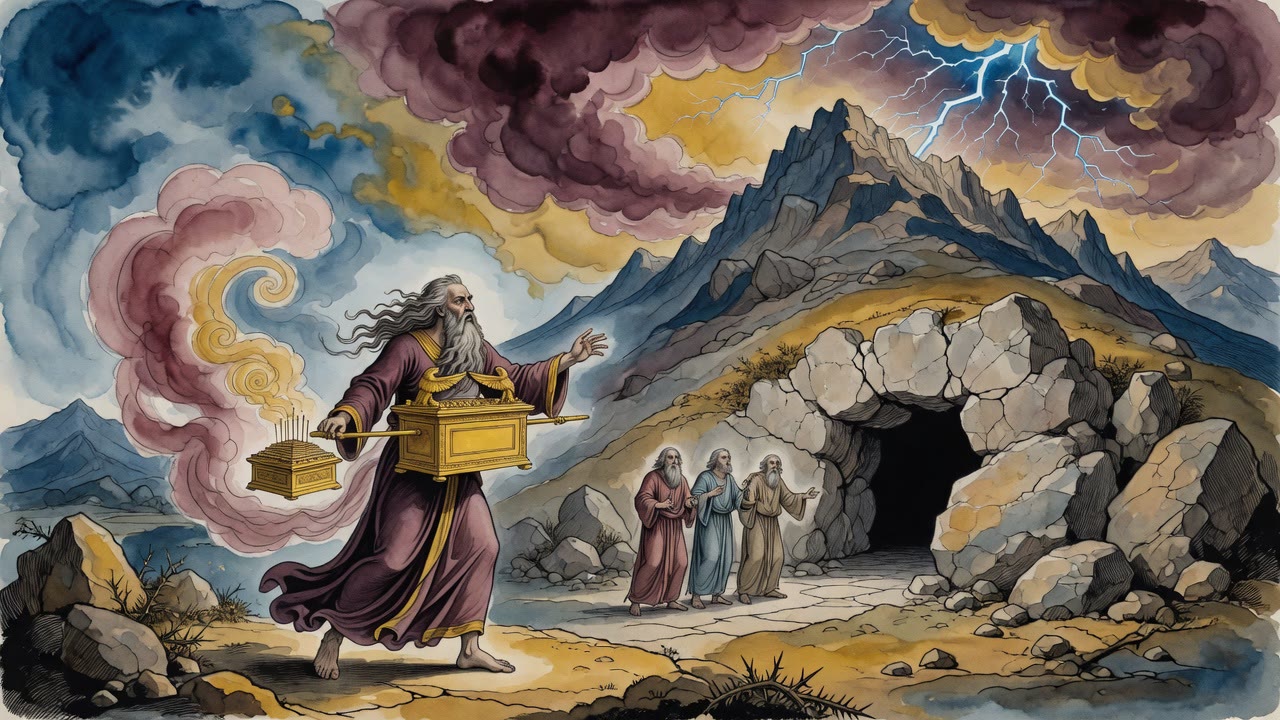
Jeremiah carried the Ark and the Altar of Incense to a sealed cave on Nebo. He told those who tried to mark the entrance they would never find it.
Table of Contents
 Click for full size
What Gets Lost and What Gets Hidden
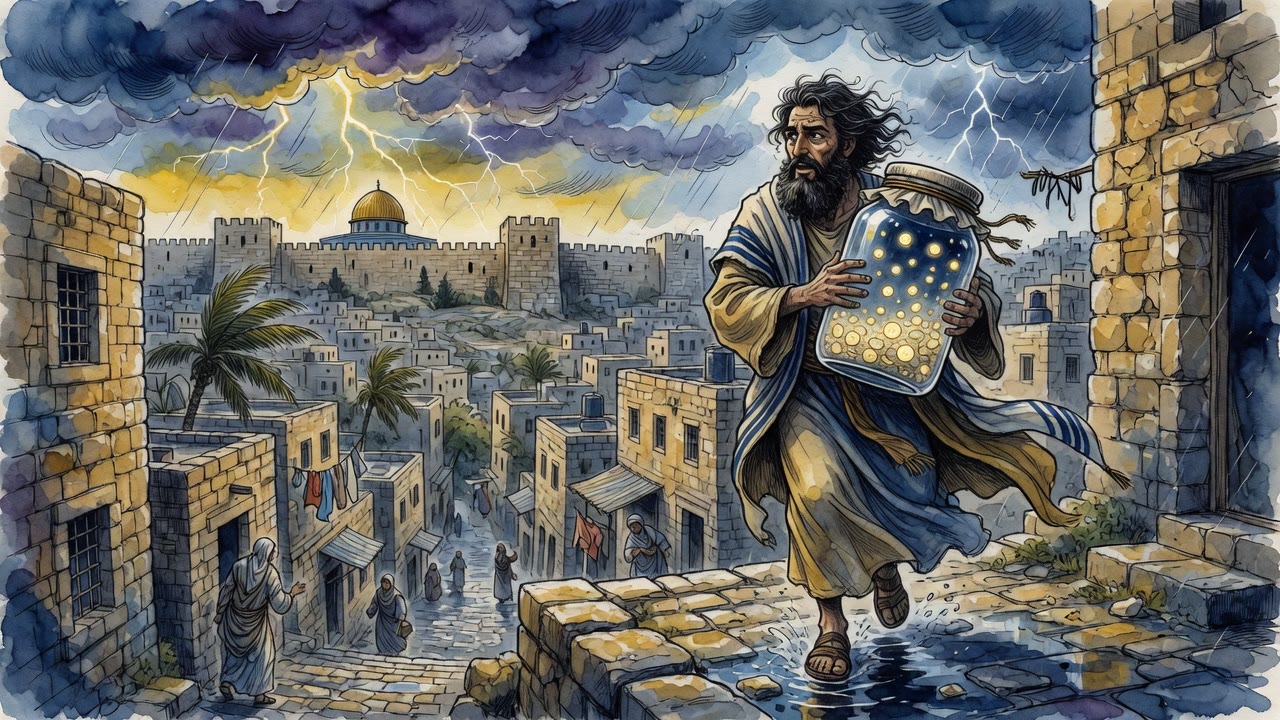
The Babylonians were coming. Jeremiah had been saying so for thirty years. He had said it in the Temple courts and been beaten for it. He had said it in letters to the exiles already taken to Babylon, telling them to plant gardens and pray for the city that had captured them because they would be there for seventy years. He had said it in laments so scorched with grief that they became their own book. And now it was 586 BCE and the armies were at the gates and everything in the Temple that could be carried would be carried away or burned, and Jeremiah had something to do before that happened.
He was not going to let them have the Ark.
The Mountain of Moses' Death
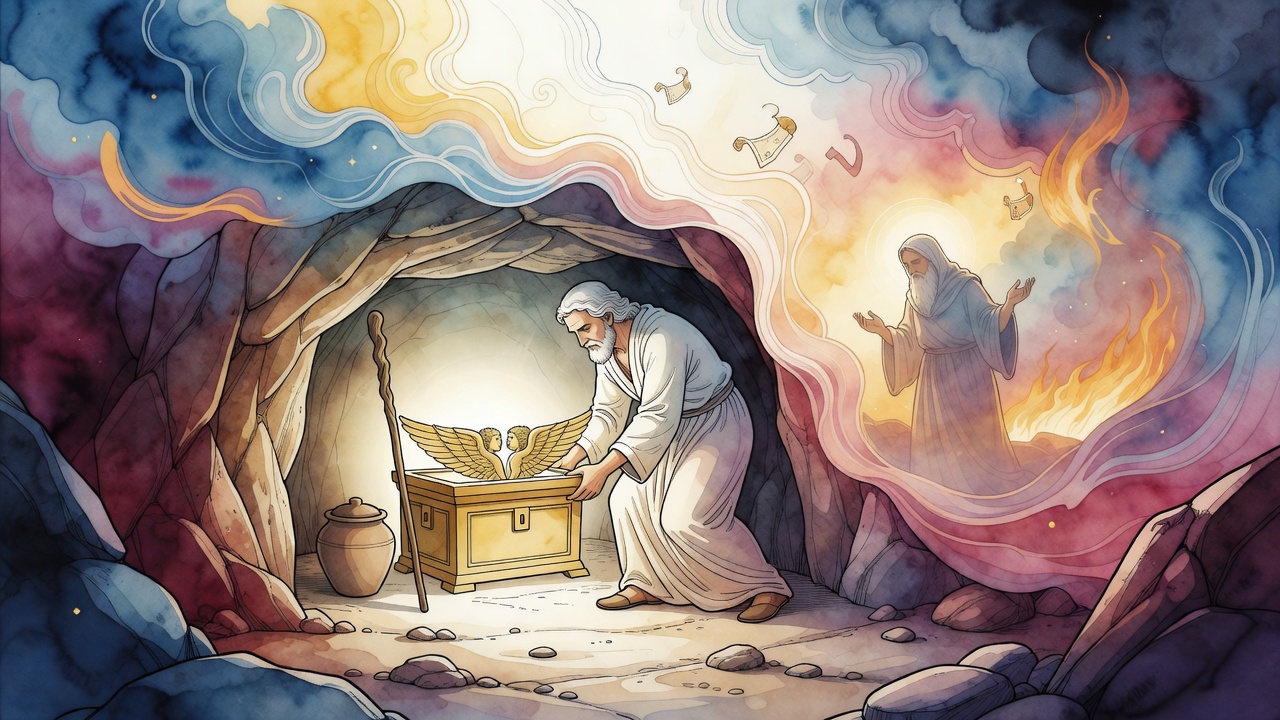
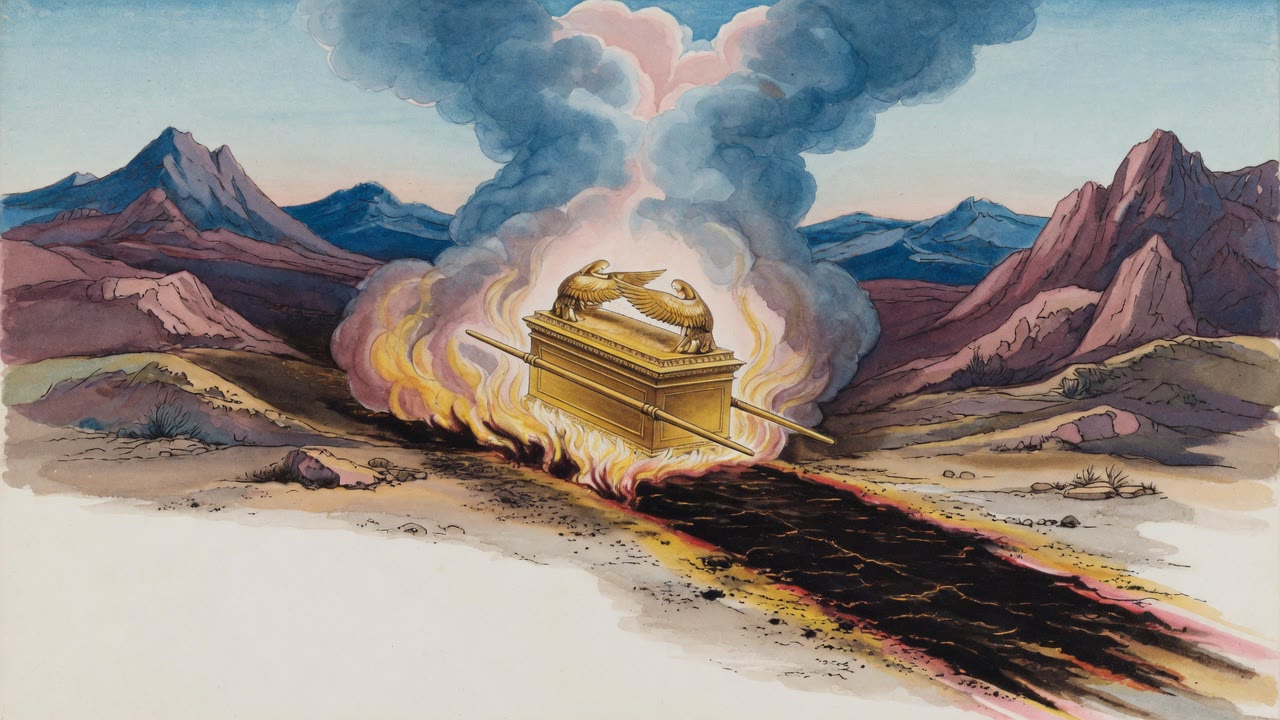
He took the Tent of Meeting. He took the Ark of the Covenant. He took the Altar of Incense. He carried them - or had them carried - east across the Jordan and up the slopes of Nebo, the mountain Moses had climbed to see the land of Canaan before he died, the mountain from which God had shown the old prophet everything he was not permitted to enter.
He found a cave. He brought the sacred objects inside. He sealed the entrance. The account that preserves this moment is sparse to the point of mystery: the entrance was closed, the place was made inaccessible, and that was all the record needed to say. The prophet who had tried for thirty years to warn his people about what was coming had now done what he could to protect what mattered most from the destruction he had predicted. The Ark went into the mountain where Moses had died looking at the promised land.
The Men Who Tried to Mark the Entrance
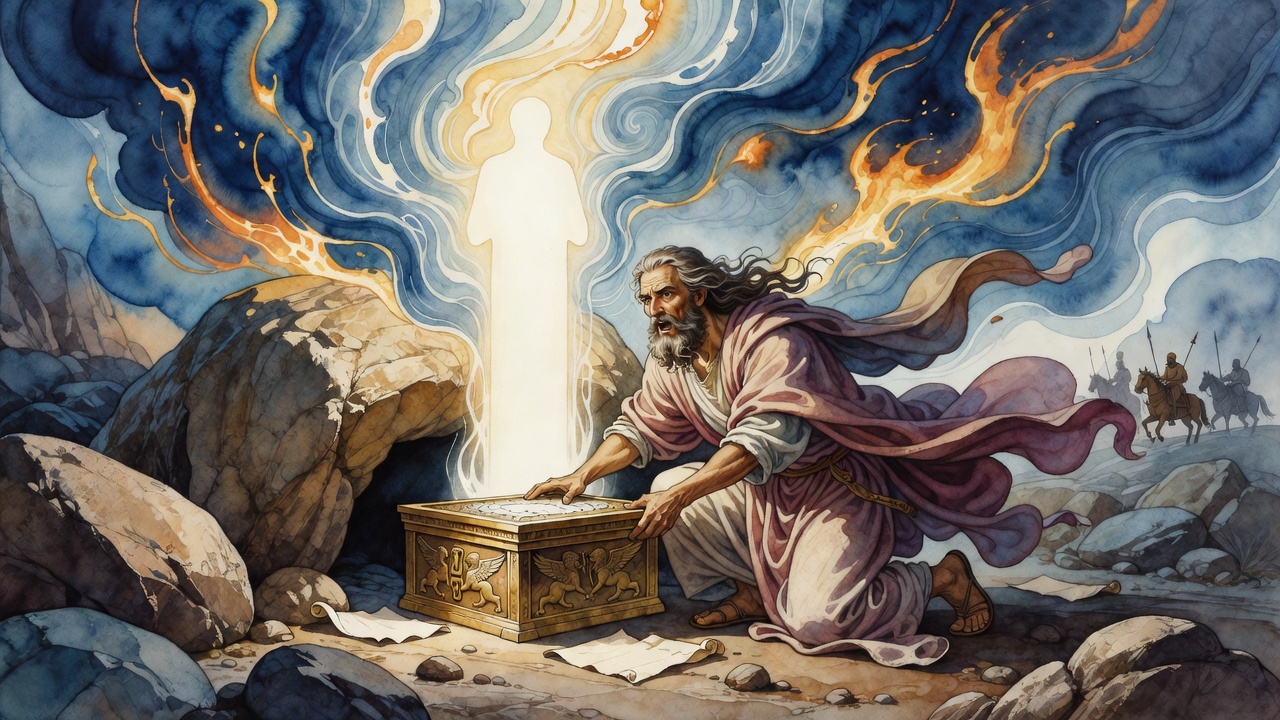
People who had come with Jeremiah tried to note the location. They made signs to themselves, marks they could return to. They wanted to be able to come back and retrieve the objects once the danger had passed, once the exile was over, once God had restored the people to the land. They turned to find the path they had used coming up.
They could not find it.
The cave that they had just walked into was no longer visible from the outside. The entrance they had passed through was gone, or the mountain had rearranged itself around it, or their eyes simply could not locate what they knew should be there. Jeremiah told them: the place shall remain unknown until God gathers his people again and shows mercy. It will be revealed. But the time of its revelation was not theirs to determine, and no effort of theirs would find it before that time came.
A Reproach at the Mountain
Some of those who had followed him were not satisfied with this answer. They had brought these objects here, they knew the mountain, they had been present at the sealing - surely they could find it again if they tried. Jeremiah reproached them. He said: the place shall be unknown until God gathers his people together and shows mercy. And when that happens, God will reveal it. And then the kabod, the glory of God, will appear, as it appeared in the time of Moses, as it appeared in the time of Solomon when the Temple was dedicated. Do not presume to find it before that time.
The cave has not been opened. No credible report of its discovery exists. Mount Nebo stands on the eastern plateau of Jordan, southeast of Jericho, and the cave that Jeremiah sealed is either there or it is not, and no human investigation has settled the question.
← All myths