Why Sarah Had to Be Barren Before the Covenant Could Begin
Sarah's barrenness was not a pause before the covenant. In Philo's reading and Bereshit Rabbah, the closed womb made Isaac impossible to explain without God.
Table of Contents
 Click for full size
The Body That Would Not Cooperate With the Promise
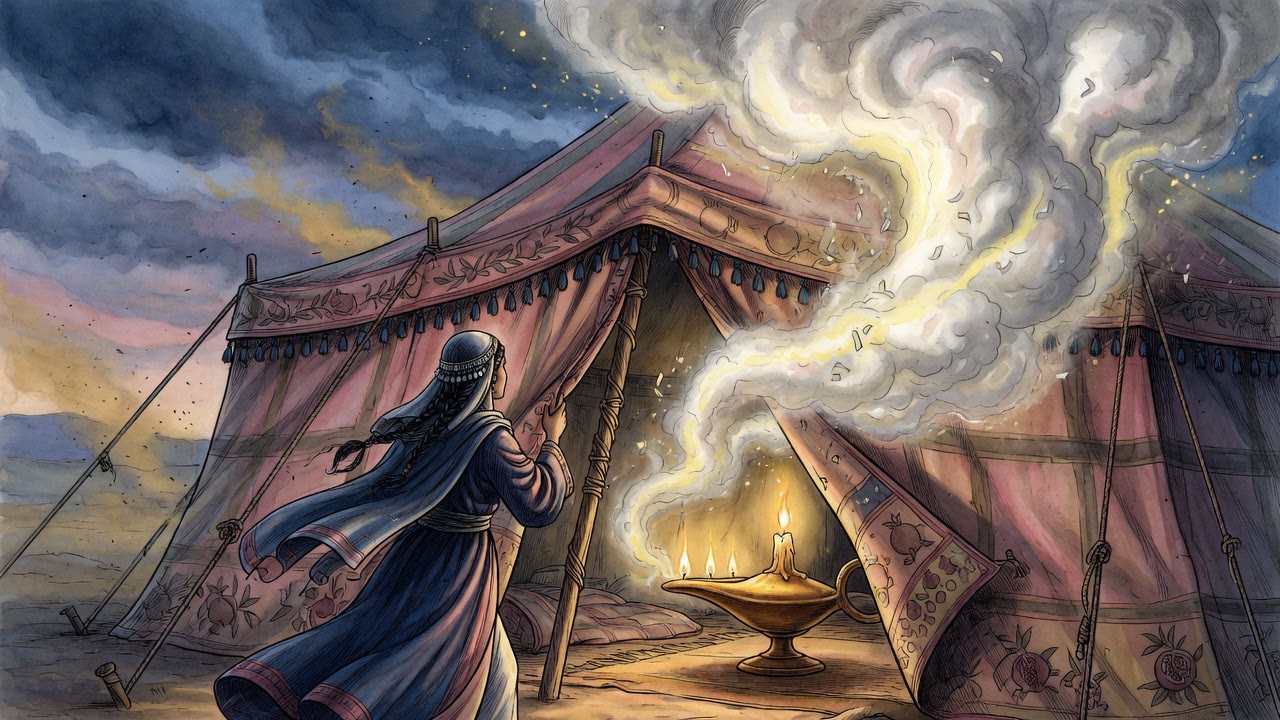
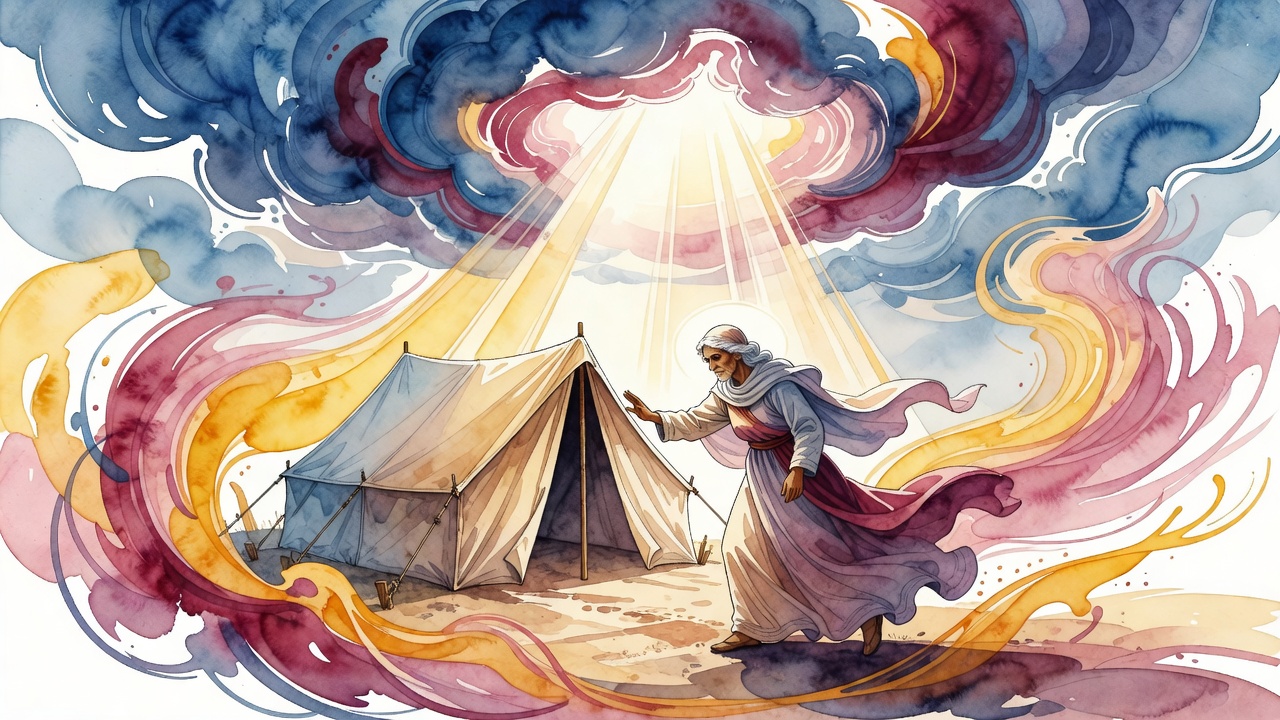
Sarah is ninety years old when the promise becomes physical. Before that, she is the woman who waits. God has been promising Abraham descendants, nations, kings, a future large enough to fill the earth. Sarah's body is the place where that future is supposed to begin, and her body gives no answer.
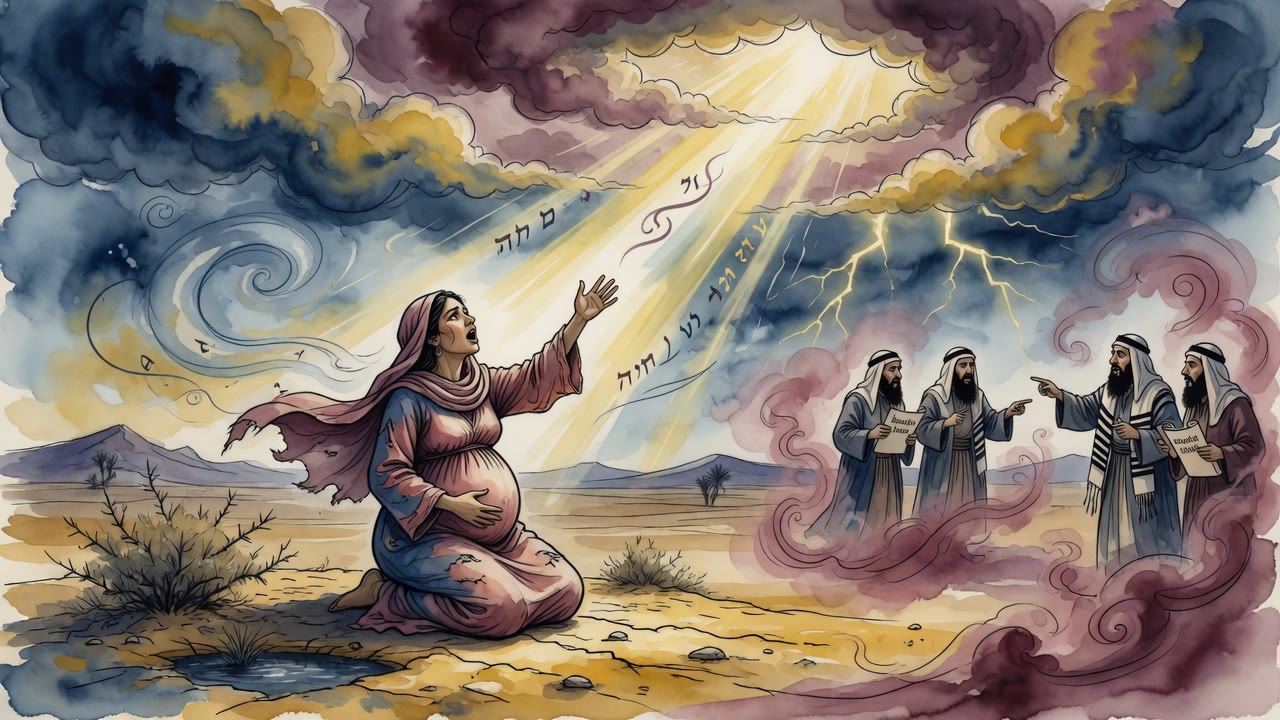
The story could have made her merely delayed: fertile once, then barren as she aged, the pregnancy coming late but not impossibly late. The Jewish sources made the barrenness do harder work. The Midrash of Philo, in its reading of the Sarah story, says her barrenness had to be named first so that the son born afterward would appear wonderful. Philo is not interested in consoling Sarah. He is interested in the mechanics of miracle.
A Fertile Woman Cannot Prove the Point
The claim in the Midrash of Philo, section 1:2, is structurally elegant. A fertile woman can bear a child through the ordinary order of the world. Biology, timing, the normal processes of conception and birth: these suffice. When a fertile woman bears a child, the child is wonderful in the ordinary sense, a new life, a continuation of the family, a blessing. But the birth does not prove anything about divine power. It is consistent with every natural explanation available.
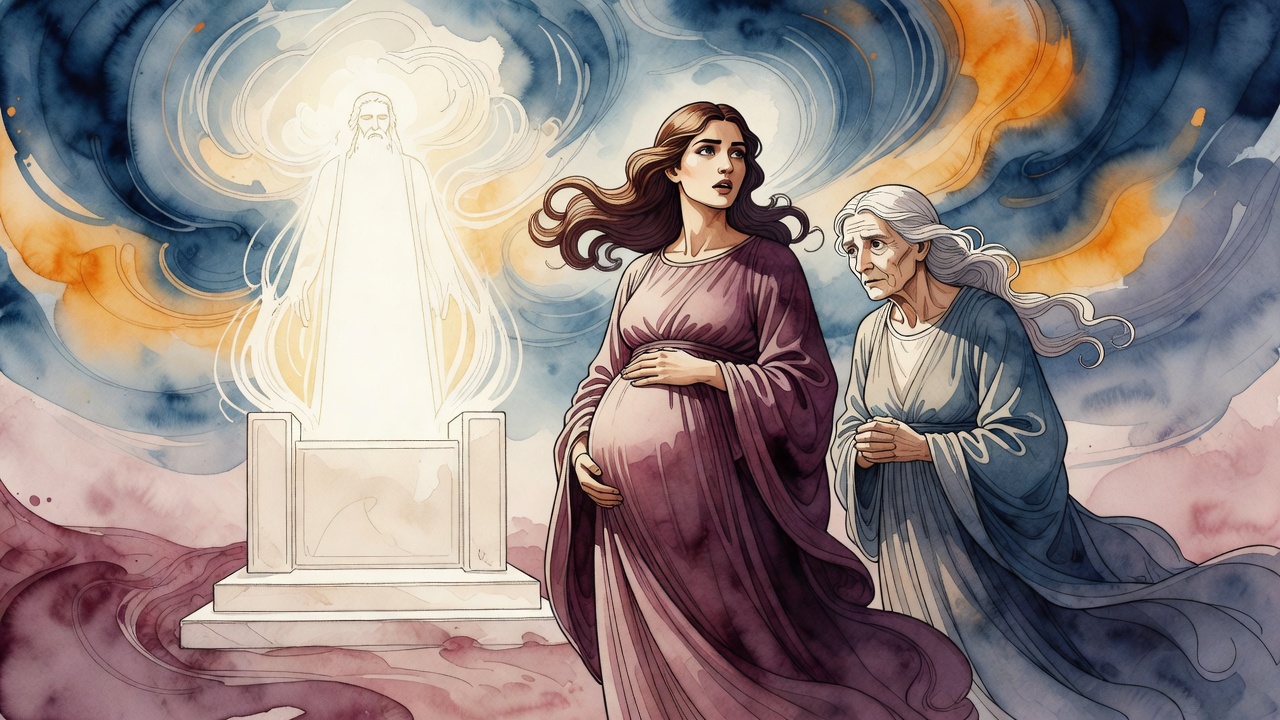
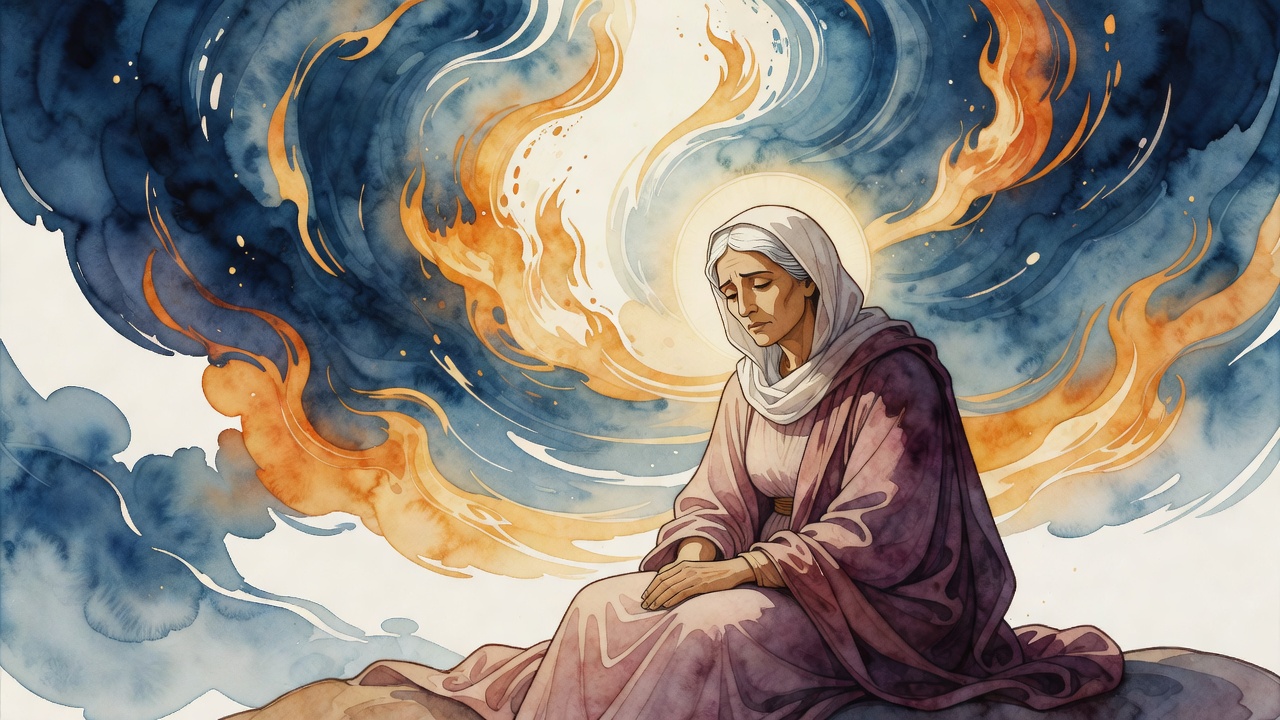
A barren woman bearing a son points somewhere else entirely. Her barrenness is not merely unfortunate; it is the necessary condition for the miracle to be legible. When nature has already closed the door, the only explanation left for what walks through it is God. Sarah's closed womb is the theological preparation for Isaac's arrival. It removes the possibility of every natural explanation before the birth happens, so that when the birth happens, there is only one account of it that works.
Why the Promise Needed the Impossibility
Philo's reading extends this into the covenant itself. Isaac is not only the child Abraham and Sarah wanted. He is evidence that the covenant does not depend on Abraham's strength, Sarah's age, or the usual mechanisms of inheritance and biological succession. If Isaac had been born when Sarah was twenty, the covenant he carried could have been explained as the ordinary continuation of a wealthy patriarch's household. The long wait, the barrenness, and the birth at ninety make that explanation impossible.
The Midrash of Philo pushes into the allegorical layer that Philo always maintained was beneath the literal surface. Sarah's barrenness represents the soul in a state of unreadiness, the person who has not yet been prepared to receive what divine promise wants to give. The preparation is not comfortable. It is a sustained absence, a closed space, a body or a soul that keeps saying no to the ordinary processes of growth until the extraordinary one arrives. The miracle requires the preparation to be complete.
What Bereshit Rabbah Added About the Two Blessings
Bereshit Rabbah, the foundational midrash on Genesis compiled in fifth-century Palestine, brings a different lens to the same story. The text notes that God blessed Sarah twice in the promise of Genesis 17. Rabbi Yehuda and Rabbi Nehemia debated what the two blessings were. Rabbi Yehuda said the first was Isaac himself and the second was the blessing of milk: Sarah, who could not conceive, was now able to nurse a child at ninety. Rabbi Nehemia disagreed on the specifics but agreed on the principle: the double blessing was intentional, and both parts of it were physical and real.
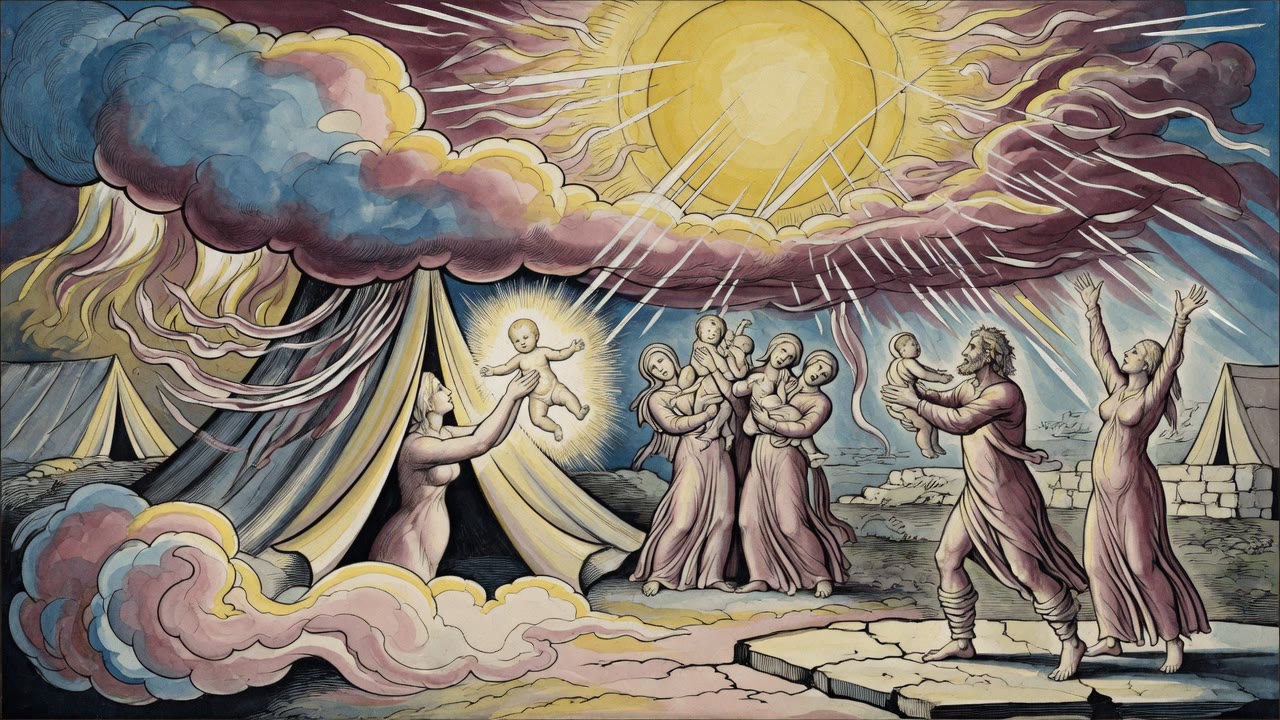
The milk blessing is the detail that keeps the miracle grounded. The sources are not satisfied with the conception alone. They press the physical reality of an old woman nursing a newborn, producing milk after decades of a body that had no reason to maintain the capacity. The women of the neighborhood came to Sarah to nurse their own children when they could not produce milk themselves. The barren woman became the source of nourishment for an entire generation of children who were not her own. The closed womb opened into abundance.
← All myths