Simon Took Gaza and Israel Began Counting From That Day
Simon was the last Maccabee brother standing. He stood before a terrified assembly and said he knew he was no better than the ones already dead.
Table of Contents
 Click for full size
The Last Brother Standing
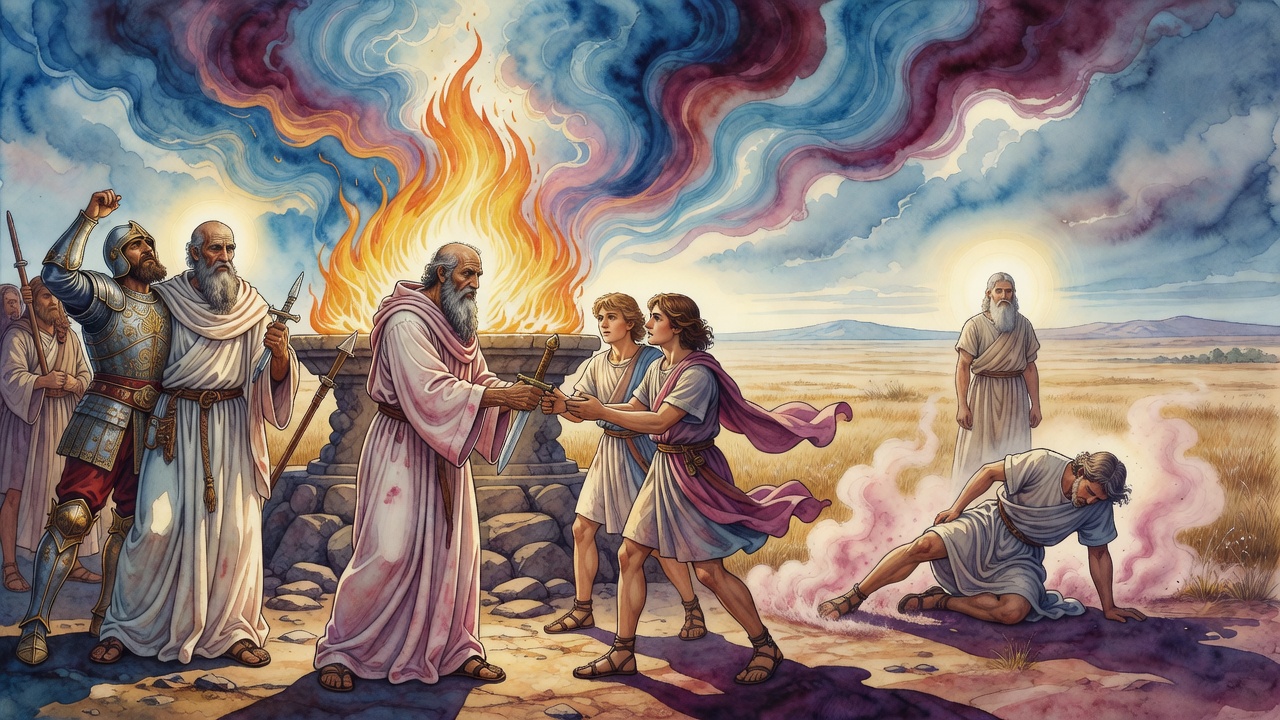
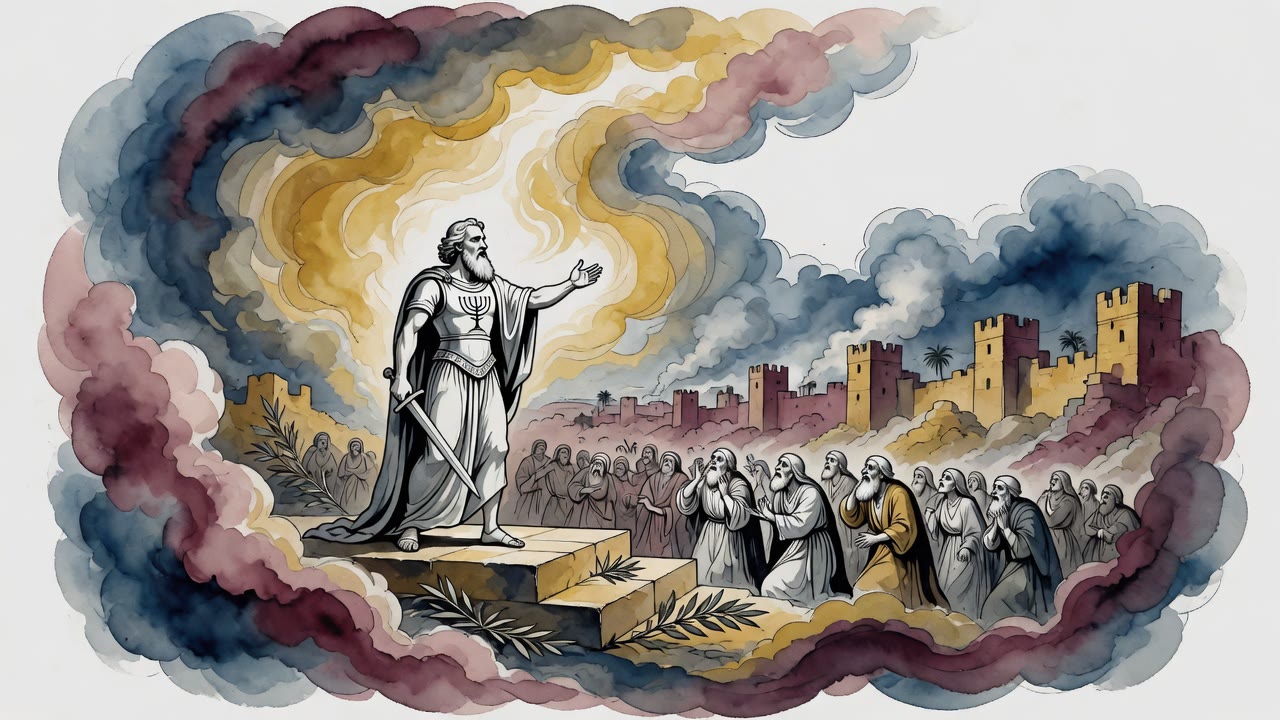
Simon stood before the assembly in Jerusalem and told them he knew he was no better than his brothers. This was not false modesty. Mattathias was dead. Judah was dead. Jonathan had been kidnapped at a peace conference and then executed when Simon refused to pay the ransom. Simon was the fifth and last son of Mattathias, roughly fifty years old, and he had been fighting since before most of the men in front of him had been born. The assembly trembled when he spoke. They had heard versions of this speech before. They had heard it from his father and from Judah and from Jonathan, and each time they heard it, the man giving it eventually died in the field.
Simon was asking them to believe it one more time. They said: you shall be our leader in place of Judah and Jonathan your brother. Fight our battles and we will do everything you command us.
The Citadel Falls
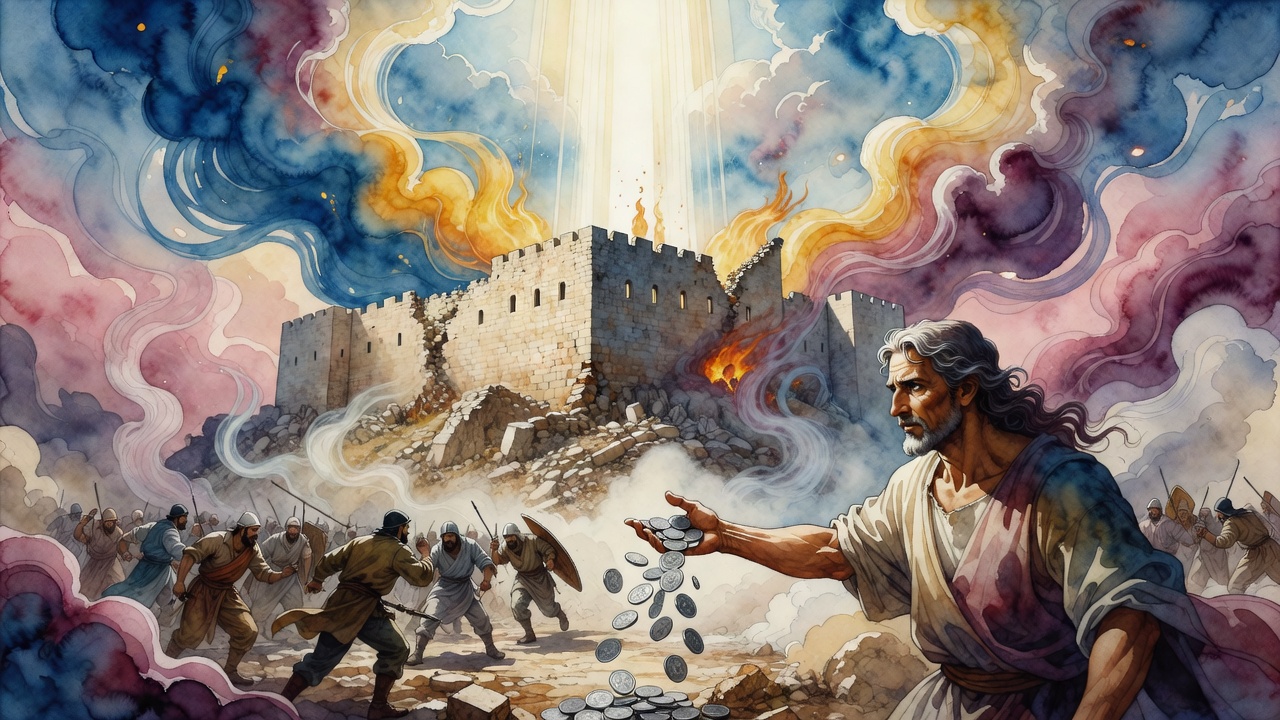
What Simon did next was methodical in a way his brothers had rarely been. Judah and Jonathan had been brilliant on the battlefield. Simon was brilliant in the spaces between battles, the negotiations and sieges and administrative arrangements that turned military victories into actual sovereignty. He took the Citadel in Jerusalem, the Seleucid fortress that had sat inside the city for a generation, occupied by a garrison that had watched and harassed and threatened every Jewish government since the revolt began. He did not storm it. He starved it. He waited until the garrison was hungry enough that they walked out, and then he cleaned the Citadel with songs and palm branches and musical instruments and hymns of thanksgiving, and he declared the day of its fall a festival day to be observed every year.
A Different Kind of Victory
He took Joppa and garrisoned it. He took Gezer and cleared the town of every defilement. He rebuilt the fortifications of Jerusalem. He brought peace to the land. The Book of Maccabees I records, with unmistakable satisfaction, that the people sat under their own vines and fig trees and no one made them afraid. This is the language of the prophets, the old description of what Israel looks like when it is finally itself. Simon had made it happen, not through a single dramatic battle but through relentless, patient, competent governance.
Then he took Gaza. The port city that had been a Hellenistic stronghold, that had resisted or evaded every previous Maccabean campaign, fell to Simon. He expelled the men who were in it and settled new inhabitants in their place. From that day forward, no foreign garrison controlled the coastal access to Judea.
The Year That Started Over
The assembly of Israel met in Jerusalem in the third year of Simon's governance. They passed a resolution. From that day forward, the documents of Judea would be dated not by the year of the Seleucid king in Antioch but by the year of Simon, high priest and ethnarch and commander of the Jews. The calendar itself was changed. A new era had begun, measured from the man who had taken the last fortress and given his people back the ability to count time from themselves.
The text of the resolution was engraved on bronze tablets and placed on Mount Zion. No one who had not been present to see the brothers fight and fall would be allowed to take the priesthood or the leadership away from the family. It was written in stone and metal. It was published and posted in the Temple precincts. Israel was counting from that day.
← All myths