Three Fears Took Hold of Cain After He Killed His Brother
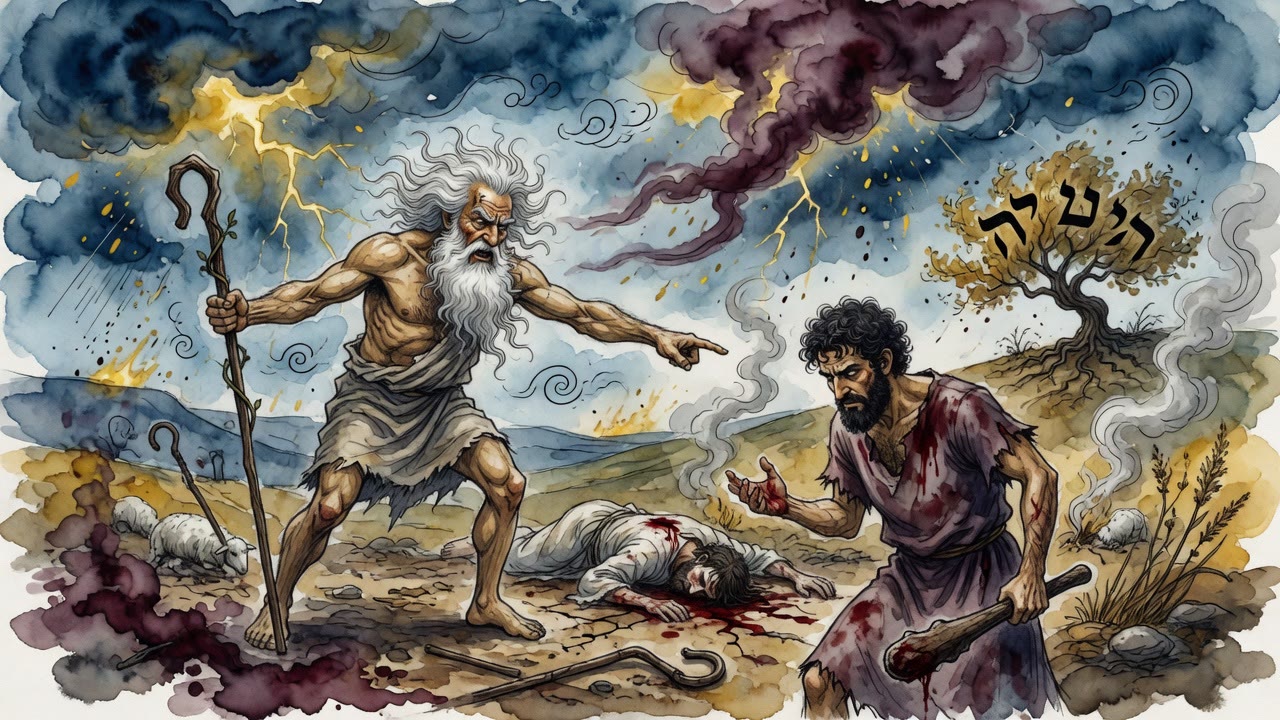
After the murder, Cain faced something harder than punishment. The world itself felt hostile, and the animals waited, and his own guilt pursued him.
Table of Contents
 Click for full size
The World Turned Against Him
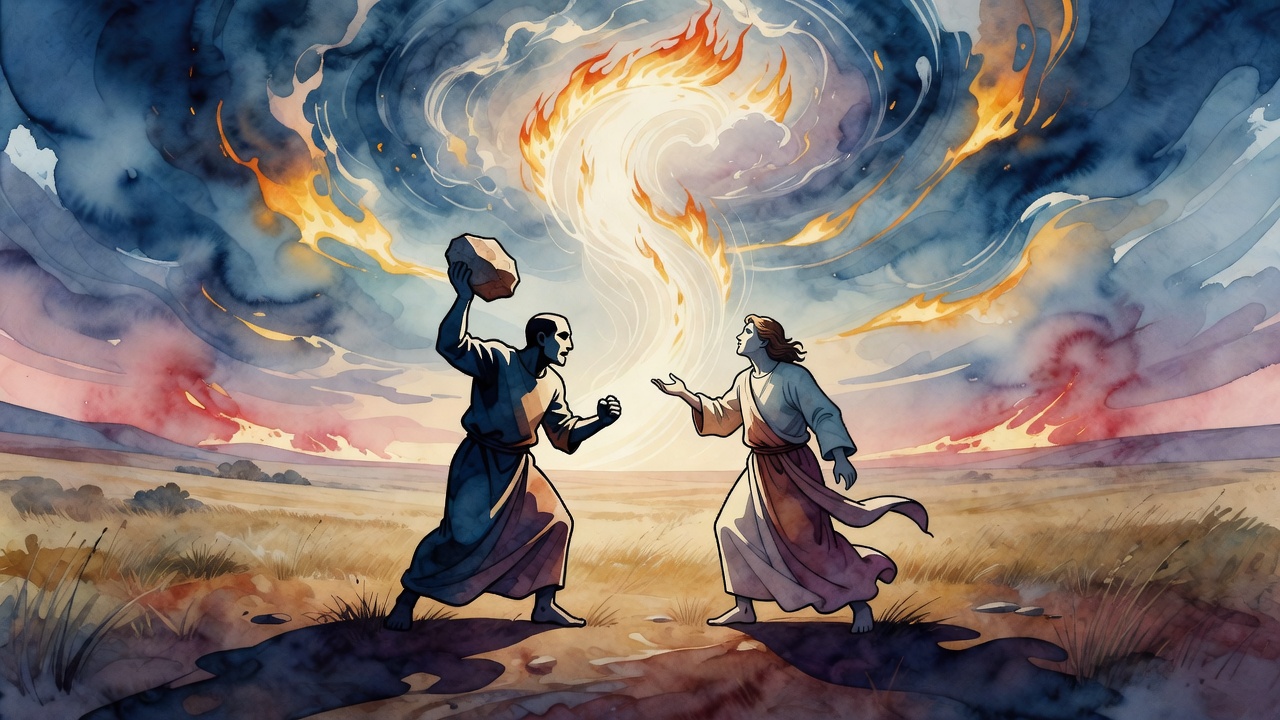
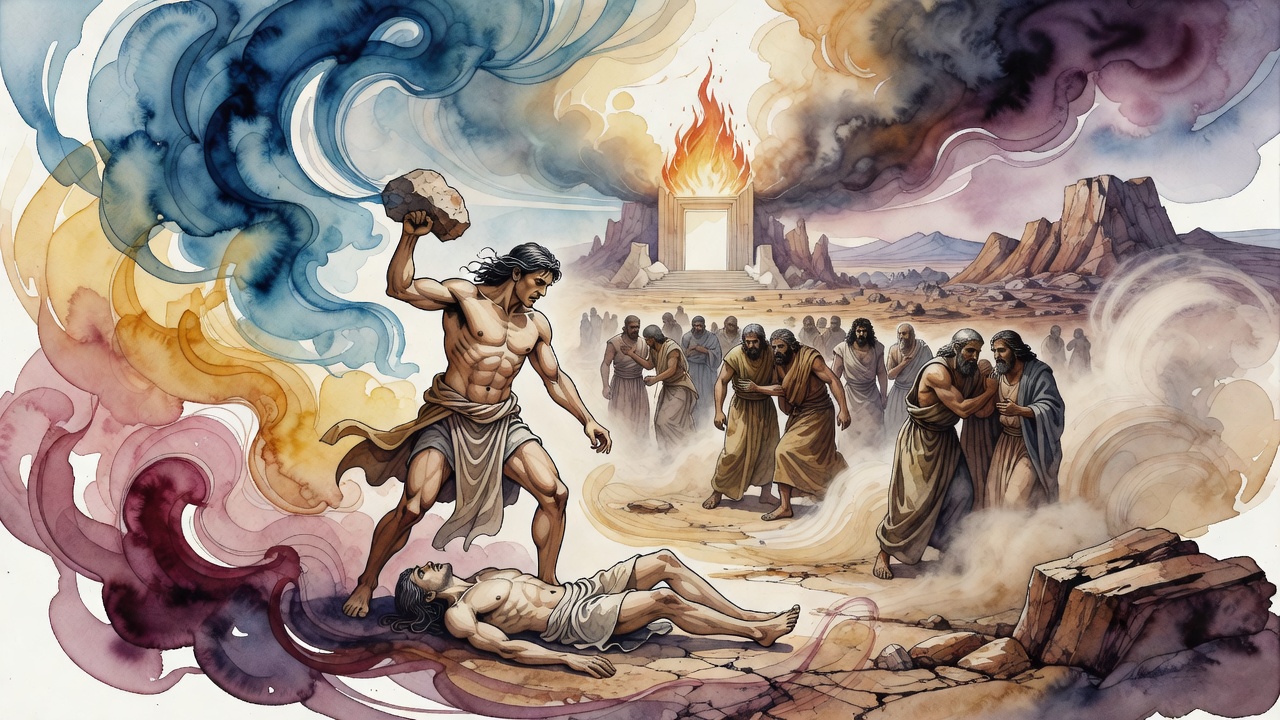
Cain stood over his brother and the knowledge of what he had done arrived all at once. God had heard. The blood was crying. The curse had been spoken. But as Cain absorbed the sentence pronounced over him, he discovered that the formal punishment was only the beginning. Three fears moved into him, and each one was more devastating than the last.
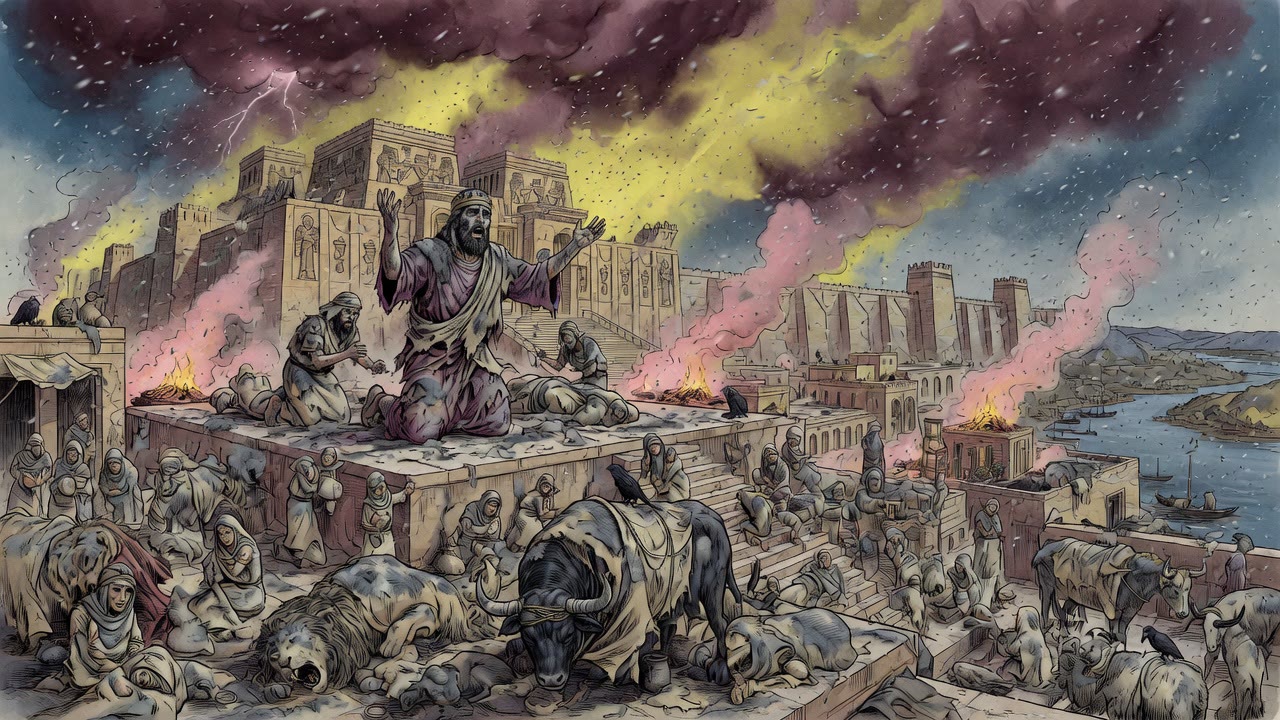
The first was the world itself. Philo of Alexandria, reading Cain's inner condition in the first century CE, identifies the specific shape of this fear. Cain understood, or feared, that everything in creation had been made for the advantage of the good. Sun, rain, soil, the turning of seasons, the movement of water: if the world was designed to sustain the righteous, what would it do to a murderer? Every natural force that had been neutral until that moment now seemed to wait for permission to destroy him. Cain looked up and saw not shelter but potential punishment. The man who had just made himself the most dangerous creature in the world suddenly felt himself as prey.
The Animals That Were Made as Instruments of Judgment
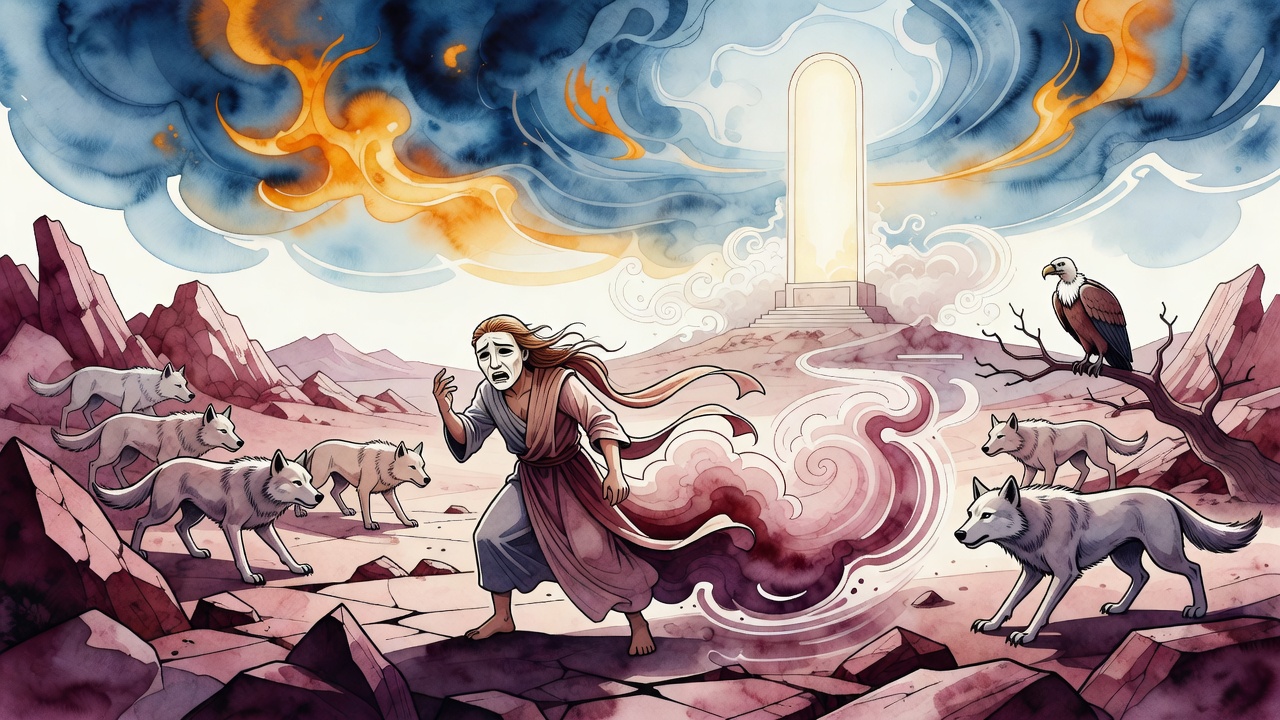
The second fear was more specific. Cain feared the animals. The beasts and reptiles and every creature of the earth had been created, in part, as instruments of divine retribution against the wicked. This was not superstition. It was theology. The plagues of Egypt would eventually prove the point: nature moved against human evil when commanded to. The serpents in the wilderness would prove it again. Animals were not morally neutral. They were, in the right circumstances, agents of a justice that did not require human courts or executioners.
Cain had killed the righteous Abel. He stood alone in a world full of creatures that, in his own theology, were made to answer violence with violence when the righteous Judge authorized it. He did not know that authorization had not been given. He could not know it. The fear of animals was rational in the precise sense: it followed directly from what Cain himself believed about how the world was ordered.
The Third Fear, Which Was the Worst
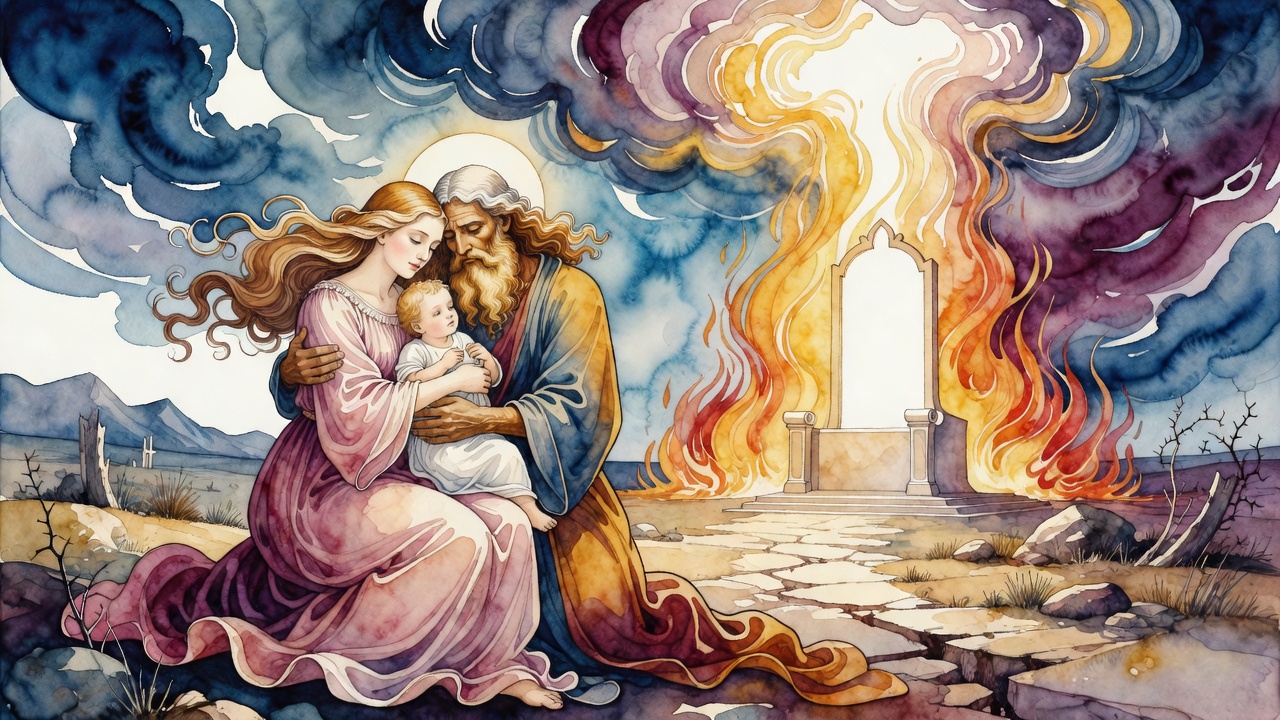
The third fear was not the world, and it was not the animals. It was his own parents.
Adam and Eve were still alive. They had already buried one son. They would find out who killed him, if they did not already know. Cain feared their grief and what it might do, the grief of parents who have lost one child to murder and now must look at the face of the child who committed it. The tradition notes that Adam and Eve went through a period of devastating mourning for Abel, sitting in grief so deep they nearly ceased to function, until the birth of Seth restarted the thread of hope.
But before Seth, before any of that, there was the moment of reckoning with Cain still present in the world. Cain feared what that reckoning would look like. Not the divine punishment, which had already been spoken and was now being absorbed. The human one: the faces of his mother and father across the fact of what he had done.
Guilt That Walks Alongside the Guilty
Philo's account of Cain's inner life after the murder is one of the most psychologically acute passages in his reading of Genesis. The usual story of divine punishment imagines justice as something that arrives from outside, a force that descends on the guilty and strikes them from without. Philo describes something different: a justice that grows inside the very person who committed the act and becomes indistinguishable from what they are.
Cain's three fears are not punishments sent to him. They are the contents of his own mind after the murder. The world did not actually turn against him, not immediately. The animals did not immediately attack. His parents did not chase him down. But Cain experienced all of these as immediate threats because guilt, operating in a mind that has not confessed and not repented and not rested, converts every piece of the world into evidence of its own damnation.
This is what the groaning and trembling came to. Not that the world punished Cain but that Cain punished himself, continuously and without rest, by living inside the consequences of what he had done and interpreting every face and every sky and every creature he passed as though it already knew.
← All myths