Joshua Set the Benches Every Morning and Moses's Sons Did Not
Gershom and Eliezer were grown. Their father asked who would lead Israel. God named the man who had spread the carpets at dawn.
Table of Contents
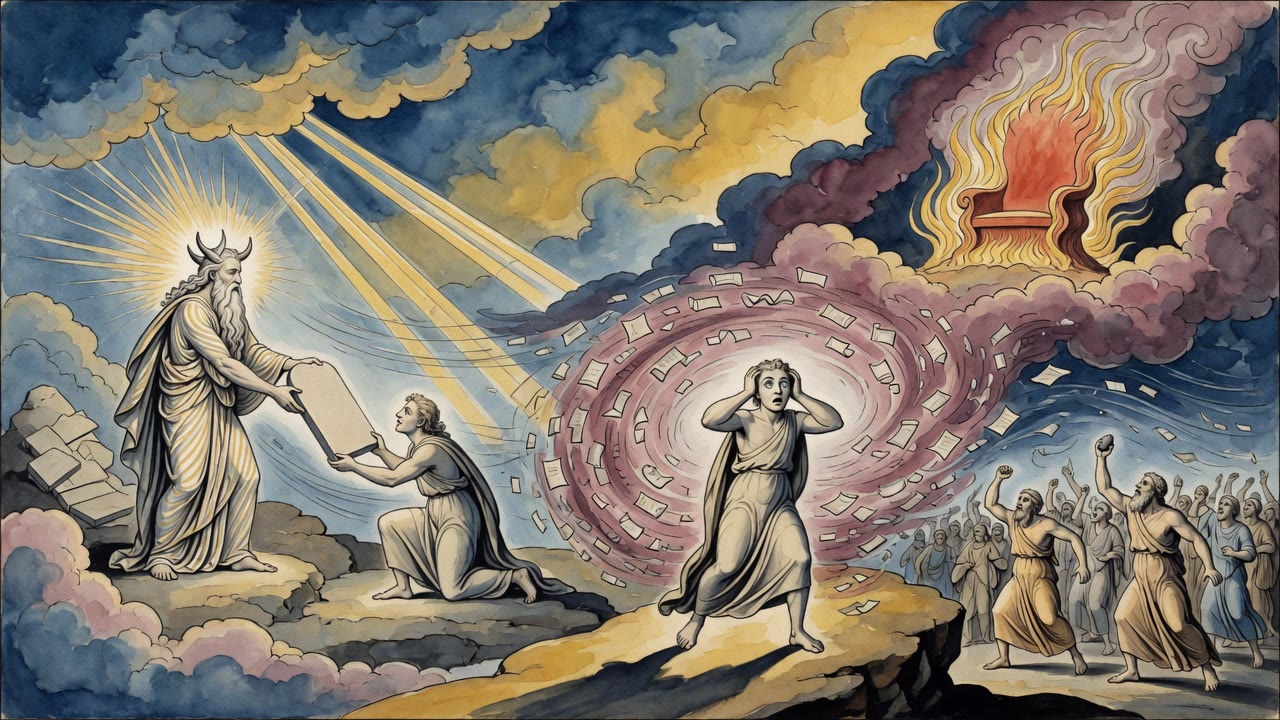
Moses asked God who would lead Israel when he was gone. God did not name Gershom. God did not name Eliezer.
 Click for full size
The two sons were grown men with households of their own. Their grandfather had been a priest of Midian. Their father had stood before Pharaoh, split the sea, and taken the Torah at Sinai. Blood is the usual lever. God set that lever down.
Moses Asked Who Would Follow Him
He was near the end of his life, and the question had weight. Name a successor. Let it be a son, if a son has earned it. Moses waited for the names he had given them in Midian, the names he had carried through the wilderness.
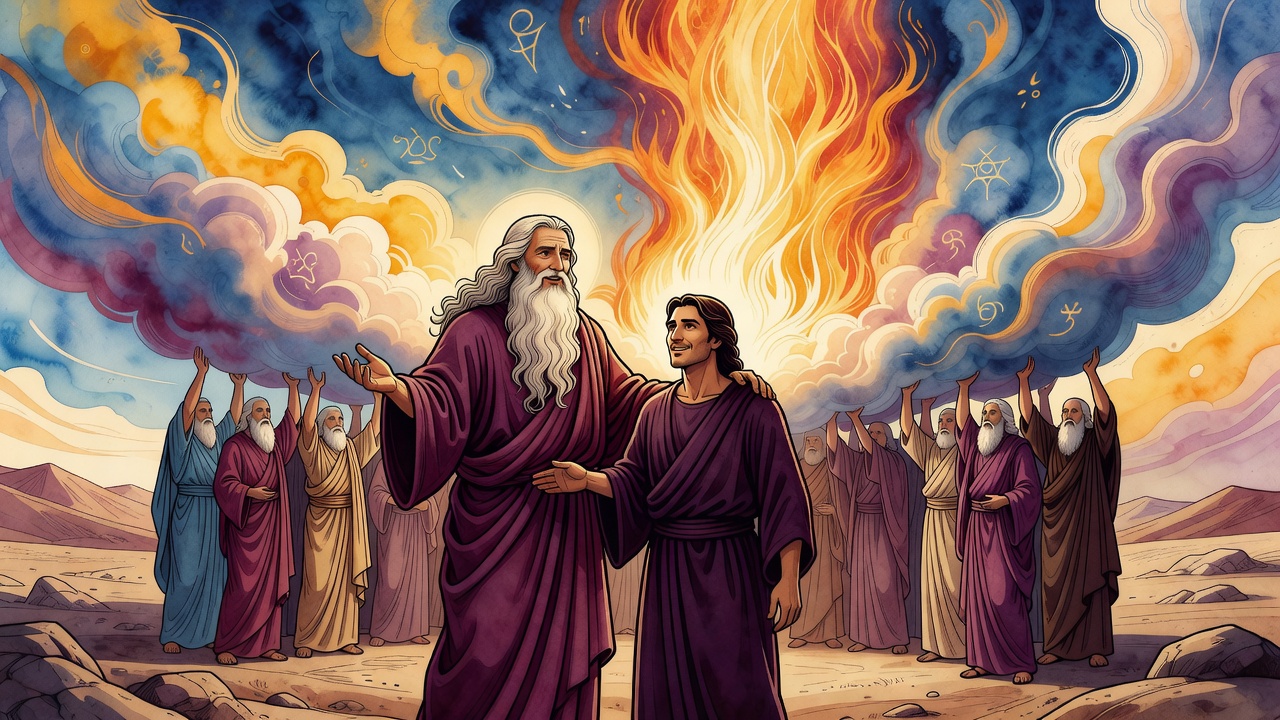
God answered with a verse, then with a sentence that did not leave room. "He that watcheth the fig tree shall eat of its fruits, and he that waiteth upon his master will be promoted to honor" (Proverbs 27:18). "Thy sons shall not inherit the leadership, because they concerned themselves little with the Torah."
Moses did not argue that they were wicked. They were not. They had not been at the tree.
The Fig Tree Does Not Ripen All at Once
A fig does not come in one harvest. Grapes arrive together. Olives arrive together. The fig opens slowly, fruit after fruit, and it pays only the person who keeps coming back on ordinary mornings, when nothing dramatic is happening, when the tree looks like a tree.
That is how Torah sat in Moses's house of teaching. It did not fall into a lap because the lap belonged to the teacher's child. It sat on the benches for whoever arrived before the lesson and stayed after it. Gershom and Eliezer had other work. The tree stood. They were not under it.
The empty place at dawn was the whole answer. No one had to accuse them of a crime. Absence, repeated, had already spoken.
Joshua Spread the Carpets at Dawn
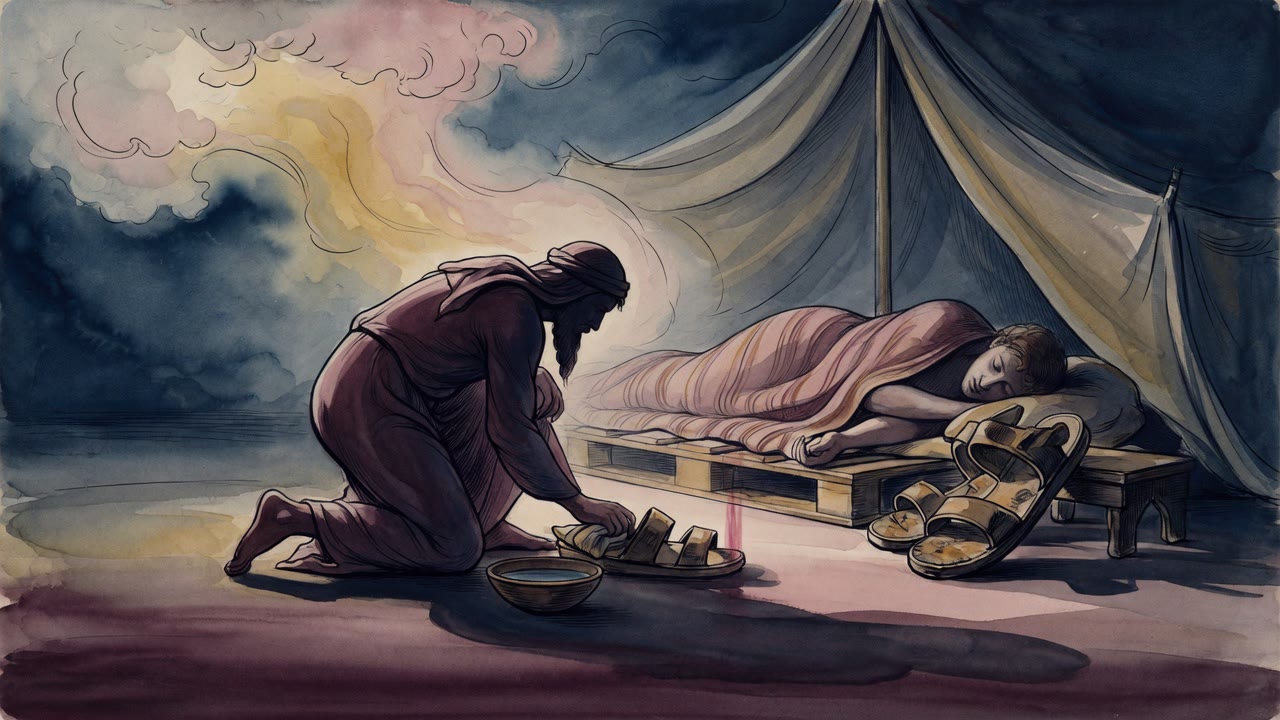
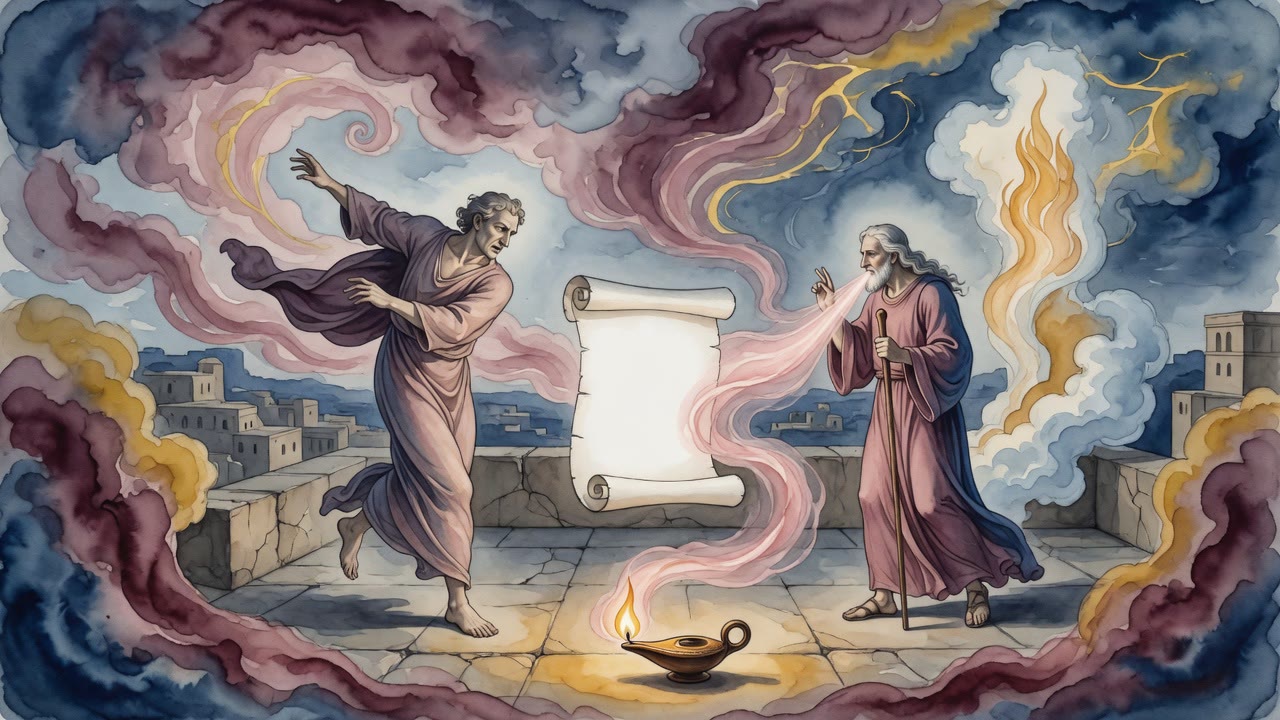
Joshua had watched. Morning and evening he put up the benches in Moses's house of teaching. He spread the carpets over them. He was there before the first student and after the last. He arranged the room. He did the work that is invisible when it is done well, and loud only when it is missing.
He had done it for forty years. Not as a display. As a habit. I am here. I will be here tomorrow. I will be here the morning after that. God named that habit in front of Moses. Joshua served you with devotion, God said. He showed you veneration. He put up the benches. He spread the carpets. He served you as far as he was able.
Moses had seen those hands on the wood every day and had not, until this hour, heard them counted as a claim. The fruit had been ripening in the same room as his sons. It had been going to the man who kept the room ready.
God Showed Him Every Judge After Him
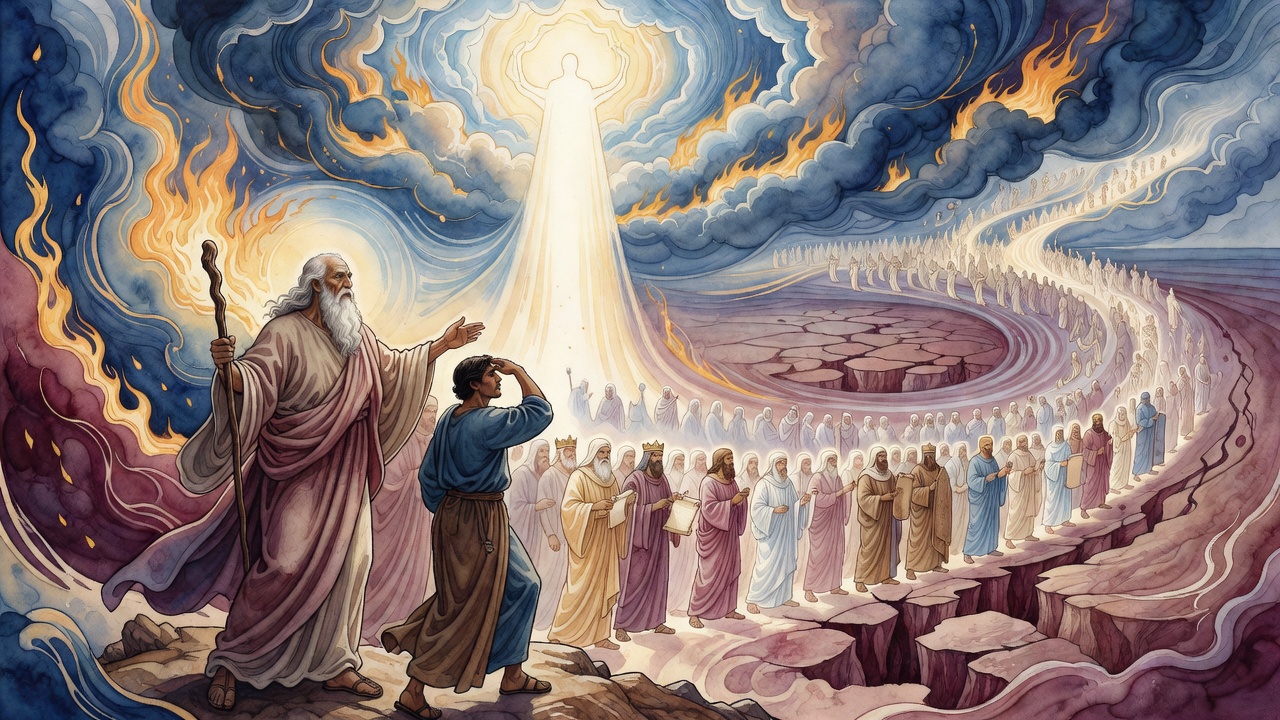
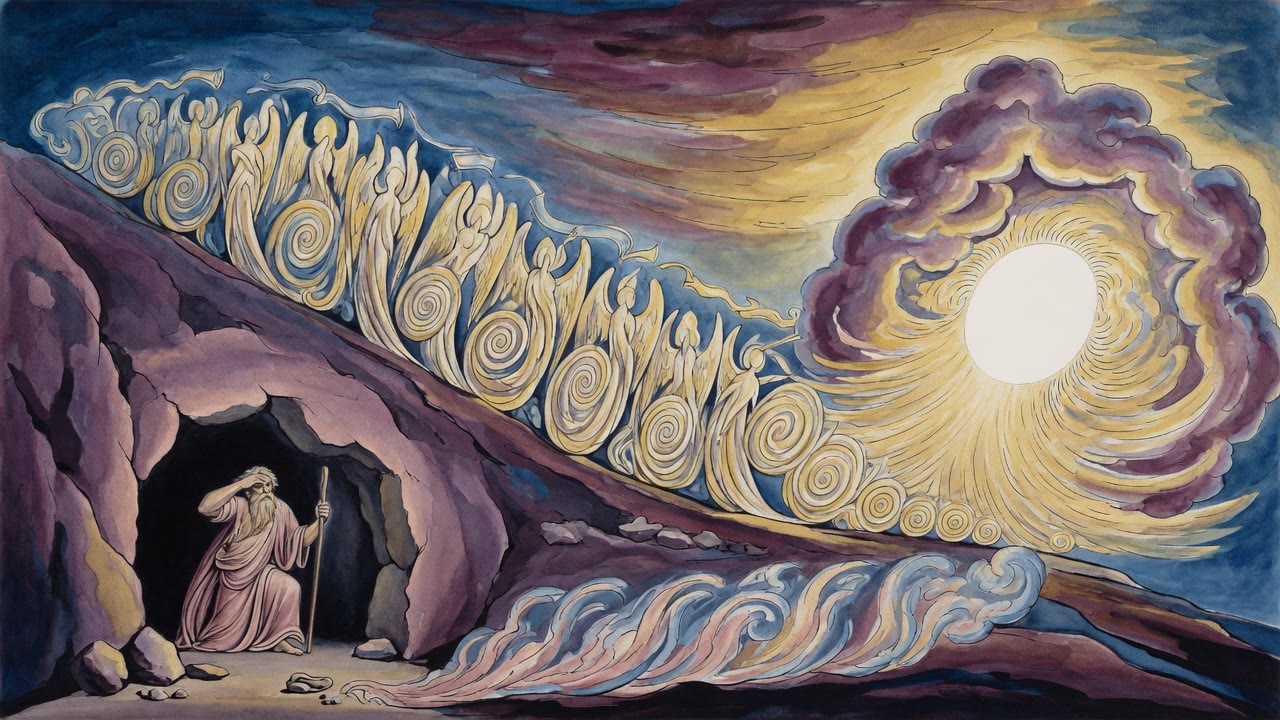
Moses asked again who would follow. God did more than name Joshua. God showed him the rest of the chain: all the judges, all the prophets, every leader from Joshua through Othniel and Deborah and Gideon, through the kings and the teachers, all the way to the resurrection of the dead.
Each one had a spirit of his own, a knowledge of his own. Each would be gifted. None would be Moses. The face-to-face breadth, the whole covenant held in one mind, would not be copied. It would be cut into portions and handed down the line, a piece to this one, a piece to that one, never again the whole in a single mouth.
Moses looked at that future and did not find his sons in the first seat. He found Joshua, and then a long road of other watchers, each tending a tree that would not ripen in a day.
Moses Accepted the Accounting
He accepted Joshua. He accepted the cost of the fig-tree rule. The one who watches eats. His sons had not watched. They would not lead Israel. The arrangement was not a punishment laid on a wicked house. It was a count of where the attention had gone, morning after morning, while the carpets were being spread.
Joshua kept coming. The benches were in place at dawn the day Moses learned he would die without a son on the chair. The fruit was already in Joshua's hands. God had only said out loud what the room had been saying for forty years.
← All myths