191 myths · Page 2 of 4
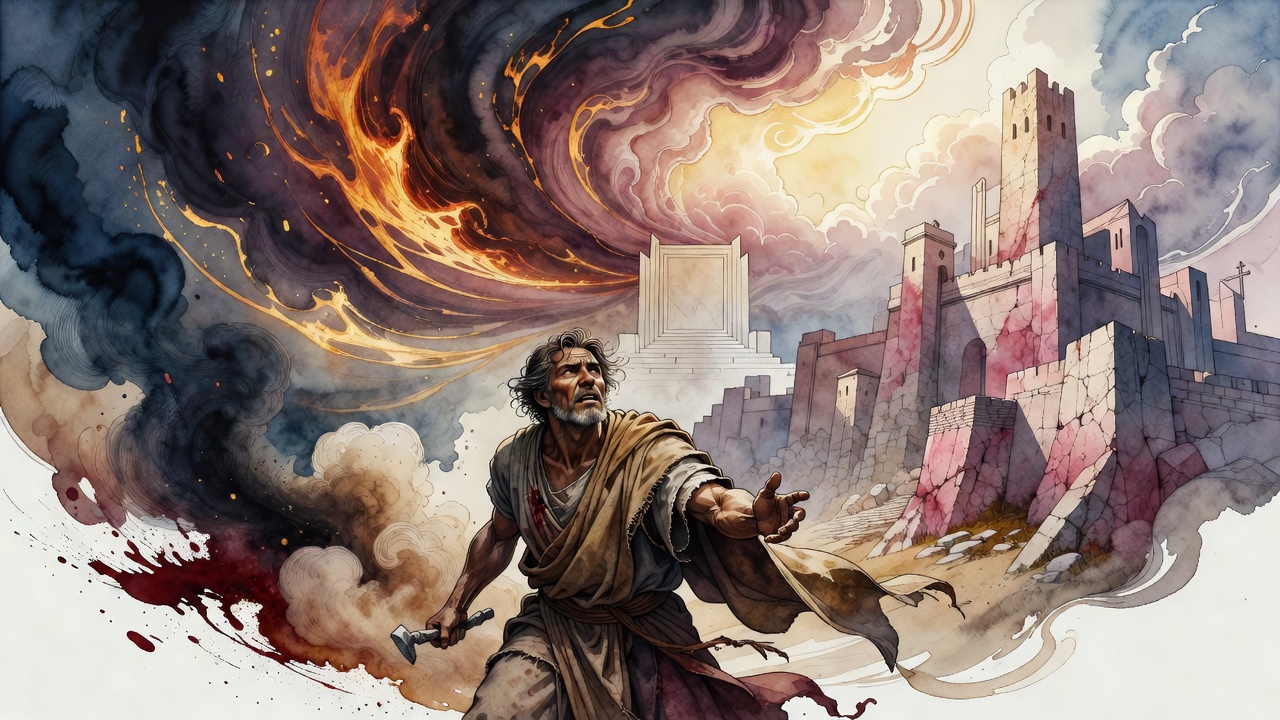
Cain answered the verdict with a verse. You carry the whole world, he said, and you cannot carry me? God took half the sentence off.
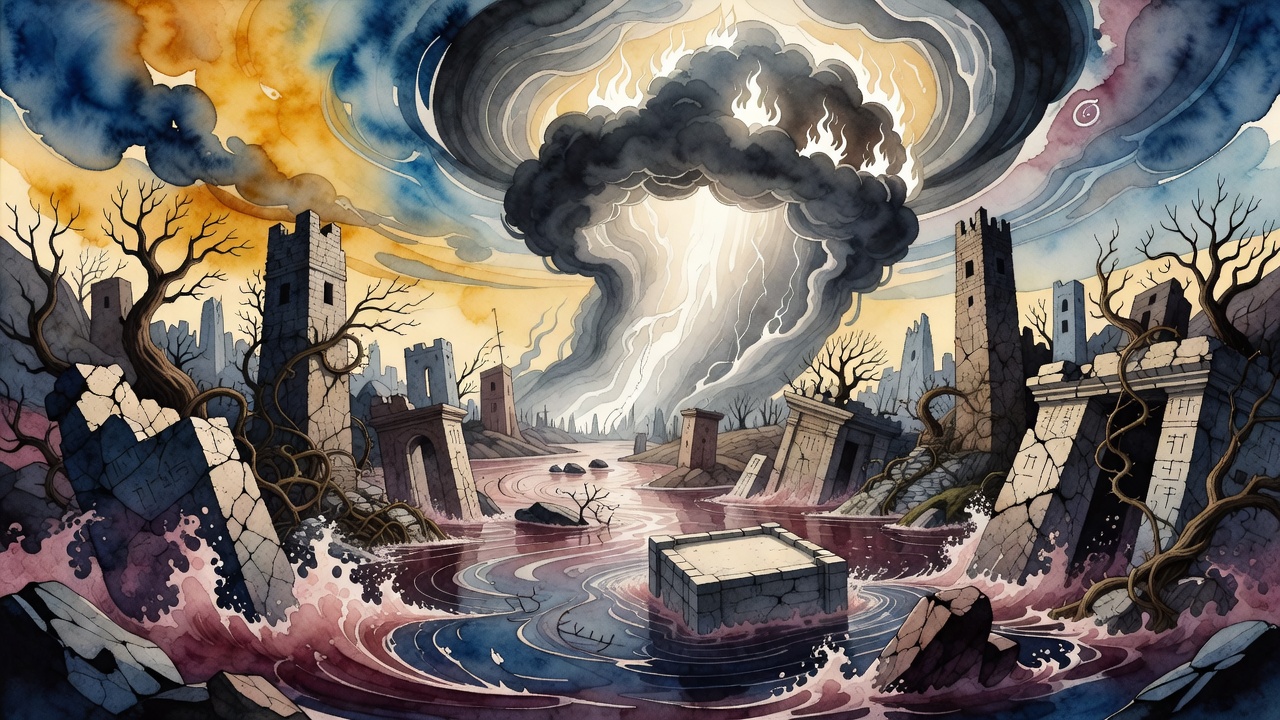
Cain's descendants settled the plain near Damascus, on the field where Abel died. The Sethites kept to the mountains until they came down and mixed.
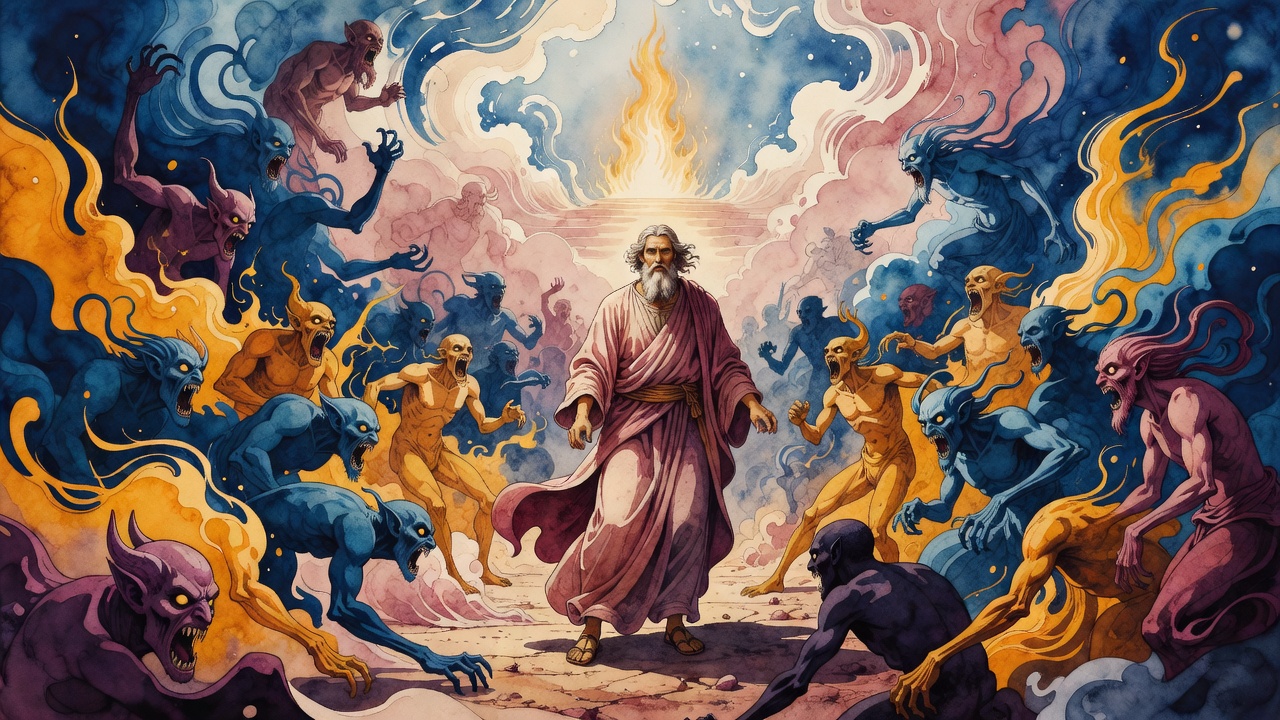
The Zohar and Pirkei DeRabbi Eliezer agree on the origin of demons: God stopped creating before their bodies were finished. The Sabbath did not wait.
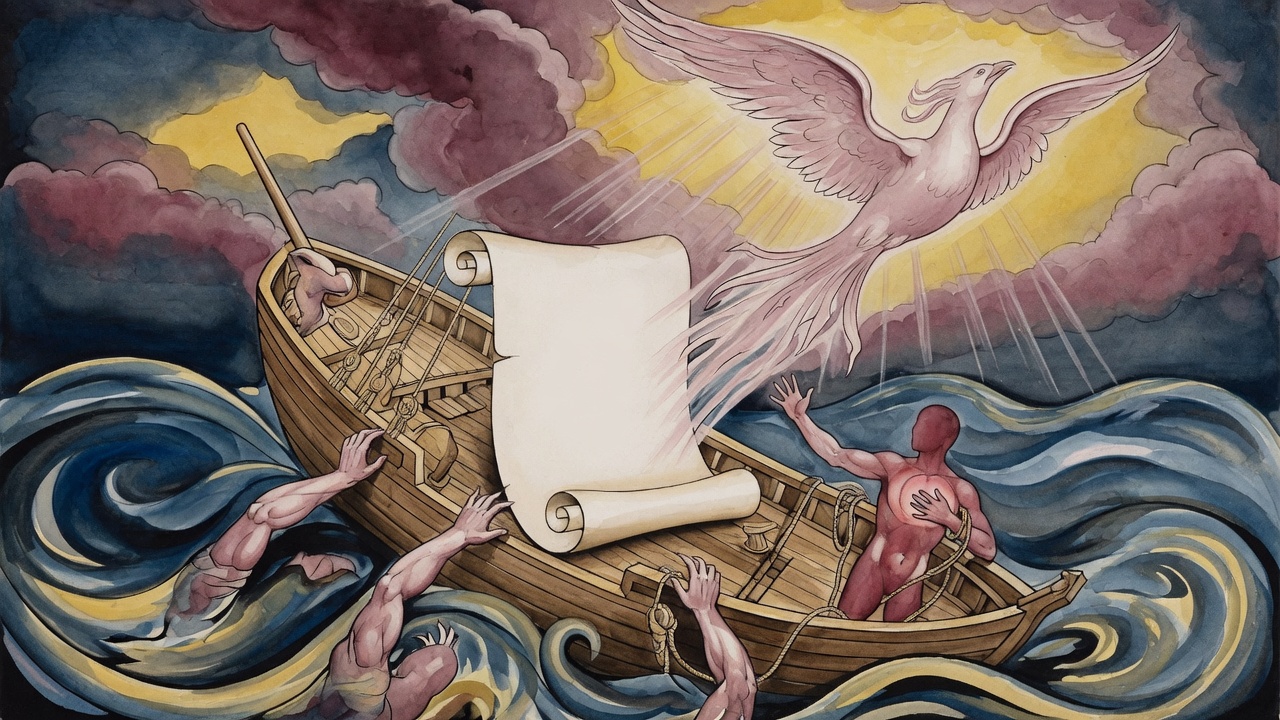
Two thousand years before there was an earth, a voice was already calling out for people to come back. There was nobody yet to come back from anything.
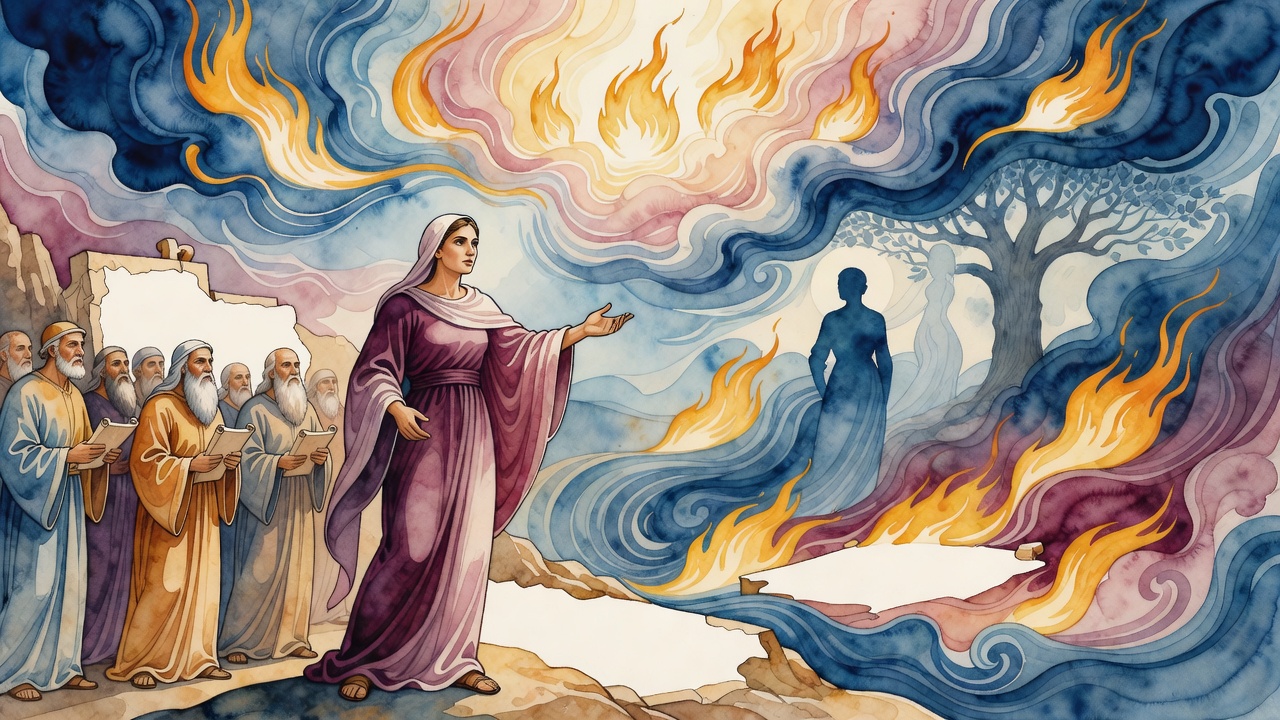
She kissed him and stopped. The goatskins were still on the kids in the flock. Adam had hidden in trees. She would not hide the blessing.
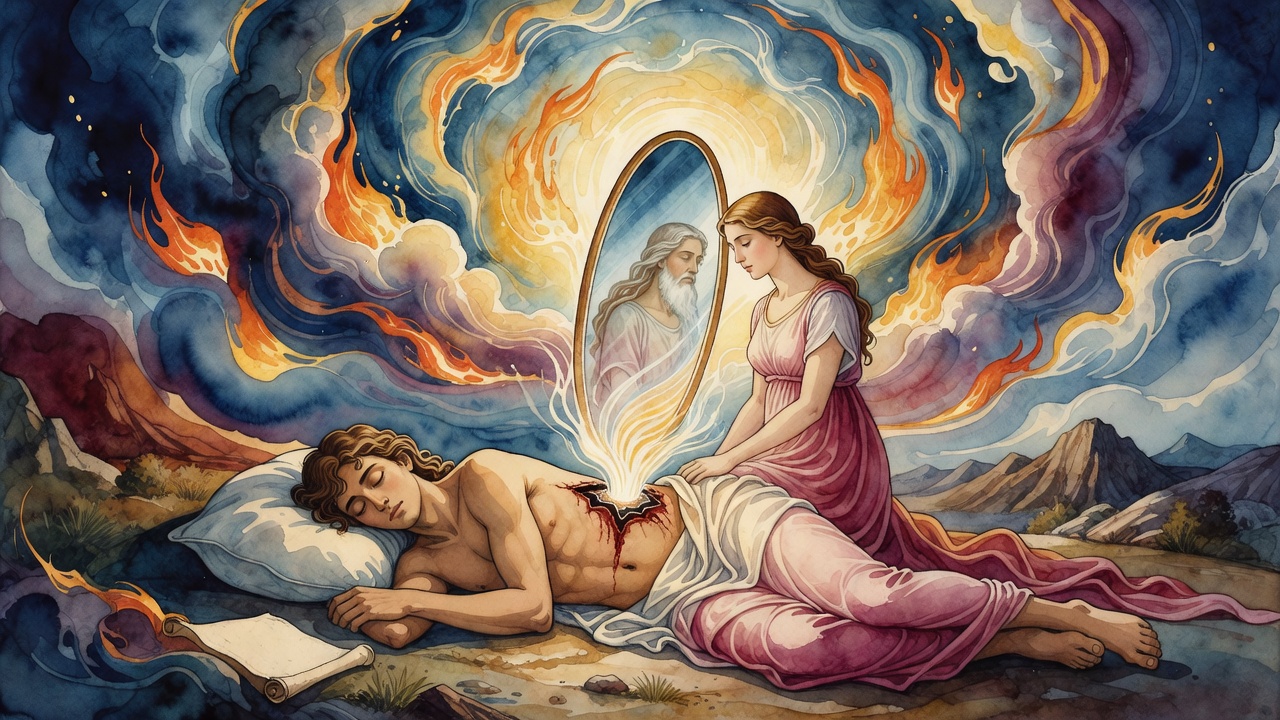
God opens Adam's side while he sleeps, and what emerges is not just a companion but a mirror the first human cannot look away from.
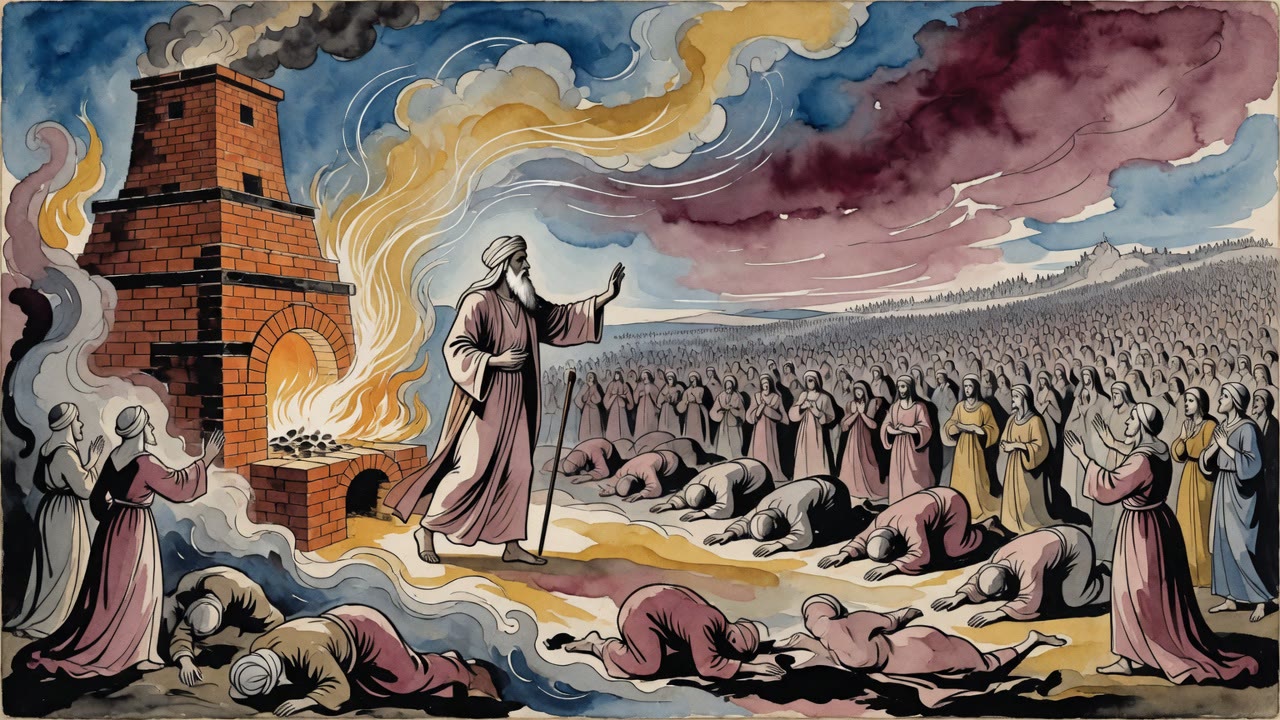
The serpent spoke a word no creature had ever said before. Philo of Alexandria argues that word, not the lie, was the real crime.
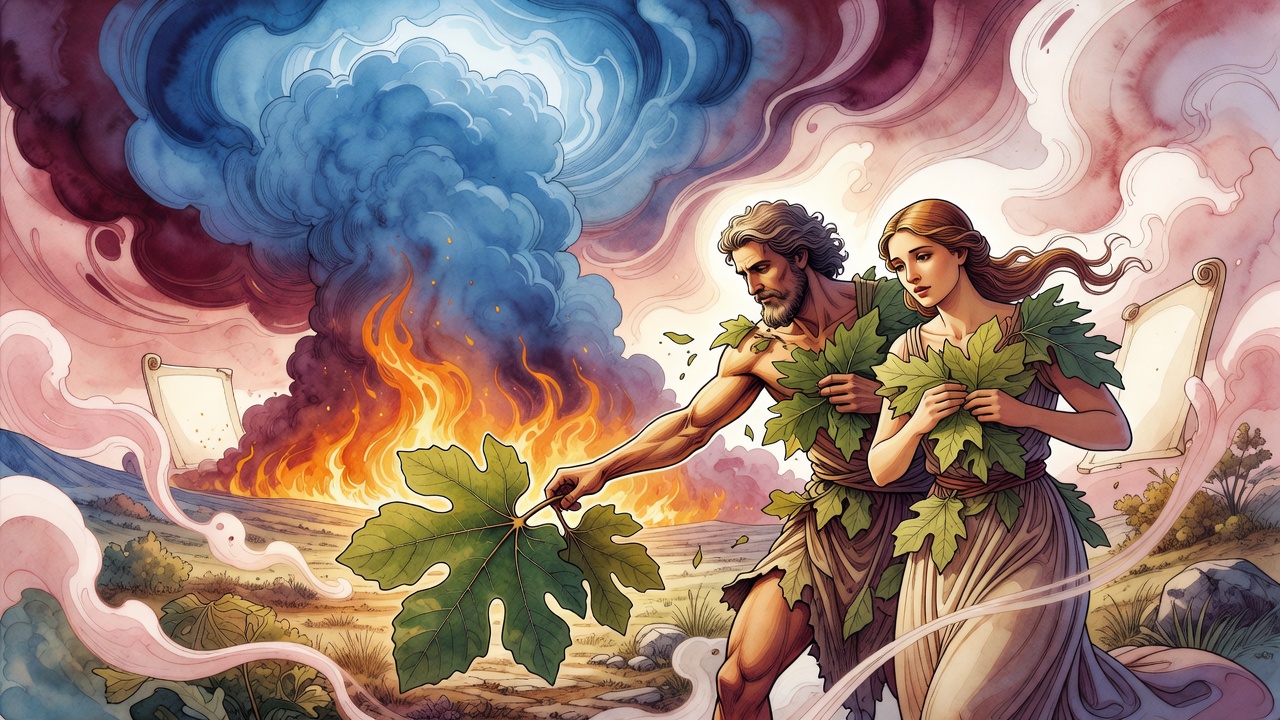
After the first sin, Adam and Eve reached for fig leaves. Philo says that choice explains everything about how pleasure works after Eden.
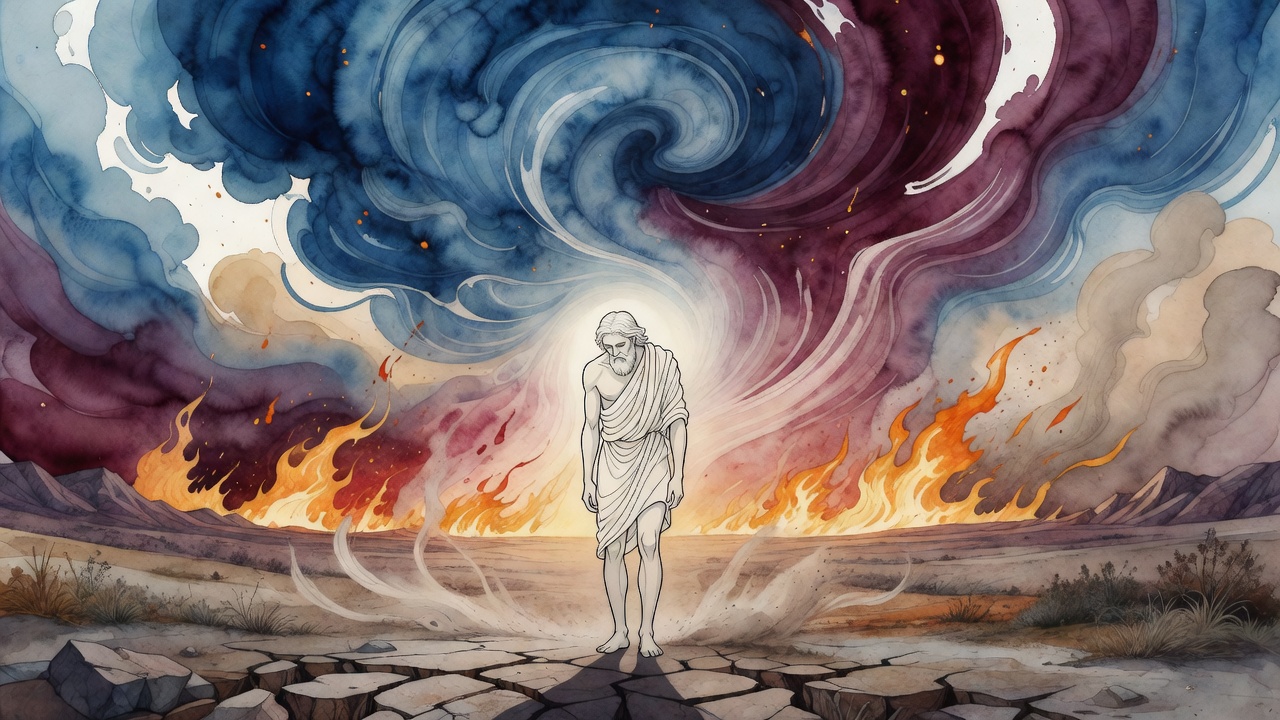
Cain told God that a world heavy enough to be carried could surely carry one sin. He did not mean a word of it. Half his sentence came off anyway.
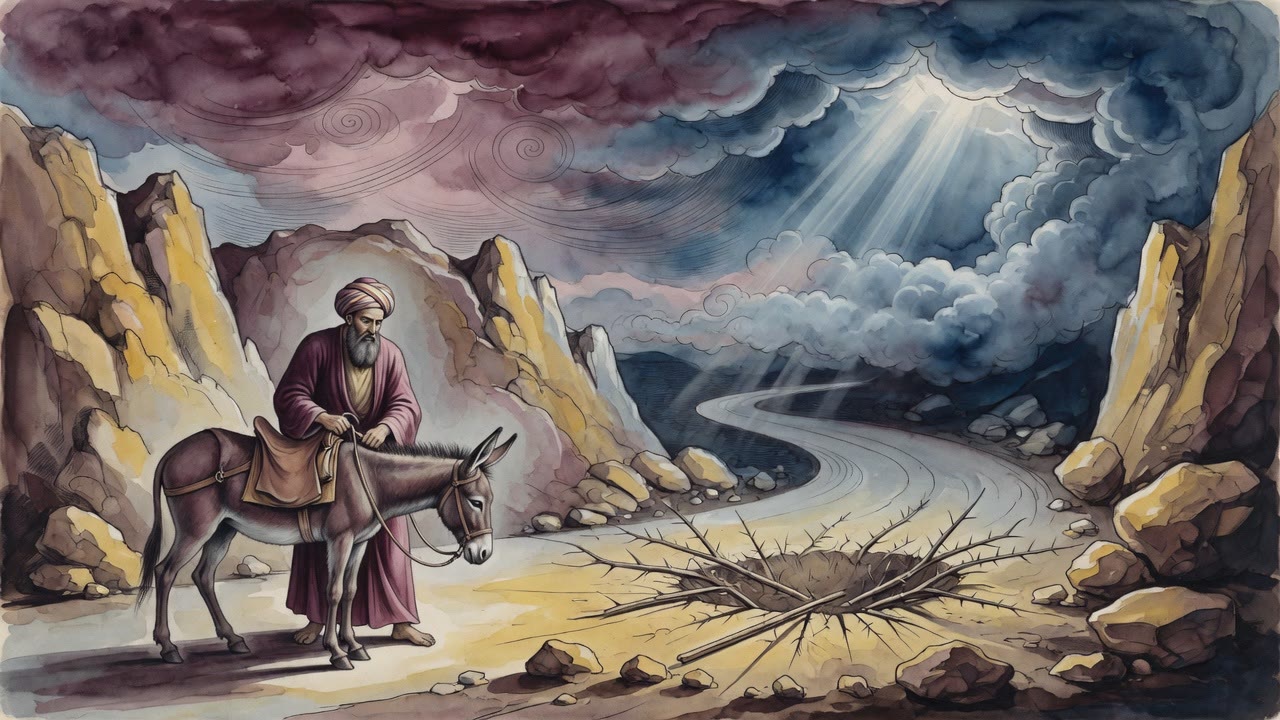
Smoke from Abel's flock went up. Cain's fruit sat on the stones unused. Then God spoke, and Cain still walked into the field.
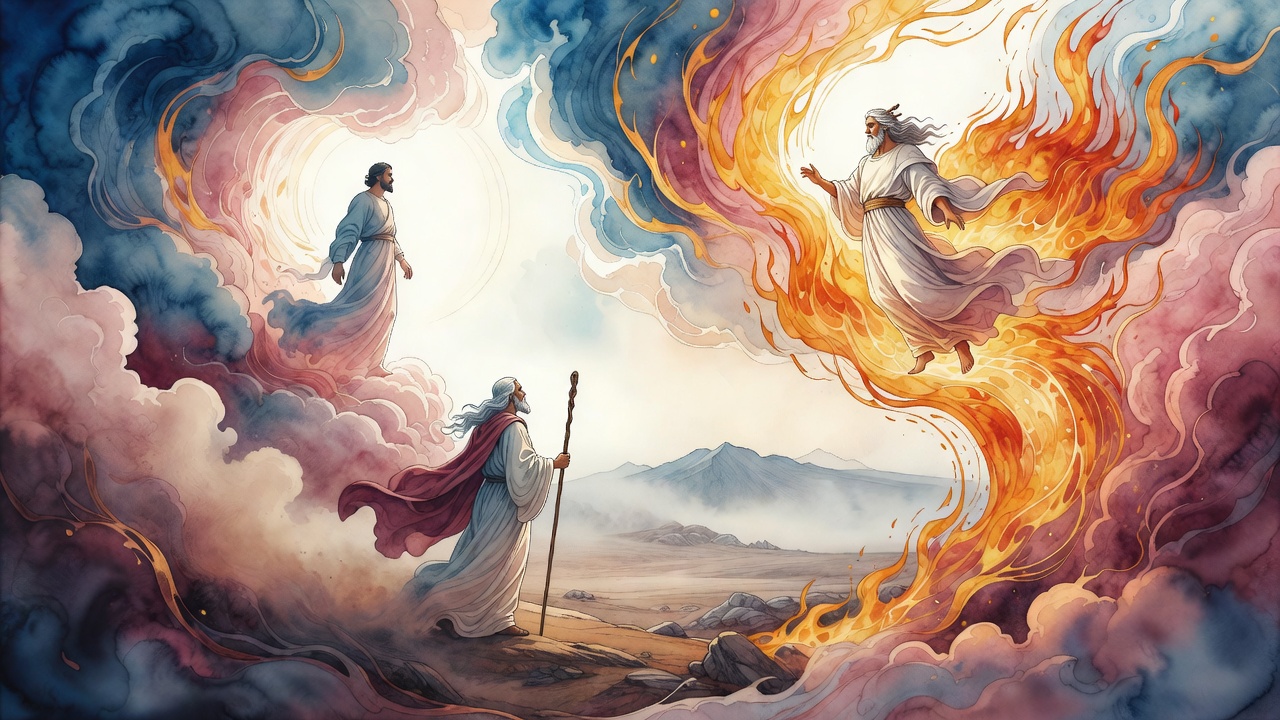
They searched the fields for Enoch and came back empty-handed. The man who walked with God had been taken, and there was nothing to bury.
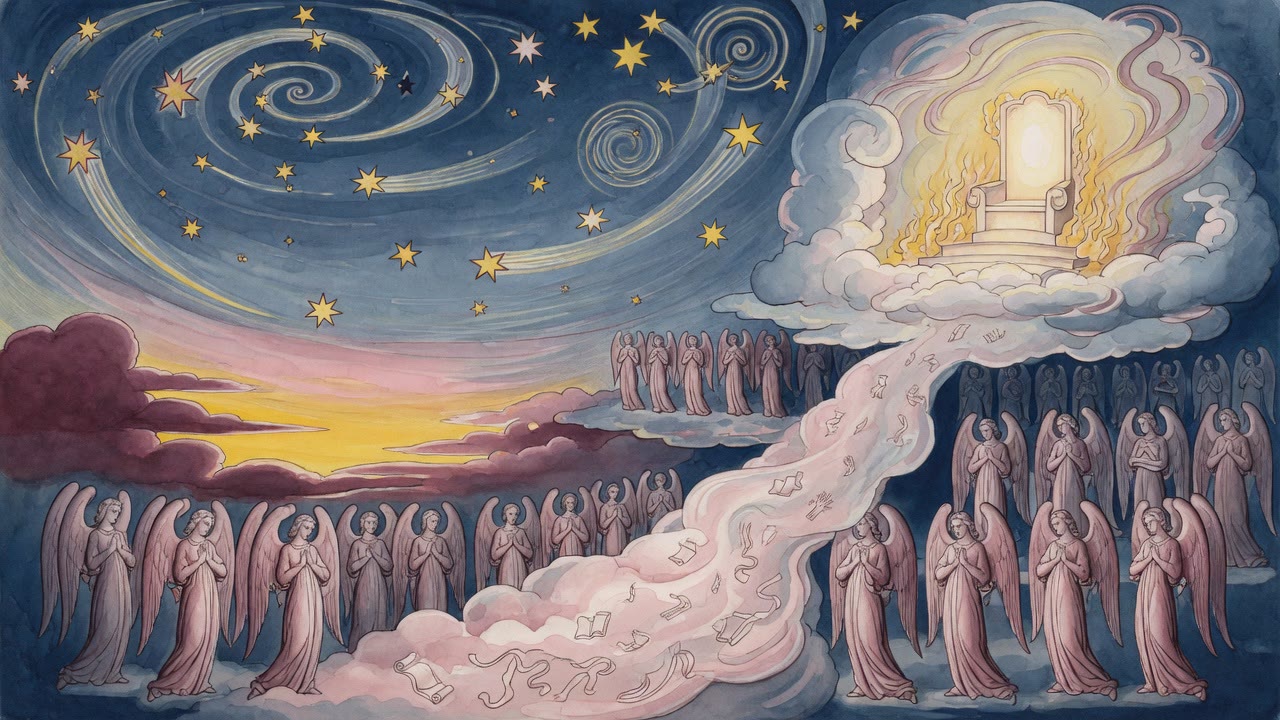
Zillah named her last child Naamah and said nothing else. Her brother was already at the forge, sharpening bronze for a blade.
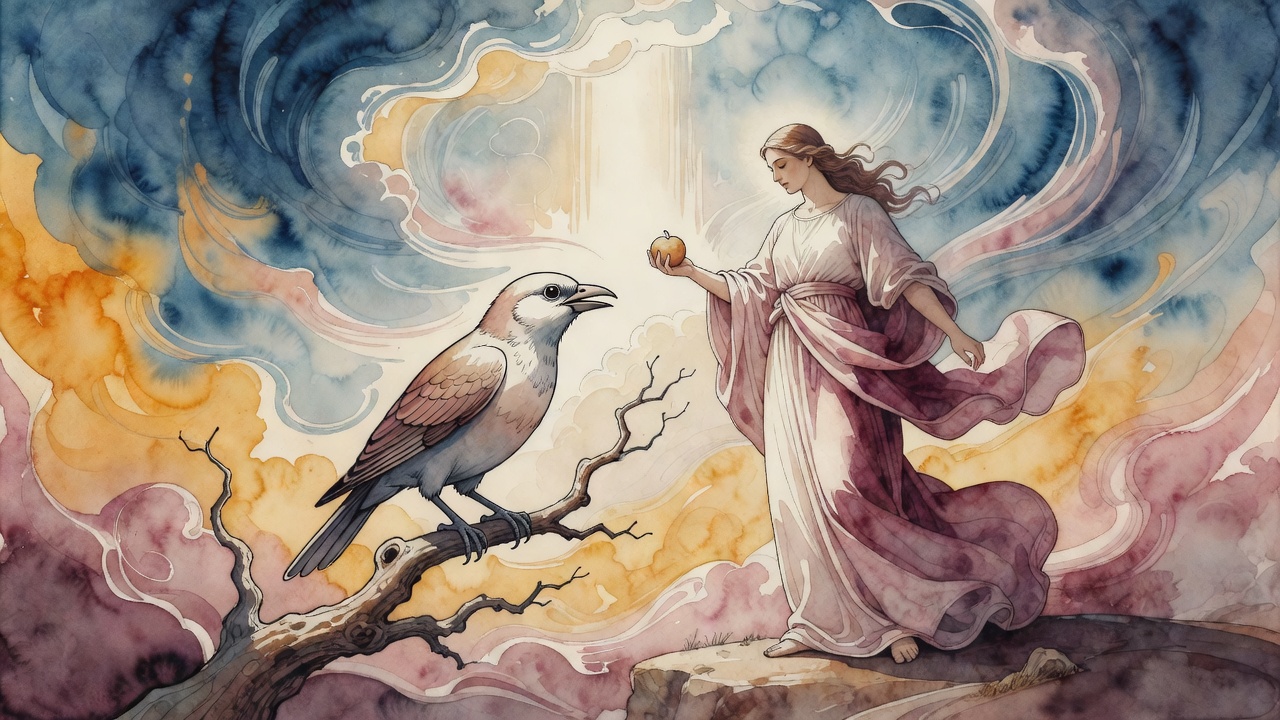
Eve fed the fruit to Adam, then to every animal and bird in the garden, so she would not die alone. One bird kept its beak shut.
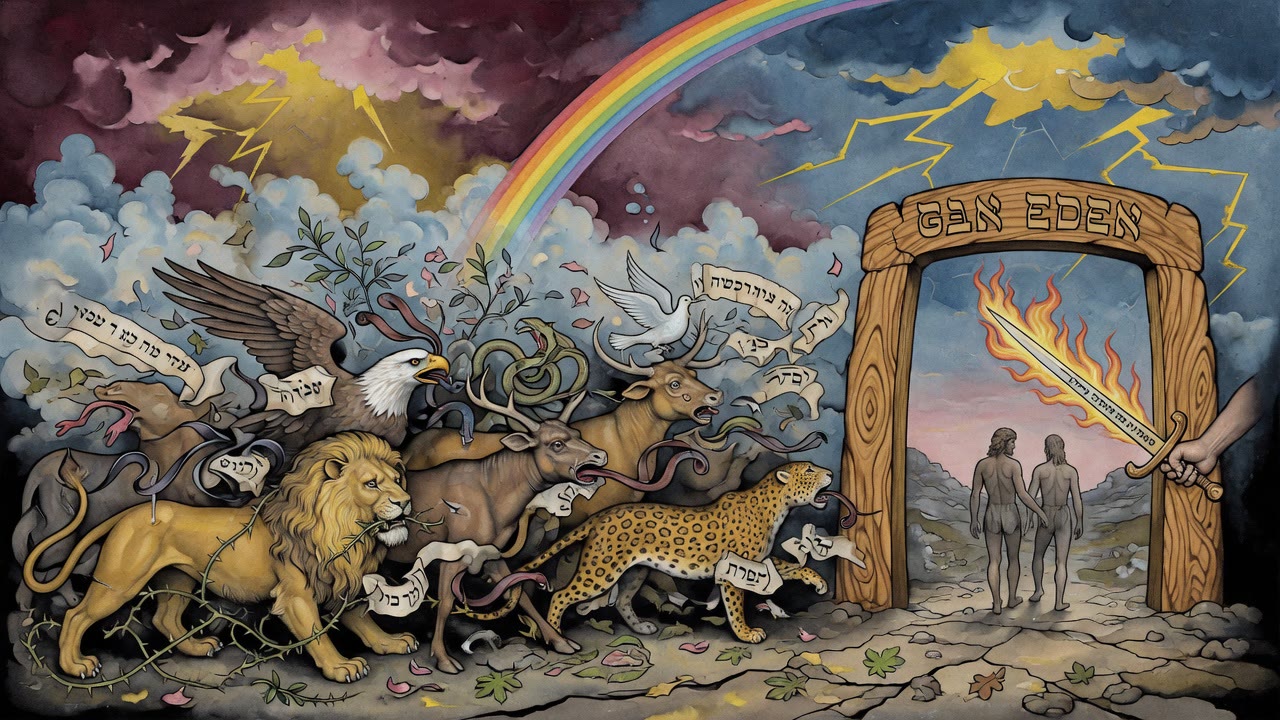
The serpent talked Eve into the fruit in the one language every creature shared. Not long after, every mouth in creation was closed but one.
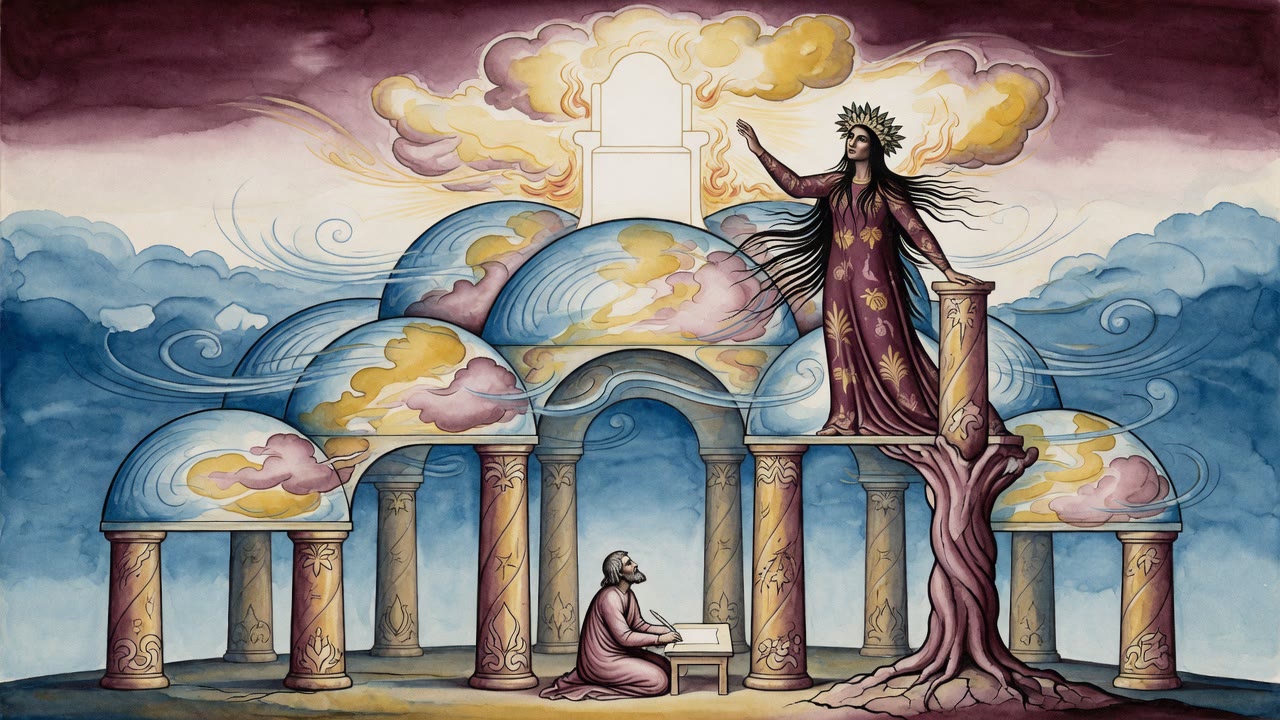
The upper waters flew up to the Throne singing. The half left underneath said woe to us and started climbing after them, and the world nearly ended.
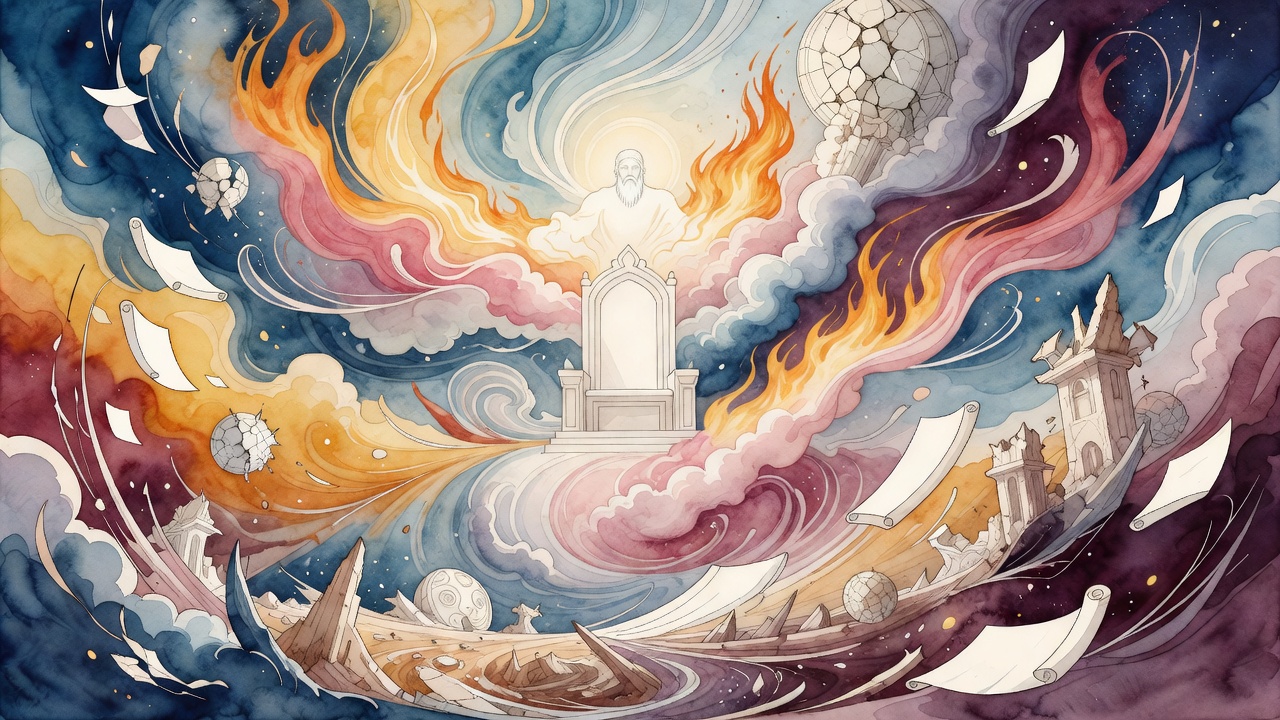
Before this world existed, God made worlds and destroyed them. Only when mercy entered the making did one world finally hold.
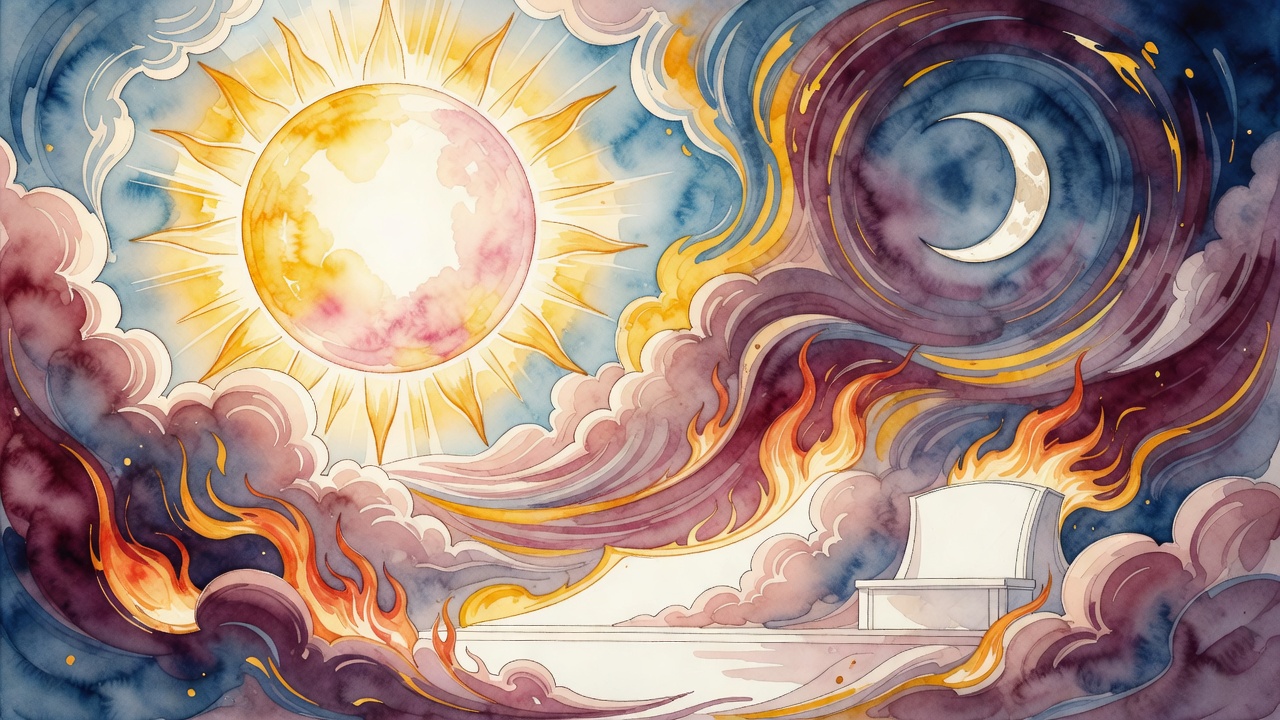
She went up to complain about sharing the sky and came back down smaller. Every month since, Israel burns a goat for a sin God says is His.
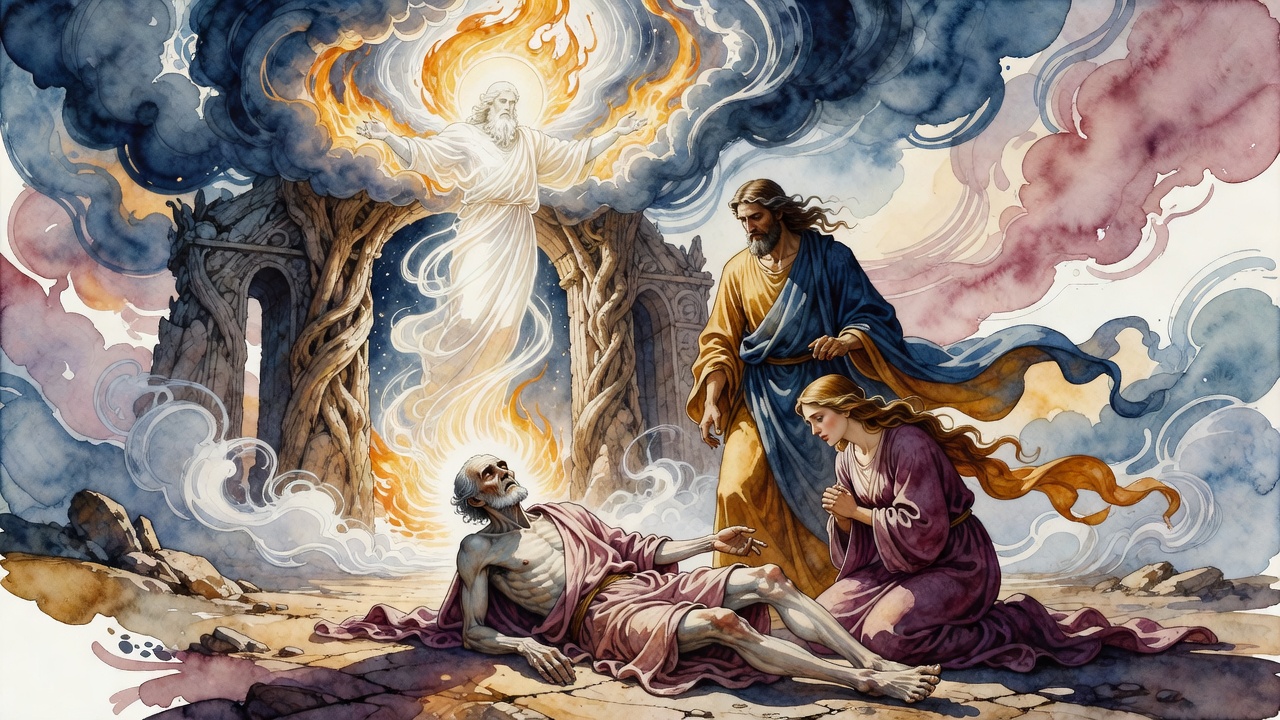
Adam's children had never seen a body fail on its own. They asked what trouble was. Seth offered to fetch fruit with dung on his head.
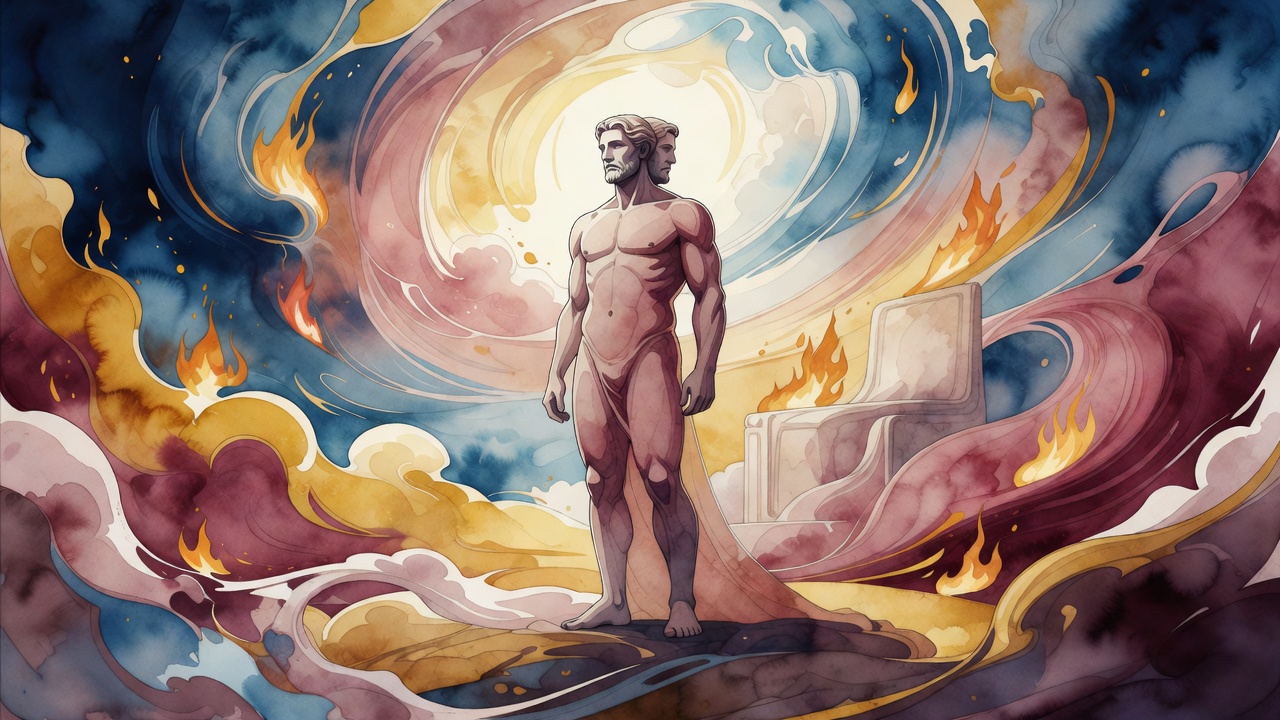
The rabbis say Adam's body waited silent through all of creation, was stamped from a single mold, and first walked with a second face at his back.
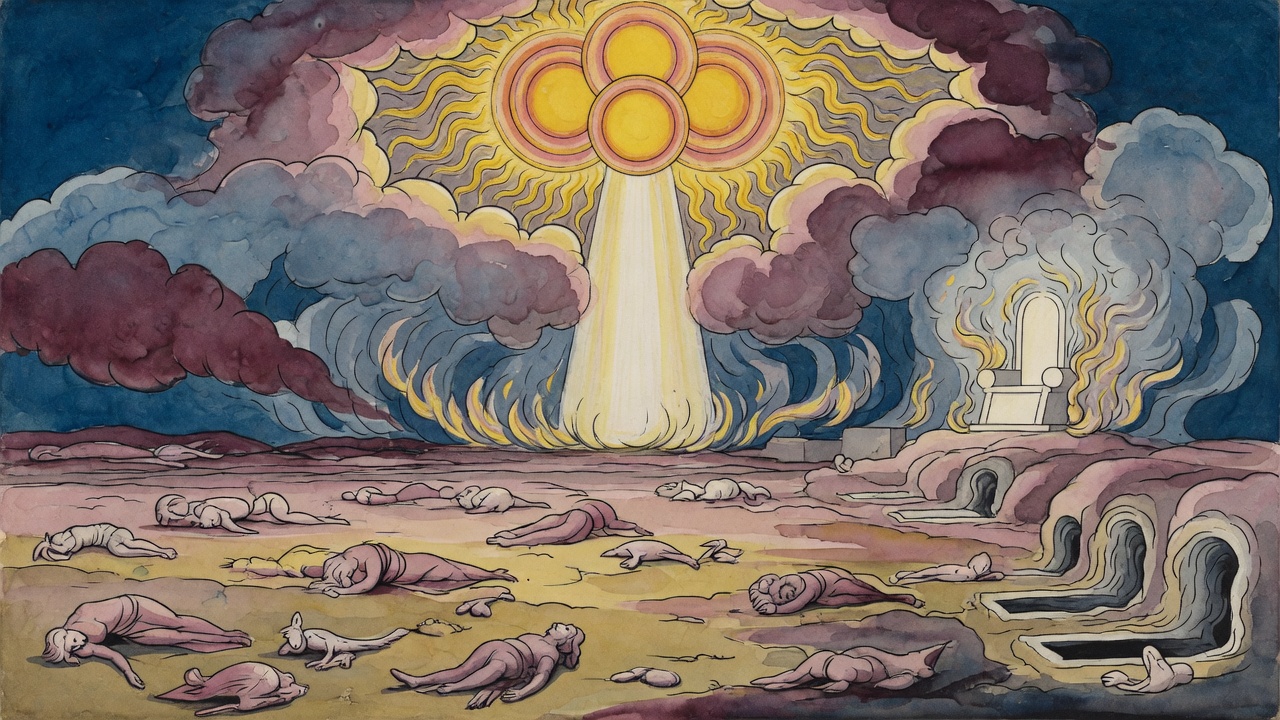
A rabbi asks how creation began and receives the answer in a whisper: God put on light like a garment and shook snow beneath the throne.
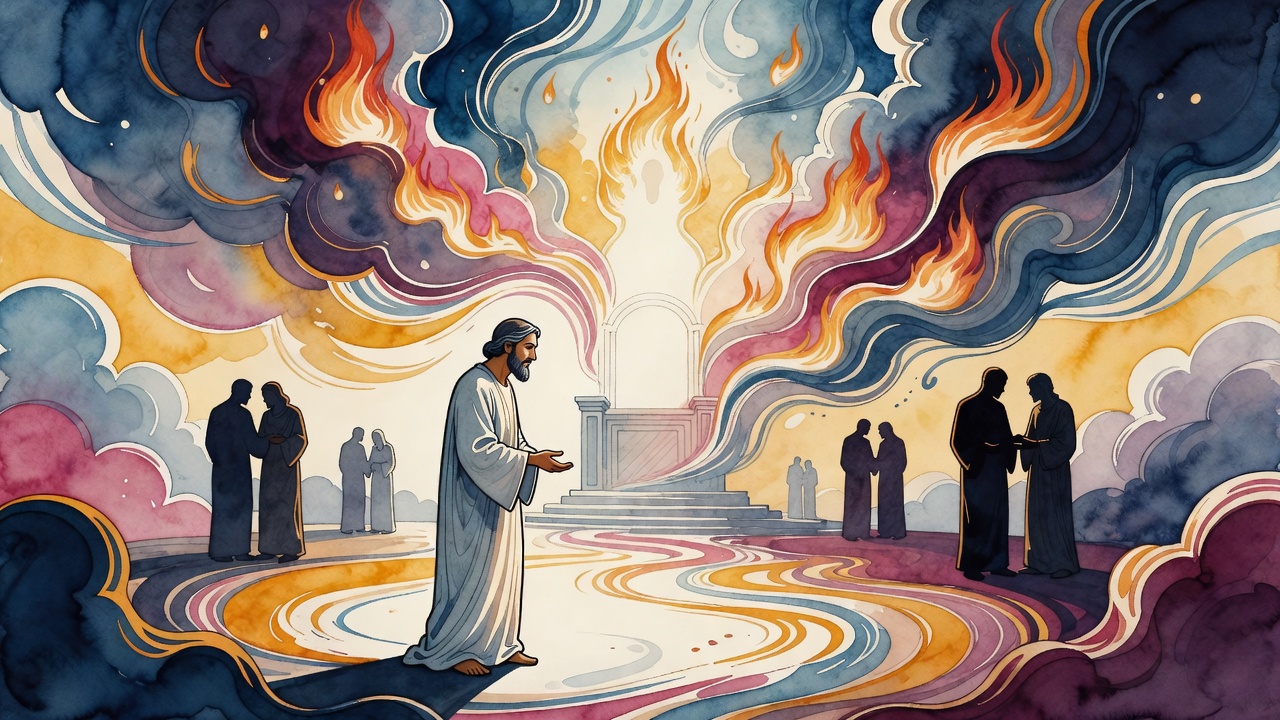
The first day of the week had the second. The third had the fourth. The fifth had the eve. The seventh counted them off and found itself standing alone.
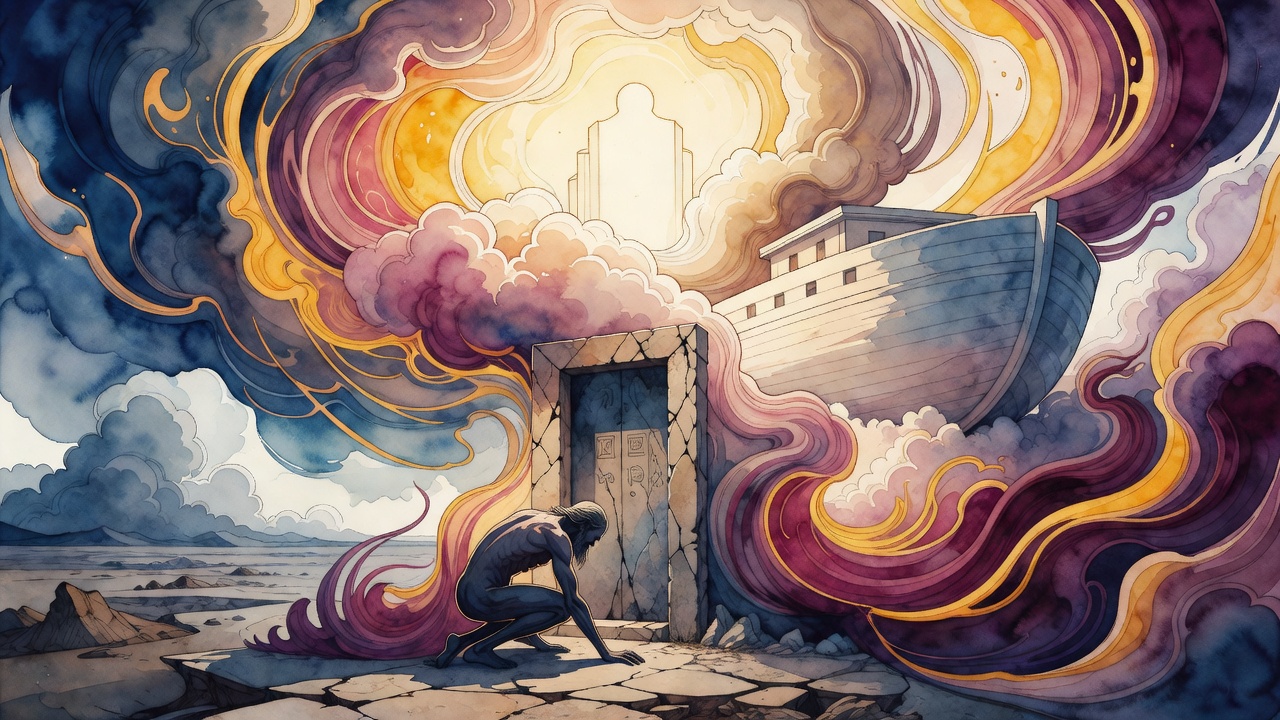
Sin crouches at Cain's door before the flood begins. Noah's name promises comfort. God waits 120 years. Then the ark rises on mercy and descends into sacrifice.
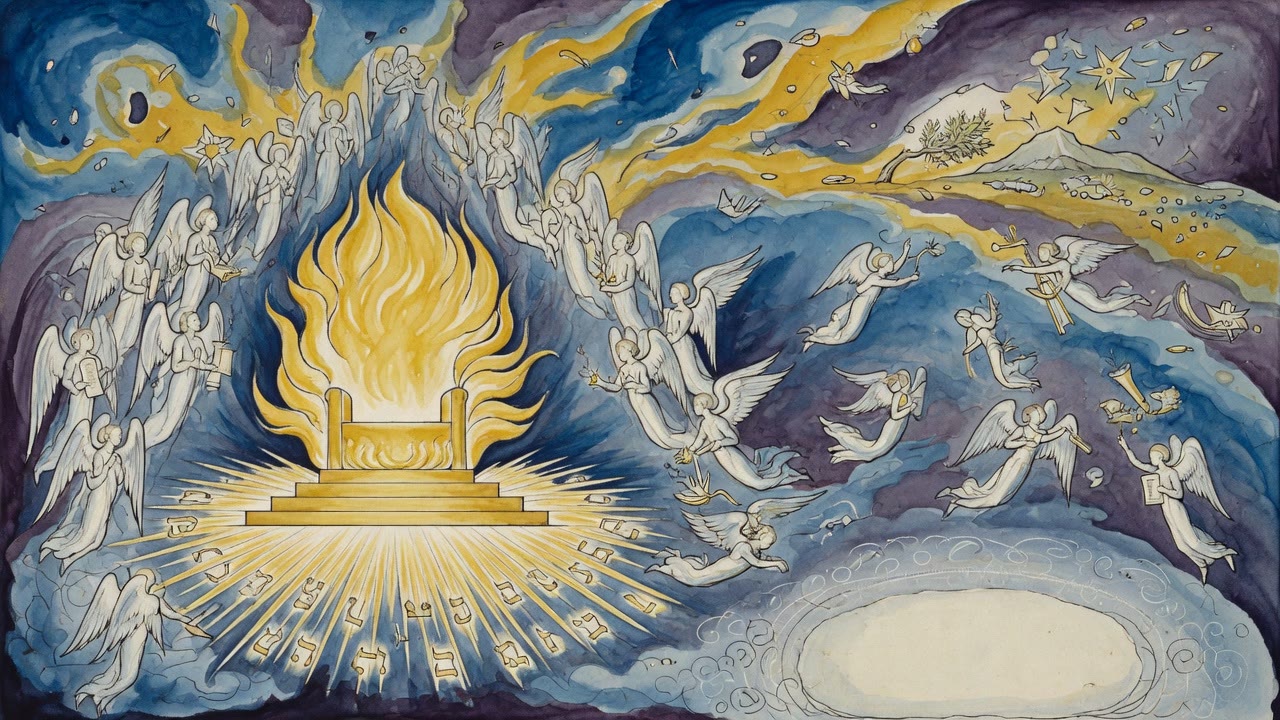
God dictated the words let us make man, and Moses stopped writing. Heretics will read that and claim there are two powers, he said.
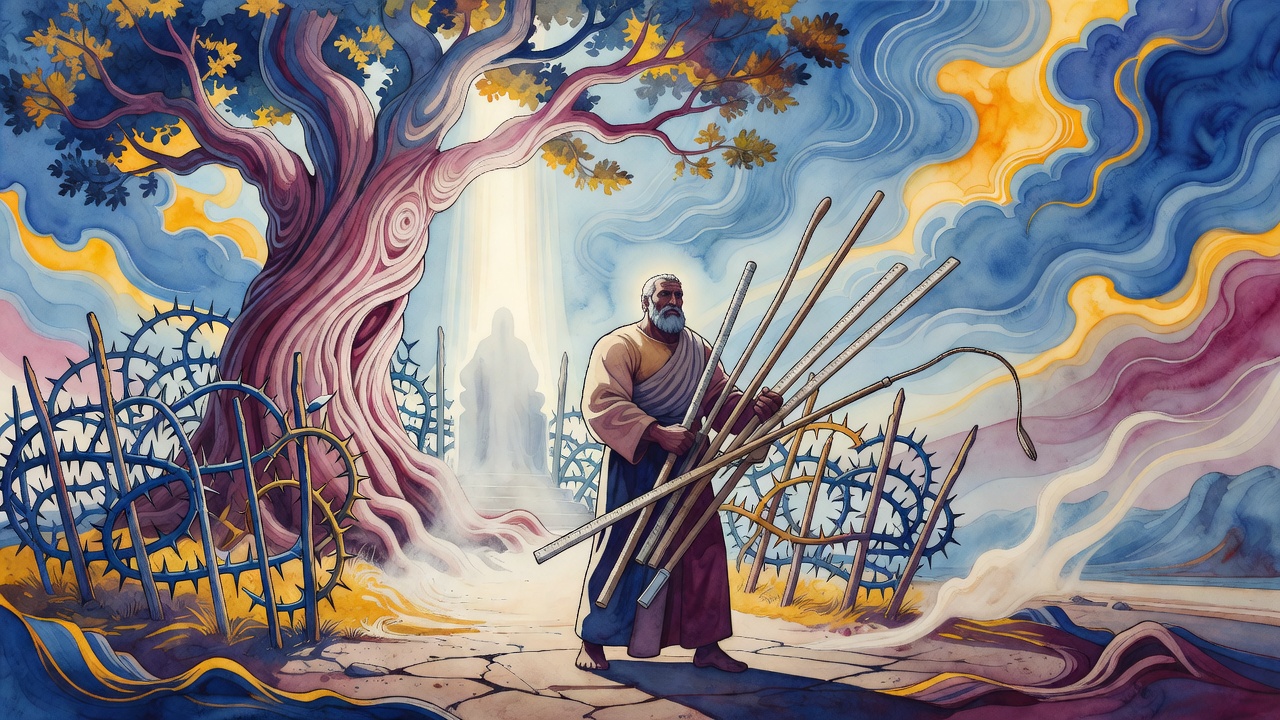
God walked Adam over the earth and showed him where to plant. At the tree, the serpent shoved Eve and waited for her not to die.
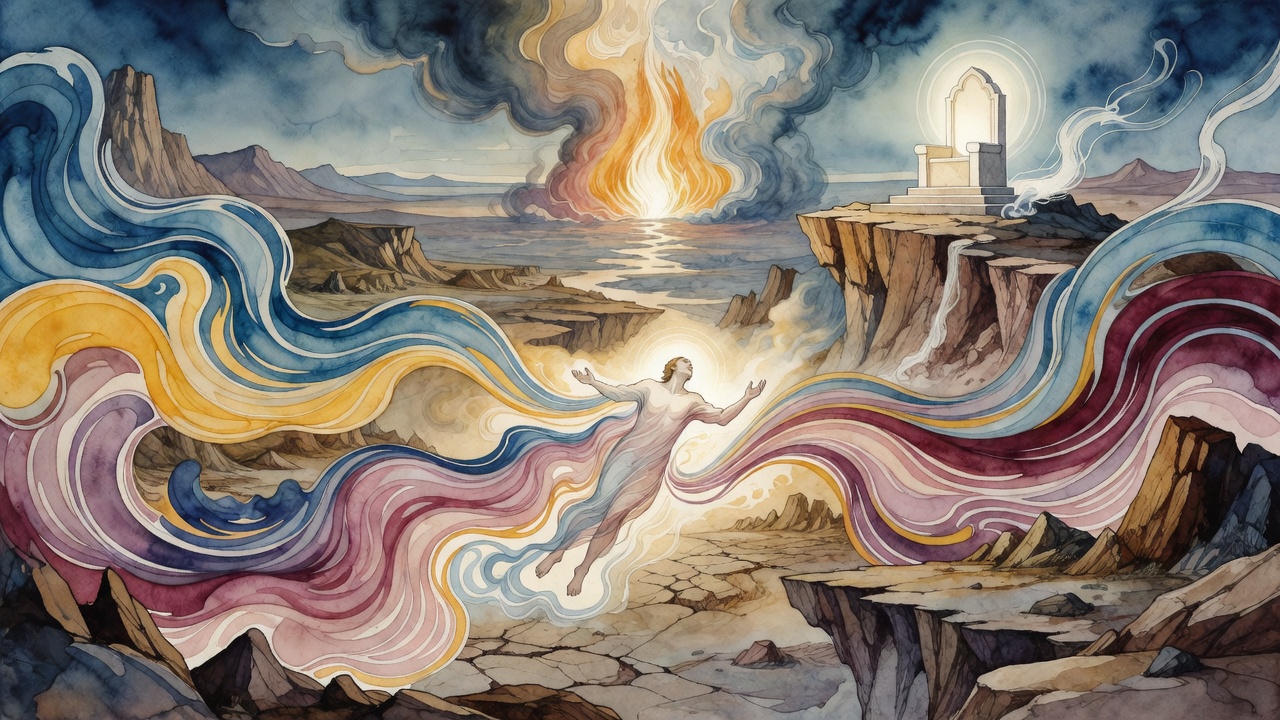
Three sounds cross the world from end to end though human ears cannot hold them. The loudest is the sound of a soul leaving the body.
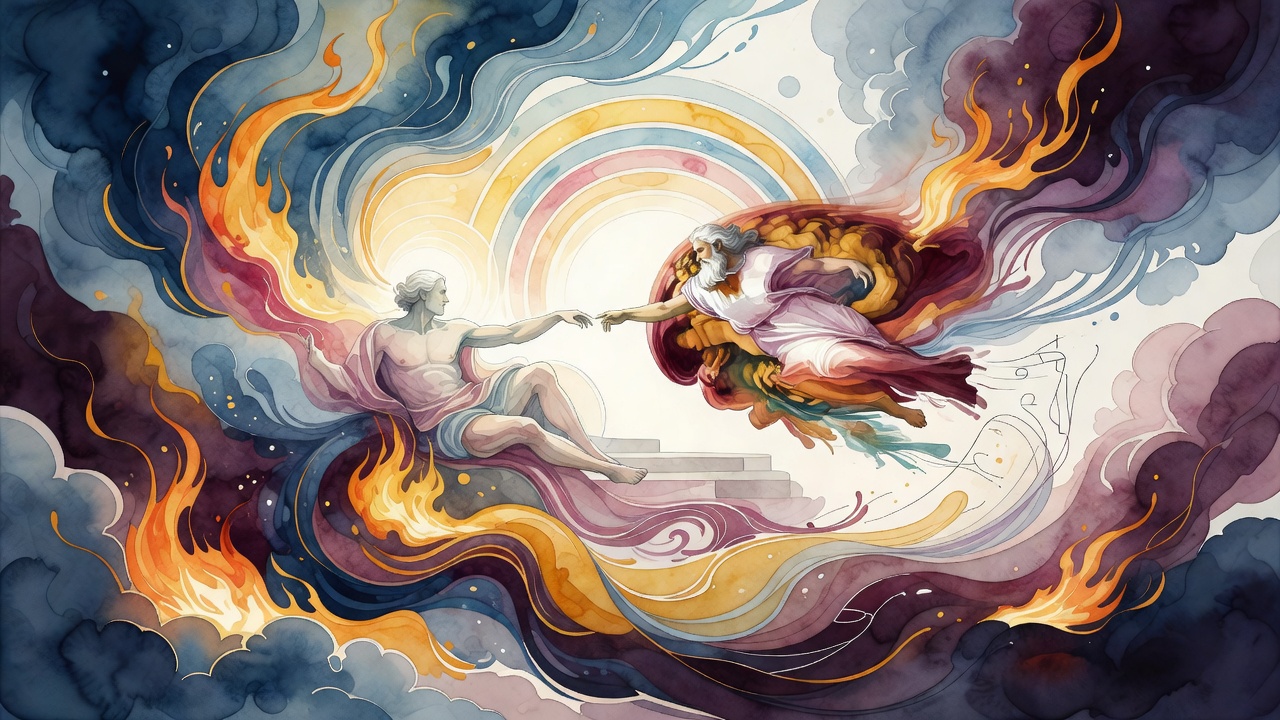
Adam stood in the river Gihon with the water up to his neck for a hundred and thirty years, waiting to hear whether the court had finished with him.
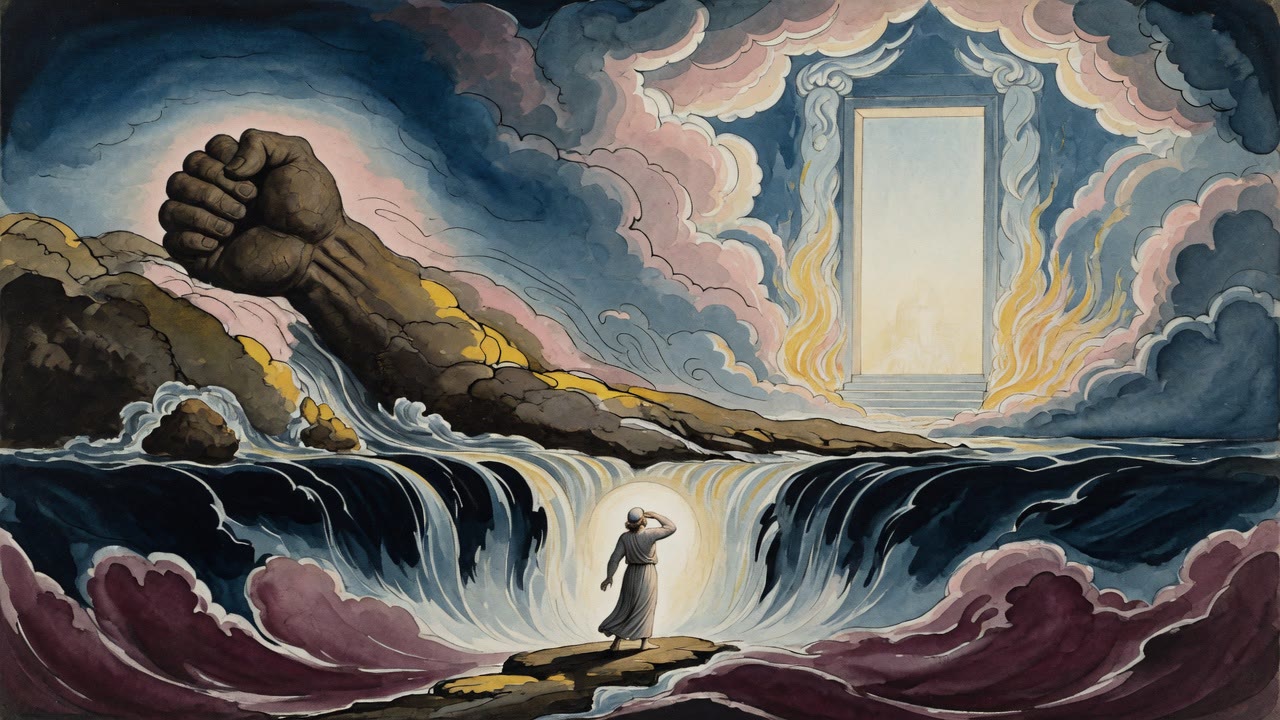
Earth pulled itself to the gate before heaven could look lazy, and Ben Zoma stared at the gap between waters until the world took him.
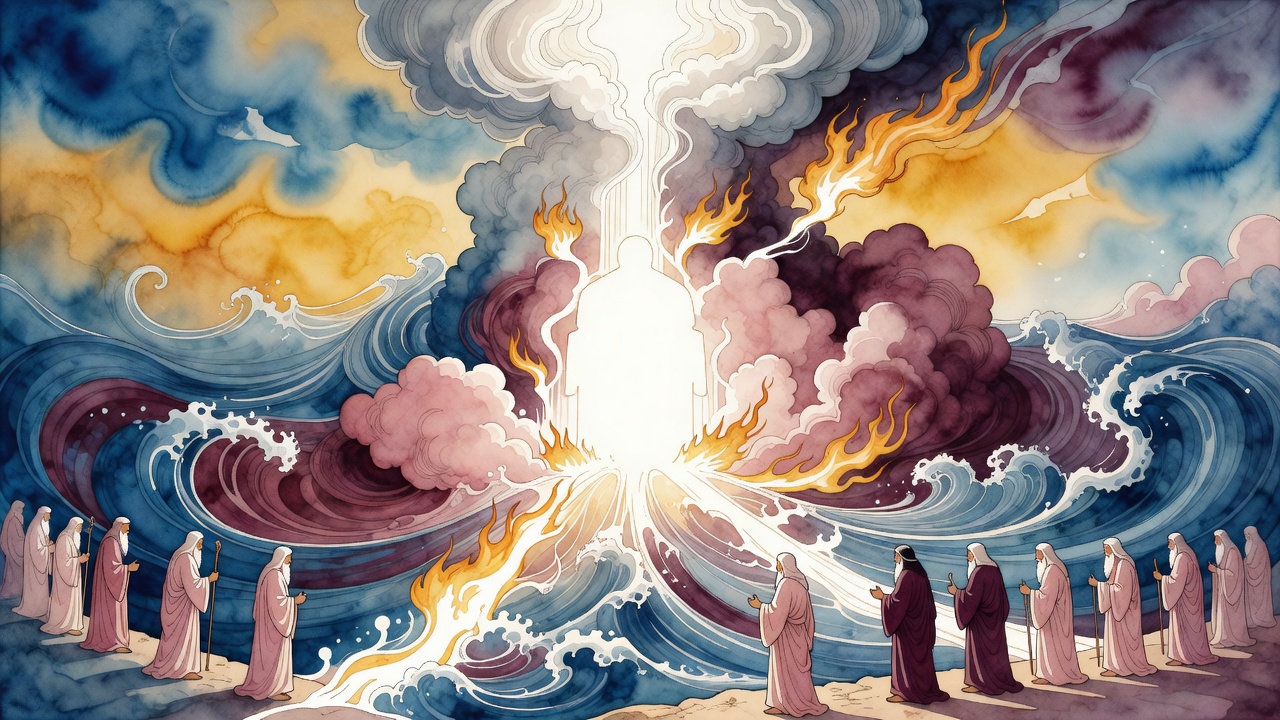
Every other day of the making ended with the word good. The second day did not, and the reason was a man who would not be born for centuries.
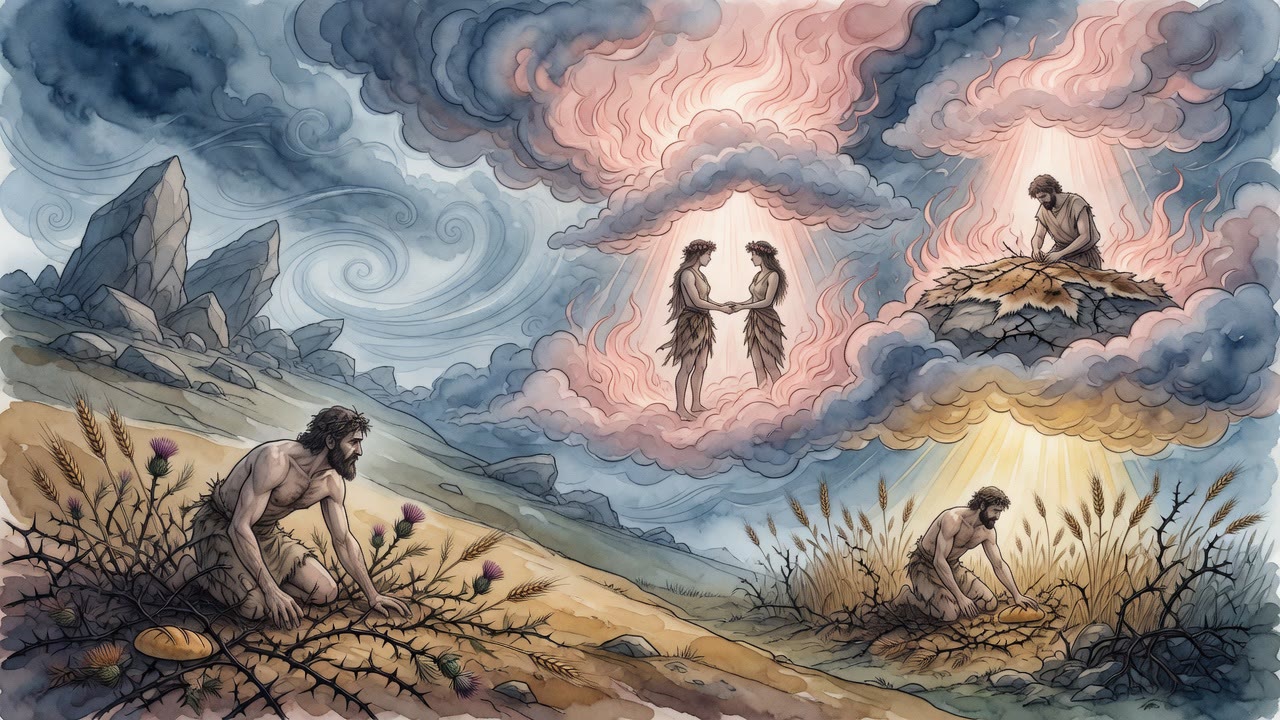
He wept when he heard about the thorns. Am I and my donkey going to eat out of one trough, he asked, and then God said the word bread.
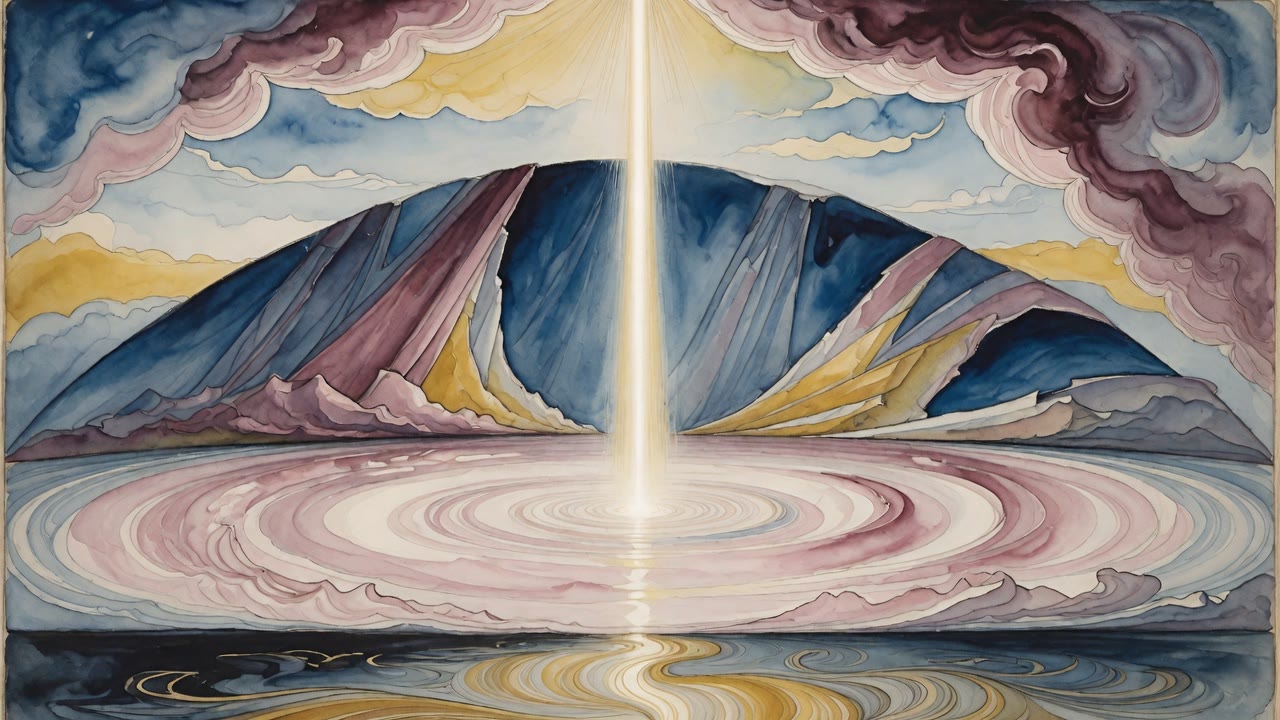
On the second day of creation the sky trembled like fresh milk in a bowl, waiting. One divine word dropped in and the whole expanse seized and stood.
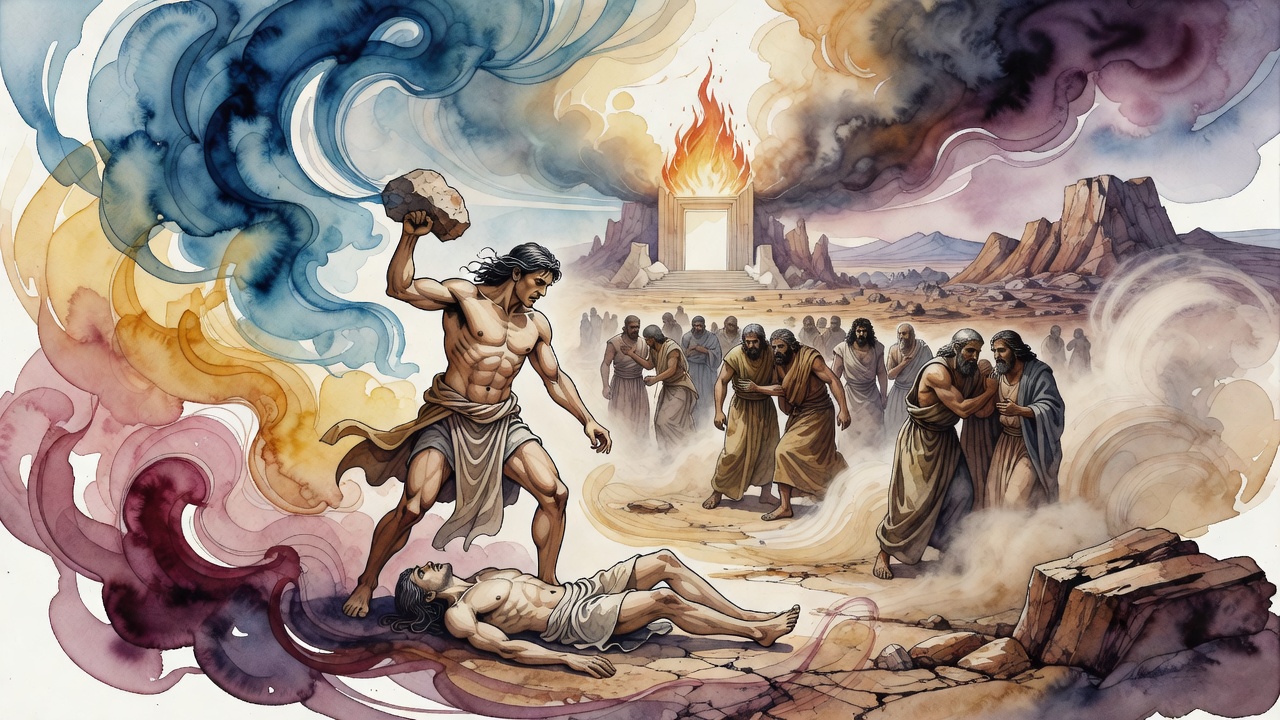
Abel had his brother pinned in the field and let him up. God did not count one death afterward. He counted every child Abel would never father.
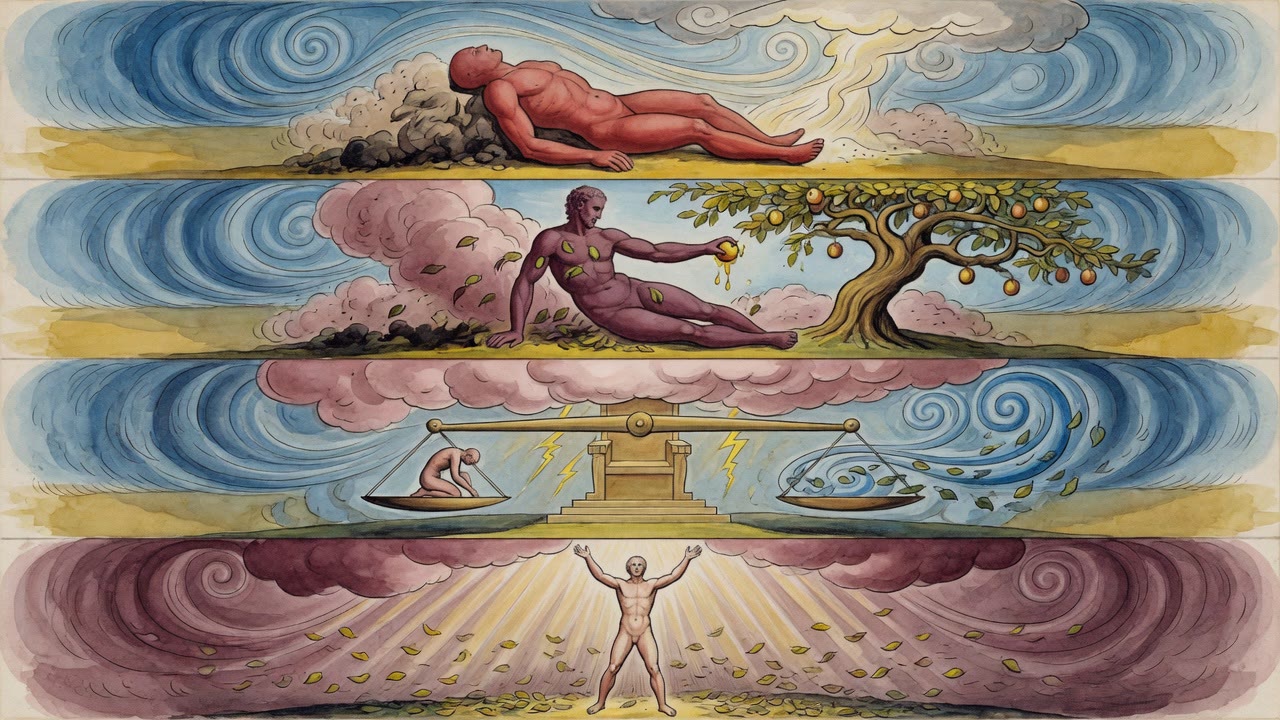
Before God shaped Adam from dust, the Torah argued against it. Adam came out anyway, built from four corners of the earth, already circumcised, lacking nothing.
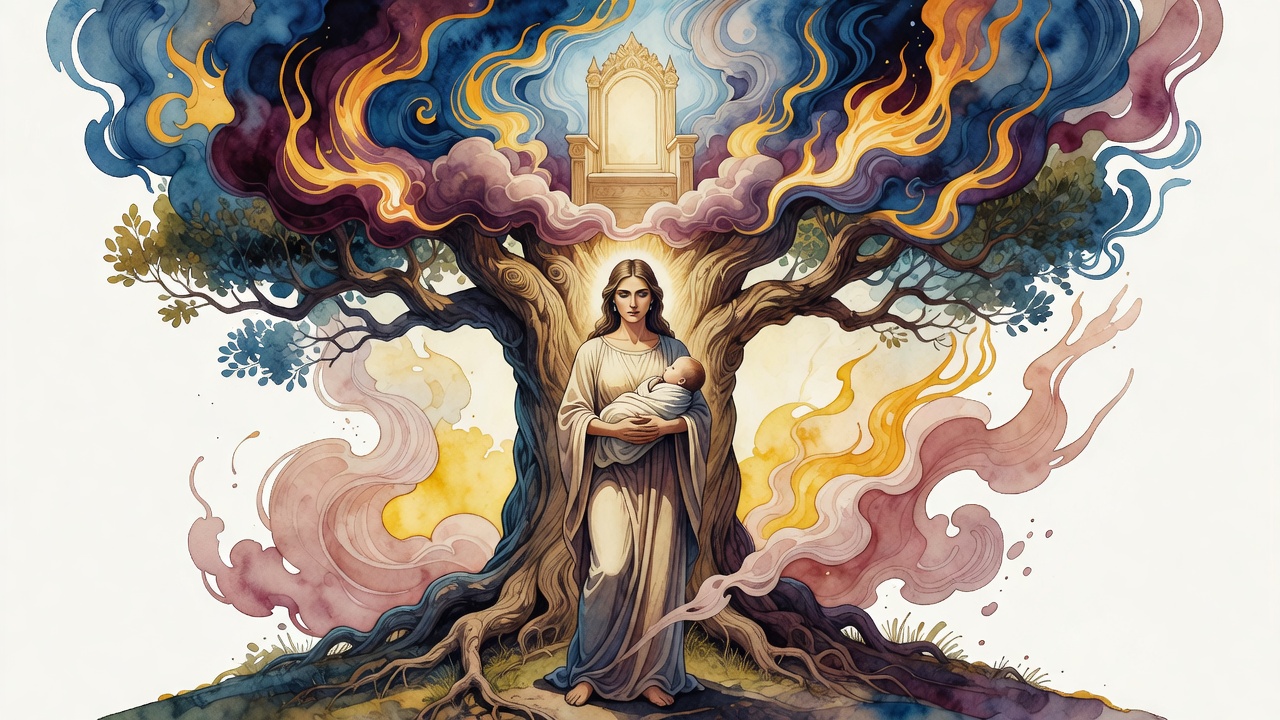
She was afraid when she saw him standing by the tree. She ate anyway. When the first boy came, she named him for the angel she had wanted.
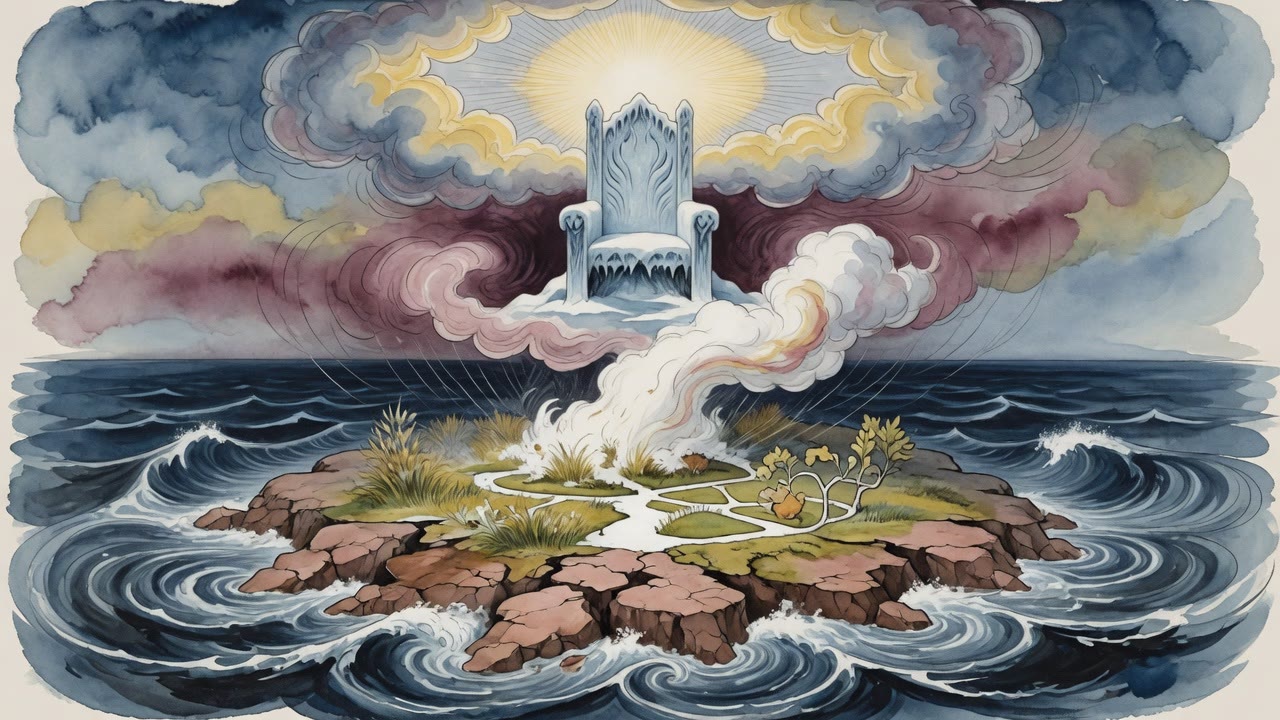
God lifted a clot of snow from beneath the Throne, cast it on the waters, and earth surfaced where Eden had stood ready for ages.
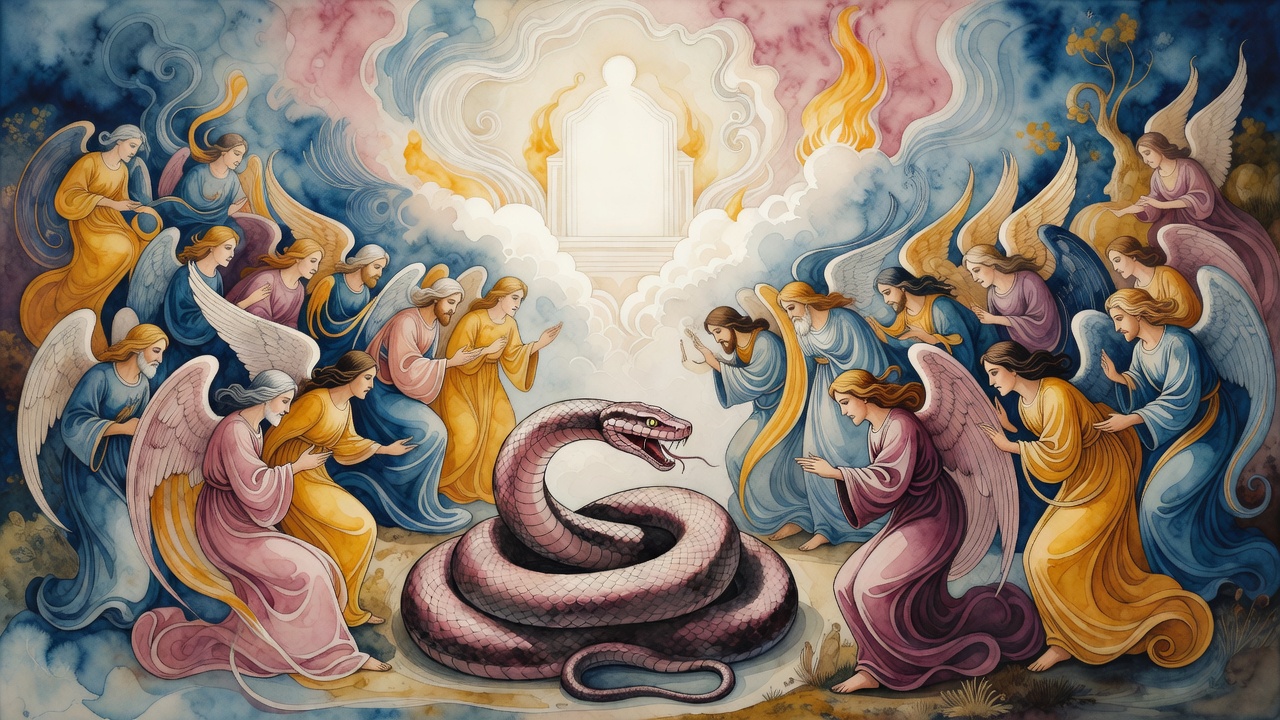
The serpent still had legs when the angels sat down. God did not strike it where it stood. The court took its feet.
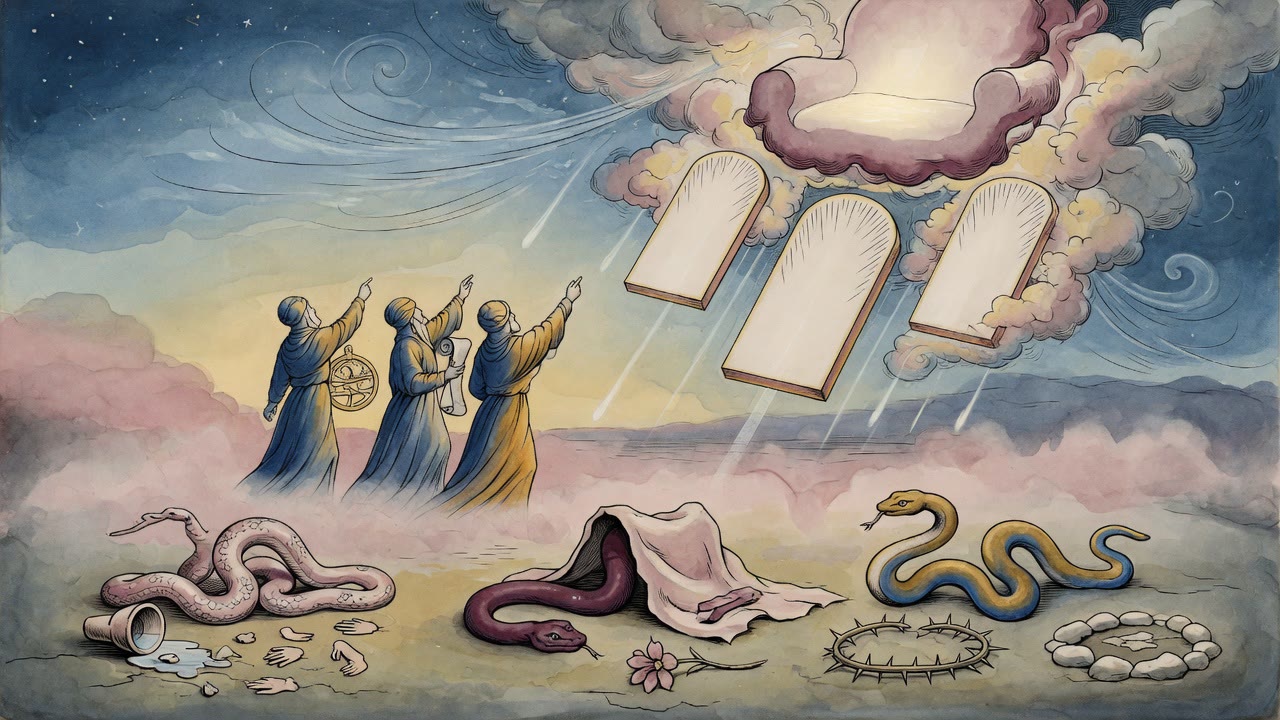
Before the first day, God faces a creature black as a burnt log, hangs seven planets with secret tempers, and hides a light too strong to keep.
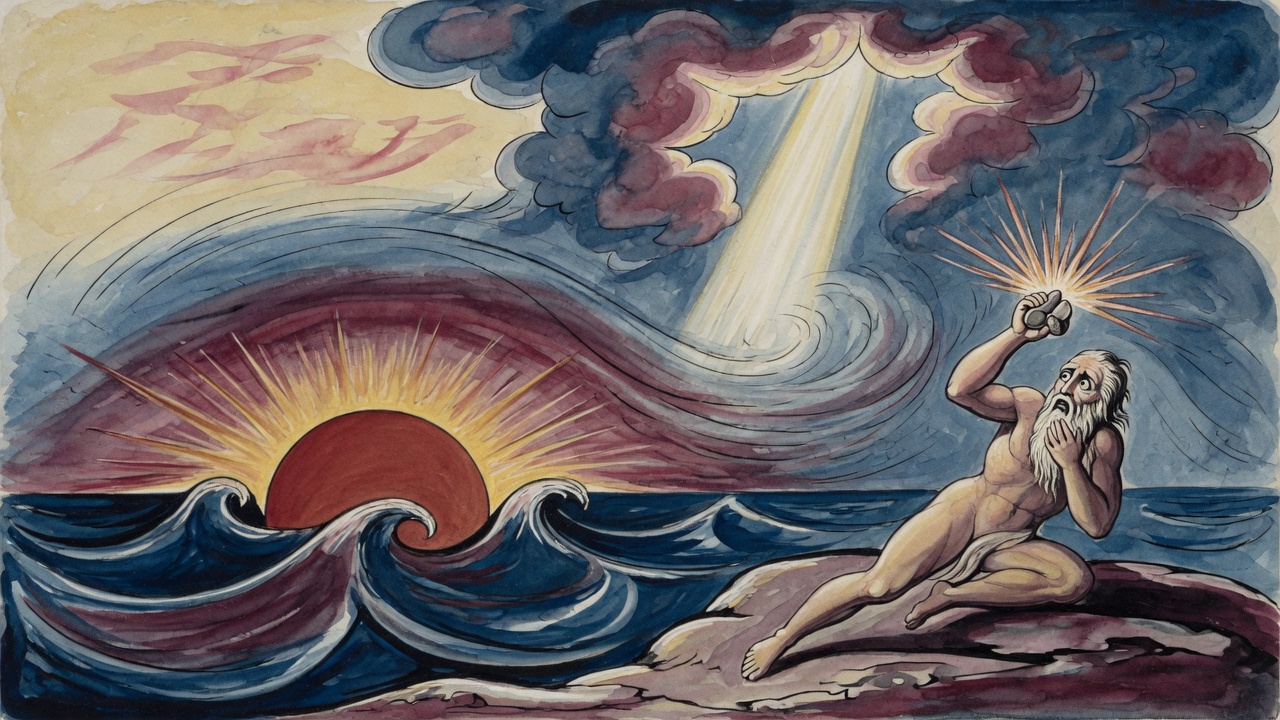
For a week the world never set. Then the first Sabbath ended, the sun drowned in the sea, and a terrified Adam struck two stones in the dark.
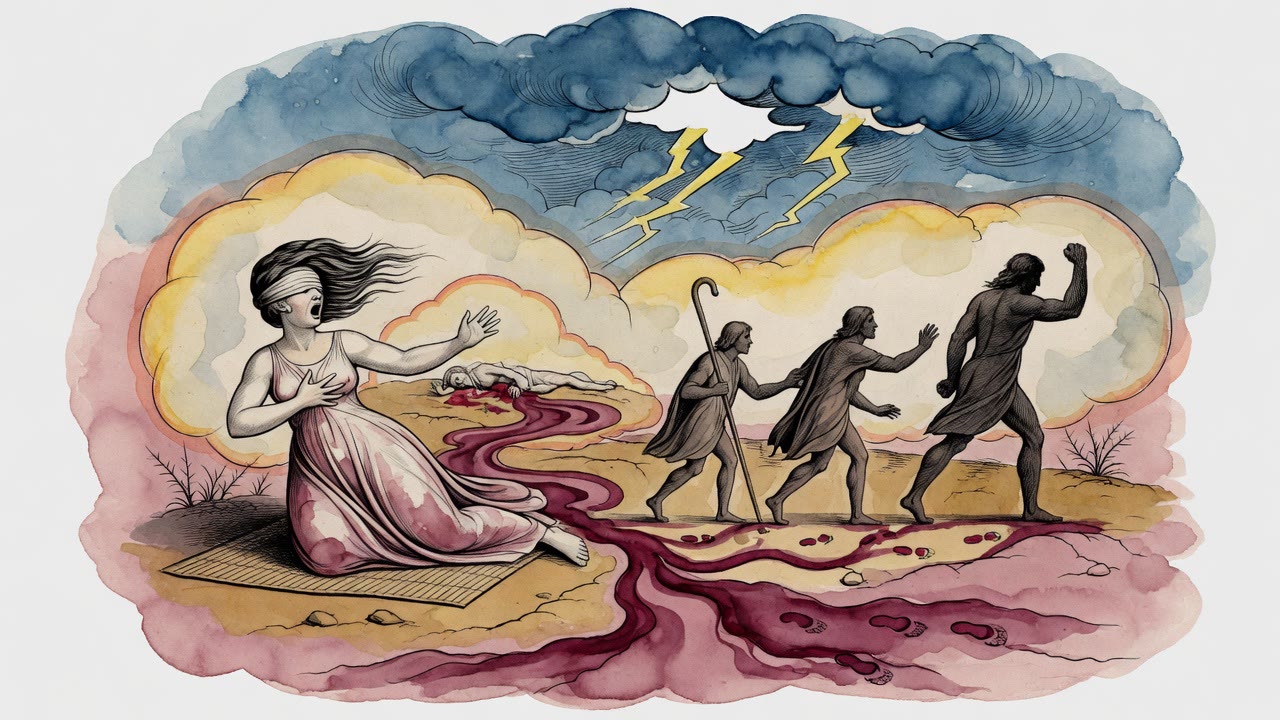
Eve wakes screaming from a dream of Abel's blood, and every step Adam takes to keep his sons apart only walks them toward the first murder.
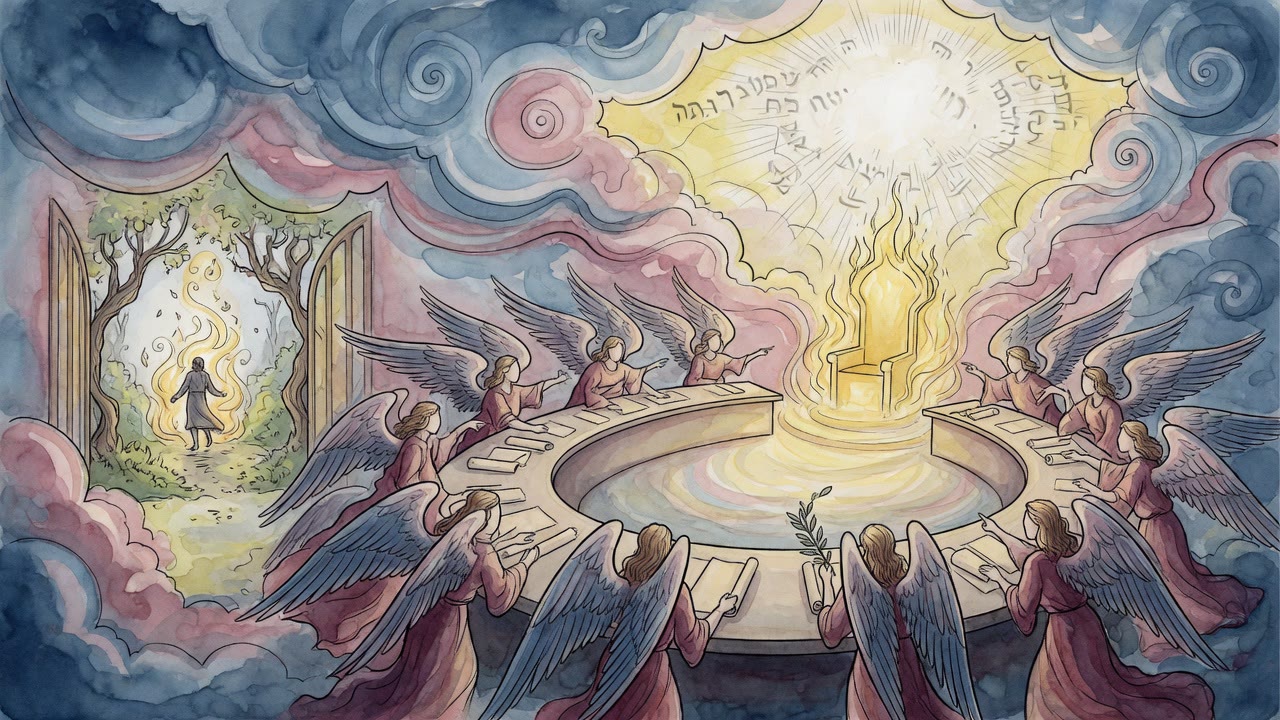
The same angels who heard God say let us make man are summoned back to the throne, and this time the council votes to drive Adam from the garden.
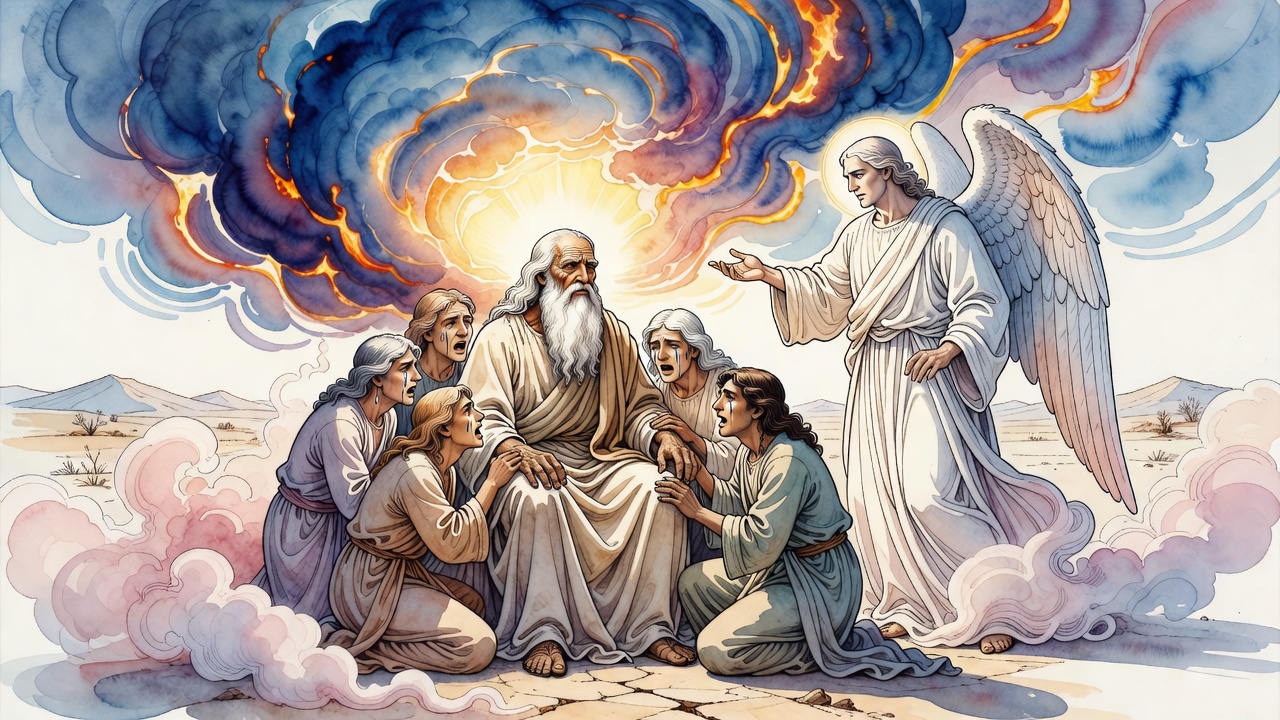
Nine hundred and thirty years old, Adam tells his weeping children the sixth day has come, and an angel keeps his body for a promised return.
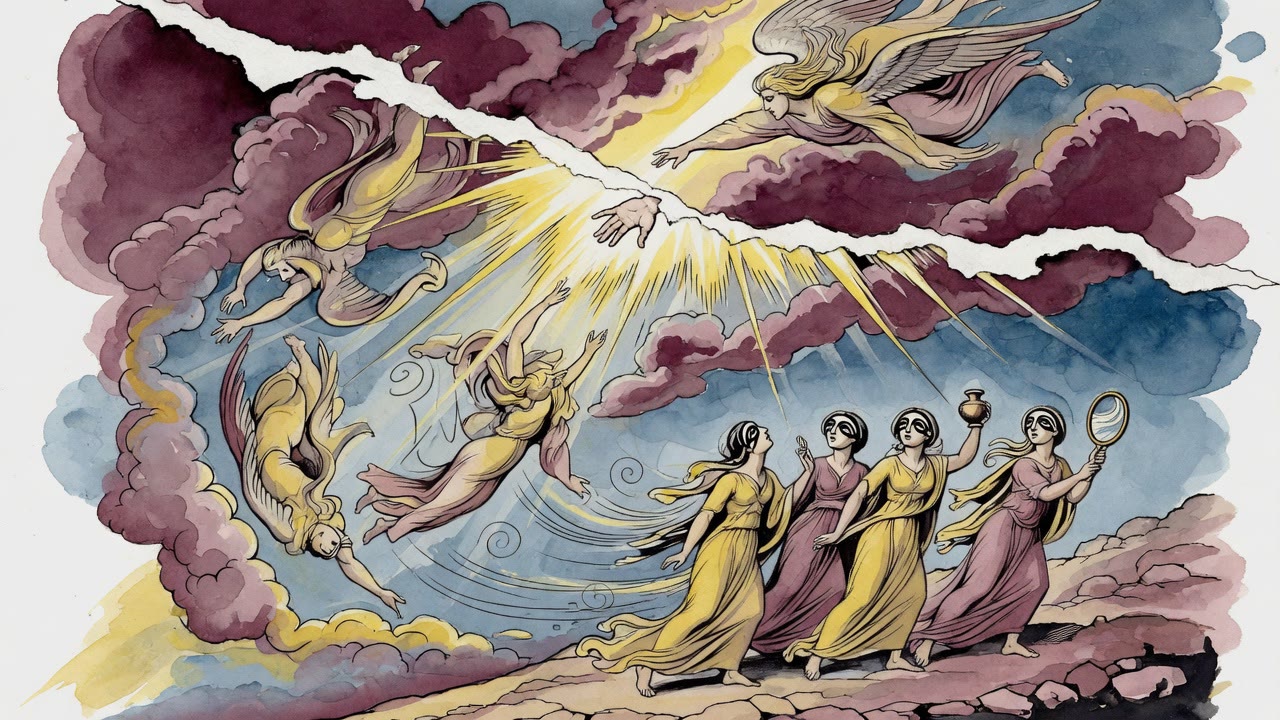
The women lined their eyes with kohl and walked to be seen, and the Watchers leaned over heaven's edge until they were no longer leaning but falling.
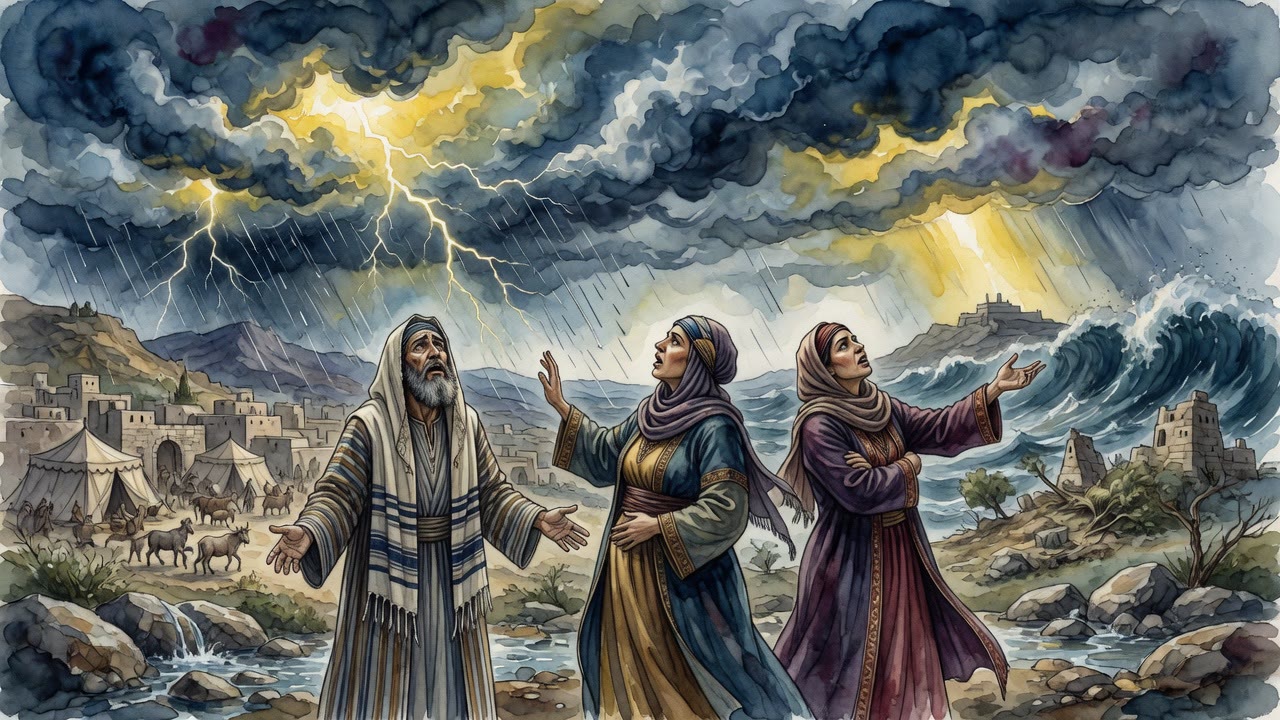
Lamech swore the boy in his arms would comfort a cursed world, but his wives had already decided no cradle was worth filling before the Flood.
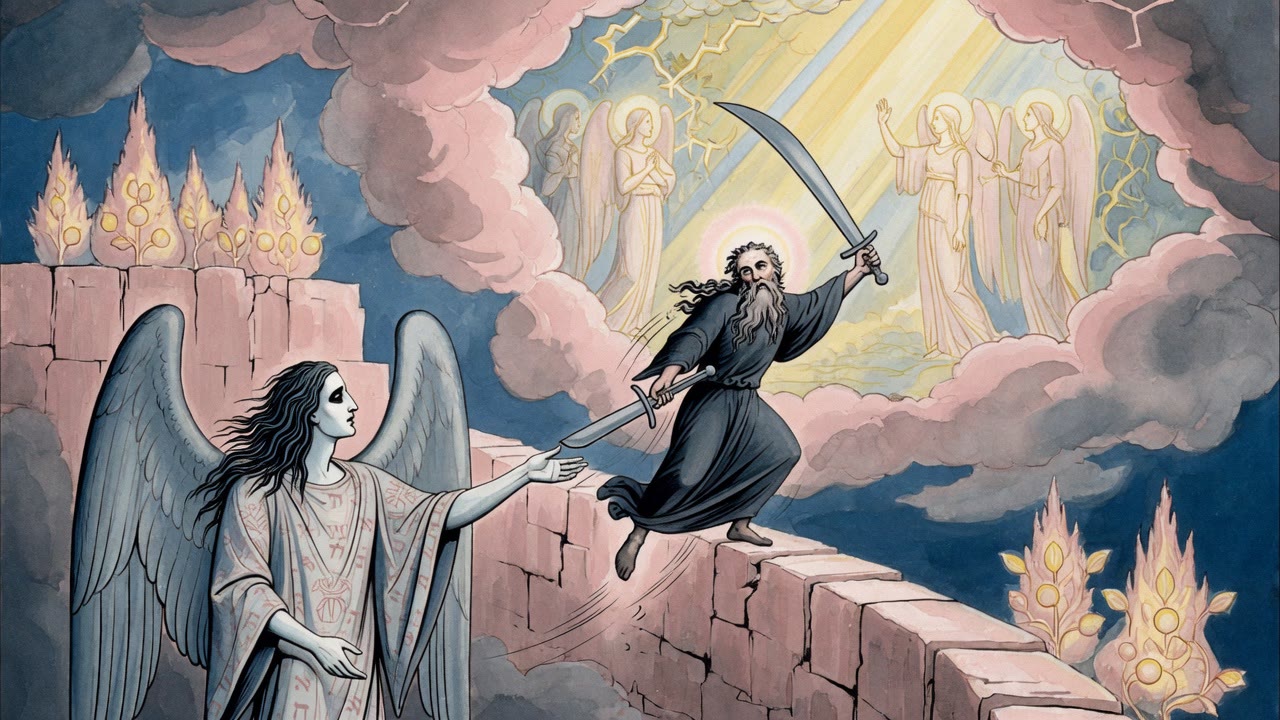
The serpent had legs once. It told Eve that God was jealous of her, and because God had already blessed Adam and Eve, the curse landed on the serpent instead.
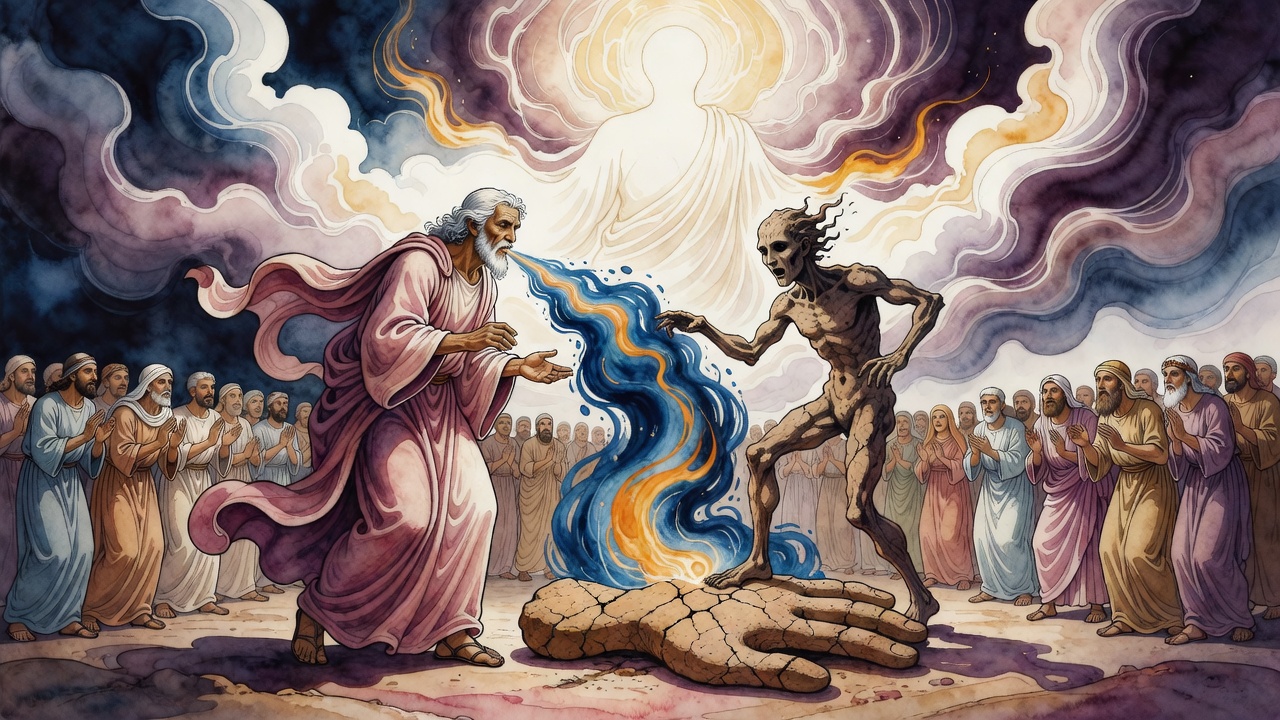
When the crowd demands proof of how God made man, Enosh breathes into clay, Satan enters it, and the first idol rises to its feet.
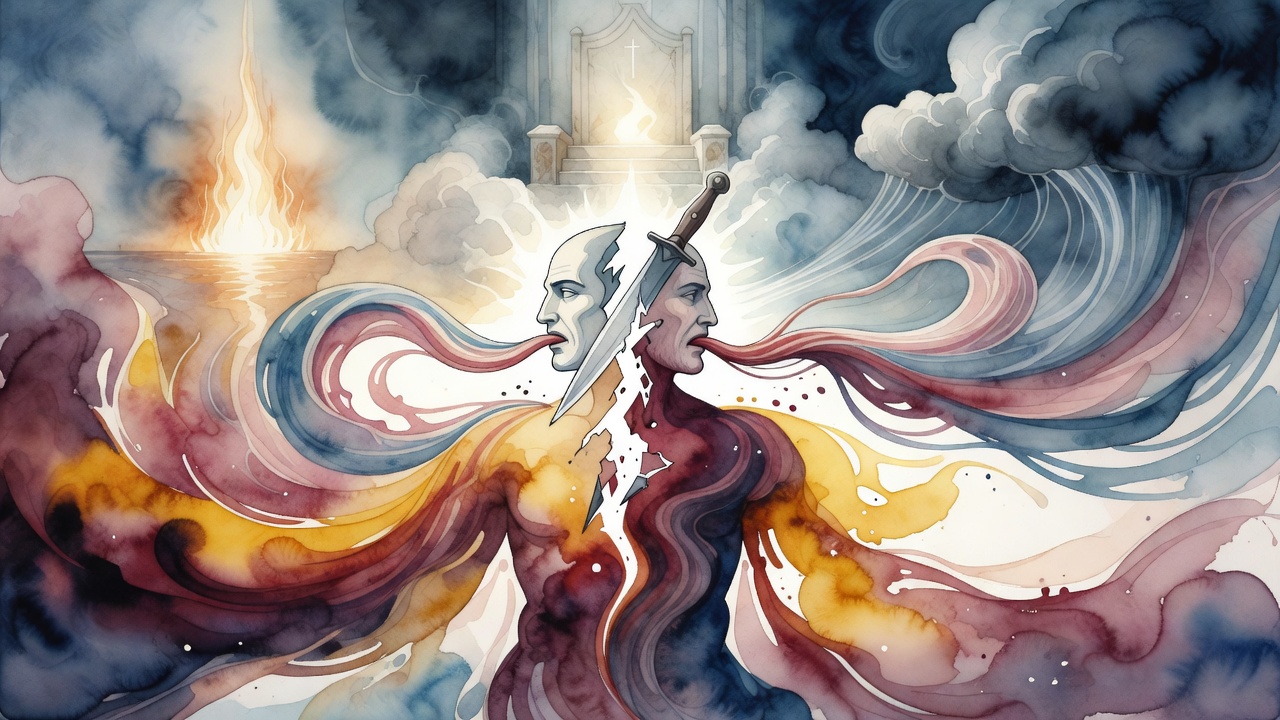
The companion was always there, warm against the back. Neither face could turn. God called that solitude, and reached for a rib.
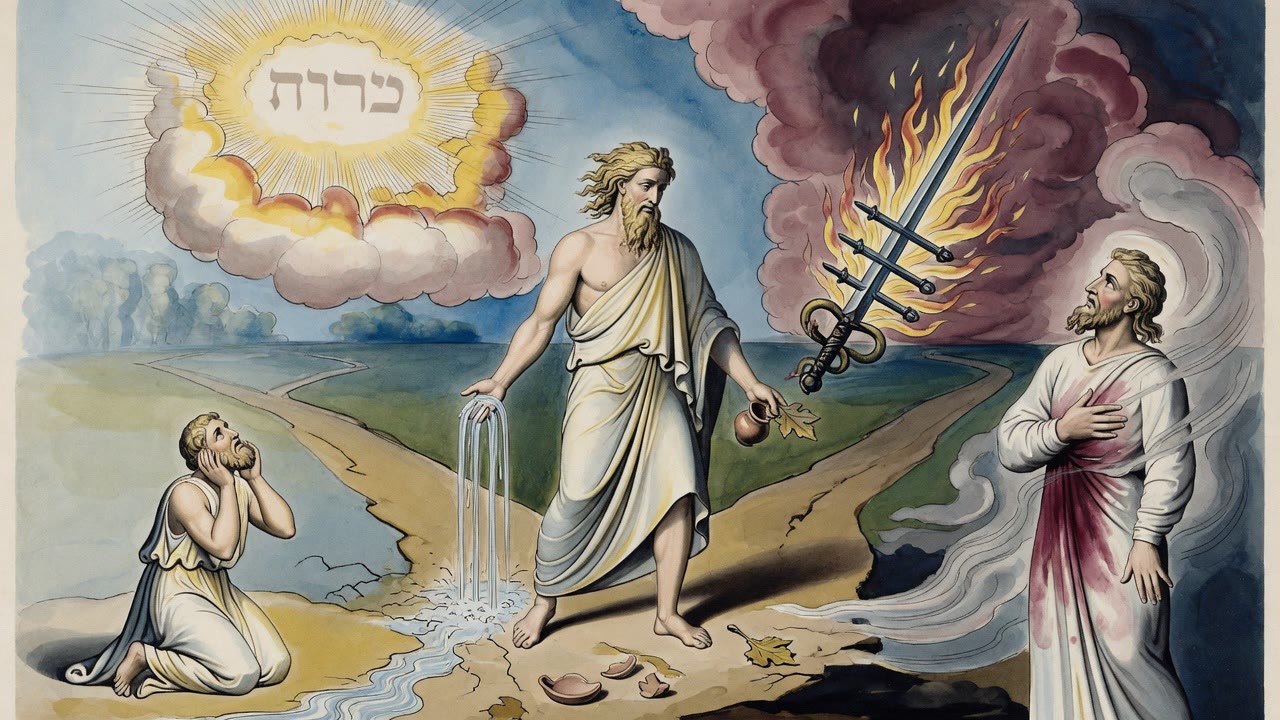
Pappias hears flattery in "like one of Us." Akiva hears a wound. Adam stood between two roads and let immortal water slip through his hand.
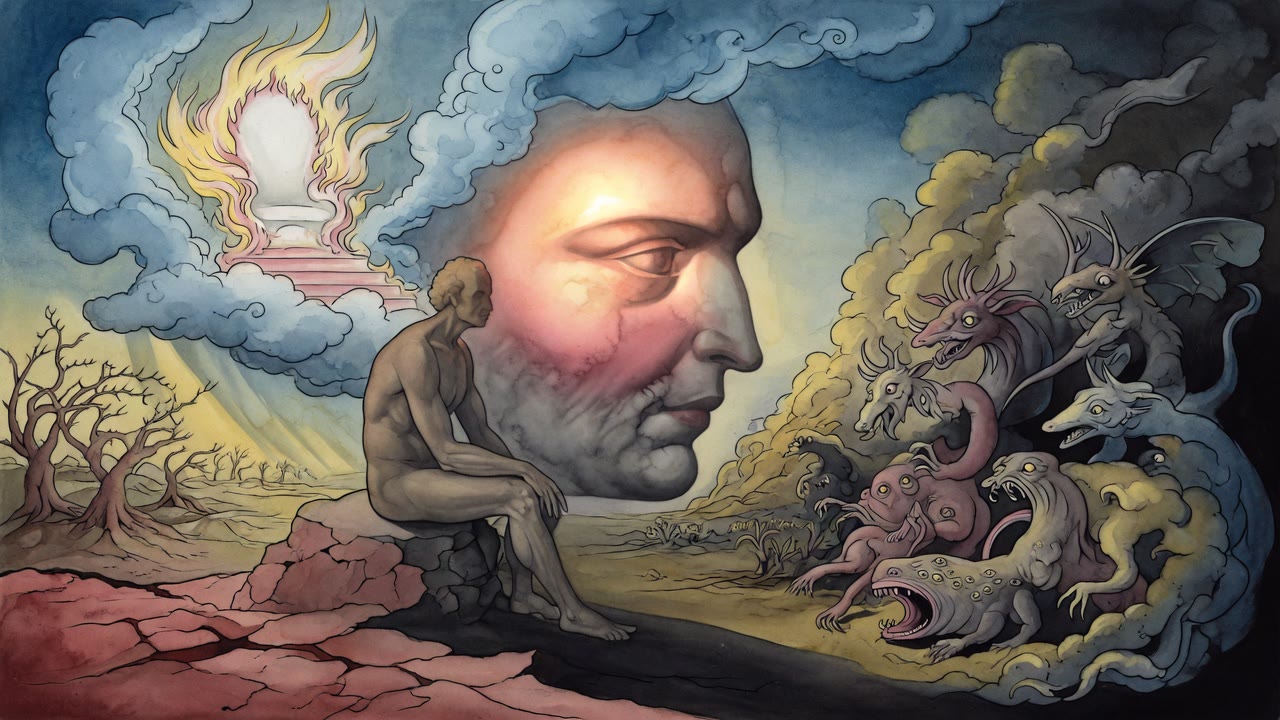
Adam wore the divine image like a lamp in his face, and for three generations it held, until the light dimmed and monsters crawled into the gap.
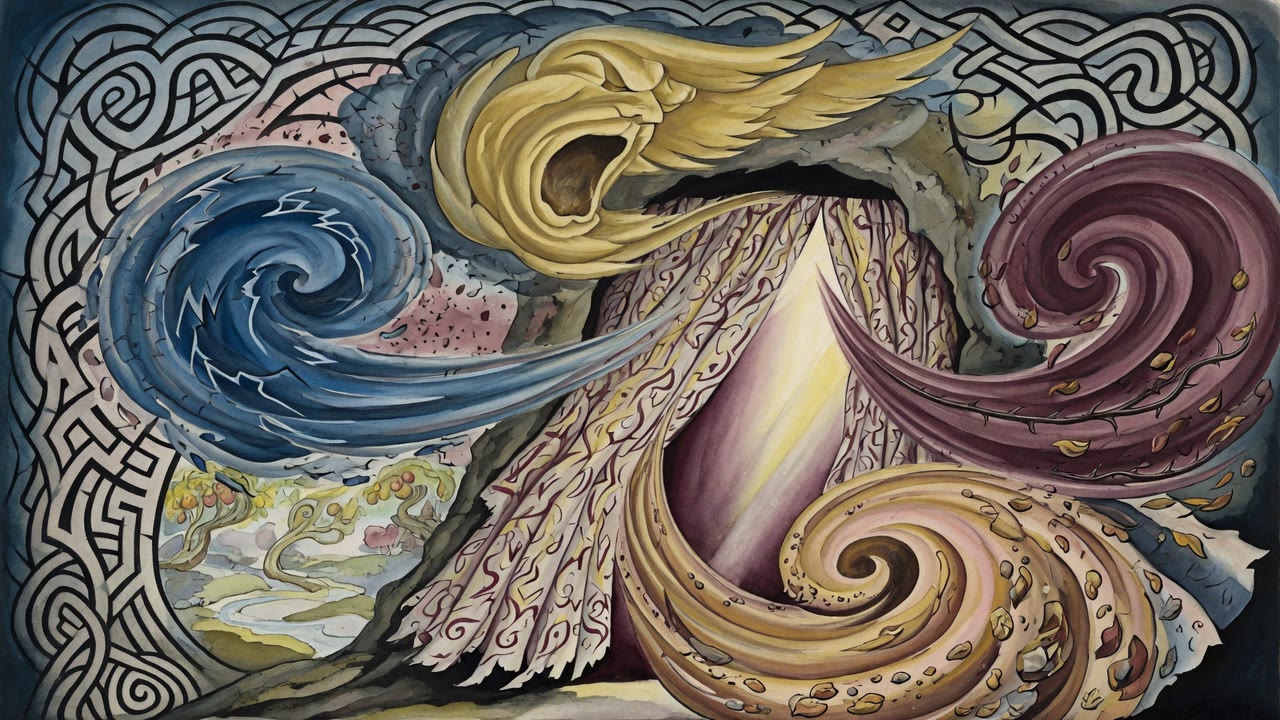
Adam knelt on dry ground and asked for rain. The garden grew. Behind a small cave's curtain, four winds waited to unmake the world.
