21 texts
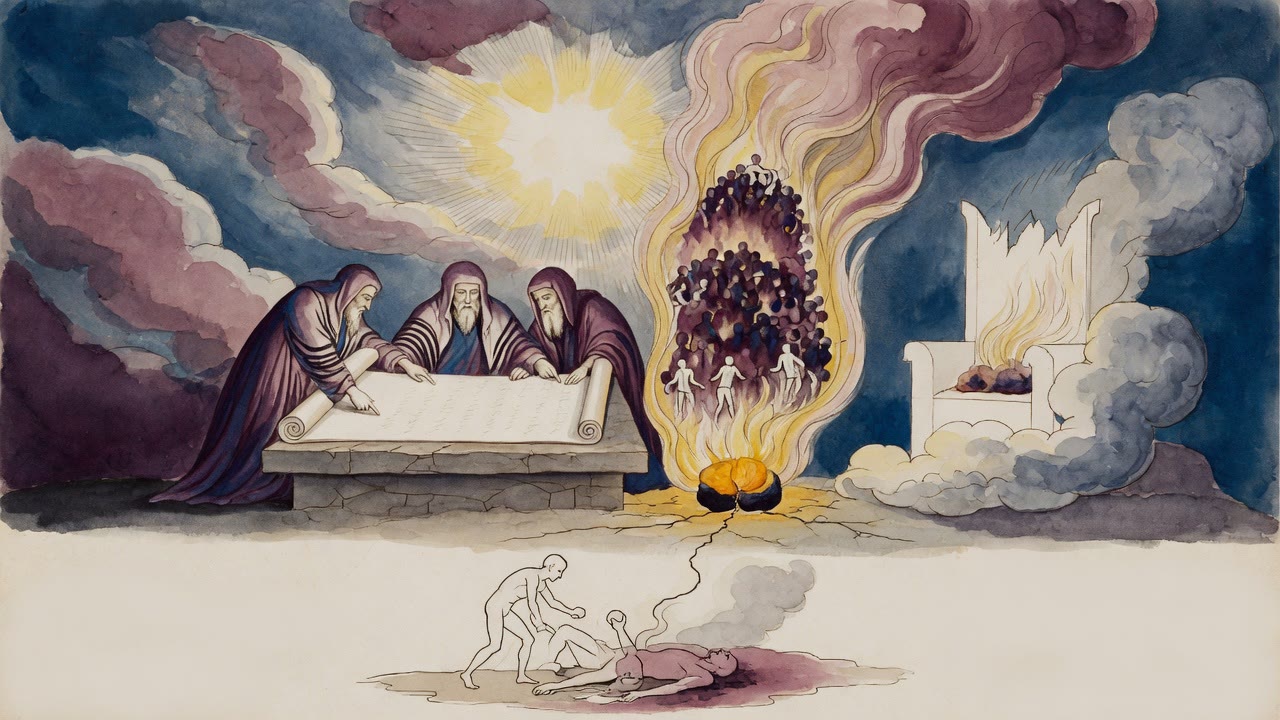
God answered Abraham's question about evil with a revelation about the nations. He was angered at them on account of Abraham's descendants, the people who would be separated after ...
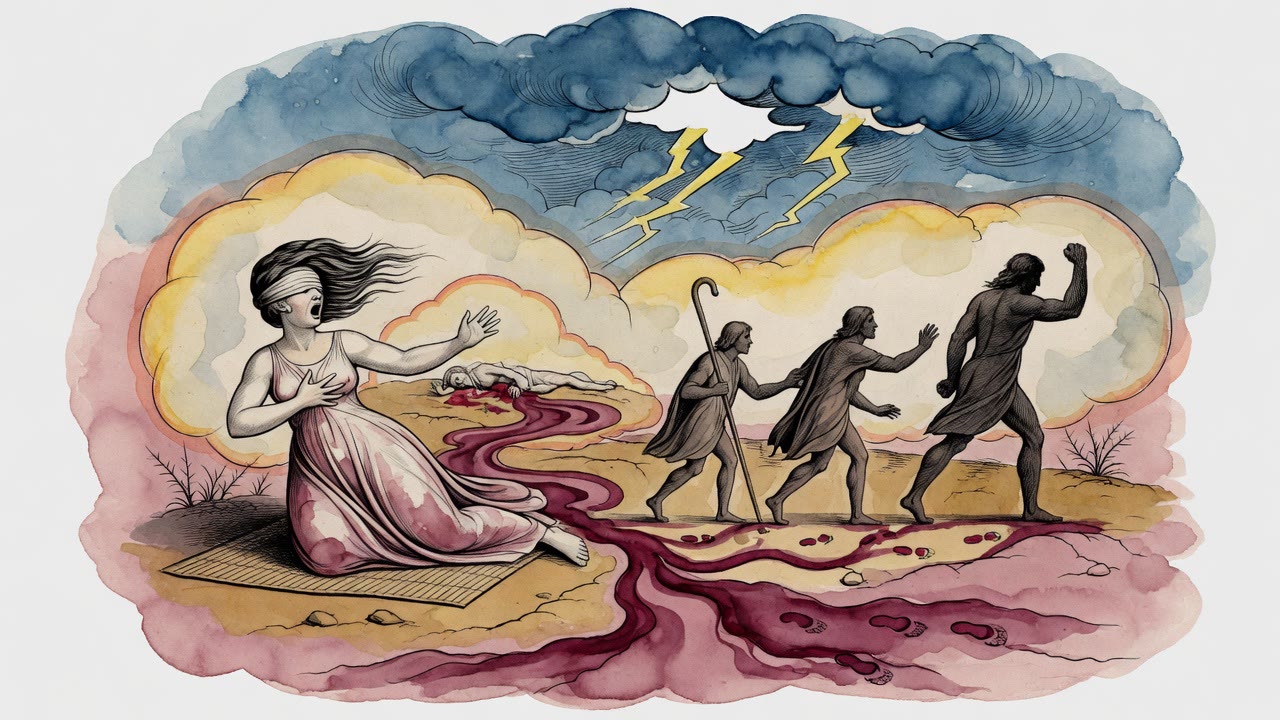
Eve dreamed of blood. Her son's blood. Pouring into the mouth of his brother. After their expulsion from Paradise, Adam and Eve journeyed eastward toward the sunrise and settled th...
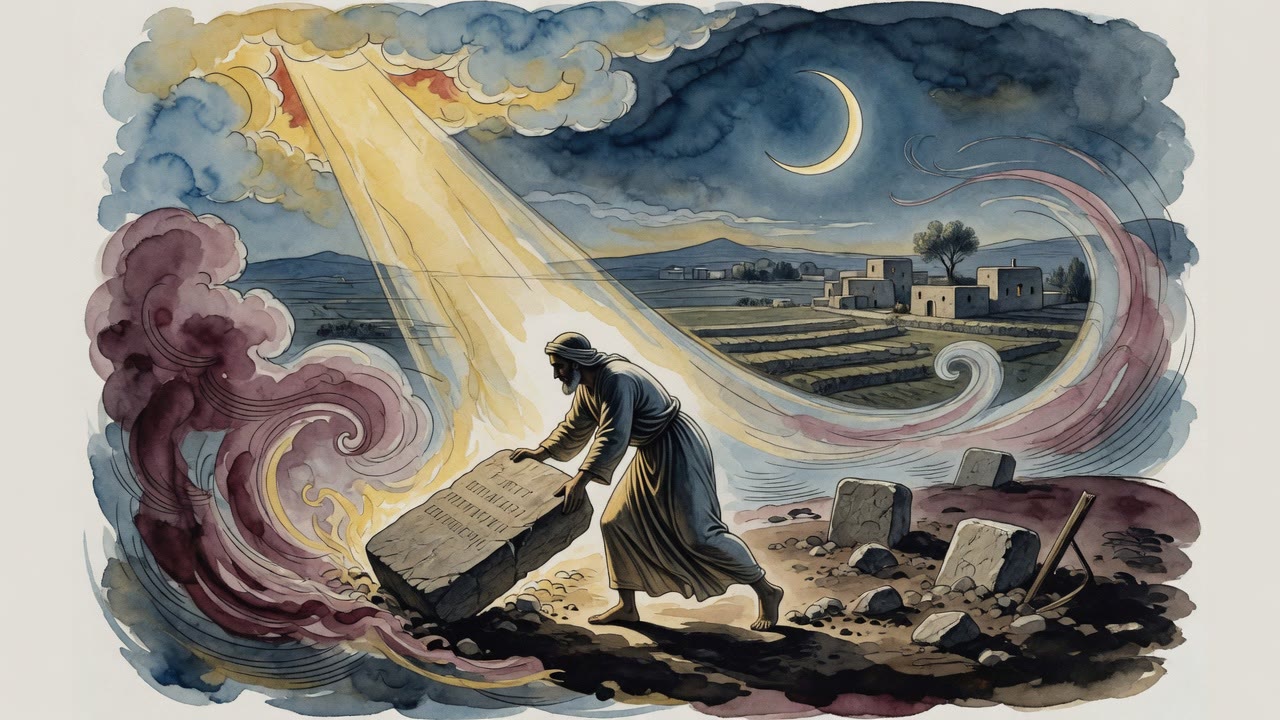
The seven heavens opened. The sun and moon went dark. And every angel in creation wept for the first man who ever died. Seth rose from his father's body and went to his mother. "Wh...
Years blurring into decades, every thought, every action geared toward one monumental goal. That’s the story of the Tower of Babel, but not just the part we all know about God scat...
Sometimes, when we look at the world, especially after something goes wrong, it can feel like that. Jewish mysticism, particularly the Zohar, explores this feeling in profound ways...
The text starts by connecting the name of Ishmael’s son, Kedar, directly to the people known as the "sons of Kedar." It’s a seemingly straightforward connection. The verse cited fr...
We all know the basic story: humanity, united, decided to build a tower reaching to the heavens, and God, displeased, scattered them, confusing their languages. But what really got...
The Hebrew Bible says God "paid regard" to Abel's offering but not to Cain's (Genesis 4:4-5). Targum Onkelos rephrases this as: "There was favor before God" for Abel's offering, bu...
We're talking about Adam and Eve, and their first children, Cain and Abel. We all know the story, but Jewish tradition often dives deeper, asking questions you might never have con...
We read the story so quickly, but the Rabbis of the Midrash (rabbinic interpretive commentary), those ancient interpreters of scripture, lingered on the details, drawing out every ...
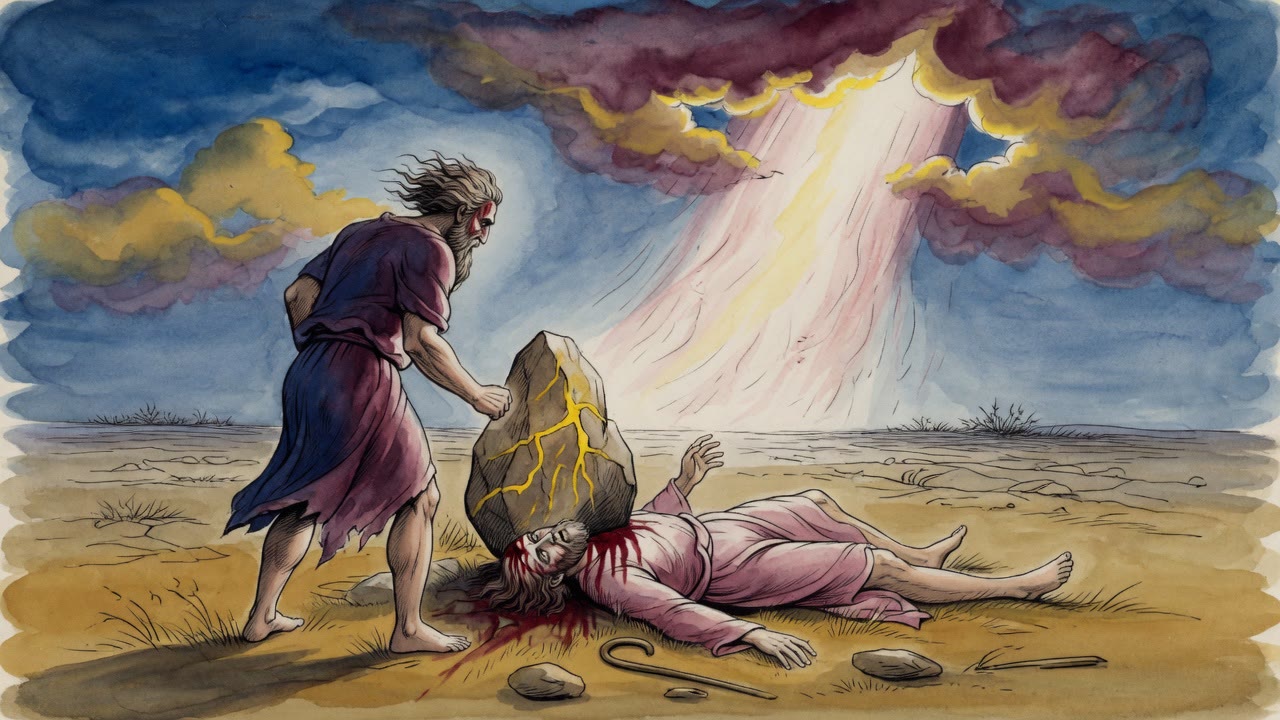
We know the story – the first murder, the first act of fratricide. But what were the specifics of the punishment? What did God actually do? The Torah tells us, "Now, you are cursed...
The ancient sages certainly did! And they wrestled with questions that still resonate today. Philo, the 1st-century Jewish philosopher from Alexandria, Egypt, grappled with these v...
The Midrash of Philo – and when we say Midrash (rabbinic interpretive commentary), we're talking about a way of interpreting scripture that fills in the gaps, making the stories sp...
Take the story of Cain and Abel. A foundational story. We all know it: the first brothers, the first offering, the first murder. So, why is it that in (Genesis 4:5), it says, "And ...
The Torah, in its infinite wisdom, speaks to that very human experience. Consider the loaded question in (Genesis 4:8), after Cain has just slain his brother Abel. God confronts hi...
What does it symbolize? The Torah is full of these deceptively simple questions that open up to reveal universes of meaning. Take the story of Cain and Abel. A primal scene. Siblin...
Jewish tradition has been grappling with this very idea for millennia. The Midrash of Philo—a collection of interpretations and elaborations on the Torah attributed to the philosop...
The ancient texts grapple with this feeling, painting a stark picture of the despair that comes from feeling forsaken. As the Midrash of Philo poignantly puts it, "In truth there i...
It turns out, that feeling might be older than you think. to a fascinating piece of ancient Jewish thought that wrestles with just that—the heavy inheritance of sin. We're going to...
The ones you read and think, "Okay, that happened... but why is it there?" (Genesis 4:25) is one of those lines. "God has raised up for me another seed in the place of Abel whom Ca...
And the Lord said unto him: “Therefore, whosoever slayeth Cain, vengeance shall be taken on him sevenfold.” and the Lord set a sign for Cain (Gen. 4:15). The Holy One, blessed be H...