Alexander Jannaeus Executed Eight Hundred Pharisees
He asked the crowd what he could do to end the war. They shouted back that he should kill himself. He built a wooden wall around the altar instead.
Table of Contents
 Click for full size
The Citrons in Their Hands
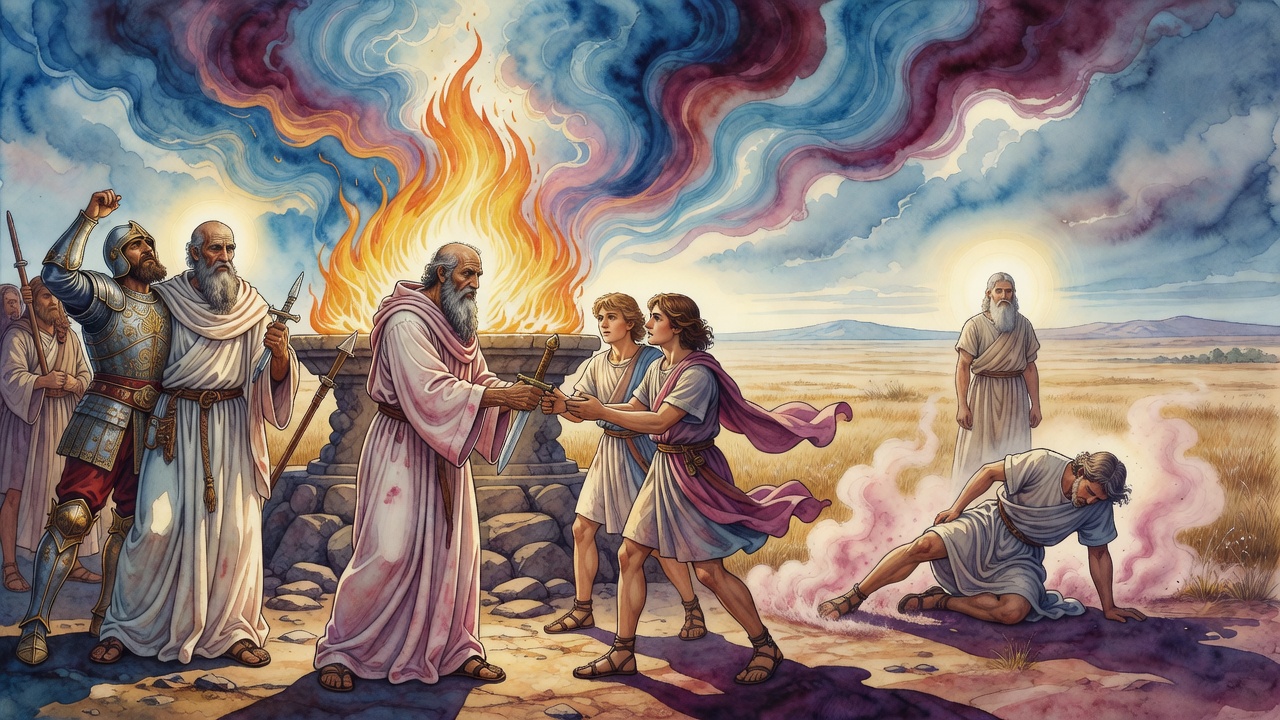
It was the feast of tabernacles, so every man in the court was holding a palm branch and a citron, because that is what the law puts in your hands on those days. Alexander Jannaeus was king and high priest both, and he climbed onto the altar to sacrifice.
The nation threw the fruit at him. Hundreds of citrons came down on the altar and on the priest standing over it, and the shouting went with them: son of a captive woman, unfit to hold the knife, get down. He was the grandson of men who had cleaned this Temple out with their own hands, and the people his family had liberated were pelting him with the ritual objects of the festival.
He sent in the troops and killed six thousand of them that day. Then he had carpenters build a wooden partition around the altar and the sanctuary, out as far as the line no one but a priest may cross, so that from then on the crowd could see him serving and could not reach him. He also stopped using Syrian soldiers and hired men out of Pisidia and Cilicia, who had no opinion about who should be holding the knife.
Six Years of It
The war that came out of that lasted six years and cost fifty thousand Jewish lives, and Jannaeus killed every one of them. At some point he asked them directly what he could do to make them stop hating him. The answer came back from the whole crowd at once: kill yourself.
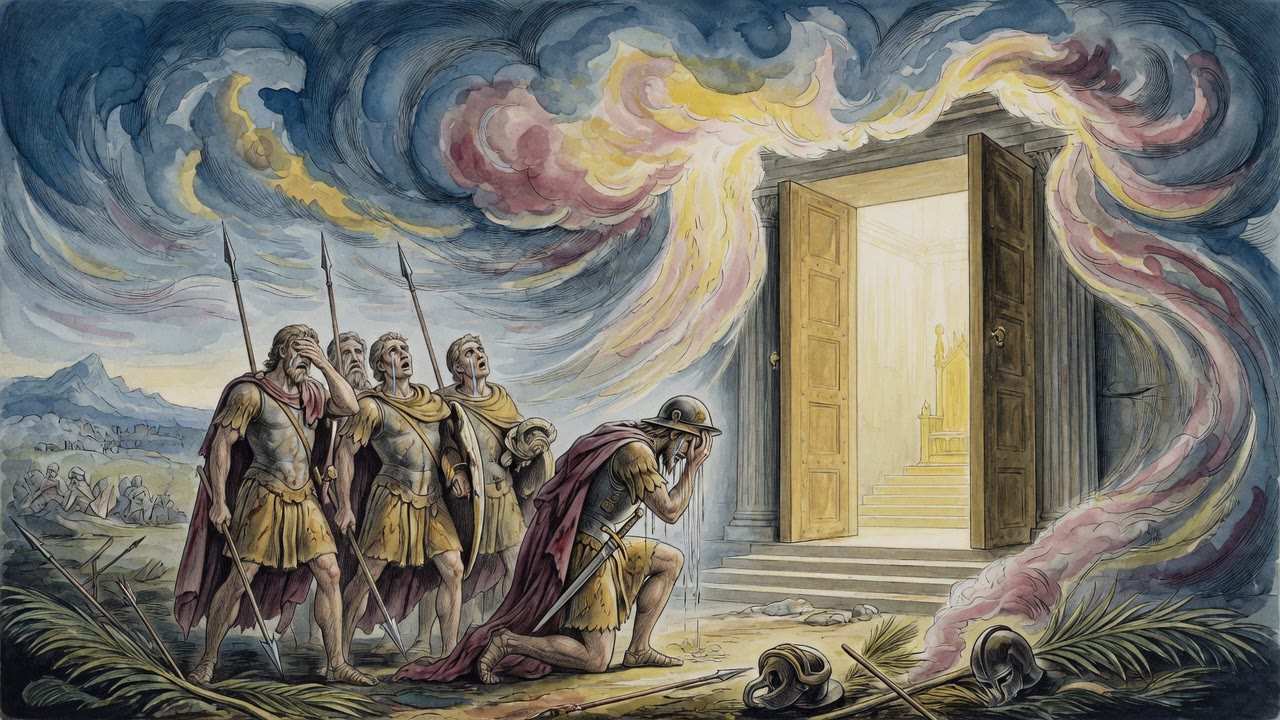
Instead they sent messengers to Demetrius Eucerus and asked a Greek king to come and fight their own king for them. Demetrius came. Jannaeus lost the battle and ran into the mountains with nothing, and then six thousand of the same Jews who had invited Demetrius walked out and joined Jannaeus, because they could not stand to watch a Hasmonean beaten by a foreigner. Demetrius saw the numbers turning and left the country. The war resumed exactly where it had been, Jews against Jews, with the king winning now.
The Banquet in Sight of the City
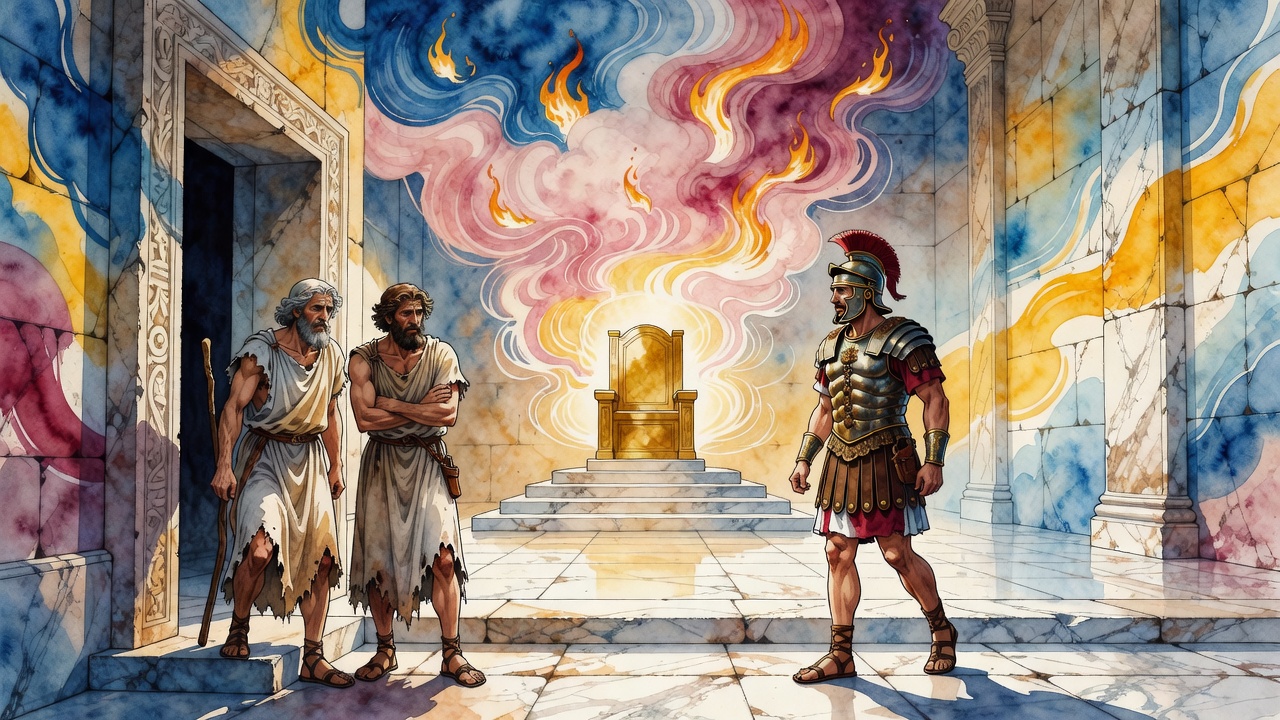
He drove the strongest of them into the town of Bethome and besieged it until it fell, and he did not kill them there. He brought them back to Jerusalem alive.
Then he laid on a feast in the open, where the city could watch, and reclined at it with his concubines, and gave the order. About eight hundred of them went up on crosses in front of him while he ate. While they were still living he had their wives and children brought out under the crosses and their throats cut where the men could see it.
The country gave him a new name after that. They called him Thracida, meaning a Thracian, meaning something that had come in from outside and could not be reasoned with. Eight thousand men who had fought against him got out of the city that night and stayed out. They lived as fugitives in other people's countries for the rest of his life, and he reigned the remainder of his time in perfect quiet.
The Fortress at Ragaba
He drank. A quartan fever took hold of him and held on for three years, and he would not come off campaign, and at last he wore out entirely and lay dying in a fortress called Ragaba on the far side of the Jordan.
His queen came in and wept over him. "To whom are you leaving me and the children," she said, "when you know how much ill-will your nation bears you?"
He had thought about it. Tell no one I am dead, he said, until the fortress has fallen. Then go up to Jerusalem as though you were coming from a victory. Send for the leading men among the Pharisees, and put the affairs of the kingdom in their hands, and promise you will do nothing without them. He knew what he was handing her. They are believed by the crowd more than anyone else, he said, particularly when they are saying something harsh about somebody, and it was through them that the nation had turned against him, and he had earned it.
Then the last instruction. Show them my body. Tell them, and mean it, that they may do with it whatever they want. Leave it unburied. Abuse it. Whatever their anger asks for. "If you say only that to them," he told her, "I shall have a more glorious funeral from them than you could ever have given me."
The Funeral He Bought
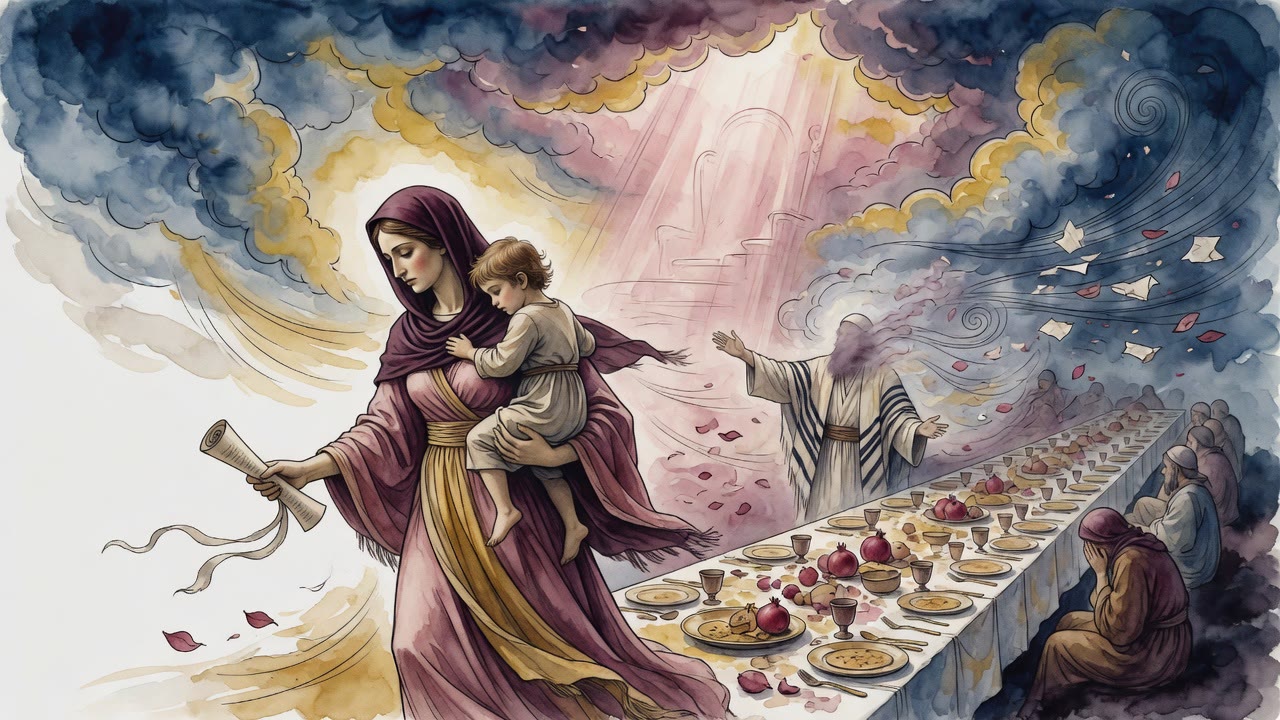
Alexandra took the fortress with a dead man propped up behind the walls of it, went to Jerusalem in triumph, and did exactly as she had been told. She gave the Pharisees the corpse and the kingdom in the same sentence.
They did not touch the body. They came out of the palace and went among the crowd and made speeches. They went through the things Jannaeus had done, and they told the people of Jerusalem that Israel had lost a righteous king, and they said it well enough that the city began to grieve, and the grief was not staged. He was buried more splendidly than any king before him. The men who arranged the procession were the teachers of the men he had hanged alive, and the crowd walking behind the bier was the crowd that had thrown citrons at him on the altar.
← All myths