Alexander Lay Dying and Divided the World He Had Taken
He had silenced the earth, lifted his heart, and taken the ends of the world. Then he fell into bed in Babylon and gave everything away.
Table of Contents
 Click for full size
The Earth Was Silent Before Him
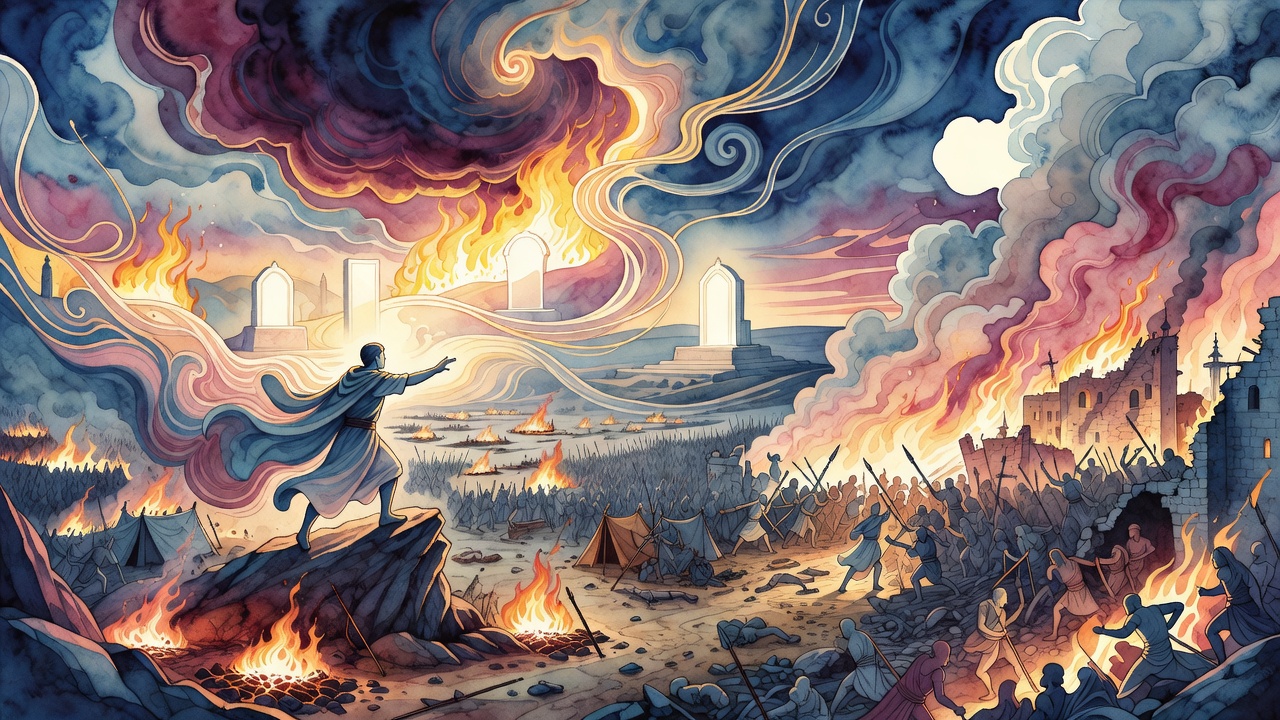
He had come to the ends of the earth. The account of it is brief and extraordinary: he waged many wars, captured fortresses, slaughtered the kings of the land. He came to the ends of the earth, took the spoils of many nations, and then - the earth was silent before him.
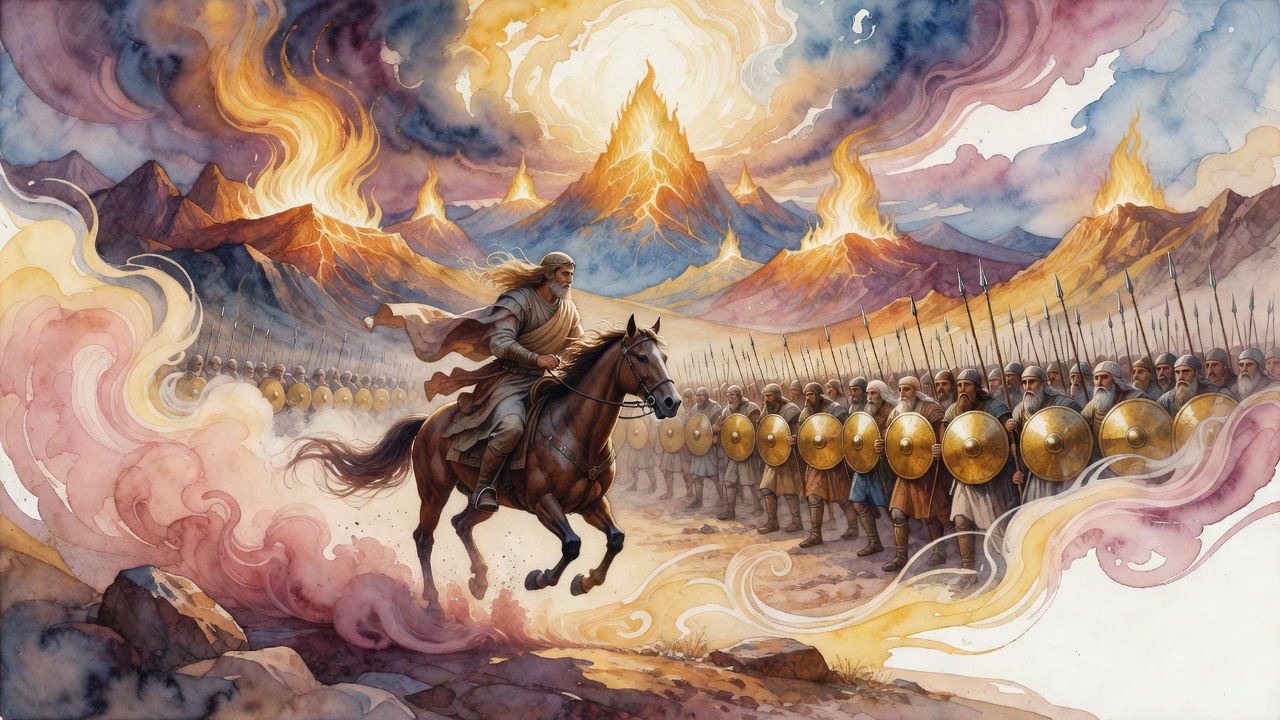
Not conquered. Not subdued. Silent. As though the world had exhausted its resistance and gone quiet, as though creation itself had run out of things to offer him and simply waited to see what he would do with the emptiness. Alexander the Great had been fighting since he was a teenager, had moved his army from Macedonia through Persia and Egypt and Central Asia and into the subcontinent, and now there was no more frontier. There was only the silence of having reached everywhere a man could reach.
He Lifted Up His Heart
What he did next was lift up his heart. This is the phrase the Hebrew Maccabean chronicle uses, and it is more complicated than simple pride. A man who has walked to the ends of the earth and found them silent has, in some sense, earned the right to lift his heart. There was no one left to measure himself against. He gathered a very heavy army. He ruled over the lands of the peoples and nations. He had become the governing fact of the world.
He was young when he did all this. The chronicle does not dwell on his age, but Alexander was thirty-two when he died in Babylon in 323 BCE, and he had completed his conquests in the decade before that. The man who silenced the earth had been doing it since his early twenties. The lifting of the heart was not the vanity of an old man who had accumulated titles. It was the natural response of a young conqueror who had run out of world.
The Bed in Babylon
After all those words, the chronicle gives him two sentences to die in. He fell upon his bed and was taken ill, and he knew that he would die. That is the compression the text allows. The campaigns, the silenced earth, the lifted heart - and then he was in bed and he knew. The illness was brief. He died before he had decided what to do with the silence he had created.
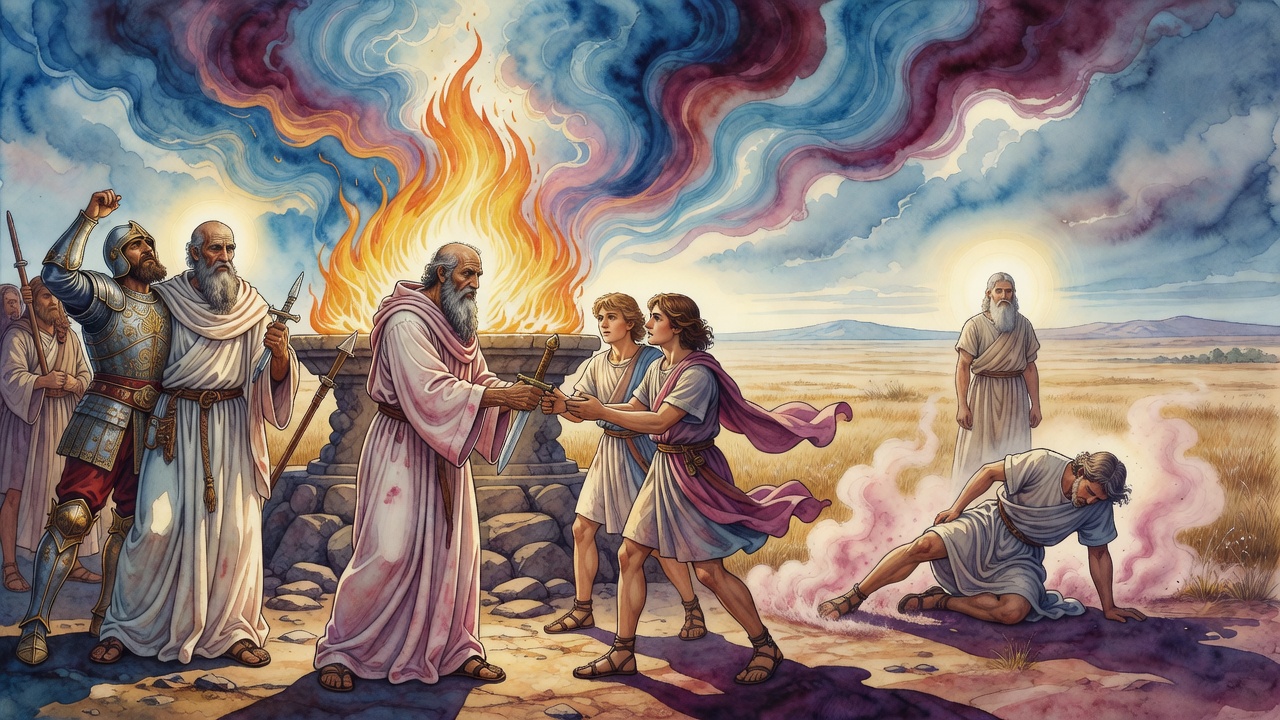
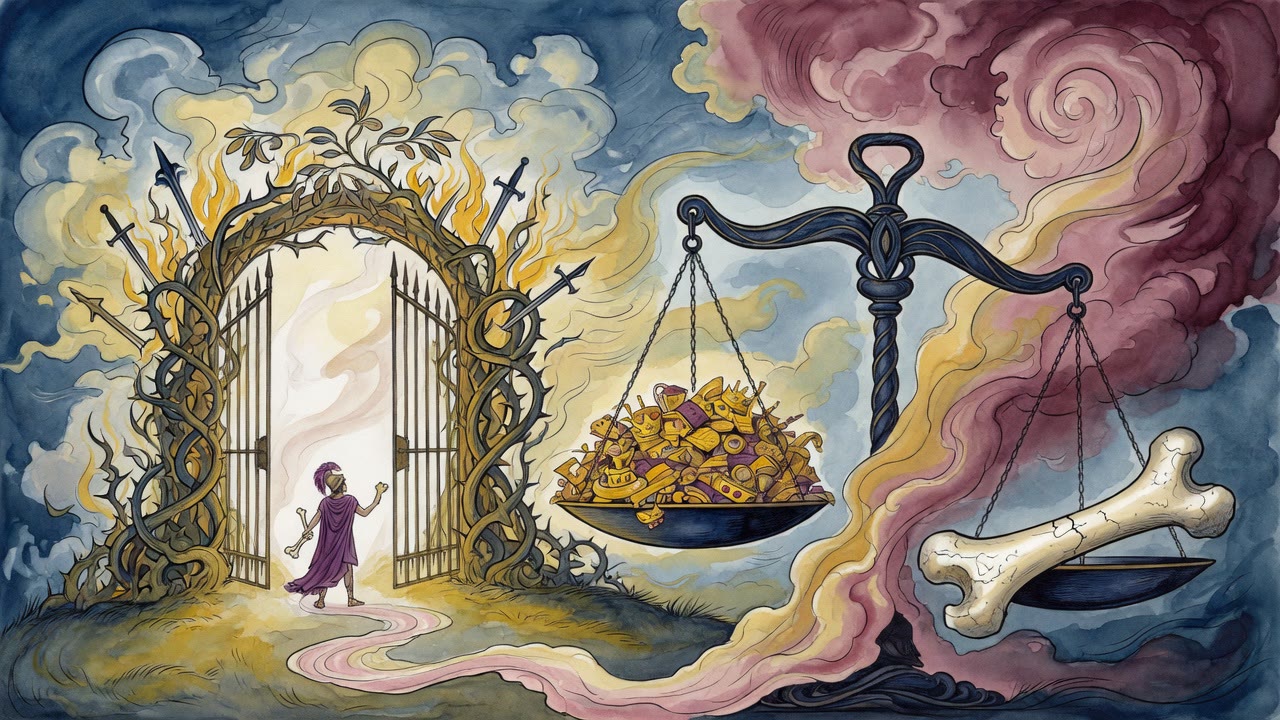
He summoned his officers to his bed and divided the kingdom while he was still alive. He gave each man his portion: here is your territory, take it. The world that one man had assembled through a decade of war was handed out in a room in Babylon to generals who had been following him since they were young. They took their portions and went.
What the Division Made
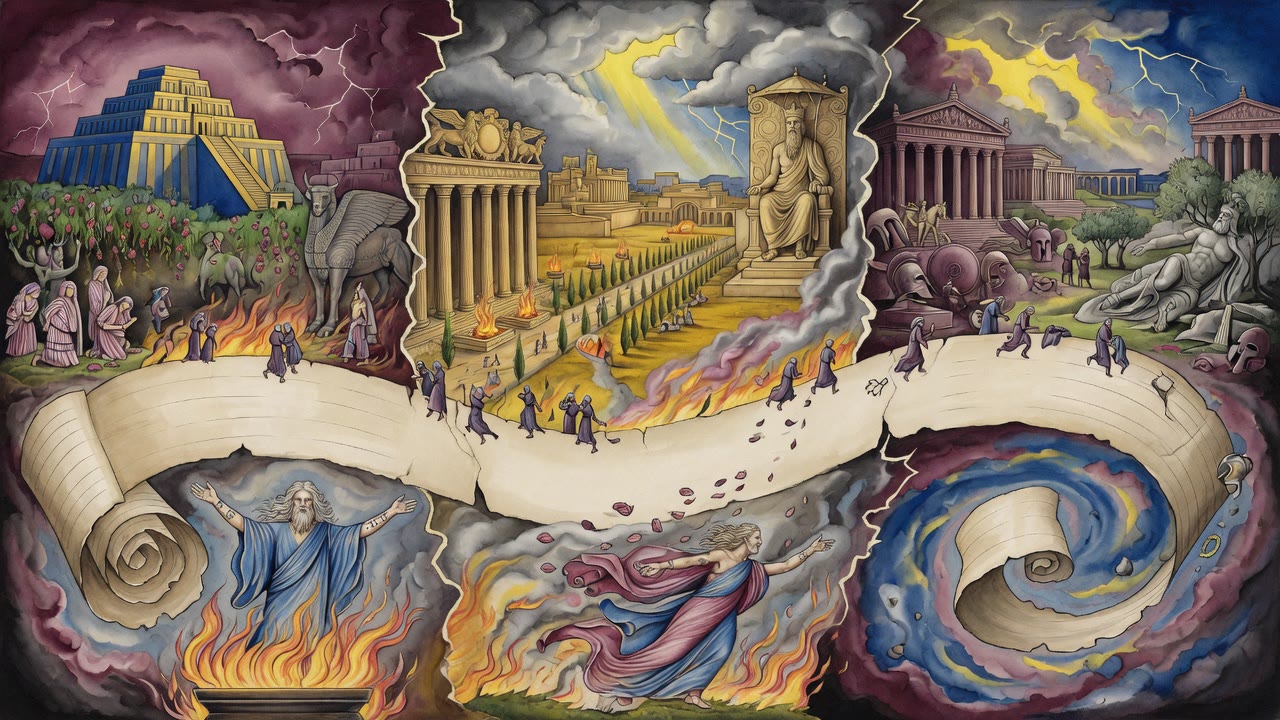
The chronicle opens with this scene because everything that follows depends on it. The division of Alexander's empire is not a background detail. It is the origin of the world that produced Antiochus IV Epiphanes, the Seleucid king who defiled the Temple and provoked the Maccabean revolt. The general who received Syria and the eastern territories - Seleucus - built the empire whose fourth generation would decide that Jewish practice in Judea was a political problem requiring a military solution.
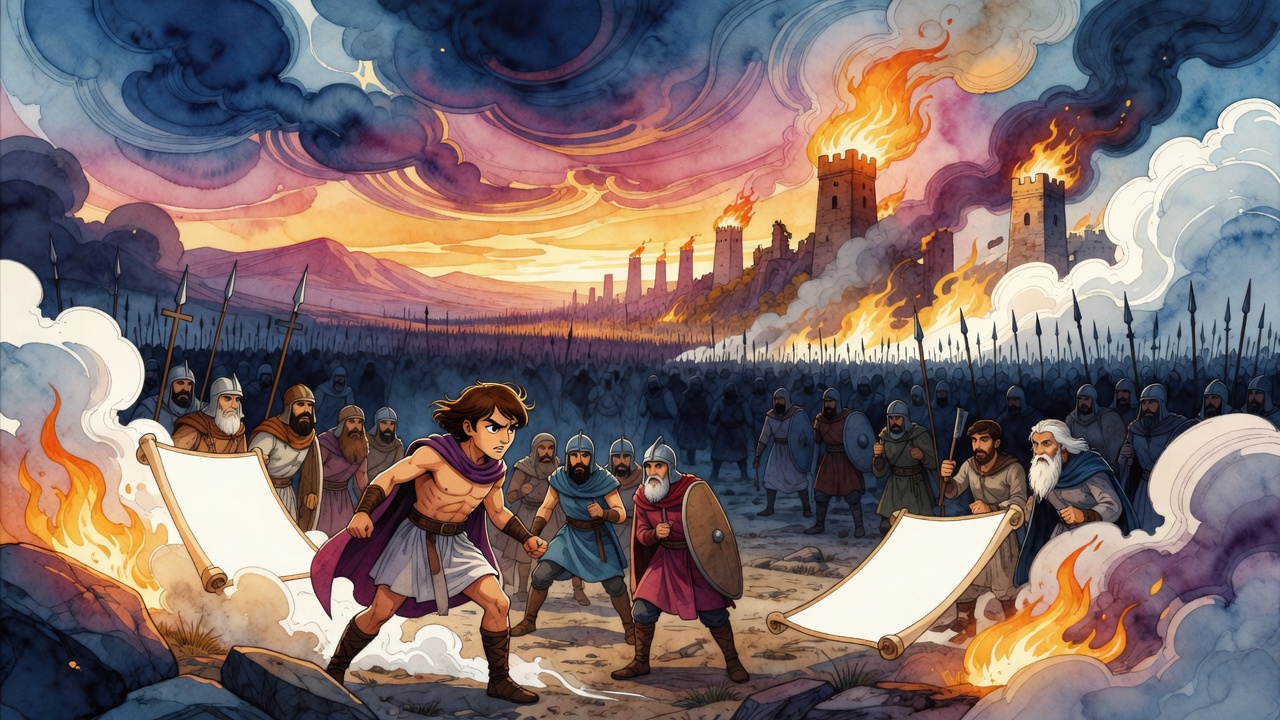
That chain runs from a dying man's bed in Babylon to the Temple Mount in Jerusalem, from the silence at the ends of the earth to the sound of Judah Maccabee's charge at an army that outnumbered him forty to one. The chronicle that records both scenes understands the connection. Before you can understand what Judah was fighting for, you have to understand who made the world that had to be fought against, and that means starting with the man who had lifted his heart and fallen into bed in a foreign city with the whole world in his hands.
← All myths