205 myths · Page 1 of 7
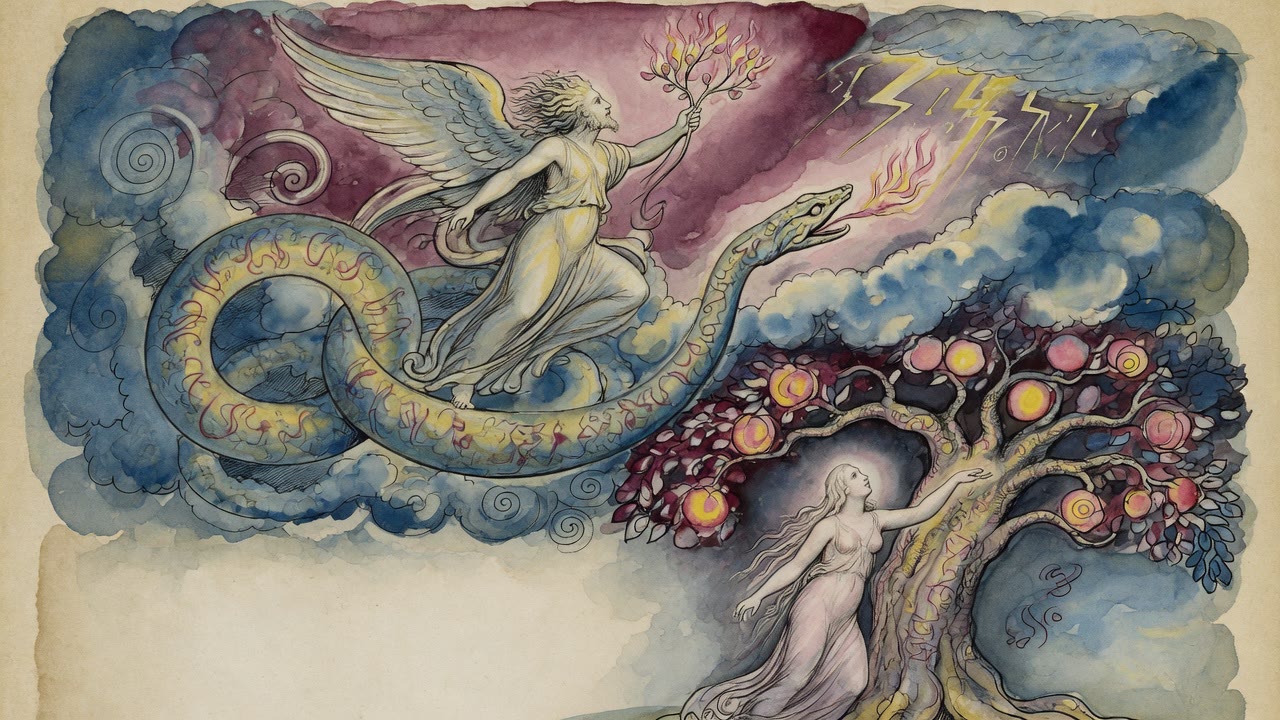
Adam came back from the far paths of Eden to find an infant crying in the grass. He asked Eve whose child it was. She said it was the son of Samael.
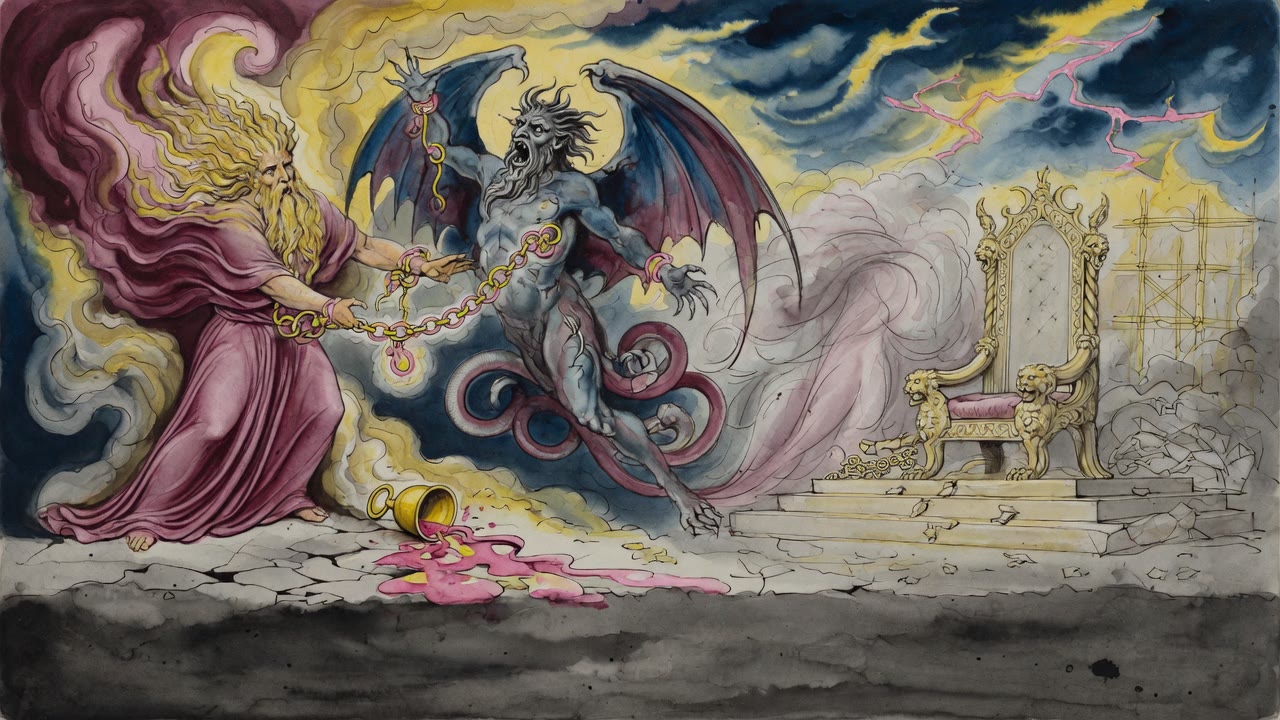
Solomon needed a demon to build the Temple. He caught the king of demons with wine, used him, then kept him chained. The demon got his revenge.
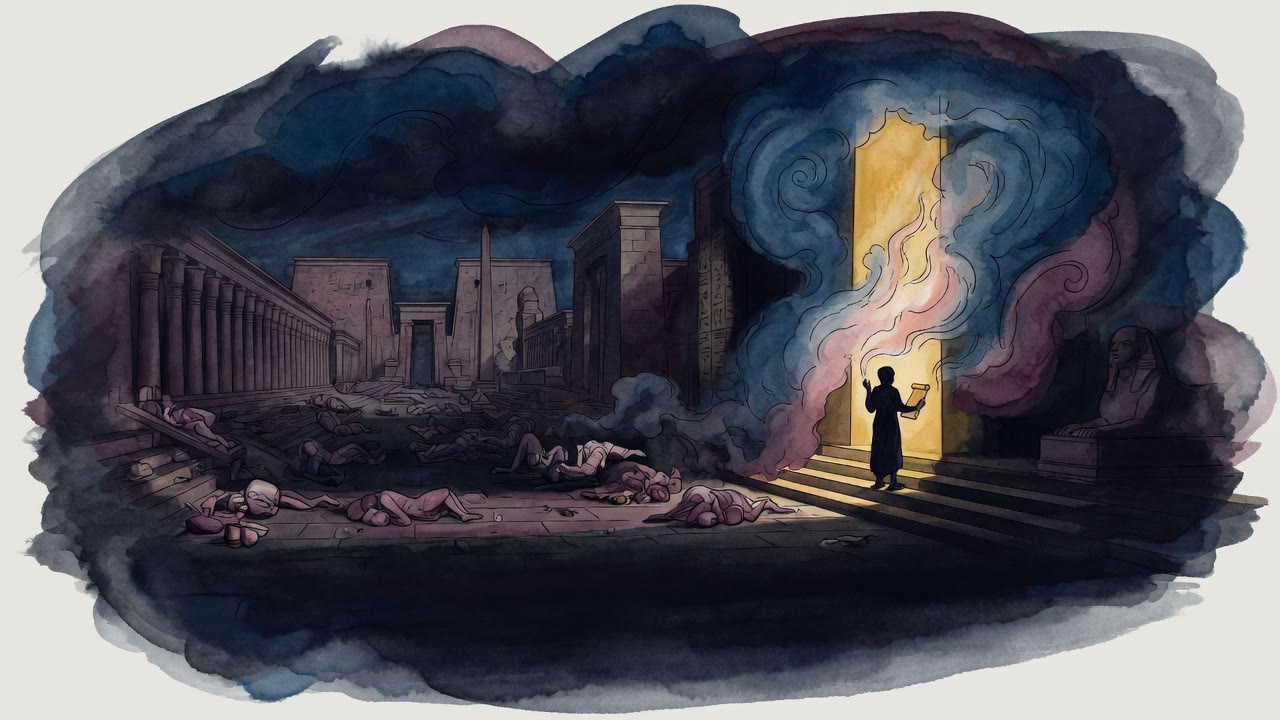
Not everyone wanted to leave Egypt. The midrash says four-fifths of Israel died during the plague of darkness, hidden so Egypt would not rejoice.
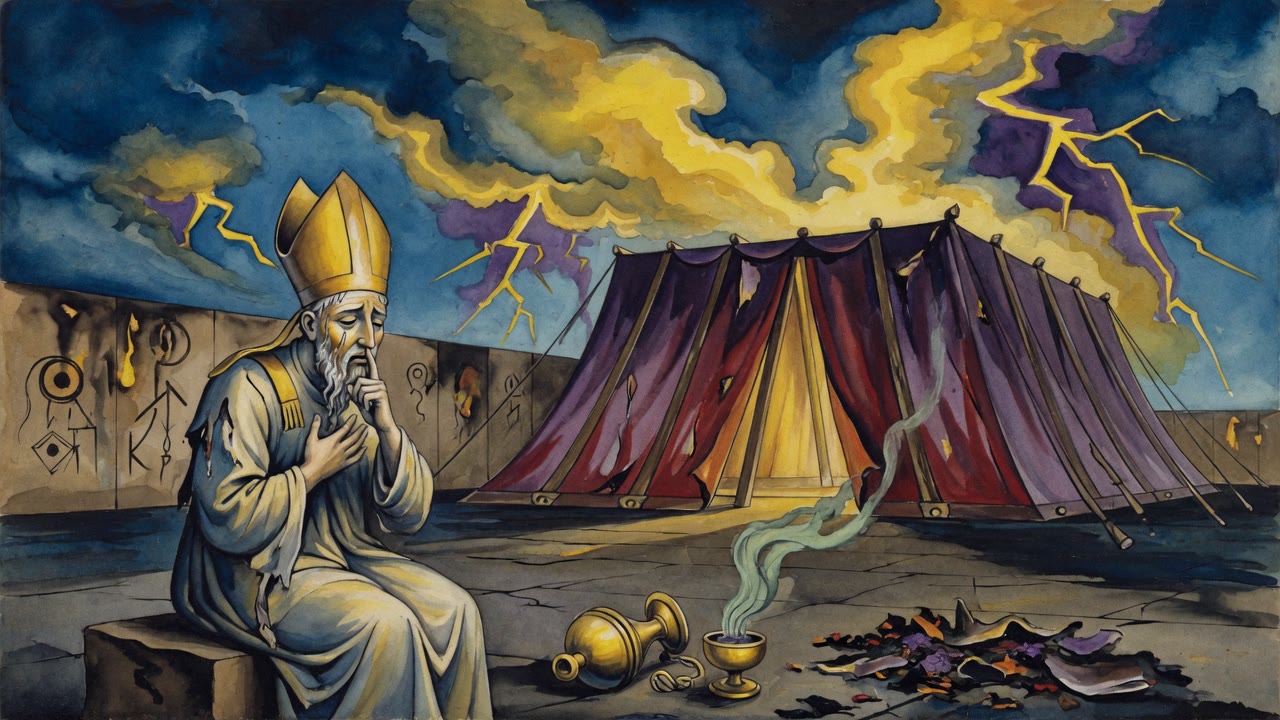
The flame did not burn cloth or blacken skin. It went in through the nostrils and took the soul, leaving two bodies dressed for service, garments whole.
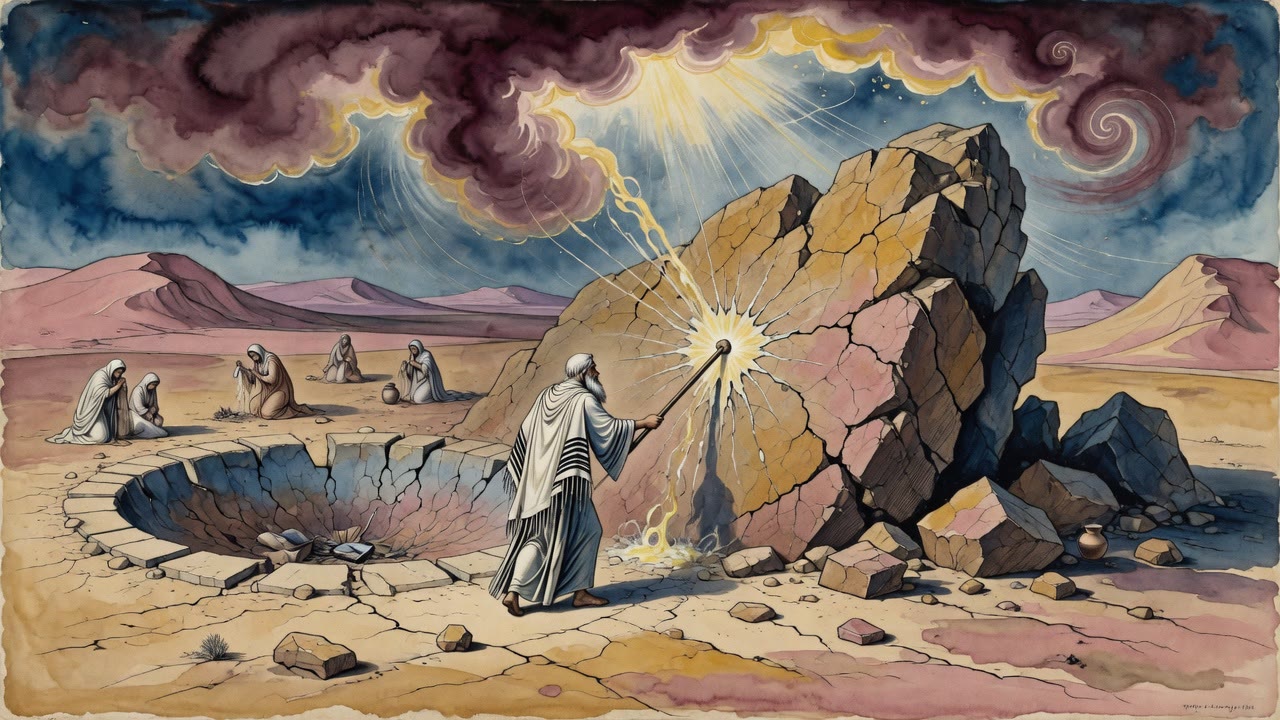
The animals went to drink and found stone. Moses was away from the camp, mourning his sister. He wept six hours before the thirsty crowd came for him.
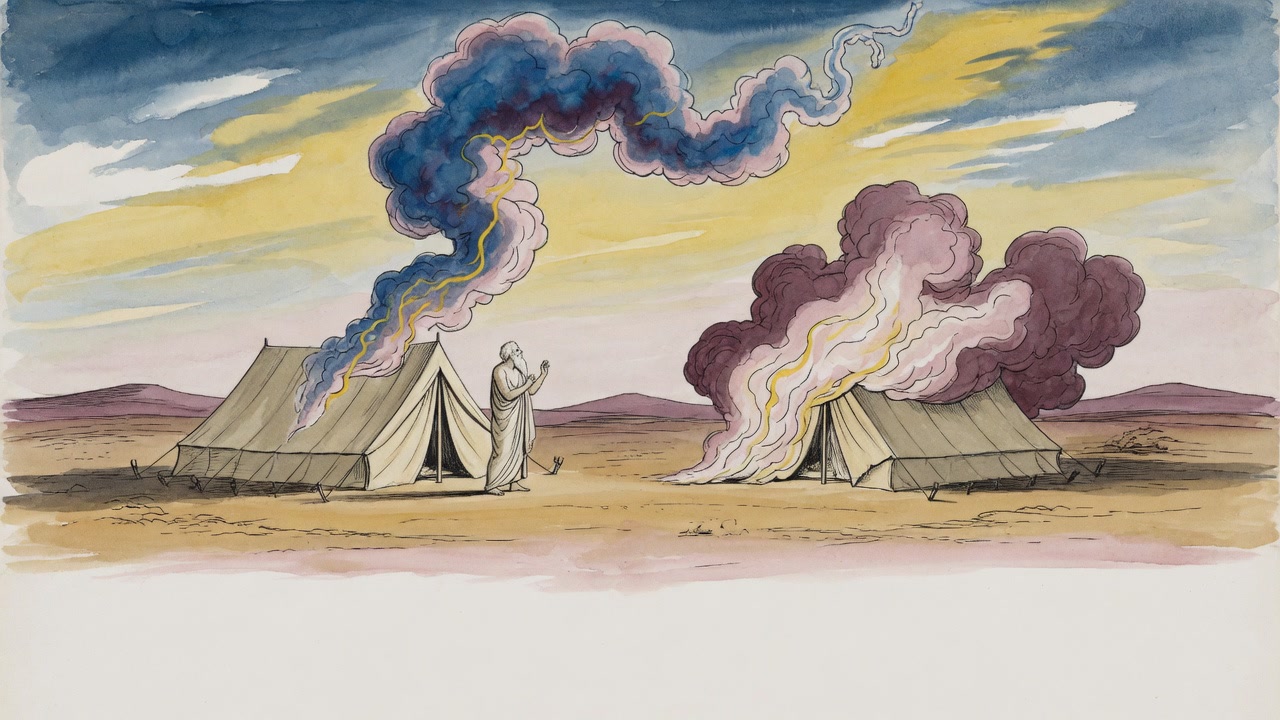
For forty years the cloud stood over Moses. On his last morning it left his tent and hung over Joshua's while Moses was still alive.
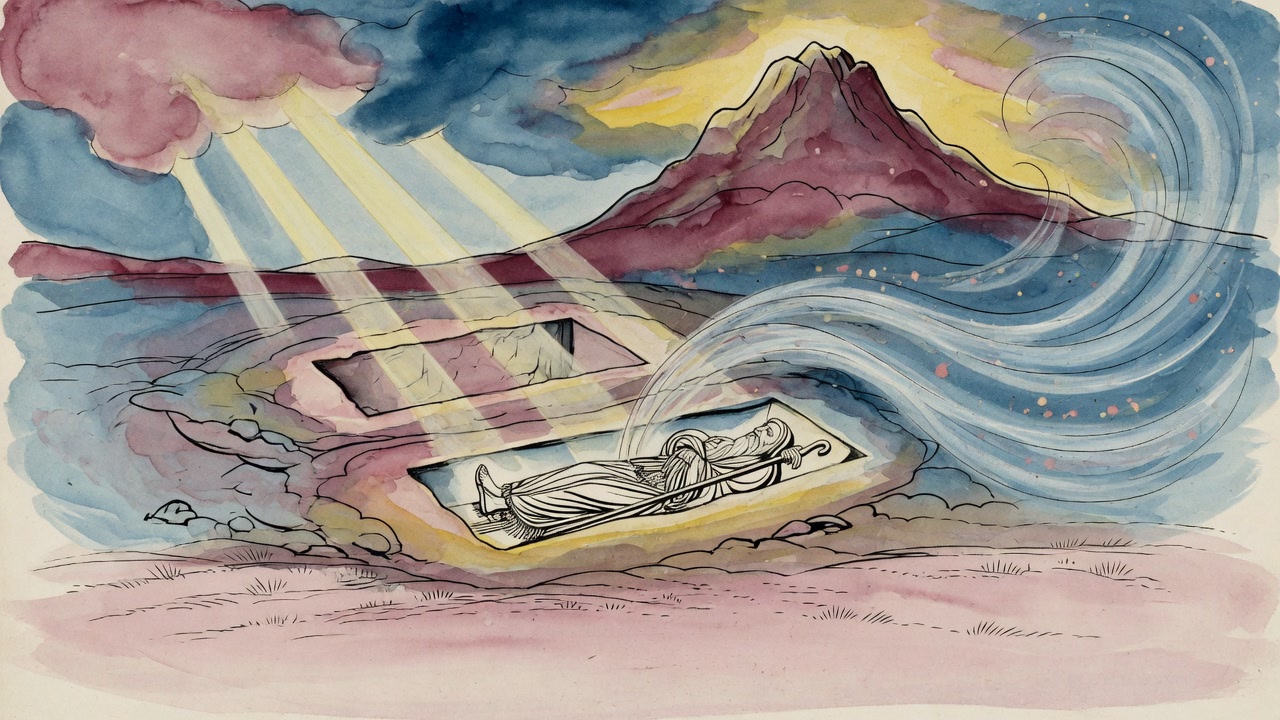
Samael drew his sword for Moses and fell on his face. The grave God dug in Moab would not stay still for anyone who looked for it.
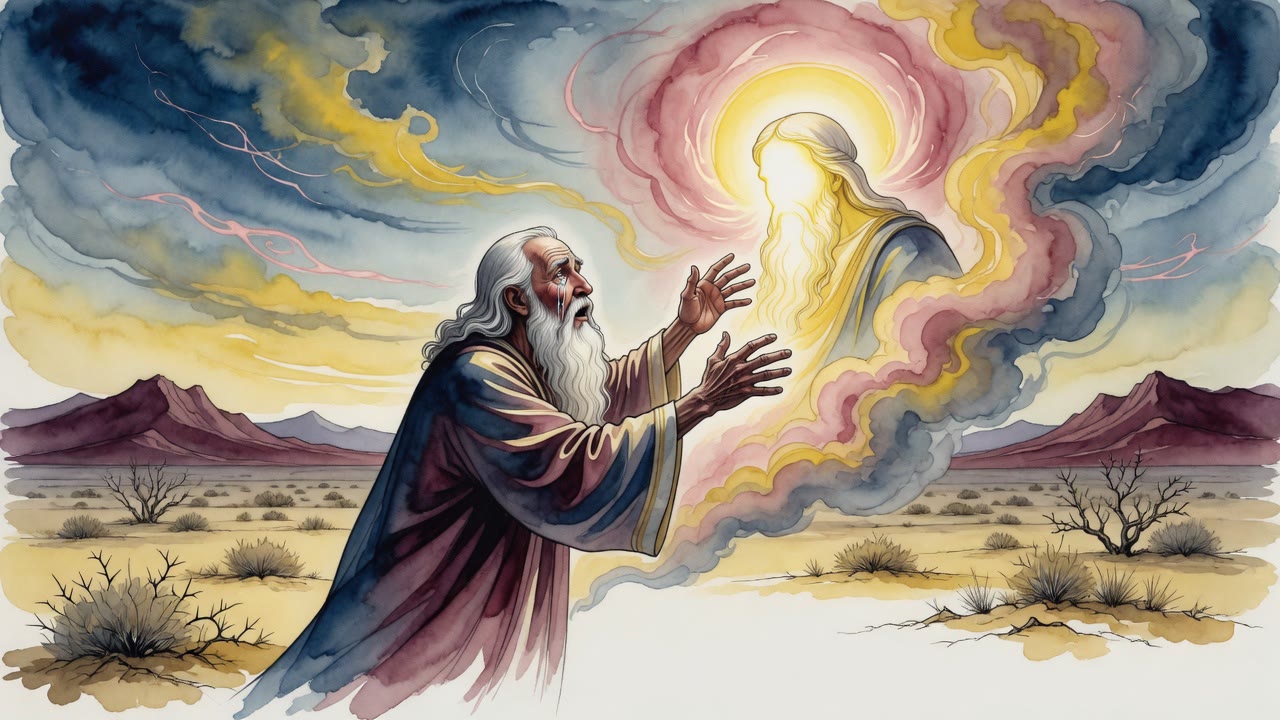
Aaron and Moses had not seen each other for decades. When they met in the wilderness, Aaron's joy was too large to speak.
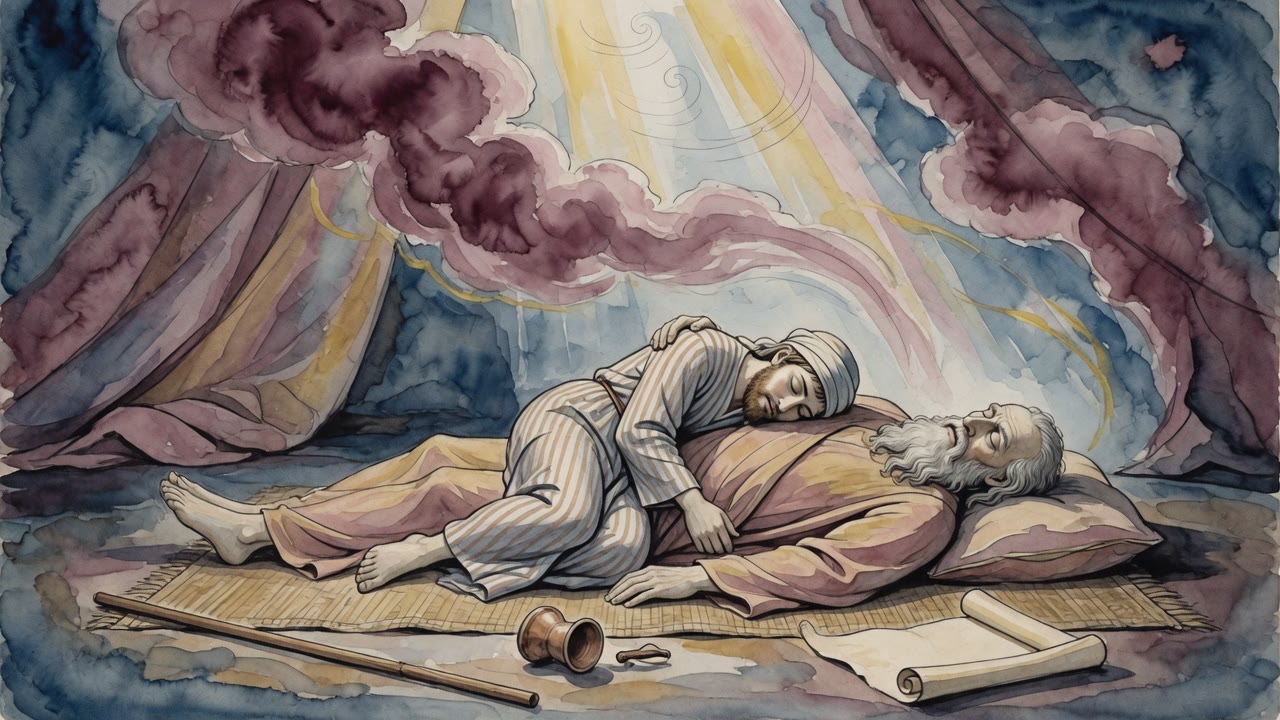
Abraham kissed him seven times and blessed the God who had brought him out of Ur. Then he stretched out his feet and died, without waking the boy.
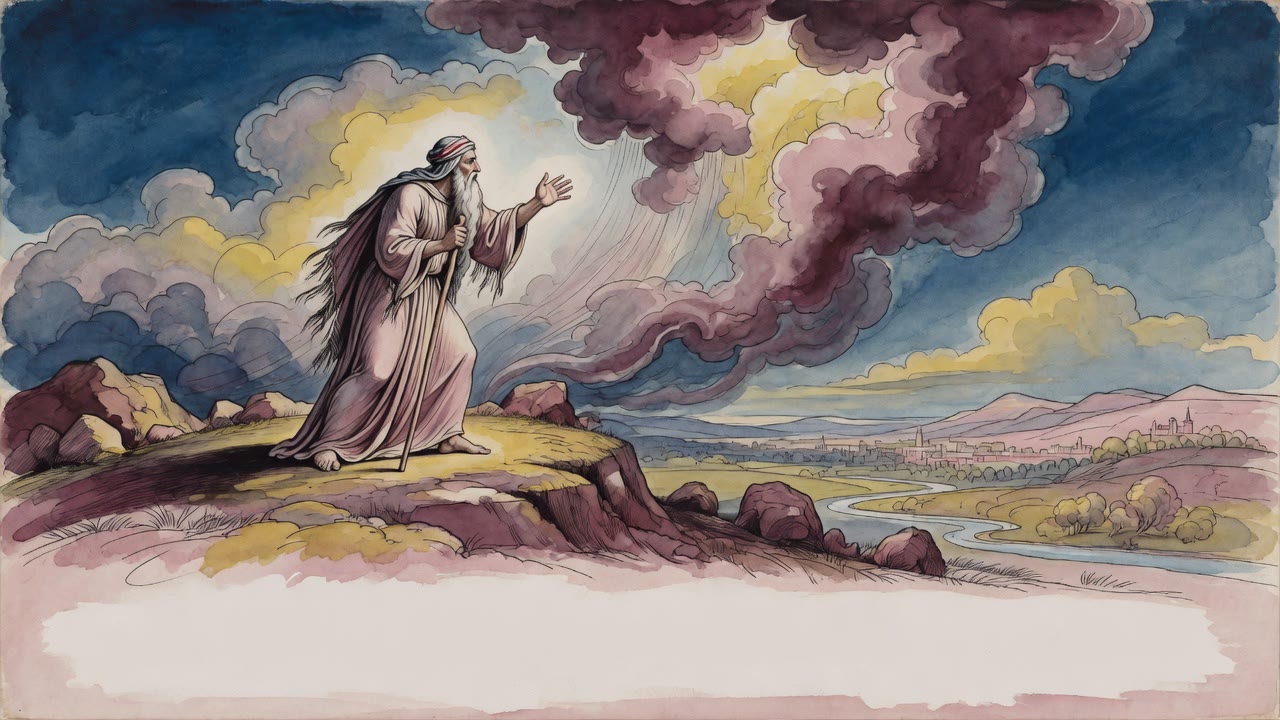
At the border he will never cross, Moses tells God that Adam broke one command and died, while he broke none. So why must he die too?
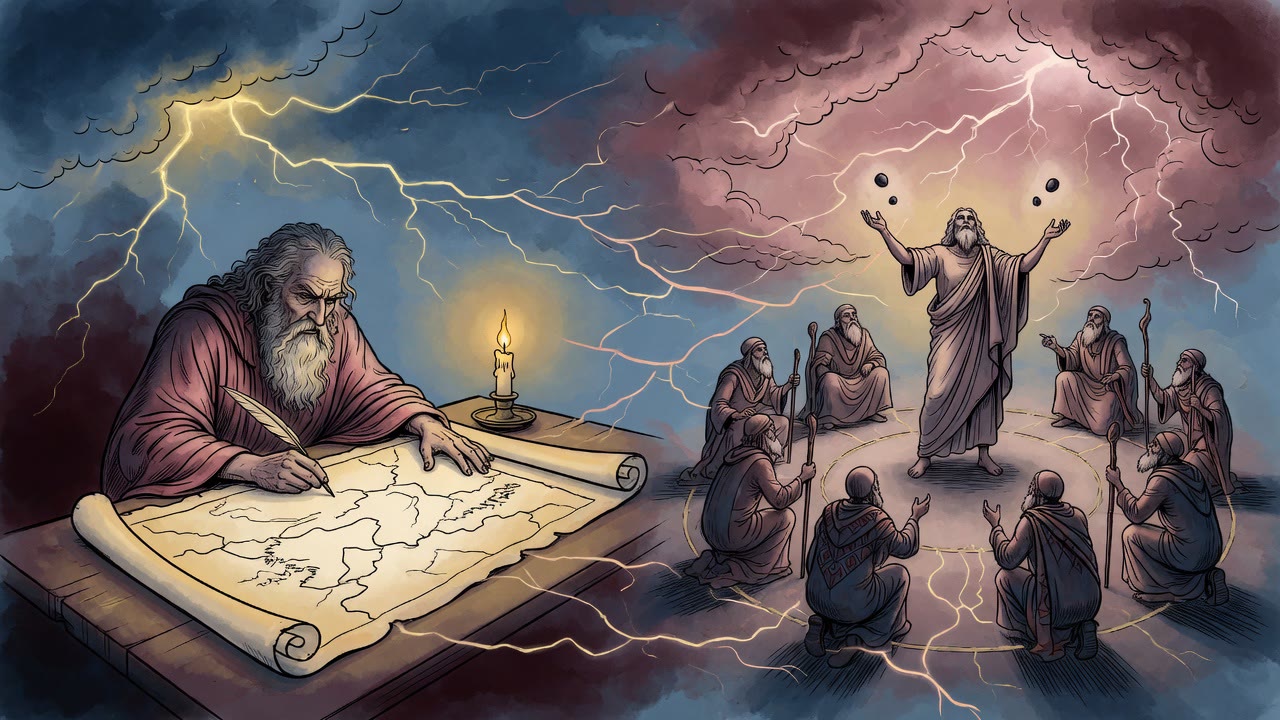
Samael came to take Moses and found him writing the Name of God. The angel's eyes went dark, he fell to his face, and still Moses refused.
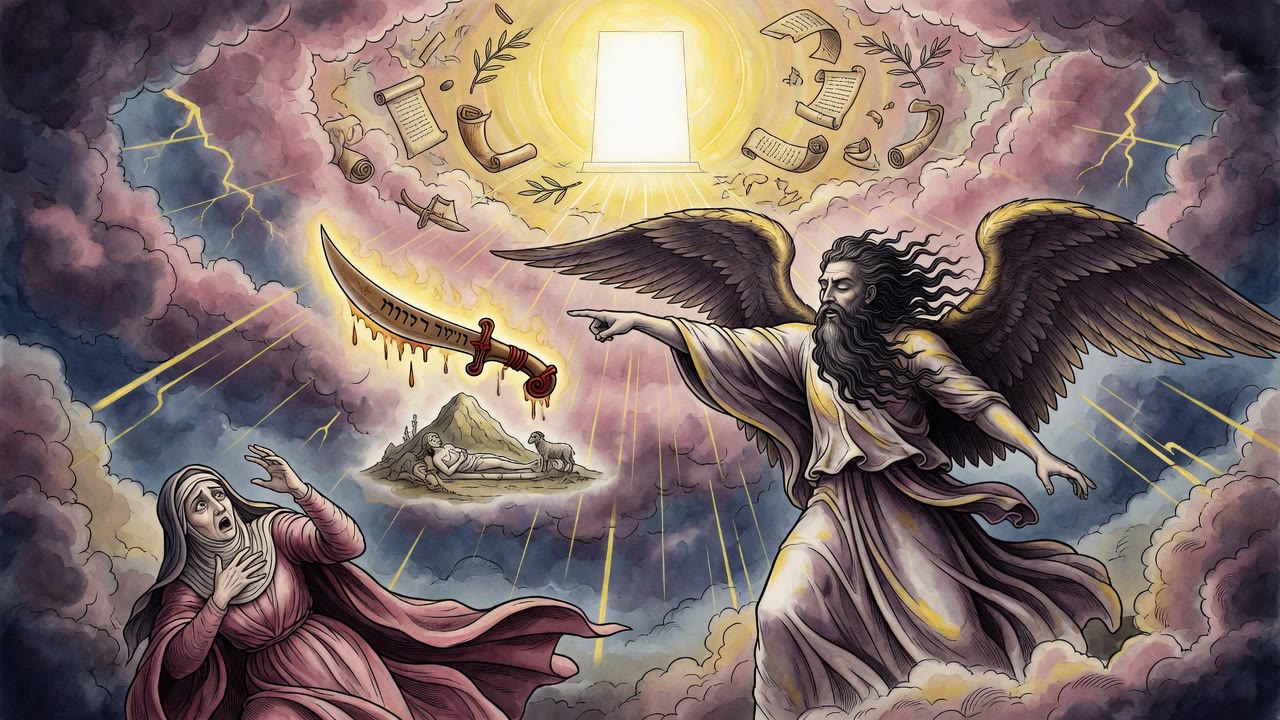
Abraham took Isaac up the mountain, and a stranger came to Sarah's tent with a vision of the raised knife. She screamed once, and her soul left.
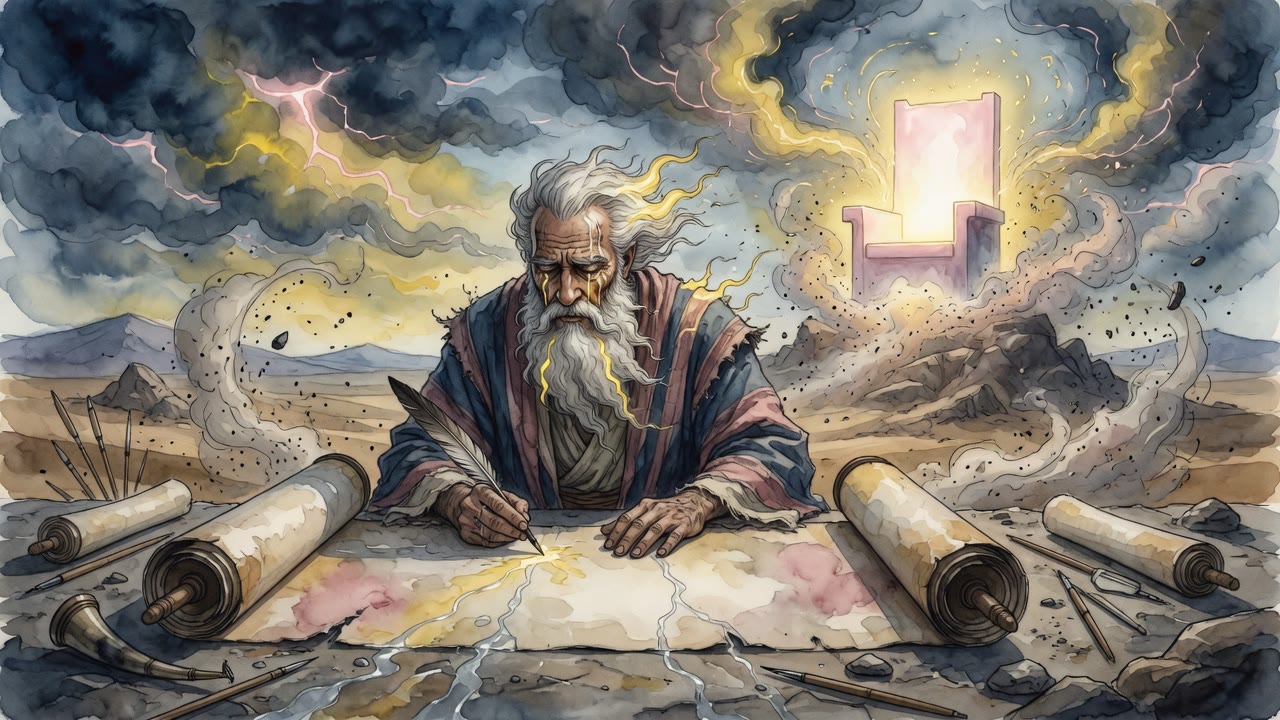
Every Torah scroll ends with Moses dying. The Talmud wrestled with who wrote those final words and how Moses could have done it.
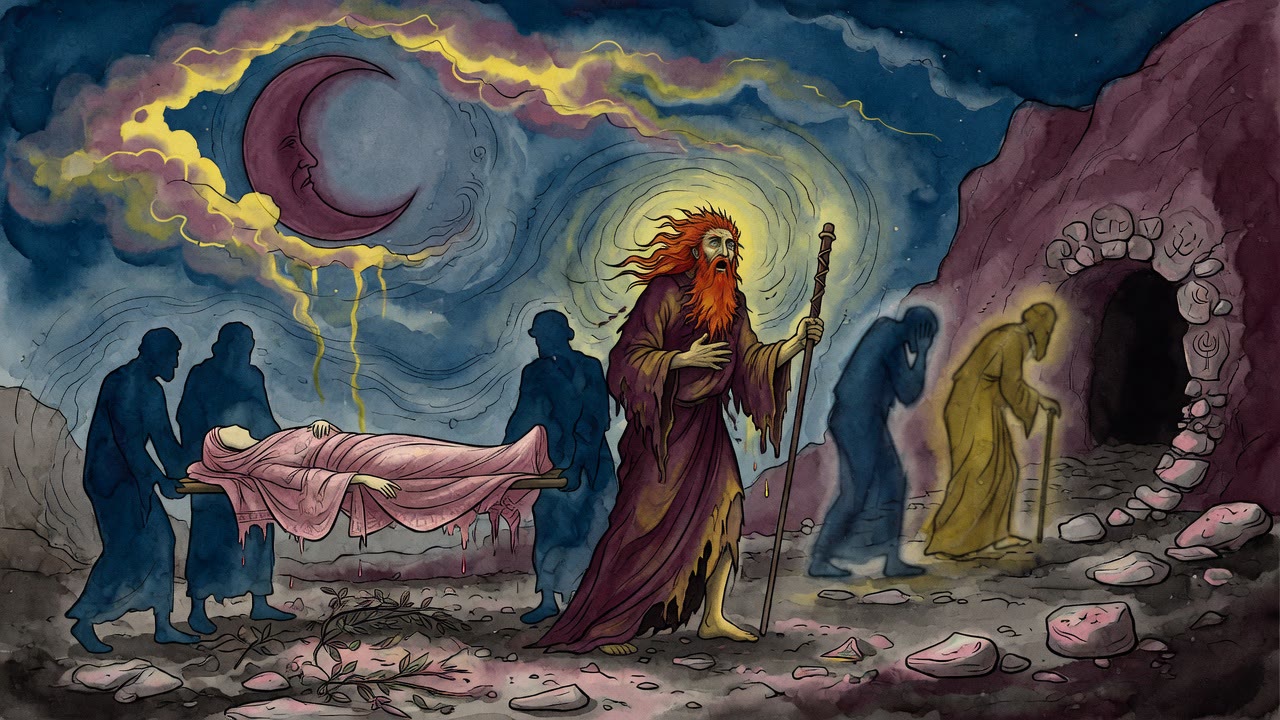
Rebekah died with only the disgraced Esau free to walk at the head of her burial, so the family carried her body out at night.
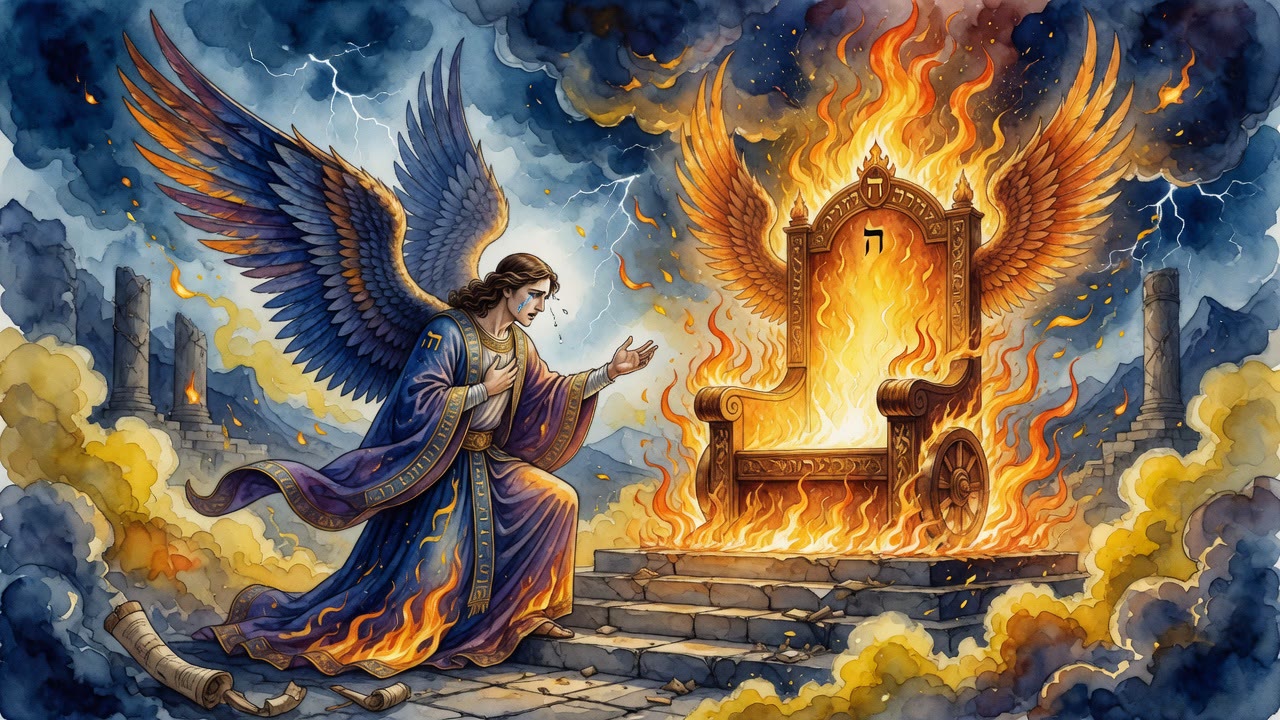
Michael rose from the meal and stepped outside. Before the next breath he stood in heaven, asking God to send someone else.
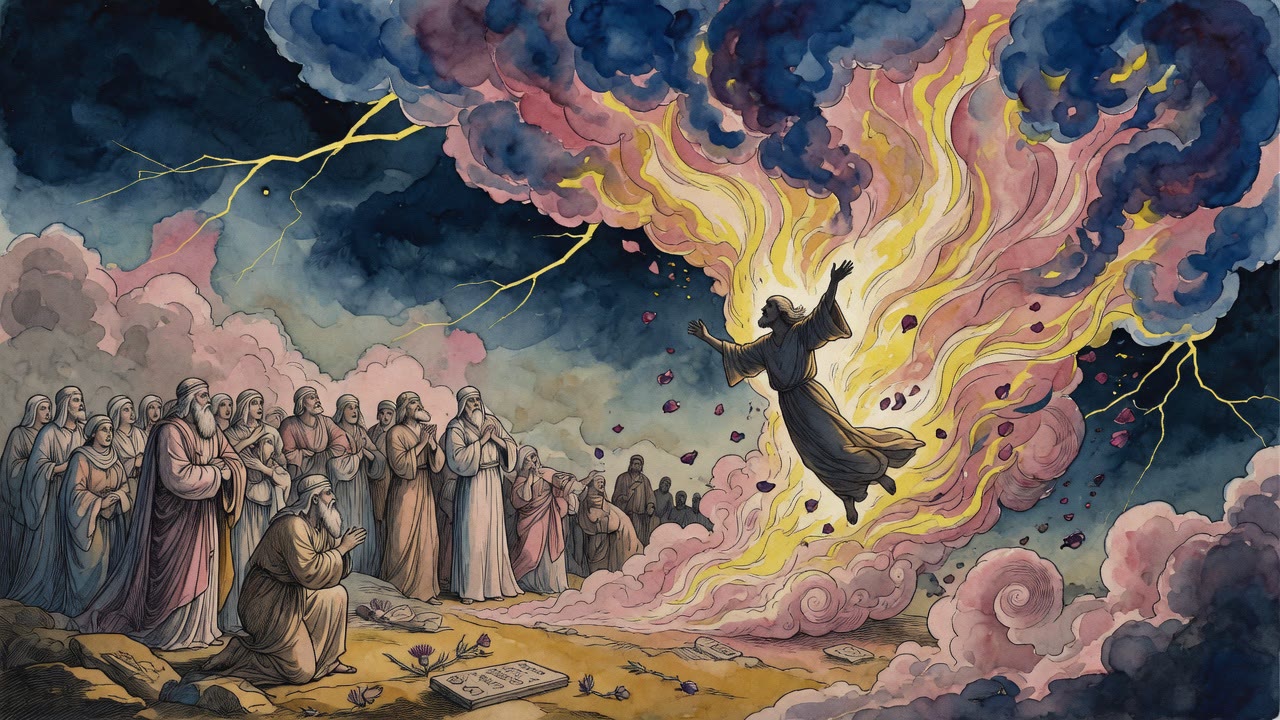
Methuselah asked what to cook before his father left the earth. Enoch said the oil of glory had ended hunger. He wanted nothing from any kitchen.
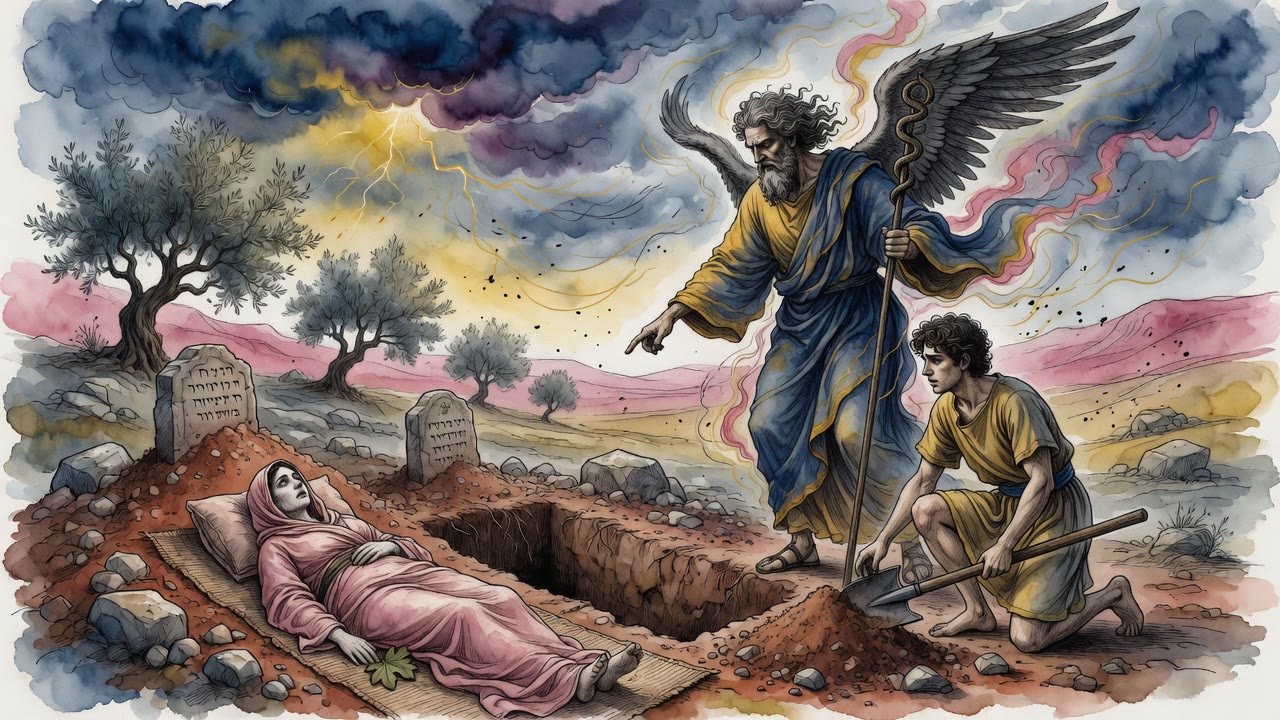
Eve begged to lie beside Adam, but only Seth had seen the grave. So an archangel came down to teach the first burial.
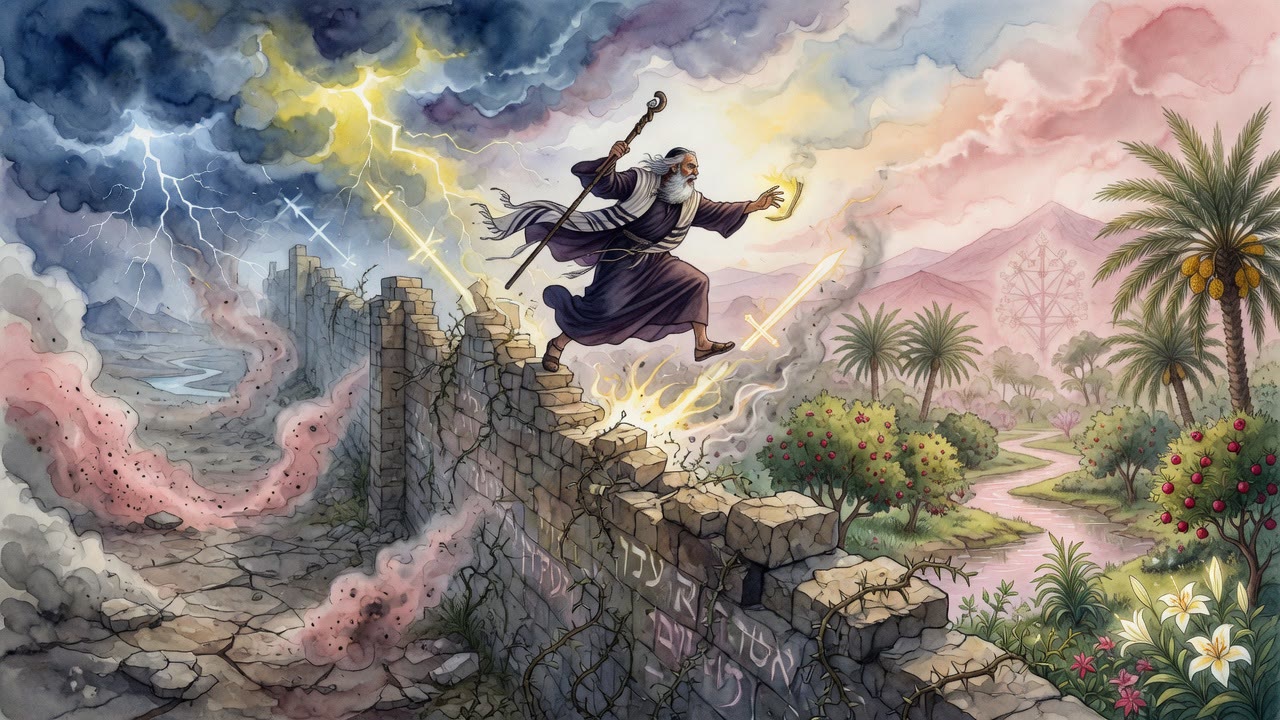
Granted one final wish by Heaven, Joshua ben Levi asked to see his place in Eden, then took the angel's knife and leaped over the wall alive.
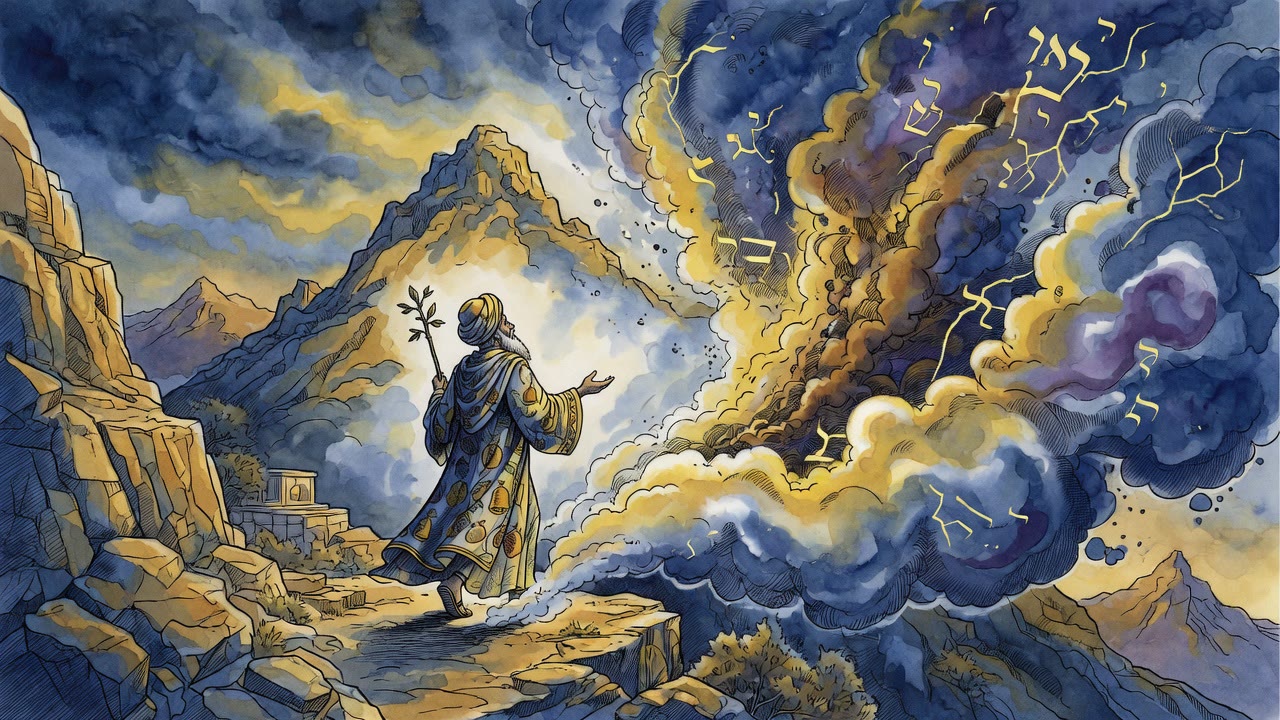
Only two men came back down the hill. The camp asked Moses where his brother was, listened to the answer, and then bent down for stones.
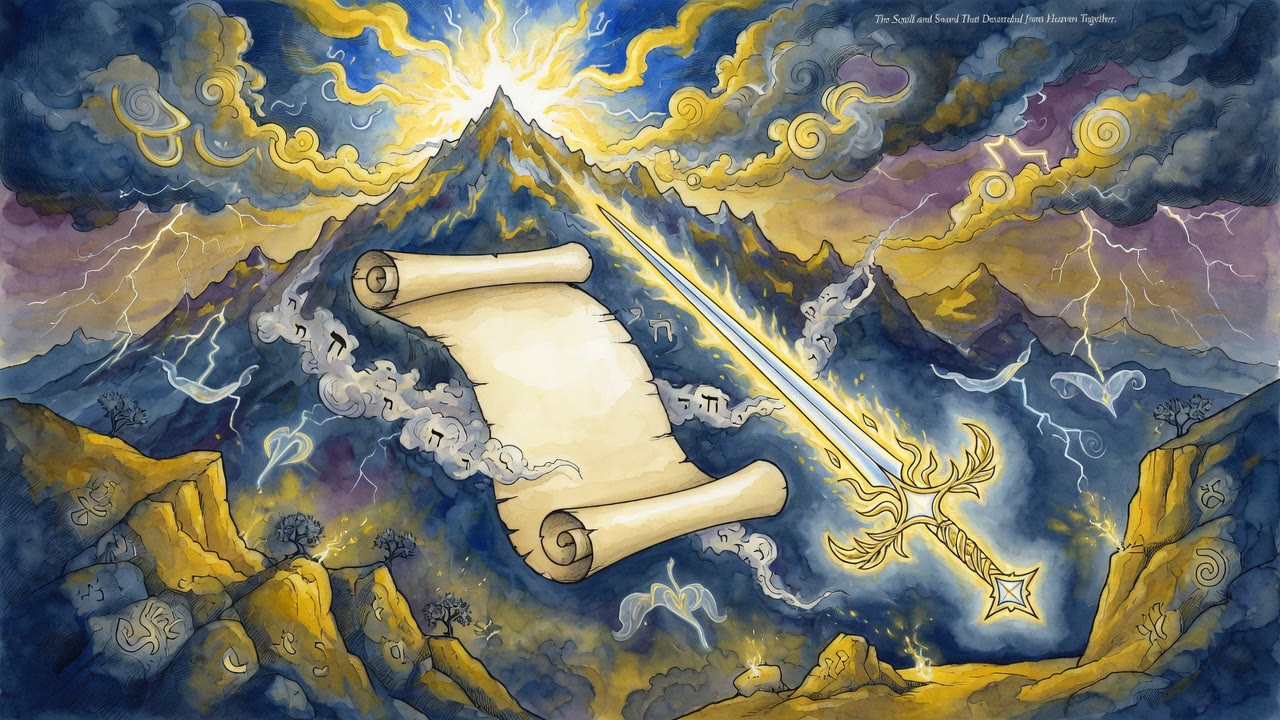
His eyes were still sharp at a hundred and twenty. What shut that morning were the gates of wisdom, not his legs or his sight.
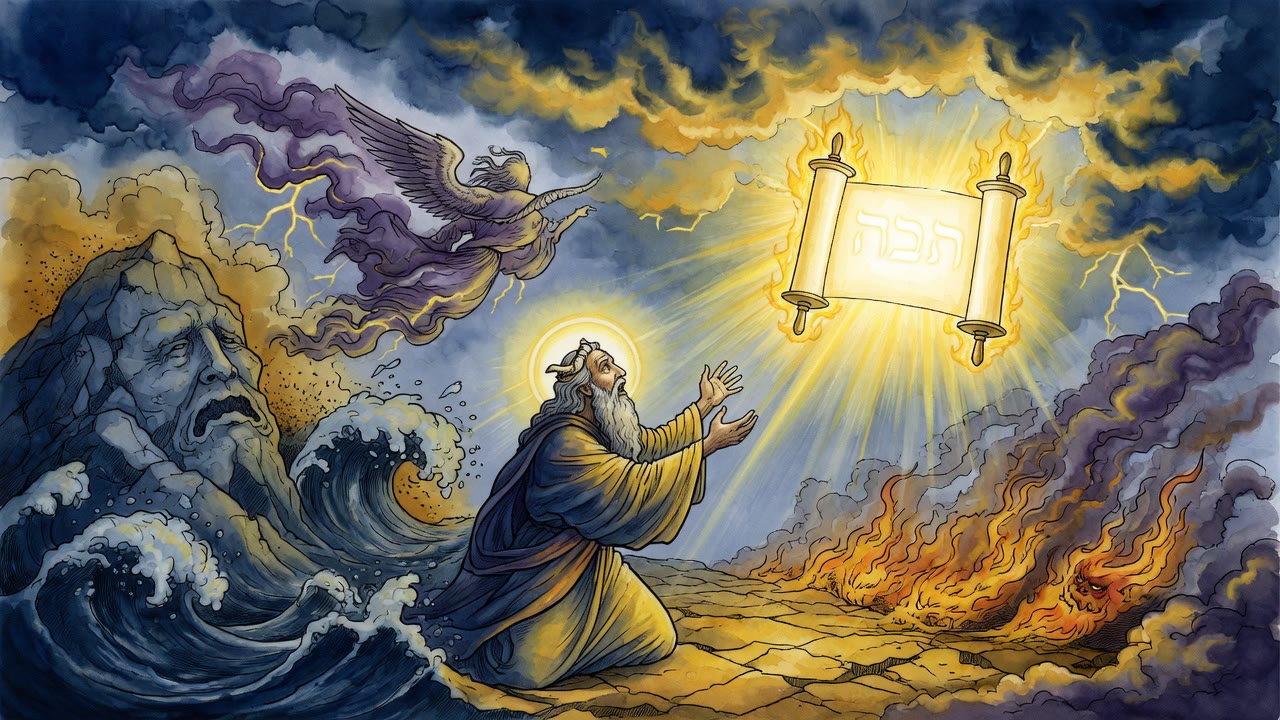
A voice out of heaven gave him five hours. He spent them offering trades: wings, fins, a cloud, and finally his own body in pieces.
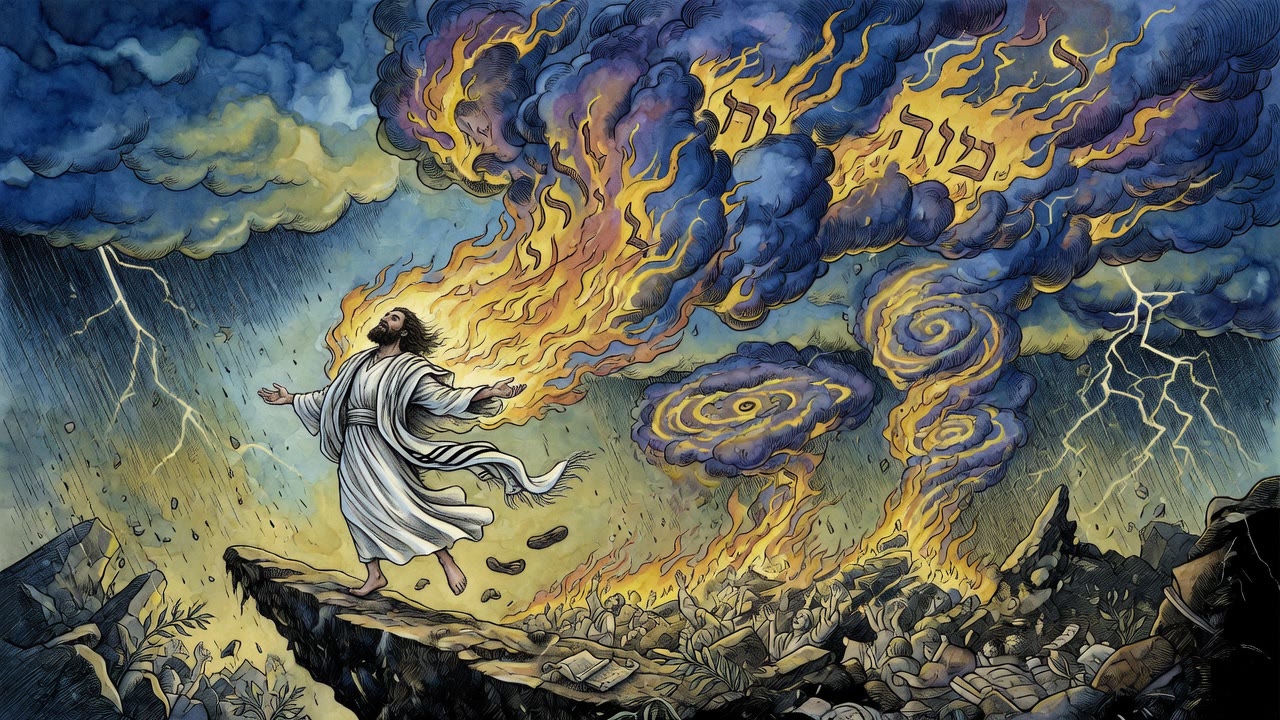
Every father in the list had a death beside his name. At the seventh name the page went blank. Enoch was gone. No grave was marked.
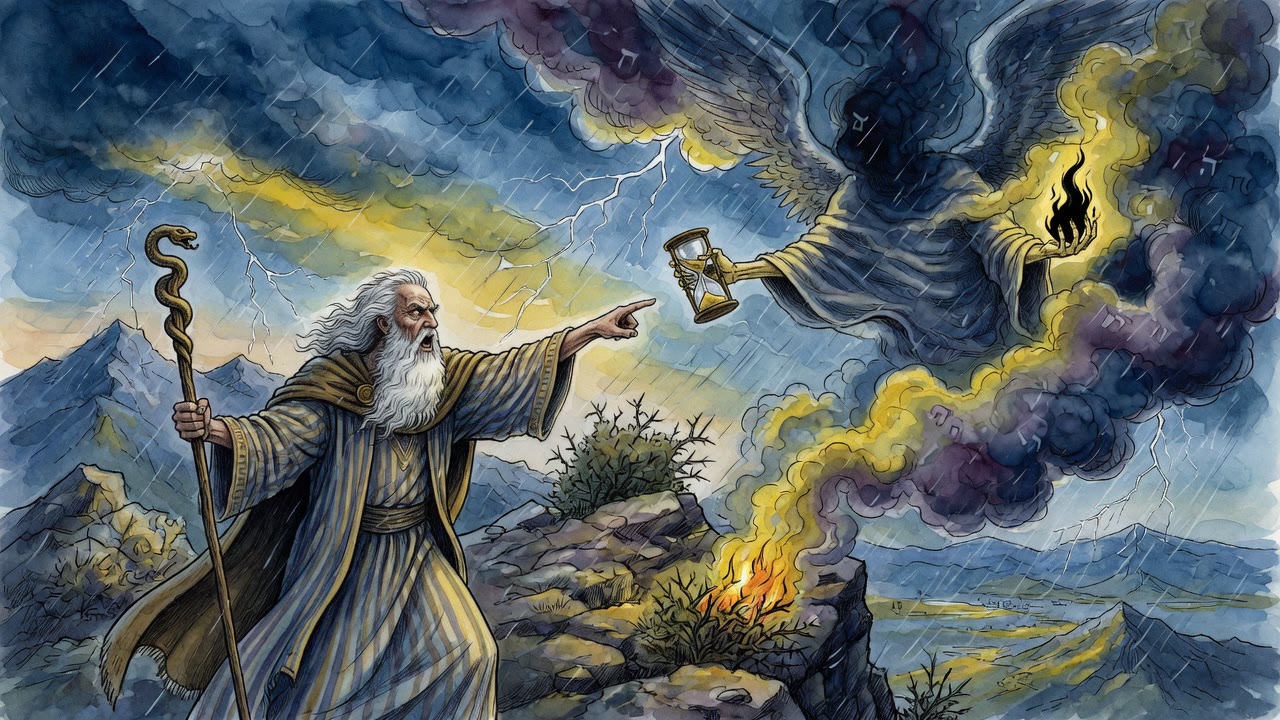
The Angel of Death came into the tent, and Moses spoke the Ineffable Name at him until he fled. On the third approach Moses met him with open hands.
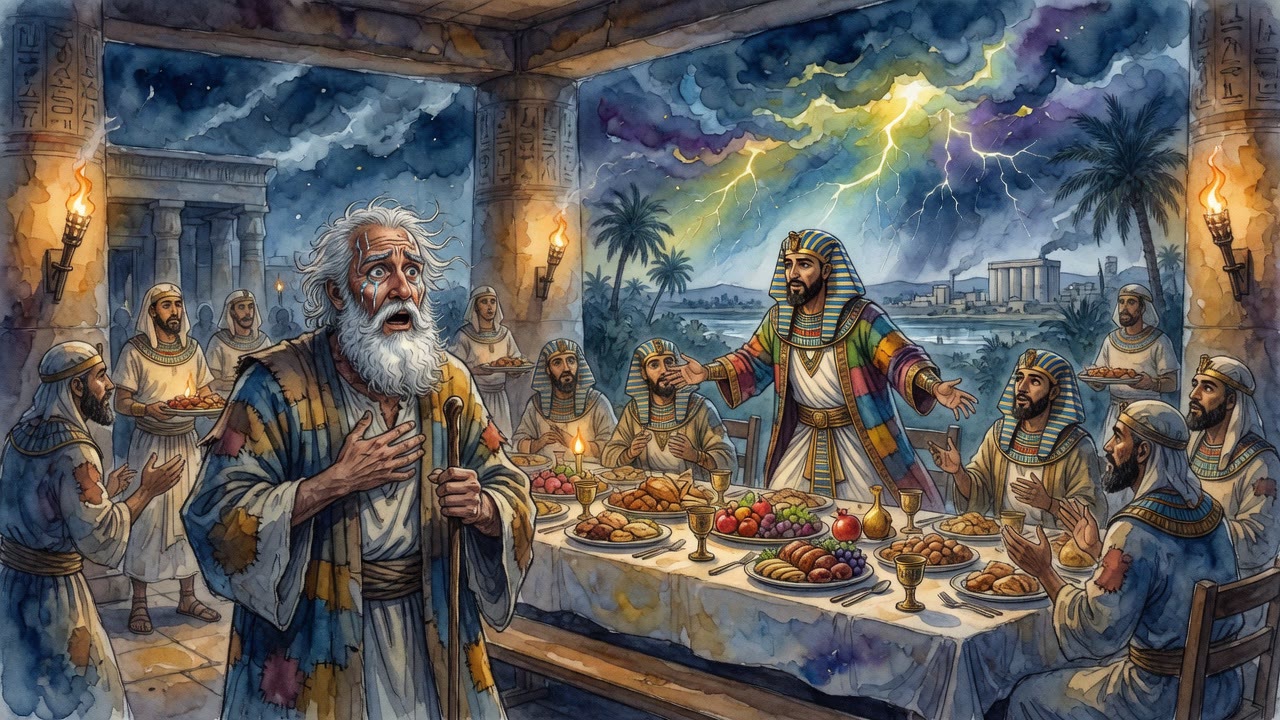
The coat had been enough to close the grave. In Goshen, Jacob sat at the table and watched Joseph eat bread like any living man.
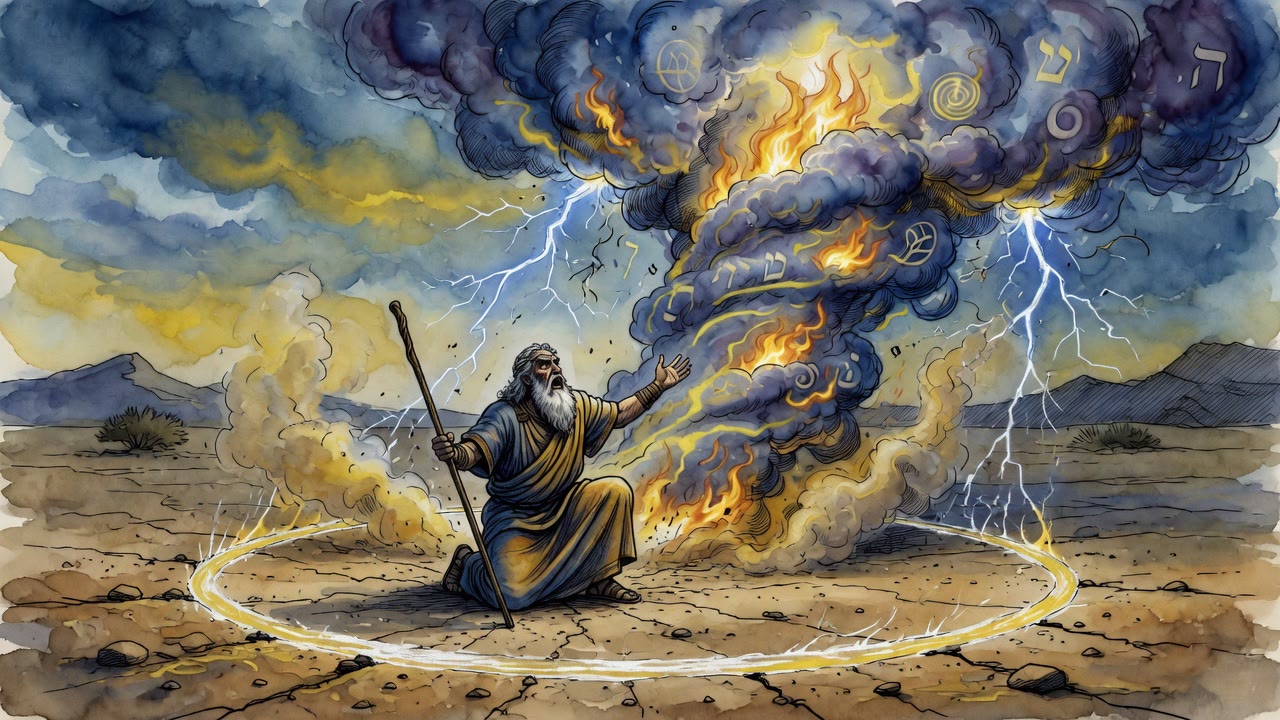
God ordered every gate in heaven shut, because the old man's prayer was cutting up through them like a sword and nothing could slow it down.
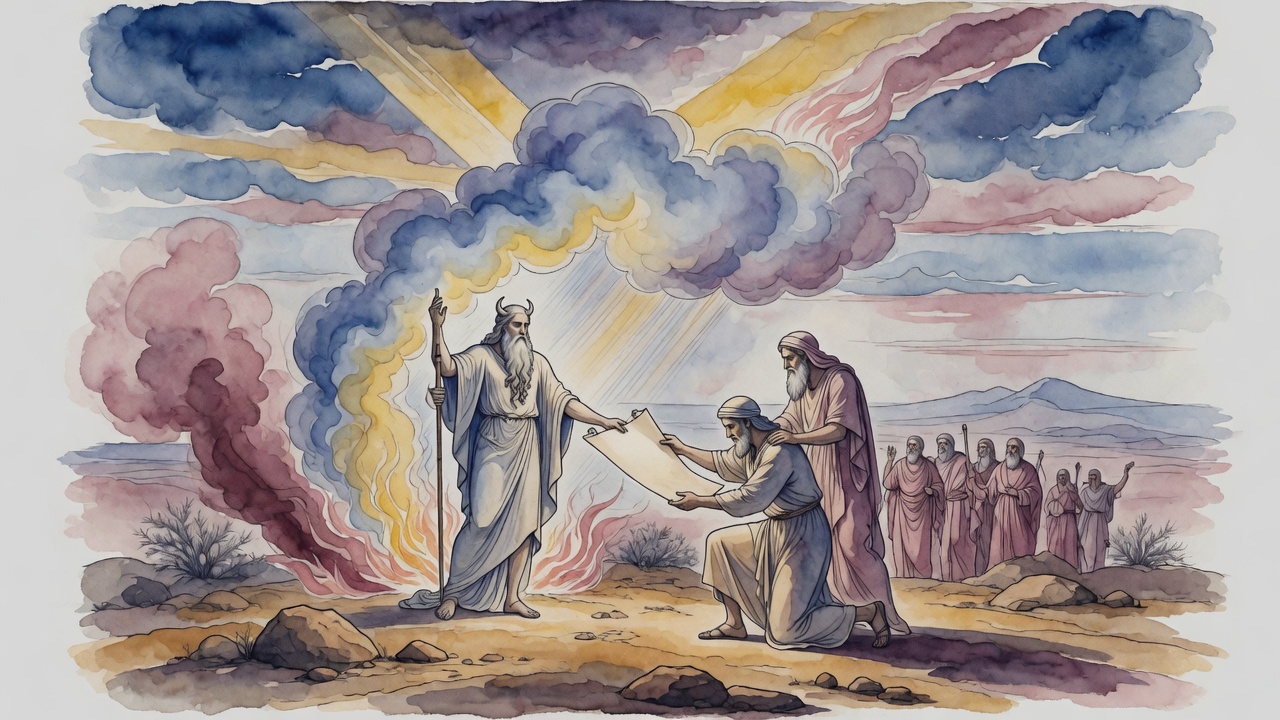
Moses wanted one of his sons to inherit the burden of leadership. God chose Joshua instead, then made Moses strengthen him in public.
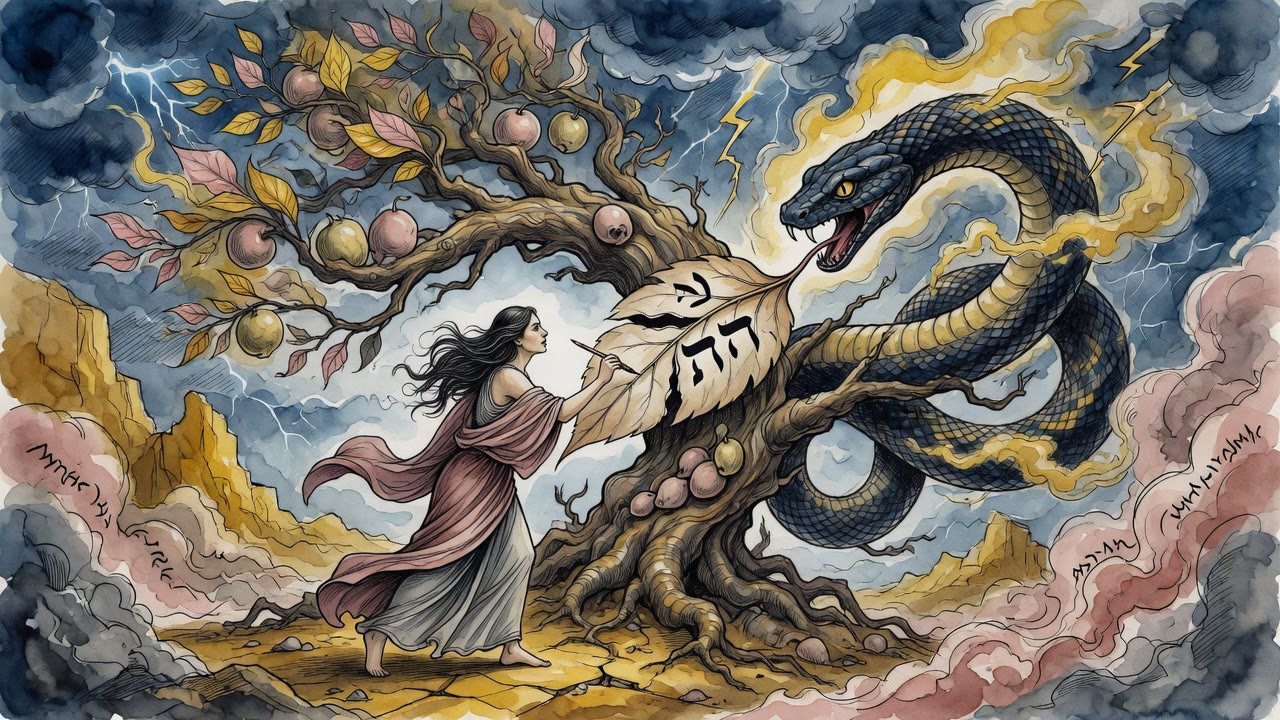
God said do not eat. Eve told the serpent do not touch. The rabbis traced Eden's fall to that single addition and were not unsympathetic about it.
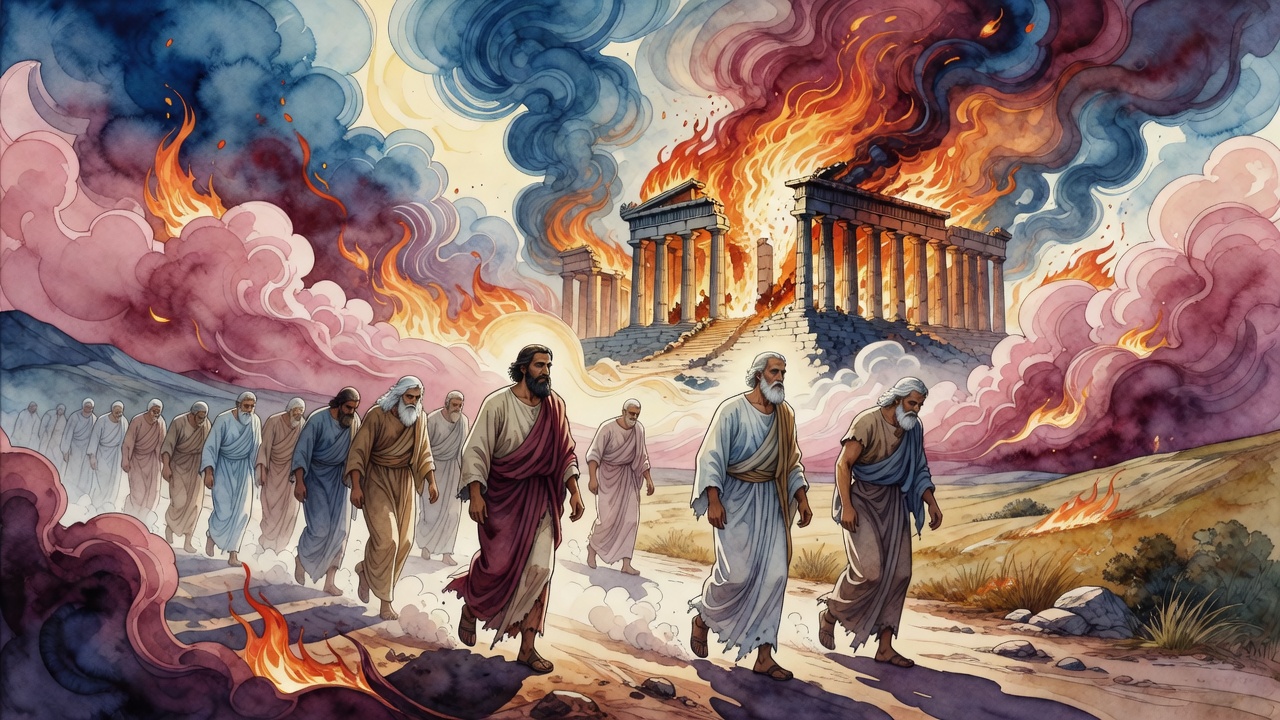
Before Moses died, he was shown the Temple burning and Israel in exile. He found Jeremiah on the roads to Babylon and walked alongside the dead.
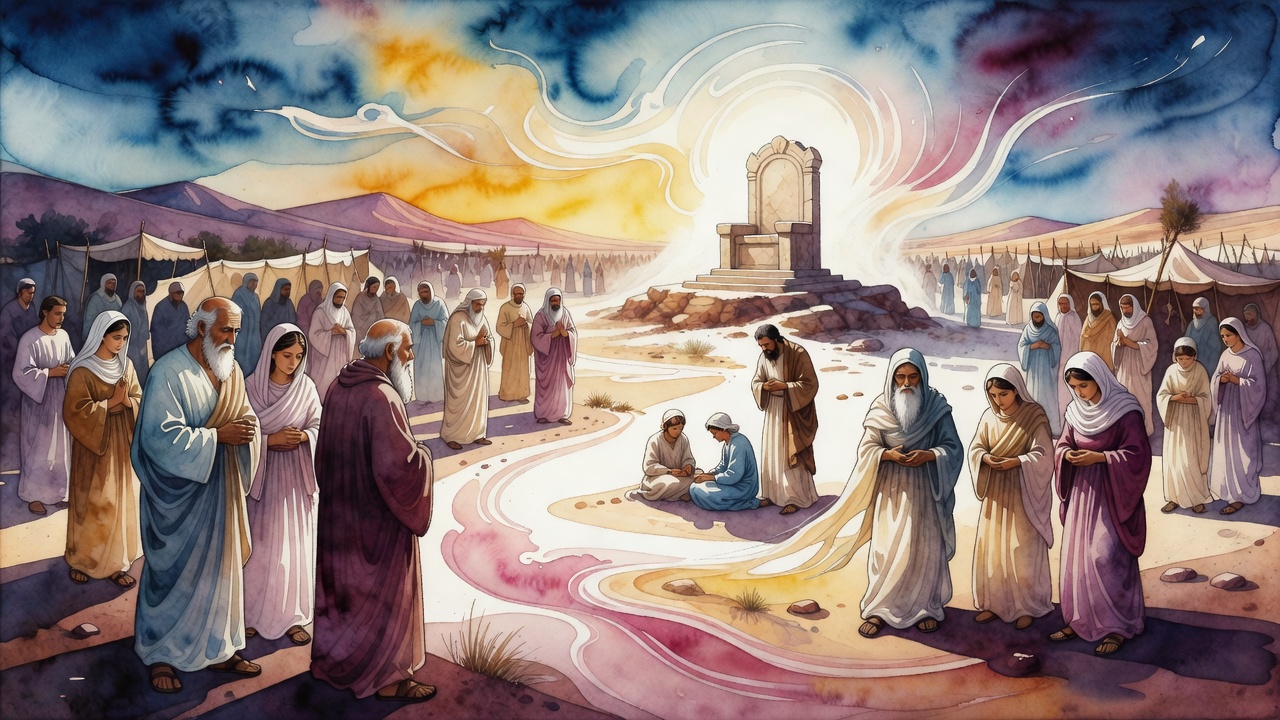
Israel began mourning Moses before he died because his absence had already entered the camp. Thirty days made the loss visible.
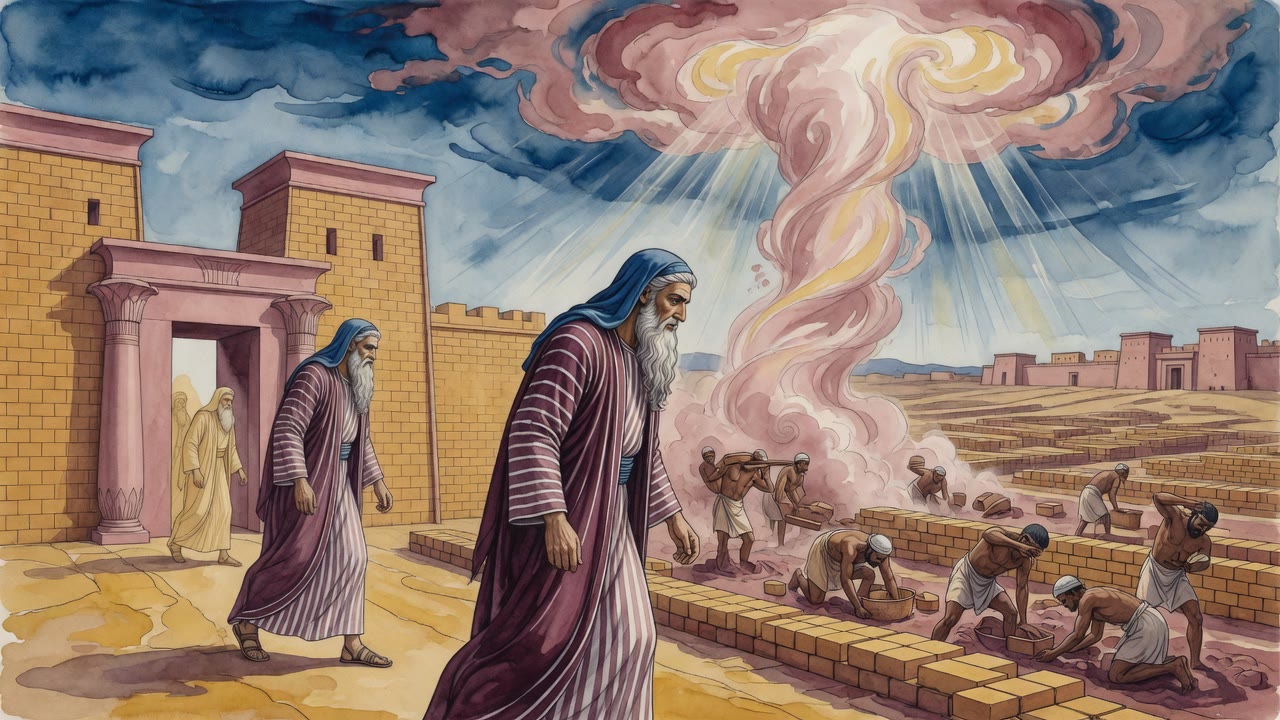
A voice from heaven said Moses had one hour remaining. He asked to live as a bird, as a beast, anything that could cross the Jordan. God refused.
