Abraham Demanded That the Angel of Death Show Its Seven Faces
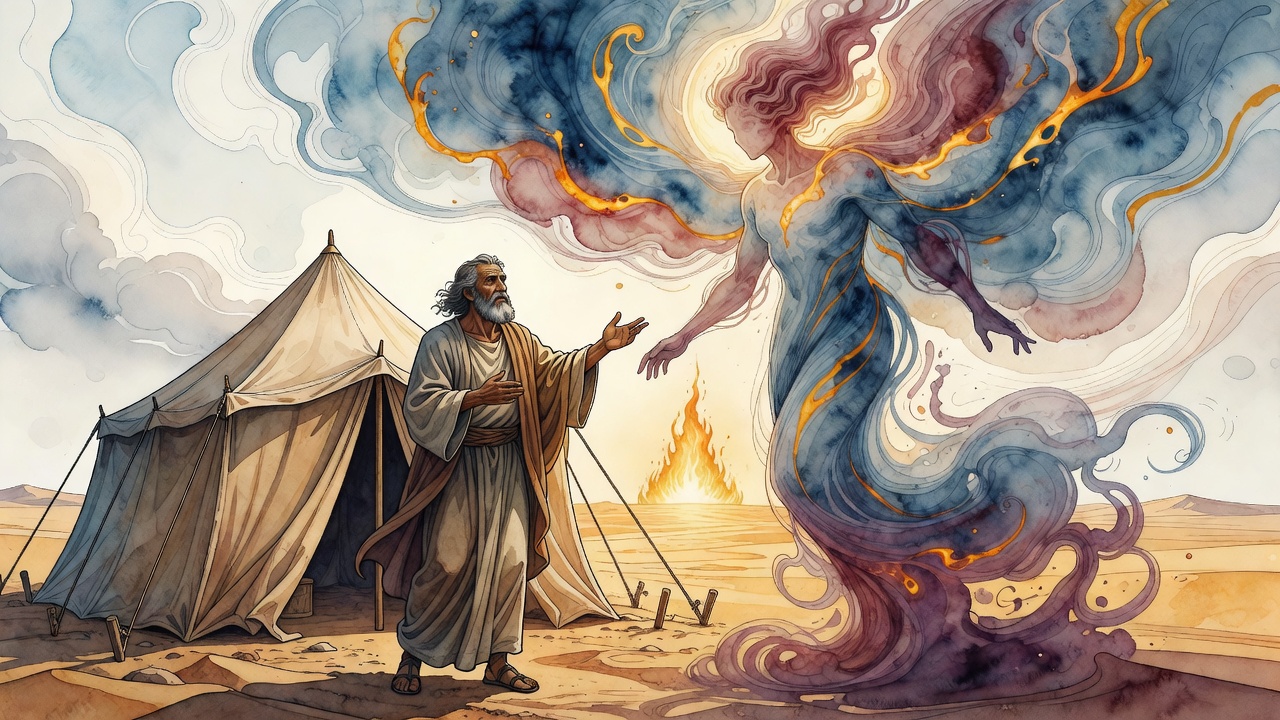
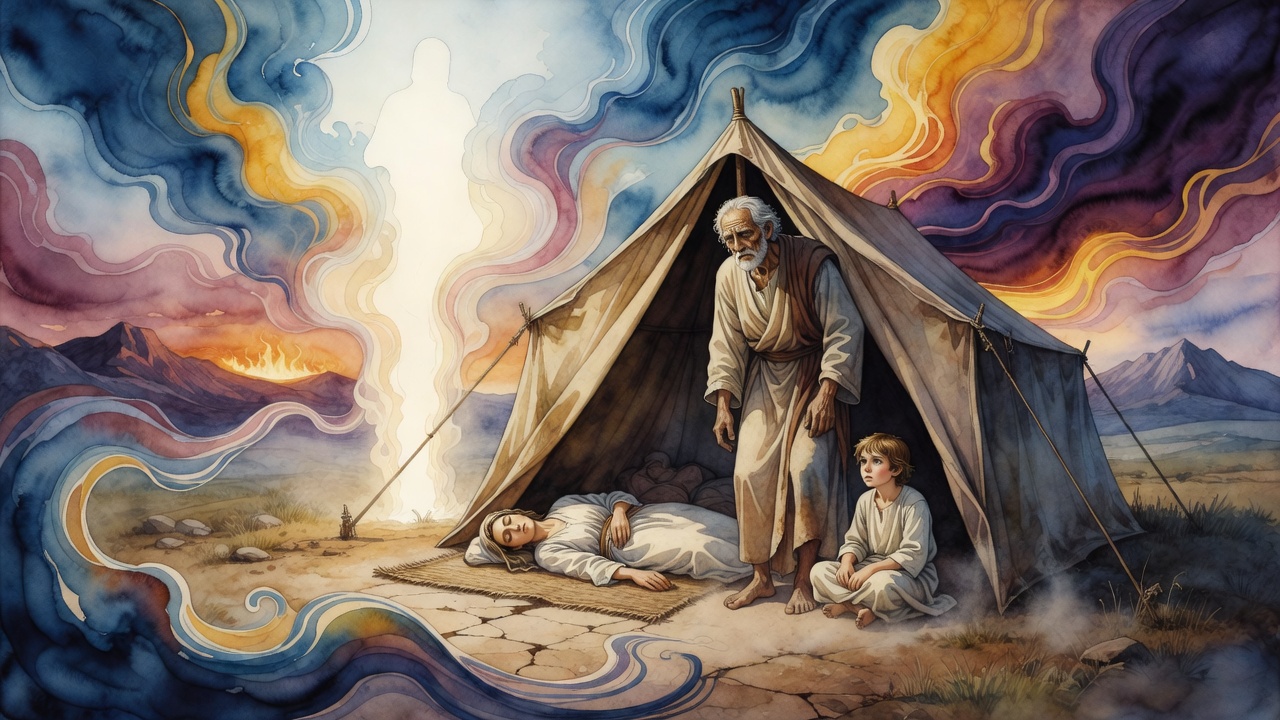
Death knelt at Abraham's tent smelling of paradise. Abraham asked to see the other face. The servants around him fell before he did.
Table of Contents
It was the third hour of the night when Isaac hit the tent pole with his fist. "Father, open the door so that I may come in."
 Click for full size
Abraham lifted the flap. Isaac ran in and put his face against his father's neck and would not let go. He was weeping too hard to stand up straight.
The Dream Took the Sun First
"Tell me the truth," Abraham said. "What did you see that sent you running."
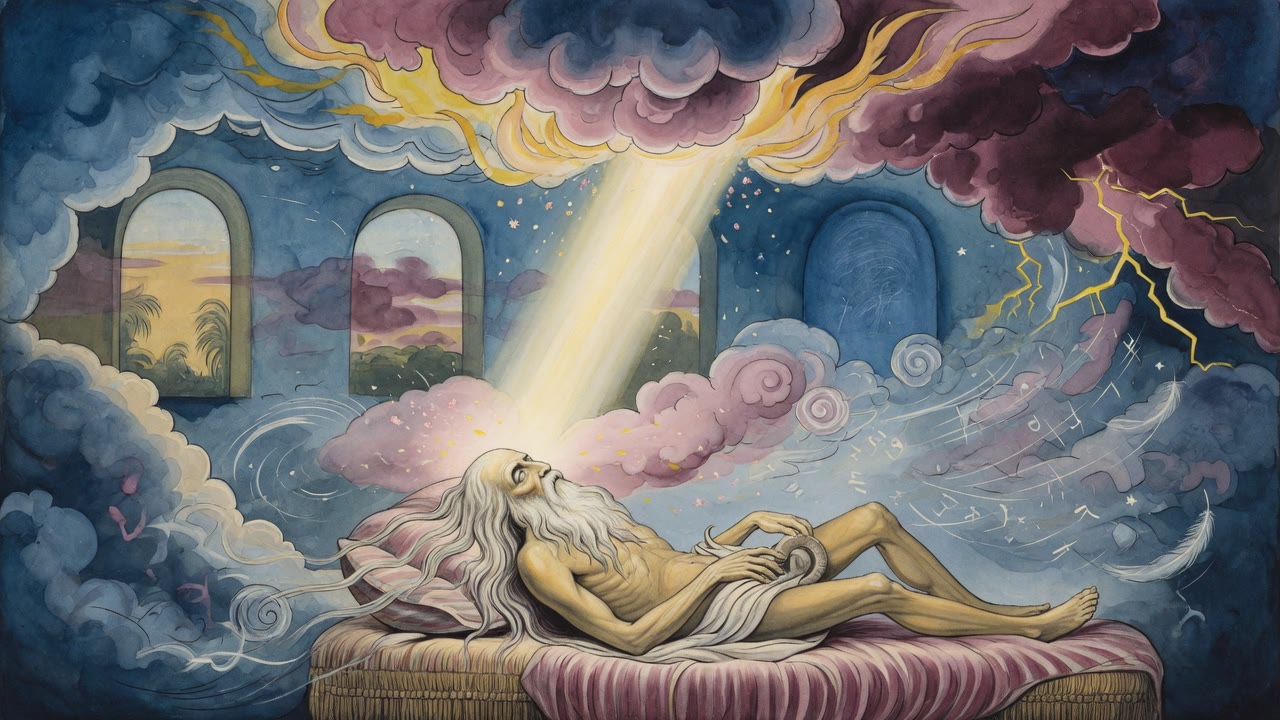
Isaac had seen the sun and the moon over his own head, wrapping him in their rays. Then the sky opened, and a man of light came down, brighter than seven suns. The Light-Man took the sun from over Isaac's head and went back up. Isaac begged him to leave the moon. "If you take the sun from me, at least leave me the moon."
The Light-Man said, "The King on high has sent me to bring them there." He took the moon as well. The rays that had been on Isaac stayed on him after both lights were gone.
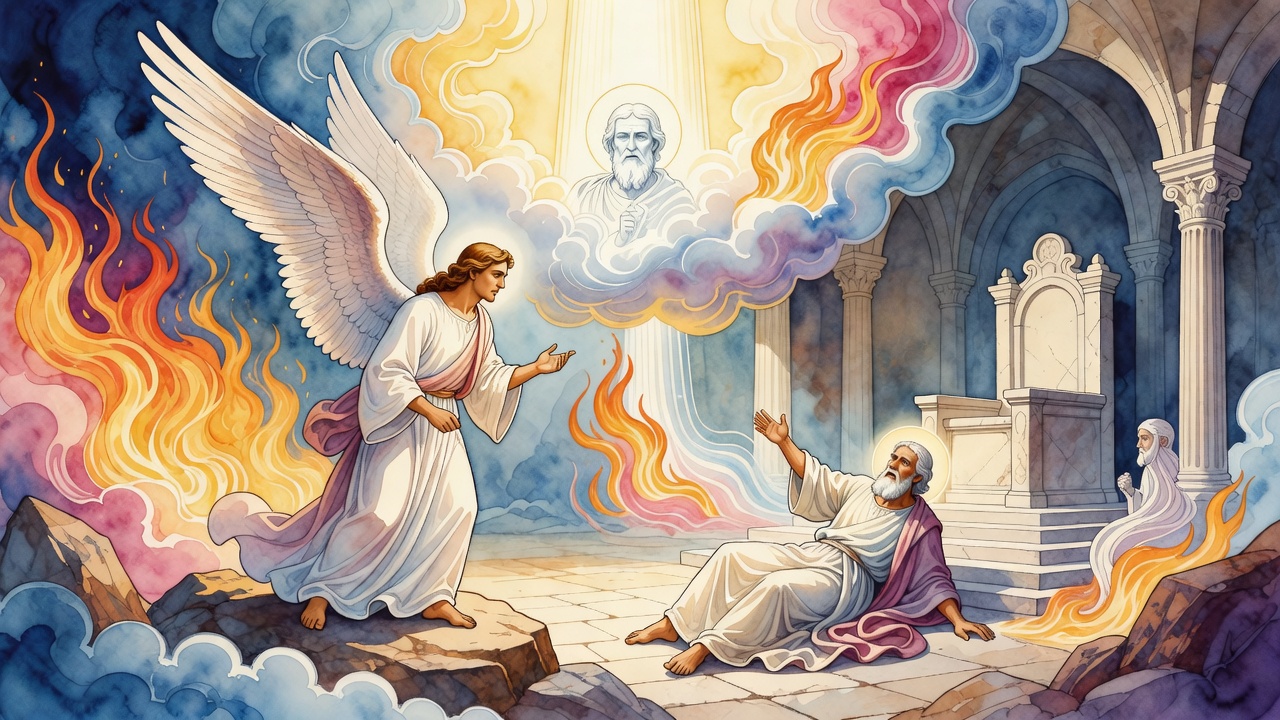
Abraham did not ask for a second telling. "The Lord has sent an angel to take my soul," he said. Sarah was still asleep in the inner room. The remaining light on Isaac's skin was the only mercy in the dream, and Abraham named it as the covenant that would outlive him. He sat in the doorway until morning, because a man who has already bound his son on an altar does not pretend he misheard a vision like that.
Death Arrived Too Beautiful
God had told the Angel of Death to go gently. Hide the ferocity. Cover the decay. Put on youthful beauty, and take him with soft speech. Death obeyed. He came smelling of paradise. His face shone. He knelt in the dust at the tent mouth and called Abraham righteous, called him friend of God, called him beloved.
"Most righteous Abraham," he said, "I am the bitter cup of death."
Abraham looked at him and did not bow. "No, you have the glory and beauty of an angel."
"I am telling you the truth. I have come for your holy soul."
Abraham went into the house. Death followed him in and stood against the post. "I will not depart until I take your spirit." Abraham had spent his life receiving visitors he did not expect and recognizing them. A creature that announced death but arrived in glory was either lying or hiding something. He would not be taken by a disguise.
He Asked for the Real Face
"Show me your ferocity," Abraham said.
Death warned him. "A human being cannot bear to see it. No flesh survives the full appearance of what I am. You will not be able to look."
Abraham said the power of God was with him, and that he could bear it. He wanted to see what had come for him. He had bargained over Sodom. He had lifted a knife over Isaac. He would not close his eyes for this.
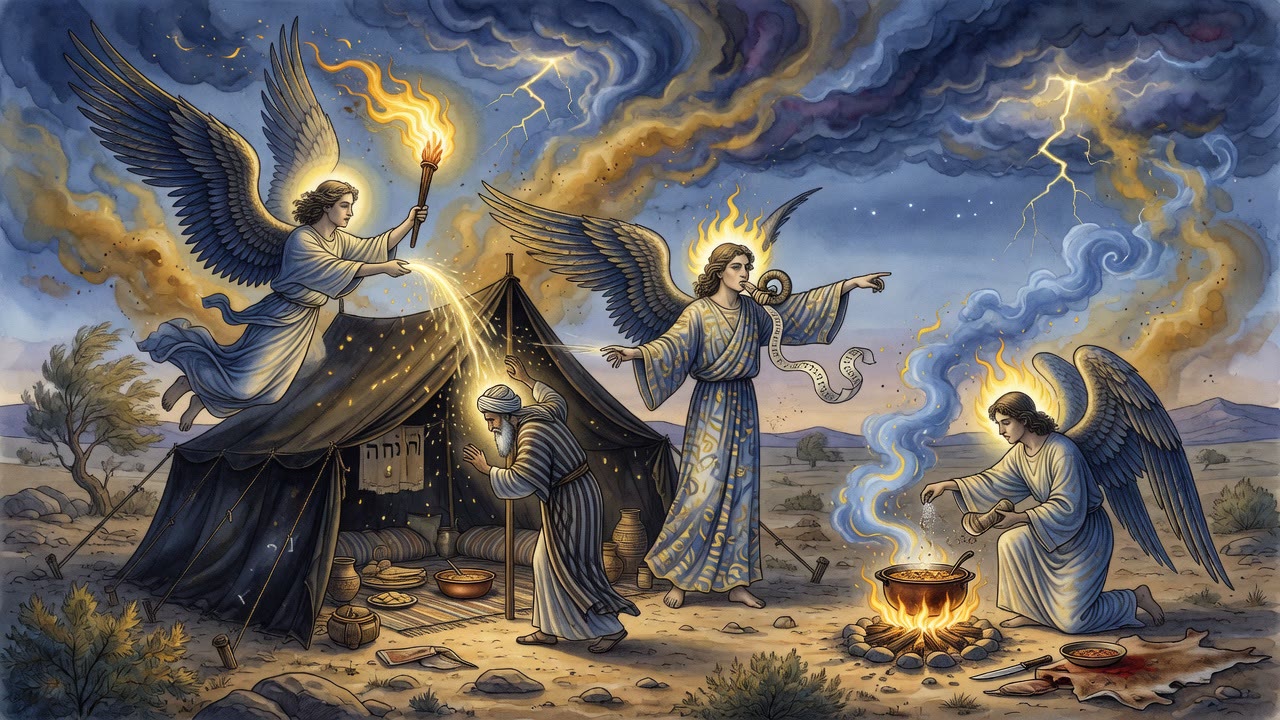
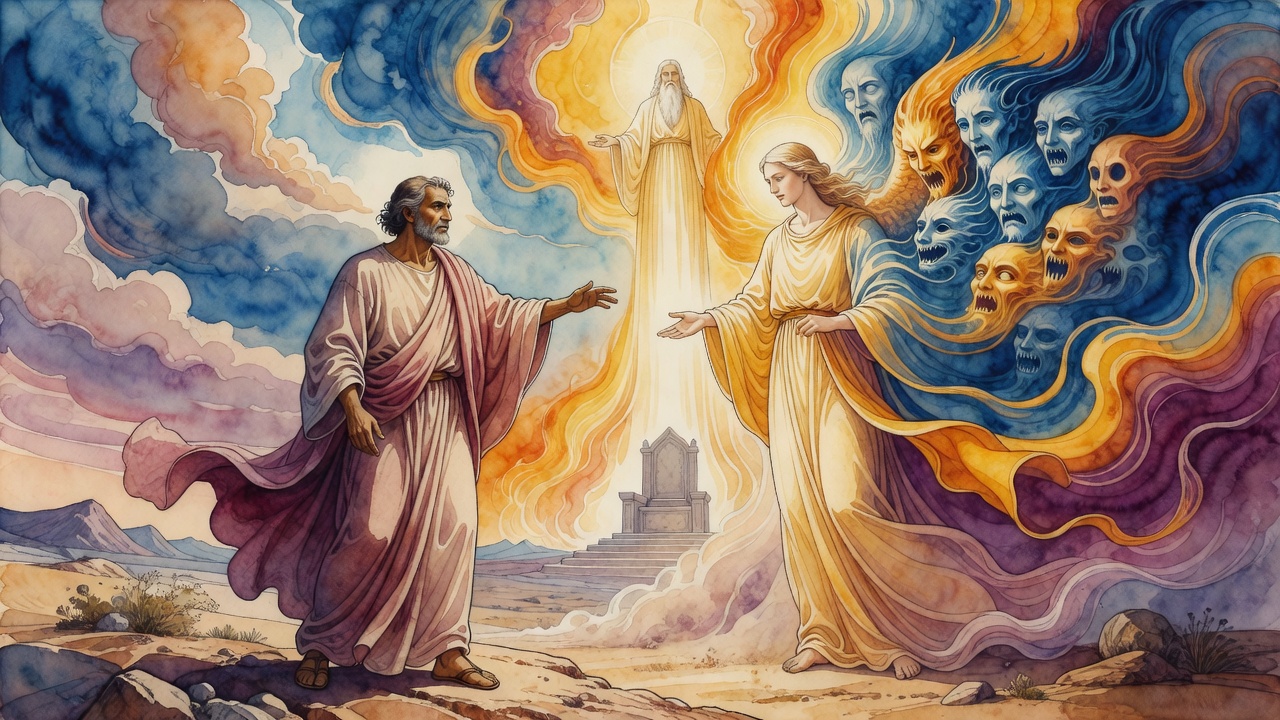
Death changed. The youth and beauty fell away. What stood on the packed earth had seven heads, each worse than the last. One face was a lion. One was a horned serpent. One was a cobra. Some were fire. Some were only mouth. Each face was a different way of dying: plague, sword, hunger, collapse, violence, dissolution, and age with every mercy stripped off.
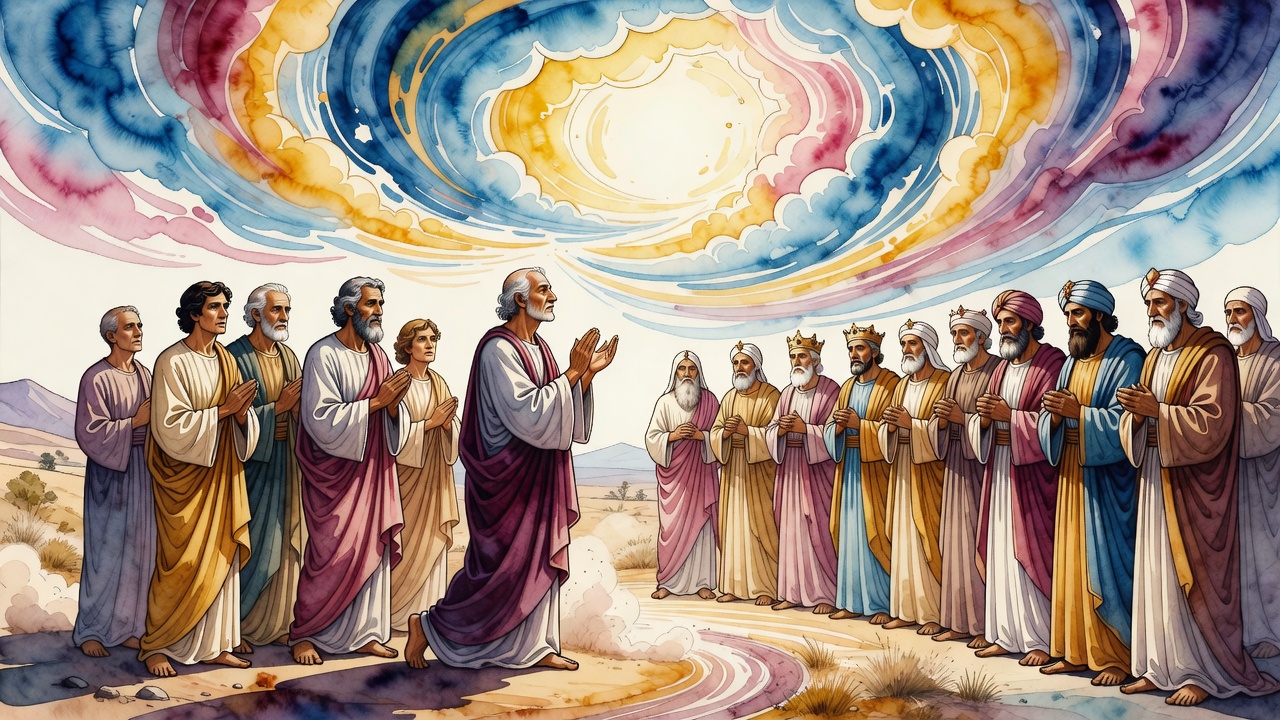
The servants who stood near the doorway saw the change and died where they stood. They had not asked for the vision. They only caught the edge of it.
Abraham did not fall. He had asked for this. His mouth was dry, but his feet stayed under him.
The Kiss That Was Not a Blessing
"Hide it," Abraham said. "Put on the youthful beauty you had before." Death obeyed, because even the seven heads could not take a soul that God had told him to take gently. The servants lay on the floor. Abraham asked God to restore them before he would lie down, and the house filled with breath again. The men sat up and did not know what they had seen. Abraham knew.
He went to his room. Death came after him with a voice like a friend. "Come, kiss my right hand, and may life and strength come to you."
Abraham kissed the hand because the face in front of him was beautiful again, and because he was tired. His soul cleaved to that hand and left his body. He had demanded the true face of death, and he still went out by a kindness that was a trap.
The angel Michael came with a company, and they lifted what had left Abraham in linen woven above. Isaac's remaining light did not go out. The seven faces were gone from the room. Only the smell of paradise hung there a little longer, as if the disguise had been the last true thing Death left behind.
← All myths