477 myths · Page 1 of 16
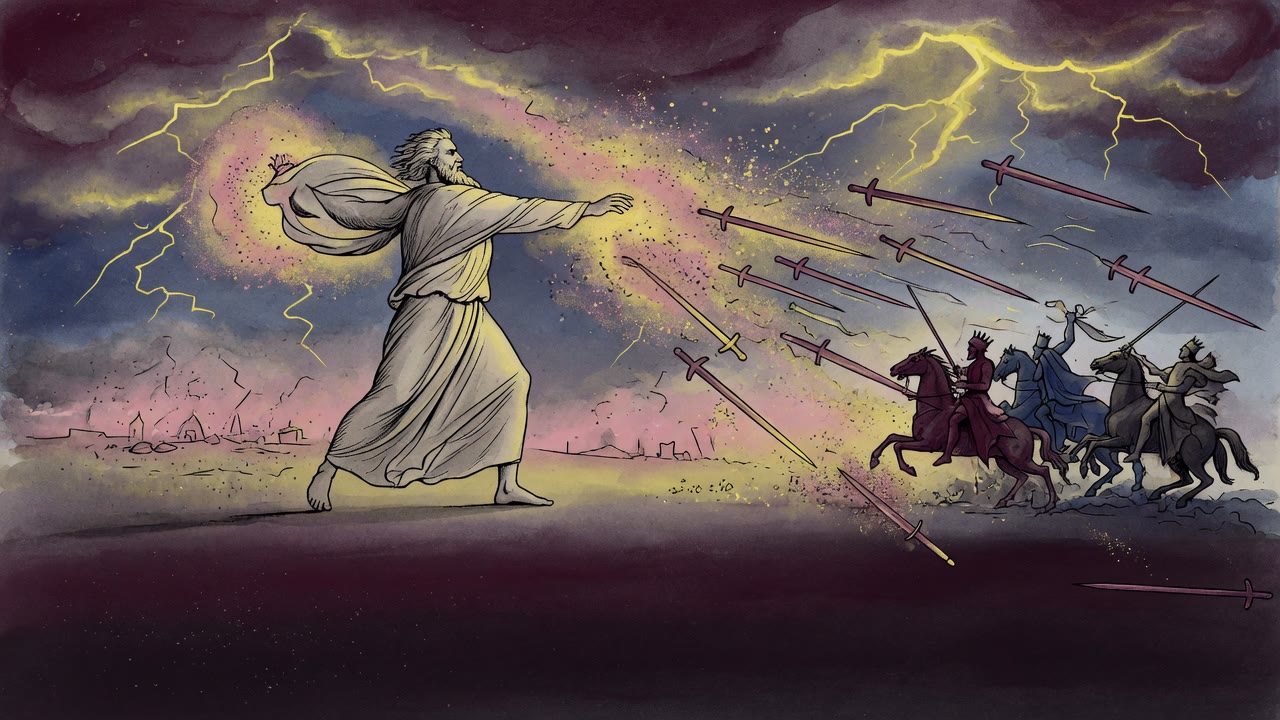
When raiders dragged Lot off, Abraham chased four kings into the dark, and the dust he hurled turned to swords on Passover night.
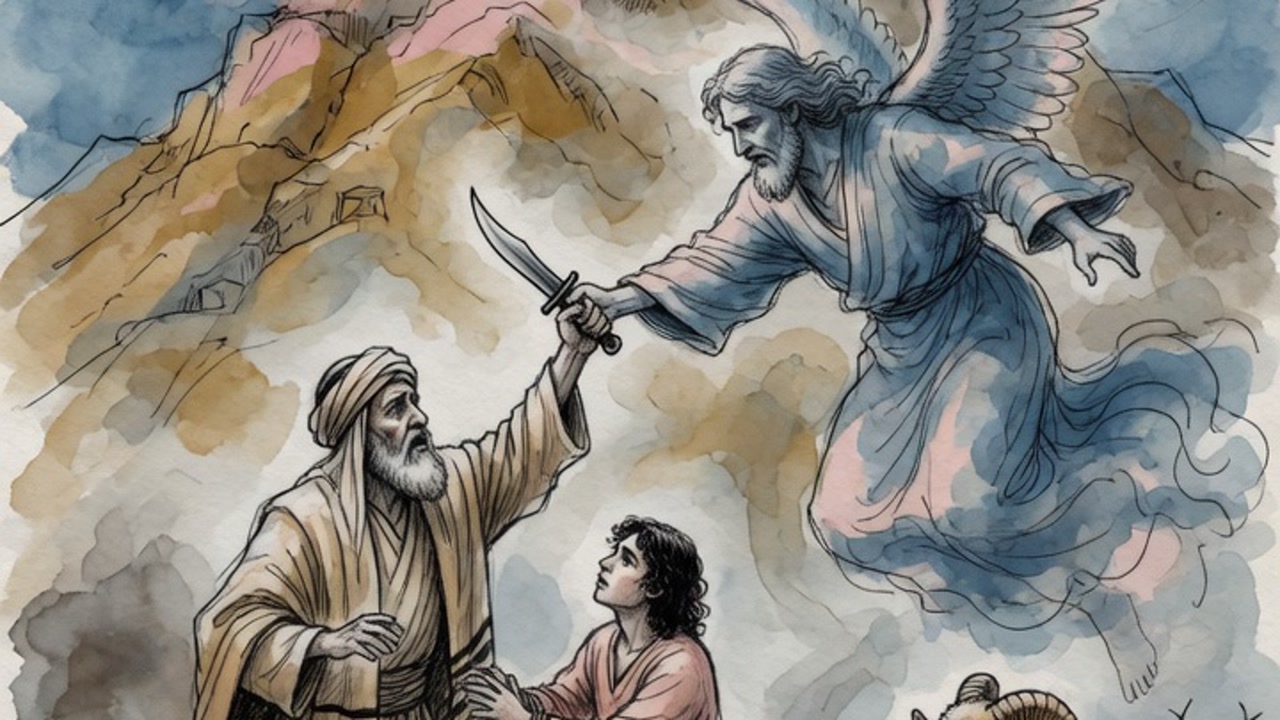
Isaac was thirty-seven and stronger than his father. He stacked the stones himself and asked for the rope, because he did not trust his own body.
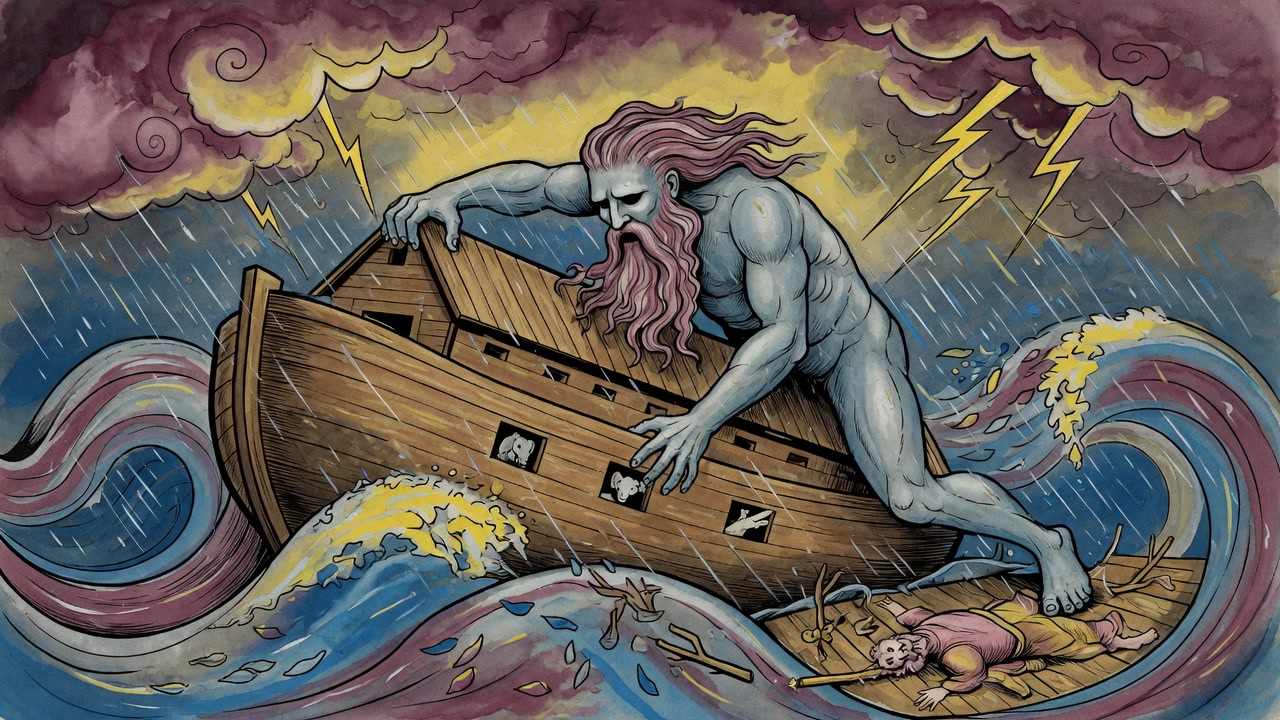
Seven hundred thousand people beat on the ark's door and drowned in the rain. One giant was already on the roof, fed through a hole in the pitch.
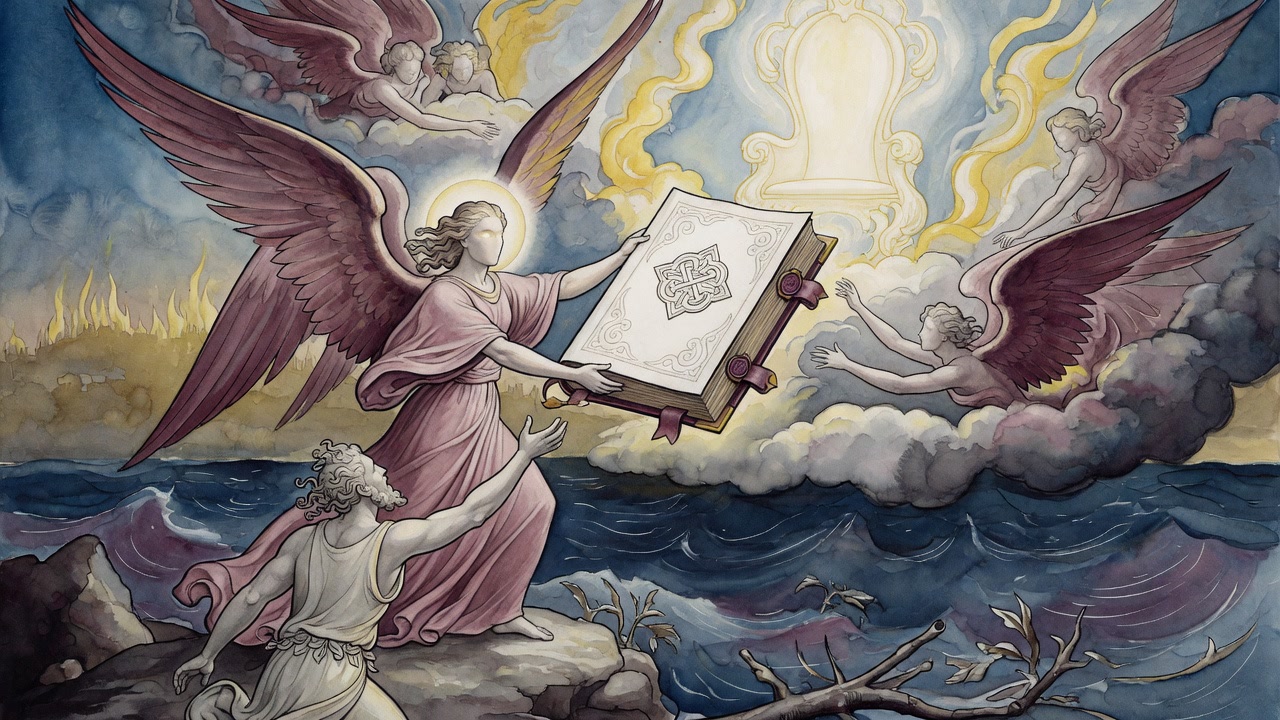
After Eden, an angel came to Adam with a book containing every secret of the world. The angels stole it. God returned it from the sea.
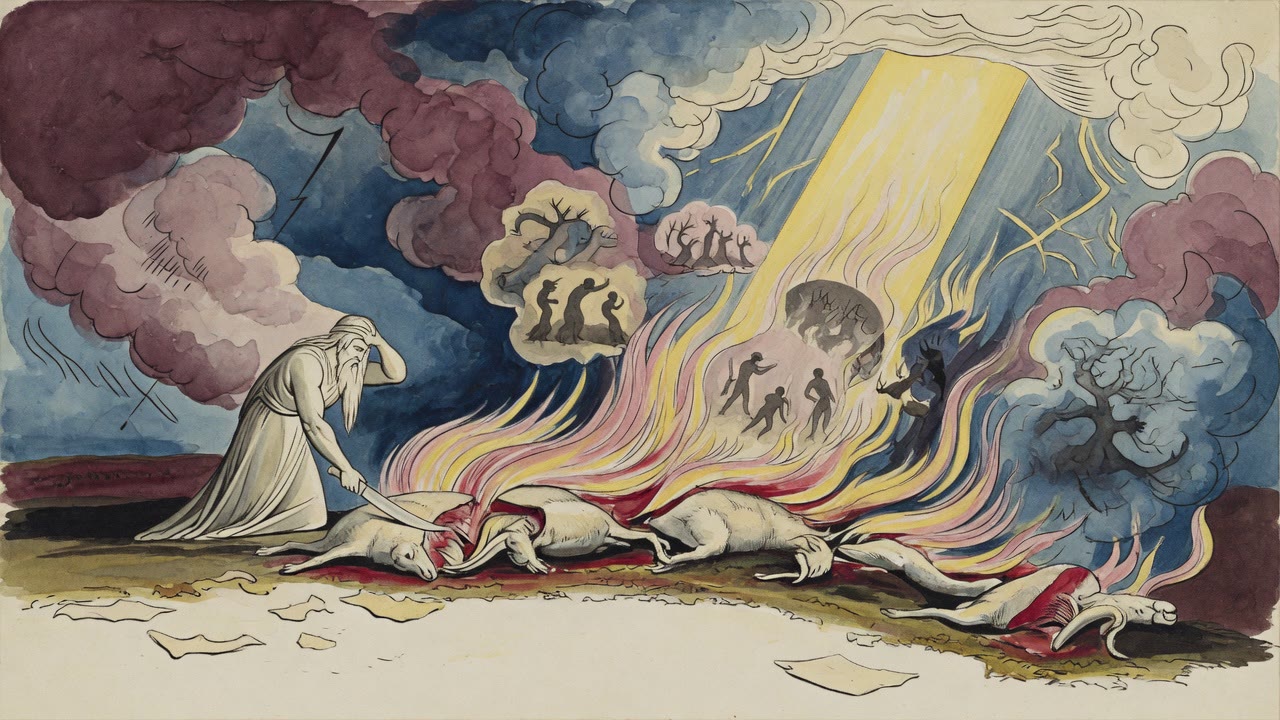
Abraham cuts the covenant animals at God's command. When darkness falls, fire passes through the pieces and shows him hell.
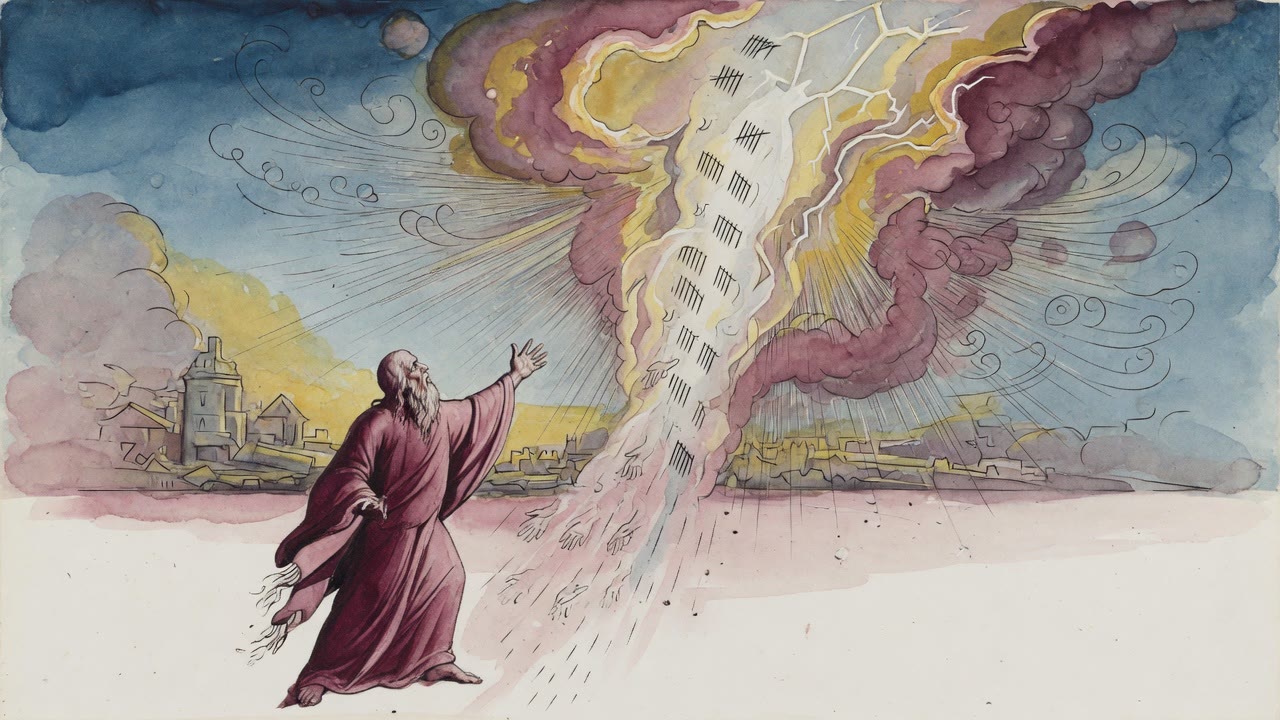
God decides to tell Abraham what he is about to do to Sodom. Abraham recognizes an opening and presses it, bargaining God down from fifty righteous to ten.
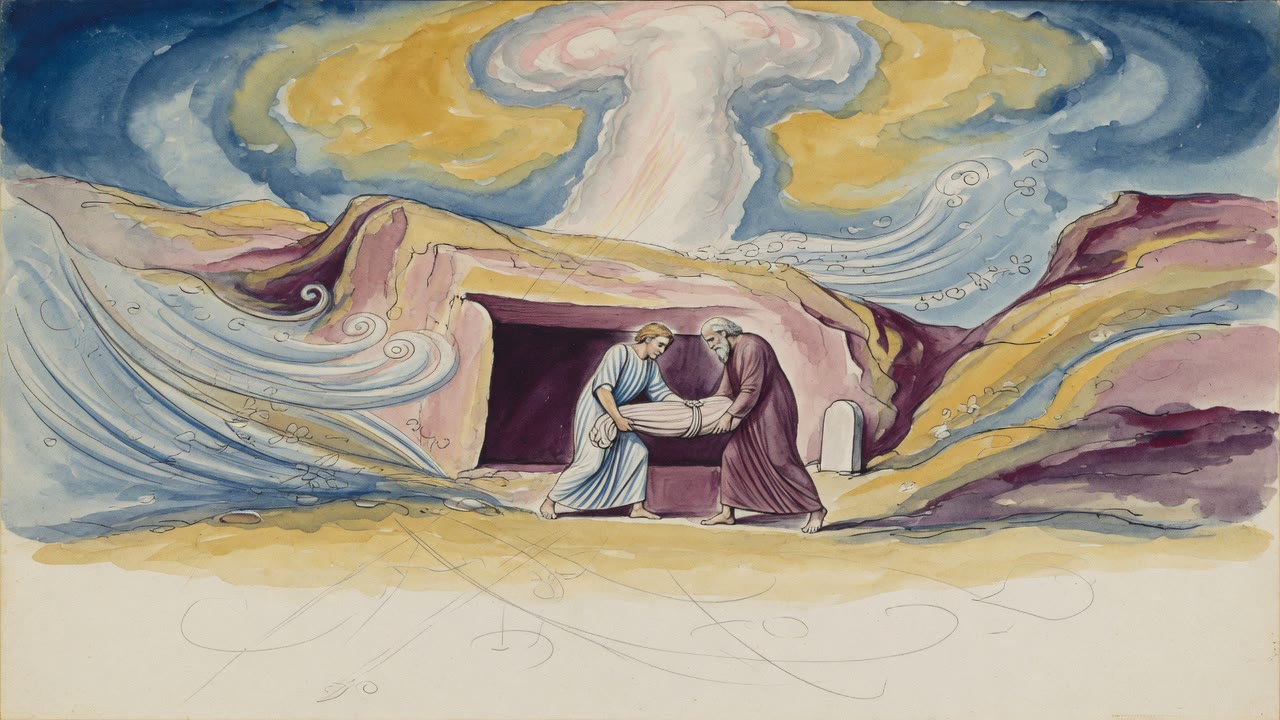
Ishmael was the older son. When Abraham died, the Torah listed Isaac's name first. The rabbis read that as Ishmael stepping back.
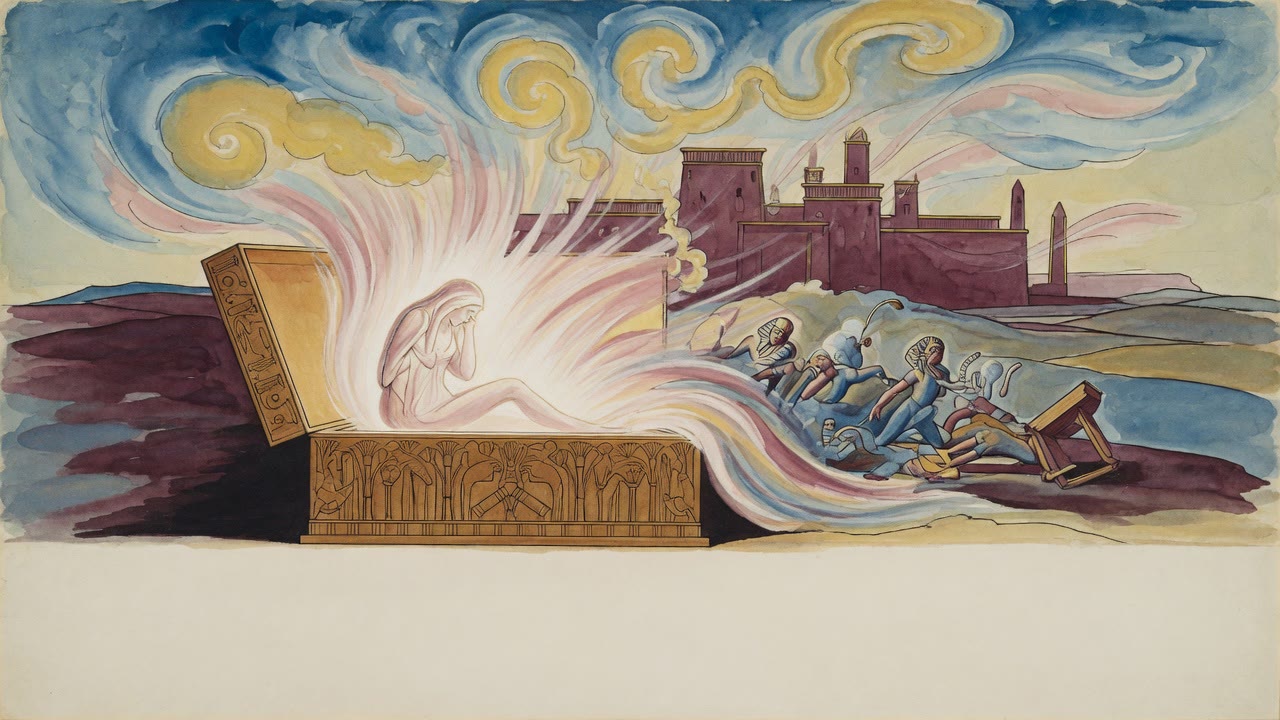
At the border he paid every tax they named. When they forced the lid, the officers forgot the ledgers in their hands.
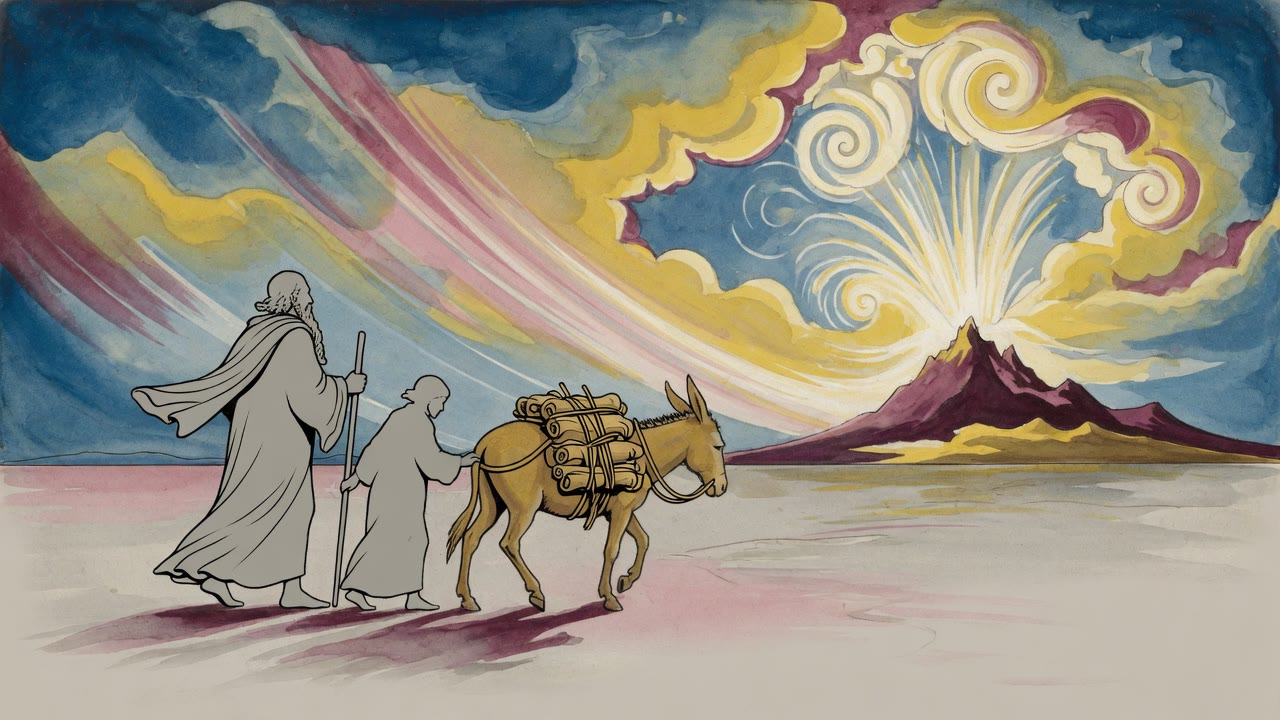
God tells Abraham to take his son to the mountain. Abraham rises early, saddles his donkey himself, and says nothing for three days.
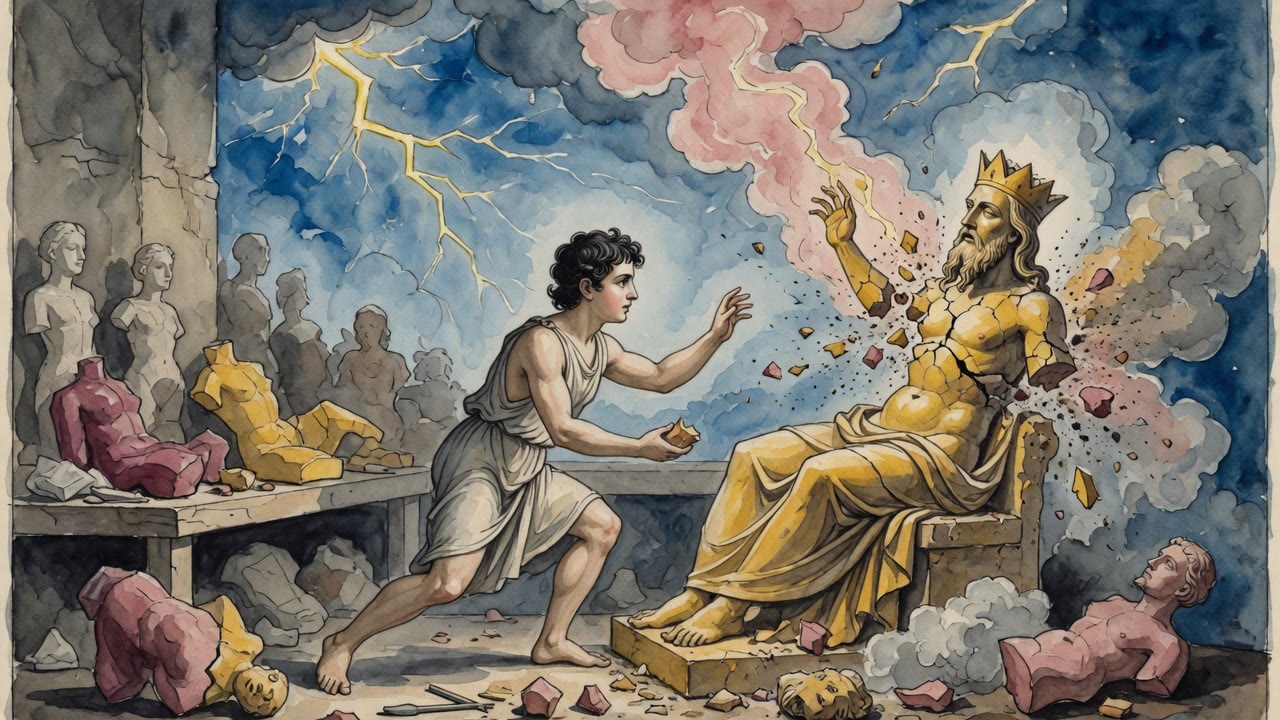
Abraham helps carry an idol home from the workshop. It falls. He asks his father what god cannot hold itself upright.
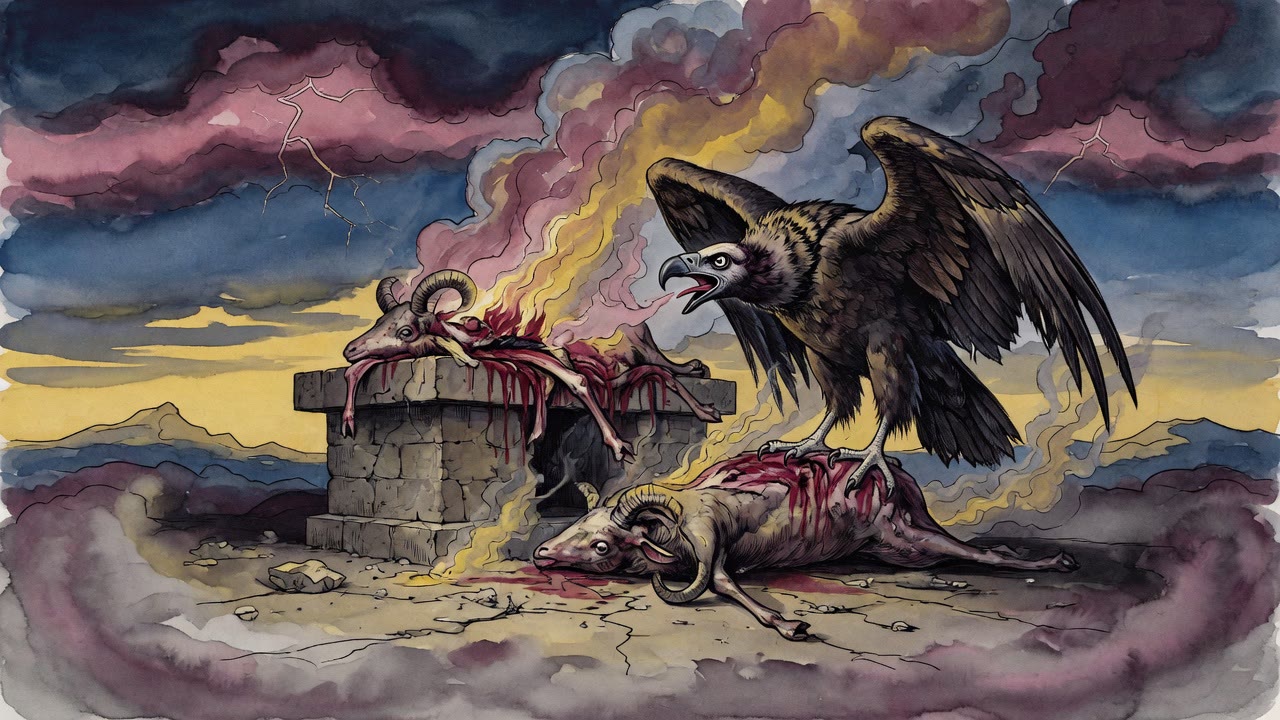
Abraham had already divided the animals. Evening had not yet come. The bird told him the fire on the heights would eat him too.
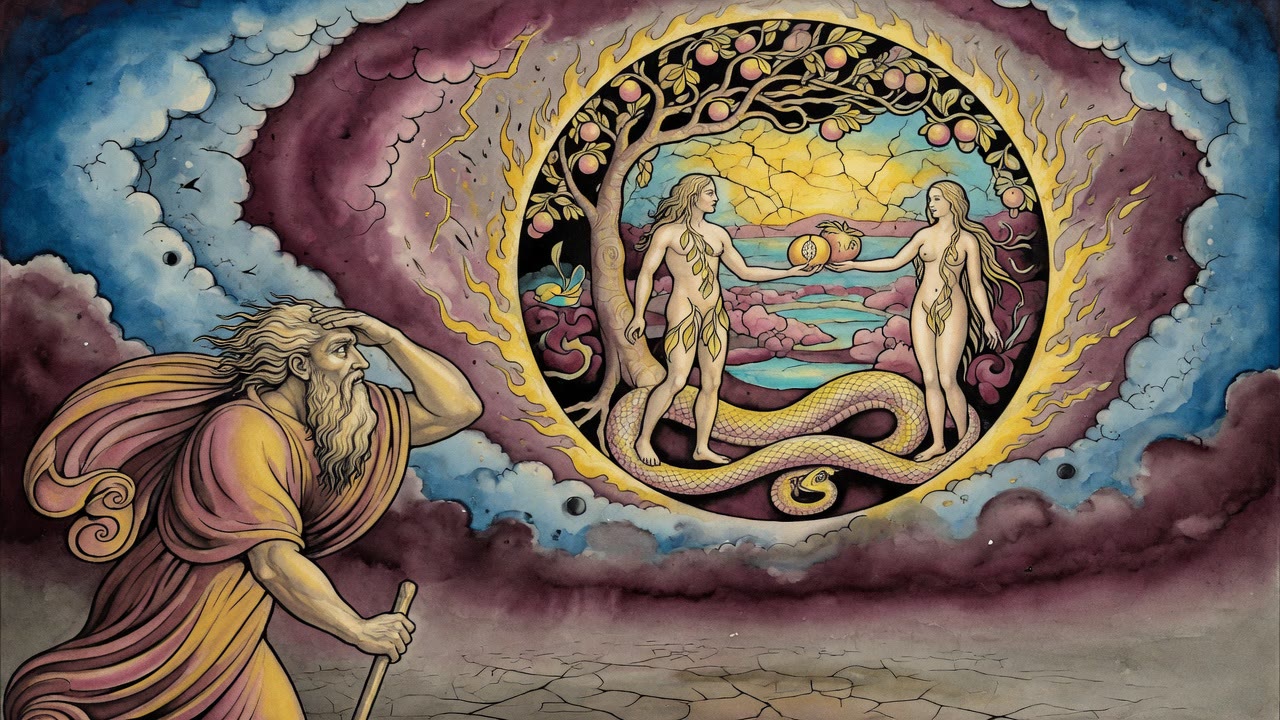
Adam and Eve stood embracing under the tree, and something with a man's hands and twelve wings stood between them, holding out the grapes.
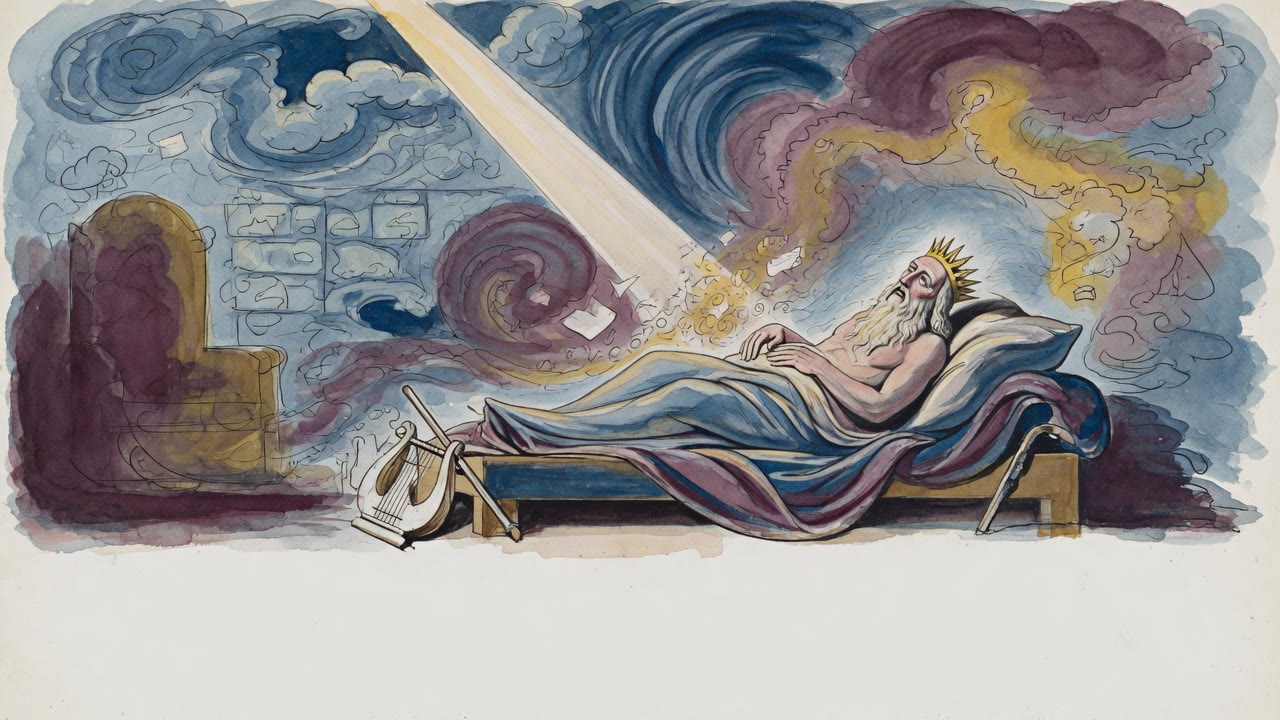
King David survived lions, bears, and Goliath, but under his own blankets the old king could not get warm, and his inner fire was leaving.
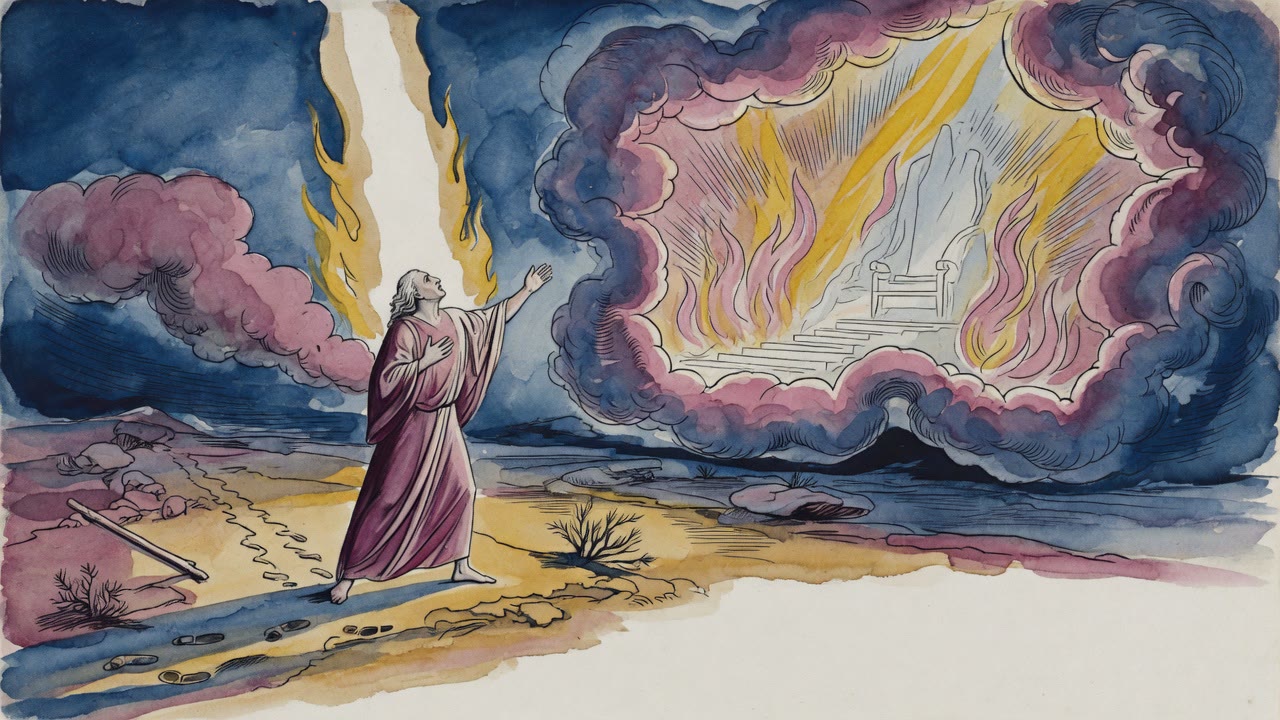
The brothers cut a young goat's throat and dipped the coat in its blood. Their father believed it for more than twenty years.
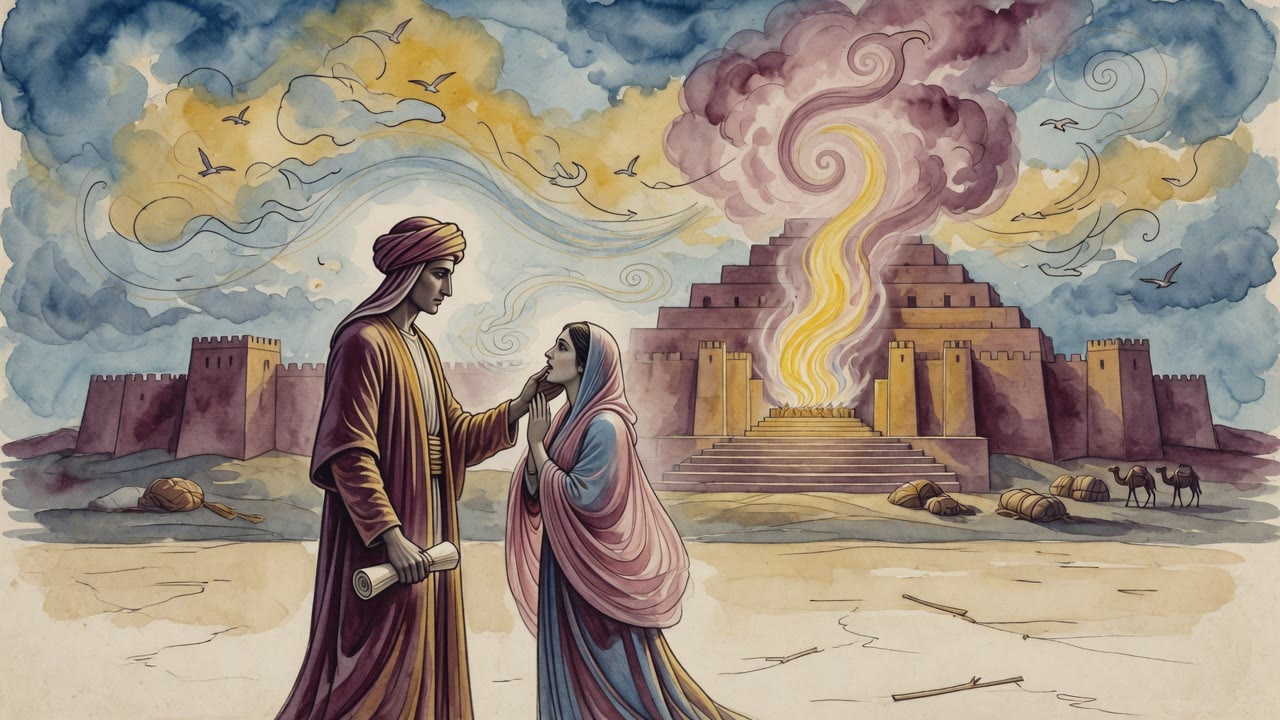
Before Abraham left his father's house, he asked Sarah for one kindness, a single word she would speak in every strange land. Call me your brother.
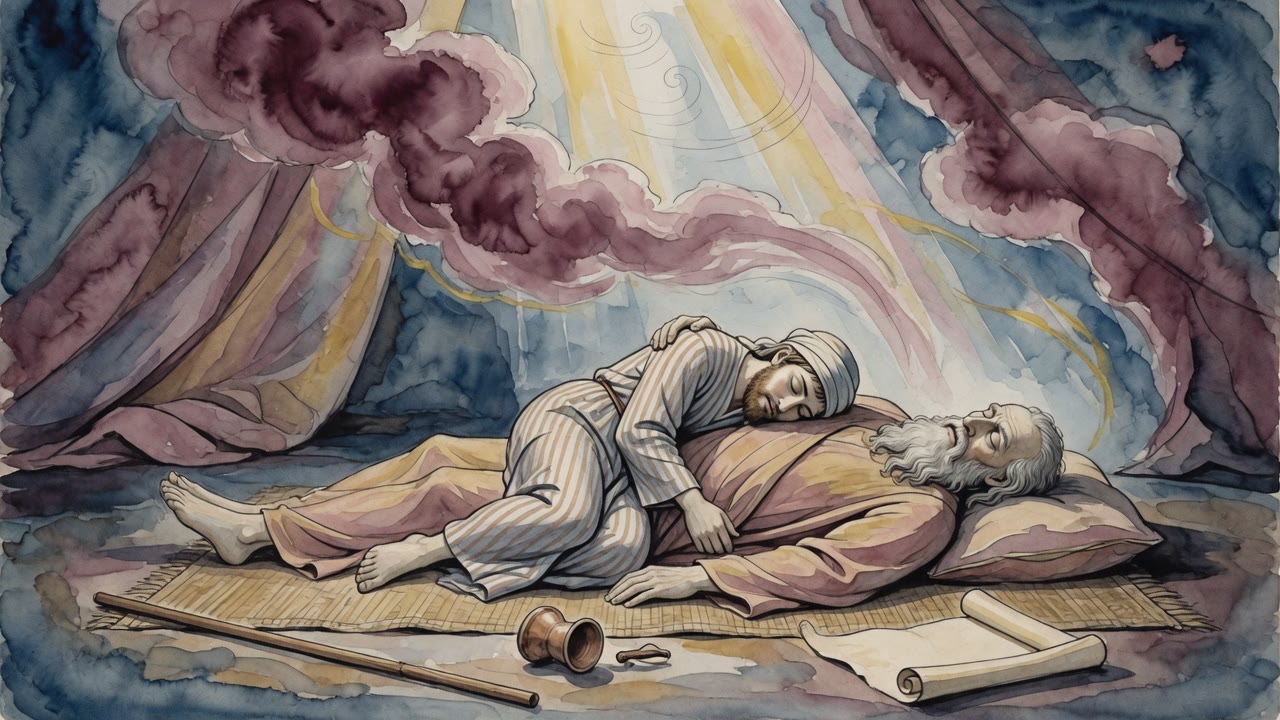
Abraham kissed him seven times and blessed the God who had brought him out of Ur. Then he stretched out his feet and died, without waking the boy.
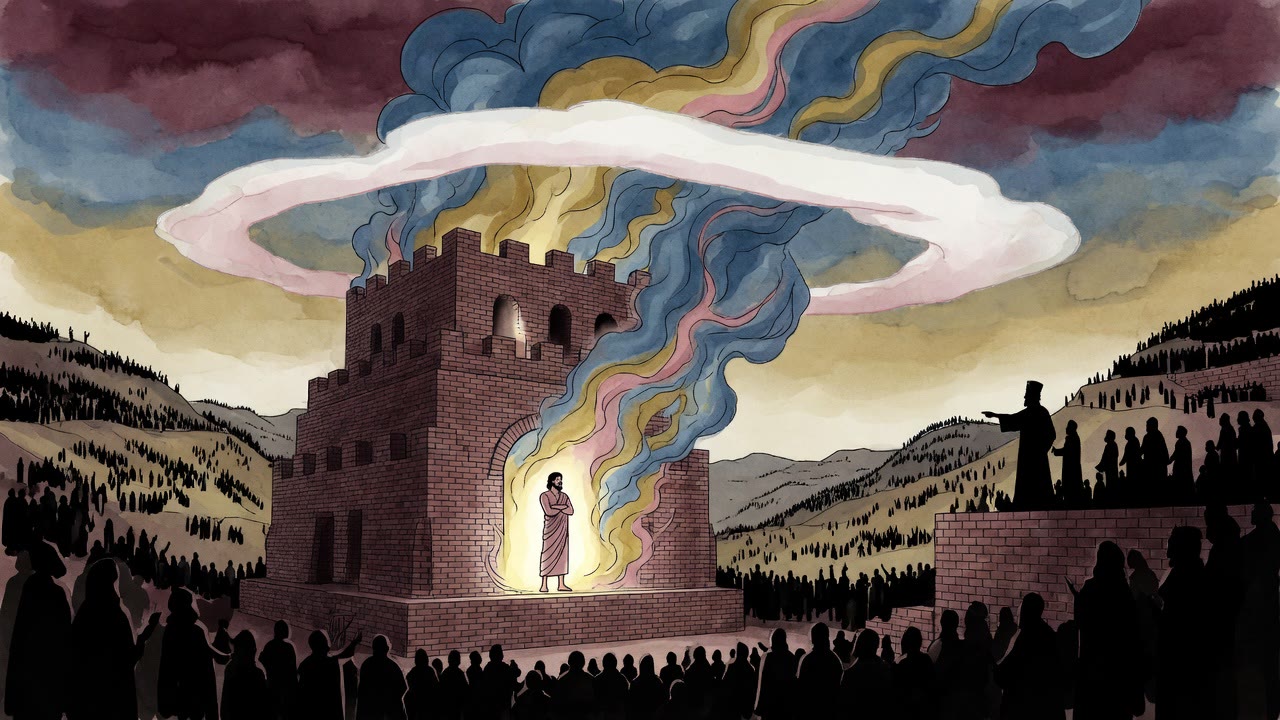
Terah told the king it was Haran who had advised the swap. It was a lie to save himself, and it put his own son in front of the fire.
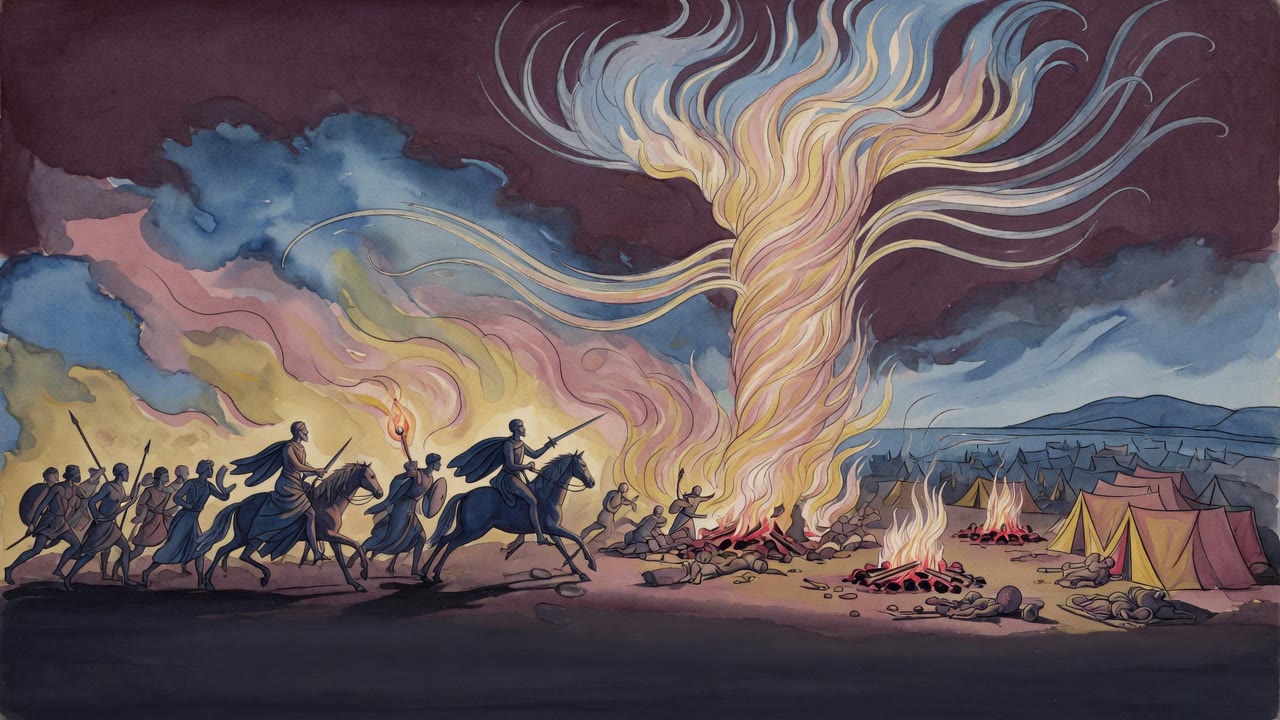
A man came running into Hebron with one word: Sodom. Lot was taken. Abraham reached for a sword and called for men who would not come.
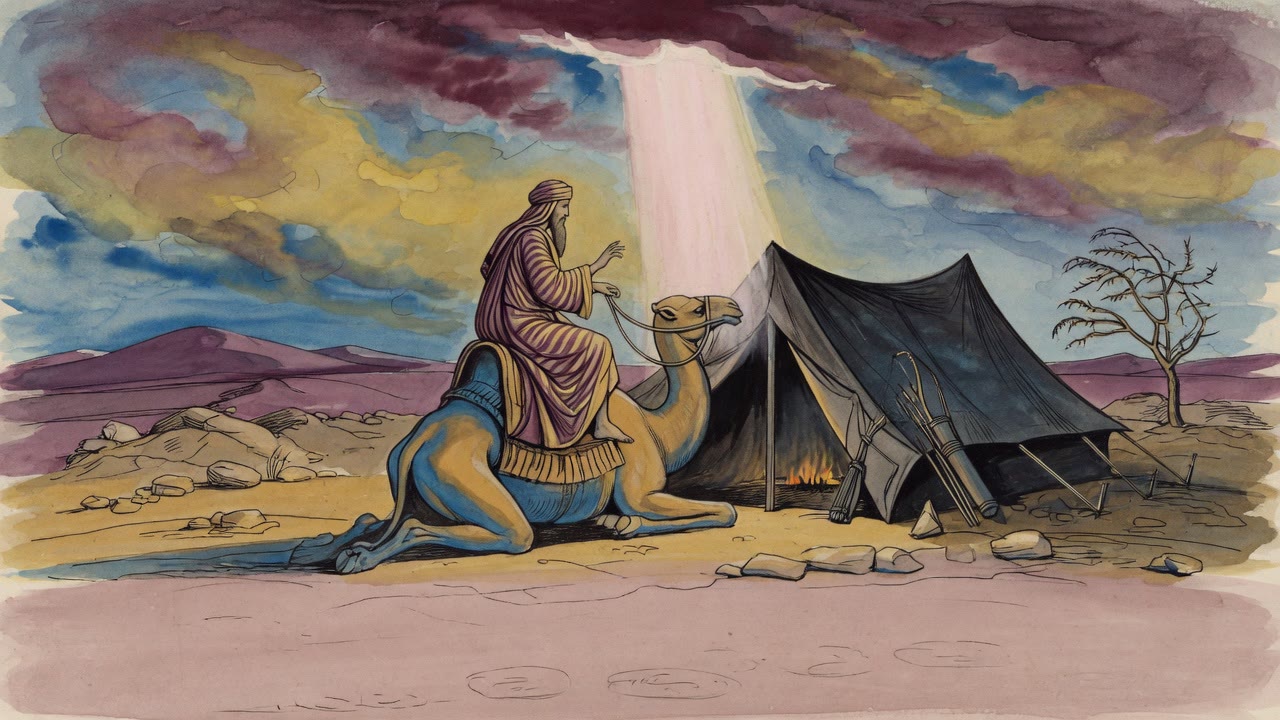
Sarah named the price before he left. See the boy. Stay in the saddle. He rode into Paran with that vow locked in his knees.
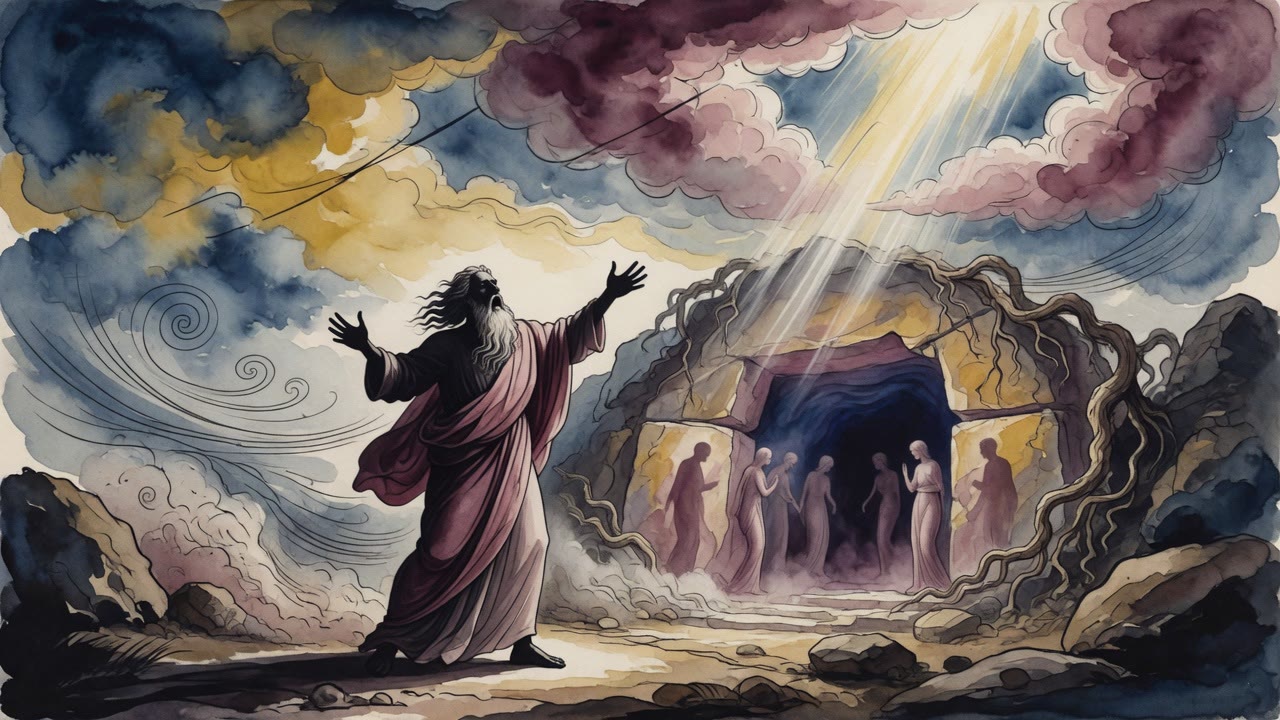
Five angels of wrath were already moving toward Israel. Moses ran to the cave at Hebron and begged the buried patriarchs to stand and intercede.
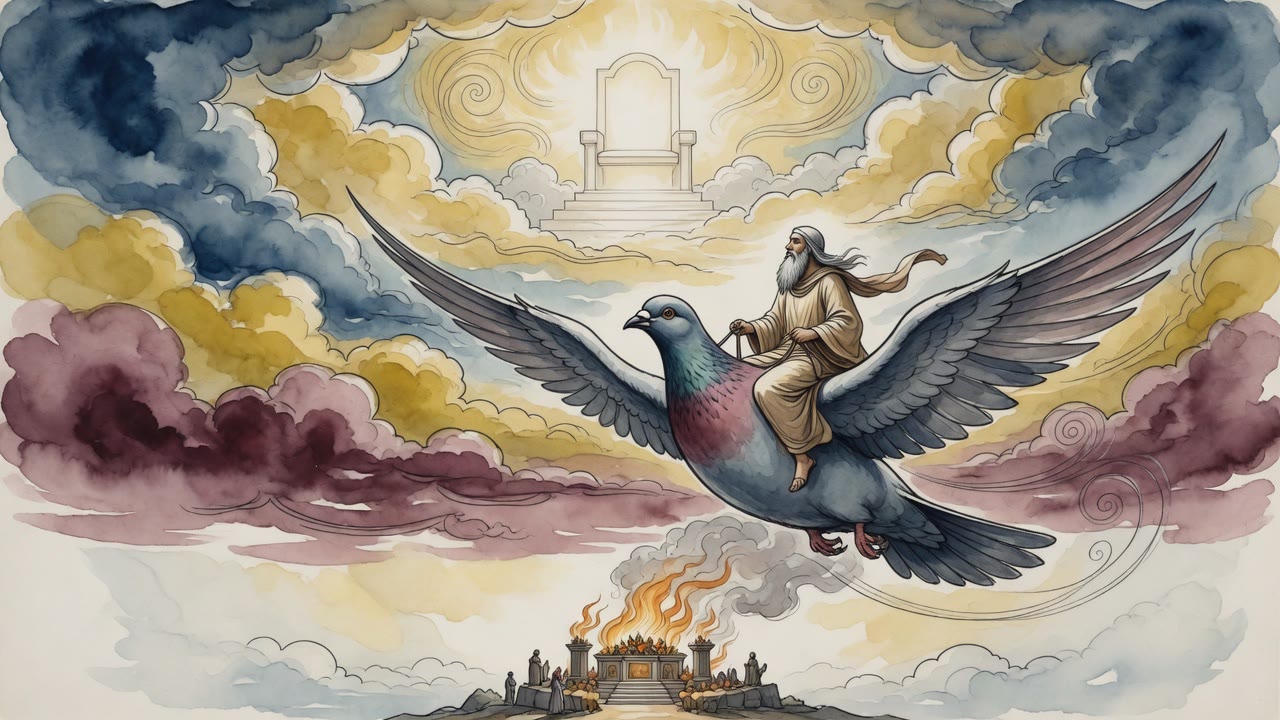
The birds had not been cut. At sundown the angel set Abraham on the pigeon's right wing, and the smoking field dropped away under his feet.
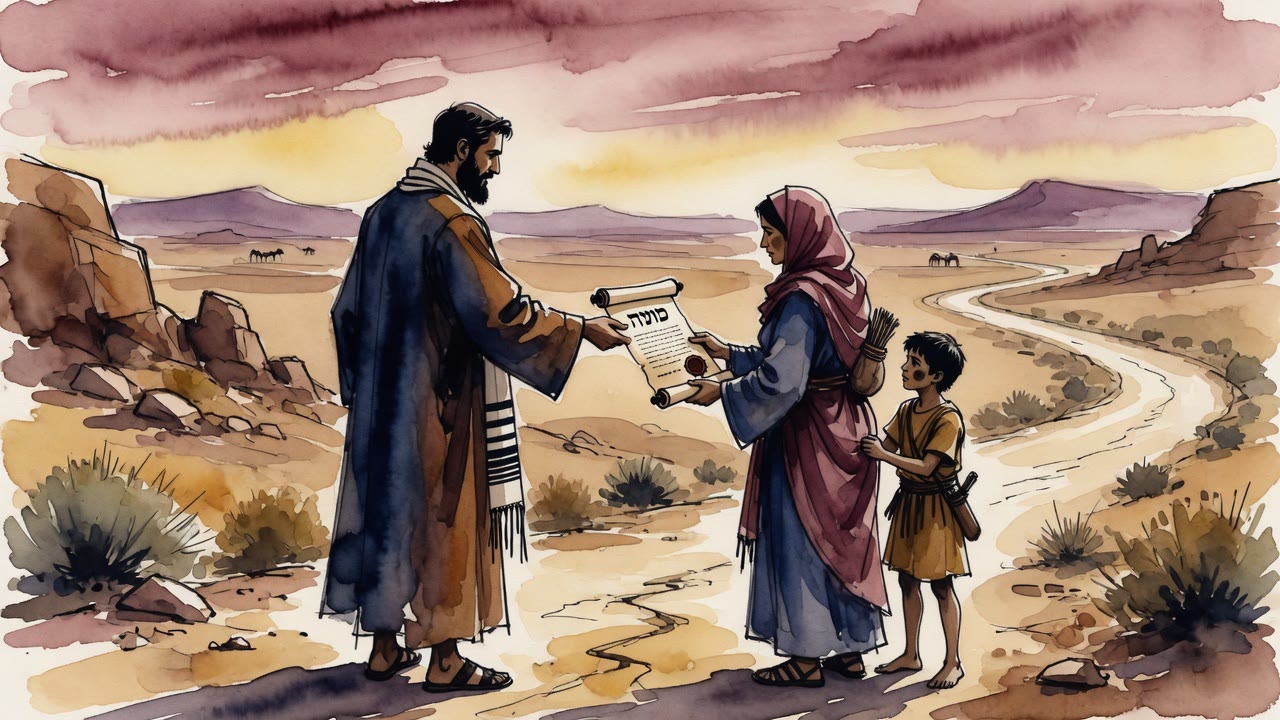
Sarah wanted the slave and her son out of the house. Abraham did not argue with his wife. He argued with God, and God told him to do what she said.
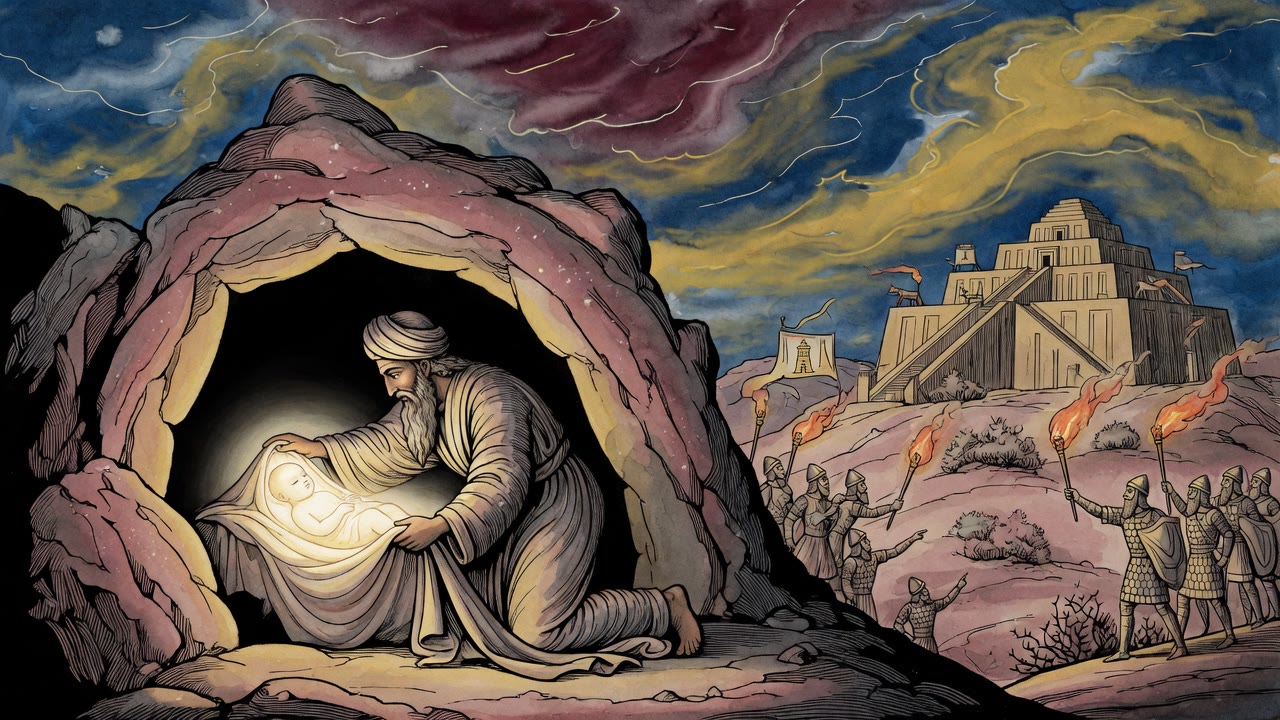
The Torah introduces Abraham as a grown man. The older traditions say his father had already saved his life once by swapping him for a slave child.
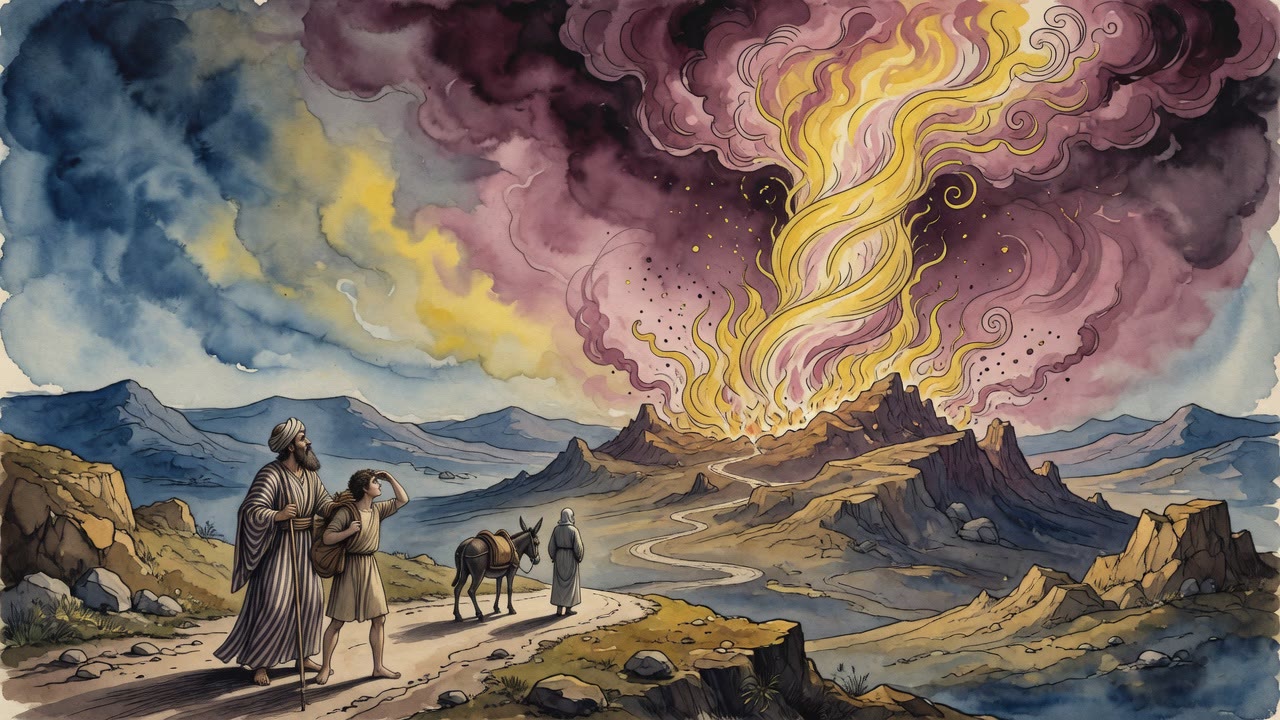
The two young men waited with the donkey. Ahead of them a ridge held fire from ground to sky. They looked and saw only desert.
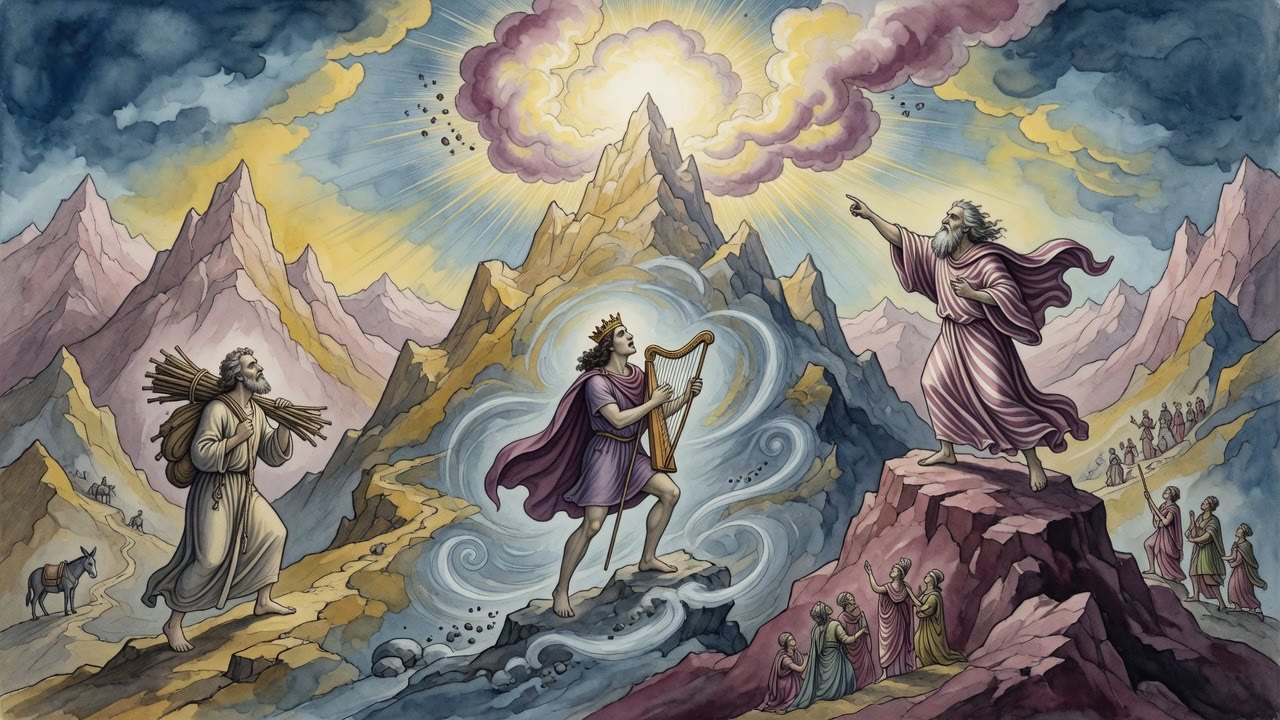
Abraham named it after binding his son. David asked who could ascend it. Isaiah said nations would stream toward it. All three pointed at one place.
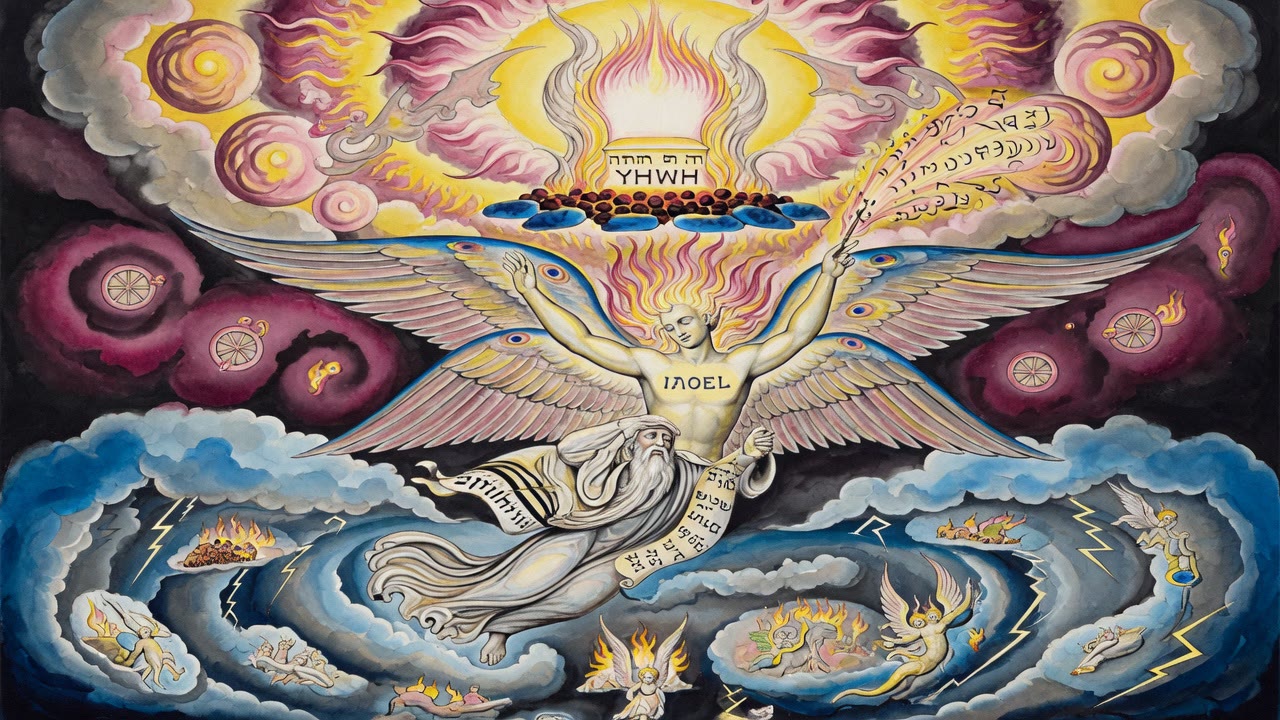
The angel who took Abraham's hand introduced himself as the one who had burned down his father's house with his father still inside it.
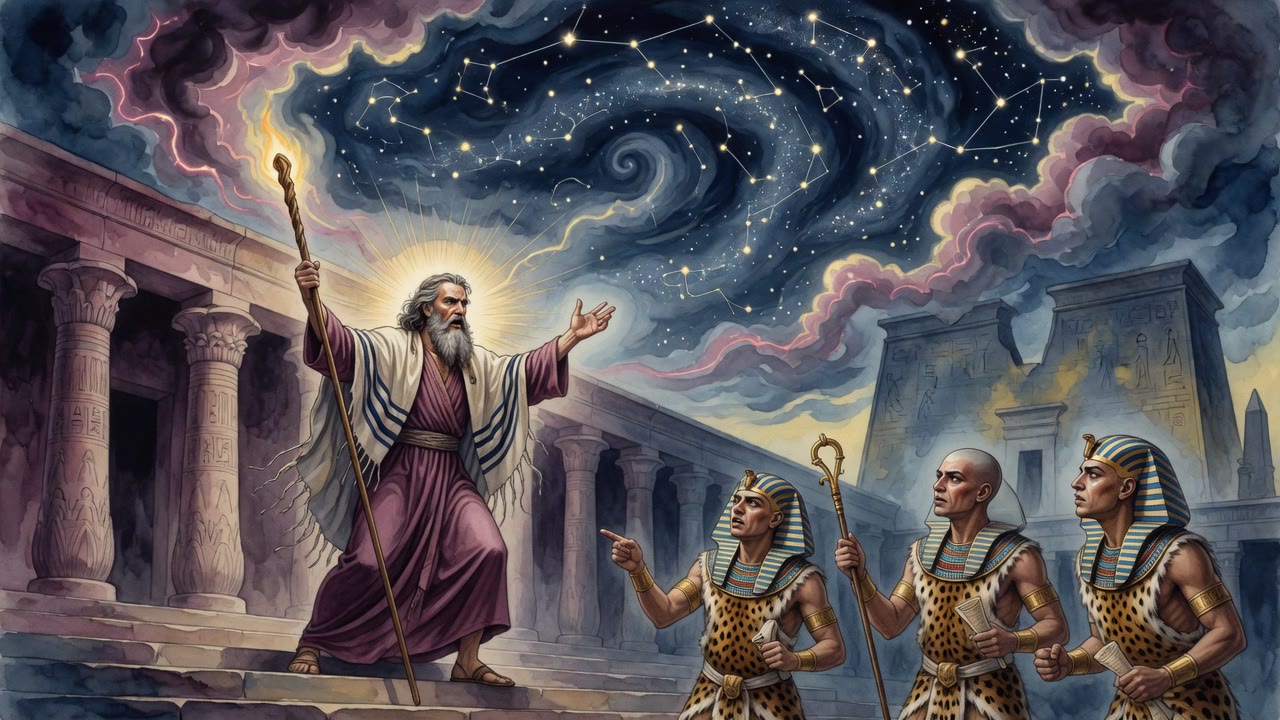
Abraham entered Egypt to debate its priests, not just escape famine. When he left, Pharaoh was plagued and the Egyptians had learned arithmetic.
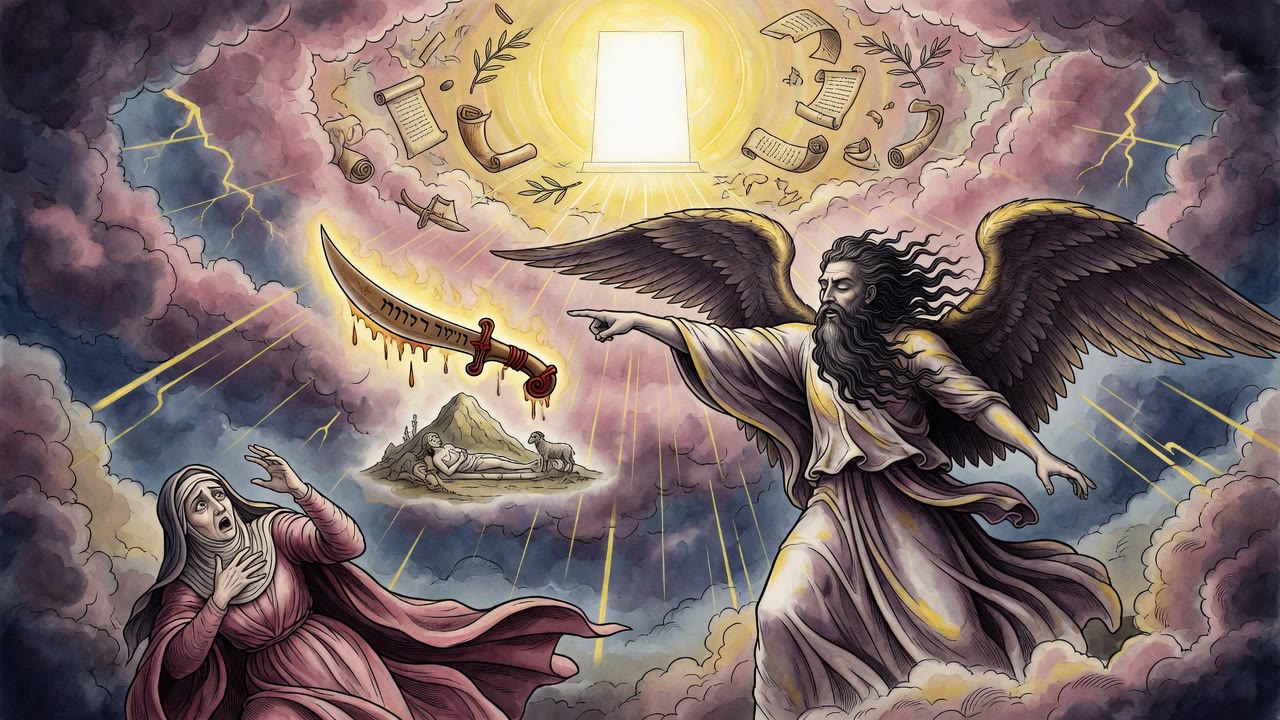
Abraham took Isaac up the mountain, and a stranger came to Sarah's tent with a vision of the raised knife. She screamed once, and her soul left.
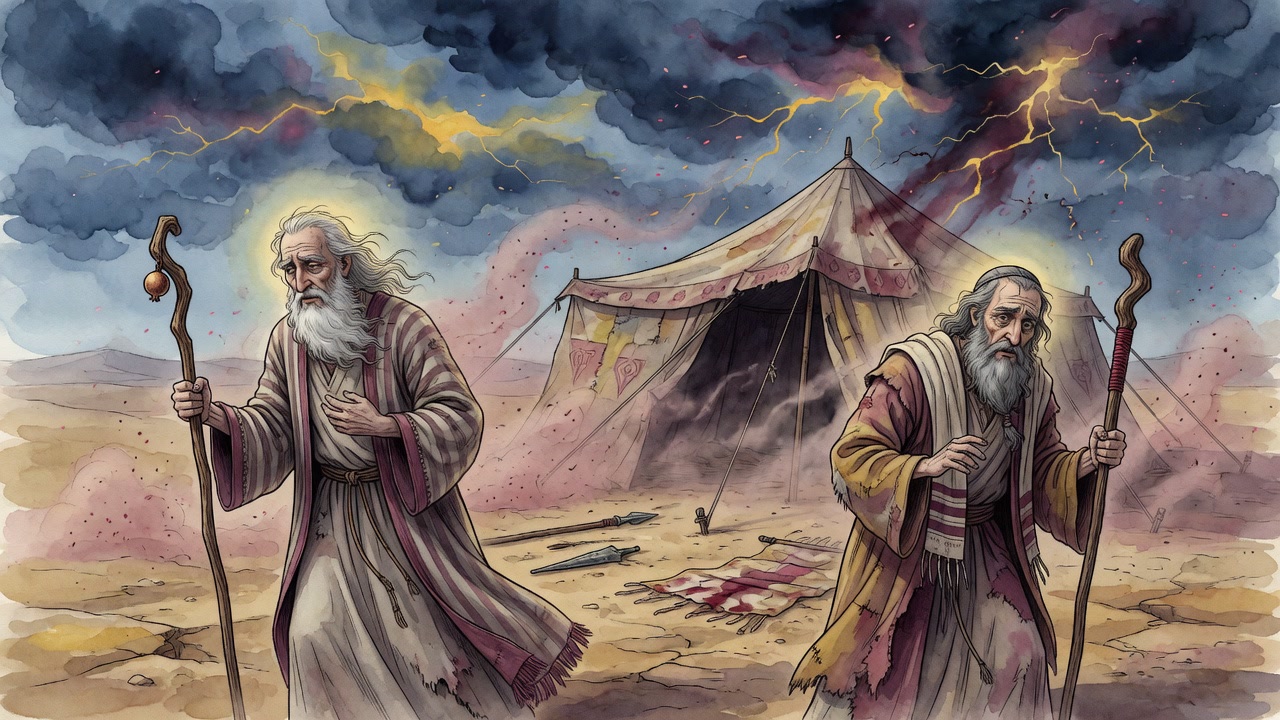
Abraham had killed the sons of a righteous man and rode home expecting to be cursed for it. Shem came out on the road carrying bread and wine.
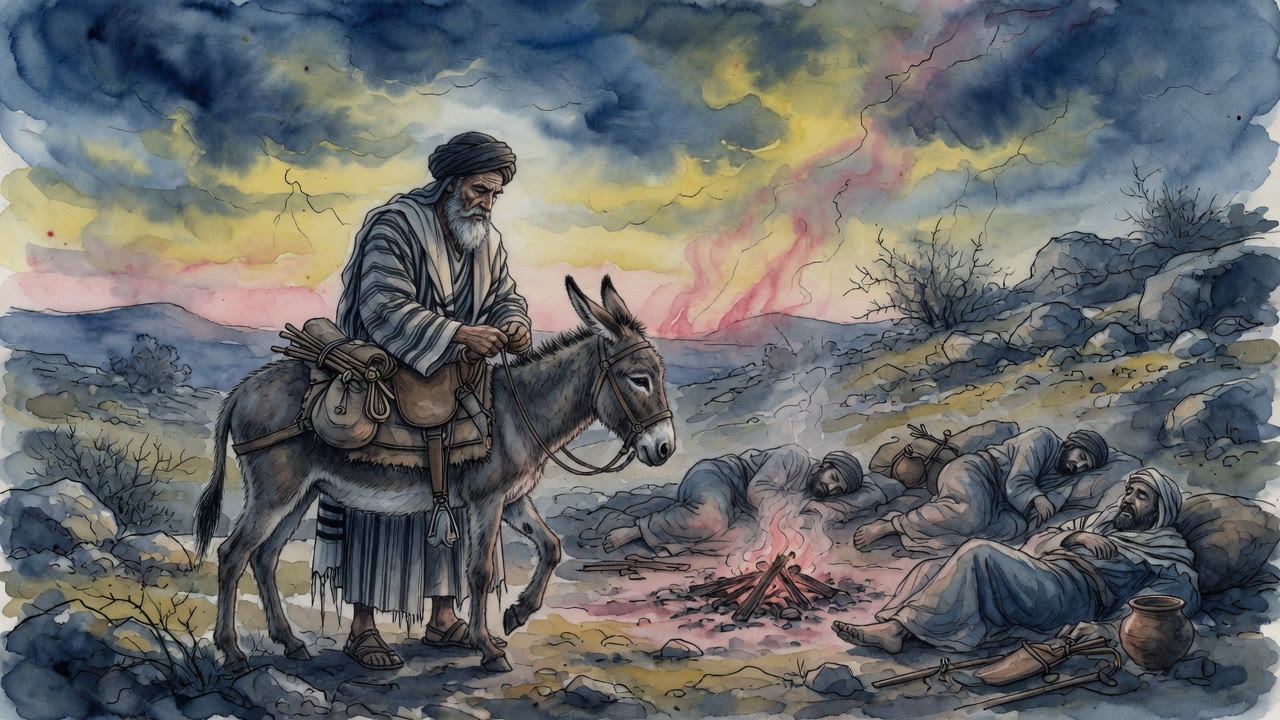
Servants slept in the tents. Abraham took the leather himself. Isaac was still breathing in the dark, and the road to Moriah would not wait.
