477 myths · Page 9 of 16
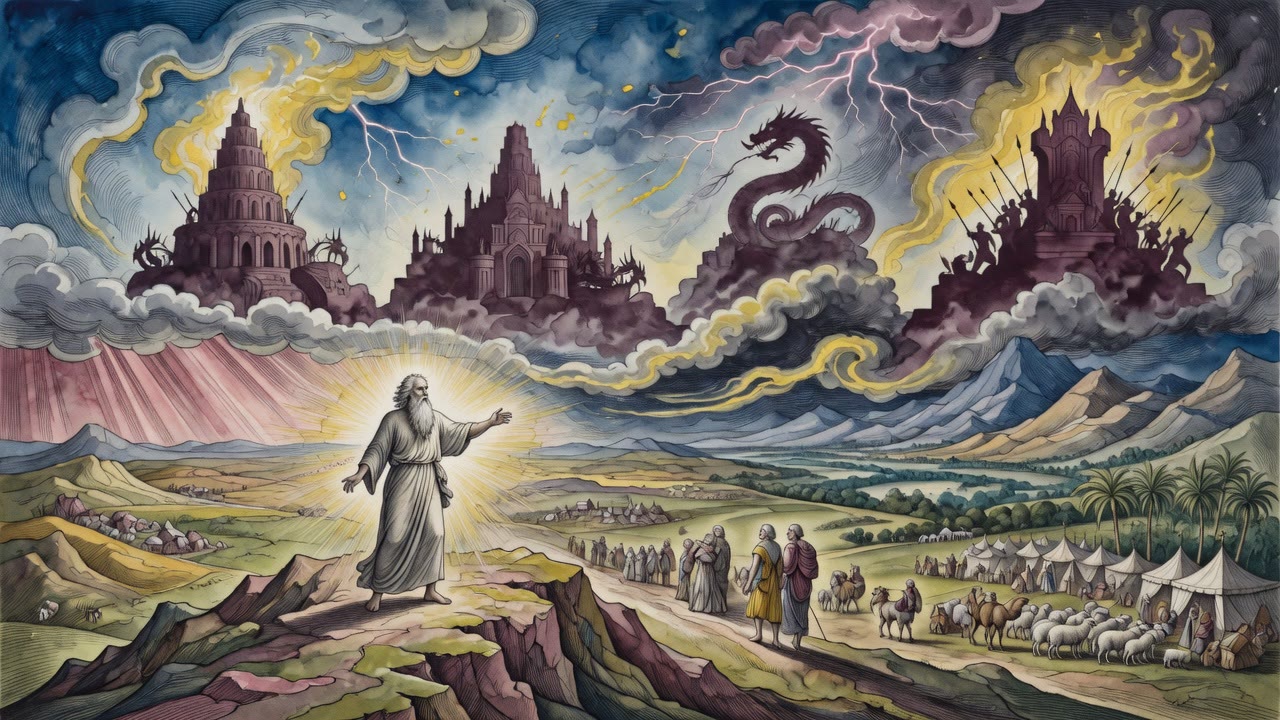
Between the pieces Abraham saw Babylon, Greece, and other powers march through sacrifice. He also learned how study would stand in for a fallen Temple.
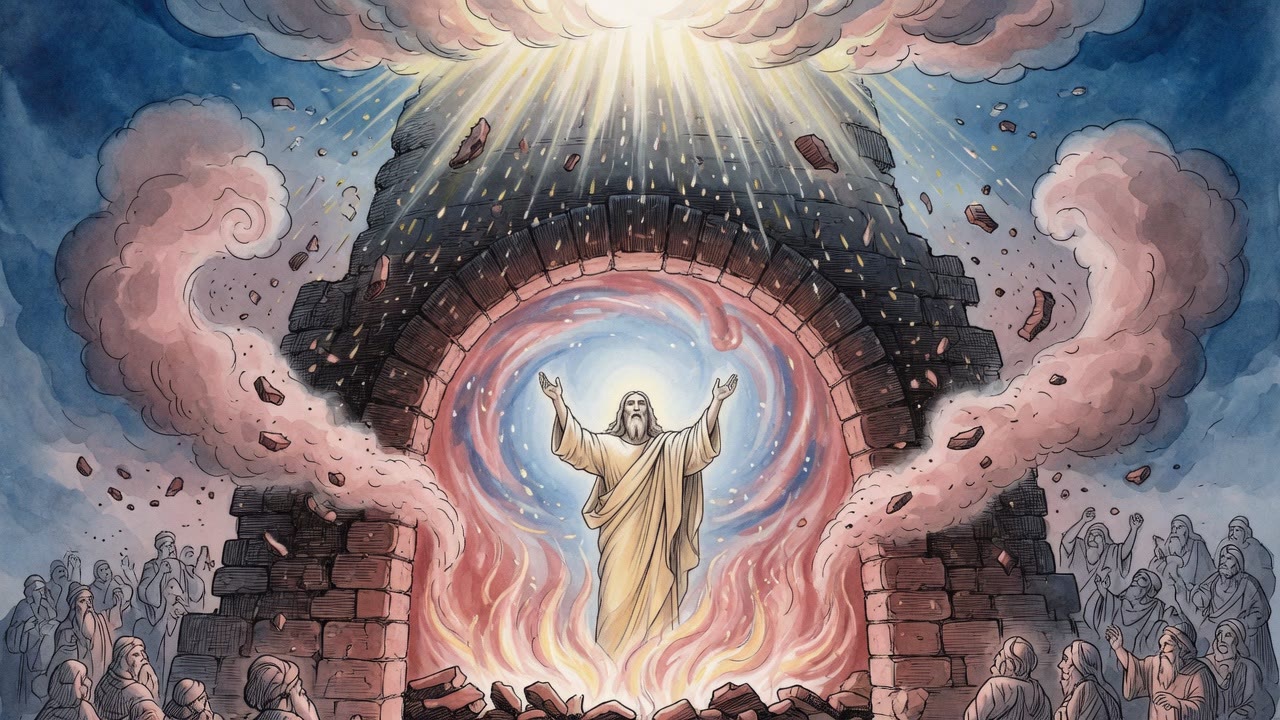
The warden shouted into the heat. Abraham answered that he was living. The God who fed him, he said, was Nimrod's God too.
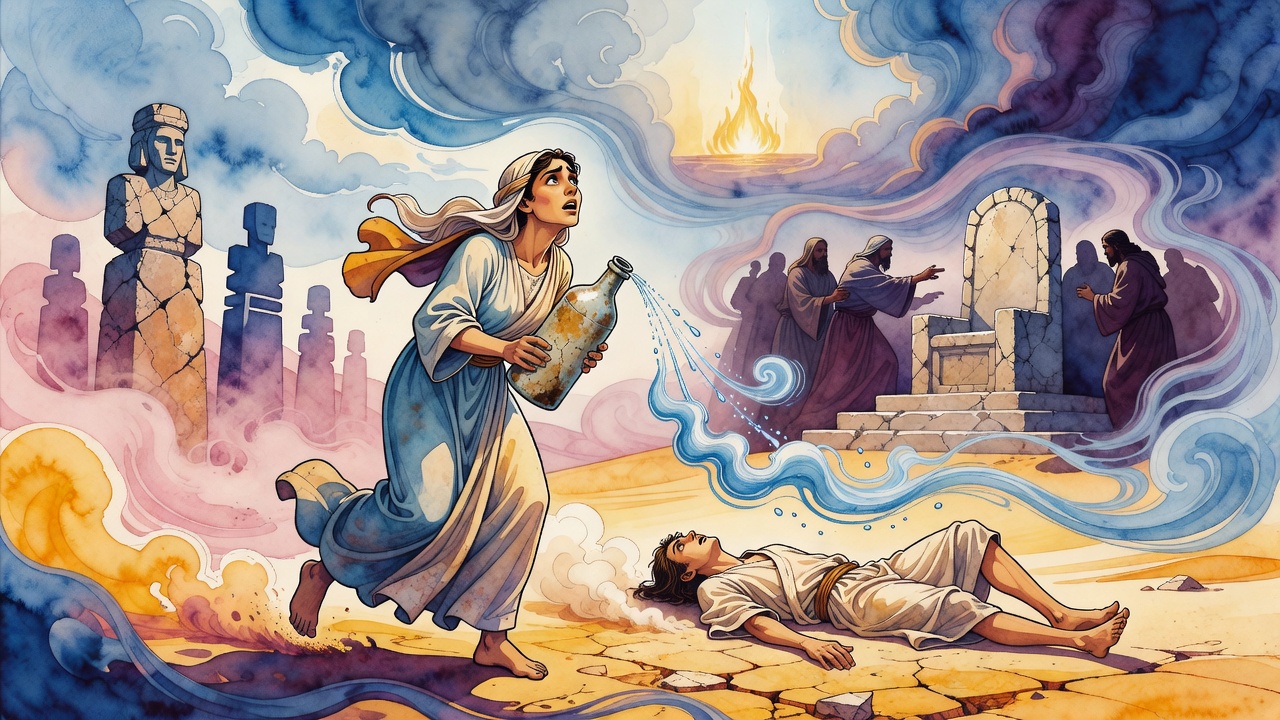
The bottle should have been empty days ago. It lasted on Abraham's merit until Hagar's heart went back to Egypt. Her son was seventeen when he fainted.
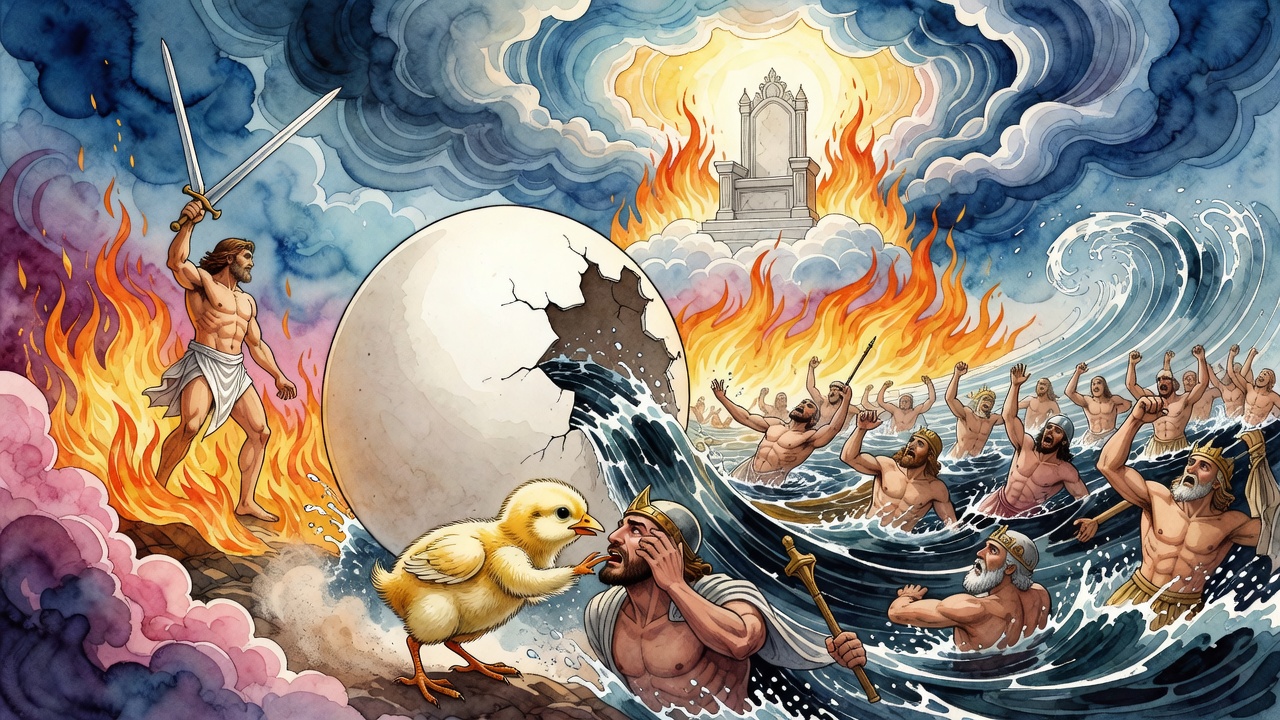
Two years after Abraham walked out of the furnace, Nimrod woke from a dream with a chick on his head. It had already taken one eye.
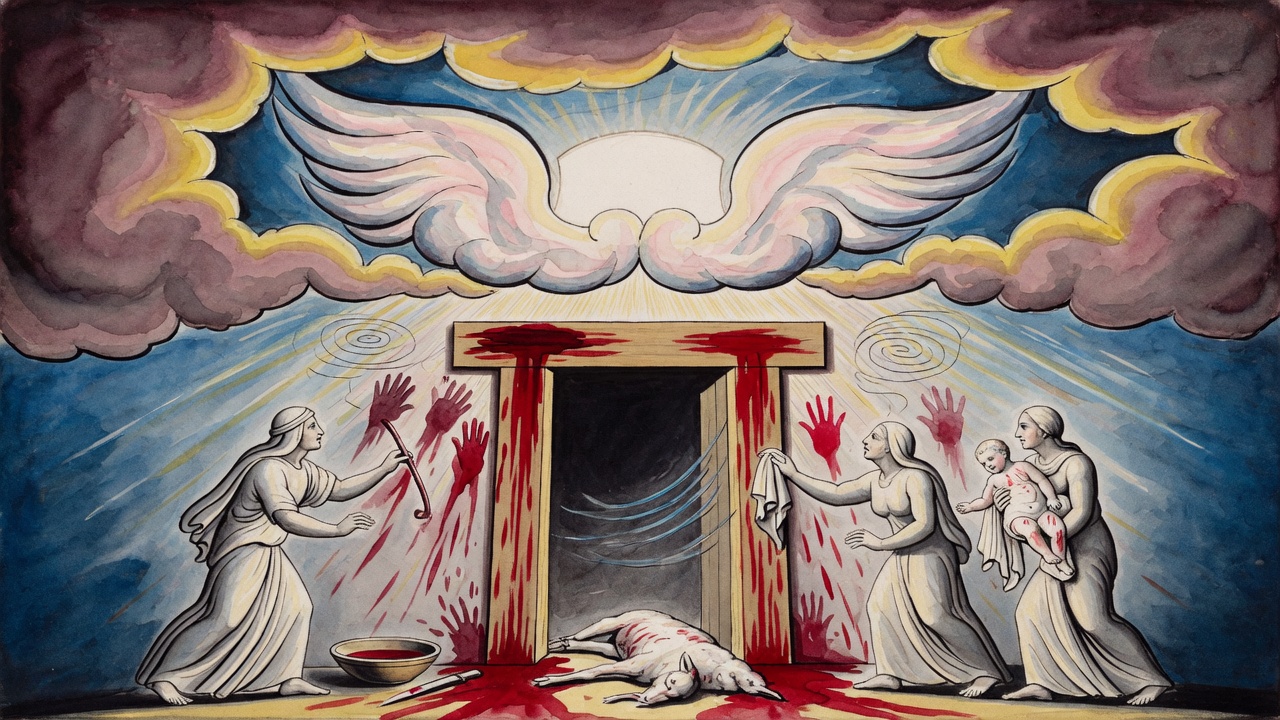
Hands shook over the lintel in Goshen. Lamb blood was not enough. They added the blood of the covenant, and God said live twice.
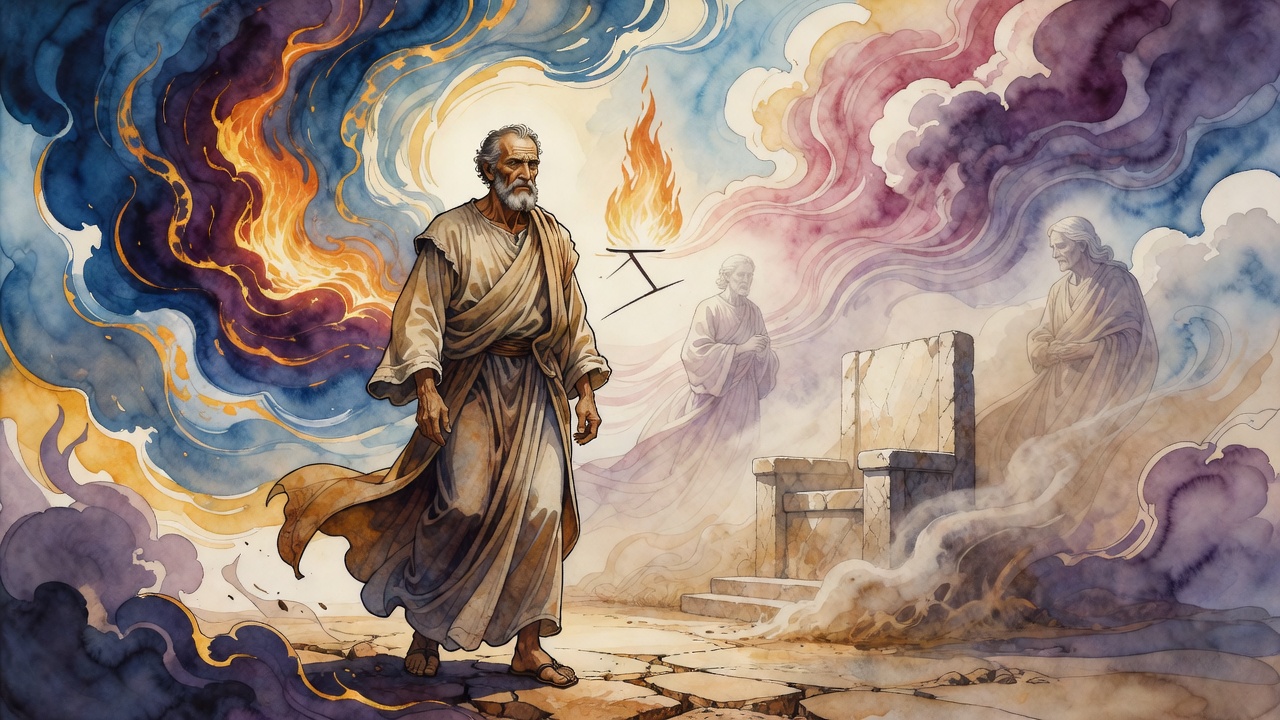
The boy was named before he existed. Ishmael mocked the cut done on an infant. On Moriah, Isaac at thirty-seven laid his own life down.
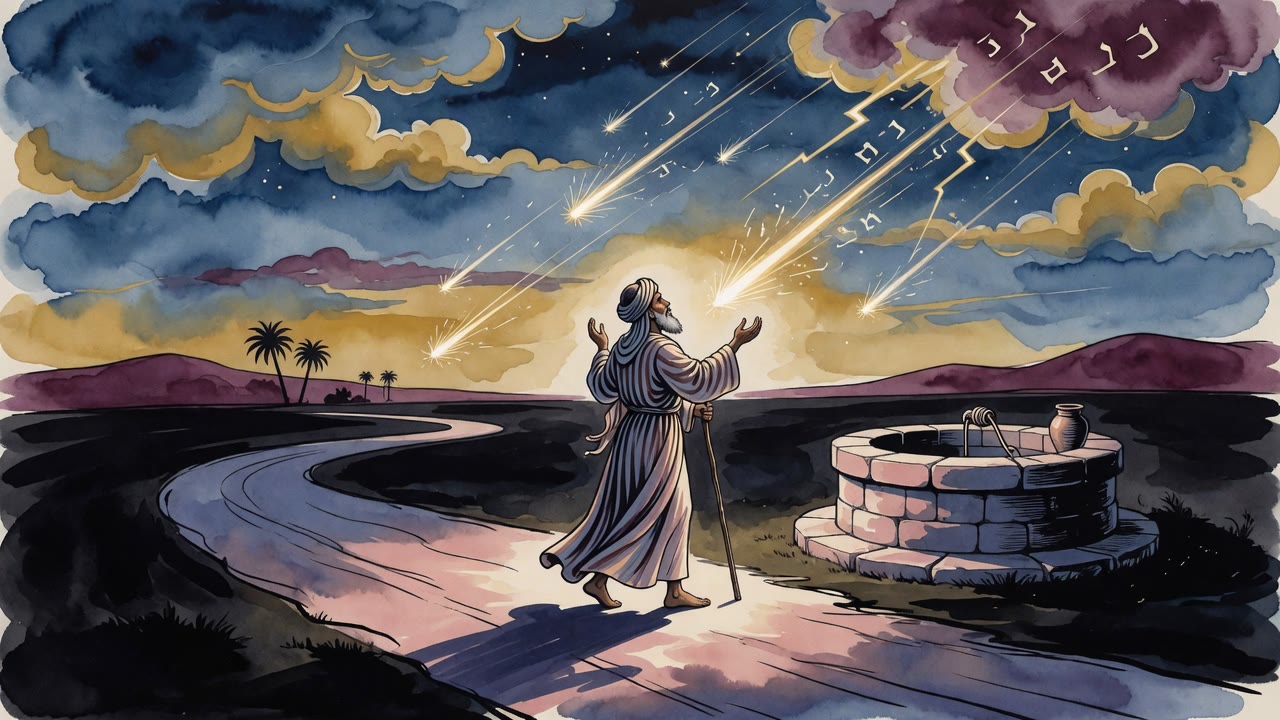
Isaac was born, and the Philistine king rode to Hebron with twenty advisors. He asked for three generations of peace, no more.
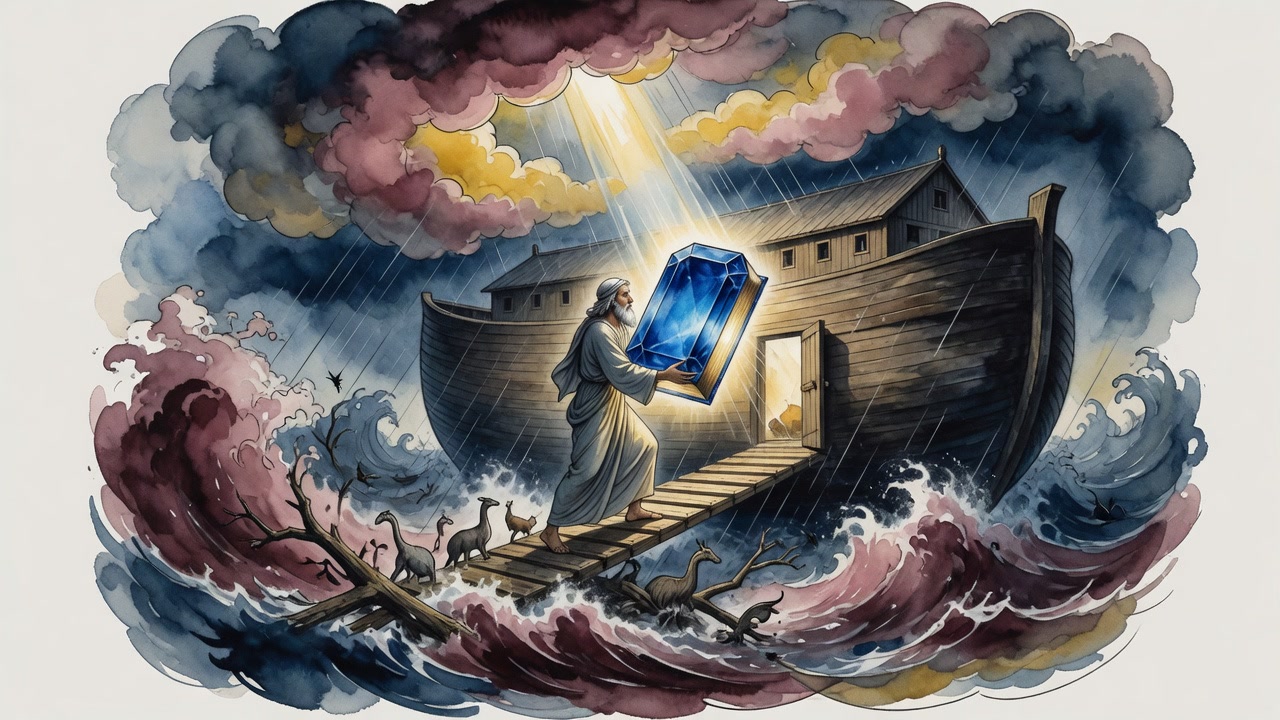
Lot came out of the wagons unchained. The kings' silver followed him like a second army. Abraham would not keep the glory.
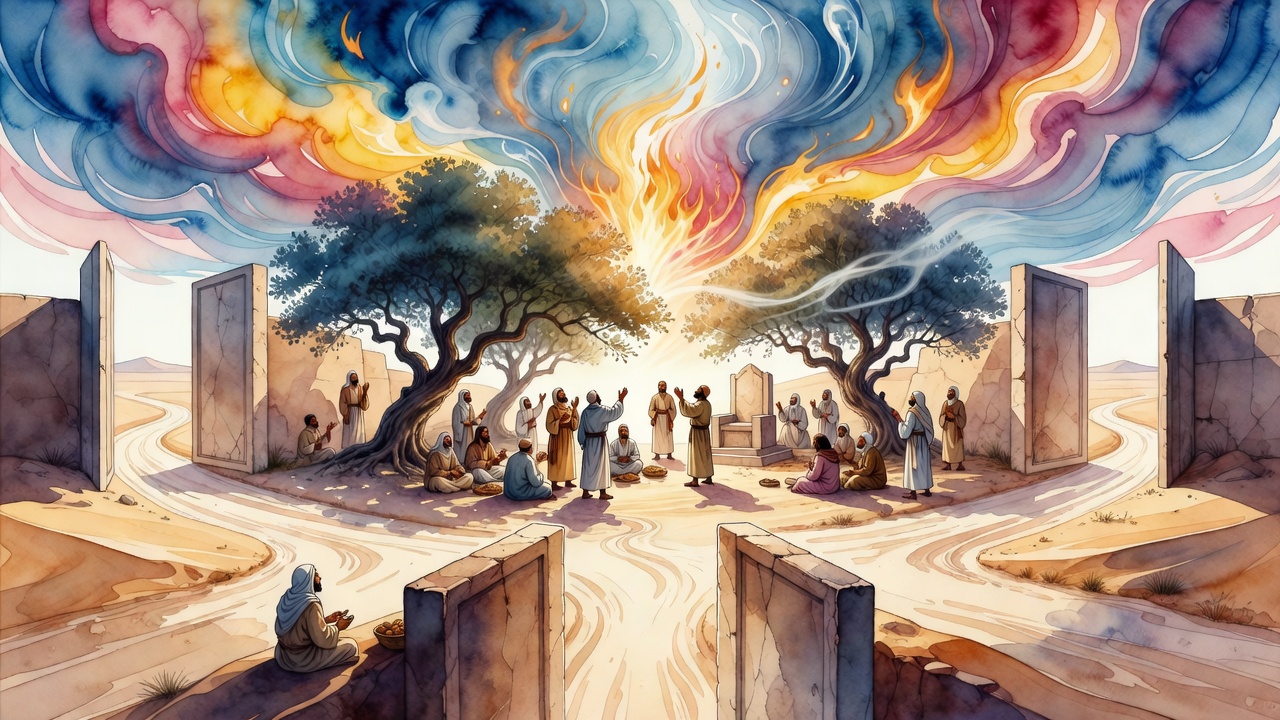
A traveler rose to thank Abraham for the bread. Abraham stopped him. The blessing belonged to the Host who feeds all flesh.
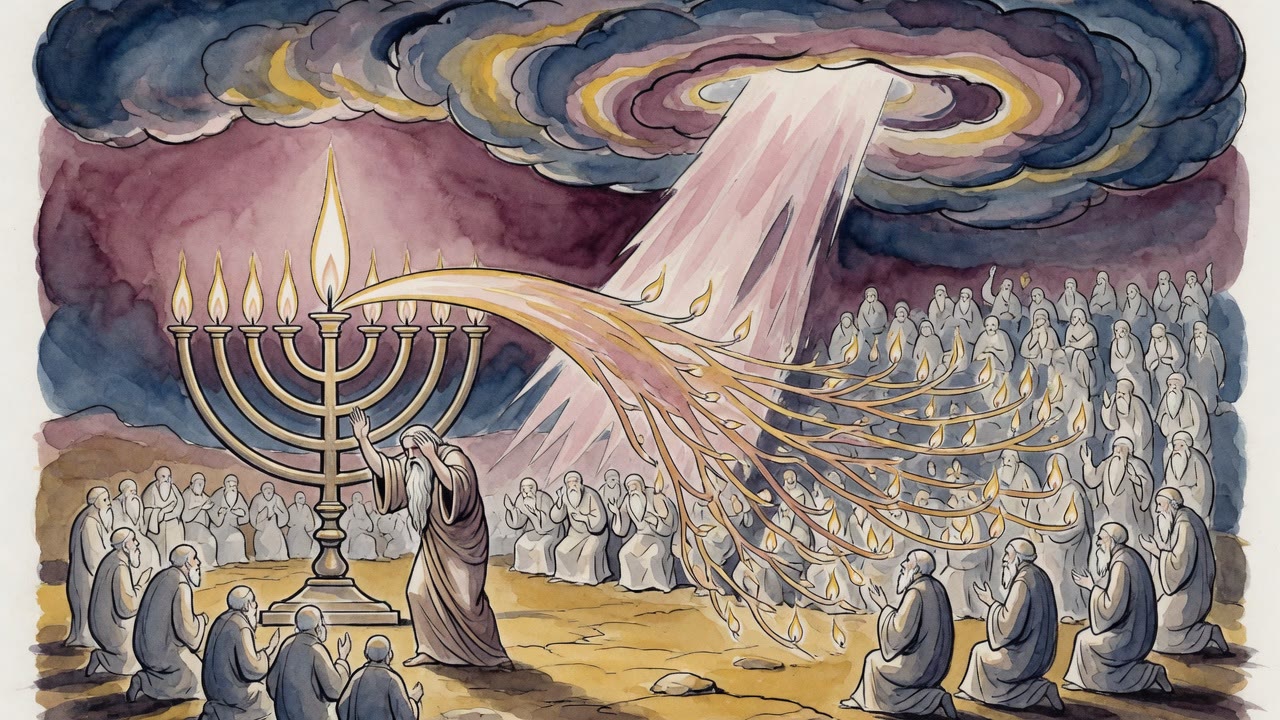
Promised all of Canaan, Abraham still stood in Hebron as a stranger and paid for Sarah's tomb, then refused to bless Isaac lest jealousy crack the house.
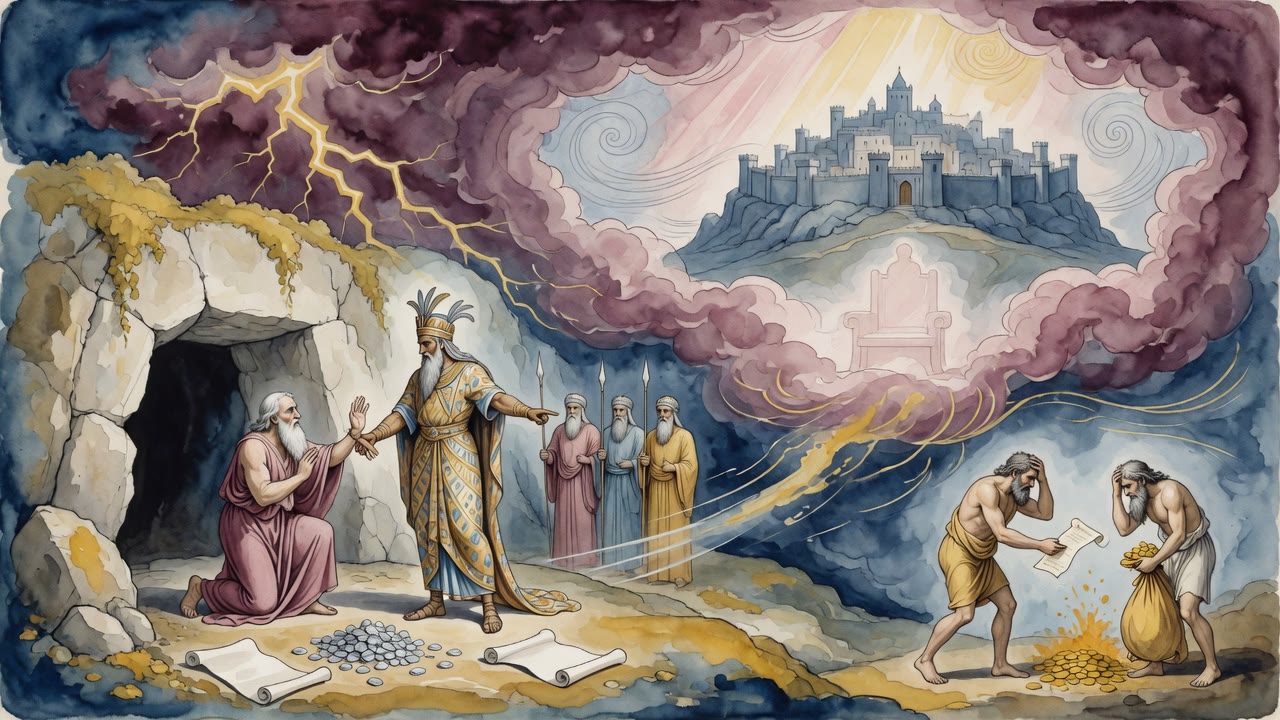
The Jebusites sold Abraham the cave only after he swore his seed would not seize their city. Generations later Esau sold his share for gold.
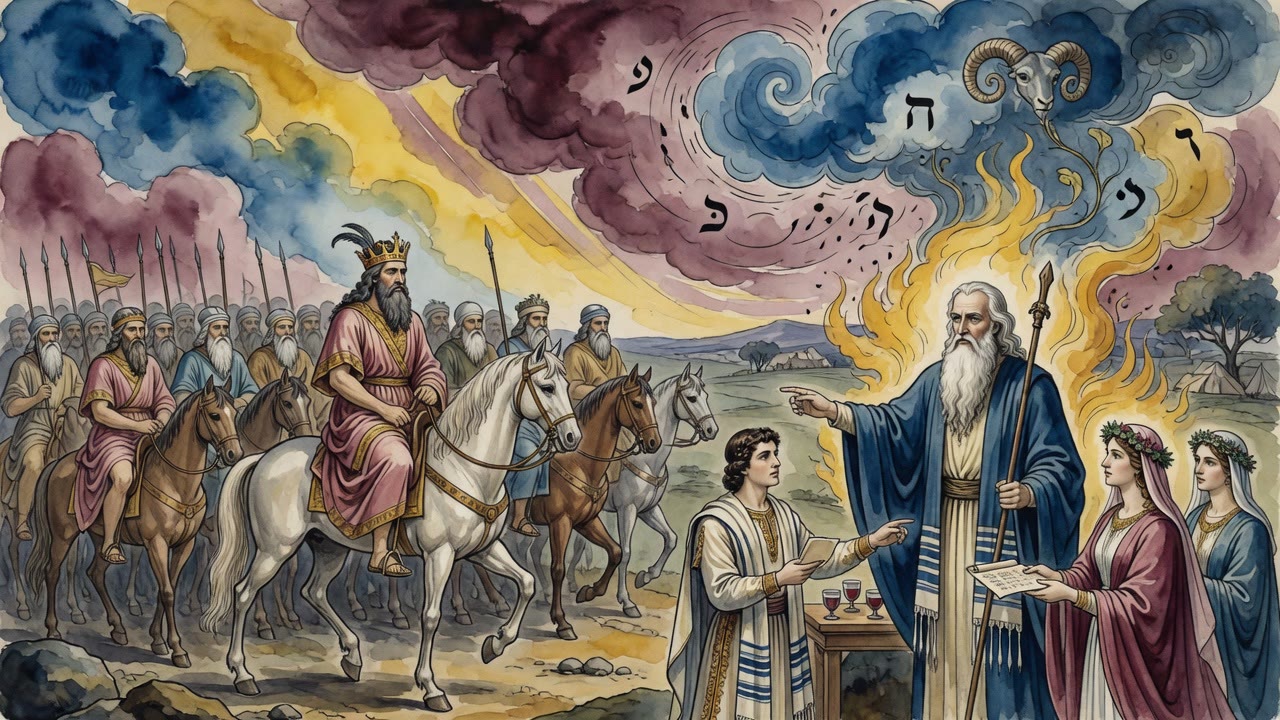
The servant ran the whole household and had a daughter of marrying age. He asked once. Then he swore an oath to go and find someone else.
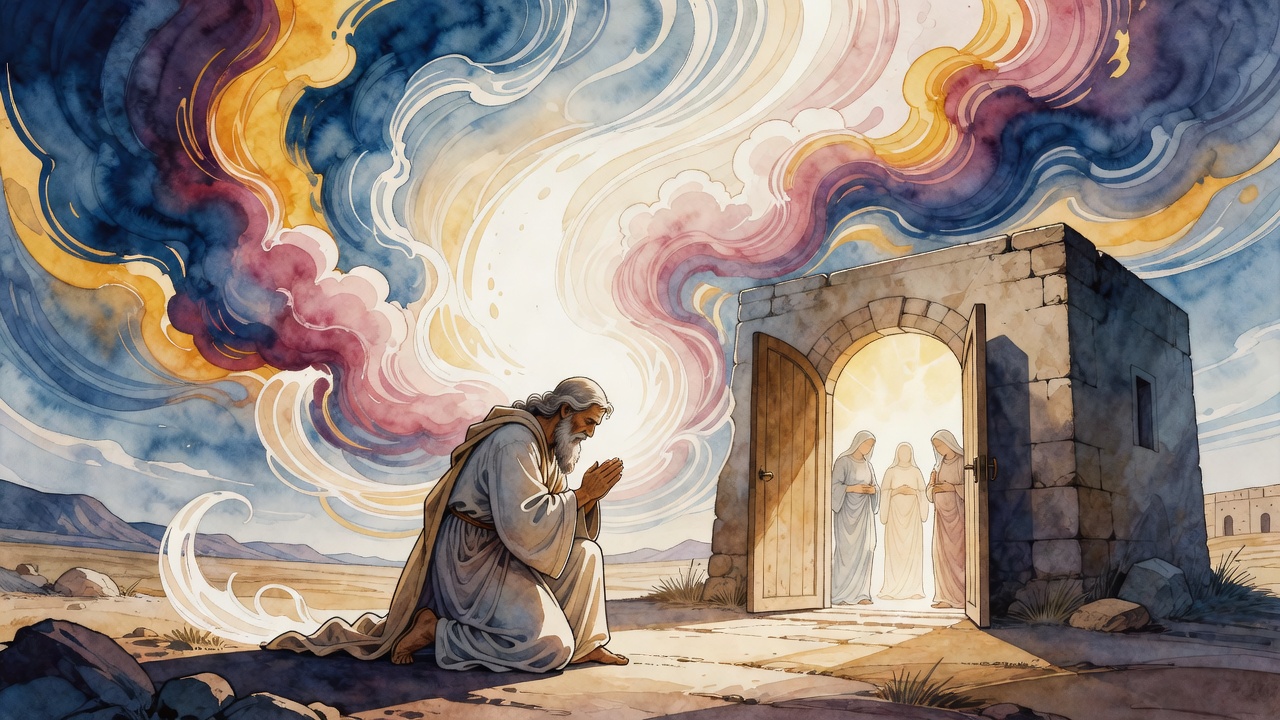
Gerar's king had taken Sarah, and every womb in his house shut. Abraham asked God to let them multiply instead. Abimelech's barren wife bore a child.
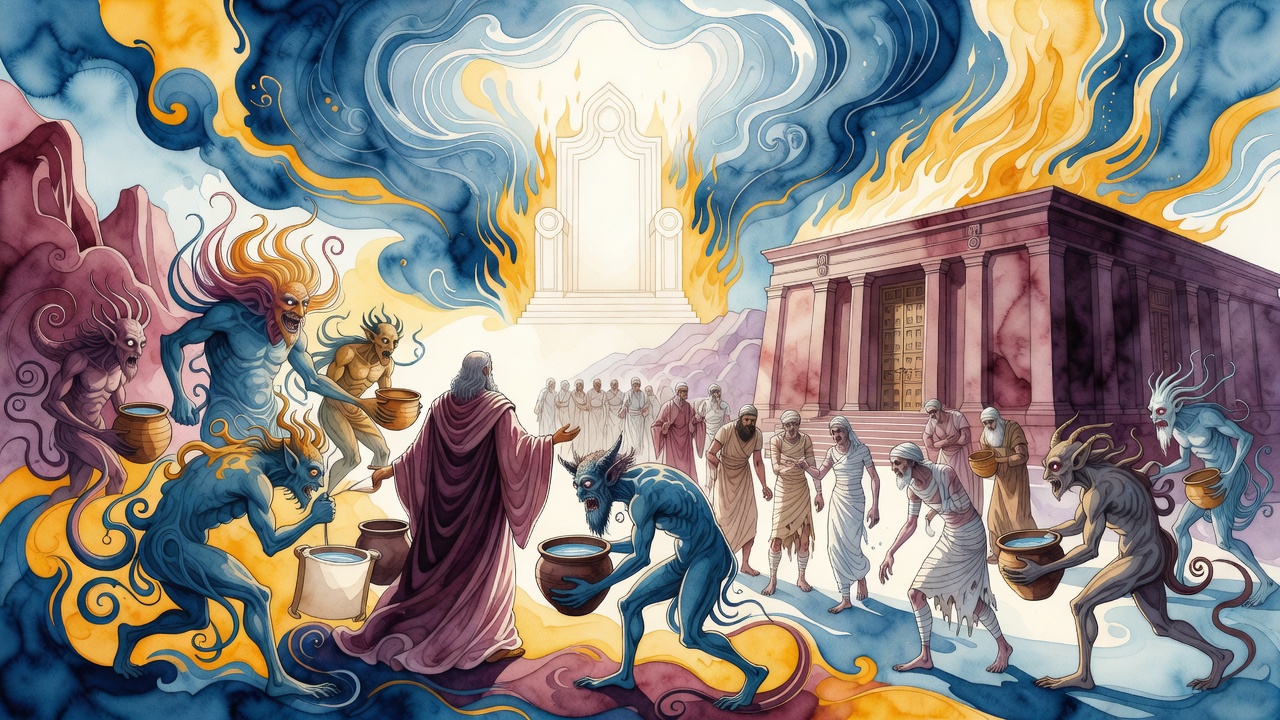
The Temple stood finished and its doors stayed shut for almost a year. The streets laughed at Bath-sheba's son. Then fire fell from heaven.
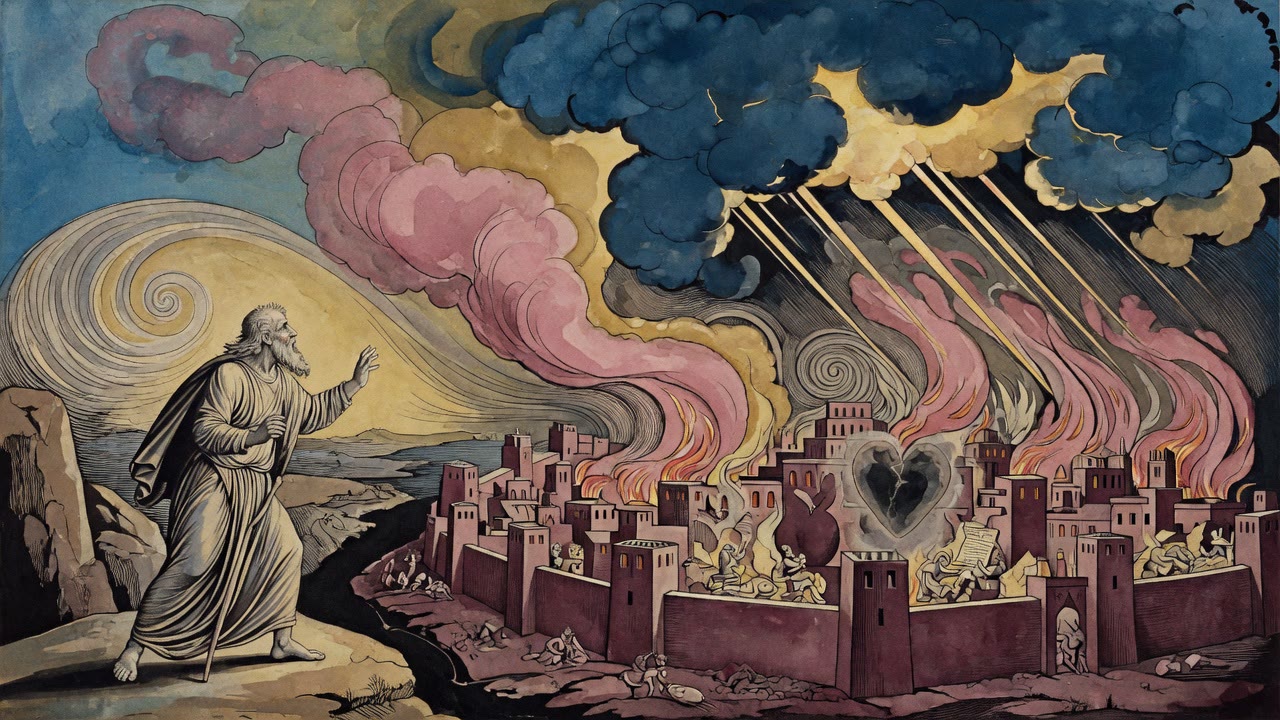
To seal a peace with a Philistine king, Abraham handed over seven ewes. God had not asked for them, and Samson, Saul, and Eli's sons paid the bill.
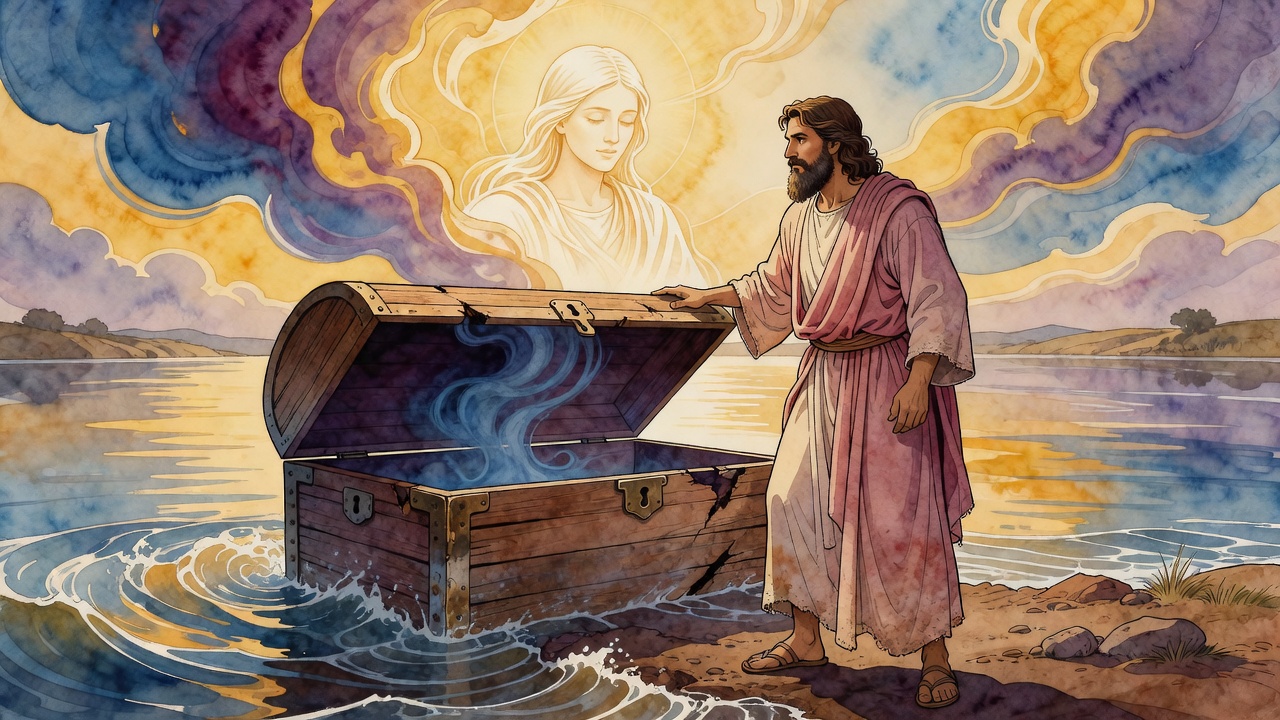
Famine drove them to Egypt. At the river Abraham saw Sarah's face like the sun, locked her in a chest, and bargained tax rates until the lid was forced open.
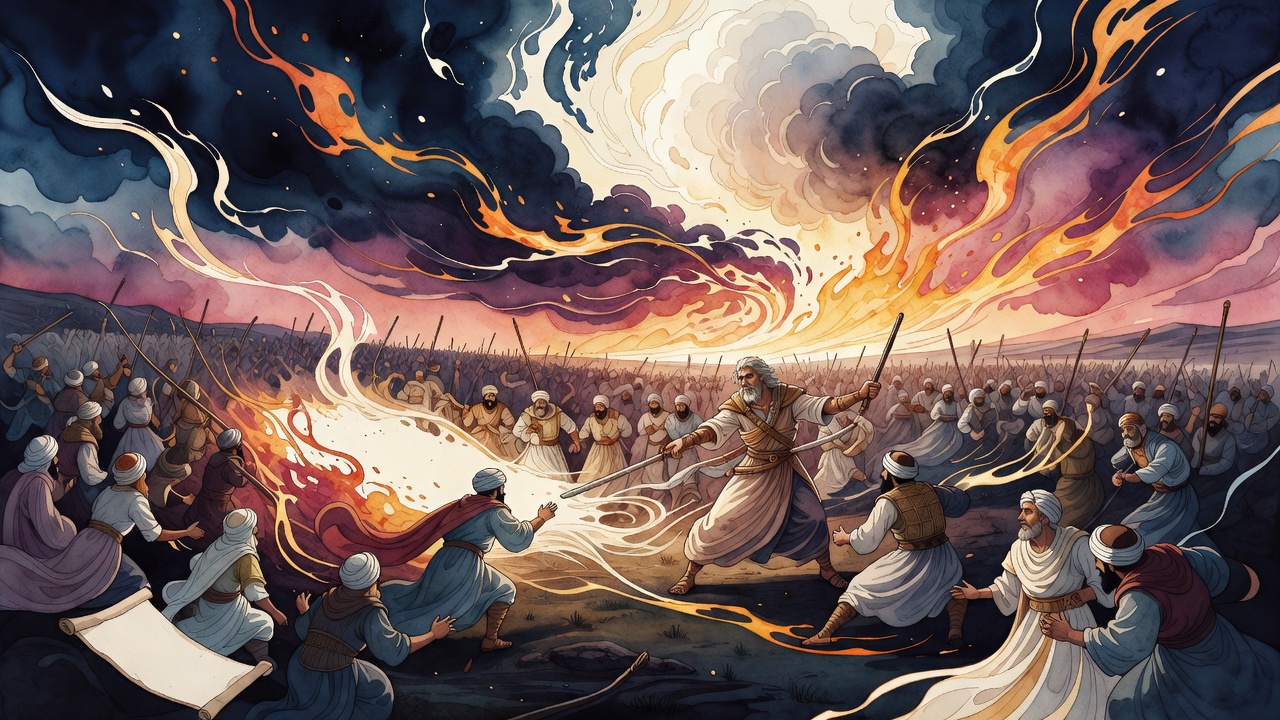
One man against royal armies. Abraham cried that without God's glory he was nothing, and the night itself split so he could slaughter enemies until morning.
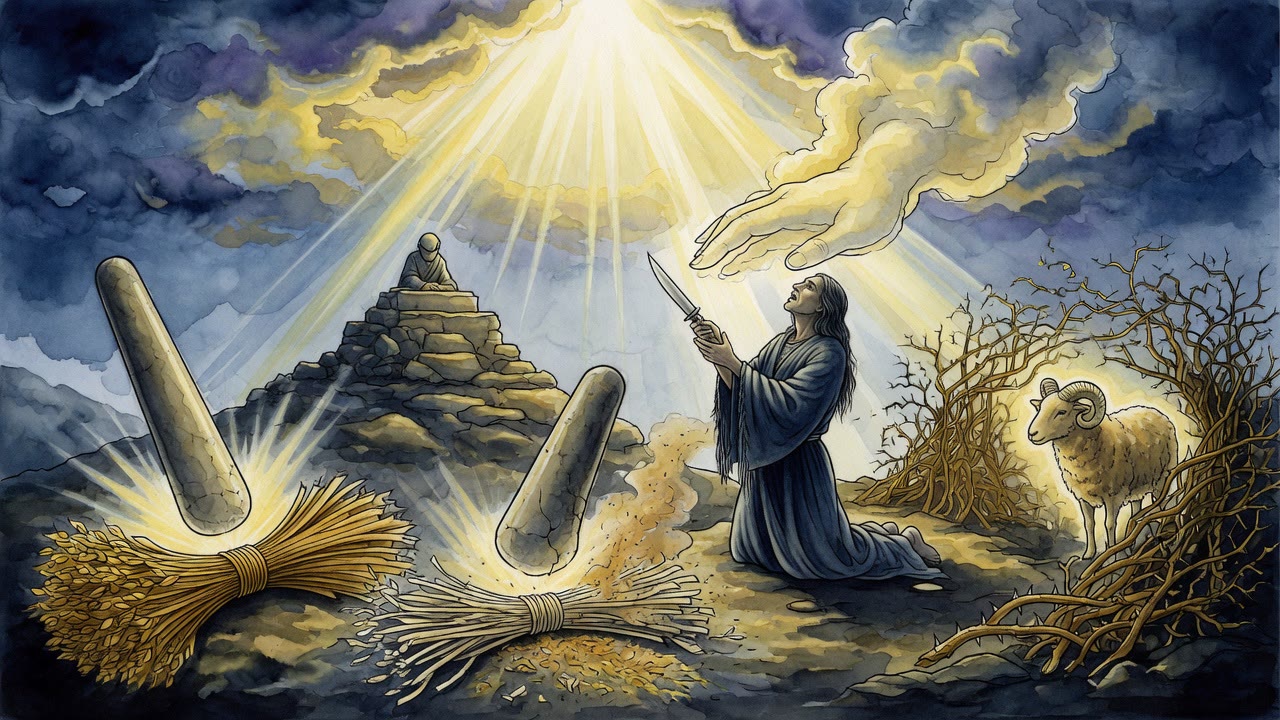
Isaac asked where the lamb was. Abraham did not look at the knife. A ram was already caught in a thicket on Moriah.
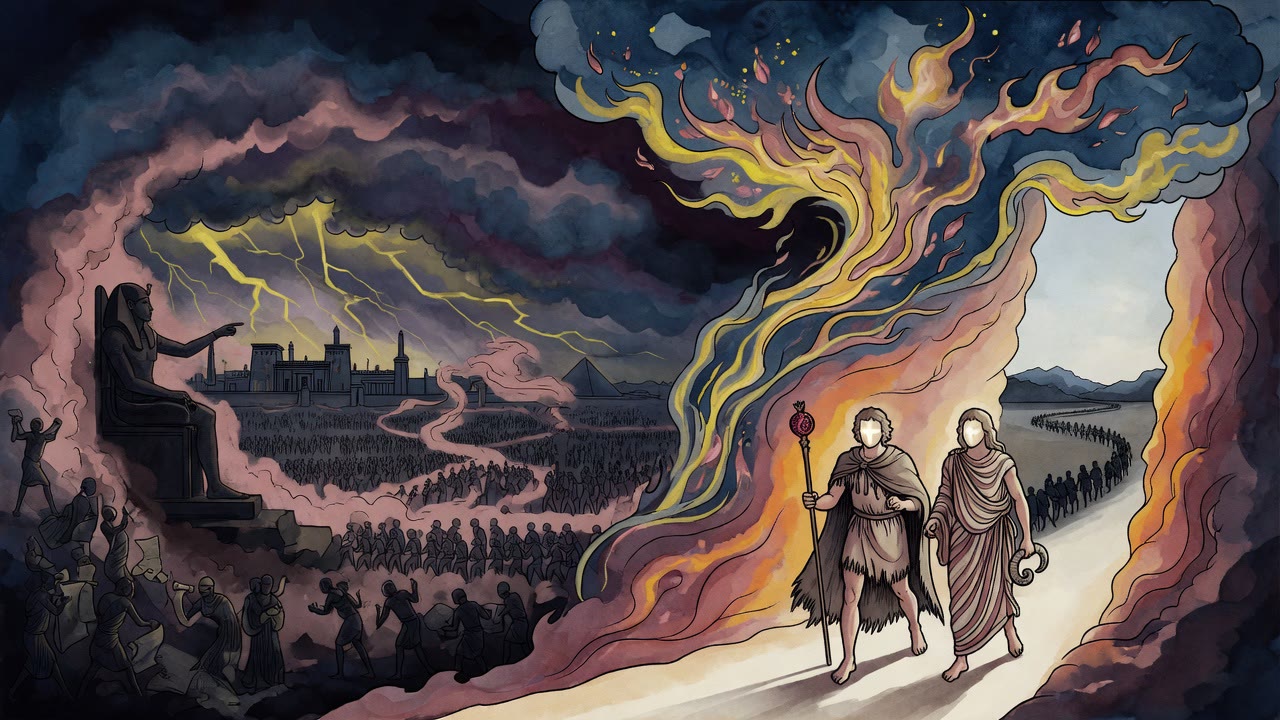
Aner said the cut would leave Abraham too slow to run from kings. Eshkol feared the blood. Mamre sent him to the knife anyway.
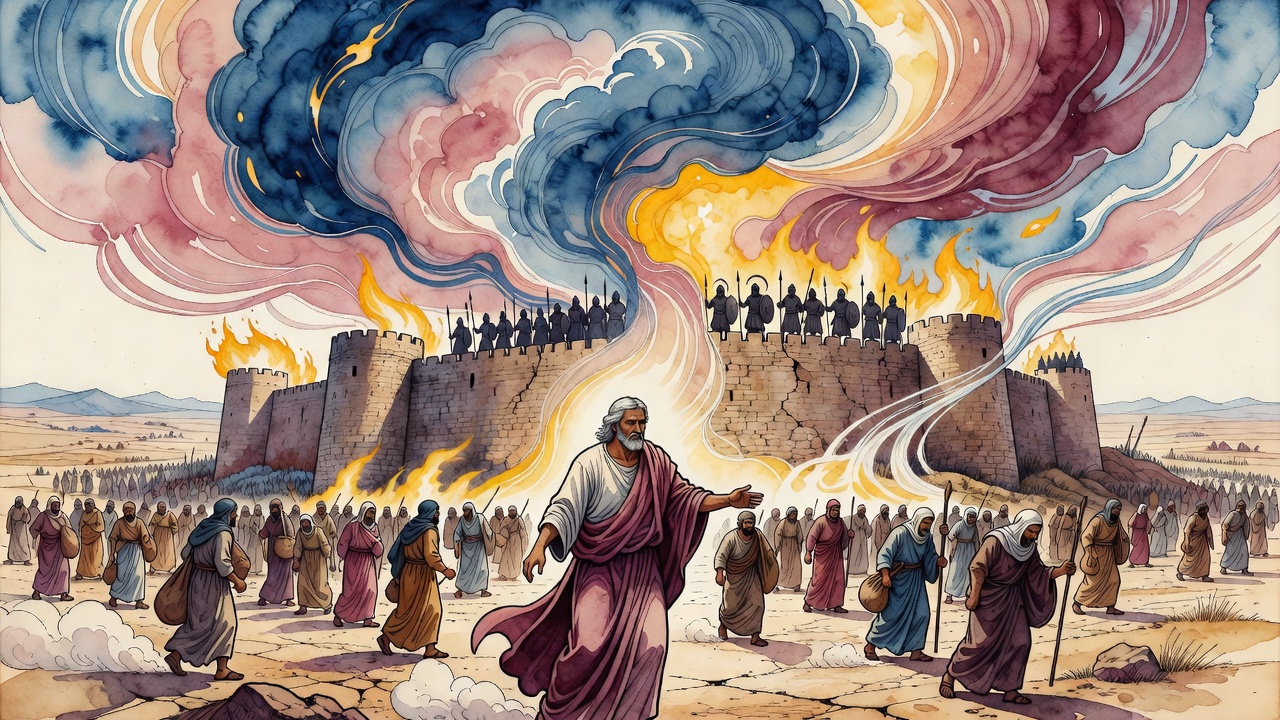
Ganon told Ephraim that God had sent him out of Egypt. They packed gold and swords and no bread. At Gath the shepherds would not sell sheep.
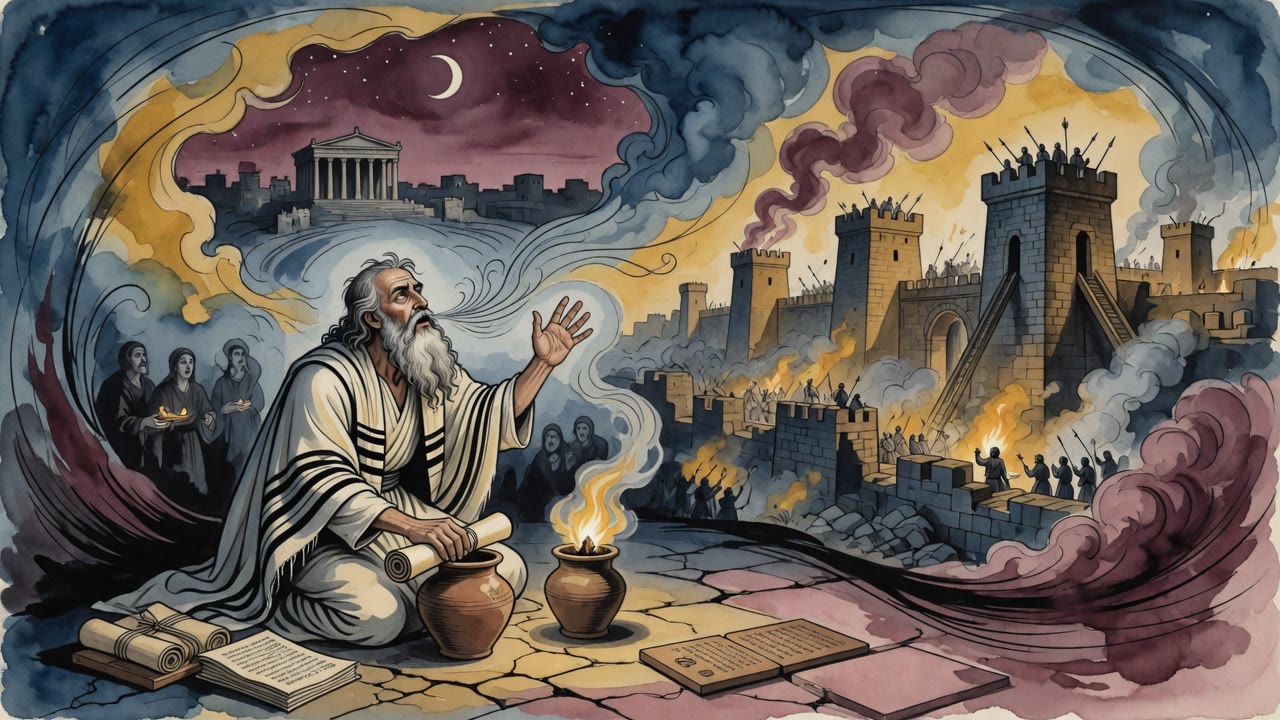
Before circumcision Abraham fell on his face at every word from heaven. After the covenant he stood, and the gate of Gehinnom (afterlife of judgment) closed.
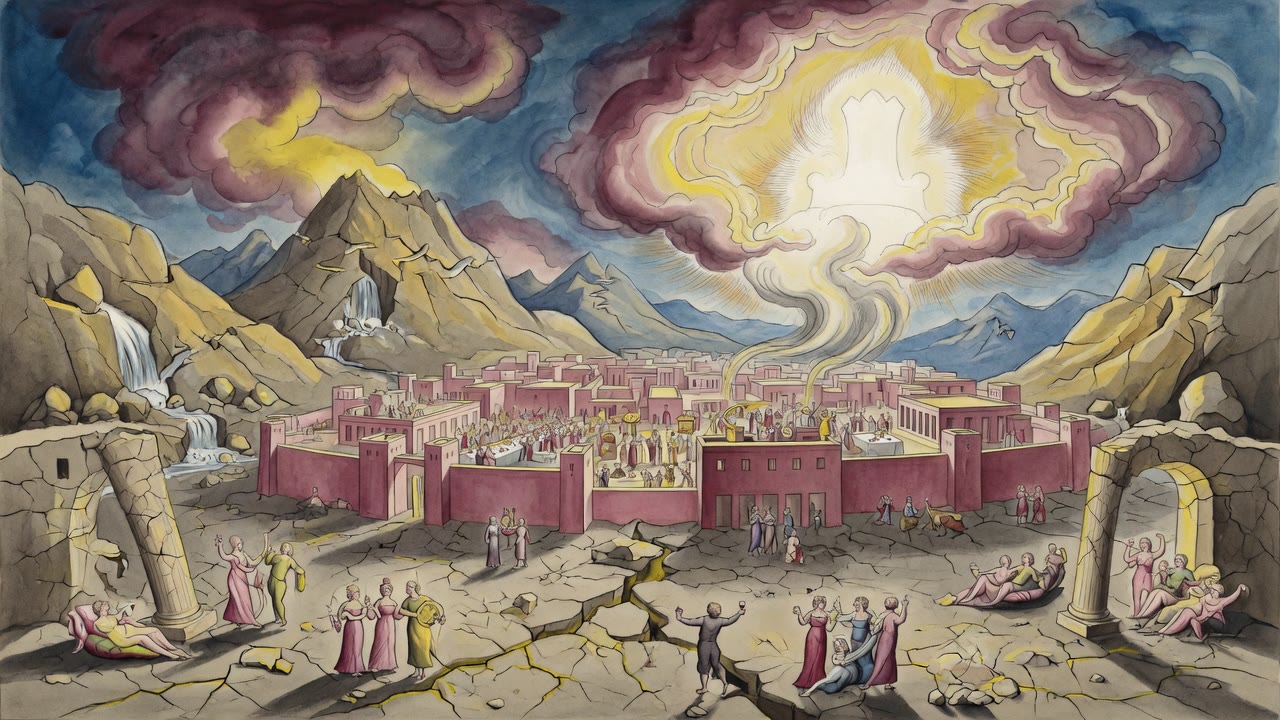
For fifty-two years the mountains quaked over Sodom as a call to return. When the city refused, the same heaven that sends manna poured fire instead.
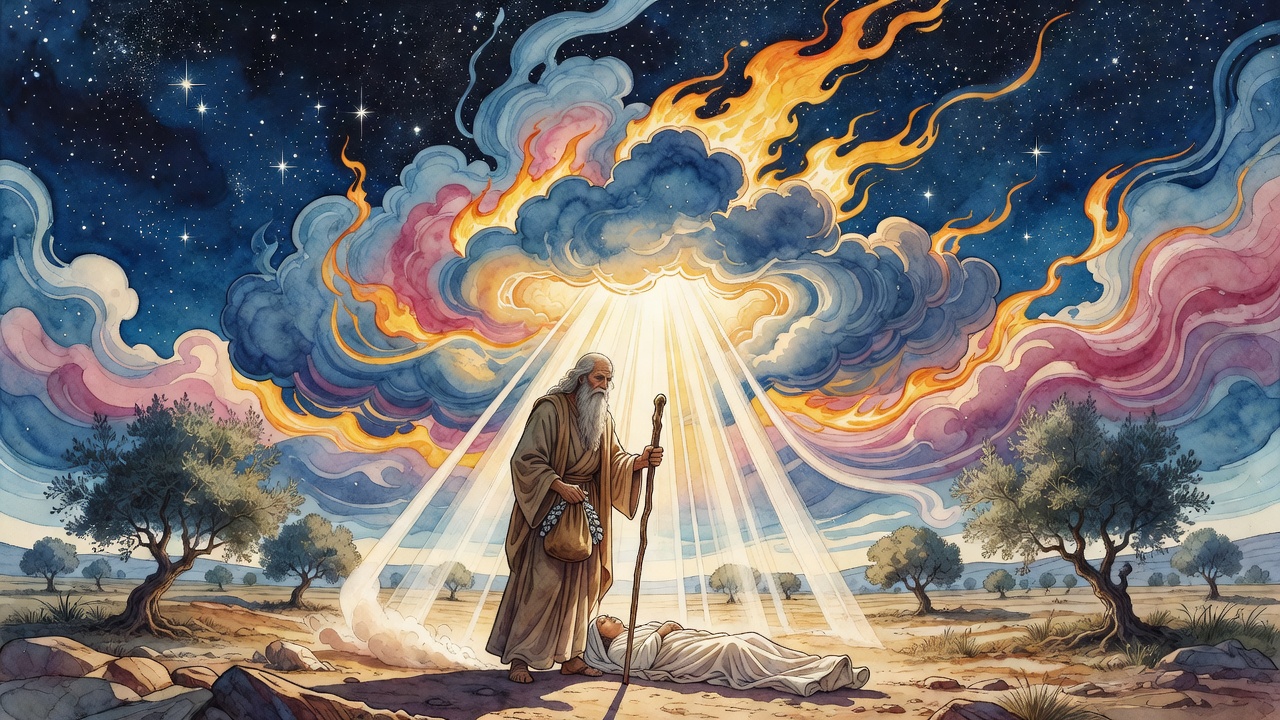
Sarah was dead. The land had been promised in stars and animal blood. Abraham asked the men of Hebron for a cave, and he would not take it as a gift.
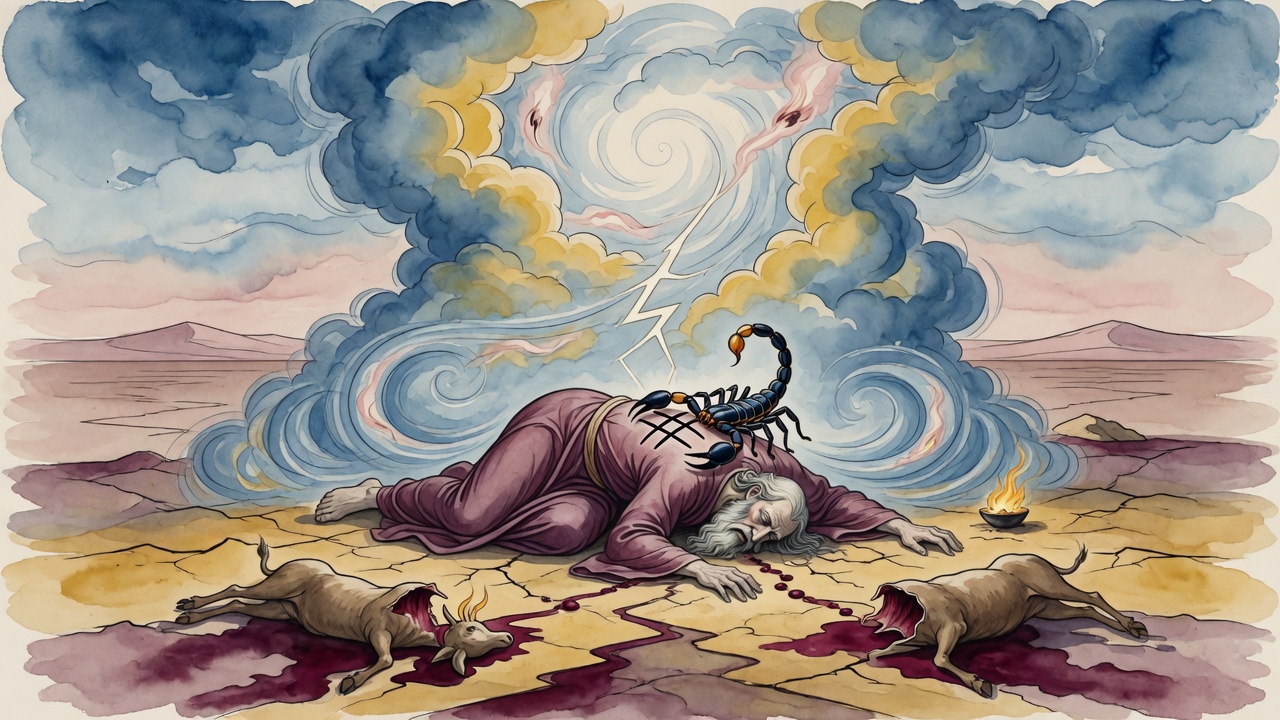
Abraham wondered where to cut the covenant. He fell on his face, a scorpion bit the place, and he rose already marked as God's partner.
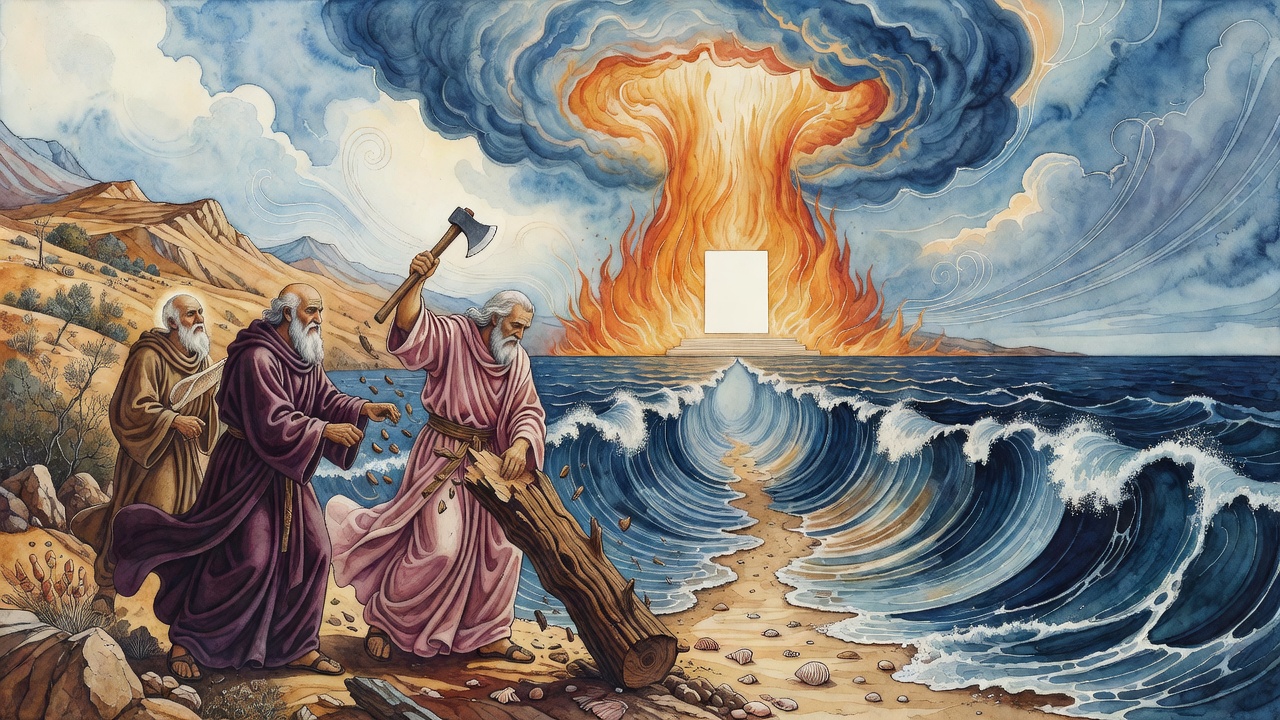
Isaac watched the grain open under the blade. At the sea the same split ran through water. In Babylon they asked for pulse and ten days.
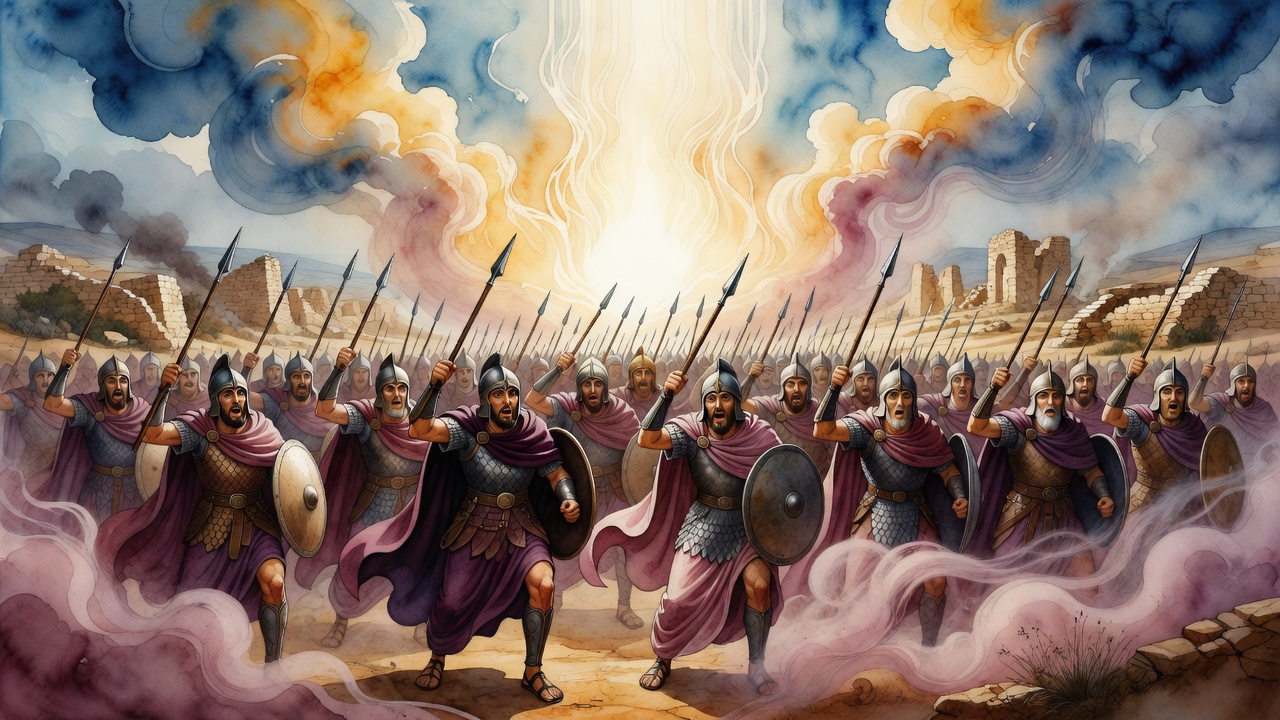
Counselors in the war tents listed every miracle done for Abraham. Kings who had come to avenge Shechem turned their horses around.
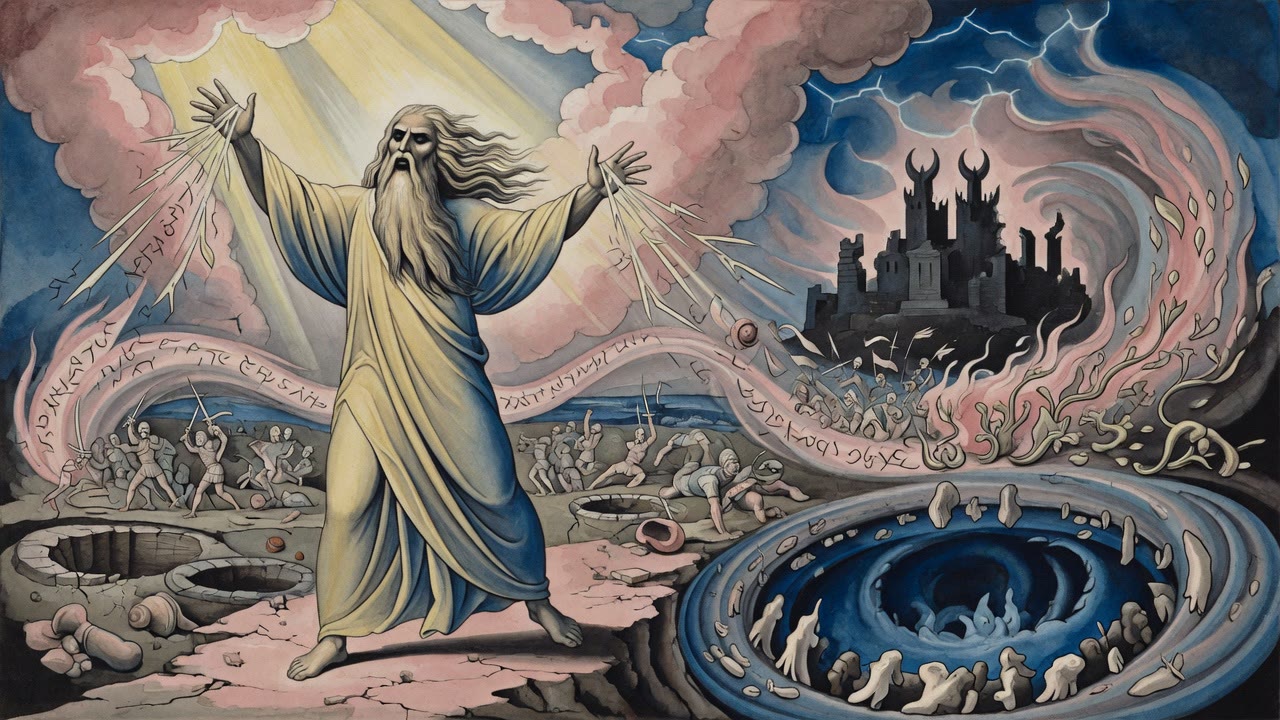
God put a new name on Abram while kings were still unborn. Isaac stayed with the wells. His brothers left with packs and no claim on the land.
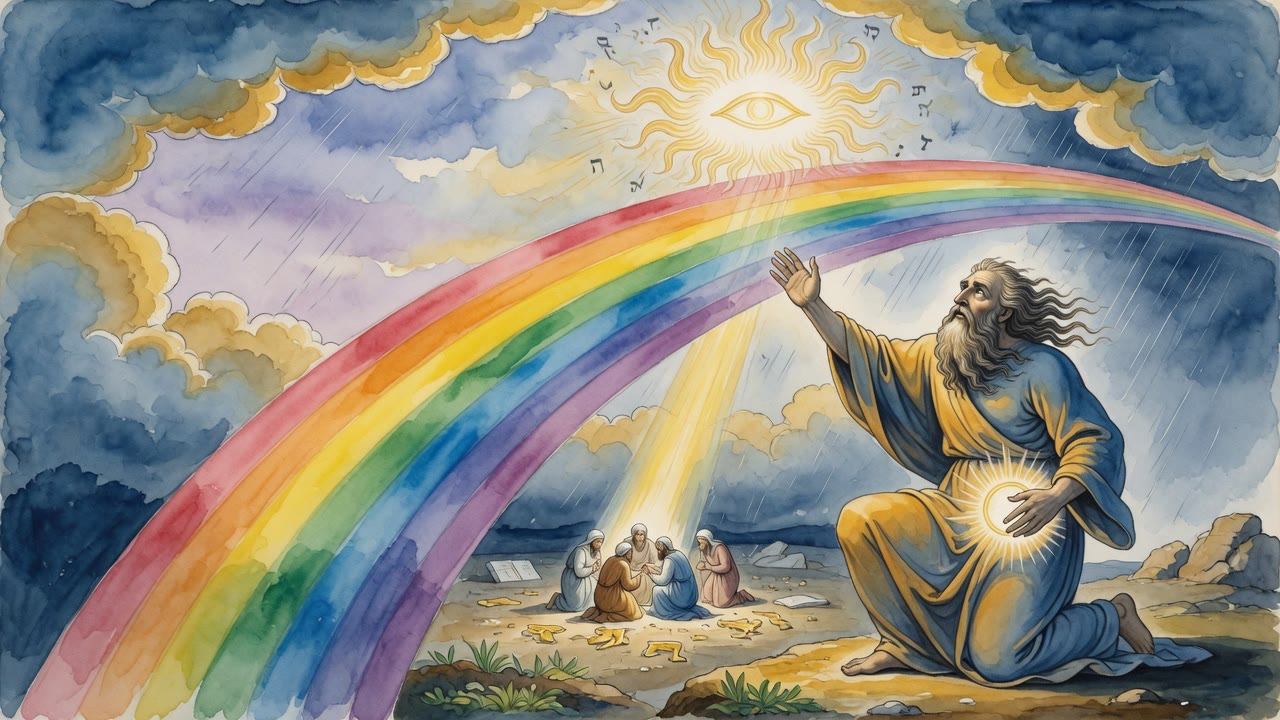
A prophet stood in the Temple court wearing a wooden yoke on his neck. Another prophet walked up, tore it off him, and smashed it in front of the crowd.
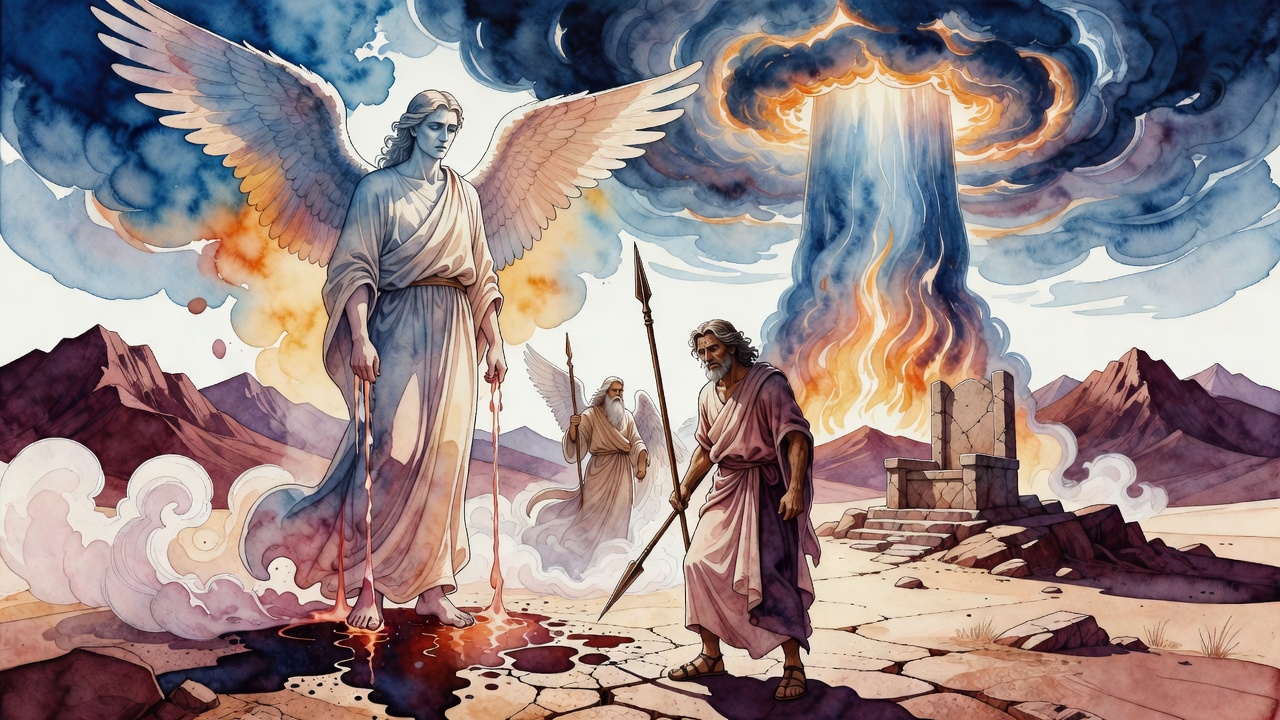
Moses rejected an angel and demanded God walk among Israel. When Joshua later asked the captain whose side he took, the angel wept from his feet.
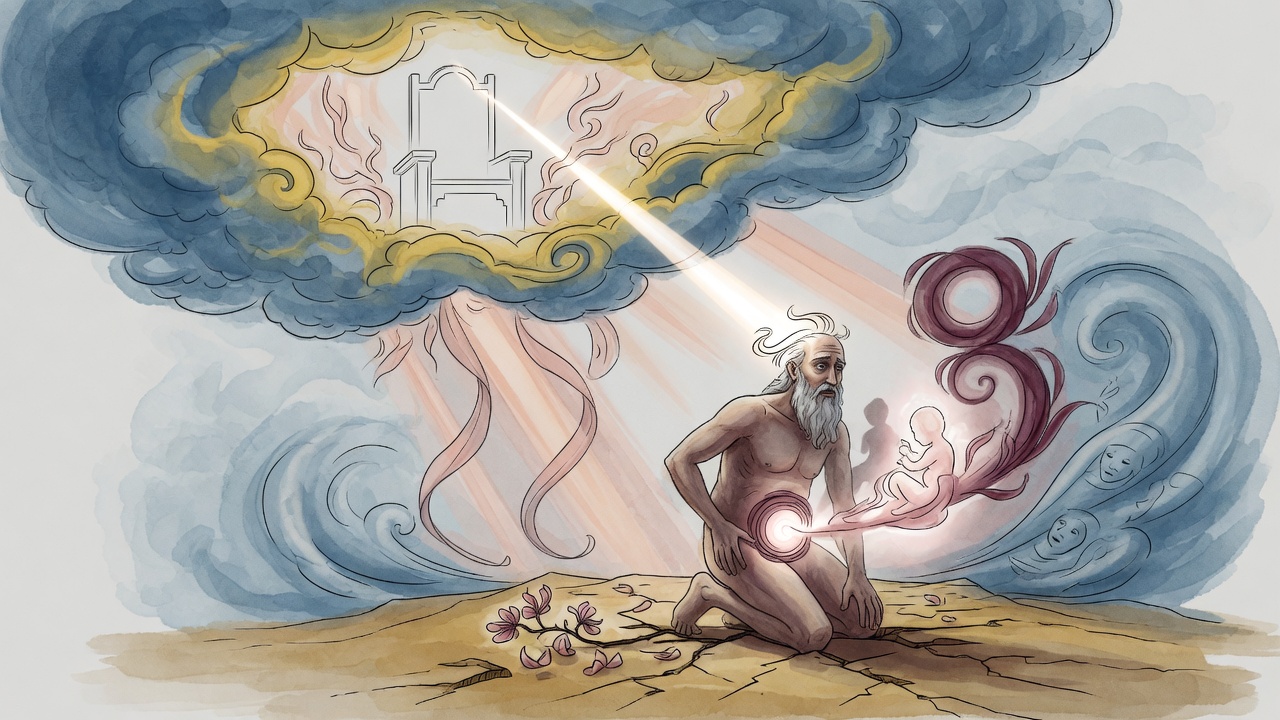
At ninety-nine Abram feared circumcision would leave him incomplete. God added a letter to his name, then marked him with age so no scoffer could deny Isaac.
