477 myths · Page 10 of 16
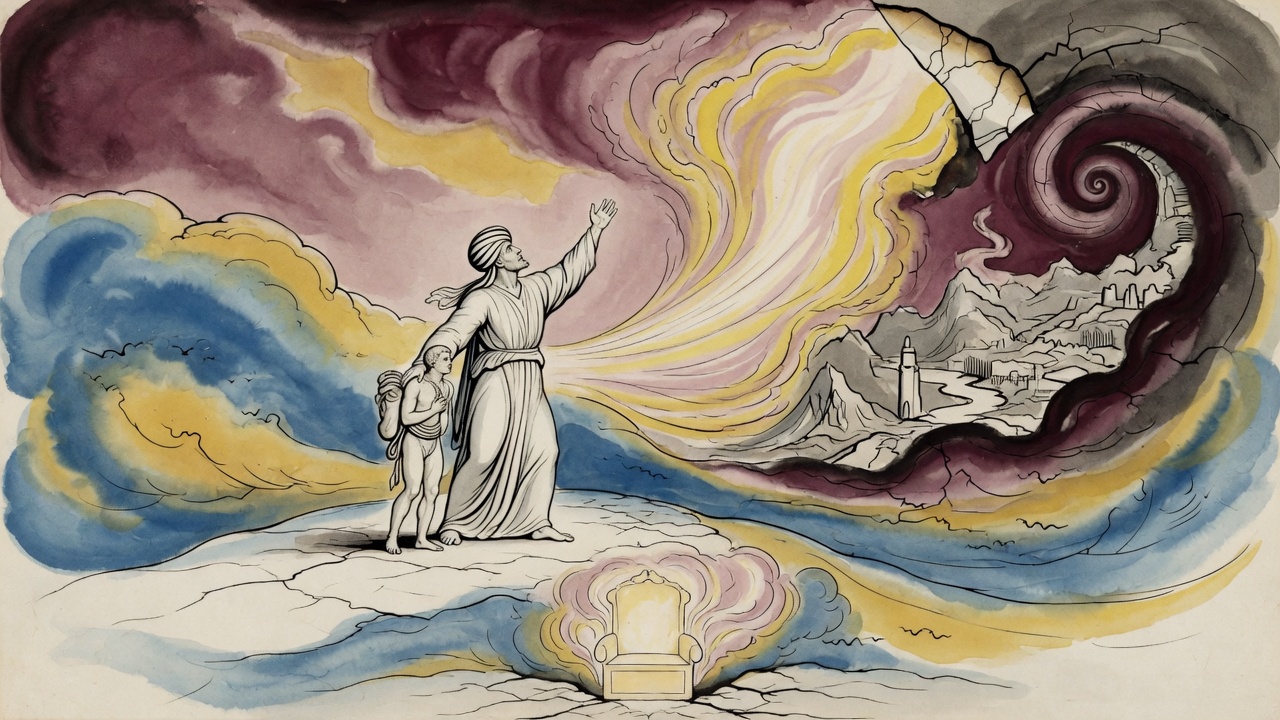
God had waited twenty generations. At ninety He said the world would fold into empty waste if Abraham refused the cut. Abraham took the knife.
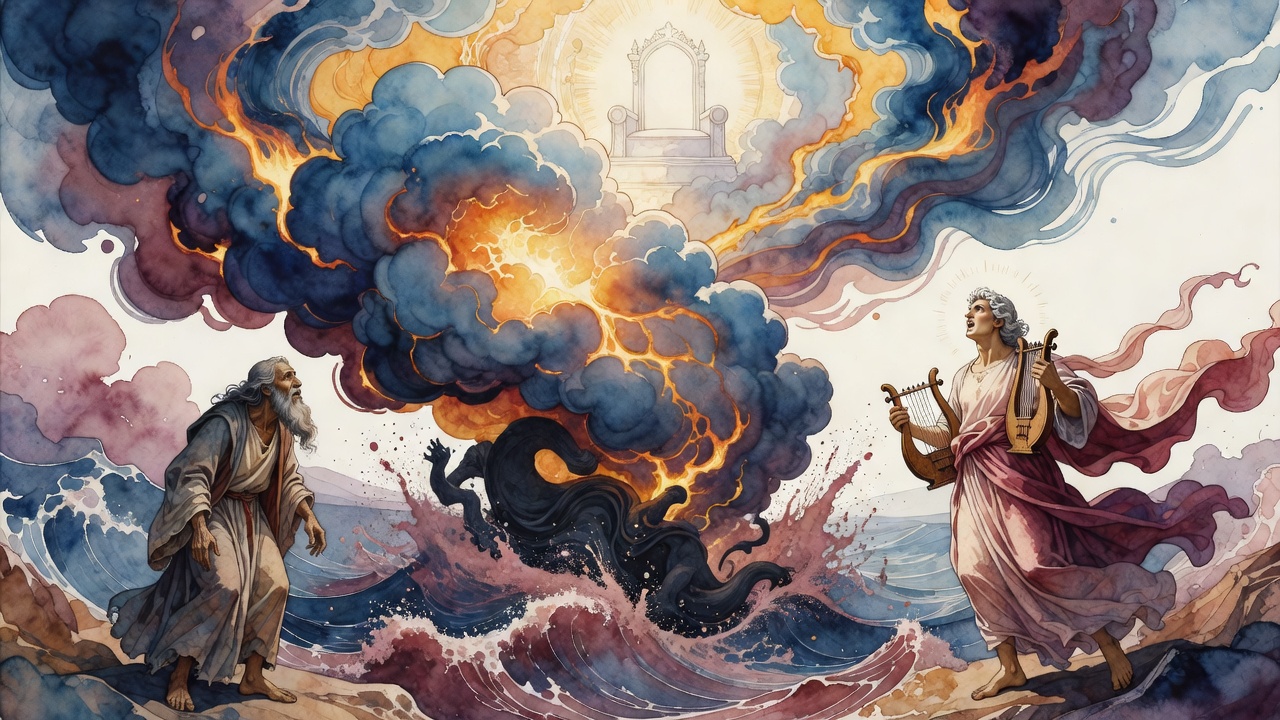
The worlds would have kept expanding forever. God said dai, enough, and the sages heard that word sitting inside the name Shaddai.
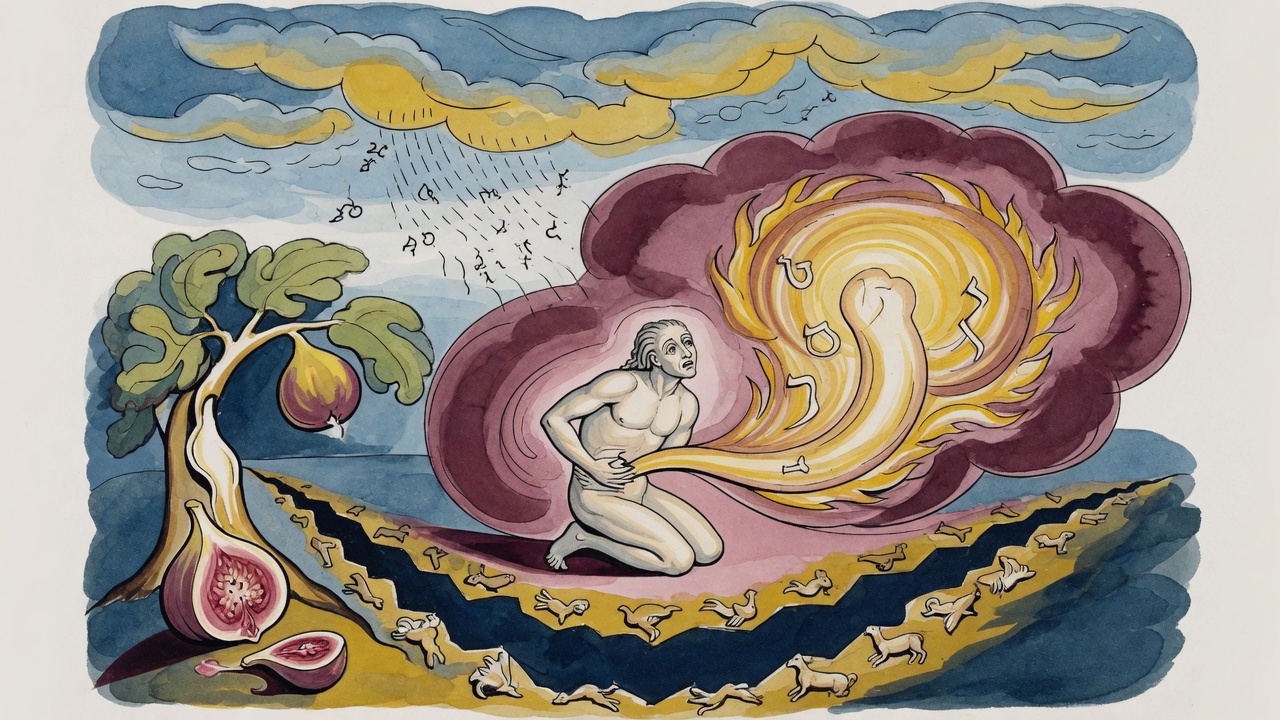
A father with two boys, one born Friday and one on the Sabbath, cuts the wrong son on the wrong day. Neighbors hear a child cry on the Sabbath.
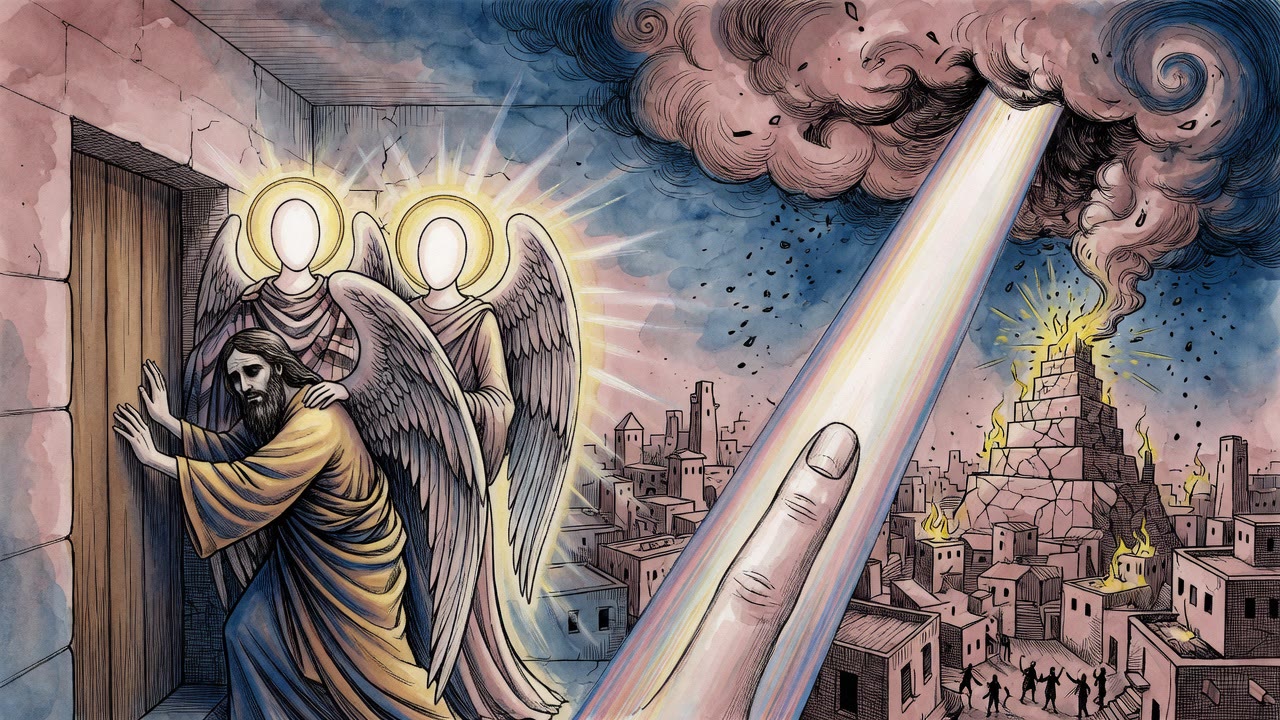
Hands beat Lot's door and asked for the strangers. He stuffed them into a roof beam. In the morning one finger turned the city.
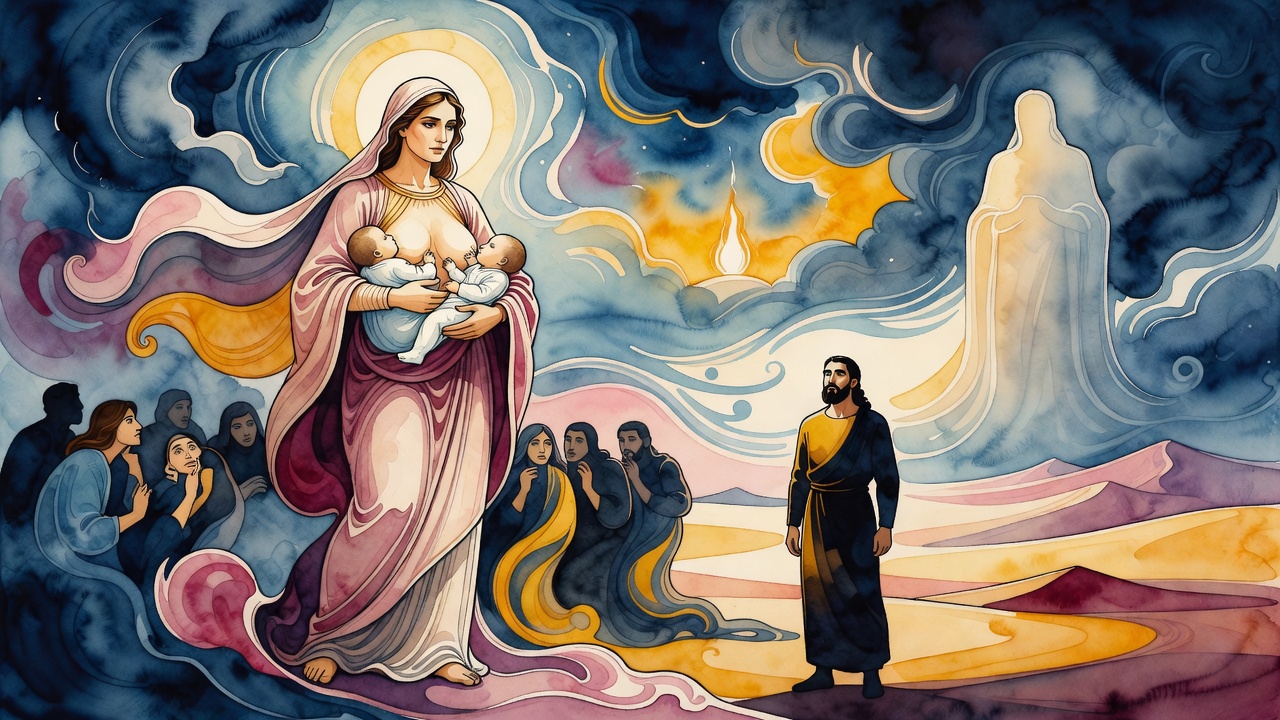
Scoffers doubted Isaac was hers, so Sarah nursed the nations' infants. Abimelech watched the dark all night after God warned him over the sister-wife.
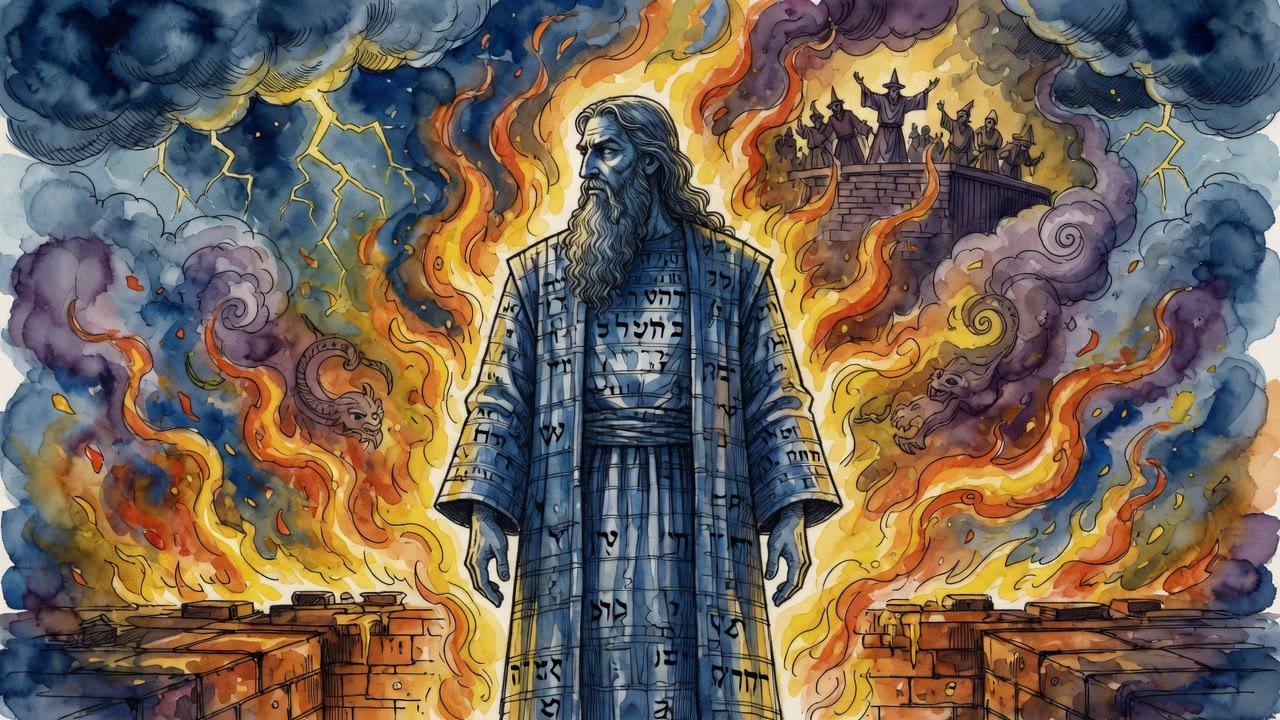
Nimrod's furnace was already hot. Heaven had not yet worked a wonder for Abraham. He still told the angels he was a wall, not a door.
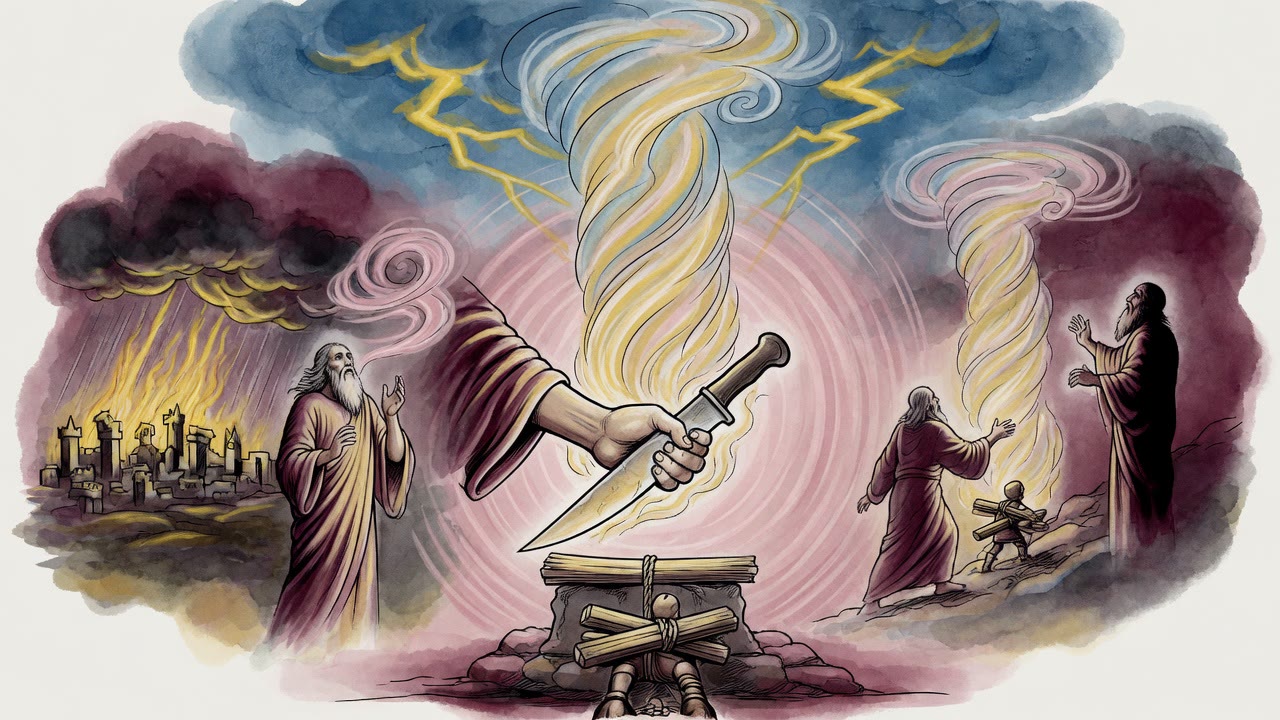
Father and son walked into a city and nobody knew which one to honor. They looked the same age. So Abraham got the first grey hair in the world.
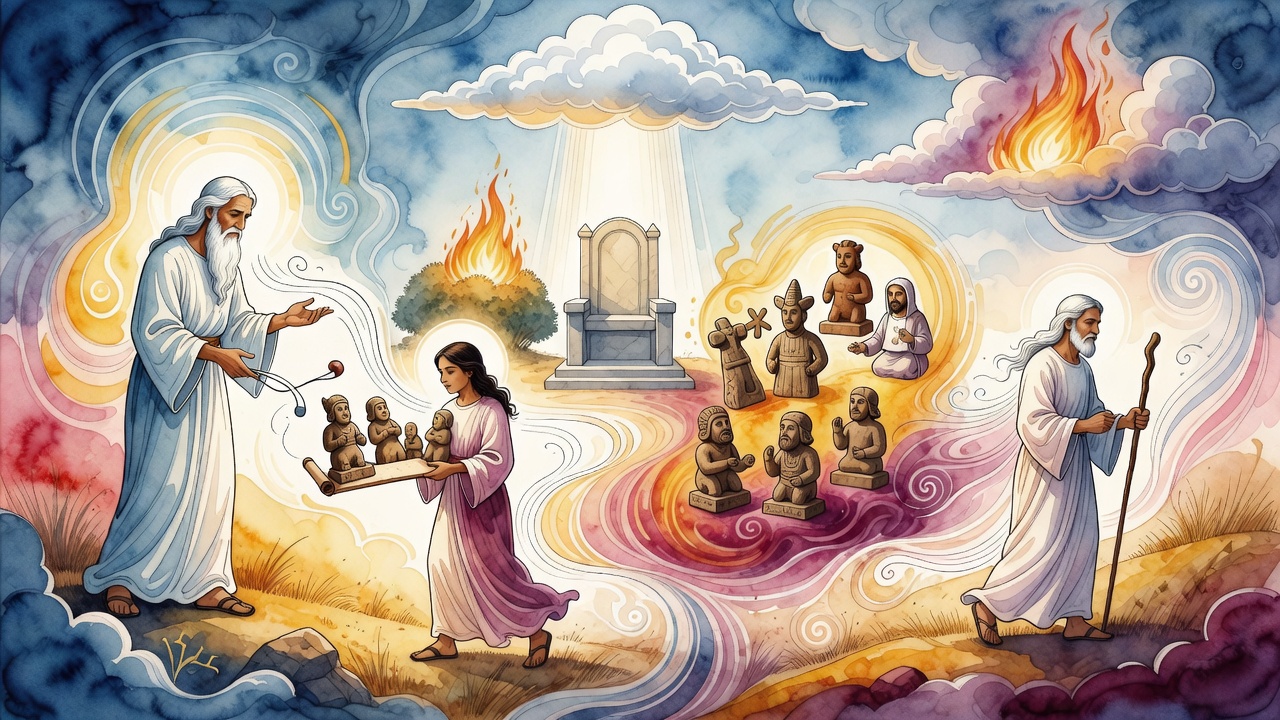
Ishmael was fifteen when he brought the idols home to play with. Abraham was rich in cattle and silver, and sent him out with a loaf and a waterskin.
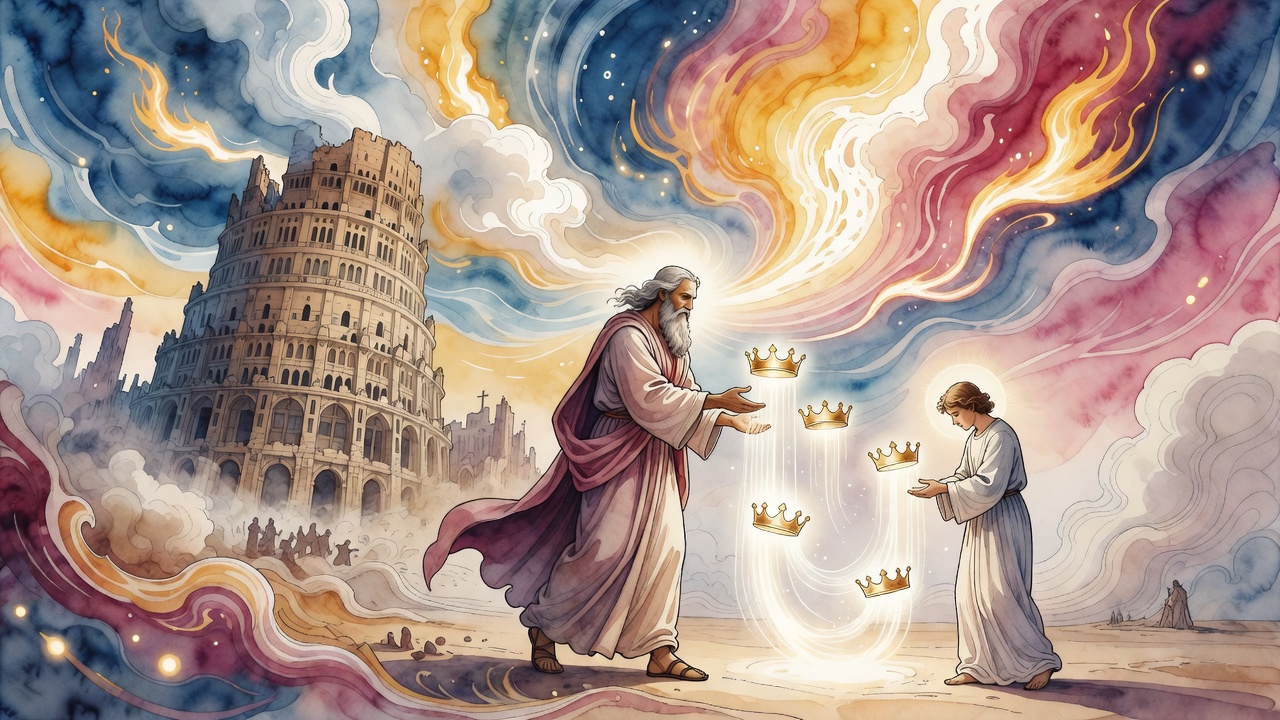
The tower builders came recruiting. Sit with us, they said, you are mighty, heaven has abandoned us down here. Abraham walked off toward the land alone.
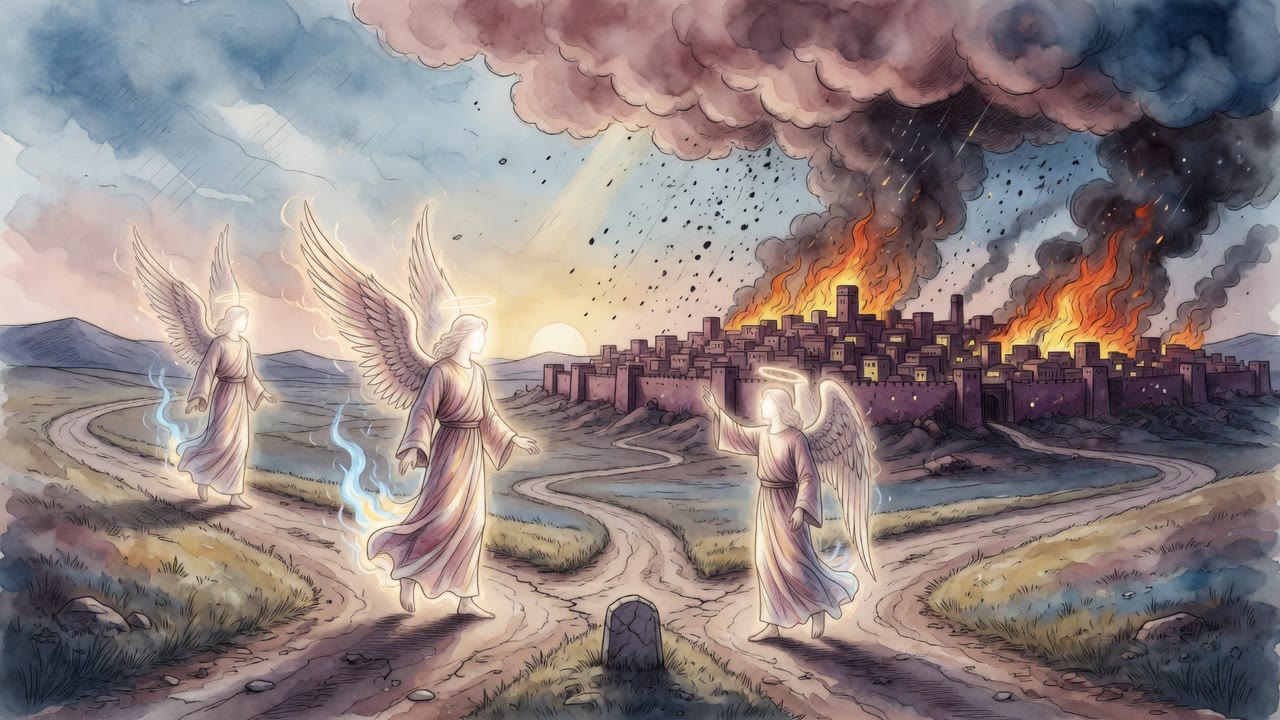
Sarah heard the birth-word from the tent. That messenger left. Two others still had to drag Lot out and turn the plain at evening.
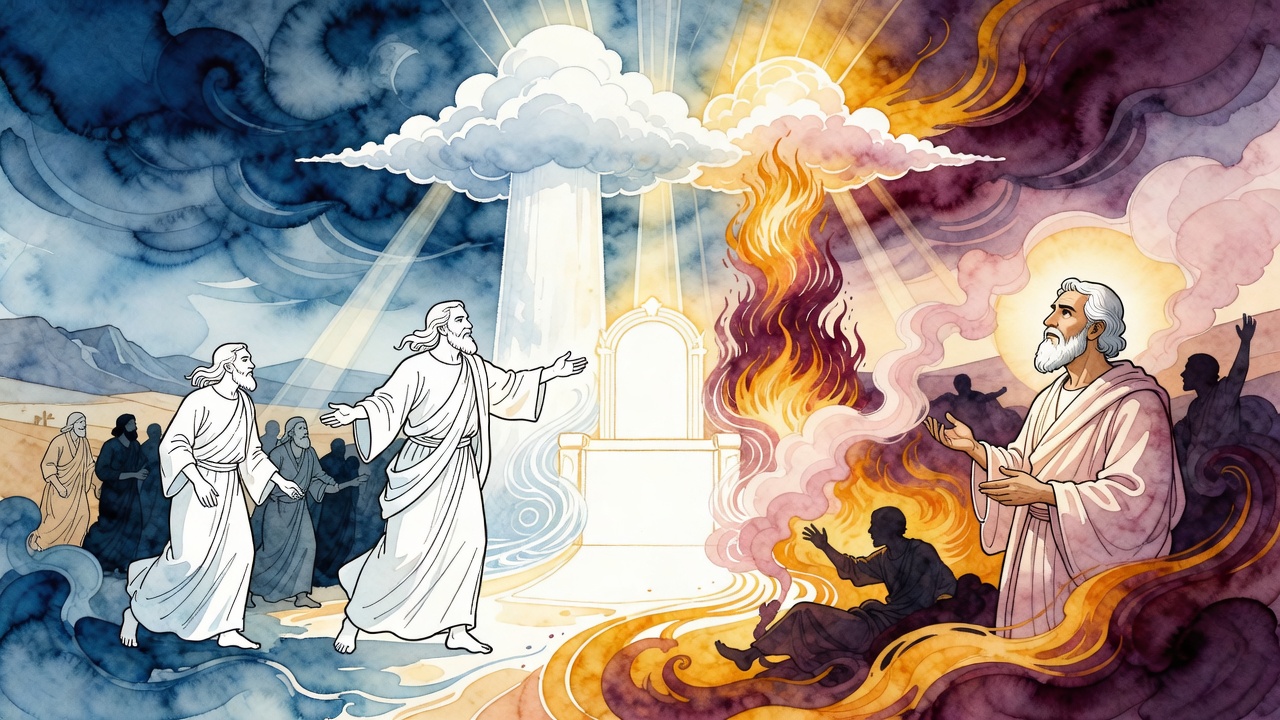
A runner reached the oaks of Mamre with the news that Lot was gone. Abraham armed three hundred and eighteen house servants and went after four kings.
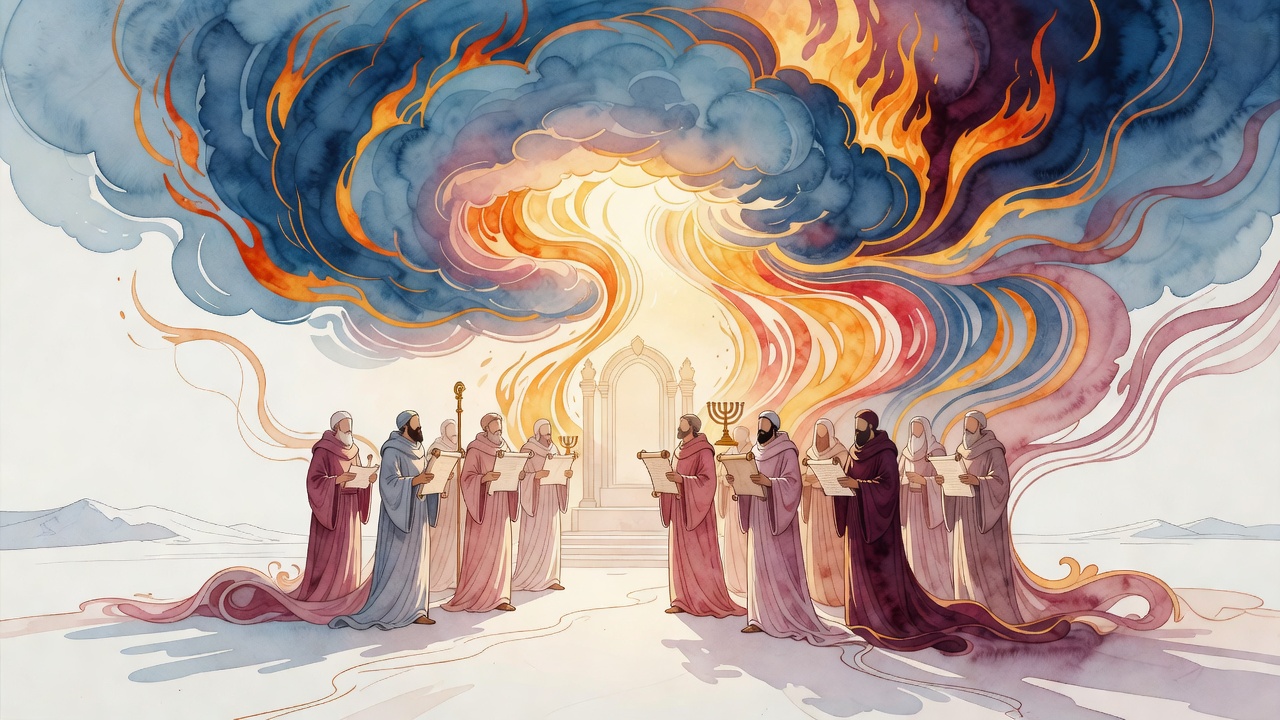
Abraham asked who pours blessing back on Levi. God said He blesses the blessers. The priestly lines open wealth, Torah, priests, prophets, and favor.
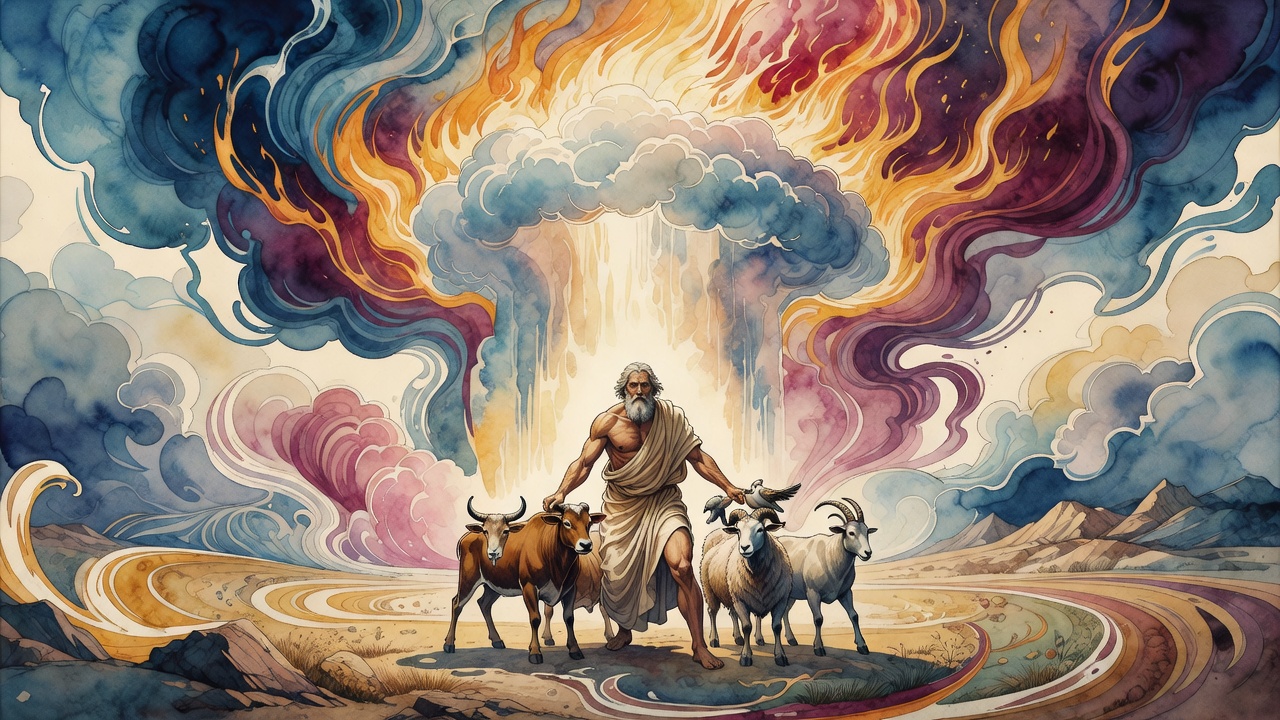
Abraham cut the animals himself and beat the birds off the meat until dark. God did not offer to promote him. God offered to make him.
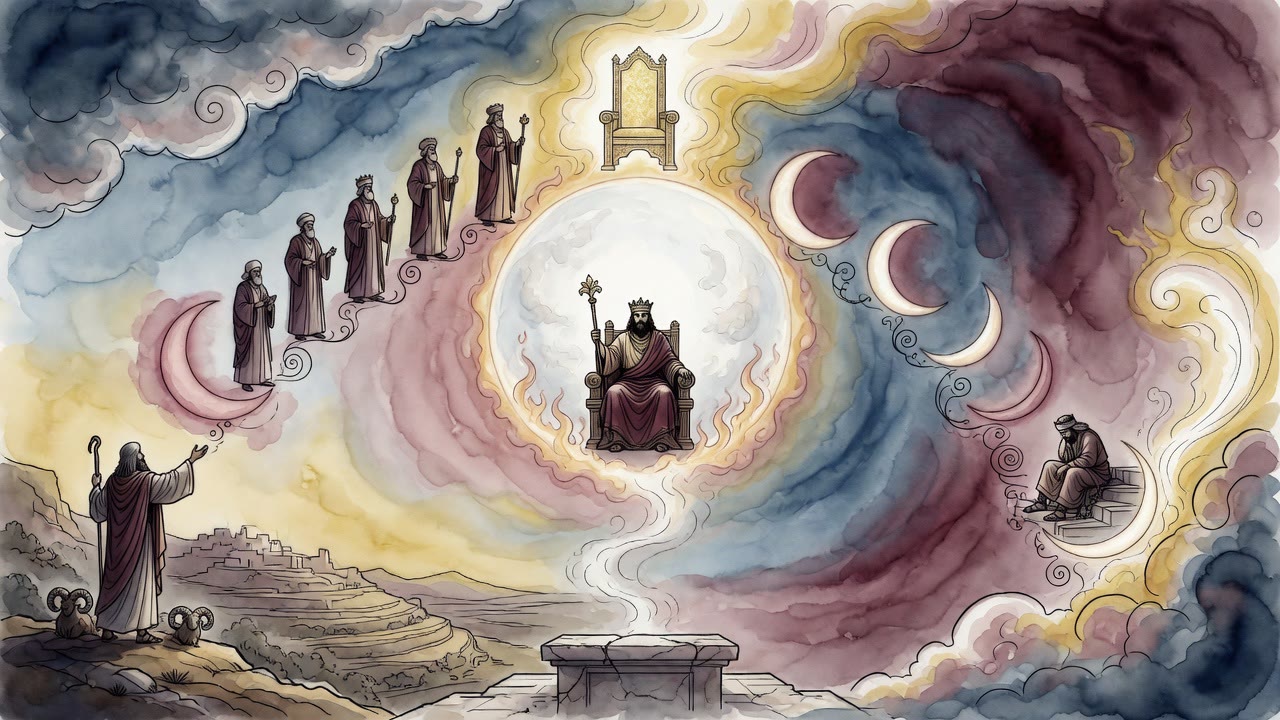
Solomon made the shields of gold. Rehoboam replaced them with bronze. The kings kept shrinking until Zedekiah, whose eyes were put out.
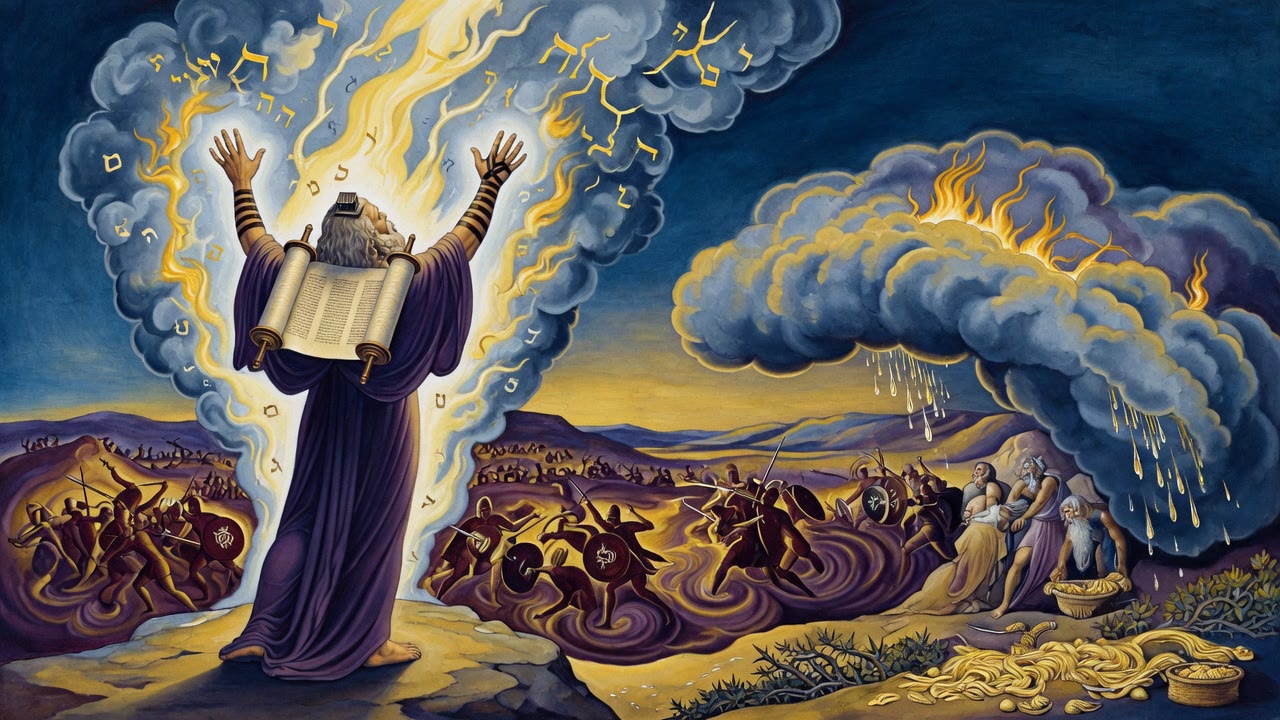
Moses comes down blazing and does not know it. Glory clings from the cave, from the gap between hands on the tablets, and from leftover ink on the pen.
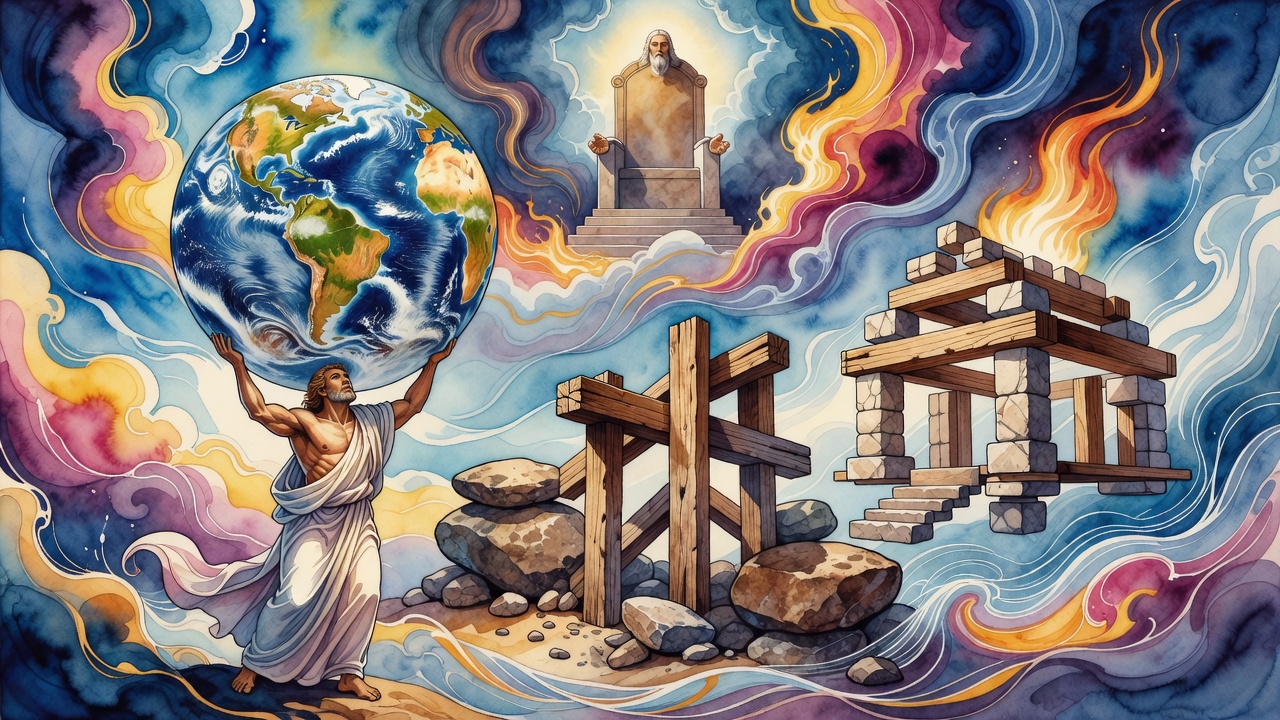
Abraham held the world and still asked for the Temple. Jacob's pillow stones became beams. Solomon's house built itself.
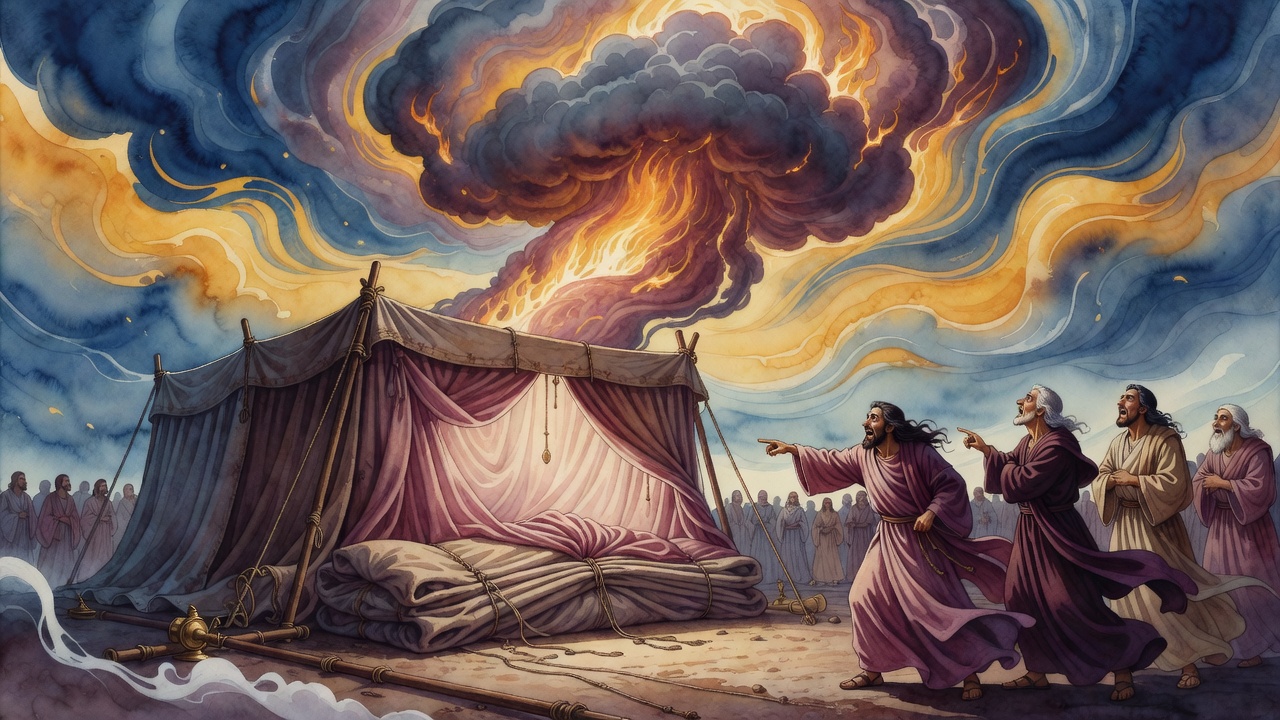
The boards were finished. Moses still left them stacked. Mockers counted the folds until Abraham's month of good news arrived.
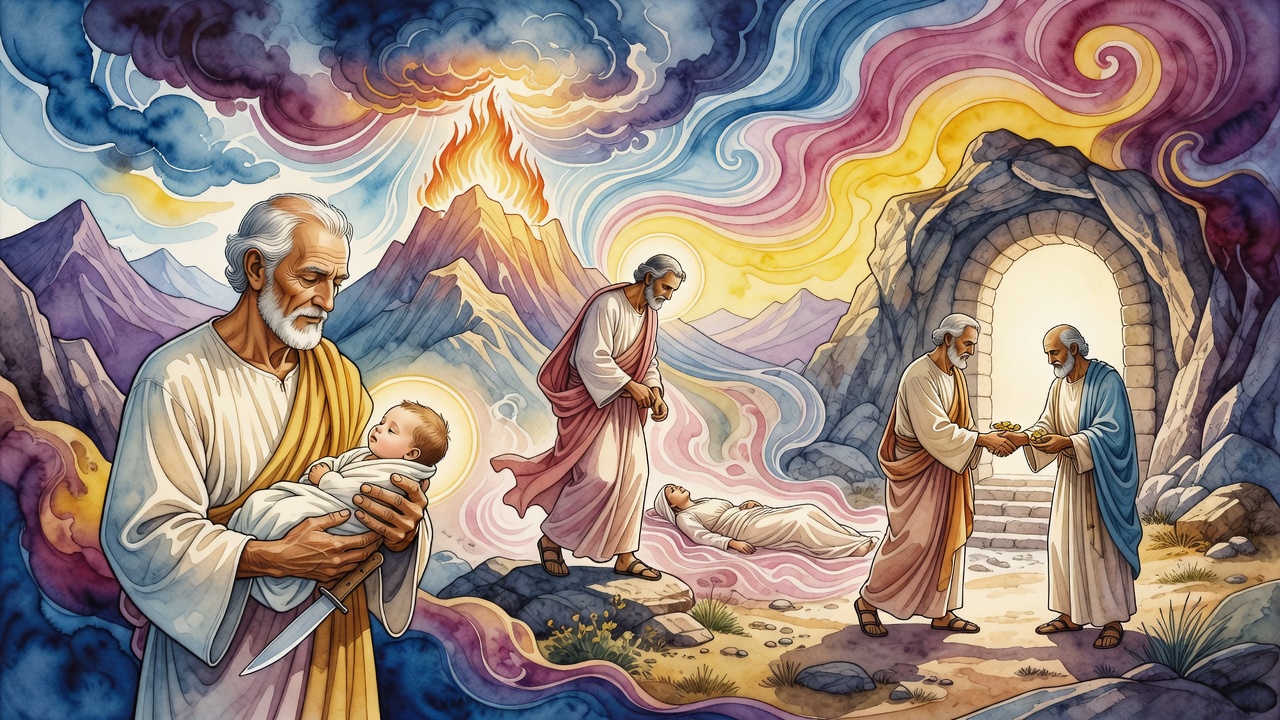
At one hundred Abraham held a son. On Moriah he held a knife. Coming down, he found Sarah dead and paid four hundred shekels for a grave.
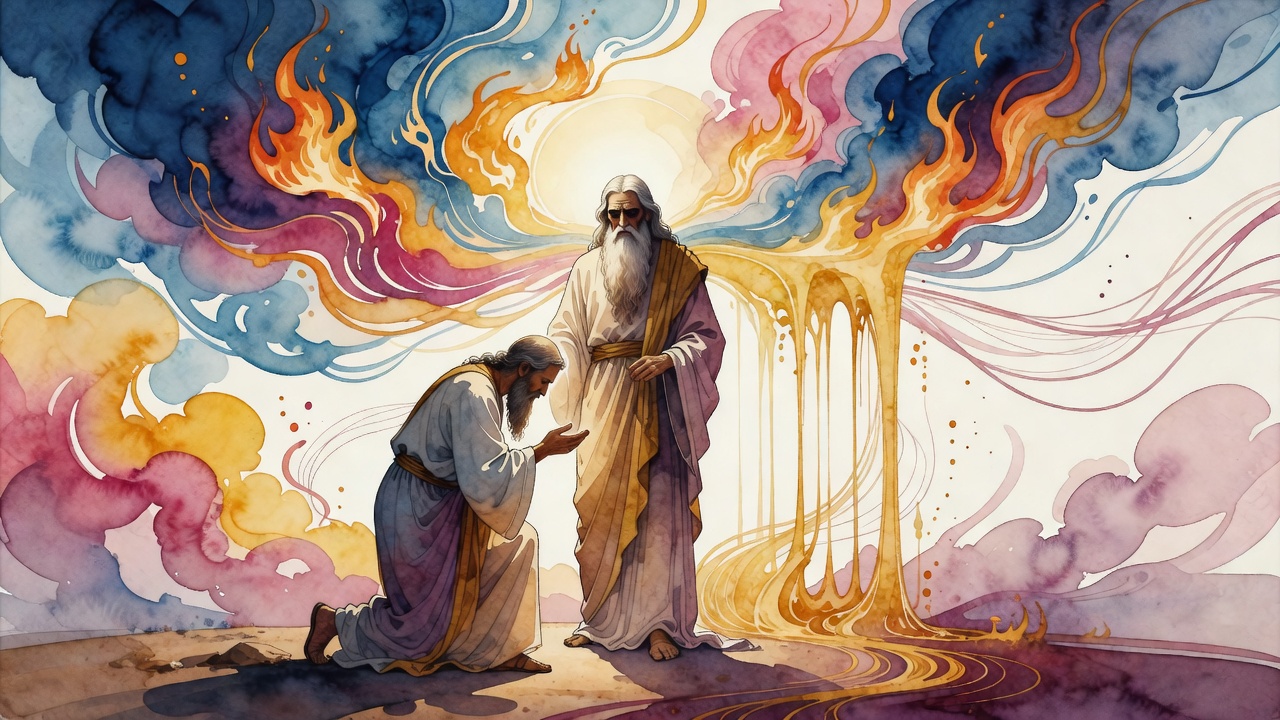
Abimelech bowed to Isaac's blessing, then the light left his eyes. Abraham's name poured like oil while patriarchal song was only fragrance on the wind.
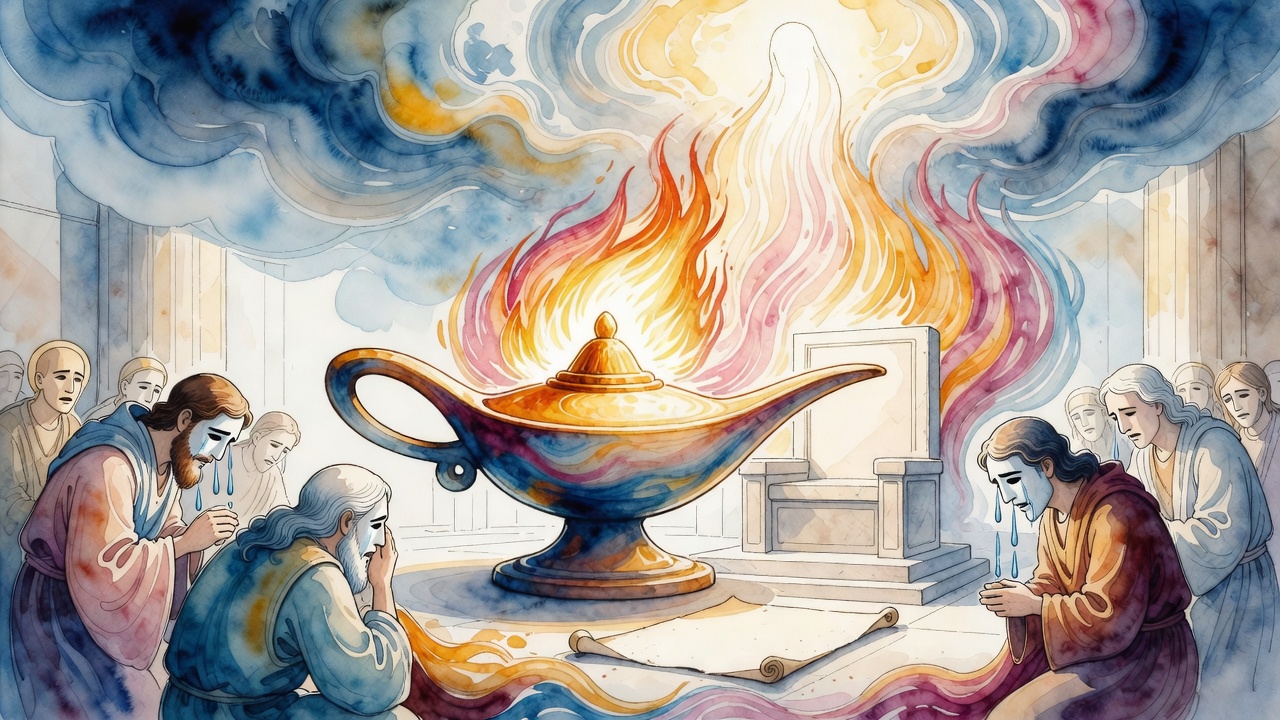
Priests wept over flasks too light in the hand. Rabbi Hanina walked to the lamp and found it blazing harder than all year.
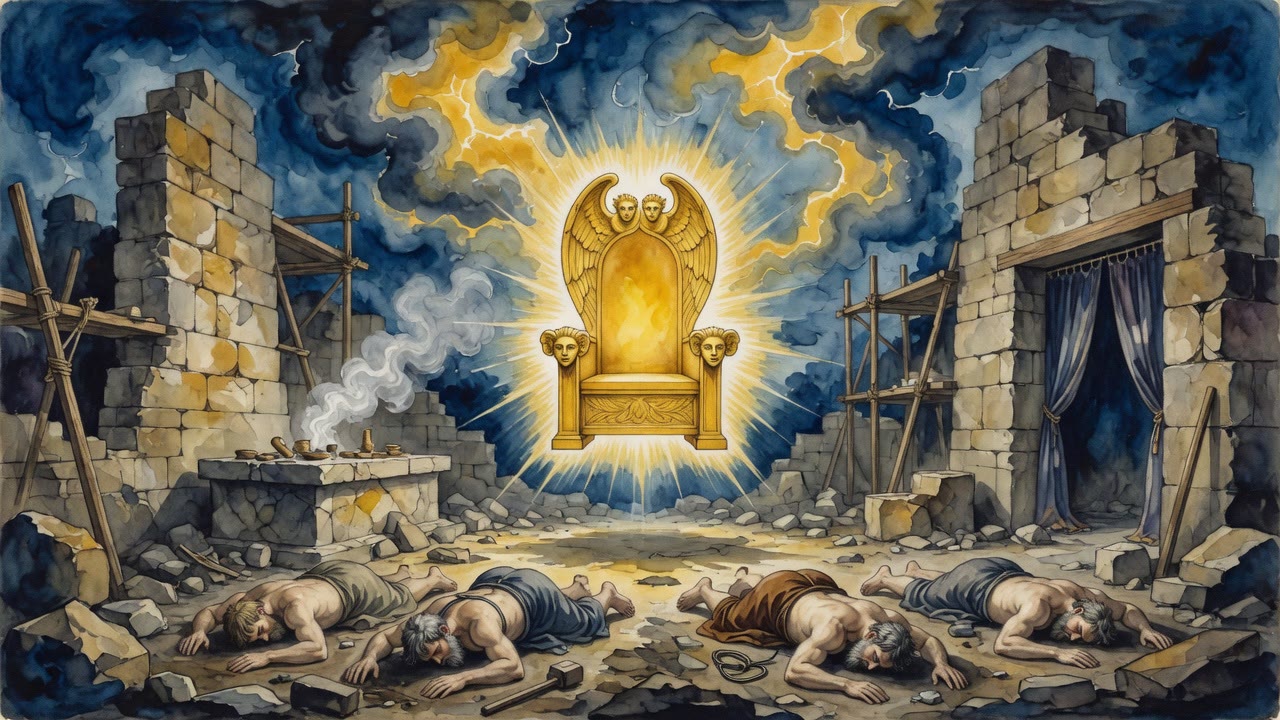
He was three, in a house stocked with gods. On Friday he set a cooked dish aside for a Sabbath nobody had commanded yet.
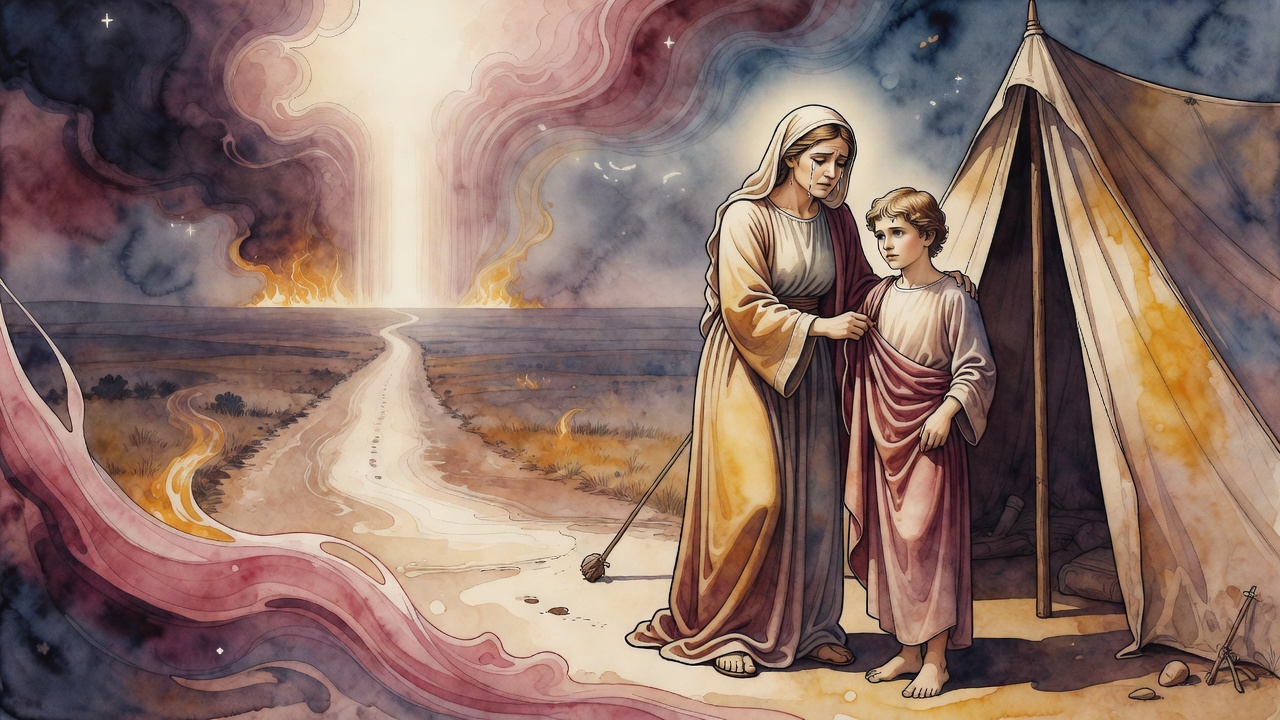
Sarah packed bread and water as if the road were ordinary. Out on the open land Isaac's voice broke her, and even the servants wet the ground weeping.
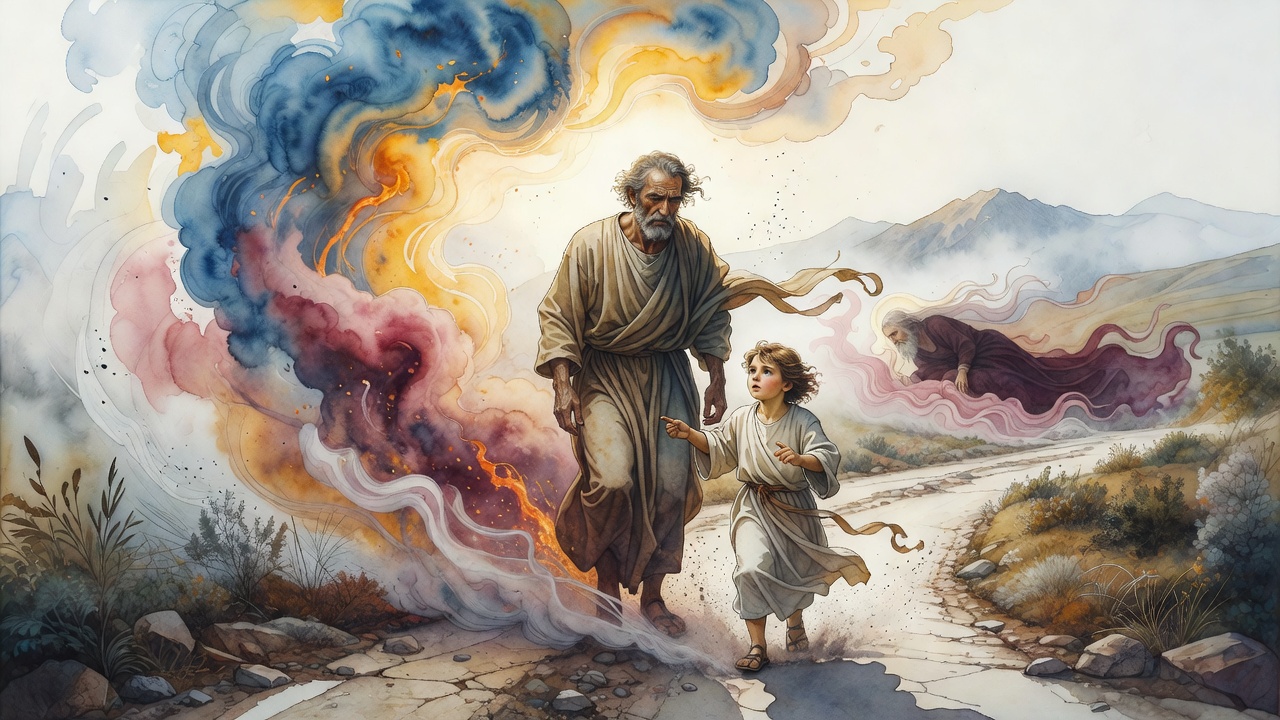
On the road to Moriah Isaac names the missing lamb. Abraham answers with the truth, and Sarah dies before they reach home again.
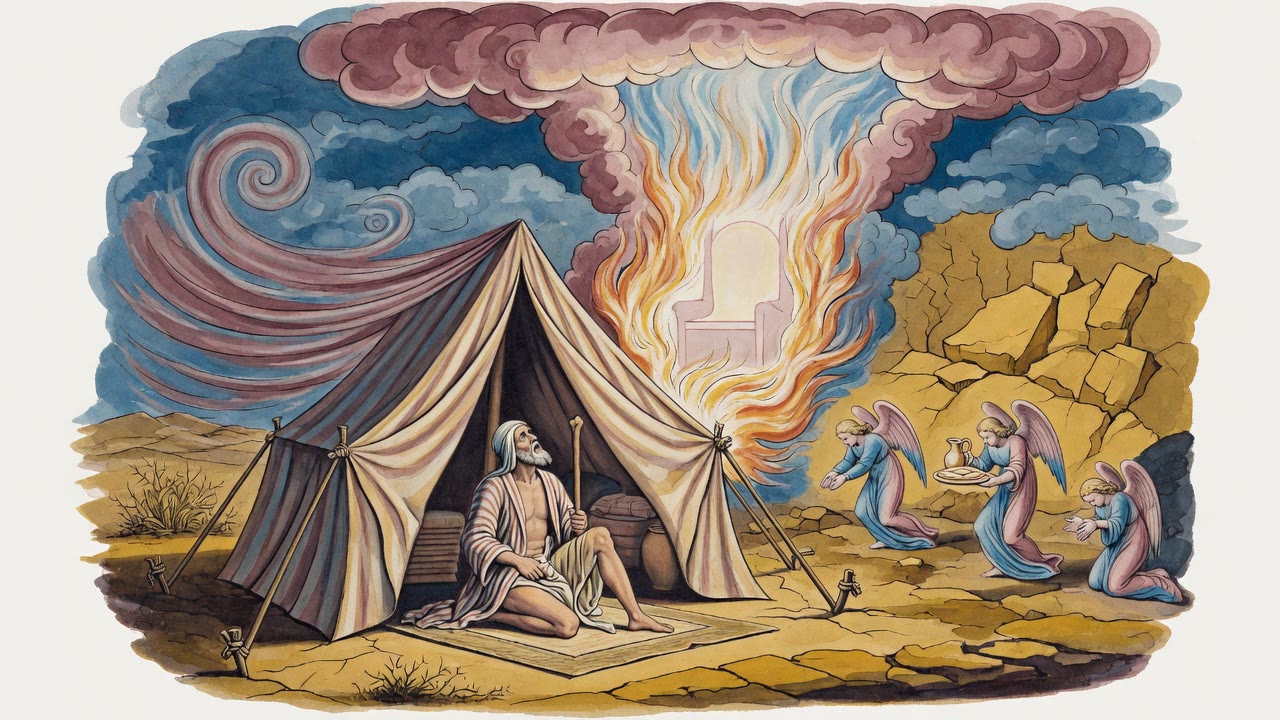
Lot leaves Abraham for Sodom's plain, then opens his door to a mob and offers his own daughters rather than surrender his guests.
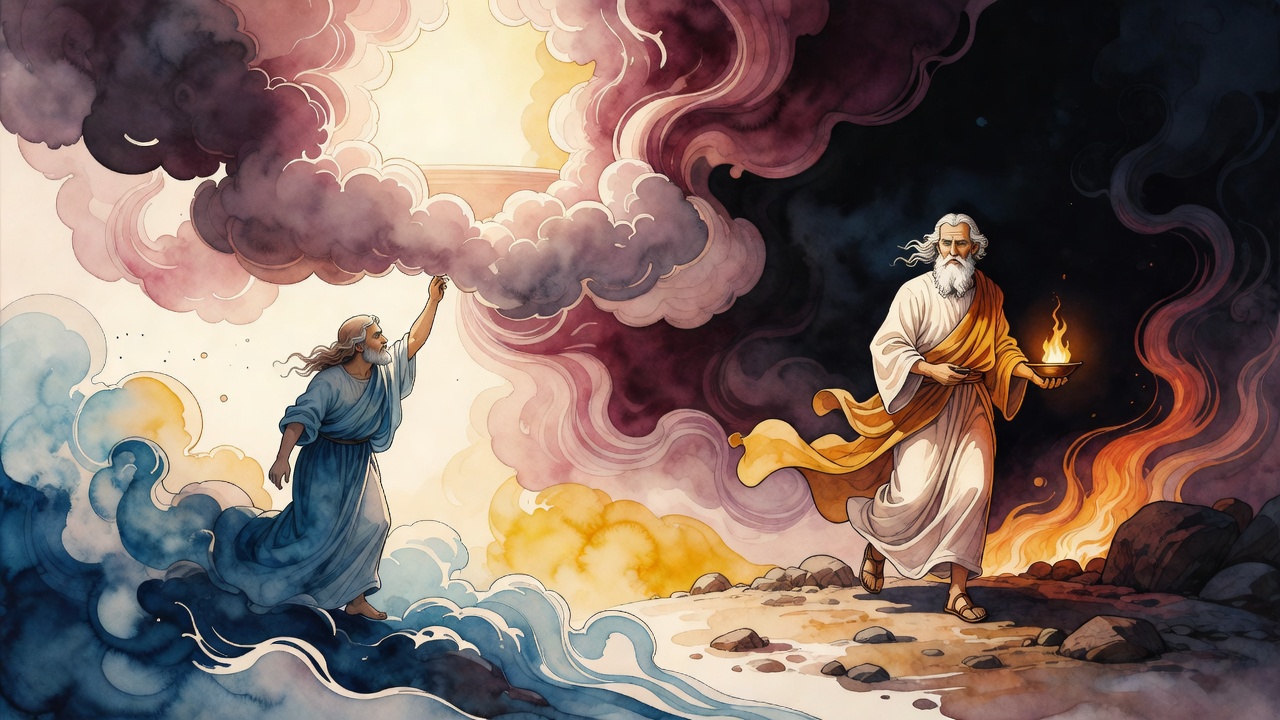
Noah walked with God like a child holding a father's hand. Abraham was told to walk before God, a lamp bearer sent ahead into darkness.
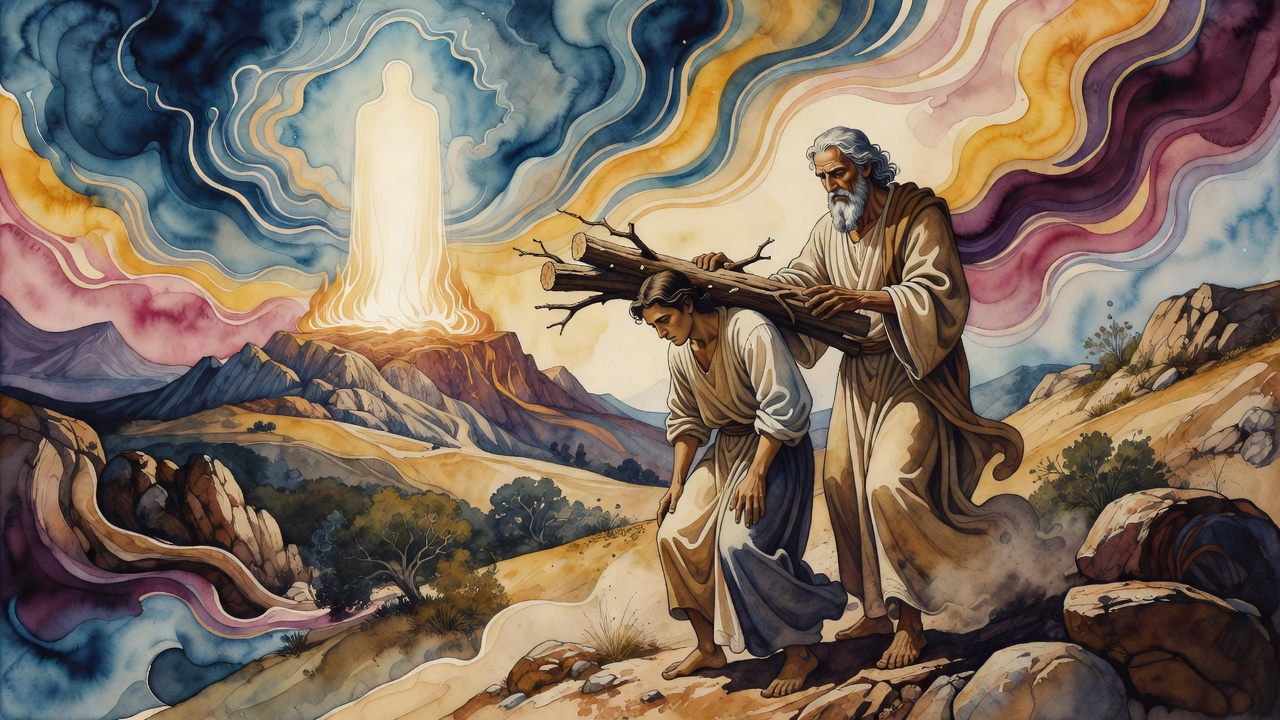
Abraham laid the altar wood on Isaac's back. Father and son climbed Moriah together, one to bind, one to be bound.
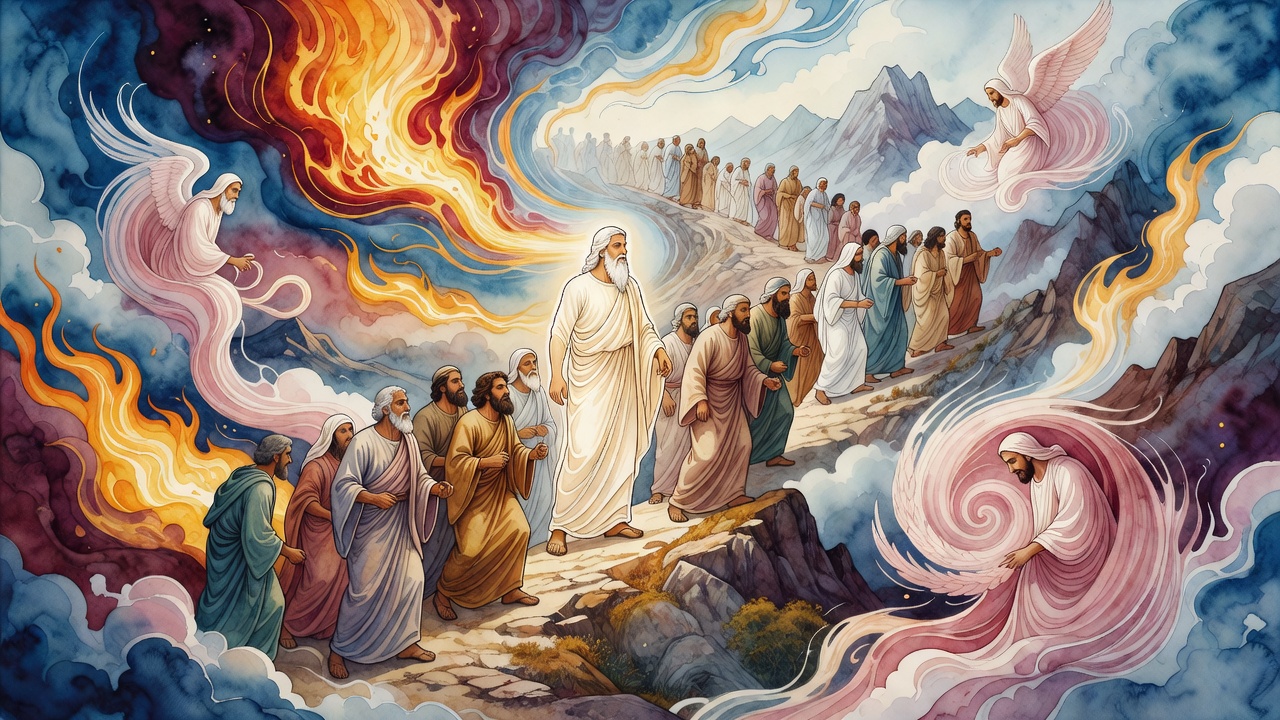
On his last day Moses did the arithmetic and it frightened him. Bilam was called a prophet too. Both of them were going to die.
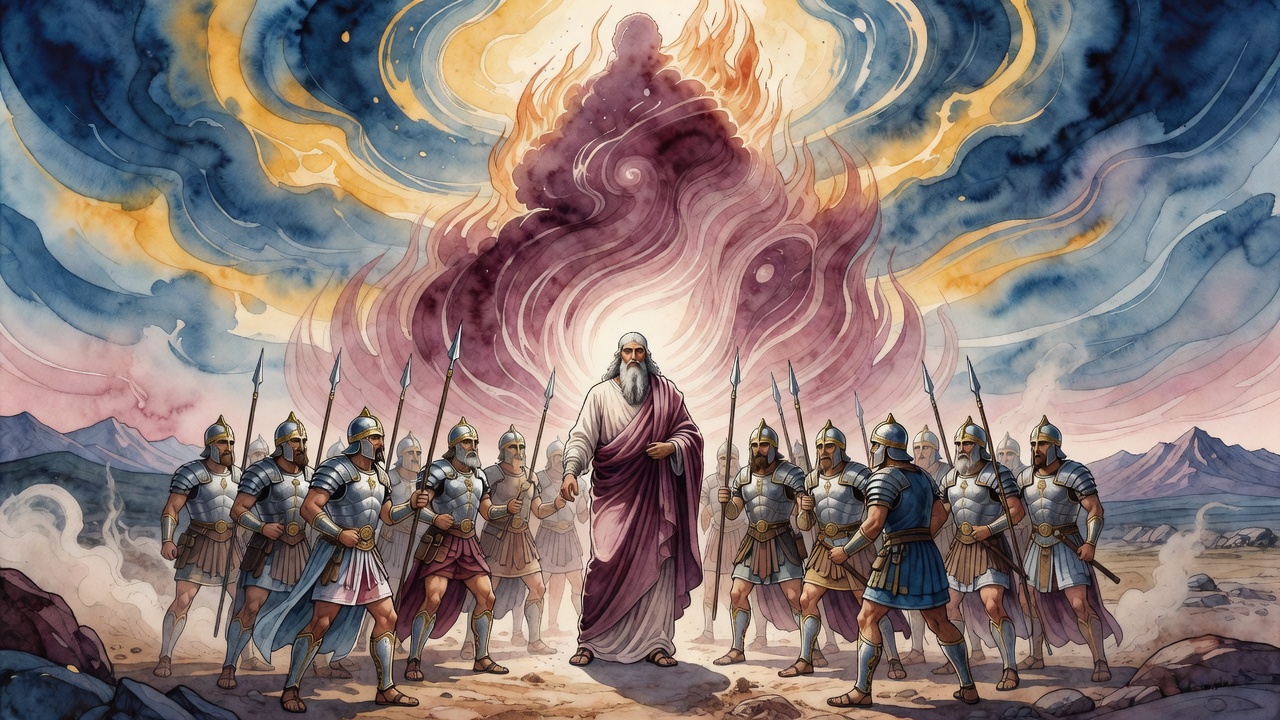
Do not put your eyes on the money, he told three hundred and eighteen men. If it is silver and gold you want, it is already on your backs.
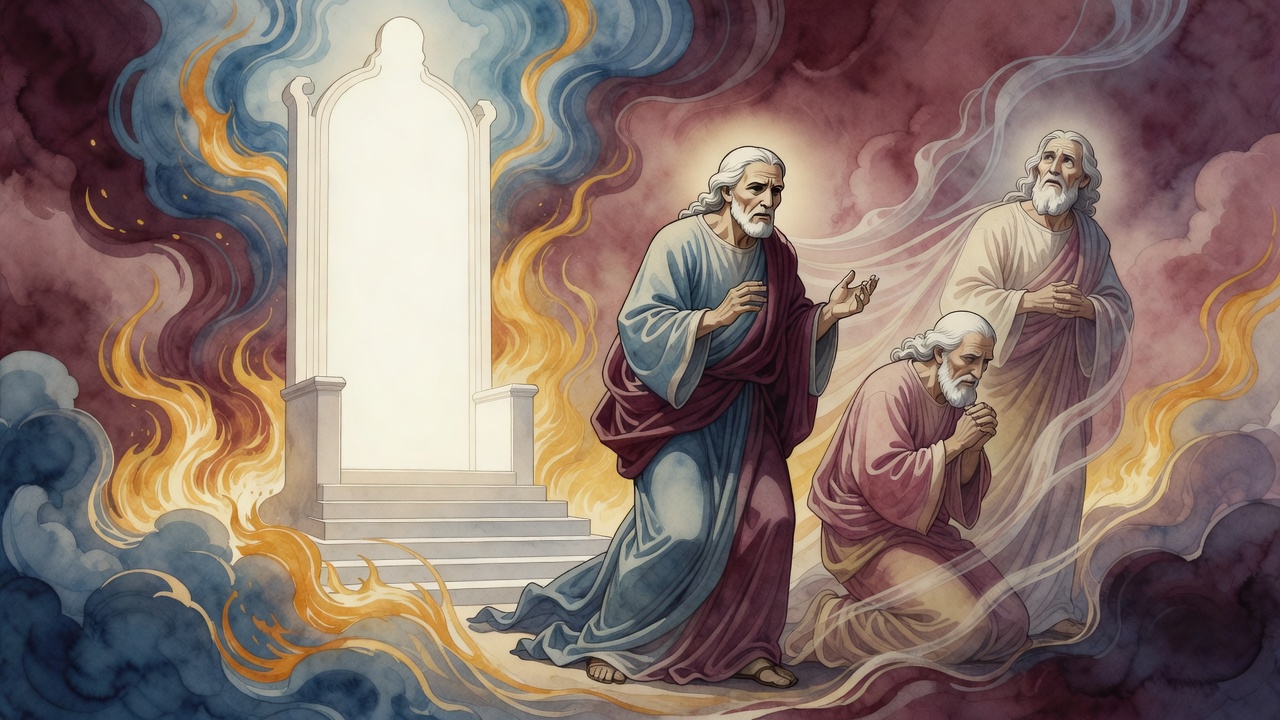
God had promised he would go to his fathers in peace. Abraham heard the clause and asked which house that was, the one that still sold stone gods.
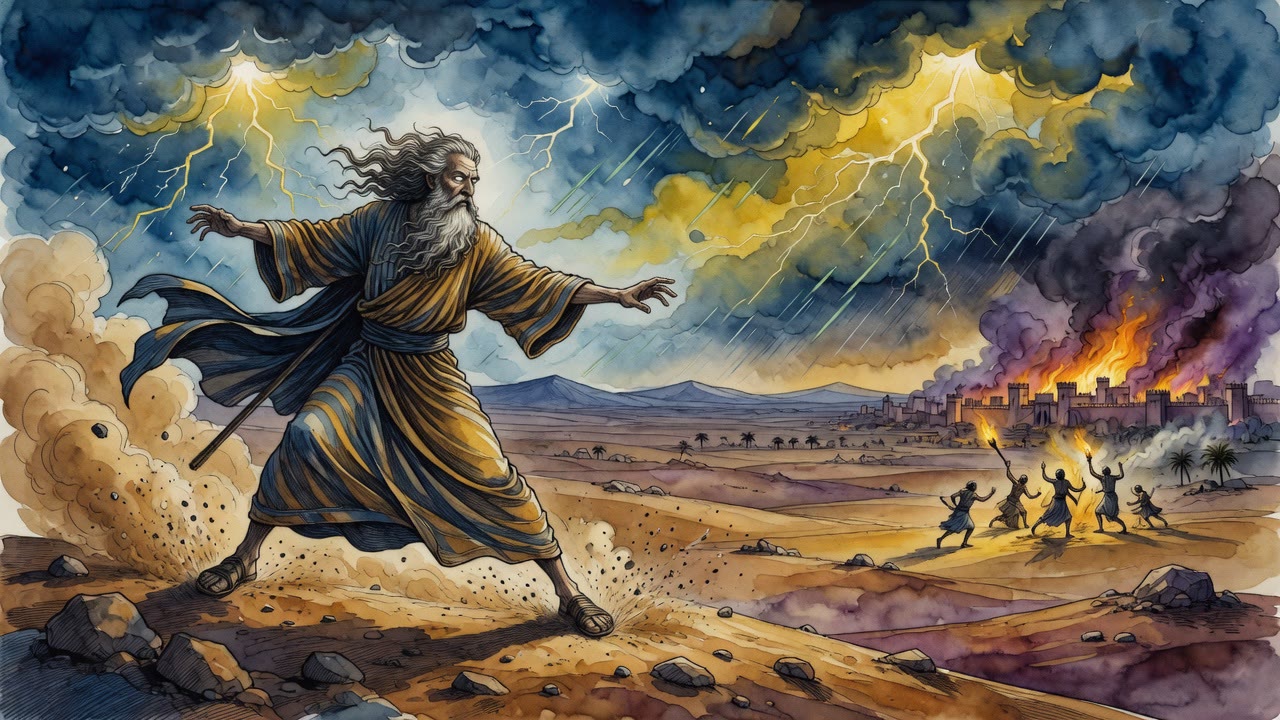
Lot was already in the kings' net. Abraham's stride stretched four miles at a step, and he would not let Sodom pay him for the rescue.
