When Israel Was Counted Beneath Heaven's Stars
God lifts Abraham above the stars to count them, then the census of the wilderness counts Israel as love made visible in numbers.
Table of Contents
 Click for full size
Abraham Was Lifted Above the Stars
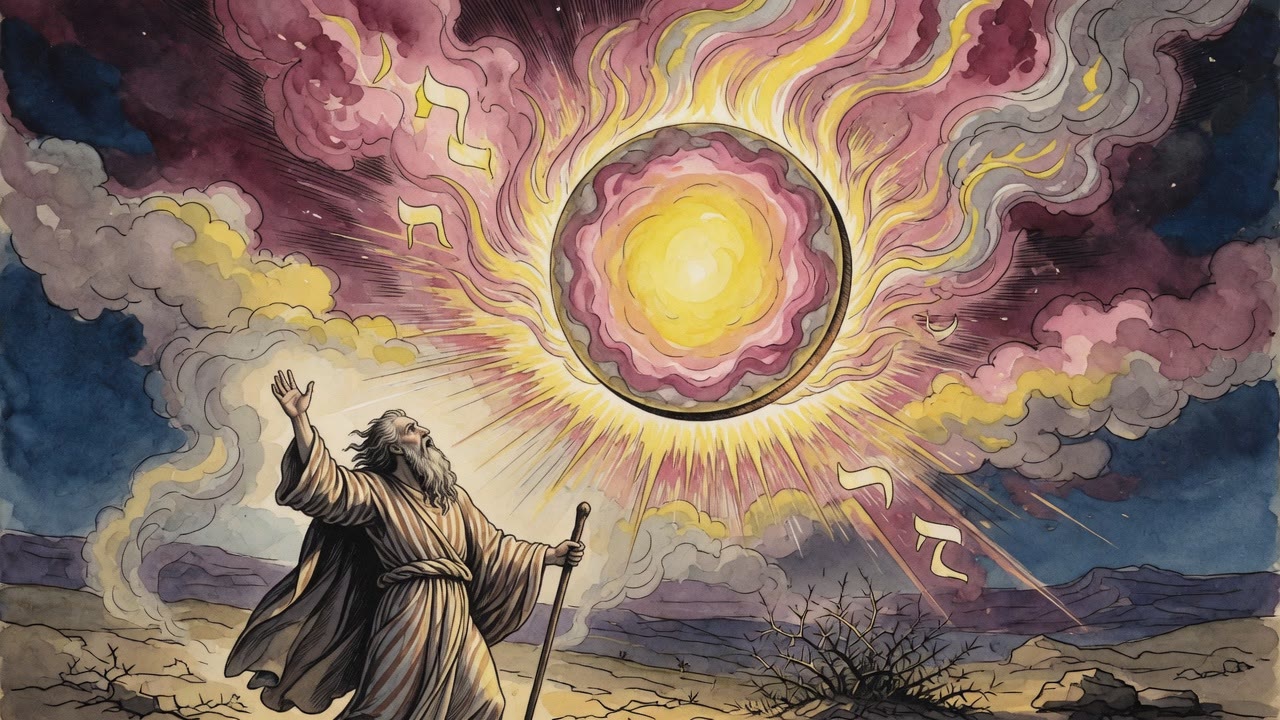
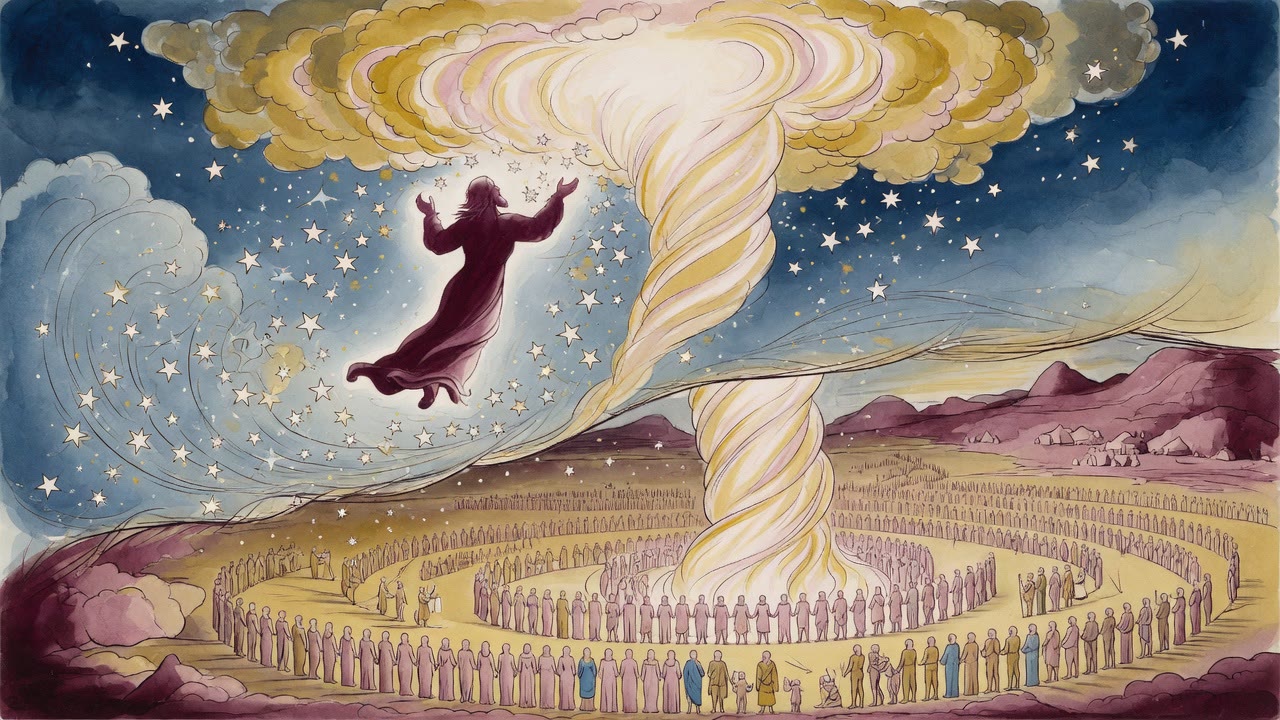
Before any count began in the wilderness, God had already shown Abraham what counting meant. He took him outside at night and said: look at the heavens and count the stars if you are able to count them. So shall your seed be.
The rabbis in Bamidbar Rabbah noticed that God did not merely point to the sky. He lifted Abraham above the stars, above the dome of heaven, above the mechanism of fate that the ancient world associated with the stars' positions. The astrologers said Abraham had no son in his future. The stars said so. God said: step above that system. From where you are now standing, count them. So shall your seed be.
That promise is what the wilderness census fulfilled. When Moses stood in the Tent of Meeting and received the command to count the heads of the entire Israelite community, the rabbis heard it as the completion of Abraham's night on the far side of the stars. The numbers that came back, tribe by tribe, were not administrative data. They were the answer to a promise made four generations earlier in the dark.
Why Males Were Counted From One Month Old
The command was specific: count the males from one month old and upward. Not from birth. Not from adulthood. From one month. The rabbis asked why this threshold.
An infant born alive faces the fragility of the first weeks of life. A child who reaches one month has passed through the most dangerous passage. The counting from one month acknowledged this: each soul counted was a soul that had already survived its first test. The census was not counting potential Israelites. It was counting ones who had come through.
God's love for Israel took this form: I want to know how many of you there are. Not in a census-official way. In the way a person counts their treasured things, not to assess value but because the counting is itself an act of attention. The rabbis compared it to a king who counts his gold coins, lifting each one and holding it. That is what God was doing with Israel in the wilderness.
The Camp Had Borders Because Holiness Has Borders
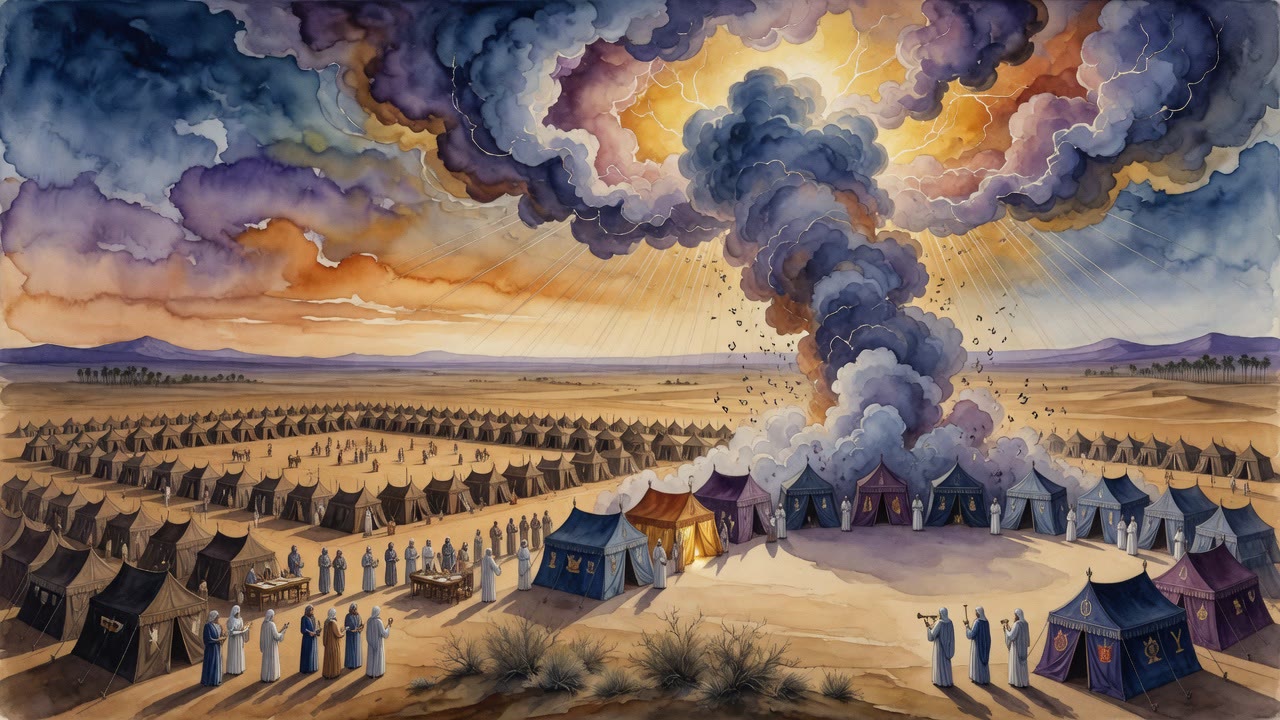
The Tabernacle stood at the center of the camp. Around it was the inner ring of Levites. Around them were the twelve tribes arranged in their positions. And outside, at a distance, were the people who could not be inside: the leper, the one with a discharge, the one who had become impure through contact with the dead.
The rabbis catalogued the sins that cause leprosy with some precision: arrogance, sexual immorality, murder, false oaths, theft, slander, ingratitude, lying, violating a commandment casually, and speaking evil of the righteous. Eleven specific failures, all of which have in common a kind of relationship to the boundaries between self and community, between what I want and what truth requires, between my comfort and another person's welfare.
The impure were not expelled as punishment. They were separated until they could return, because the presence that dwelt in the Tabernacle at the center of the camp was not compatible with those conditions. The borders of the camp were a protection for the camp's inhabitants, not a verdict about their worth. The leper who stood outside could still return. The separation was temporary. The boundary was real.
The Seventy Who Could Carry the Weight
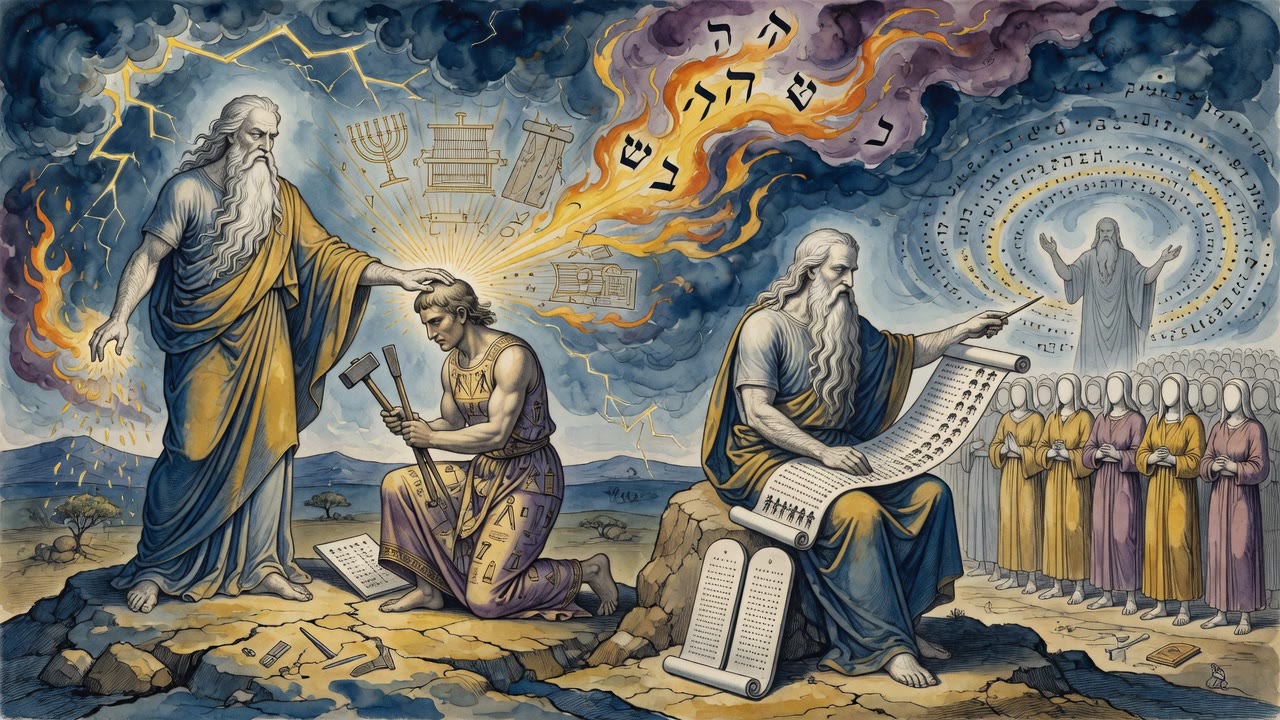
The census counted bodies, but leadership required something different. When the burden of governing Israel became too heavy for Moses to carry alone, God told him: gather to me seventy men from the elders of Israel, men whom you know to be elders and officers of the people. The phrase matters: men you know. Not men nominated. Not men with impressive credentials. Men whose quality Moses already had direct evidence of.
The seventy were not given authority over Moses. They were given a portion of the spirit that rested on Moses, enough to help carry the weight of the people. Two of them, Eldad and Medad, remained in the camp and prophesied there rather than coming to the tent. Joshua saw this and objected to Moses. Moses answered: are you jealous for my sake? Would that all God's people were prophets and that God would put His spirit on them all.
That answer defined what leadership under Moses was supposed to look like. The leader who is threatened by others receiving the spirit has misunderstood what the spirit is for. Moses wanted the burden distributed, not because he was weak but because he understood that leadership is not a possession. It is a responsibility, and a responsibility shared is a responsibility better discharged.
Aaron's Ascent to Hor Mountain
The wilderness census had a shadow over it. A generation that was counted would not all arrive. The promise to Abraham would be fulfilled in the next generation, not in the one that left Egypt. Aaron would not enter the land.
The ascent to Mount Hor was the end of Aaron's road. God told Moses to take Aaron and his son Eleazar up the mountain, to strip Aaron of his vestments and put them on Eleazar, because Aaron was going to be gathered to his people. He would die there.
Aaron went without recorded protest. Moses removed the priestly garments one piece at a time and dressed Eleazar in them. The transition of the high priesthood happened on the mountain, in the open, witnessed by Moses and completed before Aaron died. When the house of Israel saw that Aaron had died, they wept for thirty days. A generation was ending. The count that had begun with Abraham above the stars was moving toward its fulfillment in people who had not yet been born when the first census was taken.
← All myths