Moses Counts Every Tribe but God Stops Him at Levi's Tents
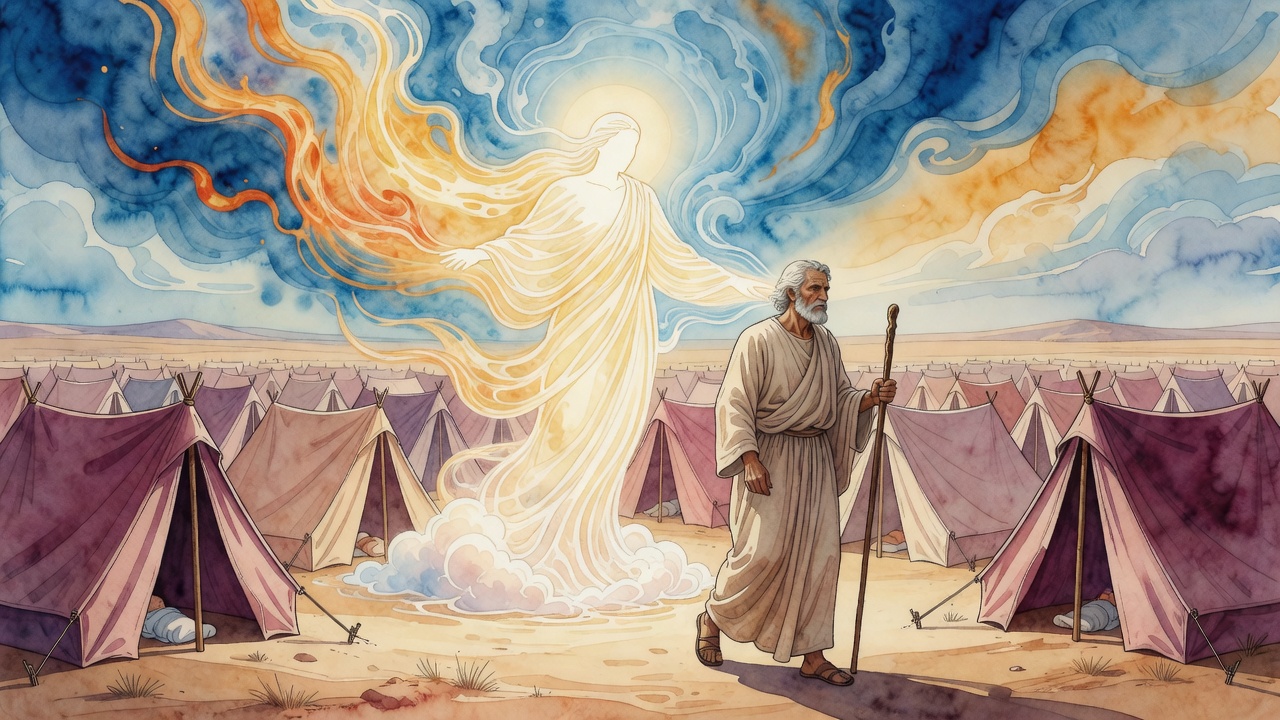
No prince of Levi came forward. Moses stood at his brothers' tents until the voice told him the war list was already a list of graves.
Table of Contents
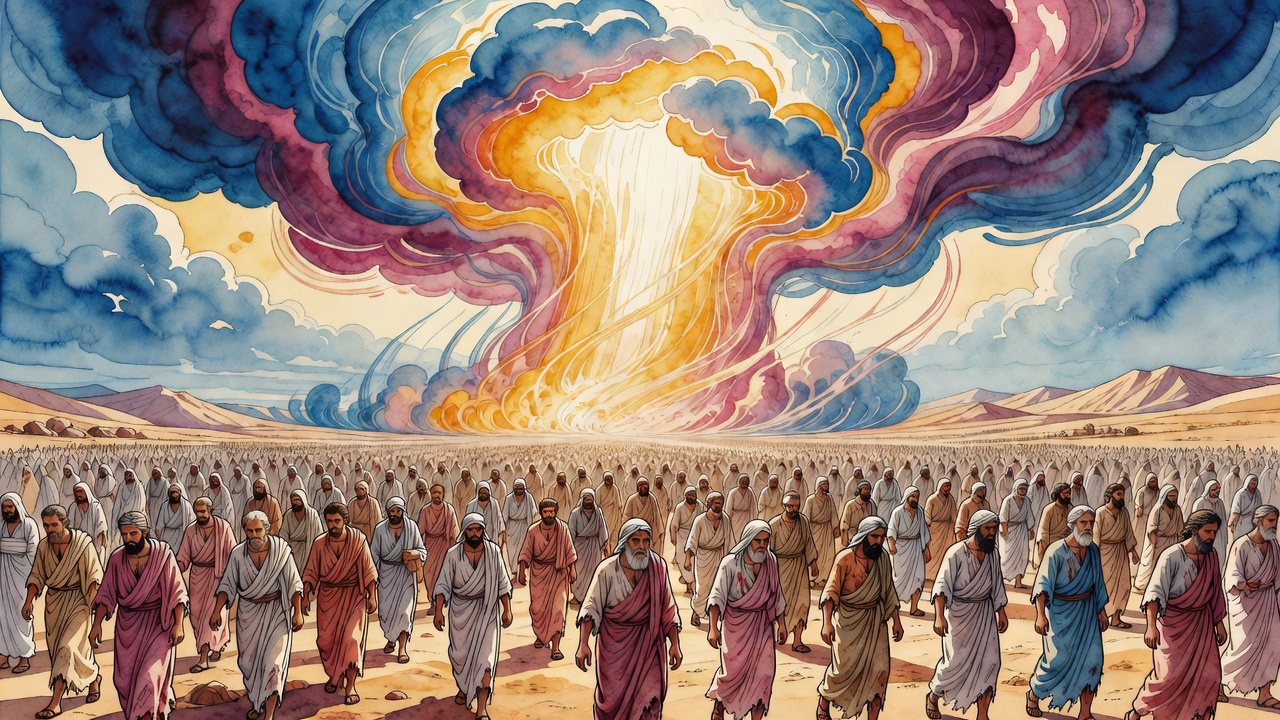
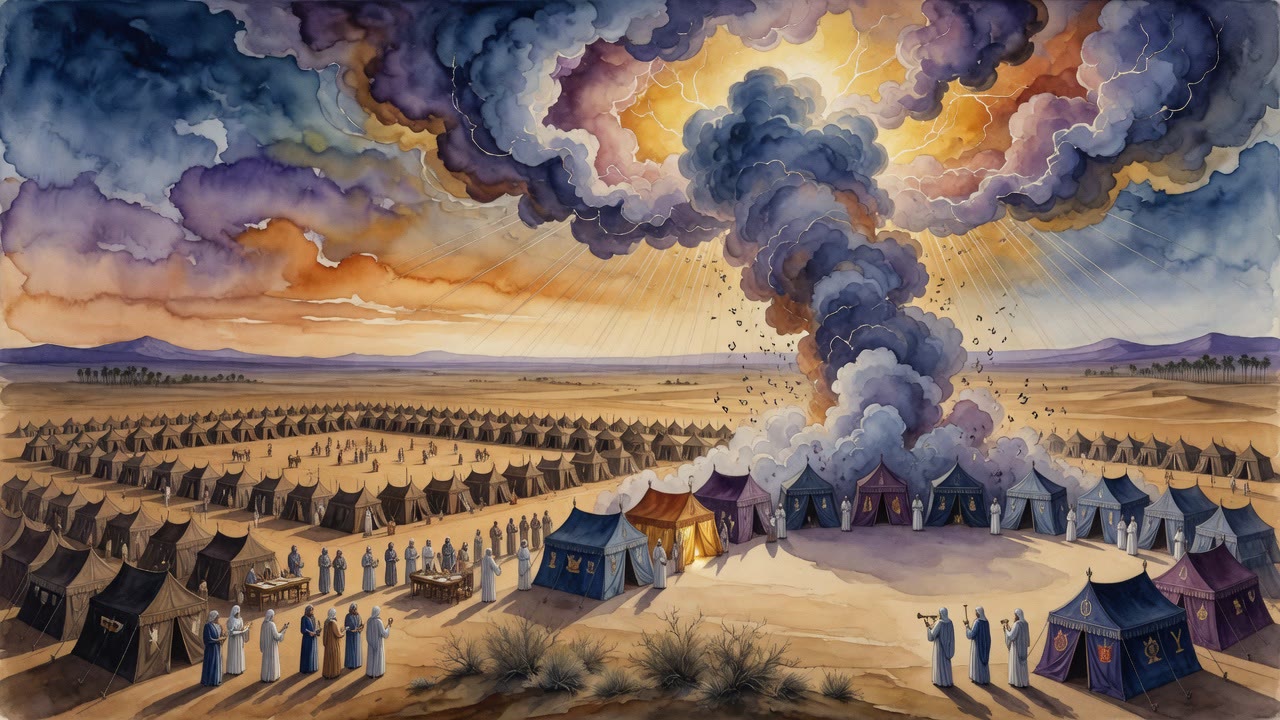
The dust came up in a low haze where the men were lining up, tribe by tribe. Moses moved down the rows with the names already filling his mouth. A prince stepped forward, lifted his chin, said his father's house, and the number grew. Reuben. Simeon. Gad. Judah. Each banner snapped in the desert wind above a block of standing men, every one of them twenty years old or more, every one of them strong enough to carry a spear. The count was a war ledger.
 Click for full size
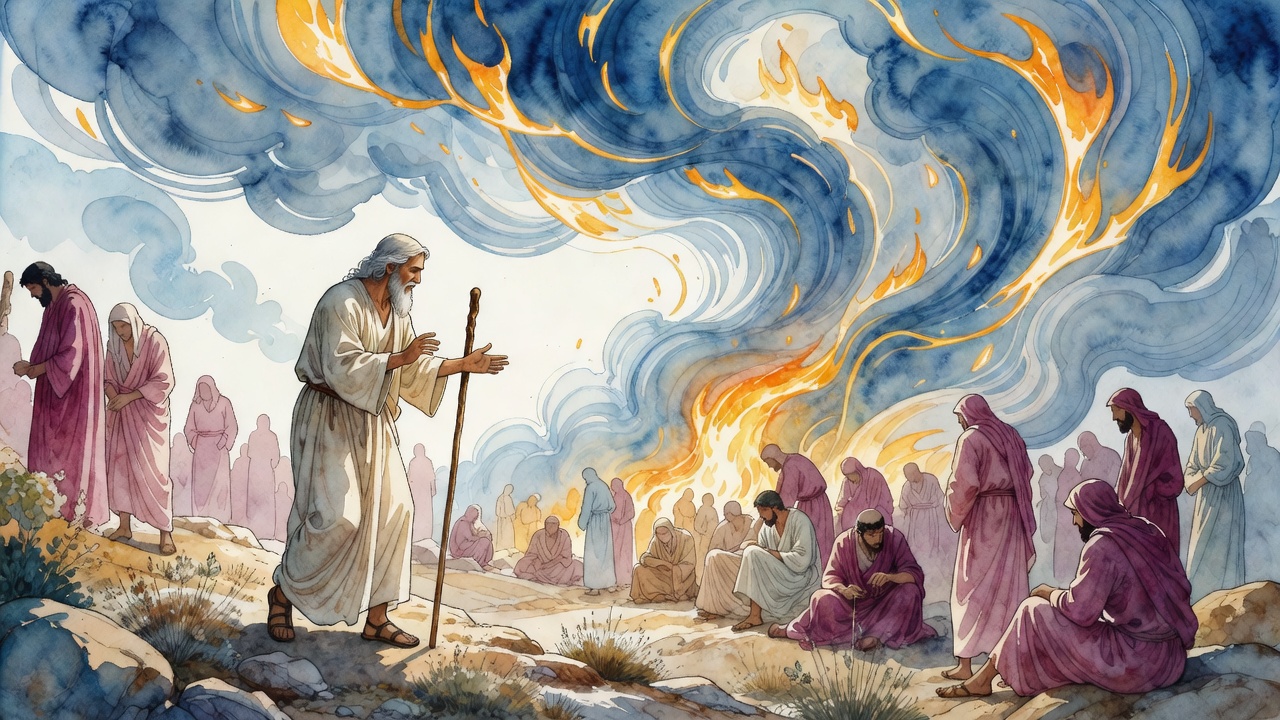
He kept walking. The tents of his own people came into view, the families of Levi pitched close around the poles and curtains of the holy tent. Moses slowed. He waited for the prince of Levi to come out and say his father's house.
No one came.
No Prince Steps Out From Levi
Every other tribe had a man set apart to stand at its head for the counting. God had named them, one to a tribe. Elizur of Reuben. Nachshon of Judah. Names already written. Levi had no such name. Moses stood at the edge of his brothers' tents with the ledger open and nobody to enter into it. He was a Levite himself. He had grown up inside these families. The tents looked fewer than Judah's block, a thin ring around the holy things.
He wavered. If God had wanted them counted, God would have named a prince. That was how Moses read the silence. He did not know whether to write them or leave the page blank.
Then the voice came, the one he knew. "Do not muster the tribe of Levi, nor number them among the children of Israel." (Numbers 1:47)
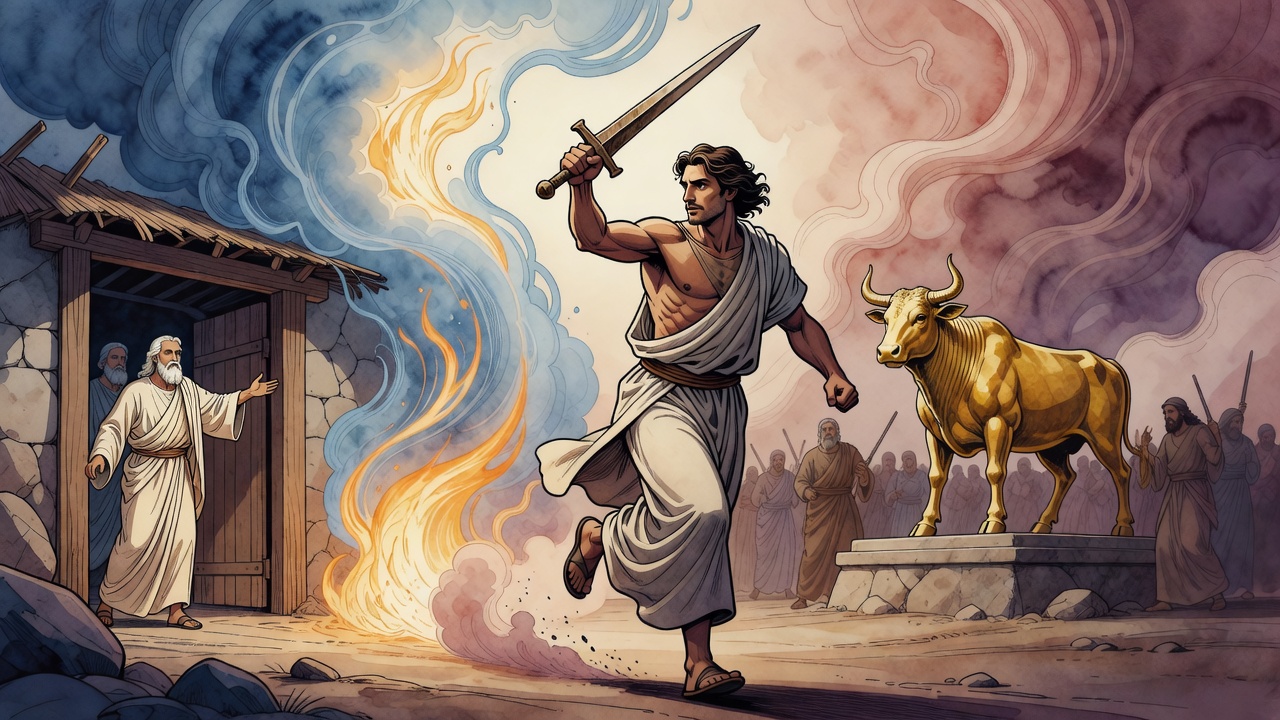
Moses heard the words and his stomach turned. His own tribe, kept off the roll. Not given a banner. Not given a place in the marching order. He thought of the calf, of the night they had passed back and forth through the gates of the camp doing the hard work of loyalty (Exodus 32:27) while everyone else hid. And now they were being struck from the count like men nobody wanted.
God Names the Census a Death Sentence
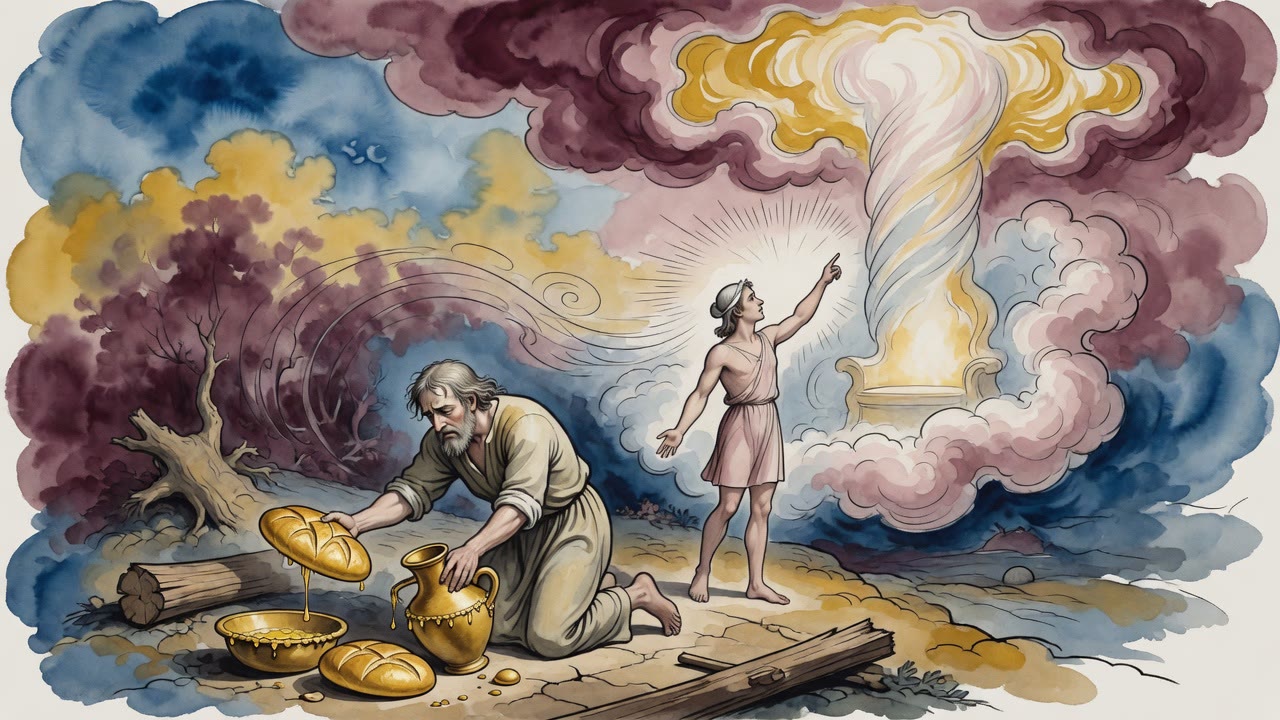
God saw him standing there, wondering, and did not leave him in the fear.
"Take a census of the entire congregation." The Hebrew was se'u et rosh (שְׂאוּ אֶת־רֹאשׁ), lift the head. A king says the same words to an executioner. Take this man's head. If they merited, their heads would rise, as Pharaoh lifted the cupbearer's head and restored him to his place (Genesis 40:13). If they did not merit, the head would come off, as Pharaoh lifted the baker's head from him and hung him on a tree (Genesis 40:19).
The spies had not gone up into the land. They had not come back with terror and lies. The camp had not wept in the dark for a country it would never see. None of it had occurred. The verdict had. Every man of twenty years and upward being entered on this roll was a man the wilderness would take. The Angel of Death would read from this list, name by name, grave by grave. "In this wilderness your carcasses will fall, and all those of you who were counted in any of your censuses." (Numbers 14:29)
Moses was writing down the doomed before they had earned their doom, and until this hour he had not known it.
The Legion That Stands About the King
"Do not number the Levites among the children of Israel. Number them separately."
A king orders an officer to number his legions, then adds: number all of them except the legion that is about me. Levi was that legion. Body-guard of the Holy One. The sanctuary sat in their care. If they were mixed into the sum of Israel, the Angel of Death would find them in the mix, and the decree that the numbered would not enter the land would close on them too.
The exclusion turned over in Moses's hands and showed its other face. Levi was not being refused. Levi was being spared. To be counted in this census was to be marked for the sand. To be left off it was to be left out of the dying.
He looked back at the thin ring of tents. The banner they did not receive was a banner that led into forty years of graves. The marching order they were kept out of was a march toward the pit.
Watchmen Held Back From the Graves
These were the men who had not run when the gold idol went up. Pass from gate to gate, the order had said, and they had passed, loyal when loyalty was deadly. Later the Song would call them the watchmen who patrol the city, the ones who found the beloved in the streets and asked, "Have you seen the one whom my soul loves?" (Song of Songs 3:3). The watchmen were Levi. The one whom the soul loves was Moses.
The guardians of the holy tent were being guarded in turn.
Moses closed the rolls of the other tribes. He opened a separate reckoning, as he had been told, a count with a different verb, pekod, not se'u et rosh, no lifted head and no executioner's phrase. Two lists now lay in his hands. One was a muster of men who would not see the land. The other was the tribe drawn out of that fate before the fate had a name, standing among their tents in the desert wind, unbannered, uncounted in the war ledger, and alive long past the day the rest would be dust.
← All myths