191 myths · Page 1 of 7
Each story names the sources it was written from.
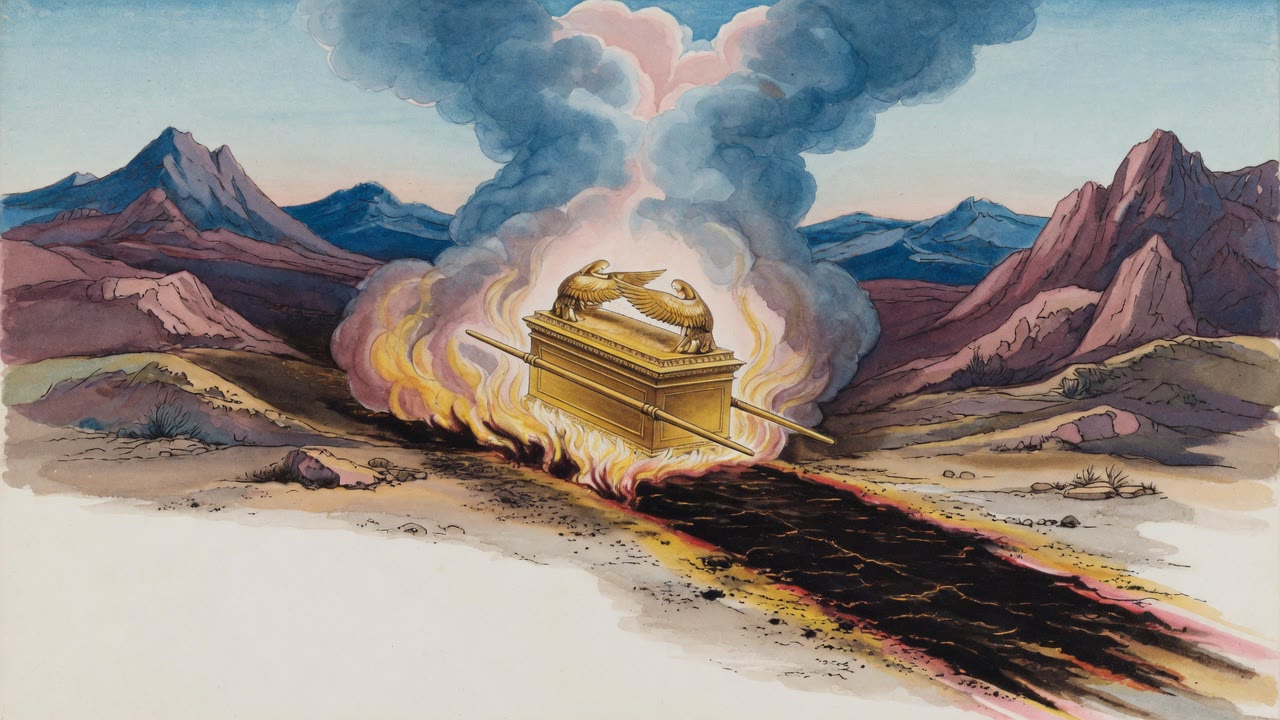
The Ark traveled three days ahead of the camp and burned the snakes out of the road. The gold cherubim on its lid had the faces of boys.
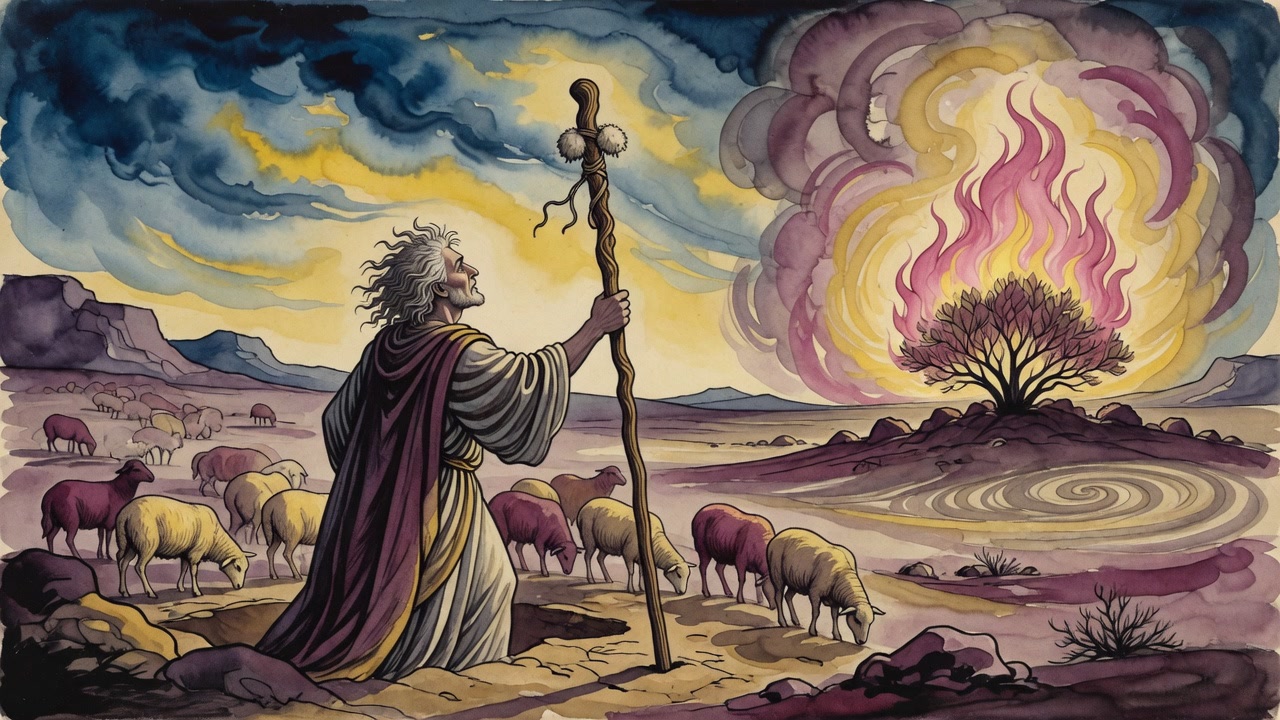
A sacred staff, seven years in a pit, and forty years with sheep turned Moses from fugitive prince into the shepherd who could face the bush.
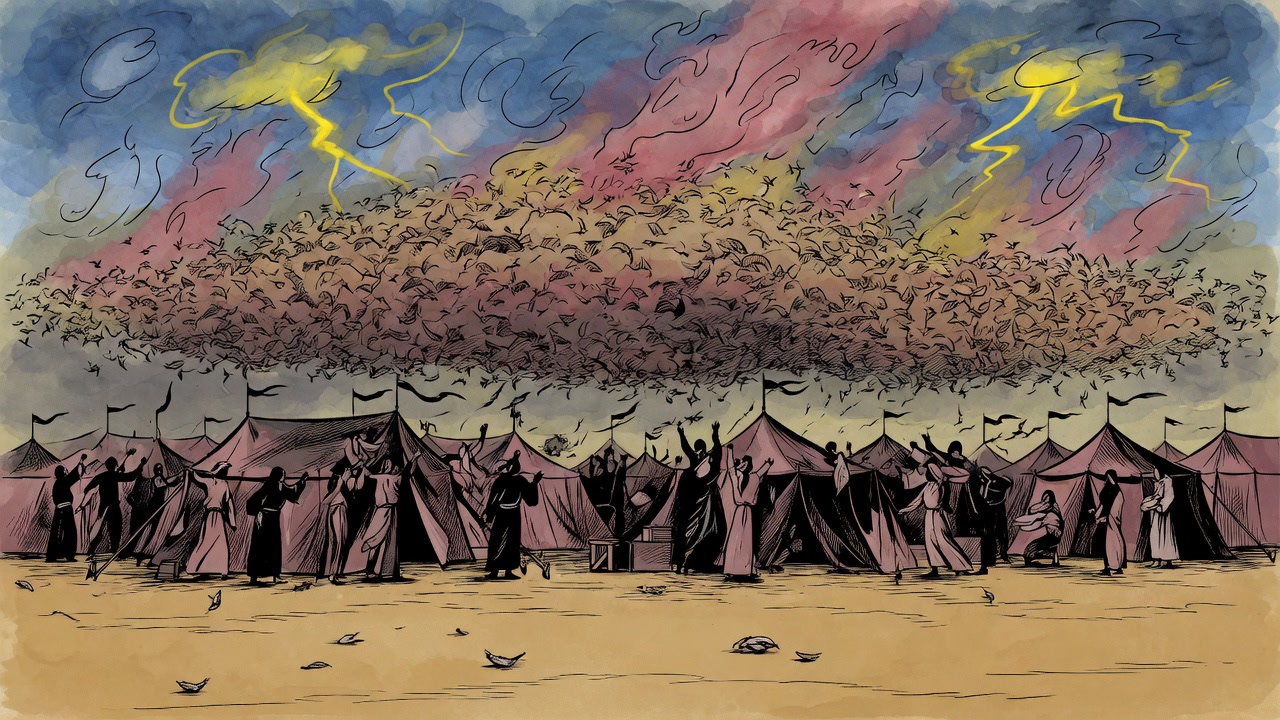
The camp was not starving. Manna still covered the ground. They wanted meat anyway, and the birds came in so low a tired man could grab them.
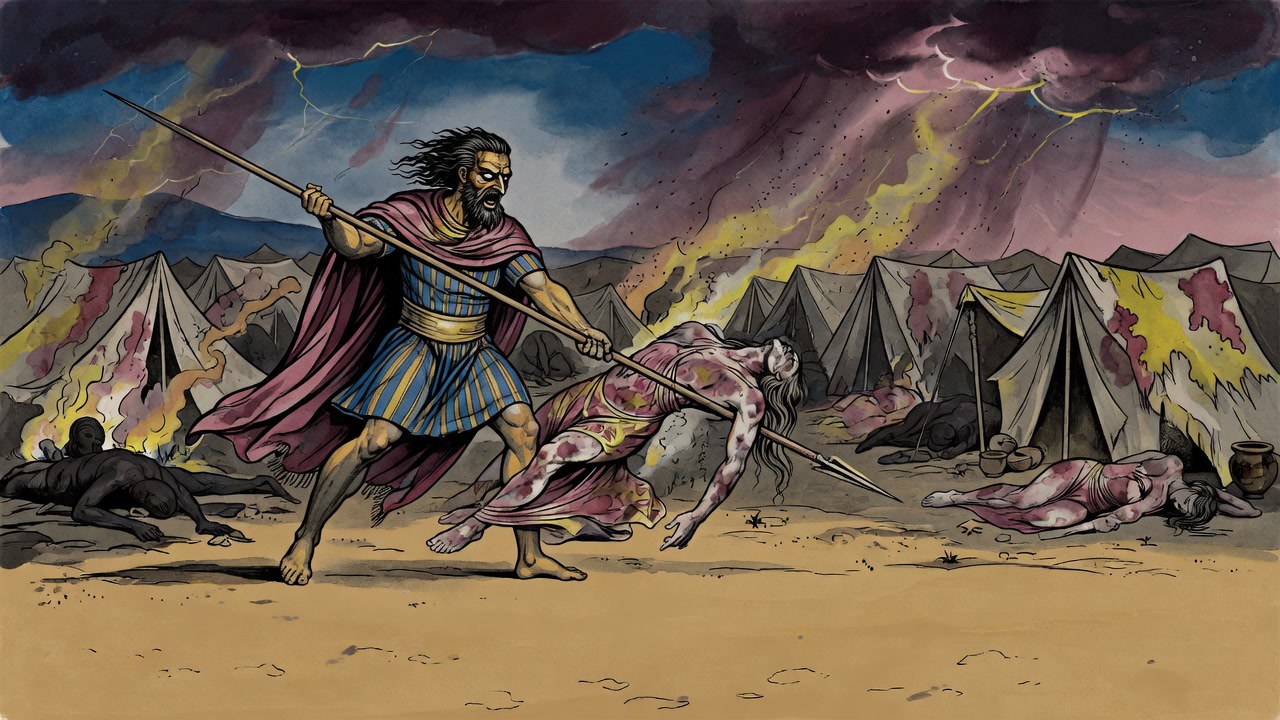
Moses' hands went slack at the tent door. Zimri dragged Kozbi past the elders by the hair, and twenty-four thousand were already dying.
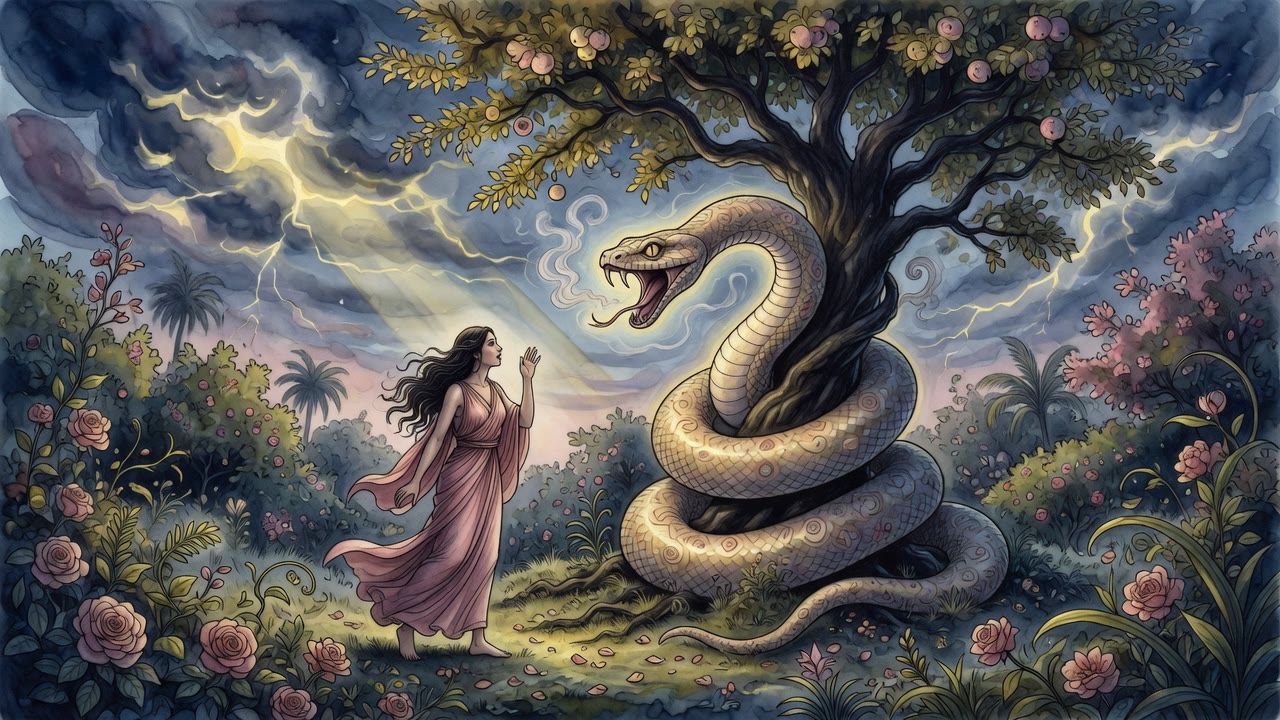
Fiery serpents tore through the camp, so Moses raised a bronze serpent on a pole and told the bitten to lift their eyes and live.
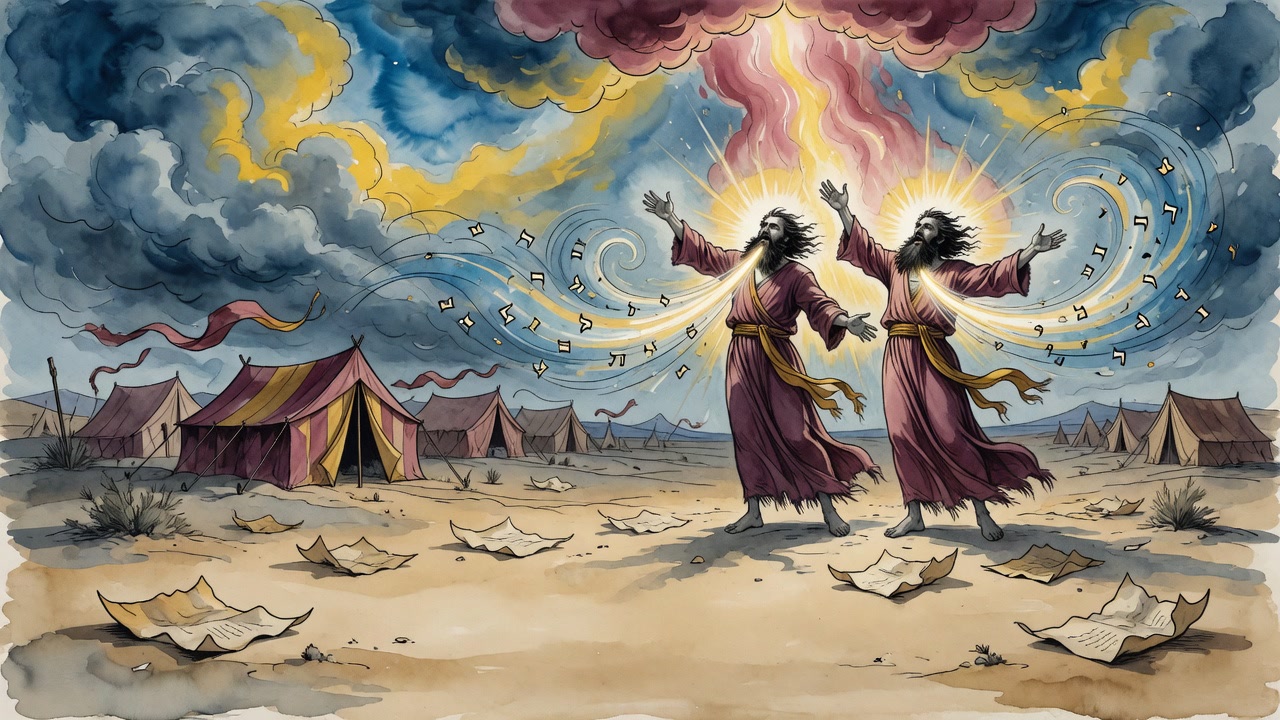
Seventy slips said elder, two were blank, and the lottery never reached Eldad and Medad. So the spirit found the two men where they stood.
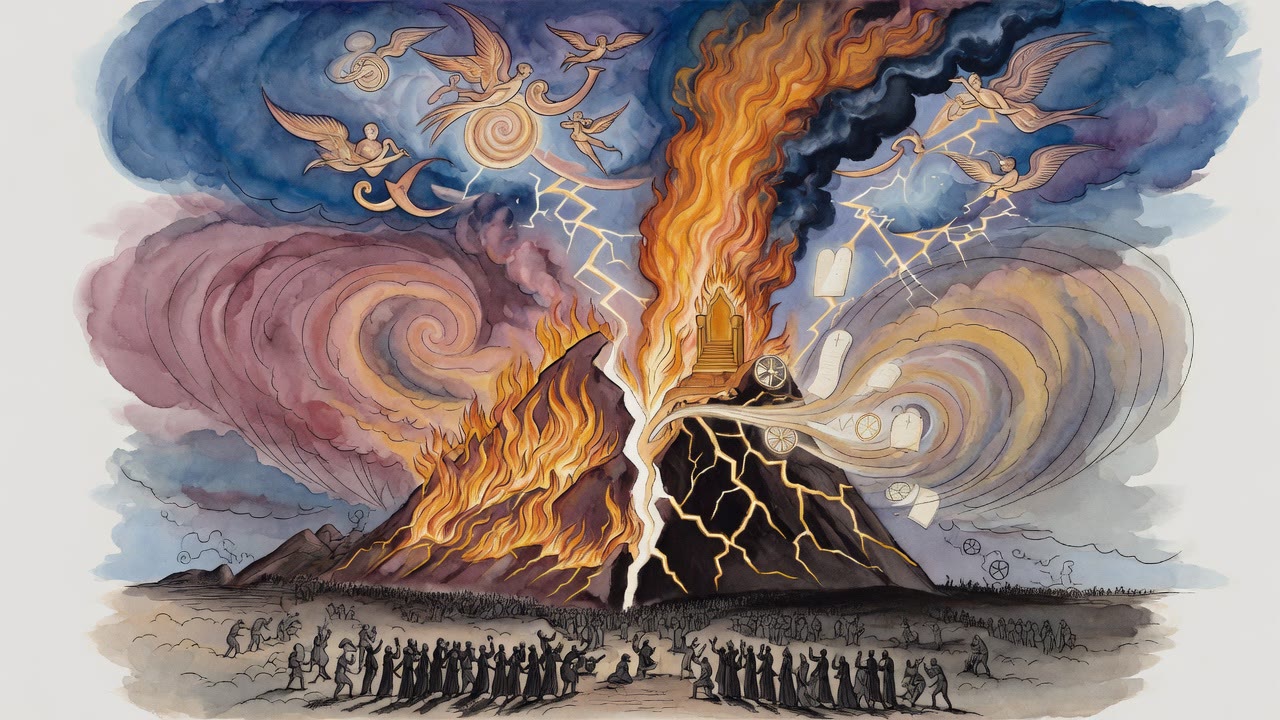
The first word emptied them. Angels pushed the bodies twelve mil back to the mountain. Dew had to fall before they could hear the second.
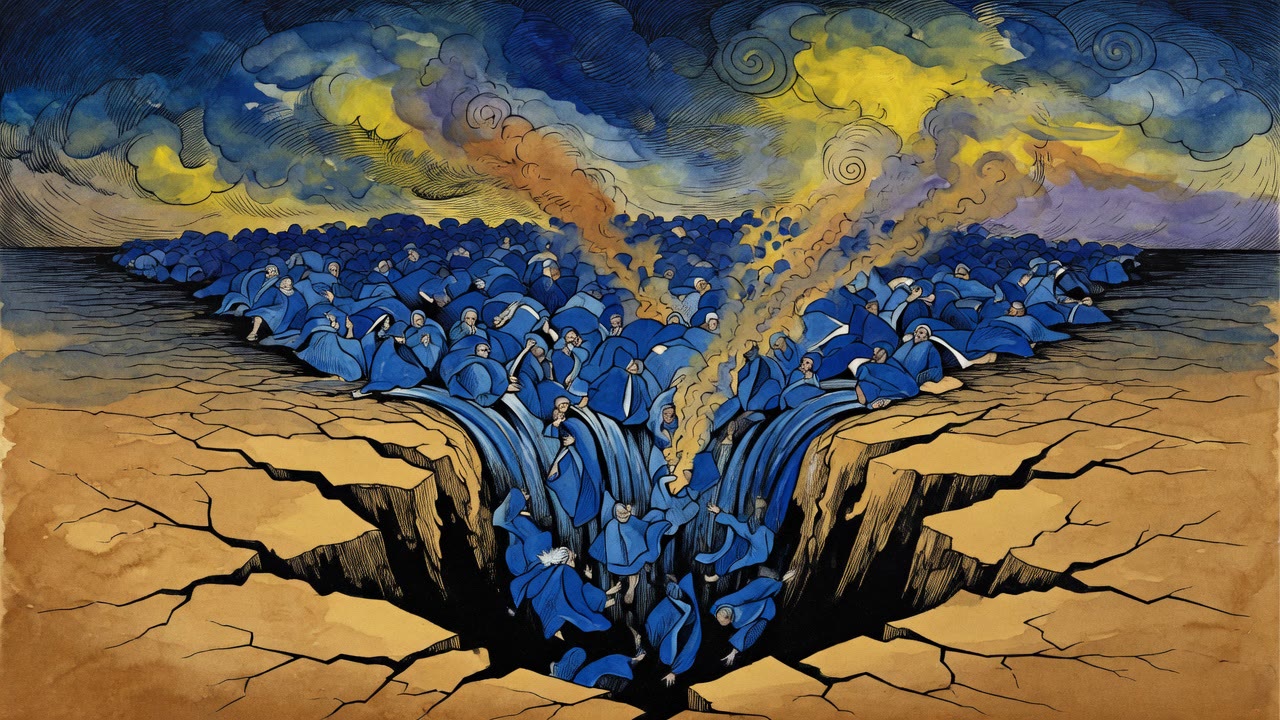
The looms ran for days and the wool came off the color of the sky just before dark. Korah ran the cloth through his fingers. He knew what one thread was worth.
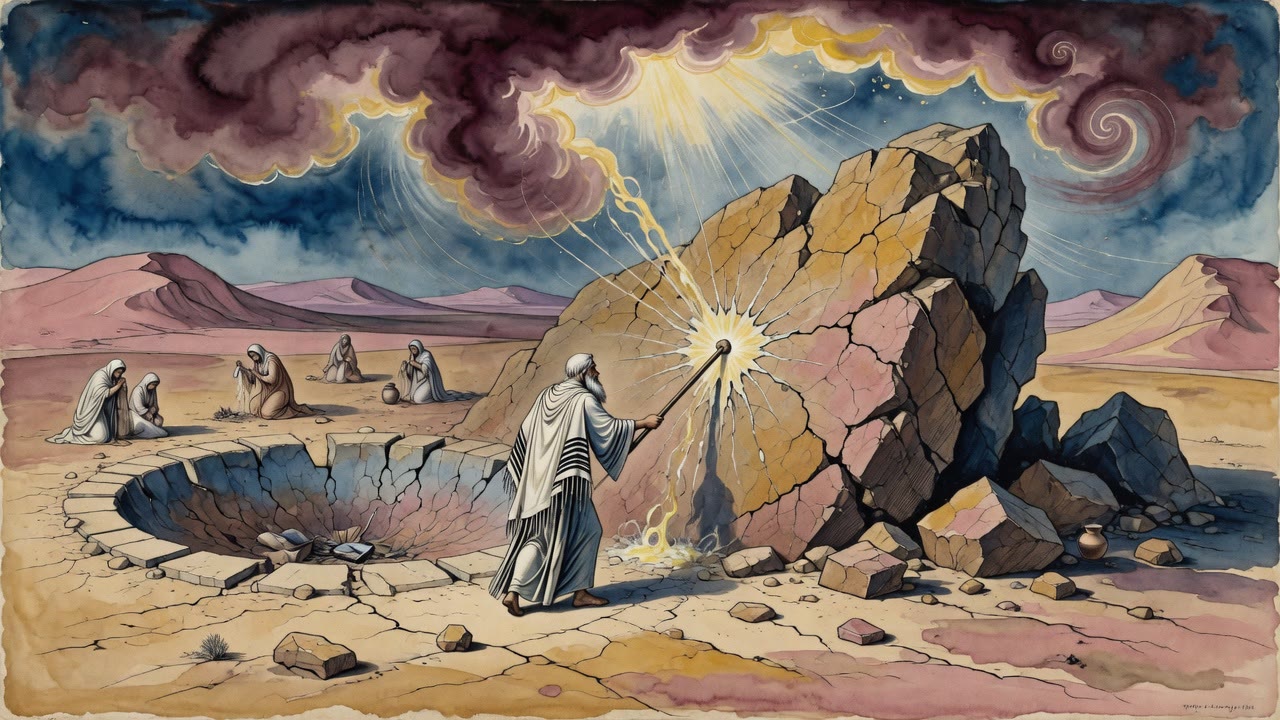
The animals went to drink and found stone. Moses was away from the camp, mourning his sister. He wept six hours before the thirsty crowd came for him.
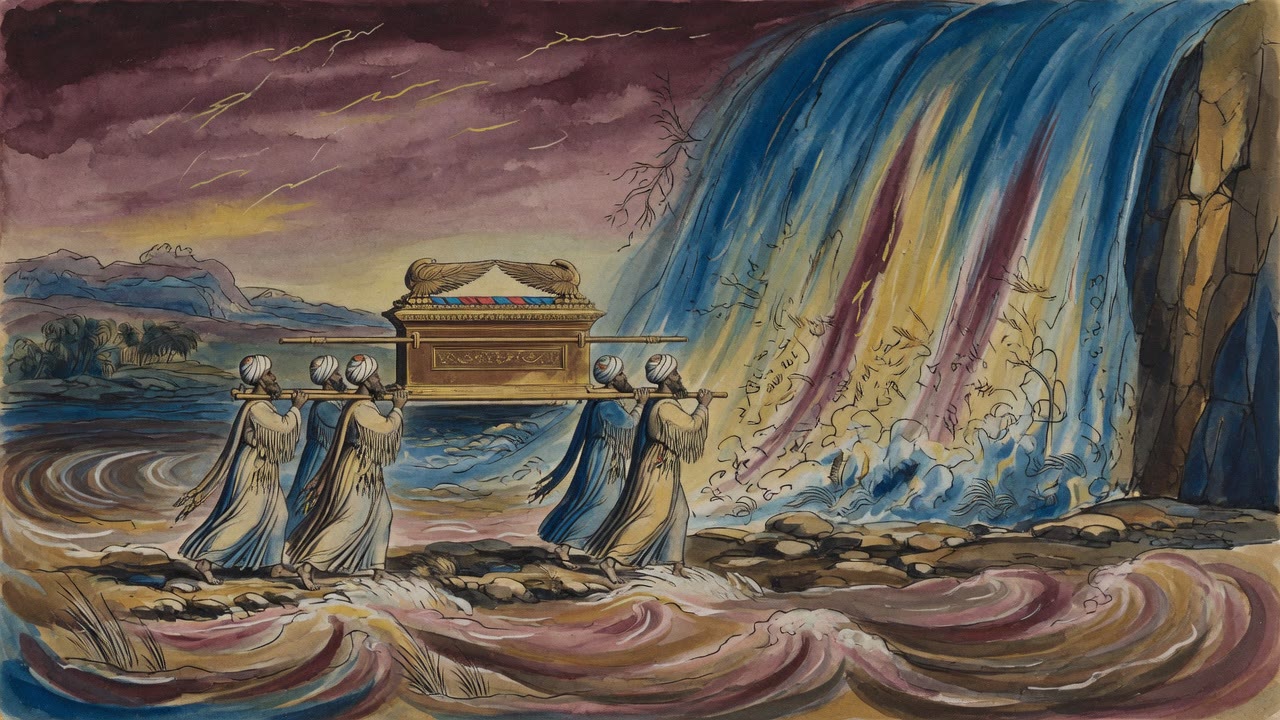
The priests carry the Ark to the flooded Jordan and stop at the edge. The river will not part until their feet touch the water first.
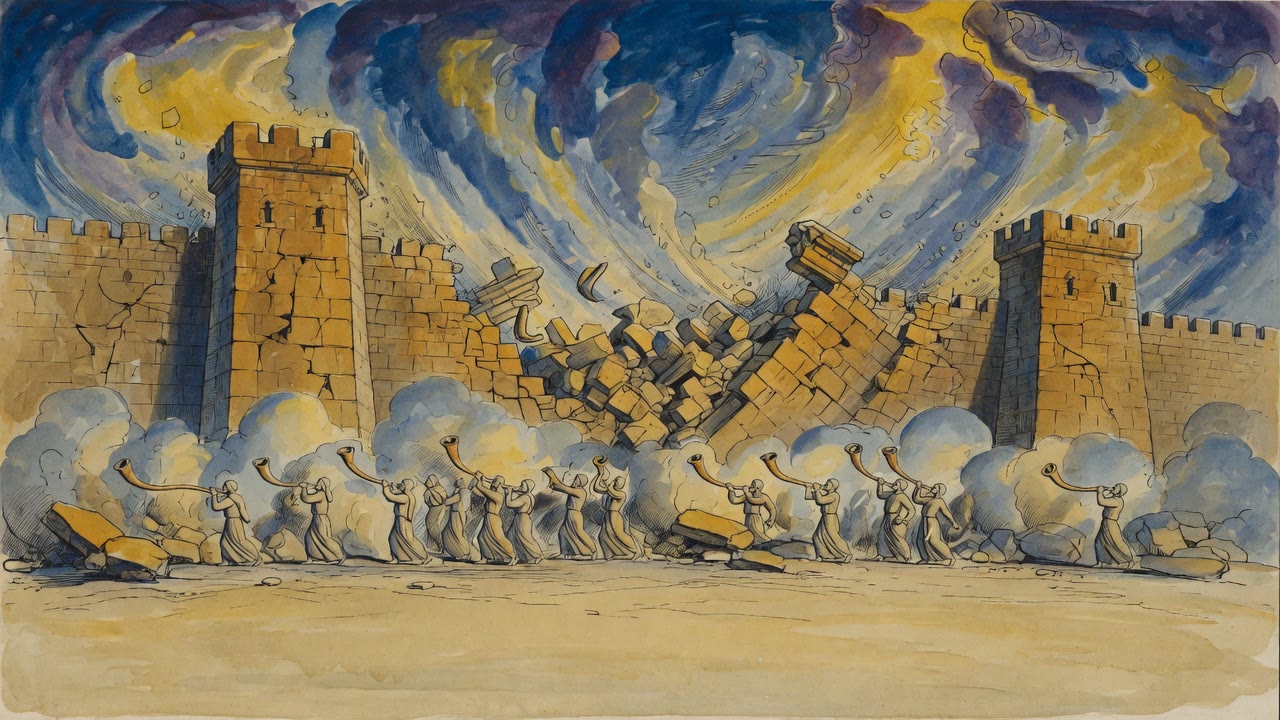
Seven nations shut themselves inside Jericho because whoever held it held the country. Israel walked around it for six days and said nothing.
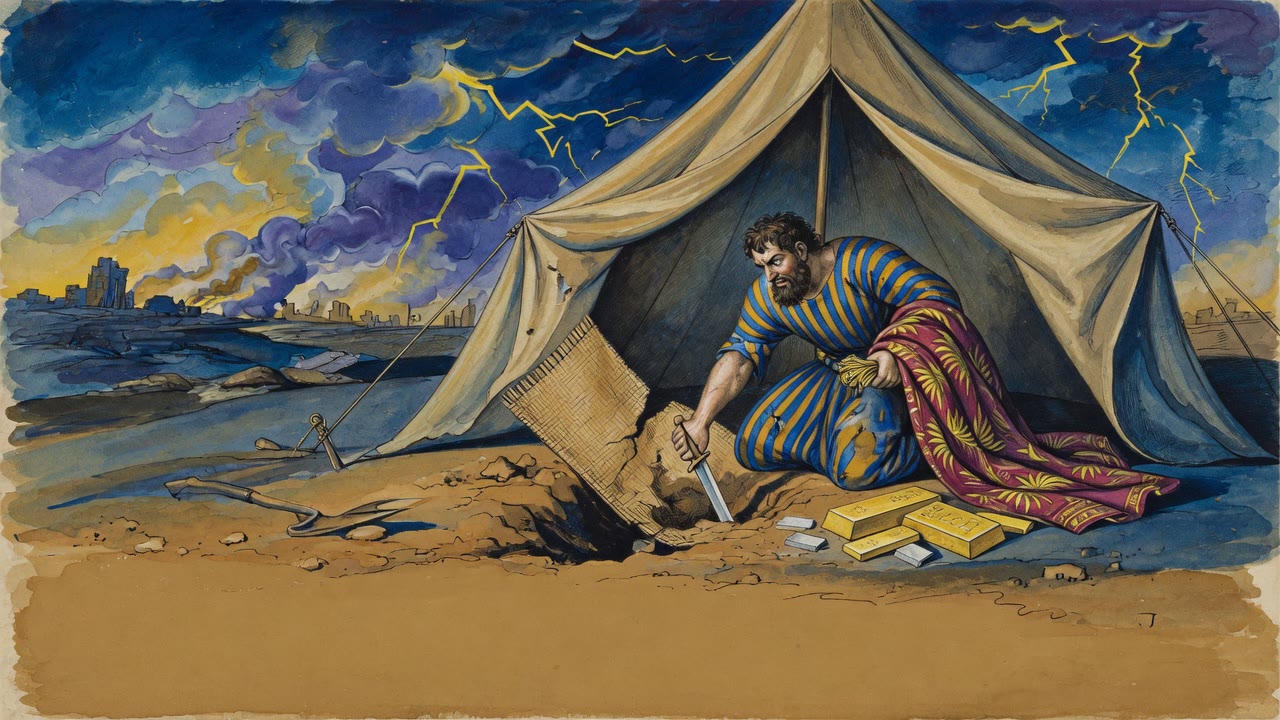
Jericho fell without a siege, so its spoils were sacred. One man decided otherwise, buried them in his tent floor, and thirty-six men died at Ai.
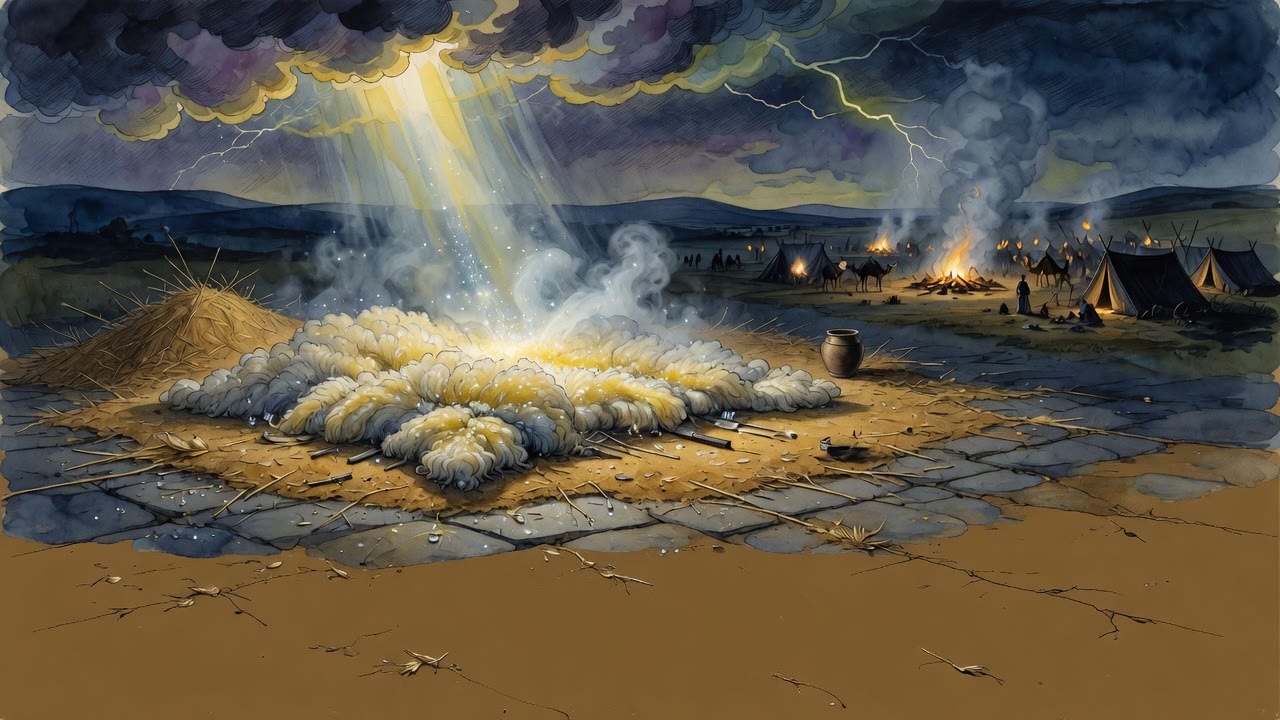
He was threshing wheat in a winepress so Midian would not smell the food. That is where the angel found him and called him a mighty warrior.
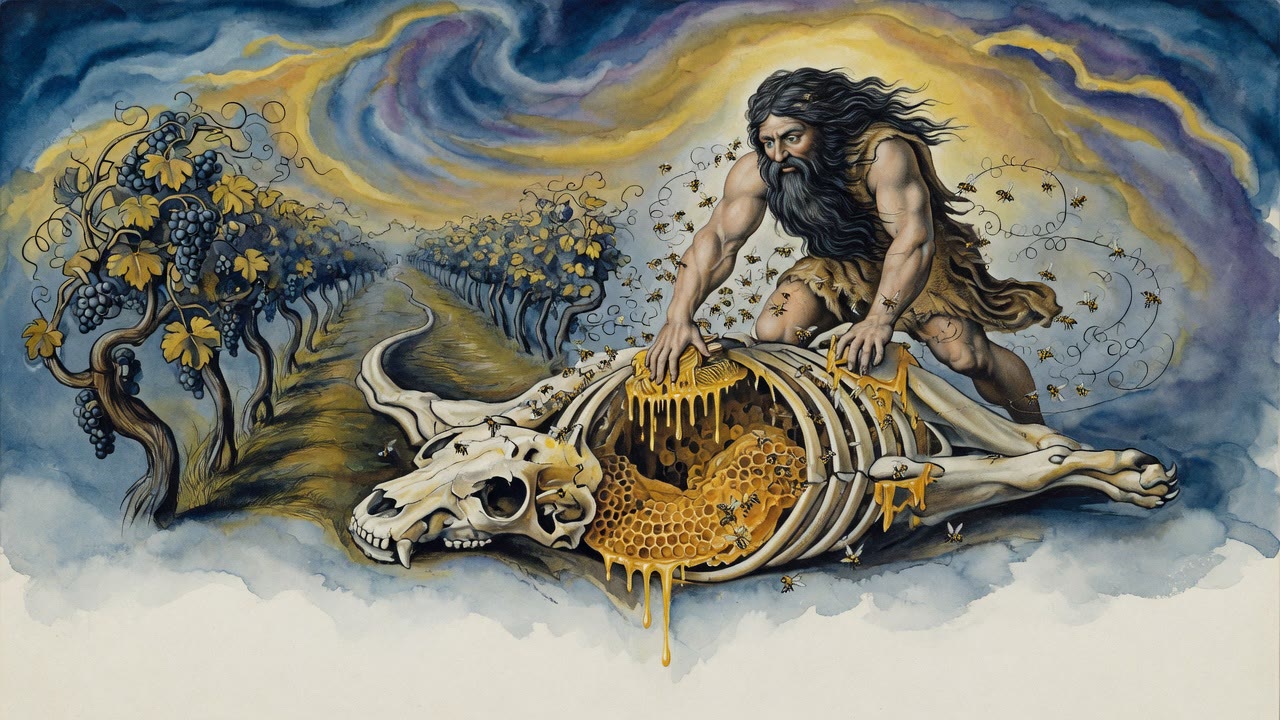
Samson tore the lion apart and told no one. Months later he scooped honey from the ribs and let his parents eat it in ignorance.
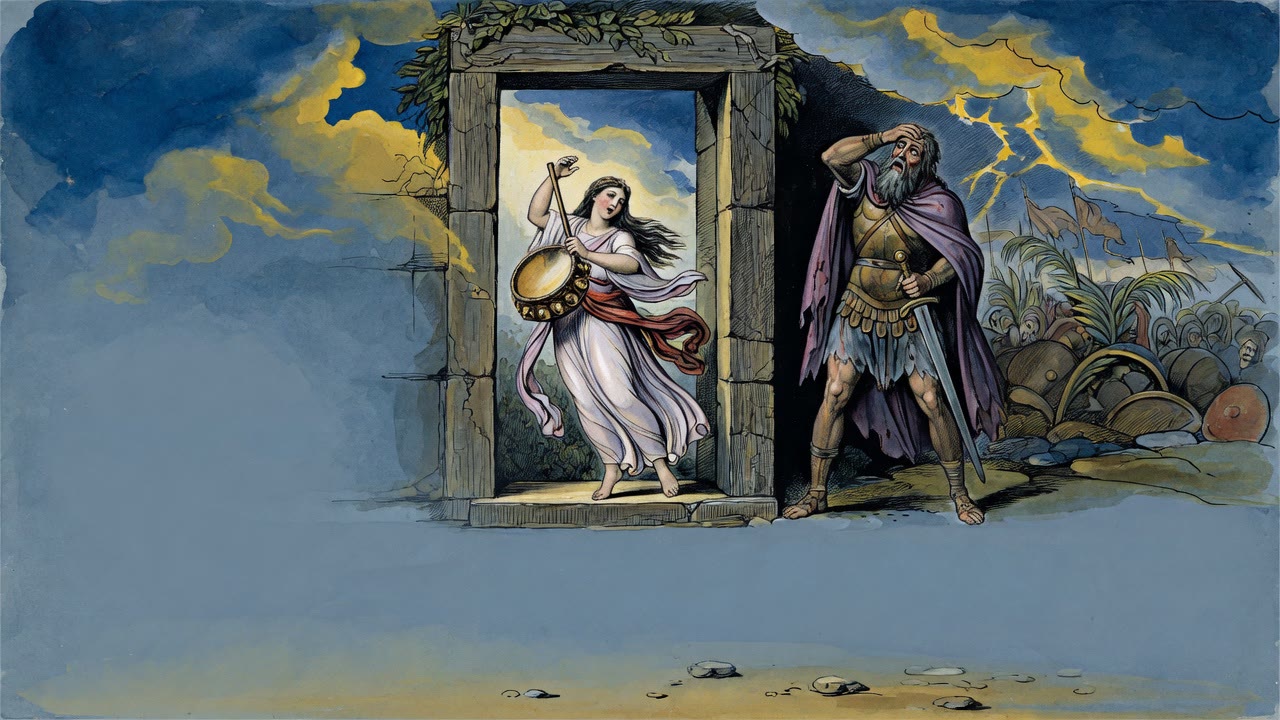
Sheilah put her case to every sage in Israel and not one could answer her. God said afterward that he had shut their mouths himself.
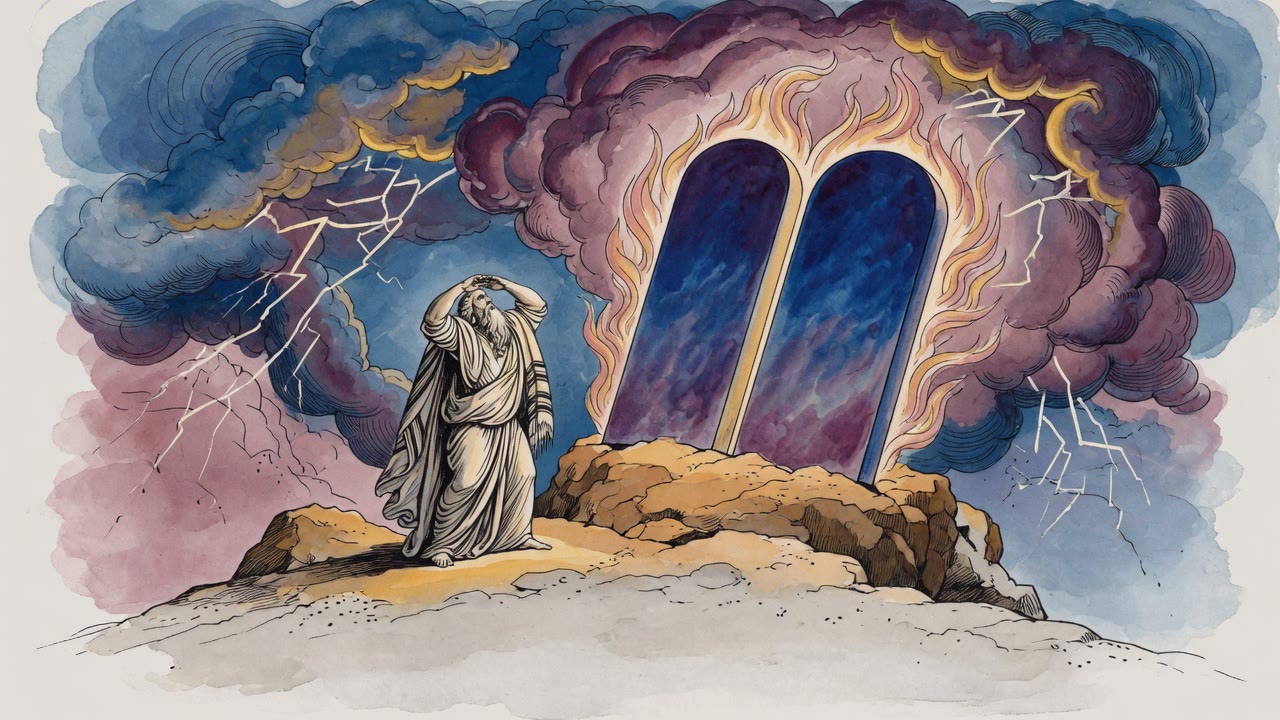
The tablets God gave Moses were sapphire, the letters cut all the way through, the writing readable from both sides without mirror reversal.
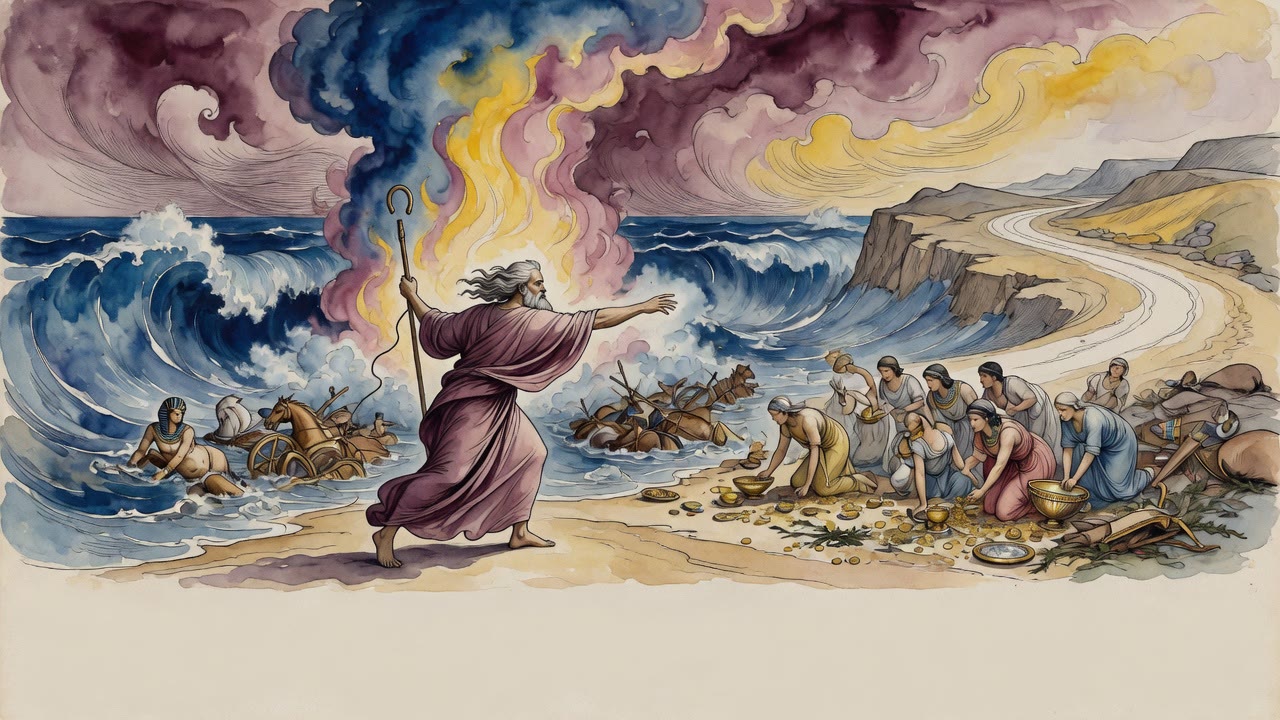
The drowned officers still wore Pharaoh's gold. Israel waded into the surf for it. Moses told them to form up and march. Nobody moved.
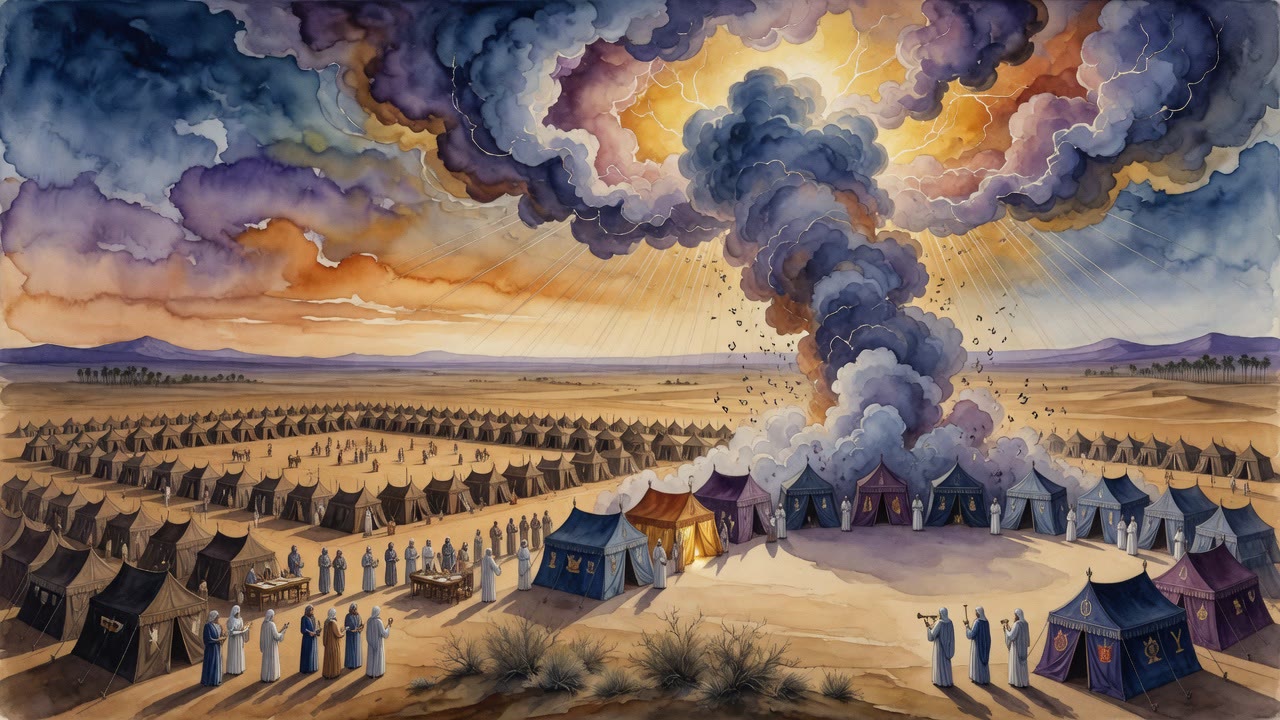
No prince of Levi came forward. Moses stood at his brothers' tents until the voice told him the war list was already a list of graves.
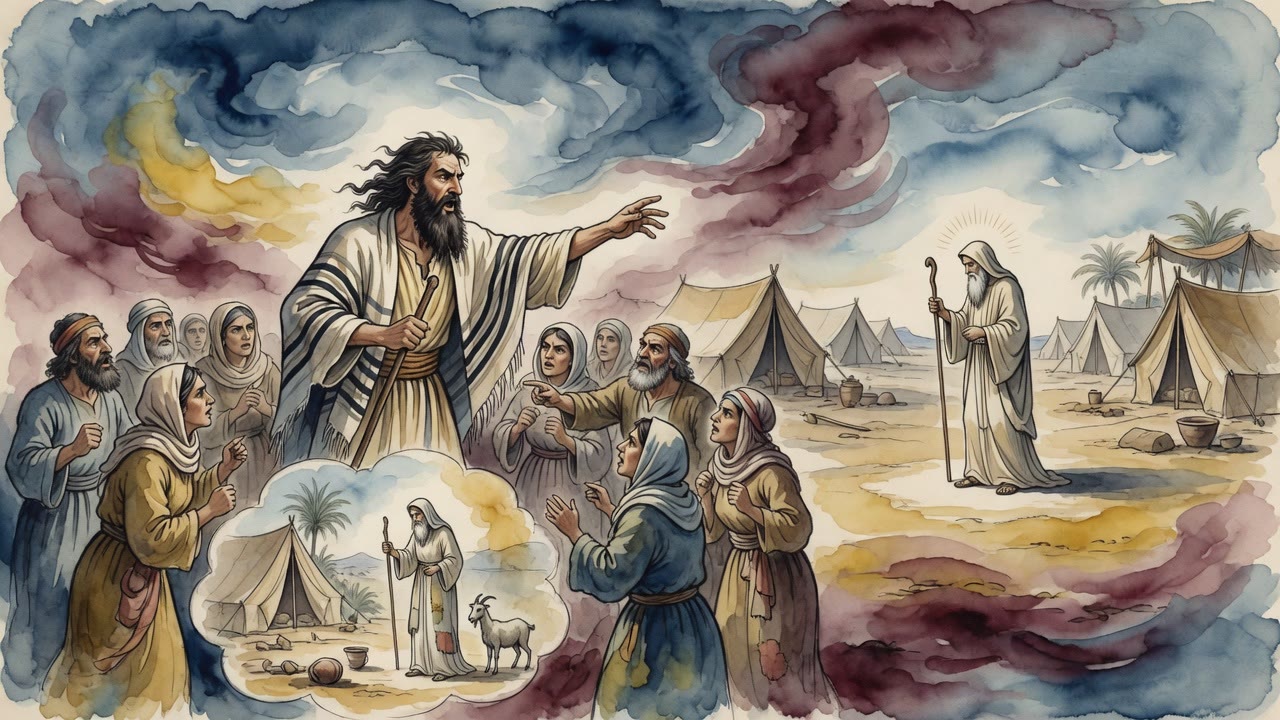
Korah did not start his rebellion with a speech. He started it with a story about a poor widow that made every listener hate Moses on the spot.
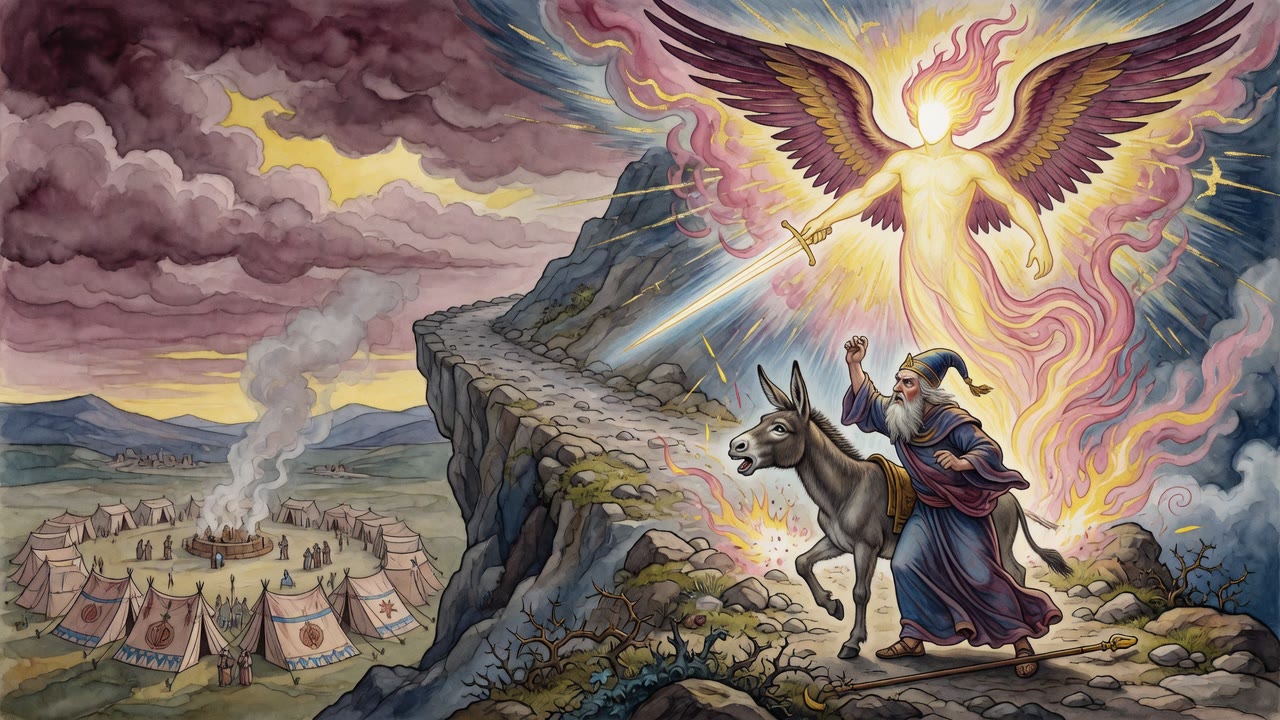
Balaam saddled his donkey before dawn, eager to curse Israel for Balak's money. The donkey saw the angel blocking the road. Balaam saw nothing.
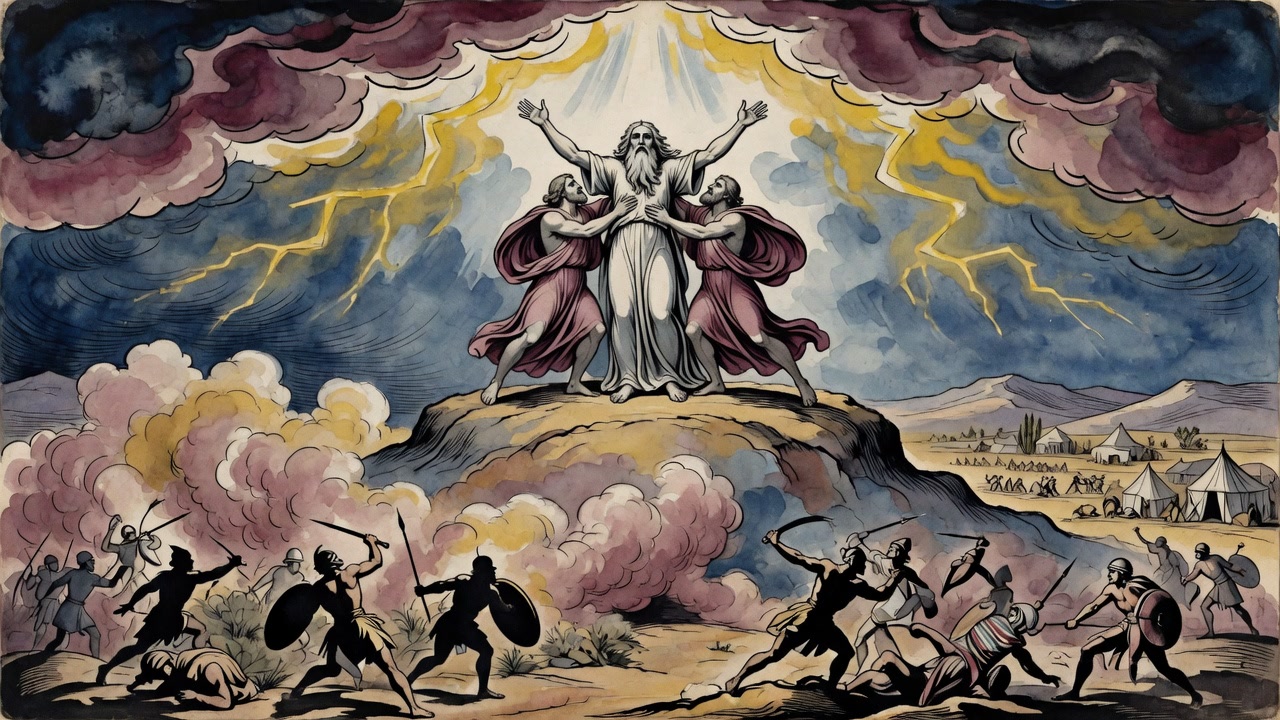
At Rephidim, Moses faced a mob ready to stone him and then an army attacking without cause. The Mekhilta reads both crises as a single lesson about Moses.
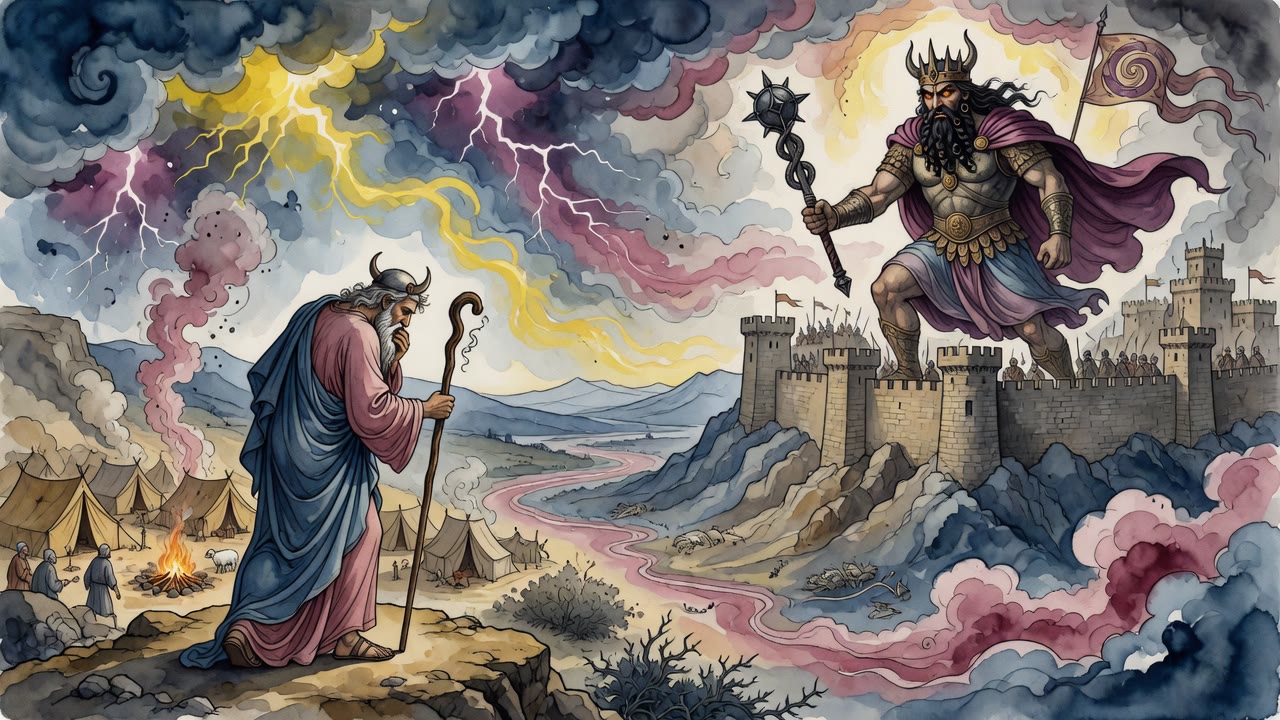
Moses had faced Pharaoh without flinching. But Sihon the giant made him afraid. The rabbis explain what God had to do before the battle could begin.
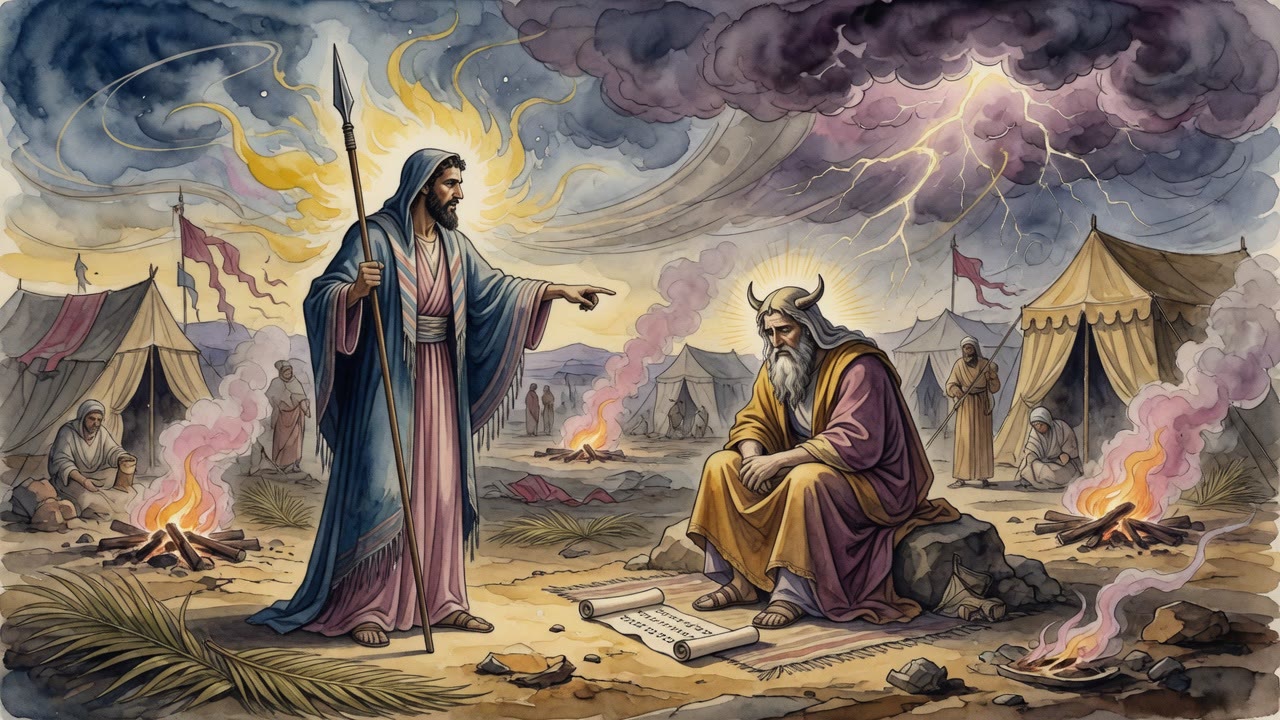
The plague was already moving through the camp. Zimri walked into the assembly with a Midianite princess, and Moses said nothing at all.
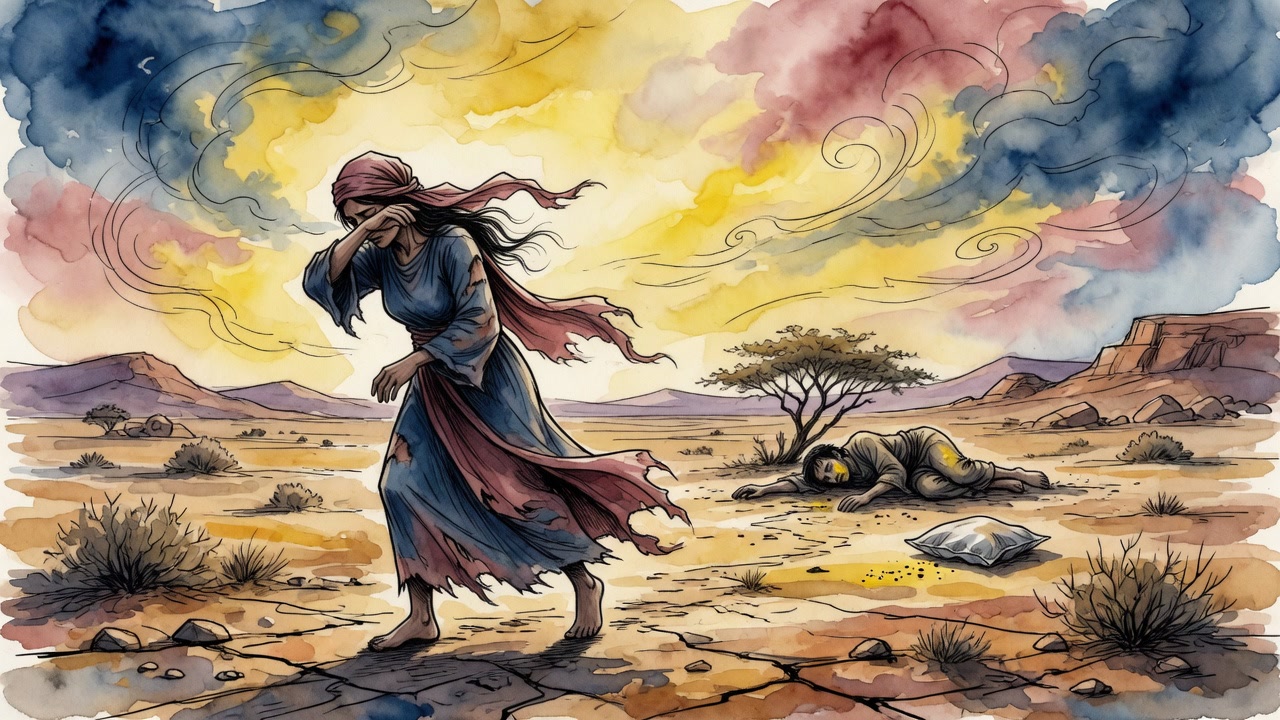
When the water ran out in the wilderness, Hagar put Ishmael under an olive tree and walked a bow-shot away. She could not watch him die.
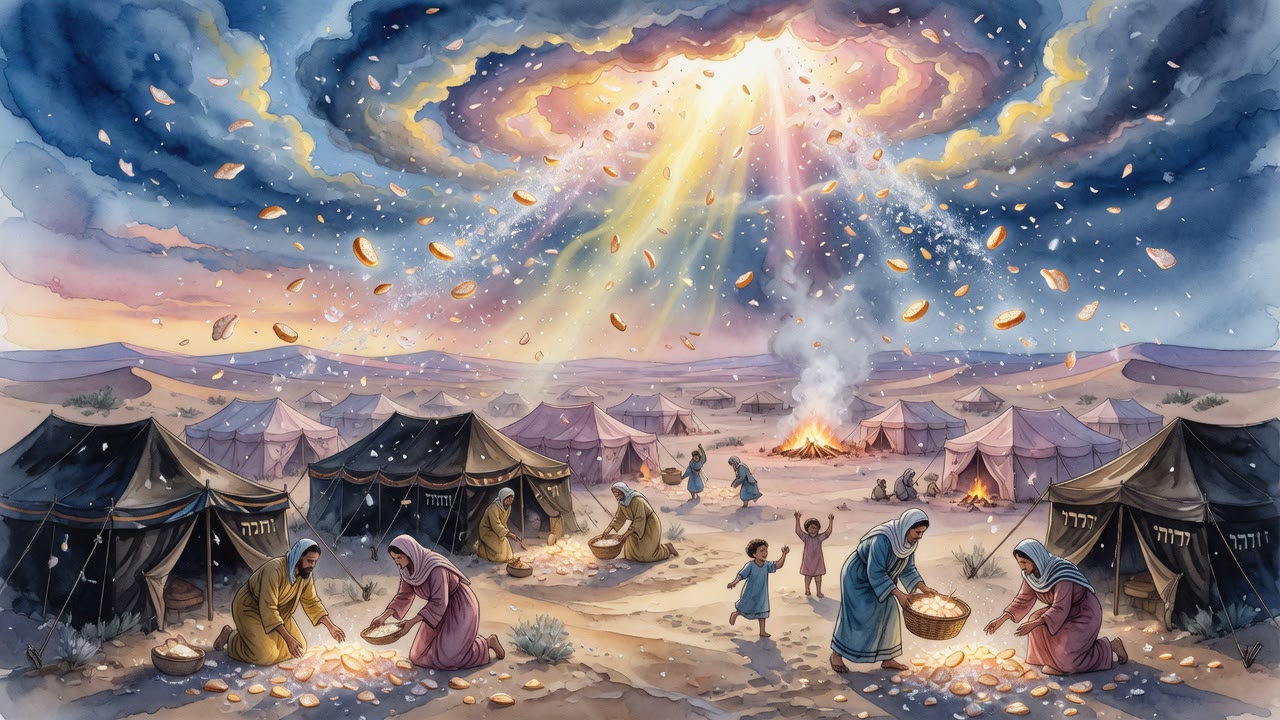
Moses said leave none until morning. One household hid a jar anyway. Dawn found worms first, then rot, which is the wrong order for ordinary bread.
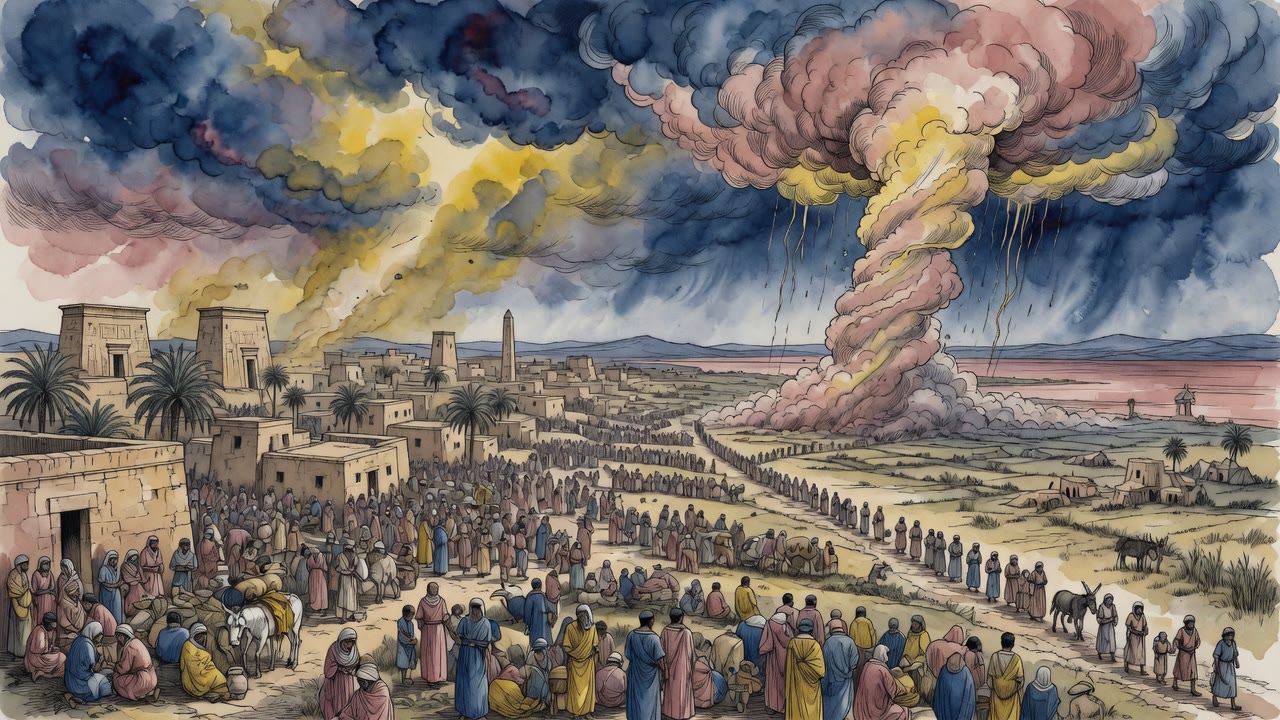
Israel marched out of Egypt armed and in ranks, but one small word counted the missing. Four of every five stayed behind.
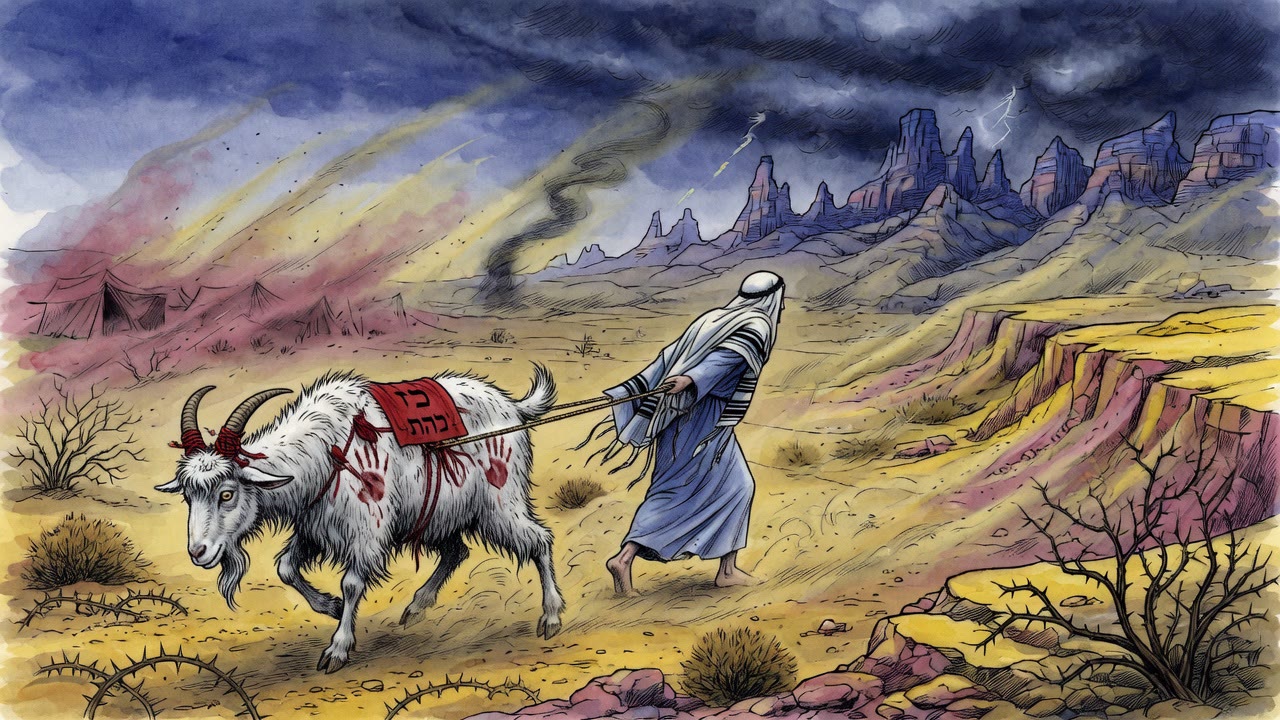
The High Priest drew lots over two identical goats. One went to God and one went to Azazel. The second goat went to the edge of the world and was destroyed.
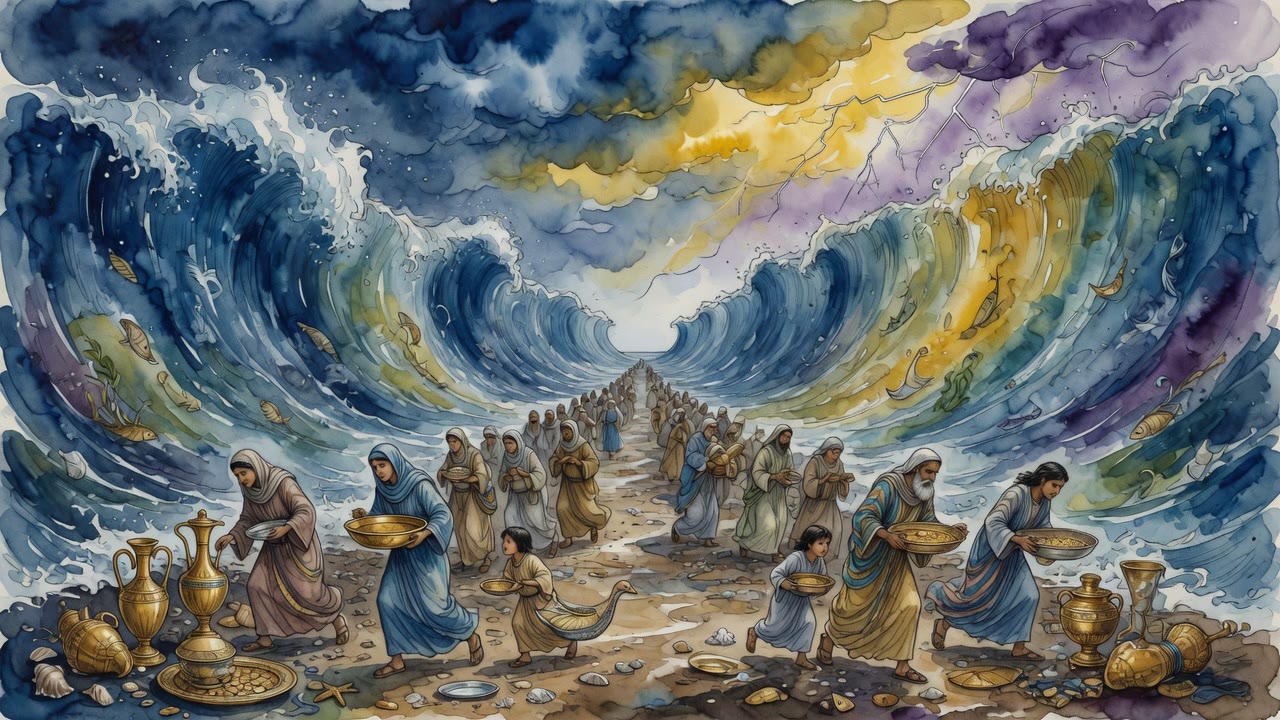
Israel filled their vessels with sweet water from the parted walls of the sea. Three days into the wilderness, every last skin ran dry.
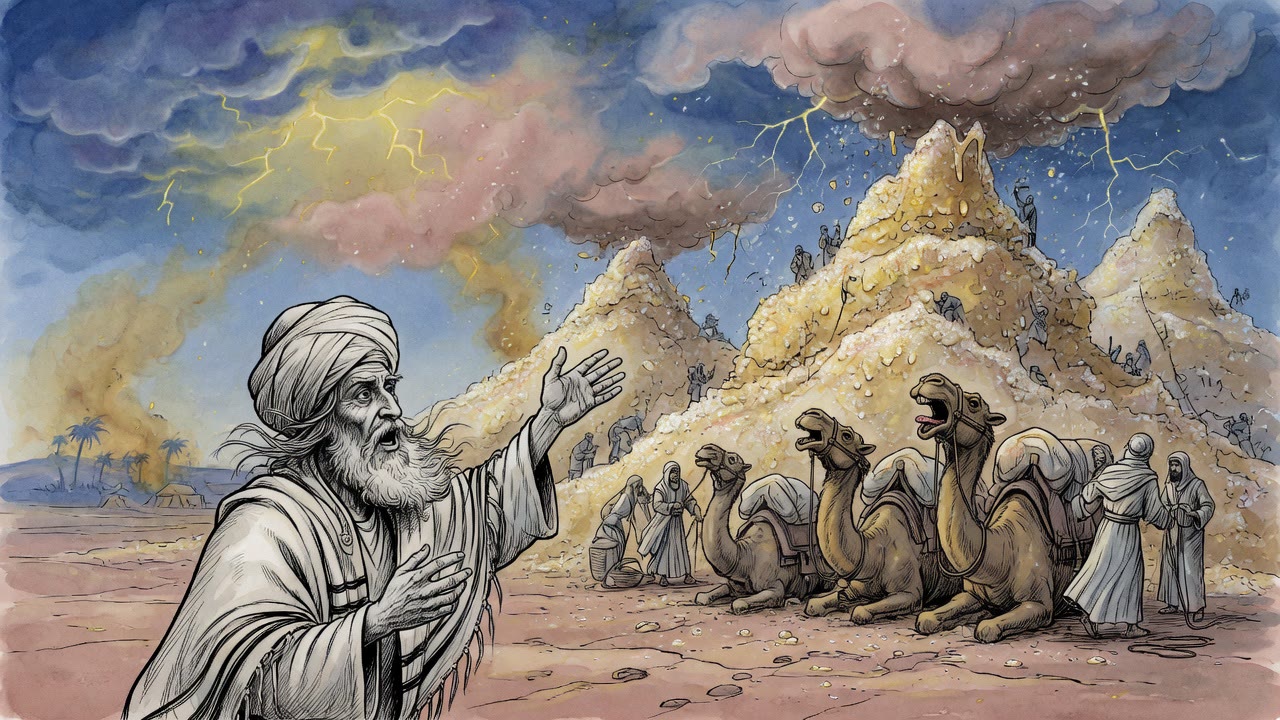
Tarfon groaned loud enough for the row to hear. Elazar of Modiim did not smile. He asked which of God's two measures was larger. Then he counted doors.
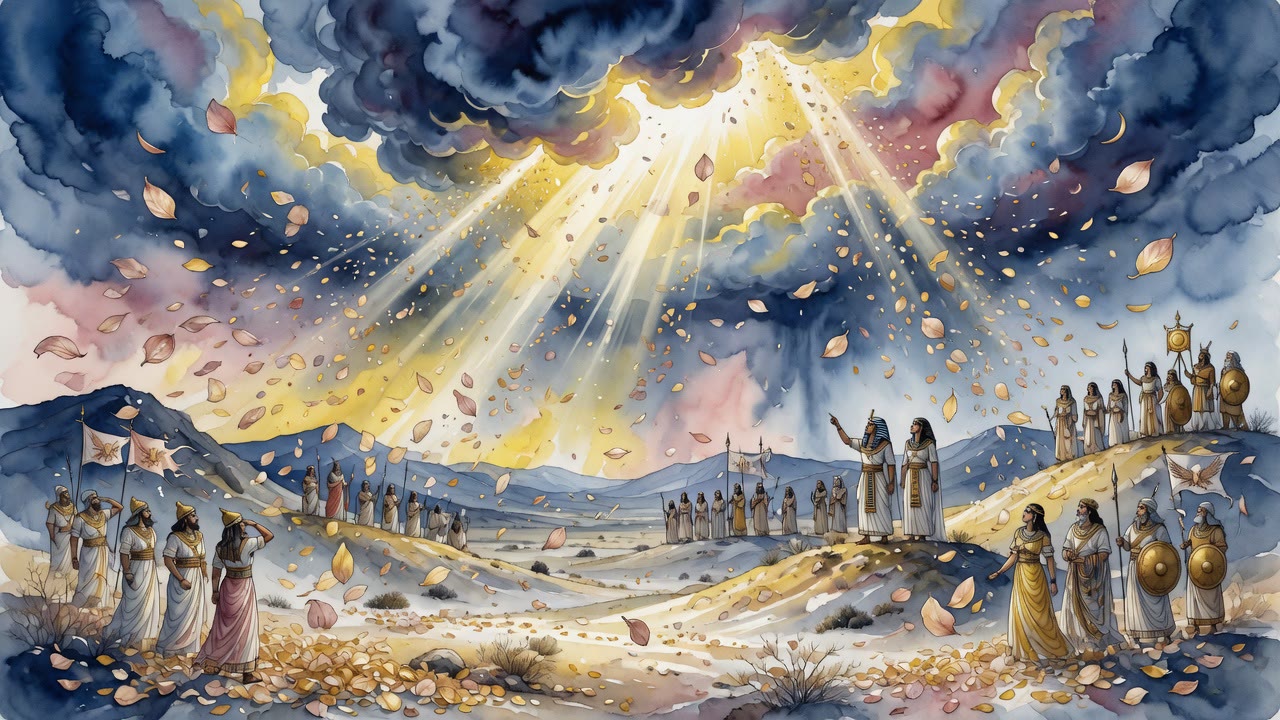
Scouts on the ridges waited for the camp to starve. Dawn lifted the dew, and they counted baskets no desert nation had come to see.
