185 myths · Page 1 of 7
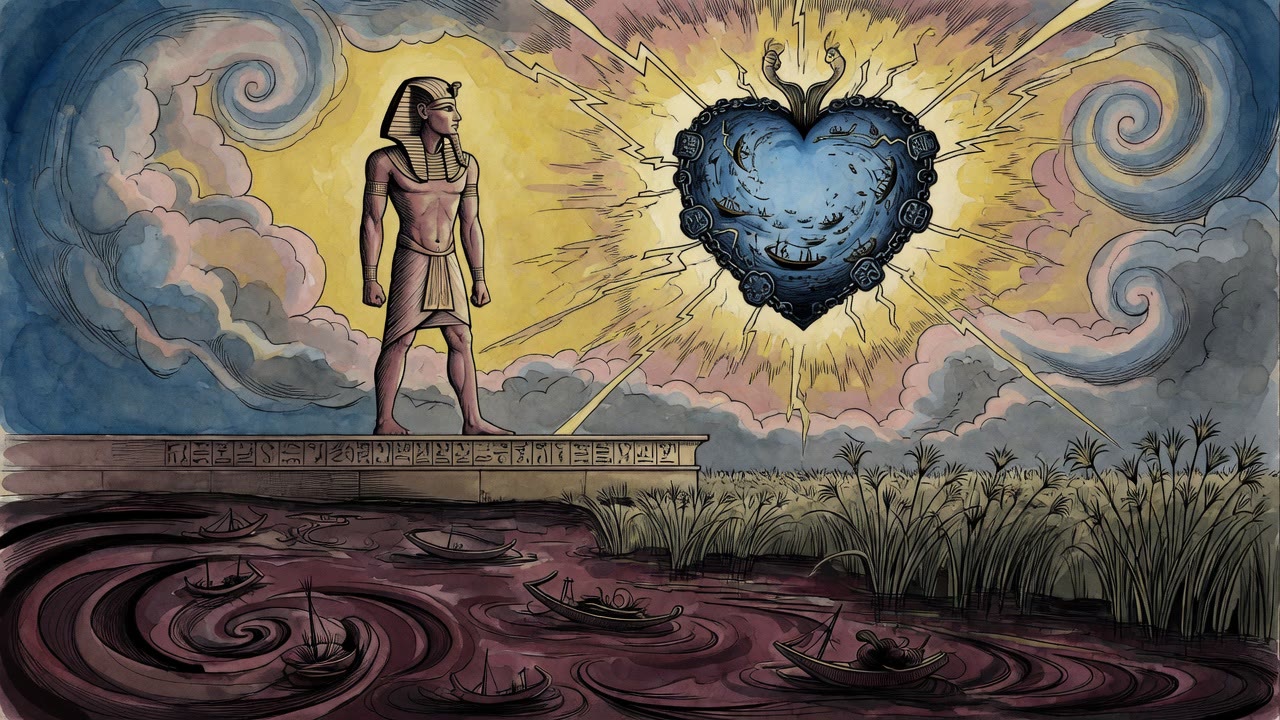
Pharaoh threw Israel's sons in the Nile. So a hardened heart became the sentence that kept him standing until his own firstborn died.
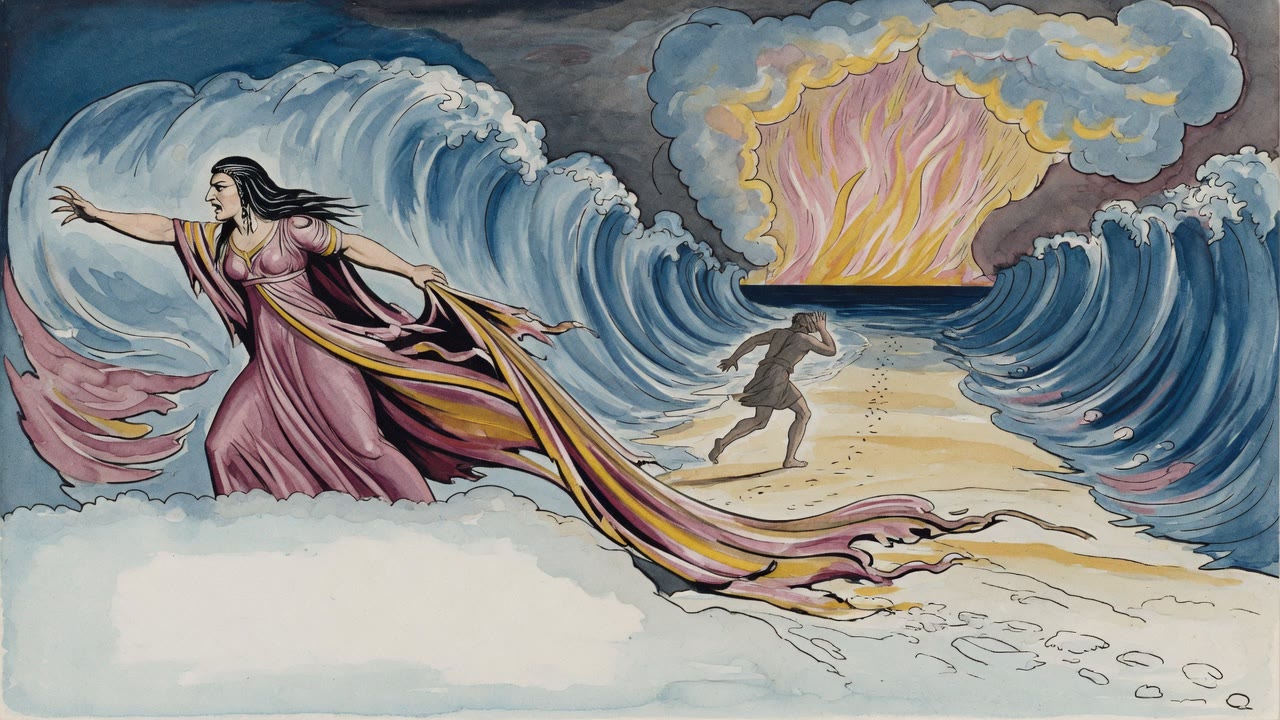
Joseph fled Zuleika's grasp and left his cloak behind. Her lie sent him to prison, but his flight later opened the sea for Israel.
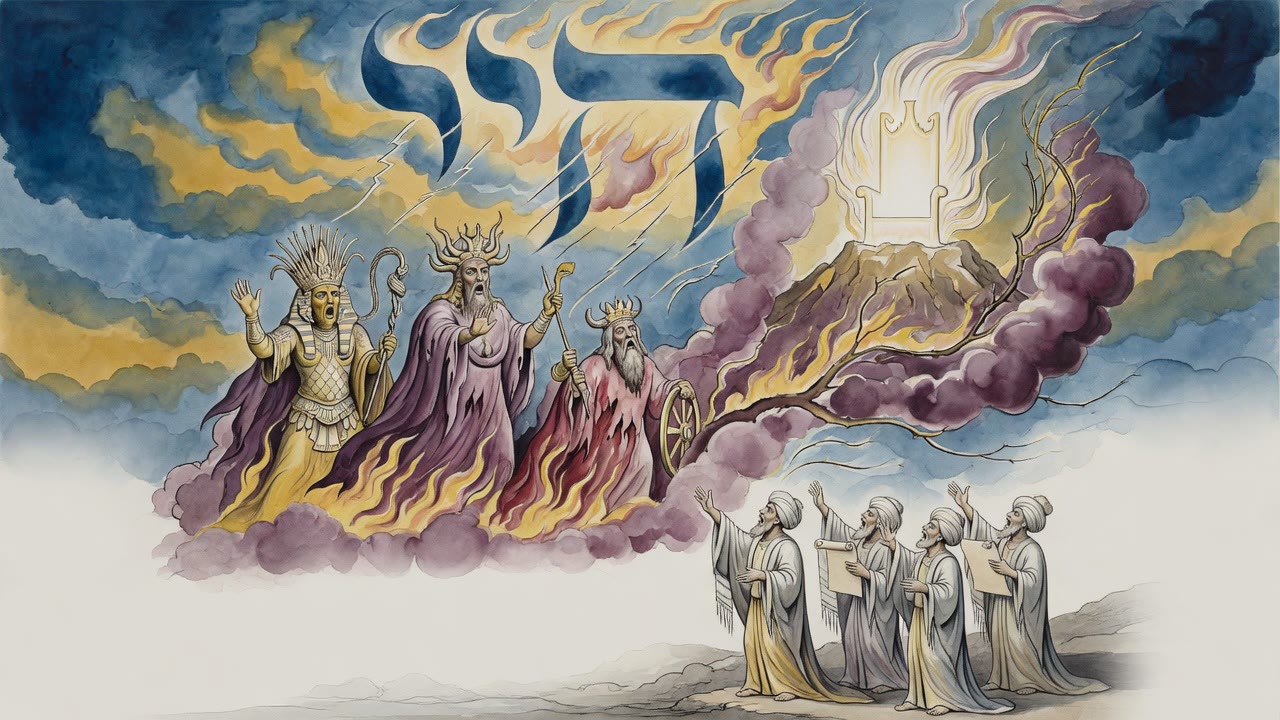
The rabbis of Esther Rabbah noticed Haman and three biblical villains all opened with the same Hebrew word. That word also means anger.
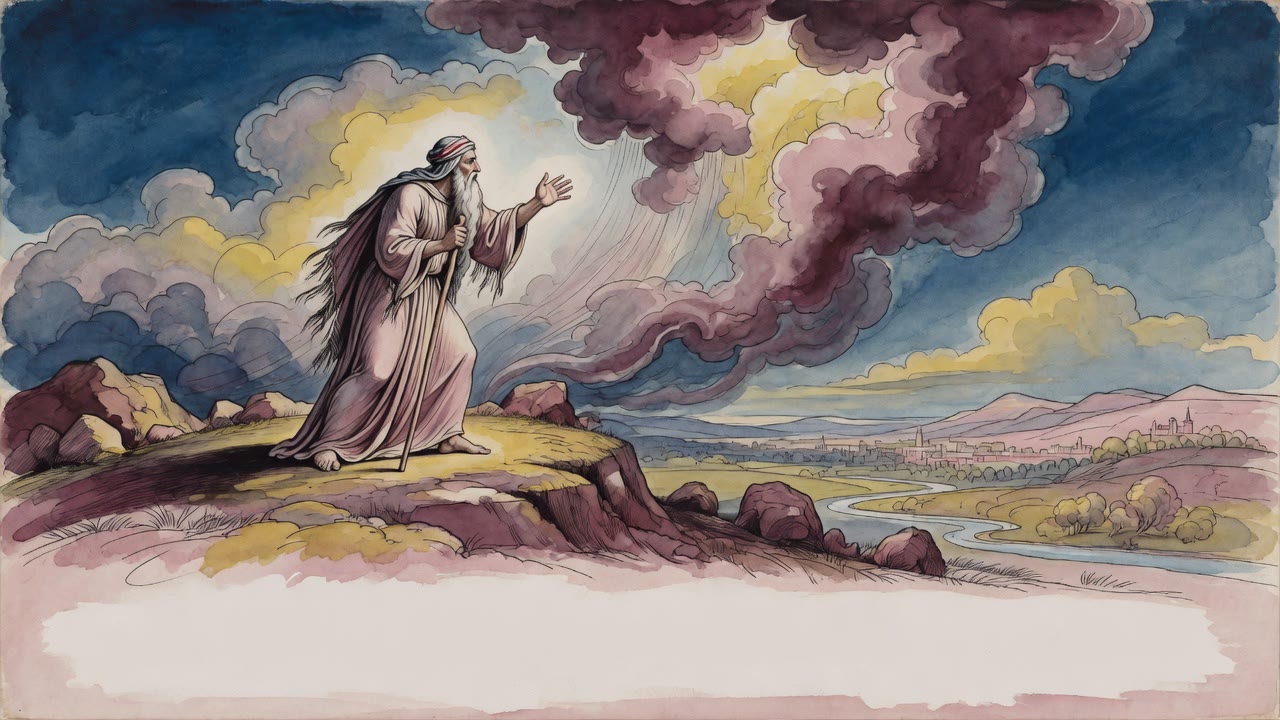
At the border he will never cross, Moses tells God that Adam broke one command and died, while he broke none. So why must he die too?
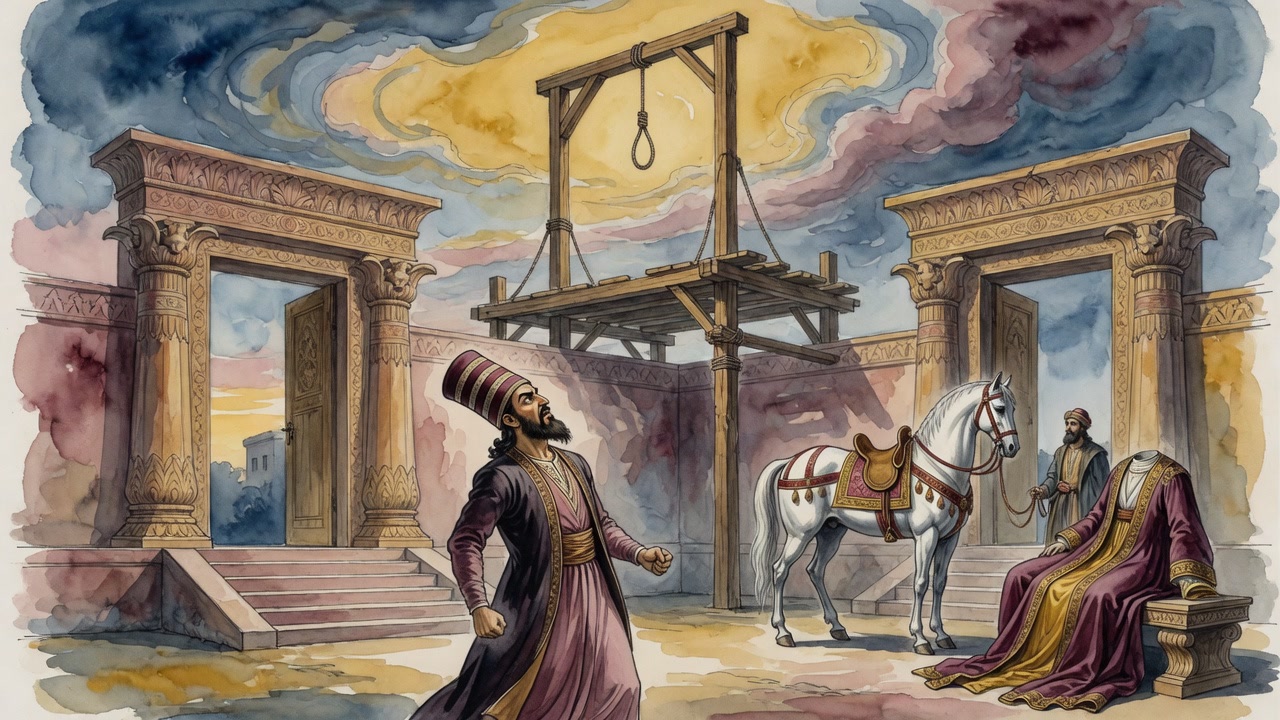
Sleep left the king that night. Haman waited in the court to ask for a hanging. The book of records named Mordechai instead.
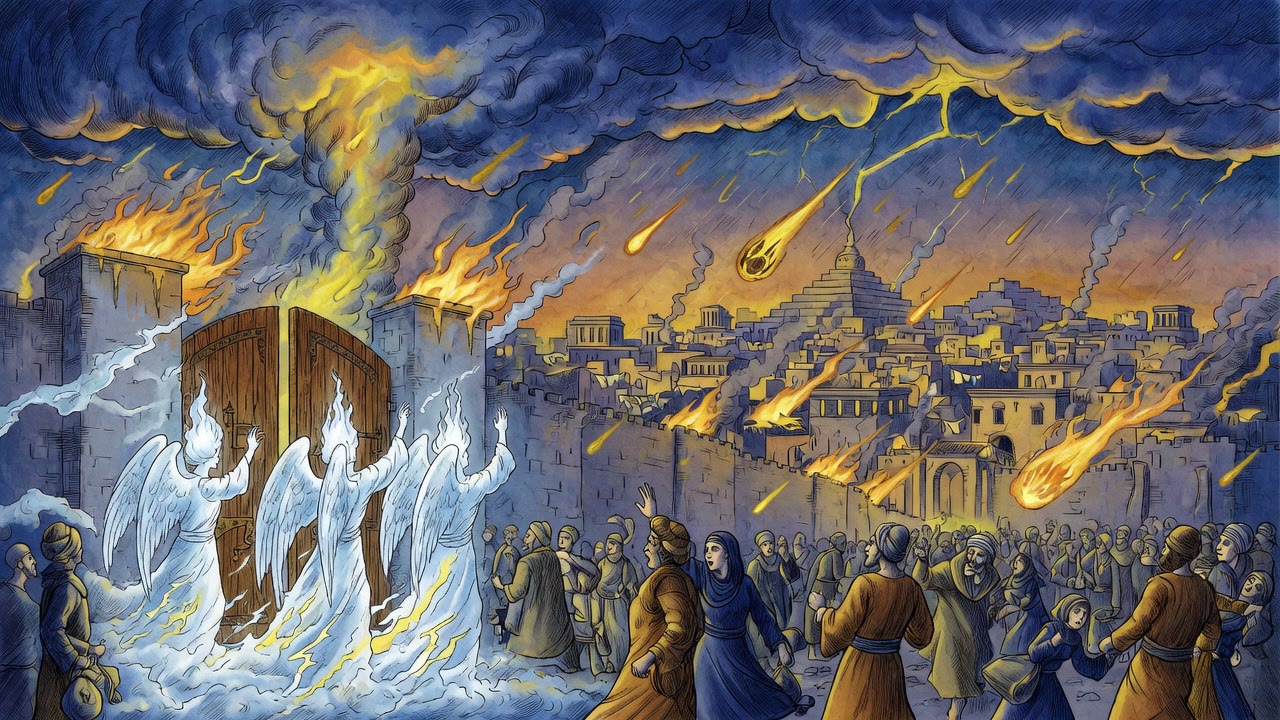
God said he would rain down on Sodom. The rabbis found a hidden offer in that word: rain can be water or fire. Sodom chose fire.
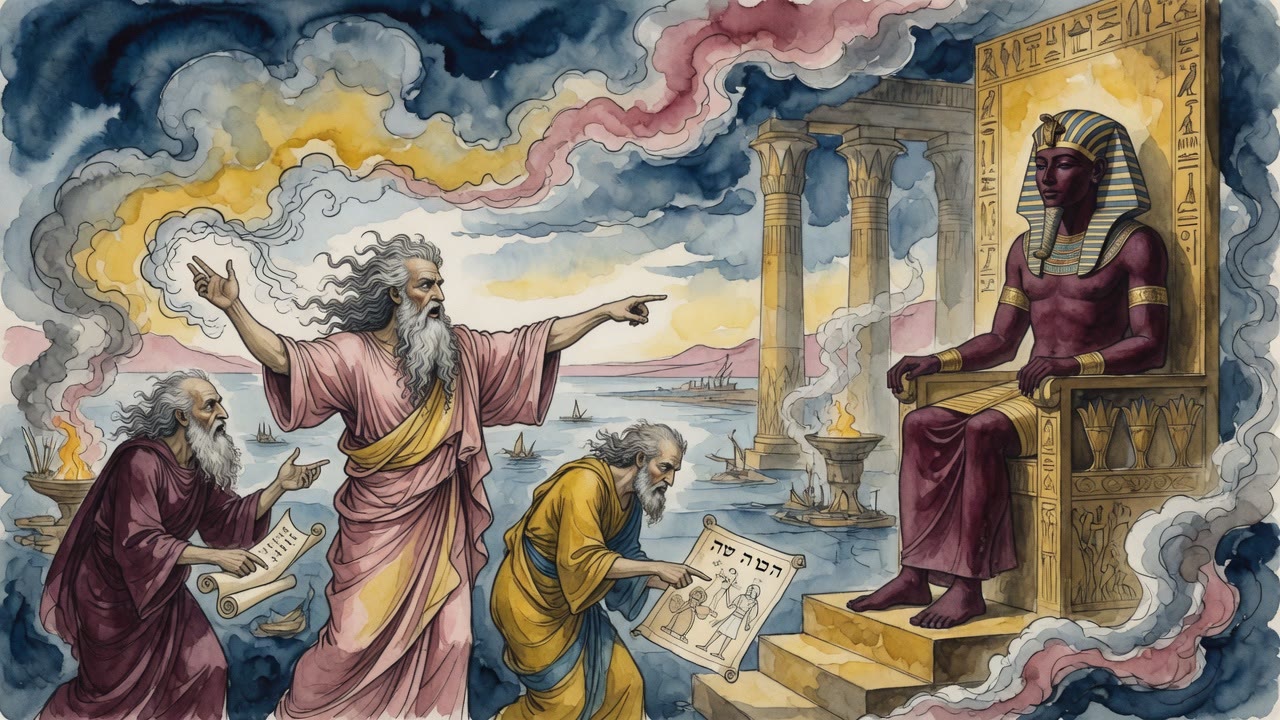
Three advisors stood before Pharaoh. One fled, one stayed silent, and Balaam found the loophole that drowned Hebrew babies in the Nile.
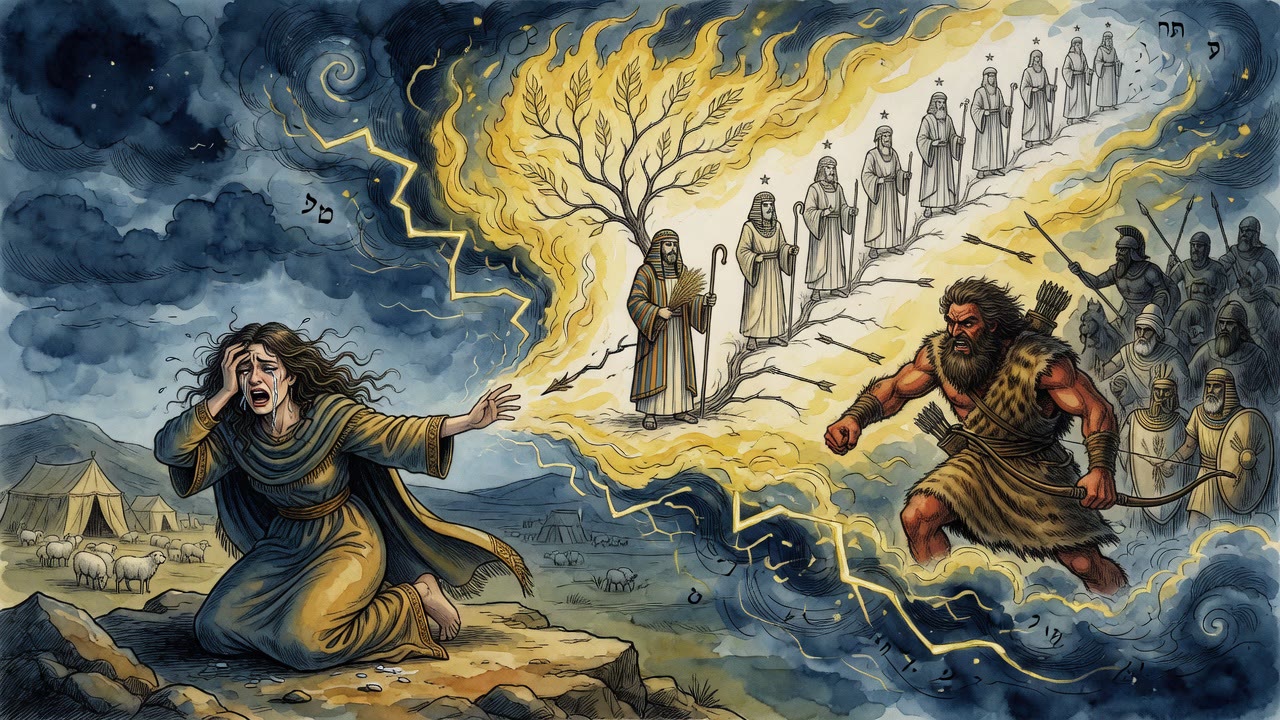
Amalek hit the back of the column first, where the old and the footsore walked. Moses passed over every fighting man and called one young man from Ephraim.
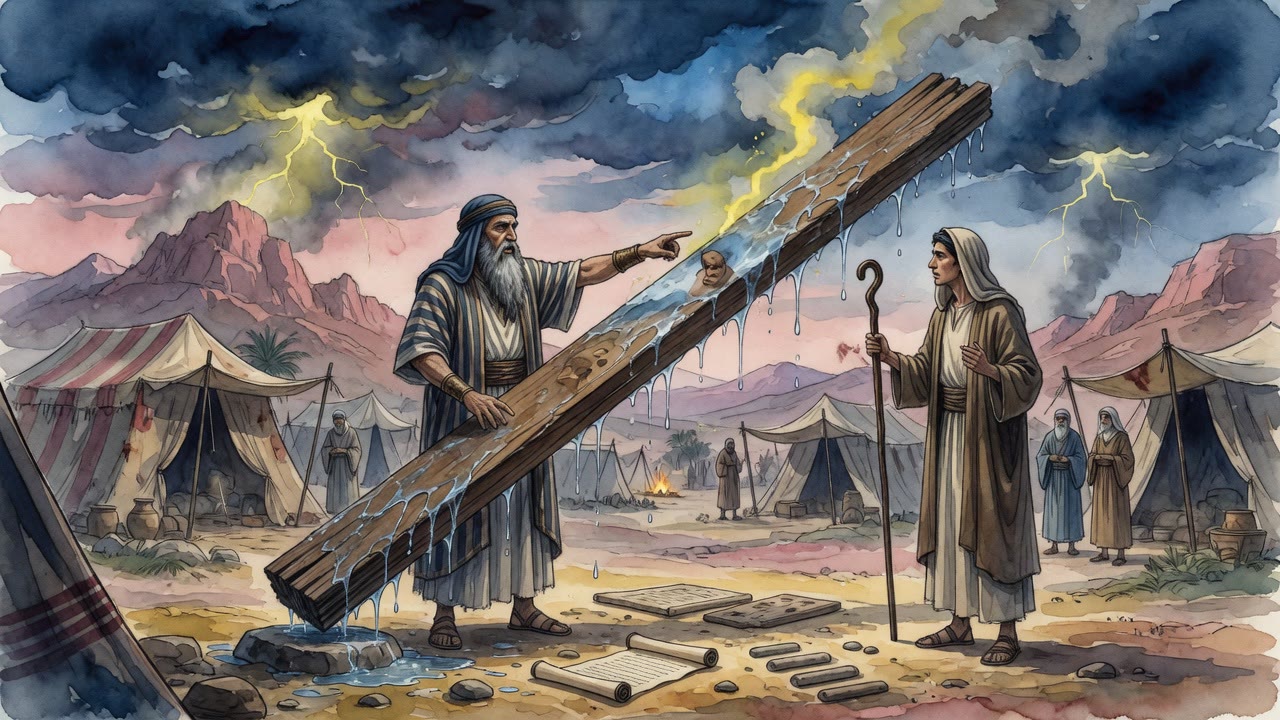
A Midianite priest reached the camp, watched Moses judge from dawn to dusk, then pointed at a waterlogged beam and said one man could not lift it.
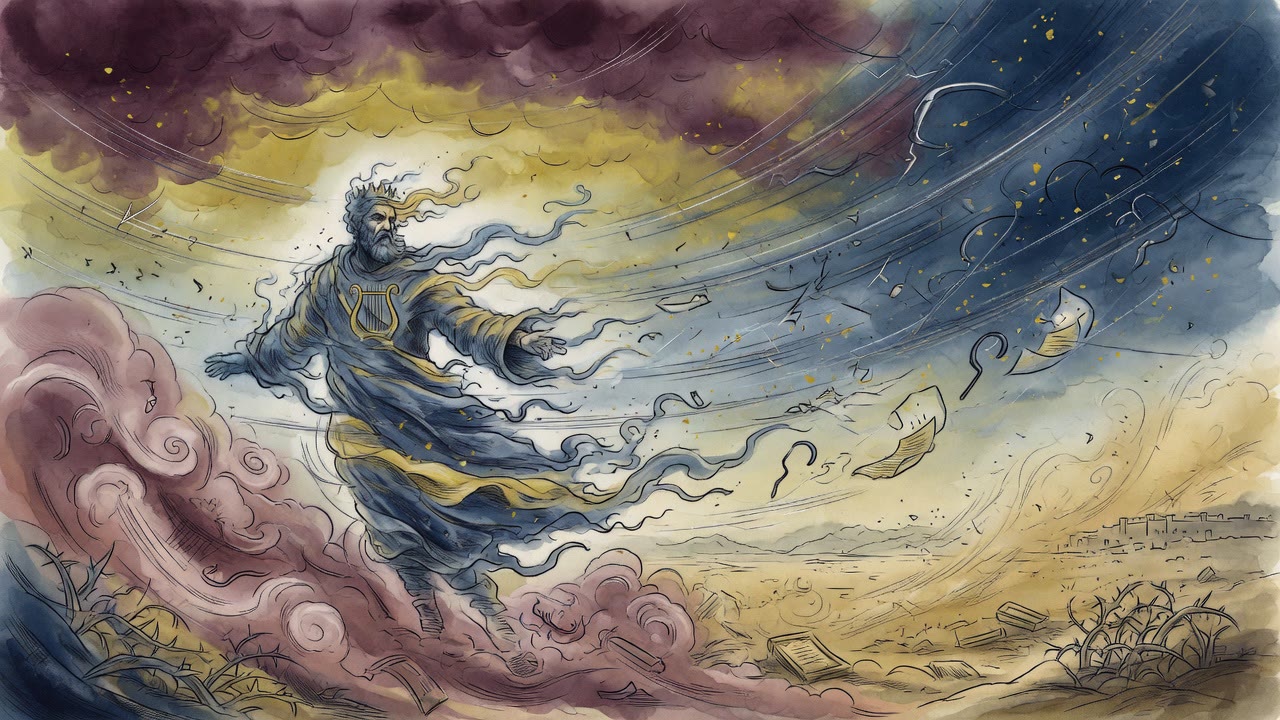
David watched thin smoke scatter on the wind and found the fate of the wicked in it, not burned, not broken, simply gone before God.
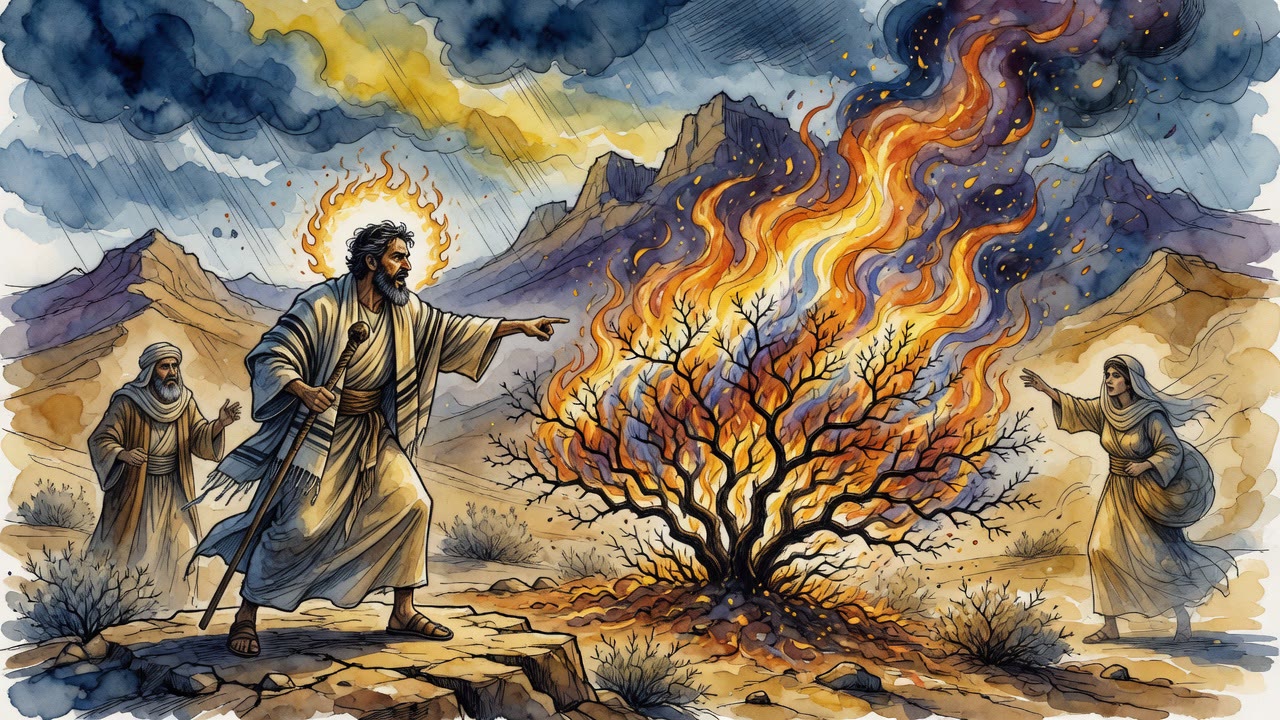
Fire moved through the thornbush and the leaves stayed green. A voice said his name twice. He answered, then he started to argue.
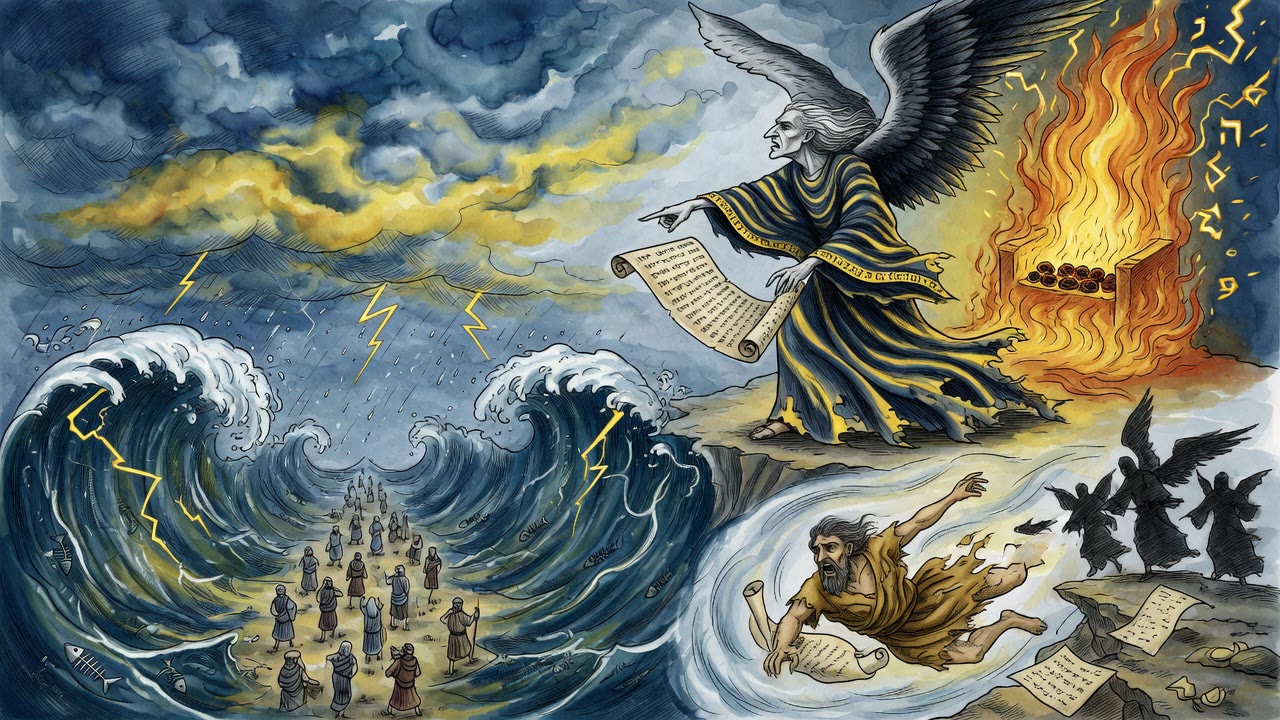
Chariots shook the reeds. In heaven Samael opened a true ledger against Israel. God did not argue. He threw the accuser a ram named Job.
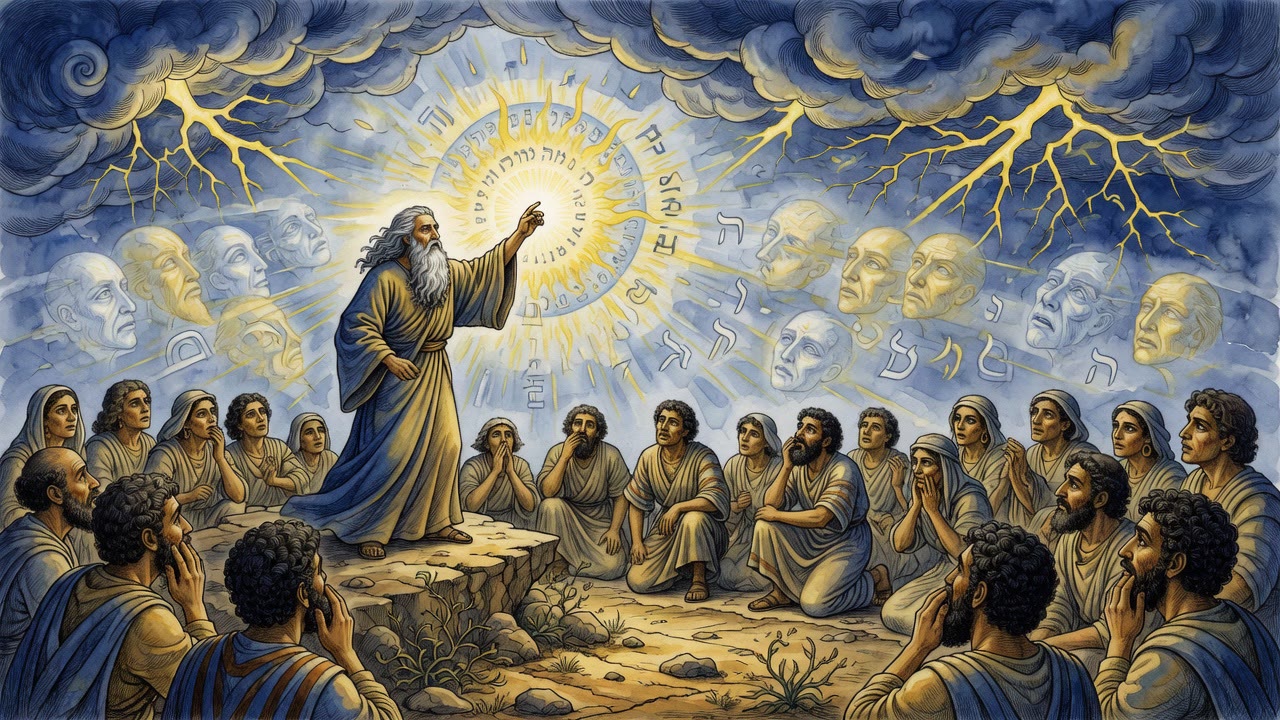
Enoch had thirty days left on earth. He told his children that God made every human face like his own, so to spit on a man is to spit on God.
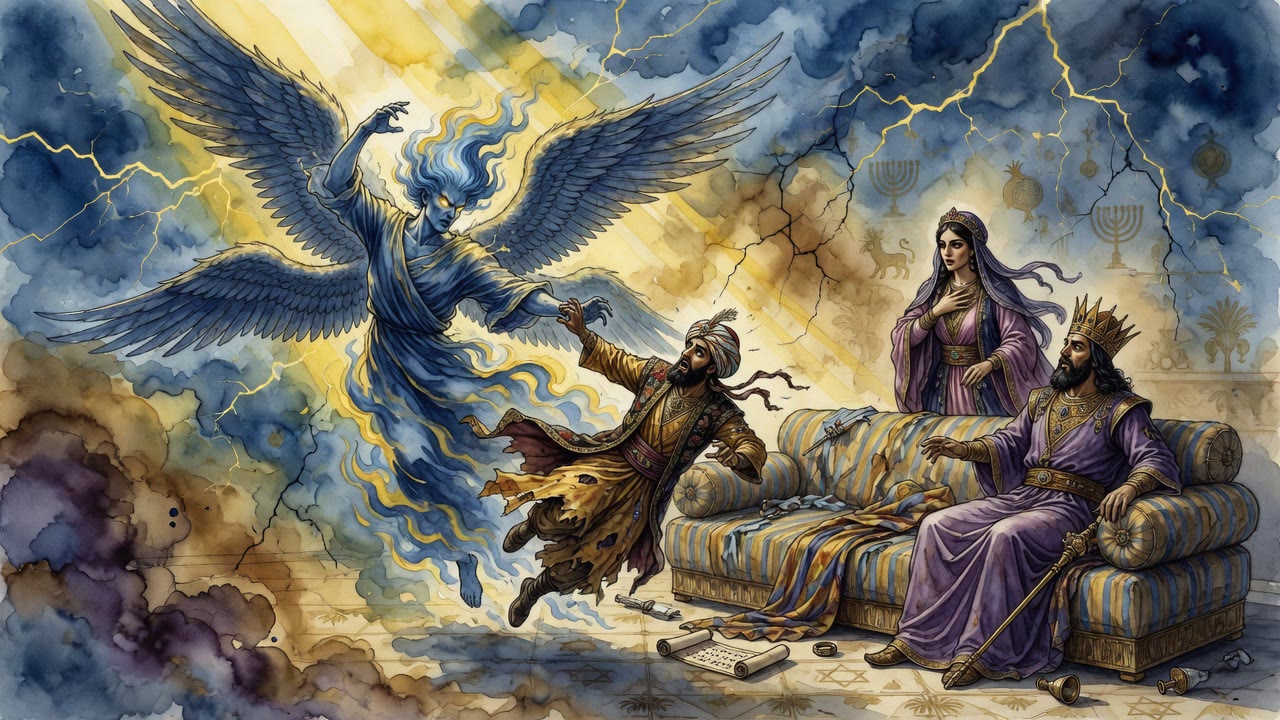
Haman was already on his knees. Gabriel shoved him onto Esther's couch in the same breath the king came back from the wrecked garden.
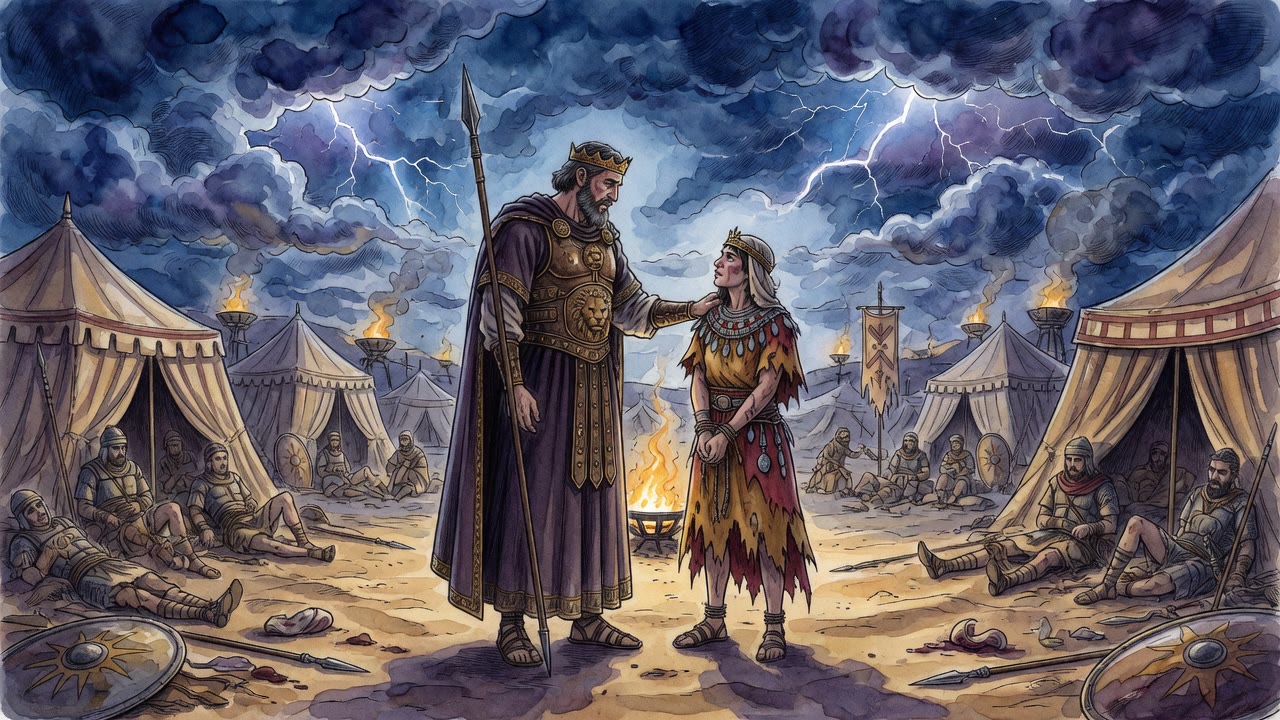
Agag sat bound through the dark while fat sheep bleated in the pens. Samuel came at morning. The line that should have ended did not.
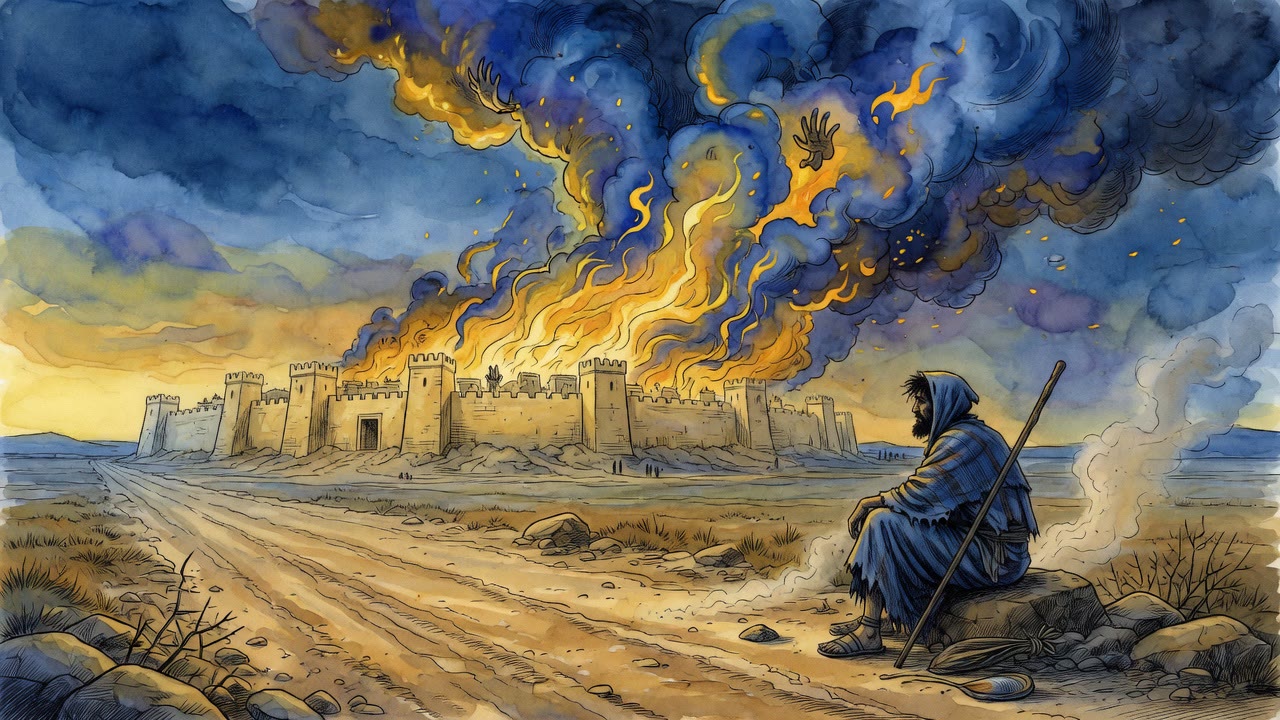
Sodom's stones held sapphire and its dust held gold, so the city closed its roads to the wayfarer. The fire answered.
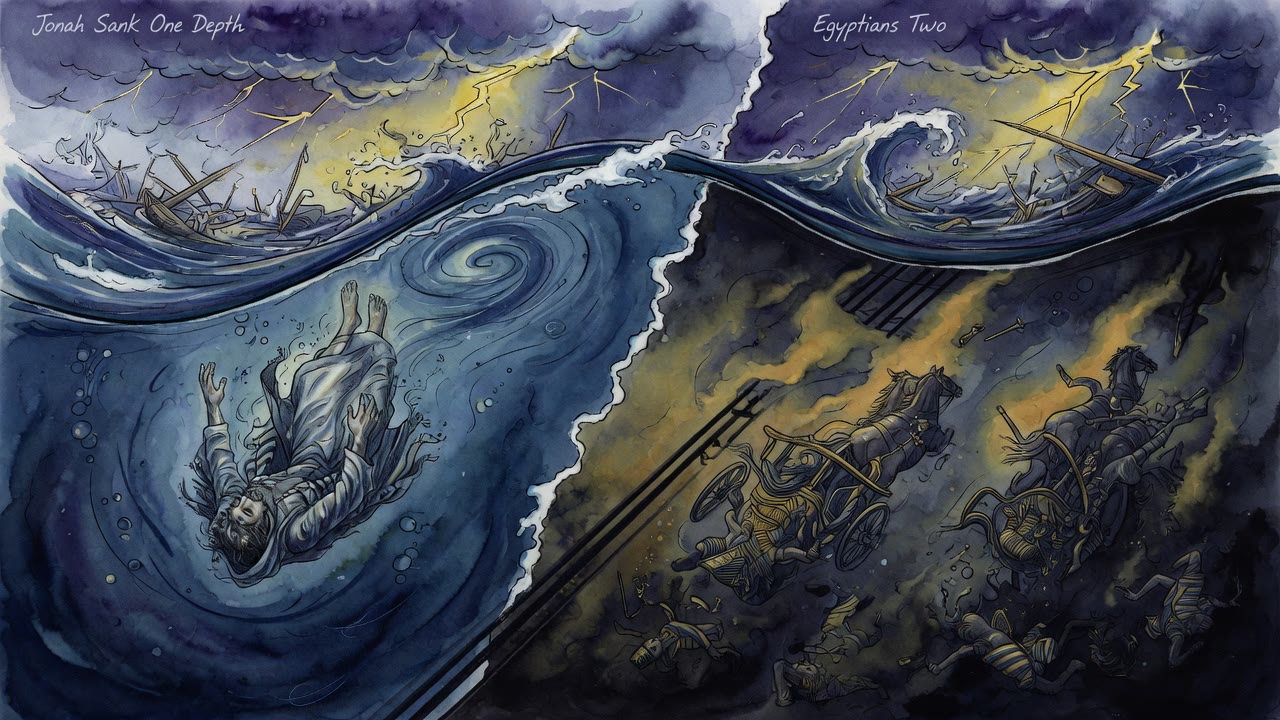
The army at the water could not agree. Some wanted the gold and no killing. Some wanted the killing and no gold. The third group wanted both at once.
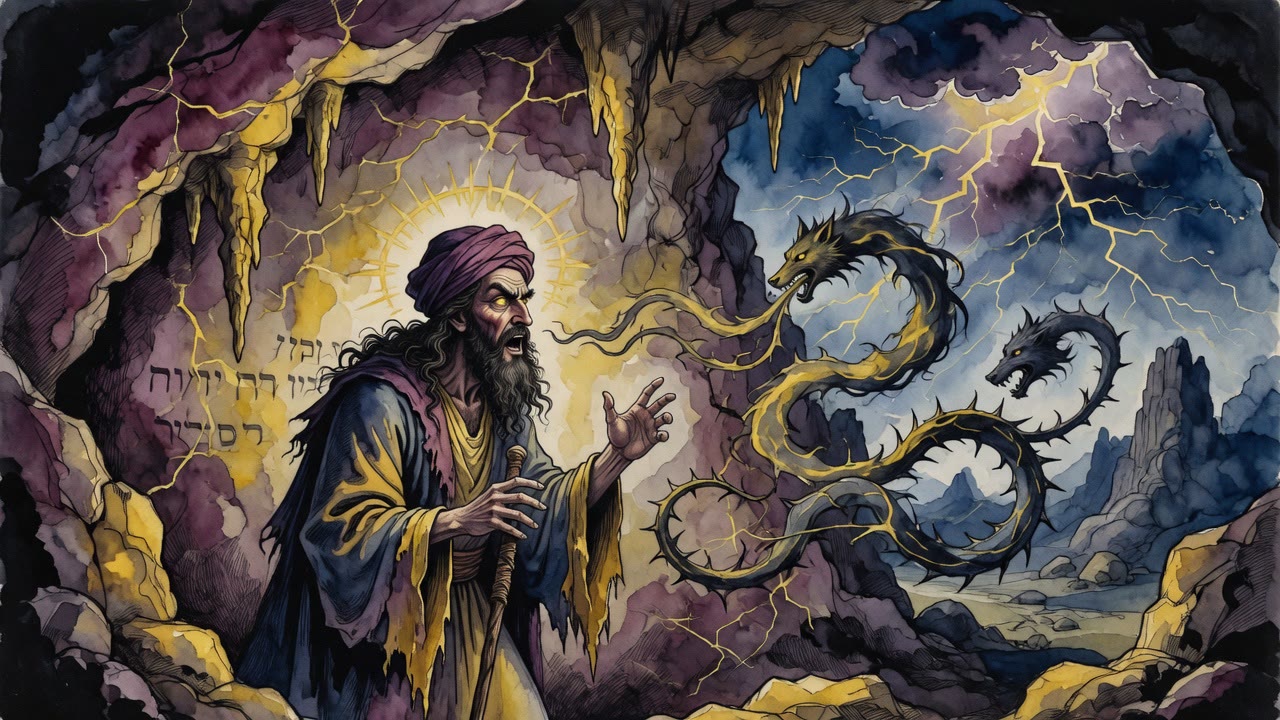
David held a blade behind the king and cut only cloth. Saul looked at the scrap in the sun and spoke a proverb older than any court.
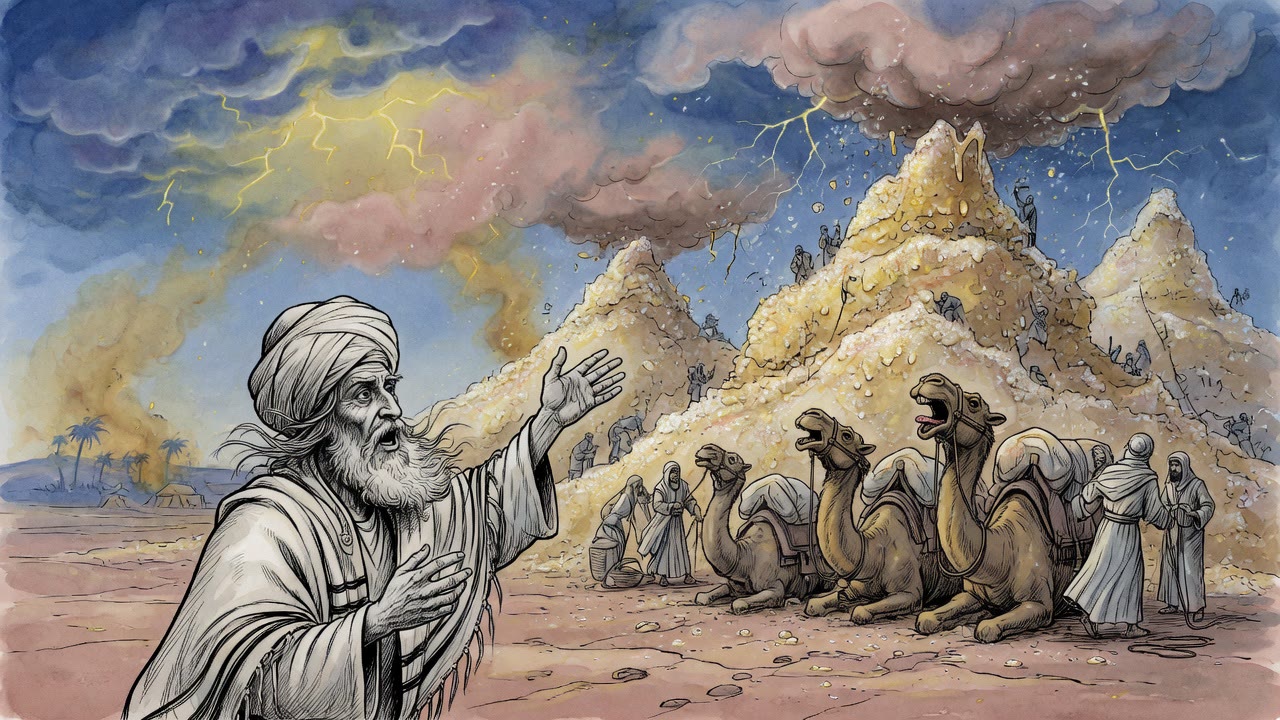
Tarfon groaned loud enough for the row to hear. Elazar of Modiim did not smile. He asked which of God's two measures was larger. Then he counted doors.
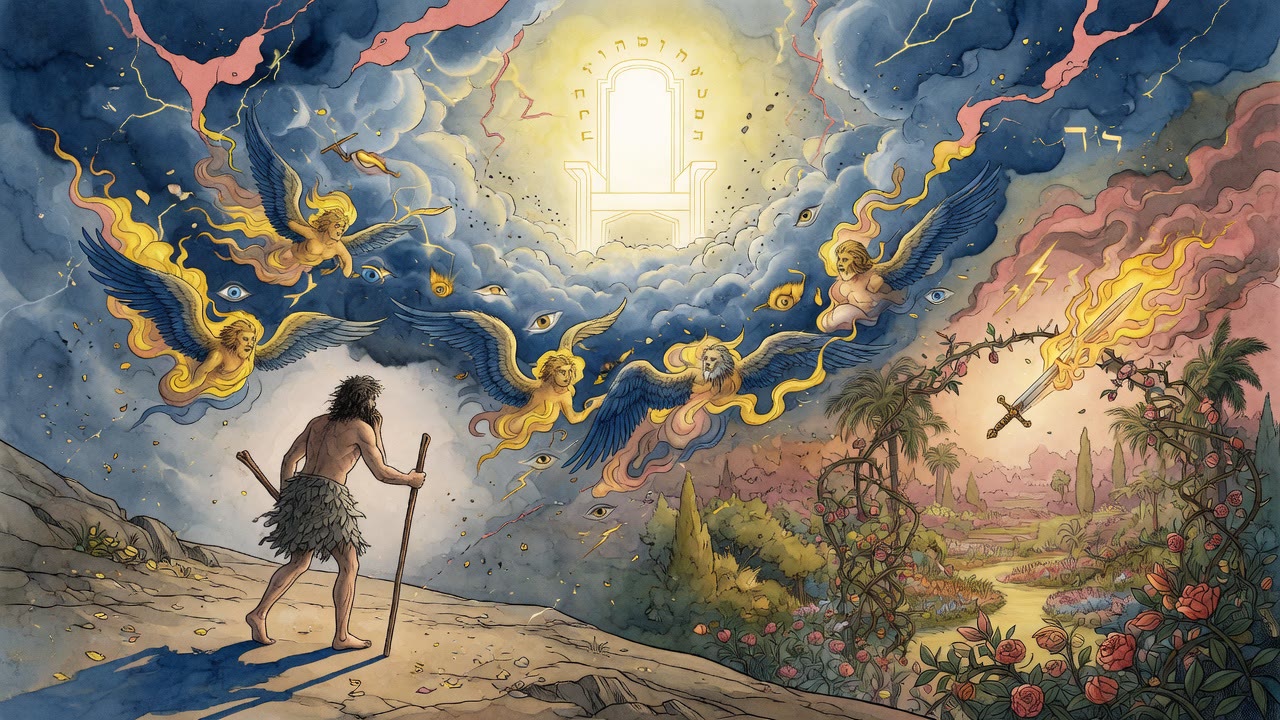
Adam broke one commandment and lost the Garden. The host of heaven, who never tasted hunger, still answers to the same Judge.
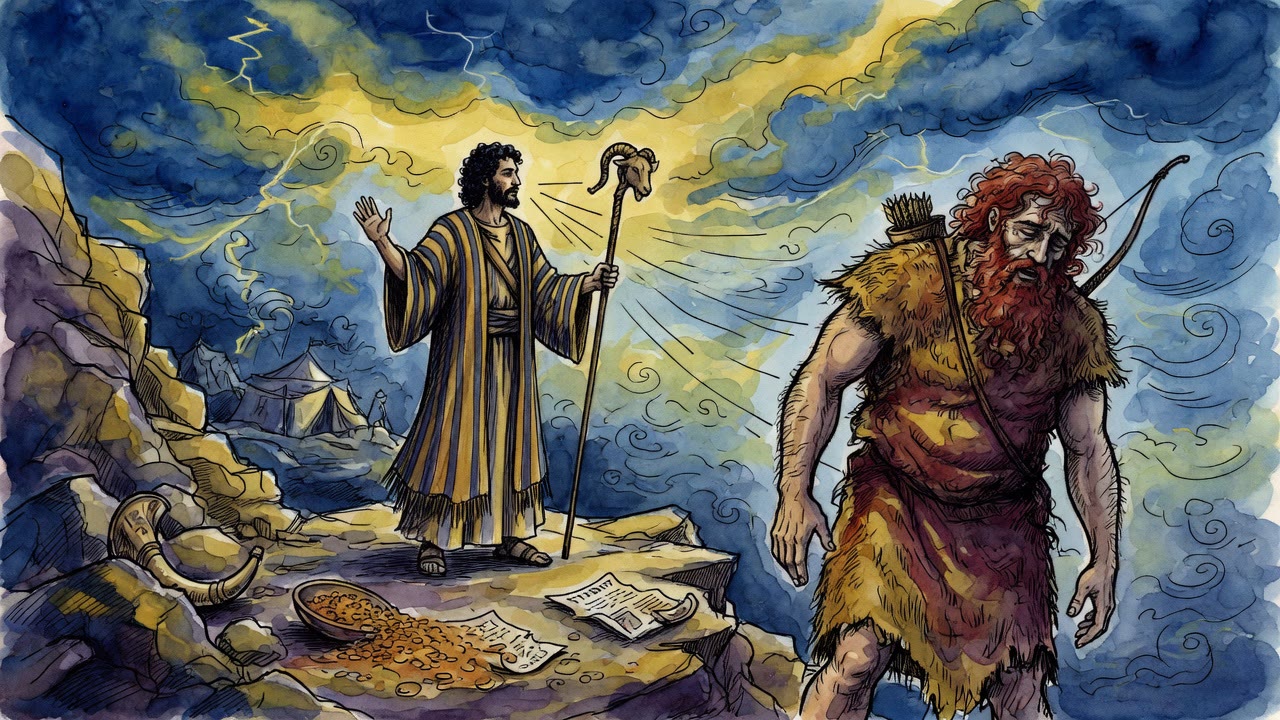
Jacob's sons named Esau's hunt and the four hundred men. Esau named the pit at Dothan. Joseph came in still feeding the men who sold him.
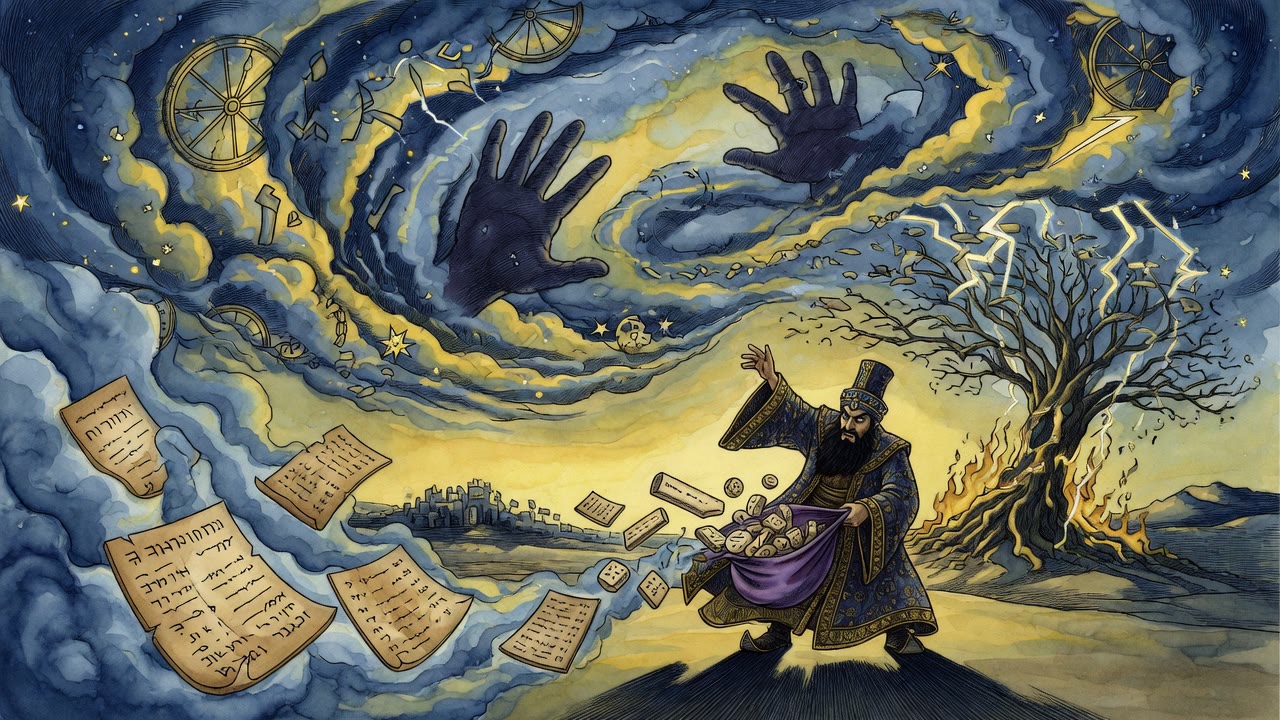
Haman threw lots at days and months until Adar smiled at him. Moses had died there. He did not know Moses had been born there too.
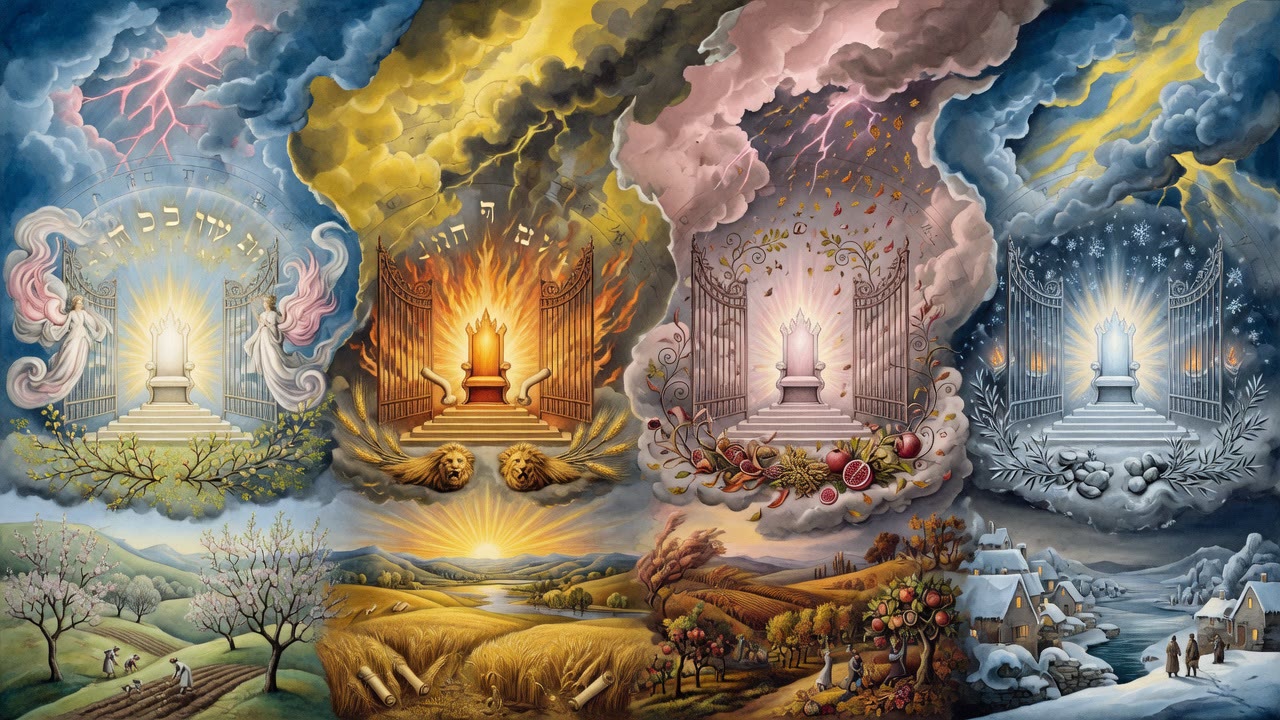
Abaye sent a man to sow the fast grain while the slow crop still thrived. A sick scholar's friends kept praying. The court might still be open.
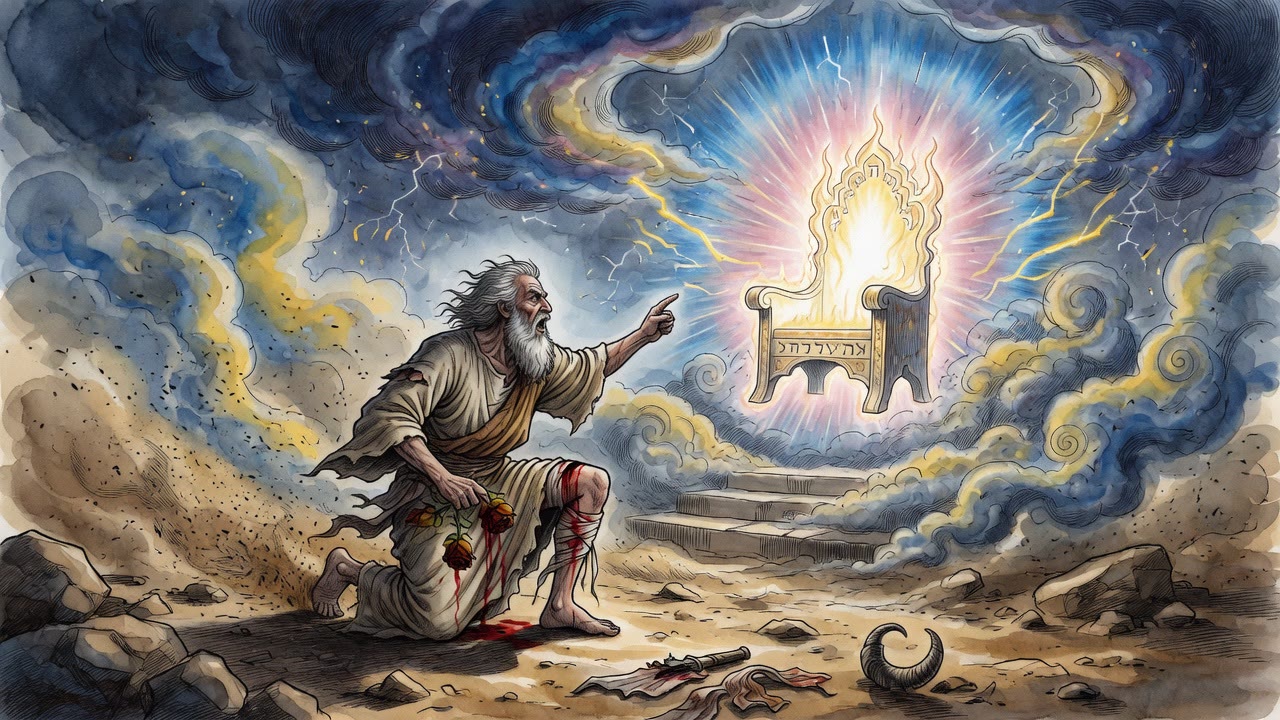
The cut was three days old. Abraham sat in the tent door in the heat. God came to the sick man before any stranger reached the road.
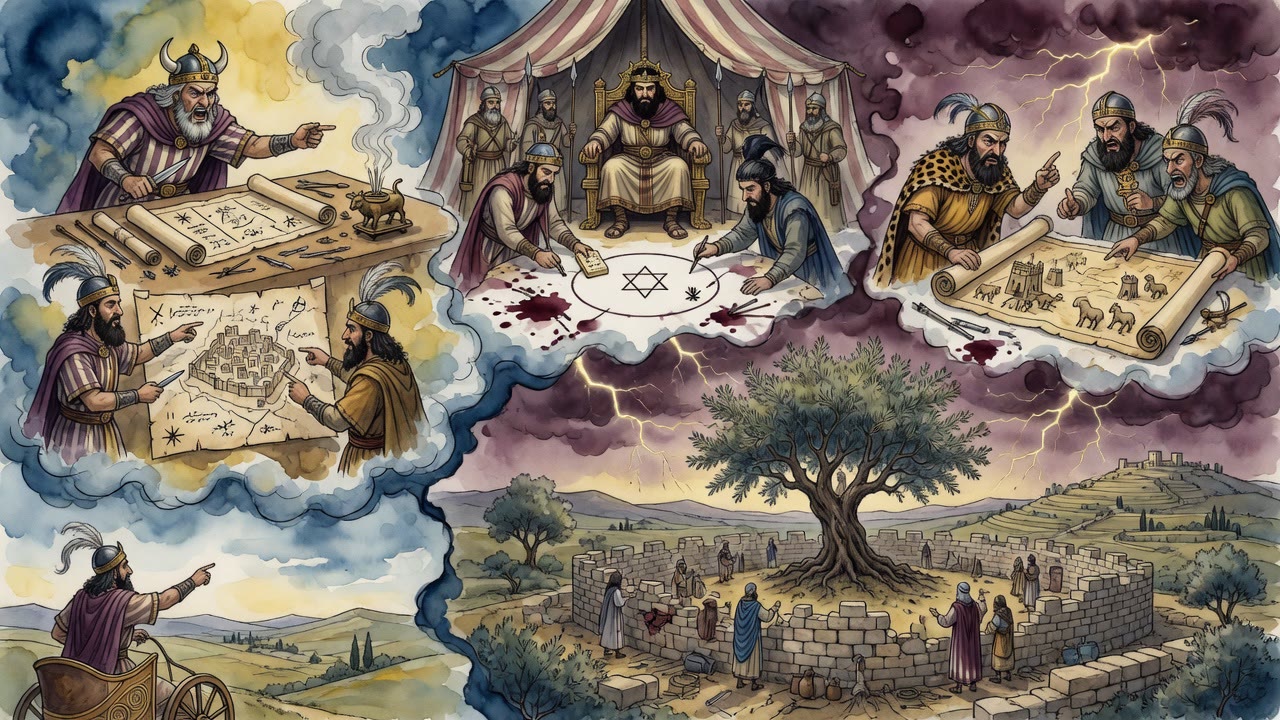
Esau, Pharaoh, and Haman each studied the failure before him and designed a sharper plan. Esther Rabbah lets every scheme collapse.
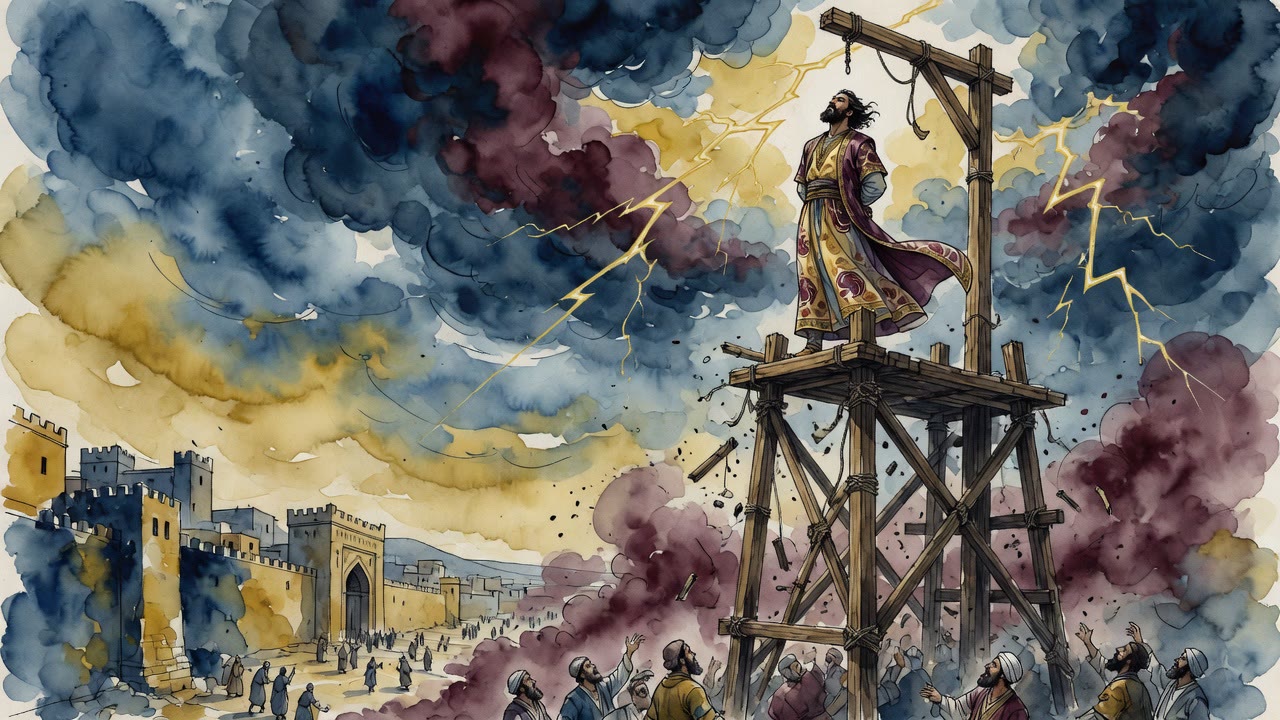
Haman's chair sat higher than every prince. In the yard the sow ate without limit, and the donkey already knew what the extra feed was for.
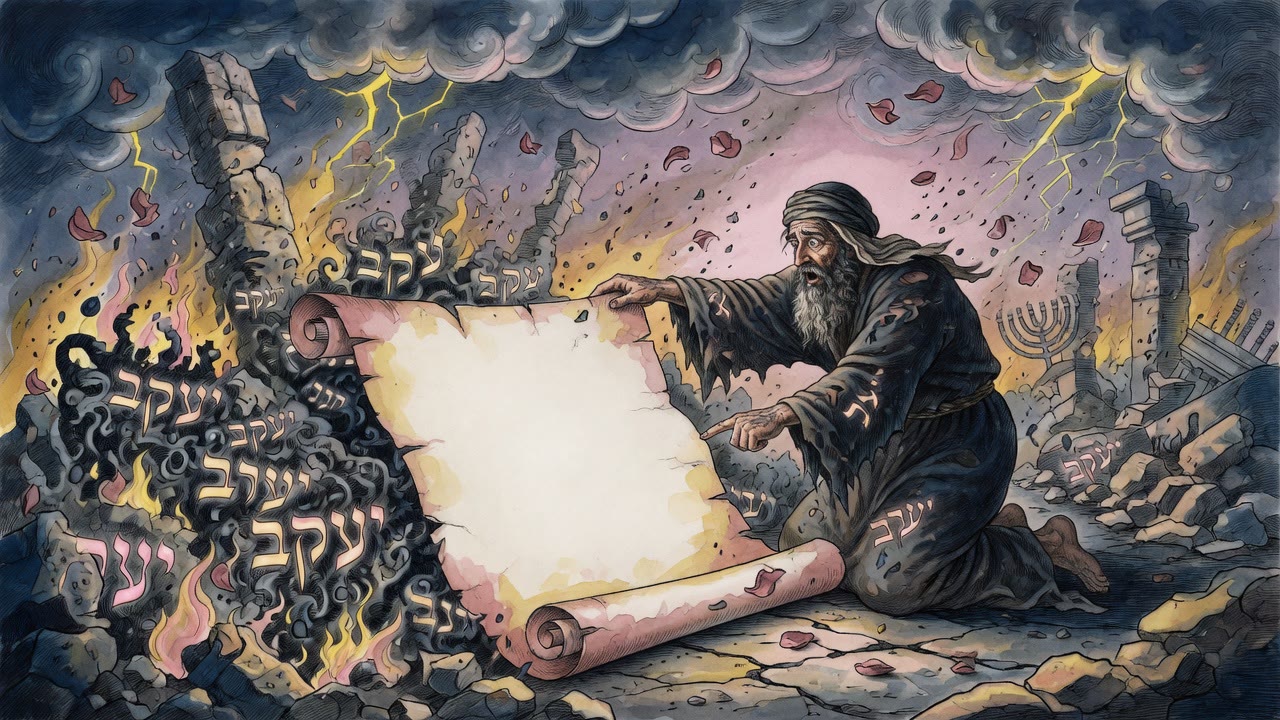
The people carry two names, Jacob and Israel. Lamentations uses only Jacob when it describes ruin, and Resh Lakish wanted to know why.
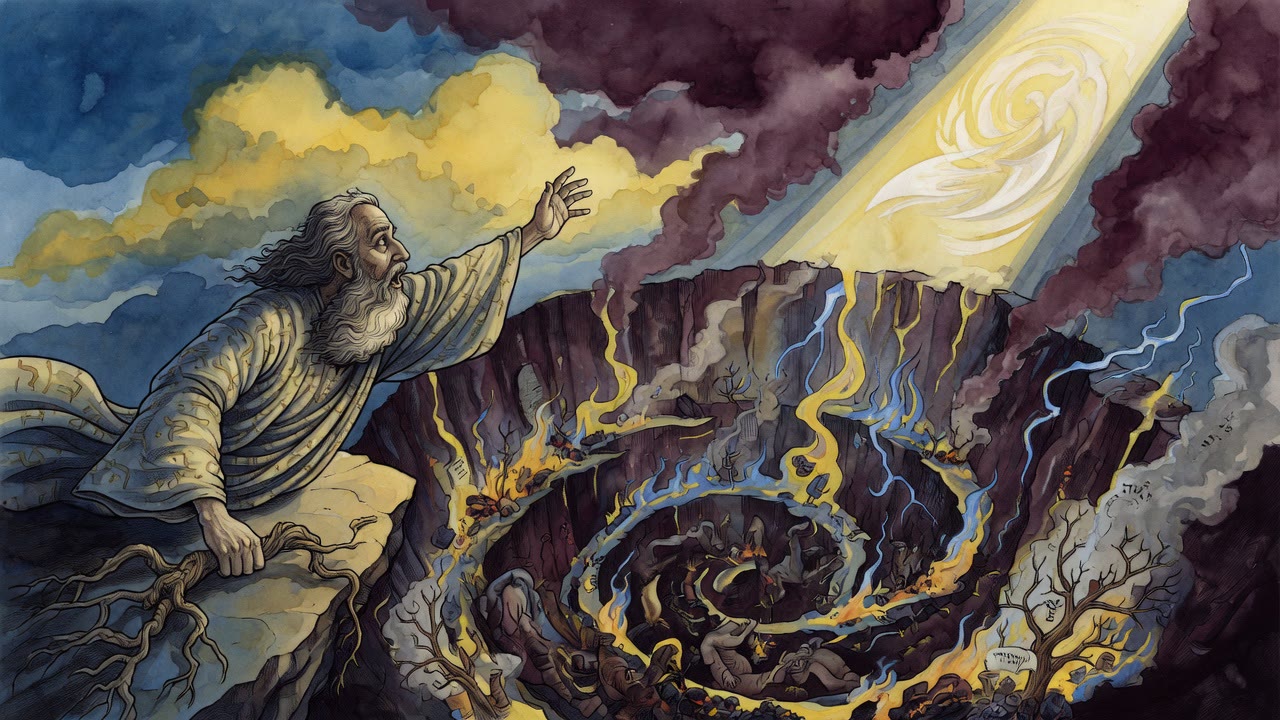
No dust rose on the road. Abraham, still healing, sent Eliezer anyway, then rose himself toward heat that had come up from below.
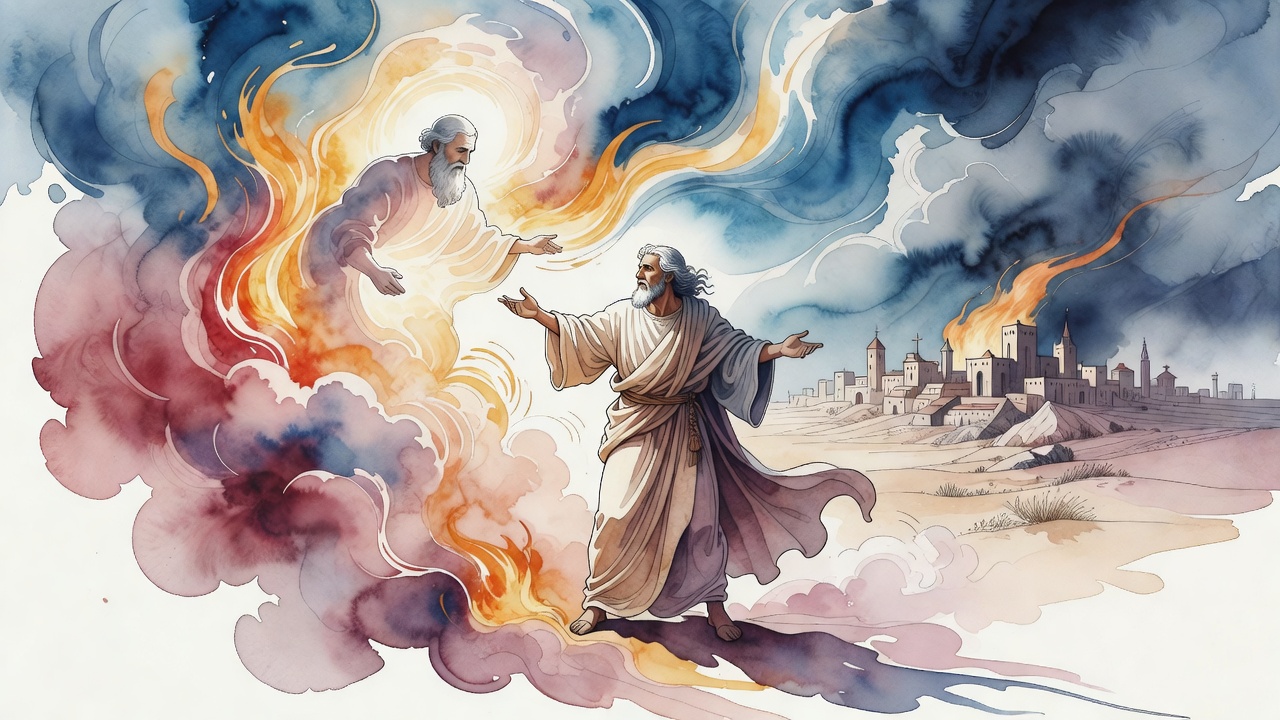
Abraham accused God of slipping out of His own oath. God answered by offering to march every generation He had ever destroyed past him, one at a time.
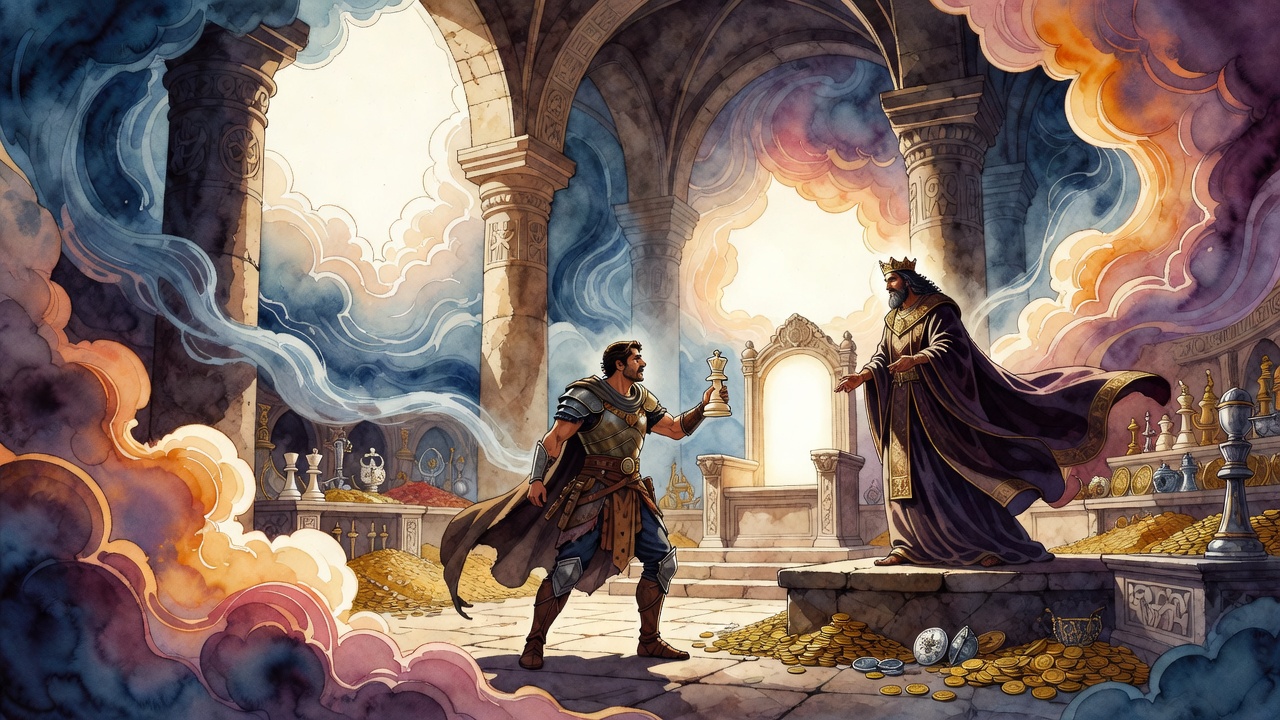
Benaiah stole one chess piece and won. Solomon answered with a treasury trap that made the general confess in front of the court.
