Haman Bathed and Dressed the Man He Meant to Kill
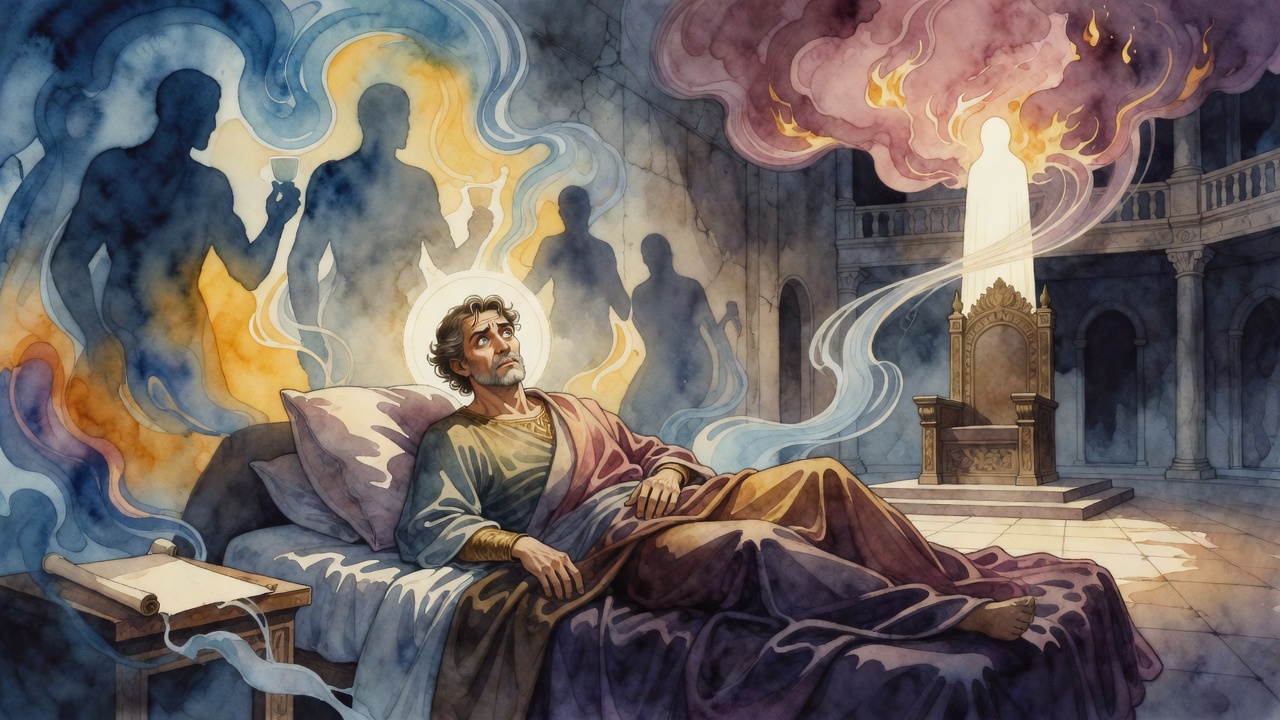
Mordecai still wore sackcloth and asked for a last meal. Haman had come to wash him, because every bathhouse in Shushan was shut.
Table of Contents
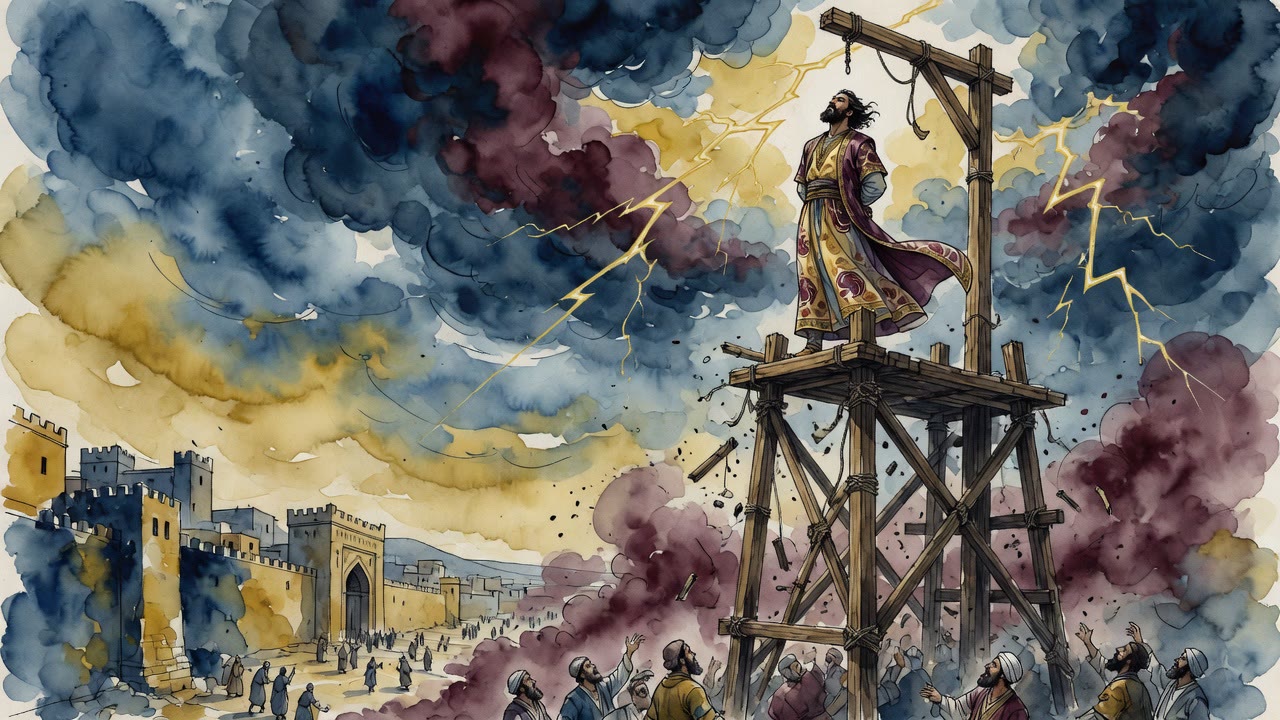
Haman came up to Mordecai while the ashes were still in his hair. Mordecai had just finished praying. He was still in sackcloth. He still thought the gallows was the next room.
 Click for full size
Haman said, "Arise, thou pious son of Abraham, Isaac, and Jacob. Thy sackcloth and ashes availed more than my ten thousand talents of silver, which I promised unto the king. They were not accepted, but thy prayers were accepted by thy Father in heaven."
The man who had bought a death with silver had to say the silver had lost.
Minutes for a Last Meal
Mordecai did not rise. He asked for a few minutes. He wanted a last meal, the small grace a man takes when he believes the rope is already measured. Haman had to protest again and again. He had not come to lead him to the wood. He had come with a horse, a robe, and a proclamation the king had ordered him to shout.
Only the repeated denials moved Mordecai. Even then he did not trust the kindness. A gallows can wear a costume.
When Haman set about arraying him in the royal apparel, Mordecai refused to put it on. Three days of sackcloth and ashes still clung to him. Royal cloth would sit wrong on a body that had been mourning in the street. He would not wear the king's honor until he had bathed and had his hair dressed.
Every Bathhouse Shut
Haman went to fetch a bathkeeper. The shops were closed. Esther had issued the command that the bathkeepers and barbers were not to ply their trades on that day. Door after door stayed shut. There was no hired hand left in Shushan to wash the man Haman hated.
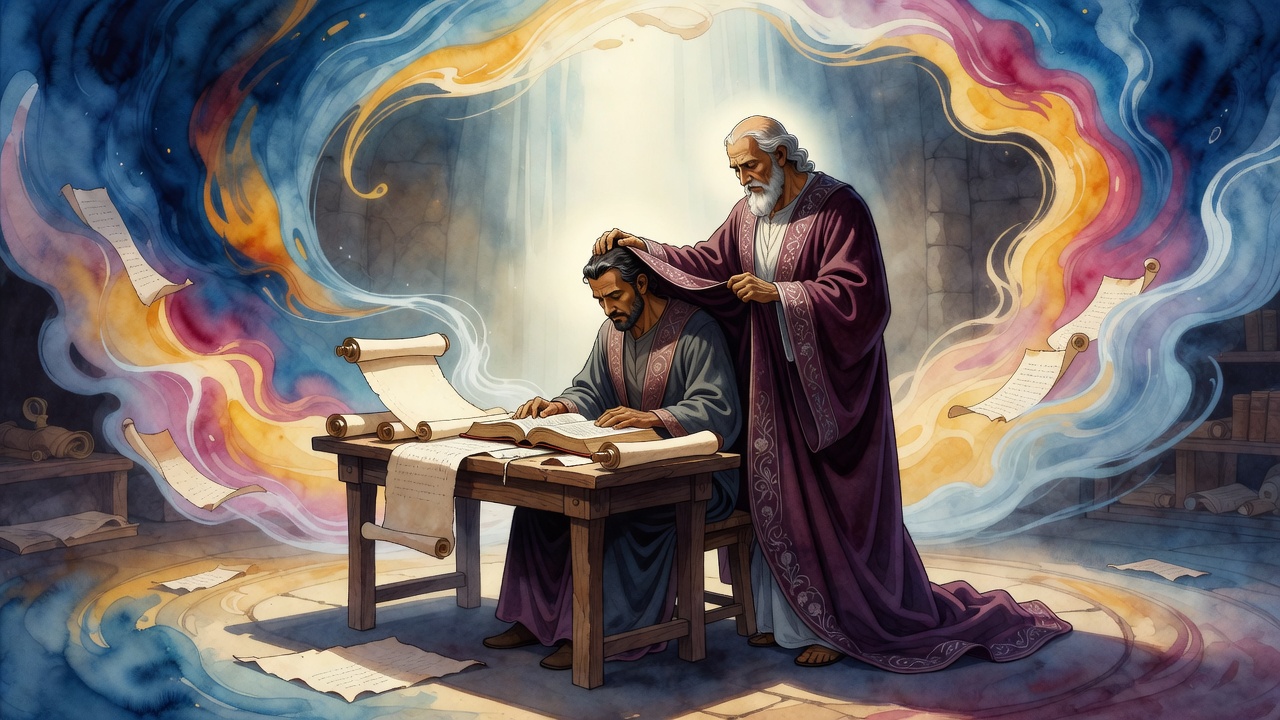
There was nothing for Haman to do but bathe him himself. He rolled his sleeves. He washed the ash from Mordecai's skin. He had planned a gallows. He got a basin. He dressed the hair that sackcloth had matted. The greatest in the king's realm bent over a basin.
Haman fetched a deep sigh. "The greatest in the king's realm is now acting as bathkeeper and barber!"
Mordecai did not give him the pity the sigh was fishing for. He knew the house this man came from.
His Father's Trade
Mordecai remembered Haman's father, who had been bathkeeper and barber in a village. The sigh was a costume too. The skills were not new. They were the old work, pulled back onto a man who had used the king's ring to climb past it.
Haman poured water. Mordecai sat. The street outside waited for a parade. Inside the steam, the first minister of Persia did the labor he had been born near, for the Jew he had meant to hang.
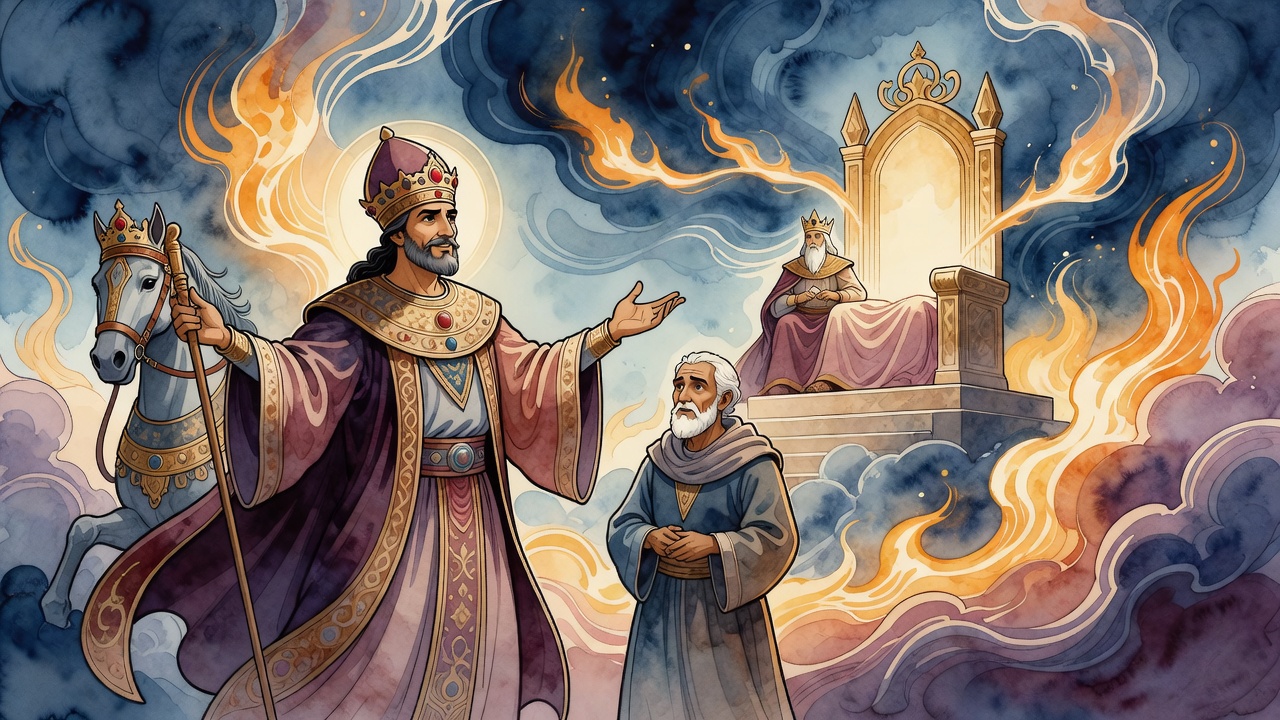
When the washing was done, the robe went on. The horse was waiting. Haman would have to walk beside it and cry the honor the king had written. His mouth had already confessed the prayers. Now his feet would have to confess them in public.
Fattened for Slaughter
It had begun with a seat. After these matters, King Ahasuerus promoted Haman son of Hammedatha the Agagite and set his seat above all the princes who were with him (Esther 3:1). The extra grain had looked like love. It was not.
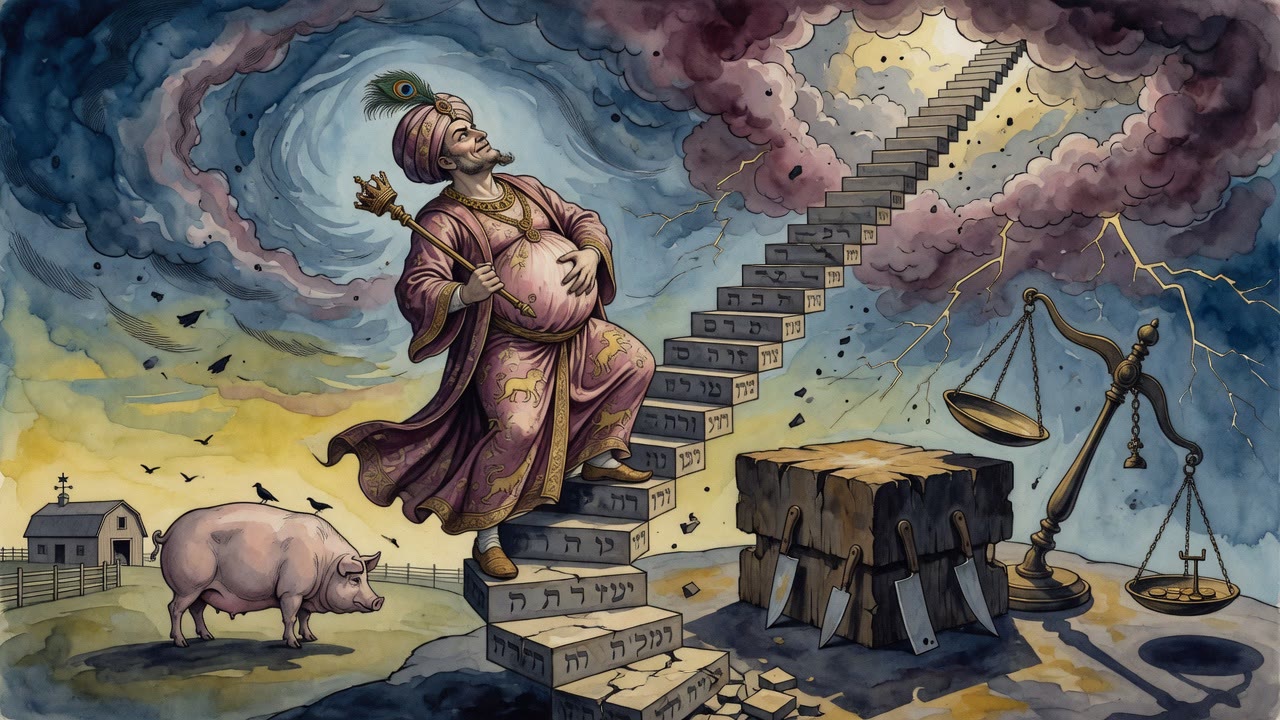
A man once kept a filly, a donkey, and a sow. He fed the sow without limit and measured the portions of the beasts that pulled his work. The filly asked why the idle one ate so well. The donkey said, wait. They are not fattening her for her good. When the feast day came, they took the sow and slaughtered her, and barley was set before the filly, who blew on it and would not eat. Idleness had been the feed. The knife had been the point.
Haman had sat above the princes. He had silver enough to buy a people. He had built wood for Mordecai. Then he heated bathwater with his own hands, because the queen had closed every shop, and the prayers of a man in ashes had been accepted. The wicked are not fattened for their own good. They are fattened for slaughter.
Mordecai stepped into the street washed. Haman walked. The basin behind them was still wet.
← All myths