123 myths · Page 1 of 5
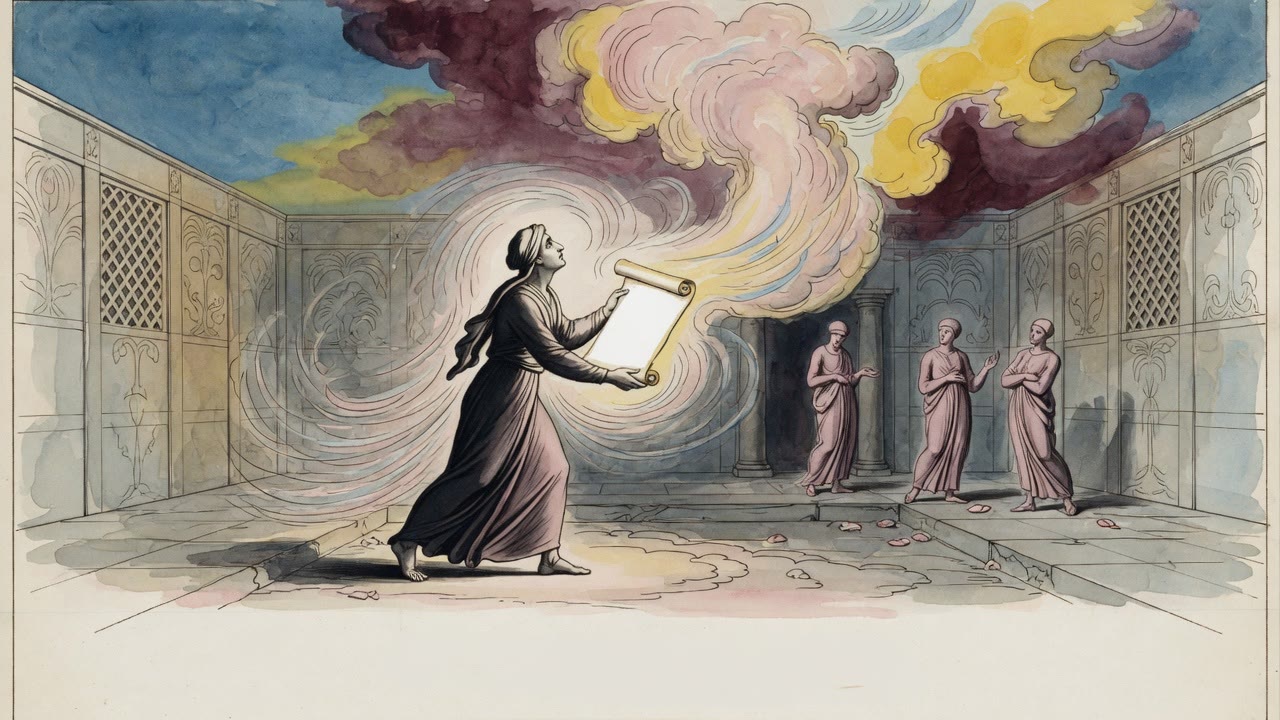
Every day Mordechai walked the harem courtyard. The eunuchs thought he was a frightened uncle. He was reading a hint from God.
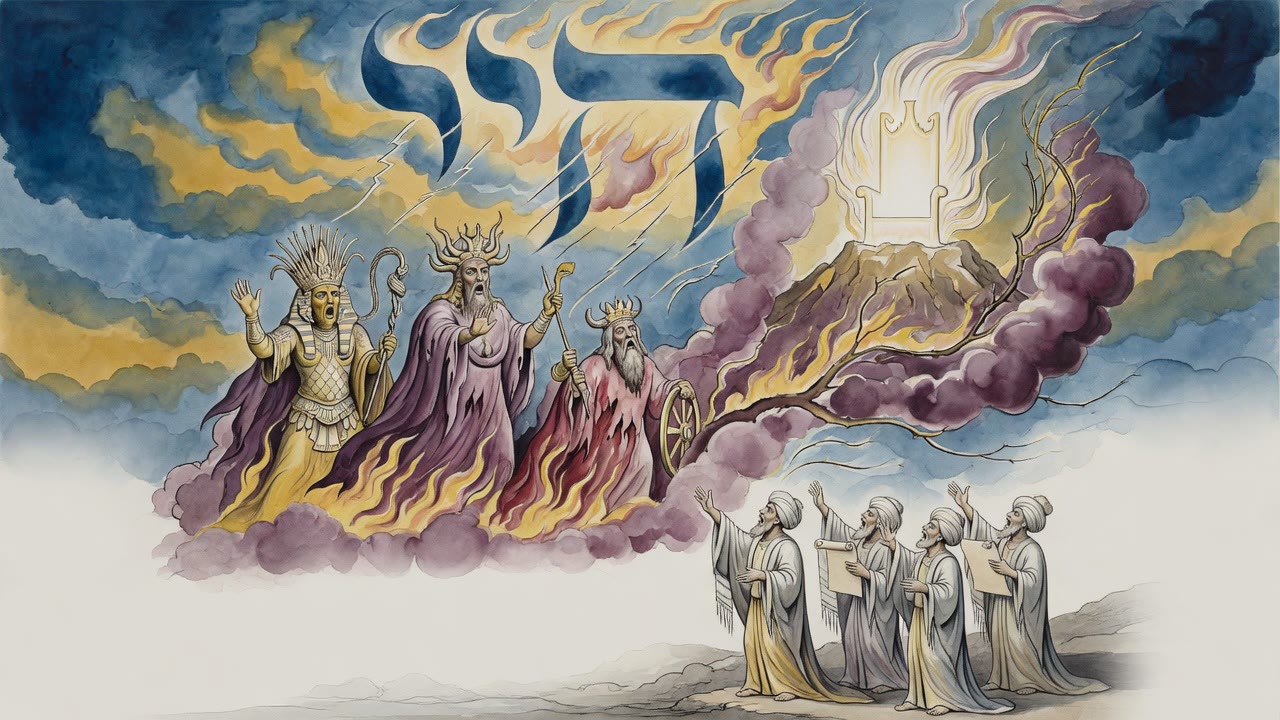
The rabbis of Esther Rabbah noticed Haman and three biblical villains all opened with the same Hebrew word. That word also means anger.
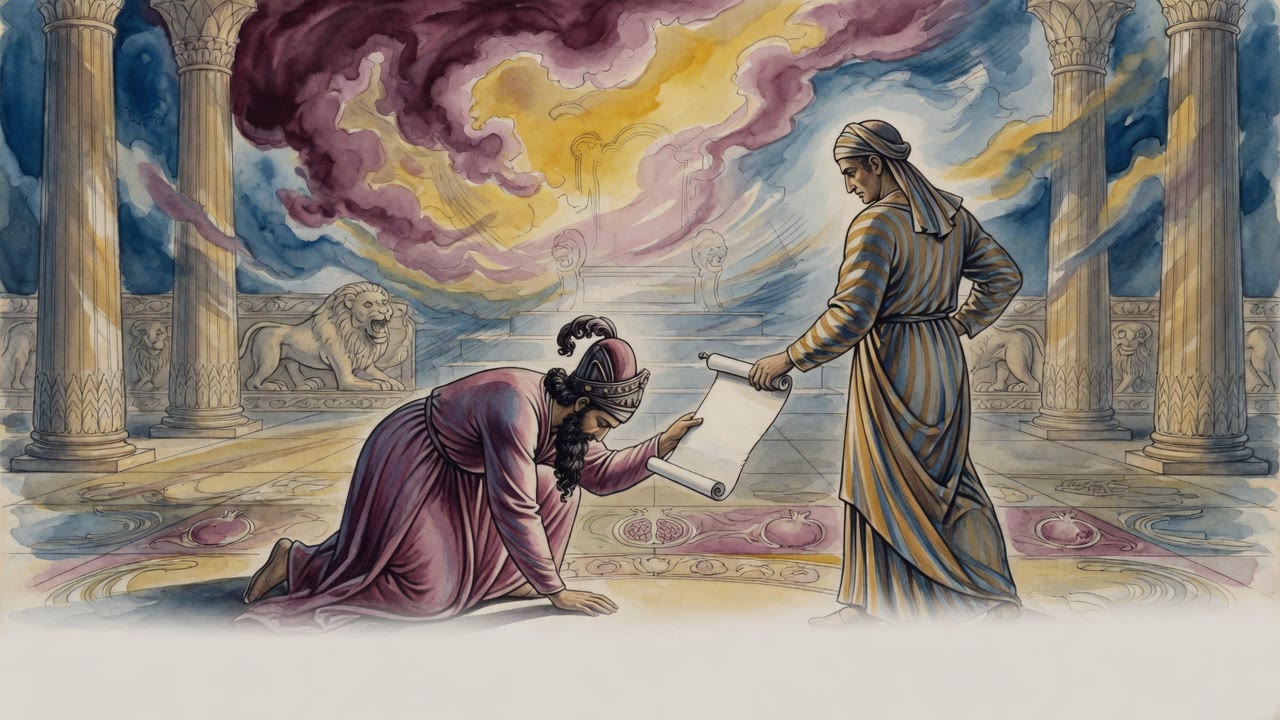
Haman's troops were starving. Mordechai had grain and would not take interest. He asked for a slave's name cut into his own knee.
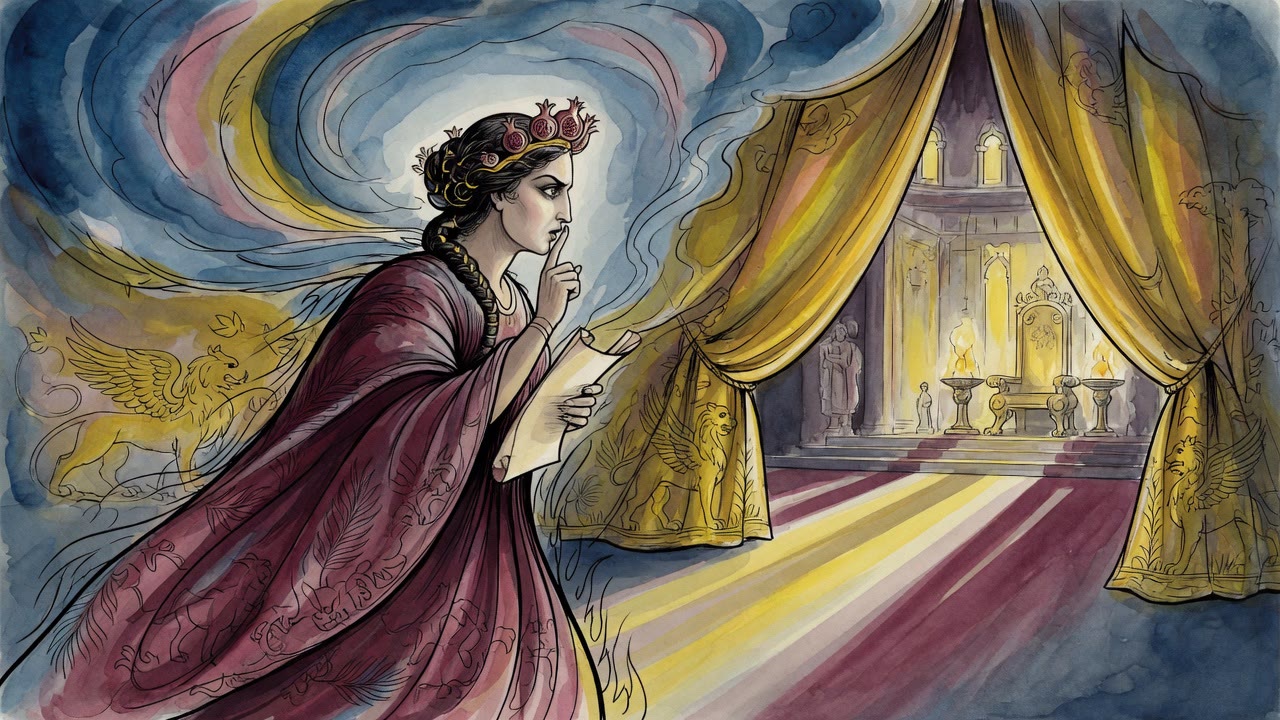
One officer offered a hundred dinars to walk her in. Another said two hundred. Esther kept walking. The palace never priced her people.
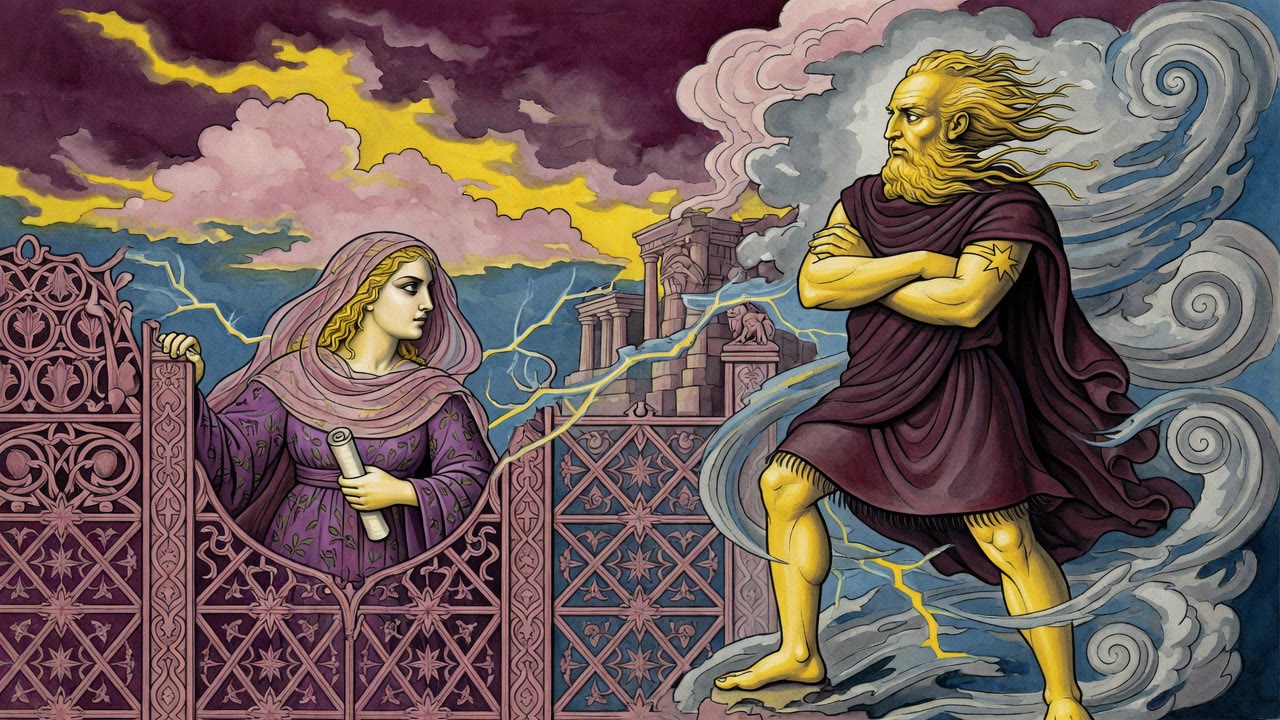
Esther sent Mordechai clothes to get him out of sackcloth. He sent the clothes back, and then sent her a copy of the order to kill every Jew in Persia.
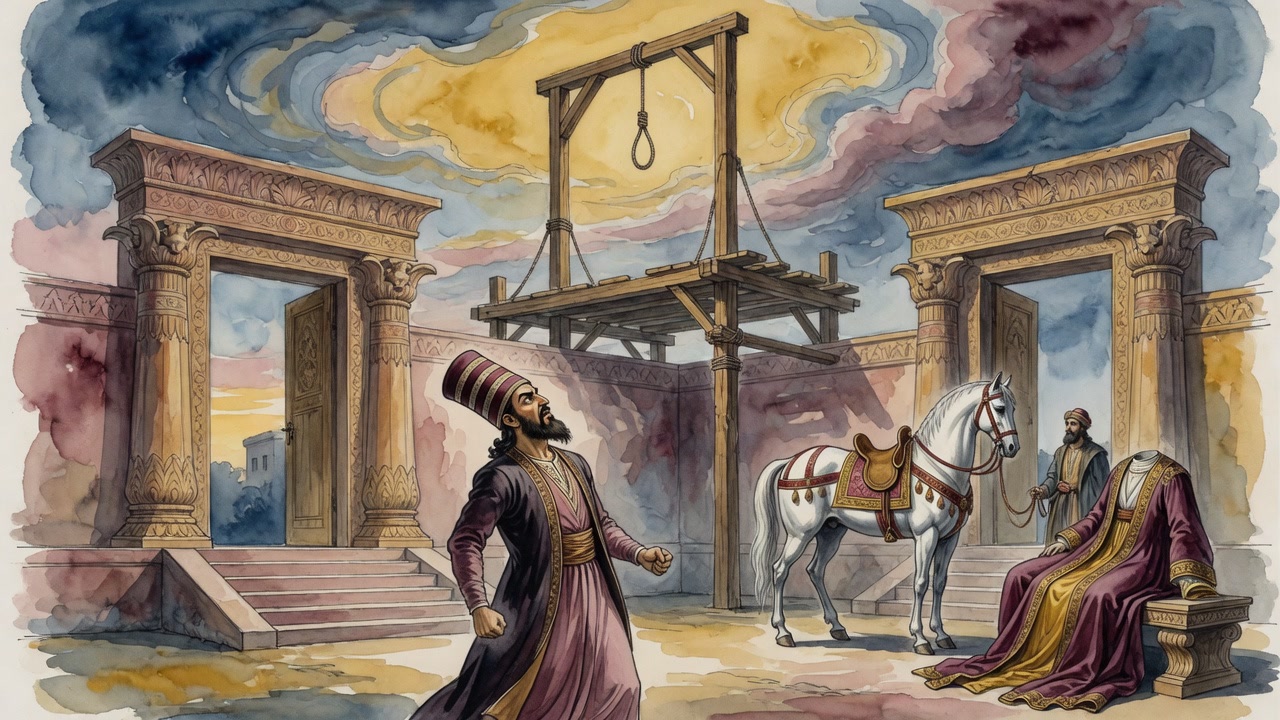
Sleep left the king that night. Haman waited in the court to ask for a hanging. The book of records named Mordechai instead.
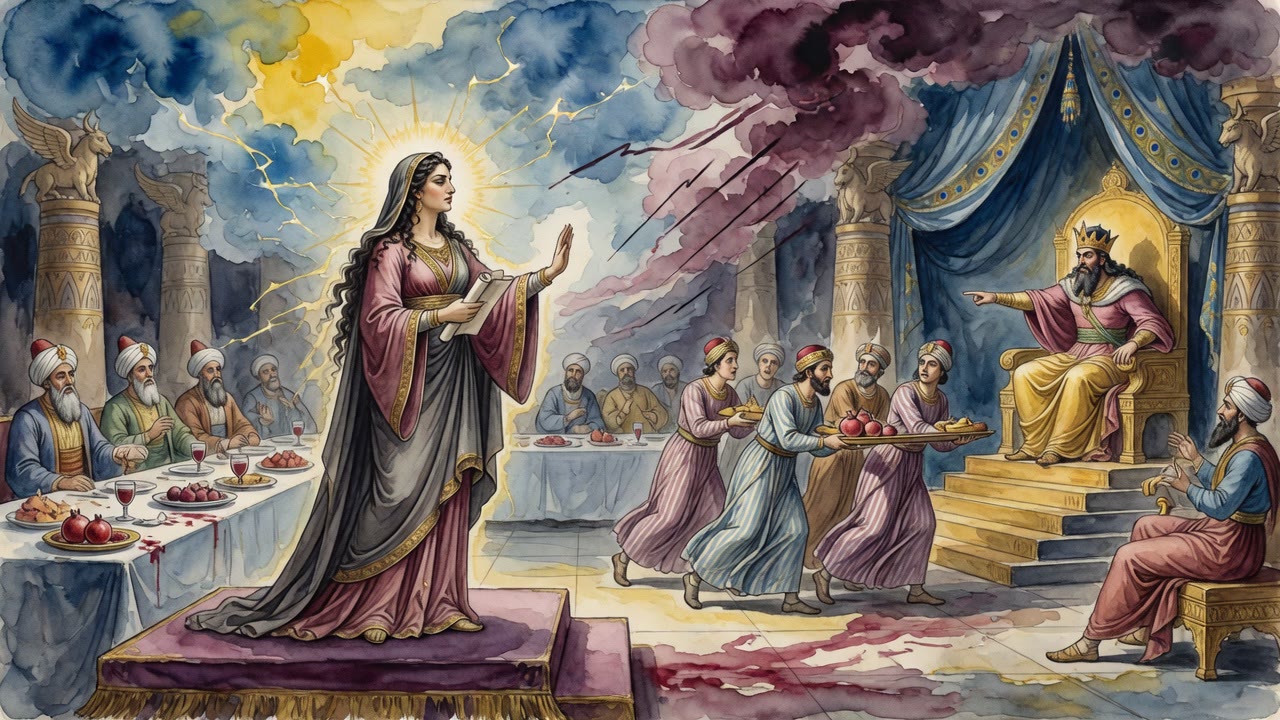
When Ahasuerus ordered Vashti to appear naked before his banquet guests, she sent back a message that listed exactly what kind of man she thought he was.
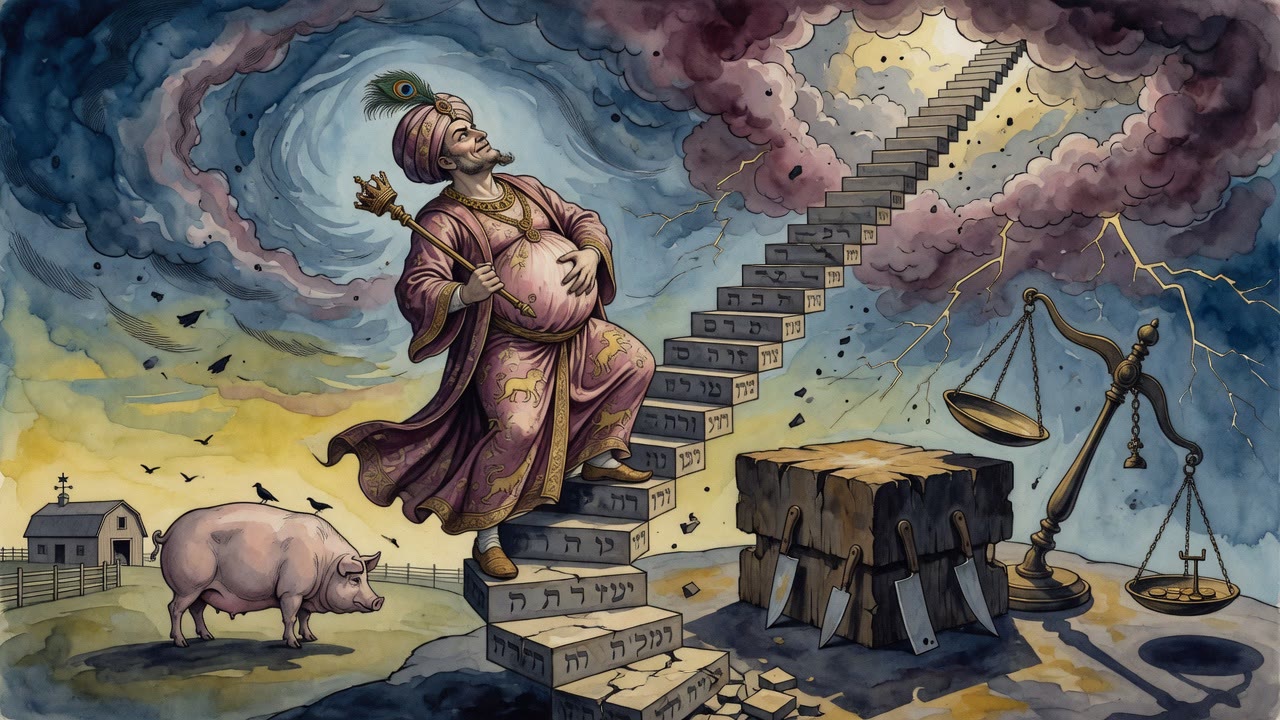
The sow ate without a measure. The filly hauled all day for a counted scoop. On the feast they took the fat one out and cut her throat.
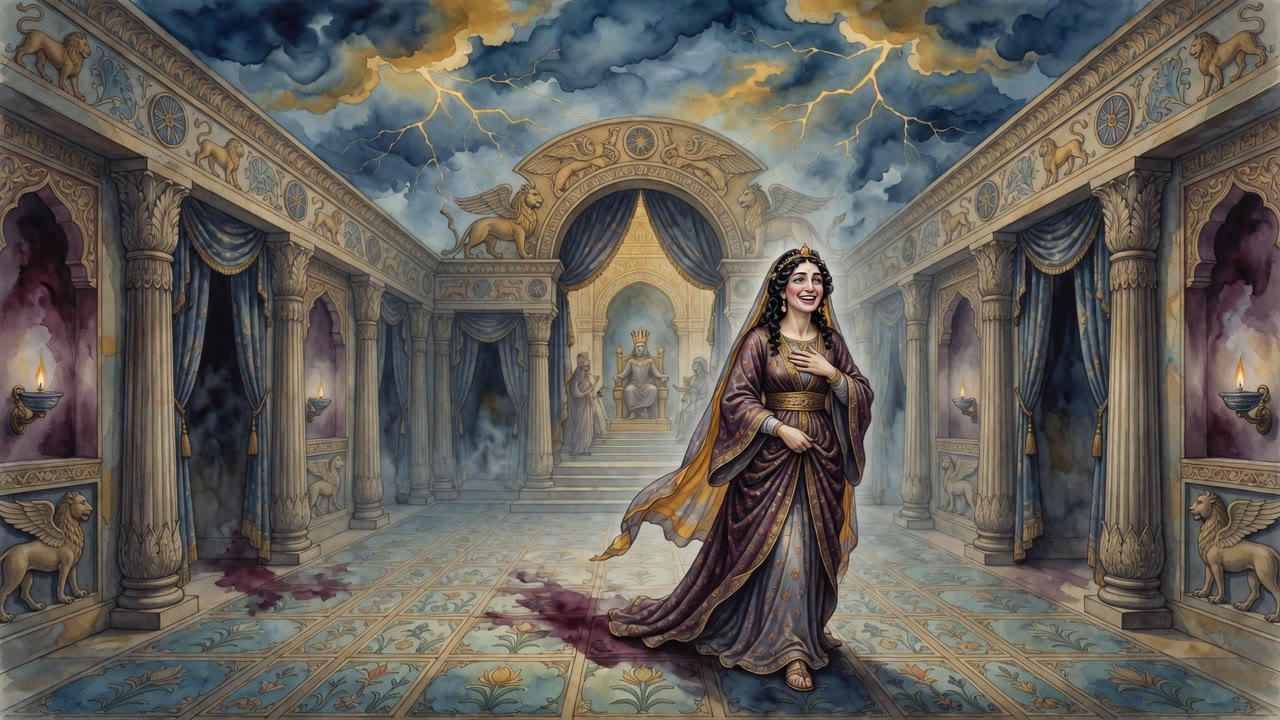
She leaned on one maiden the way Persian queens lean. The other held the gold off the floor. Joy sat on her face. The death law sat in her heart.
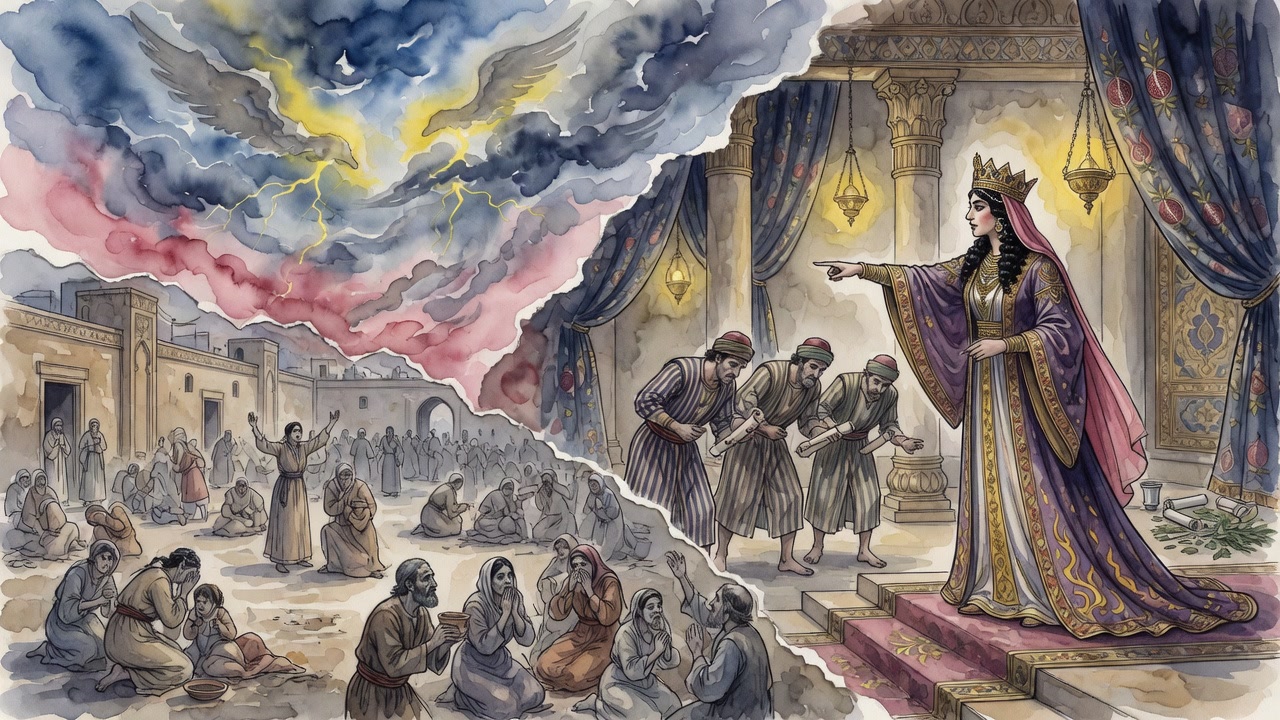
Mordechai named the festival sitting inside her three days. Esther did not blink. If the people died, the holiday would have no one left to keep it.
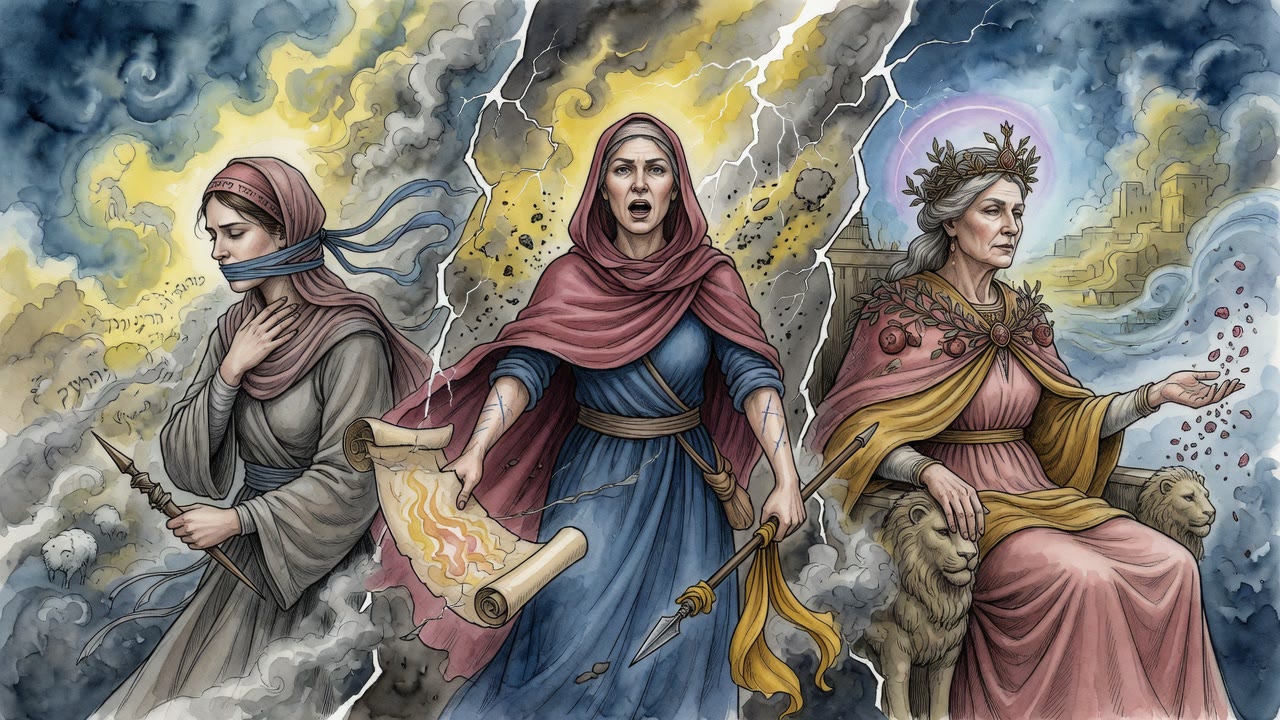
Rachel said nothing on her wedding night, Saul said nothing to his uncle, and a thousand years later Esther found the silence she needed.
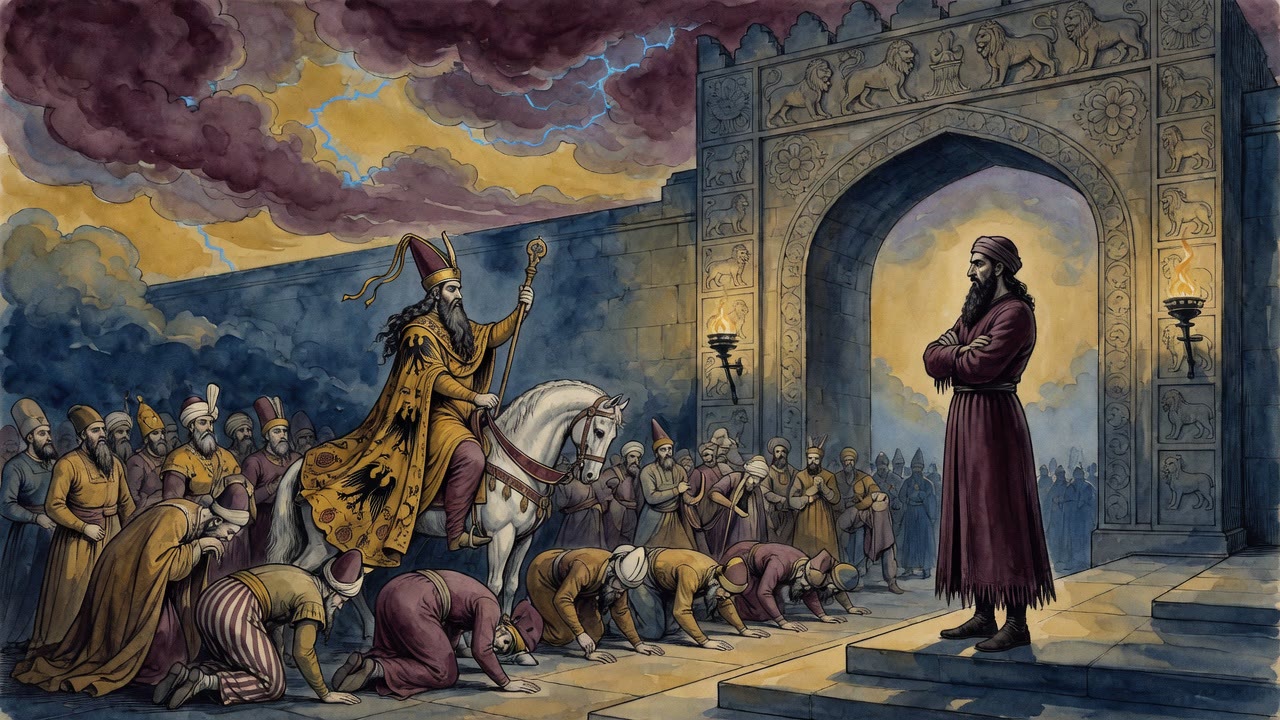
Haman passes through the gate of Shushan and every back bends but one. Mordecai stays upright, and the court has a taunt ready for him.
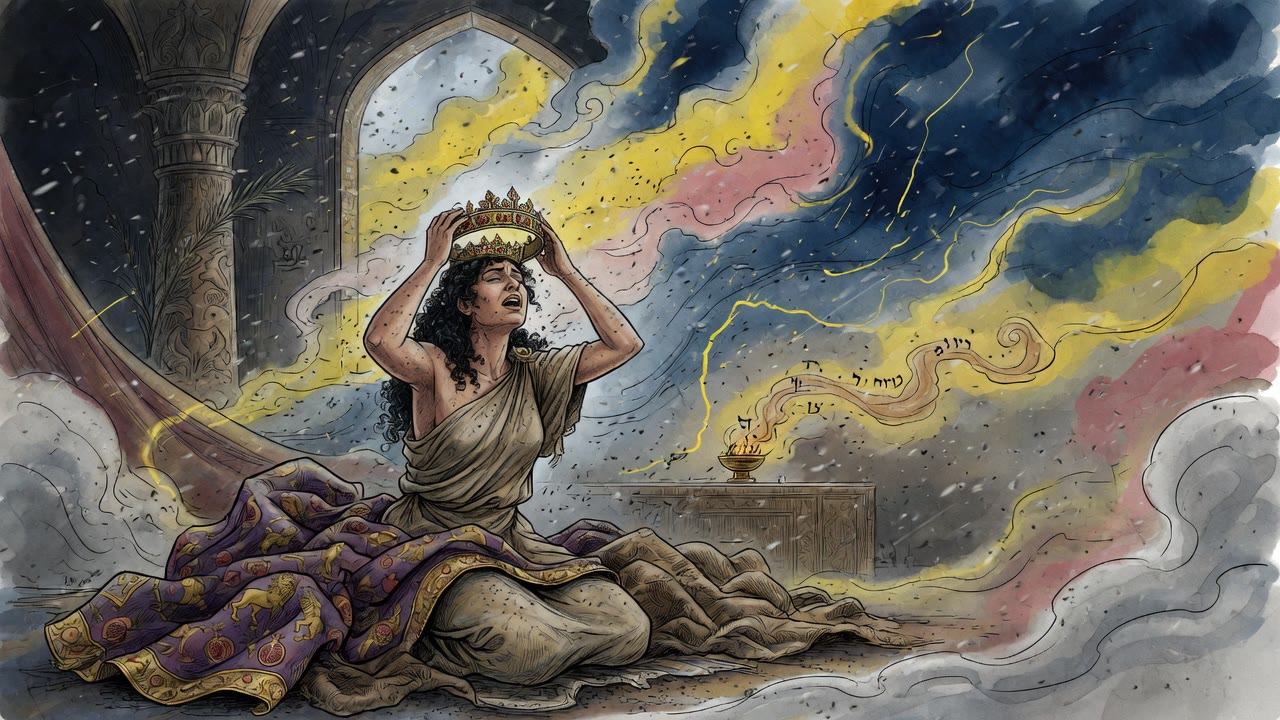
Three days without food. The decree was already on the road. On the palace floor Esther named herself an orphan and began with Abraham.
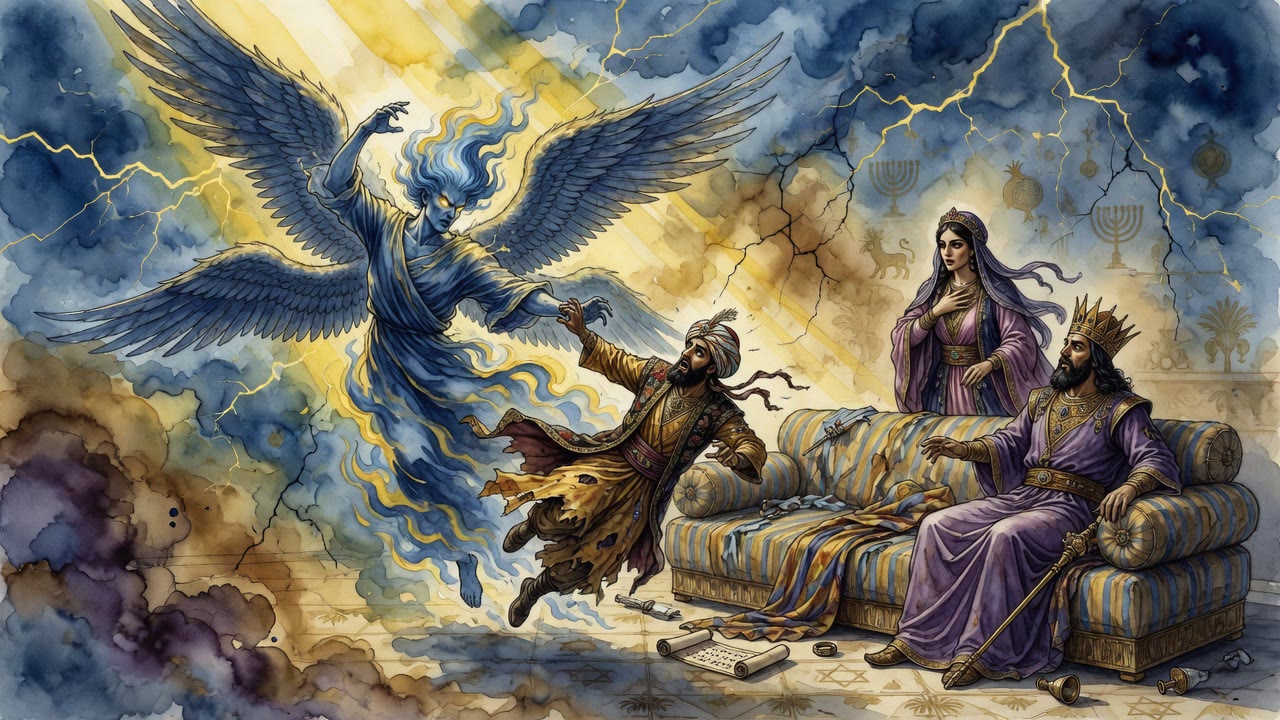
Haman was already on his knees. Gabriel shoved him onto Esther's couch in the same breath the king came back from the wrecked garden.
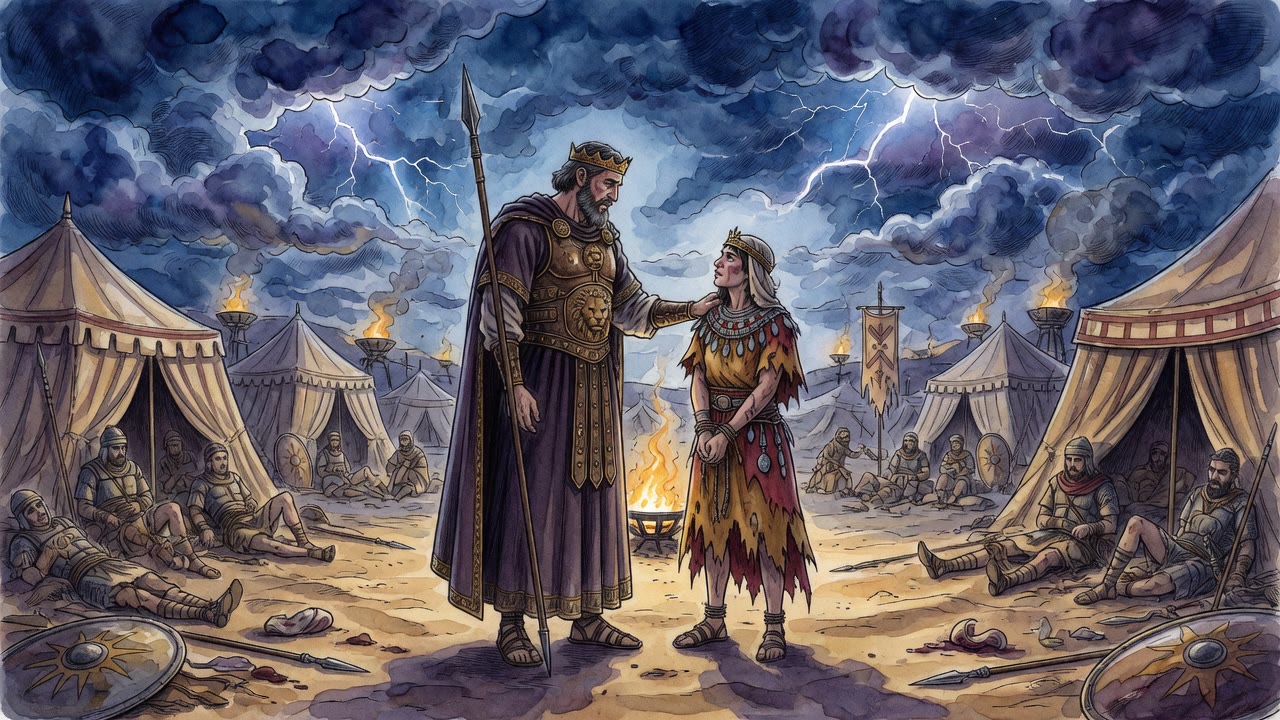
Agag sat bound through the dark while fat sheep bleated in the pens. Samuel came at morning. The line that should have ended did not.
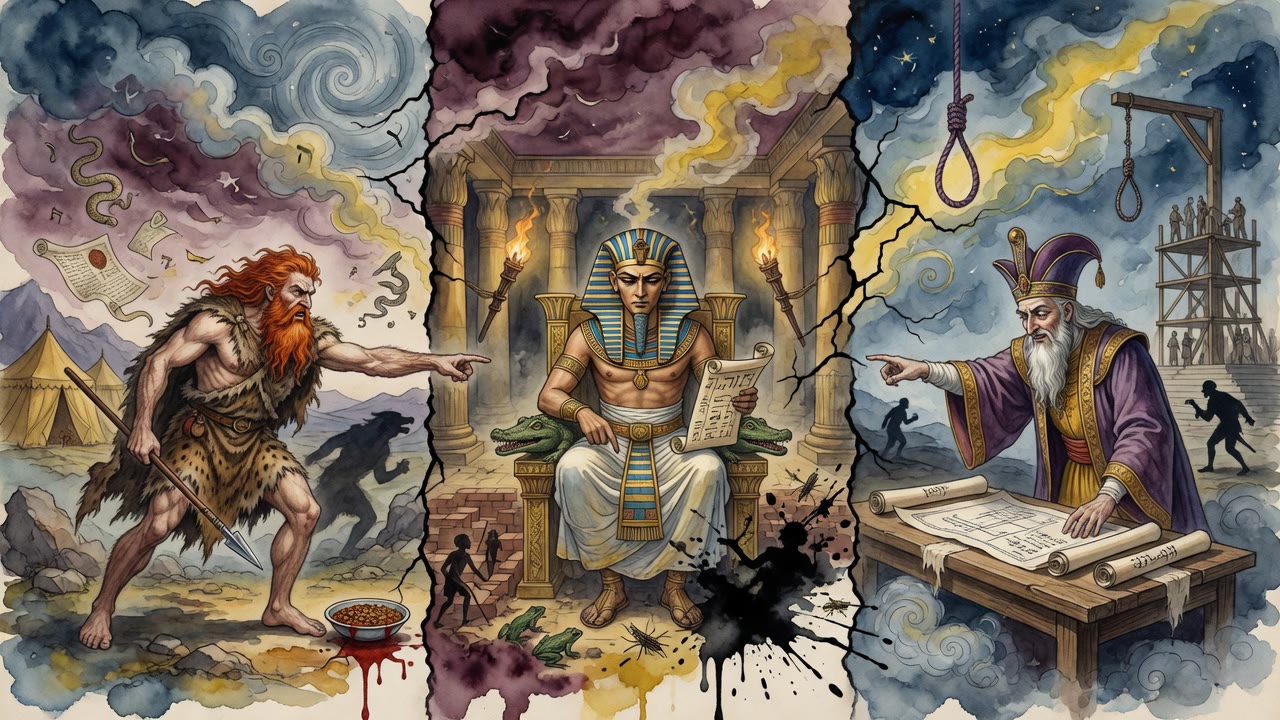
Esau waits for his father to die. Pharaoh counts a swarming people. Haman seals a letter to kill every Jew in one day. Each plot is smarter. Each fails.
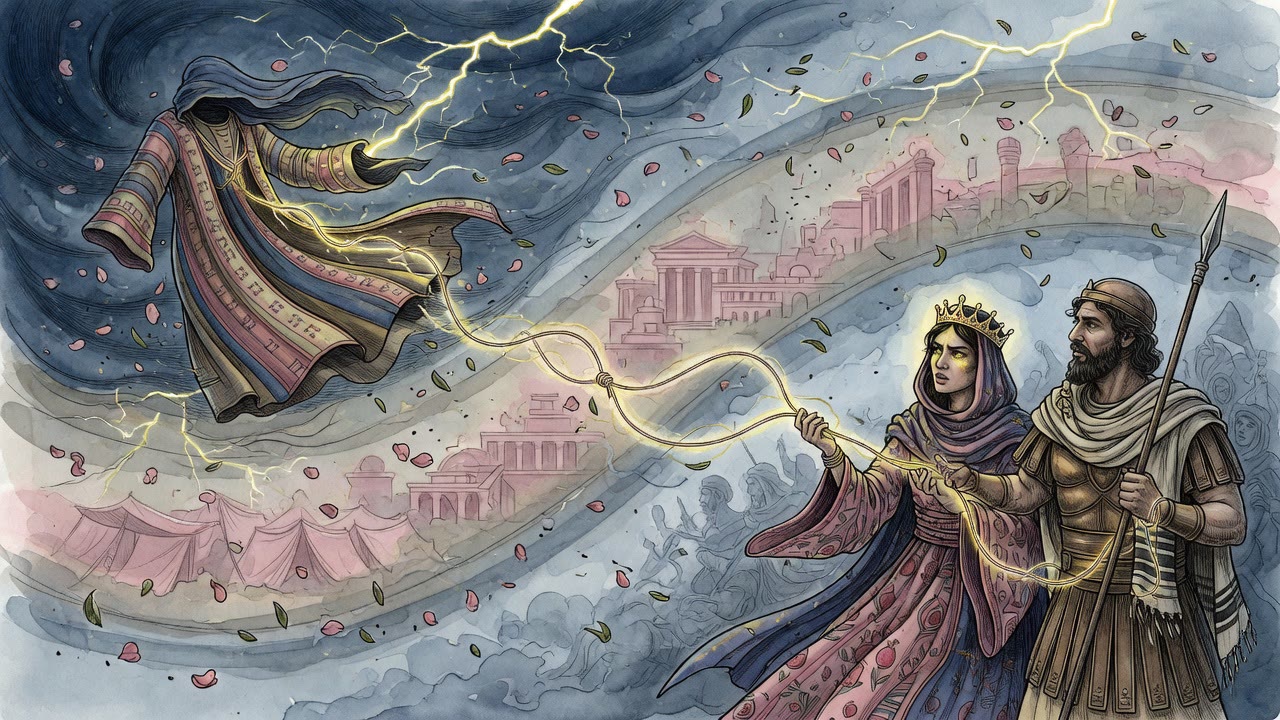
Twenty pieces of silver split ten ways is two pieces a man. The brothers spent theirs on shoes and sat down to eat while Joseph was still in earshot.
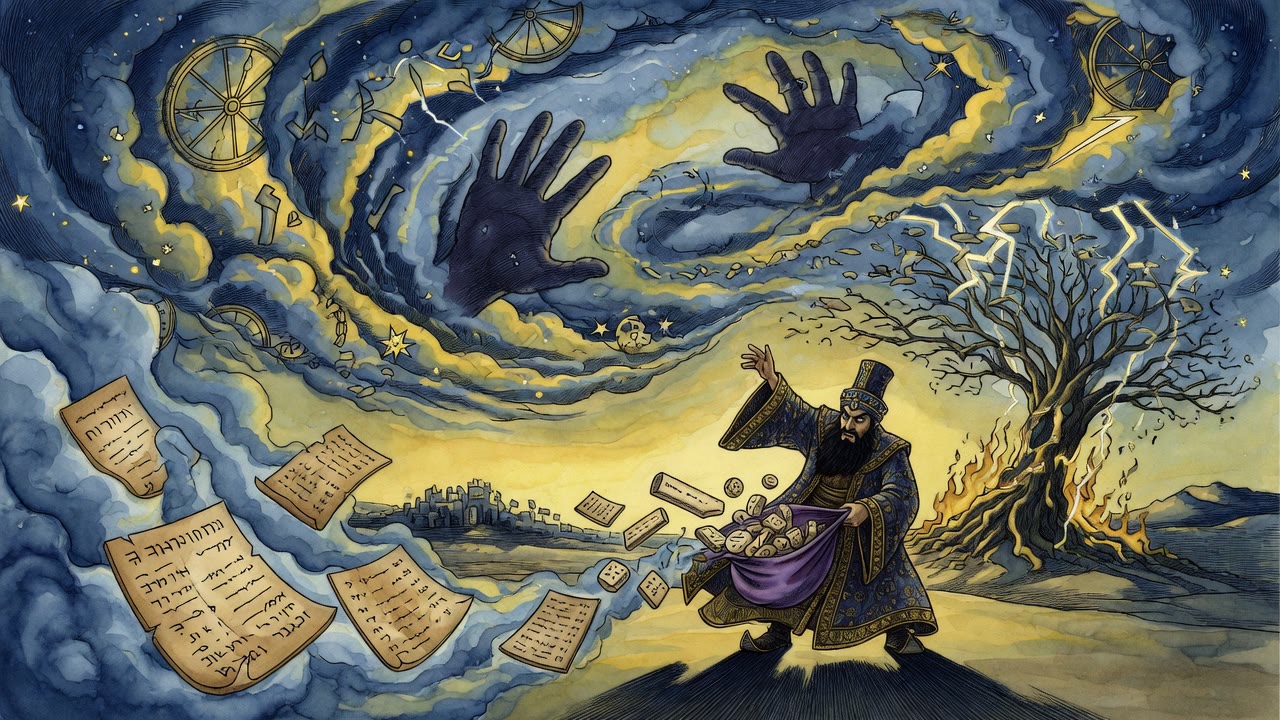
Haman threw lots at days and months until Adar smiled at him. Moses had died there. He did not know Moses had been born there too.
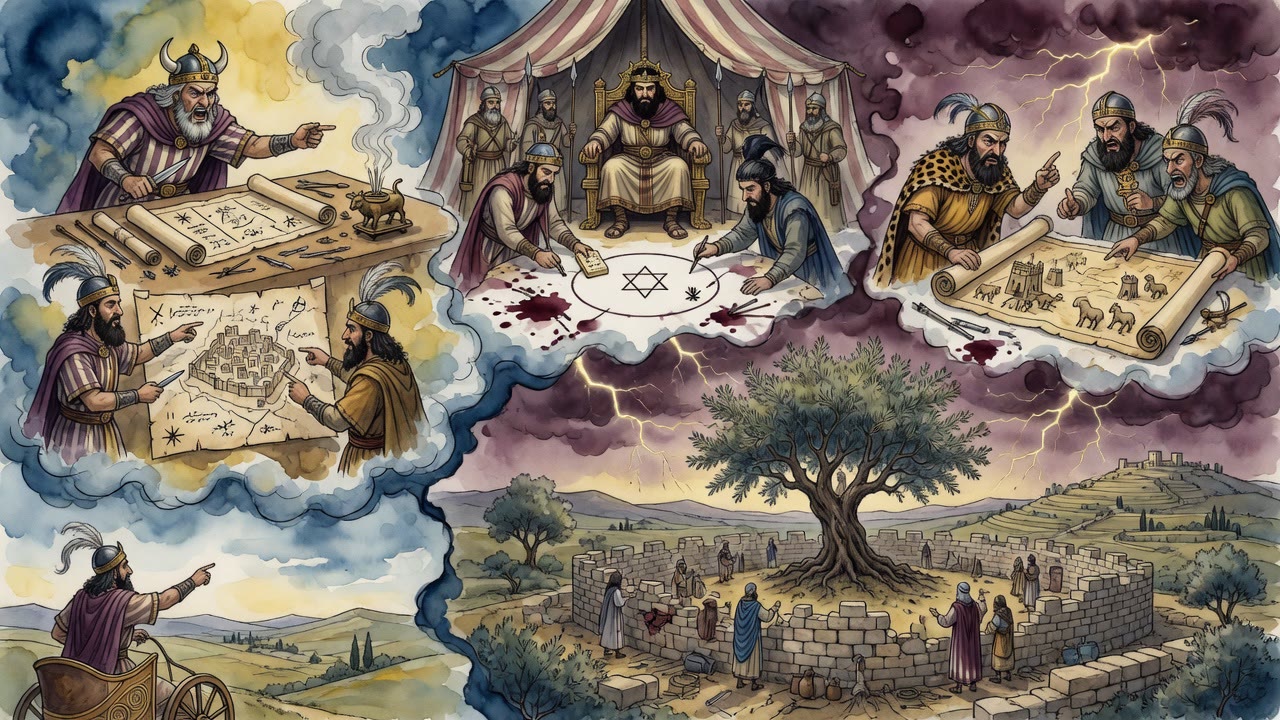
Esau, Pharaoh, and Haman each studied the failure before him and designed a sharper plan. Esther Rabbah lets every scheme collapse.
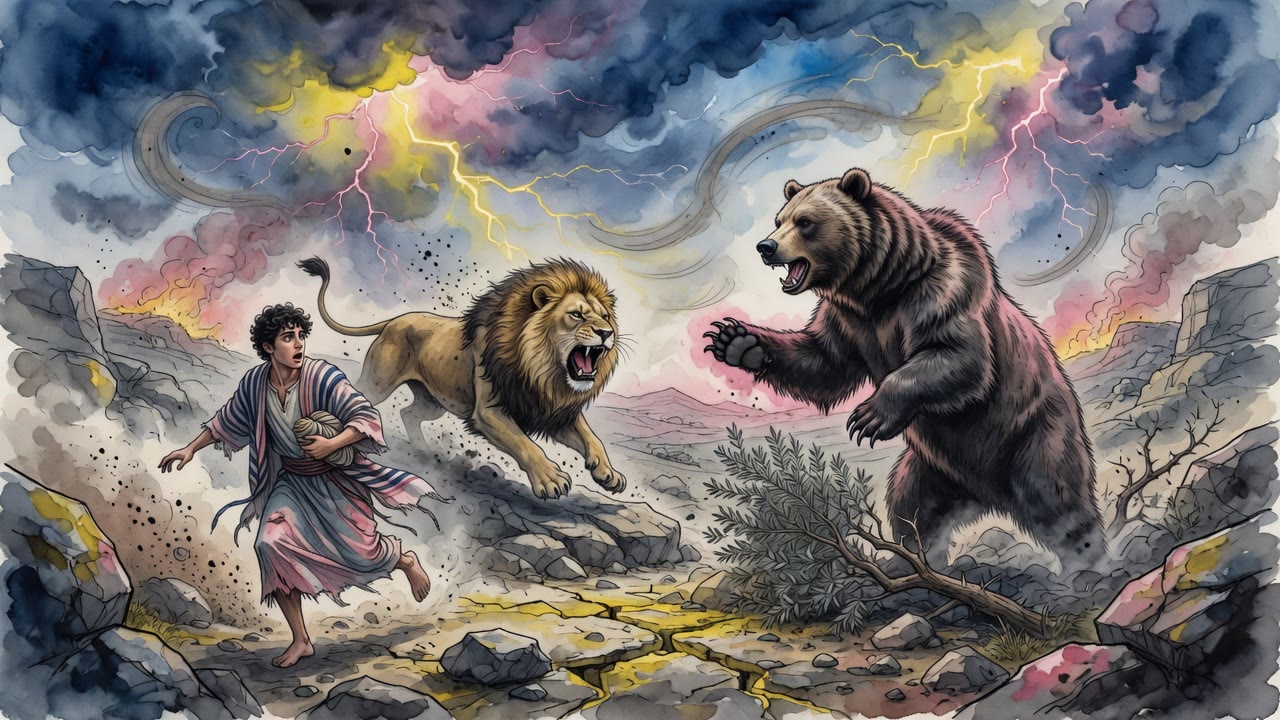
He outran the lion and met a bear on the same road. Home was no shelter. When he leaned on the wall, the snake was already in the plaster.
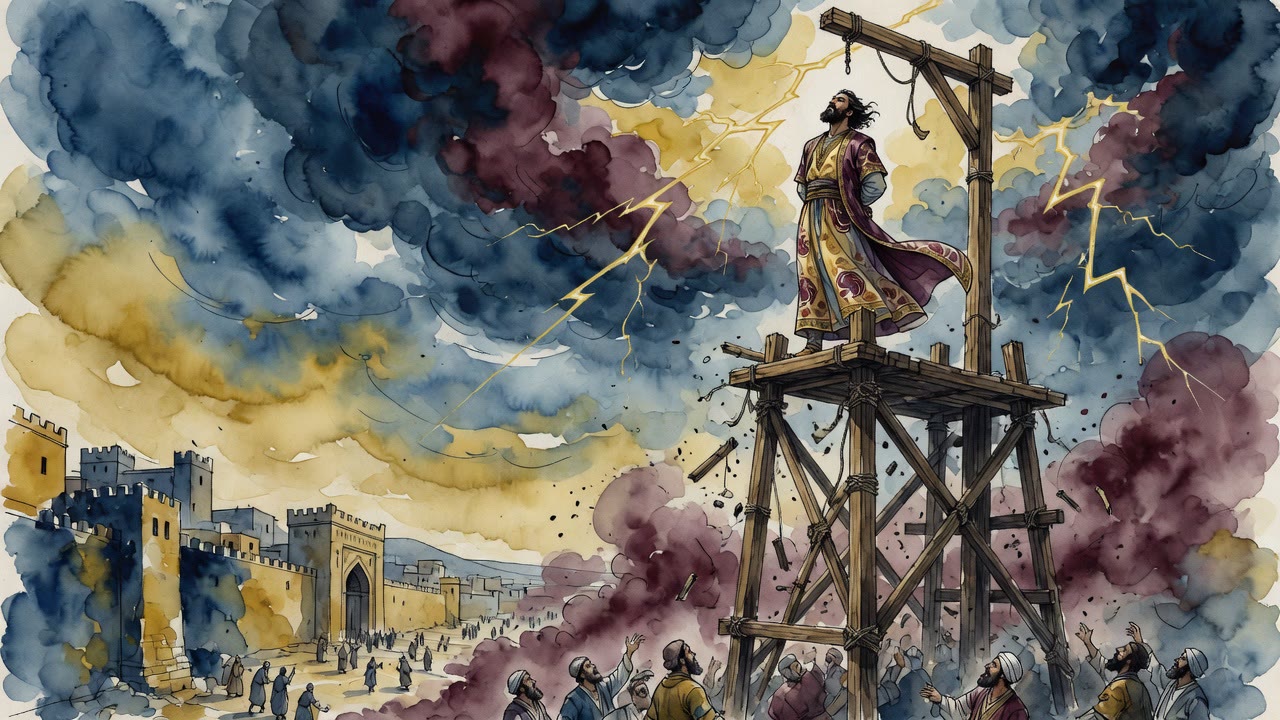
Haman's chair sat higher than every prince. In the yard the sow ate without limit, and the donkey already knew what the extra feed was for.
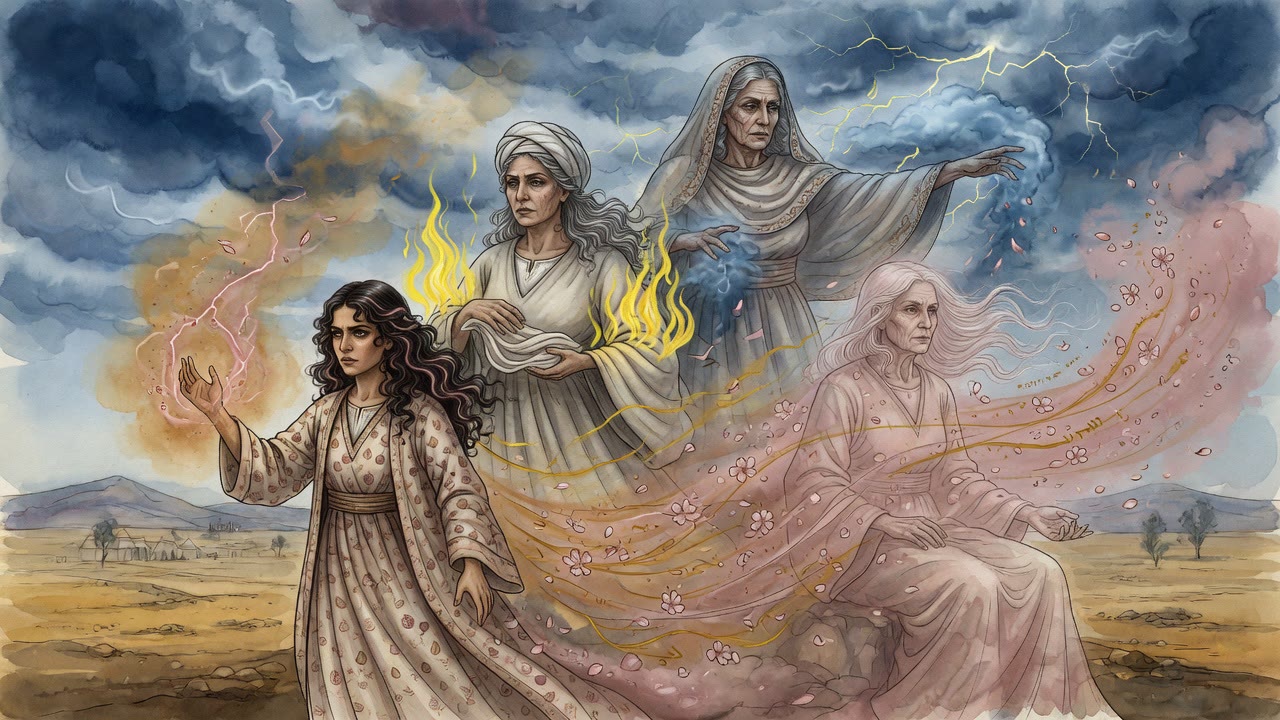
Rabbi Akiva woke his students with one number: Sarah lived 127 years, and Esther ruled 127 provinces across Persia for Israel.
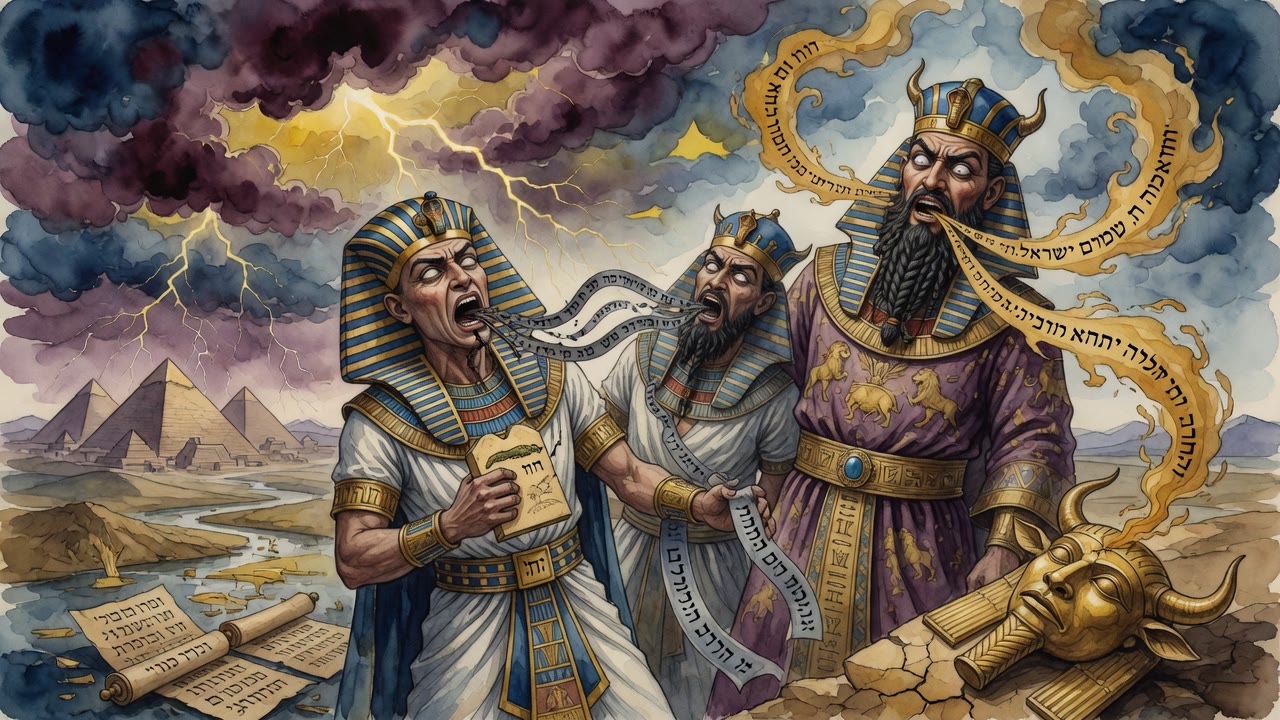
Four figures walked in the furnace. The king named the fourth a son of gods, and an angel flogged him until the words came out right.
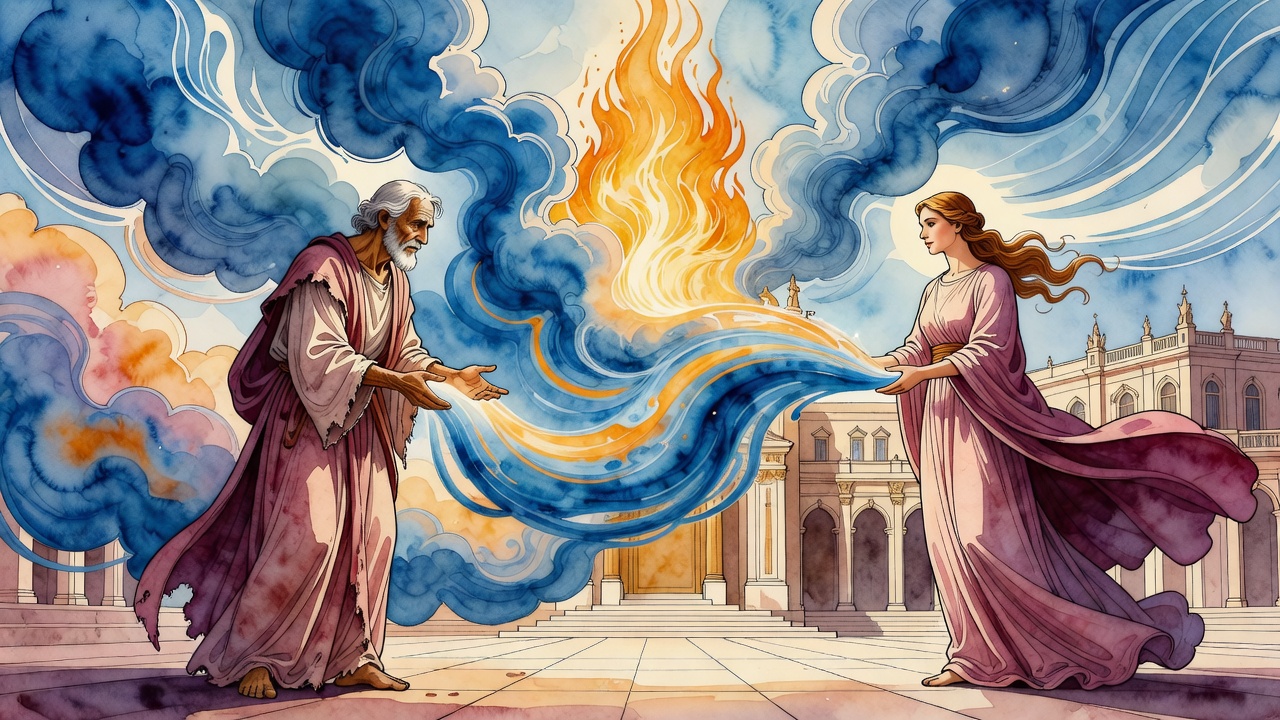
Daniel left the royal court old and emptied of public office, but the merit of his life moved into Esther's hands at the palace.
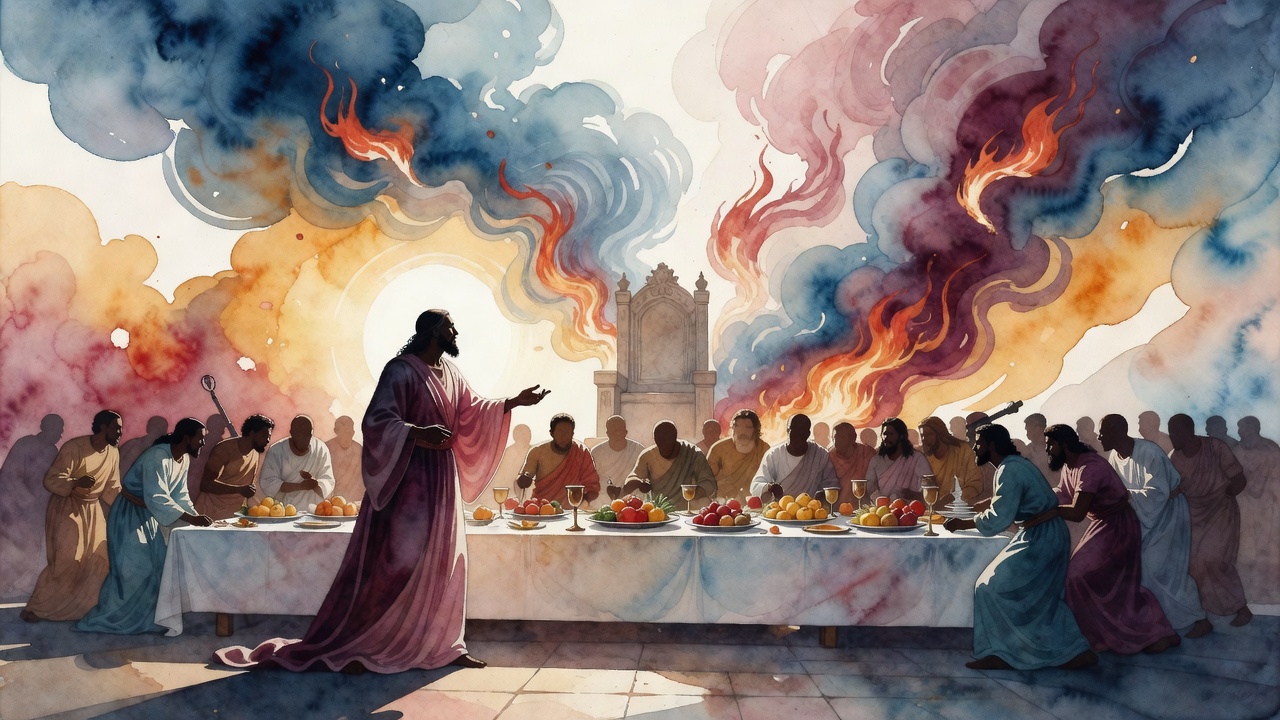
Haman used a royal banquet as a snare, hoping Israel's appetite would make God angry enough to leave the people exposed before the king.
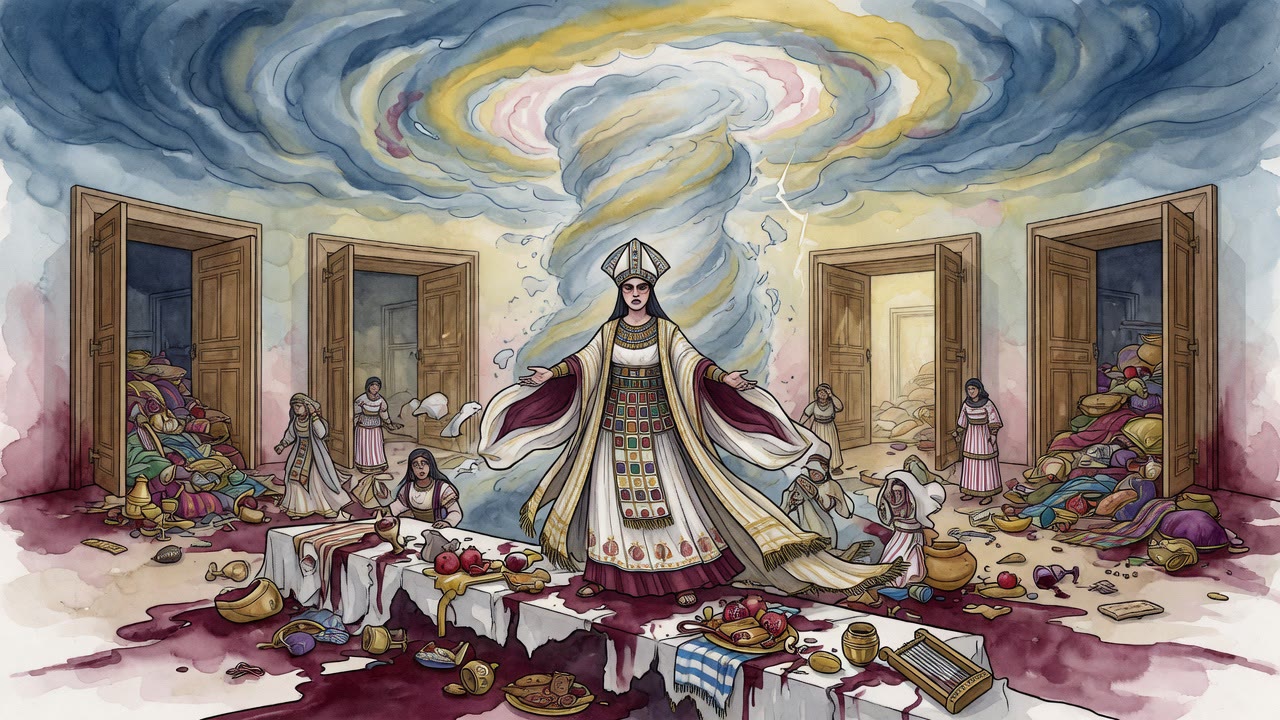
She opened six storerooms before noon and named the bedchamber last. The cloth on her shoulders had once belonged to the Temple in Jerusalem.
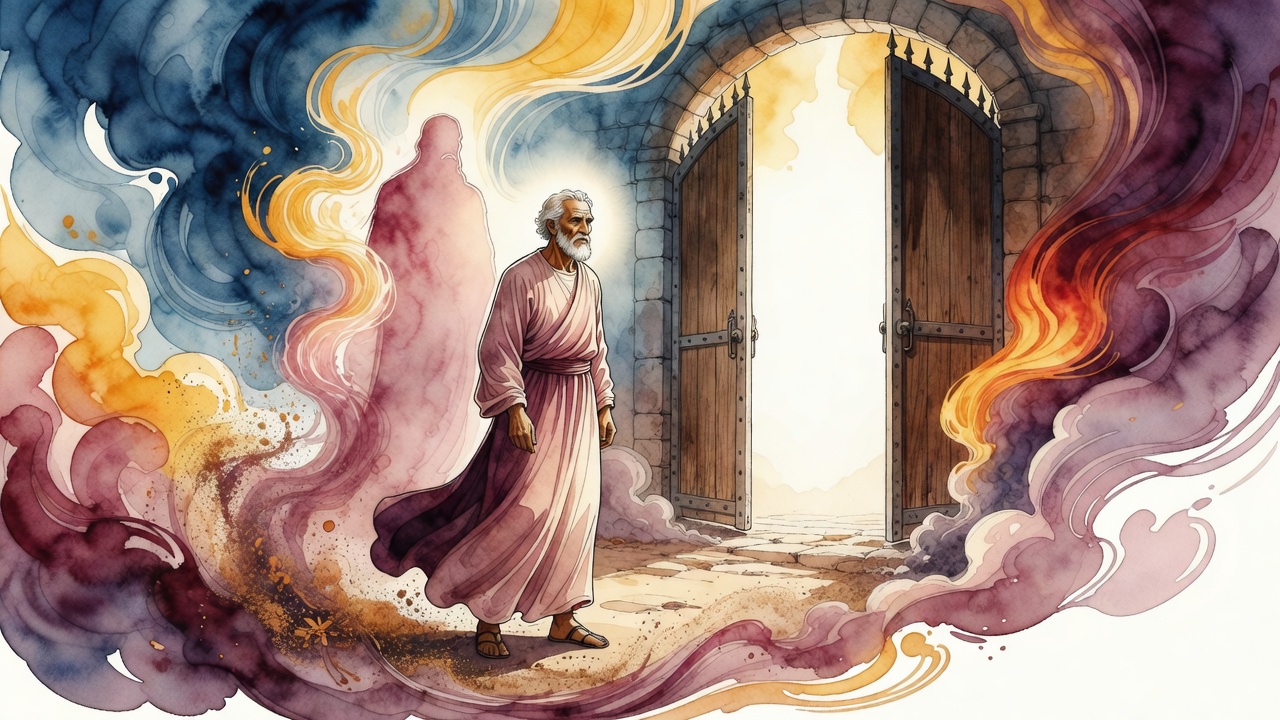
Every back in the courtyard bent when Haman crossed it. The servants crowded the one man still standing and asked why. He told them Haman had a mother.
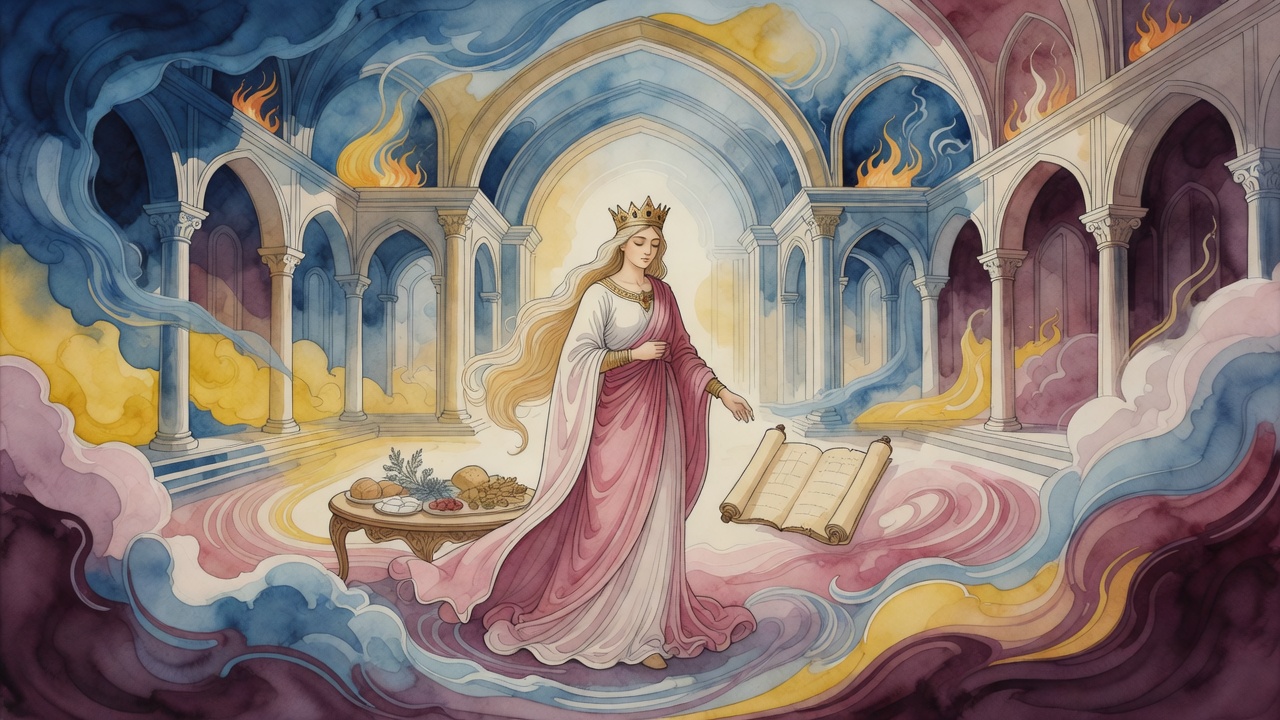
Mordecai hid Esther for four years. The king made it a killing offense to hide a woman, so Mordecai brought her out and the palace took her.
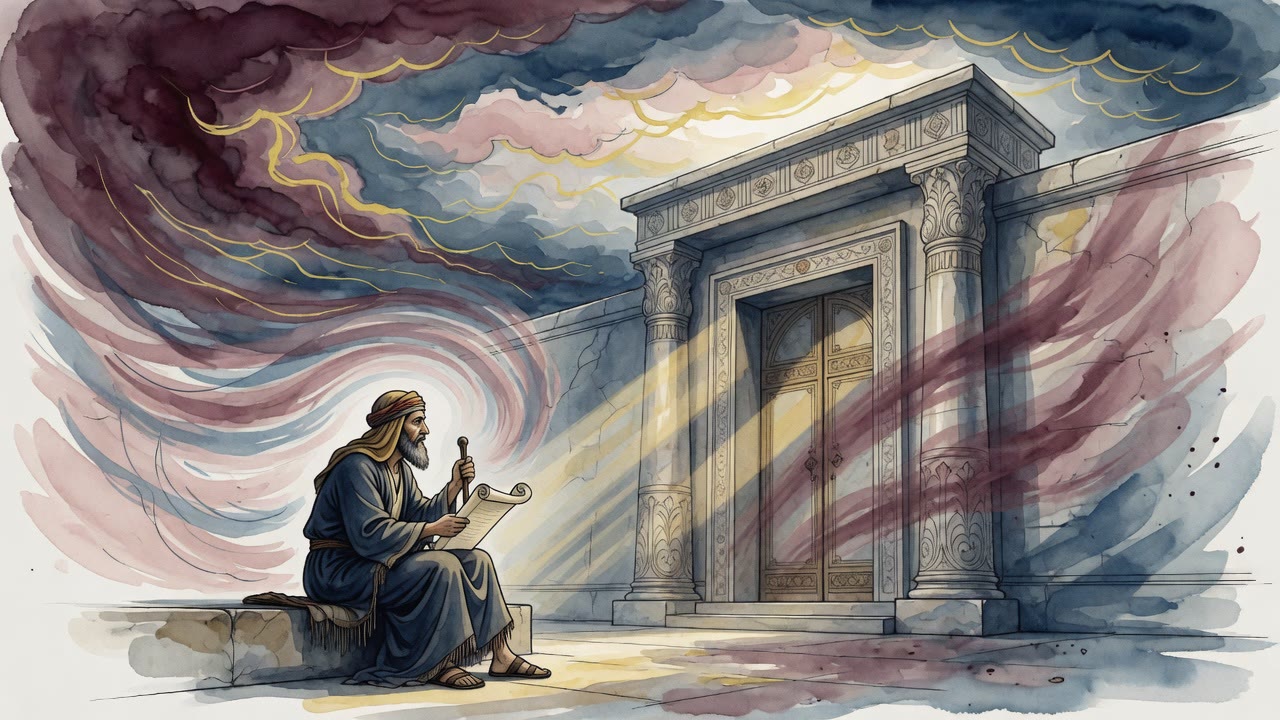
Mordecai waited outside Esther's palace not as a distant guardian but as husband and Torah teacher, until danger forced her toward the king.
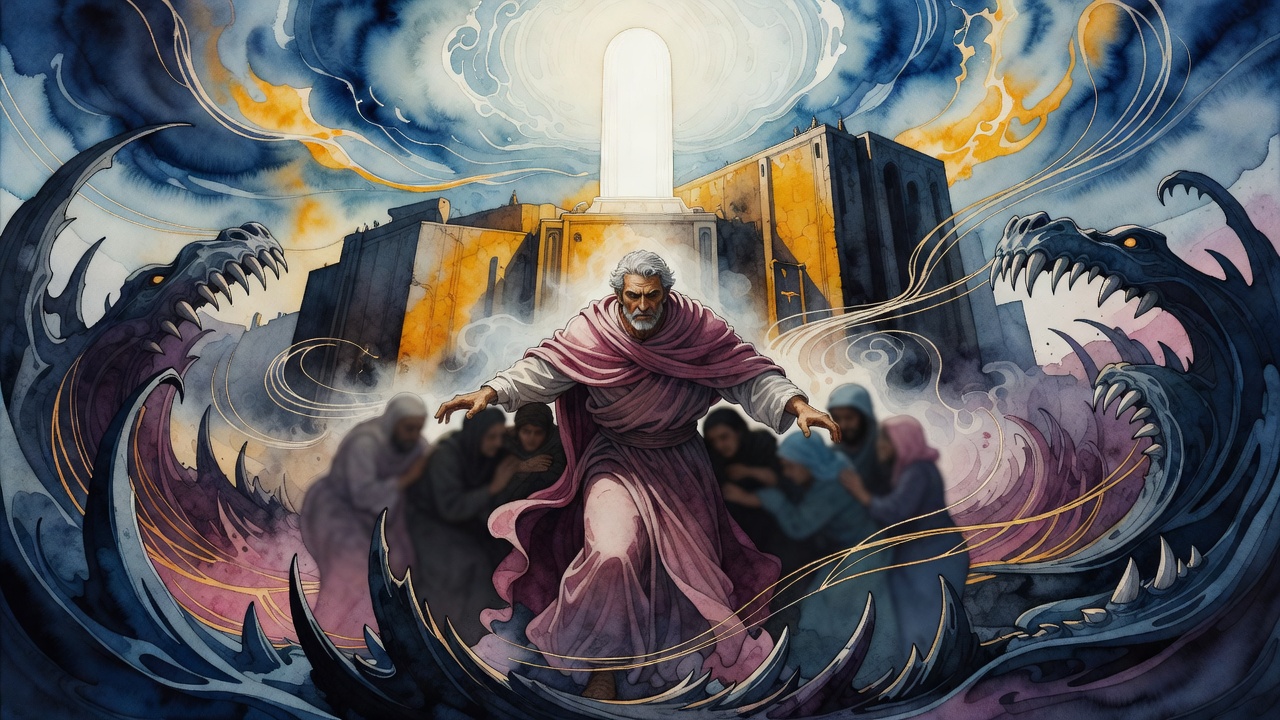
Mordecai hid Esther's people from the palace because rank, danger, and exile all had teeth. Heaven answered by placing Israel in his care.
