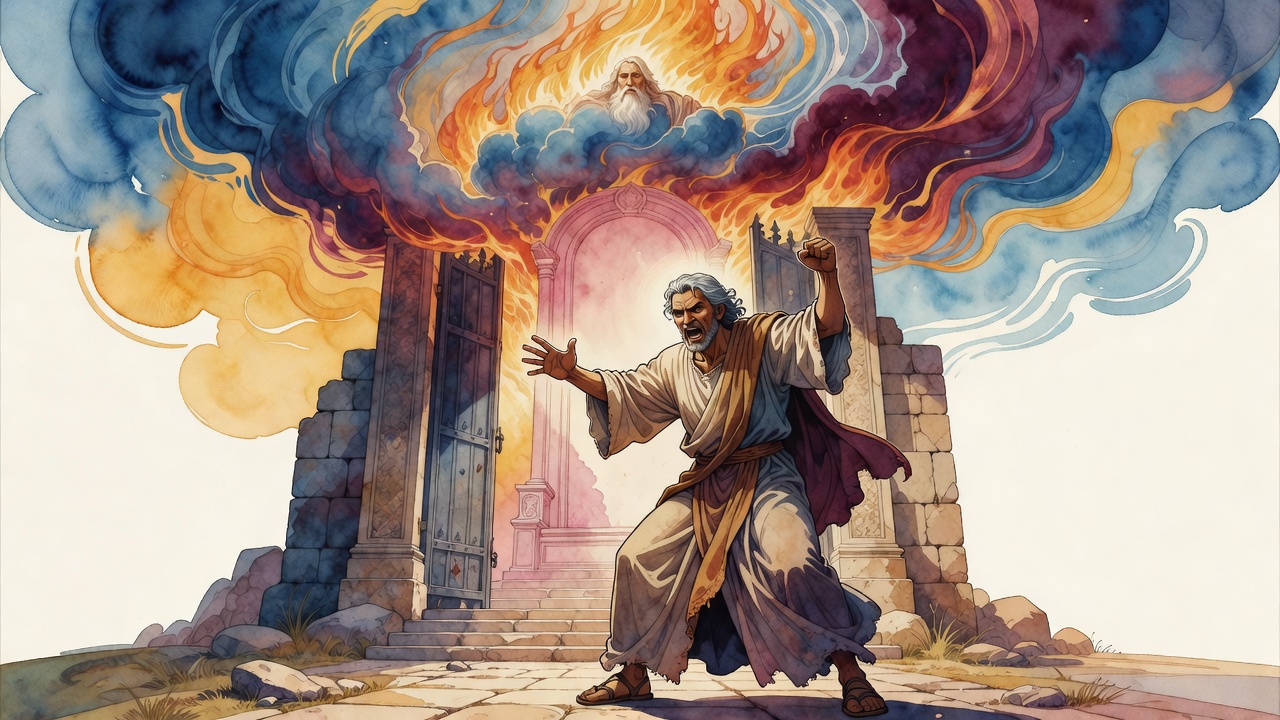
Esther's Prayer Before She Faced the King in Gold
Three days face down in ash, then silk and gold shoes. She told God plainly that she was not asking because she thought herself without blemish.
Table of Contents
 Click for full size
Three Days Face Down in Ash
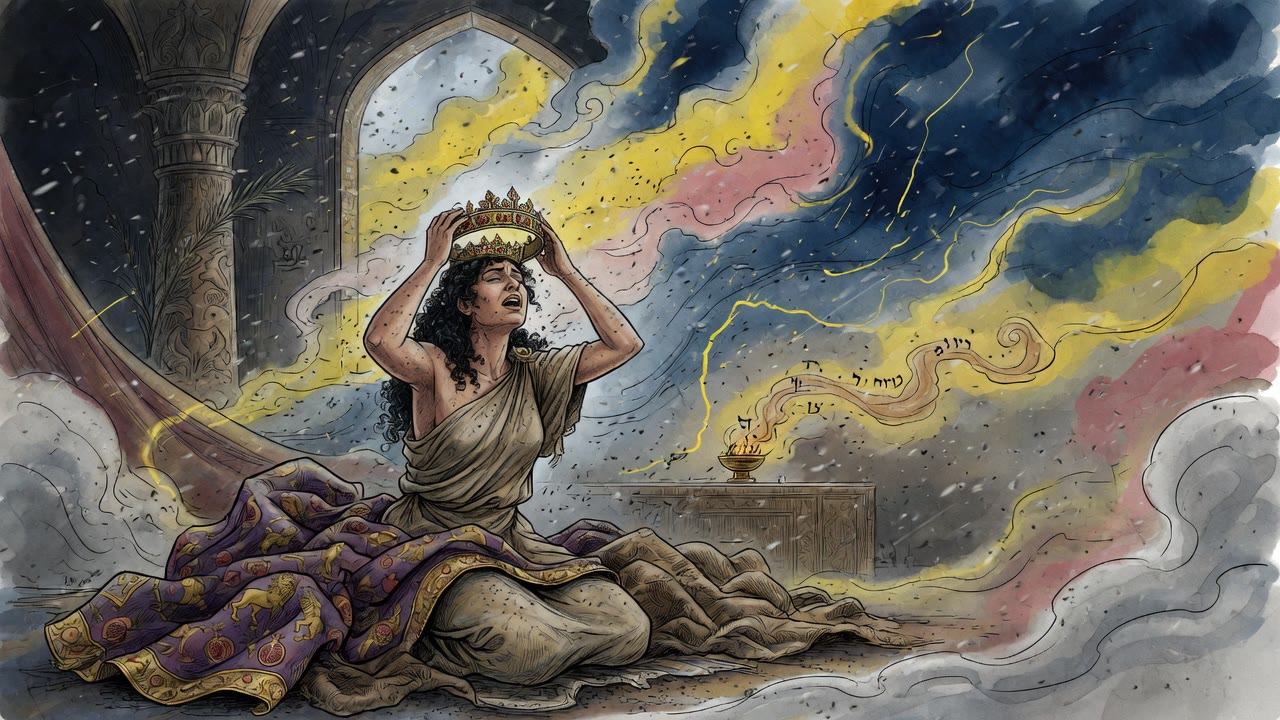
Esther had spent three days and three nights on the ground without food or water, in sackcloth, with earth and ashes in her hair.
On the fourth day she got up off the floor.
Gold From Ophir, Pearls From Africa
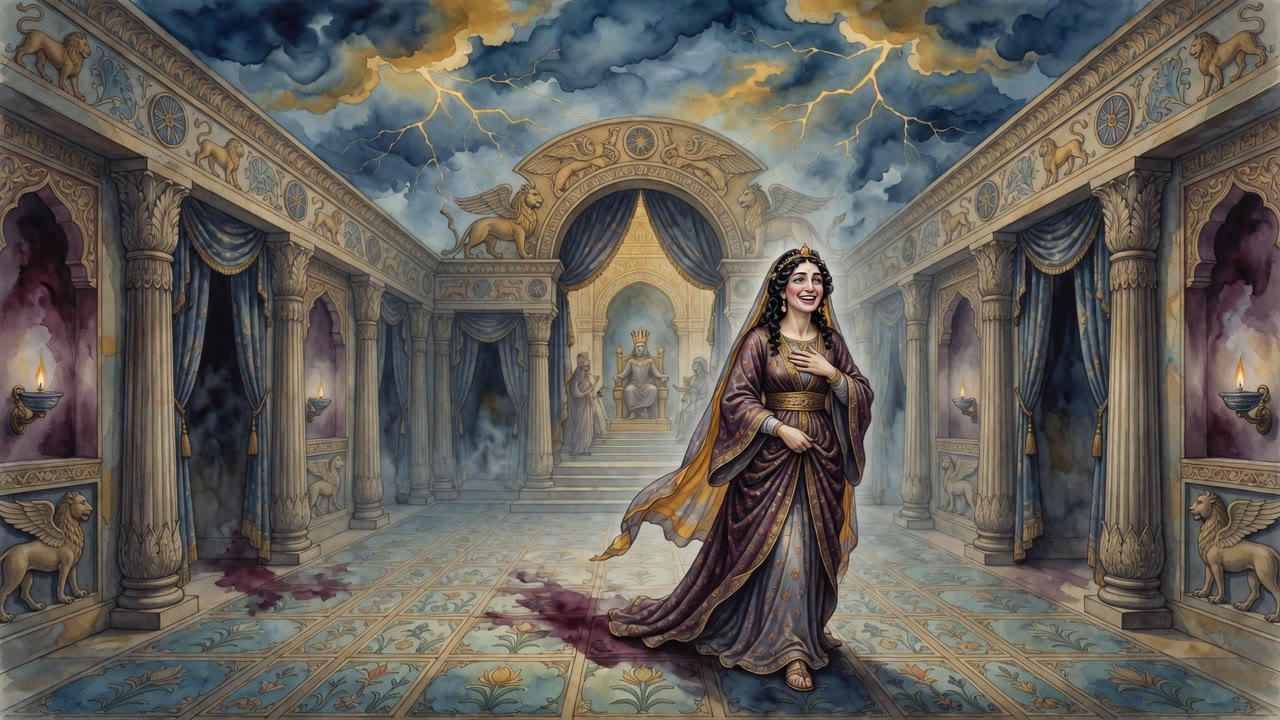
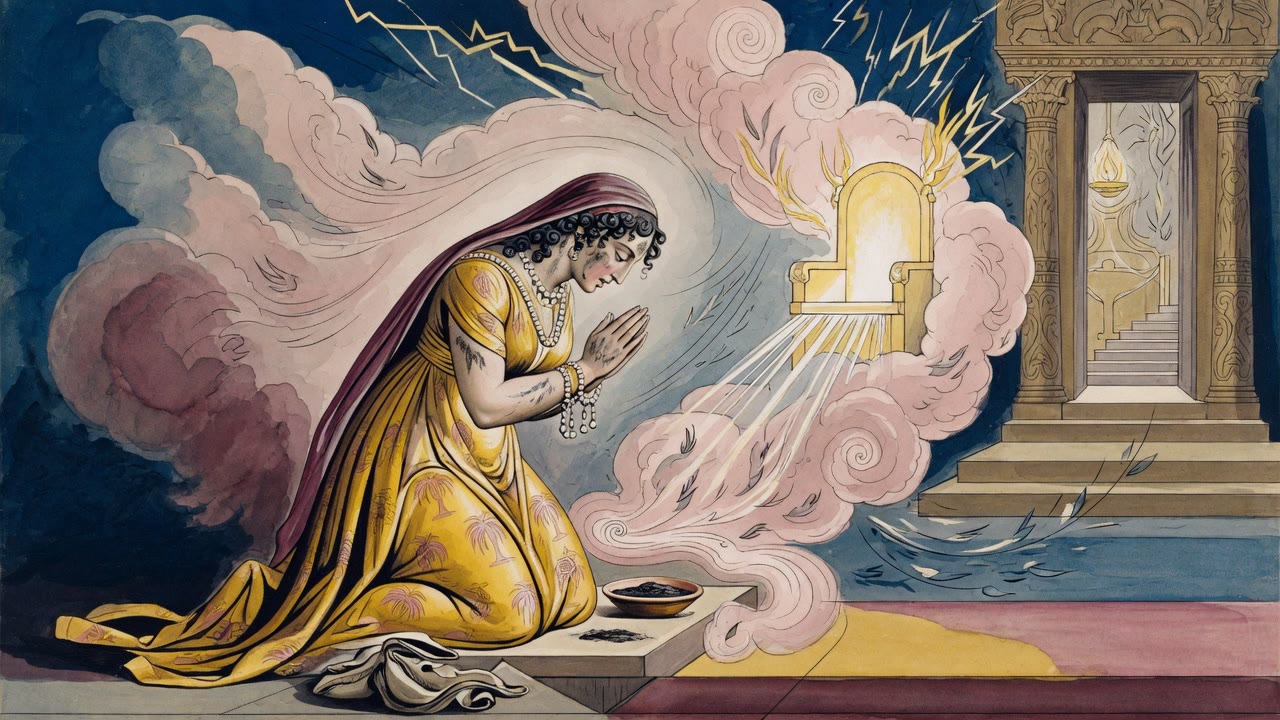
She washed and dressed. Silk worked through with gold out of Ophir. Diamonds and pearls that had come to her from Africa. A gold crown on her head and gold on her feet.
Nothing about it was vanity. The sackcloth had been for one audience and the gold was for another, and she knew exactly what the man at the end of the corridor responded to, because she had been studying him for years.
When she was finished dressing, she prayed.
She Did Not Claim to Be Clean
"You are the great God," she said, "the God of Abraham, of Isaac, and of Jacob, and the God of my father Benjamin."
Then she said the thing most people leave out.
It is not because I think myself without blemish that I dare go in front of this foolish king. She had eaten at his table. She had worn what she was told to wear and gone where she was sent. She put none of it behind her and asked for nothing on account of her own record.
What she argued instead was that the world would be short something without her people in it. Was the whole of it not made for Israel's sake, and if Israel is finished, who will stand up three times a day and say holy, holy, holy in front of you?
Then she named two rescues to his face like a woman citing precedent. You brought Hananiah, Mishael, and Azariah out of a burning furnace. You brought Daniel up out of a den of lions. Bring me out of the hand of this foolish king, and make me charming and graceful in his eyes.
The Sucklings and the Graves
The rest of it came out as an argument about who exactly was being killed.
The decree is issued, she said. We are handed over to the sword, root and branch, and the old curse has landed on us, that you shall sell yourselves to your enemies for slaves and no man will even buy you. The children of Abraham are sitting in sackcloth and ashes.
The elders sinned. What have the children done? And if the children did wrong, what have the babies at the breast done?
While she prayed, the nobles of Jerusalem came up out of their graves, because their children were being handed to the sword.
God Dug Under His Own Throne
She was not the first one to pray with nothing to offer.
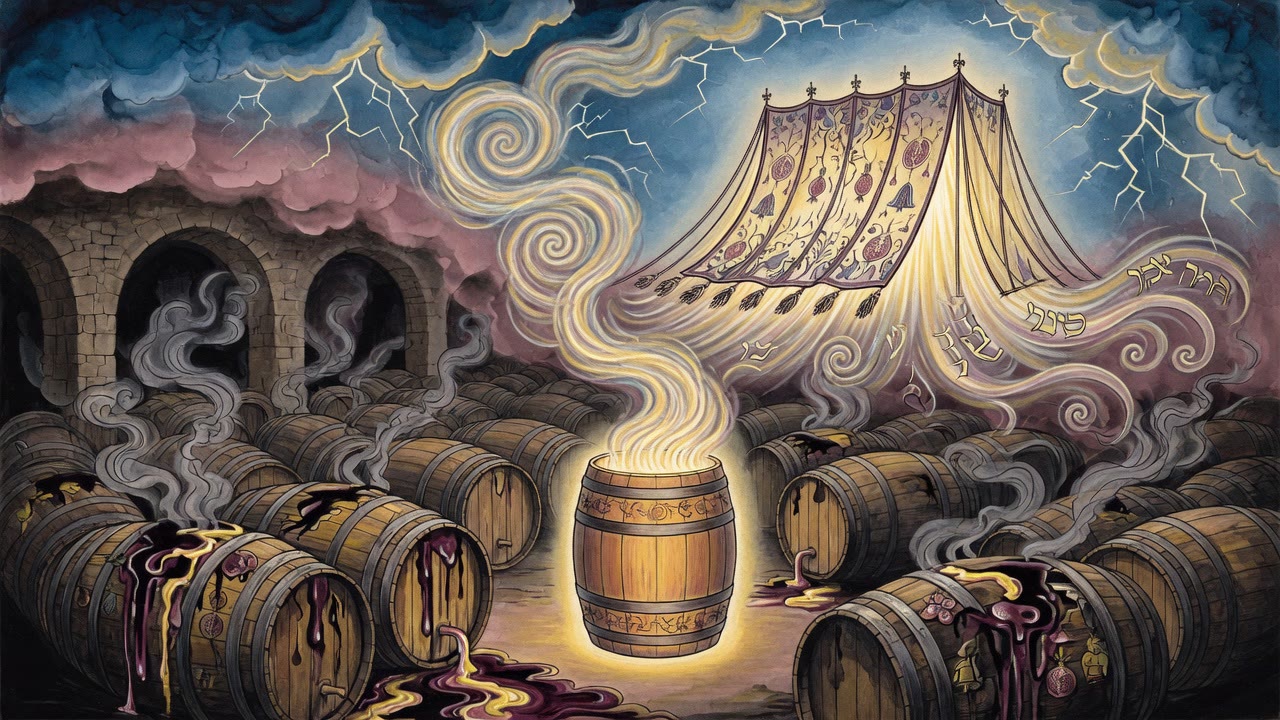
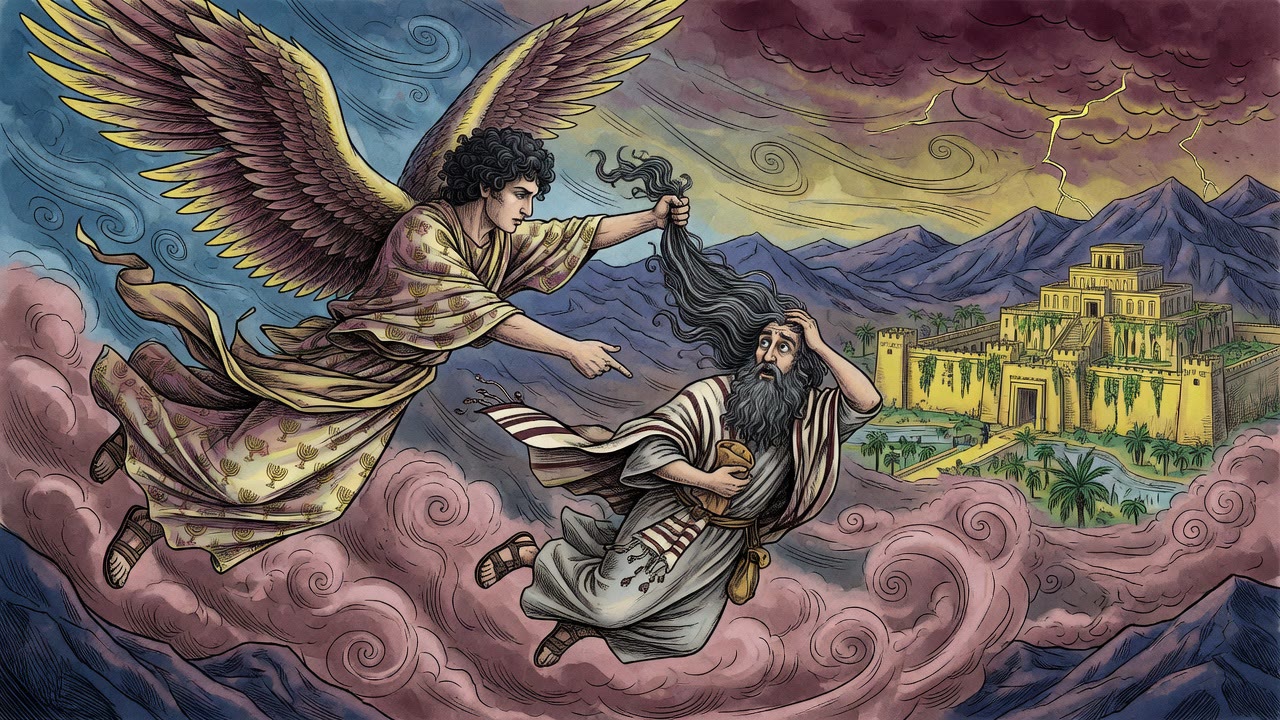
Menashe of Judah had filled Jerusalem with idols and blood, and the Assyrians dragged him off in irons, and in a foreign prison he prayed. He was a man destitute of good deeds. There was nothing underneath the words to carry them up. So God dug a tunnel beneath his own Throne of Glory to let the prayer come at him from below, and then sent a wind and put a murderer back on the throne in Jerusalem. Menashe understood it standing there. There is a judge, and there is judgment.
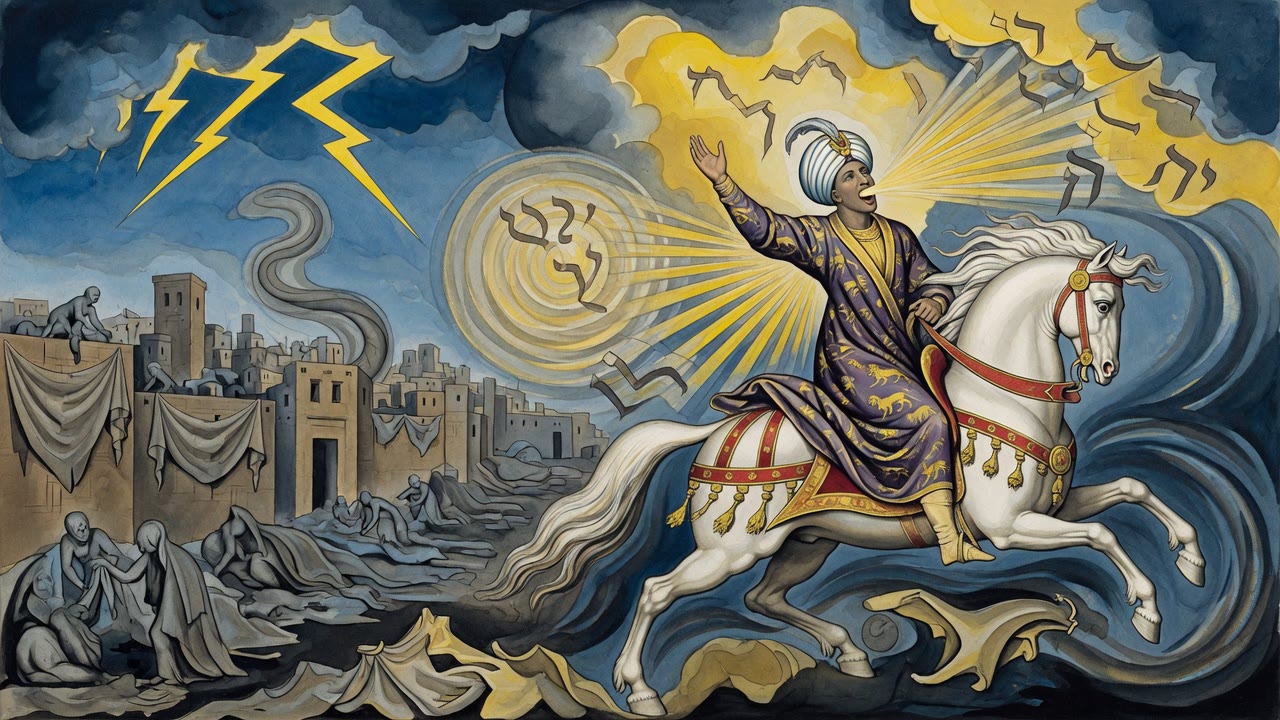
Write this down for the generation to come, the psalm says about it, and a people yet to be created will praise the Lord. The generation to come was the generation of Mordecai, which was standing on the edge of its own death, and which God intended to make over as a new creation.
Esther finished, and stepped out of the room, and started down the inner court toward the throne. Nobody who came to that king uncalled left the room alive unless he put out the golden sceptre, and she had not been called in thirty days.
She stopped where he could see her, in the gold, and faced him.
← All myths