God Placed a Double in Esther's Place So She Could Stay Holy
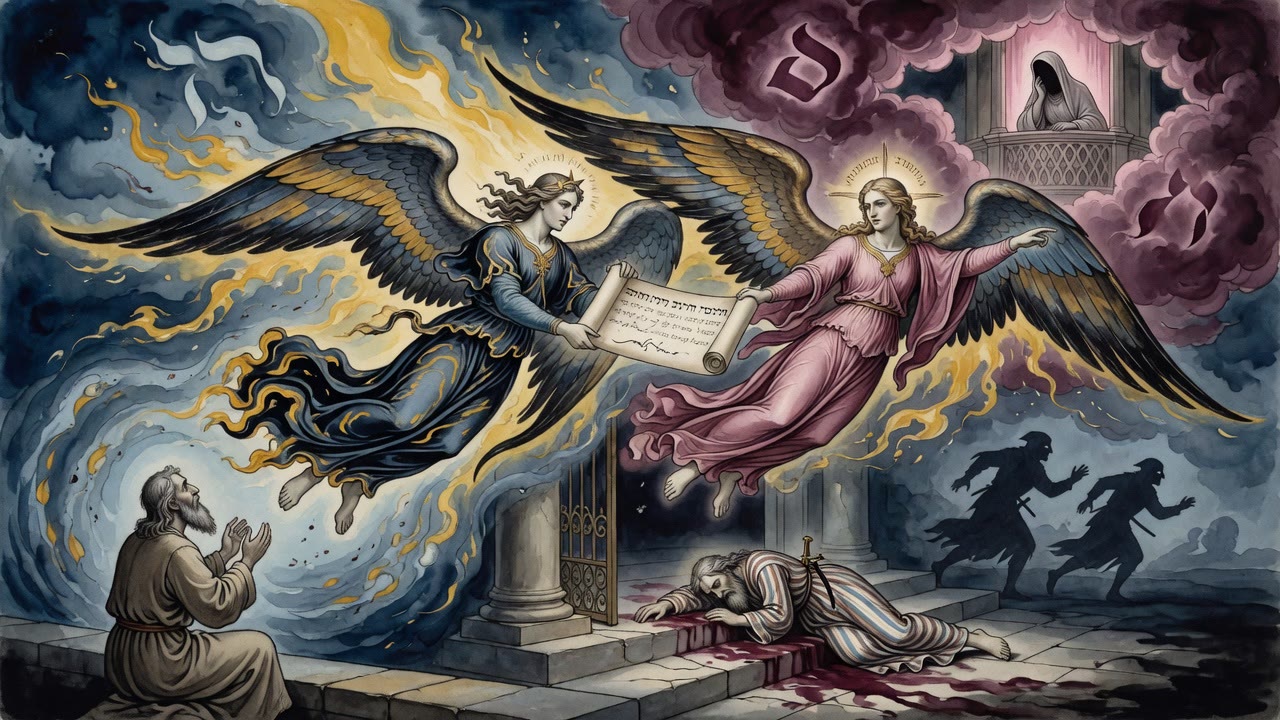
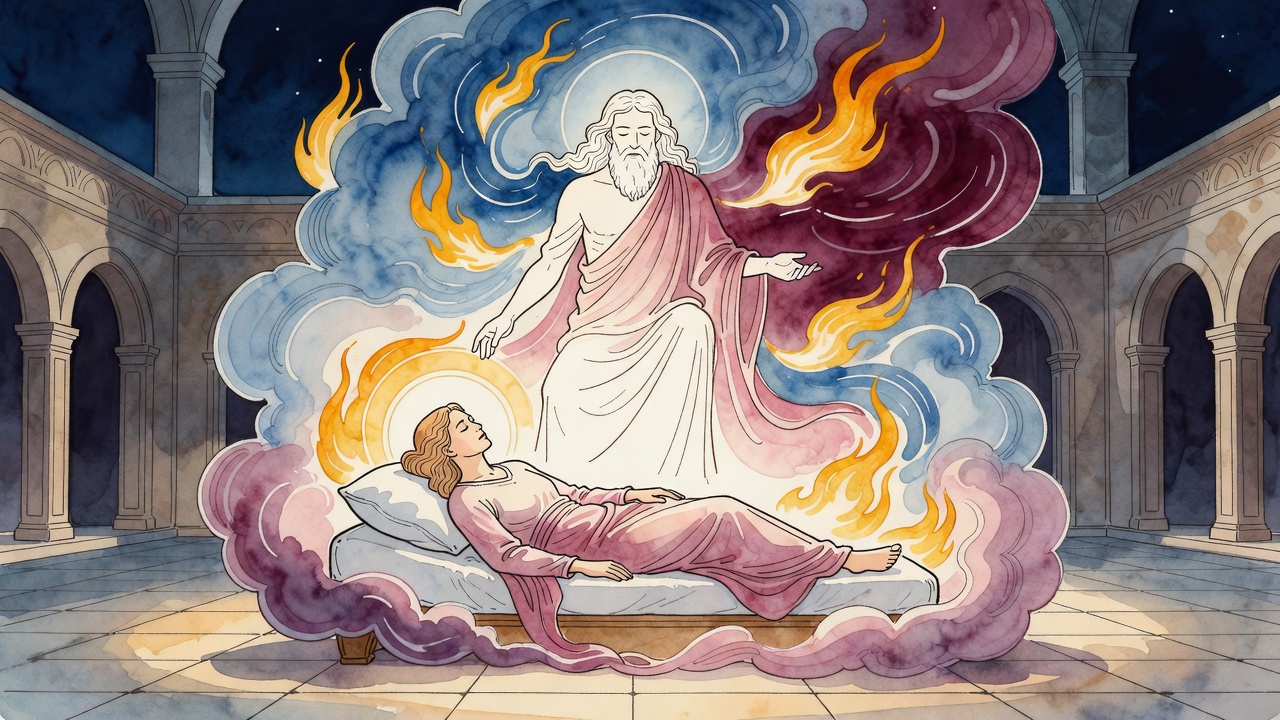
Every night Esther spent in the palace, God set a divine replica in her place, leaving the Shekhinah, the Divine Presence, untouched.
Table of Contents
 Click for full size
She Returned Every Morning
The text says it plainly. "In the evening she went, and in the morning she returned to the second house of women" (Esther 2:14). Night after night in Ahasuerus's house. Morning after morning returning to the house of the women. Unchanged. The palace held hundreds of women from across the empire who had been brought there for the king, and not one of them asked to leave once they had been called. But Esther came back every morning as though she had never been touched.
The Tikkunei Zohar, compiled in thirteenth-century Castile, will not accept the plain reading as complete. The question it asks is simple and devastating: how? Ahasuerus was not gentle. He was not spiritually refined. He was, in the kabbalistic vocabulary, uncircumcised and impure, a representative of the sitra achra, the force that stands in opposition to the divine flow. A woman who carried the Shekhinah (God's indwelling presence) within her could not be reached by that force. She could not come back every morning unchanged because she had spent the night with such a man. The explanation must be found elsewhere.
The Second Is Not the First
The key is the word the Torah uses for the house Esther returns to: beit hanashim sheni, the second house of women. The word sheni means second. The Tikkunei Zohar takes this word as a technical term. What the king spent the night with was the second, the shenit, the divine replica that God placed in Esther's place. What returned to the house of women in the morning was the first, the original, the one who had never entered the king's chamber at all.
This is not a story about Esther deceiving the king. The king does not know what he is holding. The replica is not a deception but a protection, a divine intervention that solves the structural problem of the Shekhinah (the Divine Presence) being held in a place she should not be able to survive. God does not abandon Esther to manage the situation on her own. God provides a double so that the thing that cannot be compromised is never exposed.
The Crowns Haman Could Not Count
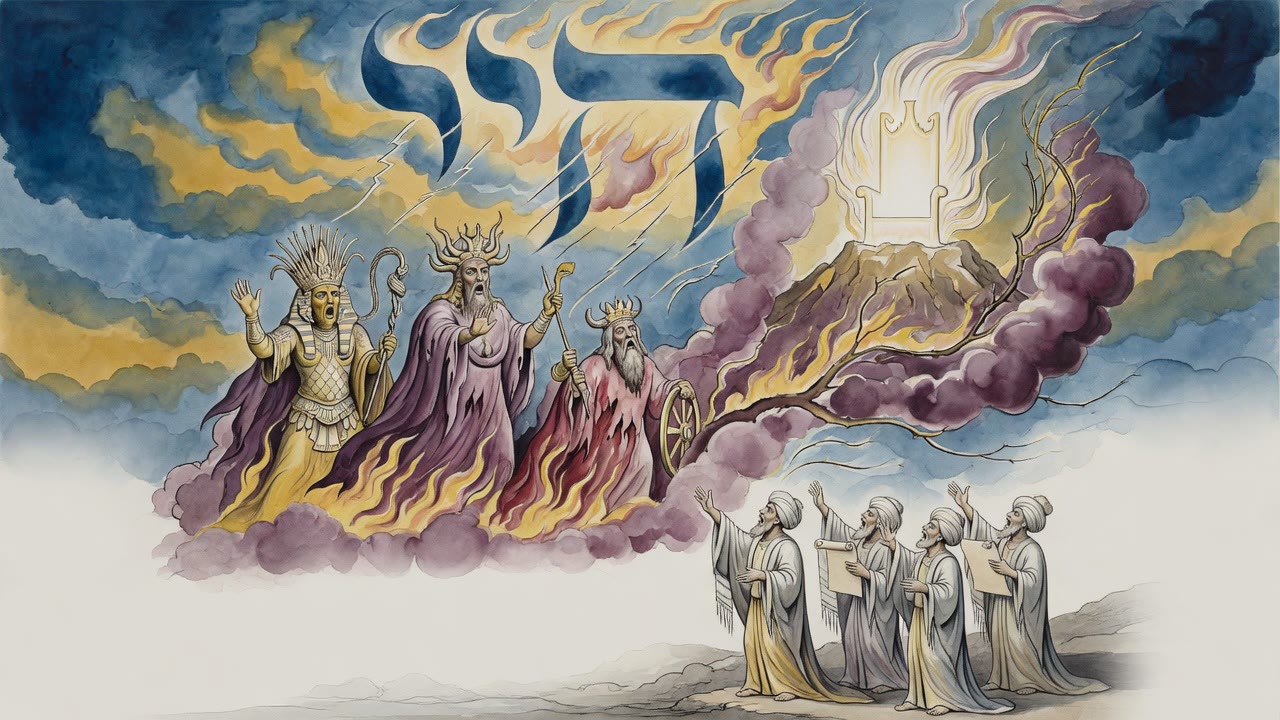
The Tikkunei Zohar moves from the double to the crowns Esther carries. When Haman is elevated at court and everyone bows, Esther does not bow. The text does not explain this, and the Tikkunei Zohar fills the silence with a specific image: Esther does not bow to Haman because she carries crowns that Haman cannot see, the crowns of divine sanctification that mark her as belonging to a realm he has no access to. She is not being stubborn. She is being structurally incompatible with what Haman represents.
Haman carries the energy of Amalek in the mystical reading. He is not simply a villain with a personal grudge. He is the concentrated force of the power that opposes Israel's existence, the same force that attacked the weakest and most exhausted Israelites at the rear of the march out of Egypt. Esther, carrying the crowns of the Shekhinah, and Haman, carrying the concentrated energy of Amalek, cannot co-exist in the same space with simple courtesy between them. The fact that she does not bow is a statement about incompatible ontologies, not just personal courage.
The Vision Before She Entered
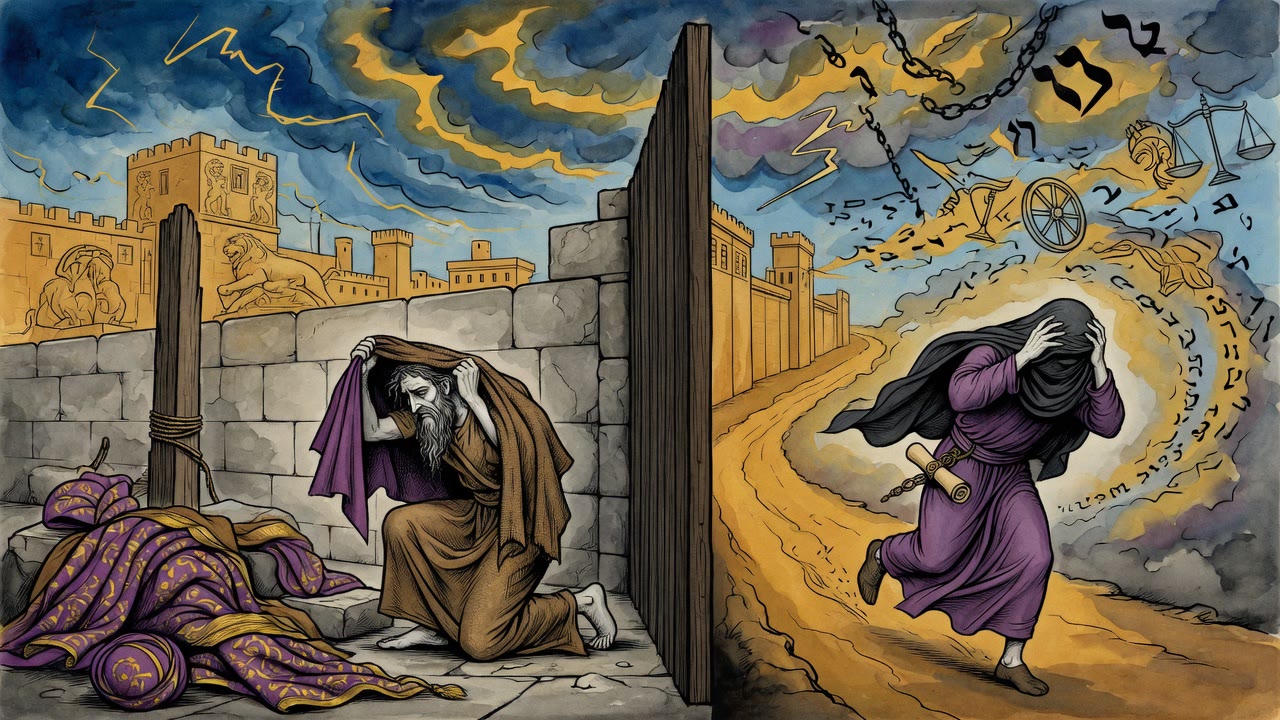
The Tikkunei Zohar connects this to the vision Esther received before she walked into the throne room. She prayed for three days. She removed her royal garments and put on sackcloth. She called to the God of Israel, the God of Abraham, Isaac, and Jacob. And then she dressed again and walked in. The vision she received in those three days was not a guarantee of personal survival. It was a clarity about what she was carrying and why it would survive the encounter. She was not walking into the court as Esther the woman alone. She was walking in as the Shekhinah accompanied by the merits of the patriarchs, and what the king would receive in her place was a copy that satisfied his demand without reaching what it was trying to reach.
← All myths