26 myths
Each story names the sources it was written from.
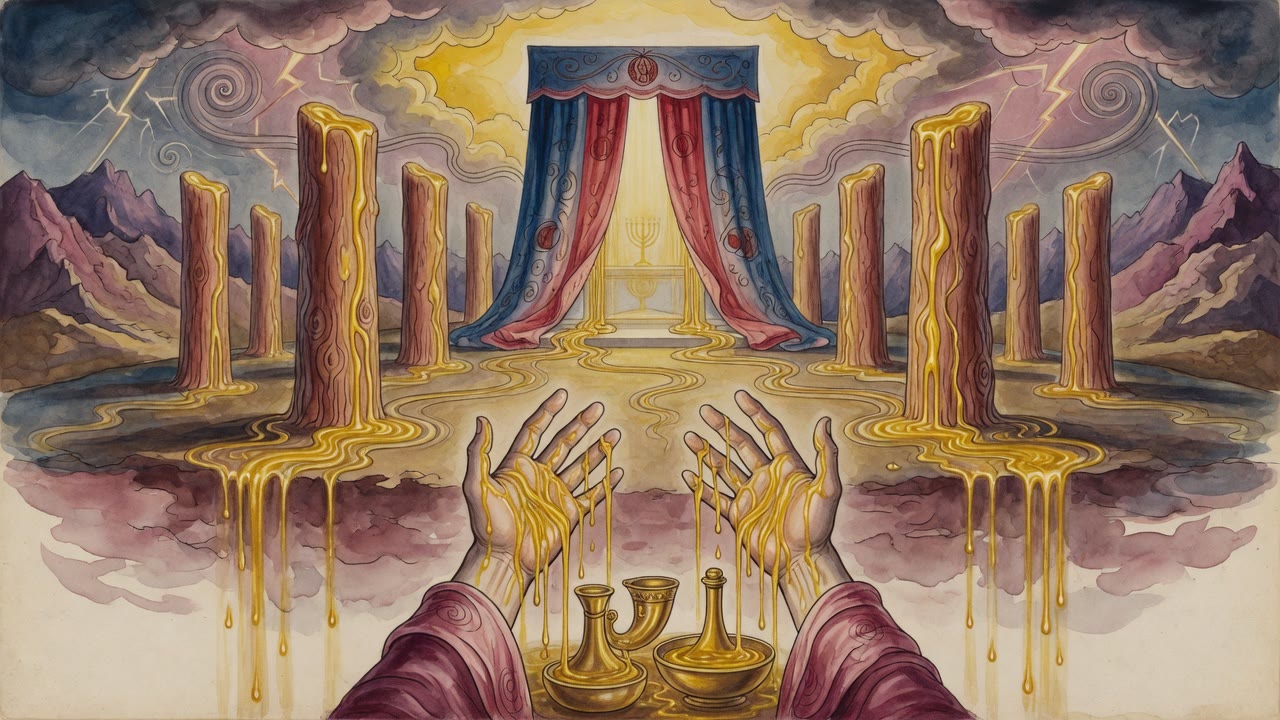
Moses made twelve logs of sacred oil in the wilderness. It anointed priests, vessels, and kings for centuries and never diminished by a drop.
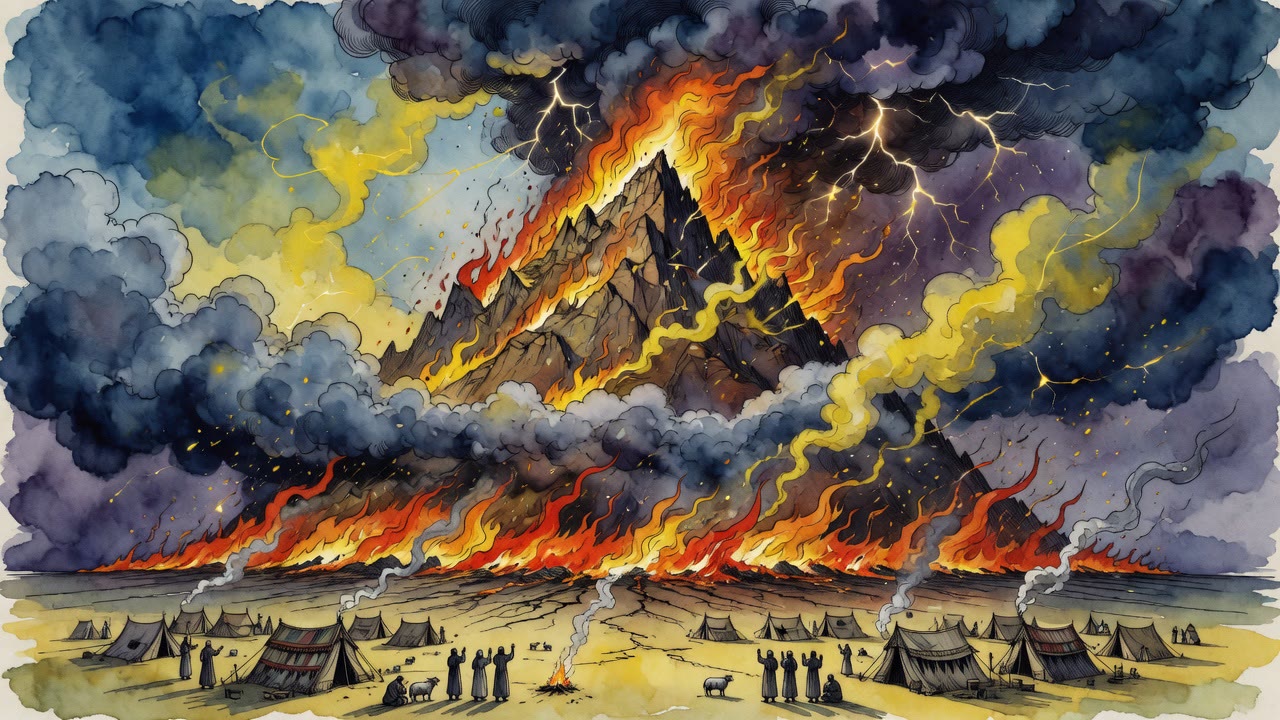
Israel had three days to wash their clothes and keep off the mountain. On the third morning the peak went up like a furnace and the horn would not stop.
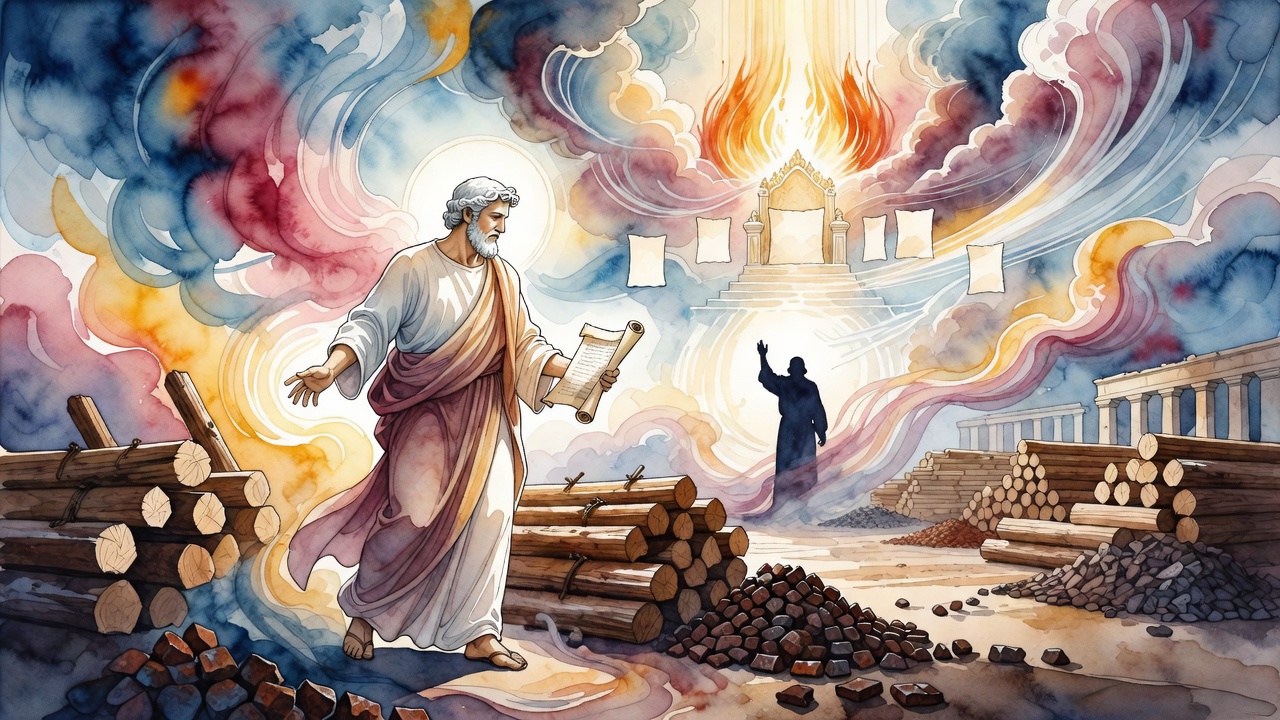
Cedar from Lebanon filled the palace yard. Nathan came back the next morning and would not look at it. If David built the house, it could not fall.
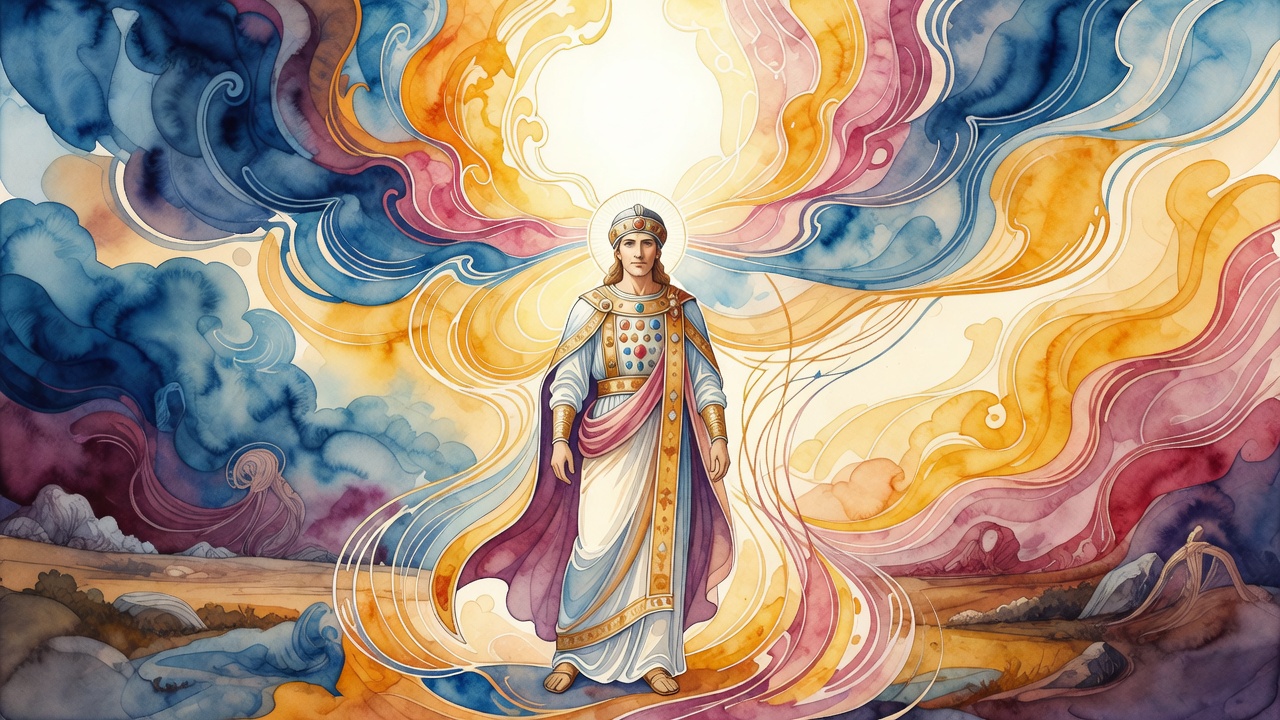
The gold came off their ears into Aaron's hands. Years later he ran into a plague with a firepan, and the dying stopped at his feet.
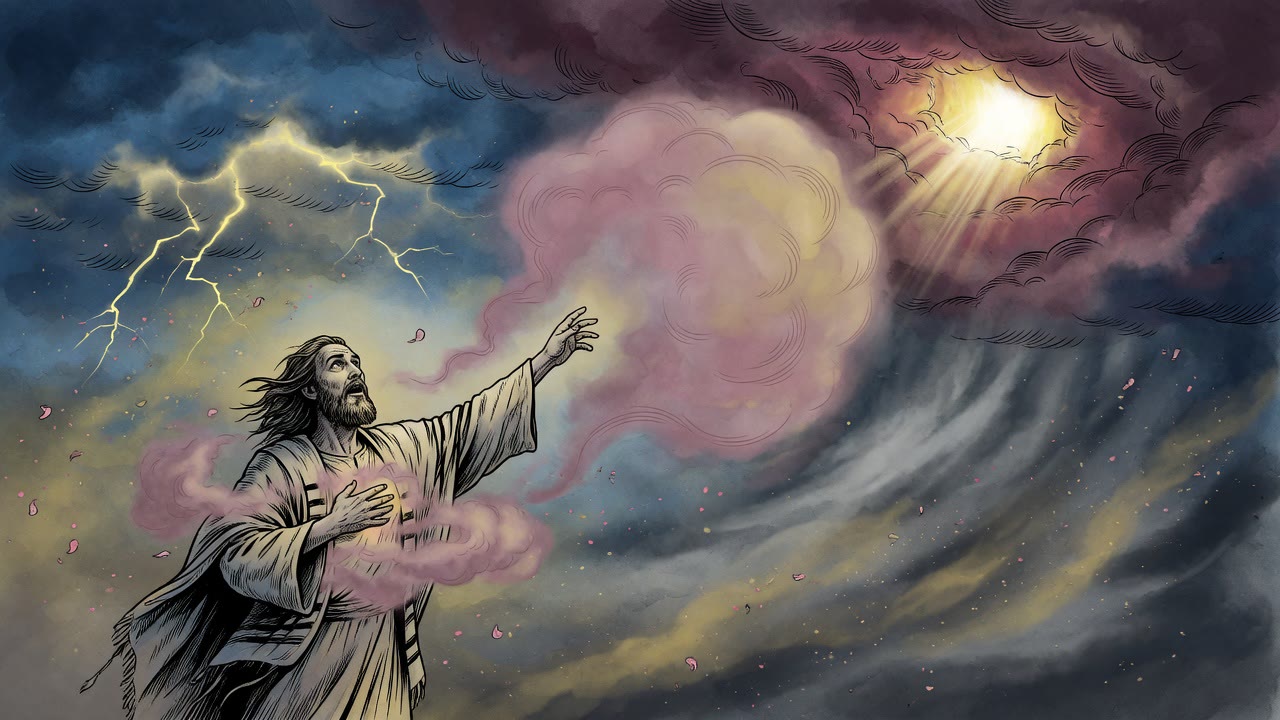
A carved god stands in the room, close enough to touch and dust. Heaven is five hundred years away on foot. Only one of the two answers when a man calls.
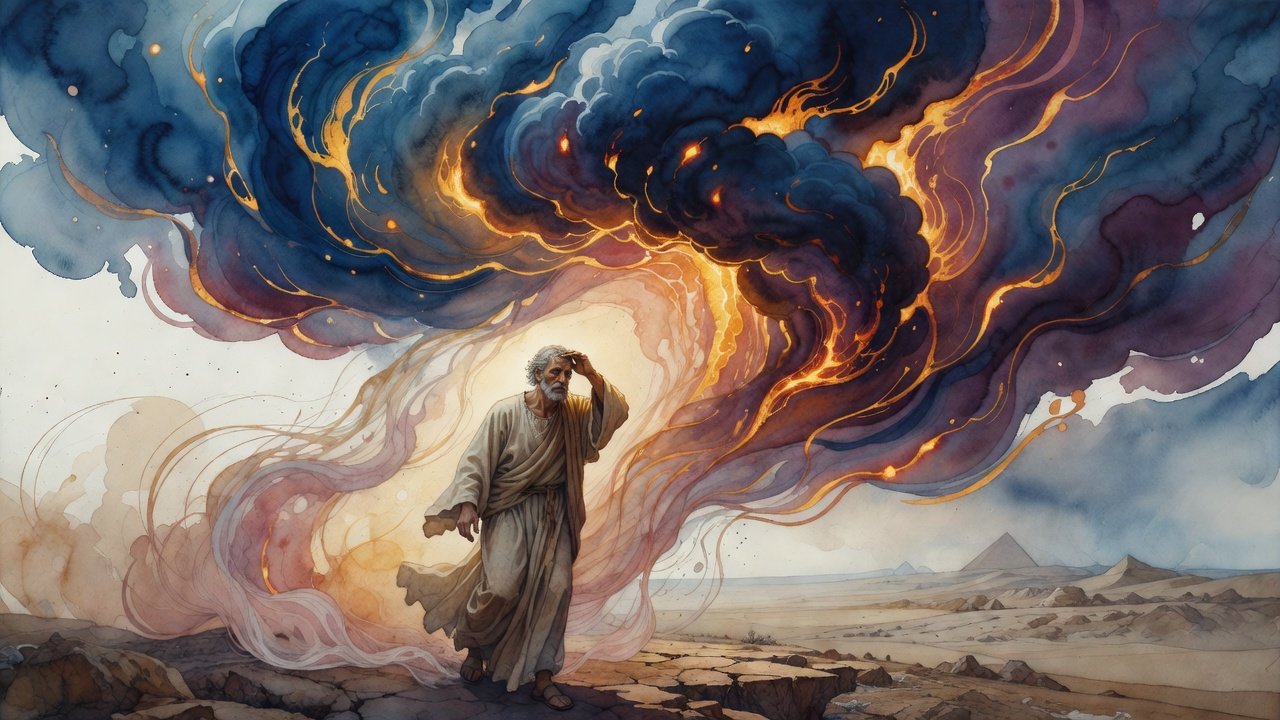
Famine struck and Isaac looked toward Egypt. God stopped him with one reason: a consecrated offering taken outside its sanctuary becomes invalid. He stayed.
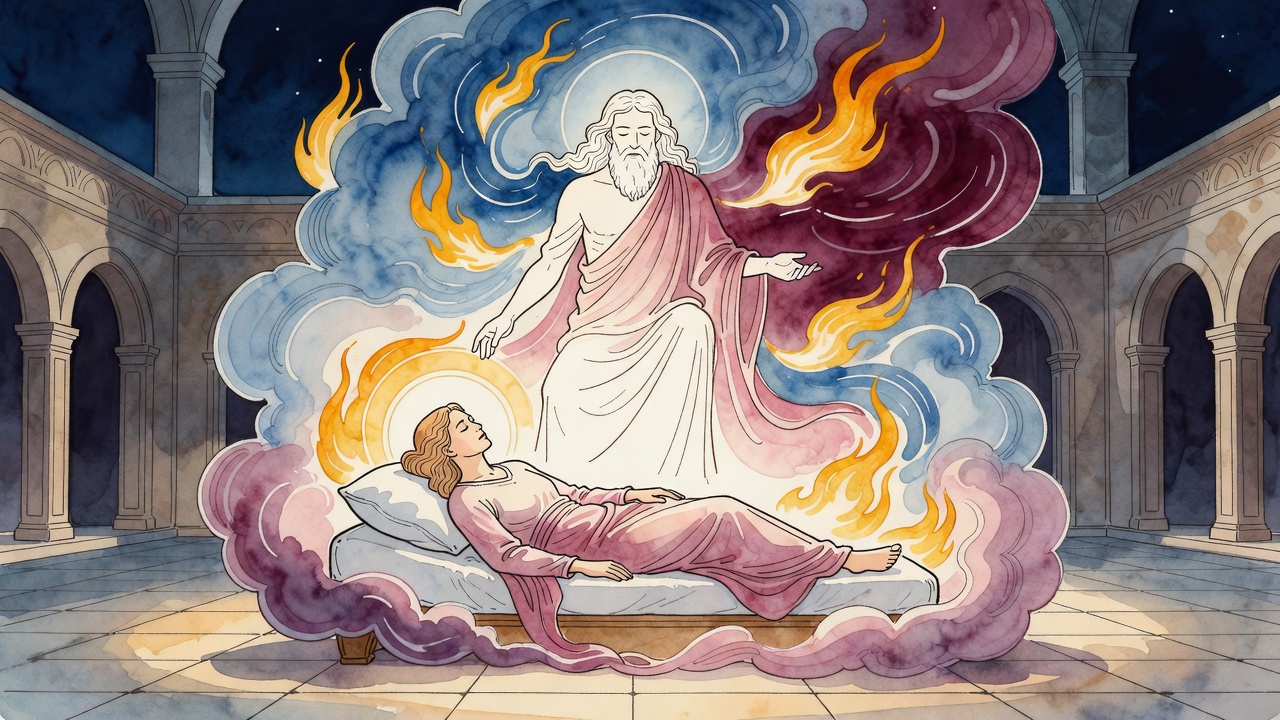
Every night Esther spent in the palace, God set a divine replica in her place, leaving the Shekhinah, the Divine Presence, untouched.
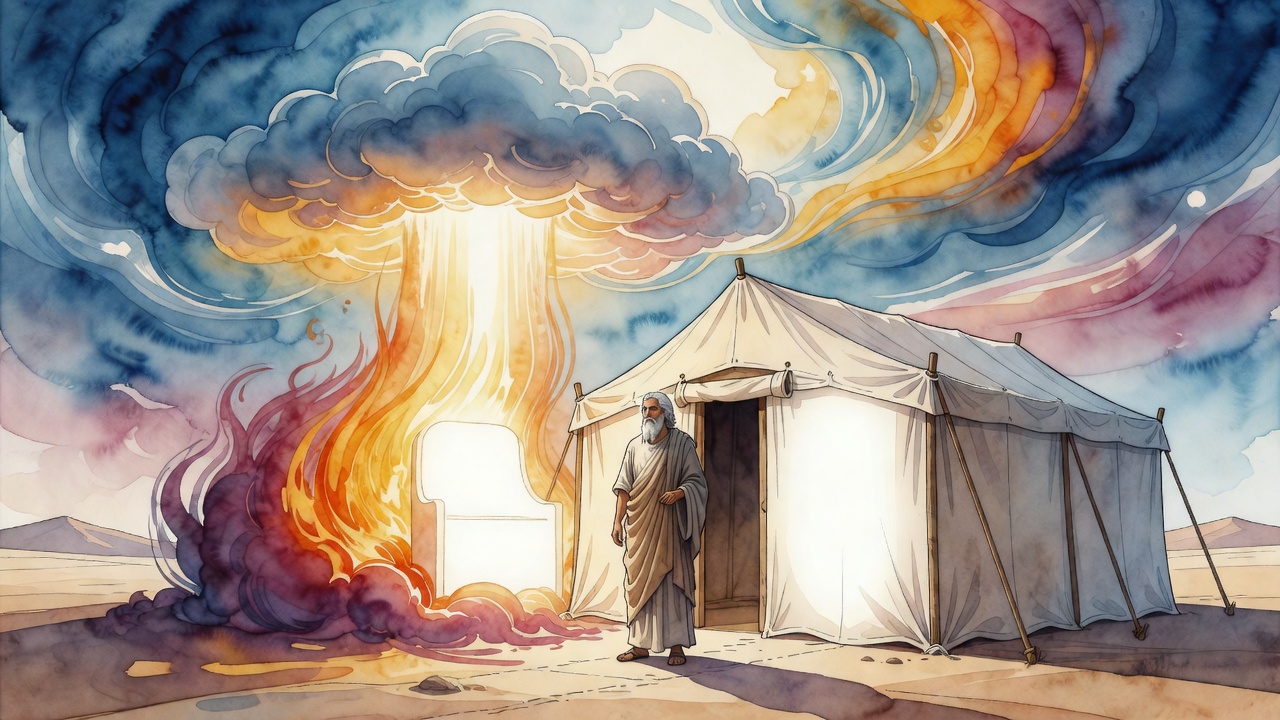
Moses built the Tabernacle and would not enter. He stood at the door until God called, because completing a sacred space does not grant ownership.
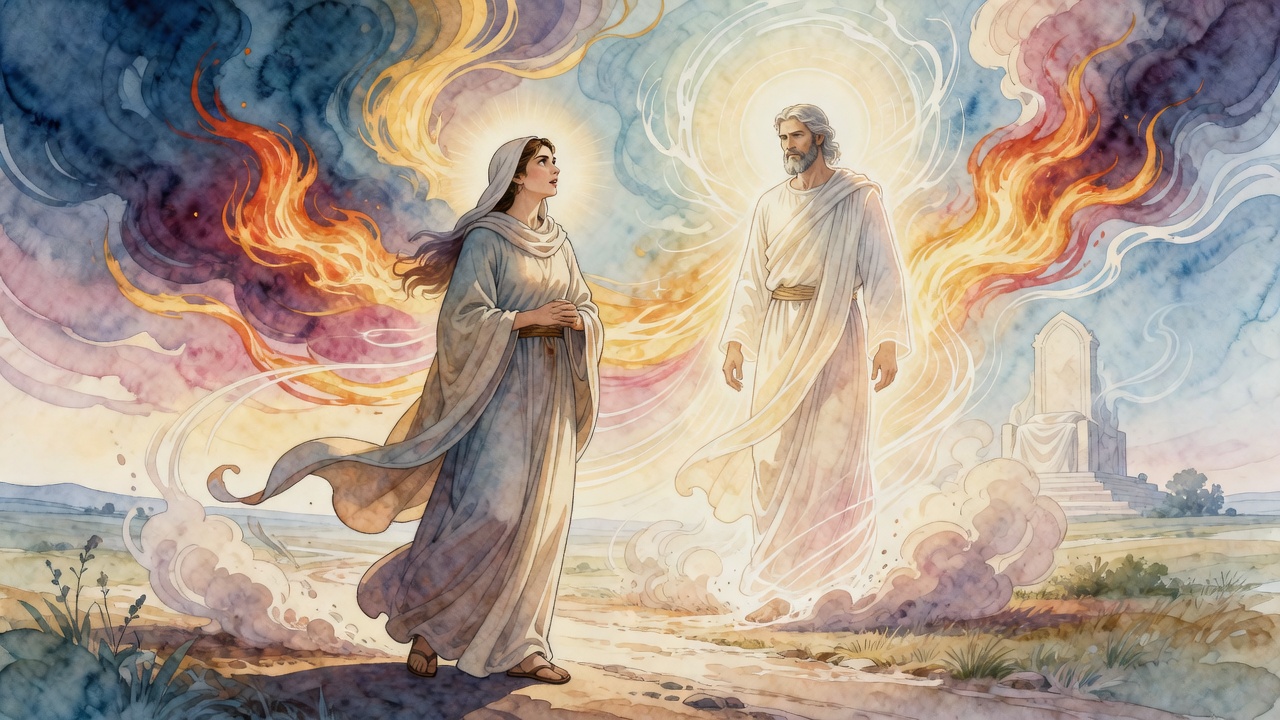
She stripped the prophet's bed after every visit. The linen came away clean. That was how she knew, and she kept the evidence to herself.
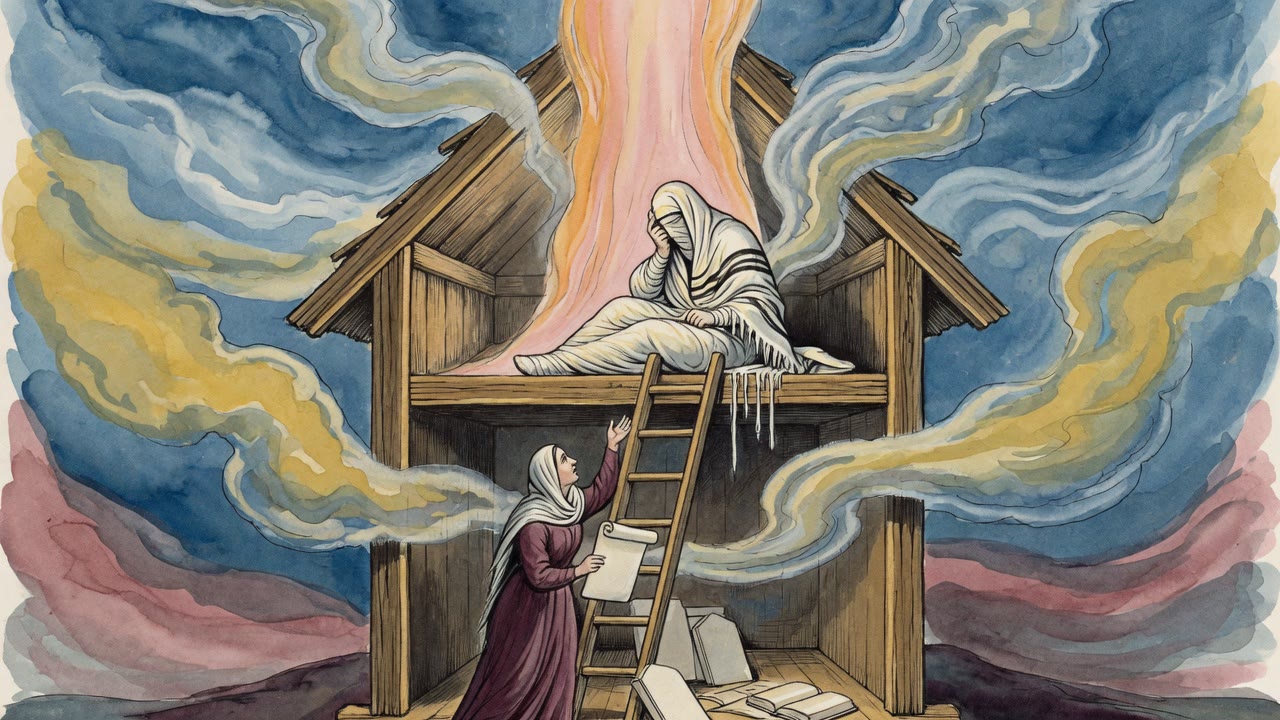
When thieves stole Rabbi Pinchas ben Yair's donkey, it refused to eat for three days rather than touch untithed grain.
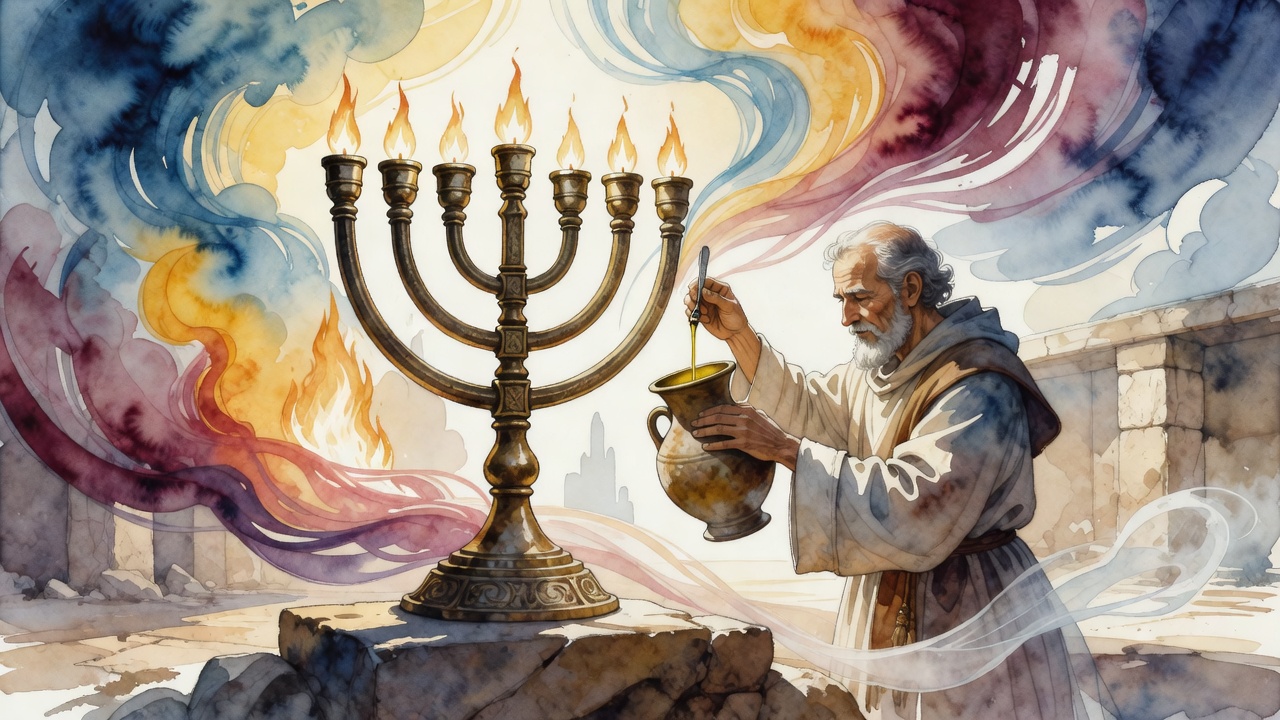
A priest presses olive oil into the cups and trims the wicks. God needs none of it. The flame burns for the hands that light it, not for heaven.
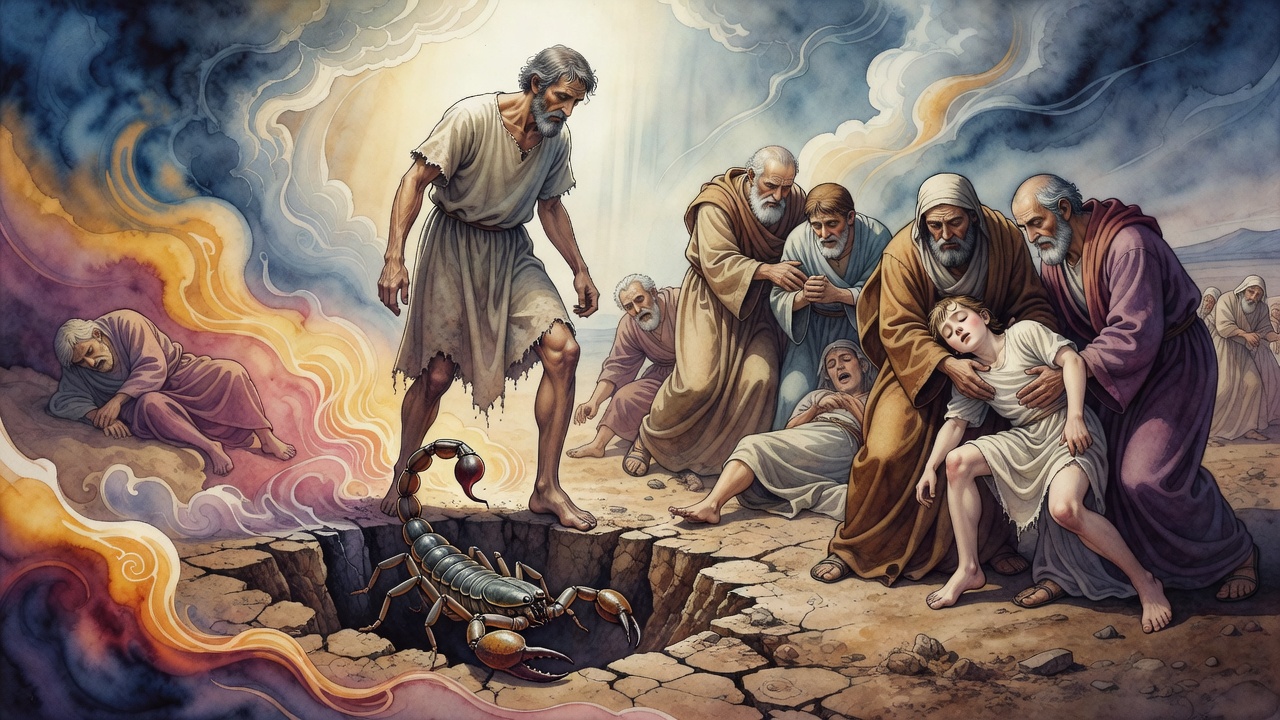
Worshippers had been dying at the door. Hanina put his bare heel over the hole and waited. The scorpion struck. The man did not fall.
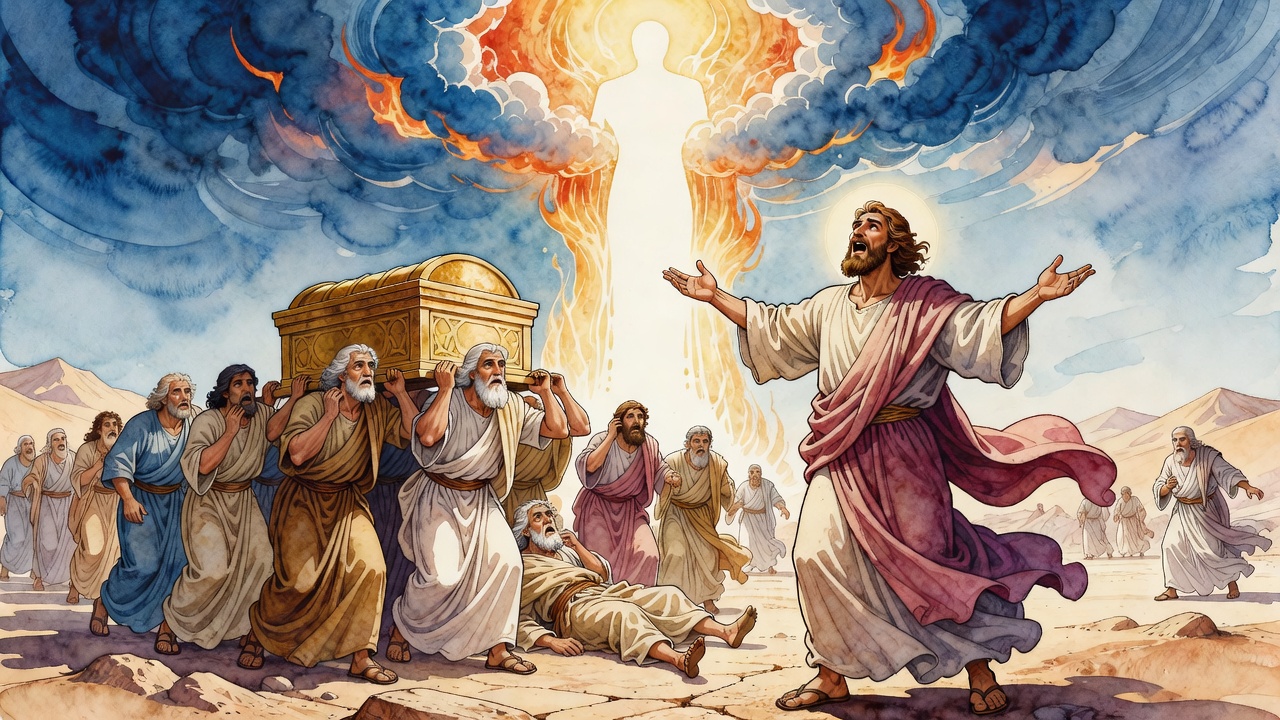
A Kehatite pulled the curtain back a hand's breadth. He looked at the gold for the time an eyelid takes to close. Then he dropped.
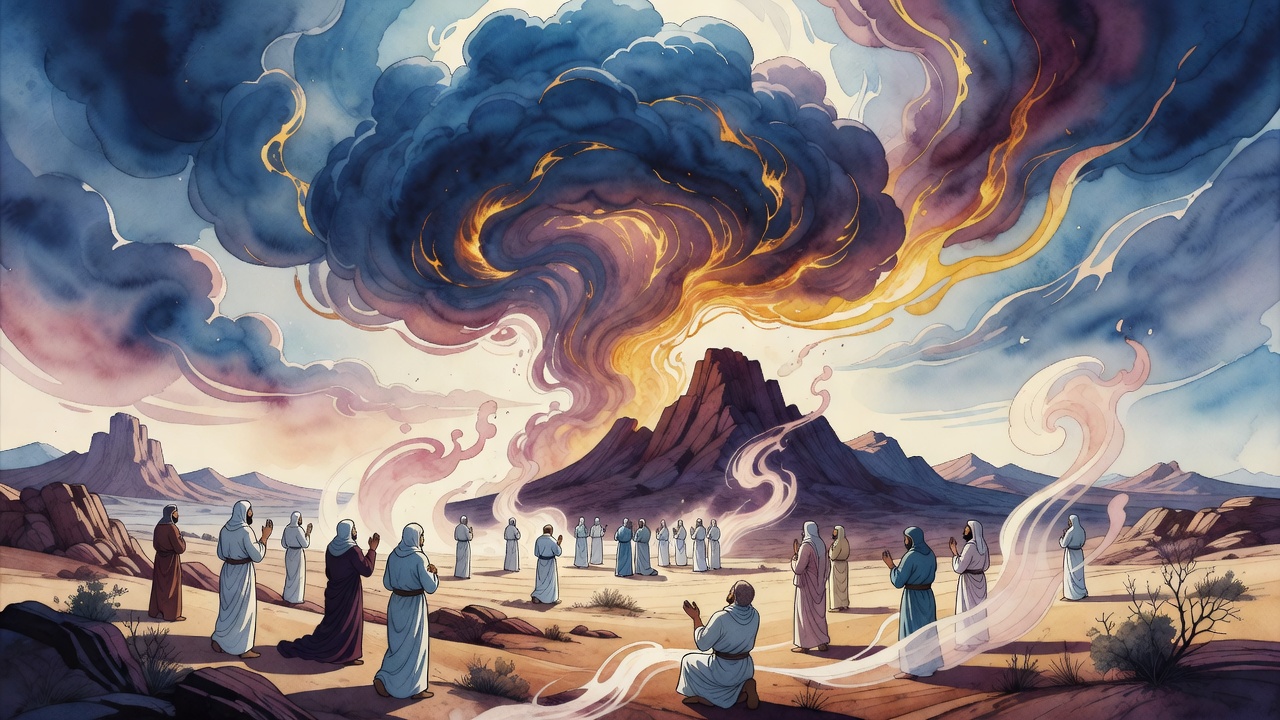
God measured the earth before Sinai. Nations refused, Israel accepted, and only the living received laws of food and a call to be holy.
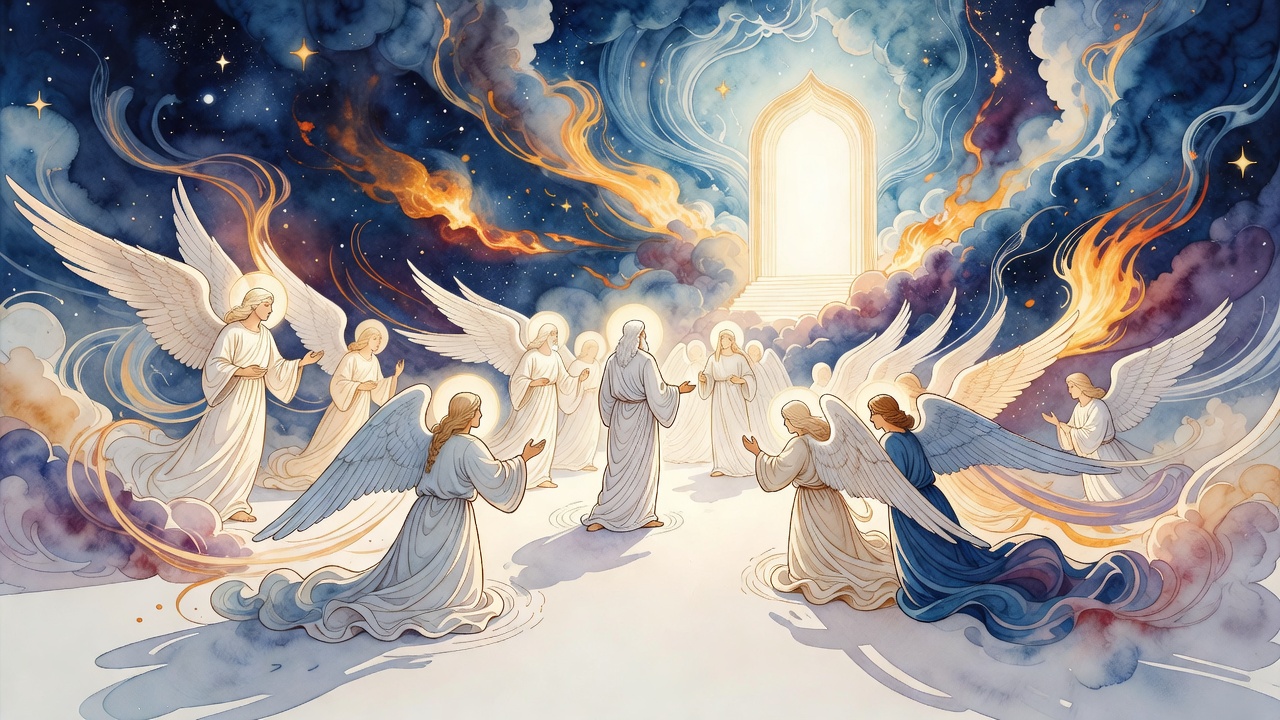
Before the world began, angels sanctified God's Name through Israel, then rejected Adam, Noah, and Abraham until Jacob arrived.
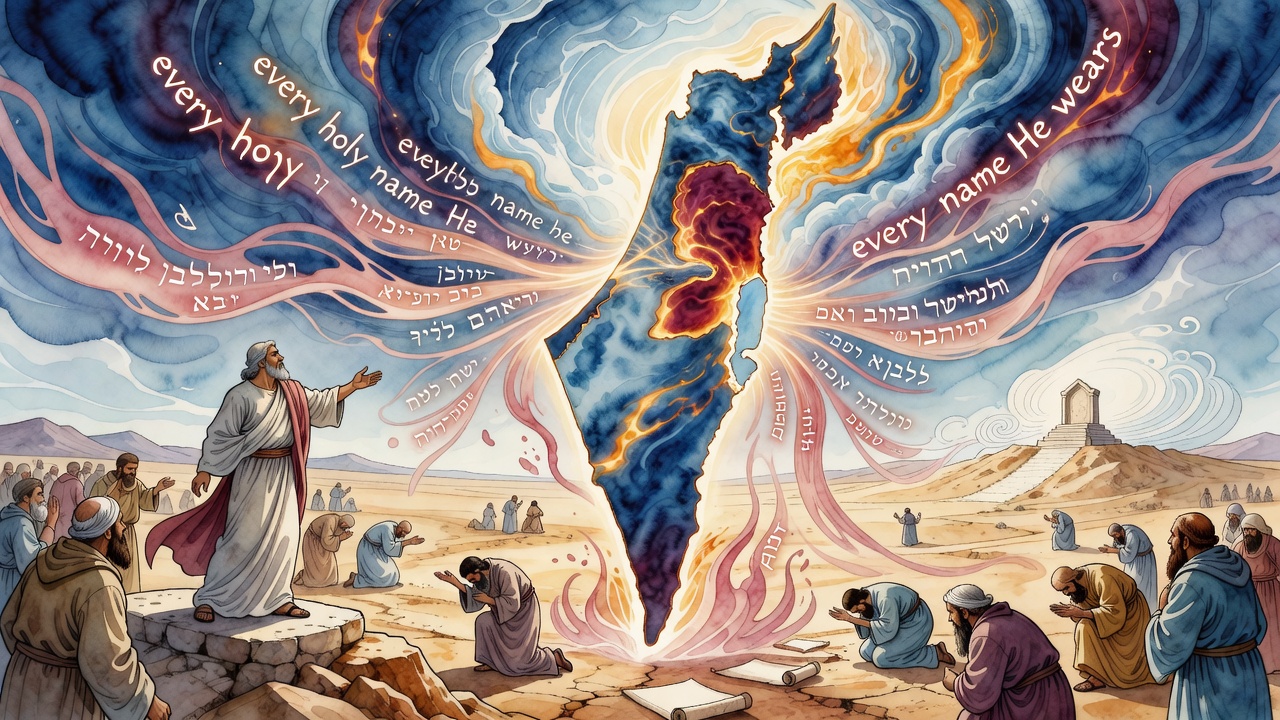
Moses heard the angels praising and brought the words down as a whisper. When Israel says them, the angels' wings droop and their own song stops.
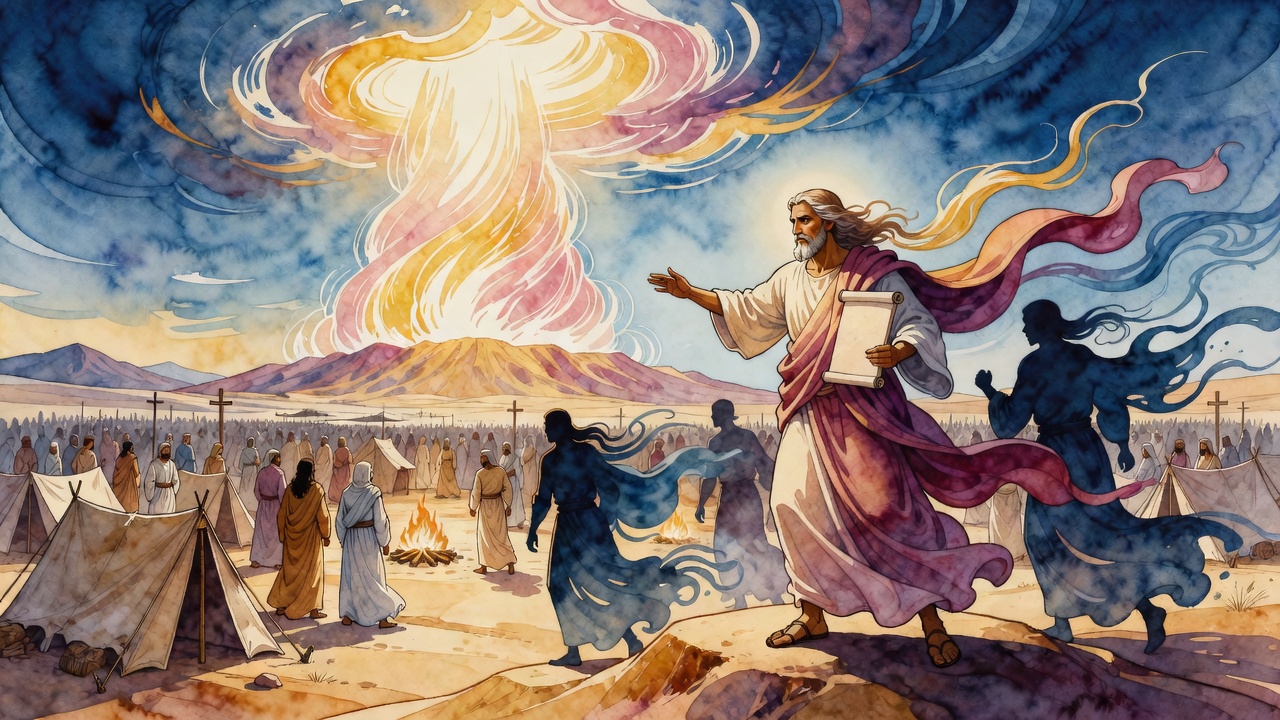
Dust rose from so many feet that the sanctuary cloud did not move. Moses had called every ear, even the ones that would rather stay in the tents.
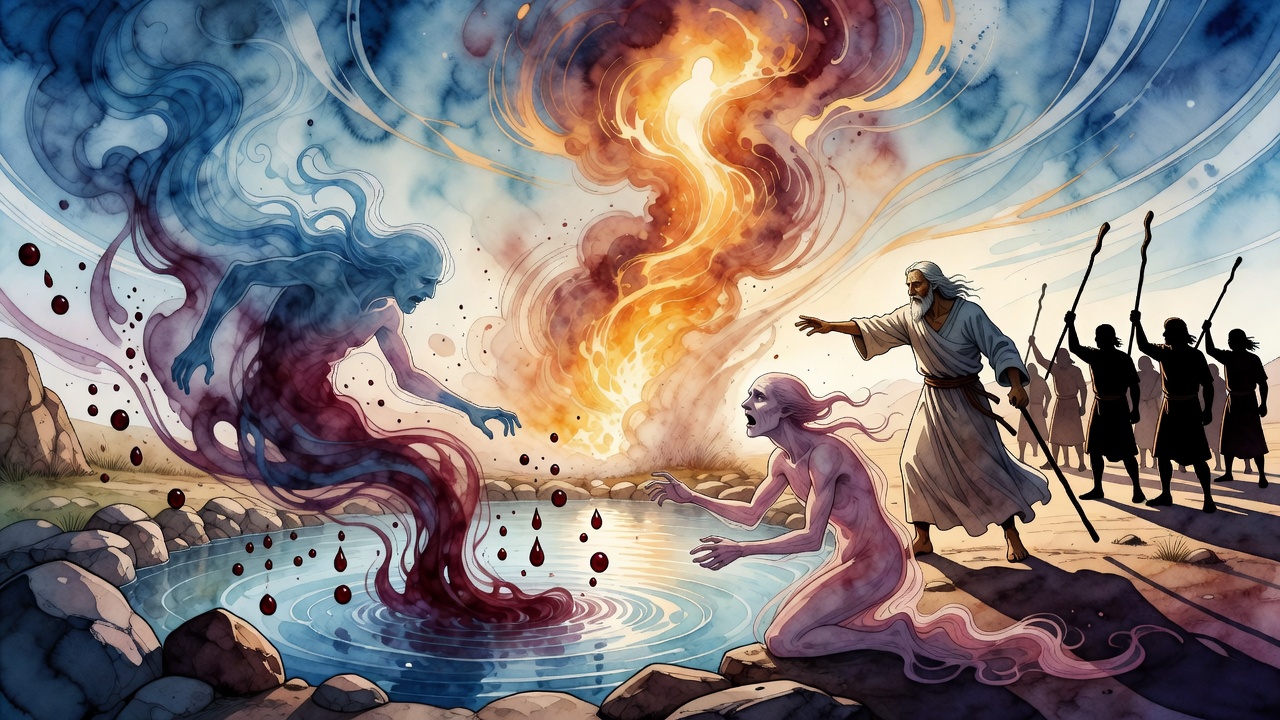
The spirit living in the spring had never hurt anyone. A stronger one came that wanted to, so the old one went looking for a rabbi.
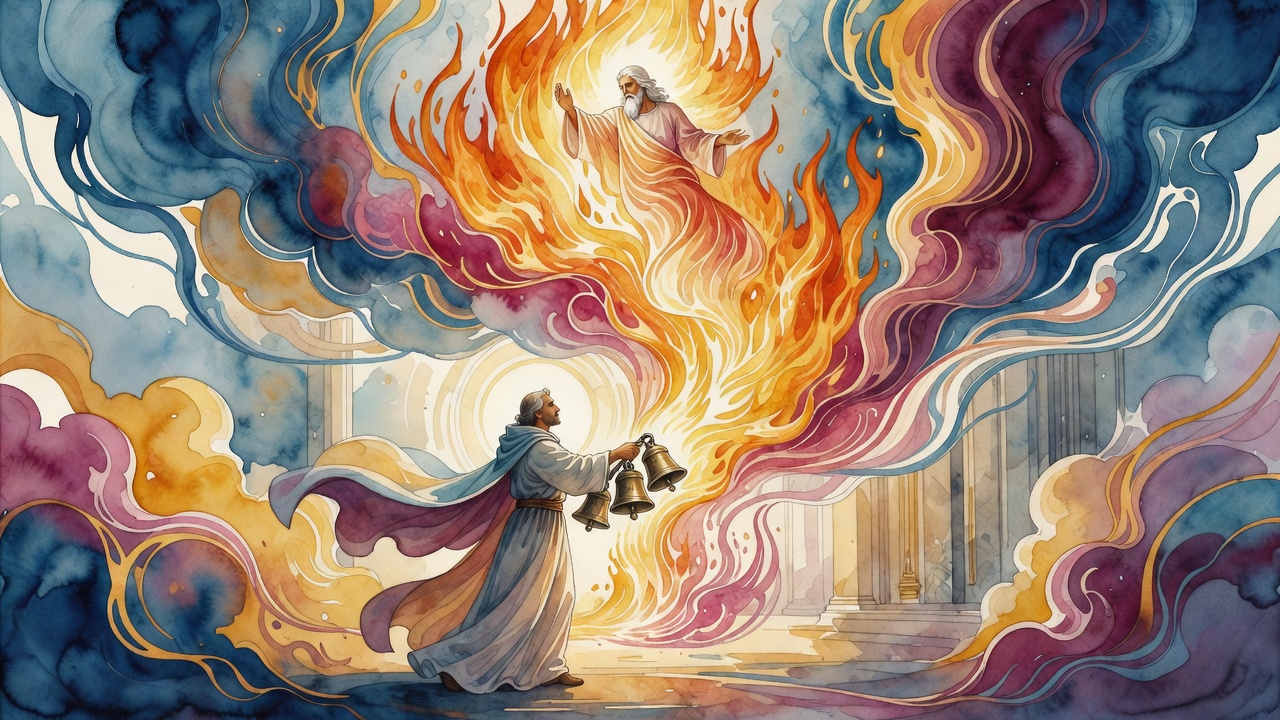
Aaron stopped at the curtain until the gold on his hem spoke. Without that sound, the Holy Place would have taken him as fuel.
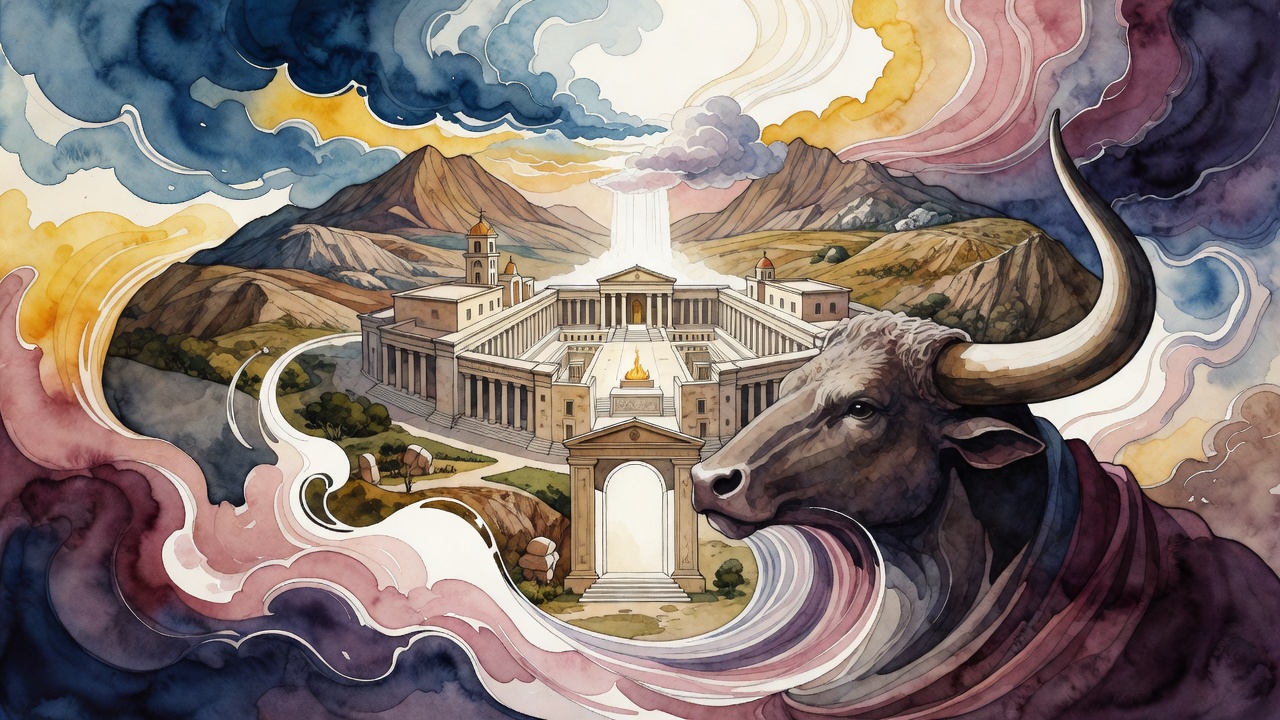
The sanctuary nested in Benjamin's land like a head between shoulders, while Judah's portion pressed the courts like an ox's horn.
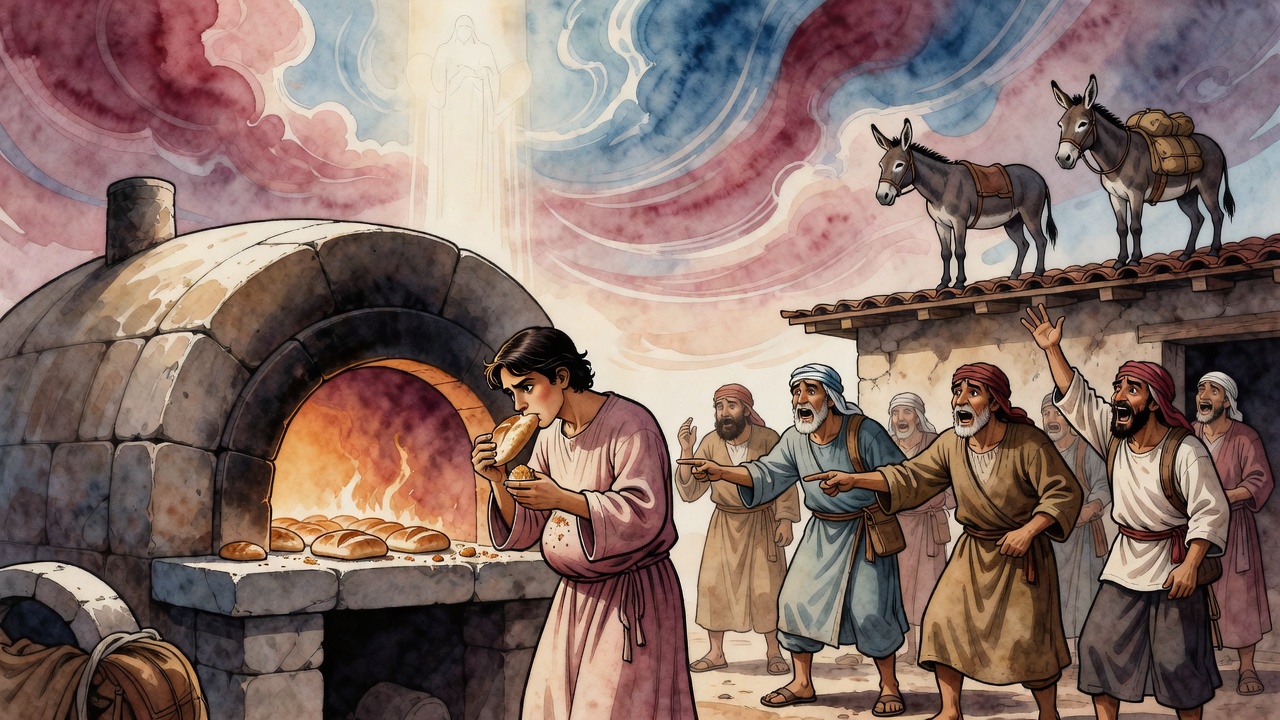
His mother kept sliding loaves at the oven. The drivers counted. Then their donkeys stood on a roof and would not come down.
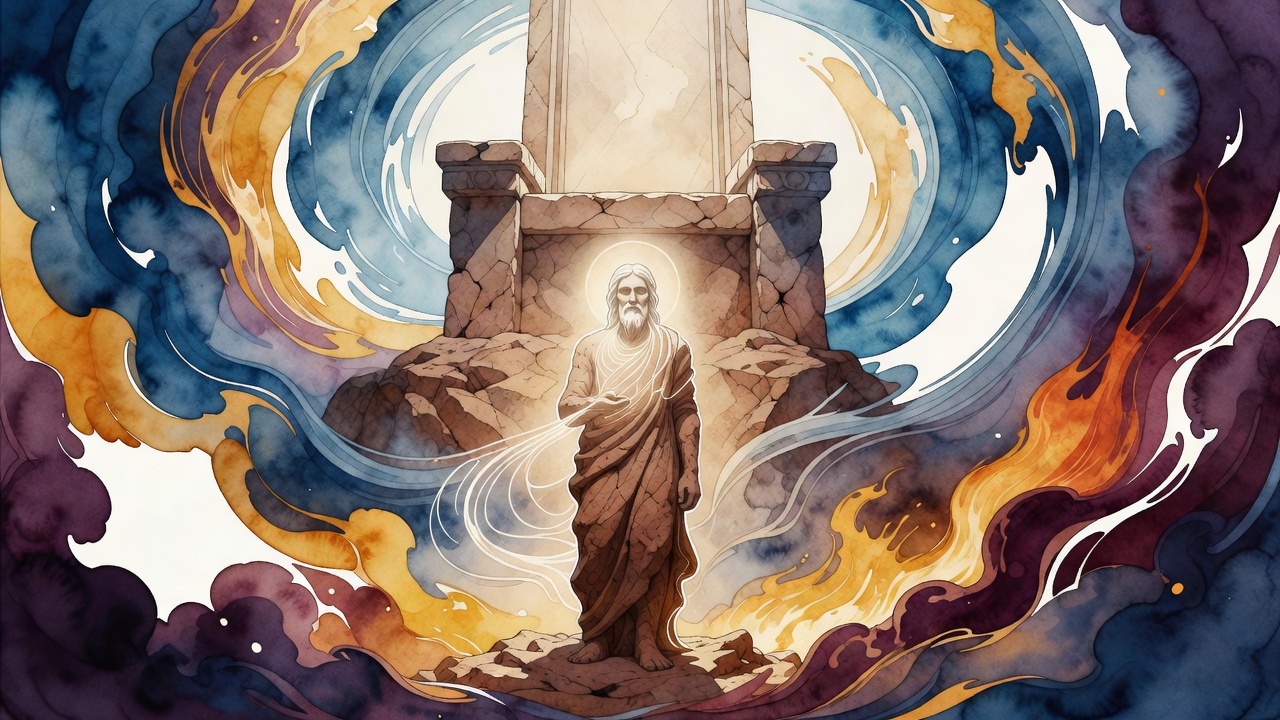
The clay stood because it was lifted. Breath came from under the throne, and Adam felt hunger already waiting in his hands.
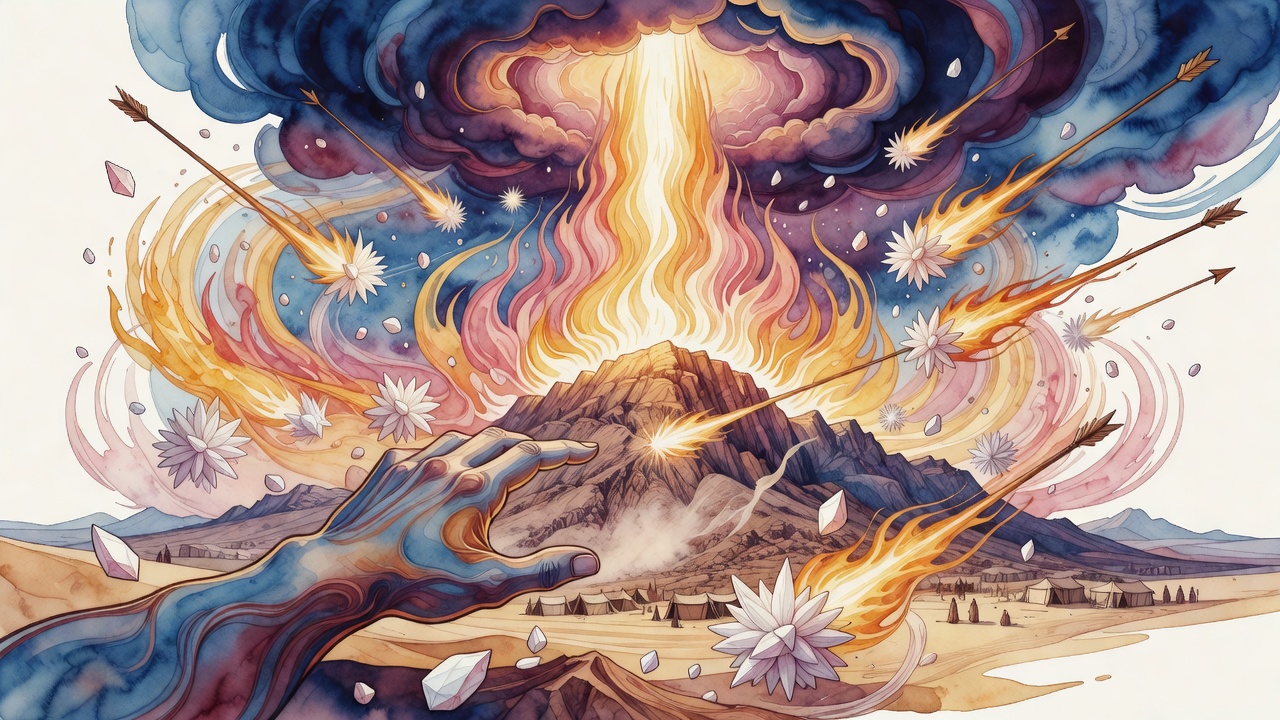
Moses set a line in the dust around the mountain. A goat strained at its rope. A mother yanked a toddler back by the wrist.
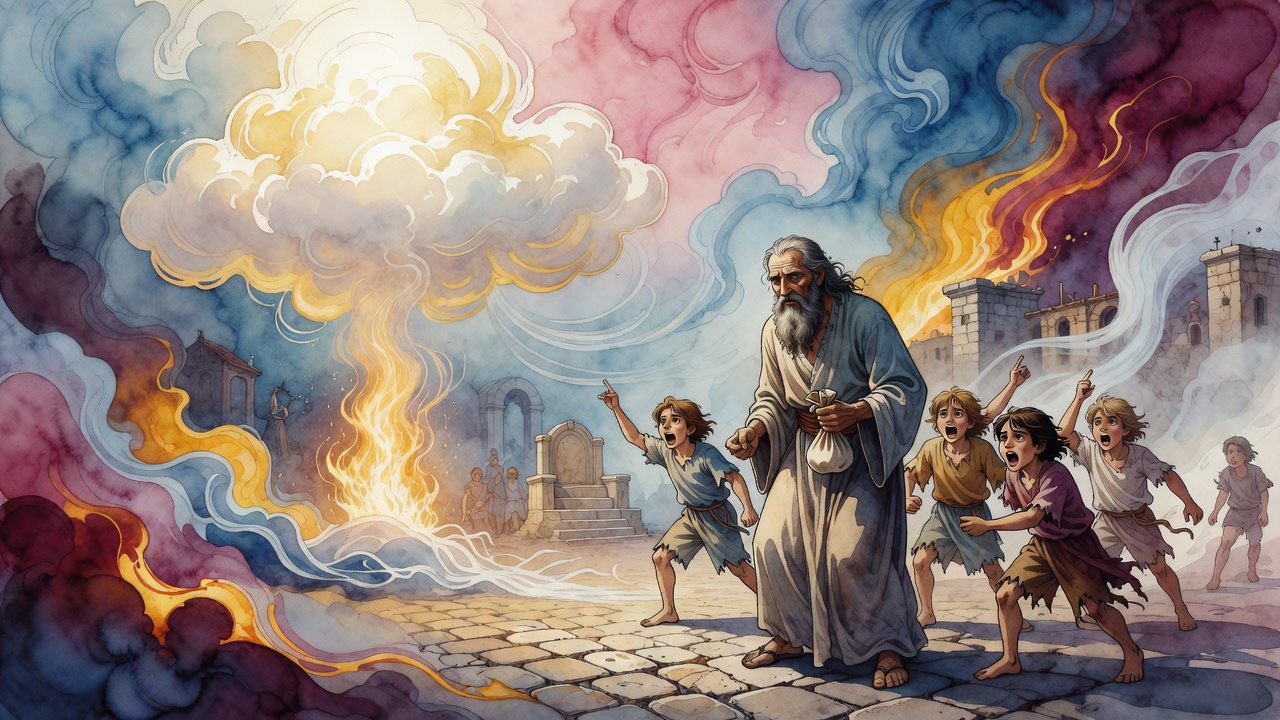
Boys lined the road to the prince and shouted Jew. He threw them gold, and the table went quiet, waiting for a man to explain.
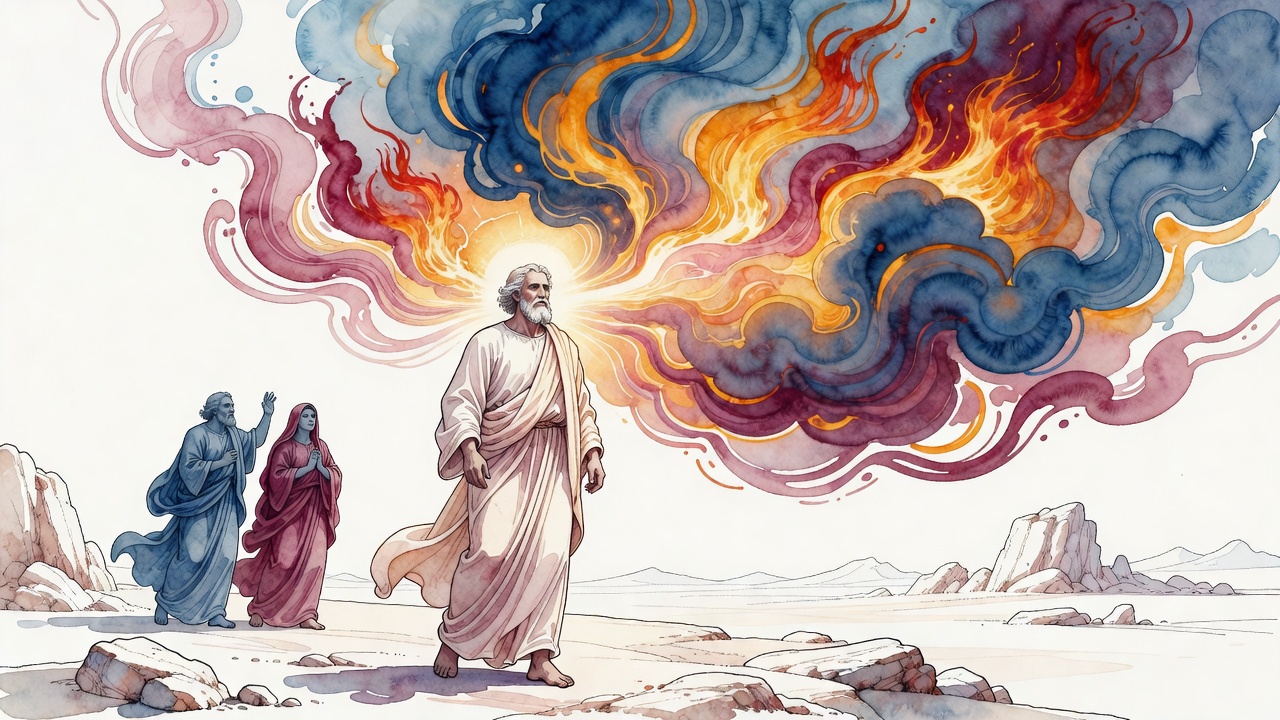
Aaron and Miriam spoke against Moses over his wife. Heaven answered that he alone was ordered to stand apart, mouth to mouth with God.
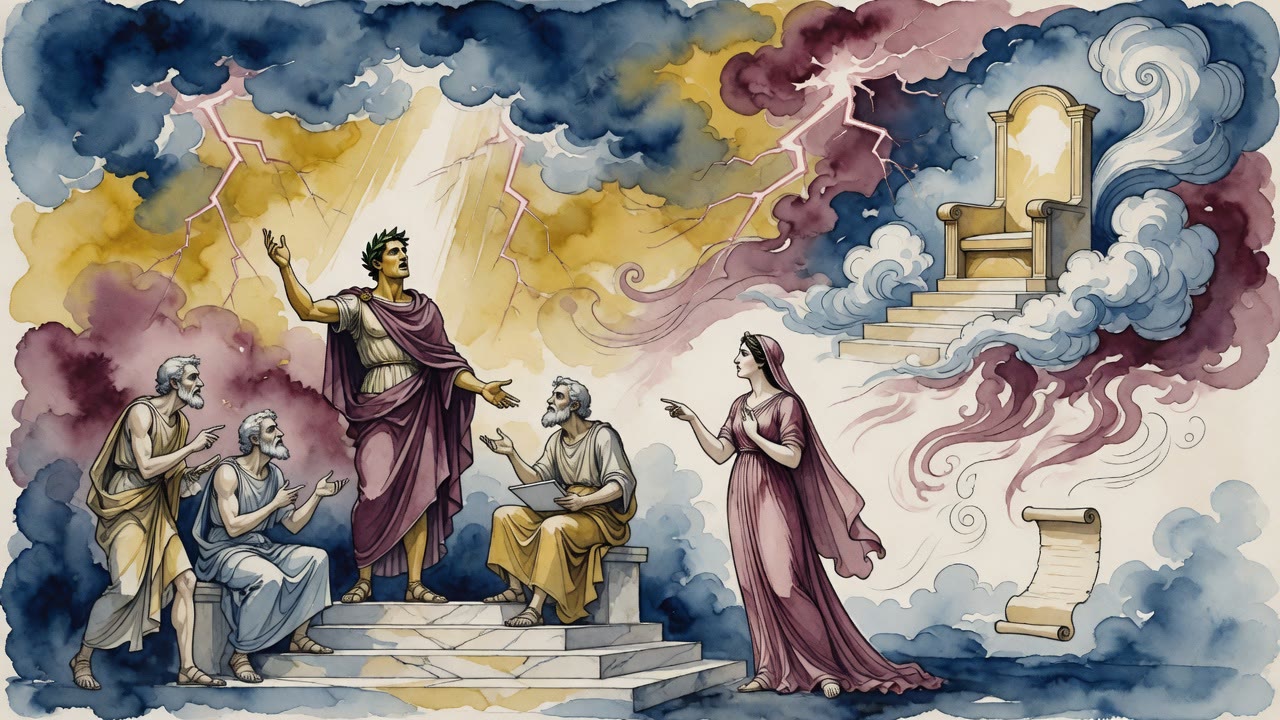
Hadrian told three philosophers he wished to make himself a god. Their tests, and his wife's question about his own soul, stopped the project.
