The King Bragged About Vashti and the Rabbis Said It Ruined Two Queens
Ahasuerus did not lose Vashti because he hated her. He lost her because the men were comparing women and he wanted the room to admire him.
Table of Contents
 Click for full size
The Comparison at the Feast
Ahasuerus did not lose one queen because he hated her. He lost her because he wanted the room to admire him.
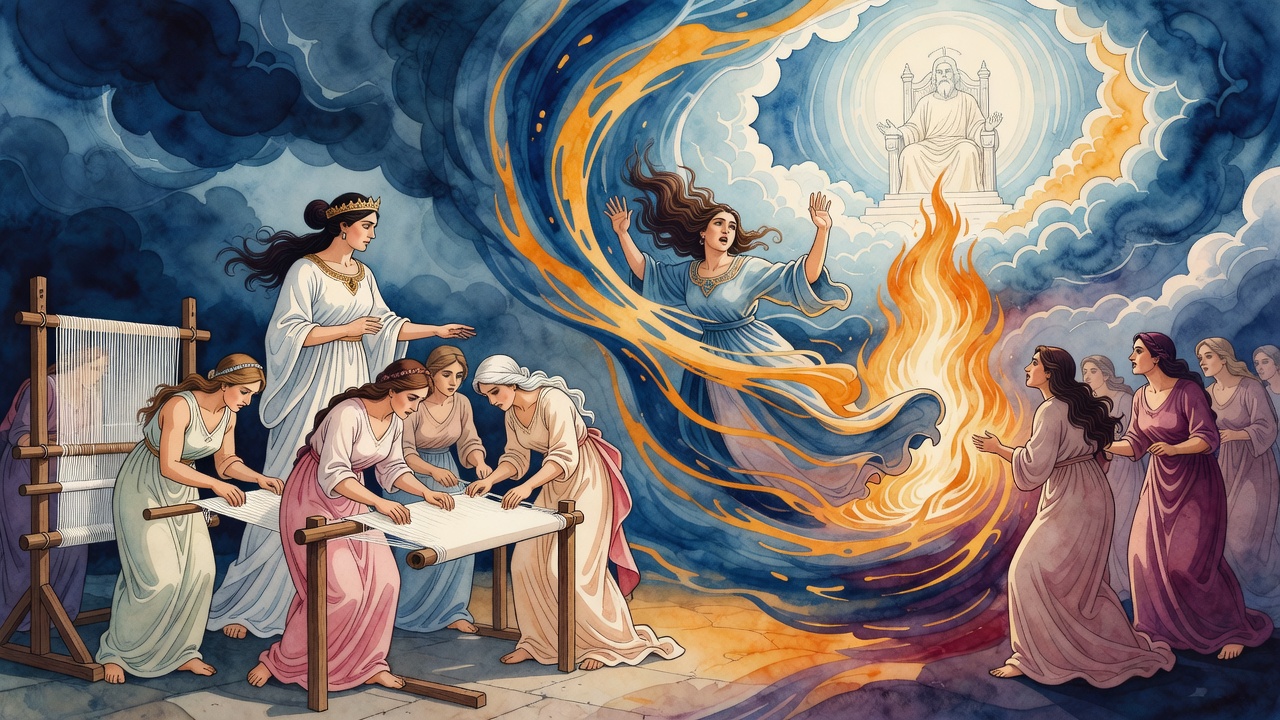
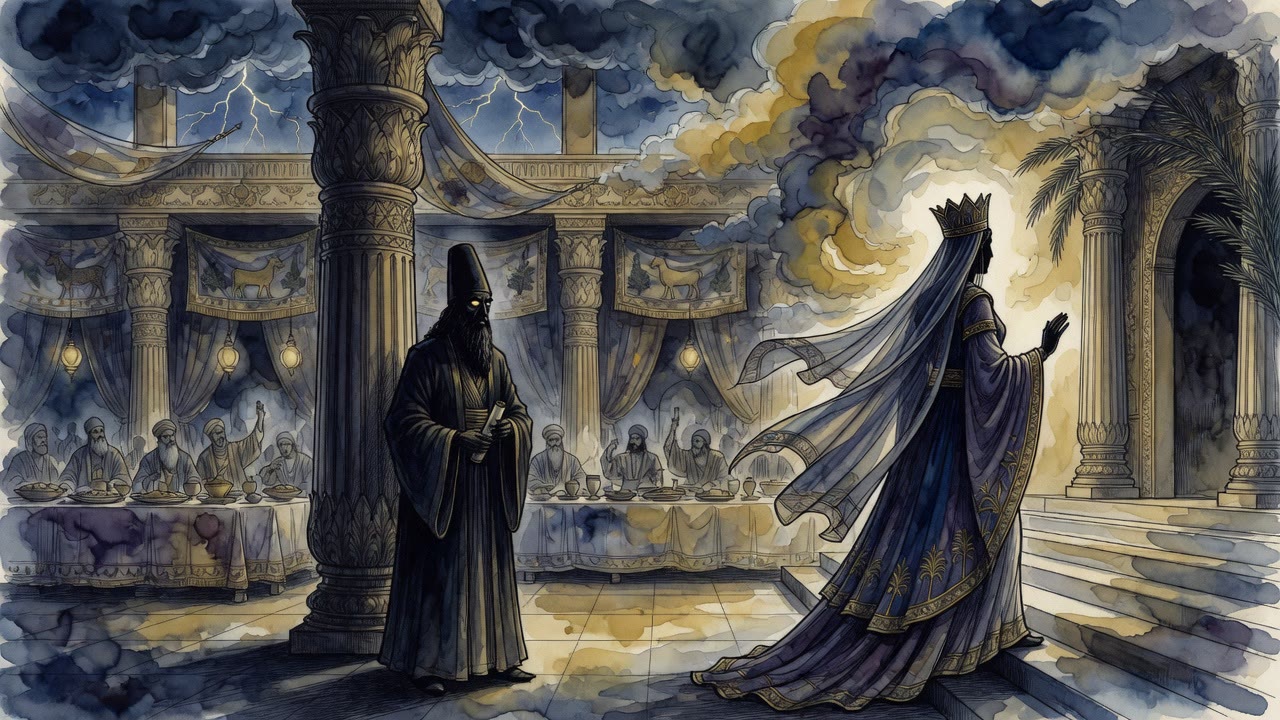
The feast had been running for a hundred and eighty days. Provincial rulers from across the empire were present in Shushan, which meant that every man in the room had something he was proud of and something he was protecting. When the wine flowed long enough, the conversation turned to women. The Persians praised Persian beauty. The Medes praised Median beauty. Each man's case was for his own people, his own province, his own house. It was the ordinary competition of powerful men with too much to drink and nothing immediate to fight about.
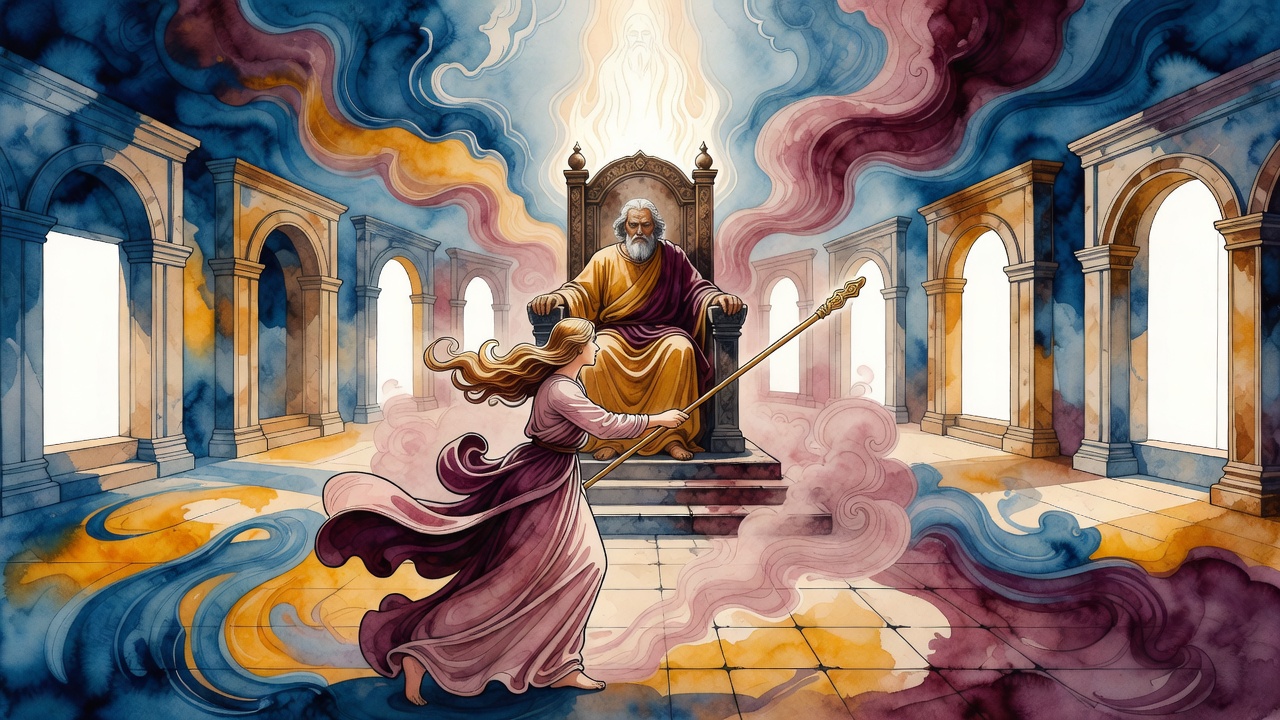
Then the king raised the stakes. He said: my wife is more beautiful than all of yours. He had a Median wife, which meant the Persians had been winning the argument, and the king resolved it by claiming his own wife as the final proof. She is the most beautiful woman in the empire. I will prove it. He sent servants to bring Vashti to the feast wearing her crown.
He wanted the room to look at her the way the room had been looking at his gold.
What Vashti Understood
Vashti refused.
The tradition is interested in why. The Talmud and later Midrash offer various readings: that the crown was all she was asked to wear, which was a different kind of display than the king intended; that she had skin conditions that appeared at that moment and made appearance impossible; that she was too proud to be displayed like property. The rabbinic tradition does not fully settle on one explanation, which is its way of leaving the question open.
What the tradition does settle on is the dynamic. A king who confused display with control had just discovered the limit of display: it only works on people who agree to be part of it. Vashti had been the beneficiary of the king's power for years. When the power turned toward displaying her rather than protecting her, she stepped outside it.
The Political Problem Vashti Created
The king's counselors saw the problem immediately, and it was not personal. If the queen of the empire could refuse a royal command and suffer no consequence, the information would travel from Shushan to every province. Every wife in the empire would know that the queen had refused her husband the king and had not been punished. The counselors told Ahasuerus that this was not a domestic matter. It was a political matter. Vashti's refusal, left unanswered, was a decree more powerful than any royal edict: it said that women could refuse men and survive.
The king's counselors were afraid of their own wives. The tradition is not subtle about this. The men who counseled Ahasuerus to banish Vashti had personal reasons for wanting a harsh example set, and they got one. Vashti was sent away. The search for a replacement began. The machine that would eventually bring Esther to the palace was running.
The Machine That Would Grind Through Esther Next
The banishment of Vashti was not the end of anything. It was the beginning of a mechanism that the king had built without understanding it. He had set up a system that selected for beauty and disposed of queens when they became inconvenient. That system did not stop after Vashti. It ran on its own logic. Esther, who would enter the palace and spend years there facing the same king who had turned Vashti into a public example, understood from her first day what kind of place she had entered.
The Midrash records that Esther wept when she was taken to the palace. Not from fear of the king personally, but because she understood the structure she was entering: a king who needed to be admired, counselors who needed to fear their own wives less than they feared the king, and a court that ran on display and disposal. She was the display. She had seen what had happened to the last one.
What the Rabbis Said About Ahasuerus
The sages who commented on Ahasuerus were not gentle. They called him a king who did not know what he was doing, a man who confused the appearance of power with its substance. He had crushed a rebellion and celebrated with a hundred and eighty days of display, which was the response of a man who needed constant confirmation that the crushing had actually worked. He had made Vashti into evidence of his greatness and lost her when she declined to be evidence. He had taken Esther as queen and nearly signed the decree that would have killed her without knowing she was Jewish.
Every major act of his reign was the act of a man who could not see past the surface of things. The rabbis were fascinated by him precisely because his blindness was the condition that made Mordecai and Esther's work possible. A smarter king would have asked more questions. Ahasuerus was consistent.
← All myths