92 myths · Page 1 of 4
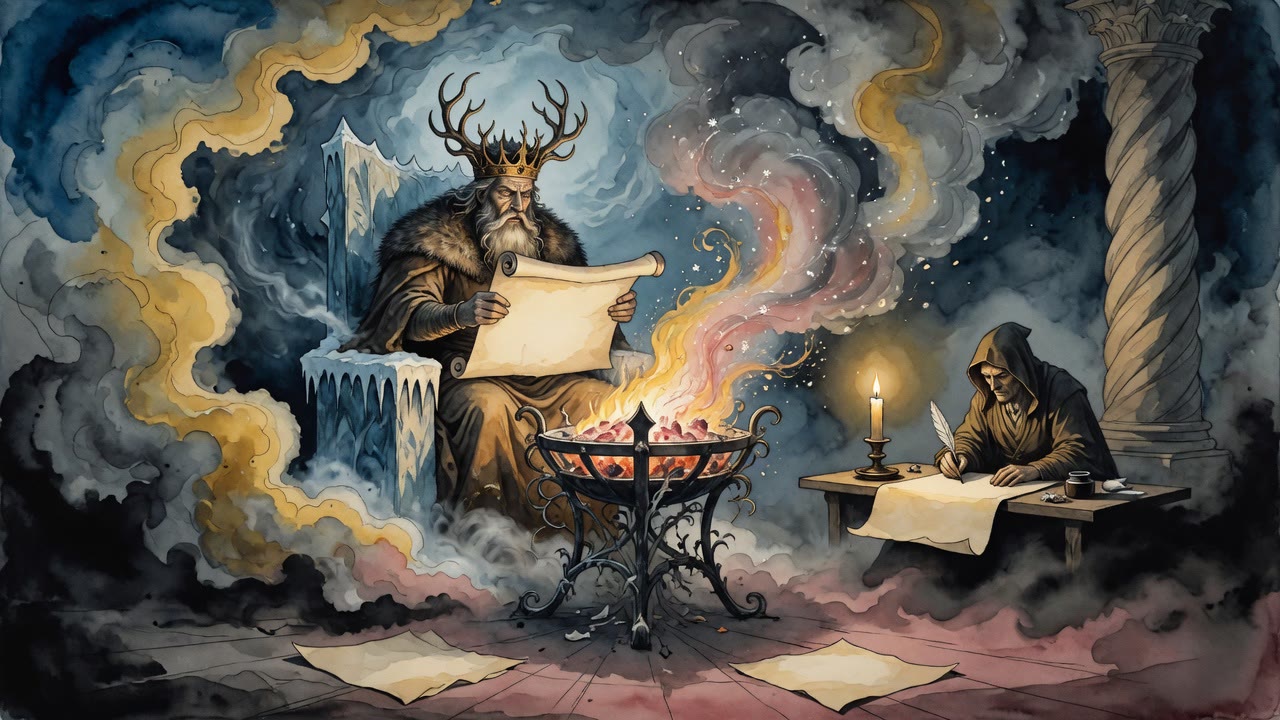
Jehoiakim sat in the winter house and fed Jeremiah's columns to the brazier. Three officials begged him to stop. No one in the room tore his clothes.
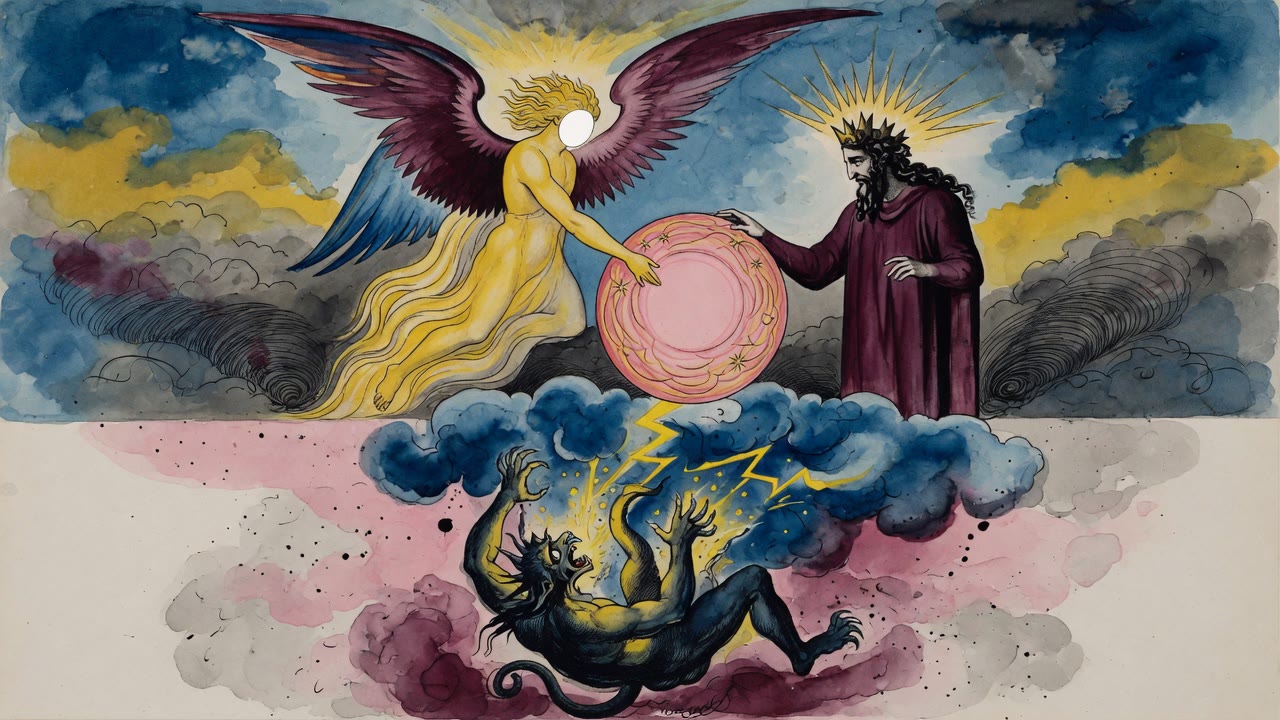
A demon was draining life from a child on Solomon's building crew. Solomon prayed and Michael arrived with a ring that bound every demon on earth.
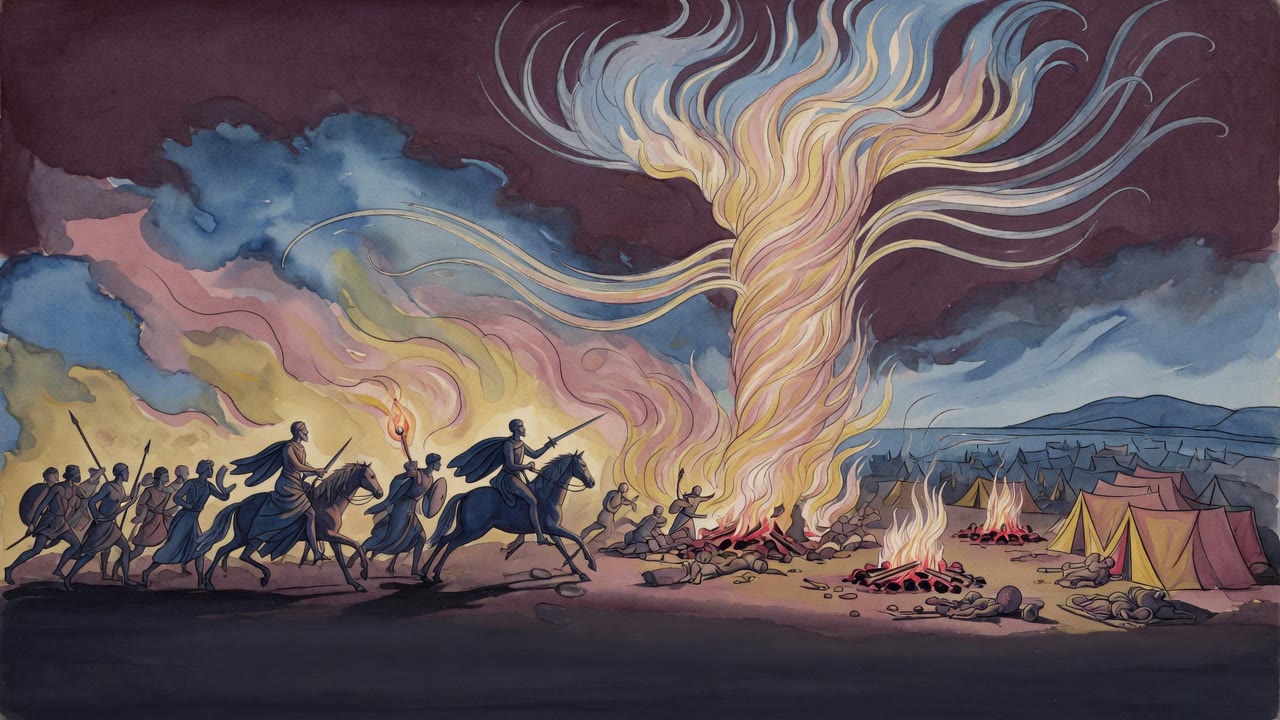
A man came running into Hebron with one word: Sodom. Lot was taken. Abraham reached for a sword and called for men who would not come.
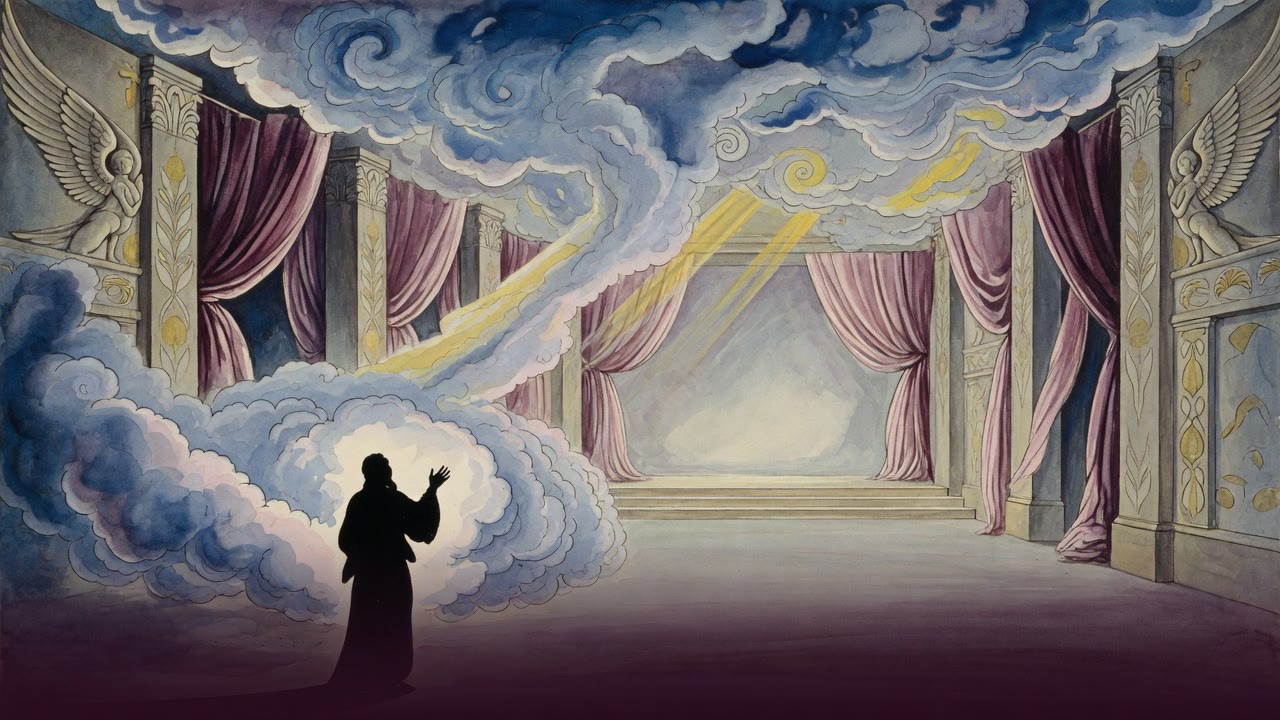
A portable tent in the desert held a sanctuary twice as large as the one Solomon built in Jerusalem. The rabbis argued about why for a thousand years.
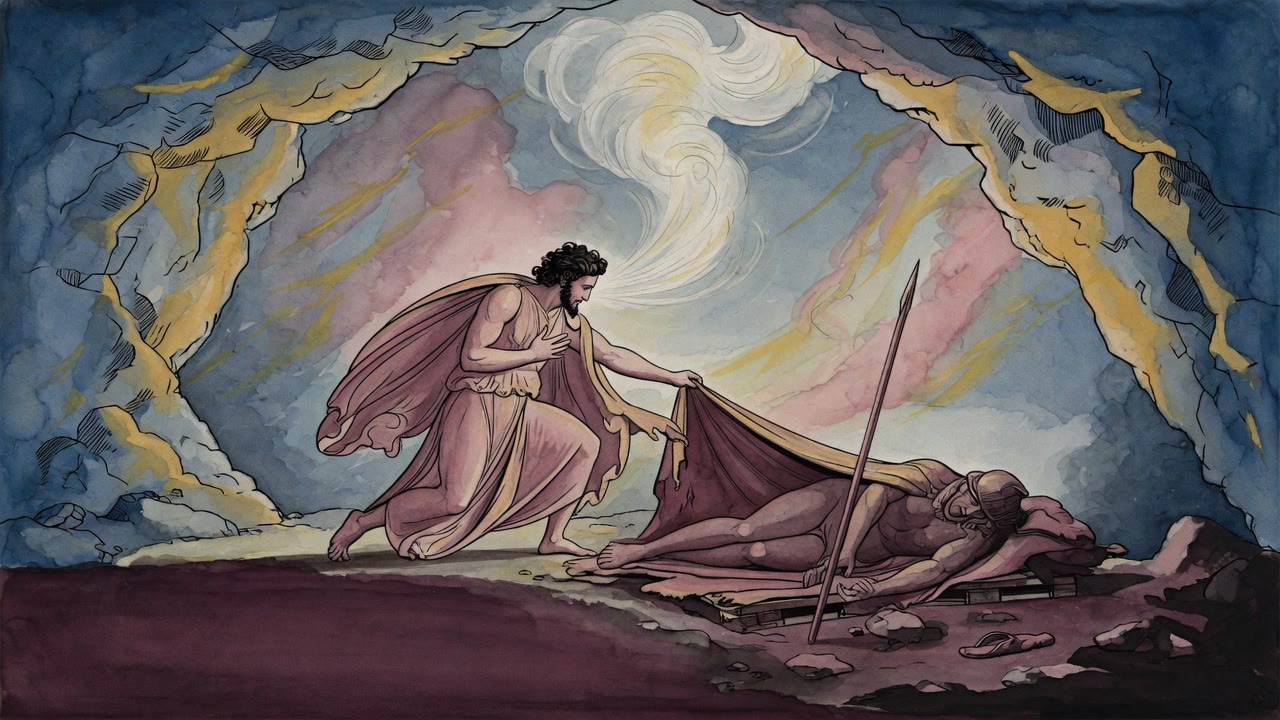
Pressed against the back wall of a cave, knife drawn, Saul within reach, David asked God for two mercies. The second one was the strange one.
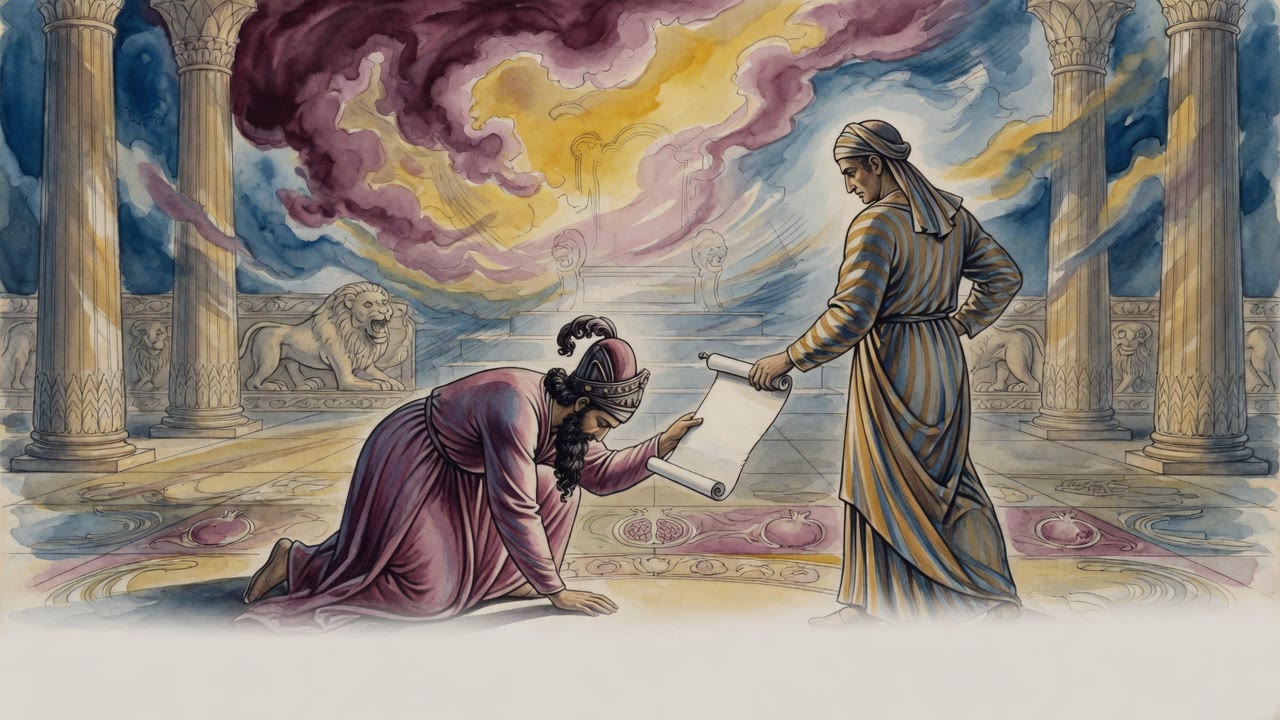
Haman's troops were starving. Mordechai had grain and would not take interest. He asked for a slave's name cut into his own knee.
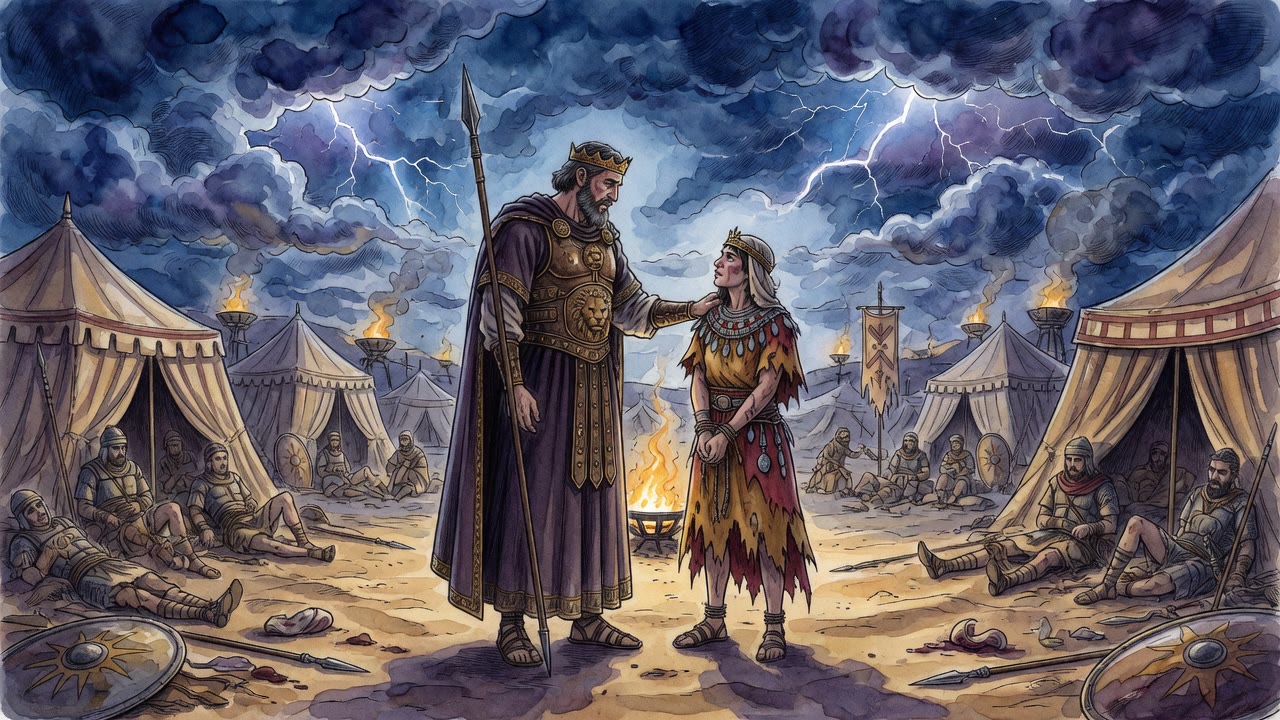
Agag sat bound through the dark while fat sheep bleated in the pens. Samuel came at morning. The line that should have ended did not.
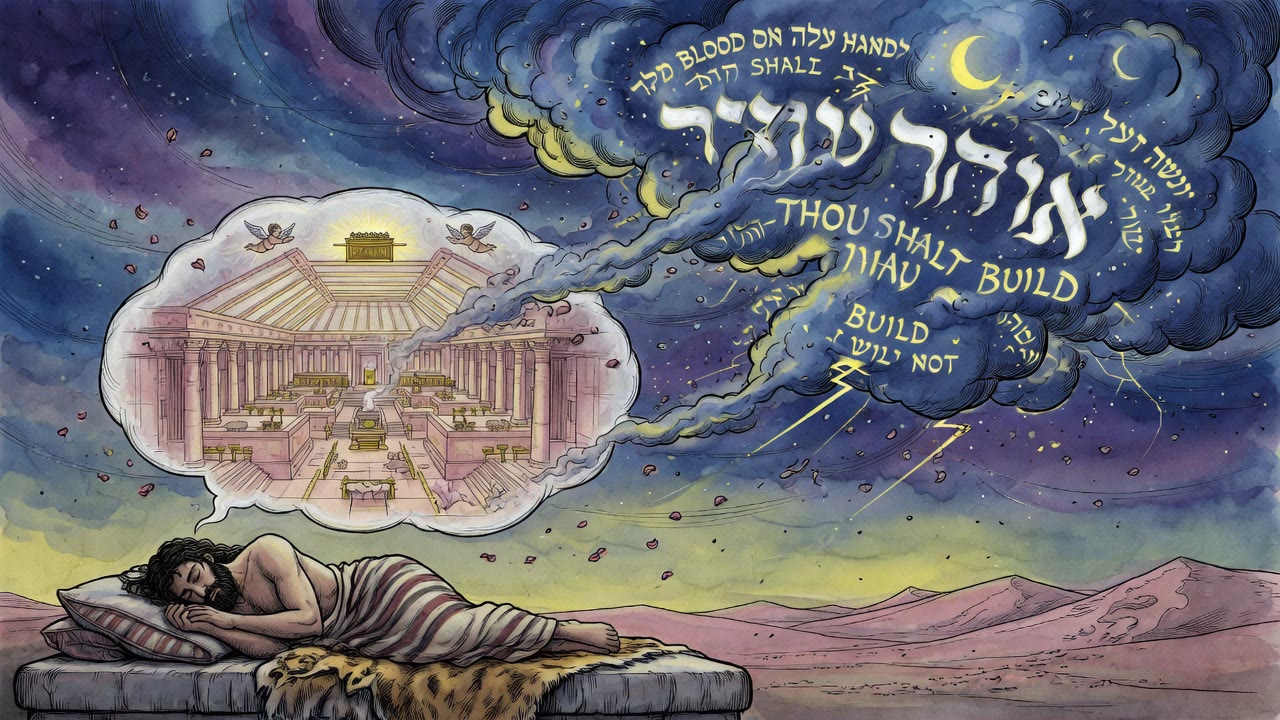
Nathan told him to do whatever was in his heart. God woke the prophet that night and sent him back with the opposite answer.
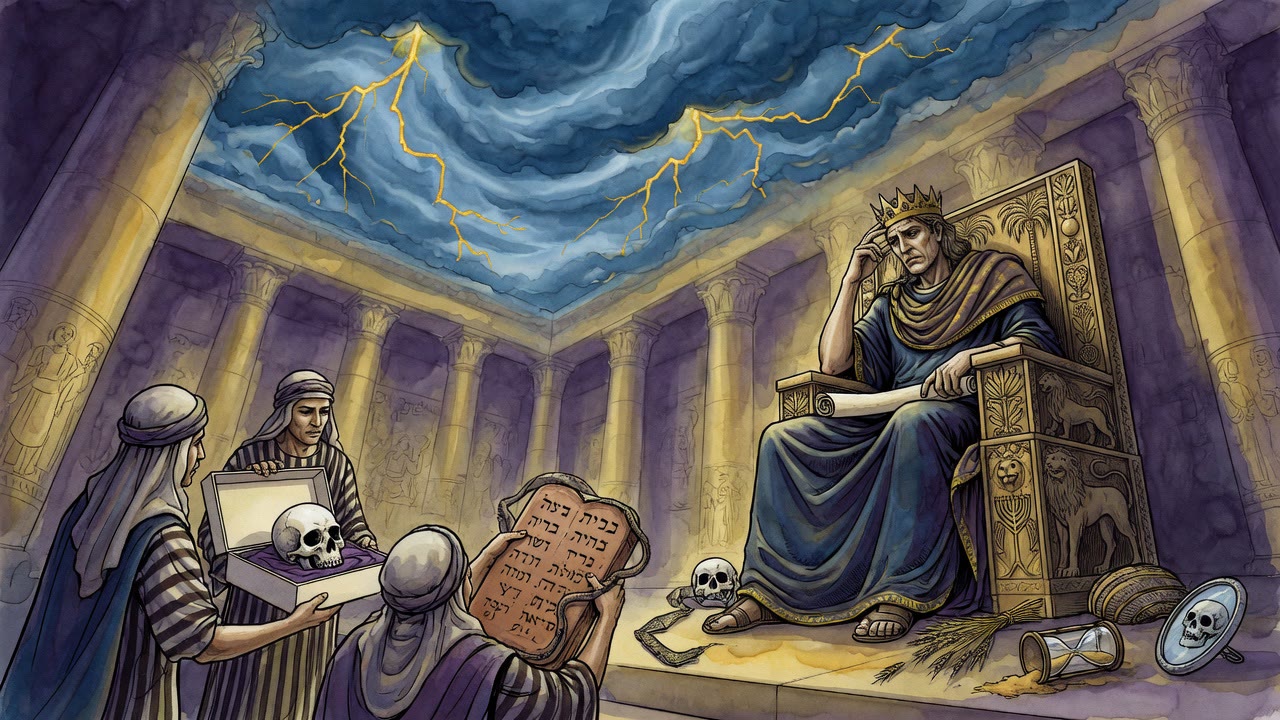
The first herald waited at the lowest step. Before Solomon's sandal landed, the man opened the king's law and spoke it into the air.
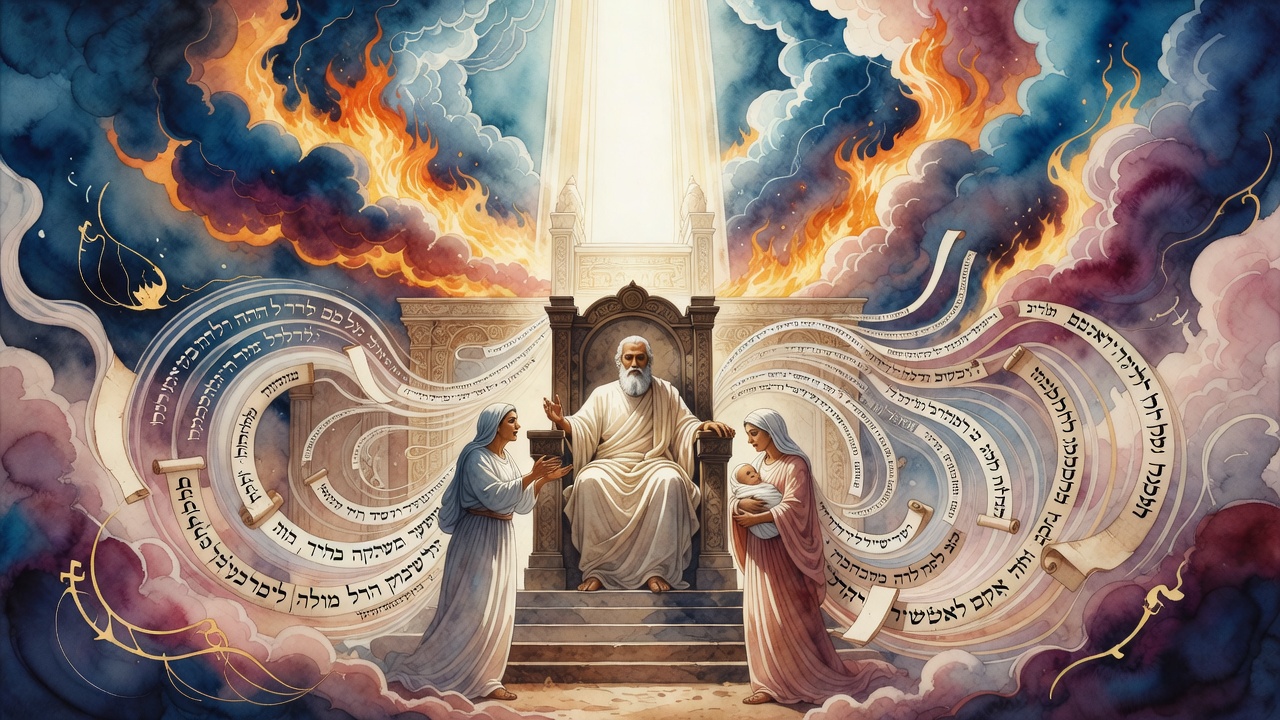
Two women stood over one living child. The boy-king asked for a sword. His counselors said woe to the land that had a youth on the throne.
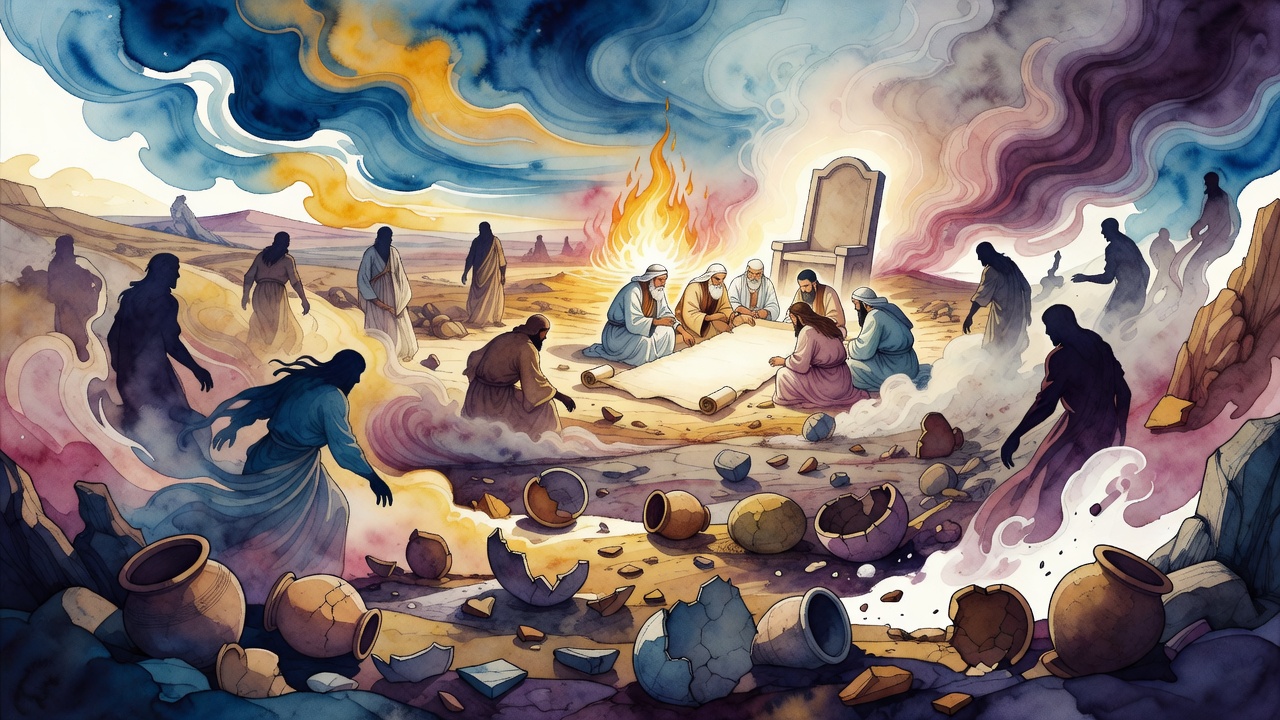
Bela sat in Dinhabah and died. The next king was not his son. Eight times the chair of Edom filled, and eight times it emptied.
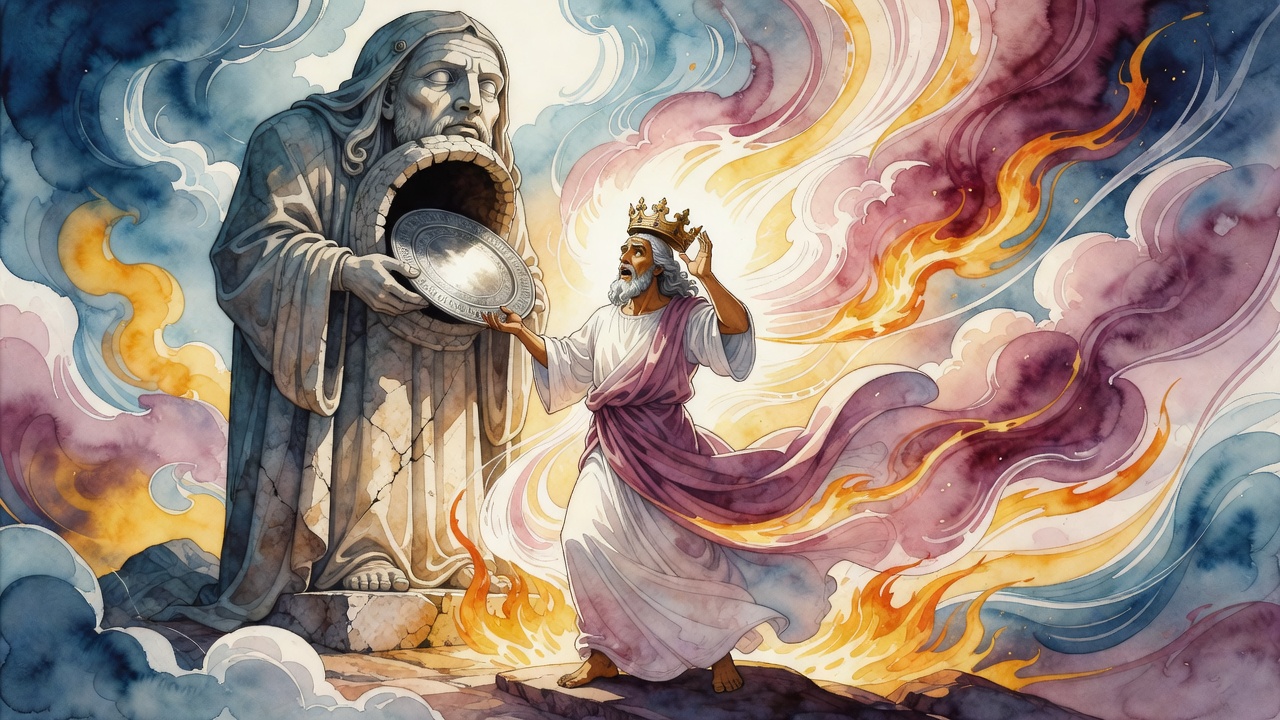
Solomon found a silver plate in a statue's throat, but its dead king's warning only made sense after his own crown was taken away.
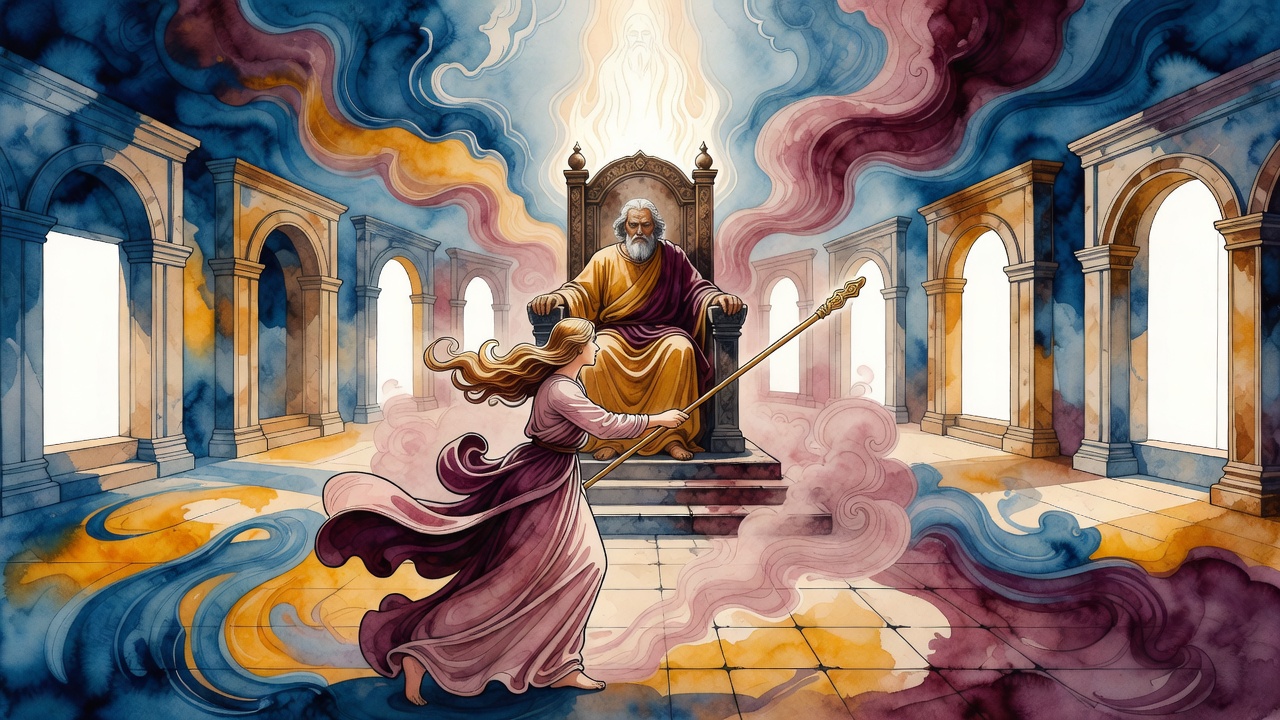
Esther crossed seven palace rooms unsummoned, and the king's rage exposed the wound left by Vashti before mercy finally moved the scepter.
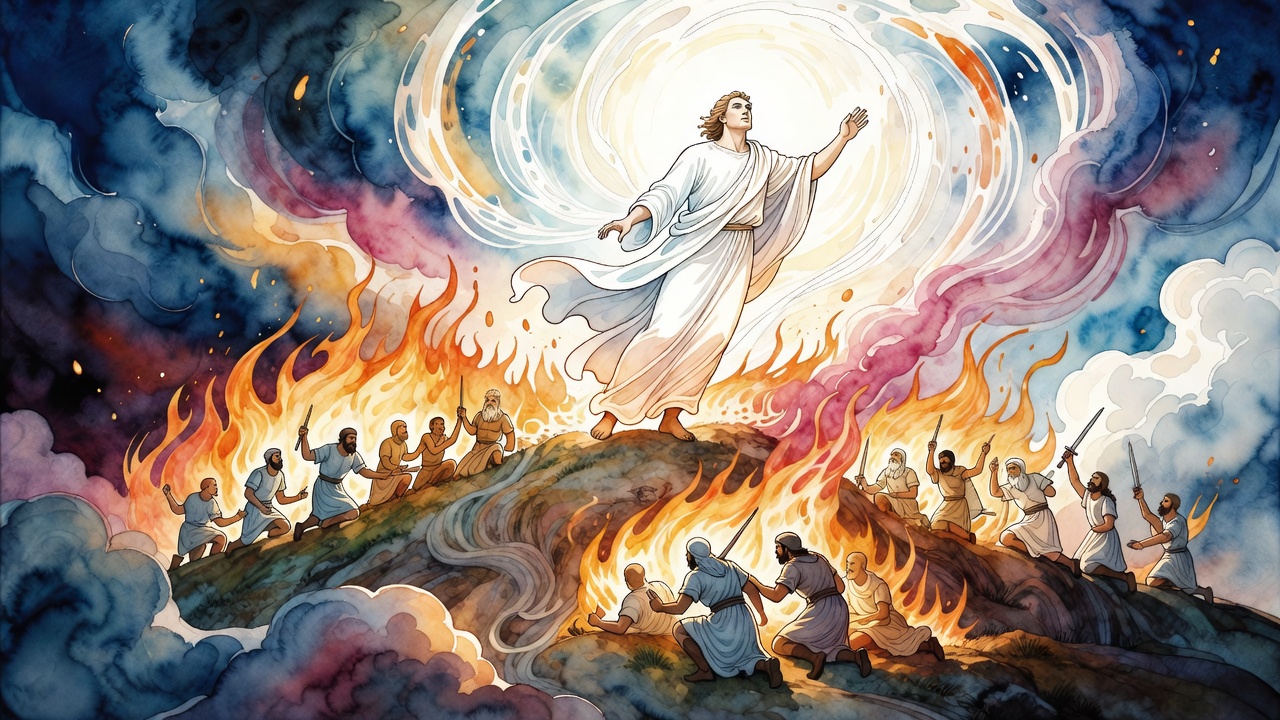
Ahaziah sent fifty men up a hill to drag the prophet down. Fire took them. The next fifty burned the same way, still on their feet.
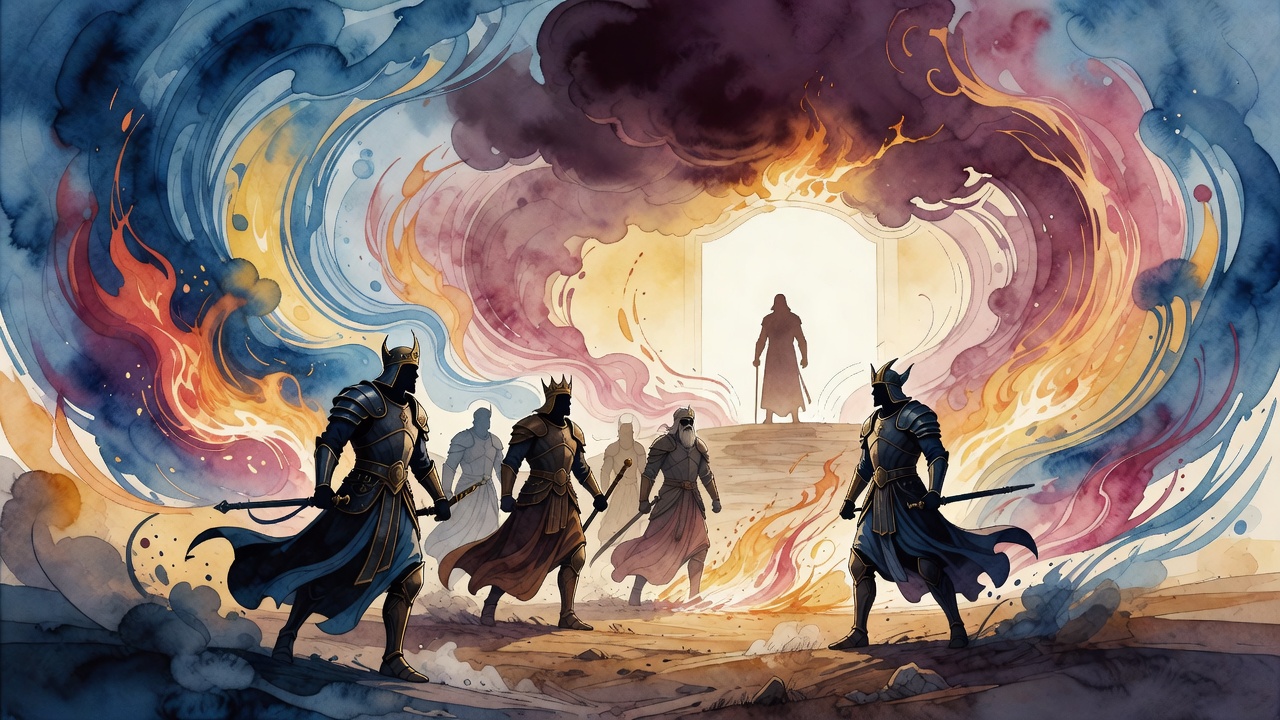
The four kings who captured Lot were not really after Lot. They were after Abraham. The texts trace the grudge back through Nimrod to the furnace at Kasdim.
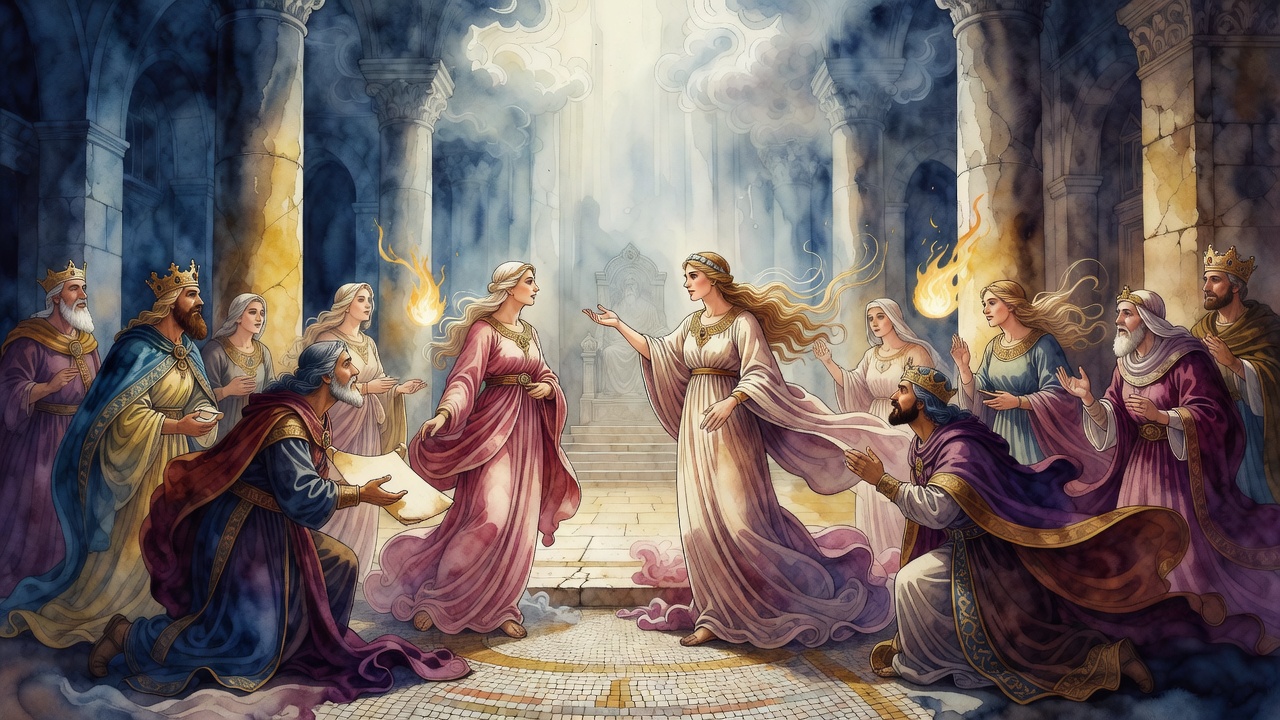
The court had already closed. A woman of Asher was still inside the palace, and she spoke for a man already condemned to die.
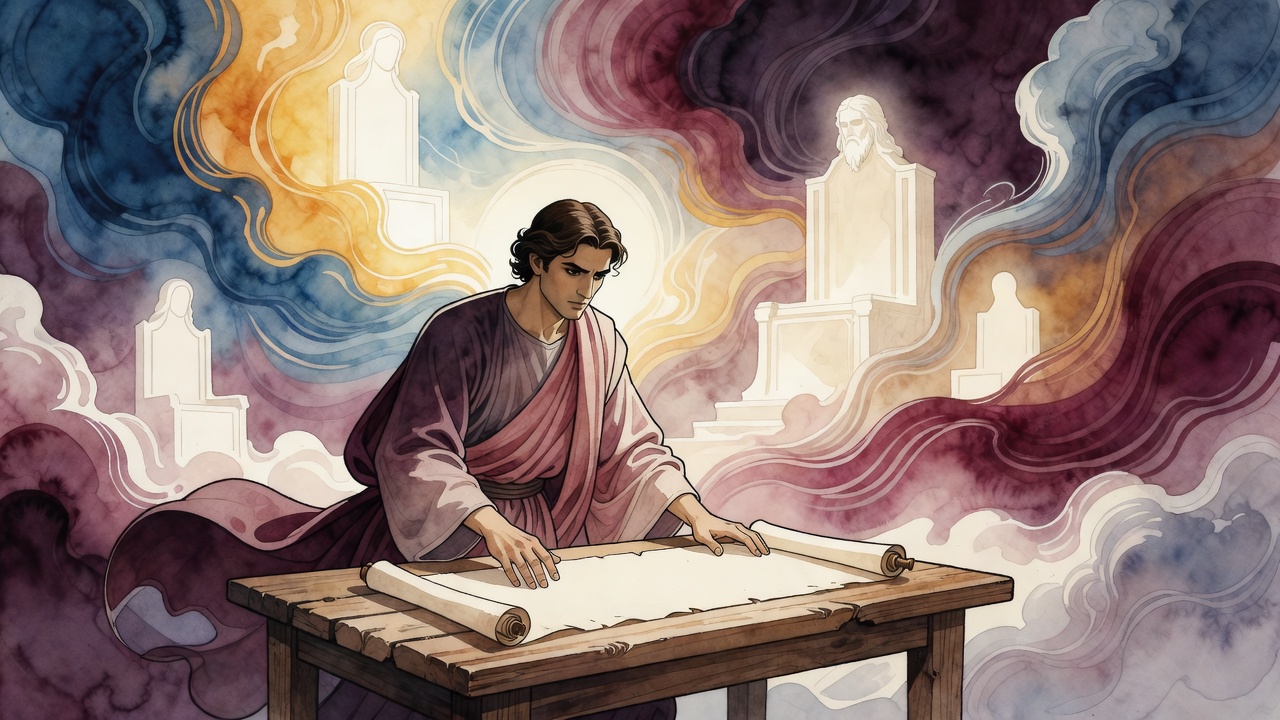
Absalom spent years building his plot against his father. It began not with weapons but with a letter bearing the king's own seal.
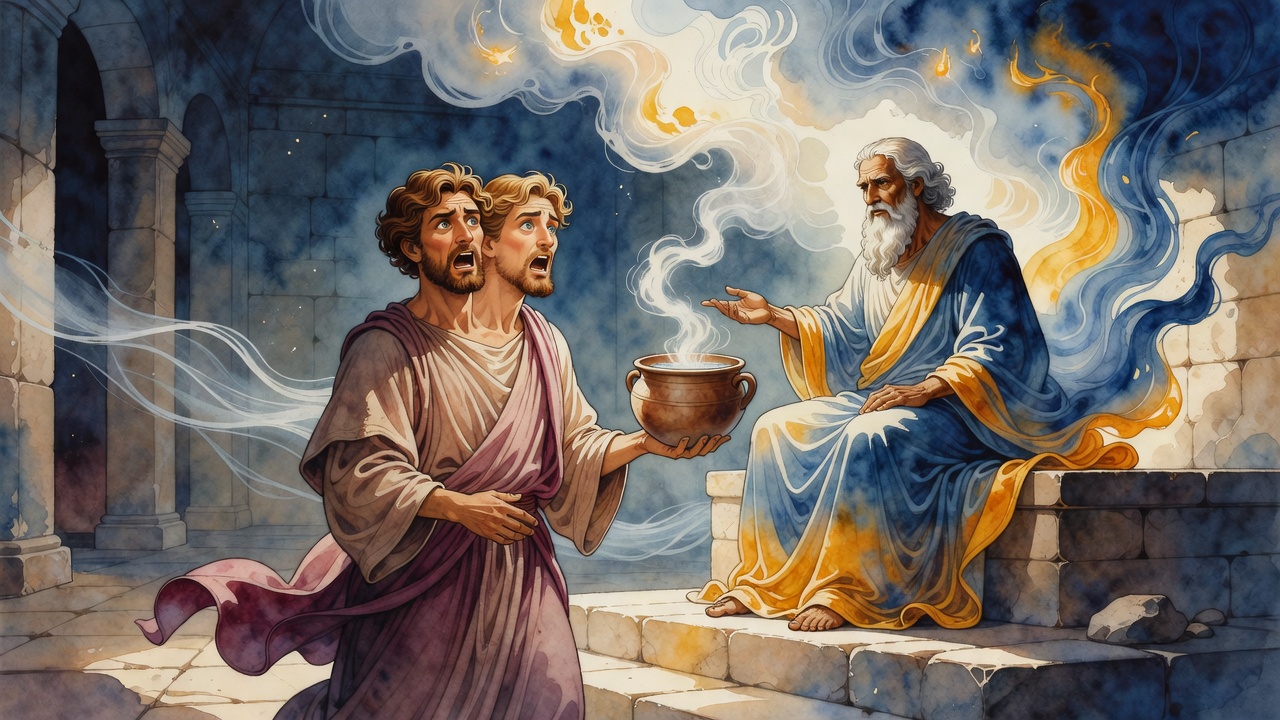
Ashmedai brought a Cainite up from under the earth to confuse the king. Years later the two-headed son wanted two shares. Both mouths screamed as one.
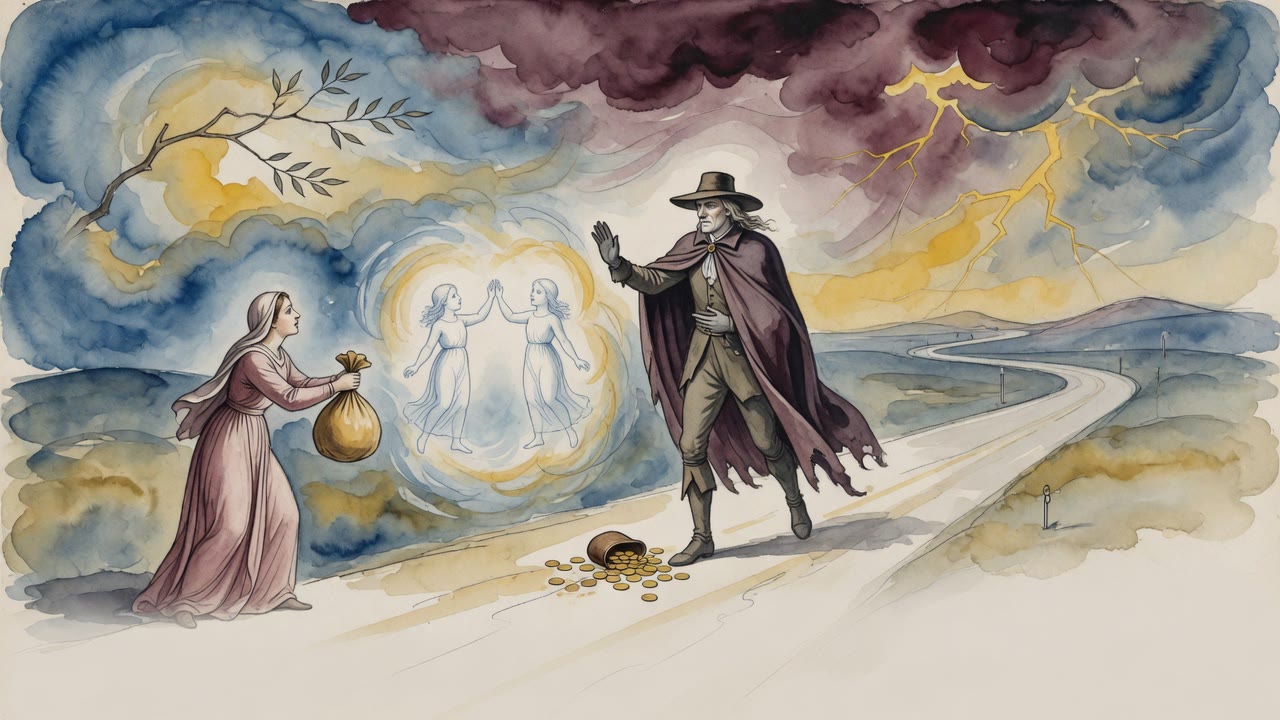
Two children swore they would never marry without each other's blessing. Years later, she came with gold to buy her release. He refused to take a coin.
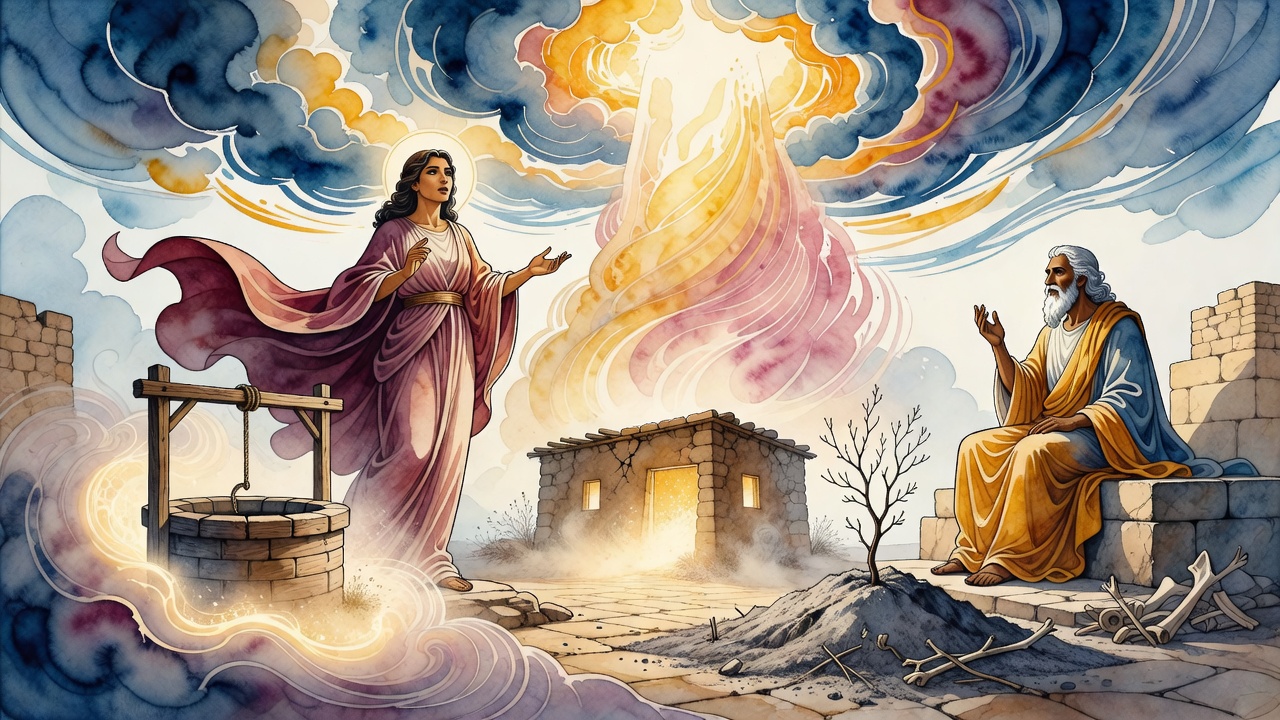
She set a wooden well with iron buckets on the king's table. Solomon named the rouge tube before her hand had left the wood.
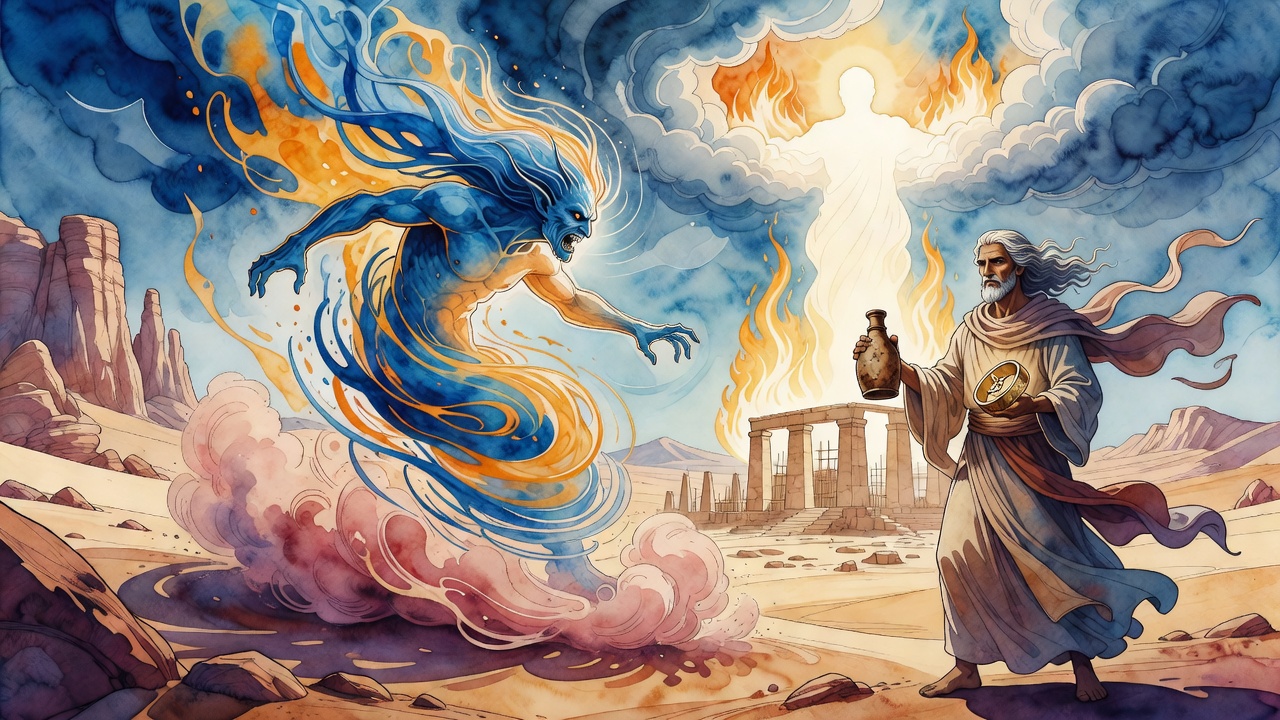
A spirit tore through Arabia and no army could stop it. Solomon sent a servant with a leather bottle and a ring engraved with the divine name.
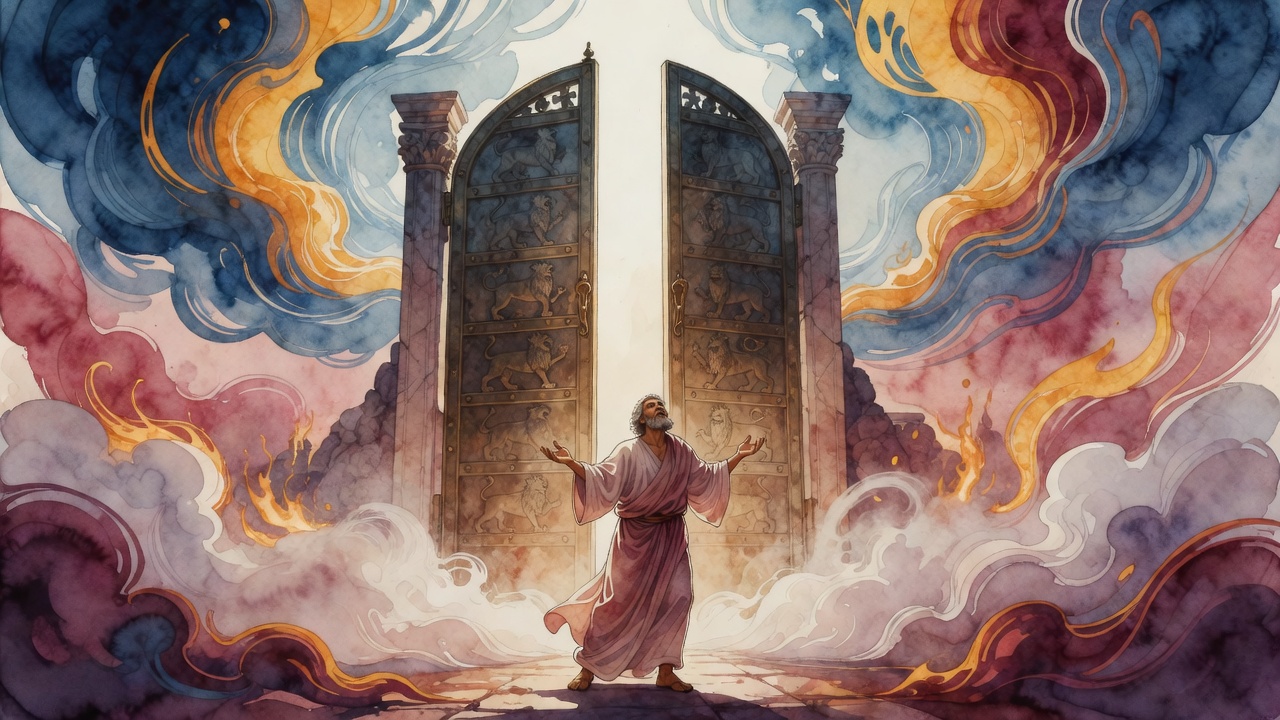
The Temple was complete, the Ark was ready, and the gates refused to open. Solomon prayed until he understood whose name had to be spoken.
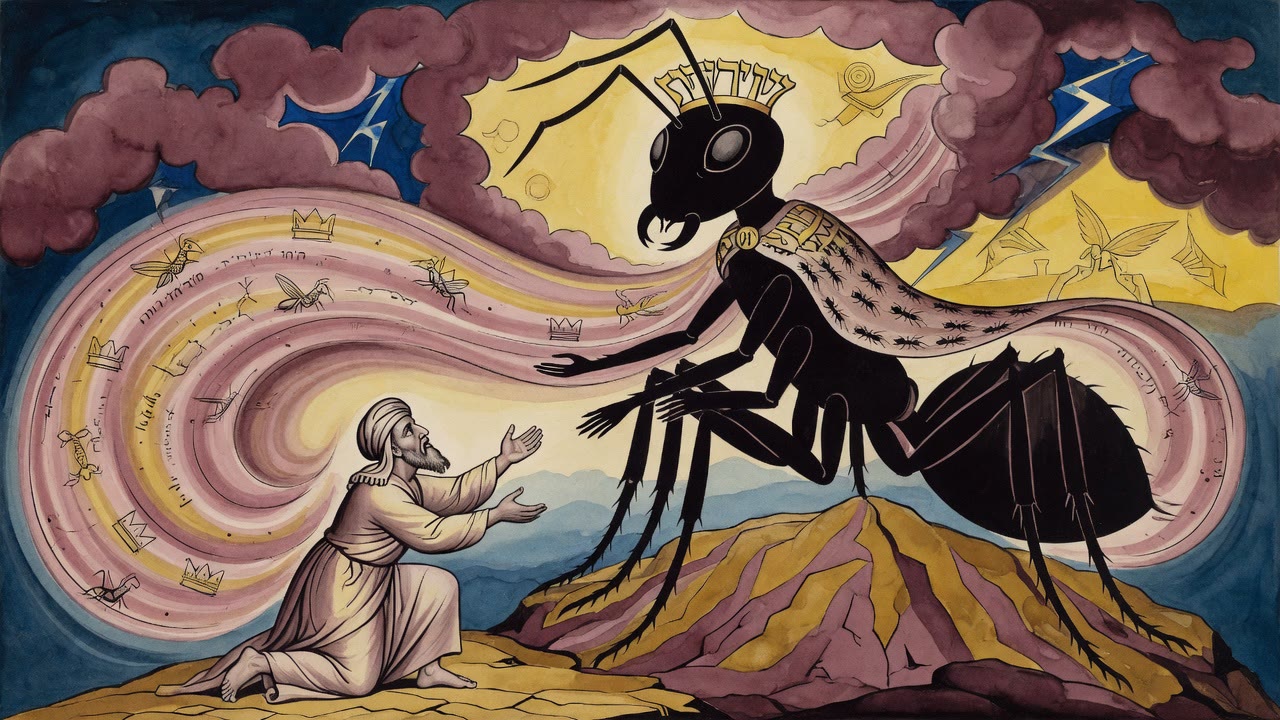
The army filled the valley of the ants. One queen ordered her colony to run, and Solomon halted every horse under him to listen.
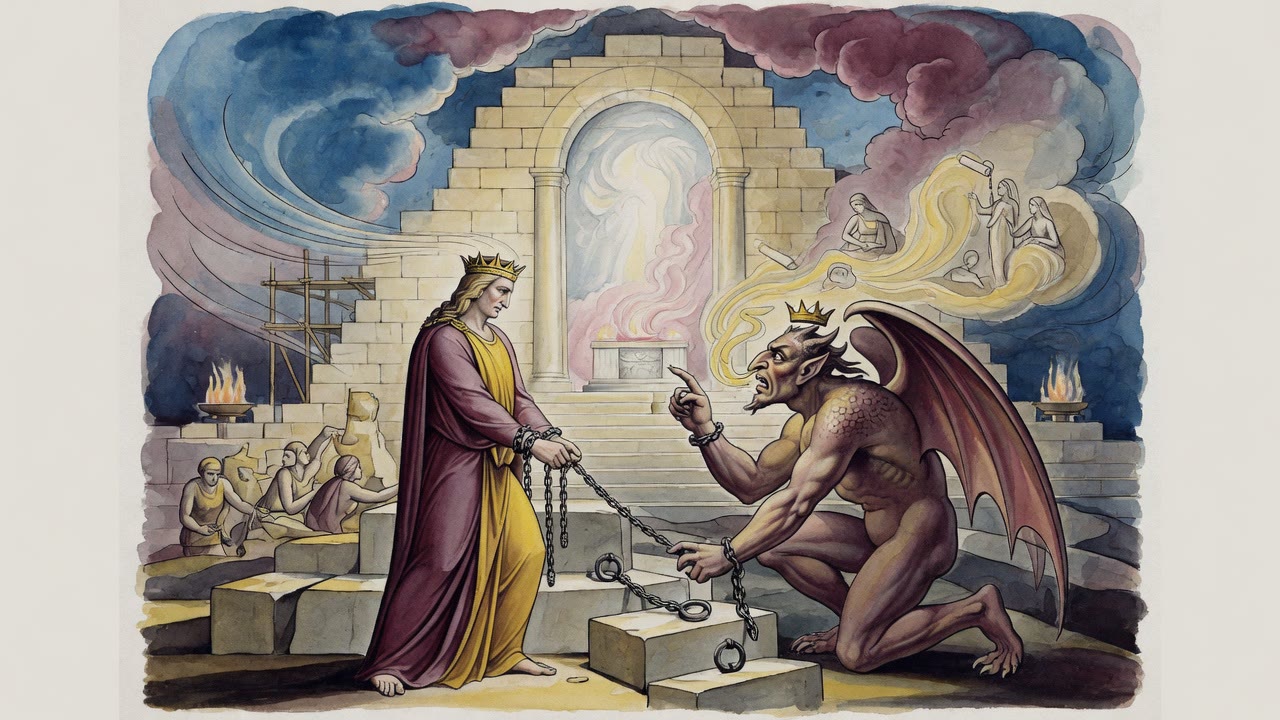
Asmodeus wore Solomon's face and ruled his throne. Solomon wandered for three years telling people his name while they laughed.
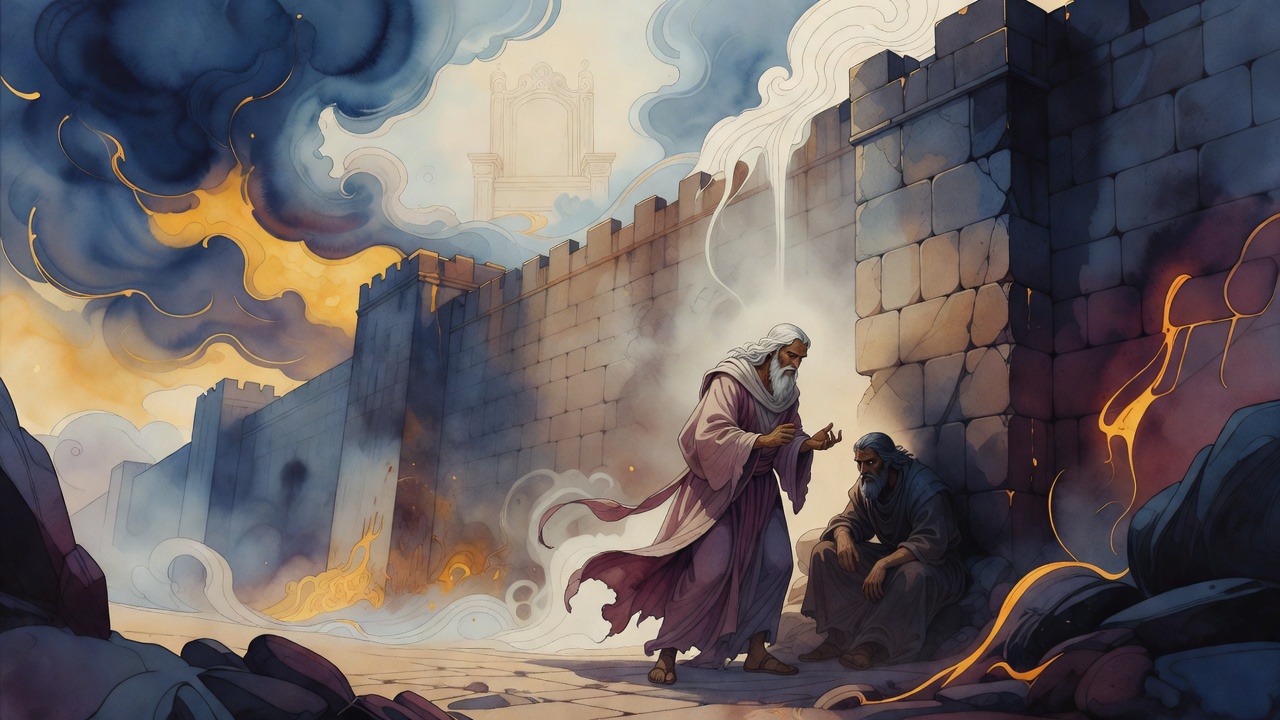
Two men were lurking near the palace walls. Solomon put on servant's clothes, introduced himself, said he had a key, and proposed a robbery.
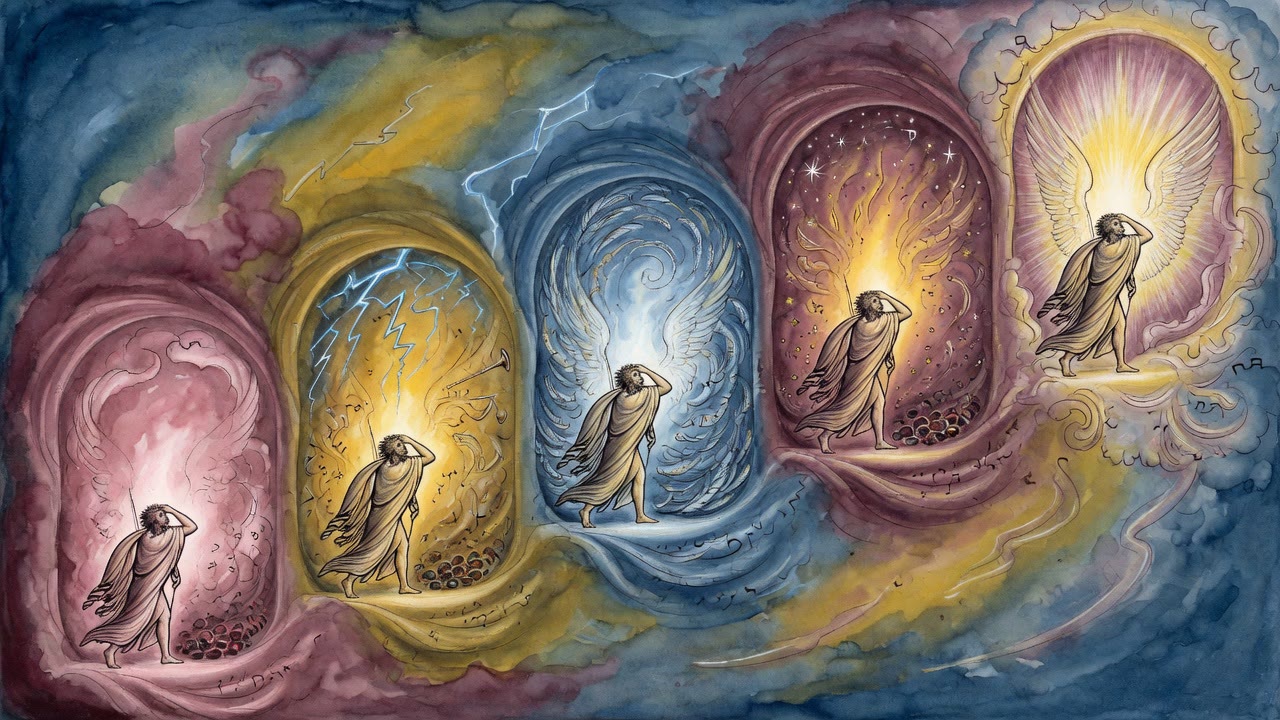
The first division drank the Jordan dry. The last kicked dust. Hezekiah spread the letter on the Temple floor and waited.
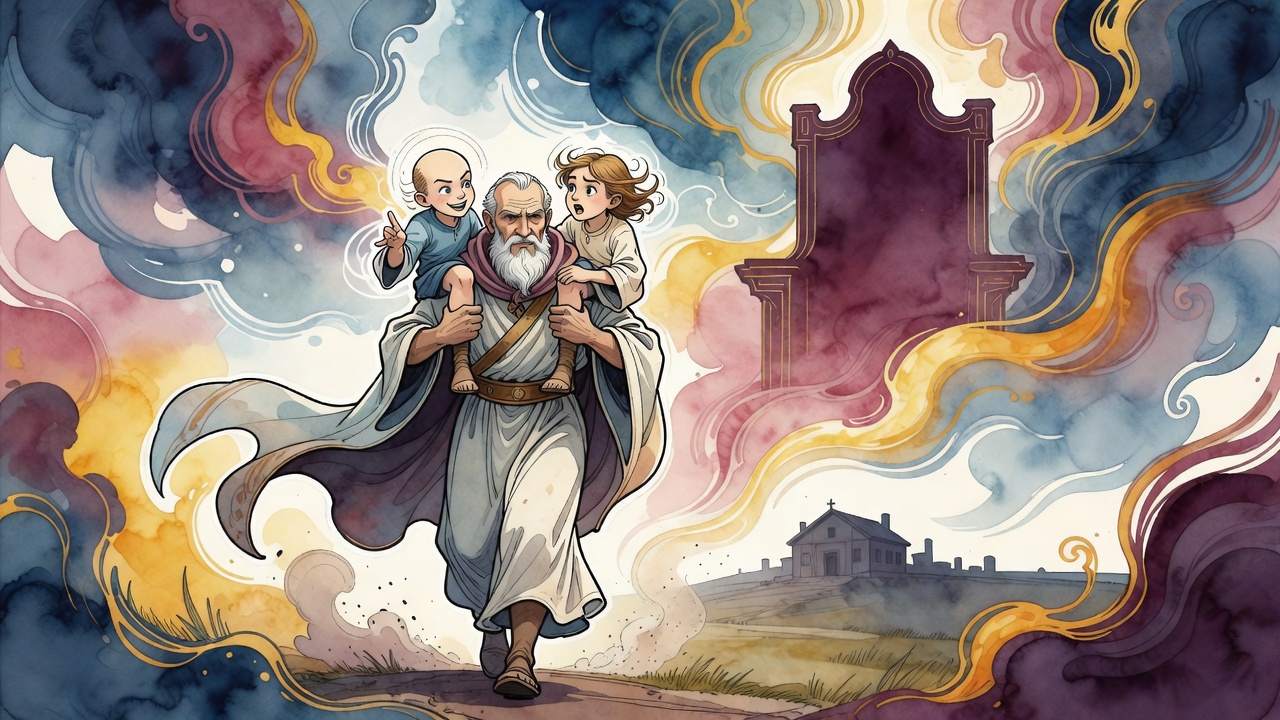
Isaiah pushed him into the marriage. The king already knew what his sons would be, and he found out how right he was on a walk to the house of study.
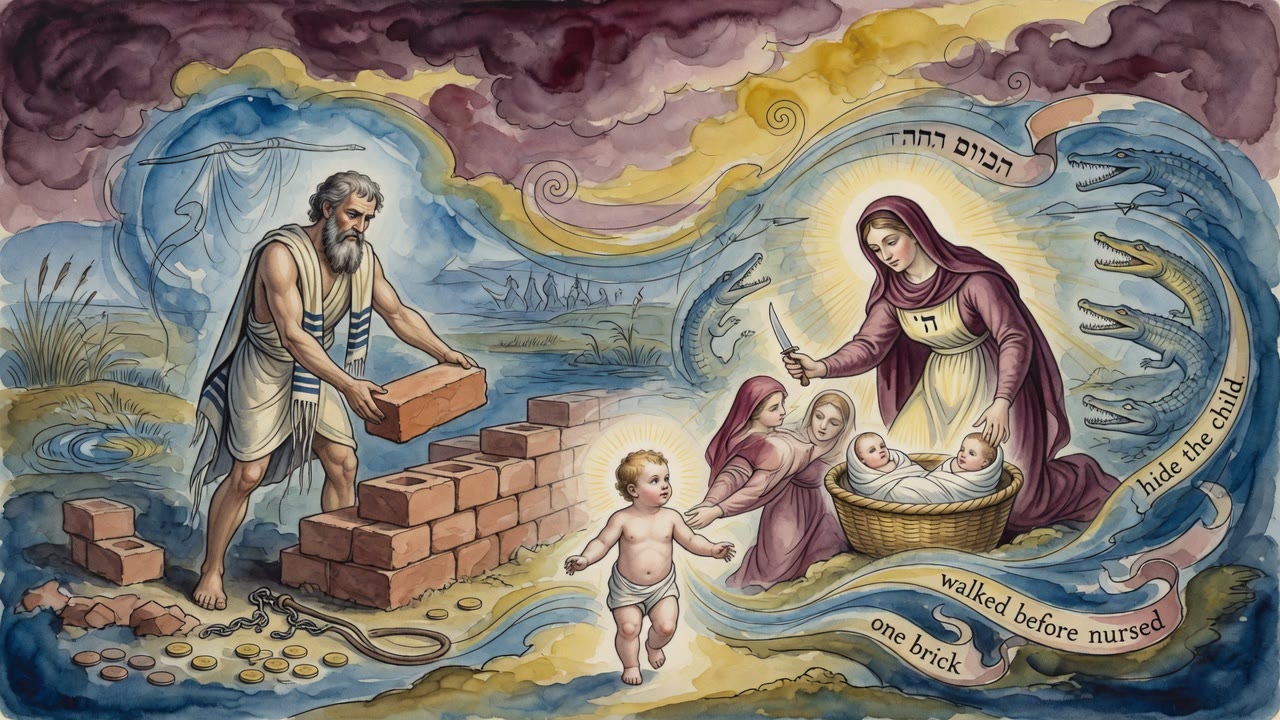
King Amon hunted down every Torah scroll in Judah and burned them. One scroll survived in the Temple wall. His son Josiah wept when he read it.
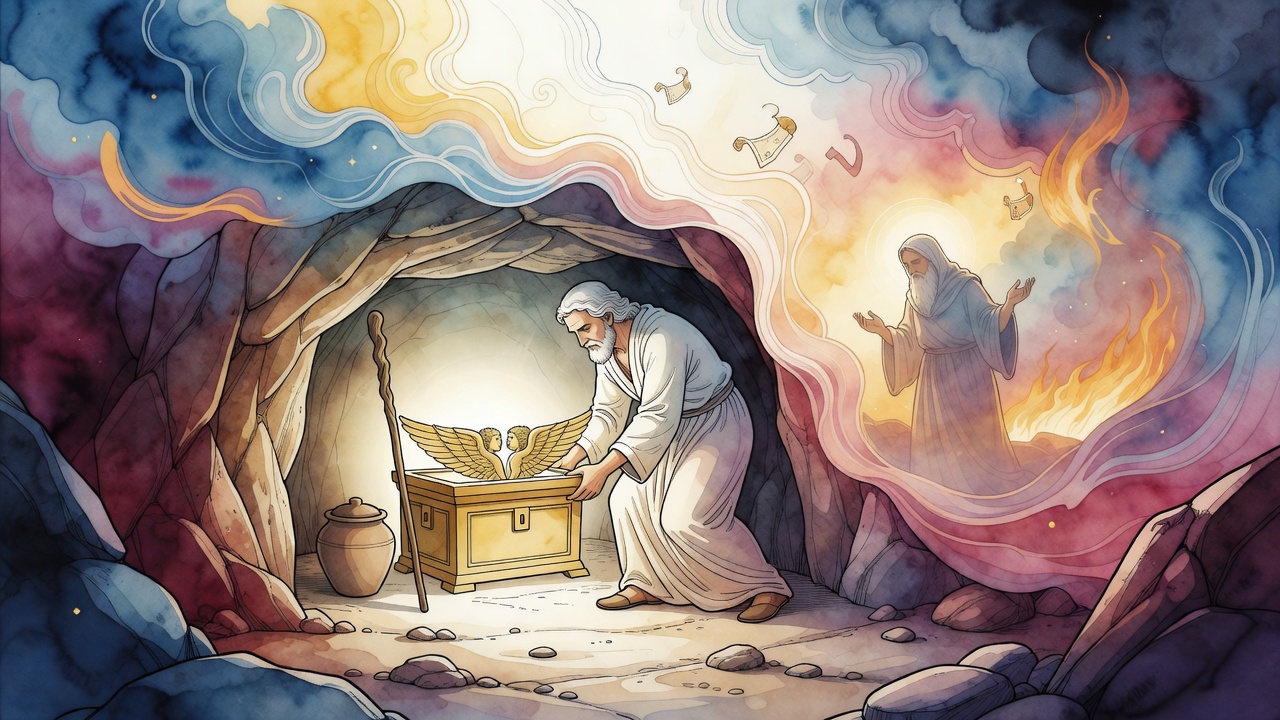
Huldah told him the Temple would fall after he died. He hid the Ark, the manna jar, and the oil where Babylon would find nothing.
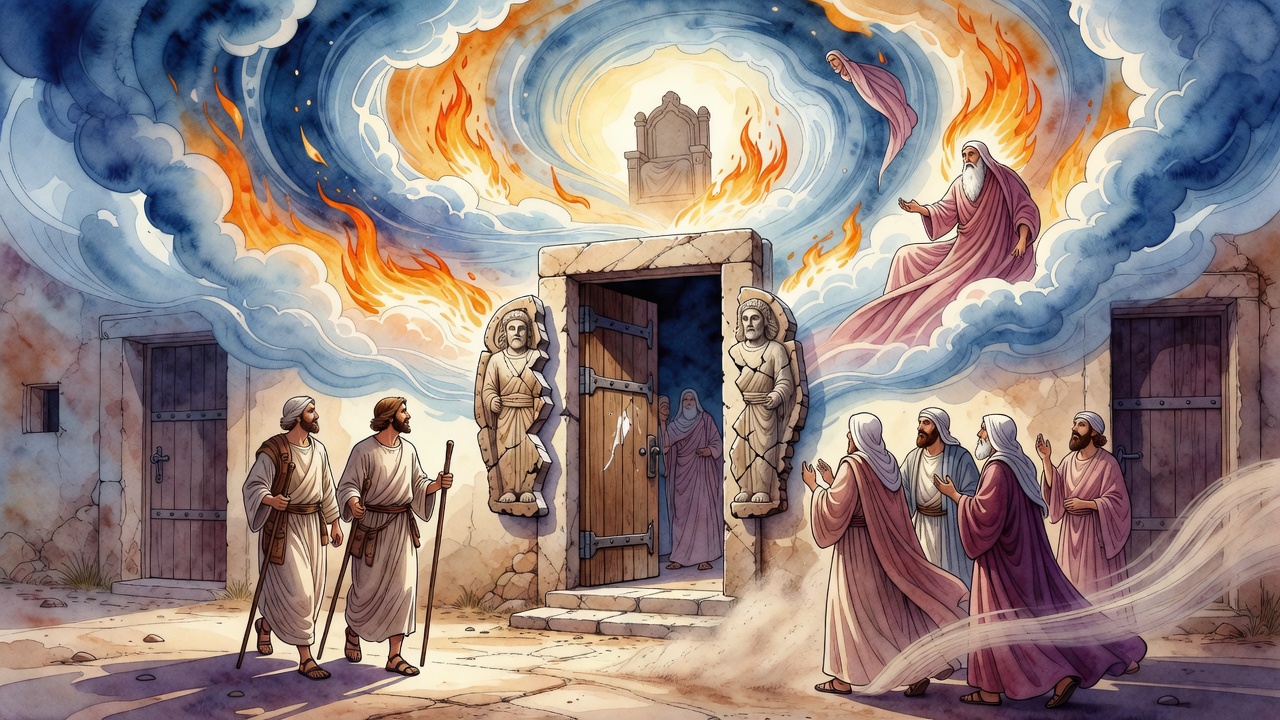
The inspectors opened every door in Judah and found no idol. Behind them the doors shut, and two halves met in the dark.
