71 myths · Page 1 of 3
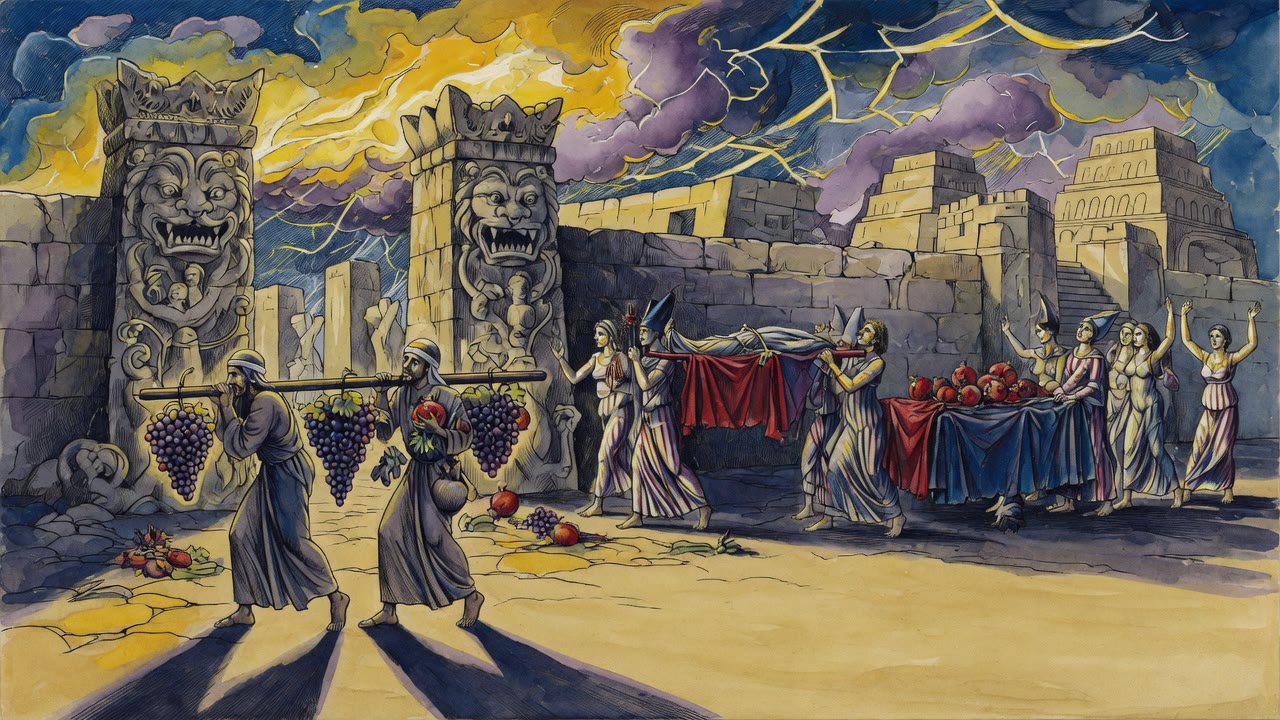
Twelve spies slipped through Canaan's open gates while the cities buried their dead, then came home swearing the land devoured its own people.
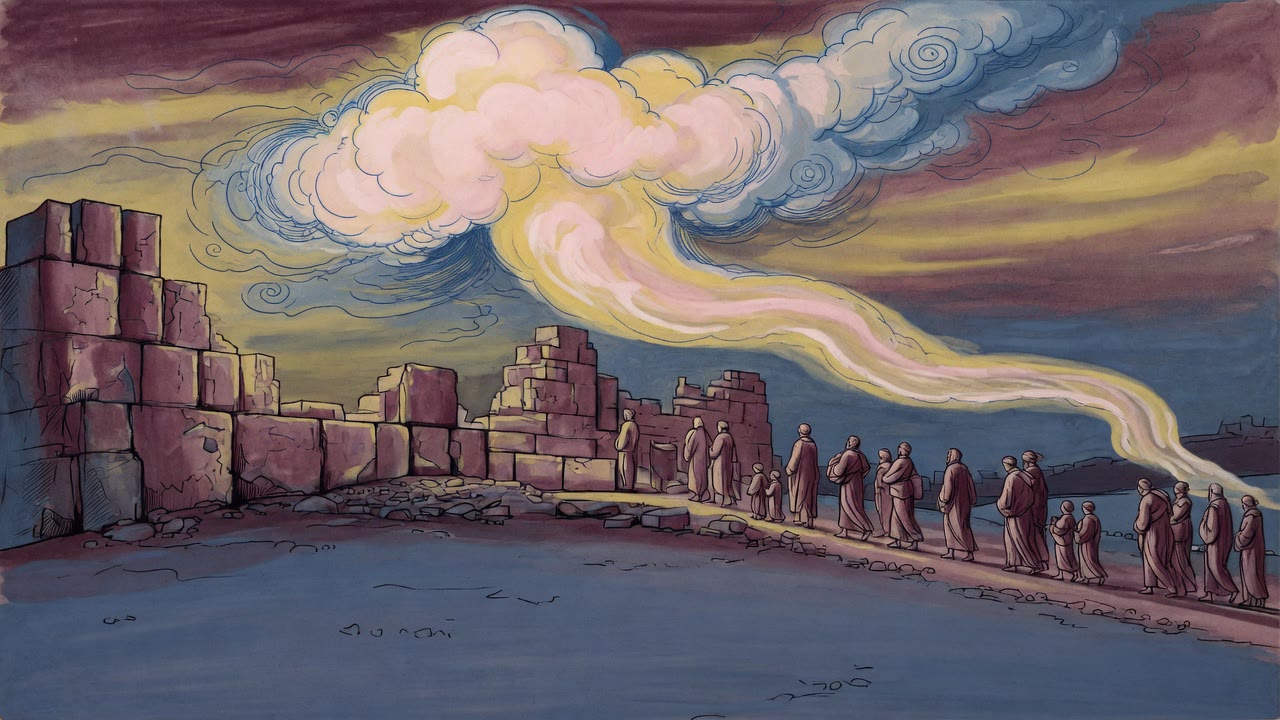
When the Temple burned the Presence wept at the last wall and walked out with Israel, as she had walked into Egypt, Babylon, Eilam, and Edom.
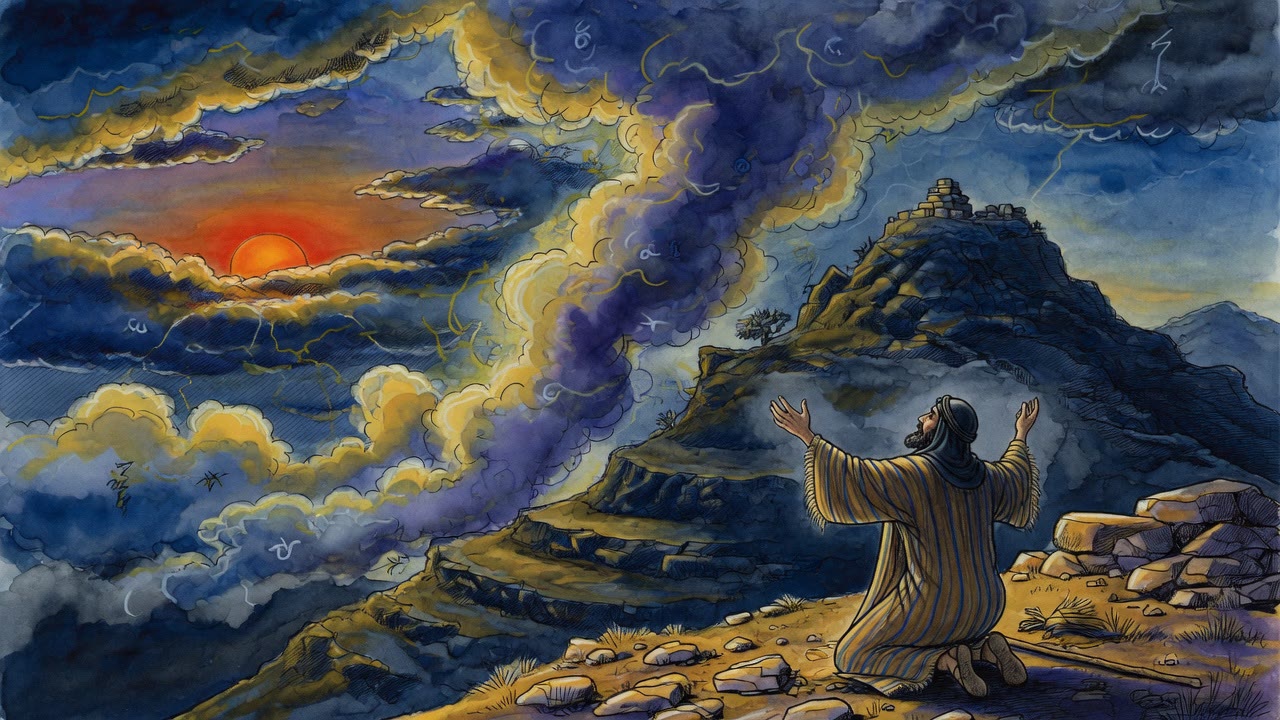
The sun dropped below the horizon at noon, and Jacob stood in sudden dark at the foot of Mount Moriah, two days from where he meant to be.
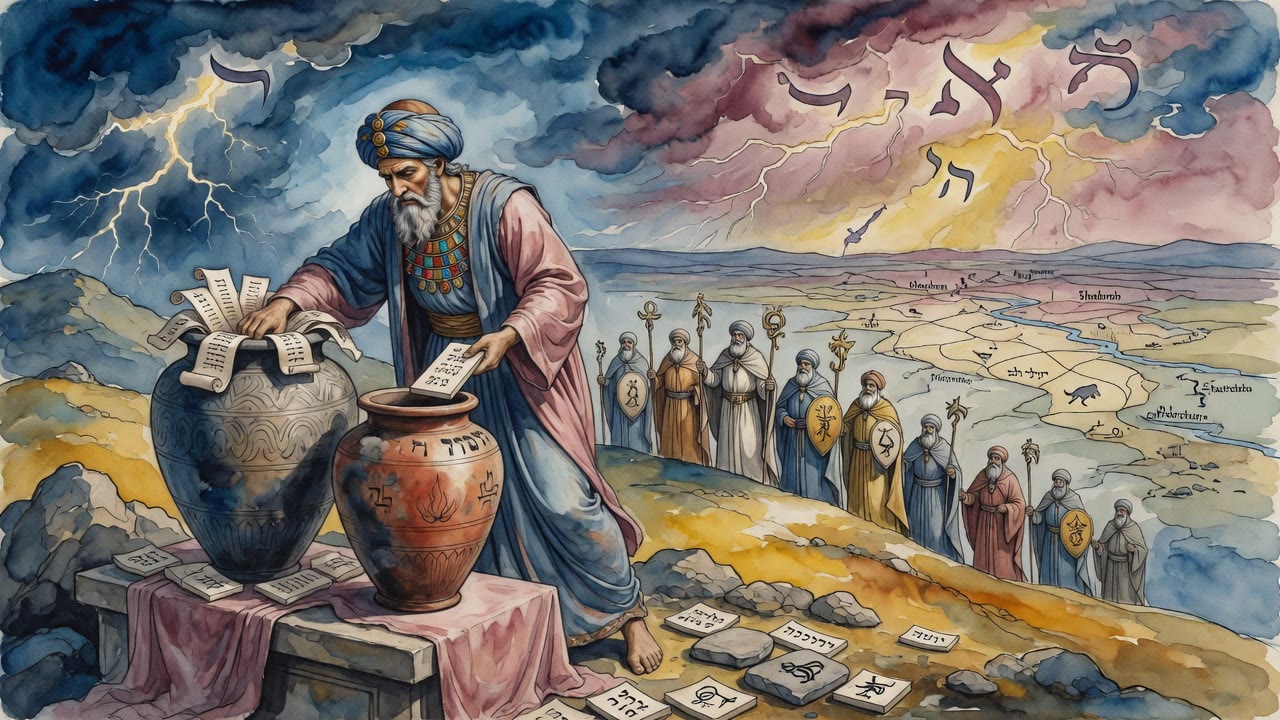
Eleazar named Judah and the south while the camp held still. Then his hand came up from both urns with those same names.
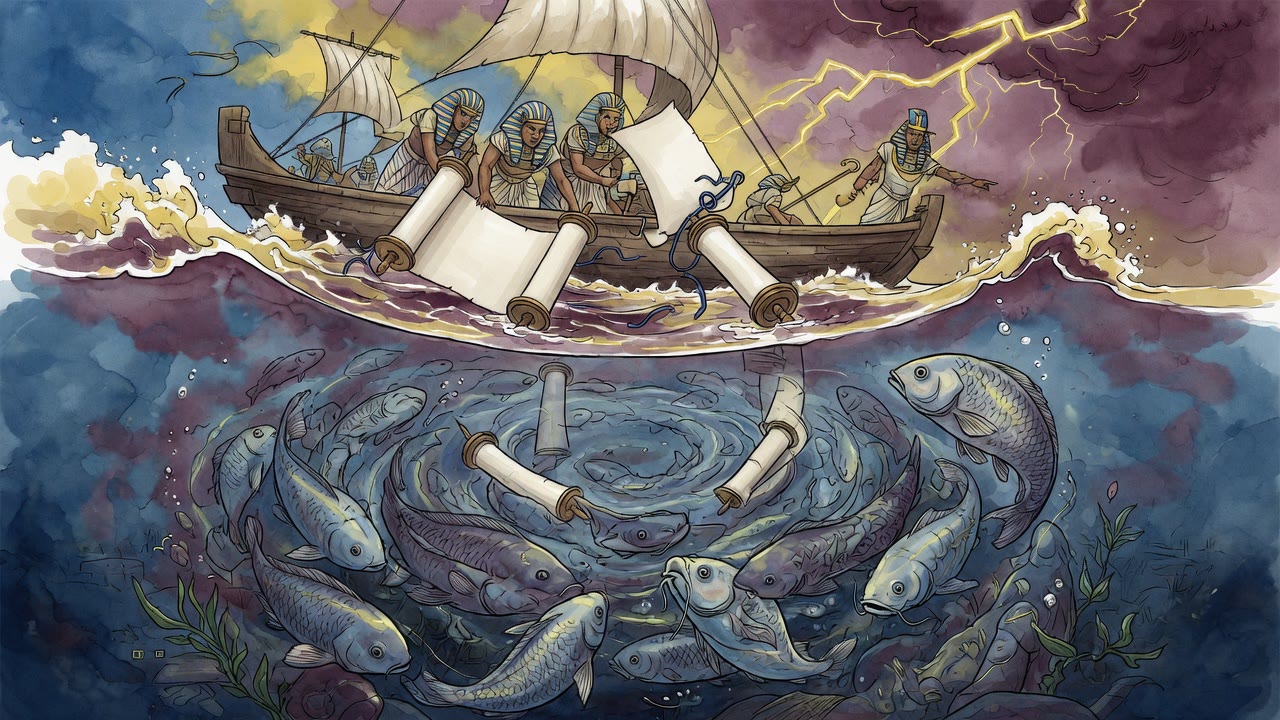
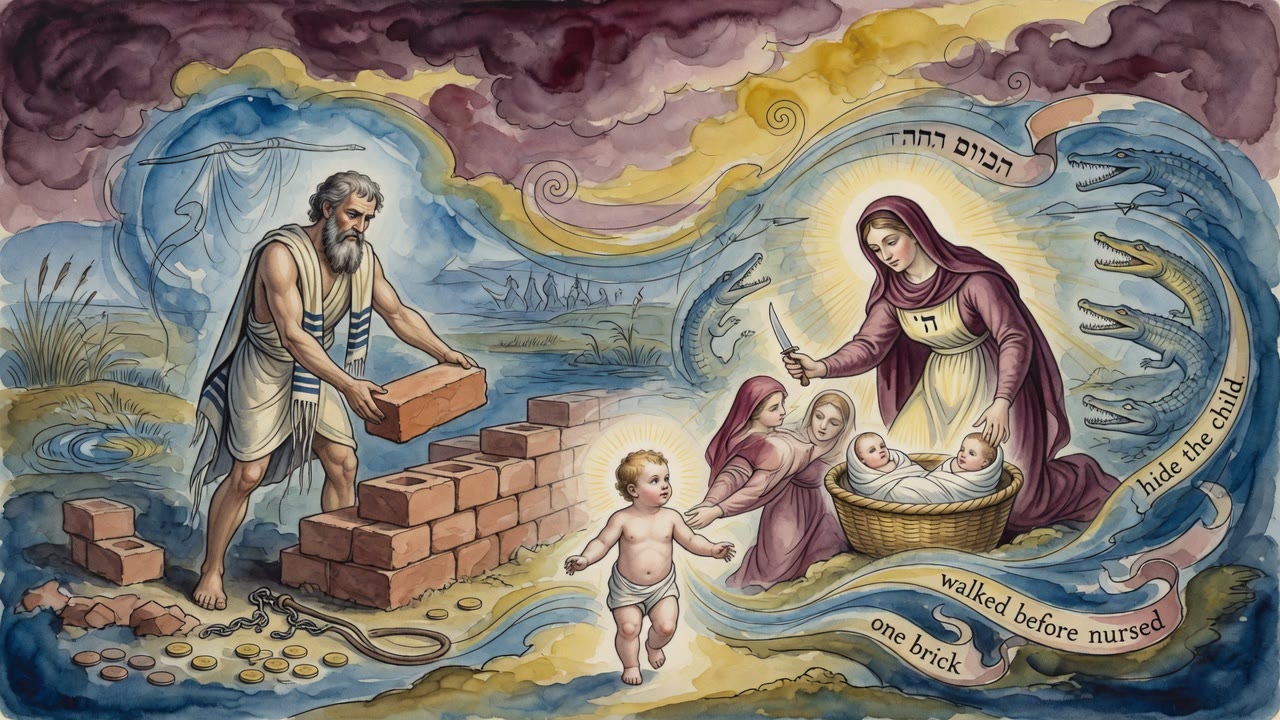
Pharaoh ordered every Hebrew boy thrown into the Nile. The Tikkunei Zohar connects that decree to the fish that swallowed Jonah. Both were the same act.
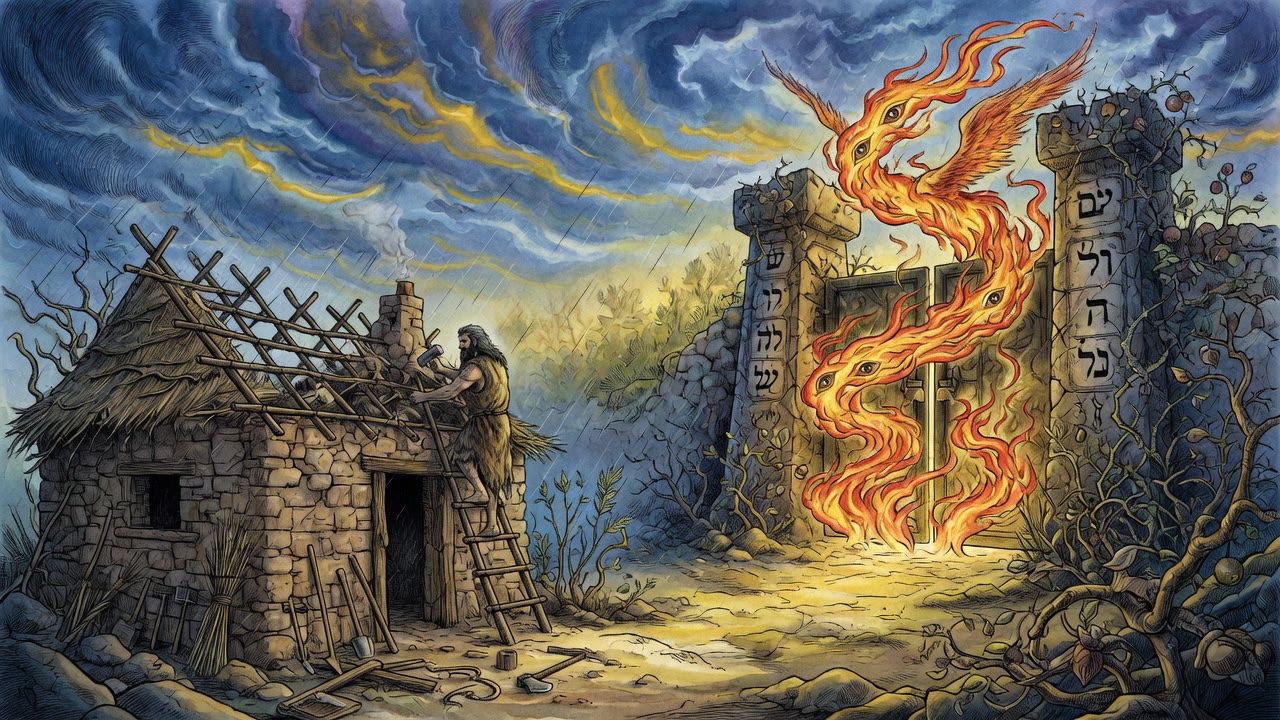
The beasts lowered their heads to the first man. He refused the bow. After the gate shut, he would not walk farther than the nearest mountain.
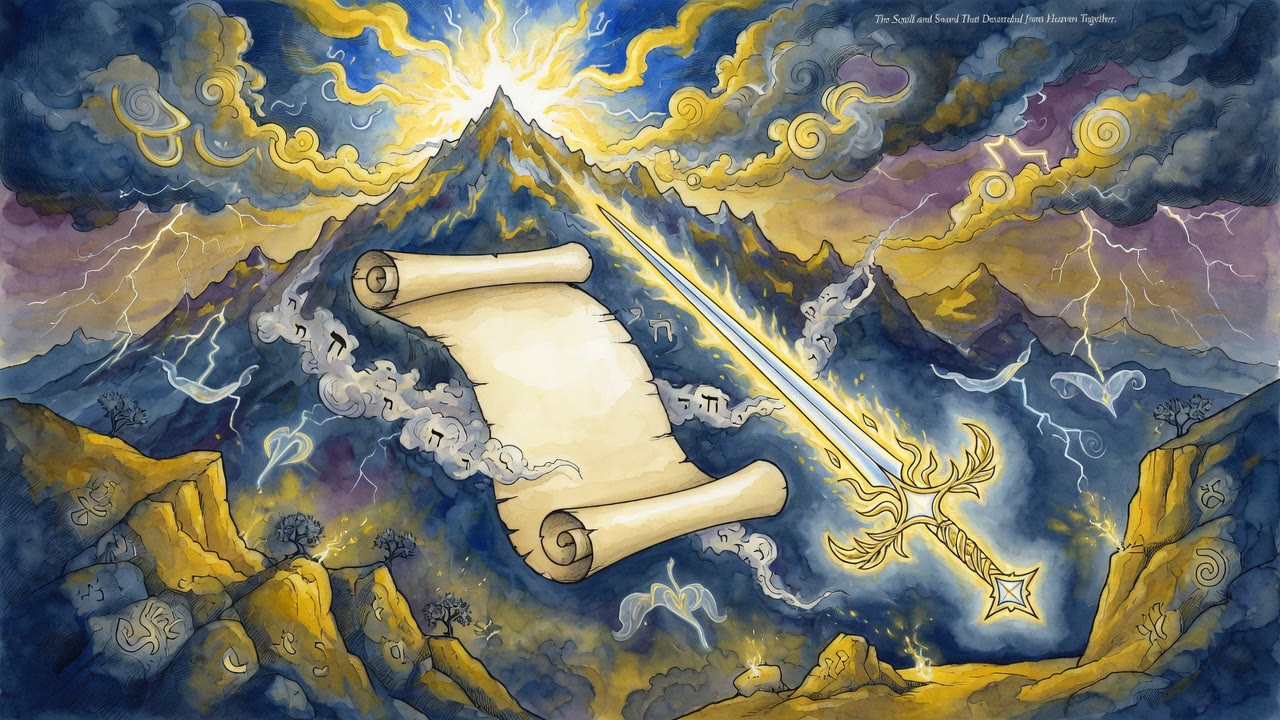
His eyes were still sharp at a hundred and twenty. What shut that morning were the gates of wisdom, not his legs or his sight.
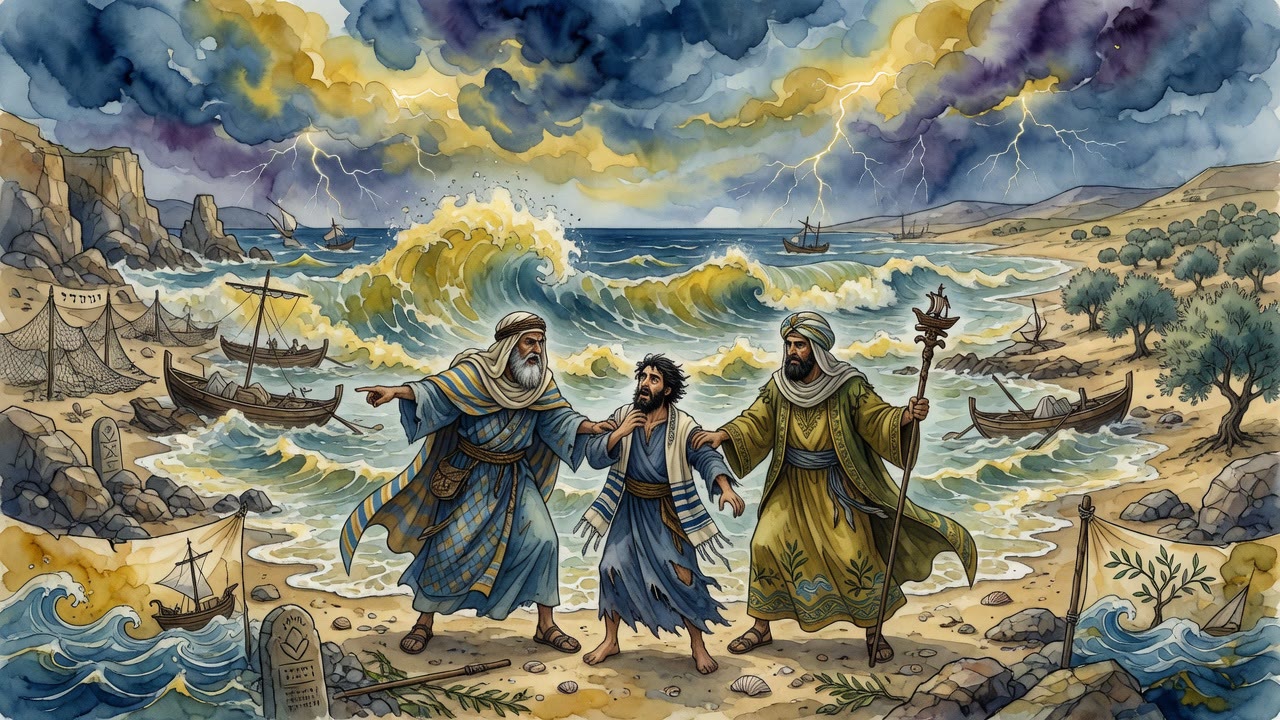
Two sela paid Rabbi Levi to hold the hall until the master arrived. He used the hour to put Jonah on Zebulun's shore.
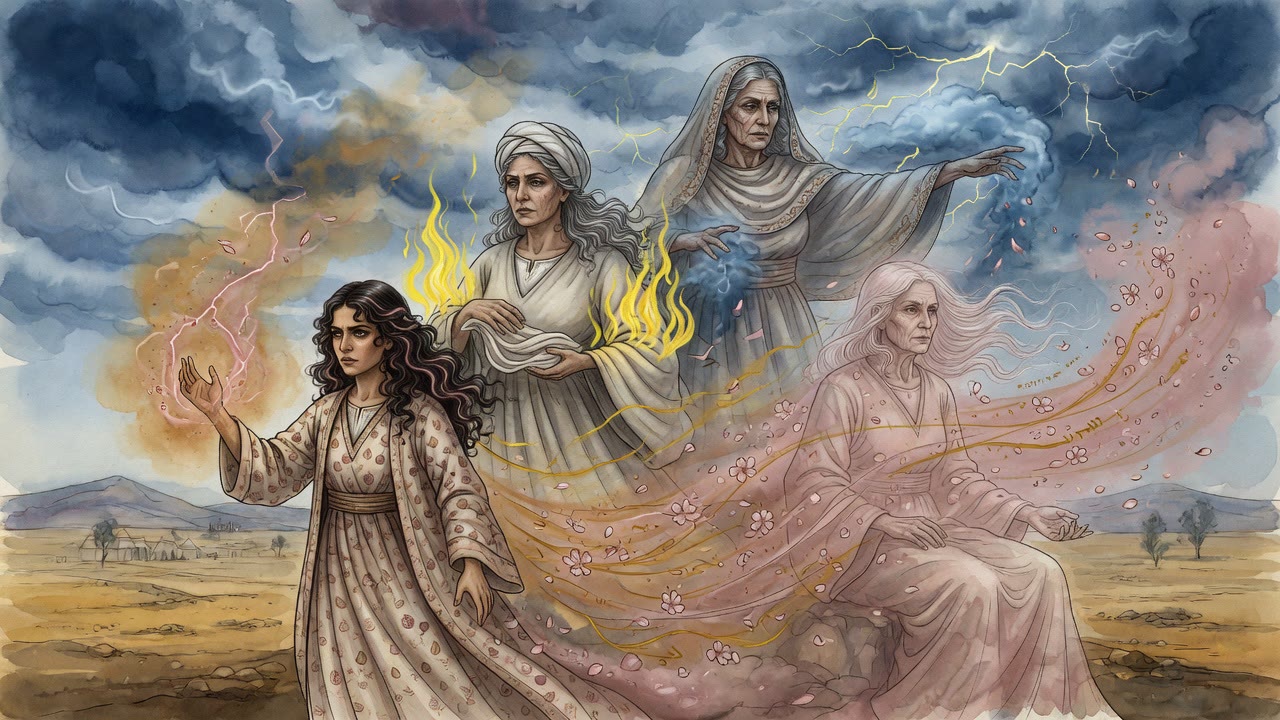
Rabbi Akiva woke his students with one number: Sarah lived 127 years, and Esther ruled 127 provinces across Persia for Israel.
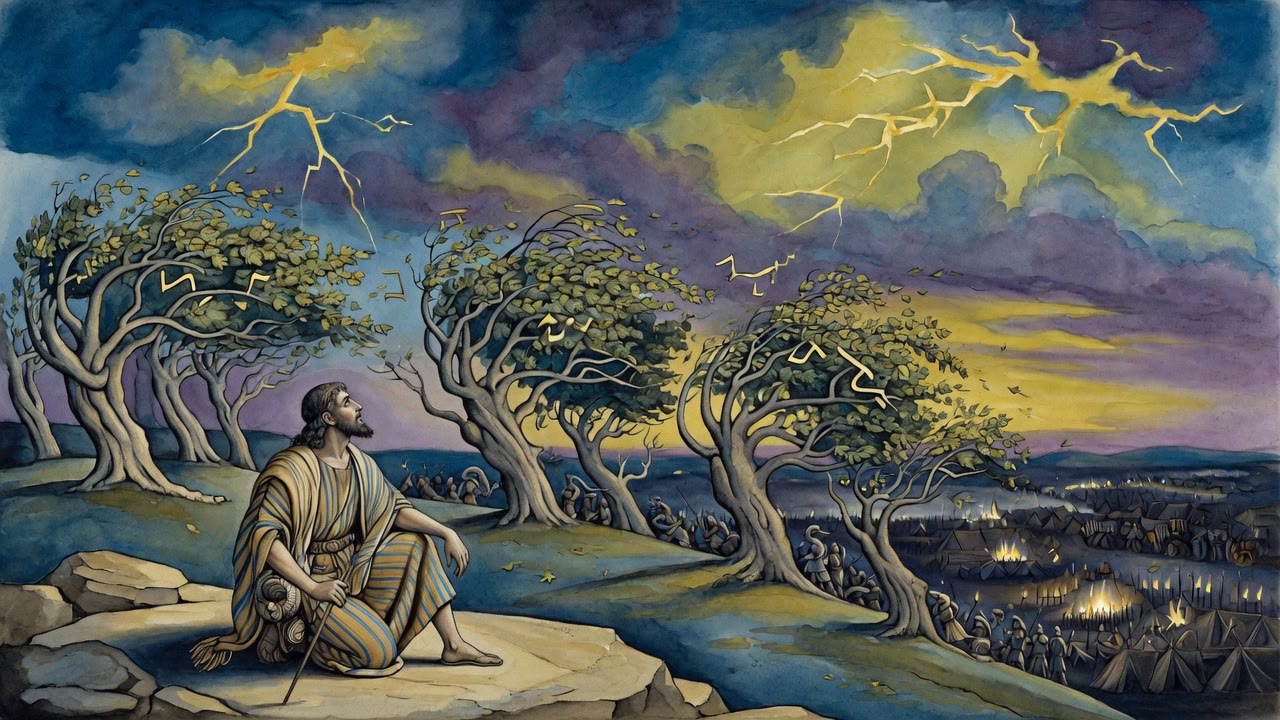
The Philistines stood only four ells away, close enough to kill. David held Israel back until the mulberry trees moved first.
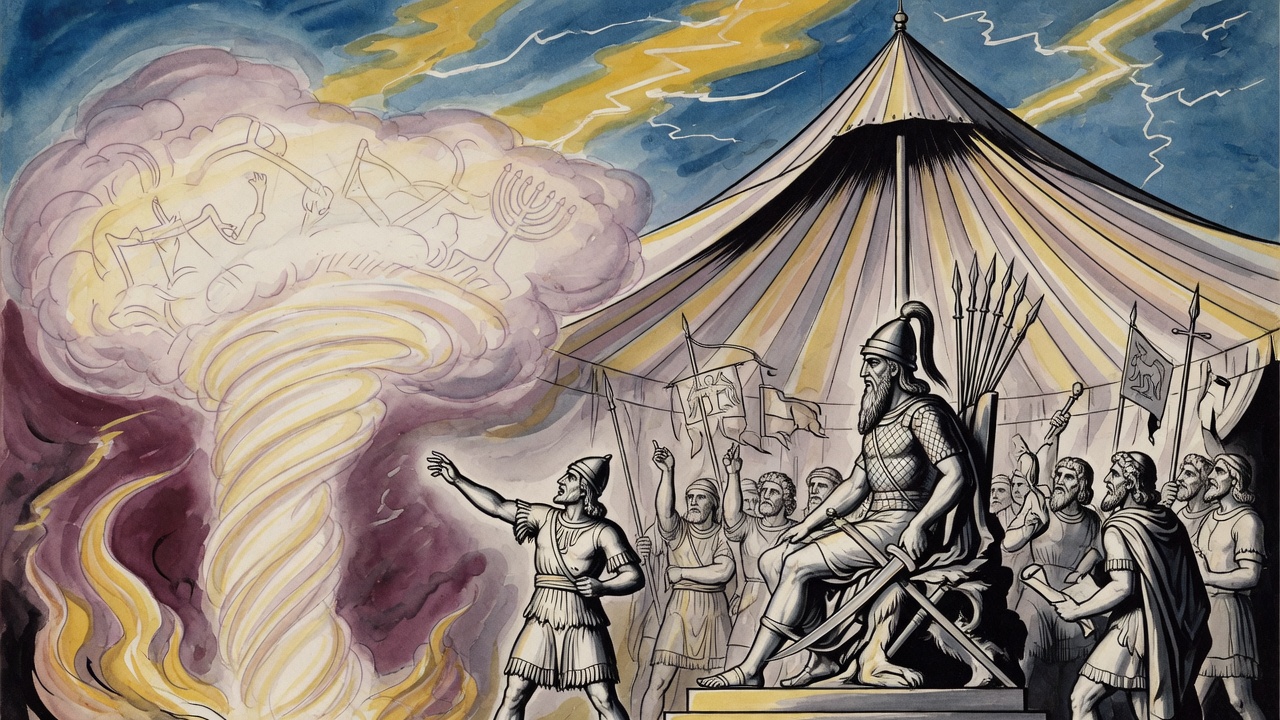
Figs and olives and mountain water met Abraham in Canaan. None of it was his. He asked God how a childless man could inherit a country.
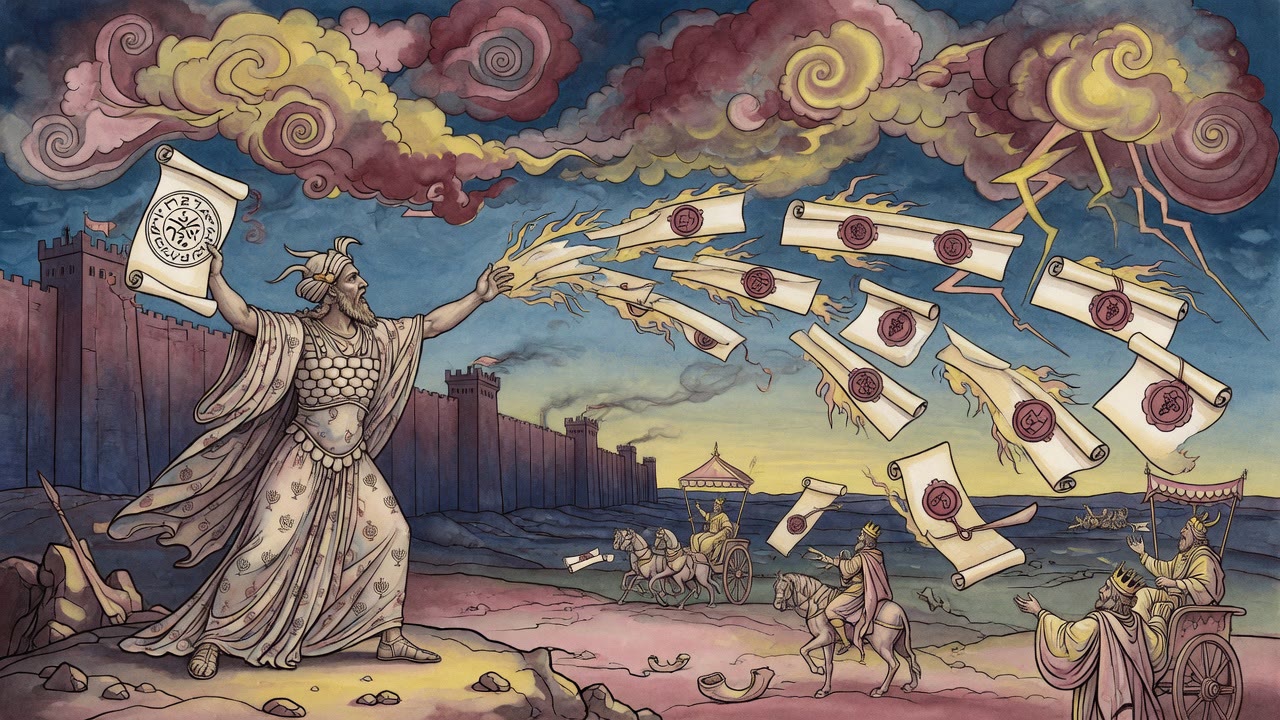
Three choices went out ahead of the army. Leave, make peace, or fight. The Girgashites packed and left their graves behind.
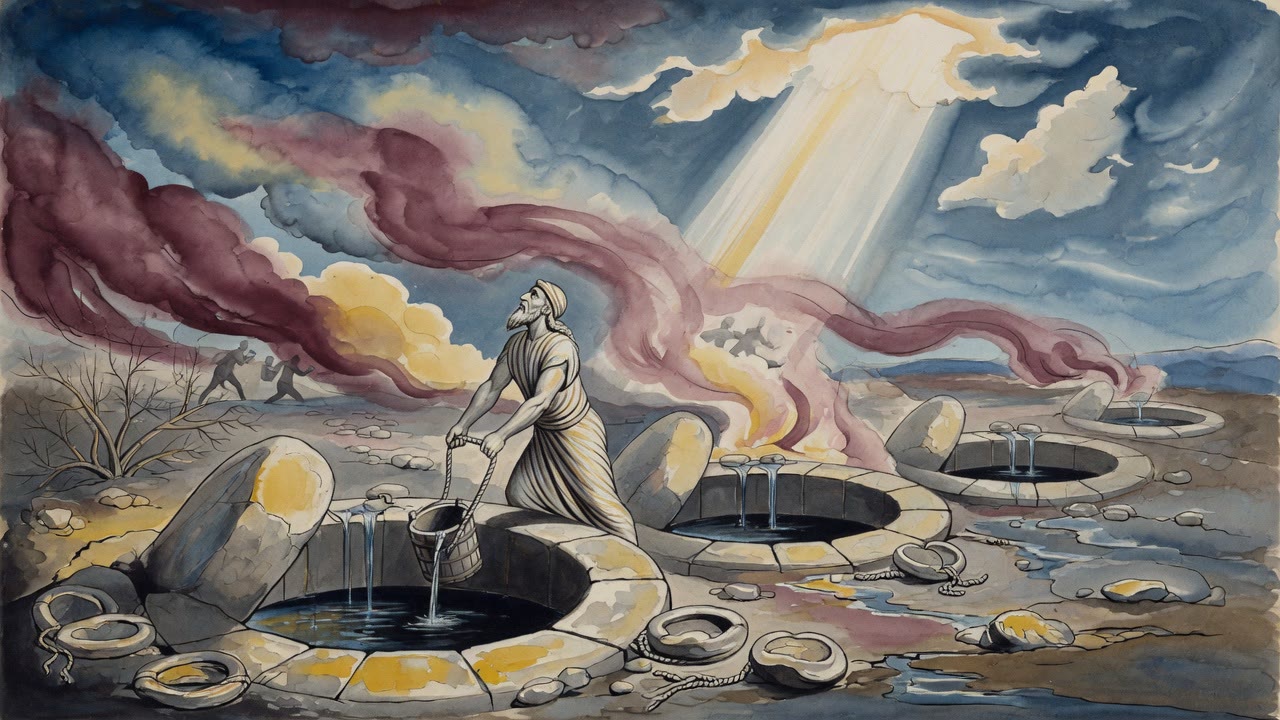
The Philistines poured earth into Abraham's wells until the rims sat useless in the sun. Isaac came back with a spade and sore shoulders.
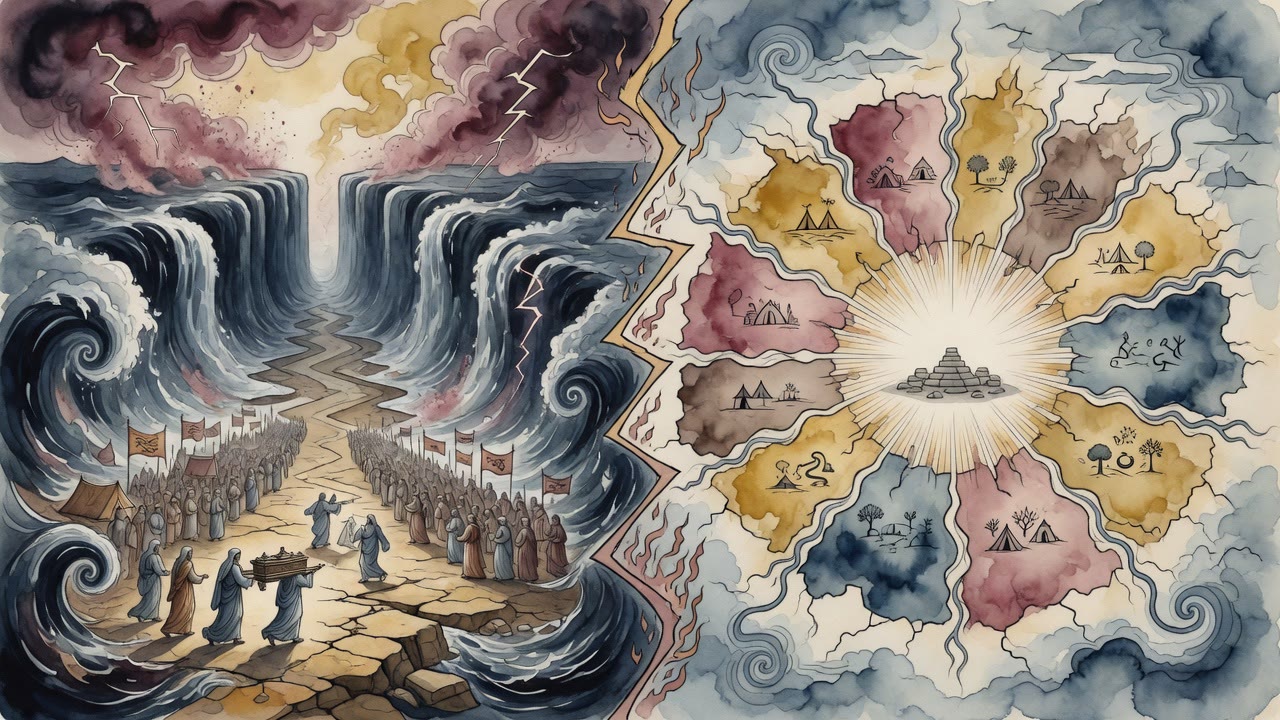
Fifty thousand men crossed the Jordan to fight for land they would never live on. When they went home and built an altar, Israel armed against them.
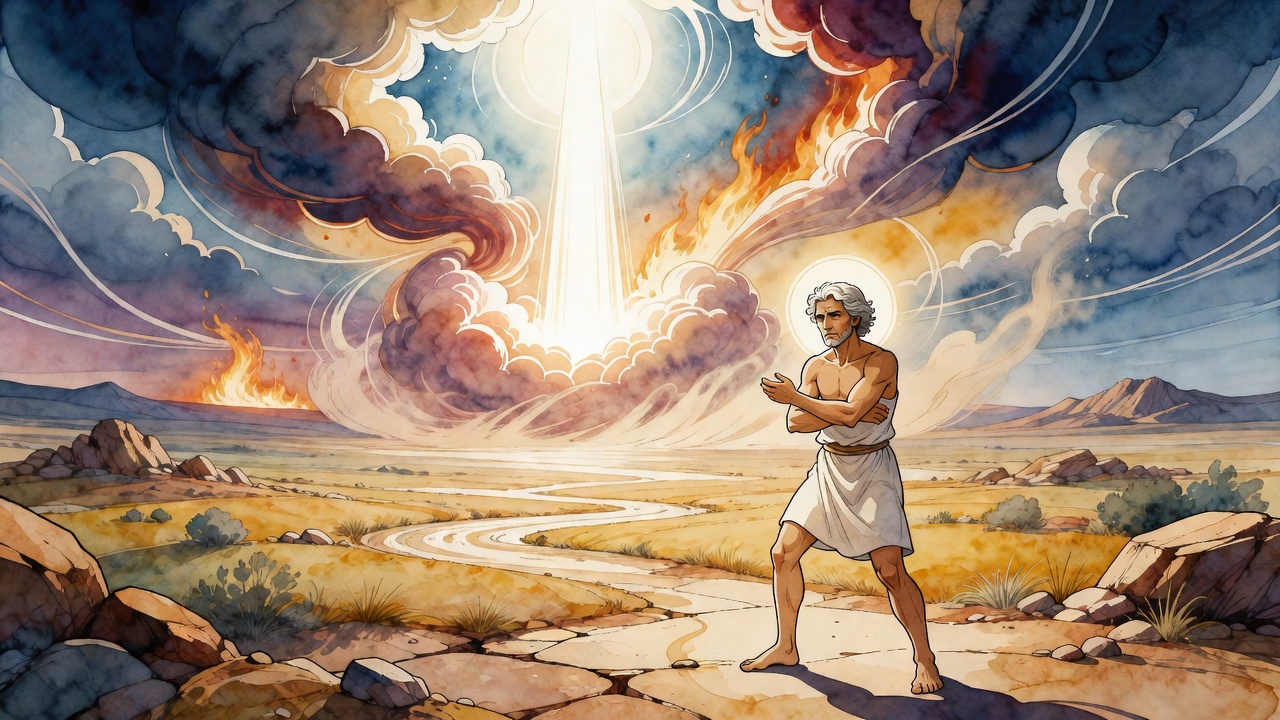
The lots assigned the holy land to Shem. Ham's son Canaan crossed the border anyway, defying an oath sealed before angels, and refused to leave.
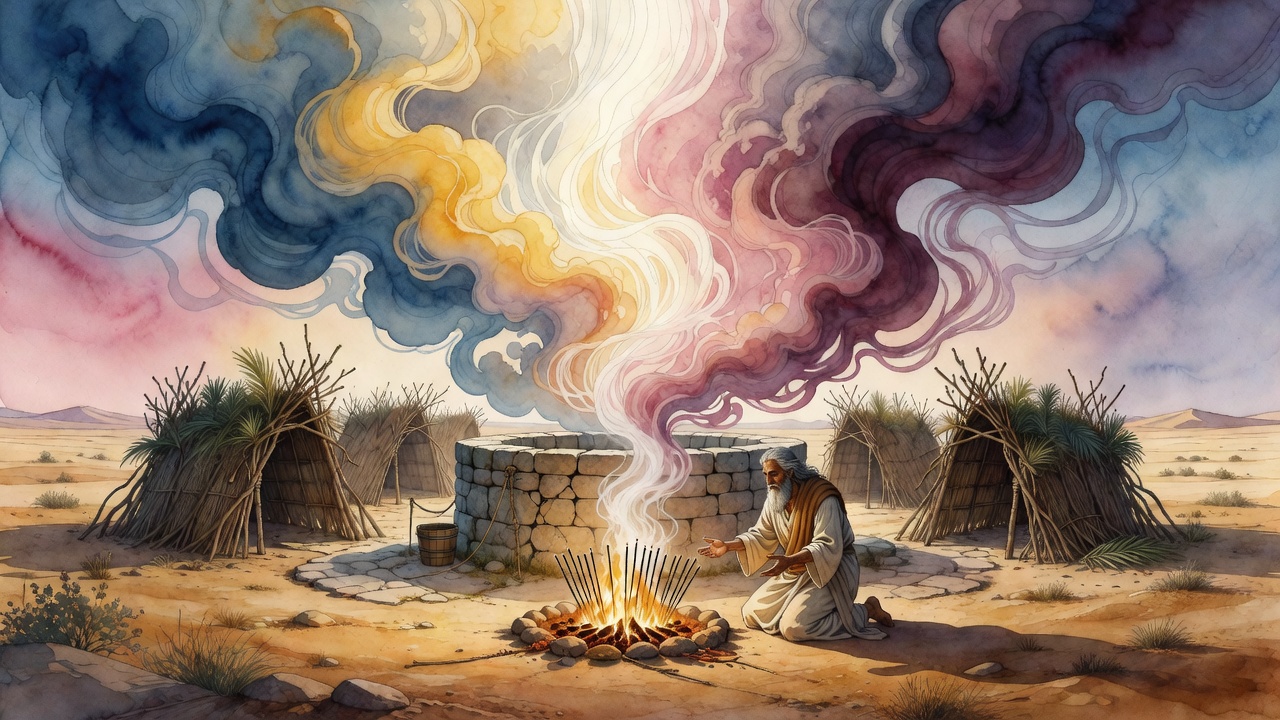
Long before Moses, Abraham built booths and burned seven incense species near Beersheba. Jubilees calls him the first to celebrate the feast.
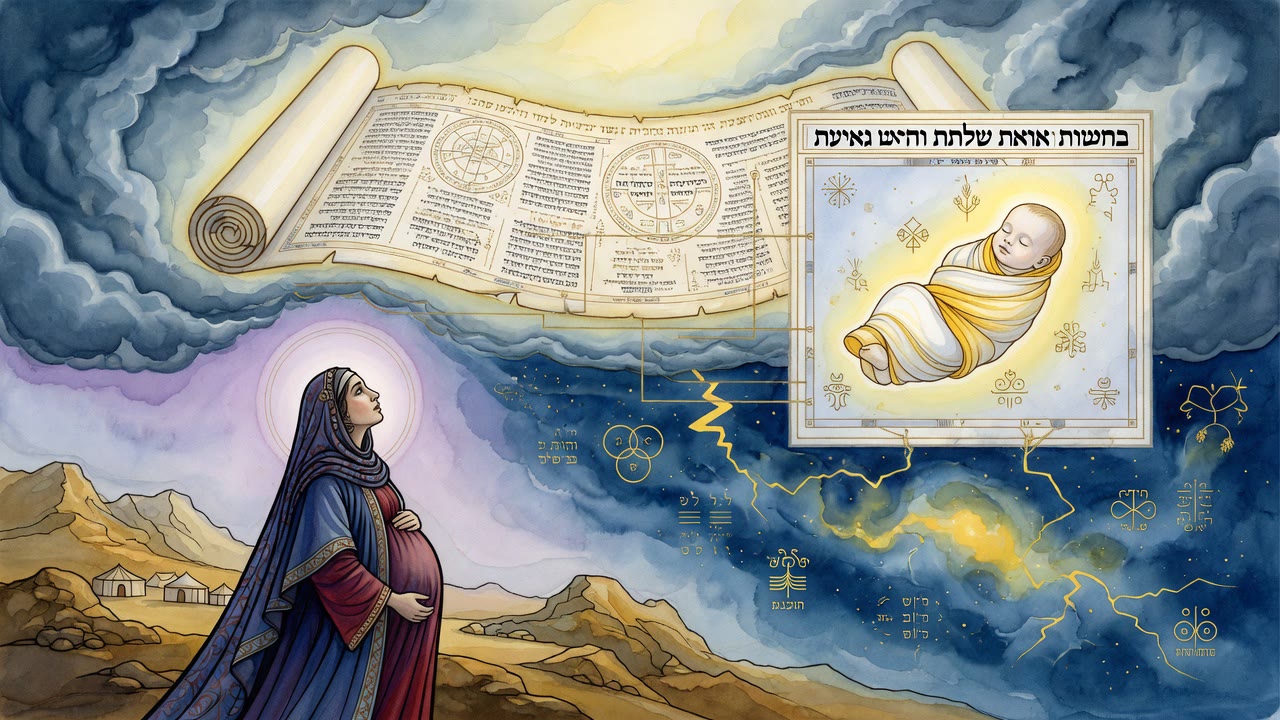
Rachel died in the night on the road to Bethlehem. She named the boy Ben Oni with her last breath. Jacob renamed him and built a pillar over her grave.
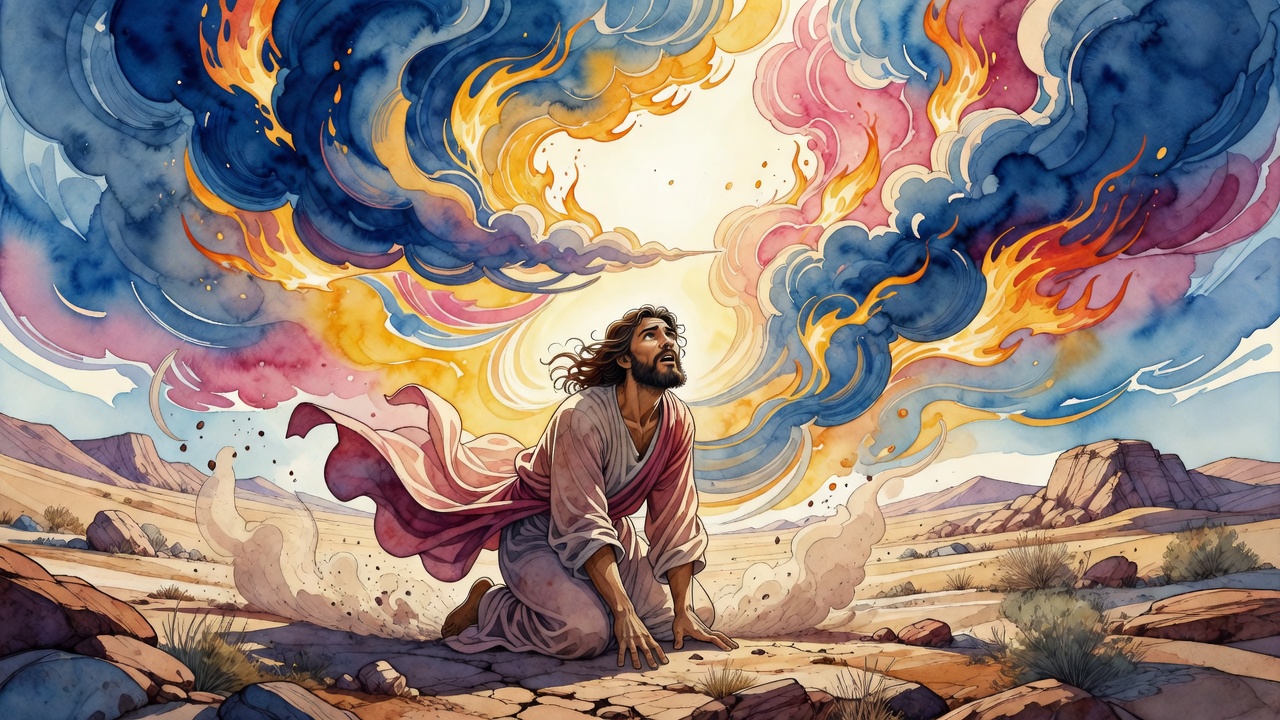
His parents told Jacob to run to Haran. He stopped at Beersheba first and waited. He needed to know whether leaving the land was God's will.
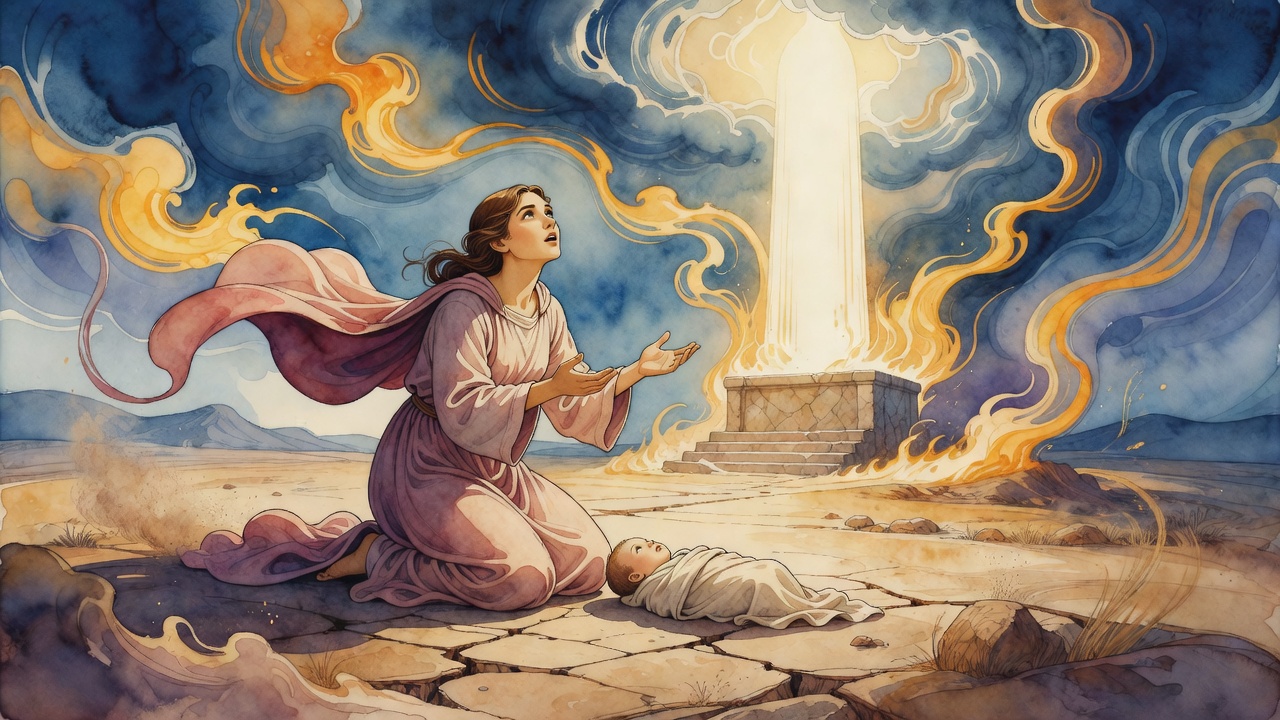
Jacob would have four wives and twelve sons. Three apiece was Leah's portion and she already had hers. Then a fourth boy came, and she counted.
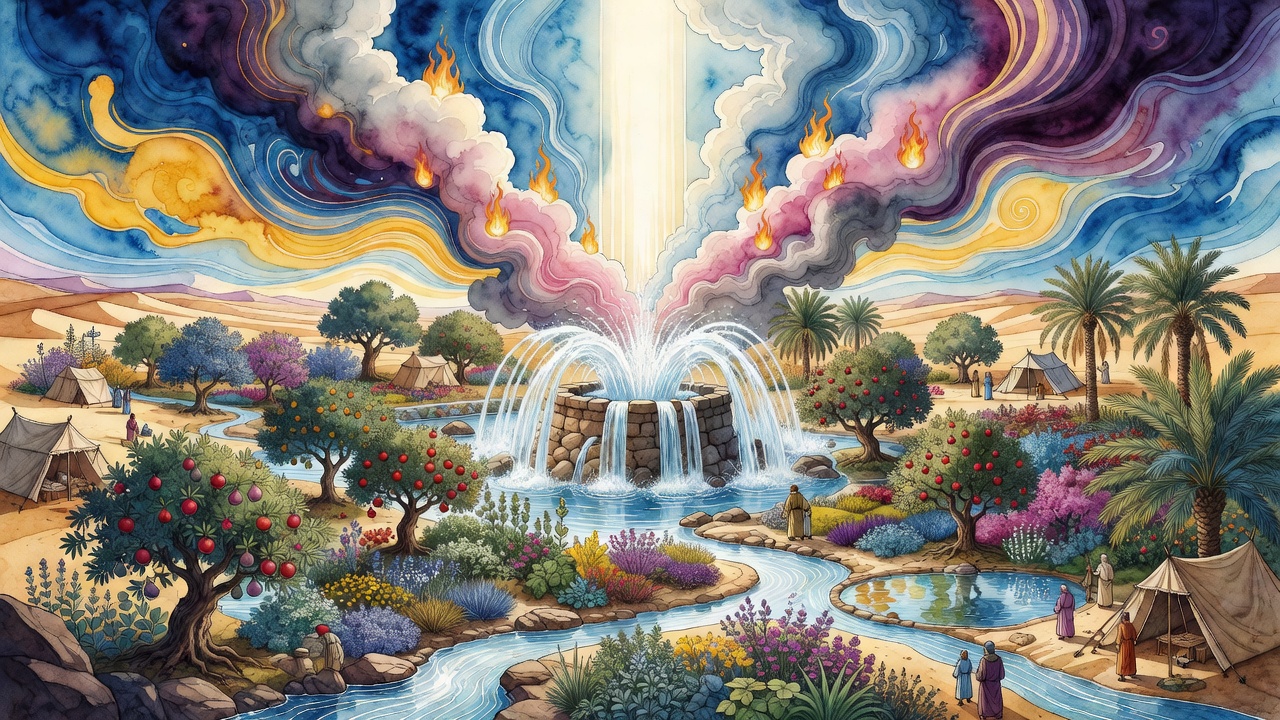
The well that followed Israel through the wilderness did more than quench thirst. It filled the camp with rivers, orchards, fragrant herbs, and healing water.
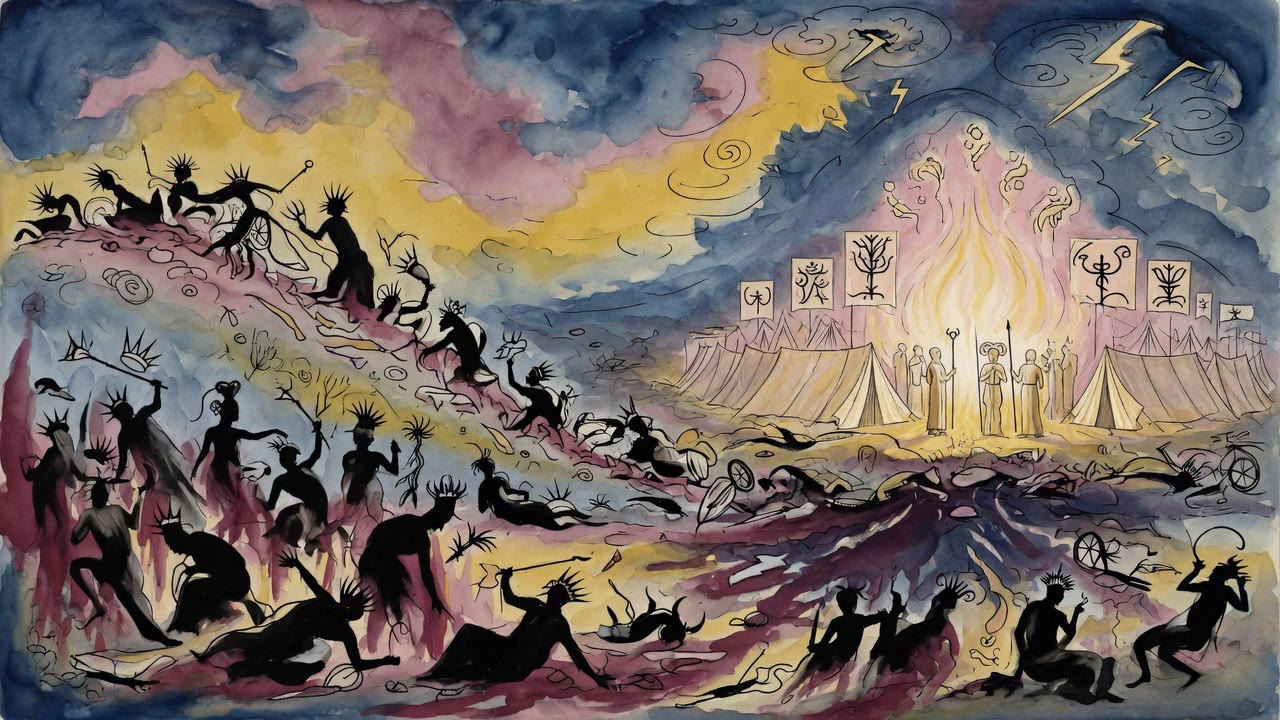
The letter named forty-five kings and thirty days. Joshua read it on the eve of the feast. He put it away until the last offering was done.
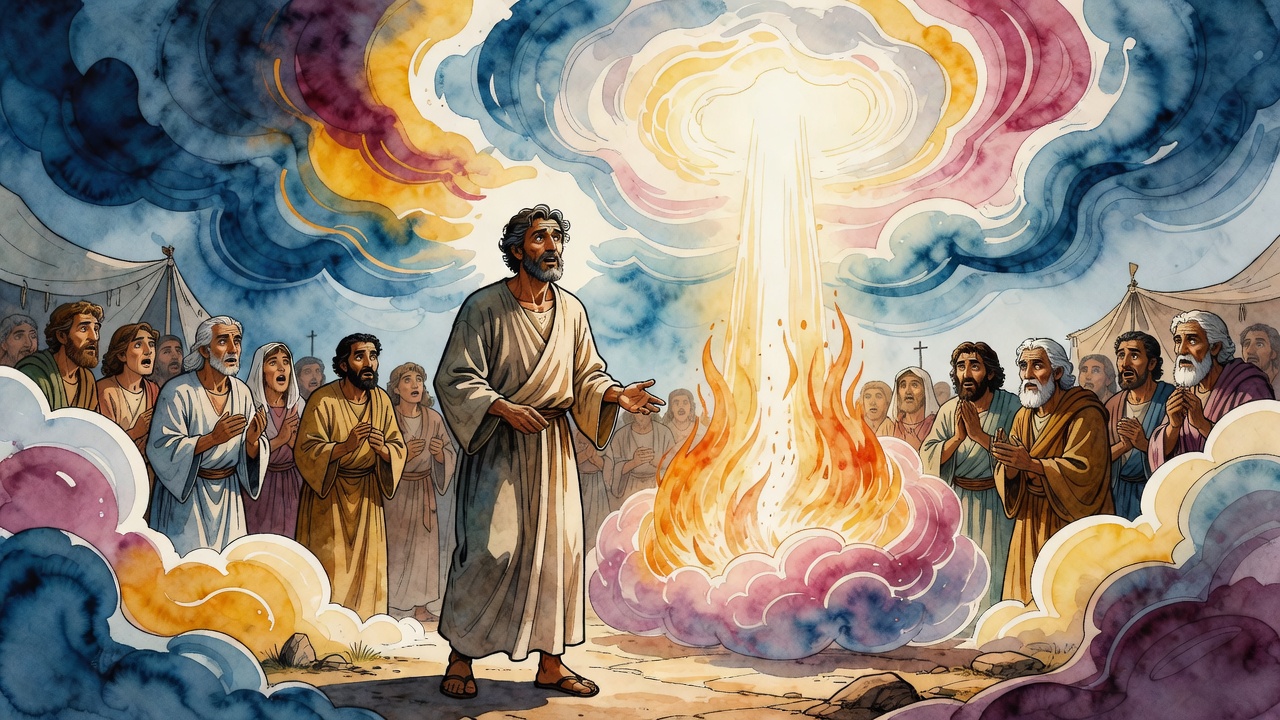
After Joshua died, Israel needed a leader. God's method was a purity test followed by lots, and the man selected was almost nobody's first guess.
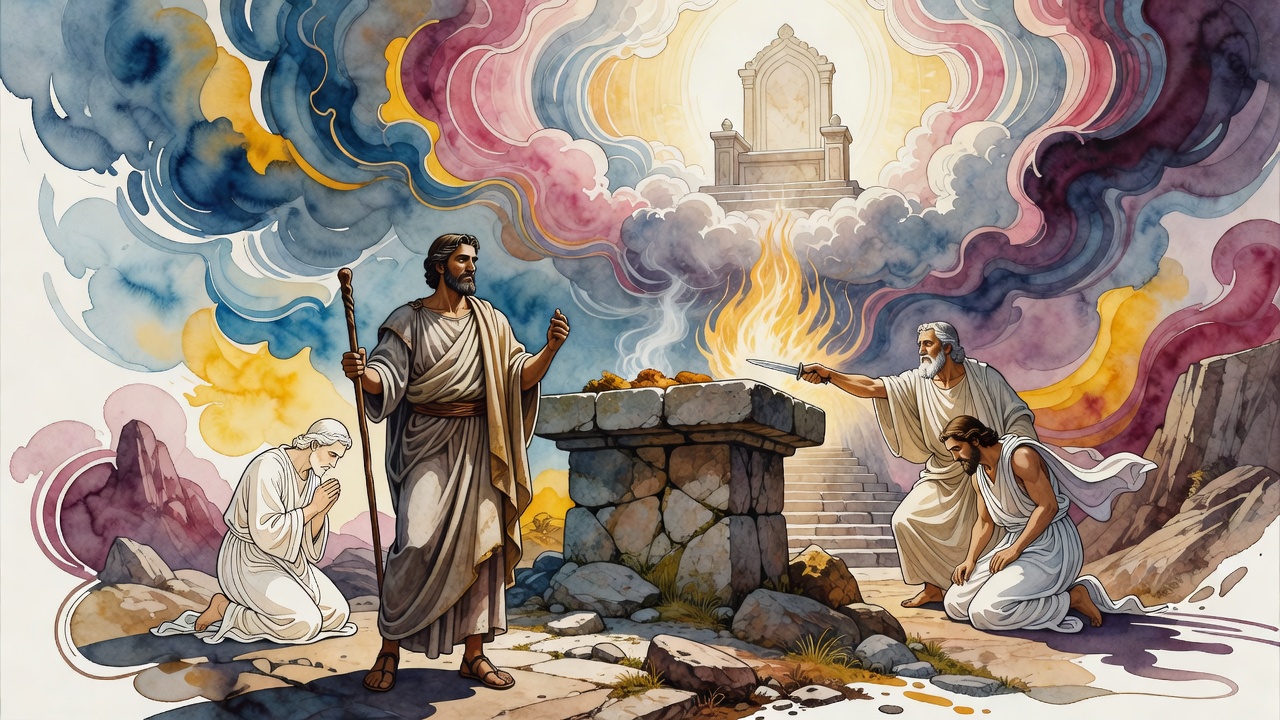
When David claimed Jerusalem, he was not discovering a place. Adam had prayed there. Noah had built an altar. Abraham had nearly lost his son there.
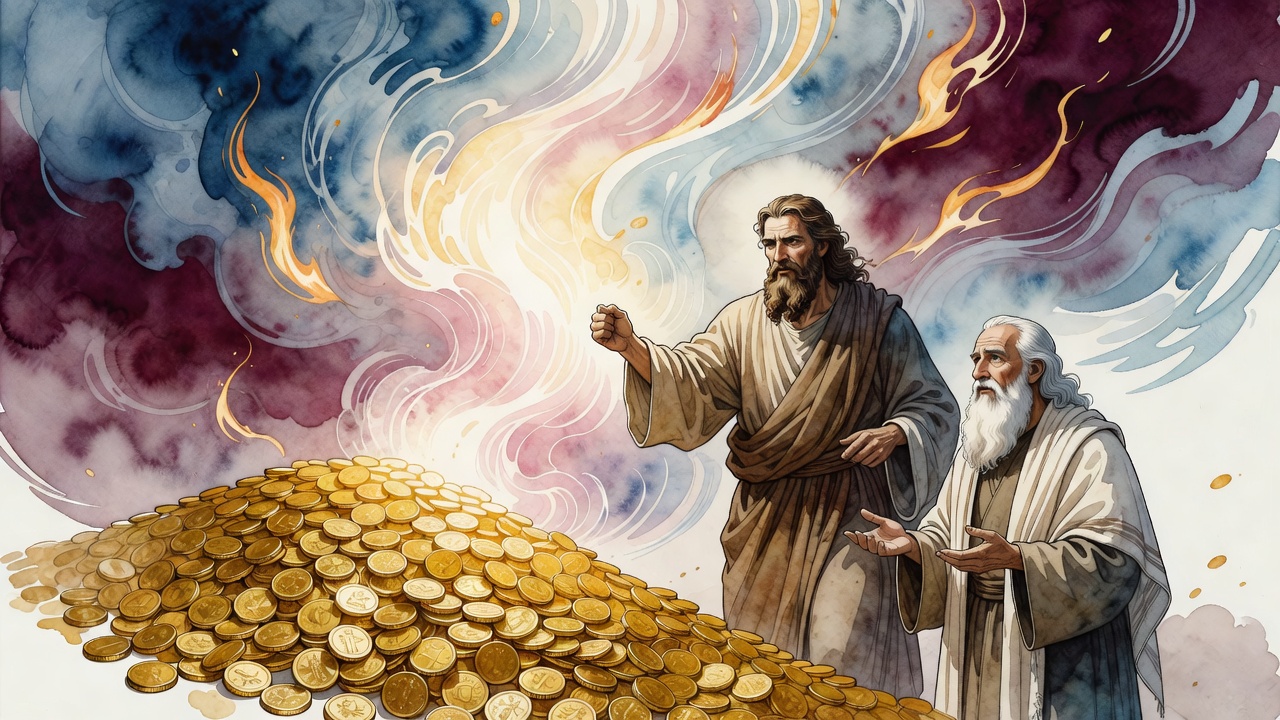
Someone offered Elijah a thousand million gold coins to leave Yavneh. He said no without hesitating. Then he showed a rabbi something luminous.
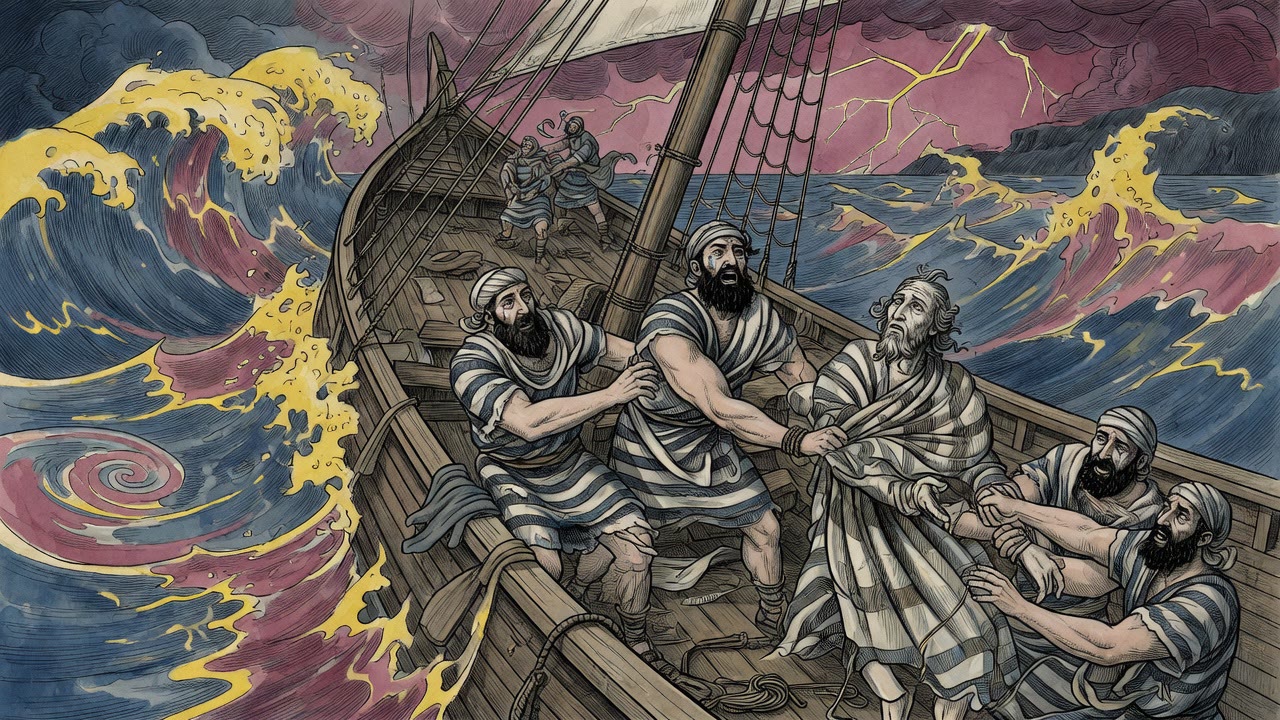
Inside the fish, Jonah had light, space, and no urgency. He sat there for three days without praying once, until God sent a pregnant fish to change his mind.
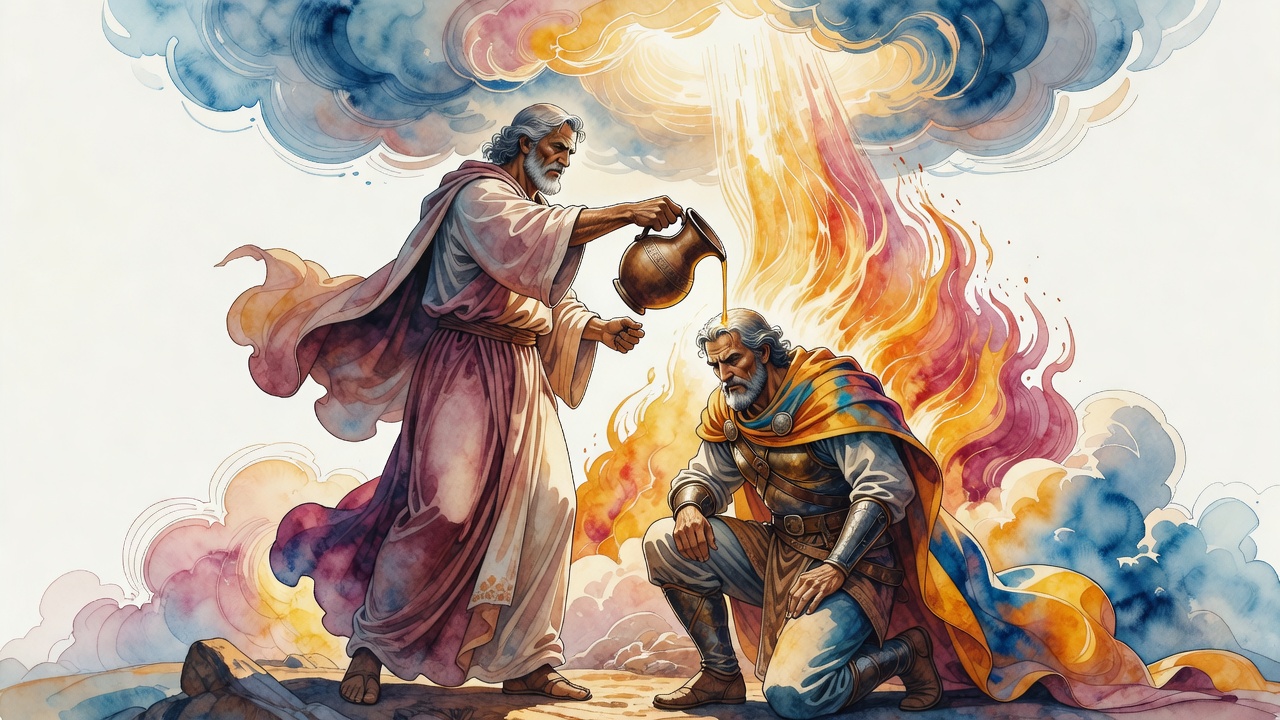
Jonah anointed Jehu out of a clay pitcher, not a horn. Years later Jehu found an old page with a prophet's name on it and left the calves standing.
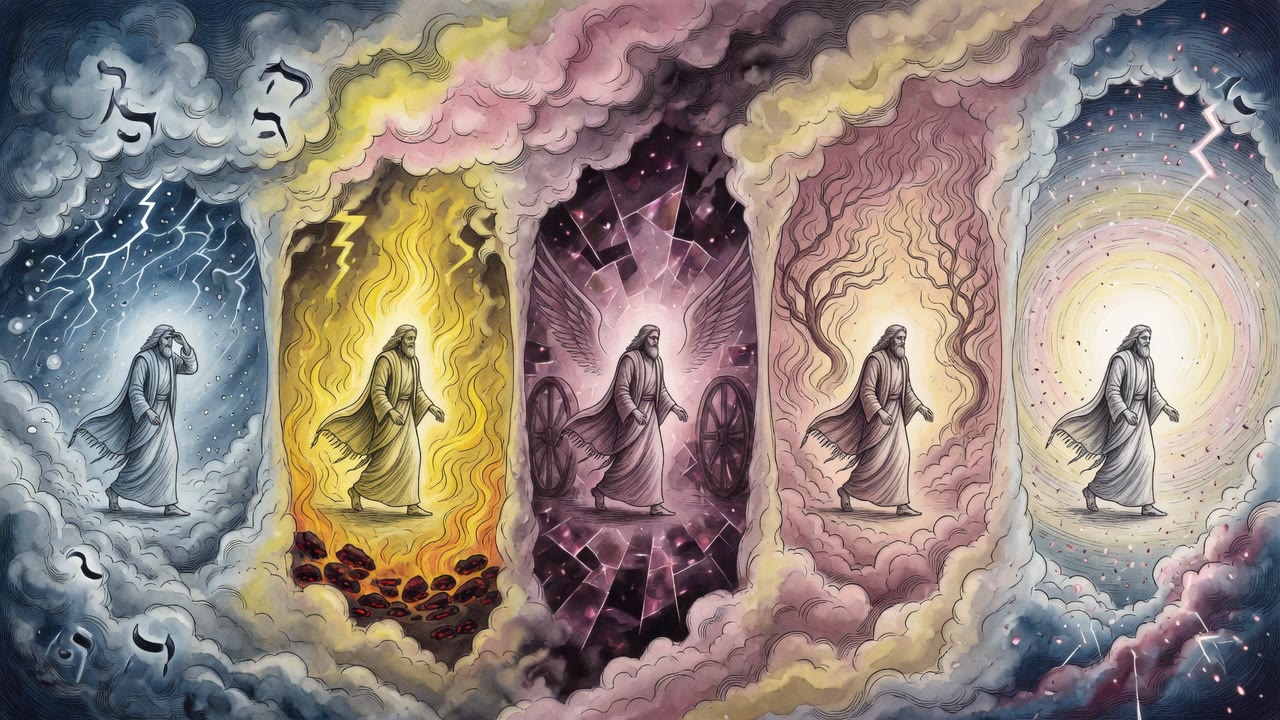
He changed his clothes at the palace door. The prophet was in the city, and the king would not walk any street that led to him.
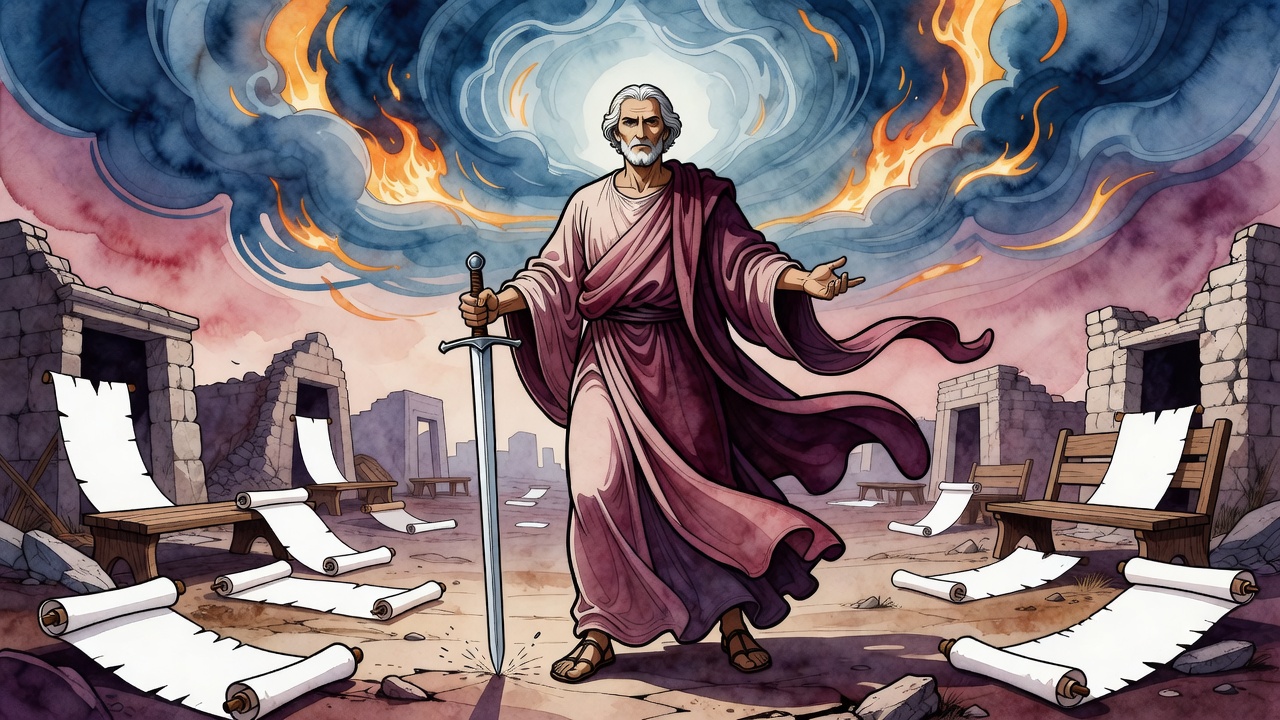
Ahaz had closed every Torah academy in Judah. When Hezekiah became king, he drove a sword into the ground and declared it was time to study or die.
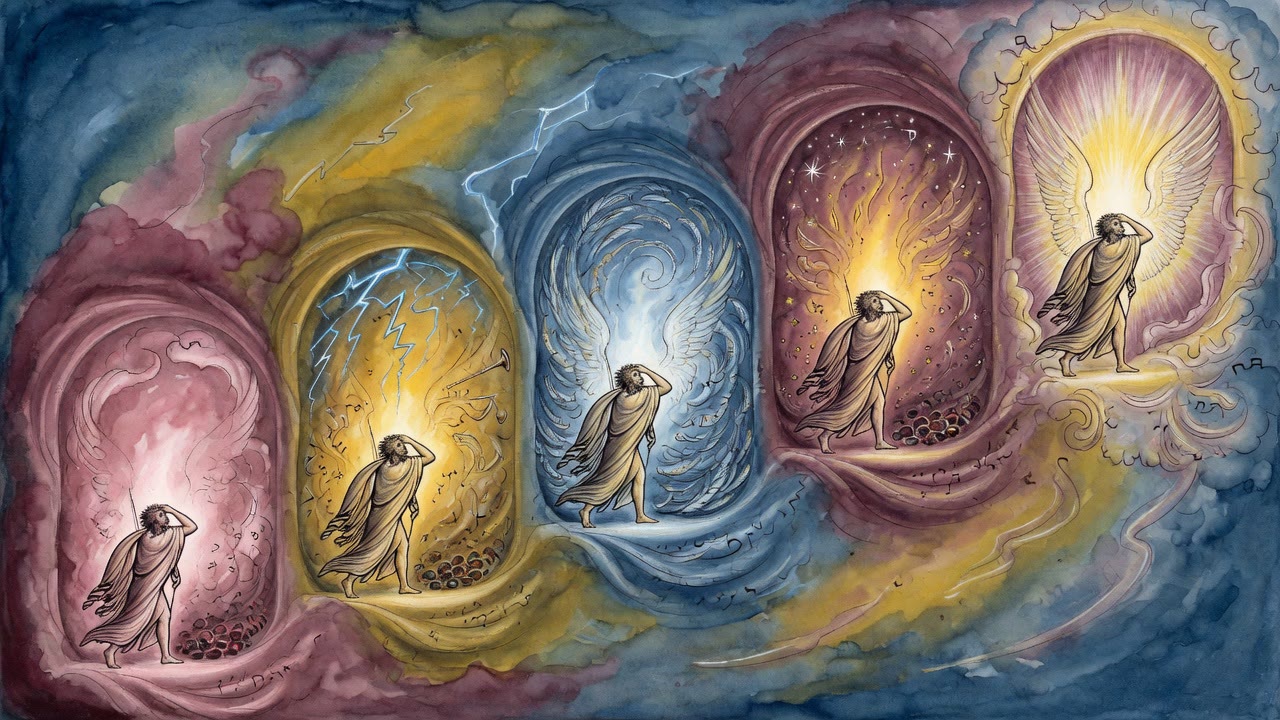
The first division drank the Jordan dry. The last kicked dust. Hezekiah spread the letter on the Temple floor and waited.
King Amon hunted down every Torah scroll in Judah and burned them. One scroll survived in the Temple wall. His son Josiah wept when he read it.
