Jerusalem Was Holy Ground Long Before David Arrived
When David claimed Jerusalem, he was not discovering a place. Adam had prayed there. Noah had built an altar. Abraham had nearly lost his son there.
Table of Contents
 Click for full size
What the Ground Already Held
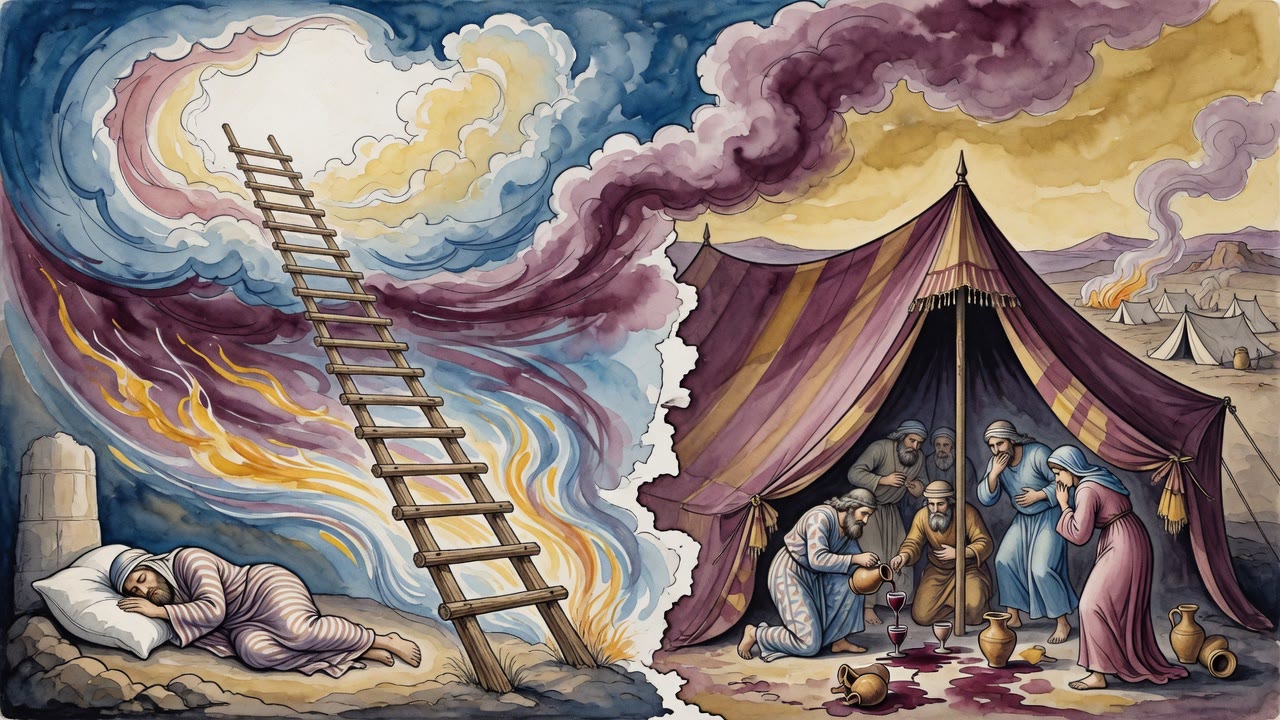
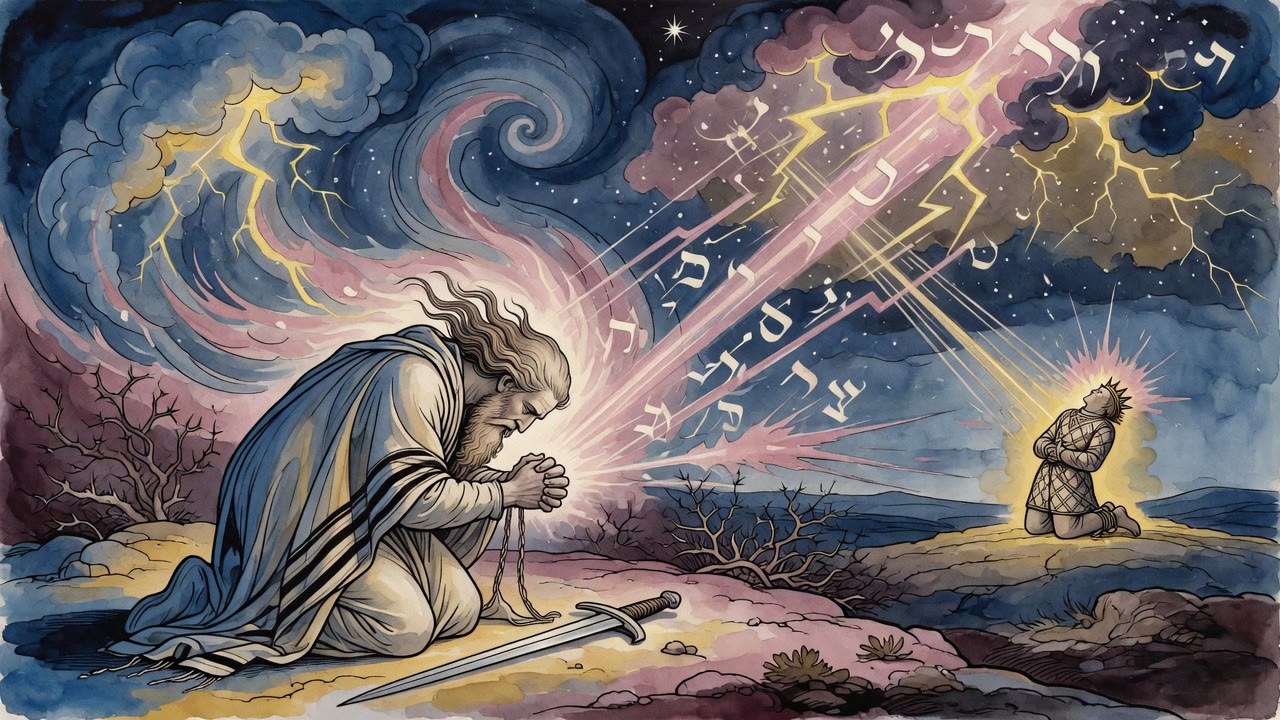
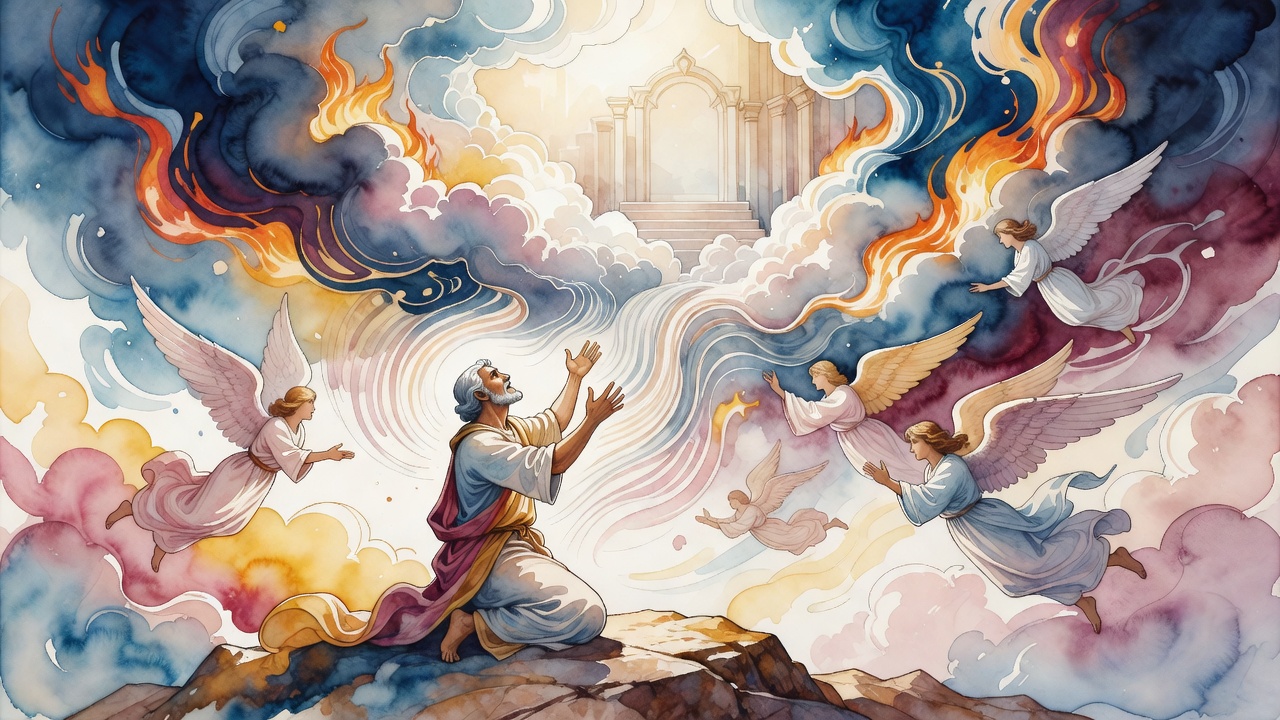
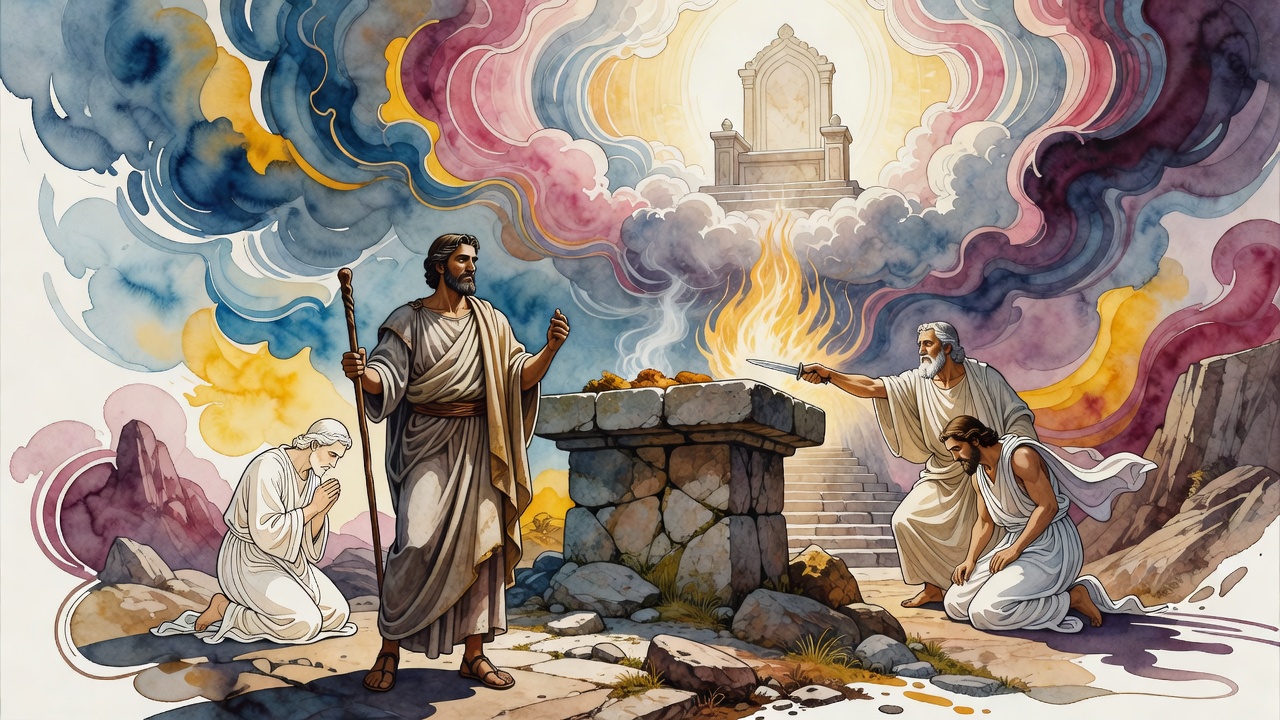
Before any army marched toward those walls, before any king claimed those heights, before the city had the name that would be sung in every generation that followed, the ground had already been consecrated four times. Adam had prayed on that hill after his expulsion from Eden, understanding that if any place on earth retained something of the original holiness, it was this one. Noah had built his altar there when the flood receded and the mud dried, making his offering on the only ground that had remained, in some sense, above the waters of chaos. Abraham had climbed its slopes with his son and had pressed a knife toward what he loved most, and God had stopped his hand at the last possible moment and called the place by a name that bound it to that act forever.
By the time David came to claim Jerusalem from the Jebusites, he was not arriving at neutral territory. He was arriving at a place that had been building up holiness for millennia, the way a site of repeated prayer accumulates a quality in the air that even those who do not believe in such things sometimes notice when they walk through it.
The Contract That Blocked the Gates
But the Jebusites held it. And they held it with more than walls and soldiers. They held it with a contract written in stone.
The Jebusites were descendants of the sons of Heth, the family that had sold the Cave of Machpelah to Abraham in a transaction that the tradition treats as establishing something more than a property deed. In the same family of covenants, the tradition records, the sons of Heth had come to an agreement with Abraham and his descendants: as long as the statues of those who had been party to the covenant stood within the city, the city could not be taken by force. Abraham's descendants were bound by their ancestor's oath.
The statues stood. The Jebusites displayed them where any attacking army would have to see them. The message was not merely political. It was legal, in the deepest sense the tradition understood legality: to take the city in the presence of those monuments would be to break faith with Abraham, and no Israelite king could do that and remain what he was trying to be.
Joab and the Bait
David declared that whoever moved first against the city would become chief and captain. Joab went. But the question was how, not whether. The statues were still standing. The oath was still binding.
Joab went first and dealt with the statues, removing the covenant markers before the attack that would make the city David's. Whether this was clever or ruthless depends on who is asking. The tradition preserves it without full comment. The statues came down. The city fell. Jerusalem became the City of David.
And underneath all of it, beneath the military logic and the political strategy and the covenant negotiations, lay a ground that had been chosen before any of them were born.
Three Names, One Place
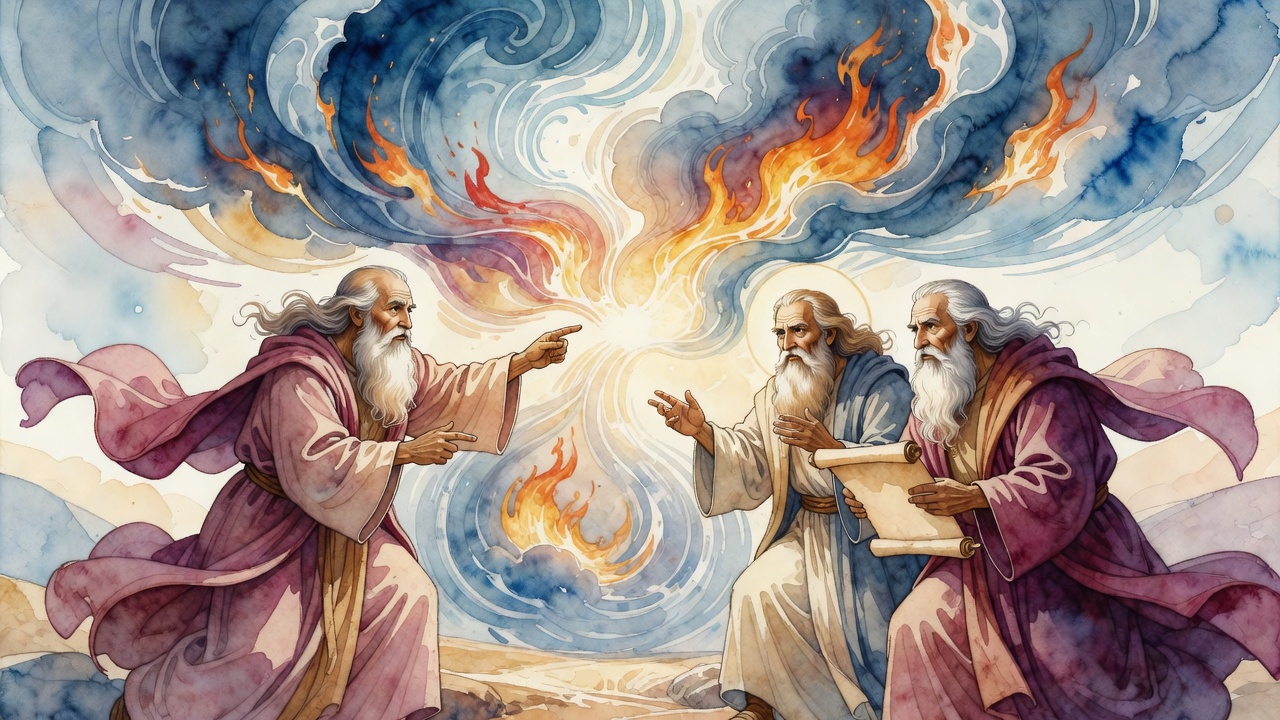
The name Jerusalem carries its history in layers. Shalem, the name associated with Shem and the earliest period, embedded in the name Yerushalayim alongside Yireh, Abraham's name for the place of the binding. Both names, pressed together, produced the name the city would carry forever. The tradition sees this as deliberate: the city bears the names of two covenants, two sacred encounters, two moments when the line between human beings and heaven became thin enough to pass through.
When David stood at last within those walls, he stood in a name that was already a theology.
← All myths