143 myths · Page 1 of 5
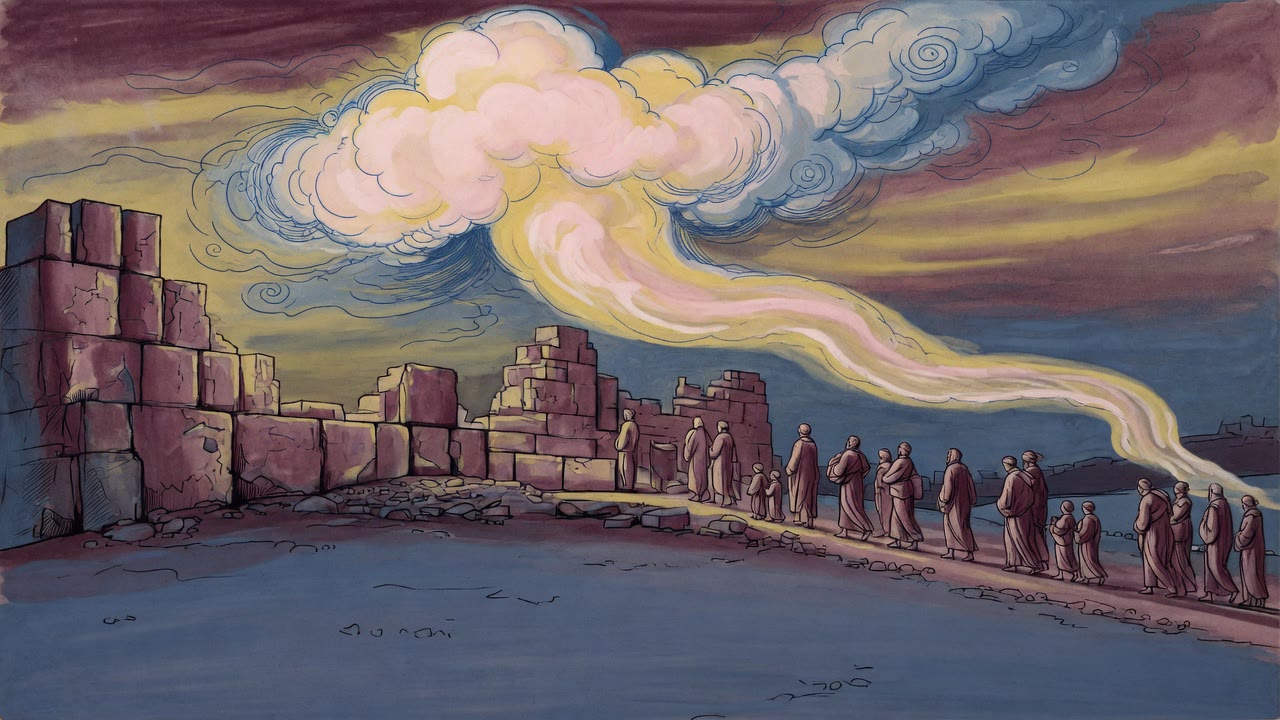
When the Temple burned the Presence wept at the last wall and walked out with Israel, as she had walked into Egypt, Babylon, Eilam, and Edom.
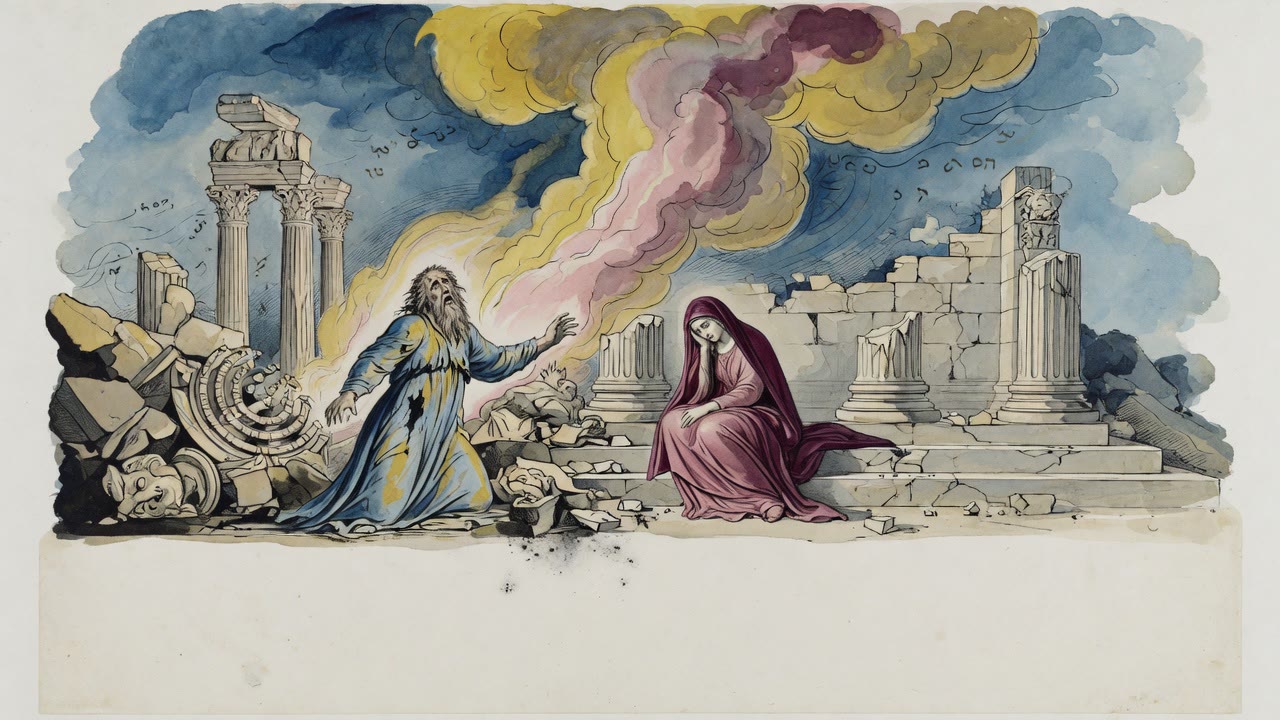
Jeremiah found the Temple daughters thrown from Chaldean chariots. God walked the burned house and asked where His priests had gone.
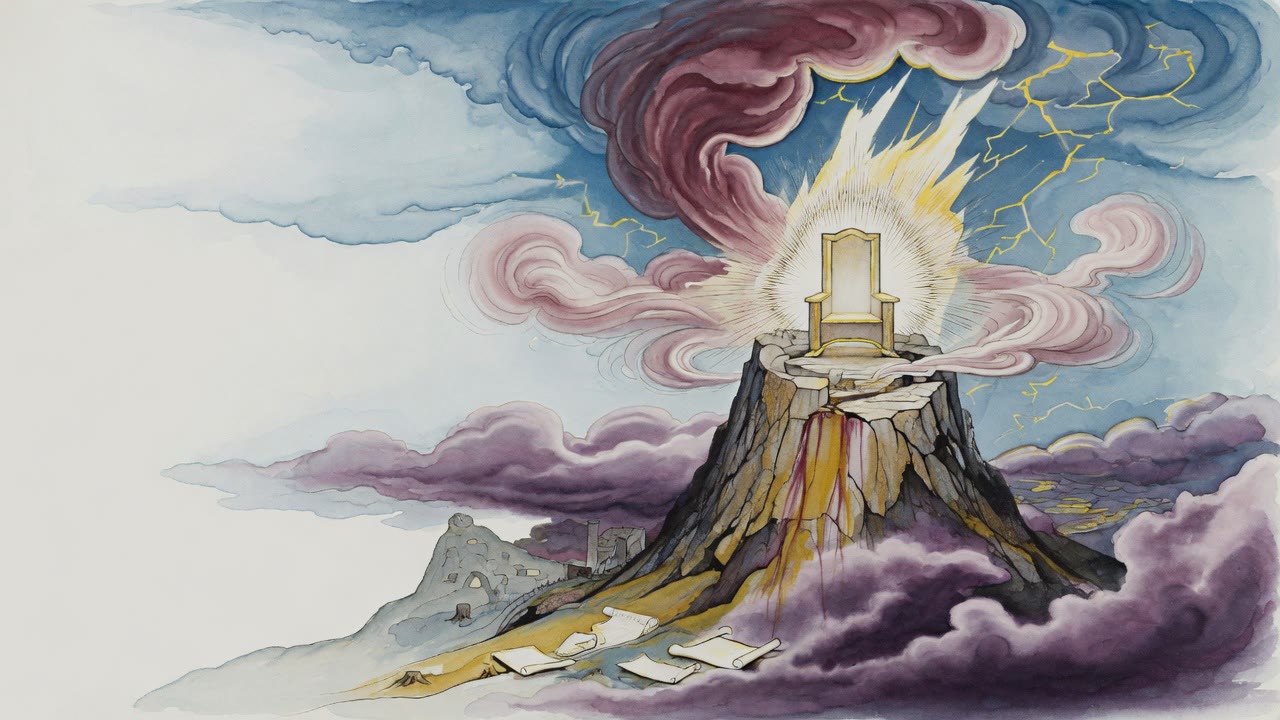
God can speak from anywhere. The rabbis believed he would end the story in one place only, and pinned the final act to a specific mountain.
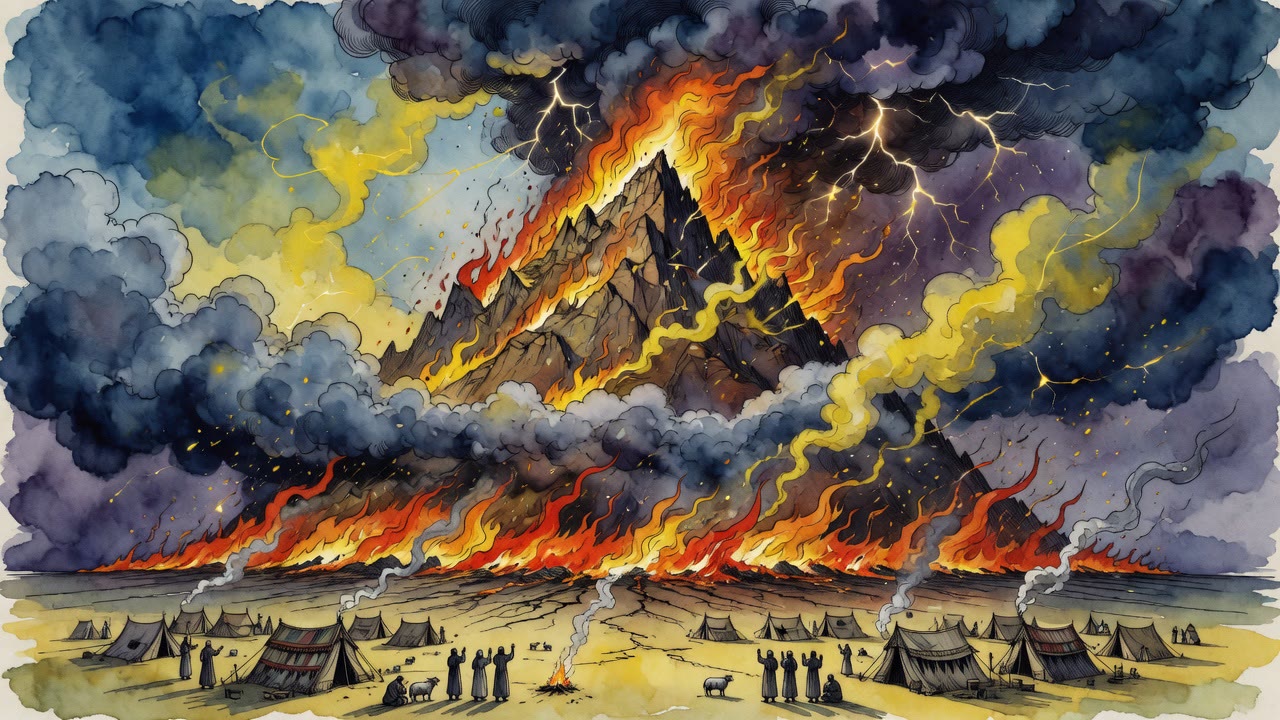
Israel had three days to wash their clothes and keep off the mountain. On the third morning the peak went up like a furnace and the horn would not stop.
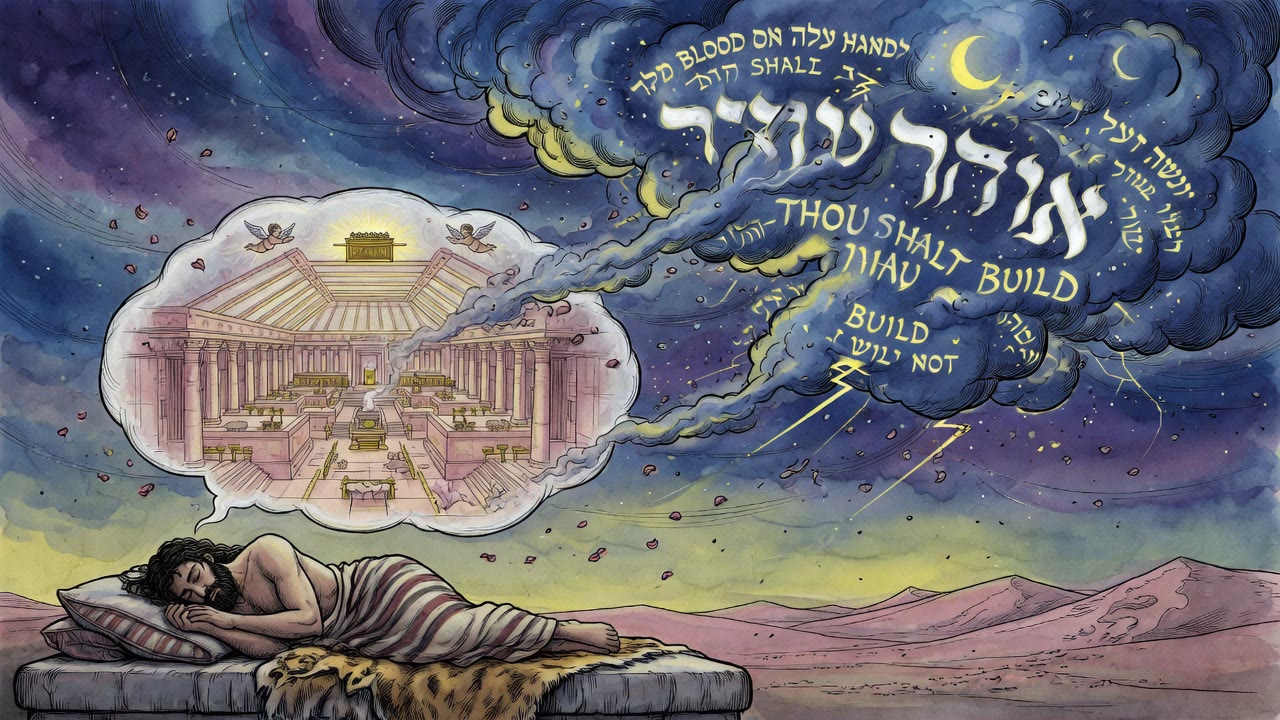
Nathan told him to do whatever was in his heart. God woke the prophet that night and sent him back with the opposite answer.
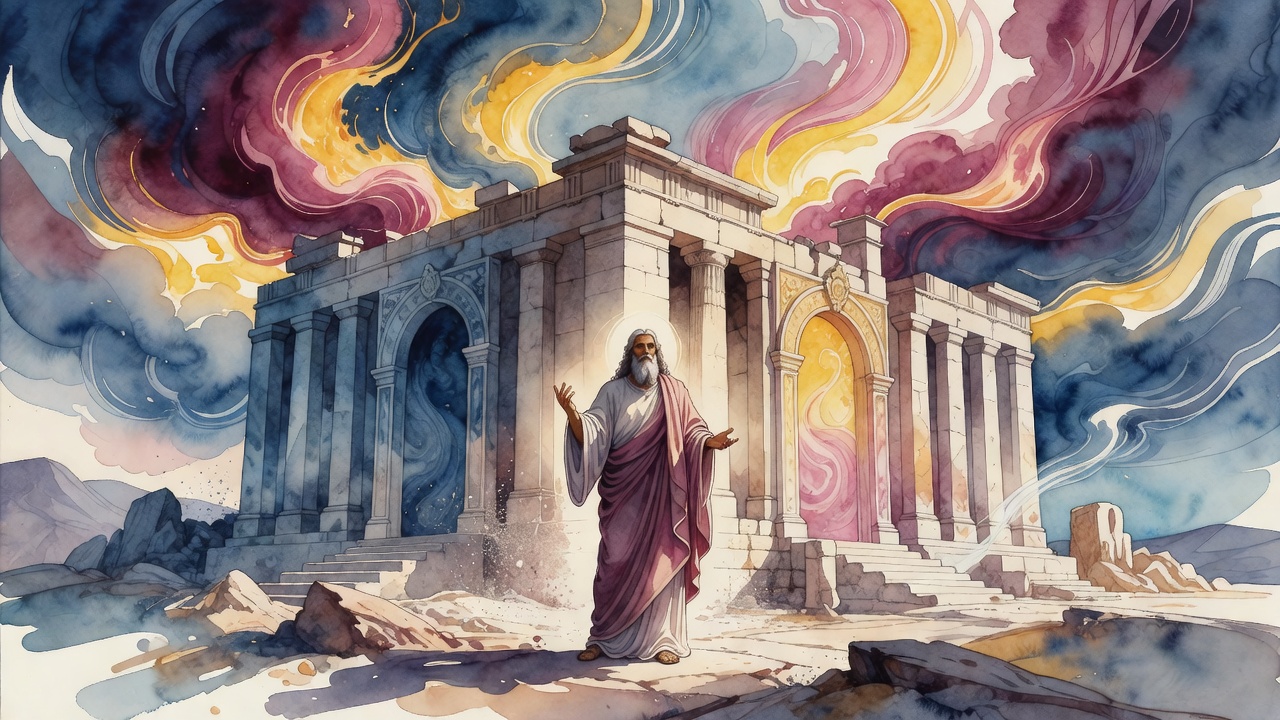
Solomon's masons fitted the stones so close that no one could find a tool mark. The house went up in silence, and then he dreamed of it burning.
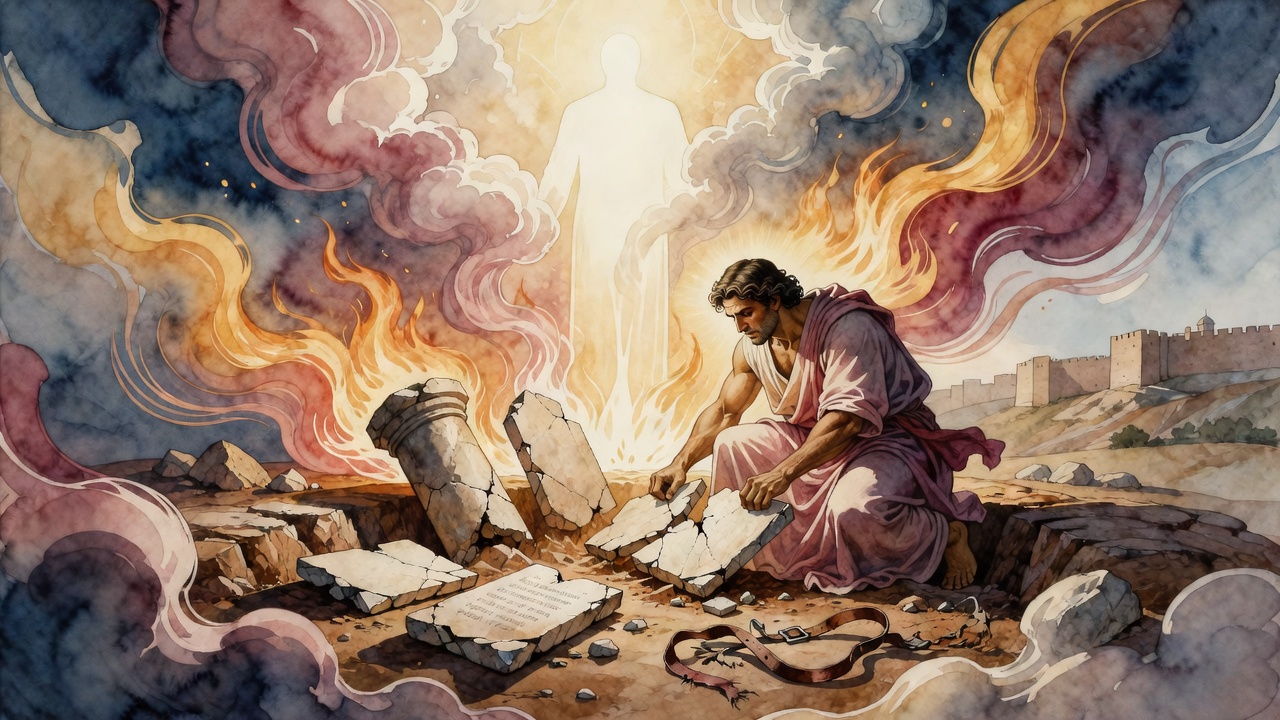
The Jebusites carved the mark of Abraham's covenant into idols on their walls, betting no Israelite would strike them. Joab climbed up and cleared them off.
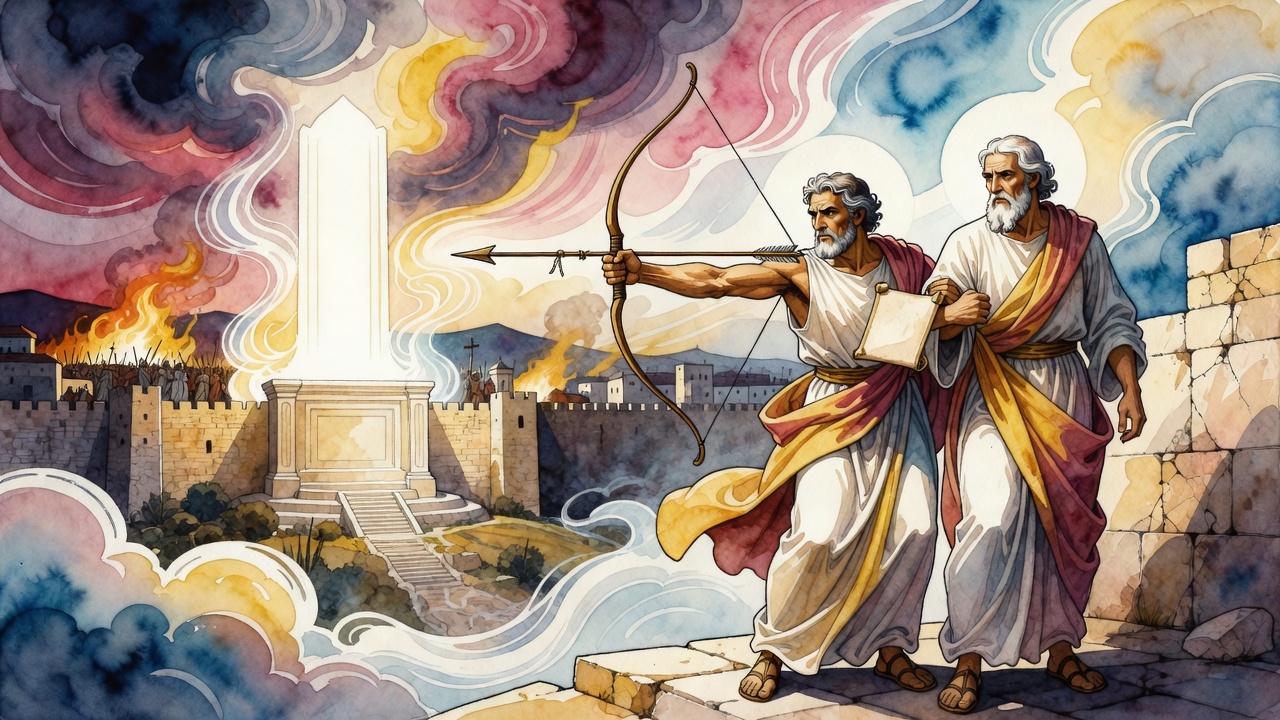
Shebnah had more students than the king. He tied a letter to an arrow and shot it toward the Assyrian fires at night.
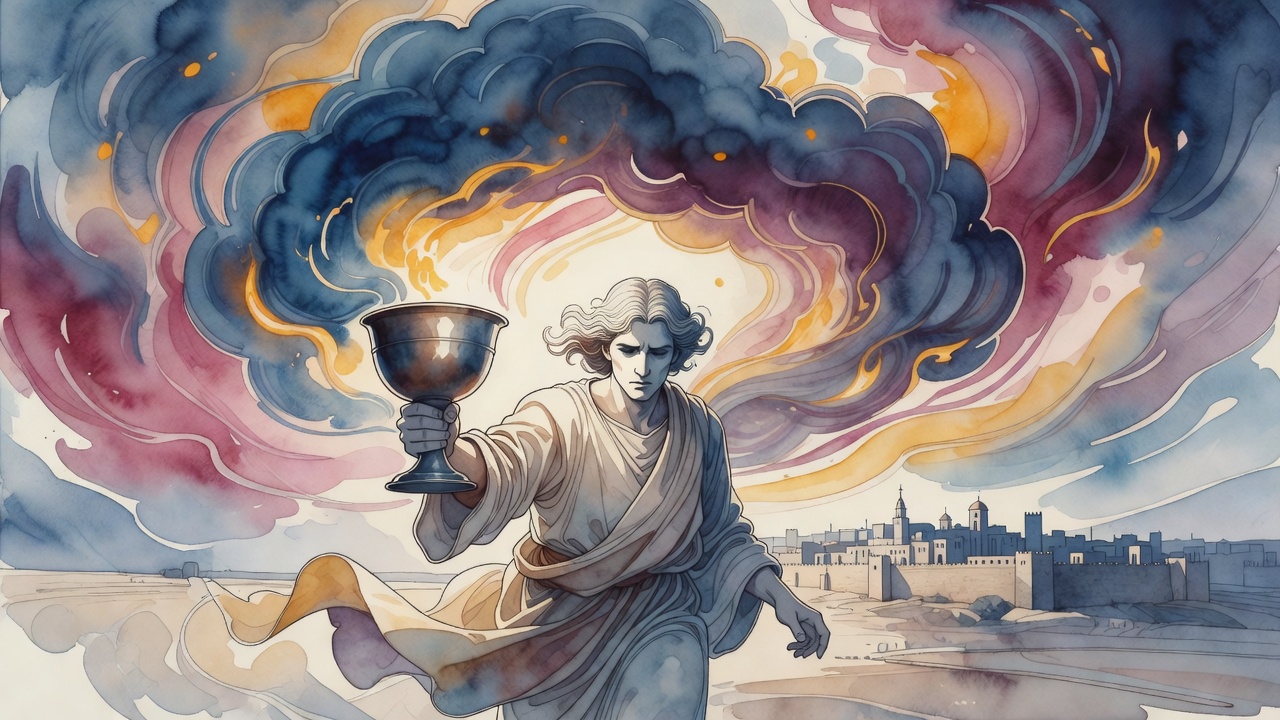
Jeremiah tried to refuse the prophetic call, but God placed the cup of wrath in his hand and sent Jerusalem to drink first.
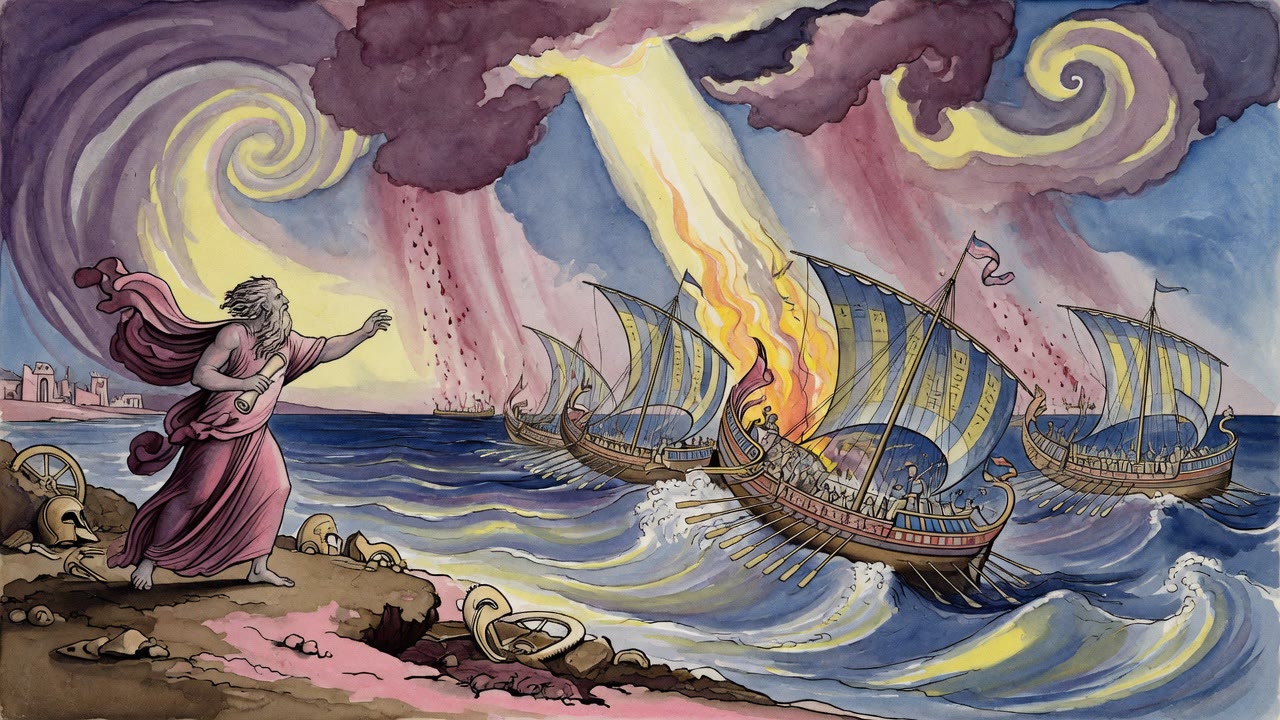
Jeremiah walked with the exiles to the Euphrates, then turned back so God would go with them into Babylon through the dark.
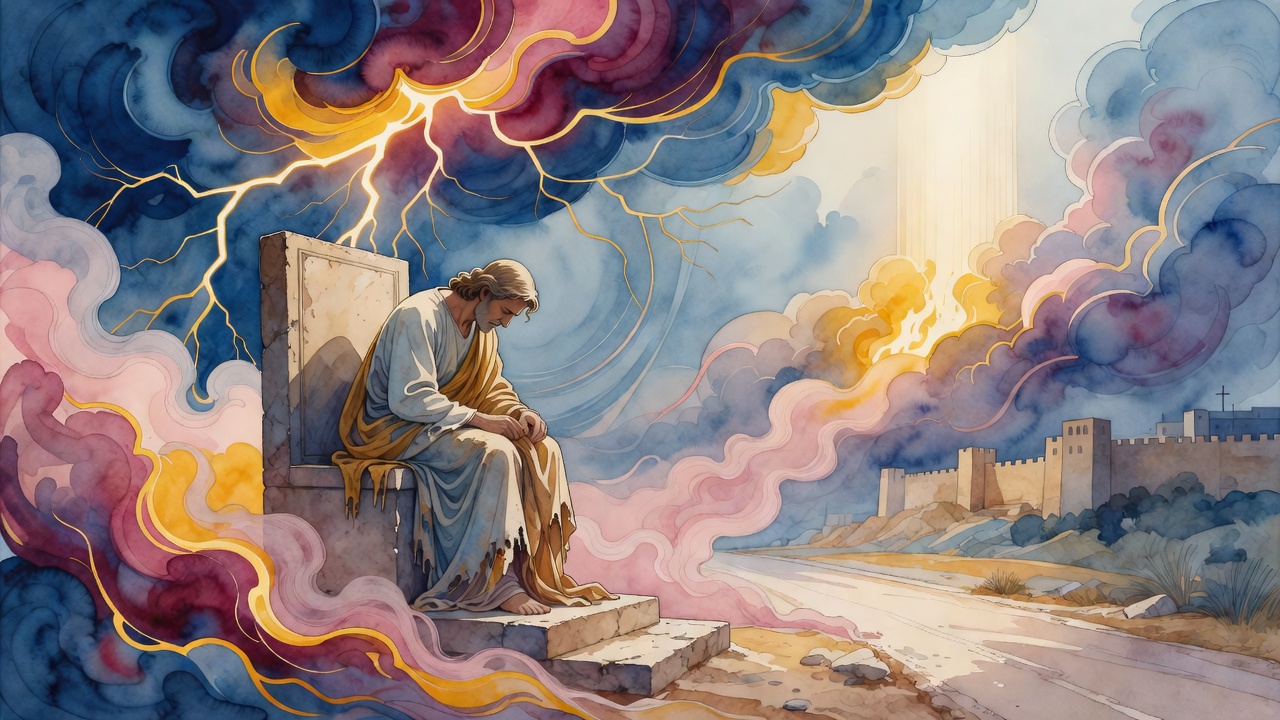
David survived his son's coup and returned to Jerusalem. When Absalom died in battle, the king's grief nearly cost him the kingdom a second time.
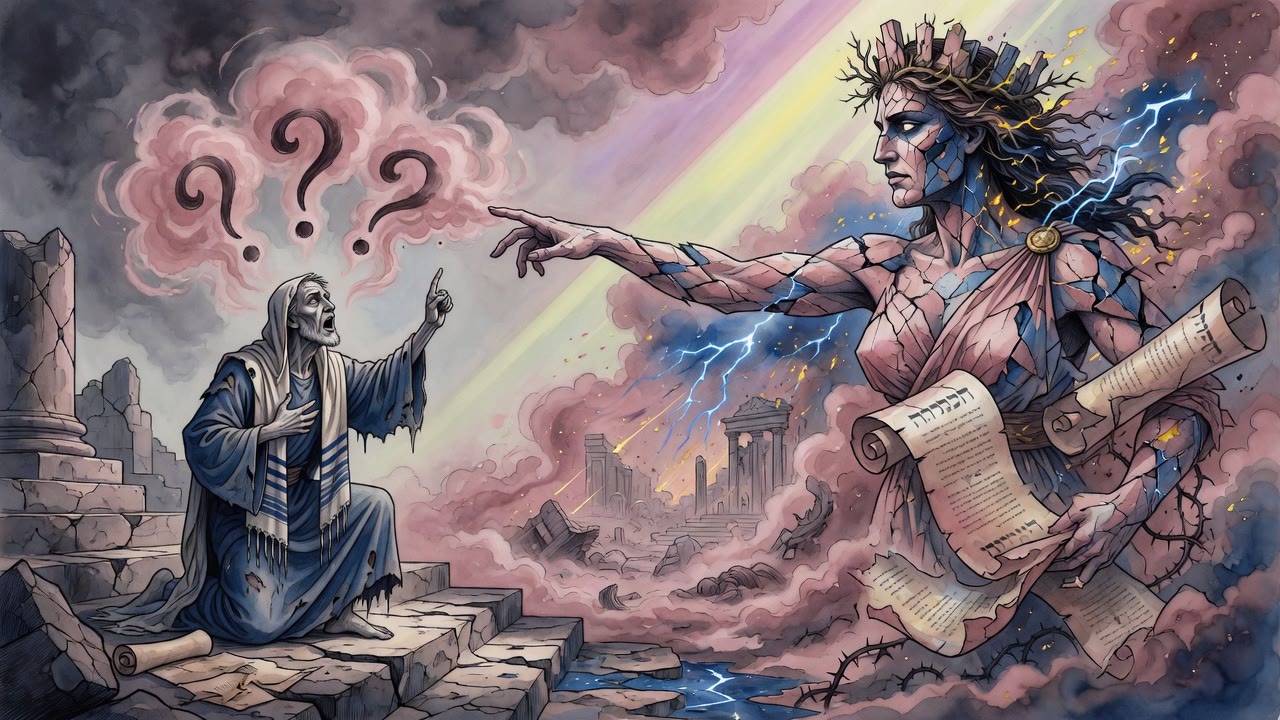
Heaven sent a book with a sword twisted through it. No hand could take the words without feeling the blade. Rabbi Levi still counted seven gifts leaving Zion.
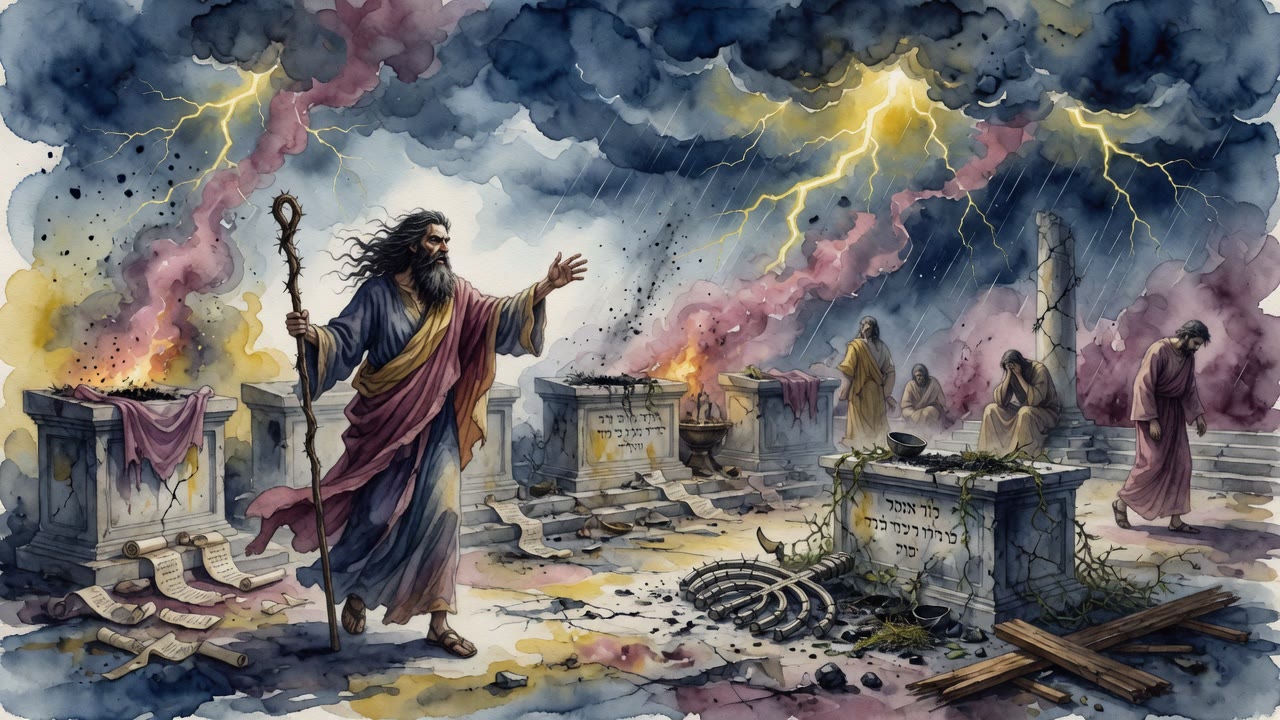
Every prophet went to comfort Zion after the destruction. Every one was turned away. Then the patriarchs tried. Then God came personally. Then Isaiah.
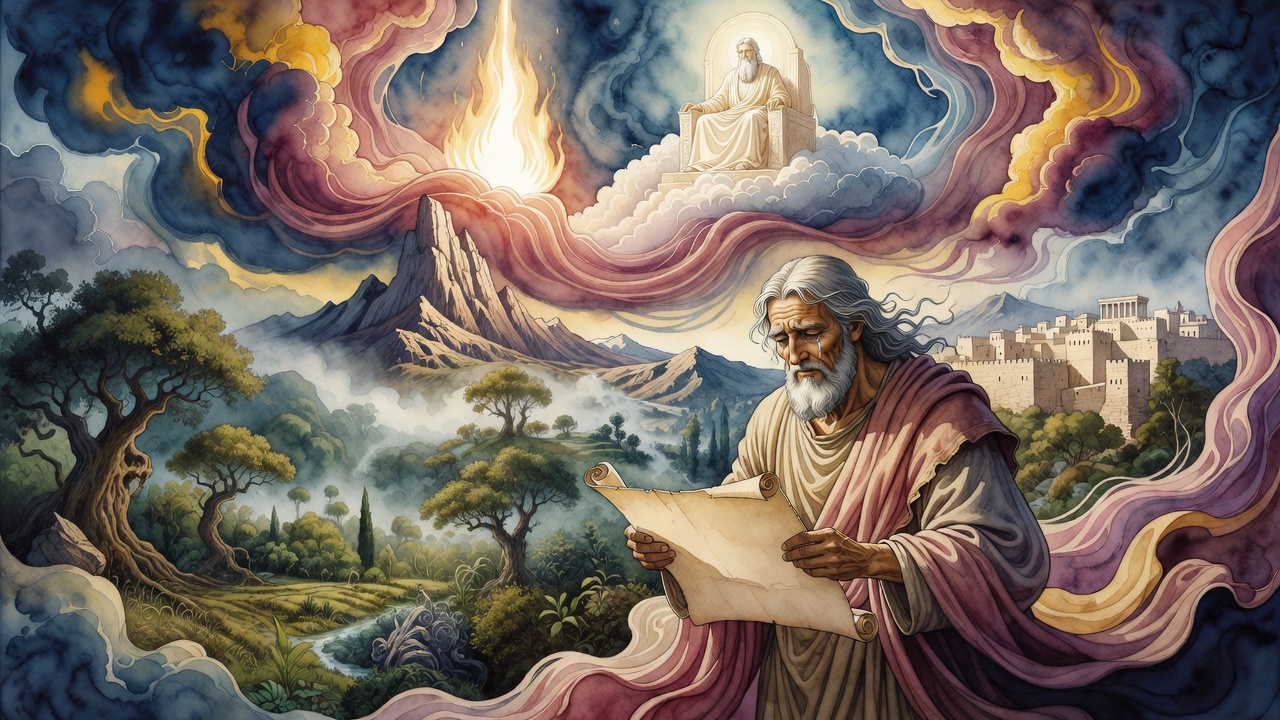
When Noah drew lots after the flood, Shem's portion contained the Garden of Eden, Mount Sinai, and Jerusalem. Noah wept when he saw it written.
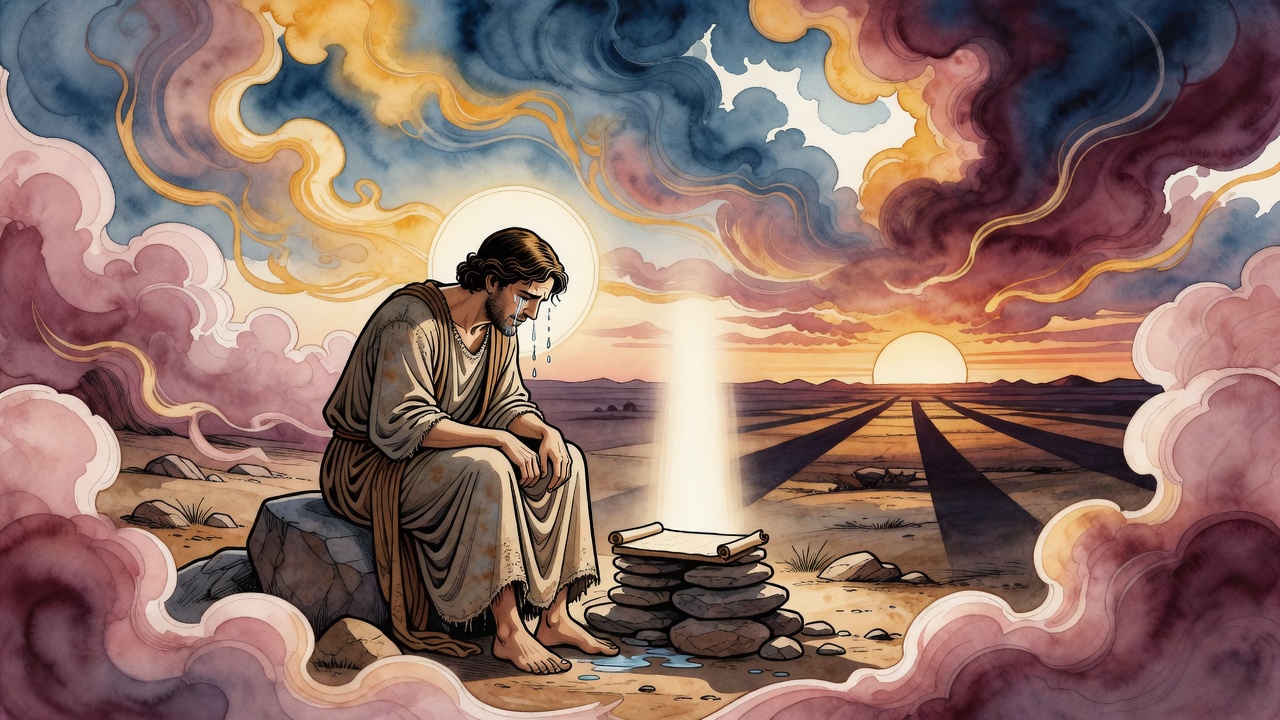
Eve sat facing him on the dark ground and wept because he was weeping. Neither of them knew that mornings existed until the hills went gray.
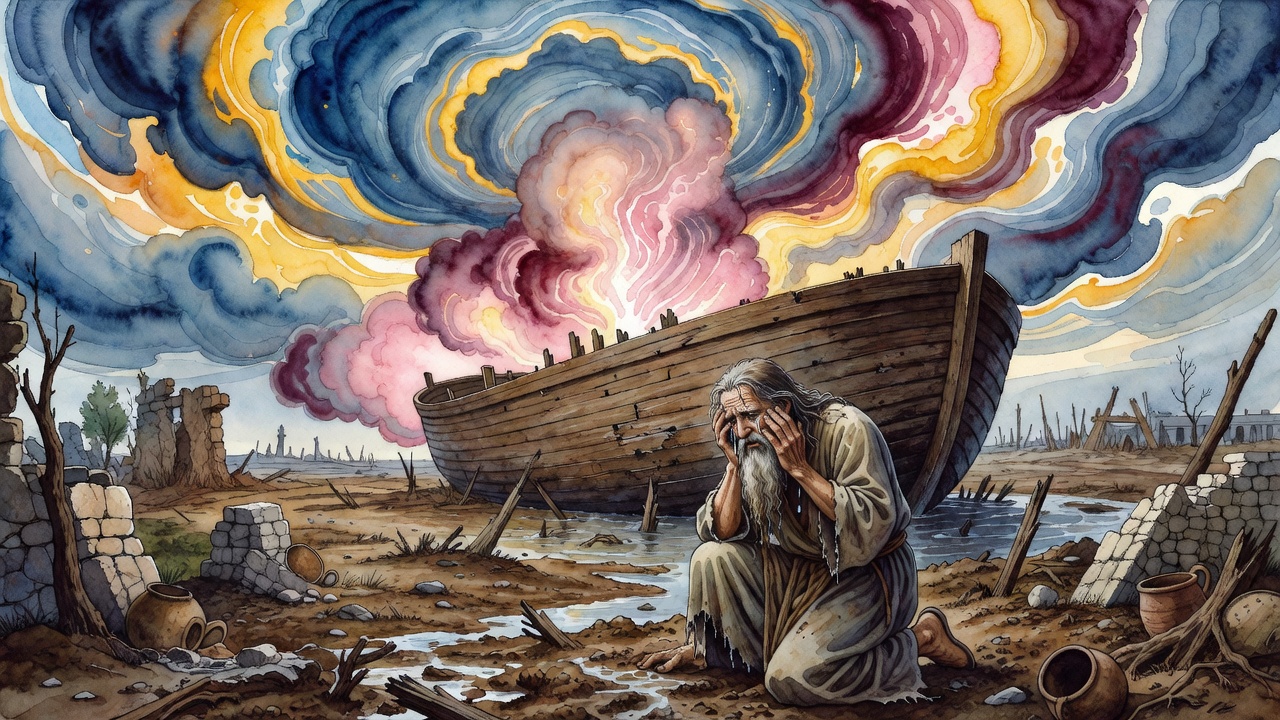
Noah built the ark, survived the flood, and wept at the ruins. Then God rebuked him for never praying for anyone outside the ark before it was too late.
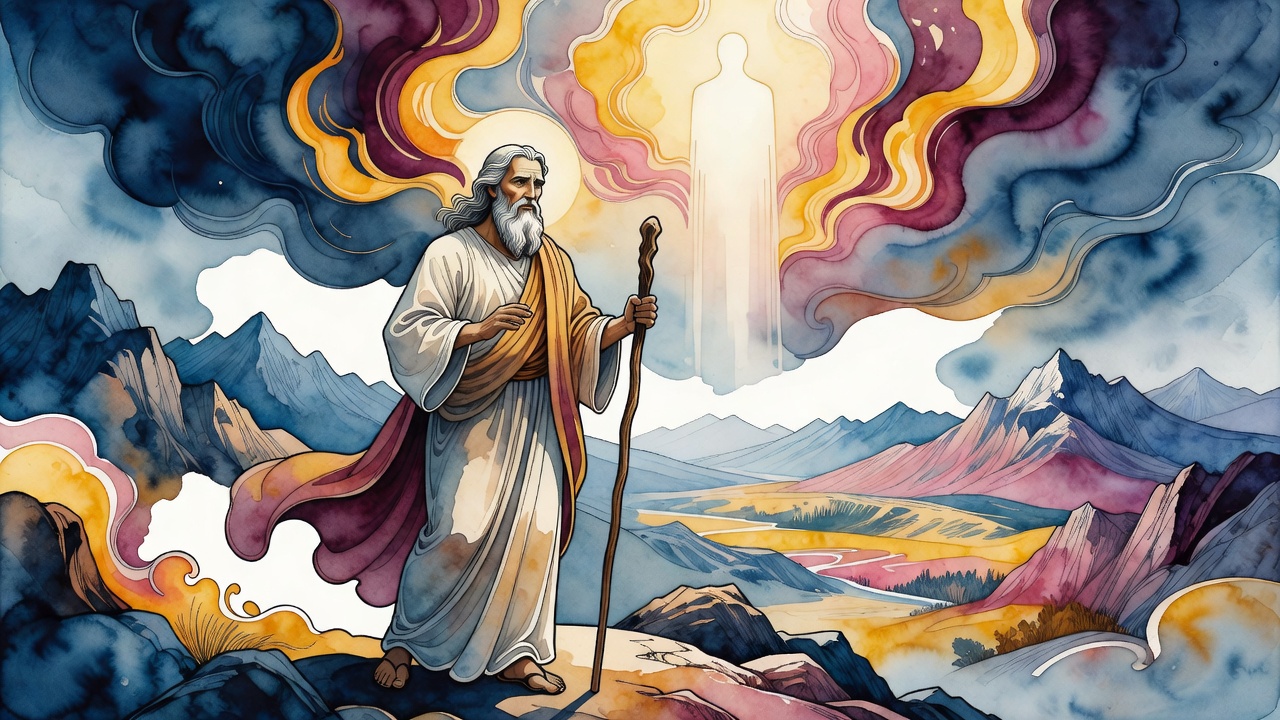
The river was already closed to Moses. He argued like a servant who loves his master and will not go free. God still said no.
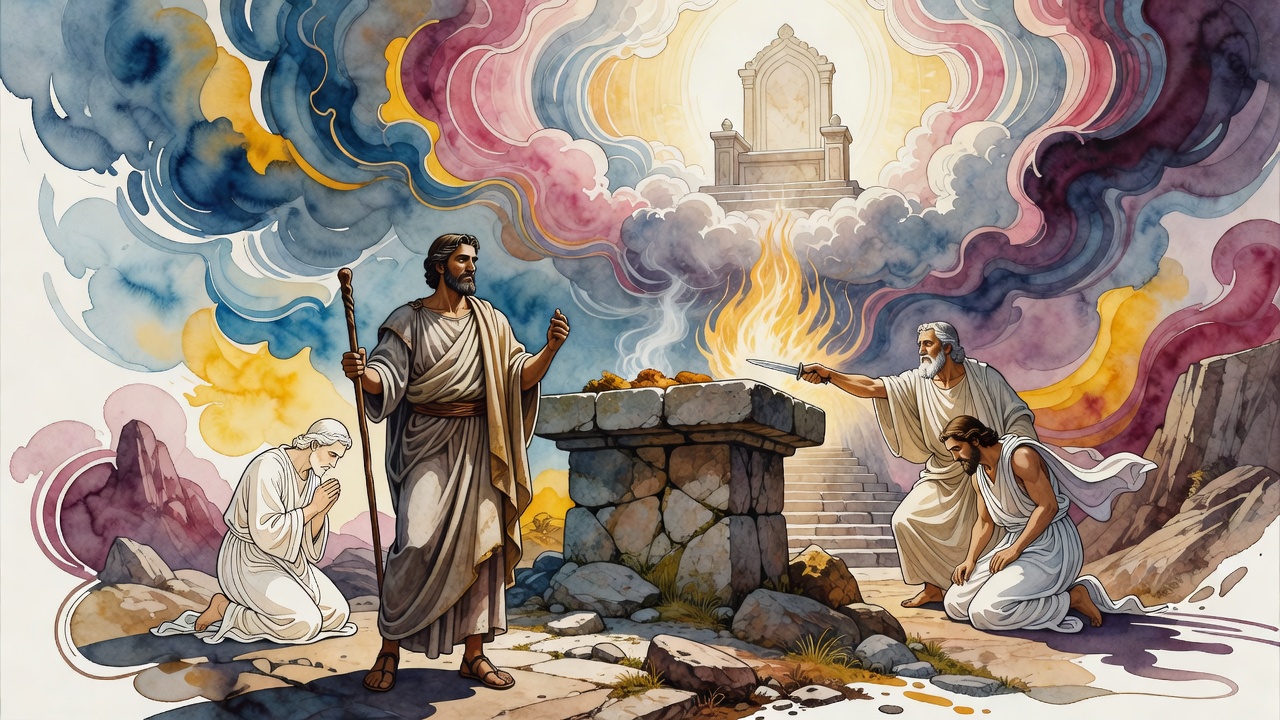
When David claimed Jerusalem, he was not discovering a place. Adam had prayed there. Noah had built an altar. Abraham had nearly lost his son there.
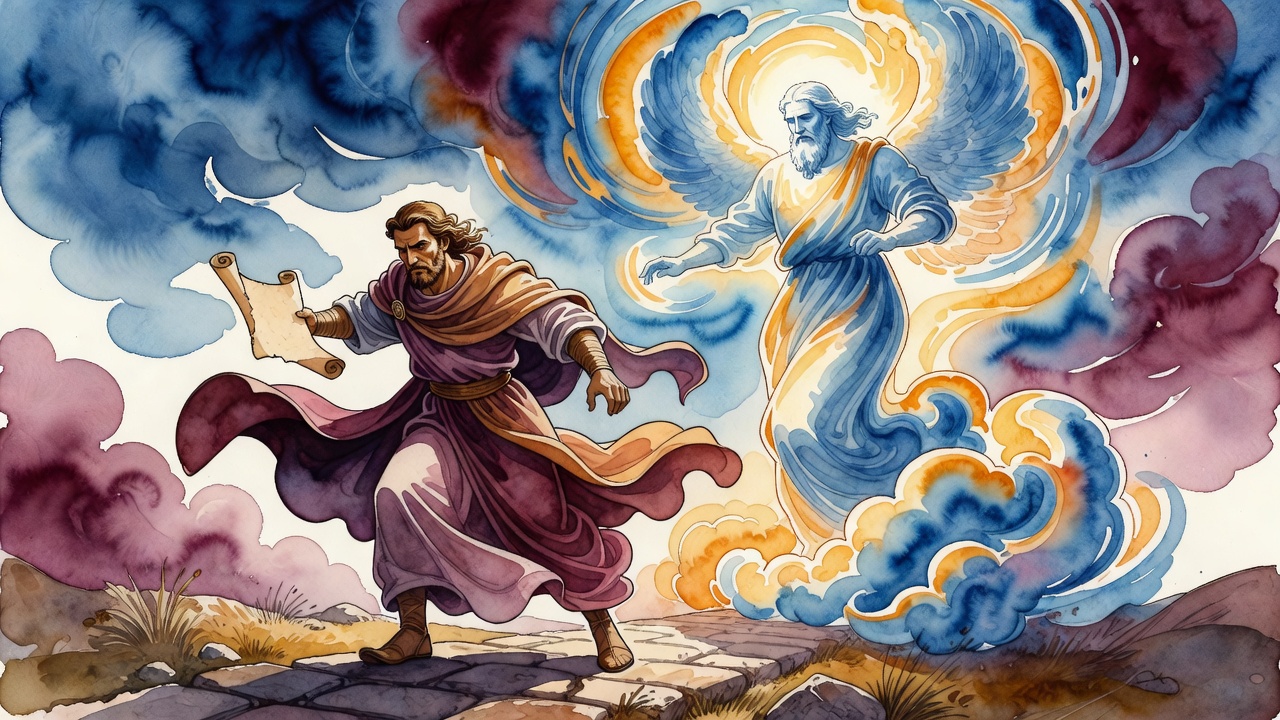
Nebuchadnezzar caught a disrespectful letter and ran to fix it. He took three steps. Gabriel stopped him. Those steps were the reason he rose to power.
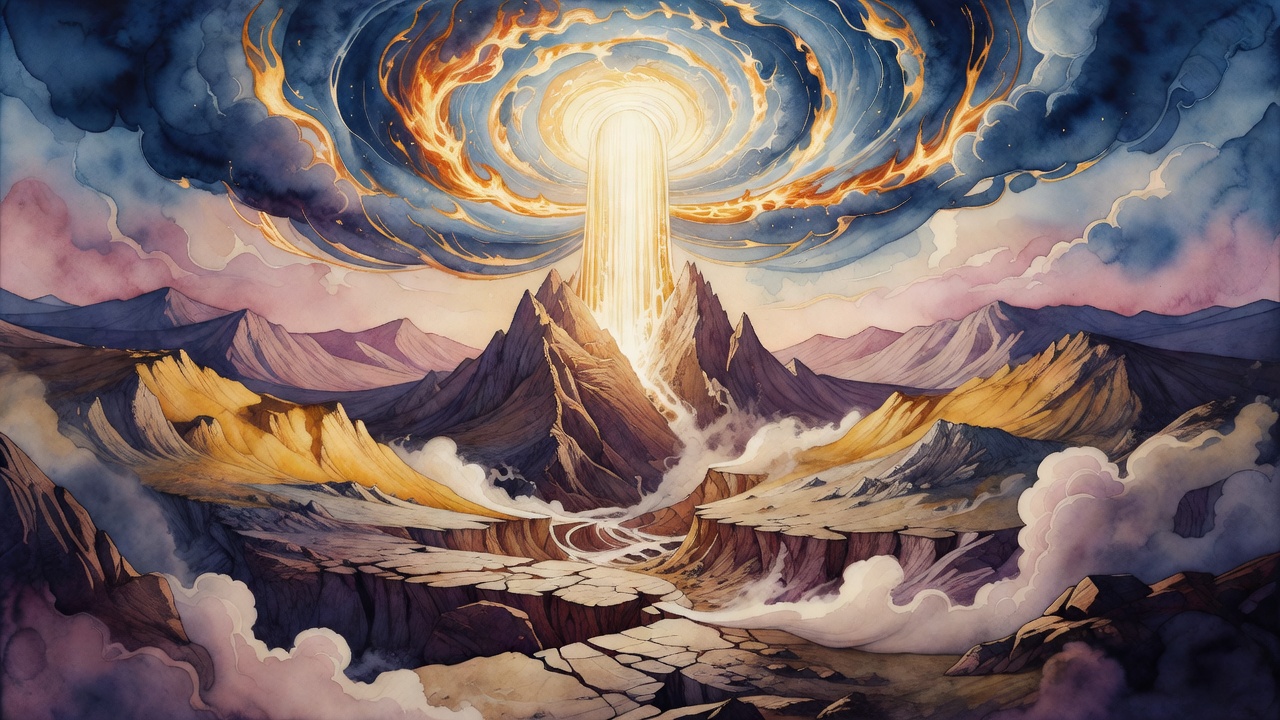
God summoned the surrounding hills and commanded them to merge. What had been a hollow in the earth rose to become the axis of the world.
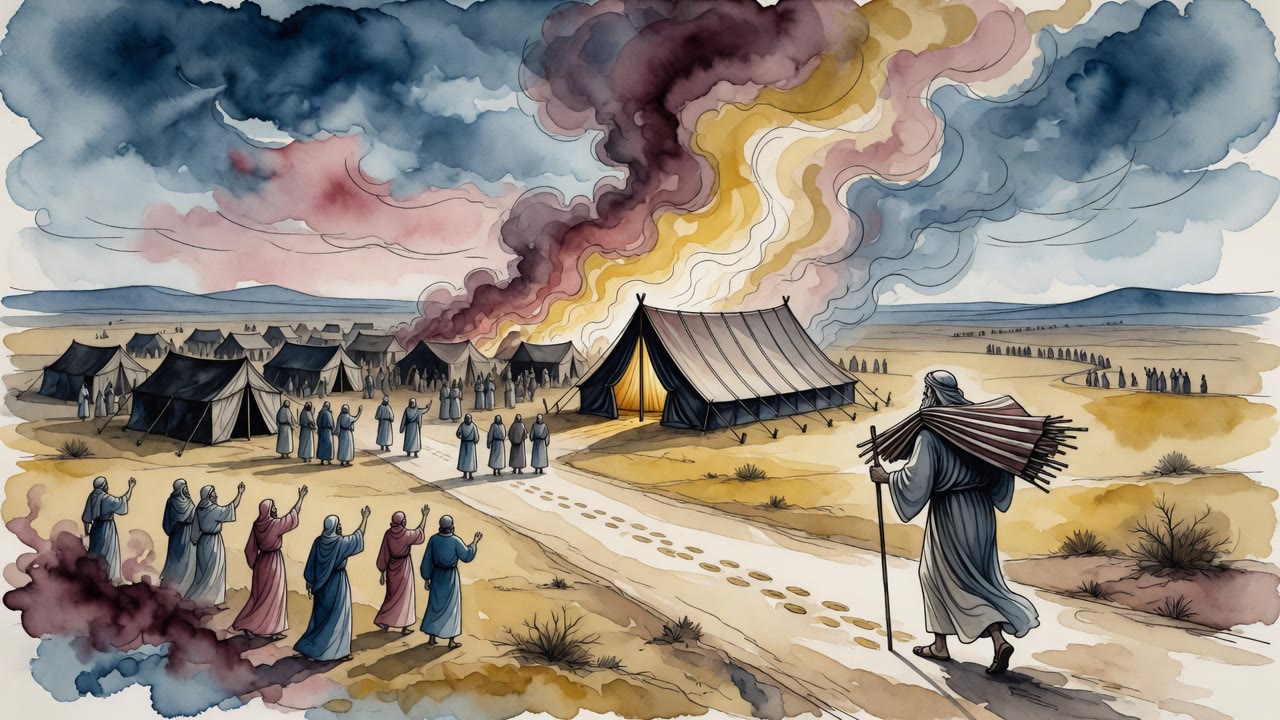
Moses prays 515 times at the Jordan's edge, draws a circle in the dust, and prays until heaven trembles. God finally says: enough, do not continue.
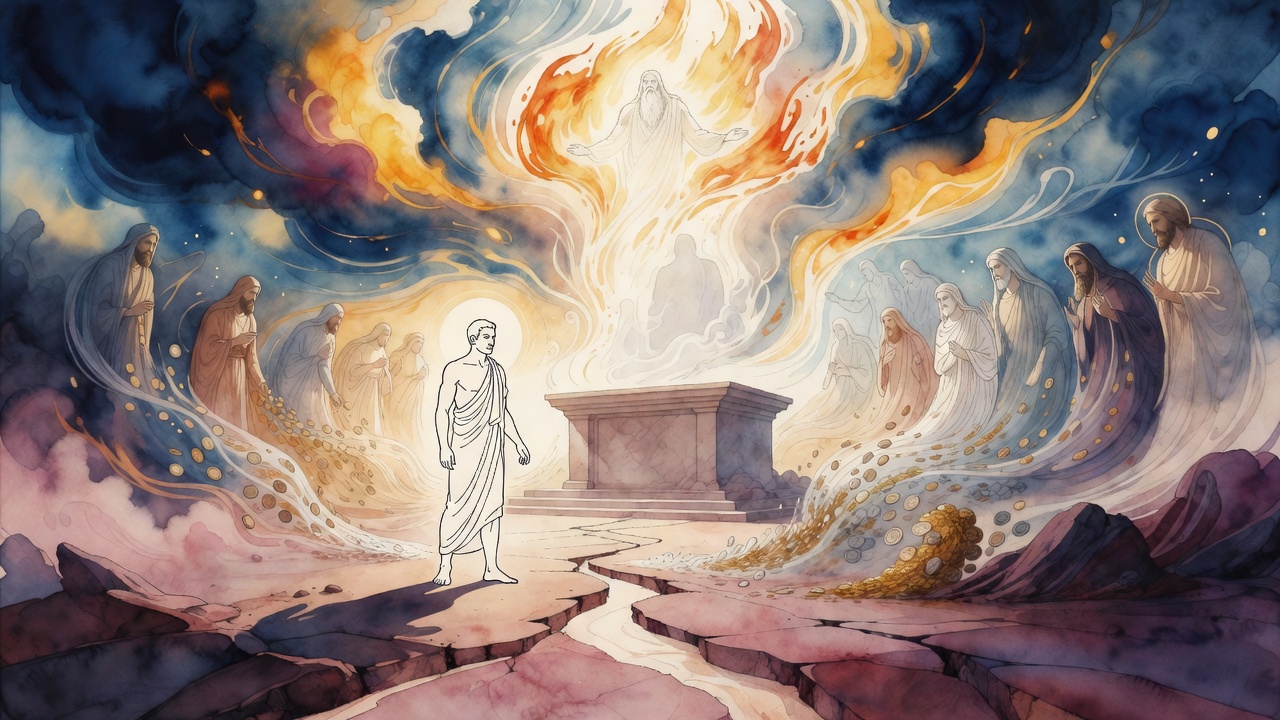
Rachel named him son of my sorrow and died that night. Years later his tribe held the soil where the Temple altar stood.
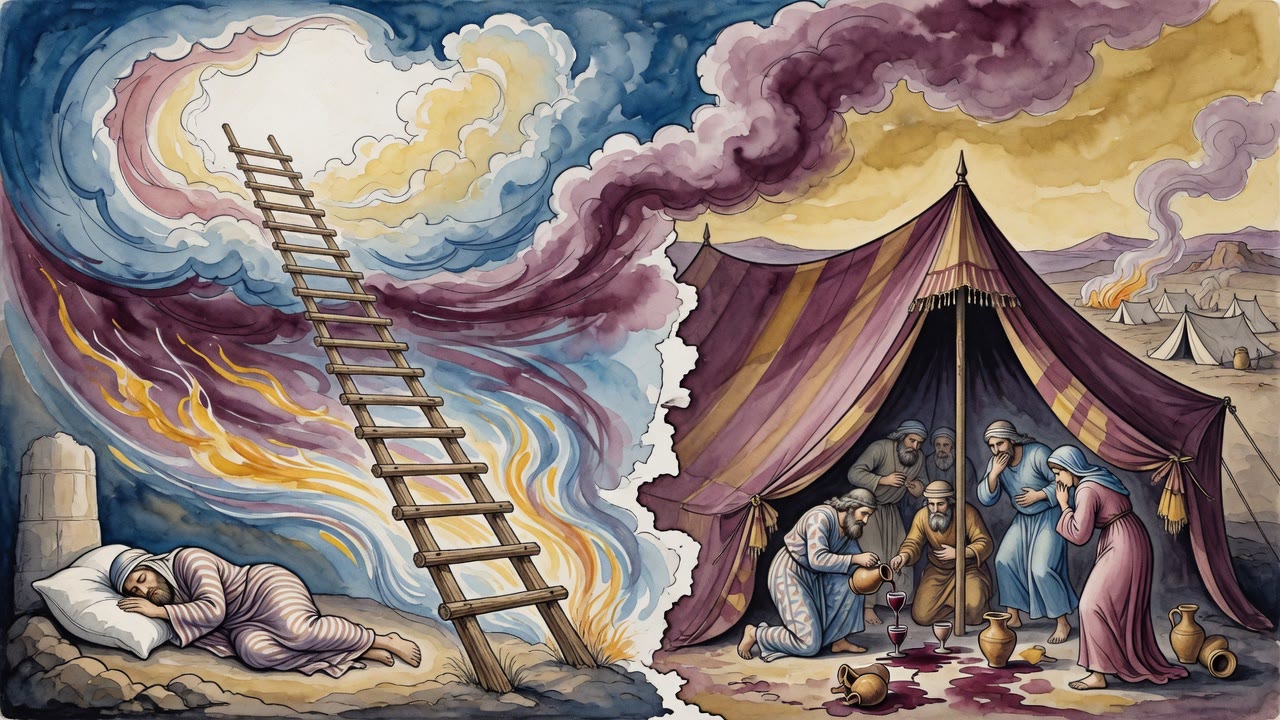
God contracted the daylight to strand Jacob at Mount Moriah. In his sleep the stones quarreled, fused into one, and all of Israel history unrolled before him.
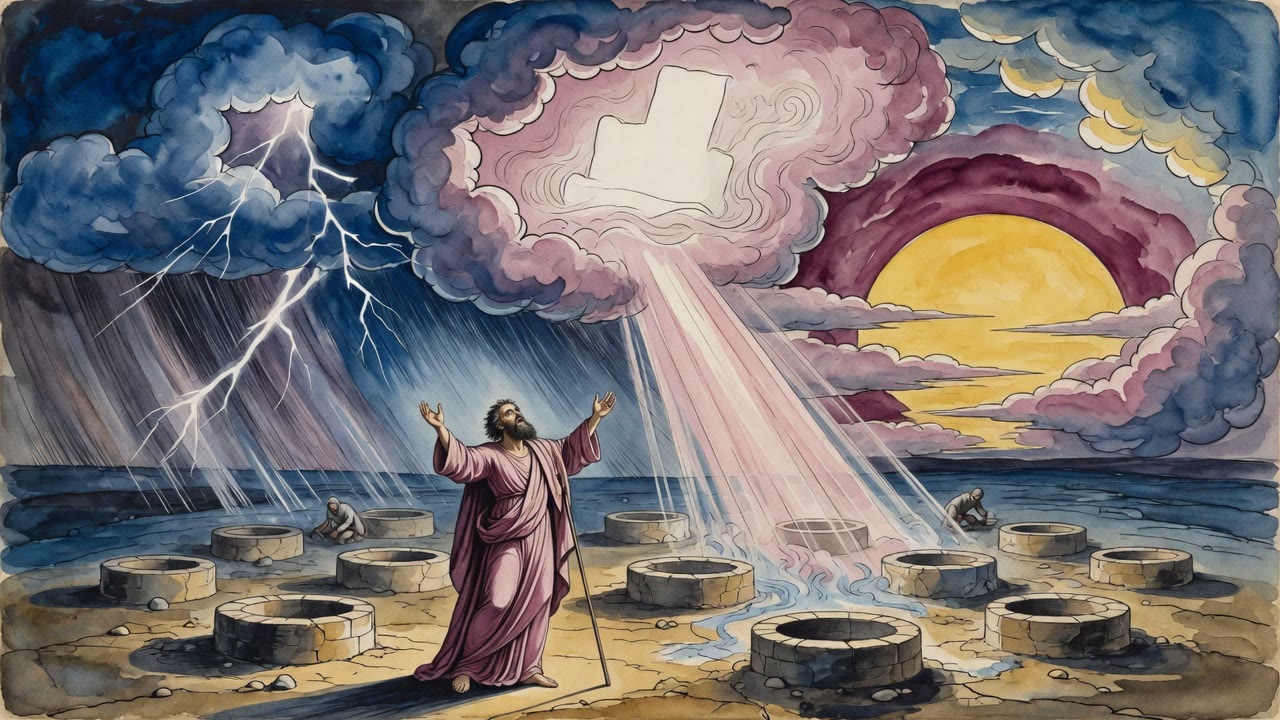
Nakdimon staked his fortune on twelve wells of water returning before sunset, then prayed until the clouds came and the sun turned back.
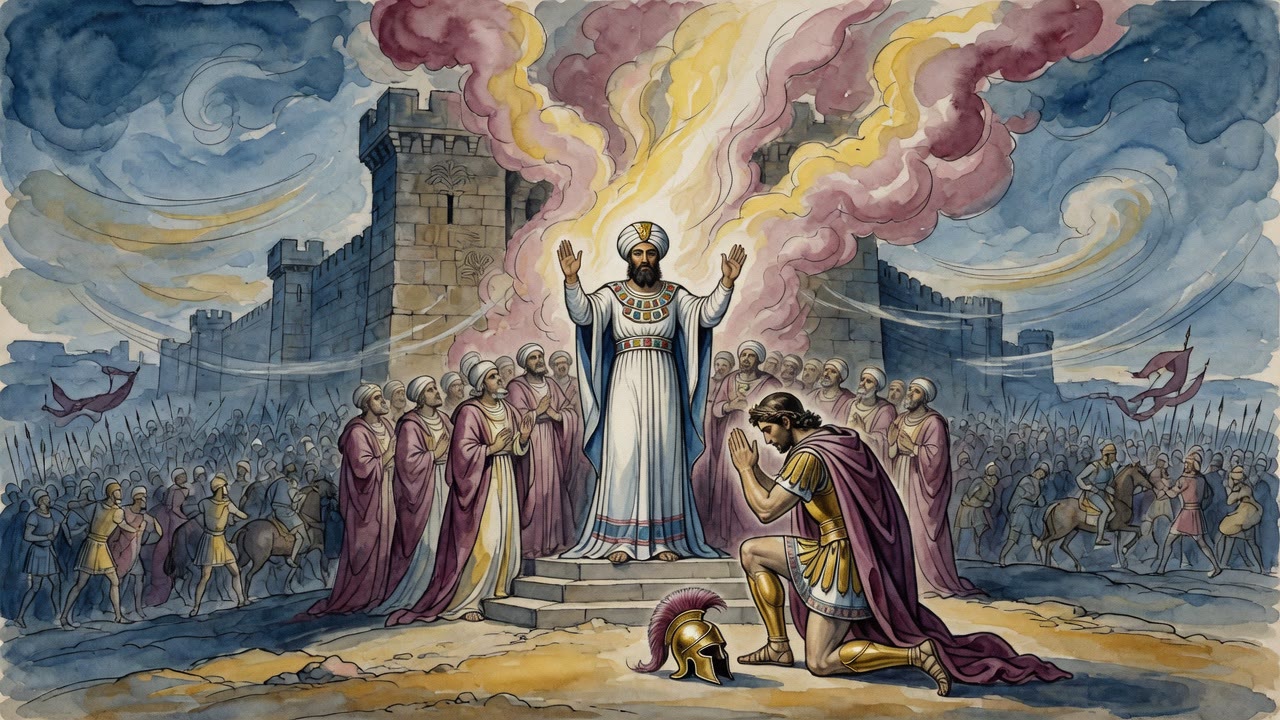
Jaddua had sworn not to fight Darius. Alexander came to punish him. He went down in the dust before the Name on the gold.
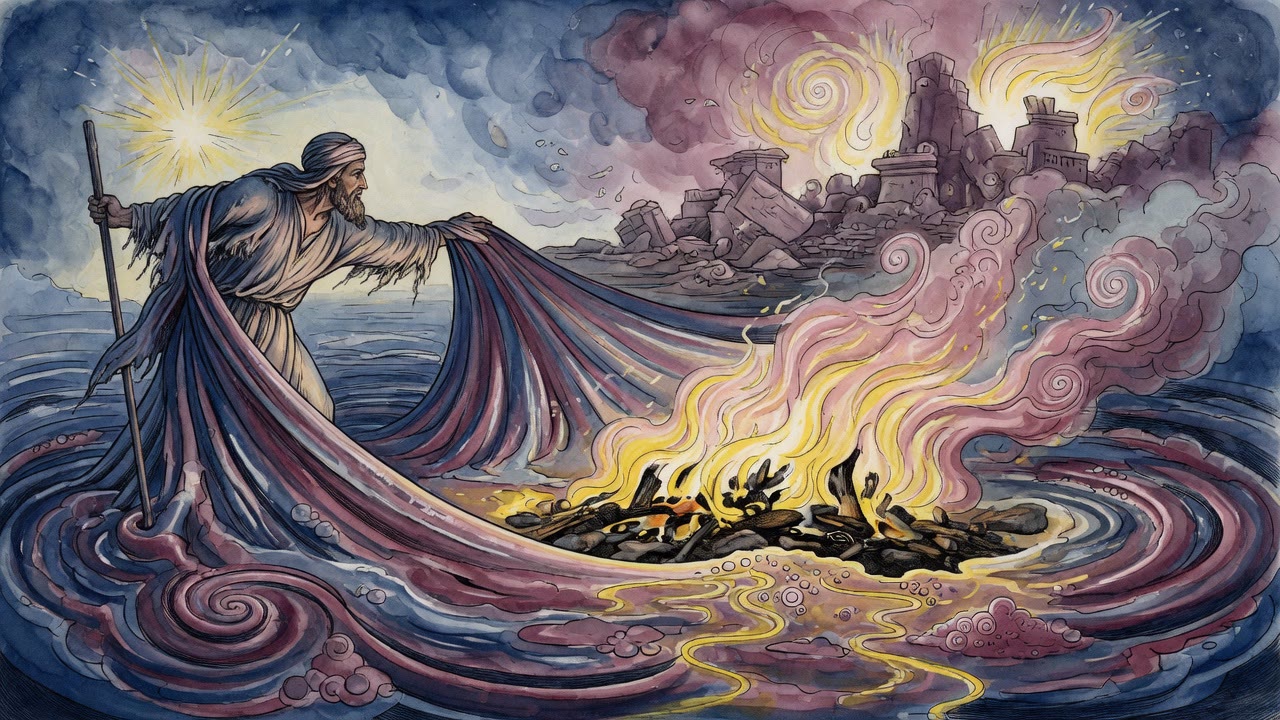
Ezra sat in a field and ate only flowers for seven days. A woman in ash became a city. Then the sea gave up a man.
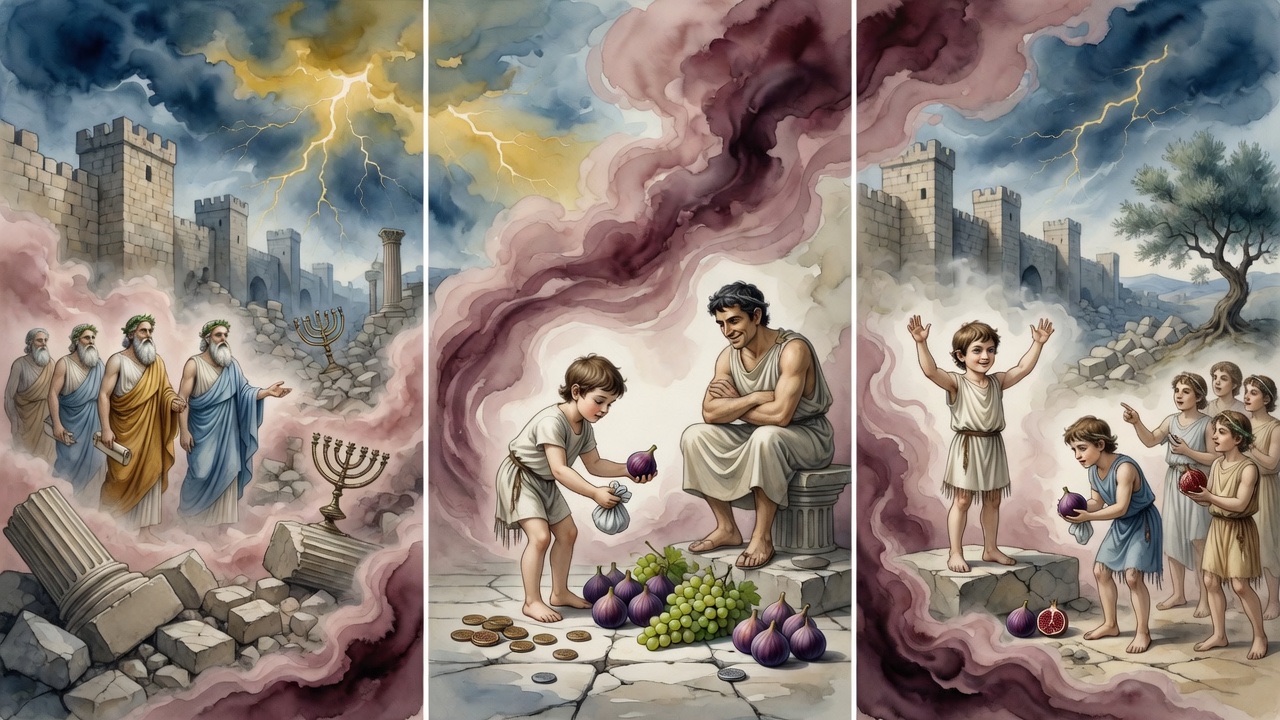
An Athenian sent a boy to buy food he could eat, fill up on, and still carry away. The boy came back with salt, and he was right.
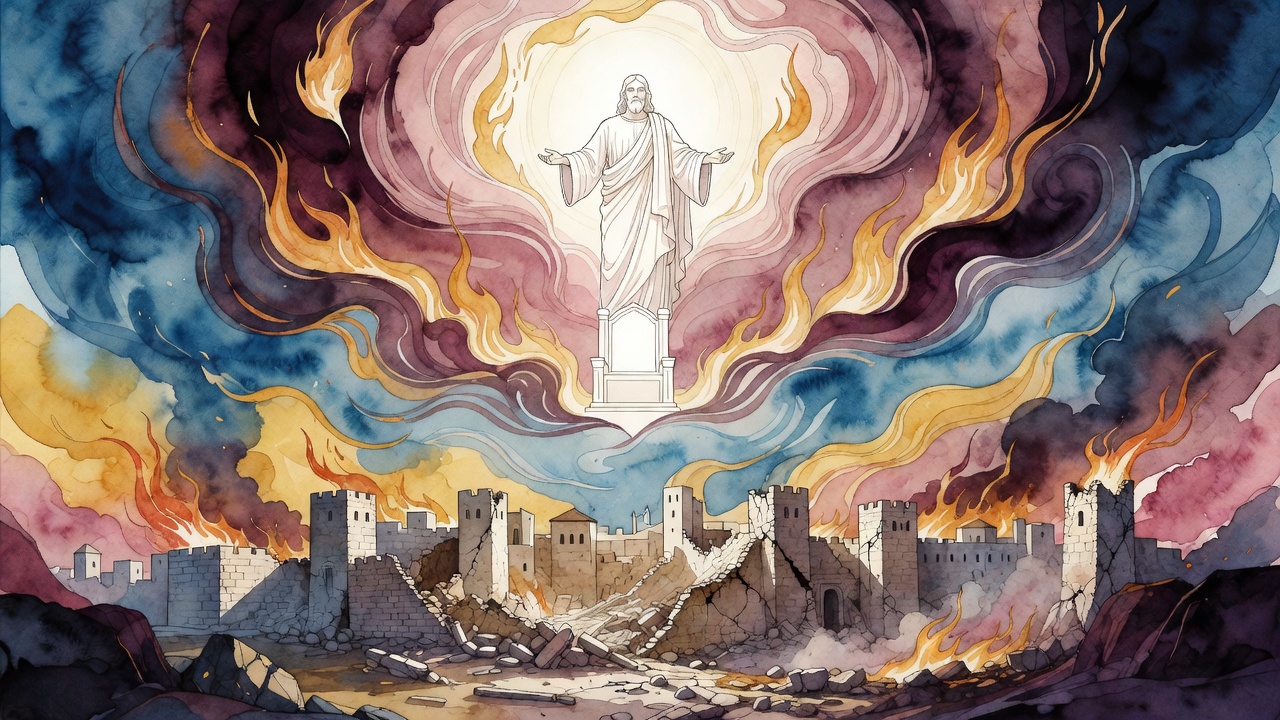
Above the city that can burn stands a Jerusalem that cannot, waiting in light above the ruins, aligned with what was lost below.
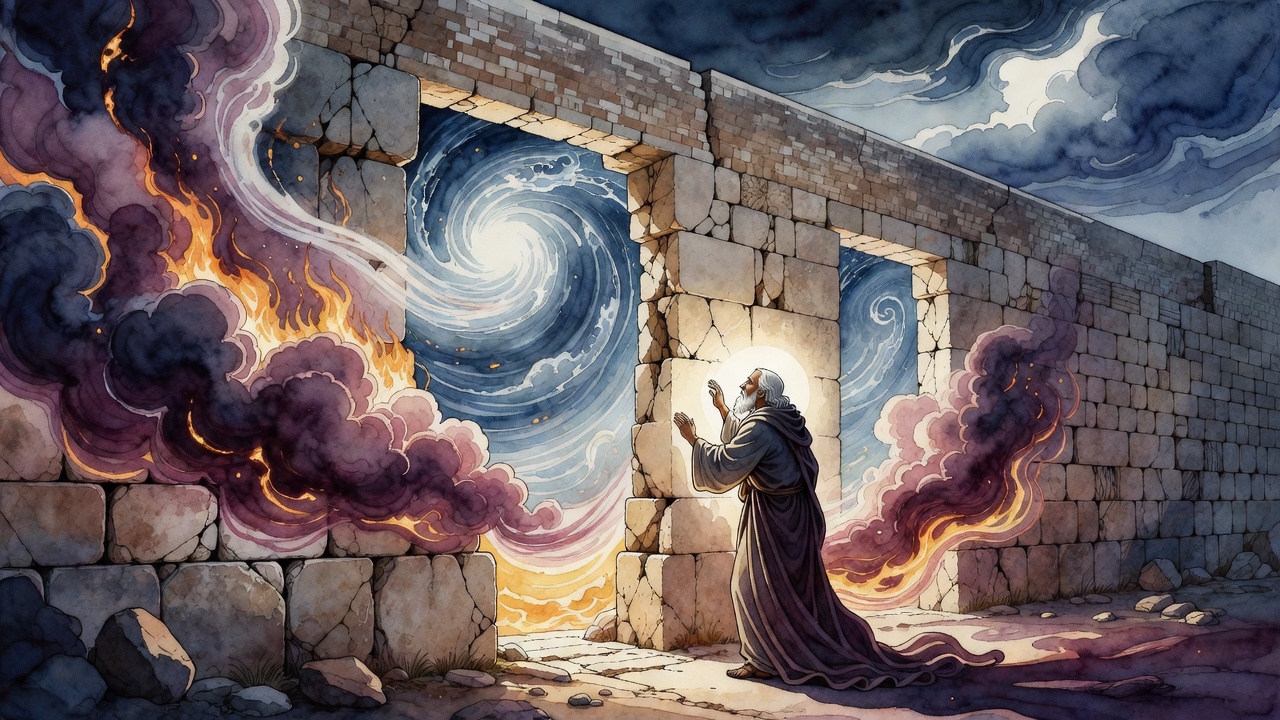
A Safed mystic rises at midnight to mourn the Temple until Jerusalem's stones open and the Shekhinah, the Divine Presence, speaks her grief aloud.
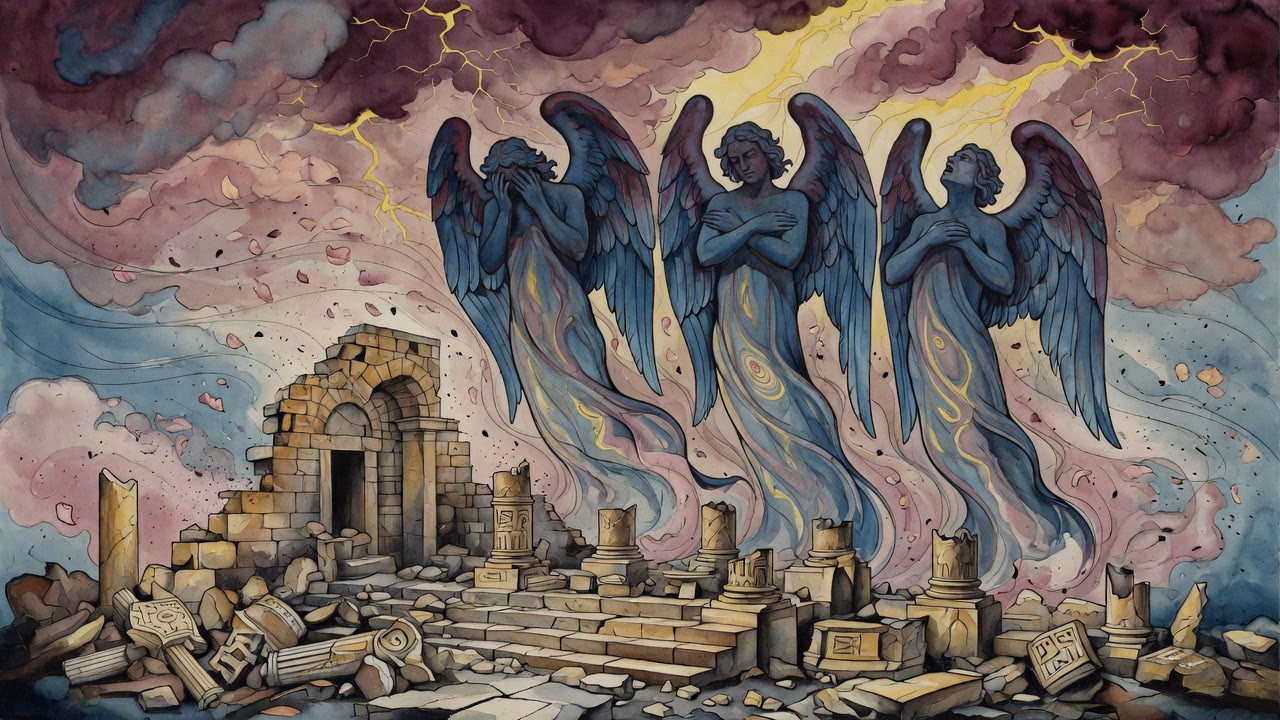
Moses said the word eikha when the people wore him out. Isaiah said it as a warning. Jeremiah said it in the rubble, and it was no longer a question.
