Shem Received Eden, Sinai, and Jerusalem in a Single Lot
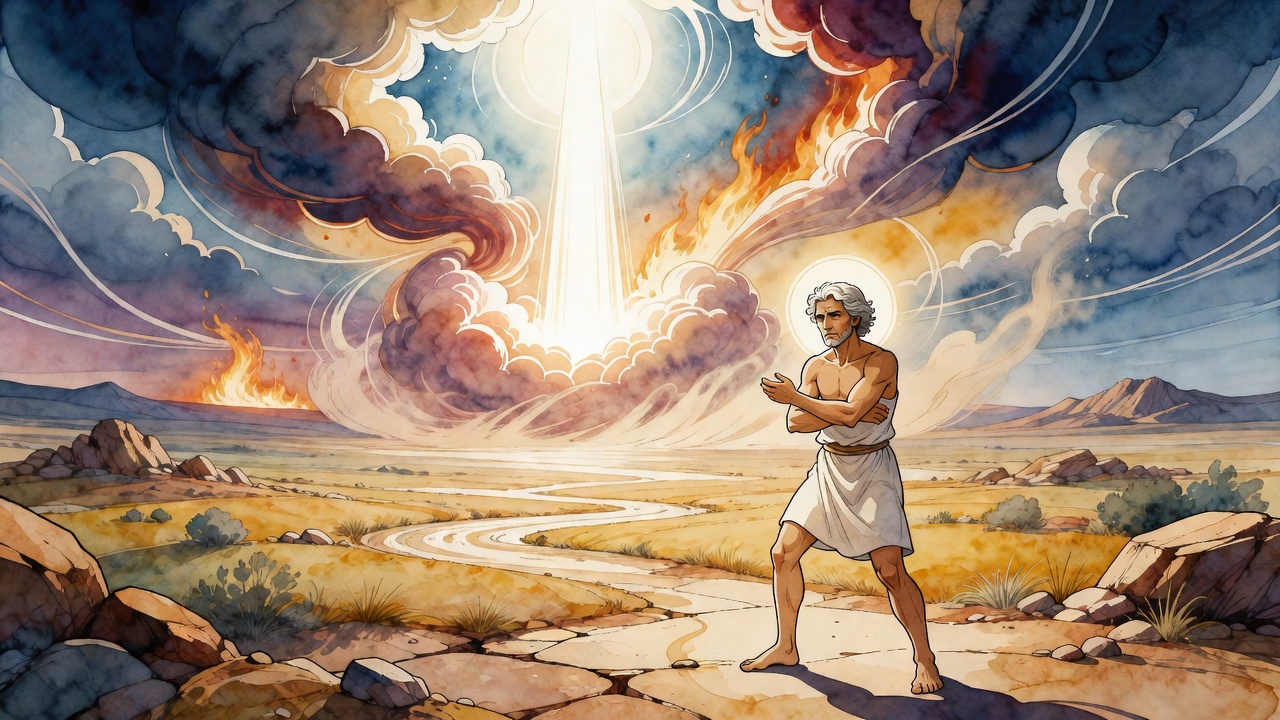
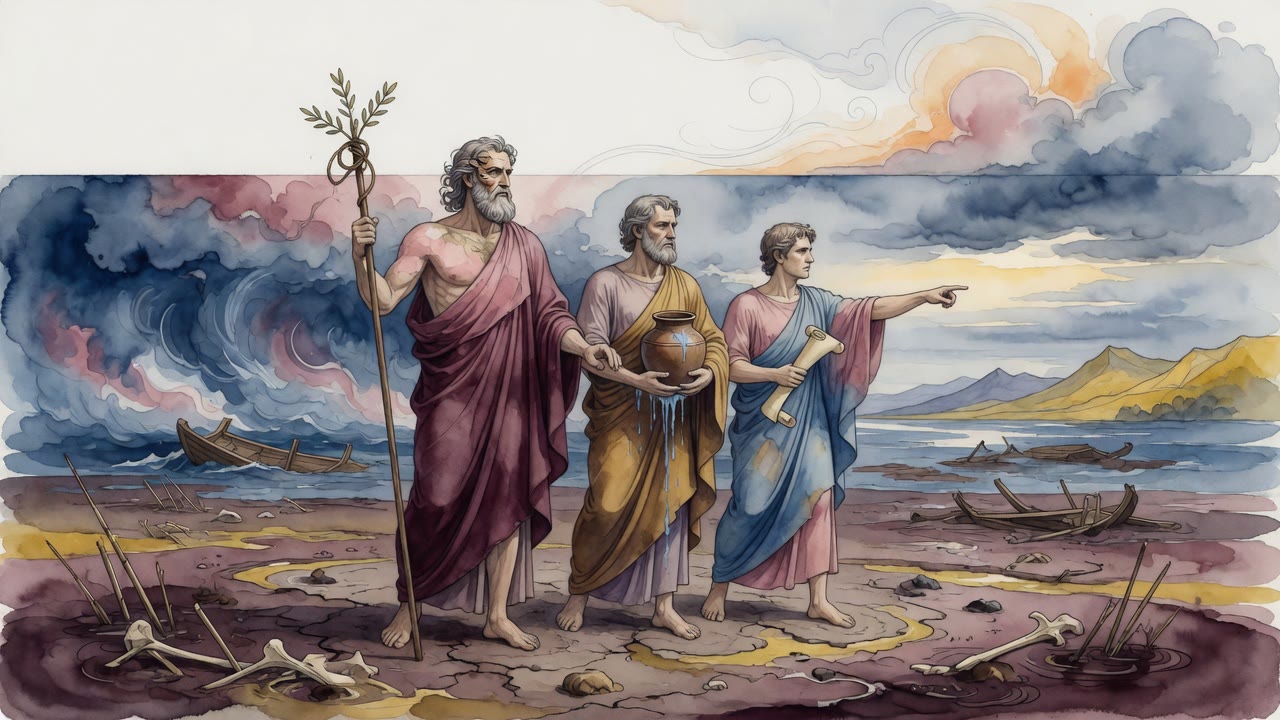
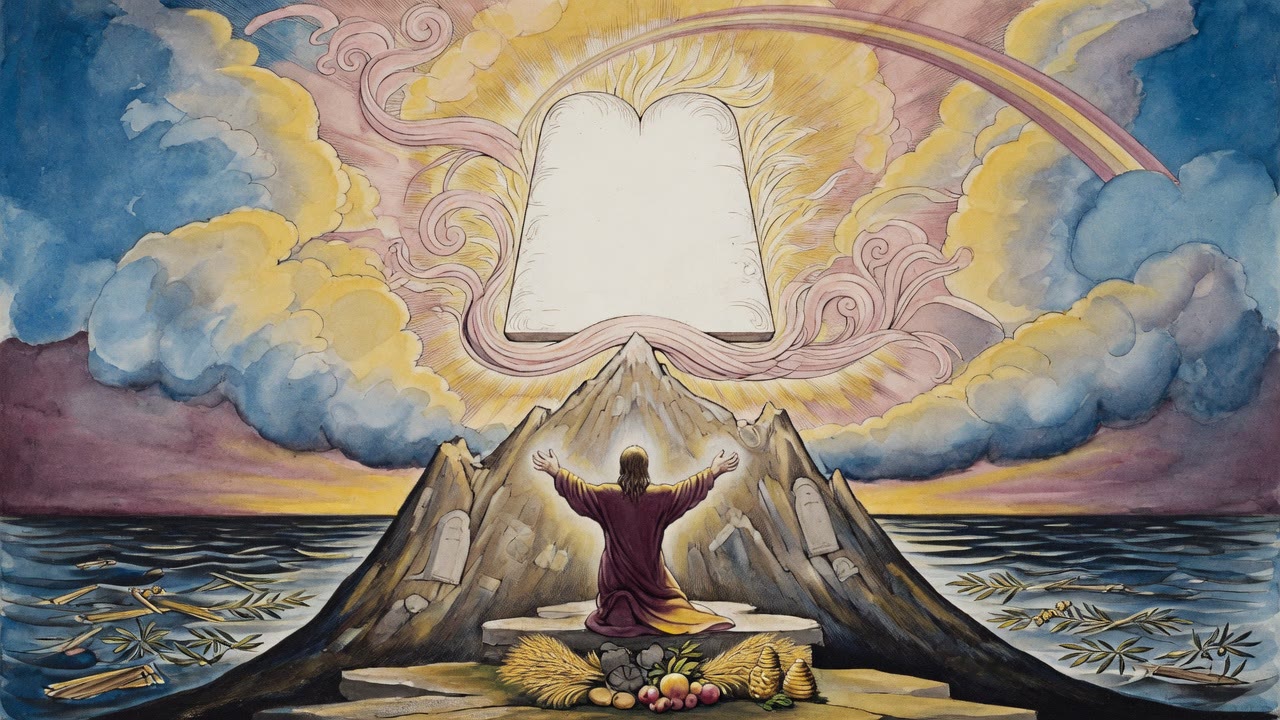
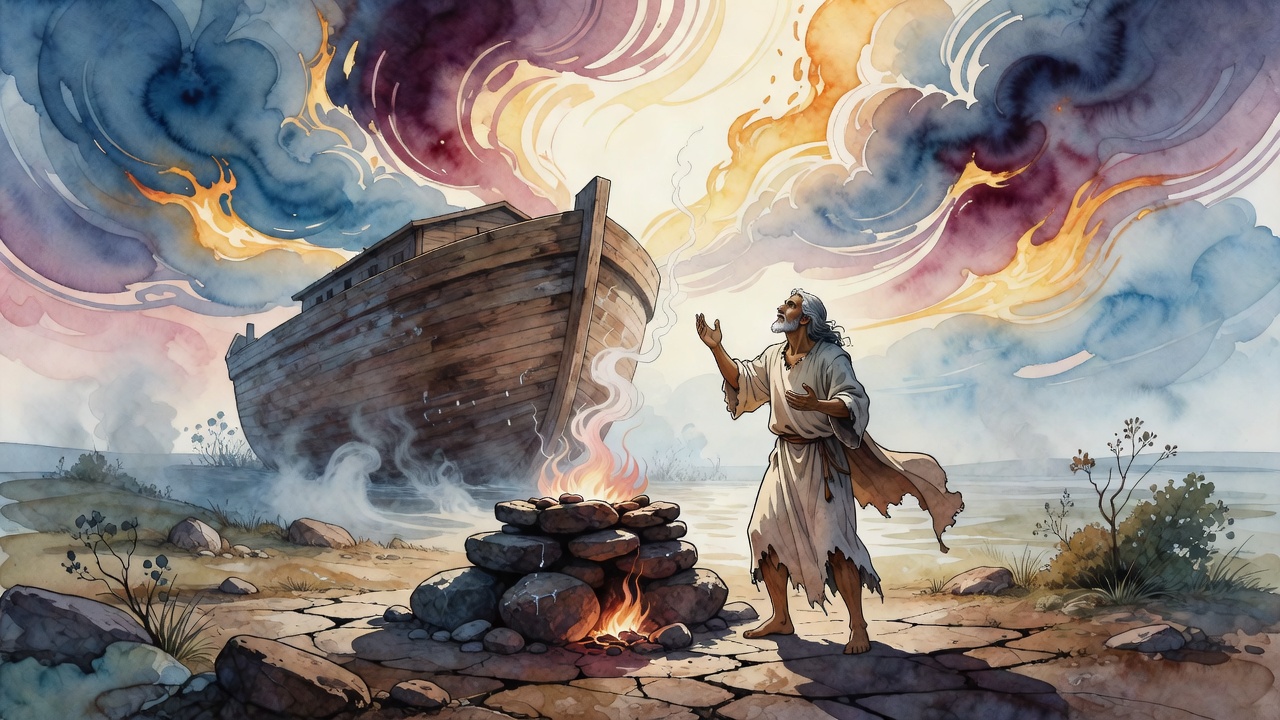
When Noah drew lots after the flood, Shem's portion contained the Garden of Eden, Mount Sinai, and Jerusalem. Noah wept when he saw it written.
Table of Contents
 Click for full size
The Lots Cast in the Presence of Angels
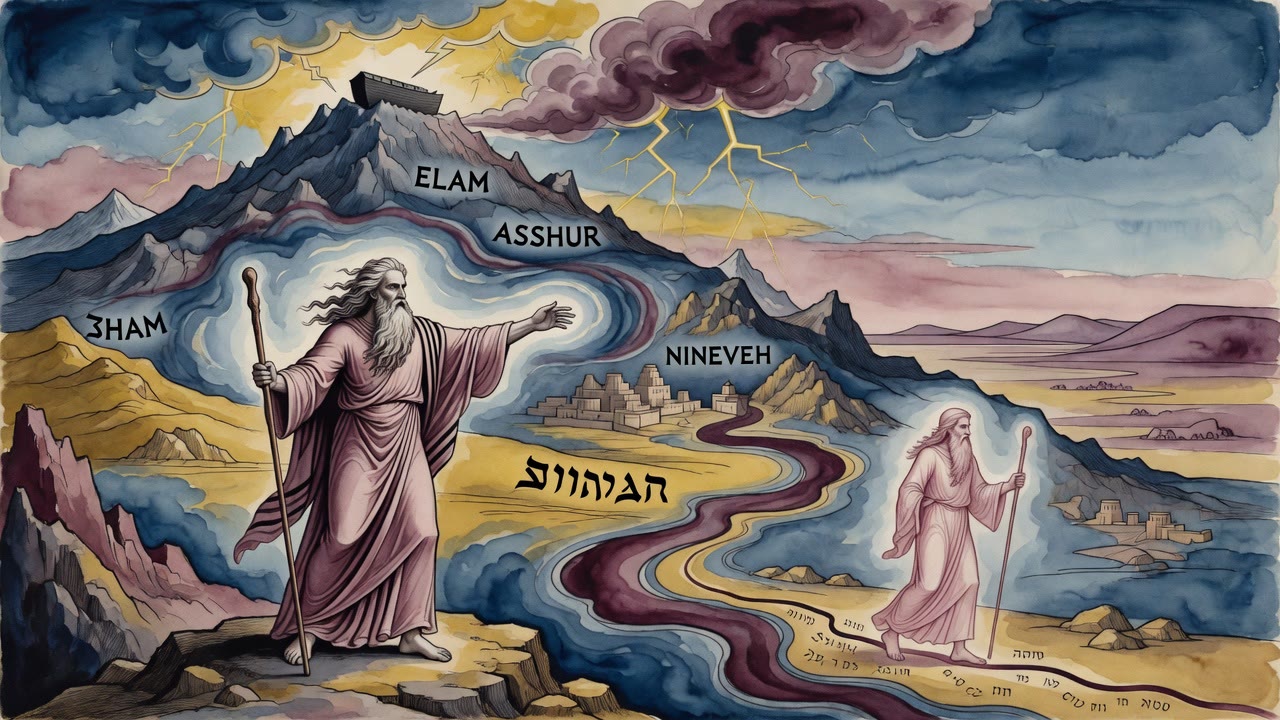
Noah surveyed the world from the mountain of the ark and felt the weight of what he was about to do. The earth below him was empty. Every territory was unclaimed. The flood had wiped the record of ownership clean and what remained was the raw geography of a world being distributed for the first time to the three men who would fill it.
He cast the lots in the presence of the angels. The angels witnessed the division, and the record was written in the heavenly tablets, and what fell to each son was fixed in a way no human court could review. This was not a father distributing his estate. This was a divine census, the official inheritance of the whole earth given to the three branches of the surviving family, witnessed by heaven and binding on every generation that would come from them.
What Was in Shem's Portion
When Shem's lot fell and Noah read it aloud, something happened in his chest. He rejoiced. The Book of Jubilees records both the geography and the emotion simultaneously: the land from the river Tina in the north to the mountains of Rafa in the south, from the Garden of Eden in the east to the great sea in the west. The rivers, the coastlines, the mountain ranges, the named territories of Assyria and Persia and the Red Sea coast. Shem's portion was the center of the ancient world.
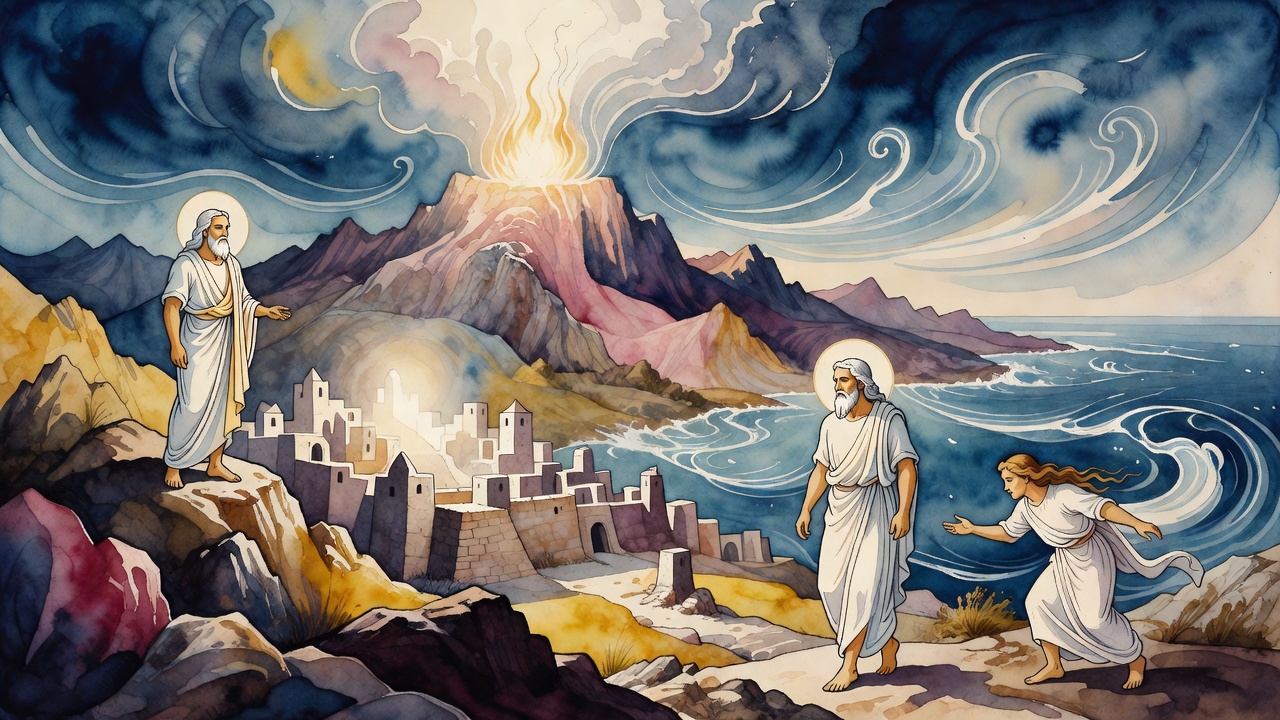
But it was more than that. Within the borders of that center lay three places that made every other piece of geography in the world secondary. The Garden of Eden, which is the holy of holies and the dwelling of the Lord. Mount Sinai, which is the center of the desert. Mount Zion, which is the navel of the earth. Three sacred sites in a single inheritance. Three points where heaven and earth had touched and would touch again. Noah looked at the lot and saw that his firstborn son had been given everything that mattered.
Why Noah Wept and Why He Remembered
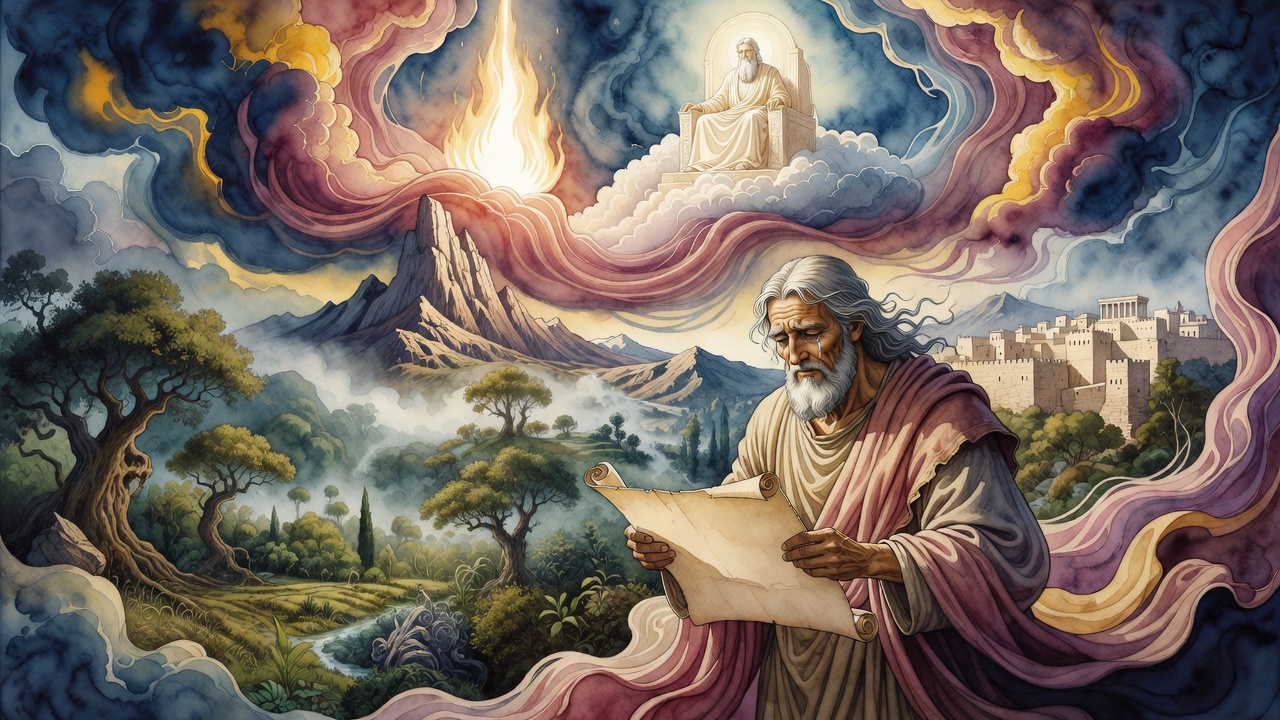
He also wept. The Book of Jubilees gives both responses: the joy and the tears. Because Noah recognized in Shem's portion not just the sacred sites but the promise. He remembered the prophecy. He knew that the garden and the mountain and the navel of the earth were not just landmarks. They were the stages of a story that had not yet happened, that would not happen for centuries, that required generations of transmission and faithfulness and suffering before it could reach its proper moment.
He was looking at the shape of the covenant before the covenant was made. Eden was the beginning that had been lost. Sinai was the revelation that had not yet been given. Jerusalem was the center that had not yet been built. All three were already in Shem's lot, already written in the tablets, already fixed in the structure of the world that Noah was dividing on a mountain in the Ararat range.
The Sworn Boundary and the Trouble It Would Cause
Noah bound his sons by oath. Each son swore to remain within his portion, not to cross into his brother's territory, not to take what the lots had assigned to another. The oath was sealed before the angels who had witnessed the distribution. It ran down through the generations. Canaan, Ham's son, would look at the good land north of his own inheritance and cross the border anyway, and the curse that followed him would echo through the Torah's account of Israel entering the land that had always, since the lots fell on the mountain of the ark, belonged to Shem's line.
Shem himself went to his city on the mountain near Noah and built his household there. He did not rush to possess all of Eden and Sinai and Zion at once. He was patient in the way that people are patient when they know the inheritance is already written. The lot said it. The angels recorded it. The tablets held it. Whatever it took to reach the fulfillment of that geography, Shem's descendants would carry the waiting.
← All myths