111 myths · Page 1 of 4
Each story names the sources it was written from.
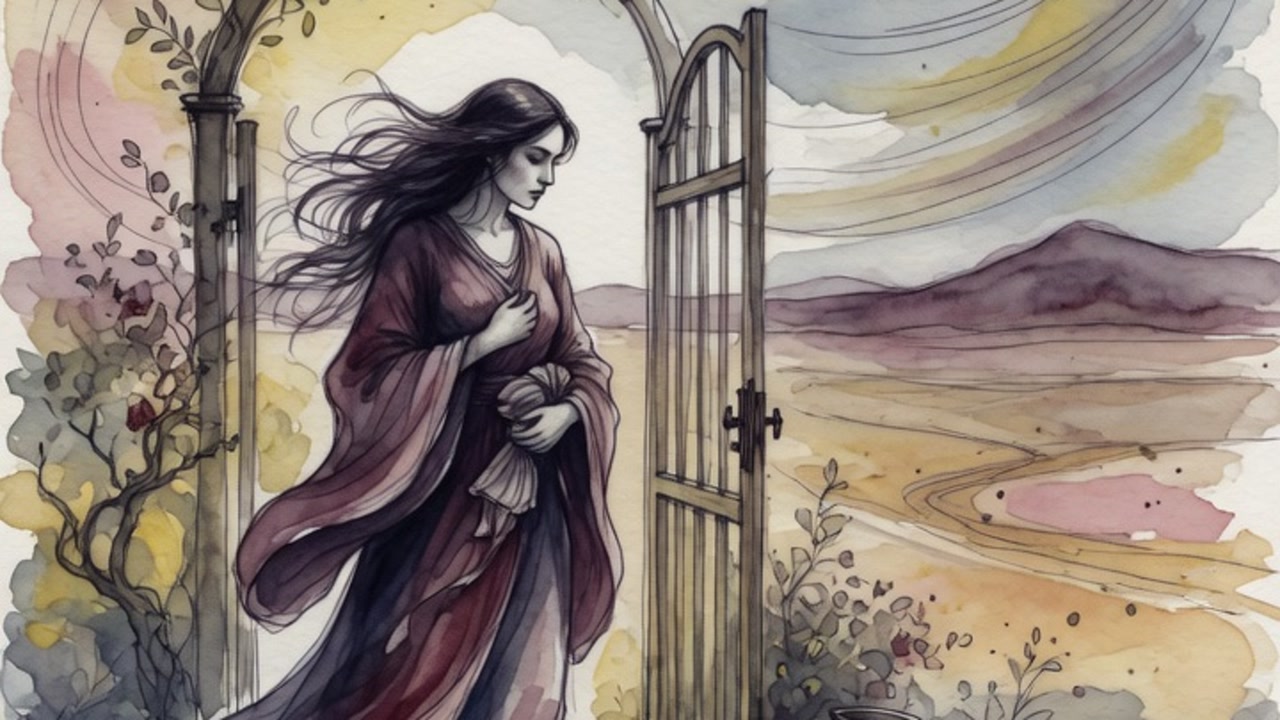
Adam wanted her beneath him. She speaks the Ineffable Name and flees. Three angels found her far out at sea, still waiting.
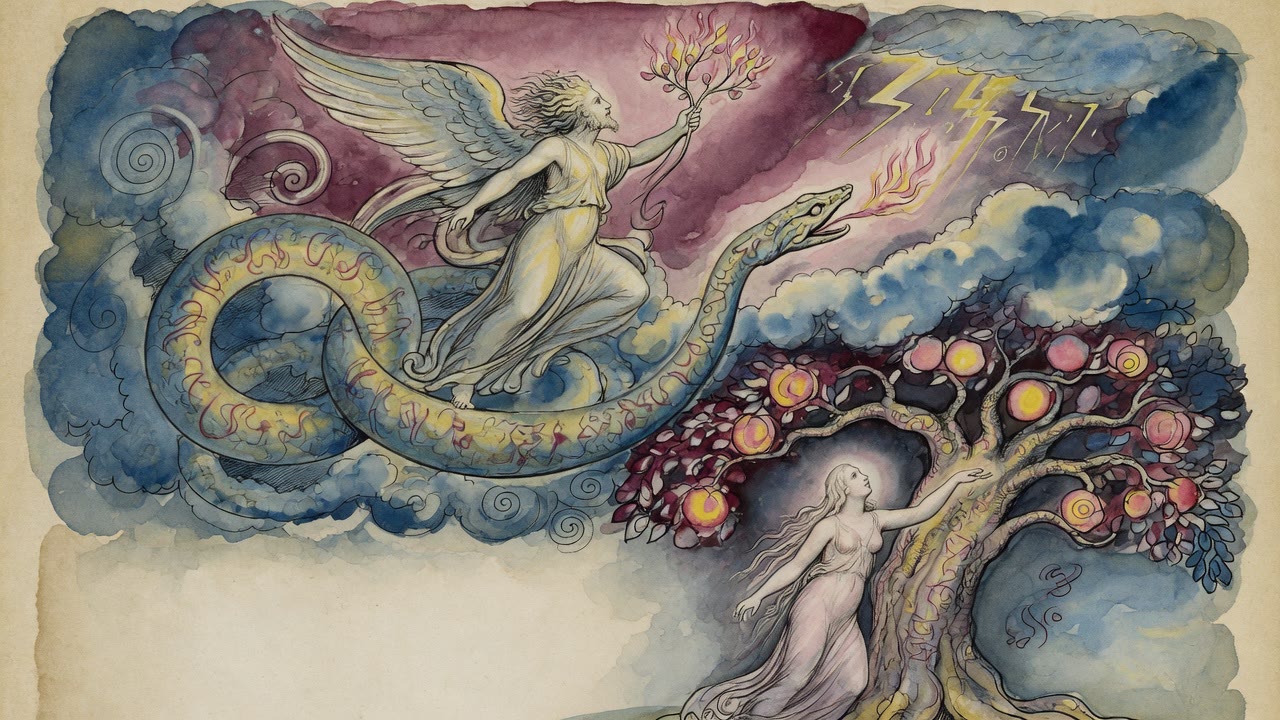
Adam came back from the far paths of Eden to find an infant crying in the grass. He asked Eve whose child it was. She said it was the son of Samael.
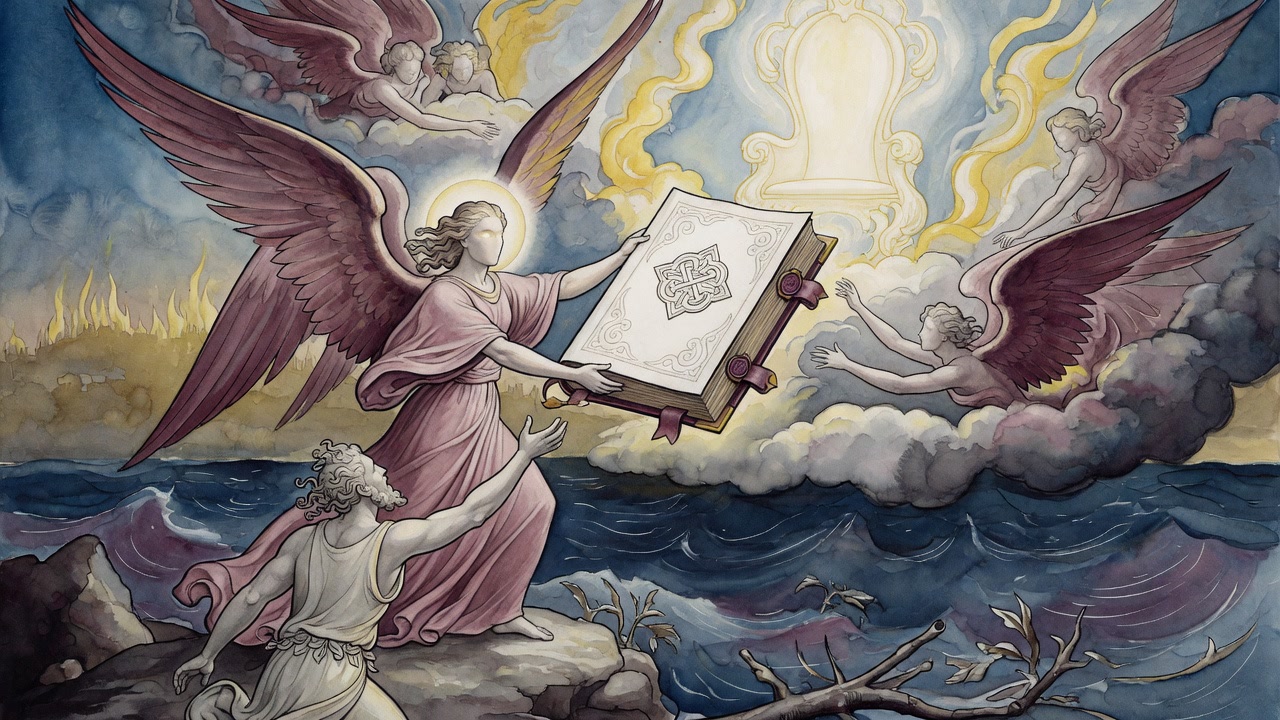
After Eden, an angel came to Adam with a book containing every secret of the world. The angels stole it. God returned it from the sea.
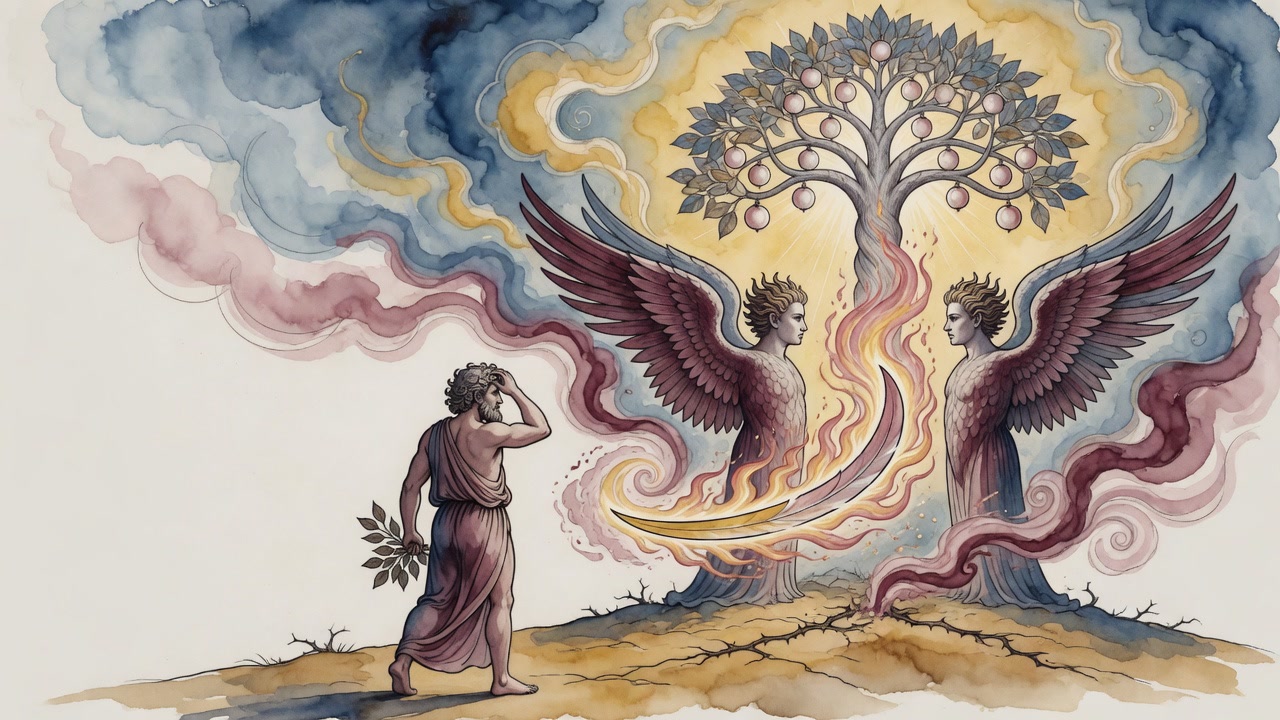
Adam stood east of the garden and watched a blade of fire turn without a hand. Two keepers breathed. The path behind them was not sealed.
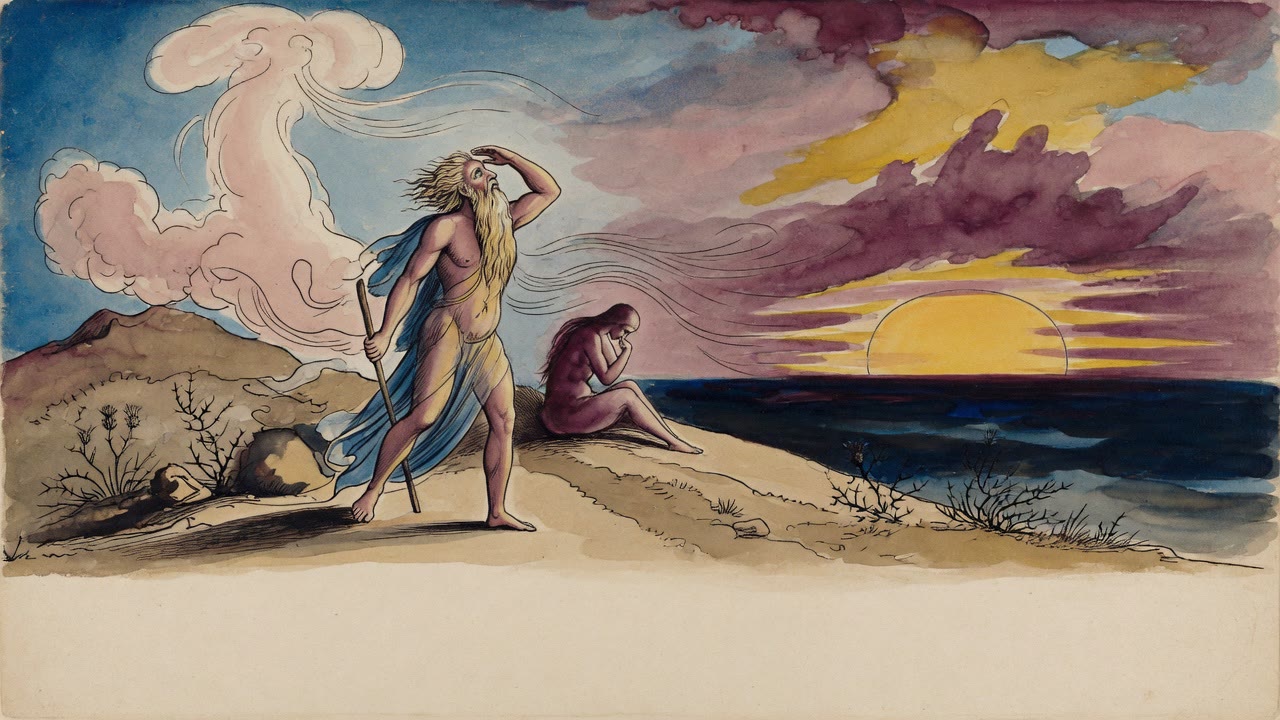
The sun dropped. Adam told Eve the world was going void. They sat in the dark and did not know morning existed.
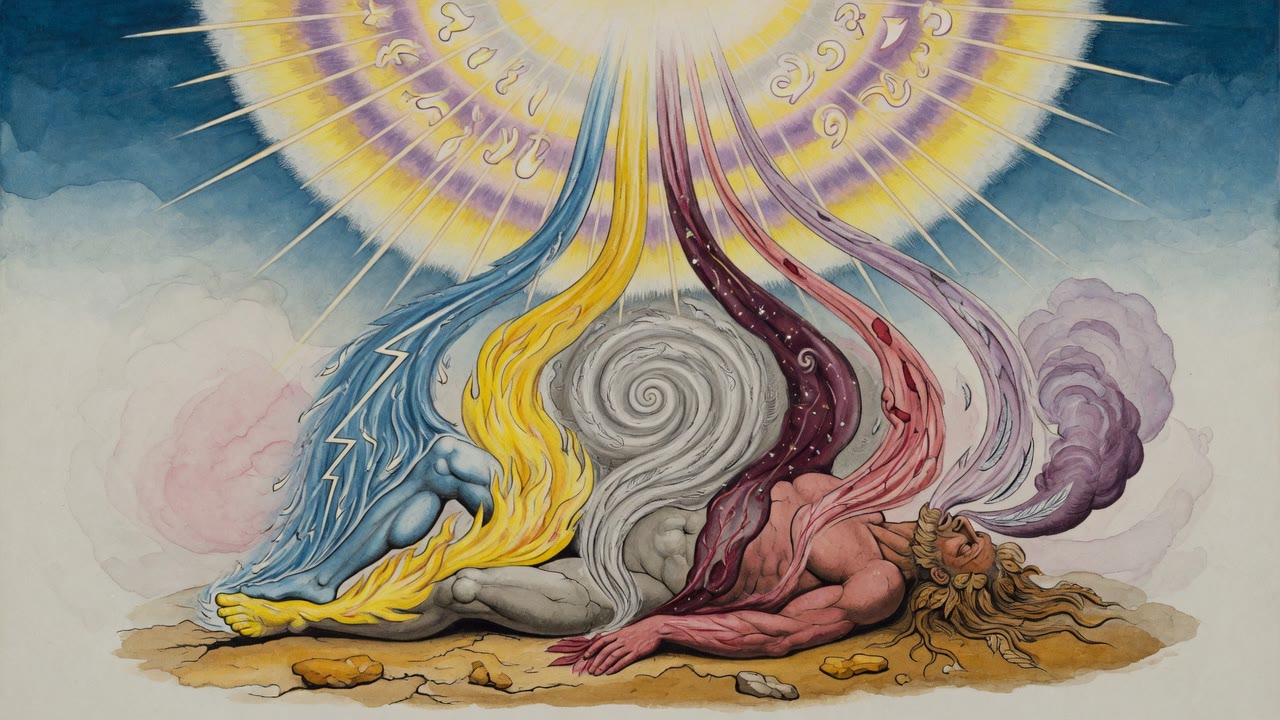
God did not scoop a single handful of clay. Each part of Adam's body came from a different corner of the universe, and each part gave him a different sense.
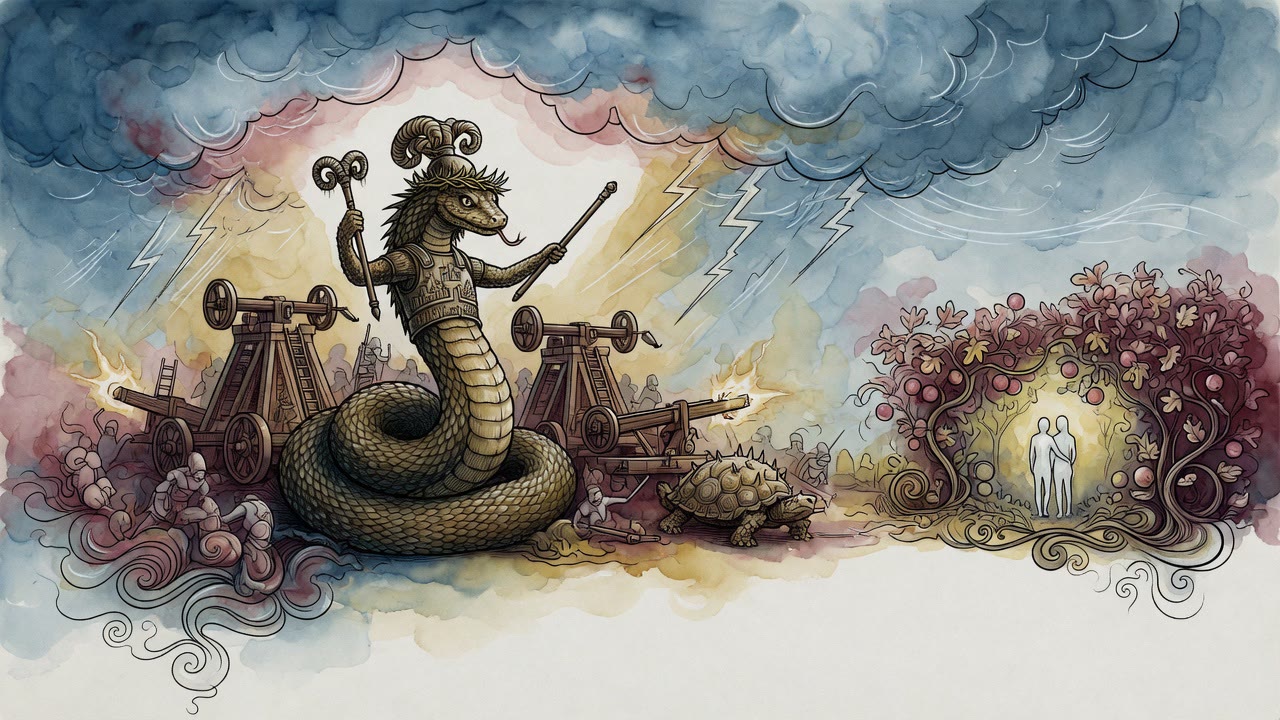
A tenth-century midrash read a parable in Ecclesiastes as an allegory for Eden. The great king outside the walls is the serpent. The poor wise man is Adam.
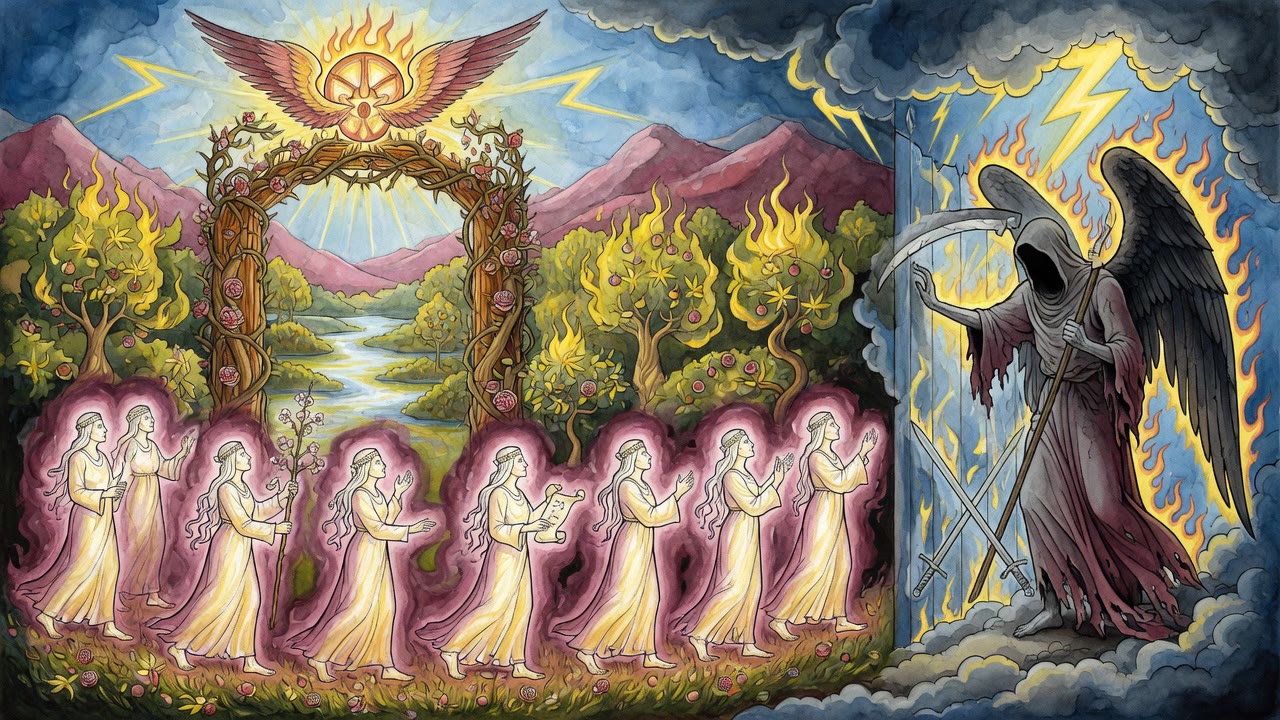
Serach sang Jacob the news that Joseph was alive, easing it in so the joy would not stop his heart. Jacob blessed her: that mouth would never taste death.
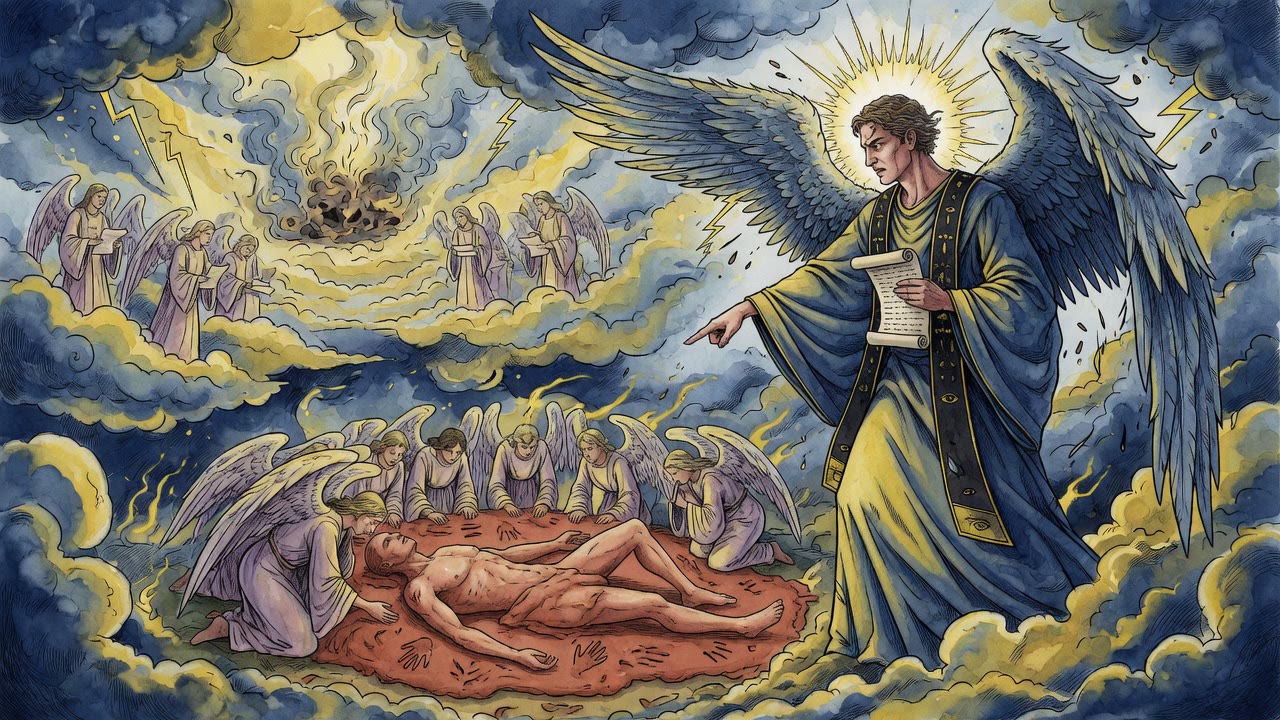
When God formed Adam and commanded the angels to honor him, Ha-Satan, the Accuser, refused. Formed from fire, he would not bow before dust.
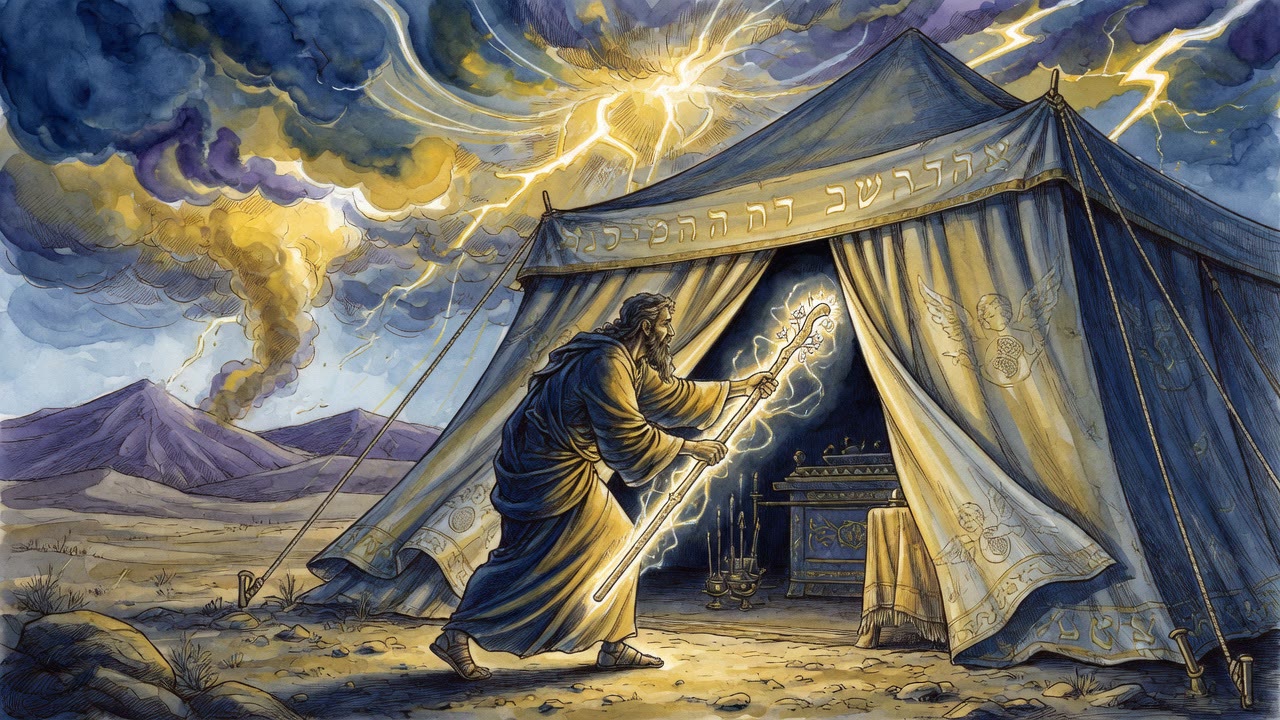
Two rabbis in the Sifrei Devarim saw something fall from the sky at Sinai. One saw a loaf and a rod. The other saw a scroll and a sword. Both were right.
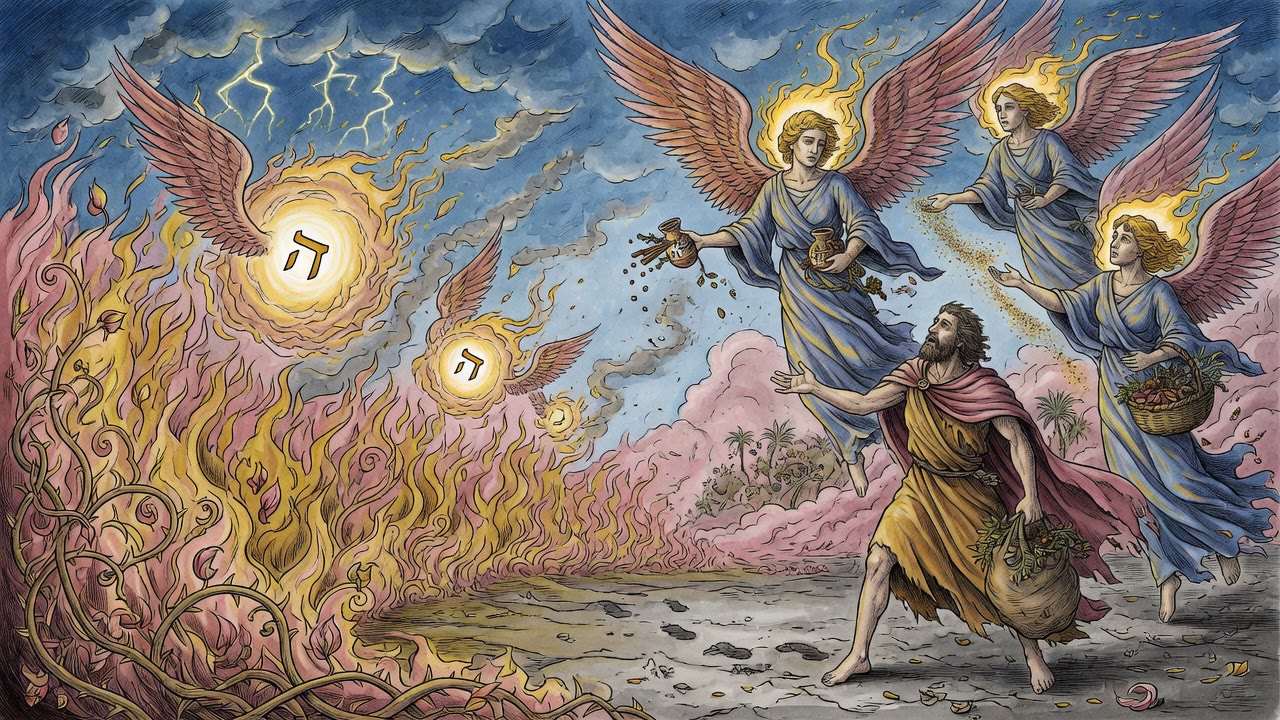
Driven from the Garden in the twelfth hour, Adam wept and begged the angels for one thing before the gates closed: spices, so he could still pray.
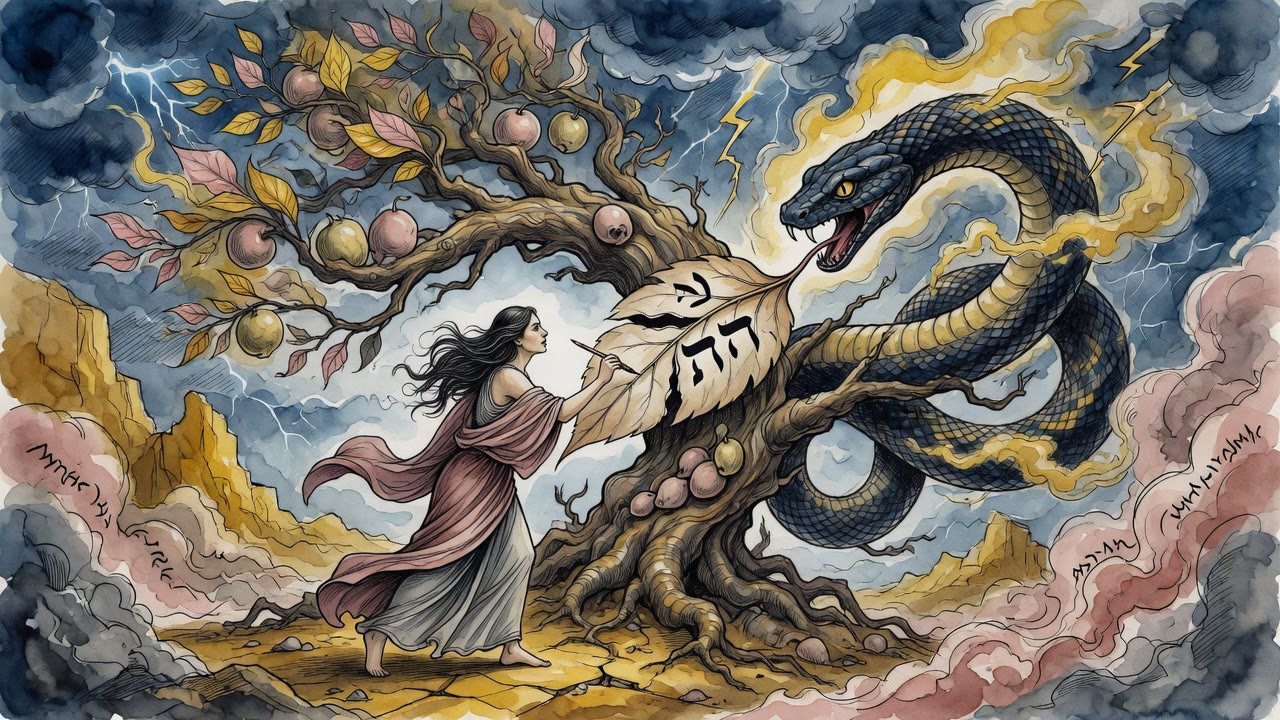
God said do not eat. Eve told the serpent do not touch. The rabbis traced Eden's fall to that single addition and were not unsympathetic about it.
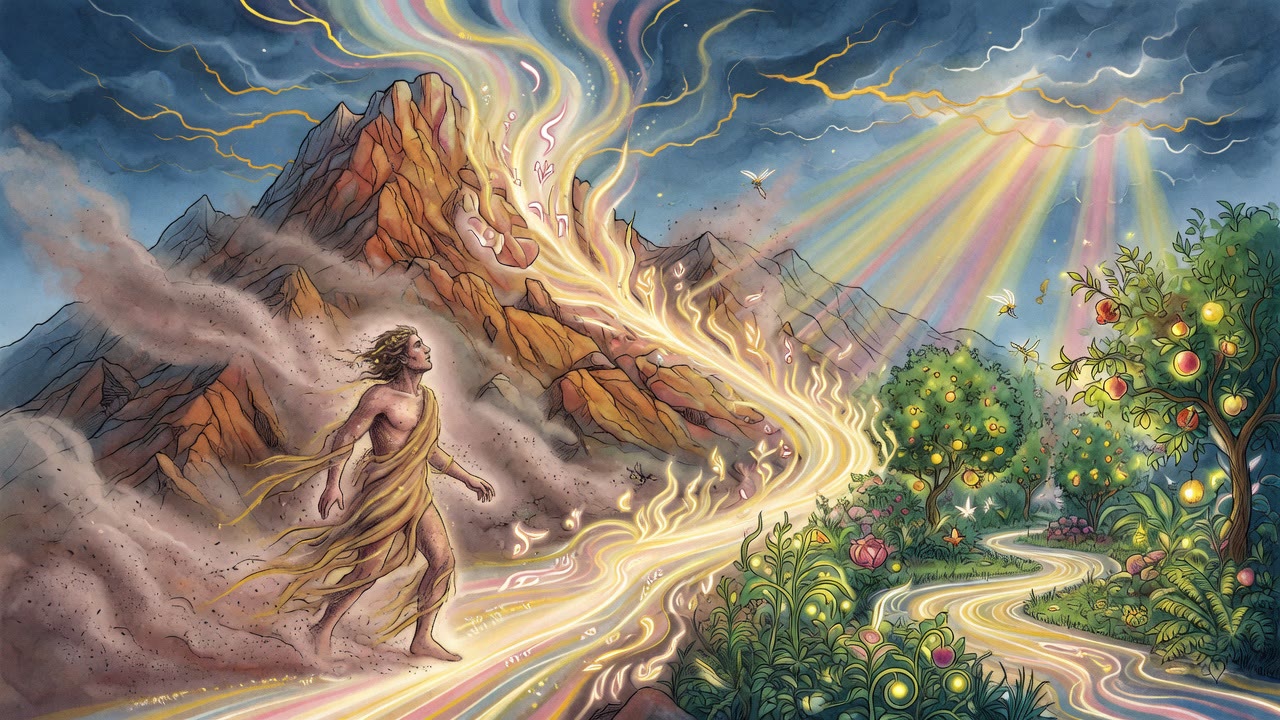
Angels brought Adam his meat and his wine. Animals ate out of his hand and understood every word he said. All of it ran backward in a single afternoon.
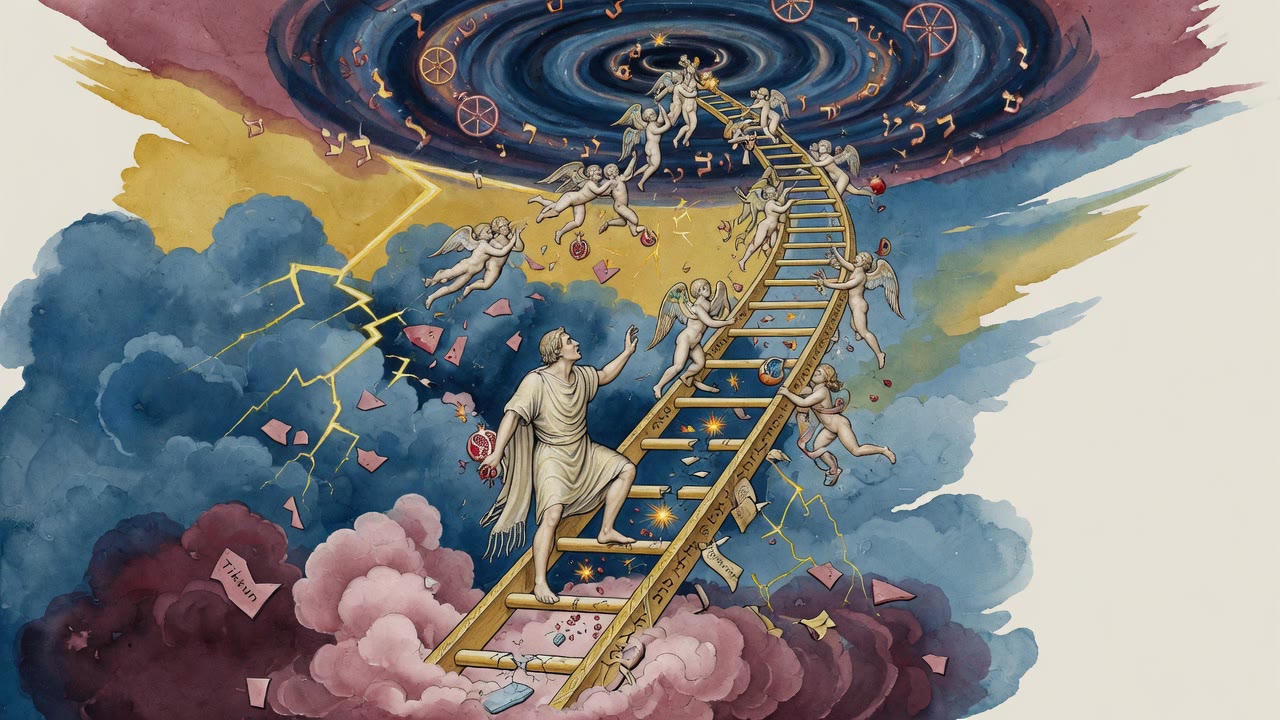
Adam's soul was older than the dust of his body. It descended through worlds before breath entered the form at earth's center.
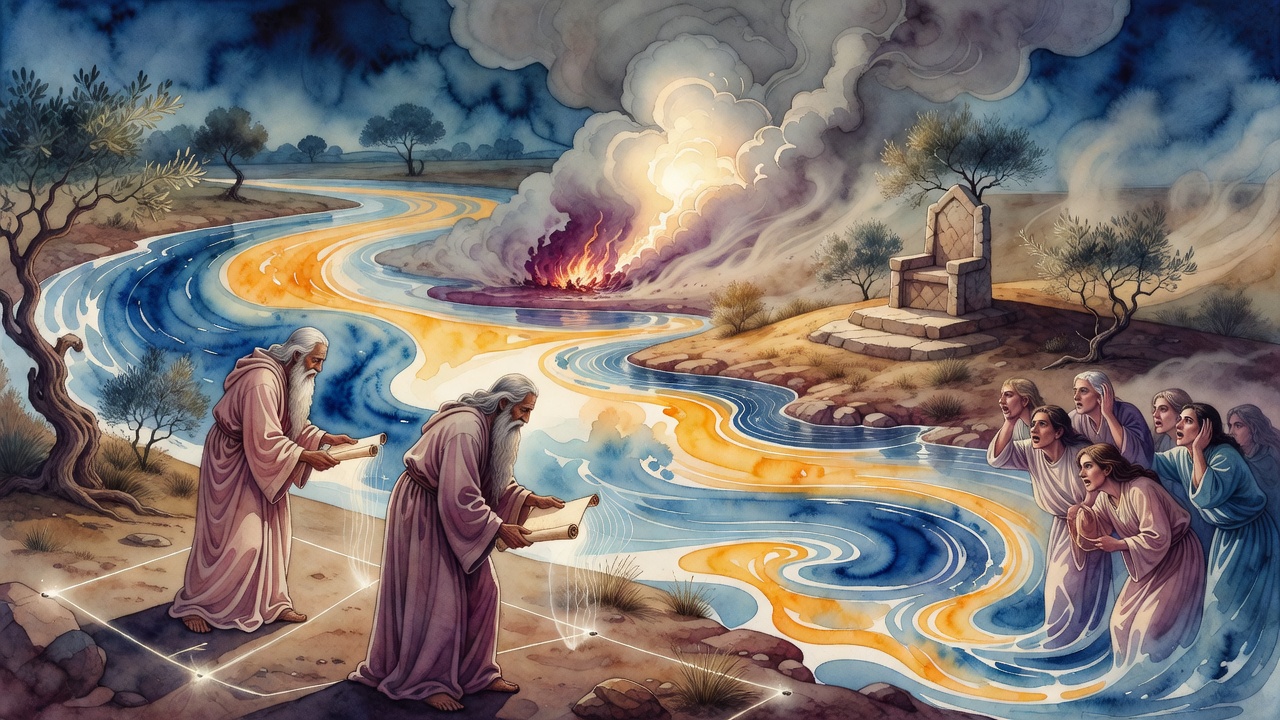
Two sages measured Eden with verses and field units, while the mystics heard a hidden river carrying wisdom into the garden.
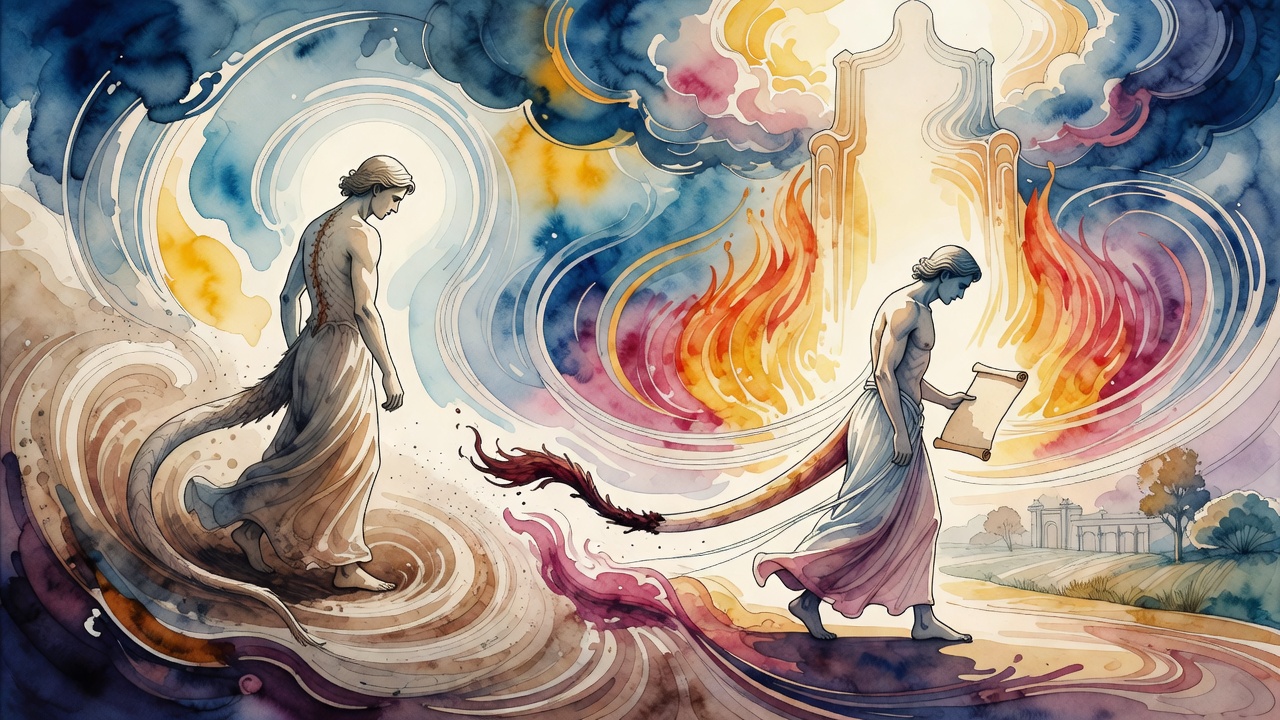
Adam stood among the beasts with a tail still on him. God cut it away for dignity. At the Garden gate a written bill of divorce came next.
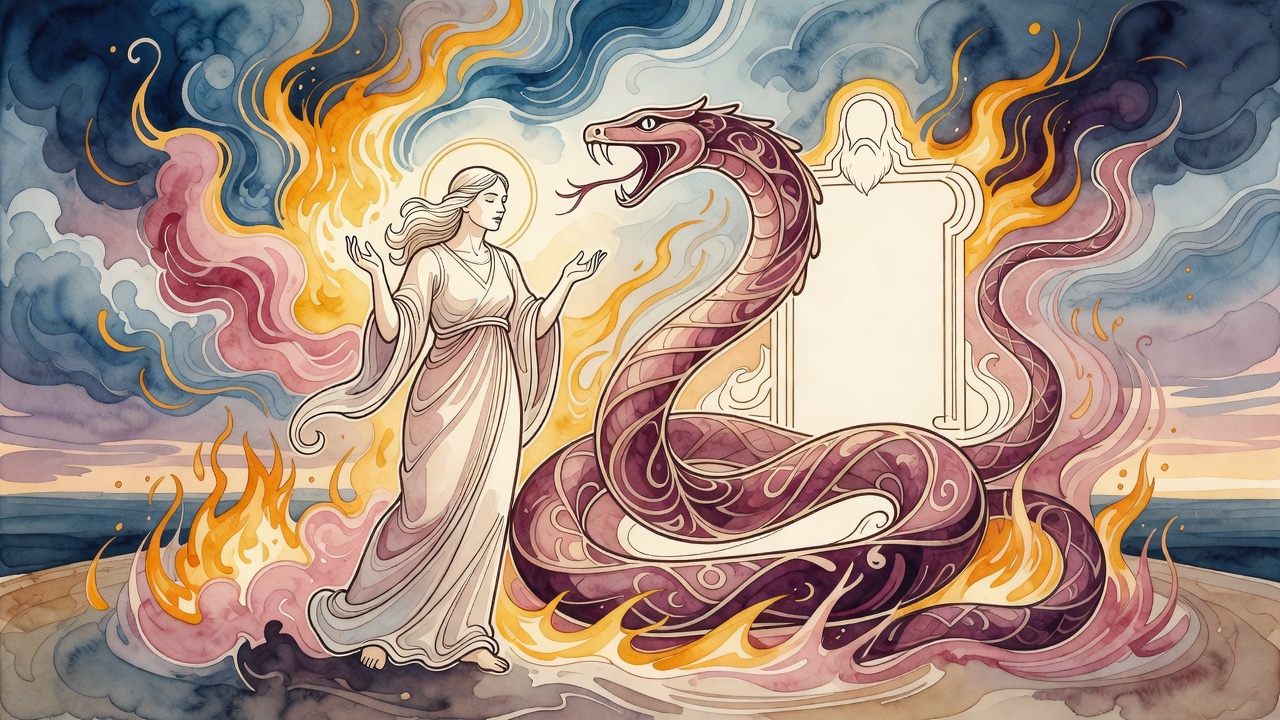
Adam's first Sabbath Eve began with expulsion at twilight. Hours before, the serpent wrapped one truth inside its lie and Eve could not find the seam.
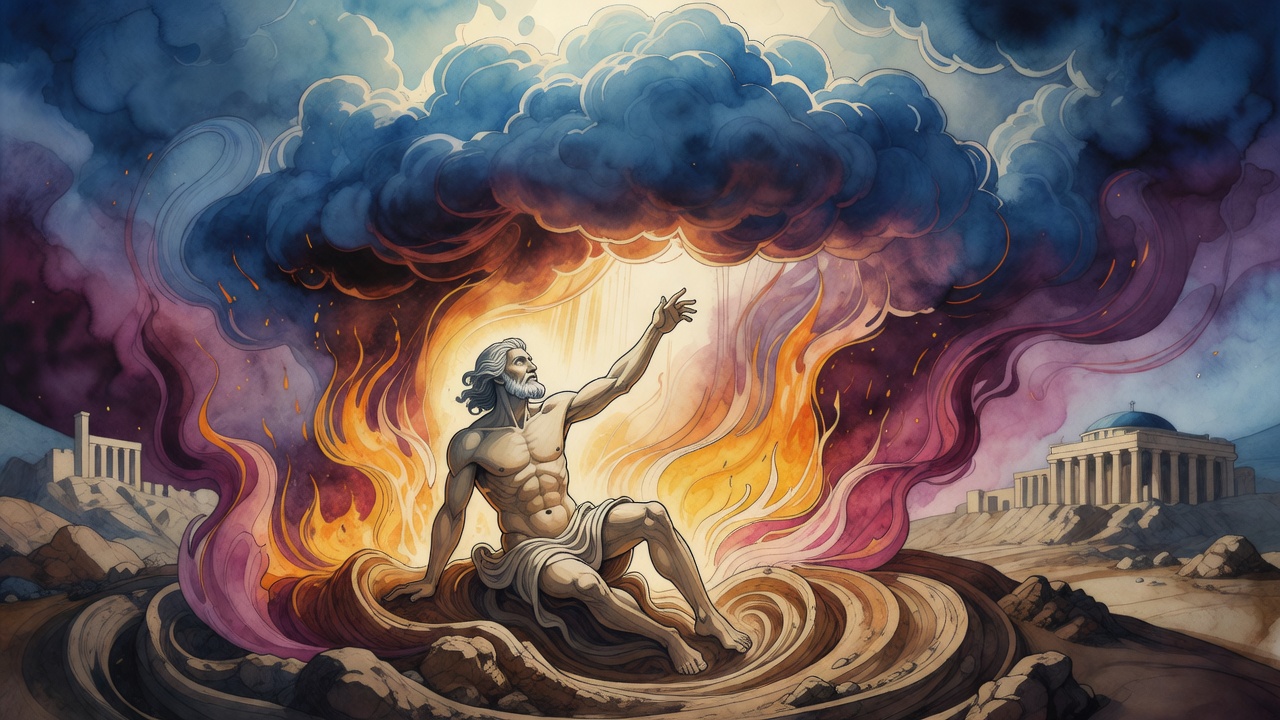
God scooped the dust for the first man out of the one patch of ground where his children would later come to be forgiven, and said, if only he stands.
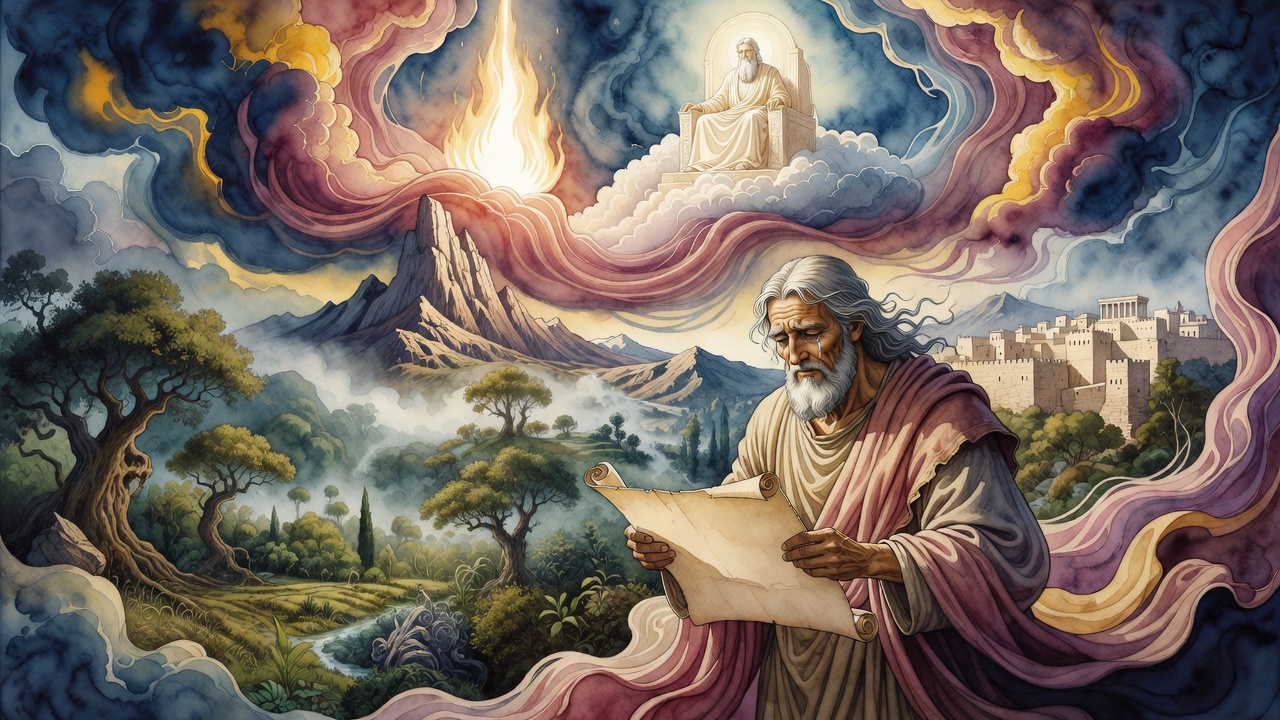
When Noah drew lots after the flood, Shem's portion contained the Garden of Eden, Mount Sinai, and Jerusalem. Noah wept when he saw it written.
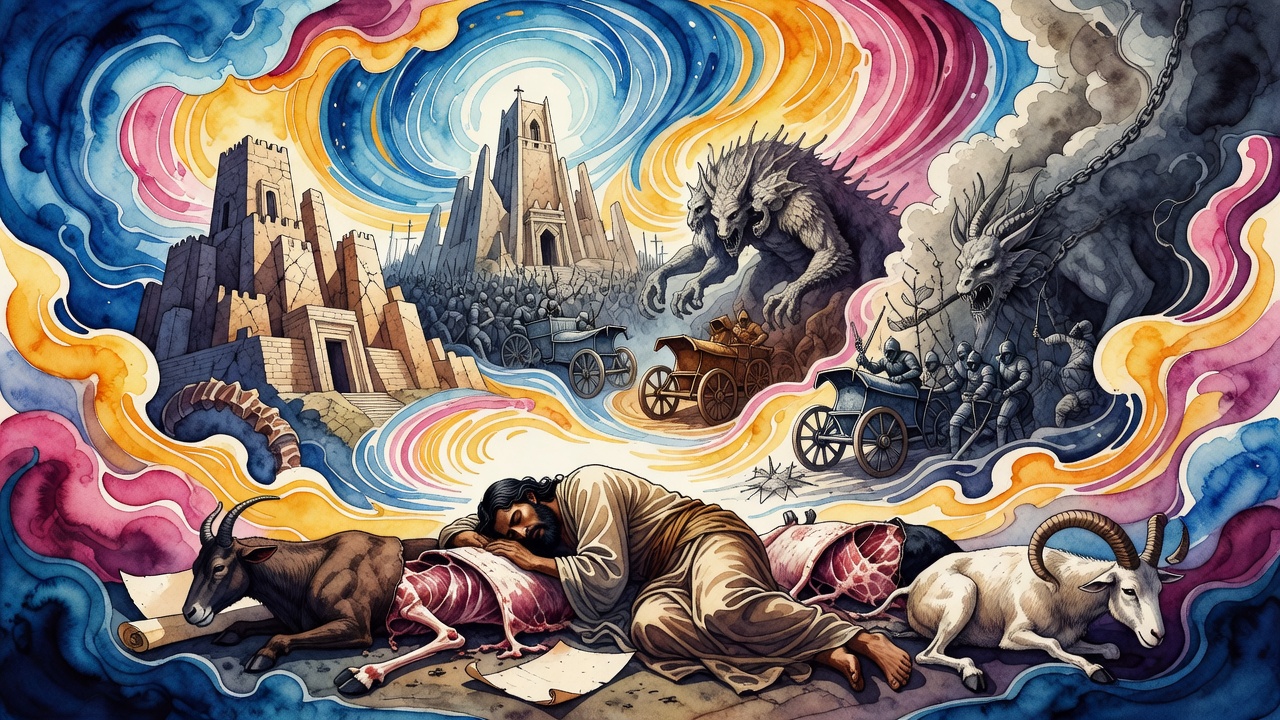
The furnace smoked. The torch burned. God asked Abram to choose Gehinnom or the stranger's rule for every child after him.
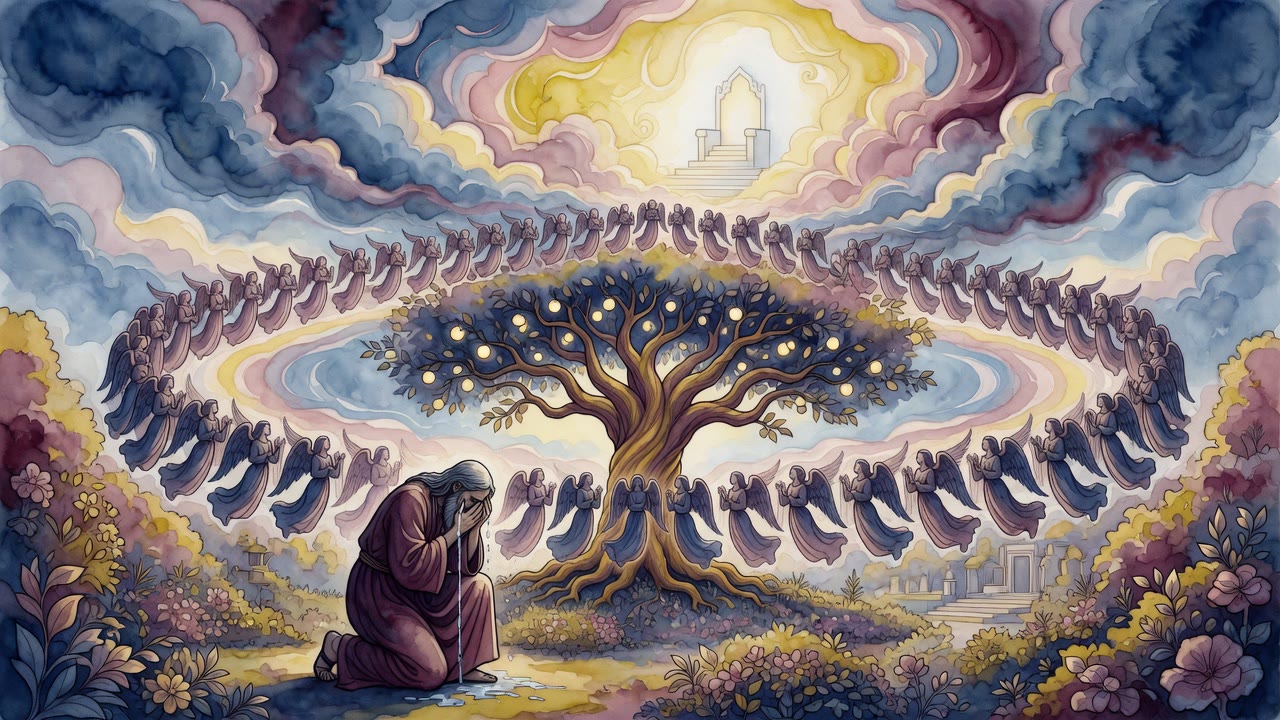
Sixty groups sat under a tree five hundred years thick. Adam stood outside with spices. The garden did not open for him again.
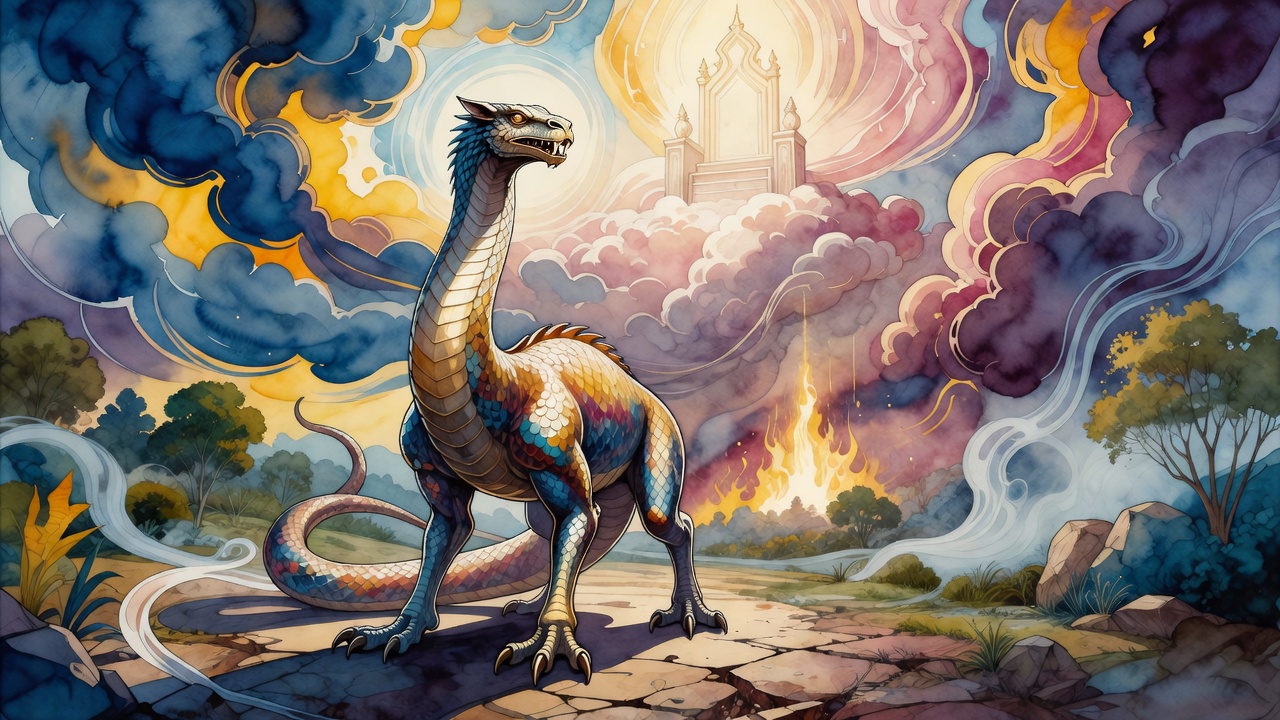
One pair of serpents could have done all of humanity's work and dug up gold and pearls besides. Then one of them decided it wanted Adam dead.
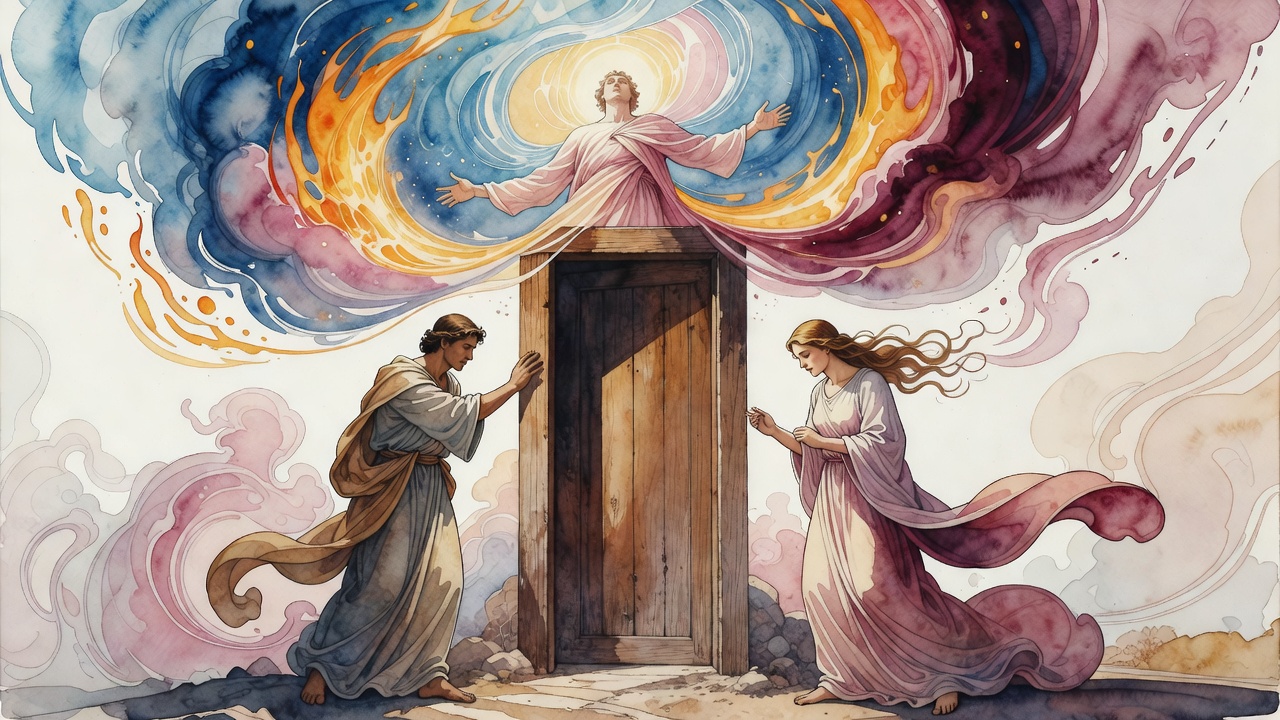
He took the offer back once she opened the latch. She swore by the throne of God, and by the tree of life, before he climbed.
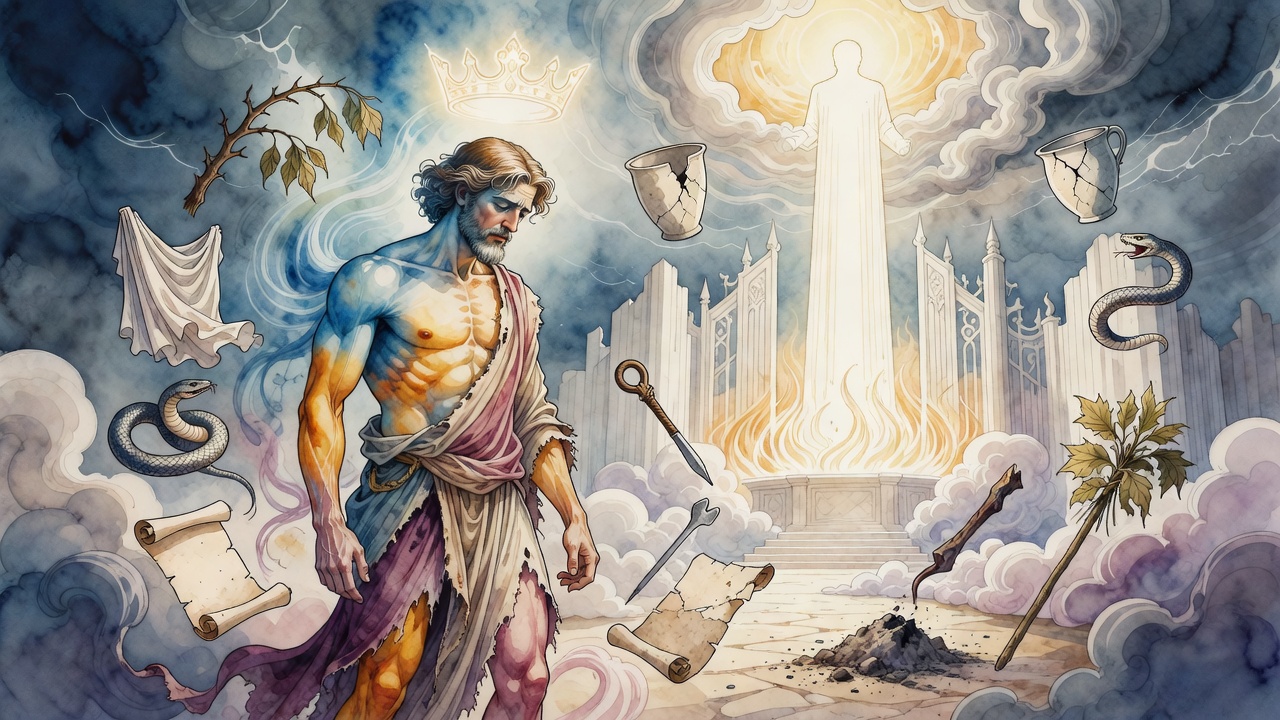
Eve asked to carry half of his dying. He sent her and Seth to the garden gate instead, to beg for oil from the tree.
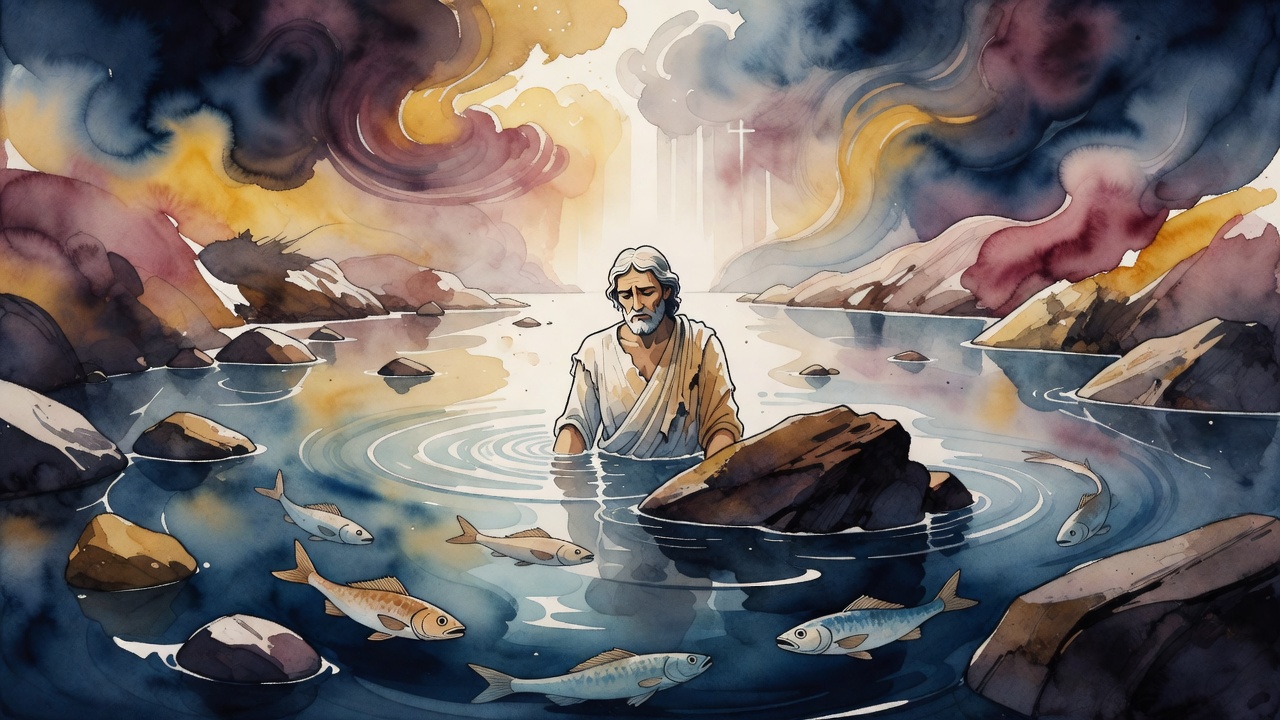
He stood on a stone until the water reached his neck. He told the fish not to beat their own breasts. The Jordan held still.
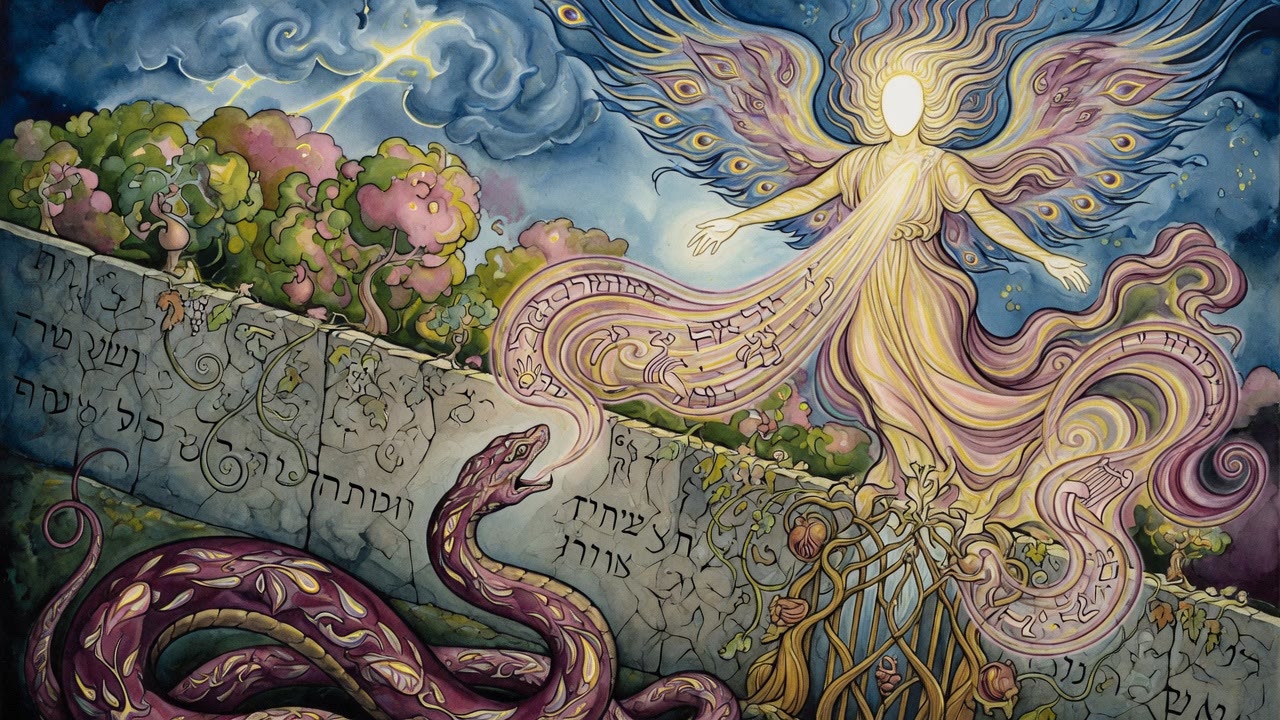
Ha-Satan, the Accuser, recruited the serpent by flattery, then sang angelic praises from Paradise's wall until Eve turned toward the music.
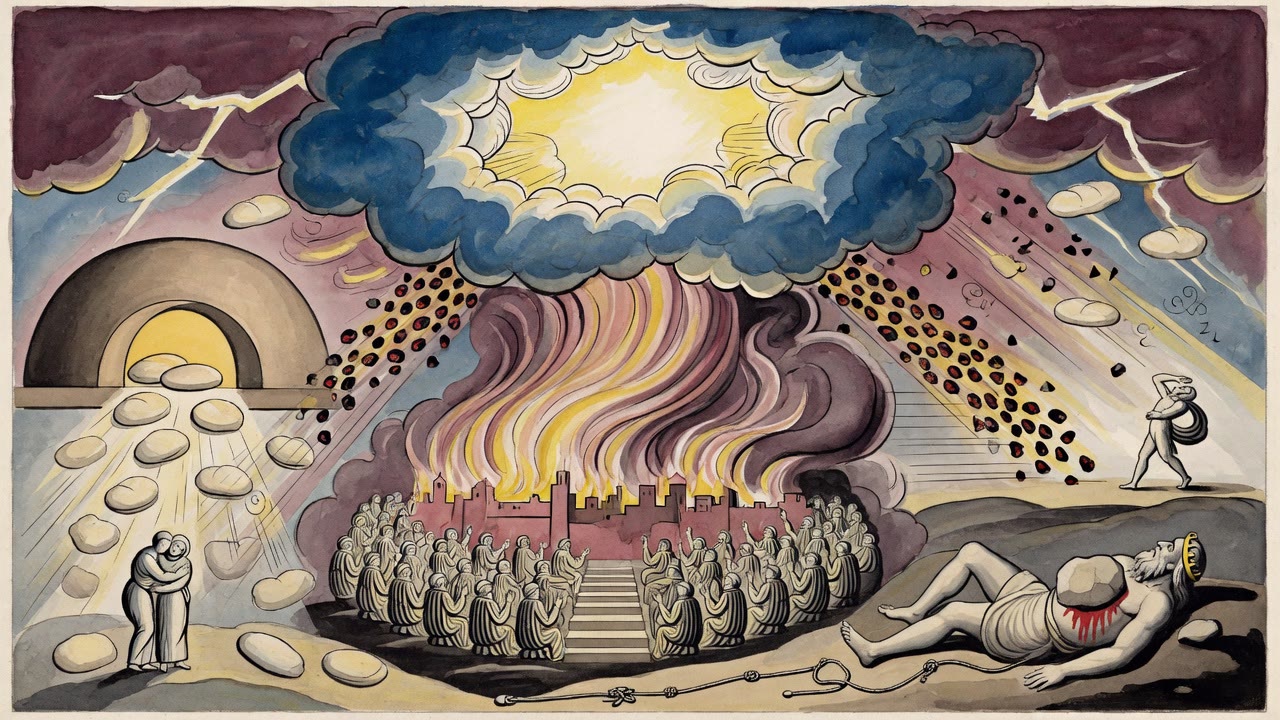
Adam named every beast. The angels could not. Sammael found a serpent that still stood upright and rode it through the gate.
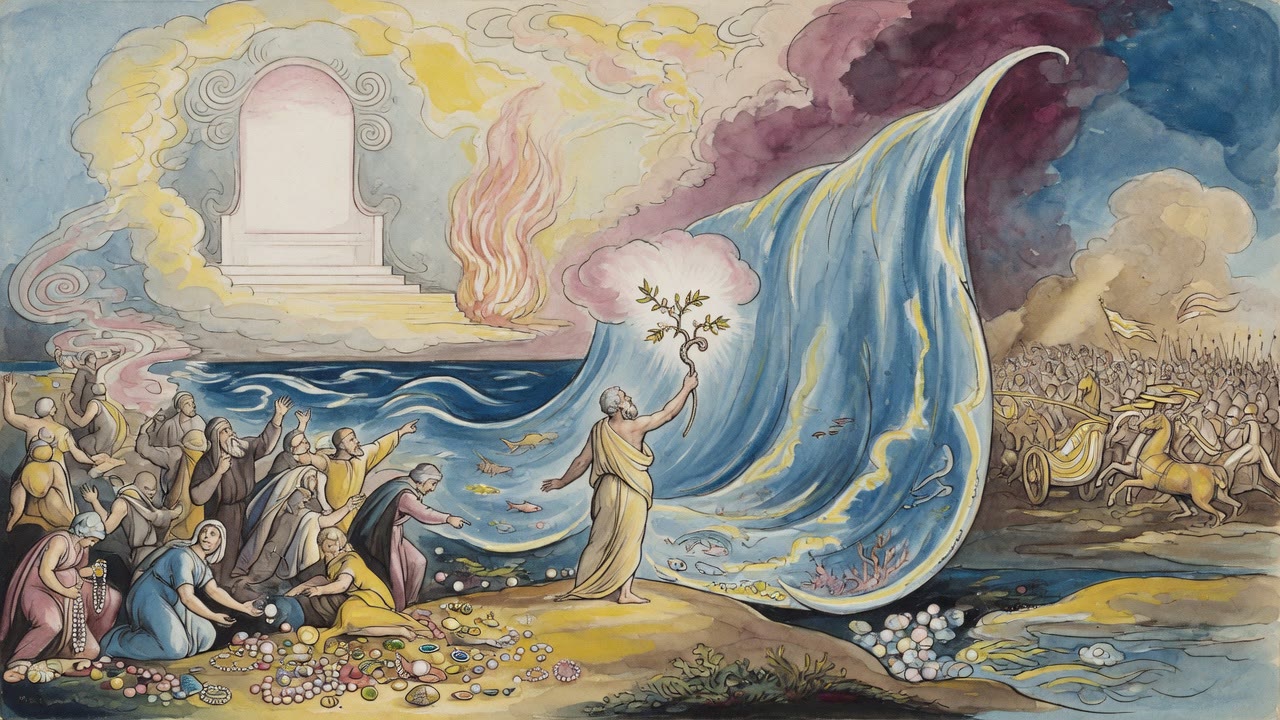
The Egyptian army was closing in, and the people at the water were picking up pearls. The river Pishon had washed them out of Eden.
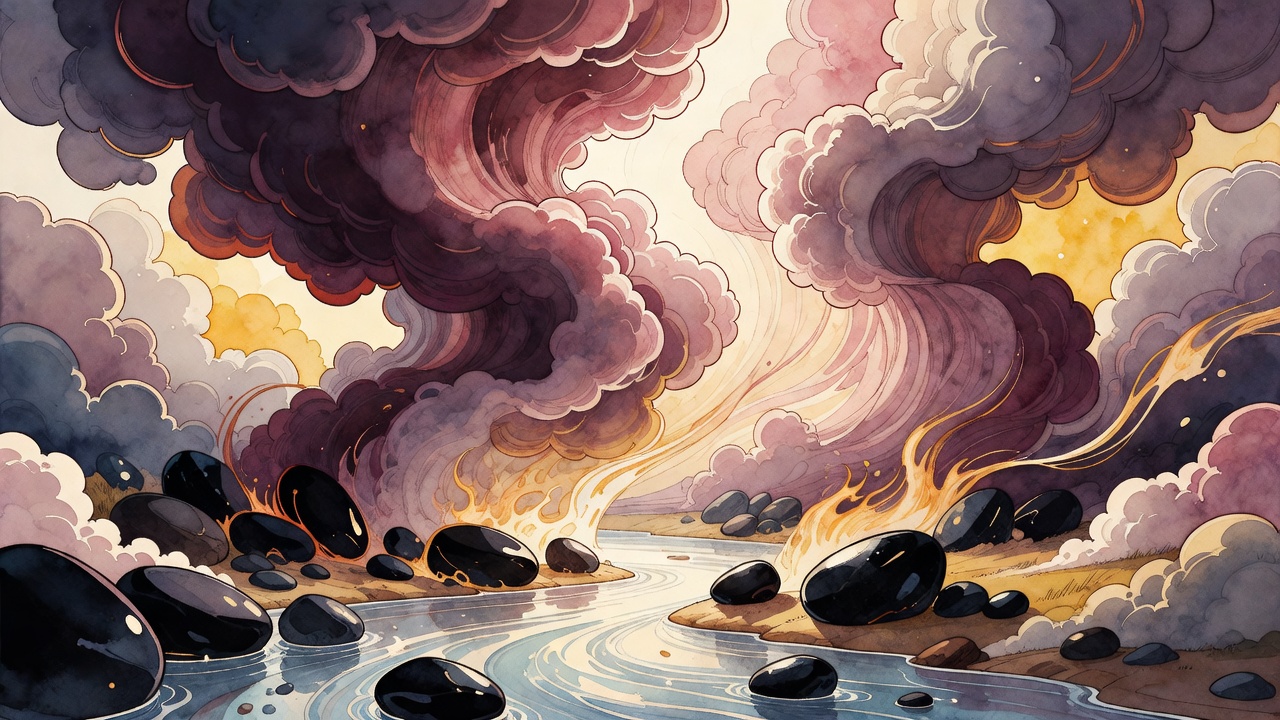
Clouds flew to the river Pishon at Eden's border and gathered onyx stones for Aaron's breastplate before Israel built the Tabernacle.
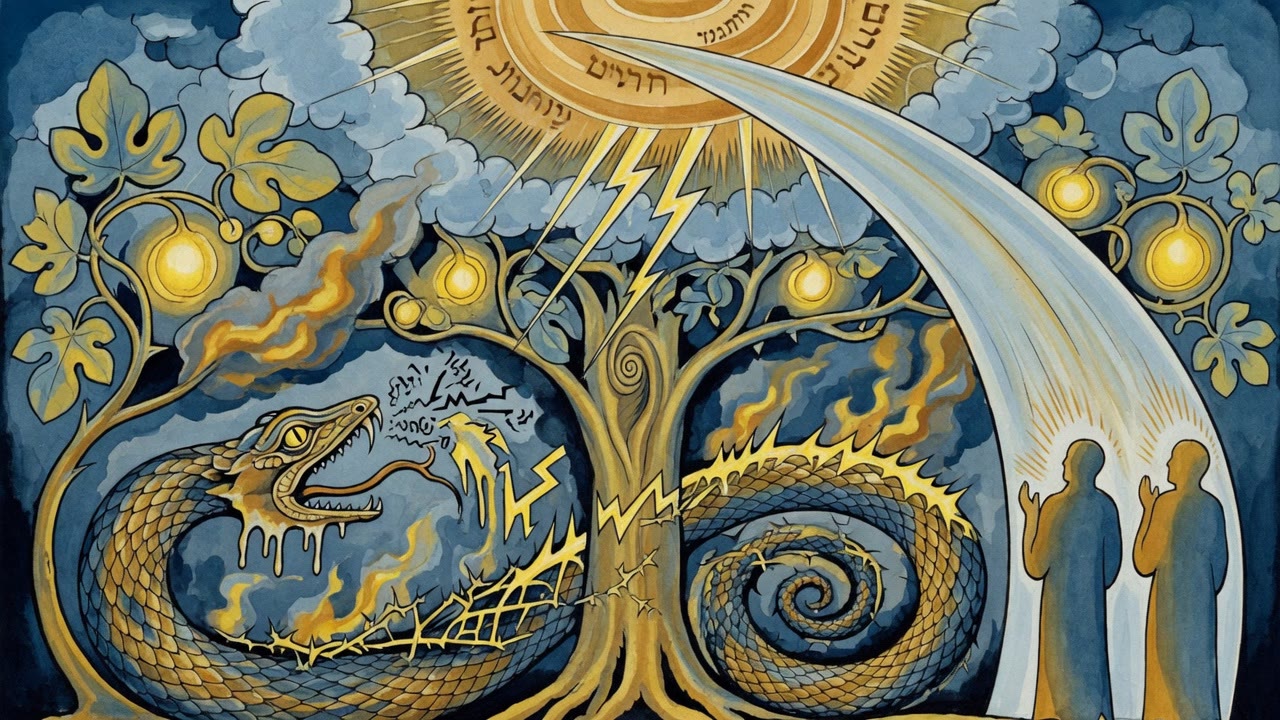
The Angel of Death came with orders to be generous. Rabbi Joshua ben Levi borrowed the angel's blade, vaulted the wall of Eden, and made heaven honor his oath.
