Adam and Eve Made Their First Garment From Hard Leaves
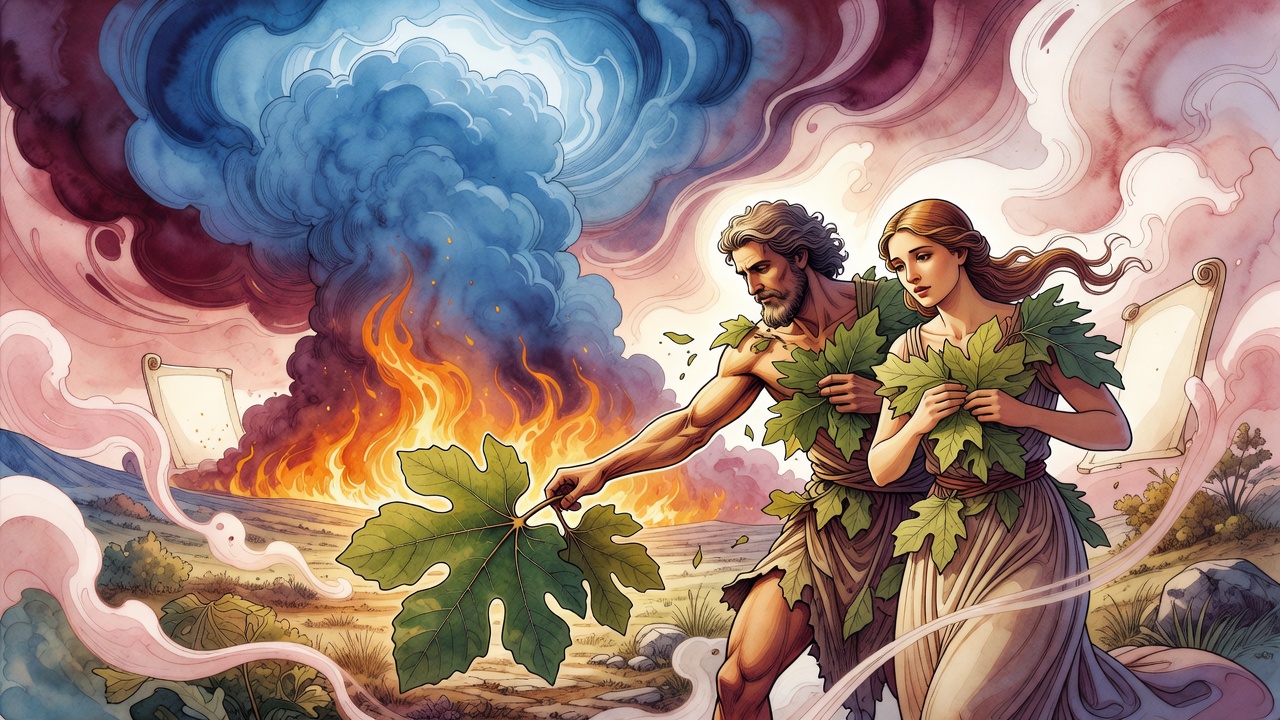
After the first sin, Adam and Eve reached for fig leaves. Philo says that choice explains everything about how pleasure works after Eden.
Table of Contents
 Click for full size
What They Grabbed First
The bite was taken. The knowledge arrived. And the first thing Adam and Eve did with it was look at themselves and reach for something to cover the nakedness they suddenly could not bear.
They chose fig leaves.
The broad outline is familiar. The sin, the shame, the hiding. What slips past in the rush to the expulsion is the detail that stopped Philo of Alexandria in his tracks: not that they covered themselves, but what they covered themselves with. Of all the trees in the garden, they chose the fig. The fruit of the fig is sweet. The leaves of the fig are rough and hard. They sewed sharp things together to cover soft skin, and Philo in the first century CE refused to let that pass without examination.
The Sweet Fruit With the Hard Leaves
His question sounds almost botanical. Why fig leaves? His answer is severe. The fig fruit is agreeable, soft, full of sweetness. The fig leaf is not. The two parts of the tree do not match. And Adam and Eve, reaching toward the tree of pleasure after their act of disobedience, grabbed the part that scrapes. The covering they made from it would have been rough against their skin from the first moment they wore it.
This is pleasure after Eden. It enters as sweetness and leaves as roughness. Before it arrives there is longing; after it departs there is want again. The sweetness itself sits between two lacks, and a person who keeps stitching pleasures together has only made a garment out of appetite. It will cover the body. It will not cover the wound.
A more magnificent garment would not have made the same point. A garment of silk or linen could have been worn without thinking. Fig leaves keep the body aware of what it is wearing. Every movement of the body under that covering would have registered the scratch of a leaf chosen in the moment of the first sin. The discomfort was not incidental. It was woven into the covering itself.
The Robe They Traded Away
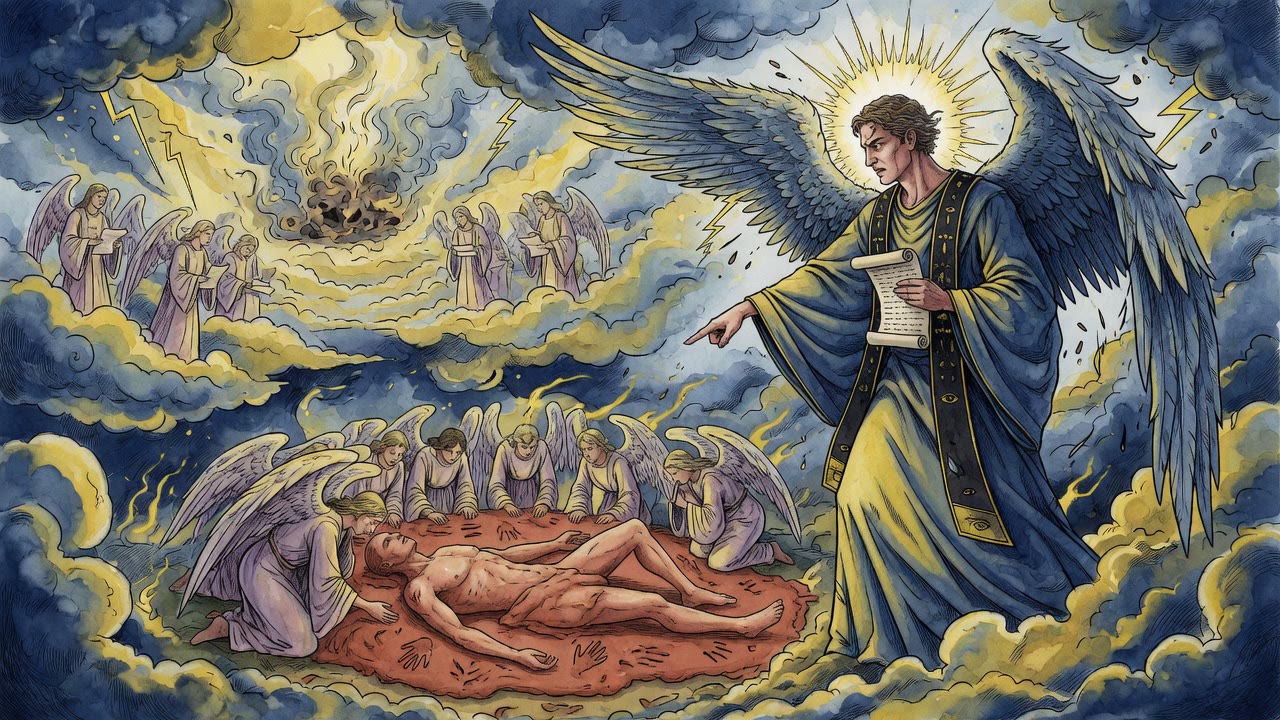
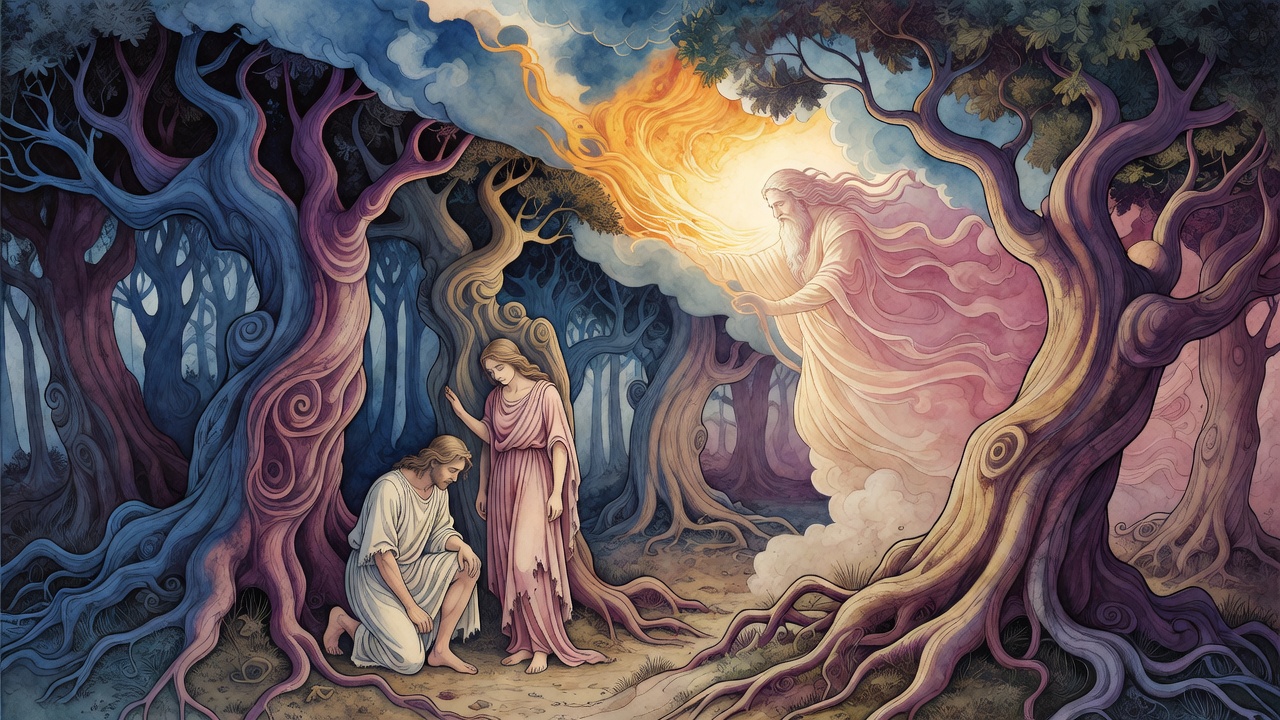
There is another tradition that makes the fig leaves even more striking by contrast. Before the sin, Adam and Eve wore something else: a garment of light, or in some accounts a purple robe of glory, the radiant covering that belongs to those who stand in God's presence. They were clothed in divine proximity. The light that adhered to them was not a costume. It was a condition of their souls.
When they ate, the robe left. What they lost was not modest clothing. They lost the state that makes shame impossible because the soul has nothing to hide from the source of all light. And what they replaced it with, immediately, instinctively, was fig leaves. The substitute for glory was roughness. The replacement for light was a garment that irritated the body it covered.
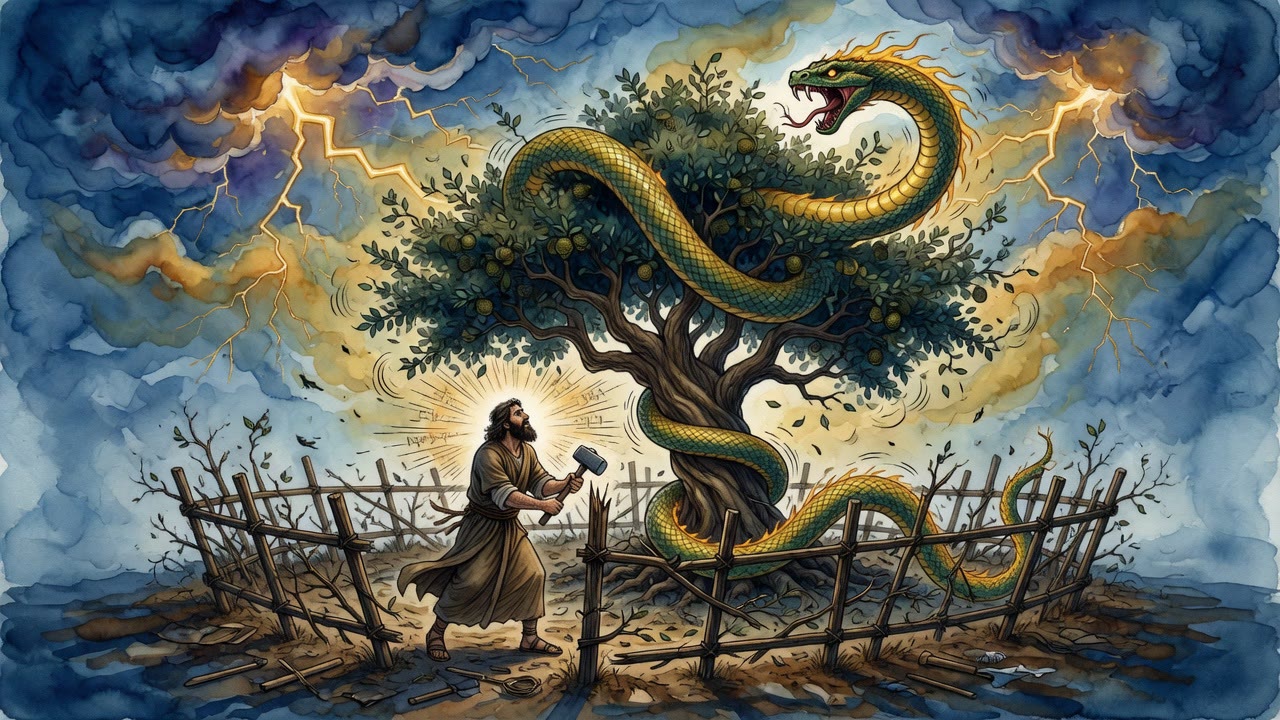
The rabbis also asked what tree bore the fruit that was eaten. Various opinions circulated: grapes, citron, wheat in one strange reading. The fig argument has particular force because of the leaves. If the forbidden tree was itself a fig tree, then Adam and Eve not only sinned by eating its fruit but covered themselves with the very instrument of their fall. They reached for the same tree a second time, not for its sweetness but for the part that scratches. As though the soul, once it has surrendered to one part of a thing, can only keep returning to the same source.
Shame Before the Serpent
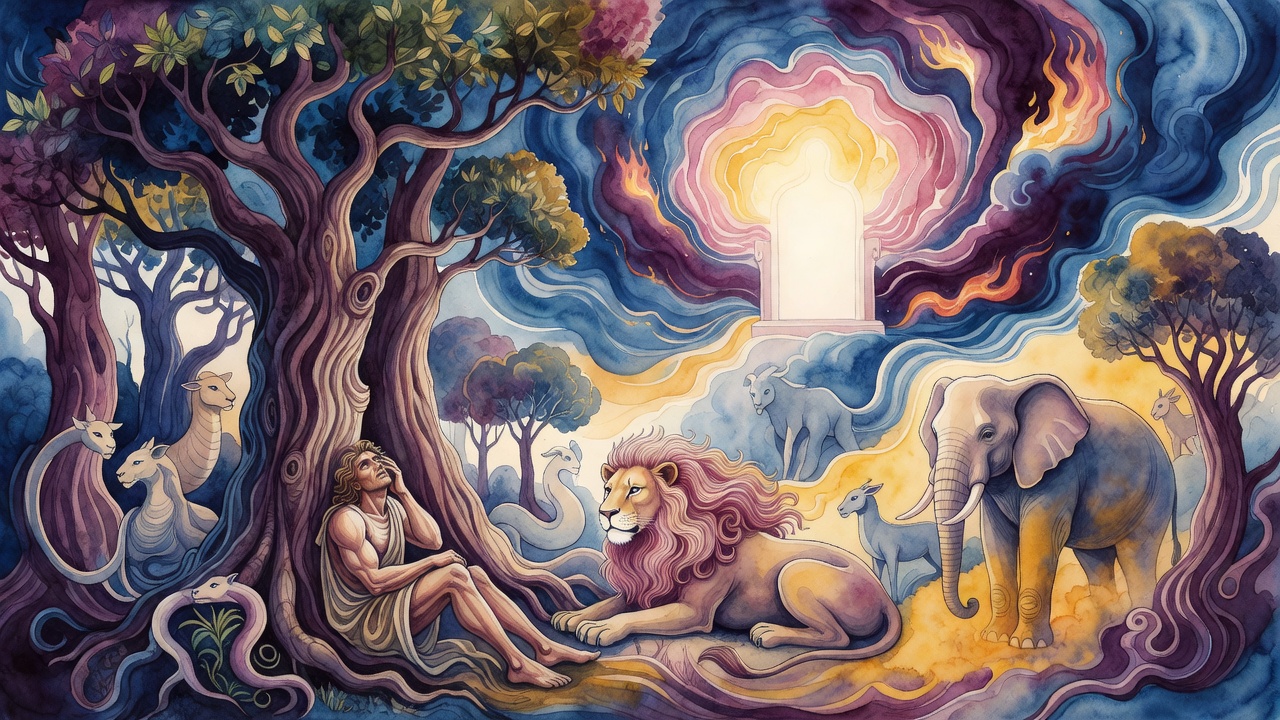
One detail the tradition preserves is quietly devastating. Before the sin, Adam and Eve were naked before the serpent and felt no shame. They stood in the presence of the creature that would destroy their innocence and felt no vulnerability, no exposure, no need to cover themselves. They had nothing to hide because they had done nothing that required hiding.
Afterward, the first thing they noticed was their own nakedness. Not the serpent's treachery. Not the fruit still on their tongues. Their own skin, which had not changed, suddenly felt like an exposure they could not bear. Shame is not a response to what the body is. It is a response to what the soul has become. The body became visible to them the moment the soul became compromised.
And so the leaves that scratched were also accurate. The soul that had just sold its integrity for a bite of fruit was covering itself with the most honest garment available: one that made no pretense of comfort, that declared by its very texture that the person wearing it had lost the robe of light and was making do with something lesser and harder and rough against the skin it was supposed to shelter.
← All myths