Isaiah Saw the Hidden Light Adam Lost and Promised Its Return
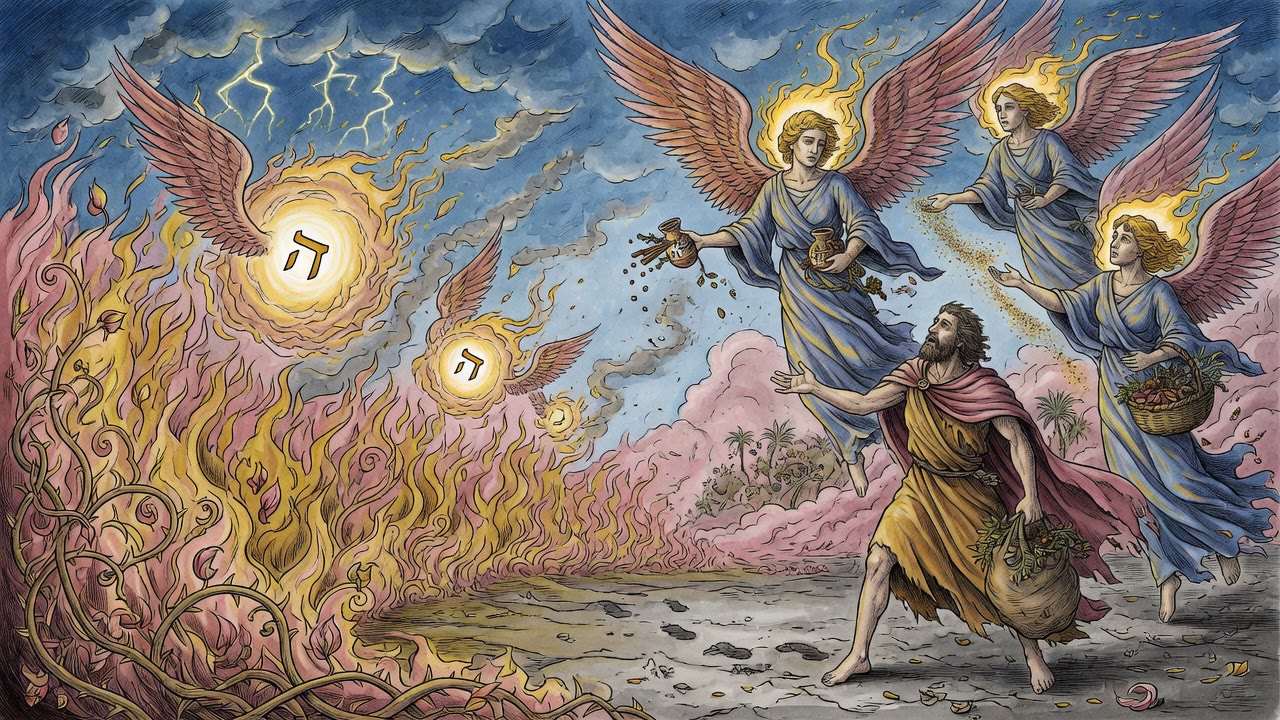
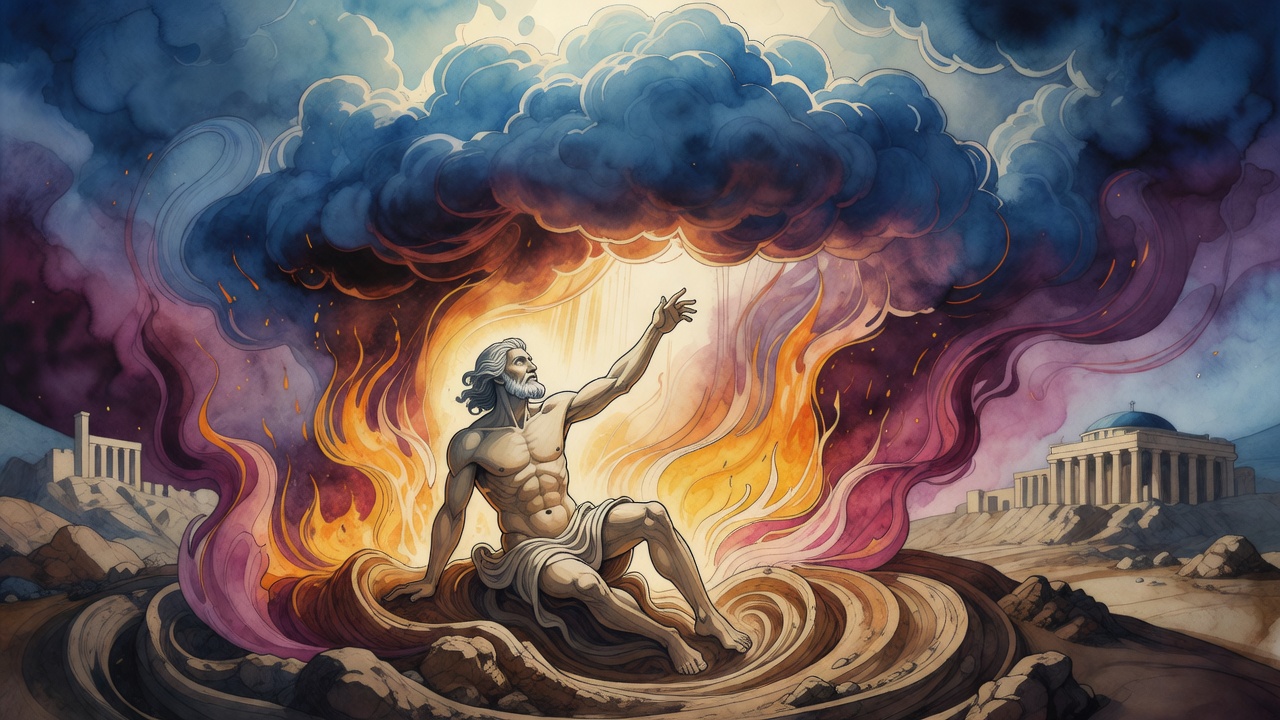
Adam saw from one end of the world to the other. God hid that light before the fourth day. Isaiah promised it was coming back.
Table of Contents
 Click for full size
The Light That Lit Three Days Without a Sun
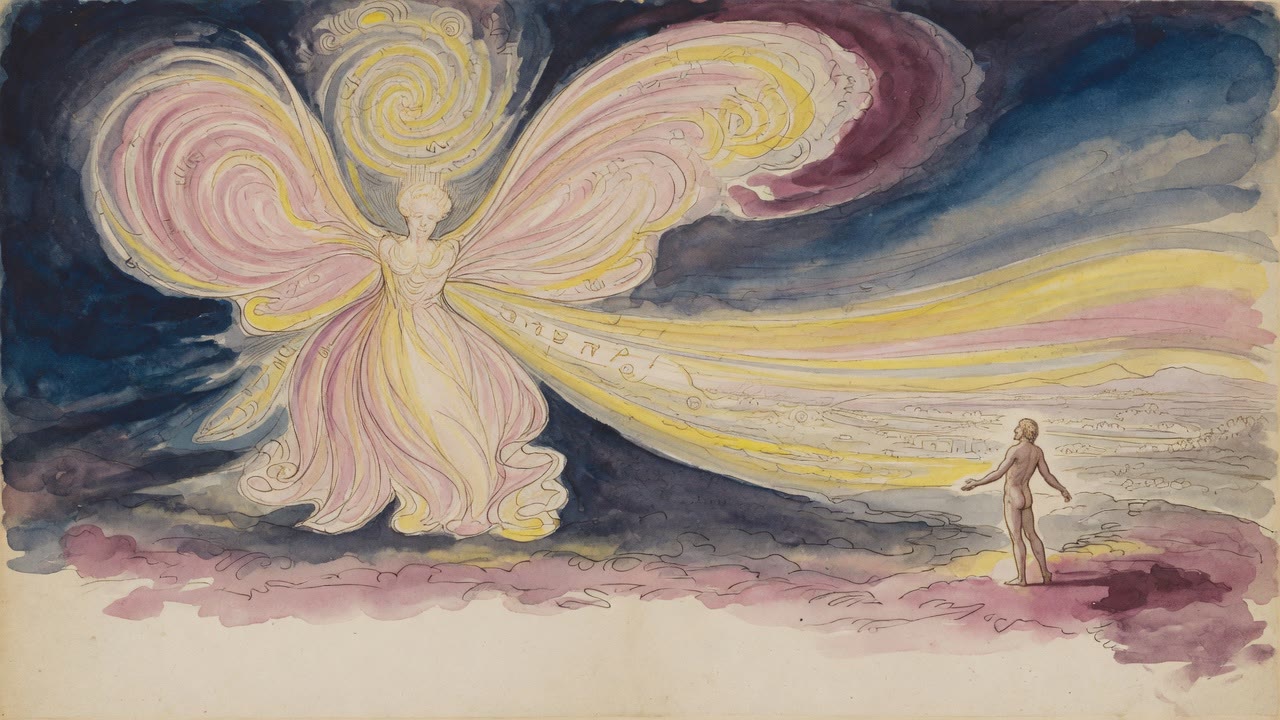
On the first day, God said let there be light, and there was light. On the fourth day, God made the sun. For three days something else had been lighting creation, a radiance so total that a person standing in it could see from the eastern rim of the world to the western, above and below, all of existence visible in a single glance. Adam lived inside that light for thirty-six hours. He understood what he was looking at. He saw every generation that would come after him, every soul, every act, every consequence.
Then God looked ahead. He saw the generation of the Flood. He saw the generation of Babel. He saw what humanity intended to do with unlimited illumination. And He hid the light.
Not destroyed. Hidden. The Talmud is precise about this. The light of the first day was stored away, sealed inside the letters of the Torah, embedded in the structure of the text itself so that whoever labored over it with full intention might catch a glimmer, a refraction, a rumor of what was once available to every living eye.
Where the Light Went
The rabbinic tradition tracked the hiding with the same care an archivist tracks a document. The light entered the Torah. From the Torah, some of it flickered out in the deeds of the righteous, in moments of genuine prophecy, in the rare human beings who lived so completely in alignment with divine intention that the original radiance surfaced briefly through them. The Zohar, the great kabbalistic synthesis compiled in thirteenth-century Castile, made this the foundation of its entire metaphysics: the divine light contracted and hid itself not because it failed but because the world was not yet ready to hold it. The task of every subsequent generation was to draw it back, letter by letter, act by act.
The kabbalists mapped precisely where it went. They called it the Or HaGanuz, the hidden light, and said it was waiting inside the thirty-two paths of wisdom, inside the structure of the divine name, inside every act of Torah study done for its own sake. A student who sat over a difficult passage at midnight was not merely learning. He was quarrying for something that had been buried since before the sun existed.
Adam Expelled Just Before Shabbat
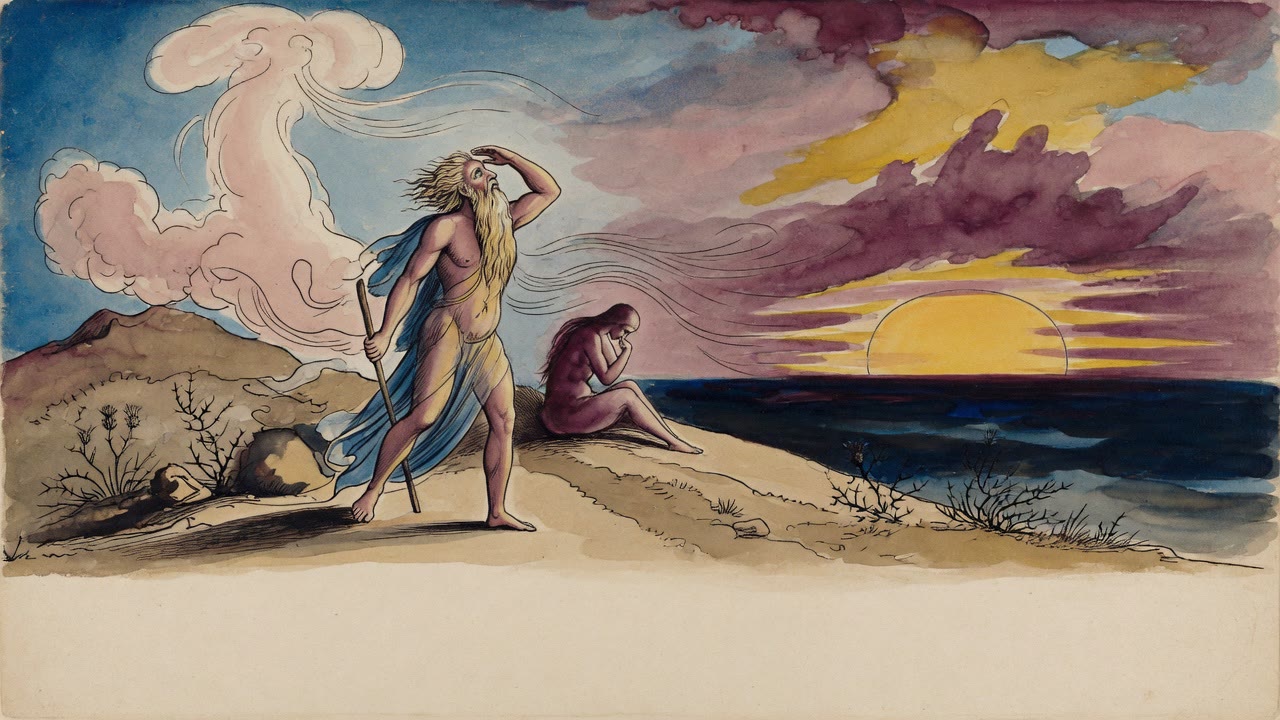
The timing of Adam's expulsion matters. He was not cast out in the morning. He was expelled from the Garden just as the first Shabbat was arriving, in the final hours of the sixth day. The primordial light had already begun to dim. When the Shabbat descended, it brought with it the first genuine darkness humanity had ever experienced, and Adam sat at the edge of the Garden, watching the last of that original light fade from the world.
But something stayed with him. The tradition says that on that first Shabbat evening, God gave Adam two stones, and Adam struck them together and made fire. The fire he made was not the primordial light. It was a shadow of it, a human-made approximation, dim and controlled and bounded. Every Havdalah candle (lit at the ceremony that ends each Sabbath), with its braided wicks and its multiple flames, is a memorial to that moment: the first human-kindled fire, a substitute for the light that had been taken.
Isaiah Reads the Future in That Theft
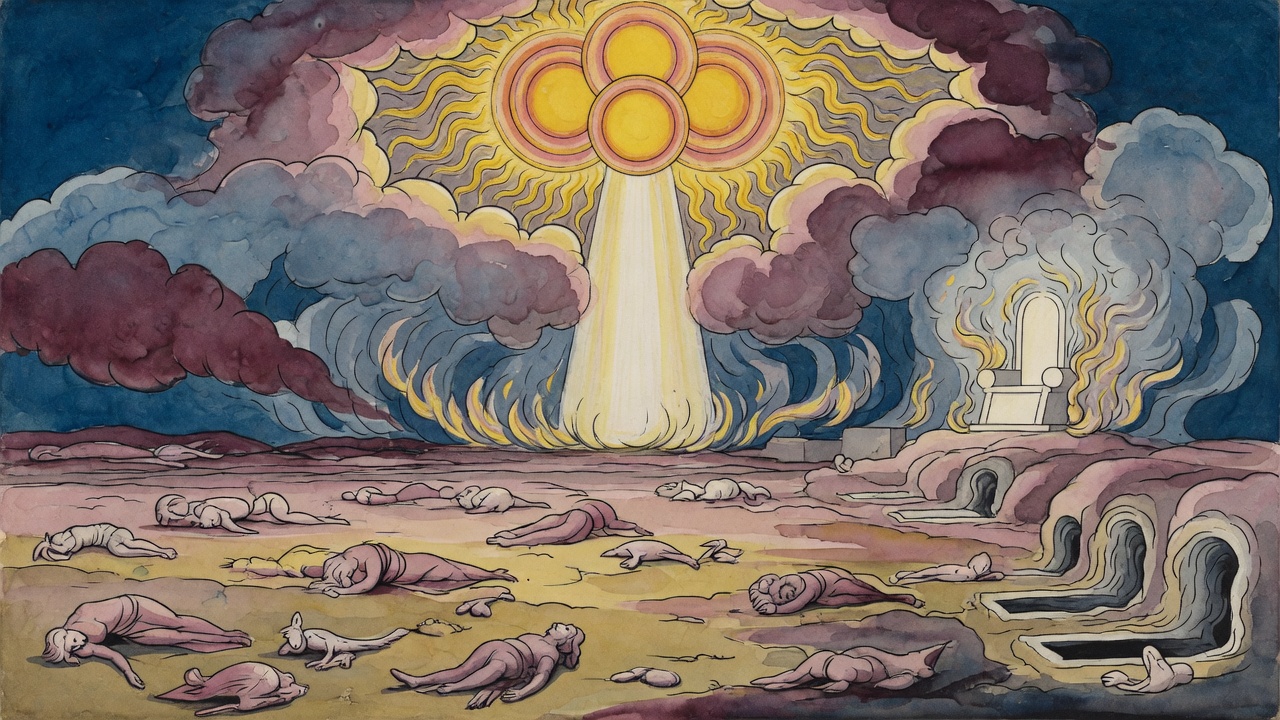
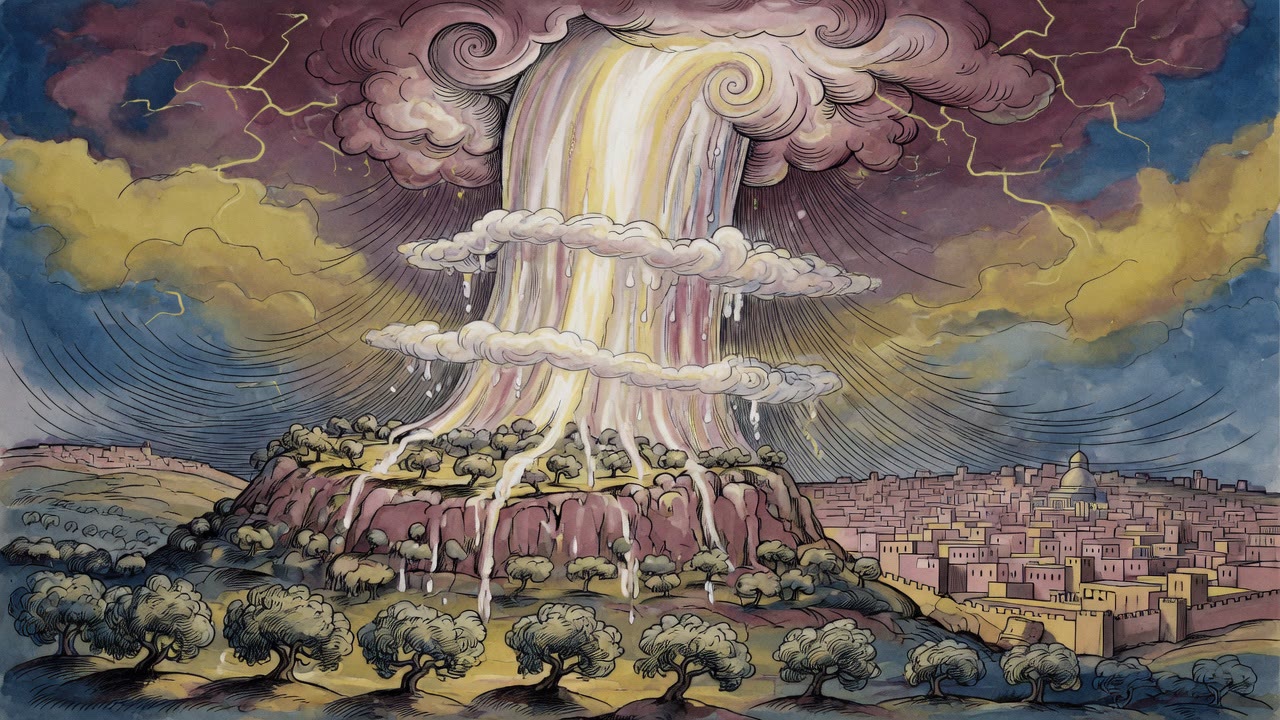
Centuries after Adam, centuries after the hidden light had settled into its concealment, the prophet Isaiah stood in Jerusalem and delivered a vision that the rabbis heard as a direct reversal of what had happened at creation. His words: the sun shall be no more your light by day, nor for brightness shall the moon give you light, but the Lord will be your everlasting light. Not an improved sun. Not a stronger moon. The actual original radiance, the light from before the fourth day, the light that had been hidden since before the Flood.
The rabbis read this as a promise with specific content. Isaiah was not speaking metaphorically about divine favor or spiritual illumination in some vague sense. He was announcing that the thing God had taken would be returned. The hidden light would be unhidden. The world would once again see from one end to the other. And the people who had labored to draw it out through Torah and righteousness would discover that all that labor had not been futile, that every flickering glimmer they caught in a late-night study session had been a down payment on something total.
The New Heavens and the New Earth
Isaiah's vision extends further. He speaks of new heavens and a new earth. The rabbinic tradition connects this directly to the problem of the hidden light: the reason the current heavens and earth cannot hold that original radiance is that they are the heavens and earth of a post-transgression world, scaled down, contracted, capable of sustaining only the substitute light of sun and moon. The new creation will be built to a different specification, one that can hold the full original illumination without it consuming everything it touches.
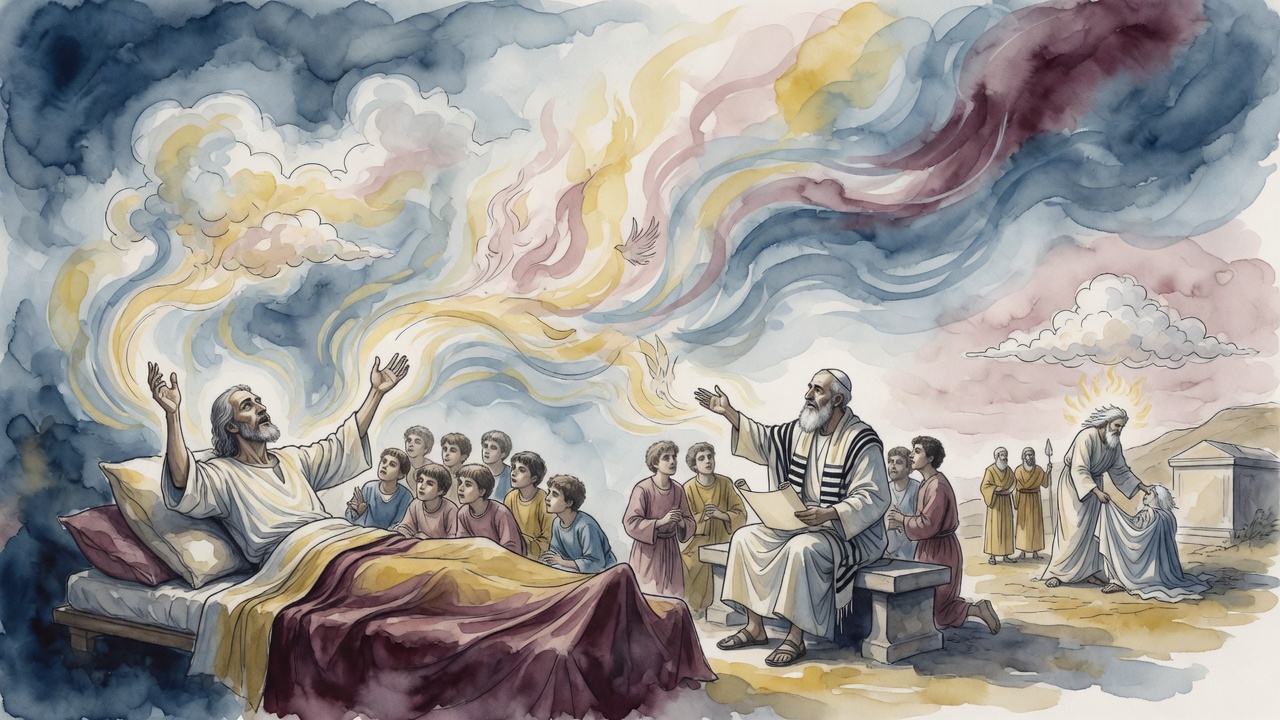
The Zohar's meditation on this passage is among its most sustained. What is being promised, the kabbalists argued, is not merely an improvement on the current world but a restoration of the original design, the world as it was before the hiding, before the contraction, before the thirty-six hours ended and the substitute machinery of sun and moon had to be installed. Adam saw it and lost it. Isaiah saw it and promised it back. The distance between those two moments is the entire span of human history.
← All myths