40 myths · Page 1 of 2
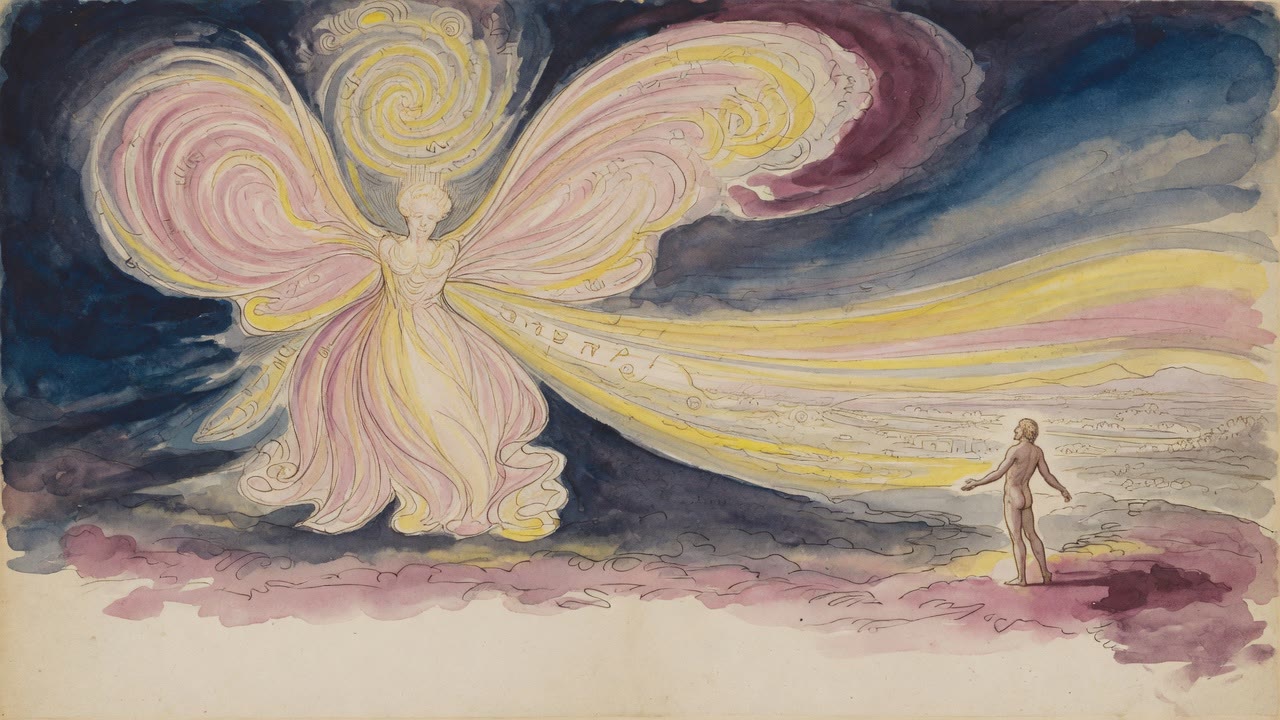
The Hebrew alphabet was etched across the garment, black fire on white fire. Adam saw from one end of the world to the other by it, until it was hidden away.
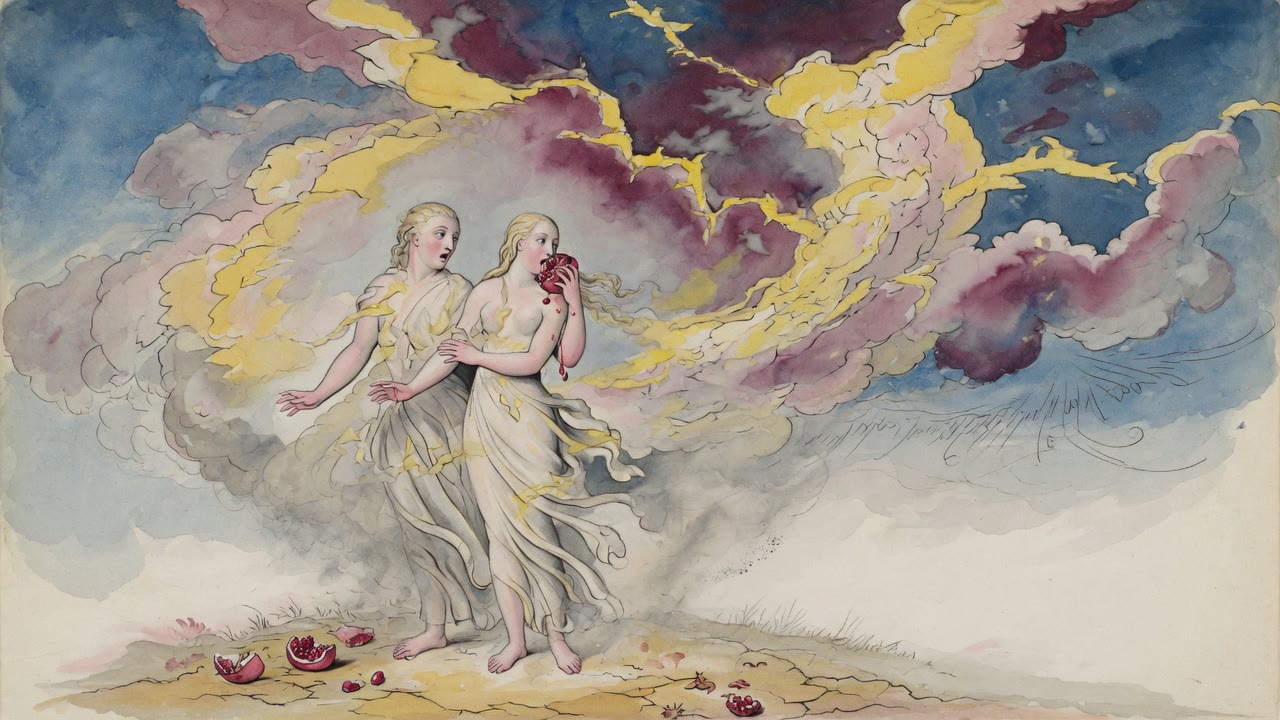
Adam and Eve once wore garments of light, skin smooth as a fingernail under a cloud of glory. One bite stripped all of it away.
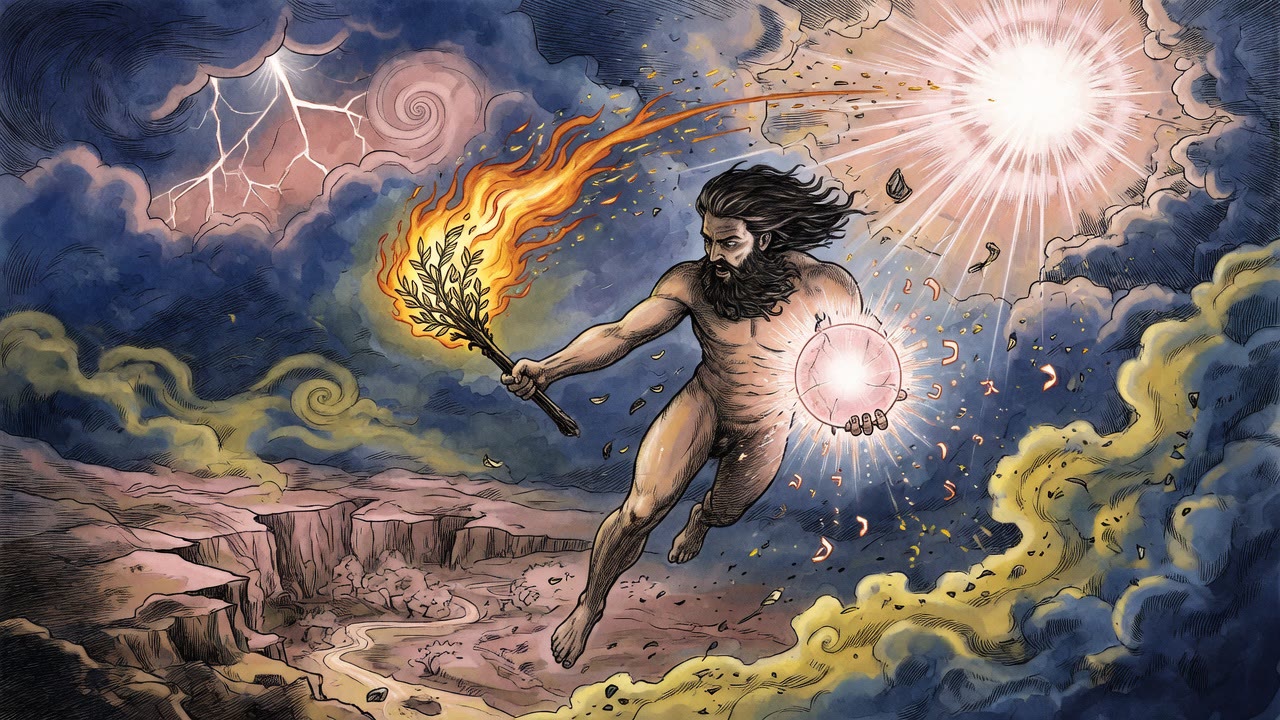
Before Adam walked the earth, an older tradition says he dwelt in heaven. When he came down, the sky blazed. He brought fire and light with him.
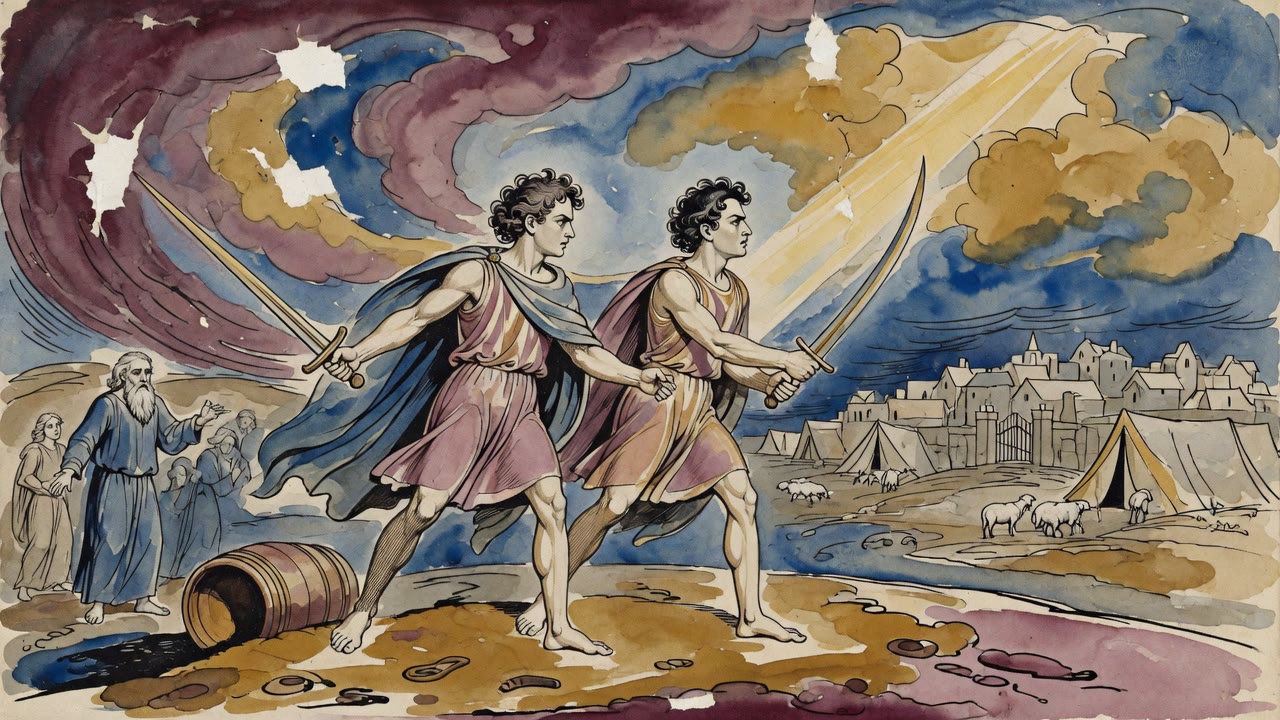
Egyptians brought a crying baby into the house. Jochebed held her mouth shut. The light in the room could not be allowed to answer.
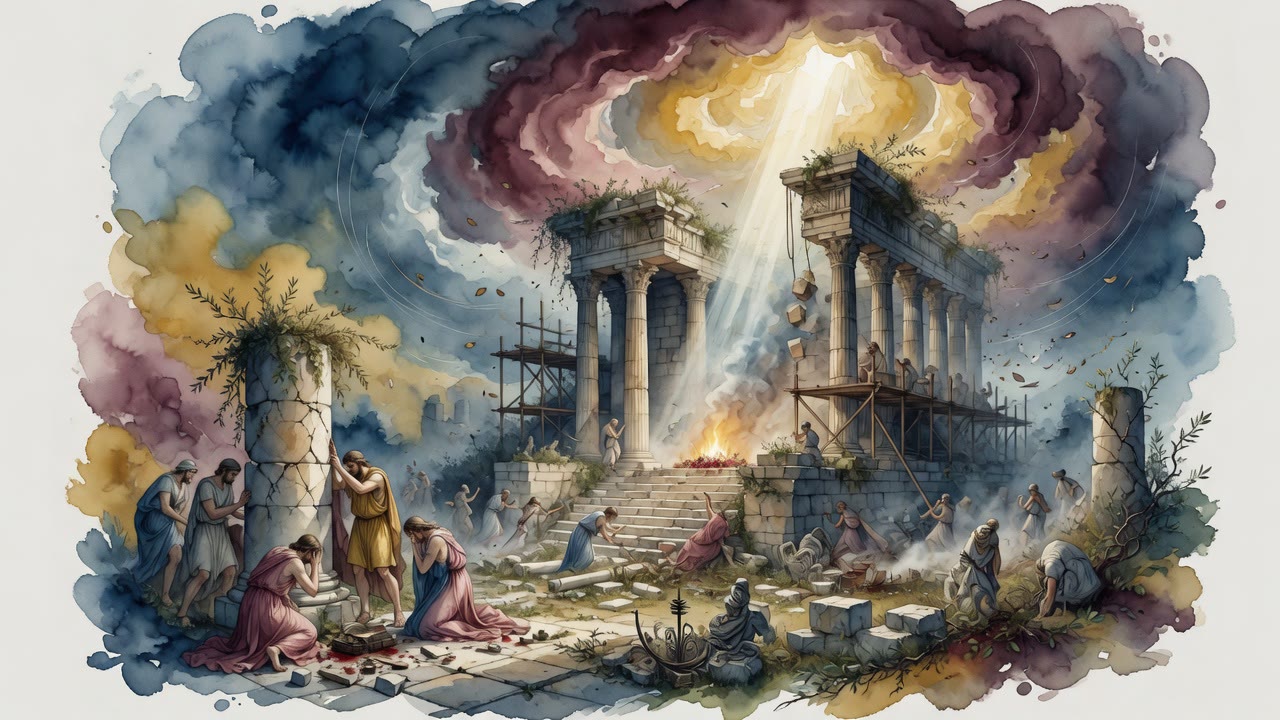
Judah's men had won in the hills. In the Temple courts they found shrubs and a burned altar. One sealed flask of oil had to last eight nights.
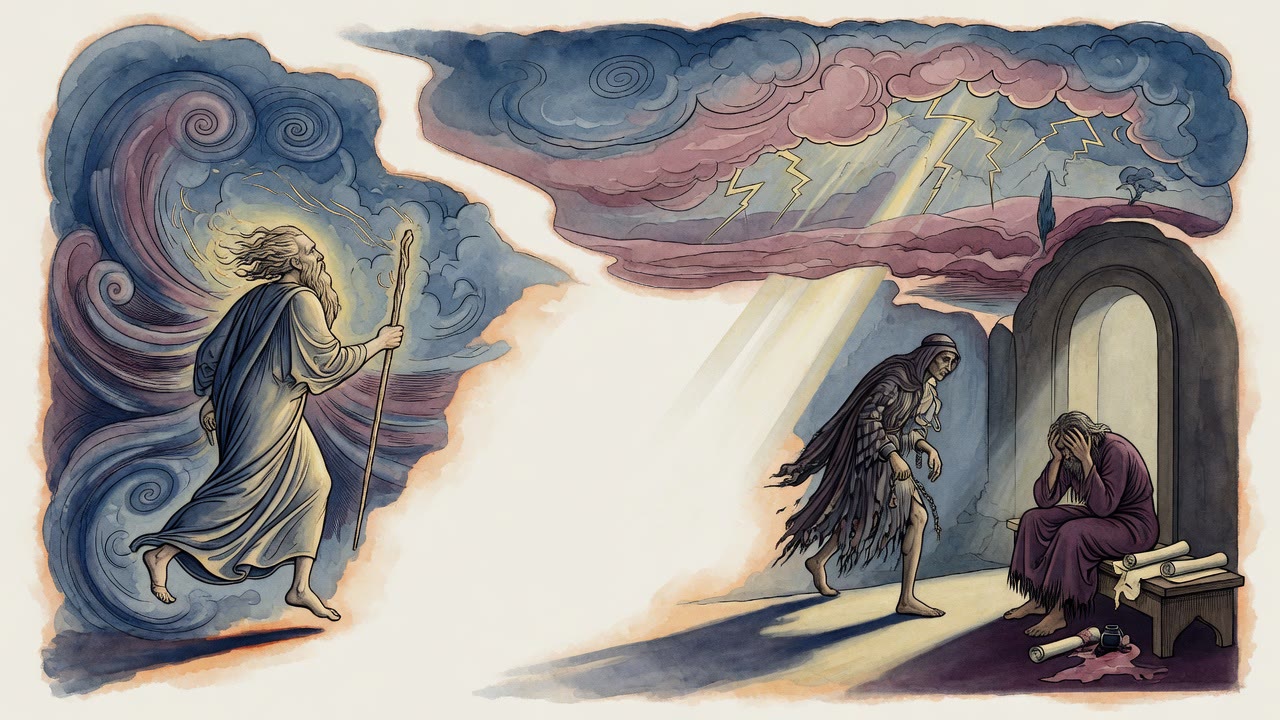
Ahaz meant to give his son to Moloch. The boy's mother rubbed him with the blood of a salamander first, and the fire could not have him.
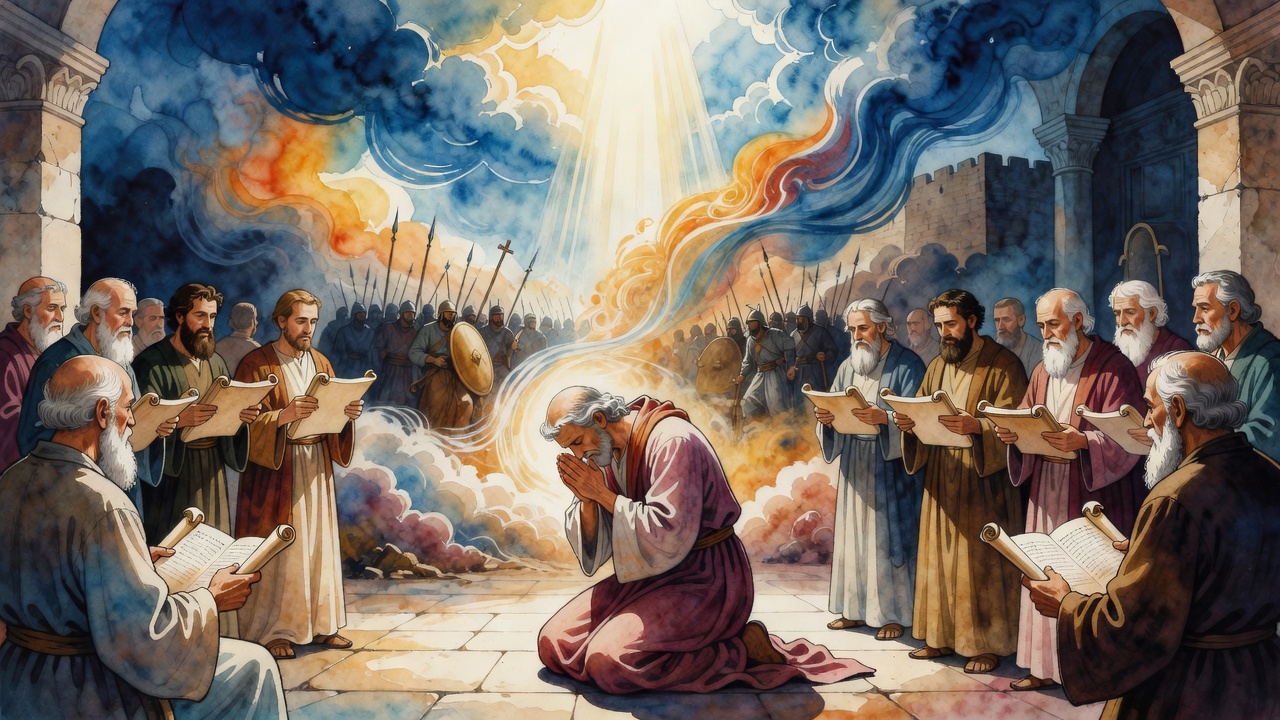
Rabbi Judah the Prince sent scholars to a town without teachers. They asked who guarded the city. When soldiers appeared, the rabbis said: these are destroyers.
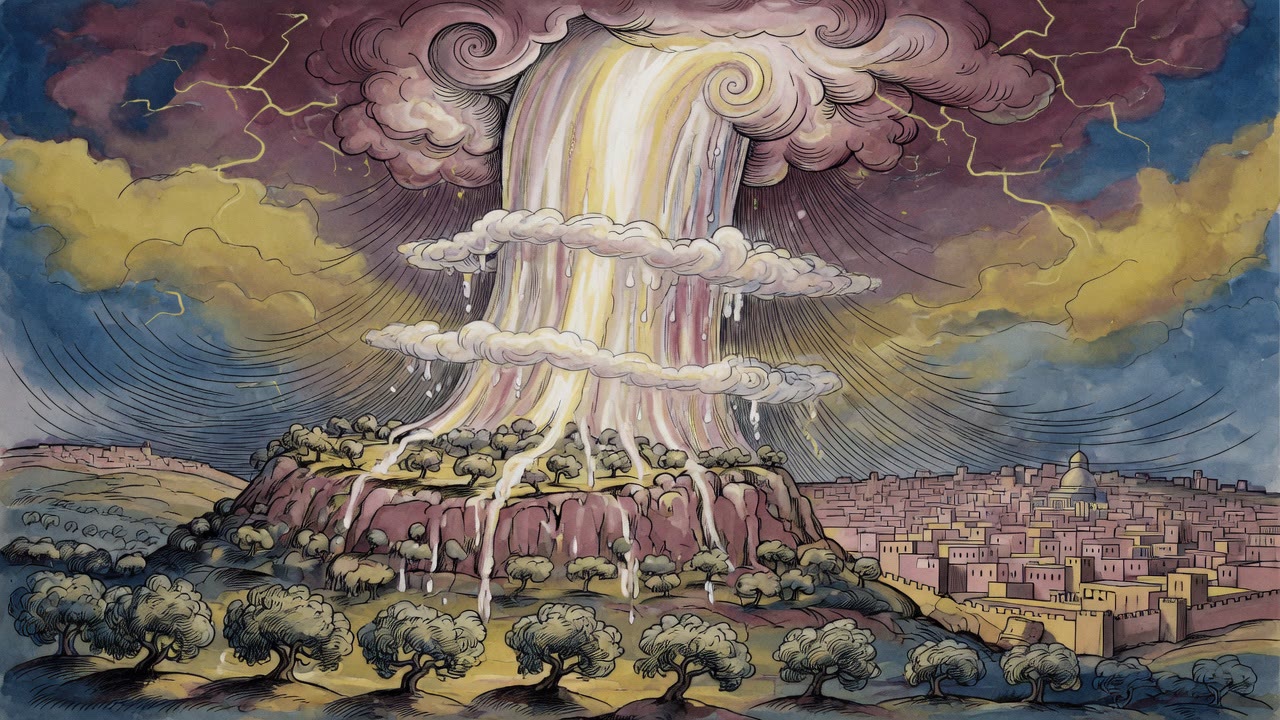
Adam saw from one end of the world to the other. God hid that light before the fourth day. Isaiah promised it was coming back.
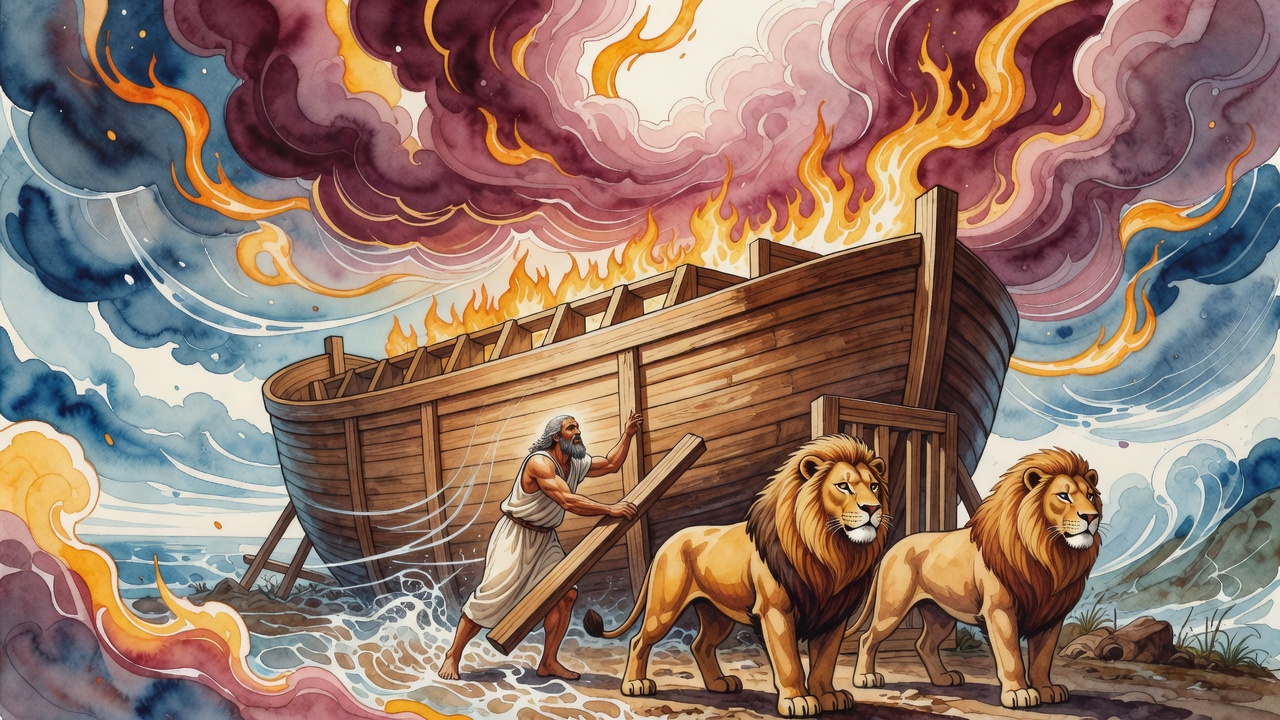
God named the boards before the rain. One hundred fifty cells. A glowing stone from Eden would hold the light for a year.
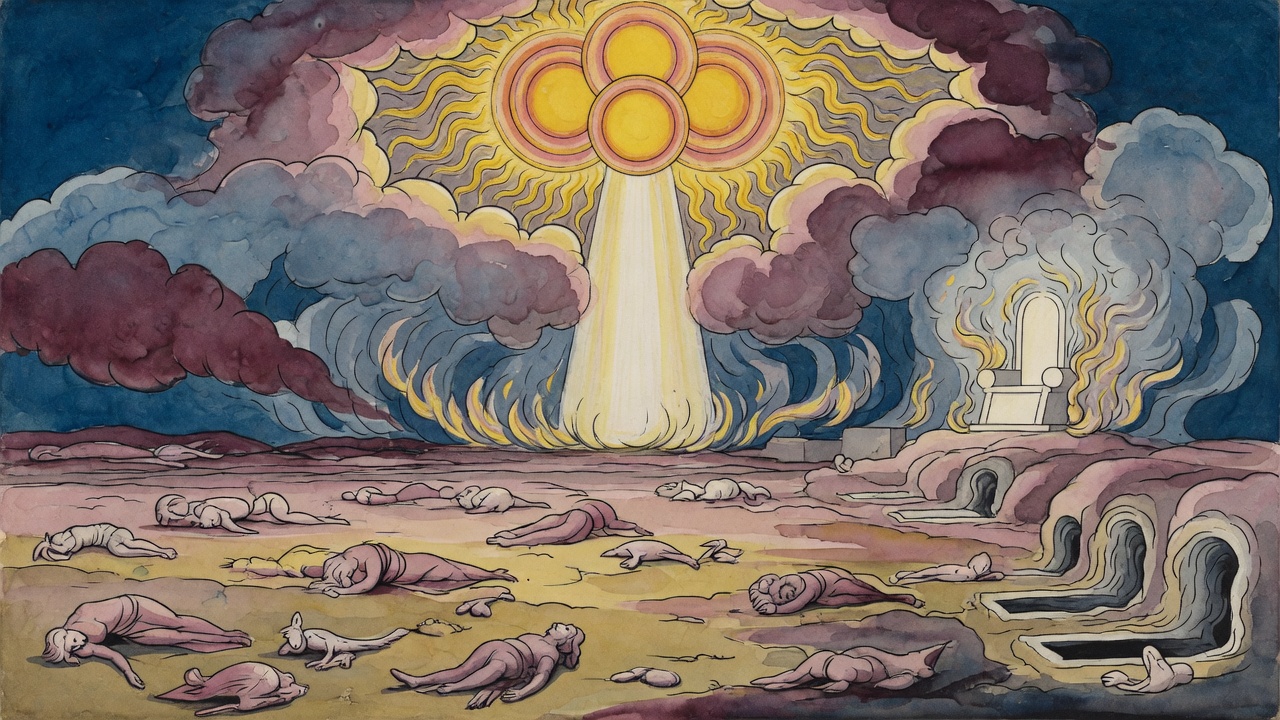
A rabbi asks how creation began and receives the answer in a whisper: God put on light like a garment and shook snow beneath the throne.
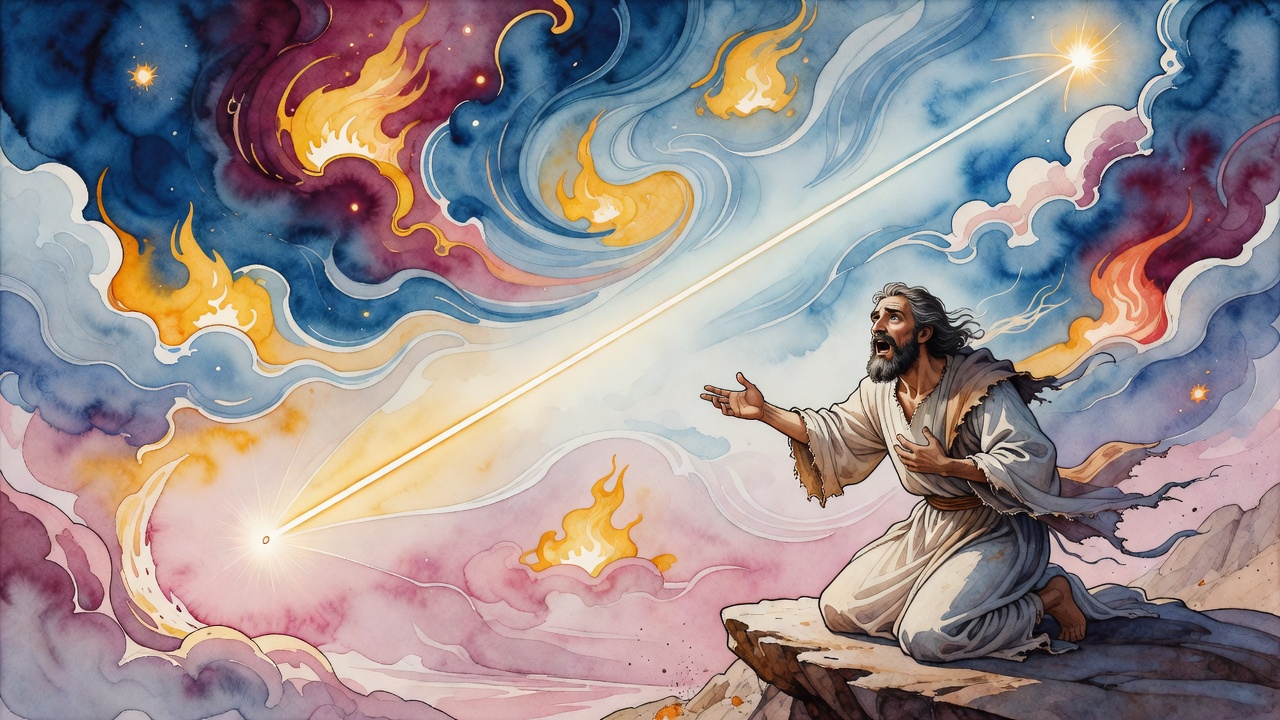
A mystic begs to see how something came from nothing. Tikkunei Zohar answers with a measuring line in primordial air and the tiny Yod that begins everything.
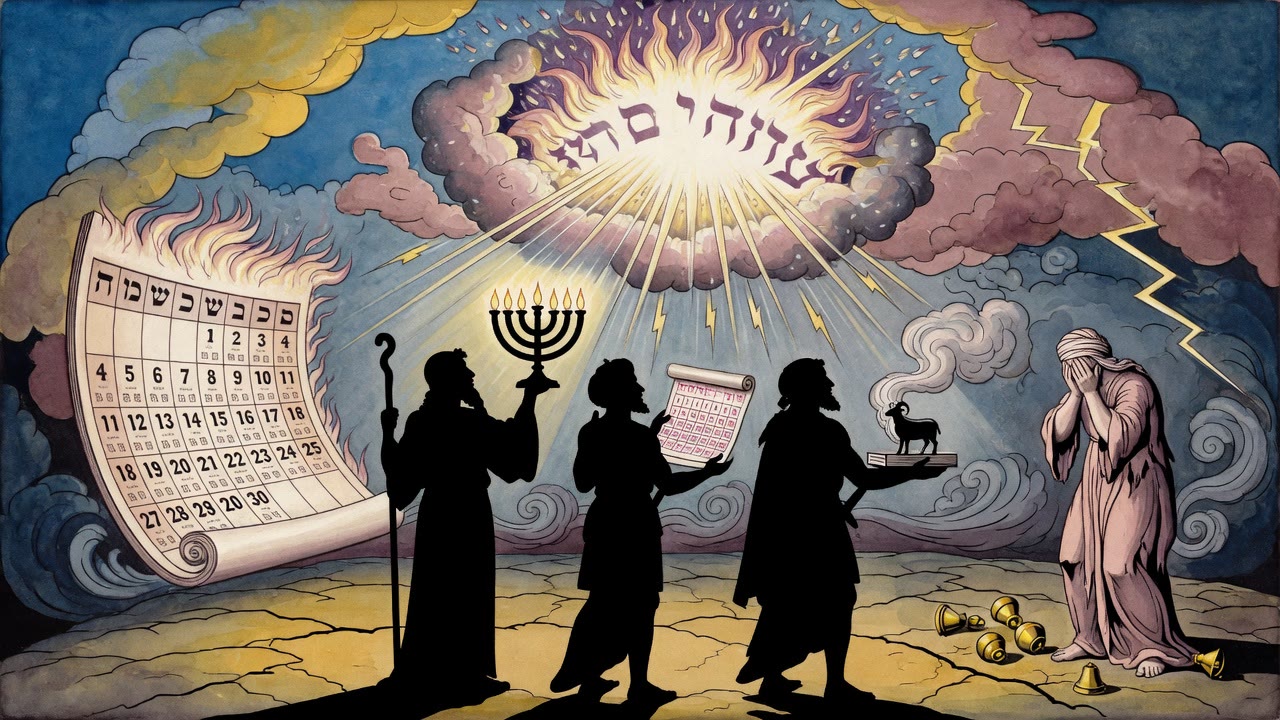
God shook the sea so Moses could see the crocodile, and shook the fire so he could see the salamander. Four things needed a finger pointed at them.
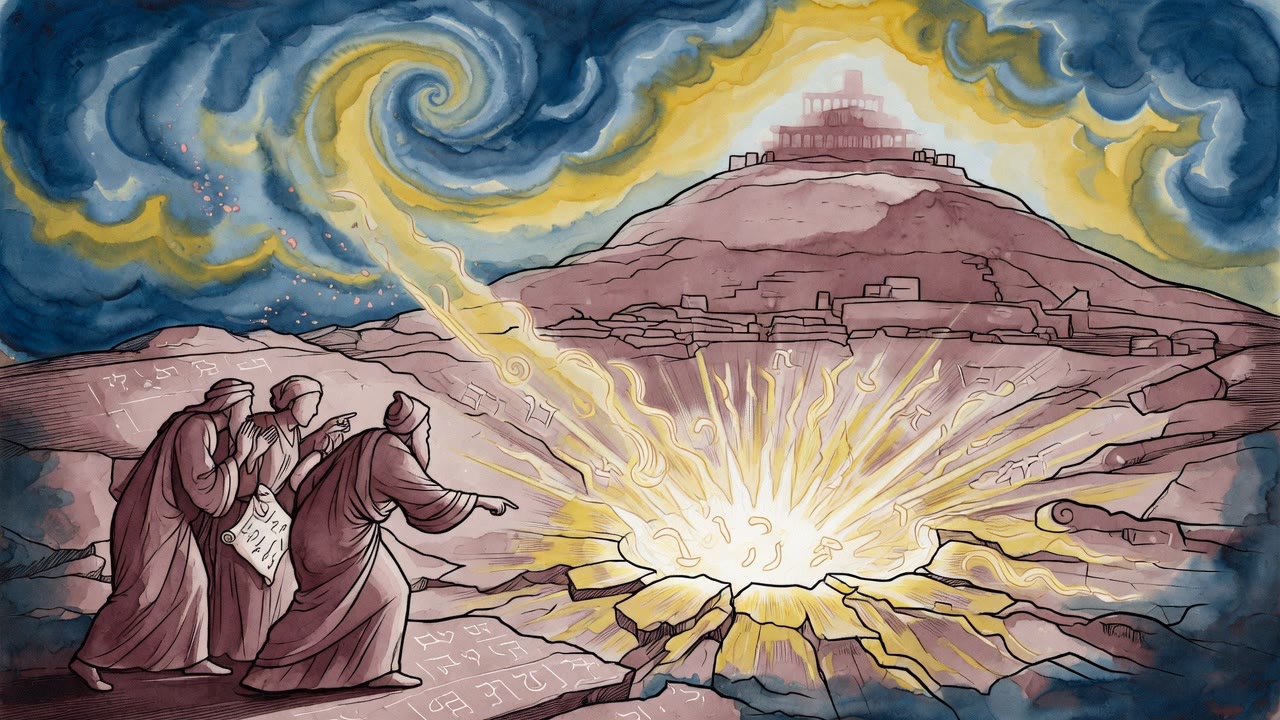
Rabbi Shmuel would only answer in a whisper. The first light, he said, came from a cloak. Another teacher named the stone in Jerusalem.
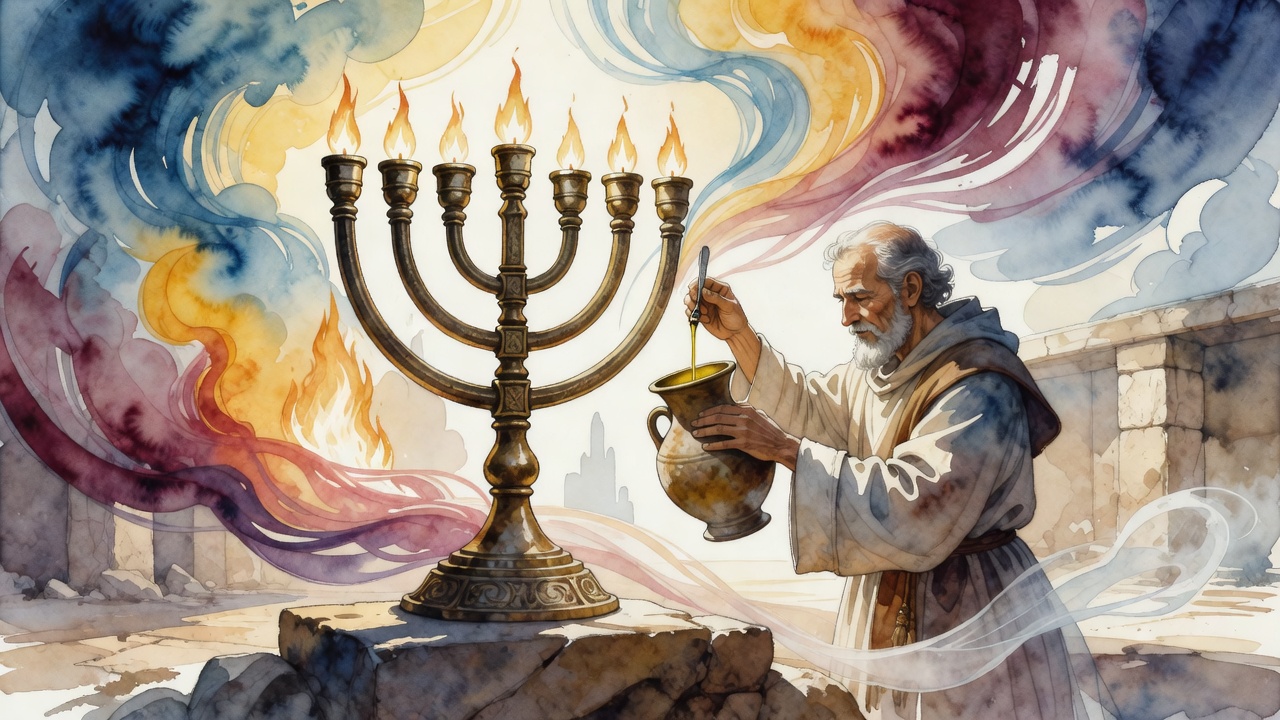
A priest presses olive oil into the cups and trims the wicks. God needs none of it. The flame burns for the hands that light it, not for heaven.
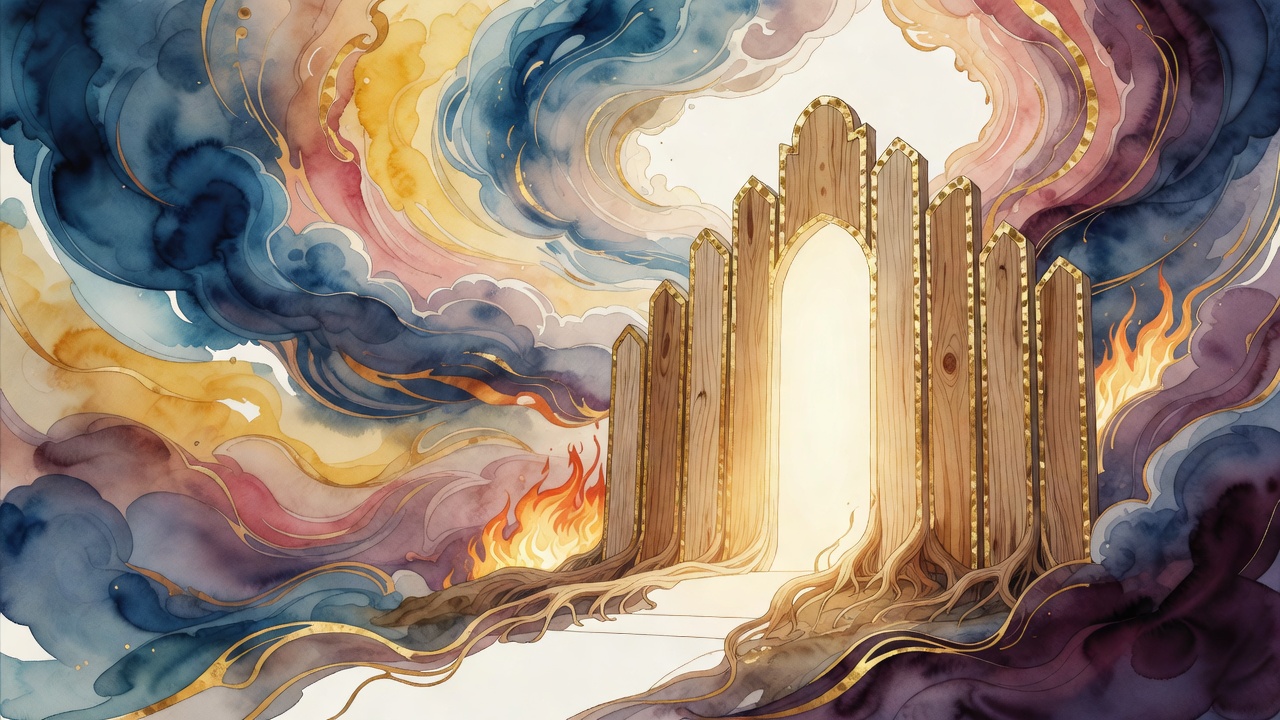
Somebody lit a candle for him on the road and it went out. Somebody lit another. He stopped walking. From here on, he said, I am waiting for the morning.
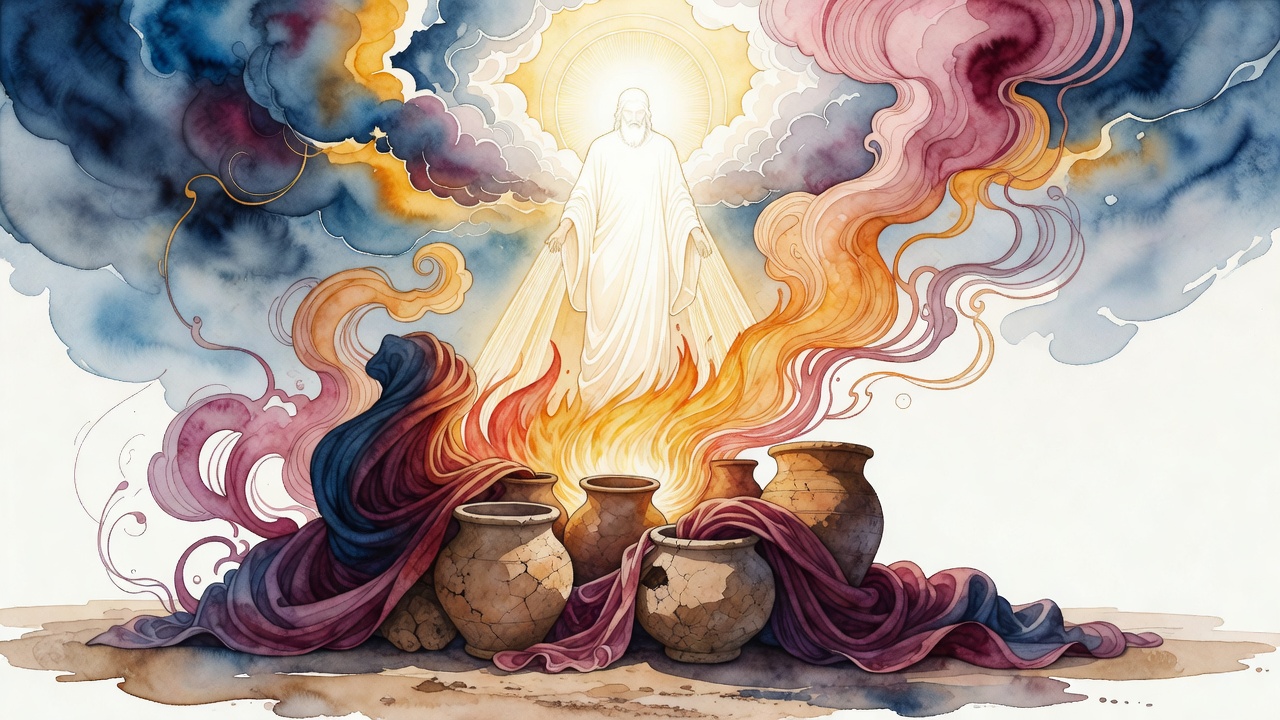
Light steps down into coarse vessels and puts on dark garments so lowly things can be borne. The Soul seeks knowledge strong enough to hold the descent.
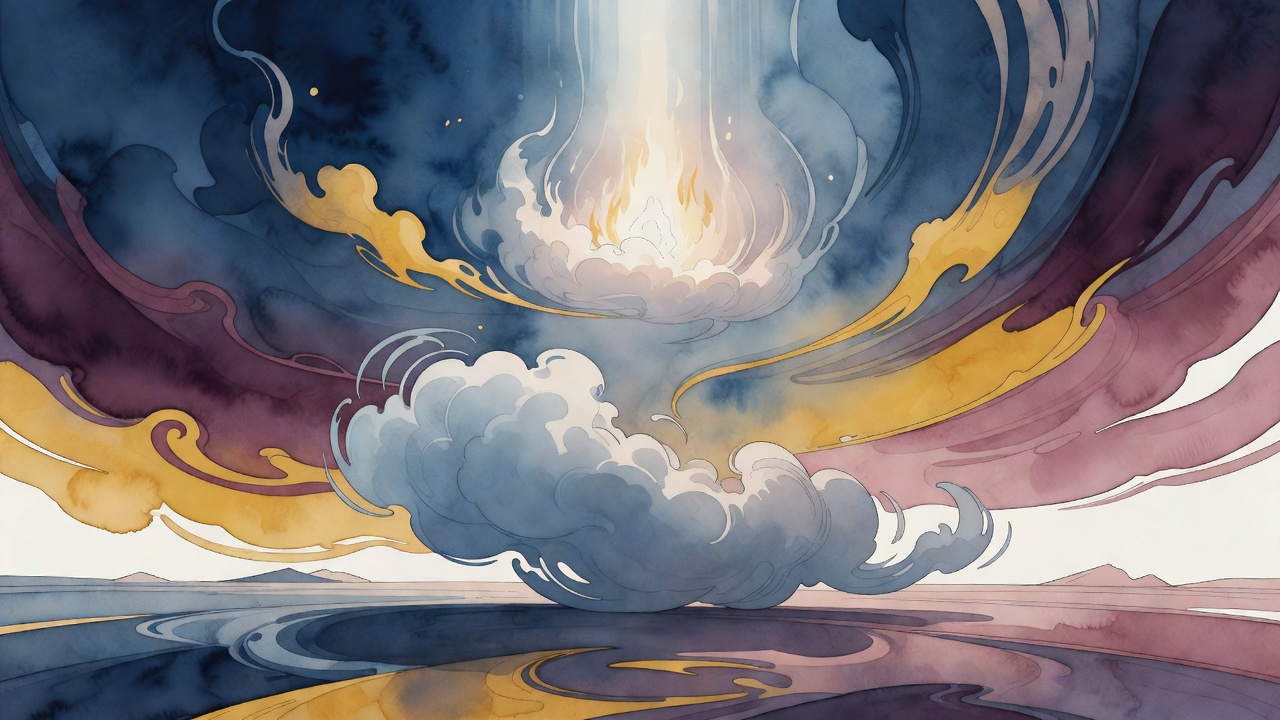
Friday dusk thickens and a second soul settles without adding bones. Above, Zeir Anpin matures as Shabbat light completes what weekdays could not hold.
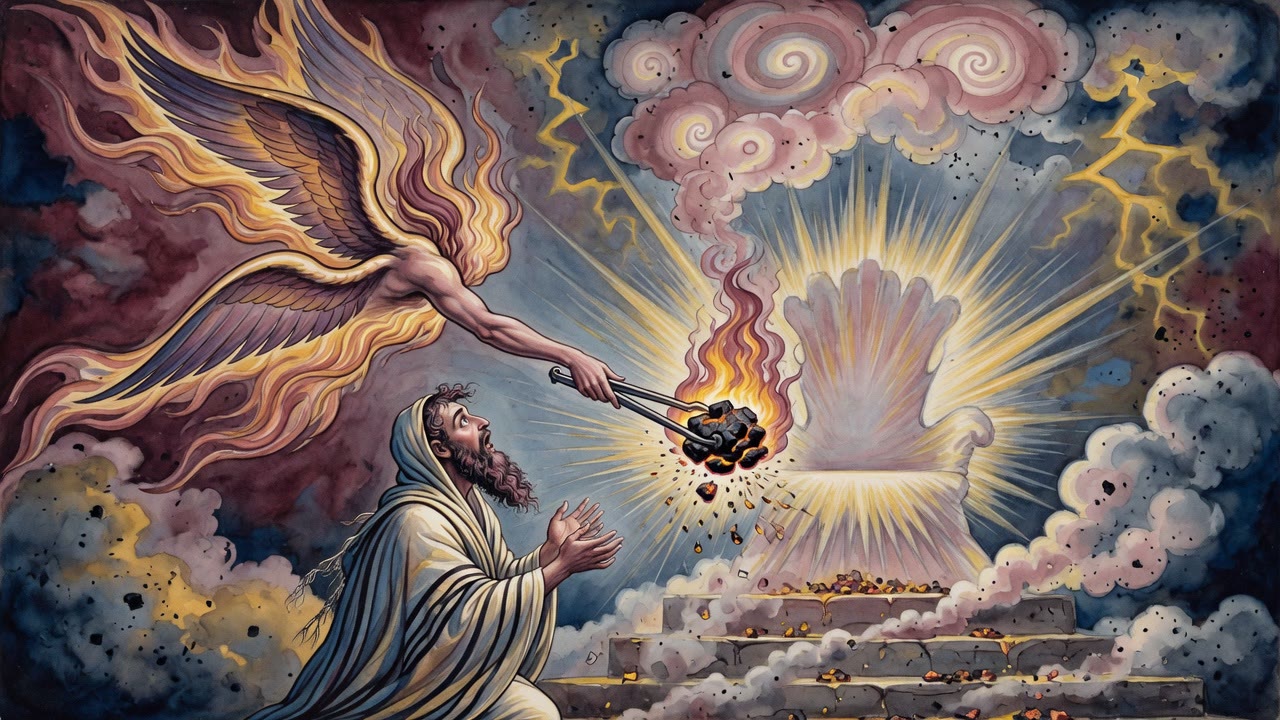
Isaiah stood among six-winged seraphim and called himself ruined. Then a coal from the altar found the mouth he had named unclean.
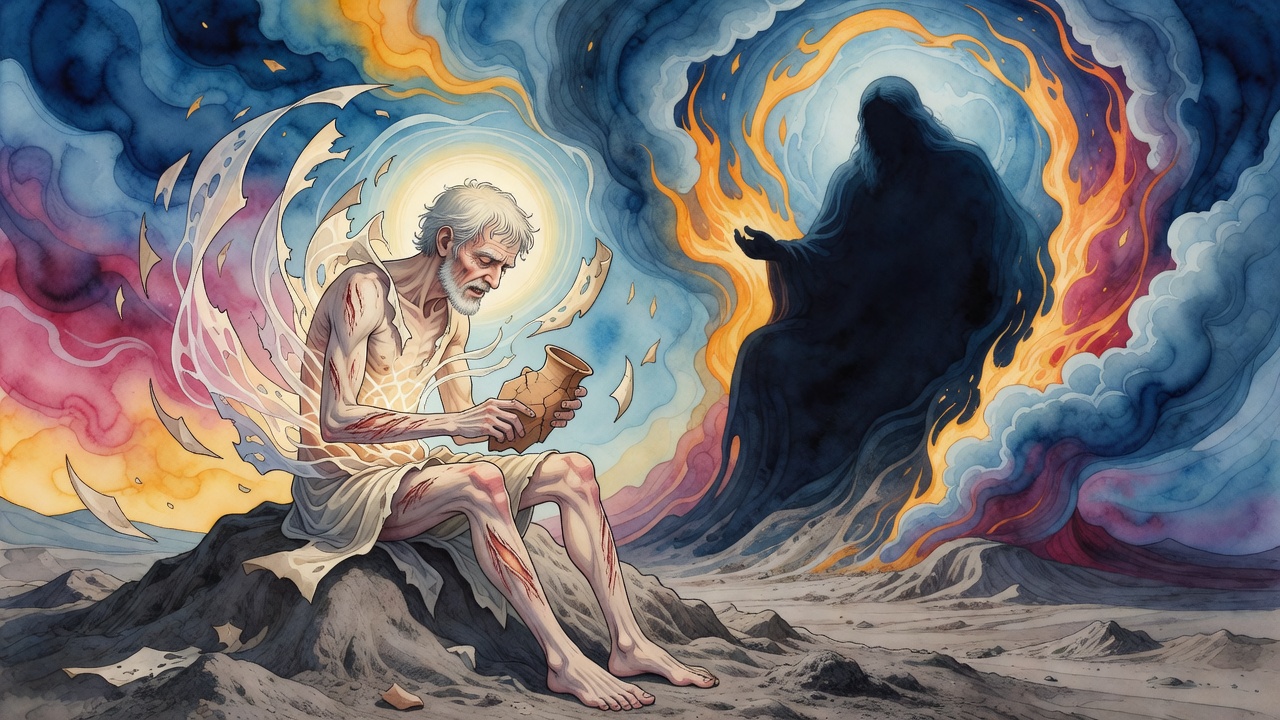
Job dug a shard under a scab until blood answered. Ash stuck to the wound. The sky looked shut, and night still shone like day.
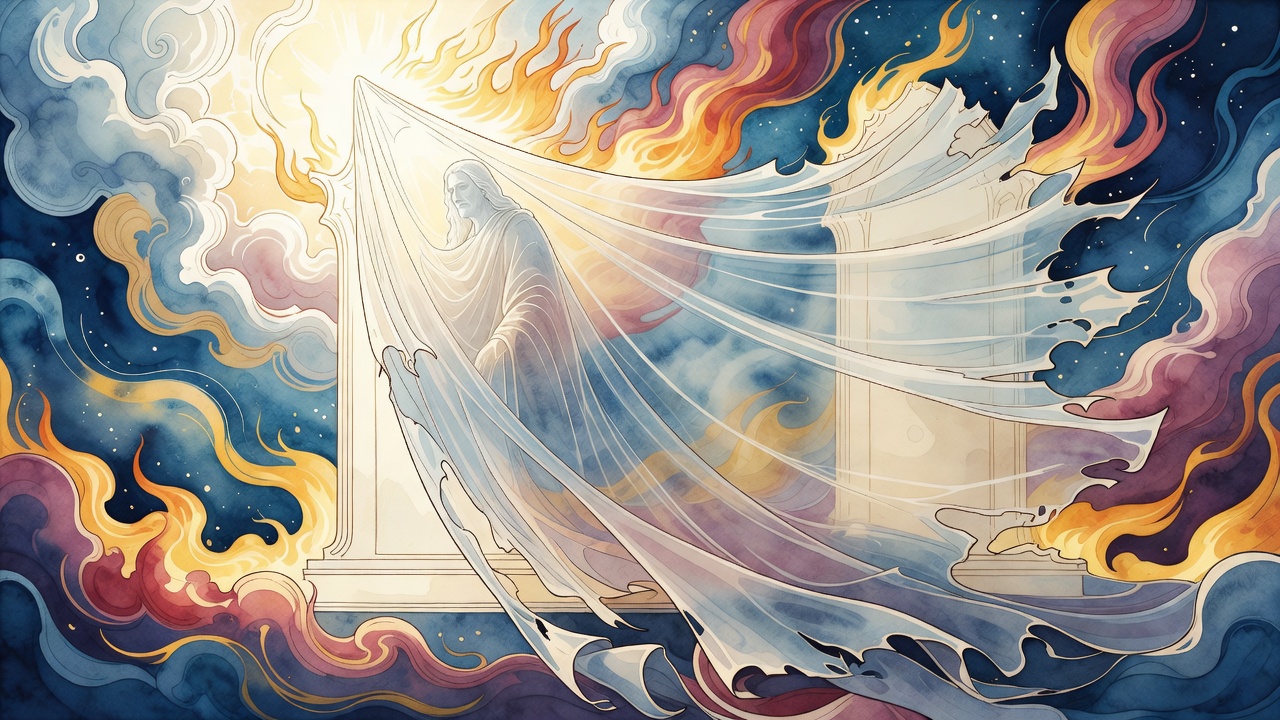
Bina held the partition like a wet cloth over fire. Too dry and the light would flood. Too thick and nothing in the world would be born.
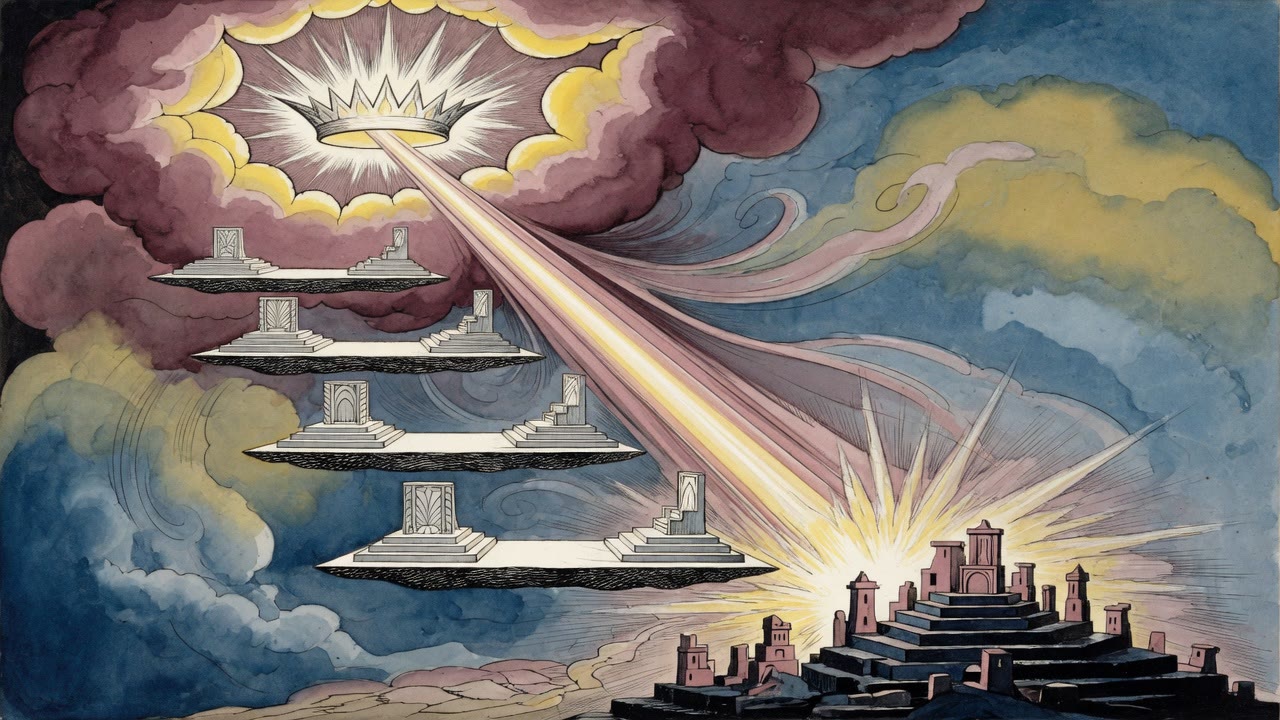
By the Chebar the prophet's knees went. Lightning shot one way, then reversed, and the floor under him stayed when the flash climbed off it.
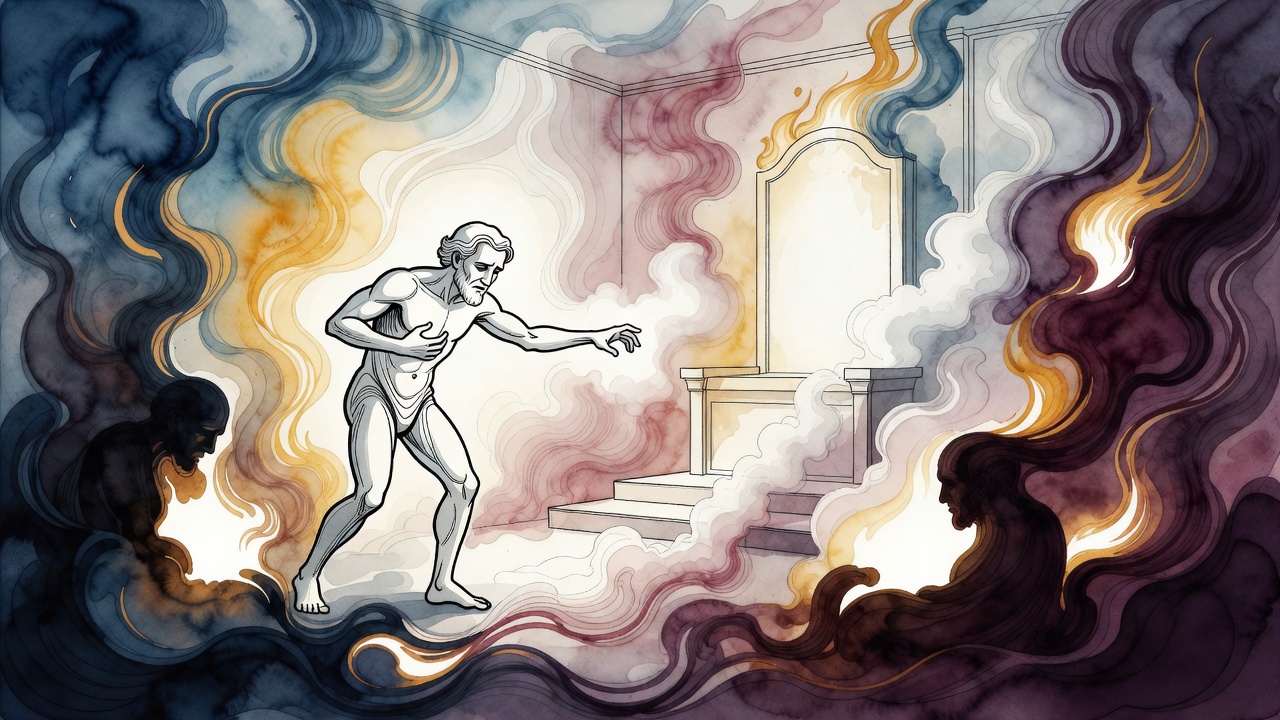
He reached for the meat before the blessing had left his mouth. In the corner the lamp failed, and a thickness sat down as if it had been invited.
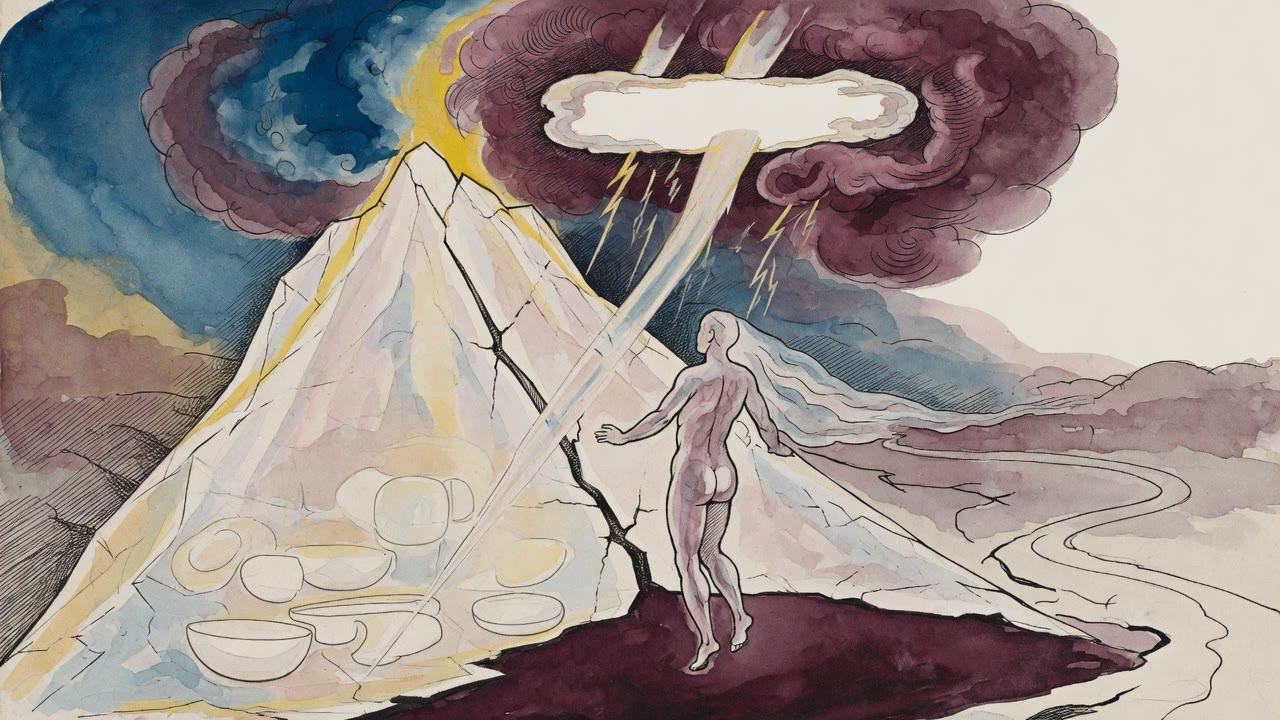
No axe touched God. A change in the vessel of receiving turned All into part, and a soul found itself separate enough to love, fear, and choose.
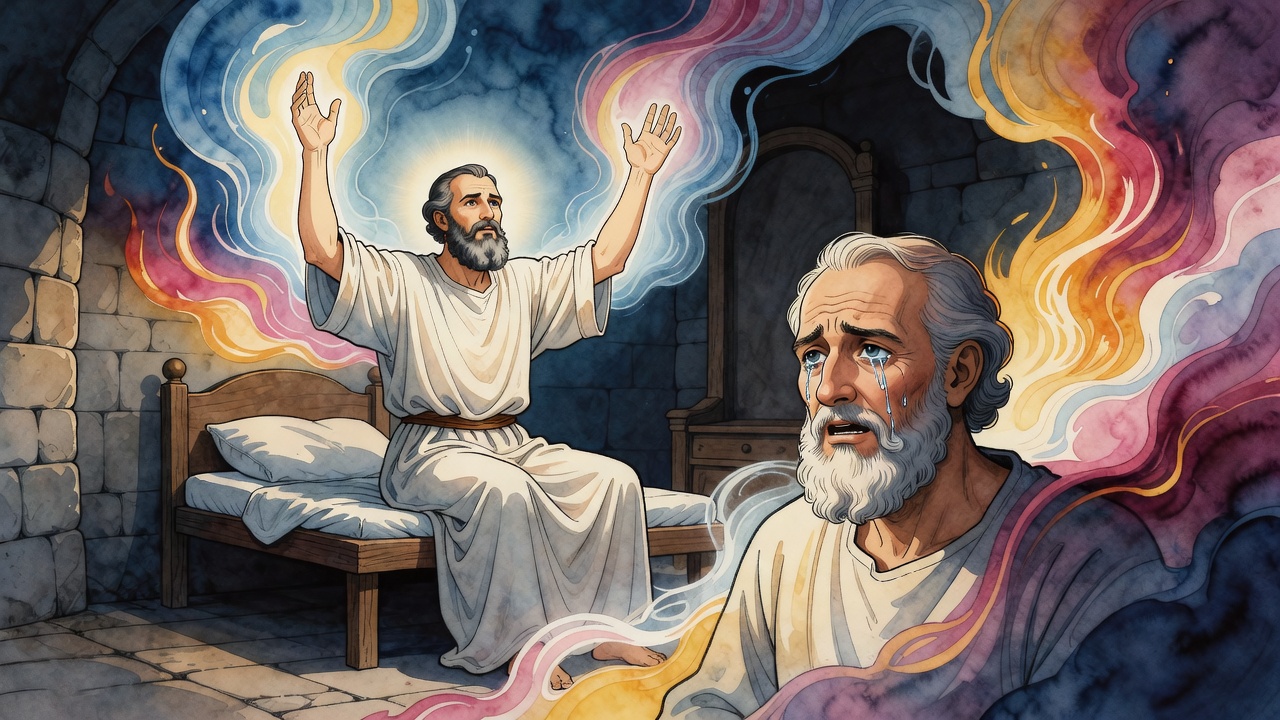
Rabbi Yochanan bared luminous arms in a dark sickroom. Rabbi Elazar wept not for Torah or poverty, but because that beauty would rot in the ground.
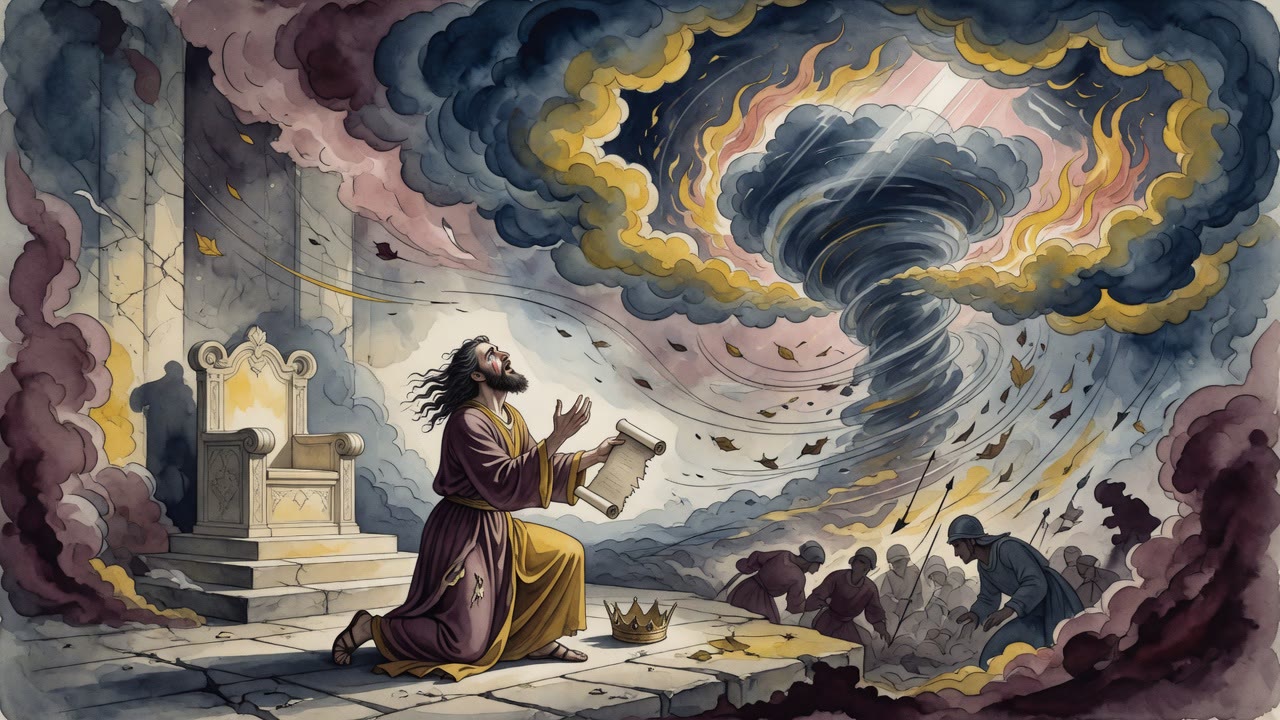
From the ends of the earth David turned his whole body into praise, while Israel waited for a light no borrowed lamp could keep lit.
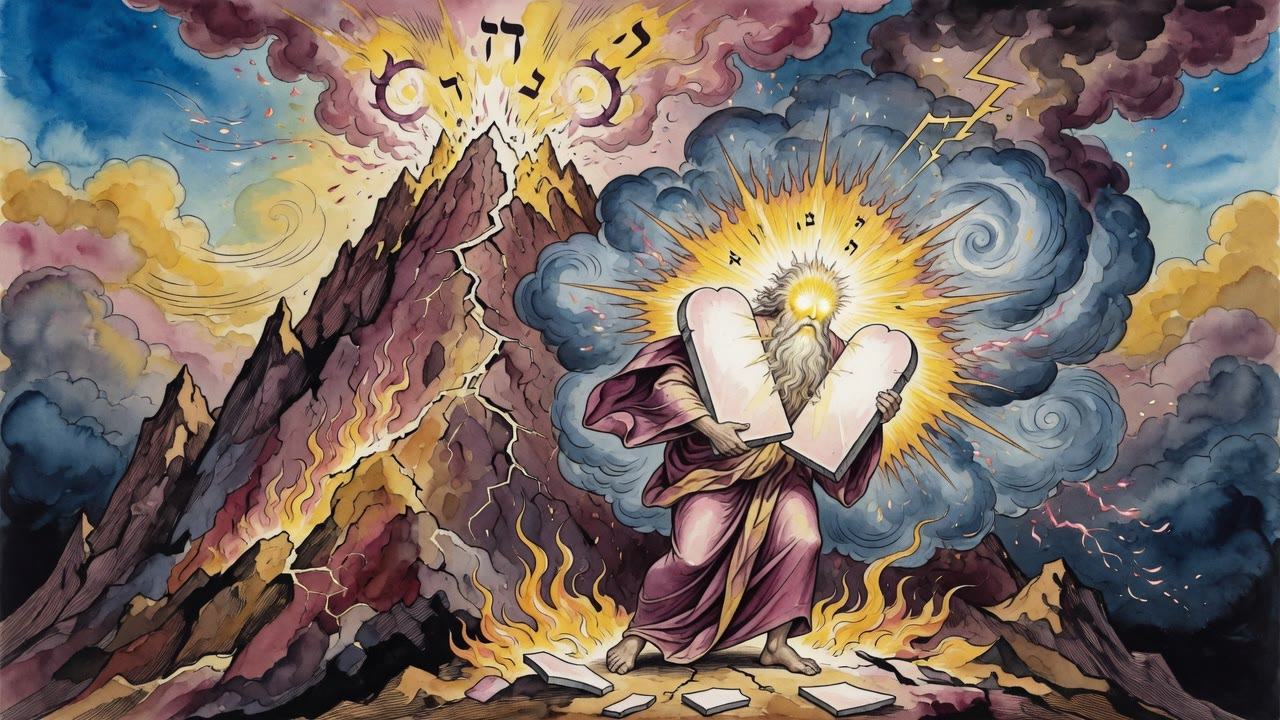
The first tablets left his face unmarked. He cut the second set with his own hands. The camp saw the light before he did.
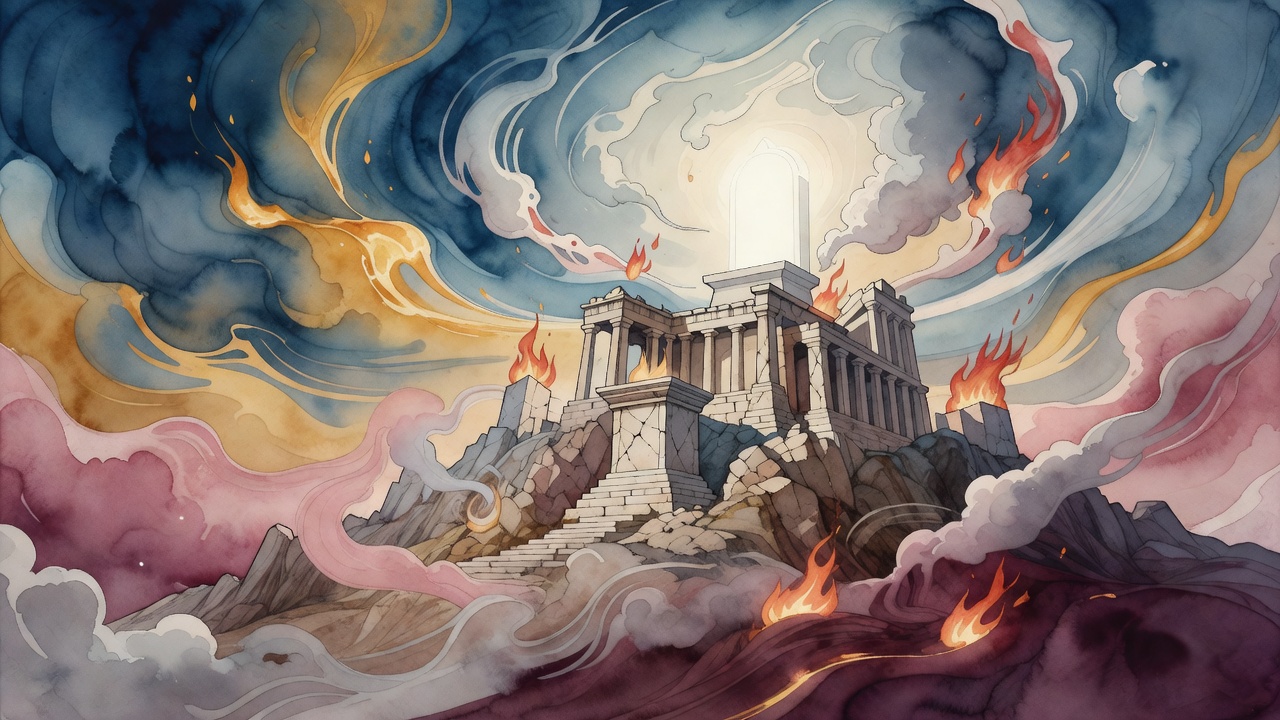
On the first of Nisan the boards finally stood. God said the world had been made again, because a room was ready to hold Him.
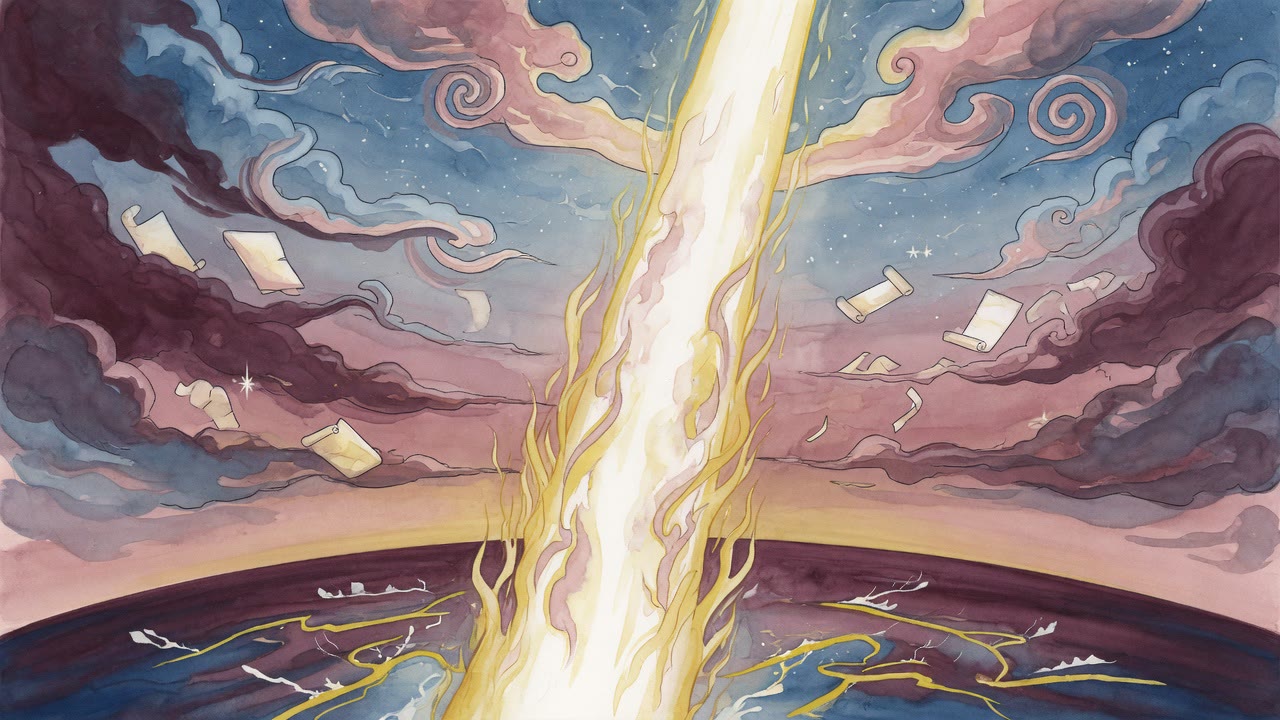
God did not wrestle the cosmos into shape. One utterance, and light stood. Twilight held the debate over when making began.
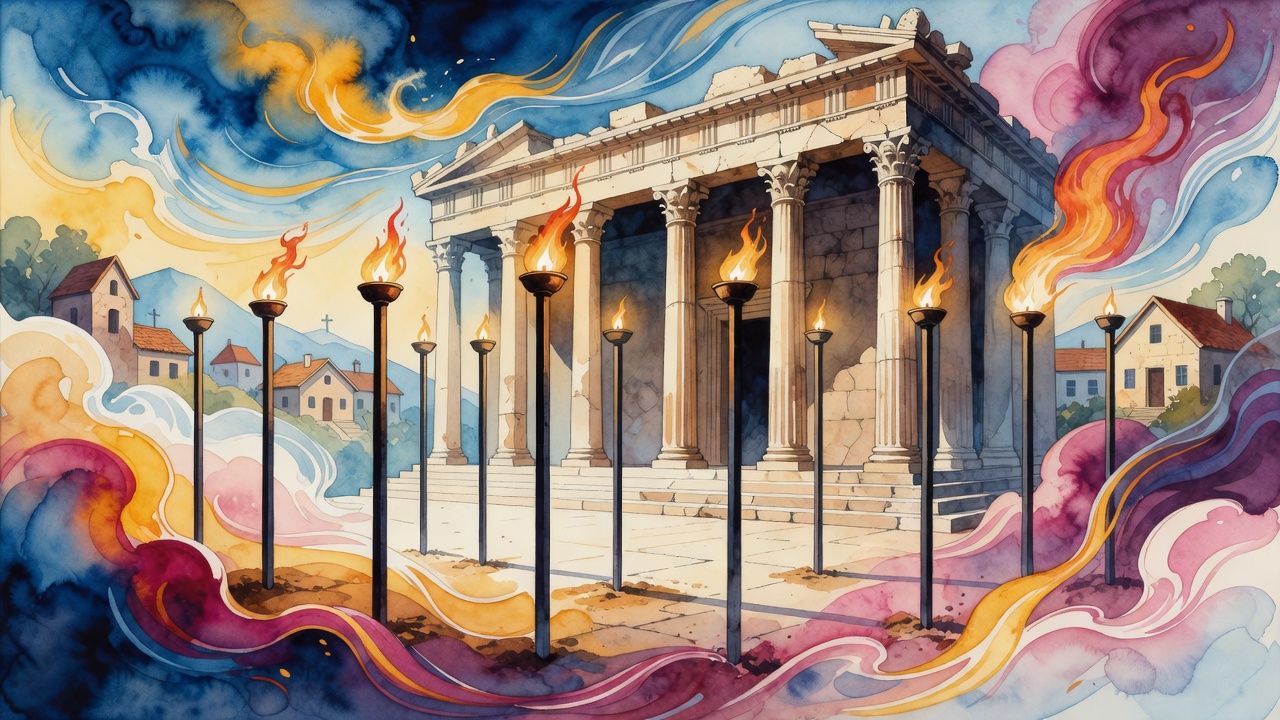
Gold was gone from the sanctuary. Men with dusty boots drove metal into the floor. Lamps sat on it before the market emptied.
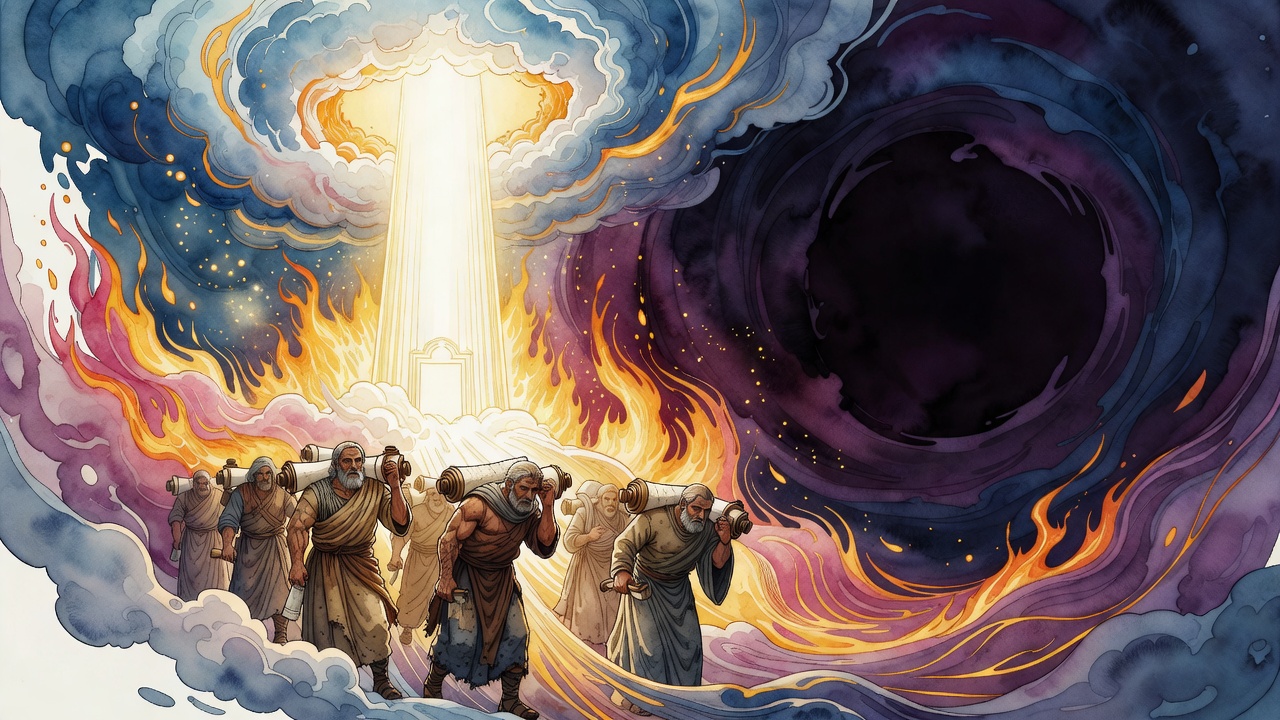
Jeconiah's craftsmen walked east with the scroll in the carts. The Name that would not sit on Night rode with them into Babylon.
