Hezekiah Came Out of Moloch's Fire and Fire Took Sennacherib
Ahaz meant to give his son to Moloch. The boy's mother rubbed him with the blood of a salamander first, and the fire could not have him.
Table of Contents
 Click for full size
The Baby Rubbed With Salamander Blood
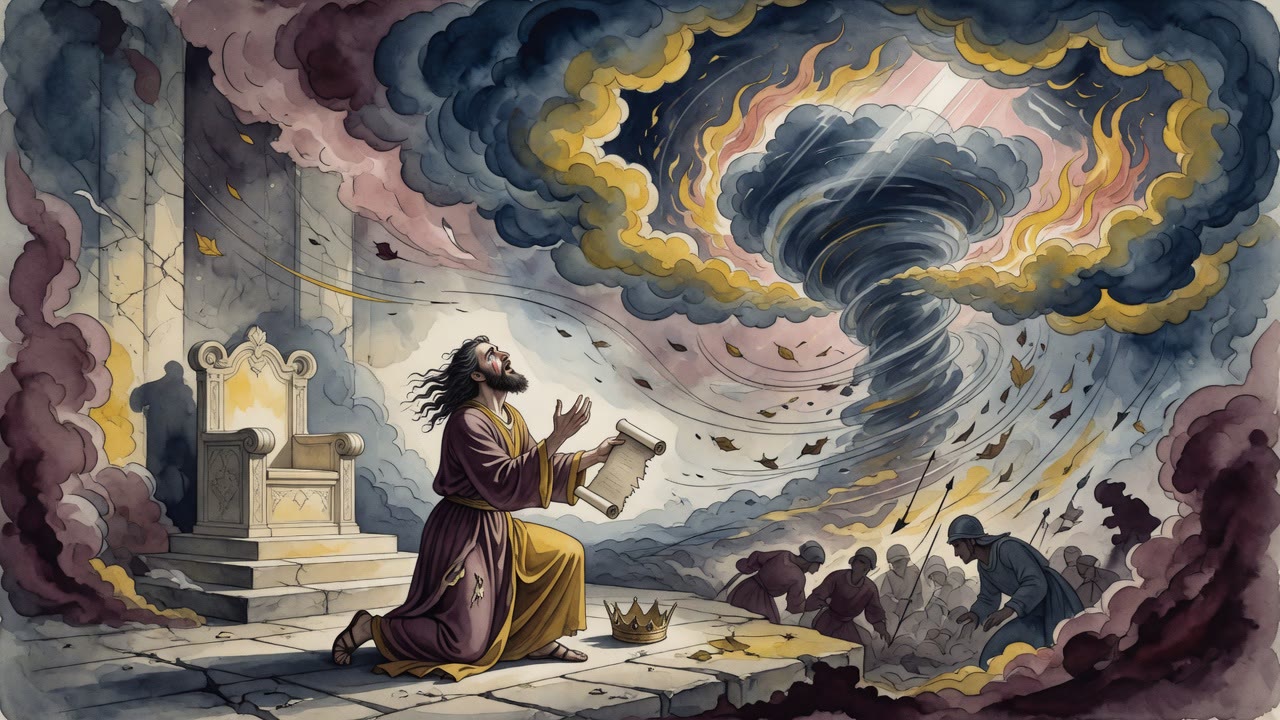
Ahaz had a son and intended to burn him.
The child's mother got to him first. She rubbed him down with the blood of a salamander, the creature that lives in fire and comes out of it wet, and when the flames of Moloch closed over the baby they could not take him. Hezekiah came out of that fire alive and grew up in the house of the man who had put him in it.
Ahaz died a king and was not buried like one. His son gave him a pauper's funeral, no procession, no honors, a plain hole in plain ground. Heaven signed off on it in the sky: on the day they carried Ahaz out, daylight lasted two hours and then quit, and the men with the spades finished their work in the dark.
The King Who Carried the Lamp Oil
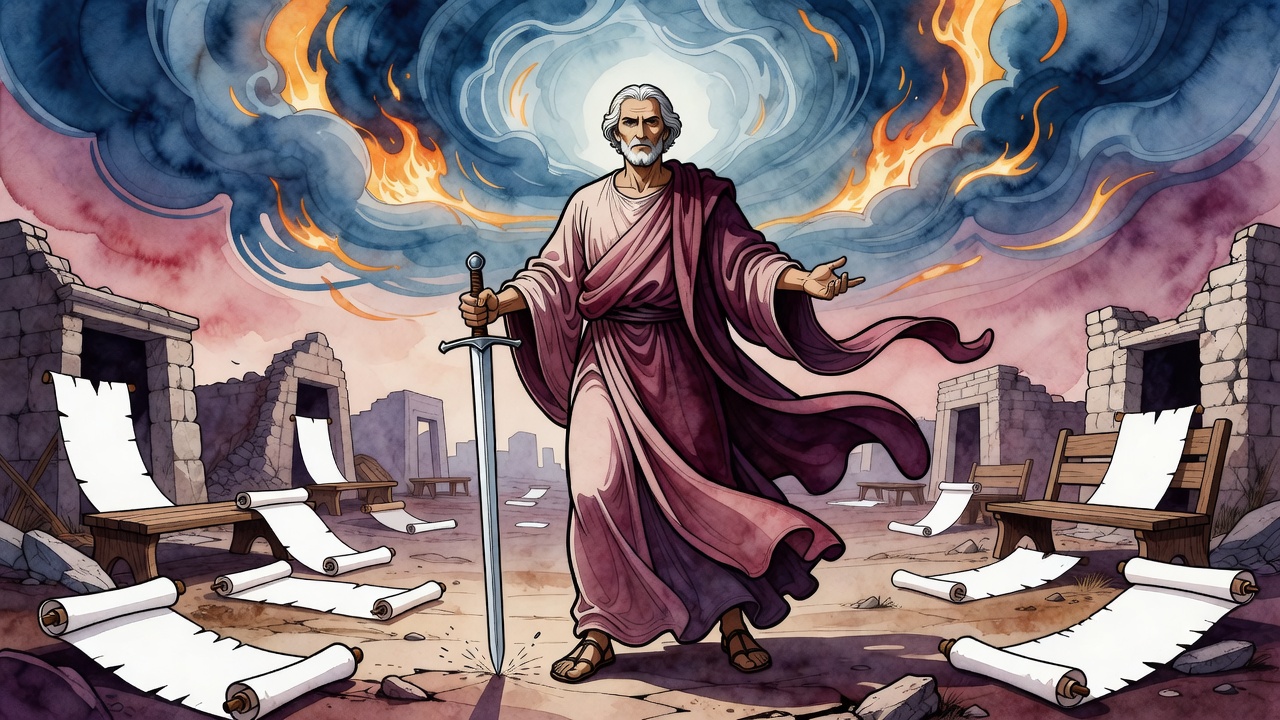
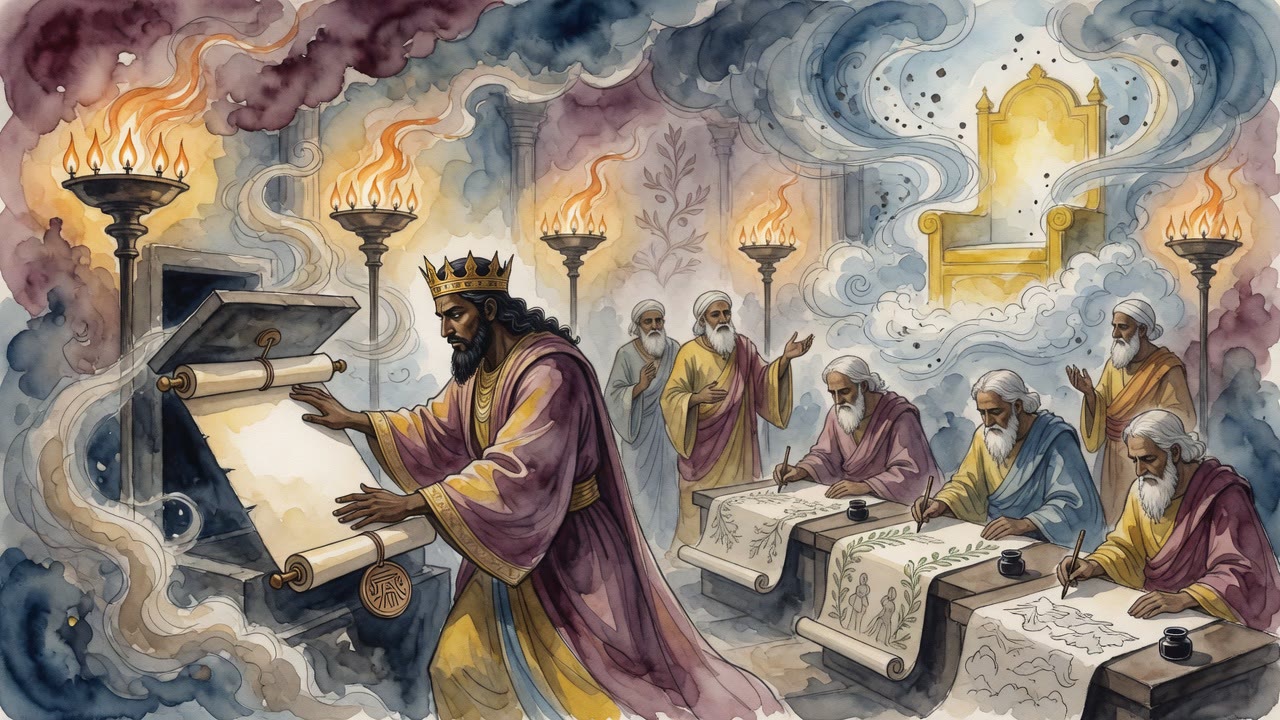
Ahaz had shut the study halls and forbidden the Torah, and his son reopened them with a decree that had teeth in it. A man who would not occupy himself with the Torah made himself liable to death.
Then Hezekiah did the small thing that mattered more than the decree. The academies stayed open through the night, which meant lamps, which meant oil, and the king supplied the oil himself. Not from the treasury. From his own hand, night after night, so that no house of study in Judah went dark for want of it.
A generation came up under those lamps. You could walk the country from Dan to Beersheba and not turn up one ignoramus in it. Women knew the laws of clean and unclean. So did the children, boys and girls both, in a kingdom whose previous king had made the study of them a crime.
Sennacherib on the Platform at Nob
Then Sennacherib came up out of Assyria with an army nobody could count.
His astrologers had given him a deadline. Reach Jerusalem after the day they had marked and he would not take it. So he drove the whole host the ten days' distance in a single day, arrived early, and stopped at Nob to rest, and his men built him a platform there so he could stand up above the road and look at what he had come for.
He looked. Then he laughed at it.
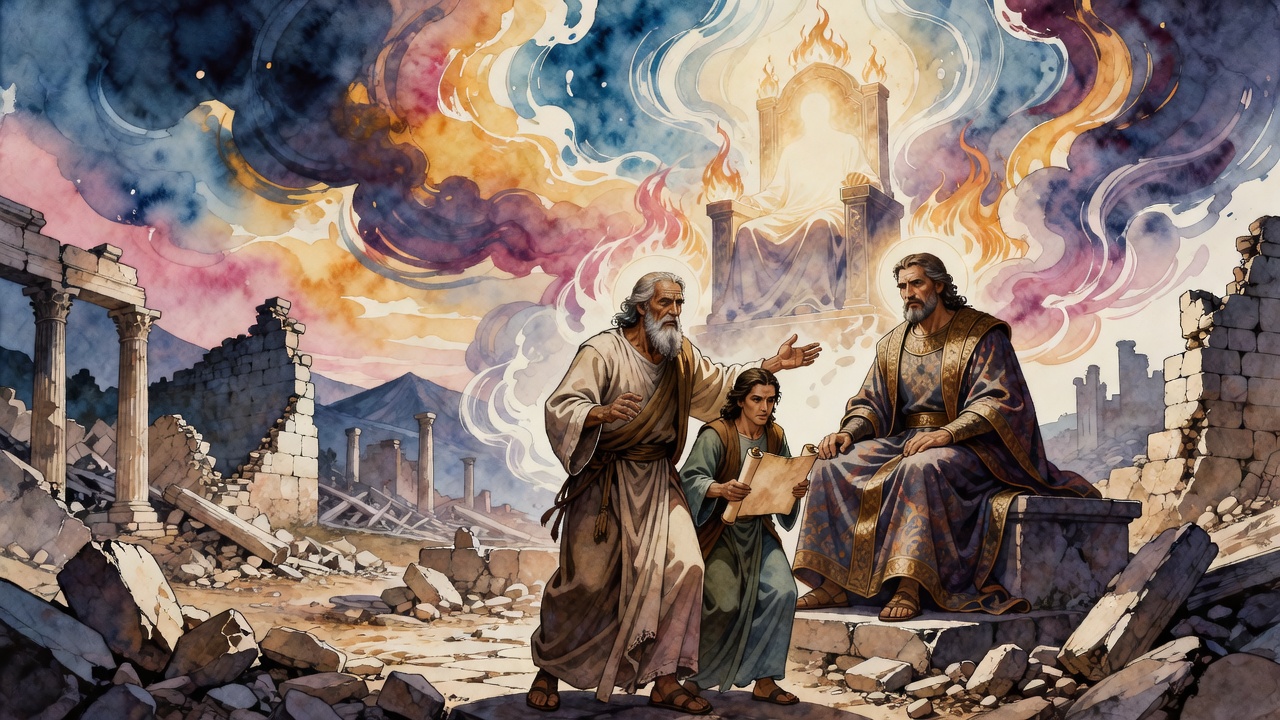
"Is this Jerusalem?" he said. "The city I raised my whole army for, the city I conquered every other land to get to? It is smaller and weaker than anything I have taken." He stretched himself, shook his head, and flicked his hand at the Temple mount the way a man waves off a fly. His officers wanted to go in that afternoon. He told them to sleep. In the morning, he said, each man could carry off as much mortar from that wall as it takes to seal a letter, and there would be no city left to attack.
The night cost him everything. Had he gone up the slope that afternoon he would have walked into Jerusalem, because an old debt was still outstanding, the blood of the priests Saul had killed at Nob, and it had never been fully paid. It came due and was settled that same day. By evening the ground under Sennacherib's army was clean.
The Song That Burned Them
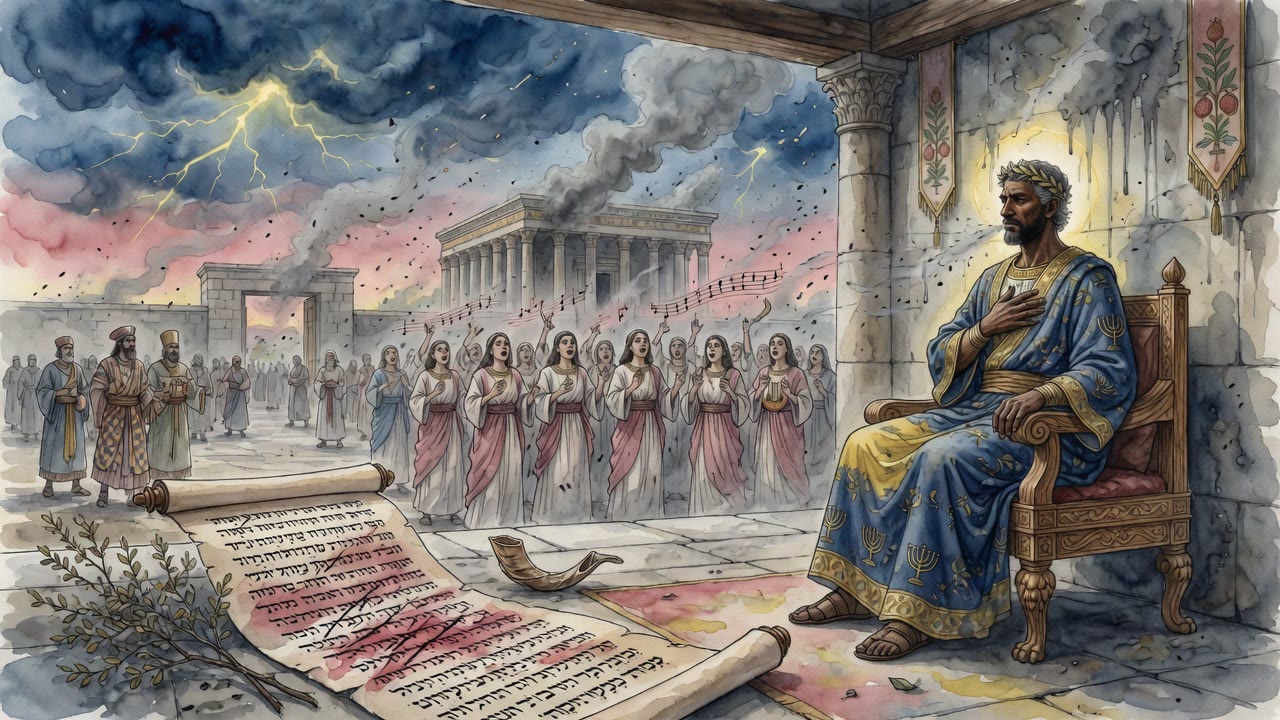
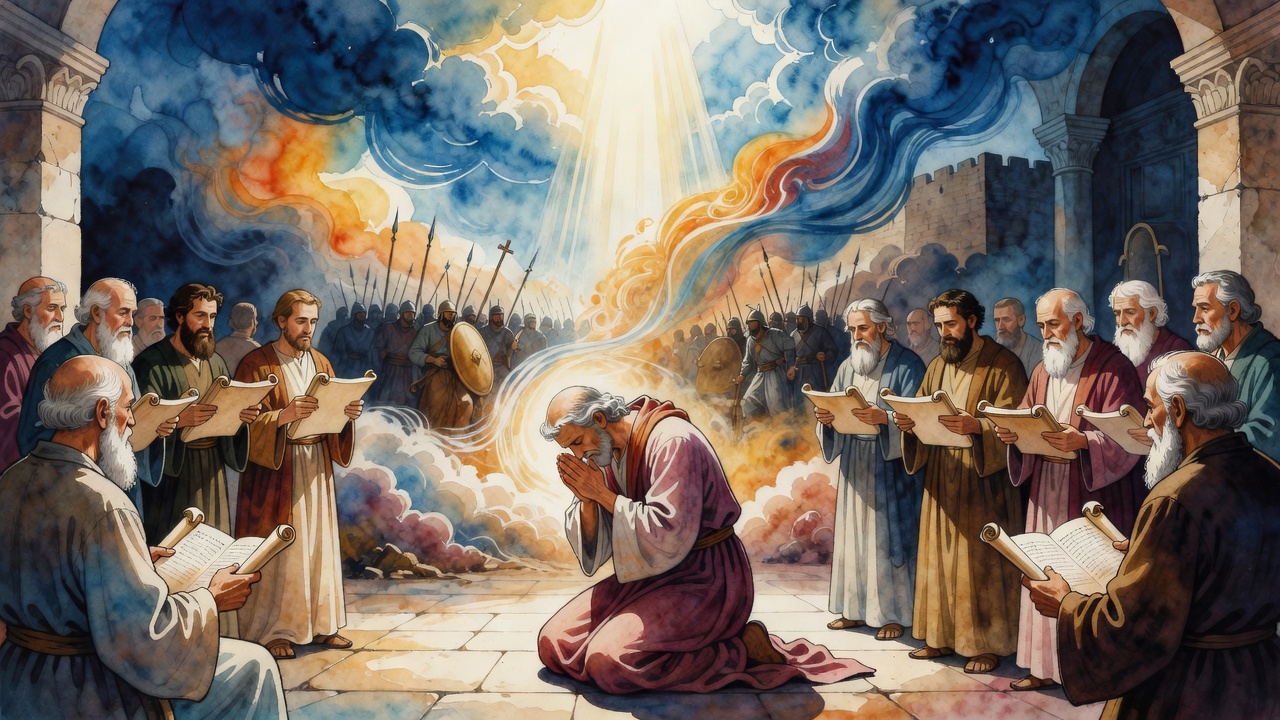
It was the night of Passover. Inside the walls Hezekiah and the people started the Hallel, and the singing went up off the rooftops of a city that was supposed to be gone by morning.
Gabriel had a different job that season. He was the angel appointed over the ripening of the fruit in the fields, and he was pulled off it and sent down the hill to the Assyrian camp.
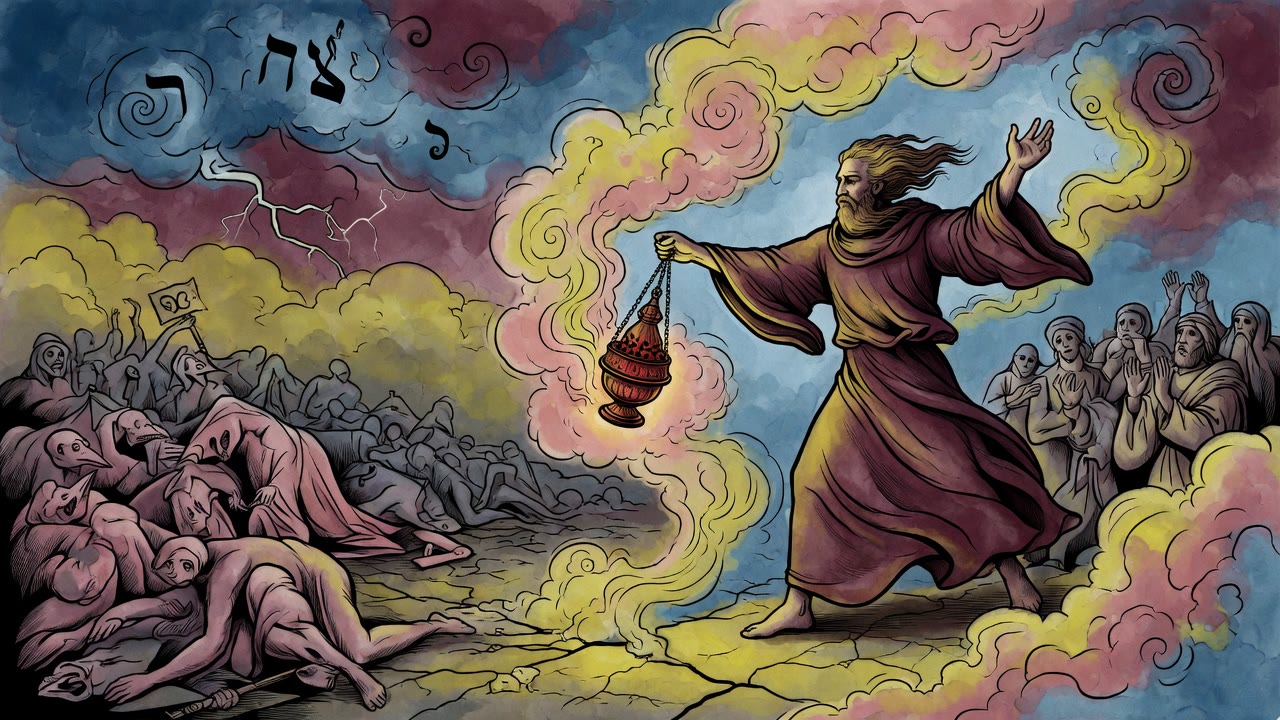
He did not use a sword. He opened the sky a crack and let them hear the singing of the celestials, one note of what the angels sing, and every man who heard it was burned out of his own body. The souls went. The clothes did not. In the morning the camp stood there fully dressed, every strap buckled, every man in his place and empty.
Out of all those millions, five walked away: Sennacherib, his two sons, his son-in-law Nebuchadnezzar, and Nebuzaradan.
The Shears and the Spark
An old man met Sennacherib on the road home. He was not an old man.
He asked the king a friendly question. The allied kings would want to know what had become of their sons at Jerusalem. What did he plan to say to them? Sennacherib admitted he was afraid to face them at all. Cut your hair off, the old man said. They will not know you. And he pointed him at a house nearby where there were shears.
The people in that house were angels, bent over a hand-mill. They would hand over the shears, they said, once he ground them a measure of grain. So the king of Assyria stood at a mill and ground grain until the light went, and by the time he got back with the shears it was too dark to cut anything. He knelt to blow a fire up out of the coals. A spark jumped into his beard and took it.
He reached Assyria shorn and singed, and there he found a plank of wood and set it up as a god, because it had come off the ark that carried Noah over the flood. To this plank he swore that if his next campaign went well he would give it his two sons.
His sons were standing where they could hear him. They killed their father at the foot of it, ran east to Kardu, opened the prisons where the Jewish captives were being held, and came down to Jerusalem with them. They stayed. They became Jews. Generations later the teachers Shemaiah and Abtalion were born out of that line.
← All myths