Psalms

146 texts · Page 1 of 4

The Psalms of David: poetry of praise, lament, and longing that became the prayer book of the Jewish people for three thousand years.

Psalm of Praise

Apocrypha Apocrypha & Pseudepigrapha

This psalm, which didn't quite make the cut for the final version of the Book of Psalms we know and love, is brimming with that very sentiment. It’s an explosion of praise, a call ...

Psalm 154 Found Among the Dead Sea Scrolls

Apocrypha Apocrypha & Pseudepigrapha

That feeling, that impulse, it's ancient. And it's echoed in the words of Psalm 154. Now, you might be thinking, "Psalm 154? I don't remember that one in the traditional Book of Ps...

Zion and Jerusalem in the Lost Psalm 154

Apocrypha Apocrypha & Pseudepigrapha

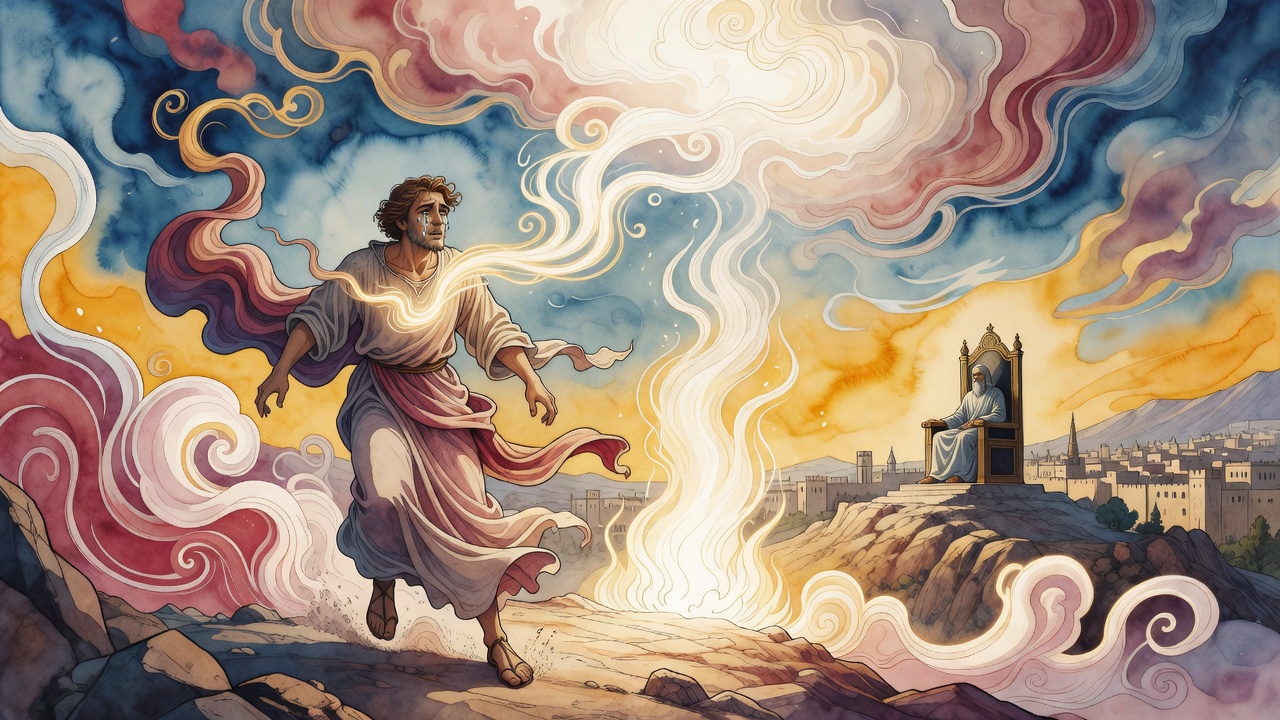
But what does it really mean? Zion. The very name conjures images of ancient Israel, of Jerusalem, of a spiritual home. Zion (ציון) isn't just a place on a map; it's a symbol of ho...

Tears and Supplication of Thou

Ginzberg Legends of the Jews (Ginzberg)

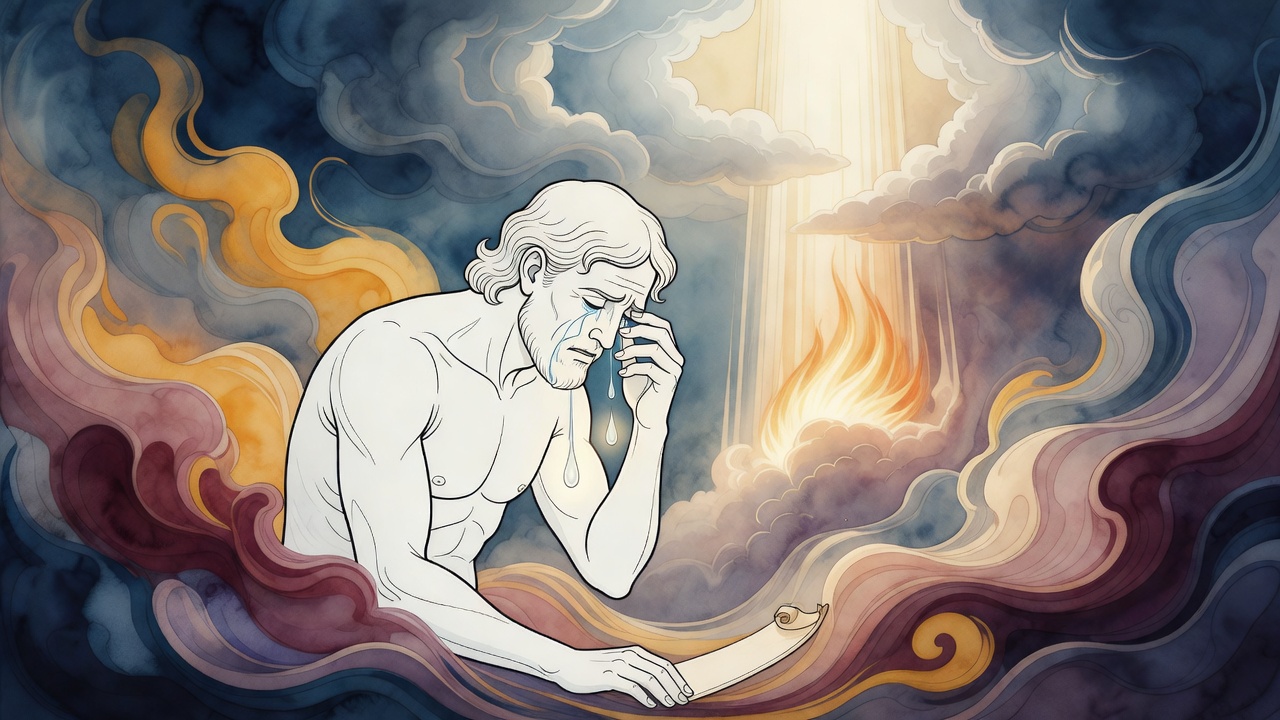
What if they're offering up their own unique prayers? It's a wild idea, isn't it? But Jewish tradition suggests that even the smallest creatures are part of a grand, cosmic chorus ...

David Finished the Psalms and Asked If Anything Praised God More

Ginzberg Legends of the Jews (Ginzberg)

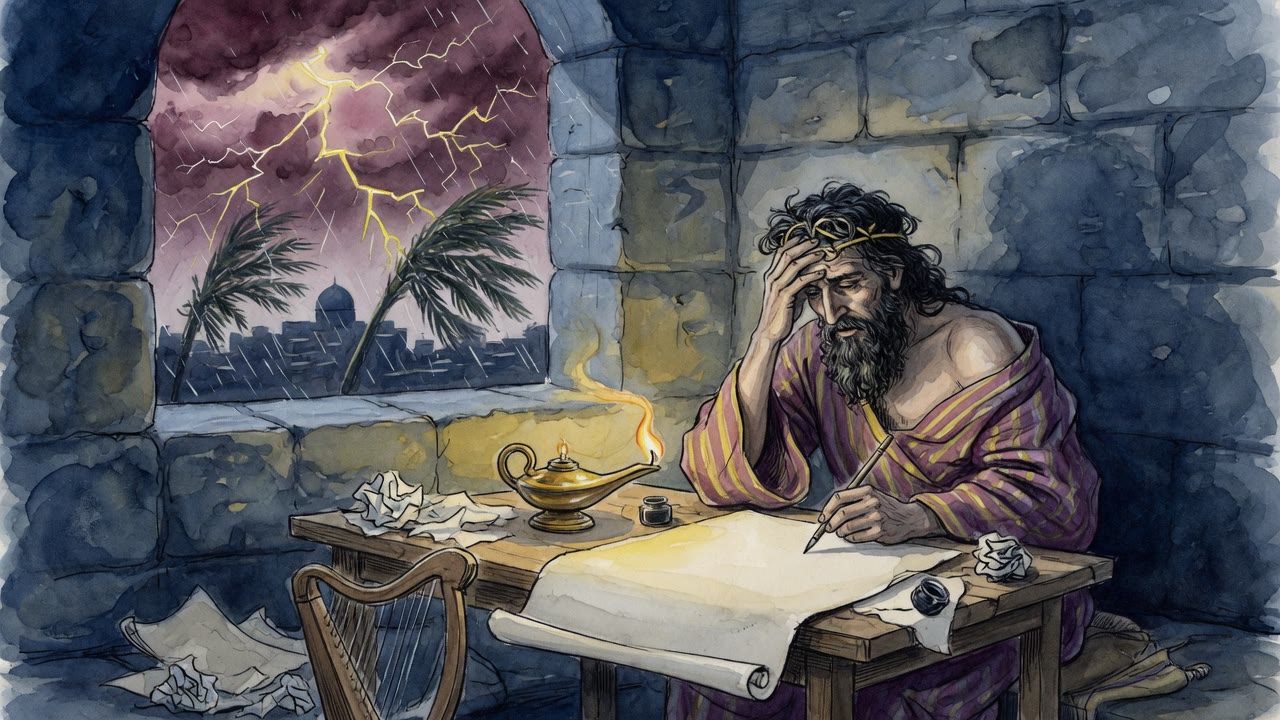
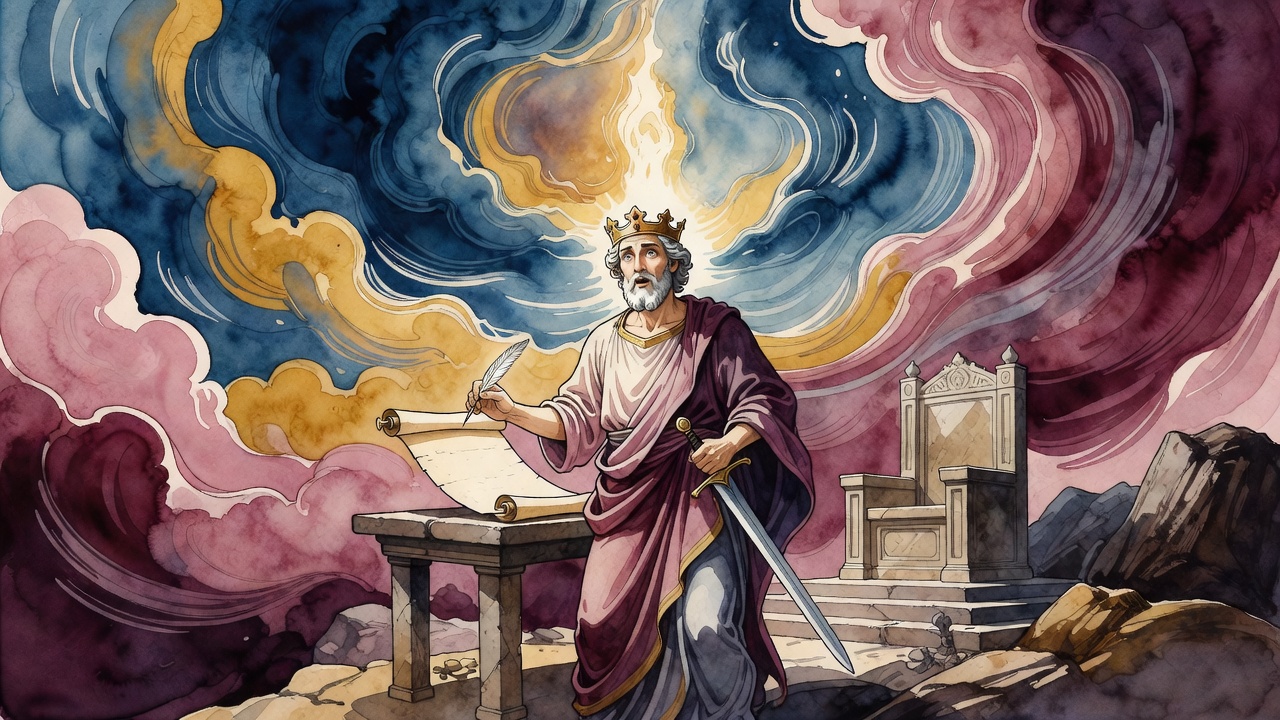
The Legends of the Jews, that monumental collection of rabbinic lore compiled by Louis Ginzberg, gives us a glimpse into David's life, painting him as both divinely inspired and wo...

The Holy Breath

Kabbalah & Mysticism Kabbalah & Mysticism

That's the idea behind the concept of the Ruah ha-Kodesh, the Holy Breath. It's a fascinating notion, and one that Rabbi Nachman of Bratslav explored deeply. You might also hear Ru...

Rabbi Yanai on the Eternity of Creation

Kabbalah Kabbalah & Mysticism

This very question is tackled in Sefer HaBahir, one of the earliest and most important texts of Kabbalah, Jewish mysticism. The Bahir, meaning "brightness" or "illumination," delve...

Life of Zeir Anpin

Other Texts Kabbalah & Mysticism

The Idra Zuta, a profound section of the Zohar, wrestles with this very question, specifically in relation to Zeir Anpin, often described as the Lesser Countenance, a crucial aspec...

Every Psalm Has a Hidden Power

Kabbalah & Mysticism Kabbalah & Mysticism

Shimush Tehillim (שמוש תהלים), the Magical Use of Psalms, is a remarkable text that transforms the Book of Psalms from a collection of prayers and poems into a practical manual of ...

Psalms That Shield You From Danger

Kabbalah & Mysticism Kabbalah & Mysticism

The protection Psalms in Shimush Tehillim are the text's most famous and widely practiced section. For centuries, Jewish communities around the world have recited specific Psalms i...

Psalms That Heal the Sick and Sharpen the Mind

Kabbalah & Mysticism Kabbalah & Mysticism

Shimush Tehillim devotes extensive attention to Psalms for healing and wisdom—two categories that, in Jewish thought, are deeply connected. The Hebrew word for healing, refuah (רפו...

Divine Names Encoded in the Verses of Psalms

Kabbalah & Mysticism Kabbalah & Mysticism

The most esoteric section of Shimush Tehillim deals with the divine names hidden within the Psalms themselves—names that are not written explicitly but encoded through acrostics, g...

How Jews Used Torah Verses as Magical Spells

Kabbalah & Mysticism Kabbalah & Mysticism

The most widely practiced form of Jewish magic required no special training, no secret names, no angelic invocations. It required only a Bible. As Joshua Trachtenberg documented, m...

) "that G–d did not lead them ('nacham')

Mekhilta DeRabbi Yishmael Mekhilta DeRabbi Yishmael

The Hebrew word "nacham" appears in the Exodus narrative, and the Mekhilta pauses to clarify its meaning. While "nacham" can mean "to comfort" or "to regret" in other contexts, her...

Azaryah says — In the merit of their father Abraham I will

Mekhilta DeRabbi Yishmael Mekhilta DeRabbi Yishmael

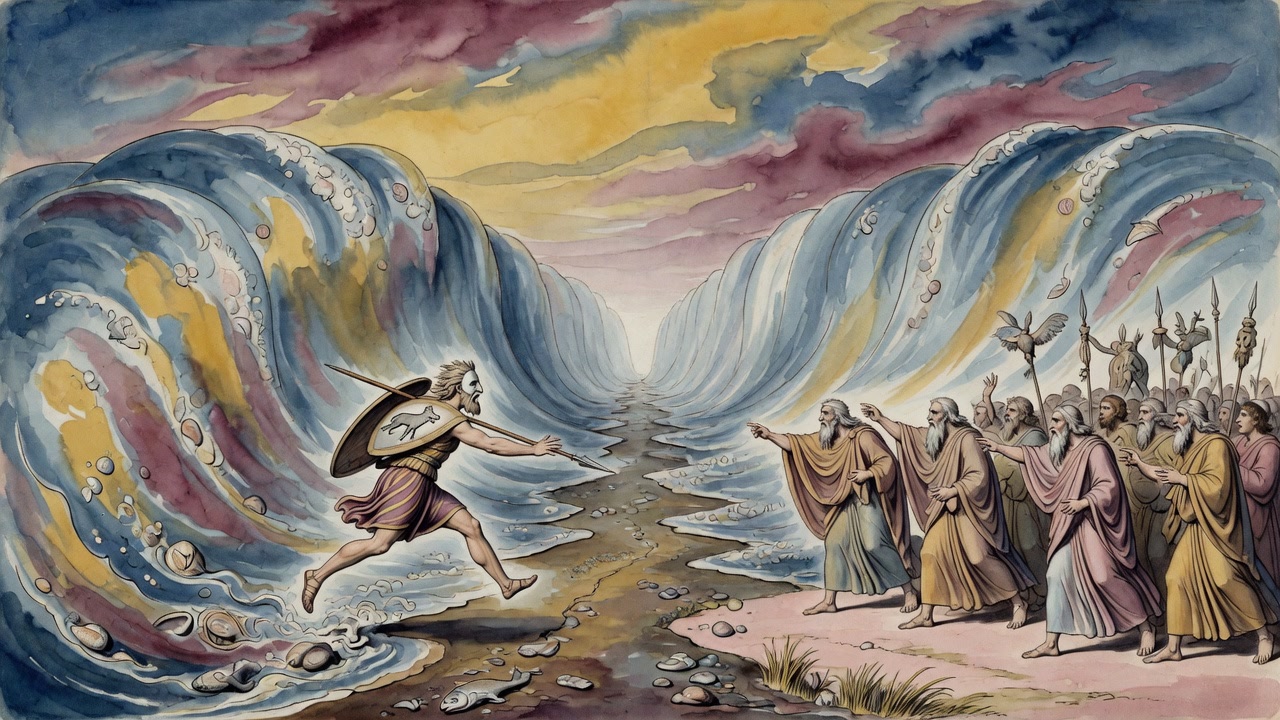
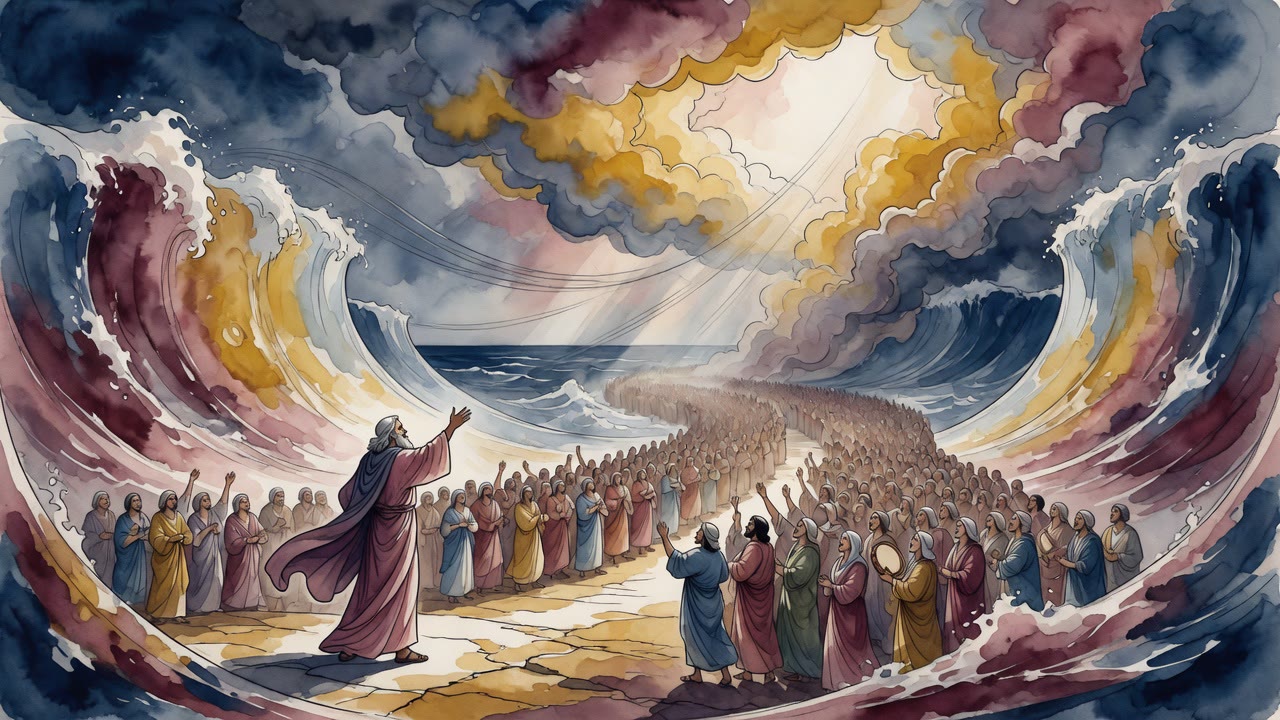
Rabbi Elazar ben Azaryah taught that God split the Red Sea for the Israelites in the merit of their forefather Abraham. His proof comes from a sweeping passage in (Psalms 105:42-43...

Yehudah of Bortutha says — In the merit of the tribes I will

Mekhilta DeRabbi Yishmael Mekhilta DeRabbi Yishmael

Rabbi Eliezer ben Yehudah of Bortutha declared that God split the Red Sea in the merit of the twelve tribes of Israel. The tribal structure of the nation — not the faith of any sin...

Shimon of Kitron says — In the merit of the bones of Joseph

Mekhilta DeRabbi Yishmael Mekhilta DeRabbi Yishmael

The Mekhilta DeRabbi Yishmael preserves a remarkable teaching by Shimon of Kitron about why God split the Red Sea for Israel. The answer has nothing to do with Moses raising his st...

An analogy — A man was walking on the road leading his son

Mekhilta DeRabbi Yishmael Mekhilta DeRabbi Yishmael

An analogy: A man was walking on the road leading his son before him when robbers came to snare him, whereupon he took him and placed him behind him, when a wolf came to snatch him...

Nechemiah says — Because of the thunders on high, the pivots

Mekhilta DeRabbi Yishmael Mekhilta DeRabbi Yishmael

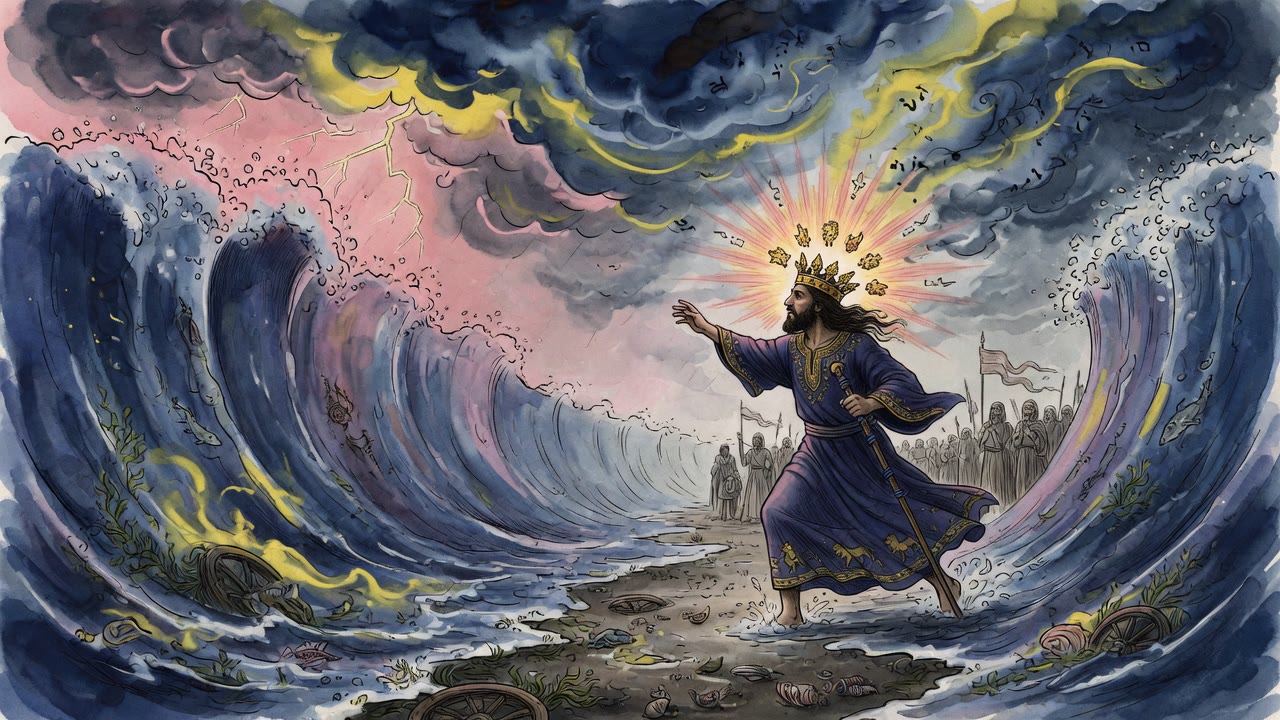
Rabbi Nechemiah painted a vivid picture of the chaos that engulfed the Egyptian army at the Red Sea. When God unleashed thunder from the heavens, the physical world below shattered...

Pappus expounded (Psalms 106 — 20) "And they exchanged their

Mekhilta DeRabbi Yishmael Mekhilta DeRabbi Yishmael

R. Pappus expounded (Psalms 106:20) "And they exchanged their glory for the image of an ox that feeds on grass": I might think, for the "ox" on high (i.e., Taurus); it is, therefor...

(Psalms 92 — 2-5) "It is good to praise the L–rd and so sing

Mekhilta DeRabbi Yishmael Mekhilta DeRabbi Yishmael

(Psalms 92:2-5) "It is good to praise the L–rd and so sing to Your exalted name. To proclaim in the morning Your lovingkindness, and Your faithfulness in the nights. With a ten-str...

I shall sing to the L–rd," who is comely, who is glorious

Mekhilta DeRabbi Yishmael Mekhilta DeRabbi Yishmael

"I shall sing to the L–rd," who is comely, who is glorious, who is exalted, whose like does not exist—(Psalms 89:7) "For who in the heavens can be compared to the L–rd, can be like...

Yossi says (Psalms 8 — 3) "From the mouths of olelim and

Mekhilta DeRabbi Yishmael Mekhilta DeRabbi Yishmael

Rabbi Yossi interprets a verse from Psalms that adds an astonishing dimension to the Song of the Sea. "From the mouths of olelim and yonkim You have founded strength" (Psalms 8:3)....

3) "The L–rd is a man of war; the L–rd is His name

Mekhilta DeRabbi Yishmael Mekhilta DeRabbi Yishmael

"The Lord is a man of war; the Lord is His name" (Exodus 15:3). Rabbi Yehudah declares that this verse is extraordinarily rich — it illuminates truths that appear in many other pas...

A king of flesh and blood, whilst at war, cannot supply all

Mekhilta DeRabbi Yishmael Mekhilta DeRabbi Yishmael

The Mekhilta presents another contrast between a mortal king at war and God. A king of flesh and blood, while engaged in battle, cannot supply all of his soldiers with what they ne...

the L–rd is His name" — It is with His name that He wars

Mekhilta DeRabbi Yishmael Mekhilta DeRabbi Yishmael

"the L–rd is His name": It is with His name that He wars, and He has no need of any of these (military) appurtenances. And thus did David say (I Samuel 17:95) "You come to me with ...

When Israel do His will, there is no sleep before Him, viz

Mekhilta DeRabbi Yishmael Mekhilta DeRabbi Yishmael

Does God sleep? The Mekhilta wrestles with this question through a startling paradox. When Israel does God's will, there is no sleep before Him. (Psalms 121:4) declares it plainly:...

It is not written "those who rise up against us," but

Mekhilta DeRabbi Yishmael Mekhilta DeRabbi Yishmael

It is not written "those who rise up against us," but "those who rise up against You," whereby we are apprised that all who rise up against Israel are rising up, as it were, agains...

(Exodus 15 — 7) It is not written "You have destroyed those

Mekhilta DeRabbi Yishmael Mekhilta DeRabbi Yishmael

The Mekhilta catches a subtle but crucial grammatical detail in (Exodus 15:7). The Song at the Sea does not say "You have destroyed those who rose up against You" — past tense, as ...

And thus is it written (Psalms 2 — 1) "Why do the nations

Mekhilta DeRabbi Yishmael Mekhilta DeRabbi Yishmael

The Mekhilta de-Rabbi Ishmael invokes a pair of verses from Psalms to reveal something startling about how God responds to the nations that rage against Israel: He laughs. The firs...

Variantly — "Who is like You among the mighty, O L–rd" — Who

Mekhilta DeRabbi Yishmael Mekhilta DeRabbi Yishmael

The Song at the Sea asks: "Who is like You among the mighty, O Lord?" (Exodus 15:11). The Mekhilta DeRabbi Yishmael reads this question not as rhetorical flattery but as a genuine ...

Variantly — "Who is like You among the mighty" — Who is like

Mekhilta DeRabbi Yishmael Mekhilta DeRabbi Yishmael

The Mekhilta lifts the declaration "Who is like You among the mighty" out of the earthly realm and directs it upward — toward the angelic hosts who minister before God on high. "Wh...

Variantly — Who is like You among those whom others call

Mekhilta DeRabbi Yishmael Mekhilta DeRabbi Yishmael

Variantly: Who is like You among those whom others call "gods" and who are without substance, those of whom it is written (Psalms 115:5) "hey have a mouth but cannot speak, etc." B...

Variantly — "awesome in praise" — The measure of flesh and

Mekhilta DeRabbi Yishmael Mekhilta DeRabbi Yishmael

Variantly: "awesome in praise": The measure of flesh and blood—A man's awe is more upon those who are distant from him than upon those who are near him. Not so, the Holy One Blesse...

The measure of flesh and blood—When one man works for

Mekhilta DeRabbi Yishmael Mekhilta DeRabbi Yishmael

The measure of flesh and blood—When one man works for another—plowing with him, sowing with him, weeding with him, hoeing with him—the other gives him a single coin and he goes on ...

God Roofs the World with Water While Humans Use Stone

Mekhilta DeRabbi Yishmael Mekhilta DeRabbi Yishmael

The Mekhilta draws a vivid contrast between human construction and divine architecture. A human being builds a roof out of wood, earth, and stones, solid materials that resist grav...

The measure of flesh and blood—he cannot make a form from earth

Mekhilta DeRabbi Yishmael Mekhilta DeRabbi Yishmael

The Mekhilta draws a profound contrast between human ability and divine power through the act of creation from earth. A human craftsman cannot form a living figure from dirt. He ca...

Variantly — "working wonders" — He wrought wonders for us and

Mekhilta DeRabbi Yishmael Mekhilta DeRabbi Yishmael

The Mekhilta DeRabbi Yishmael takes the phrase "working wonders" from the Song at the Sea (Exodus 15:11) and expands it far beyond the events at the Red Sea. The Torah describes Go...

Yossi Haglili says — (Ibid

Mekhilta DeRabbi Yishmael Mekhilta DeRabbi Yishmael

Rabbi Yossi Haglili calculated the sheer scale of the quail that God sent to the Israelites, and the numbers are staggering. Drawing on (Numbers 11:31), which says the quail spread...

Others say — "And it was spread around the camp about a

Mekhilta DeRabbi Yishmael Mekhilta DeRabbi Yishmael

An alternative calculation in the Mekhilta DeRabbi Yishmael pushed the scale of the quail miracle even further. Where Rabbi Yossi Haglili estimated three parasangs per side, other ...

Yossi Haglili said — It is written (Psalms 81 — 8) "In

Mekhilta DeRabbi Yishmael Mekhilta DeRabbi Yishmael

R. Elazar ben R. Yossi Haglili found a disturbing paradox buried in a single verse from Psalms. The verse reads (Psalms 81:8): "In distress you called and I rescued you. I answered...

I might think it was given at night; it is, therefore

Mekhilta DeRabbi Yishmael Mekhilta DeRabbi Yishmael

The Mekhilta methodically eliminates every possible misunderstanding about how the Torah was given at Sinai. Each wrong assumption is raised and then demolished by a specific verse...

Yossi says (Psalms 115 — 16) "the heavens are the heavens of

Mekhilta DeRabbi Yishmael Mekhilta DeRabbi Yishmael

Rabbi Yossi raised a fundamental question about the boundary between heaven and earth. He cited (Psalms 115:16), which declares that "the heavens are the heavens of the Lord, and t...

20 — 15) "And all the people saw the sounds and the

Mekhilta DeRabbi Yishmael Mekhilta DeRabbi Yishmael

(Exodus 20:15) describes an extraordinary moment at Sinai: "And all the people saw the sounds and the lightnings." The people did not merely hear the divine voice — they saw it. Ra...

And all the people saw" — the sounds of sounds and the

Mekhilta DeRabbi Yishmael Mekhilta DeRabbi Yishmael

"And all the people saw" — the sounds of sounds and the flames of flames. The Mekhilta asks: how many sounds were there at Sinai, and how many flames? The answer is not a specific ...

Akiva says — We are hereby taught that the Holy One Blessed

Mekhilta DeRabbi Yishmael Mekhilta DeRabbi Yishmael

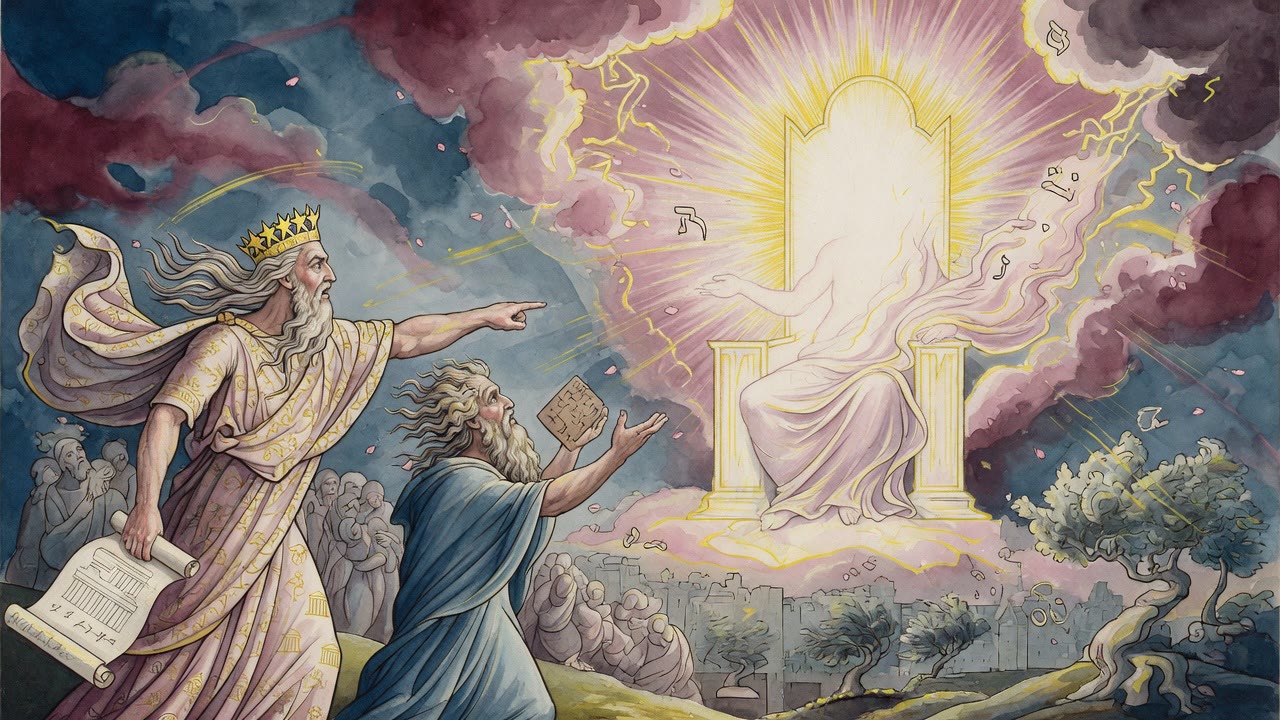
When God gave the Torah at Mount Sinai, the Torah says He "descended" upon the mountain (Exodus 19:20). But it also says He spoke "from the heavens" (Exodus 20:22). These two state...

she'eirah" — This is her food, as in (Michah 3 — 3) "and who

Mekhilta DeRabbi Yishmael Mekhilta DeRabbi Yishmael

The Torah lists three things a husband must provide for his wife: "she'eirah, kesuthah, and onathah" (Exodus 21:10). These three Hebrew terms are cryptic, and the Mekhilta preserve...

We find that certain consecrated objects can be redeemed

Mekhilta DeRabbi Yishmael Mekhilta DeRabbi Yishmael

The Mekhilta explores a fascinating taxonomy of what can and cannot be redeemed in Jewish law. Certain consecrated objects can be redeemed — returned to ordinary status through a m...