Hezekiah Kept the Lamps Burning Against the Terror of Night
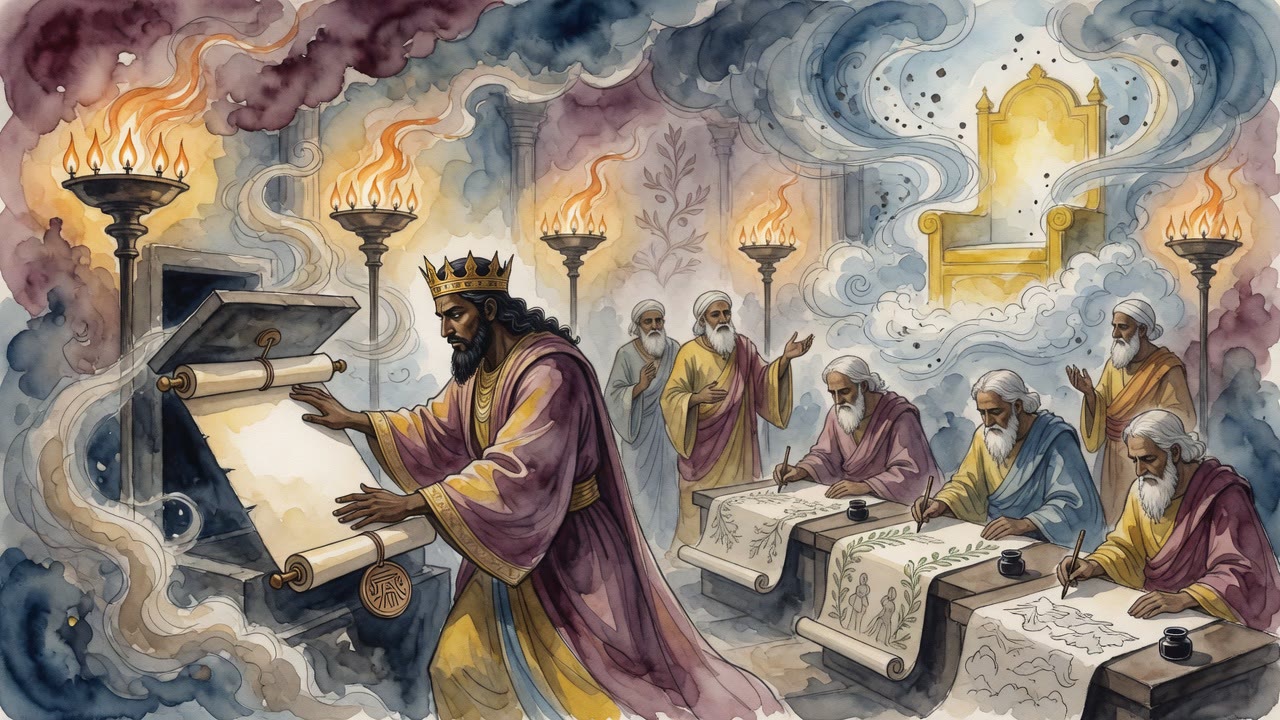
Ahaz had shut the study houses. The rooms went dark. Hezekiah ordered oil for every lamp and said the night would not stay empty.
Table of Contents
 Click for full size
Ahaz Closed the Houses of Study
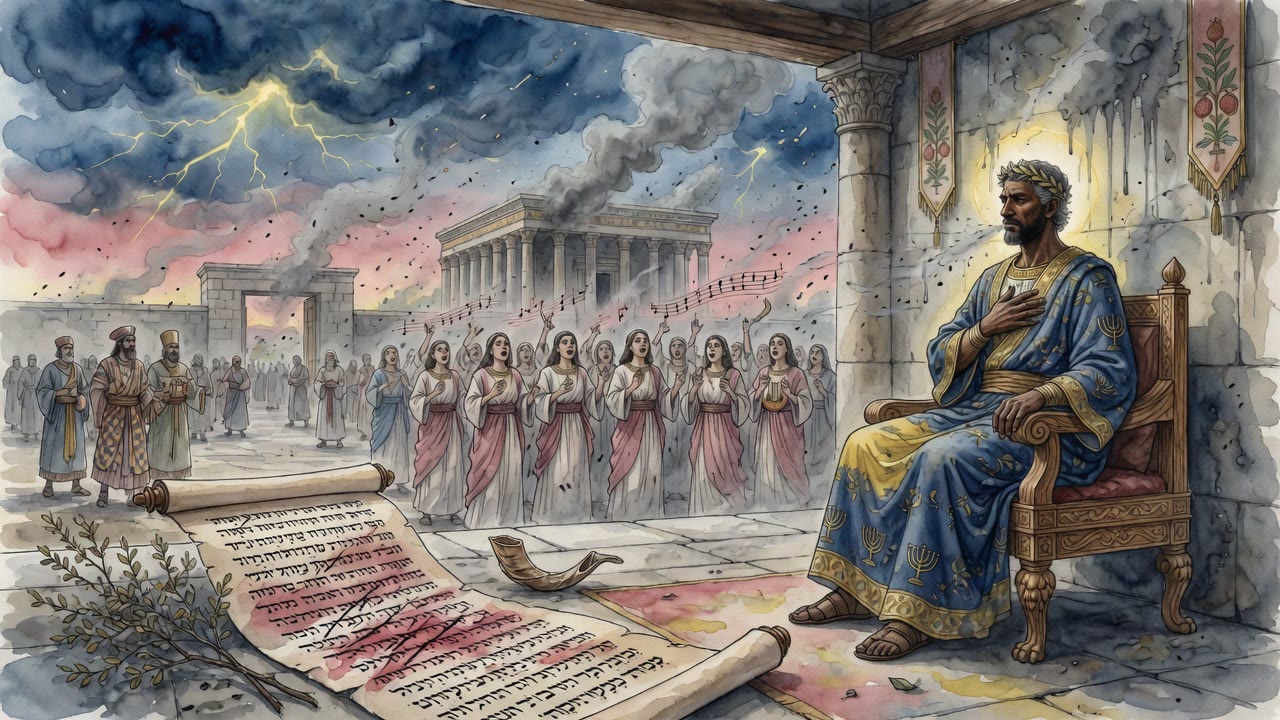
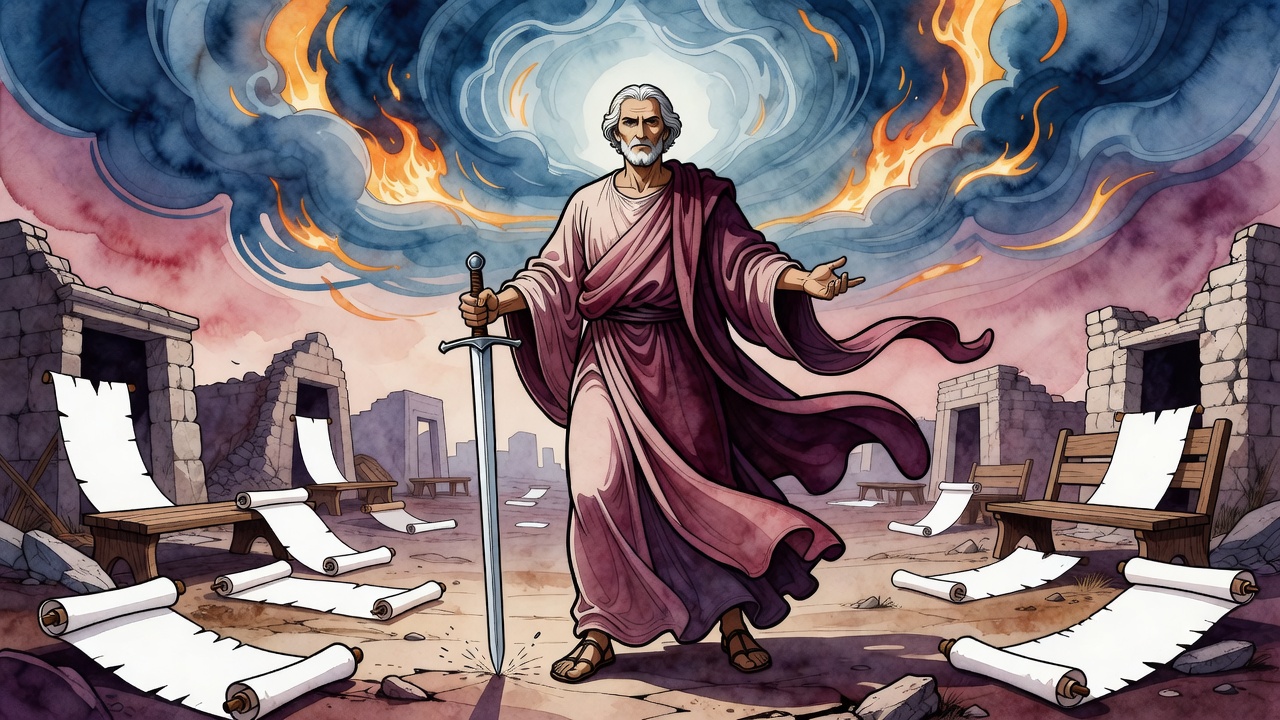
Ahaz did not only neglect the schools. He shut them. He forbade the study of Torah and left an age without teachers. Lamps went out in rooms that had held voices after dark. From the street those rooms looked like any other wall. Inside, the tables waited with no one at them.
Night in Jerusalem grew ordinary in the worst way. No reading. No argument over a verse. No child repeating a law under a wick. The dark had the city to itself.
A Demoness With Mule Legs Walked After Dark
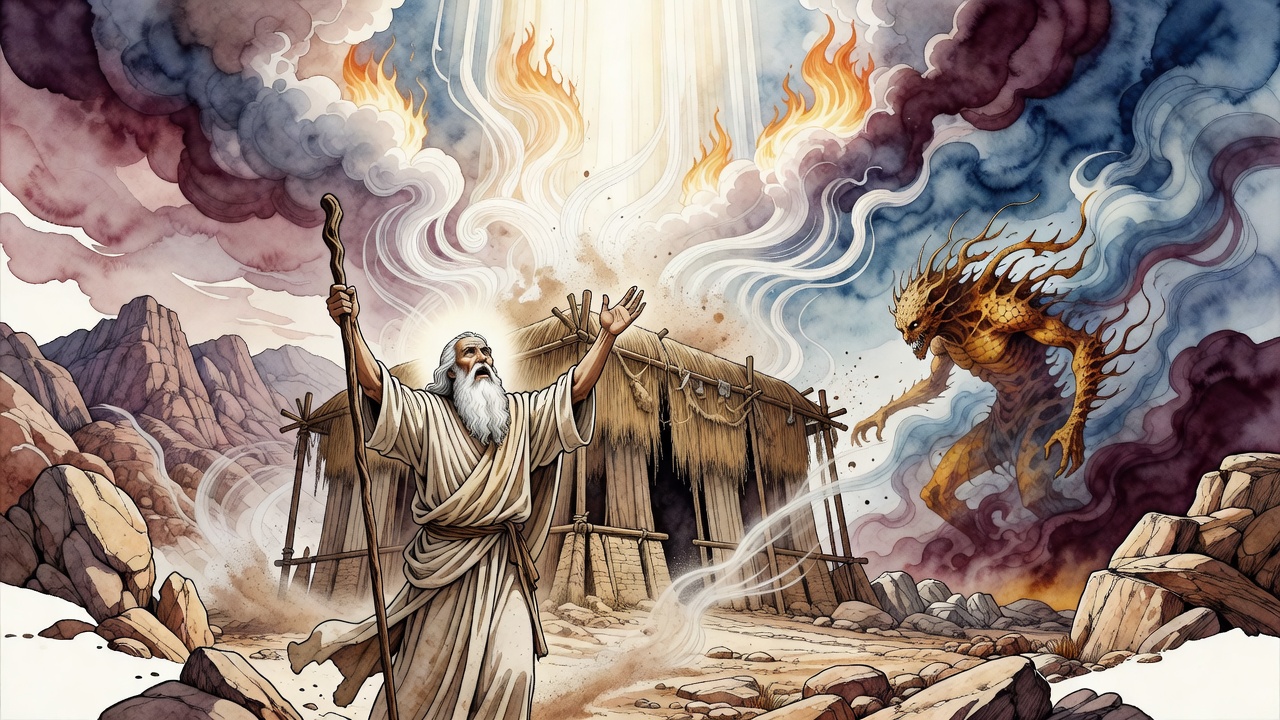
That is the weather a demon wants. Long before Ahaz, Solomon had bound one who lived on exactly that kind of night. Her name was Onoskelis. She had the torso of a woman and the legs of a mule. When Solomon demanded who she was, she said, "I am Onoskelis, a spirit that has been made into a body. I was created by the echo of a voice from a black heaven."
She dwelt in caves in cliffs and ravines. She traveled by moonlight. She strangled men. She perverted them from their true nature, because men took her for a woman, which she was not. Some worshiped her in secret and in the open, and the worship made her worse.
Solomon did not kill her. He could not. He bound her by the Name and set her to spin hemp, the hemp for the ropes of the Temple. The house of holiness went up in part on the labor of a creature who walked in the dark and could only be pressed, never erased. Psalm 91 names a pestilence that walks in darkness. Onoskelis is what such a walk looks like when it has a mouth and mule legs.
Moses Stepped Into the Cloud Anyway
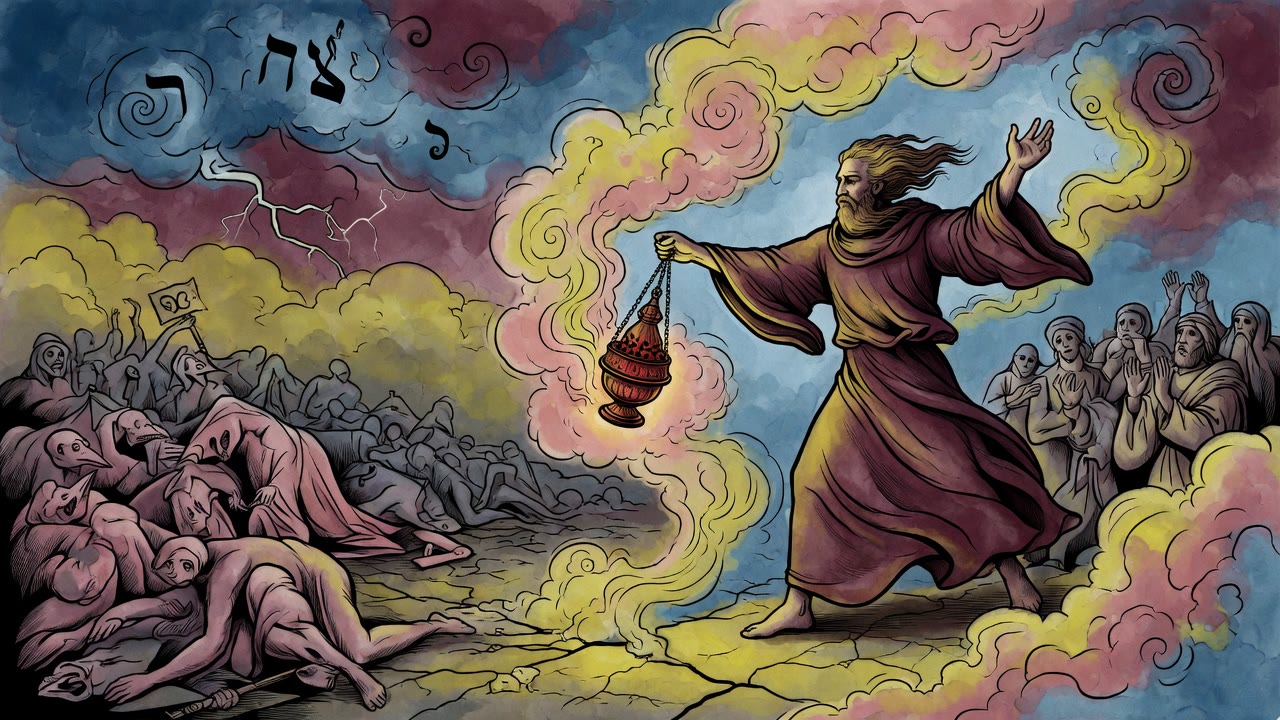
The same psalm opens, "He who dwells in the shelter of the Most High" (Psalms 91:1). Rav Huna, citing Rav Idi, heard Moses in that line, not a king on a throne. Moses entered the midst of the cloud and stayed forty days and forty nights. He could say, "I will say of the Lord, He is my shelter," because he had been inside it until his face held light.
Three times, said Rabbi Yehuda ben Rabbi Simon, Moses drew back from the threshold of a command. He recoiled when the ransom of souls sounded too costly. He recoiled when the offerings sounded heavier than Lebanon's trees. He recoiled again at a third demand that seemed larger than the people. Each time he entered anyway. God showed him a coin of fire from under the Throne so he would know the gift was sized to them, not to heaven.
"You shall not fear the terror of the night, nor the arrow by day, nor the pestilence that walks in darkness" (Psalms 91:5-6). The promise is not for a man who never shook. It is for the one who crossed the cloud after the third recoil.
Hezekiah Put Oil in Every Lamp
When Hezekiah took the throne after Ahaz, he found those empty rooms and treated them as an emergency, not a mood. He decreed that anyone who did not occupy himself with Torah rendered himself subject to the death penalty. The sentence was harsh on purpose. He needed a sleeping land awake in a single night.
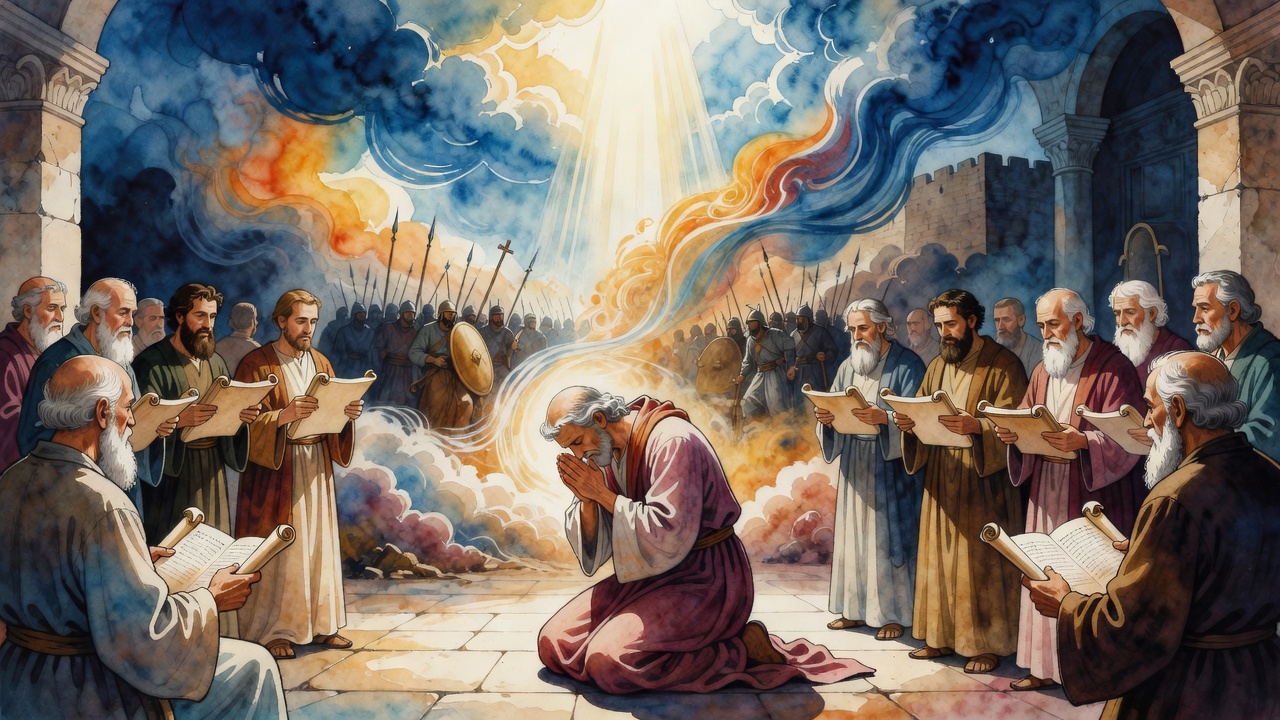
The schools opened. Hezekiah kept the lamps burning. He ordered oil the way another king orders grain. Wicks that Ahaz had let die were lit and left lit. Study ran past sundown. Voices filled the hours in which a demoness prefers cliffs and moonlight. The pestilence that walks in darkness finds little foothold in a room that will not go quiet.
In those rooms teachers later argued what the psalm's night-terror was. Rabbi Yehuda bar Rabbi Yossi said a robber. Night is when thieves work. Rabbi Huna said a demon, an actual walker in desolate places, not a metaphor with a knife. Hezekiah's answer did not wait for the debate to end. He lit the lamps against both.
From Dan to Beer-sheba the Night Had Voices
The generation that grew under those wicks could be searched from Dan even to Beer-sheba without finding an ignoramus. Women and children knew the laws of tahor and tamei, clean and unclean. The land that Ahaz had darkened now had Torah in its ordinary mouths.
When Sennacherib came, the victory that followed was counted as an answer to those lamps. Hezekiah had not sung Psalm 91 as a charm. He had filled the dark with the thing the psalm calls shelter: people still reading when the streets went black. Moses had gone into a cloud. Solomon had bound a mule-legged walker to Temple rope. Hezekiah kept the lamps burning against the terror of night, and the rooms that had been walls in Ahaz's reign held voices until morning.
← All myths