93 texts · Page 1 of 2
We get a glimpse, a chilling snapshot, in the Book of Jubilees. This ancient Jewish text, considered canonical by some but not included in the standard Hebrew Bible, offers a uniqu...
"All my days have been unto me peace," he declares. This is Abraham, the man who faced trials, tribulations, and even the agonizing test of the Akeidah (the Binding of Isaac). And ...
The Book of Jubilees, an ancient Jewish text not included in the Hebrew Bible but considered scripture by some, certainly thinks so. It gives us a slightly different spin on famili...
Two brothers, locked in a struggle for inheritance and blessing, but also, according to some traditions, watched over by celestial guardians of immense power. We know the story: Es...
That's the scene painted for us in the Letter of Aristeas, a fascinating text that purports to describe the translation of the Hebrew Bible into Greek, resulting in the Septuagint....
We often focus on the oil lasting for eight nights, and rightfully so. But behind that miracle, there were real people, real battles, and real decisions that shaped the course of J...
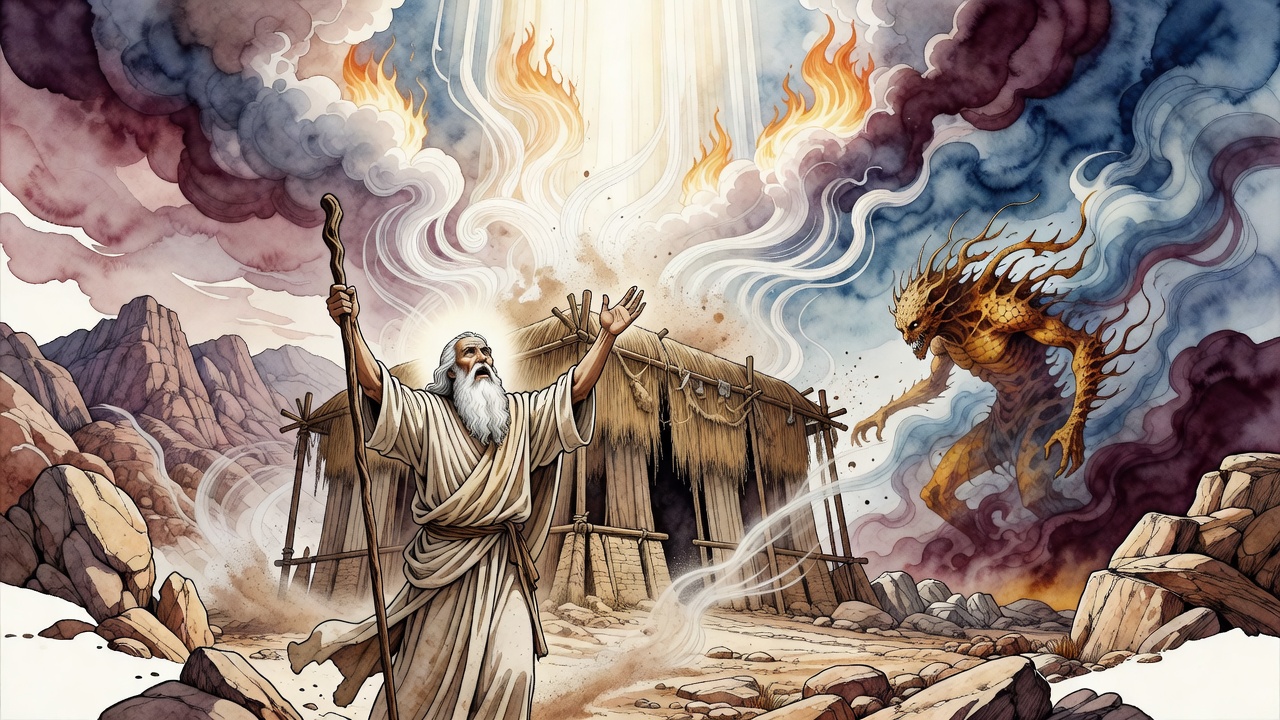
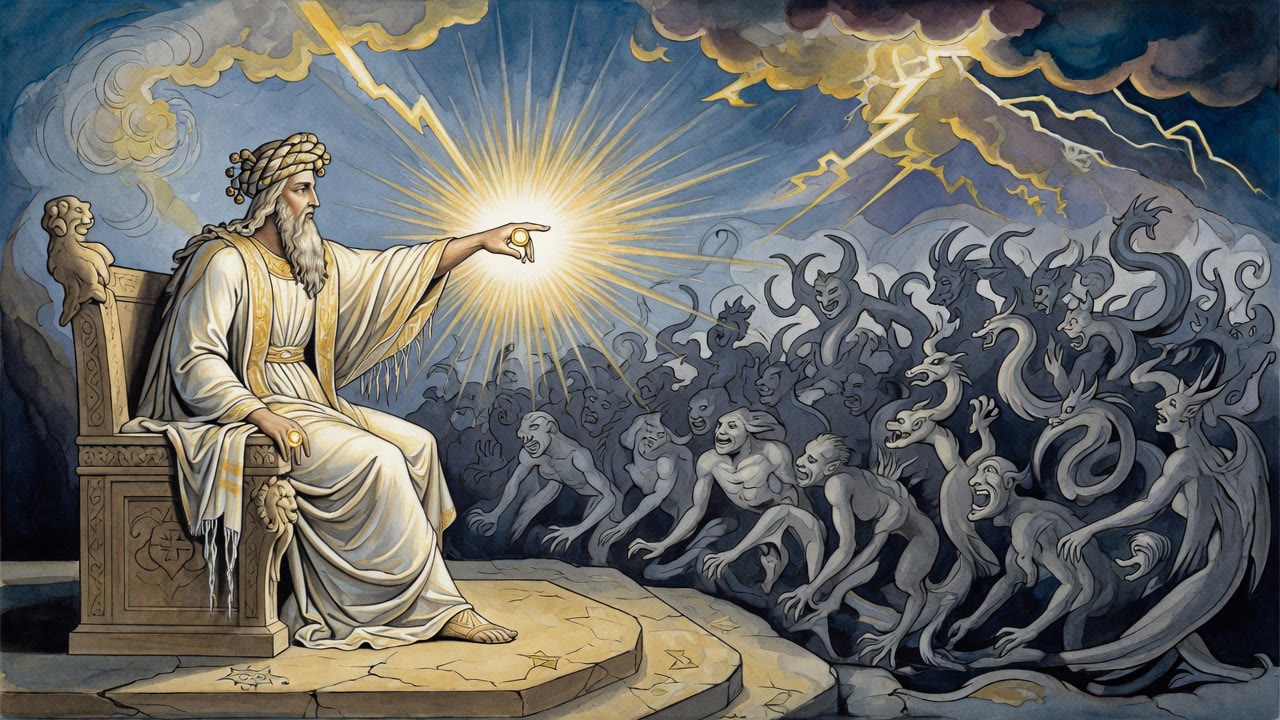
A demon was feeding on a child. Every evening, after the workers building the Temple in Jerusalem finished their labor, a spirit called Ornias descended upon the boy who served the...
A demon without a head was brought before Solomon. It had all the limbs of a man — arms, legs, torso — but where the head should have been, there was nothing. Just a stump above th...
A winged dragon with the face and hands of a man rolled into Solomon's court. Its body was scaled like a serpent, but its limbs were human, and great wings folded against its back....
The parade of demons continued. One by one the thirty-six spirits of the zodiac stepped forward before Solomon's throne, each confessing the disease it inflicts and the angel whose...
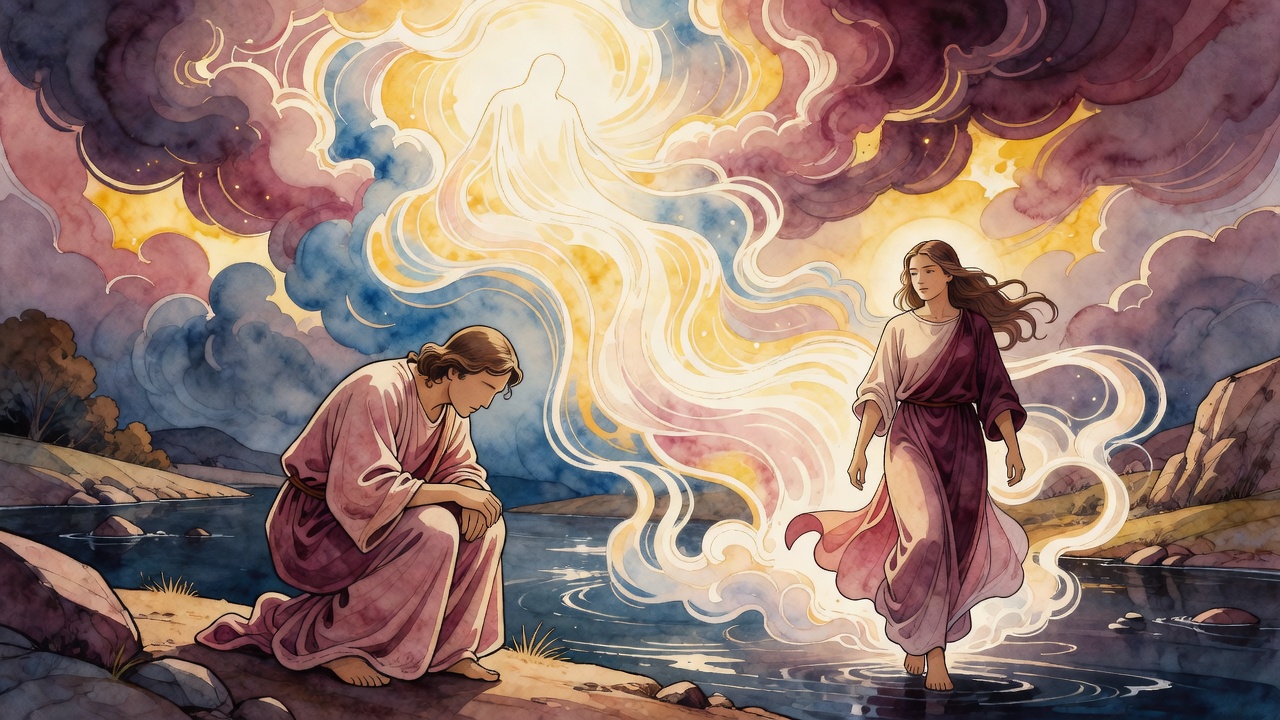
It's more than just a name; it’s a glimpse into an ancient understanding of connection, divinity, and… well, potential marital discord! See, before Eve, Adam was just… Adam. But af...
According to Ginzberg's recounting, Judah found himself smack-dab in the middle of the allied kings' infantry. His immediate target? Jashub, the king of Tappuah. Now, Jashub wasn't...
You return, weary but victorious, only to find… things aren't exactly as you left them. That's what happened to the two and a half tribes who ventured east of the Jordan River in t...
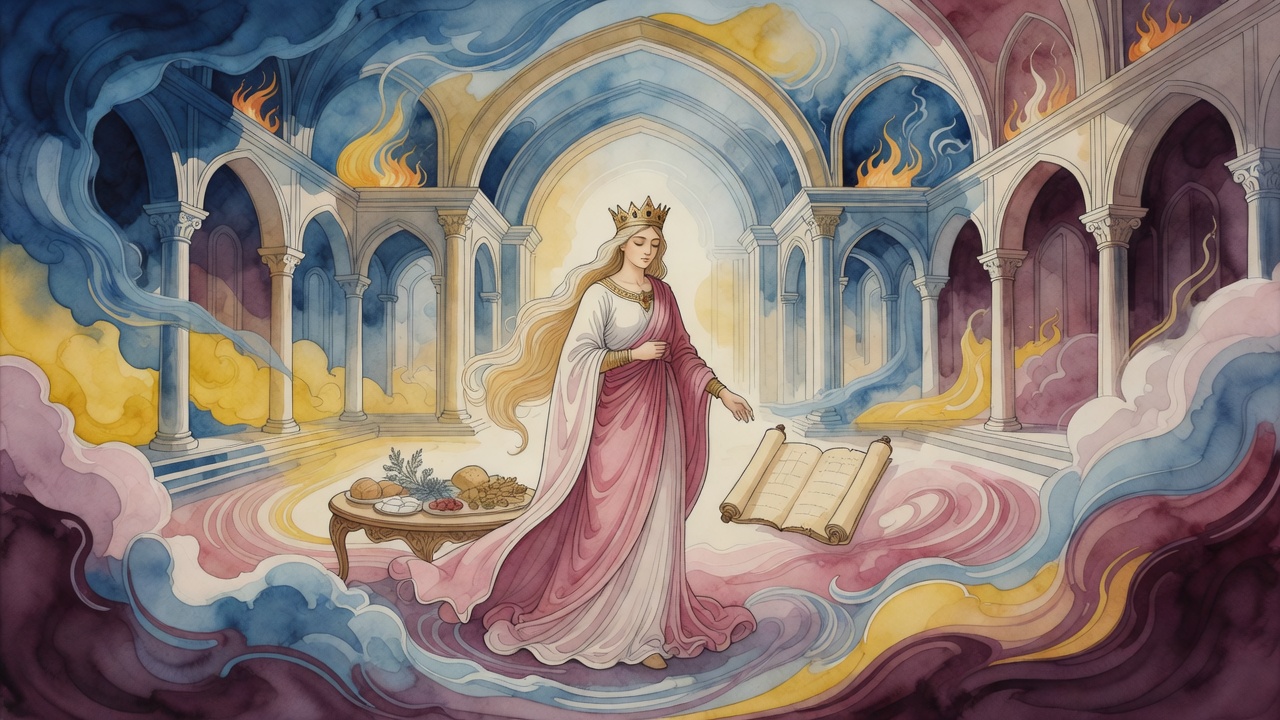
The story of Esther, as told in the Book of Esther, is full of twists, turns, and hidden meanings. But before Esther became queen, before the drama unfolded in the palace of Ahasue...
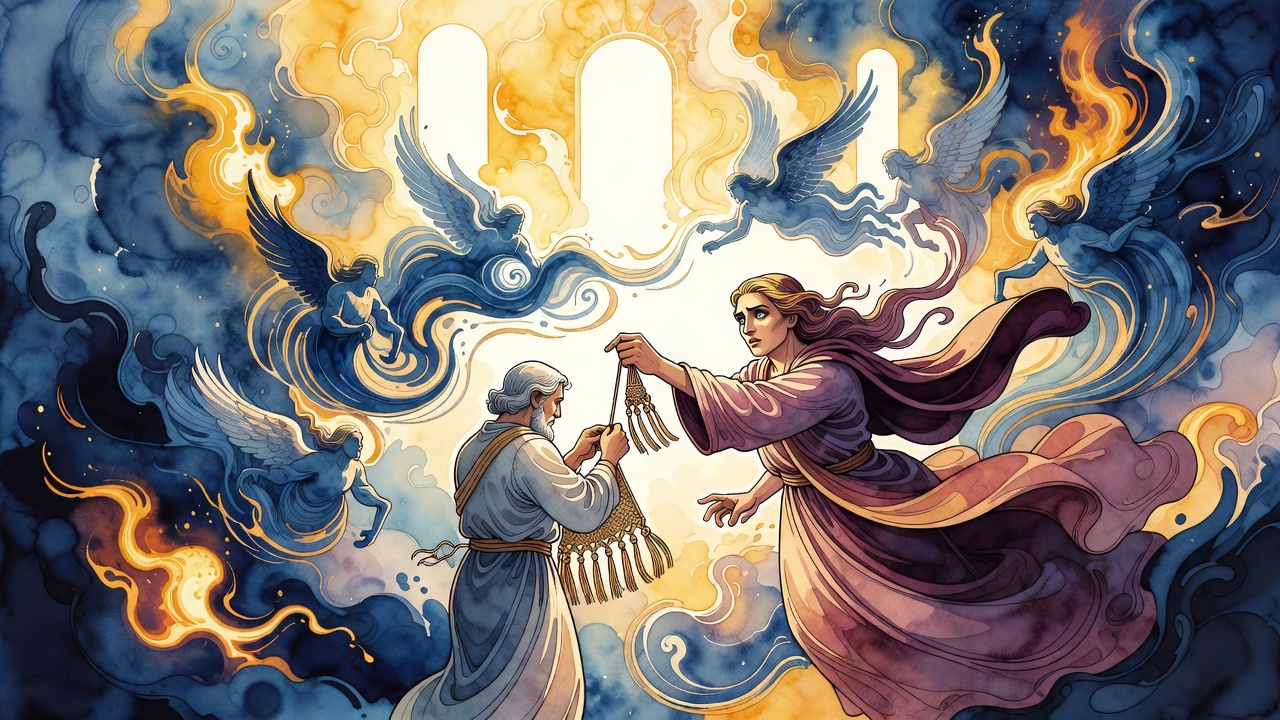
The Heikhalot (the heavenly palaces) Rabbati, a key text in the Heikhalot literature—think of it as ancient mystical guidebooks to heavenly palaces—hints at just such a figure. It ...
These texts, which date back to late antiquity, describe mystical journeys through the heavenly realms. Today, let's take a peek inside, focusing on the guardians that stand betwee...
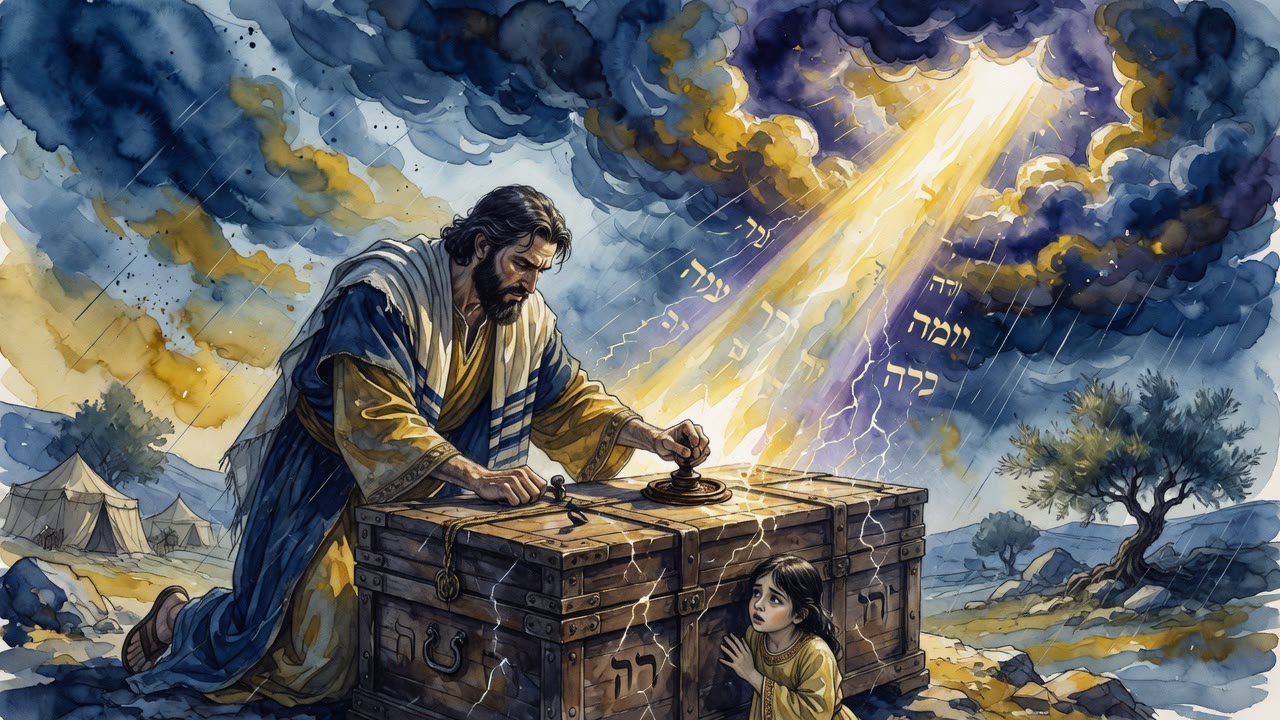
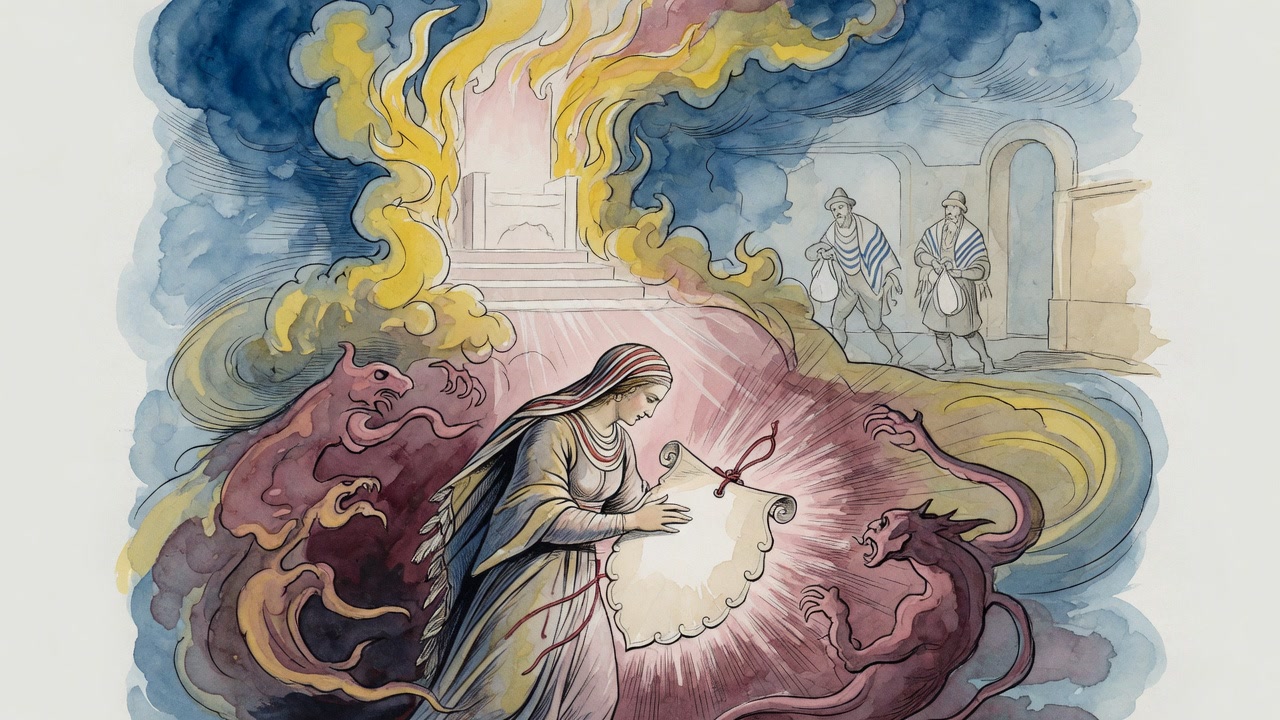
The Torah, our sacred scroll, is like that. And sometimes, that protection takes on a life of its own, becoming a story in itself. The tale I want to share with you is a tiny fragm...
Rabbi Hayyim Vital, a towering figure in Kabbalah (Jewish mysticism) and the foremost disciple of the great Rabbi Isaac Luria, delved deep into this very question. He taught that t...
It teaches us about correspondences, about how the world below mirrors the world above. And sometimes, this mirroring is about more than just beauty – it's about the struggle betwe...
It sounds like a strange question, I know. But in the mystical world of Kabbalah, even the most abstract concepts are given form, even… clothing.Here, we’re given a glimpse into ho...
That, in essence, is the mystical idea behind the Sukah we find discussed in the Tikkun (spiritual repair)ei Zohar. But what exactly is this Sukah? It’s not just the temporary dwel...
The Tikkun (spiritual repair)ei Zohar, a central text of Kabbalah, delves deep into the mystical meanings hidden within the Torah and other Jewish texts. And in this particular sec...
In Tikkun (spiritual repair)ei Zohar 122, we find ourselves in the midst of a mystical scene, thick with symbolism. It begins with a seemingly simple list: the cantillation notes z...
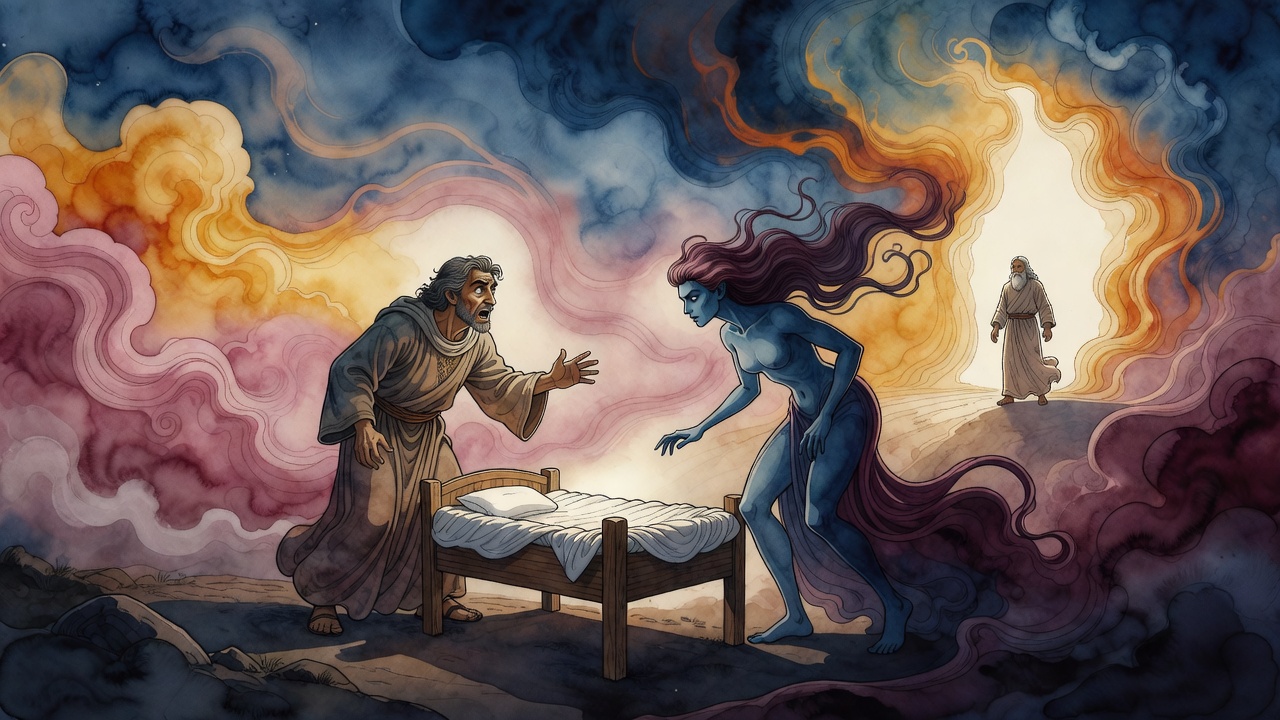
Sefer Raziel HaMalakh (ספר רזיאל המלאך), the Book of the Angel Raziel, opens with one of the most dramatic scenes in all of Jewish mystical literature. When Adam and Eve were expel...
The most widely used section of Sefer Raziel HaMalakh in everyday Jewish life was not its theology or cosmology—it was its collection of amulets. Known as kame'ot (קמעות), these pr...
The practical section of Harba de-Moshe (the Sword of Moses) reads like a catalog of emergencies and the divine names that solve them. Fever, snakebite, enemy attack, court cases, ...
Sefer HaRazim (ספר הרזים), the Book of Mysteries, is a Jewish theurgic text dating to approximately the 3rd-4th century CE, making it one of the earliest structured works of Jewish...
Shimush Tehillim (שמוש תהלים), the Magical Use of Psalms, is a remarkable text that transforms the Book of Psalms from a collection of prayers and poems into a practical manual of ...
The protection Psalms in Shimush Tehillim are the text's most famous and widely practiced section. For centuries, Jewish communities around the world have recited specific Psalms i...
Medieval Jewish folk belief wove a dense web of connections between the natural world and the supernatural. Certain plants healed. Certain foods enhanced memory or destroyed it. Th...
The Mekhilta notices a detail in the Passover laws that most readers skip right past. The Torah says the blood should go on the doorframes "of the houses in which they eat it" (Exo...
The Mekhilta catches a redundancy in the Torah's Passover instructions that most readers would never notice — and from that redundancy, it extracts a legal ruling about where God's...
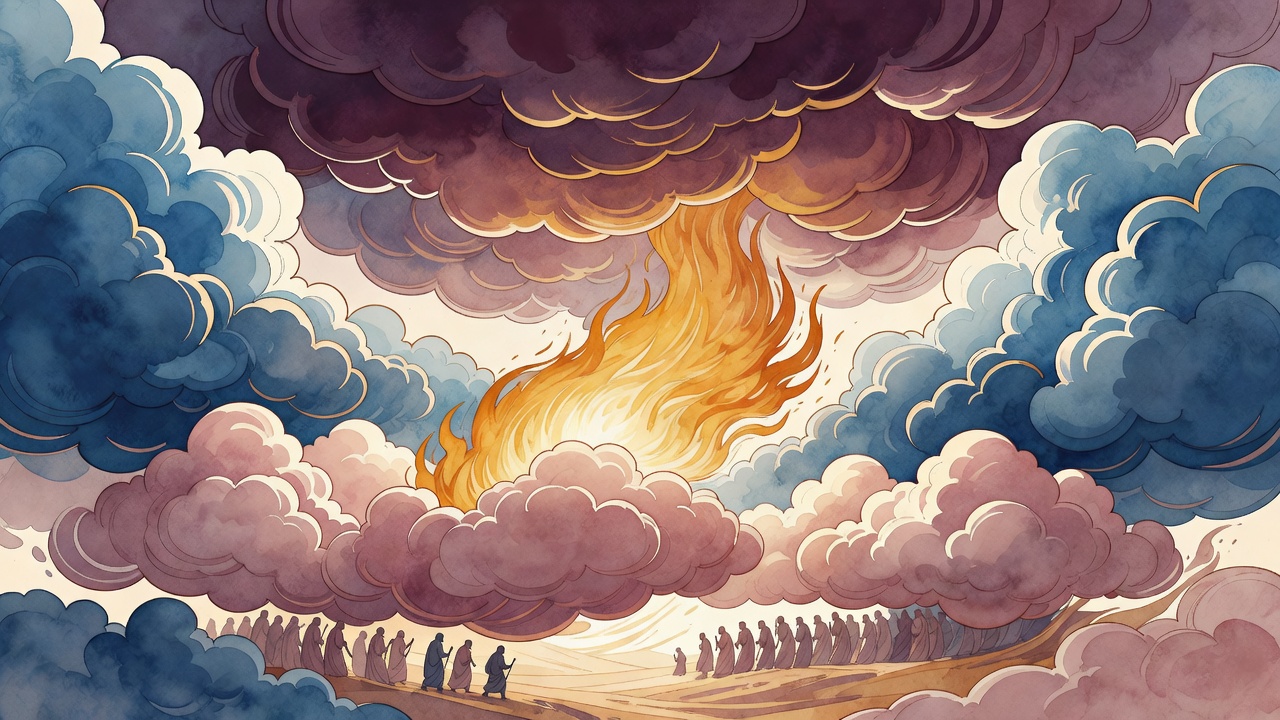
When the Israelites left Egypt and marched into the wilderness, they did not travel unprotected. God surrounded them with clouds of glory—miraculous pillars that shielded, guided, ...
The Song of the Sea, sung by Israel after crossing the Red Sea, contains the phrase "my strength." The Mekhilta offers an alternative reading that deepens the meaning considerably....
Does God sleep? The Mekhilta wrestles with this question through a startling paradox. When Israel does God's will, there is no sleep before Him. (Psalms 121:4) declares it plainly:...
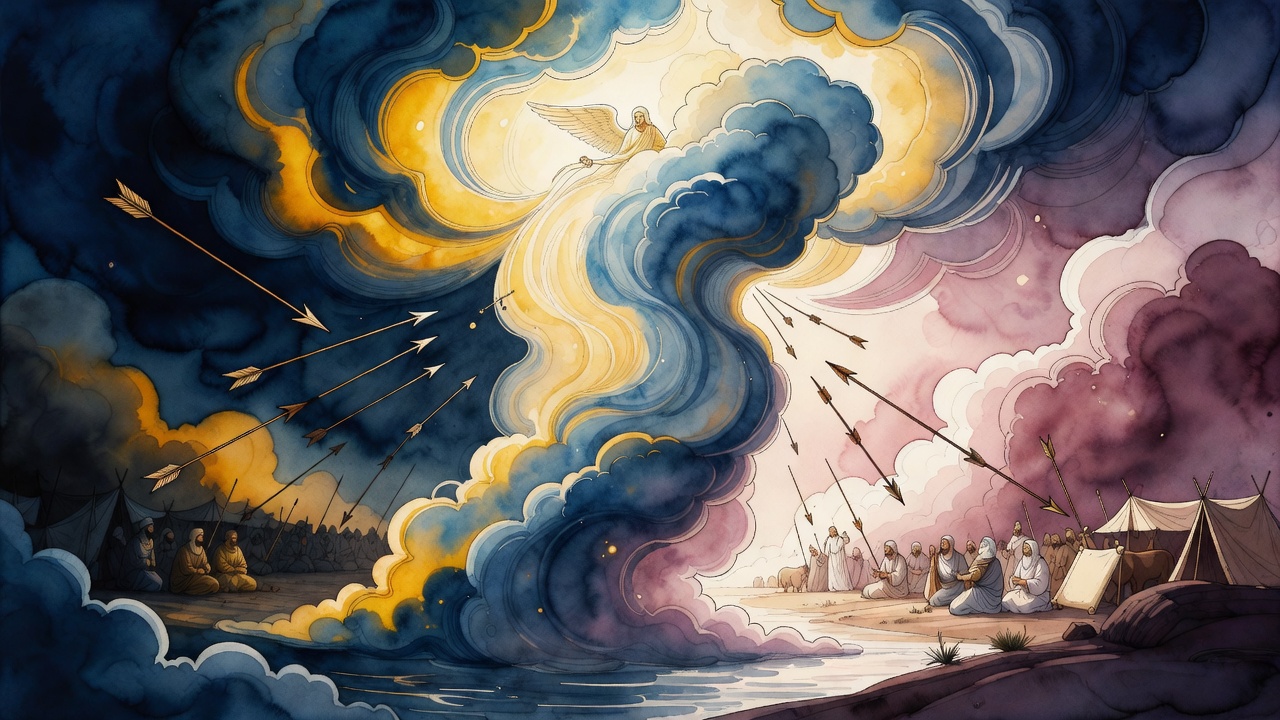
Rabbi Elazar Hamodai reveals a chilling detail about Amalek's attack. The Israelites were protected by the Clouds of Glory — miraculous formations that surrounded the camp on all s...
The Torah describes God bearing Israel "on eagles' wings" (Exodus 19:4), and the Mekhilta asks a pointed question: why an eagle? What makes the eagle different from every other bir...
God made a statement to Israel that the Mekhilta reads as one of the most intimate promises in Scripture: "And you shall be unto Me." Not unto an angel. Not unto an intermediary. U...
"And if a man sells his daughter" (Exodus 21:7) — the Torah permits a father to sell his daughter as a maidservant. The Mekhilta immediately asks: can a mother do the same? The ans...
The Torah states: "And if a man sells his daughter" (Exodus 21:7). The Mekhilta immediately draws attention to a legal distinction embedded in this verse that might otherwise go un...
Rabbi Yonathan disagrees with Rabbi Yoshiyah's reading of "he shall not diminish" (Exodus 21:10). Where Rabbi Yoshiyah understood the verse as protecting the Hebrew maid-servant (t...
The Mekhilta draws a legal principle from a seemingly mundane phrase about safekeeping. When the Torah discusses items entrusted to a guardian, it mentions "money or vessels." A si...
"An ass or an ox or a lamb" — the Torah lists three specific animals in the context of deposit law. But the Mekhilta asks: what about all other domesticated animals? Are only these...
"And it die" — the Torah describes what happens when a deposited animal dies in the guardian's care. The Mekhilta specifies: "at the hands of Heaven." This means natural death — th...
(Exodus 22:9) says "no one seeing" in the context of a guardian who claims an animal was stolen from his care. The Mekhilta explains: "no one seeing" means no witnesses were presen...
The Mekhilta DeRabbi Yishmael examines a legal passage about a person entrusted with guarding a deposit. When a dispute arises about whether the guardian mishandled the property, t...
"And if stolen, it shall be stolen from him" — the Torah establishes that a paid guardian is liable when the entrusted animal is stolen. But the Mekhilta asks: what about loss? If ...
What kind of attack by a wild beast exempts the guardian from payment? The Mekhilta defines the standard: the attack must be by an animal that the guardian could not reasonably be ...