Abraham's Battle Woke Nations Sleeping Under the Shechinah
He threw dust at Amraphel's line and it came down as swords. Nations slept under those wings. Abraham was the one who woke them.
Table of Contents
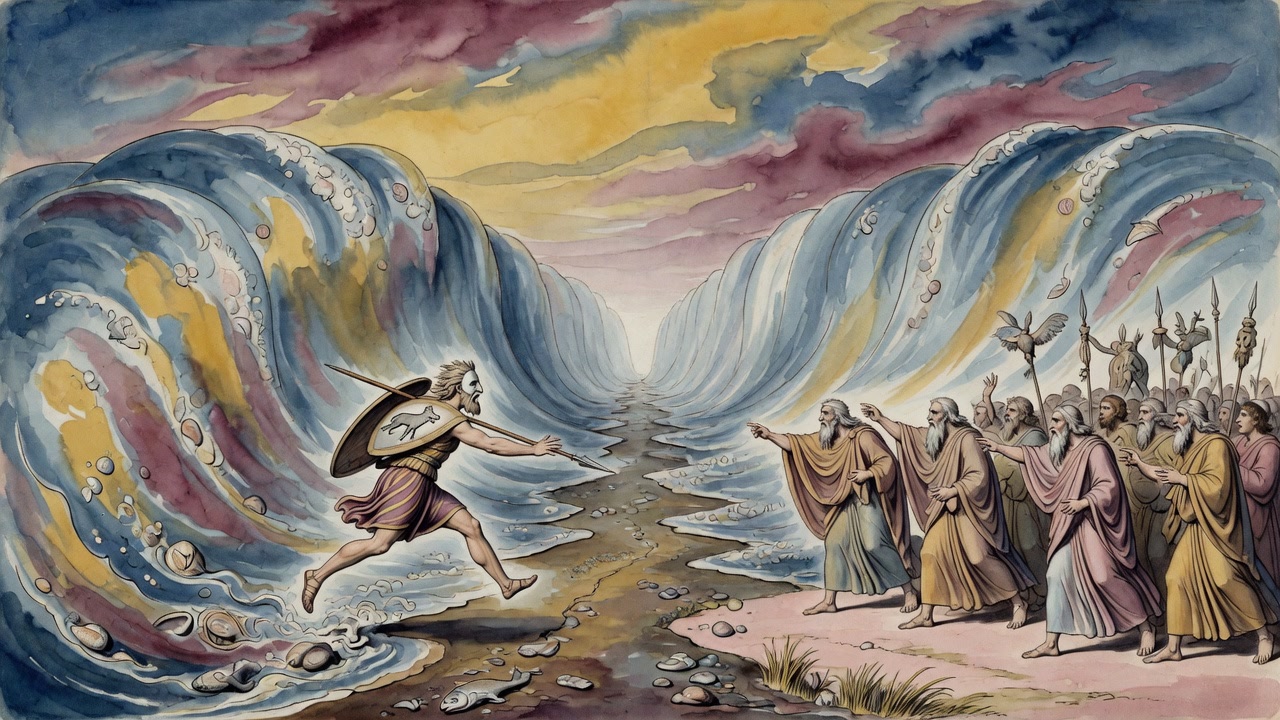
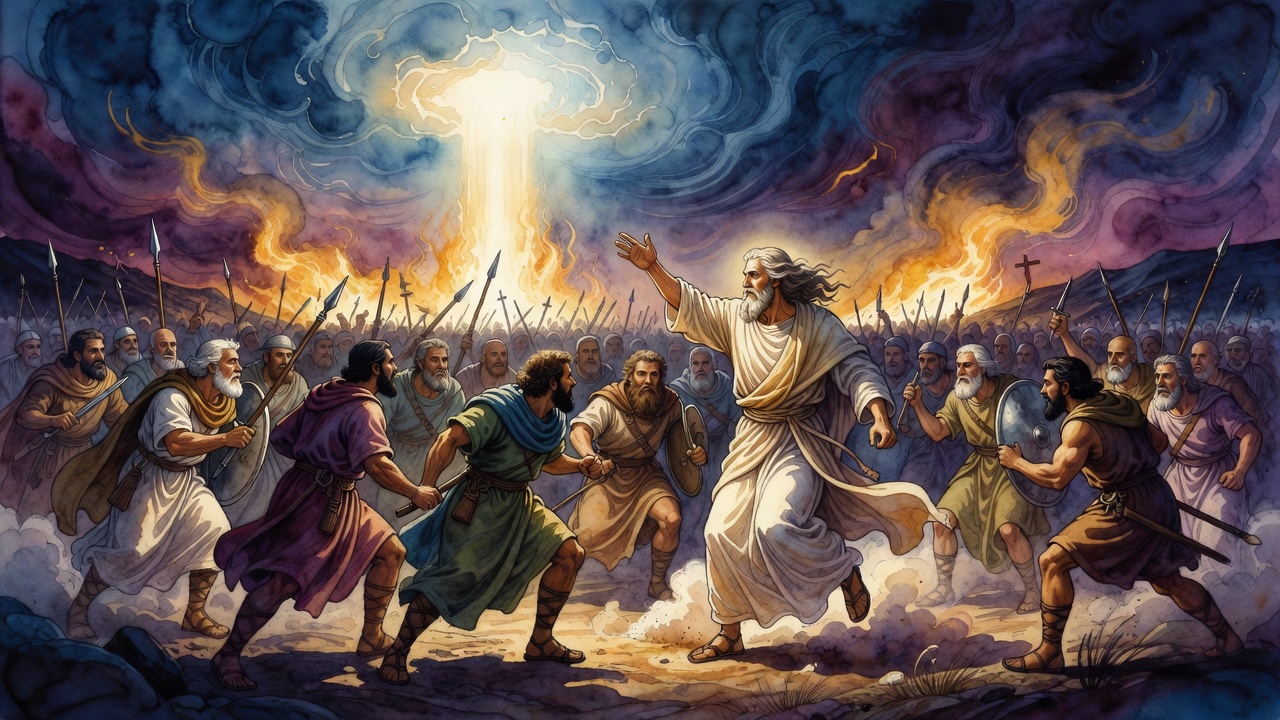
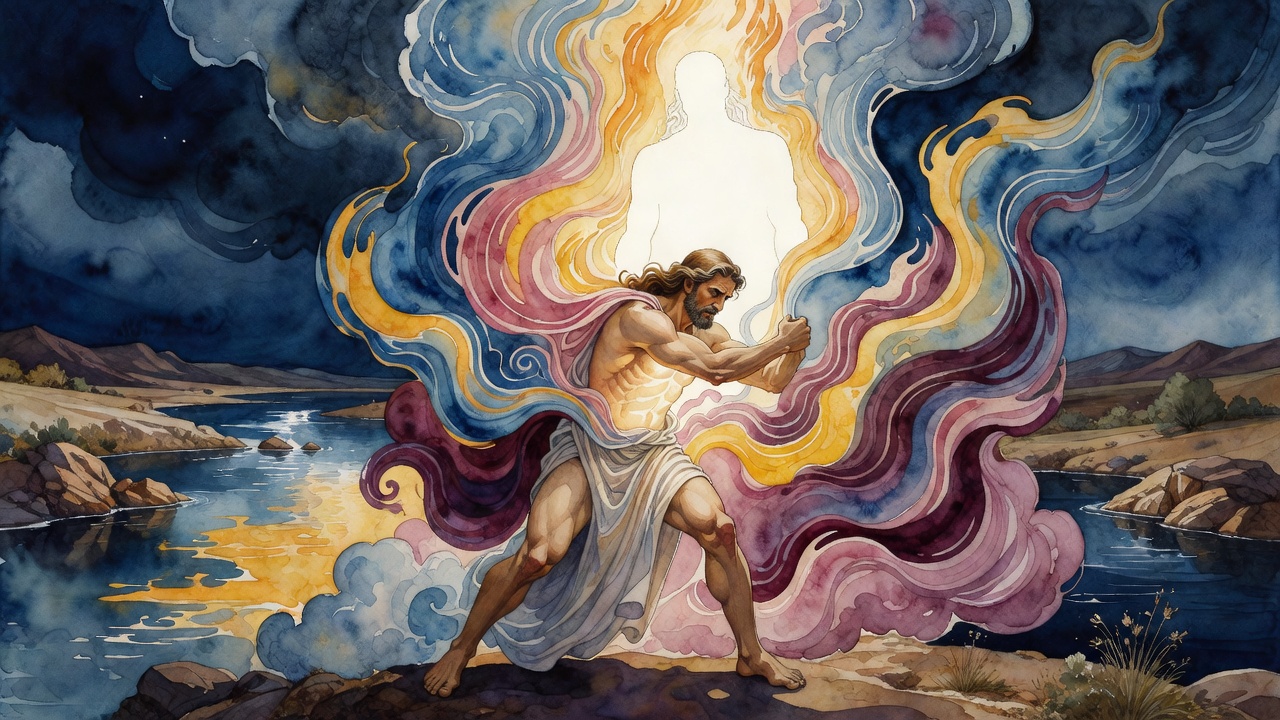
Abraham scooped a handful of dust from the night ground north of Dan and threw it. The dust did not stay dust. It came down on Amraphel's men as swords.
 Click for full size
He threw straw after it. The straw became bows in the air. Amraphel hurled real blades back, and they crumbled before they landed. He loosed arrows, and they turned to chaff. The four kings had taken Lot with Sodom's spoils and still thought the night belonged to them.
Abraham had mustered 318 trained men. Some counted only Eliezer, whose merits stood in for an army. The ground compacted under Abraham's feet so his stride did not churn the dirt. He moved through the camp while the kings still believed they were the ones who had won.
God Told Him to Sit and Let the War Be Fought
When the killing was done, Abraham's heart went soft in his chest. He said, "It cannot be that there was not a righteous person among them."
God answered him there, in the dark between the tents. "Abraham, you will not come to this sin with your feet." Who had fought the battle, then? Not the 318 alone. God told him to turn to his right hand. "Sit at my right hand. I will make the war."
Abraham sat. The pursuit ran as far as Dan and back. Lot came out of the wreckage alive, and the captives with him, and the goods. Abraham's feet picked up no dust. The ground had been made to serve the walk. A psalm later put the same command in David's mouth. On that night it was spoken over a man who had just thrown dirt and watched it become iron.
He Opened a Lodge to Every Wind
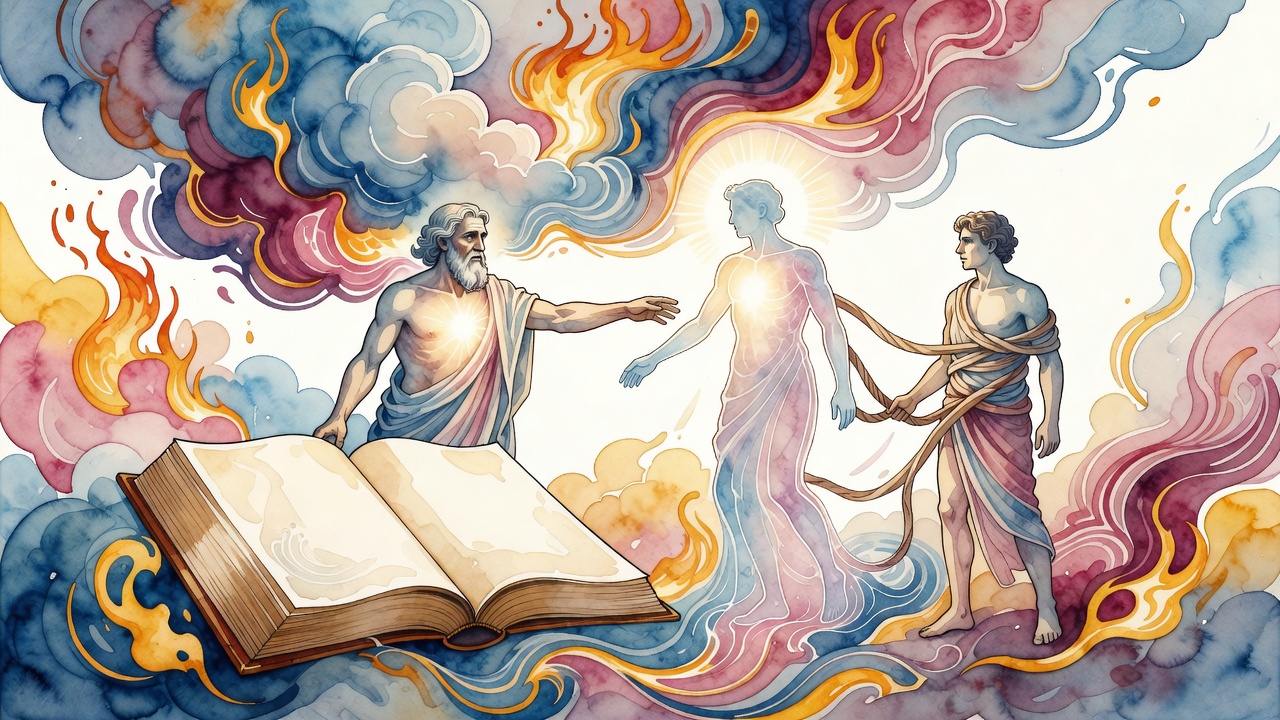
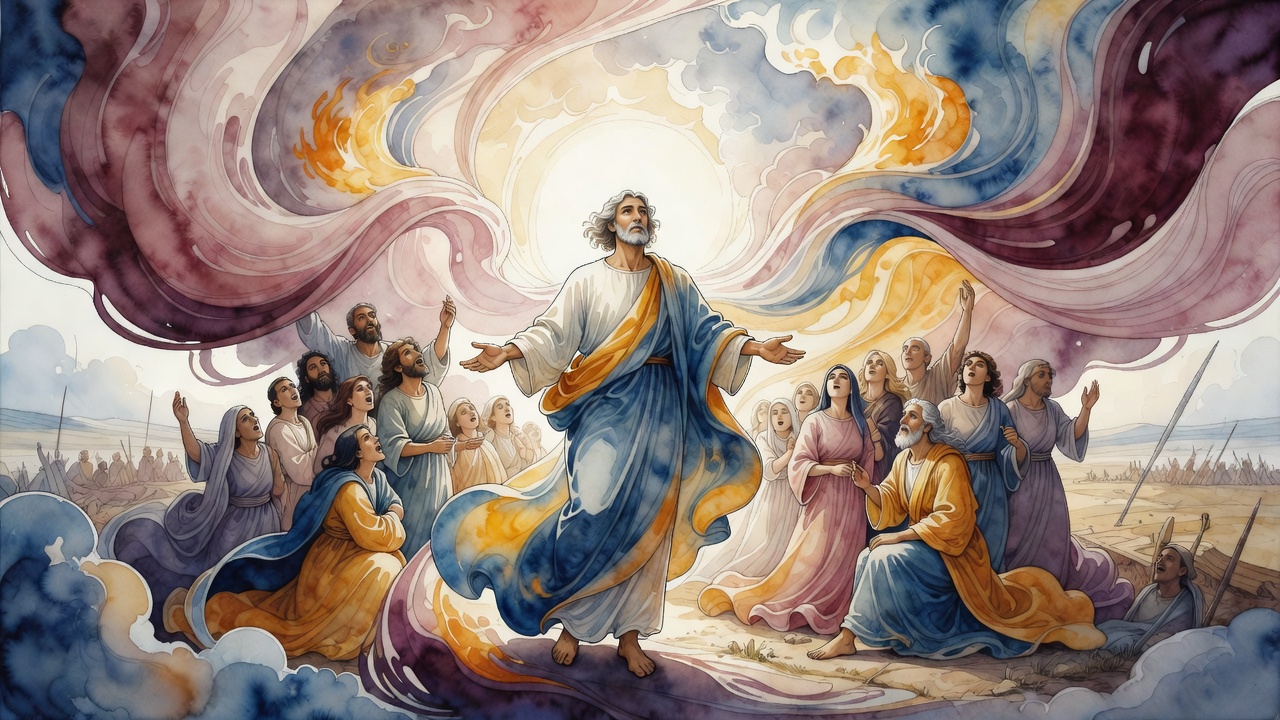
The nations had been sleeping under the wings of the Shechinah (שכינה), the Divine Presence, and they did not know the wings were there. Righteousness itself had been asleep. Abraham did not wake them only with swords.
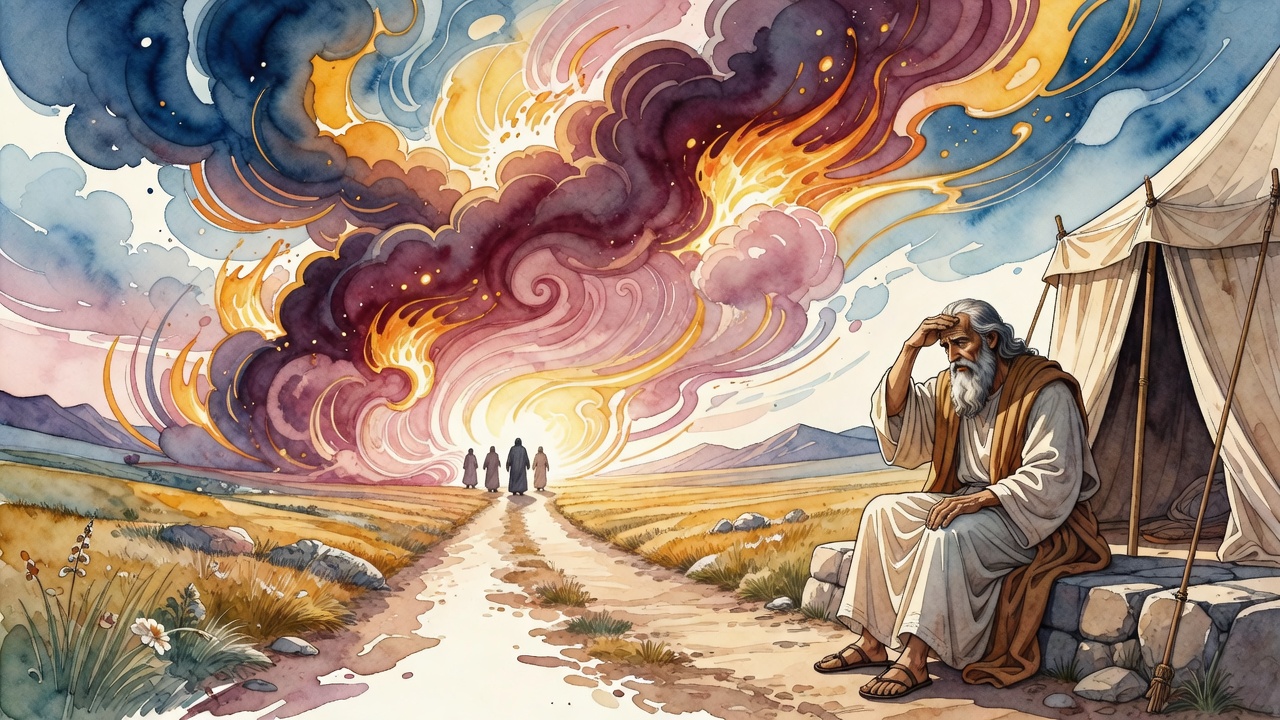
He planted a tamarisk in Beersheba, an eshel, a lodge. He opened its doors to every wind. Travelers came in hungry and left with a name in their mouths: the Lord, the eternal God. A man ate bread under those doors and went back to his own country carrying a wakefulness he had not asked for. Eating, drinking, escort to the road. That was the work.
The battle was the same work at a harder volume. Kings who had never looked up were forced to look. Peoples he passed on the way to Dan felt the wings they had been born under. Some took refuge. Some only woke long enough to run.
A Law Was Cut in His Flesh
He carried the covenant through all of it. In his flesh a law had been cut. He had been found faithful in the test. The mark went with him into the night fight and into the lodge and into the blessing spoken over his seed, from sea to sea, from the River to the edge of the land.
The nations sleeping under the wings were sleeping under a God who had already claimed this man's body. Abraham woke them while the sign was on him. He did not put the sign away to make war. He did not put the war away to keep the sign clean. Isaac would be born into that same cut of law, and a blessing would rest on Israel's head because the night at Dan had not been only a rescue.
The Patriarchs Rose From Their Graves
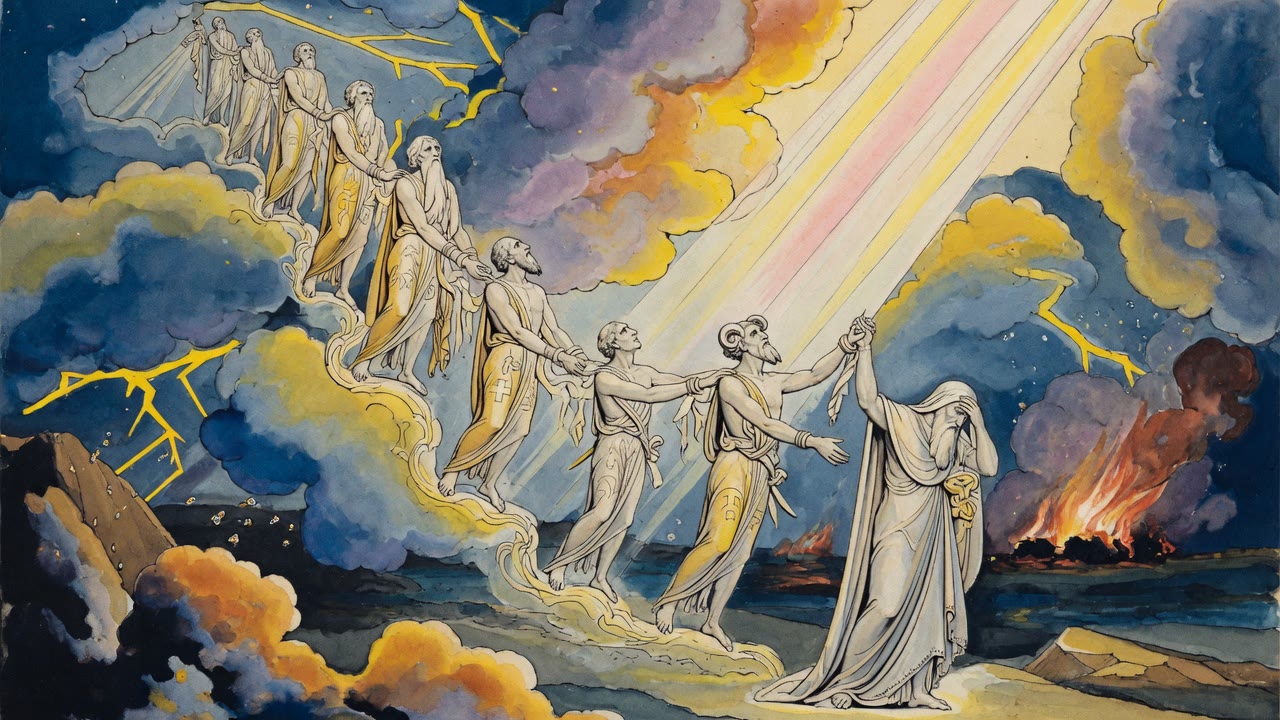
Long after the dust and the lodge, the graves opened. The souls of Abraham, Isaac, and Jacob were raised. They climbed into Paradise and stood before God.
God sat on the throne like a mourner, His right hand held behind Him, the same right hand that had fought at Dan. The exile was still running. The sons and daughters were slaves among the nations.
"Master of the Universe," they said, "how long will You sit upon Your throne like a mourner, with Your right hand behind You, and not redeem Your sons and daughters? How long will You have no pity upon Your children, who are made slaves among the nations of the world?"
God asked them how He could save them while the wickedness still stood. The three of them wept. Then Michael, the prince of Israel, stepped forward and cried with a torn voice, "Why do You stand far off, O Lord?" (Psalm 10:1).
Abraham had woken sleeping nations in the night at Dan. His soul was still awake. It was trying to wake a mourning God.
← All myths