David Asked to Be Remembered When Mordechai Saved the Jews
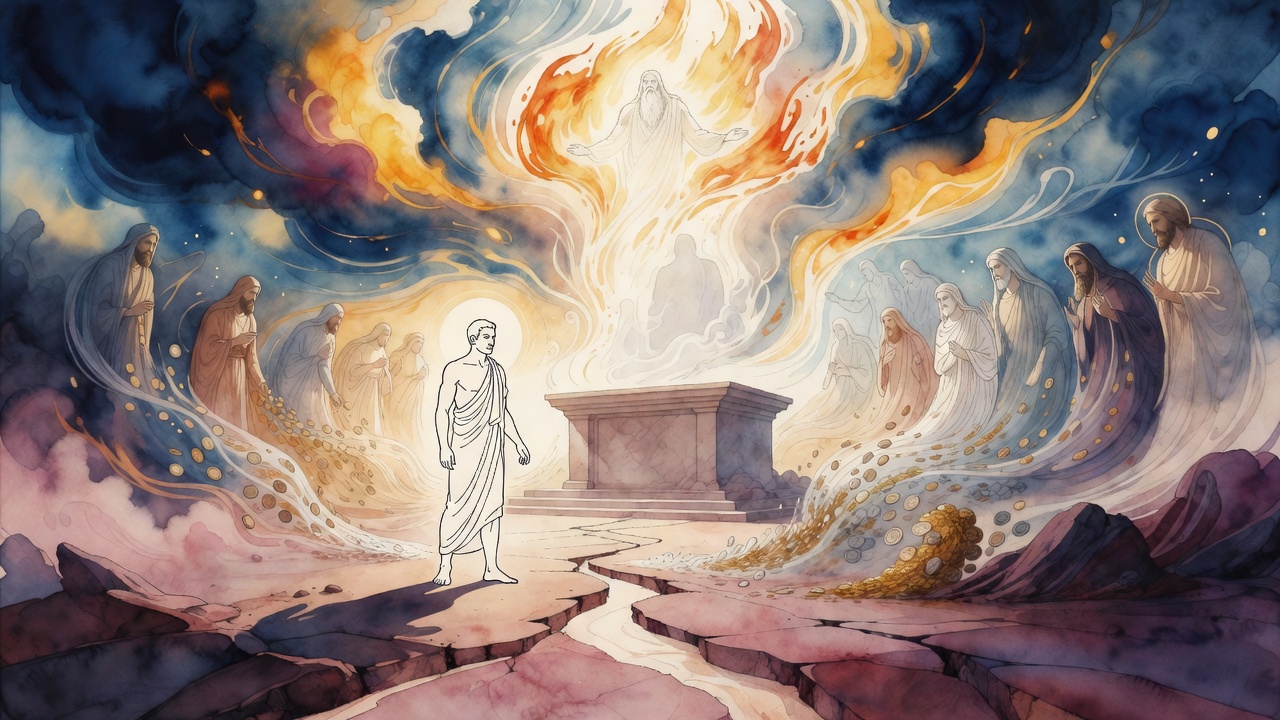
Psalm 106 holds a petition small enough to miss: remember me, O Lord. Midrash Tehillim gives God one answer. Your words are living with me, my child.
Table of Contents
 Click for full size
The King Who Prayed Into the Future
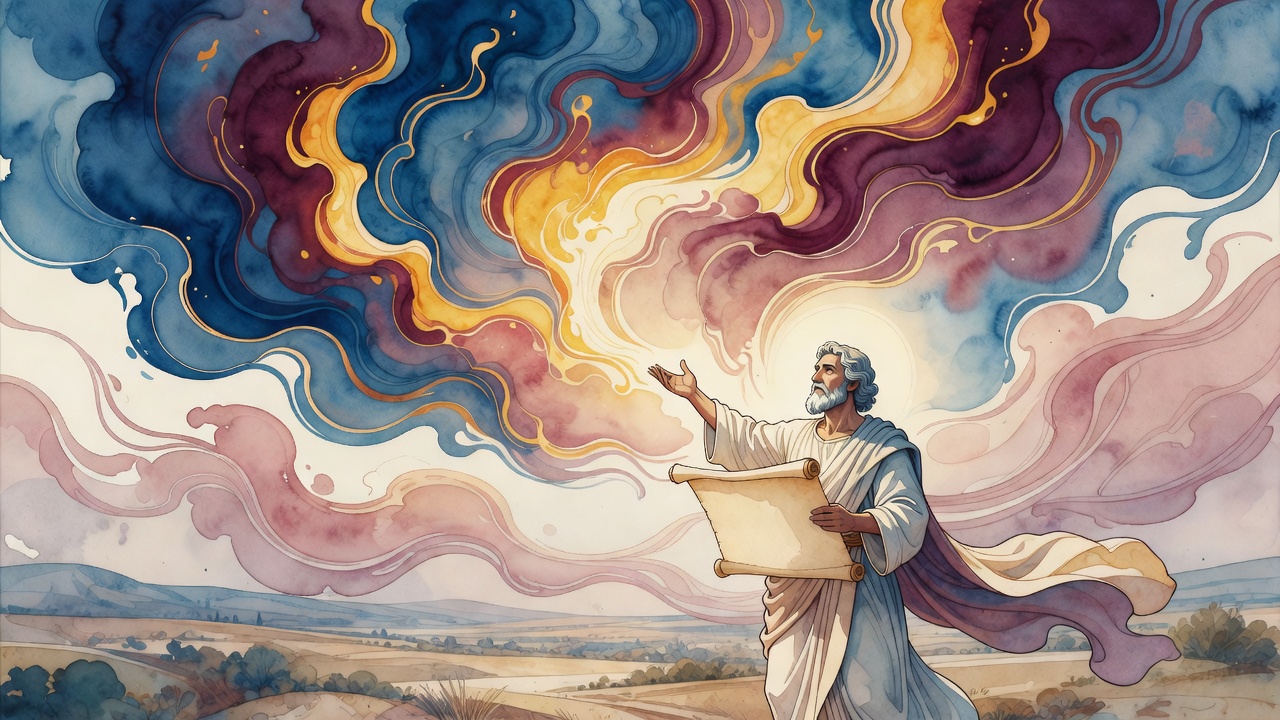
Psalm 106:4 contains a petition so small it could pass unnoticed: remember me, O Lord, in Your favor toward Your people. A standard request. A line anyone might say. But Midrash Tehillim heard something specific in that word remember. It heard David the king, in the tenth century BCE, looking forward five centuries to a Jewish courtier in the Persian empire and asking not to be forgotten when that man's moment came.
The gap is enormous. David lived in Jerusalem when it was still Solomon's city-to-be. Mordechai lived in Susa, under Ahasuerus, in the fifth century BCE. Five hundred years of exile and displacement and foreign rule stood between them. And David was asking to be remembered then, at that specific rescue, as though the merit he had accumulated could be deposited somewhere and drawn on later by a descendant he would never meet.
What God Said to David's Request
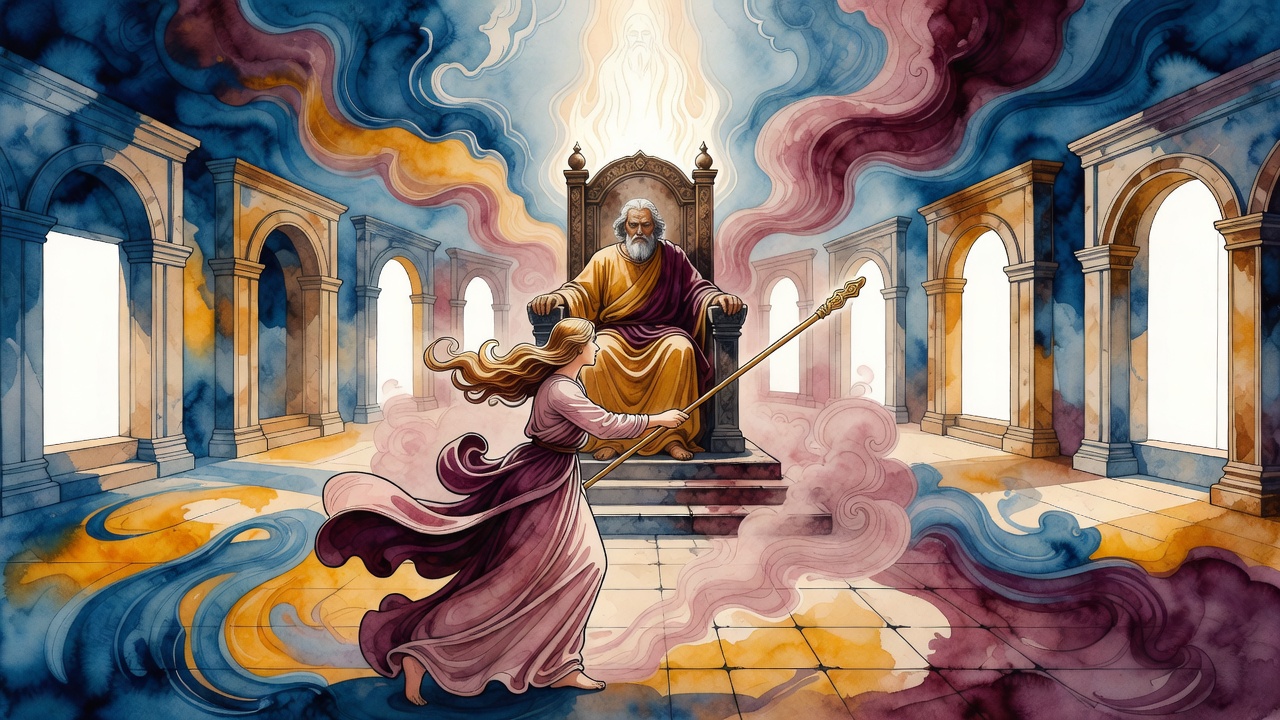
Midrash Tehillim gives God a single answer: your words are living with me, my child. The phrase is intimate. Not a formal acknowledgment but a direct reassurance, addressed to David by name as a child is addressed by a parent. The merit does not expire. The words spoken in covenant do not dissolve into silence when the speaker dies. They remain active, accessible, available to be drawn on by whoever inherits the connection.
This is covenant logic, not merely sentiment. The rabbis understood that the actions of the righteous generate a kind of residual force in the world that continues operating after the person is gone. It is not magic. It is the structure of the covenant itself, which is made not only with the generation standing at Sinai but with all the generations that follow. David standing at his altar praying for his people is in the same covenantal structure as Mordechai standing at the city gate refusing to bow to Haman. The merit flows between them because they are inside the same structure, not because of any natural connection between grandfather and grandson across centuries.
The Genealogy That Made the Connection
Midrash Tehillim develops the link through lineage. Mordechai is a descendant of Kish, of the tribe of Benjamin. Esther is also from Benjamin, the tribe that carried the promise God made to Rachel. And David's kingship was established through the tribe of Judah, but it was the tribe of Benjamin that had stood closest to David's line through the period of the divided monarchy, the tribe that had remained with Judah when the northern tribes split away.
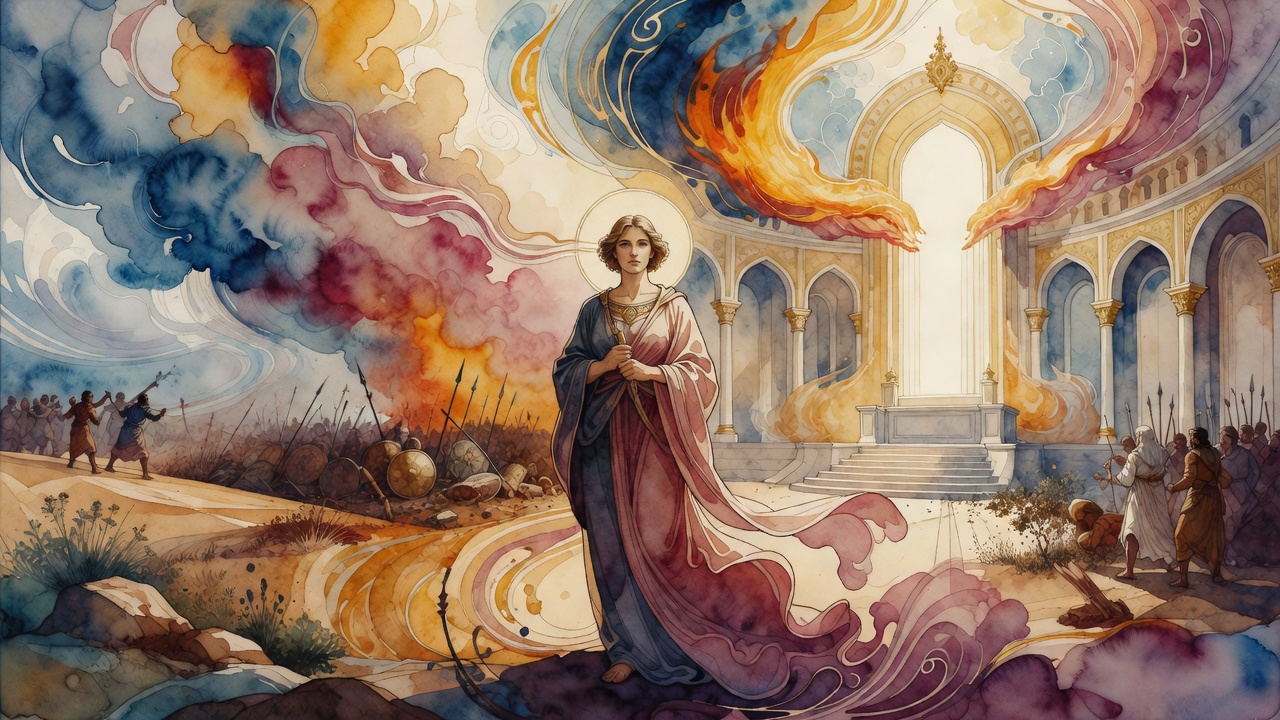
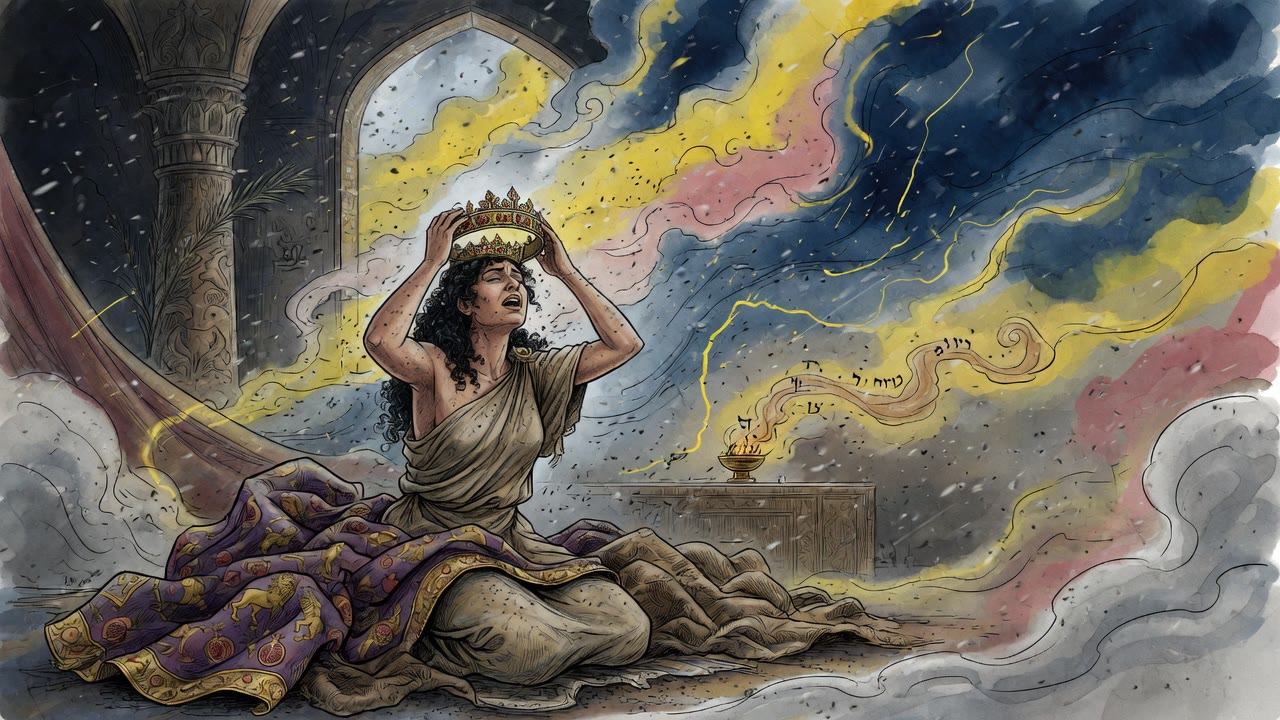
The Chronicles of Jerahmeel records Esther's prayer before she entered the king's presence. She stripped off her royal garments and clothed herself in sackcloth. She disheveled her hair and covered her head with dust and ashes and fell on her face in prayer. She called herself an orphan in a foreign palace. She invoked Moses's promise that even in the land of their enemies God would never entirely forsake his people. And she named the specific individuals she was drawing on: the merit of Abraham, the merit of Isaac, the merit of Jacob, the merit of Moses himself. She was building the same account that David had built when he prayed his psalm. The righteous add to the deposit; the endangered draw from it.
Joseph and Benjamin and the Long Reach of Family Merit
Legends of the Jews records the reunion of Joseph and Benjamin in Egypt, filtered through the detail that Joseph kept the Sabbath even before the Torah was given. The feast he prepared for his brothers was a Sabbath meal. He had the animals slaughtered according to what would become Jewish law. Benjamin, seeing his brother for the first time in twenty years, was seeing someone who had maintained covenant practice through slavery and imprisonment and the absolute removal of every outward support for it. This is what David was praying from in Psalm 106. Not his own perfection, which was famously imperfect, but the accumulated practice of people who had kept the covenant alive through conditions that should have killed it.
God told David: your words are living with me. The words that were living were not only David's prayers. They were the entire deposit of covenant-keeping that his ancestors had made and that he himself was adding to. Mordechai in Susa, standing in the gate and refusing to bow, was drawing on the same account.
← All myths