196 myths · Page 1 of 7
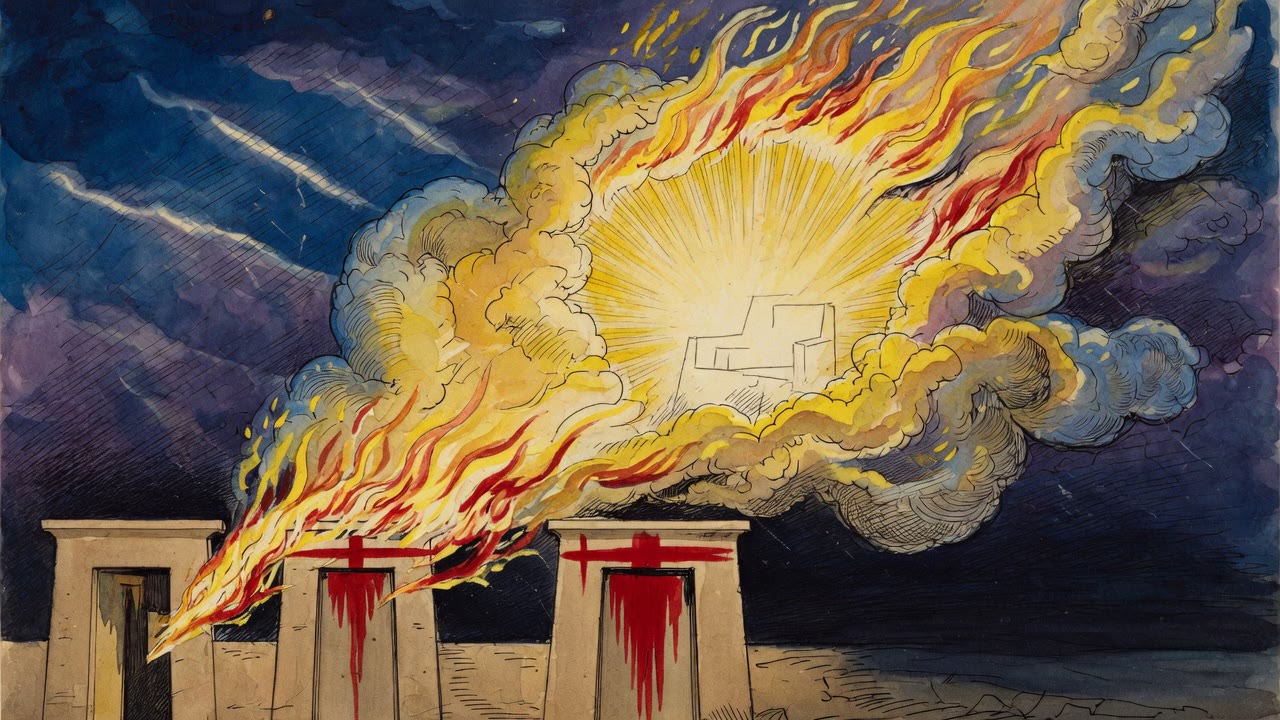
An Egyptian carried his firstborn to a Hebrew house and begged the family to keep him for the night. At dawn the boy lay dead between their sons.
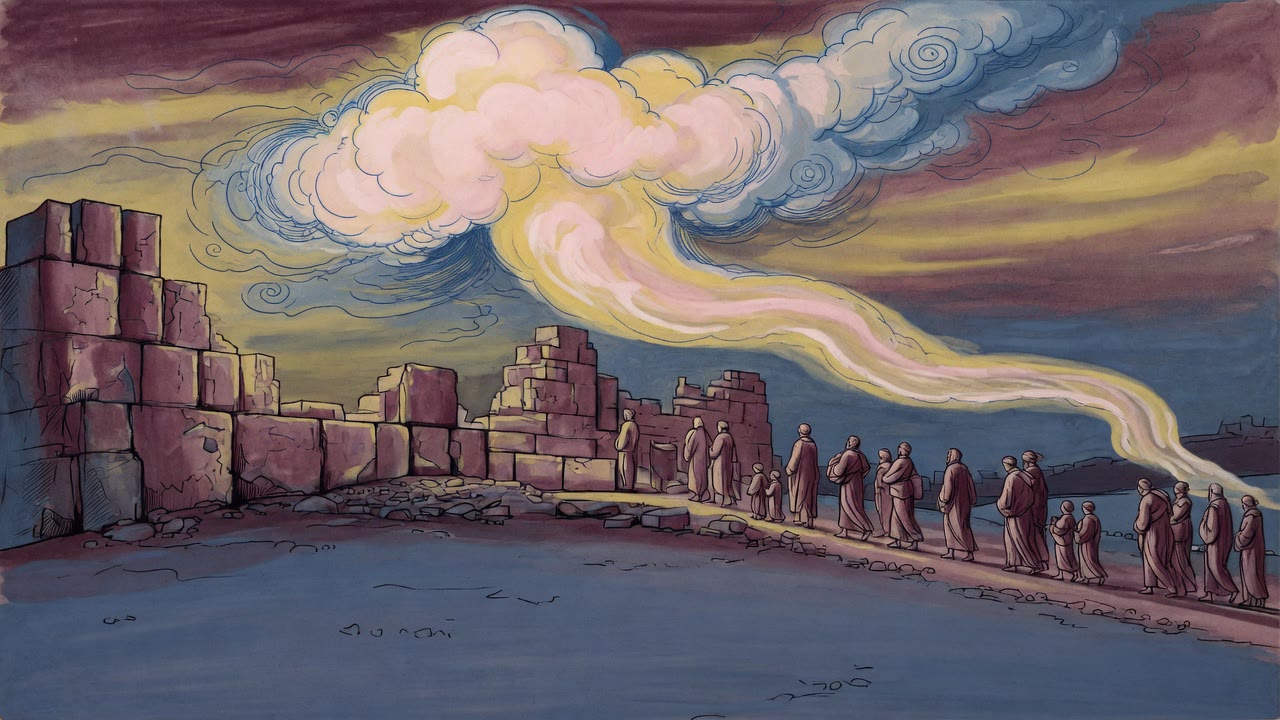
When the Temple burned the Presence wept at the last wall and walked out with Israel, as she had walked into Egypt, Babylon, Eilam, and Edom.
Every day Mordechai walked the harem courtyard. The eunuchs thought he was a frightened uncle. He was reading a hint from God.
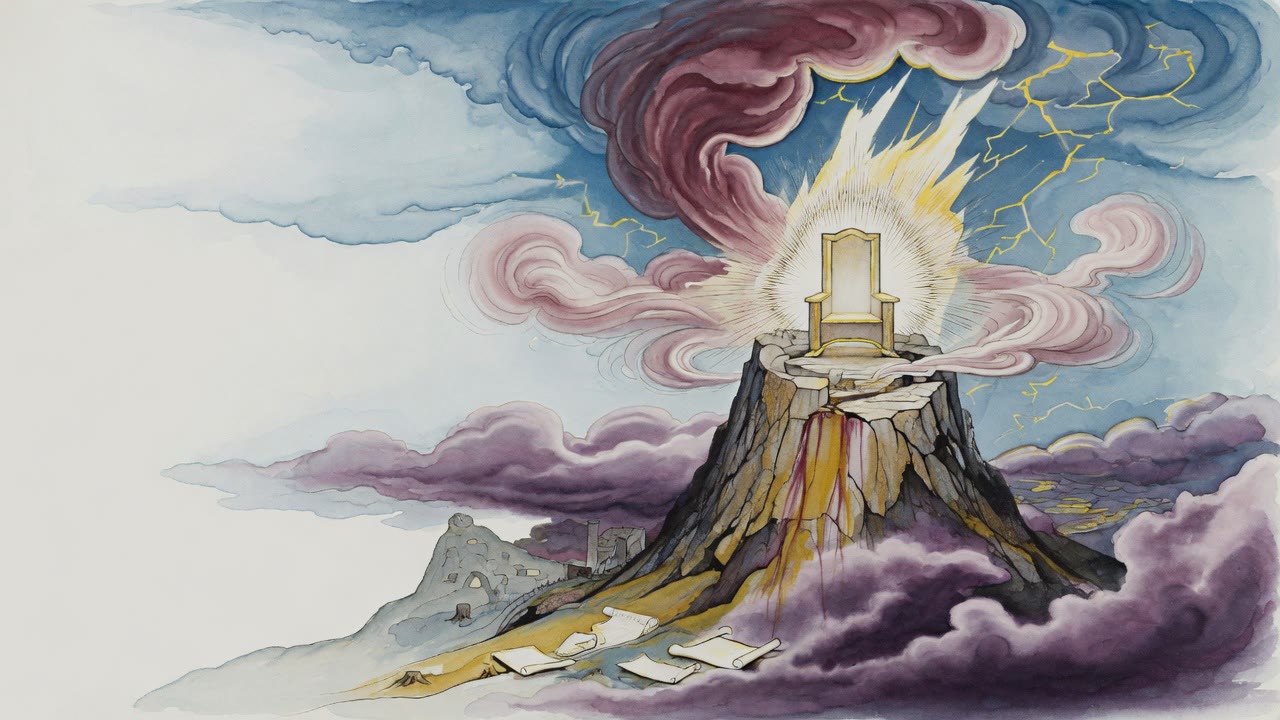
God can speak from anywhere. The rabbis believed he would end the story in one place only, and pinned the final act to a specific mountain.
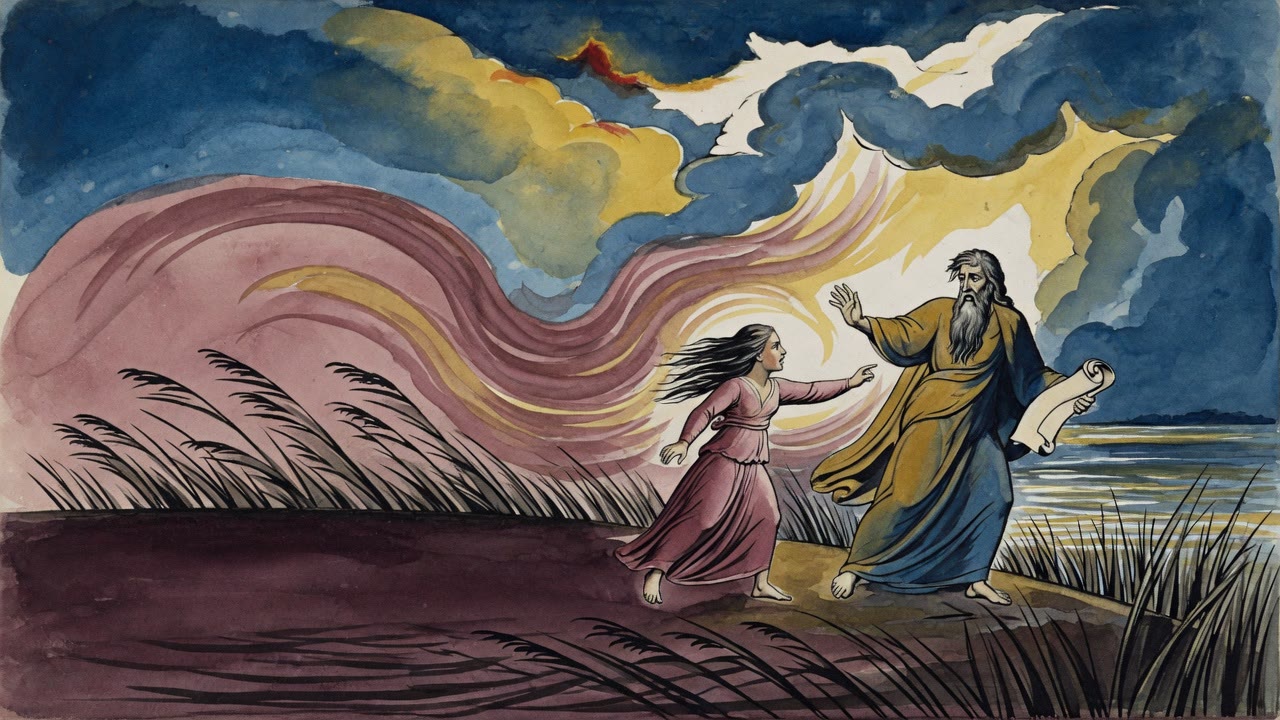
A six-year-old girl told her father his decree was worse than Pharaoh's. Then Miriam prophesied the child who would save Israel.
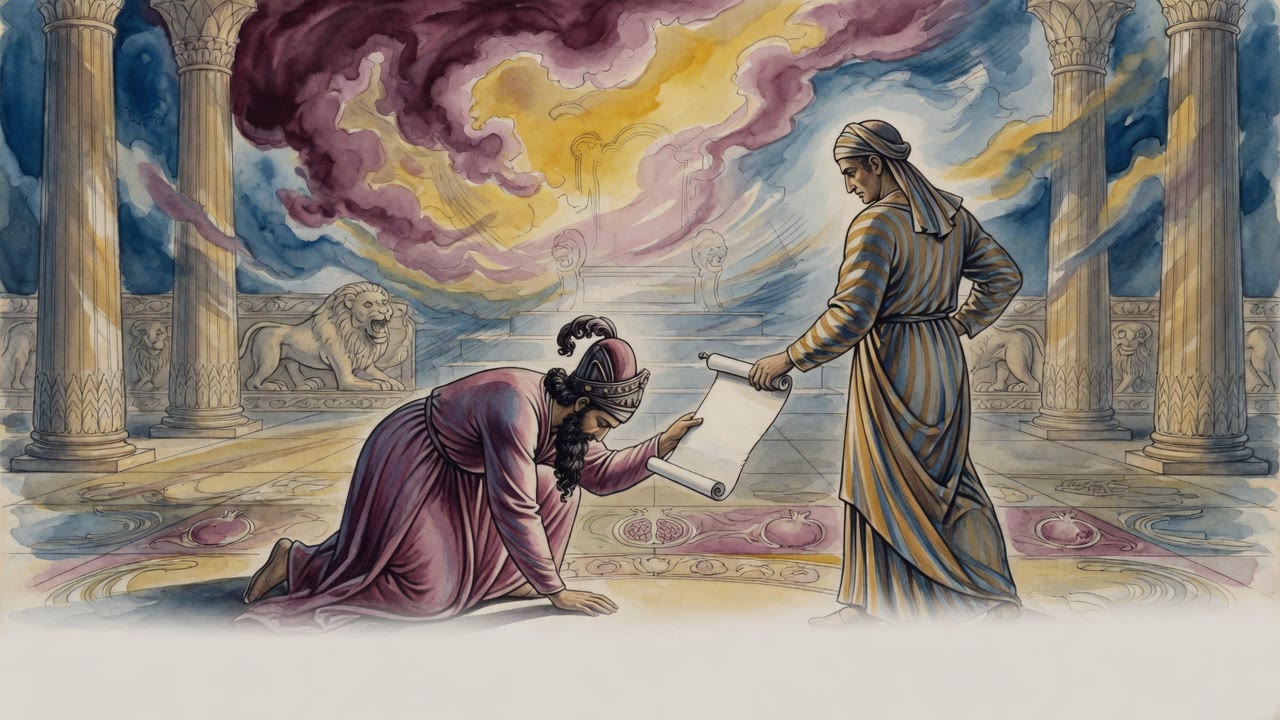
Haman's troops were starving. Mordechai had grain and would not take interest. He asked for a slave's name cut into his own knee.
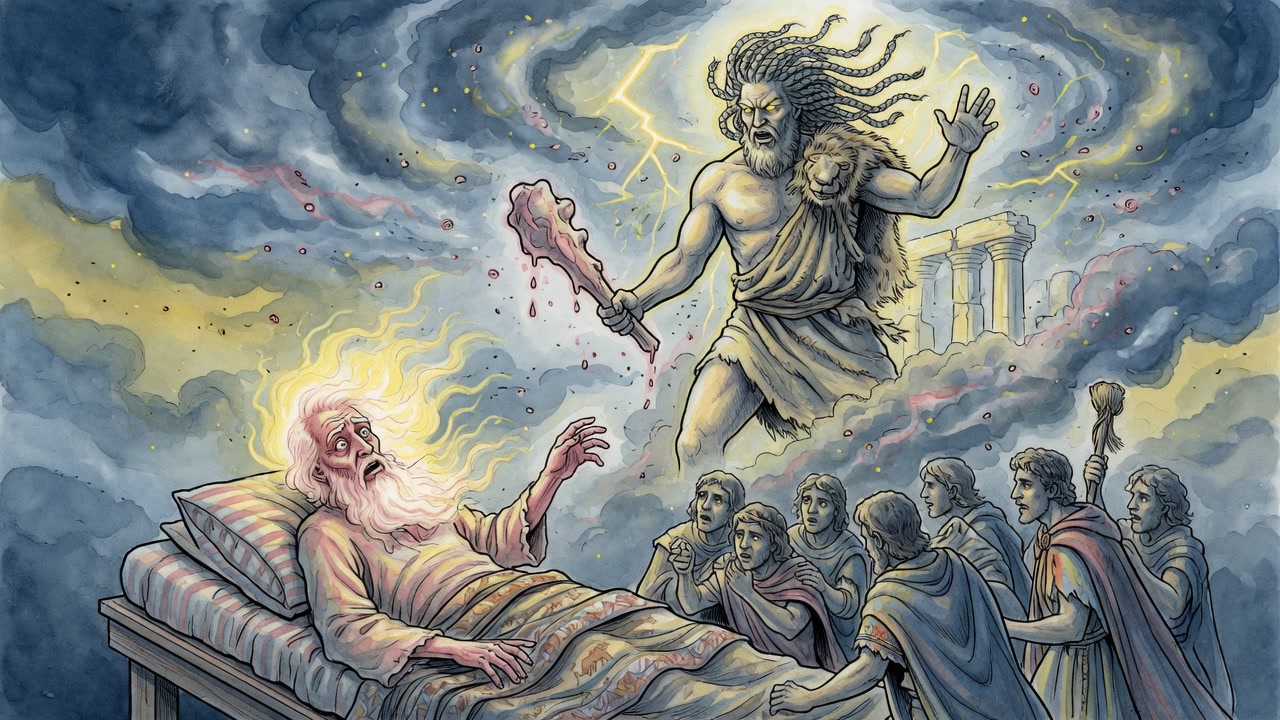
On his deathbed Jacob blessed Dan and saw Samson fighting alone, and for one breath he believed the Messiah had finally come to Israel.
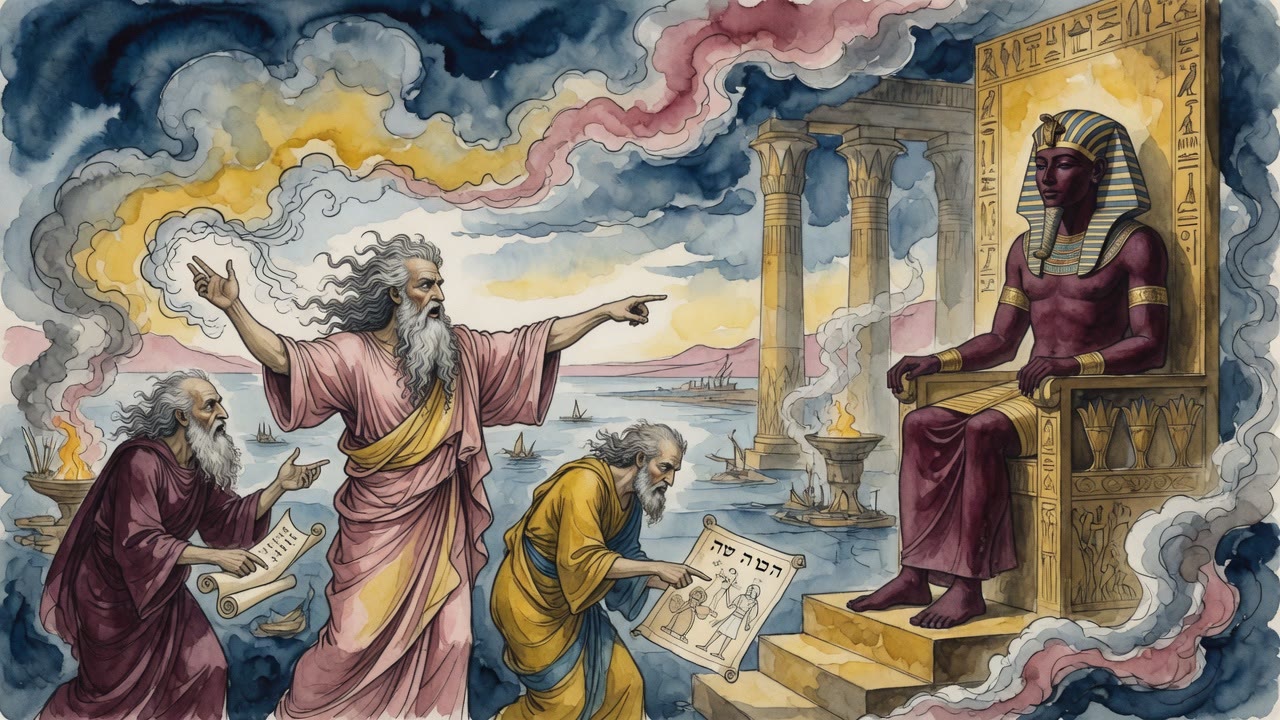
Three advisors stood before Pharaoh. One fled, one stayed silent, and Balaam found the loophole that drowned Hebrew babies in the Nile.
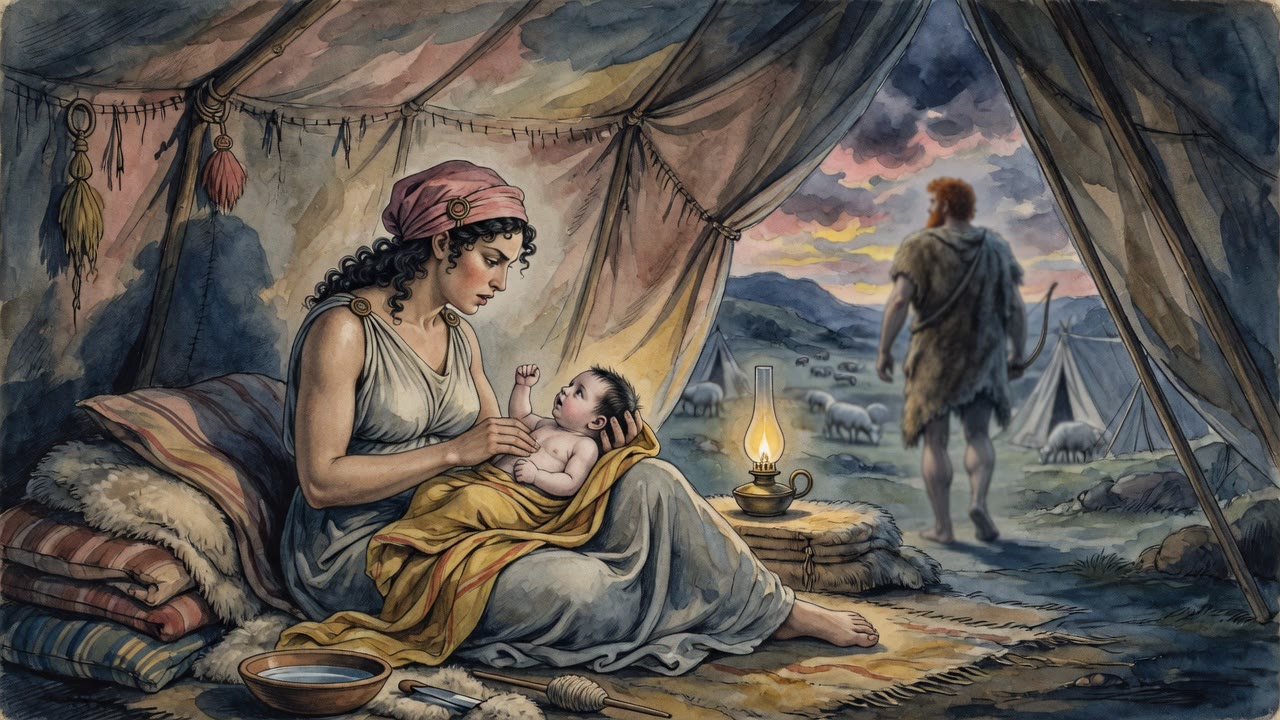
Leah lays her firstborn son against her chest and names him Reuben, behold a son, with a quiet shot fired straight at Esau.
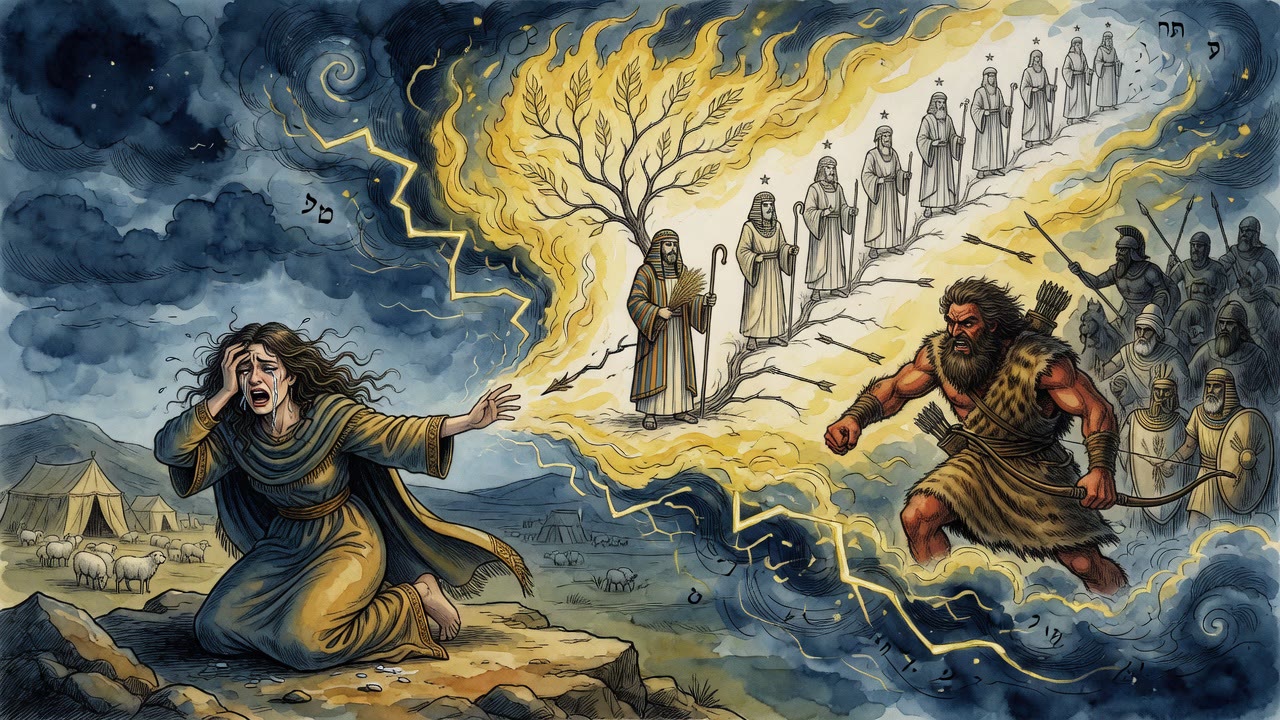
Amalek hit the back of the column first, where the old and the footsore walked. Moses passed over every fighting man and called one young man from Ephraim.
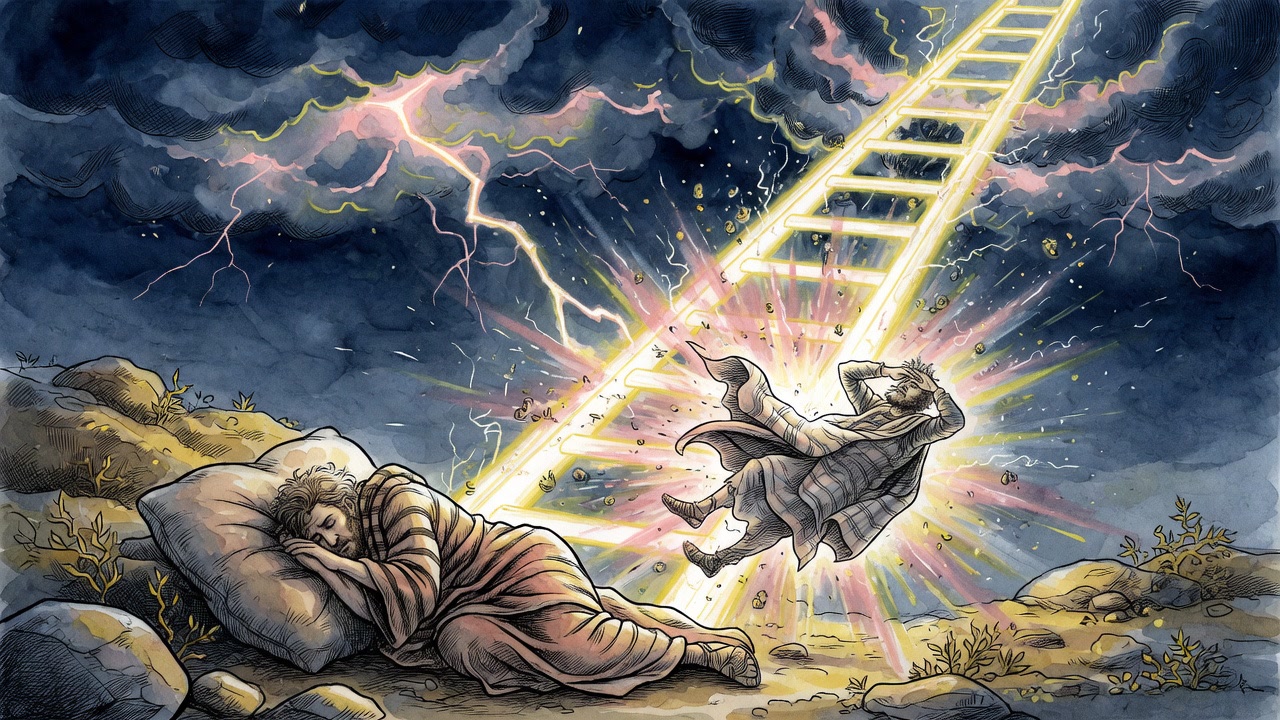
Jacob ran until the sun was gone. He struck the ground at Bethel. Stones went under his head because the place had stopped him.
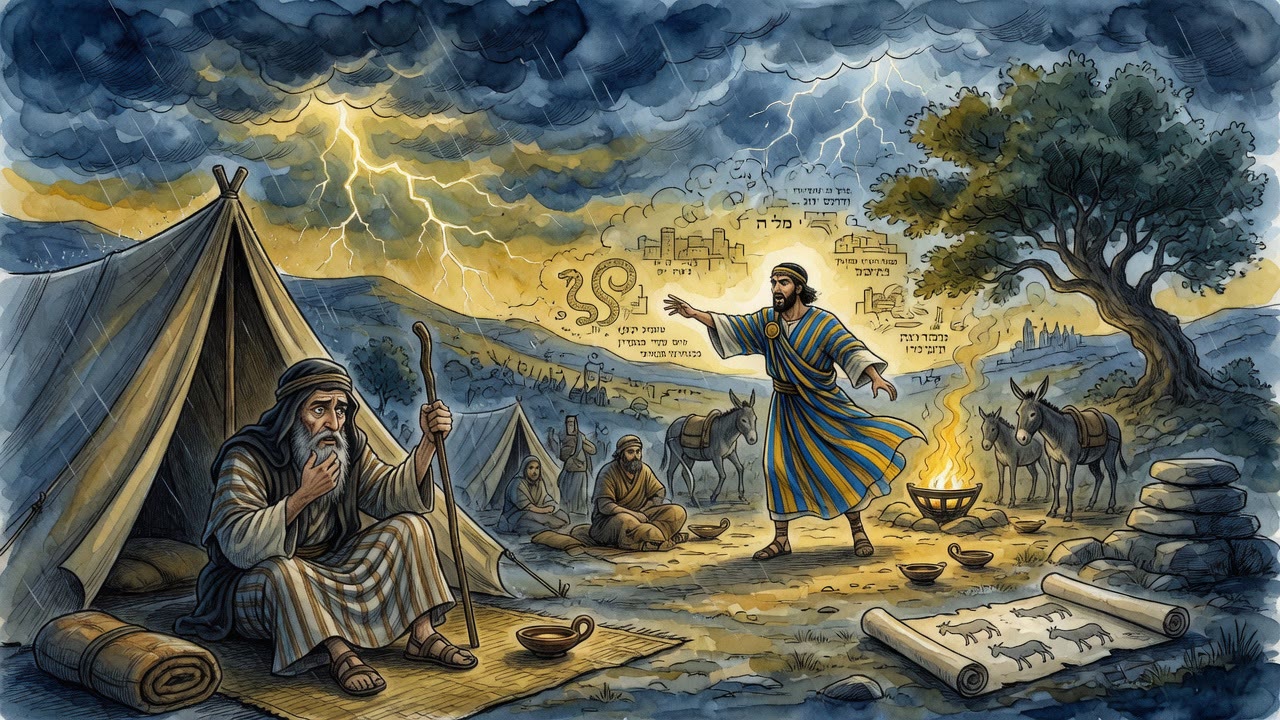
Seven Amorite kings march on Jacob's tents after Shechem burns, and only Judah's words about Noah stand between the family and the swords.
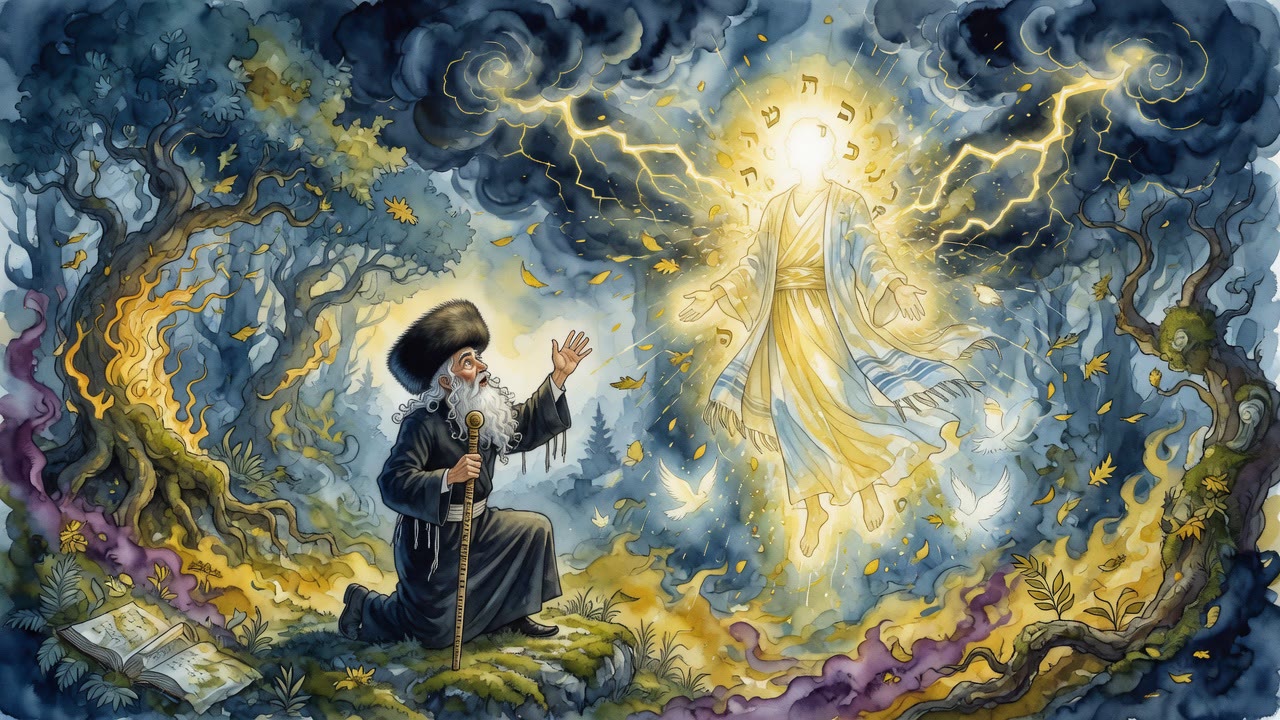
He once prayed so long his Hasidim drifted out one by one. The last man let the door slam behind him, and the ladder of letters collapsed.
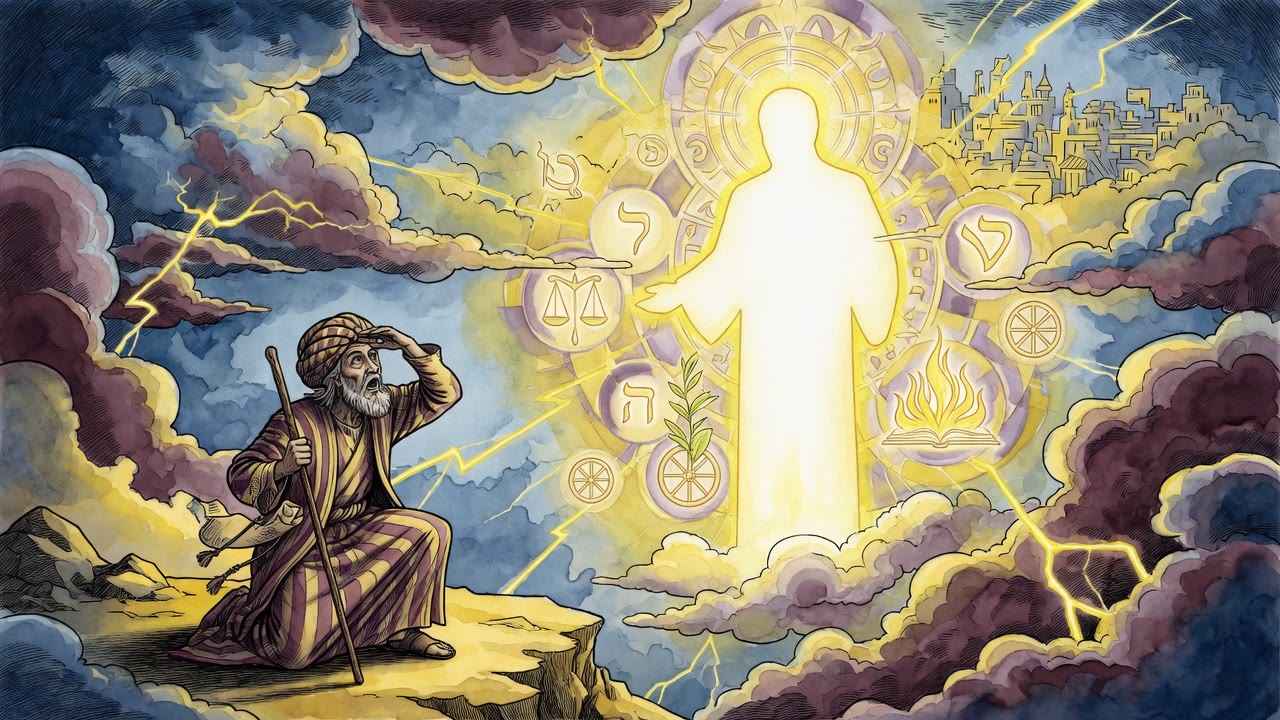
An unclean bird landed on the split carcasses and told Abraham to run before the fire took him. He stayed, and learned how long the age had left.
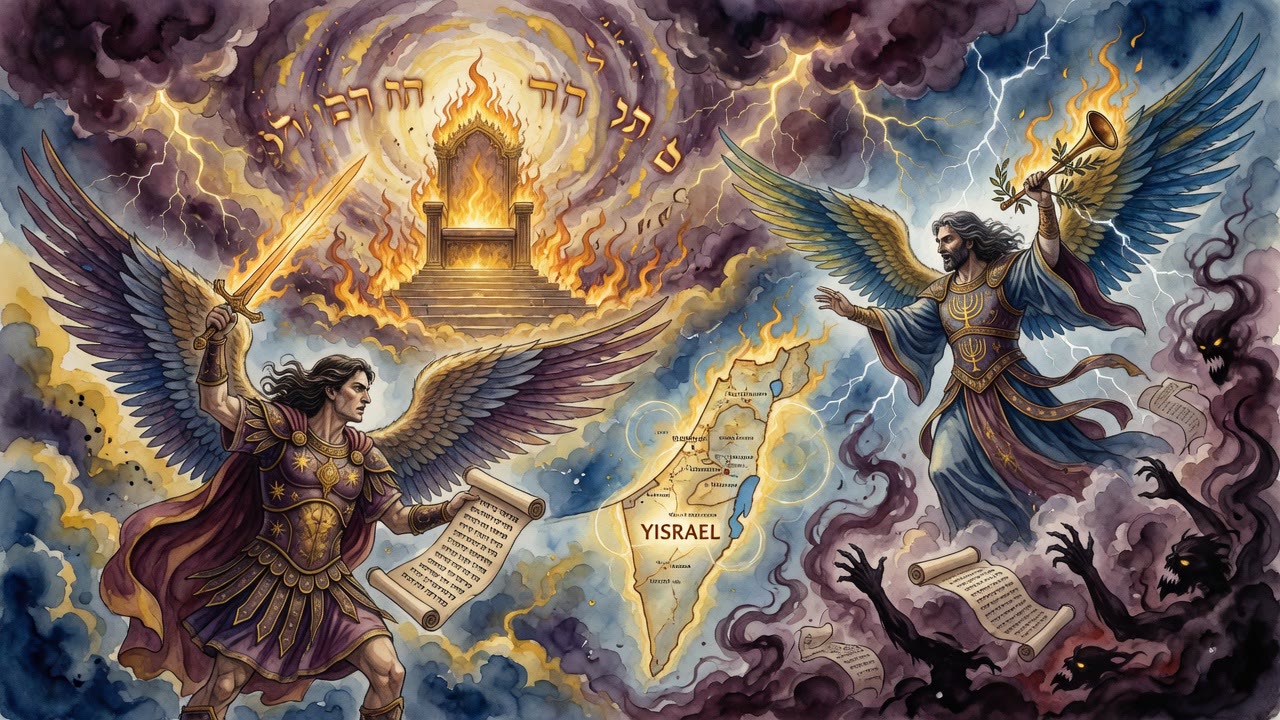
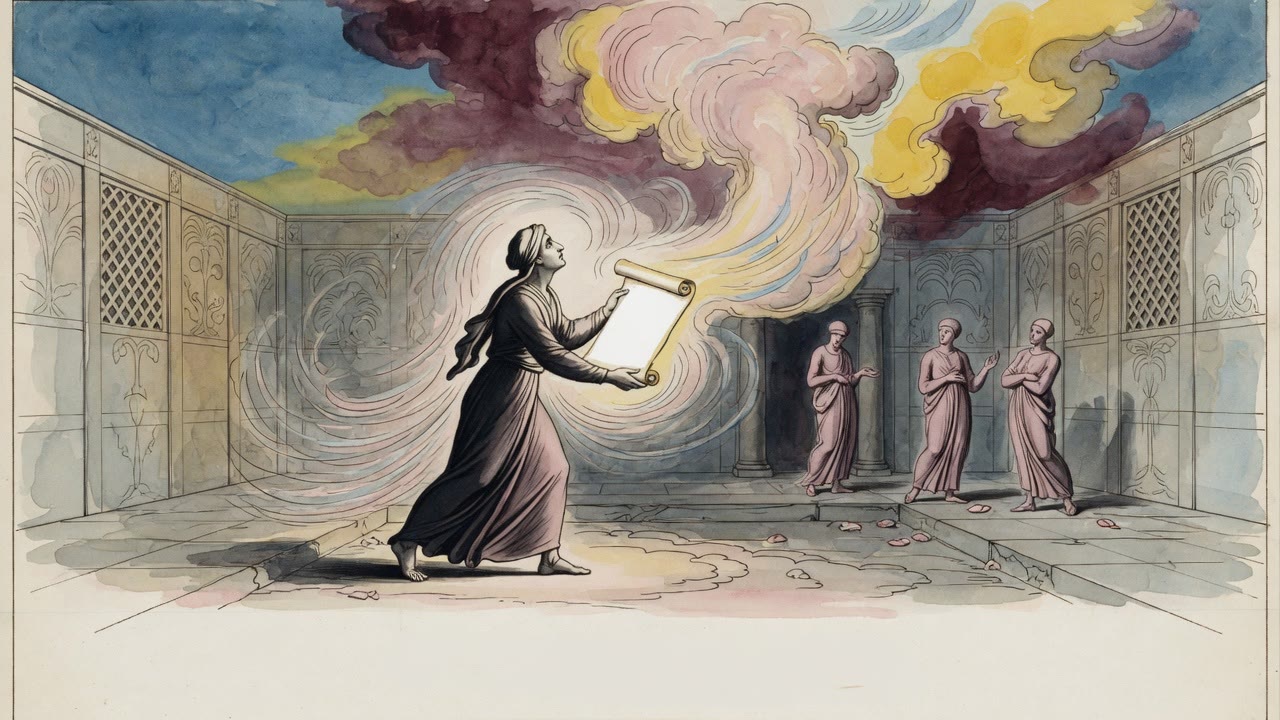
The empire's angel unrolled a long scroll toward the throne. The charges were true. Then Michael left the Temple that does not burn.
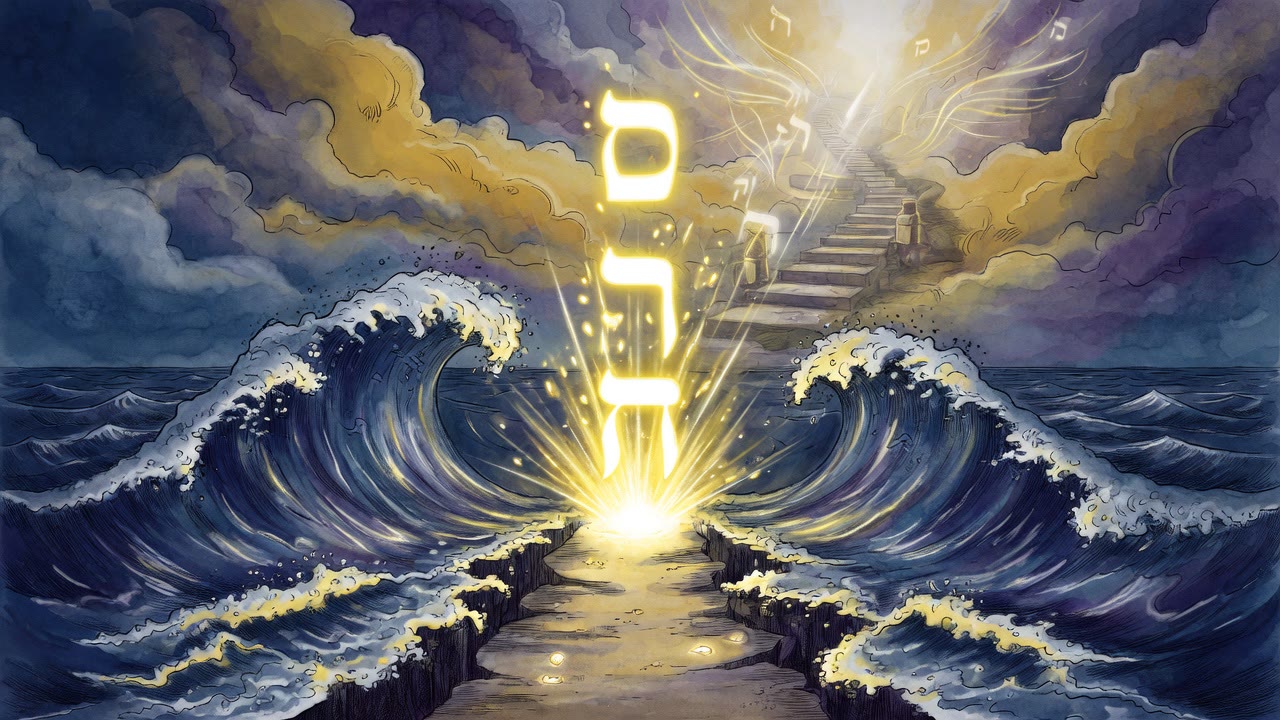
The sea did not split for the crying people at the water's edge. It split because of one word God spoke at Beth-el, long before.
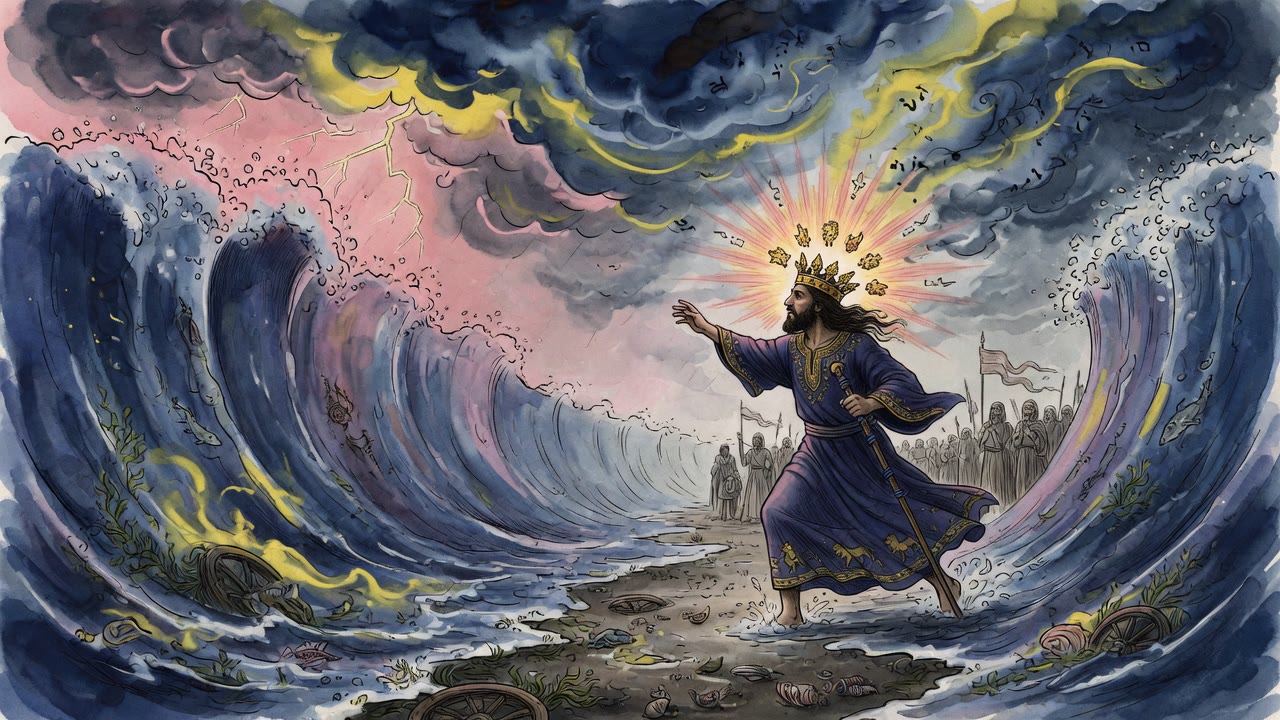
Before a single wave moved, one man waded into the crashing sea up to his throat, and that step decided who would rule Israel.
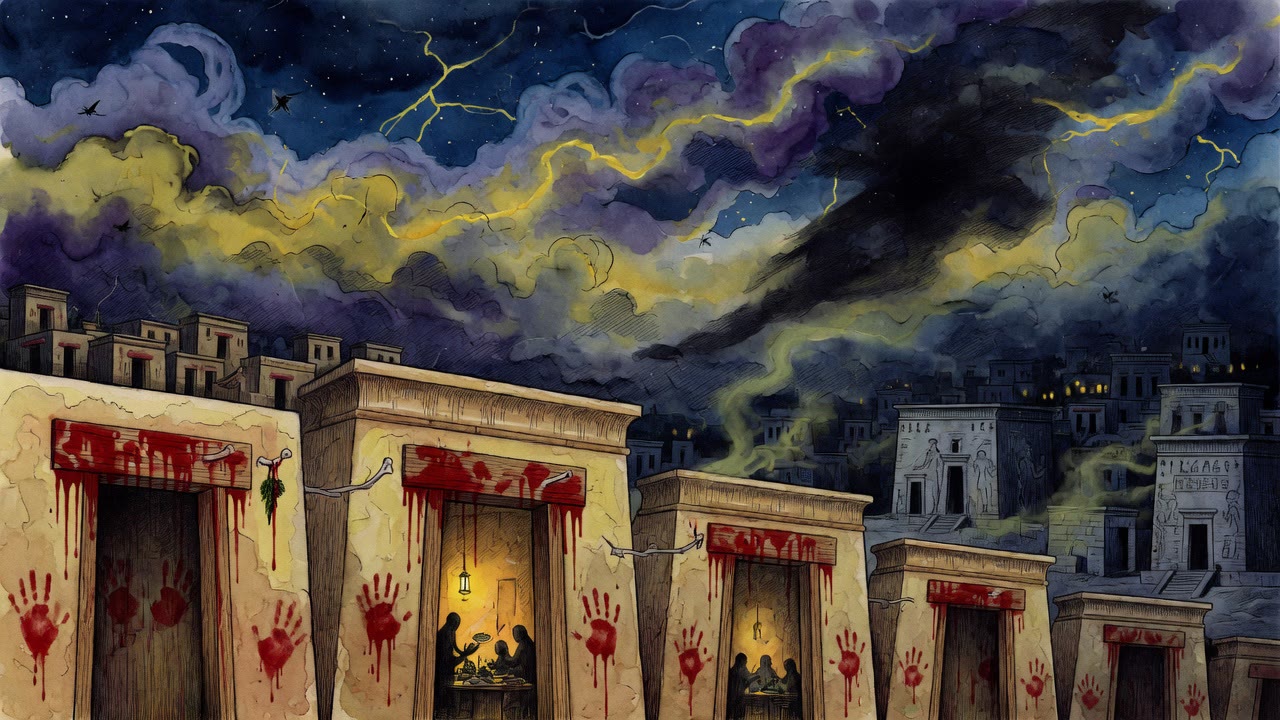
Israel watched another nation's lamps burn and told God it was jealous. God answered with one memory: a knife, shaking hands, blood on the doorposts.
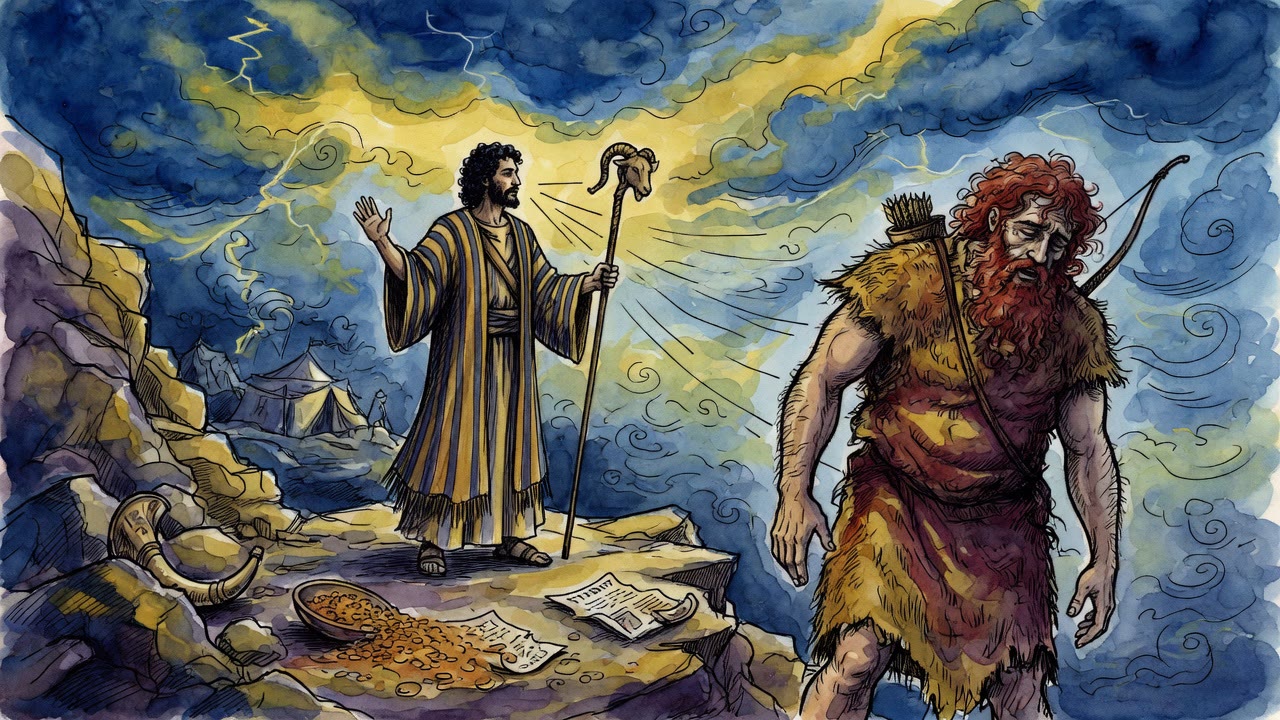
Jacob's sons named Esau's hunt and the four hundred men. Esau named the pit at Dothan. Joseph came in still feeding the men who sold him.
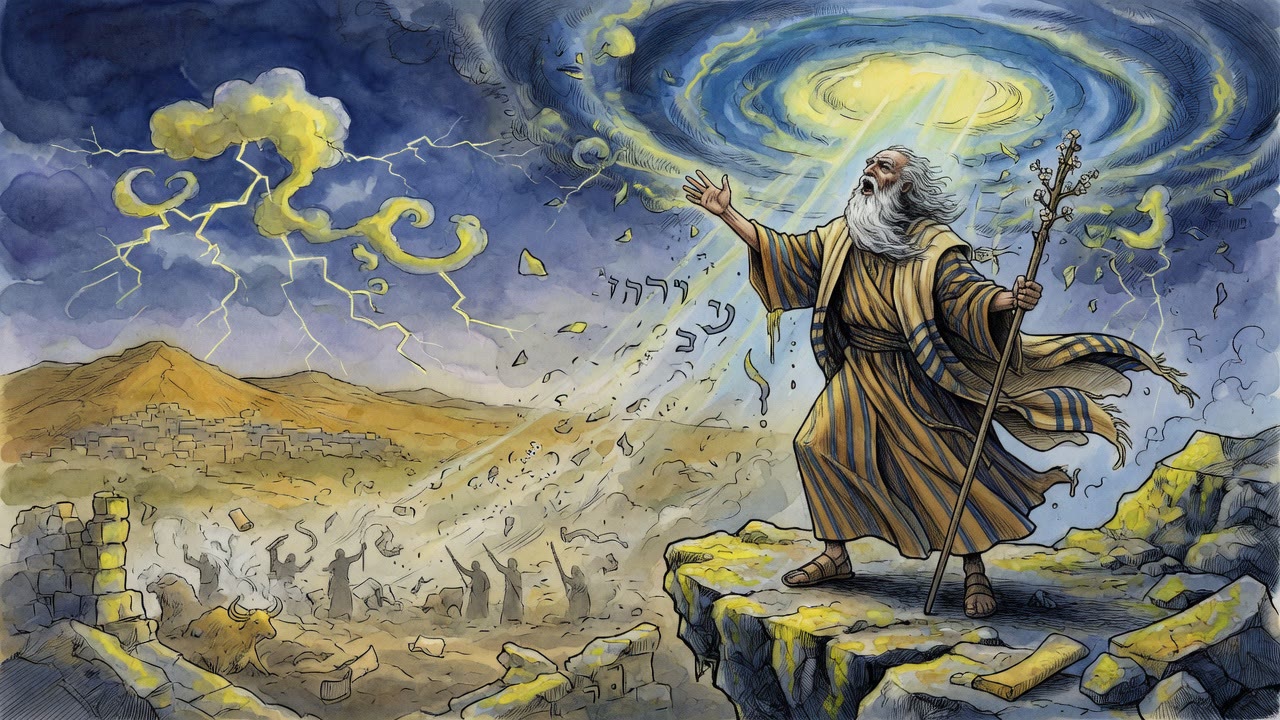
On the last day he called the heavens first, then the earth. Human ears would fail. The song had to outlive the man who sang it.
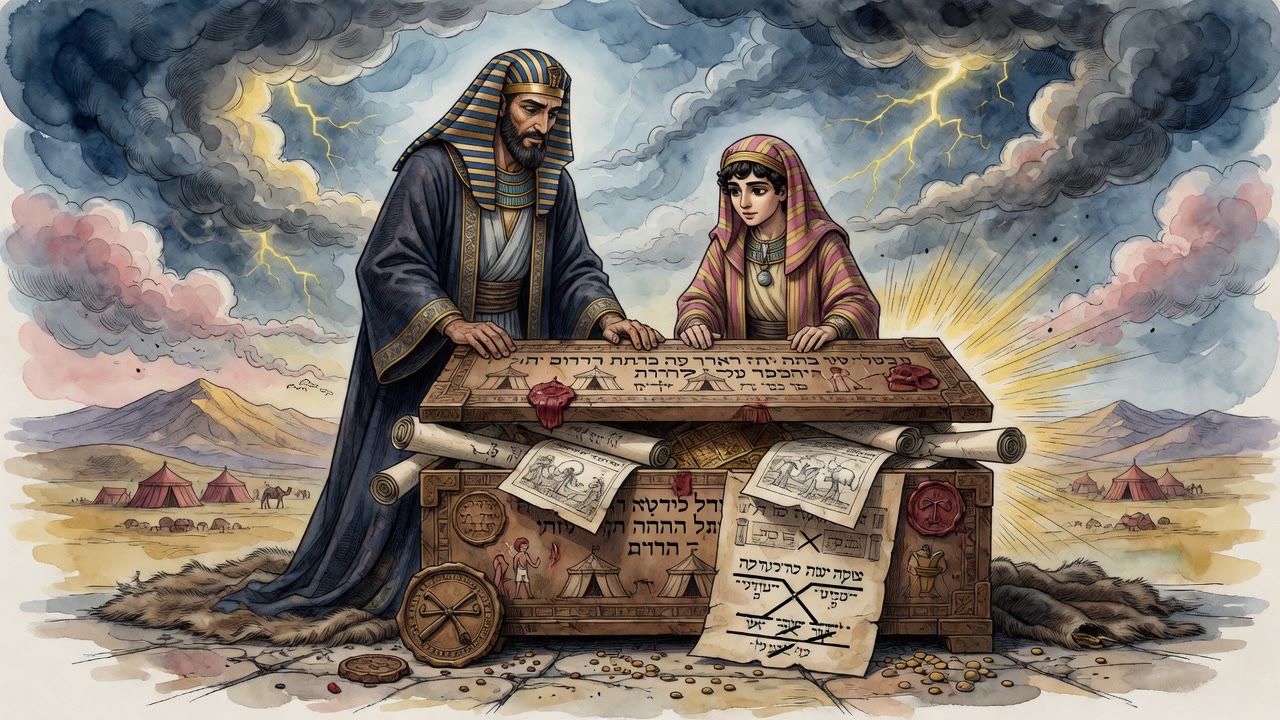
The tribes accused Esau of hunting his brother, and Esau pointed at the pit where they threw Joseph. Only Joseph and Benjamin had clean hands.
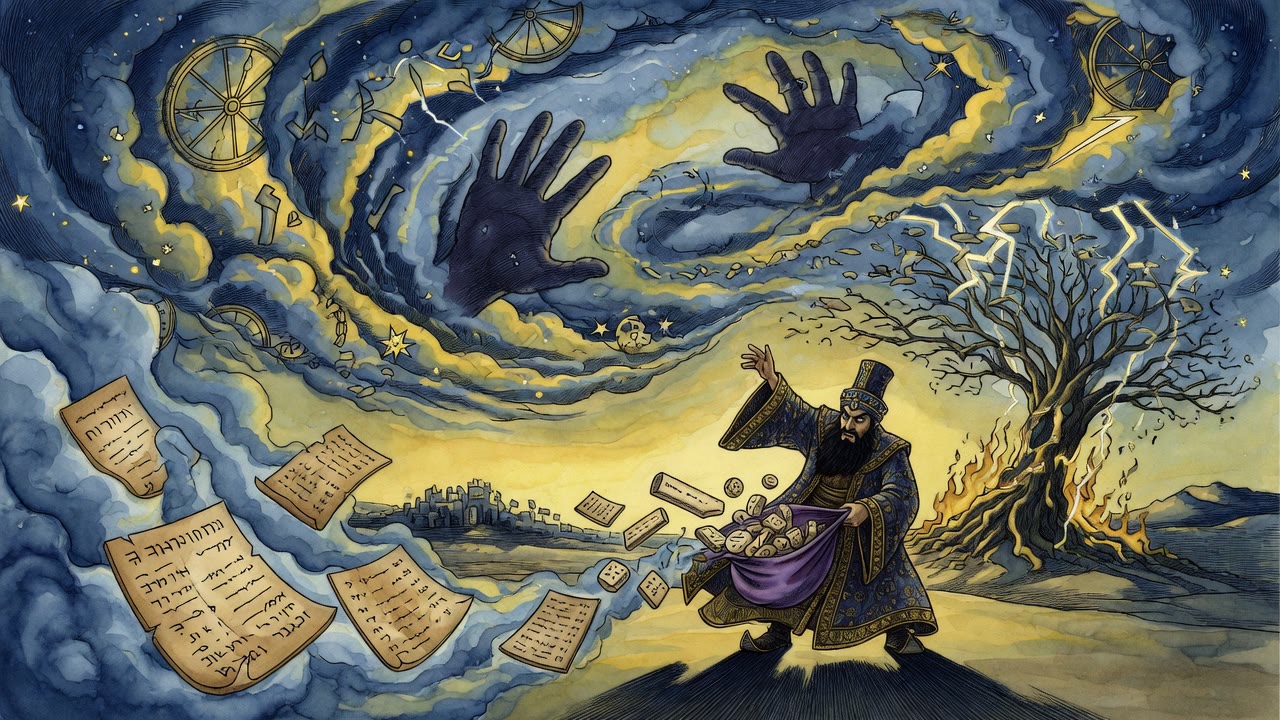
Haman threw lots at days and months until Adar smiled at him. Moses had died there. He did not know Moses had been born there too.
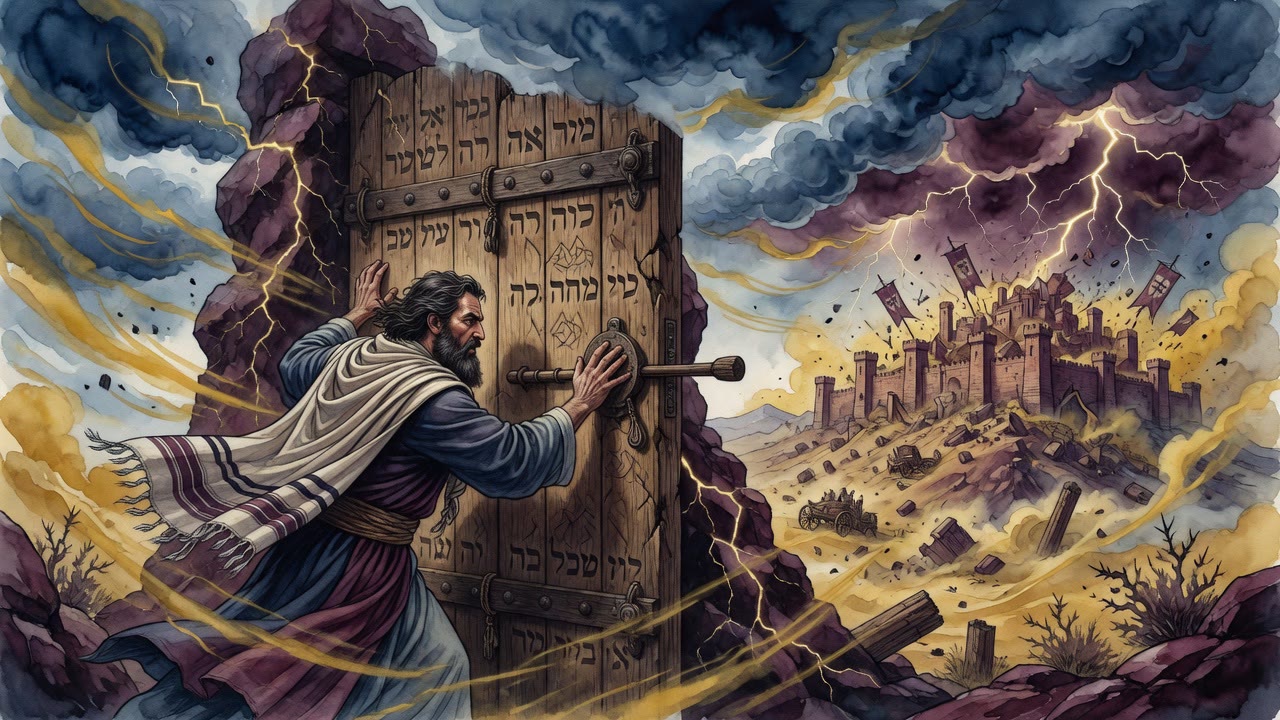
Jacob did not run because courage failed him. Aggadat Bereshit says he closed the door until Edom's kingdom spent its hour.
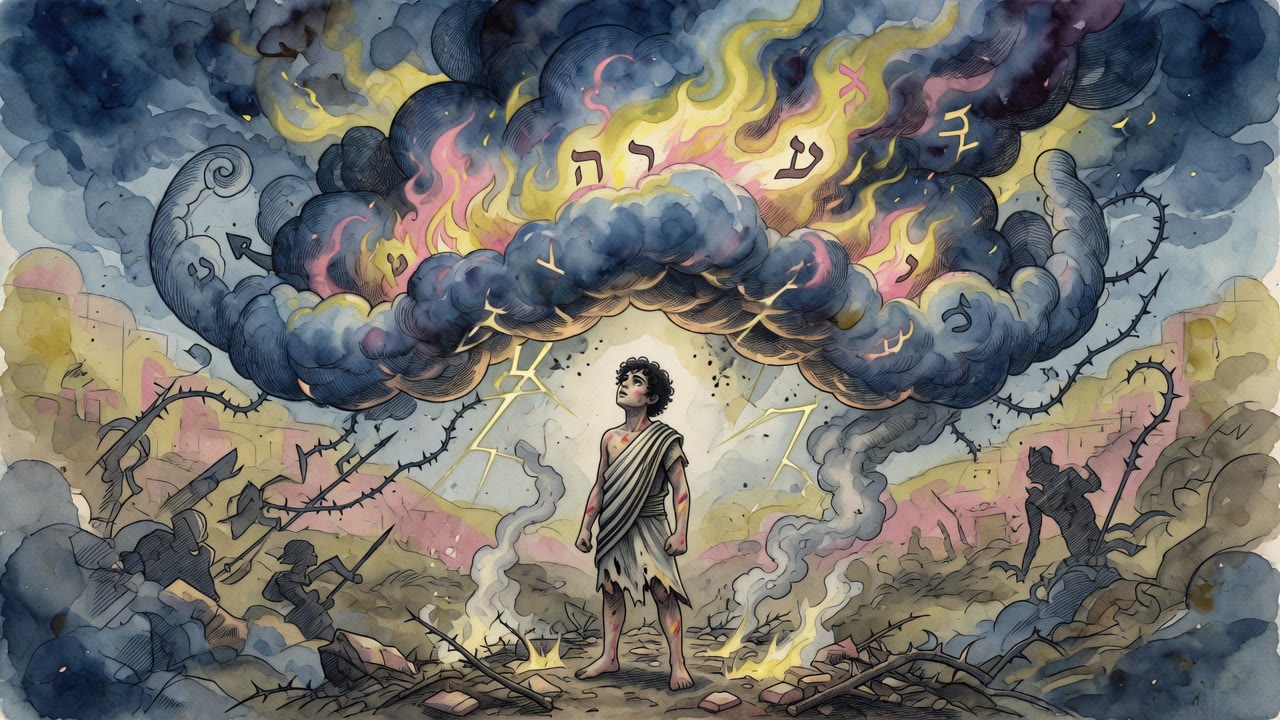
He had crossed the Jordan with nothing but a staff and been given everything after that. Then a king asked his age and got a complaint.
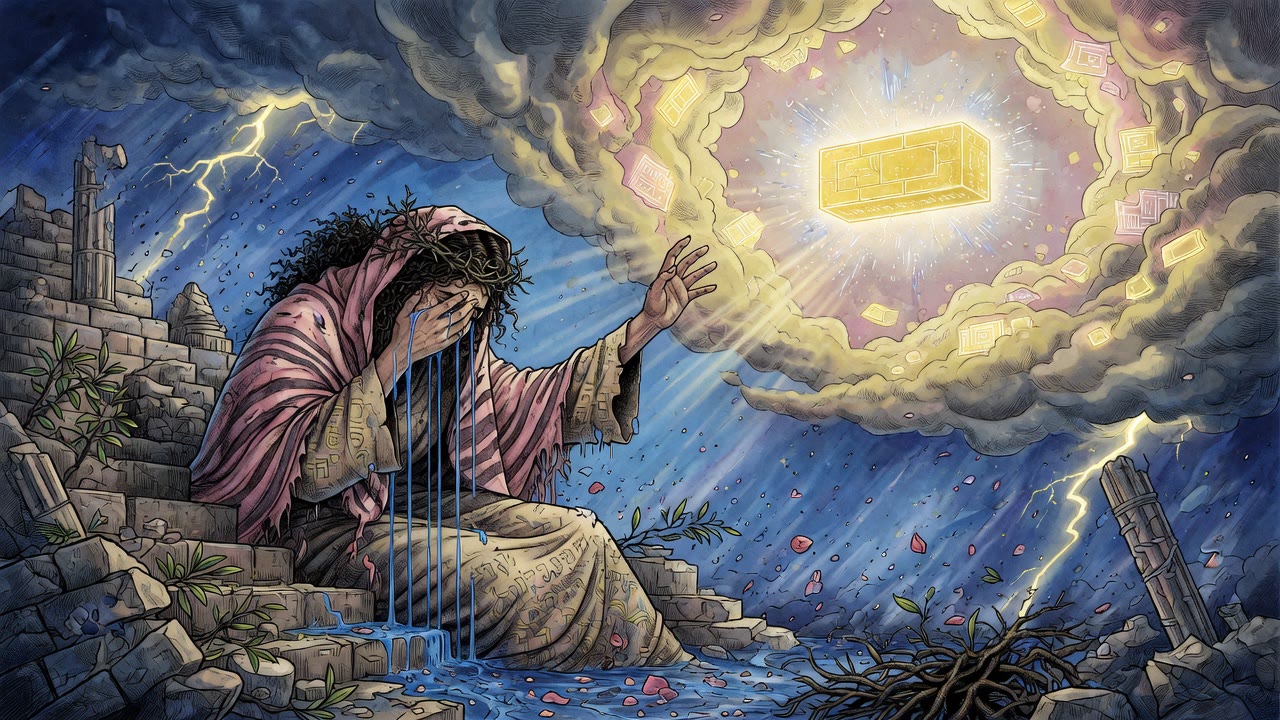
Jerusalem stood in her own rubble and counted every span of years that had ended for somebody else. Heaven answered by naming what it had kept.
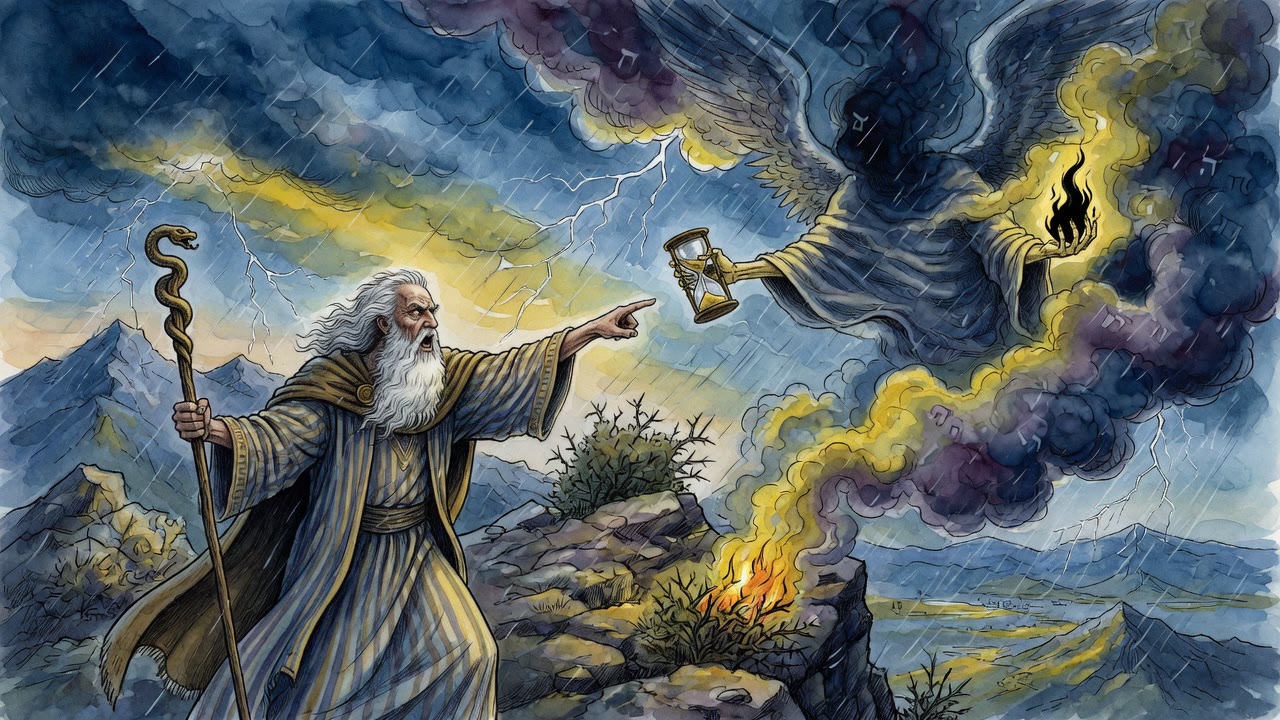
The Angel of Death came into the tent, and Moses spoke the Ineffable Name at him until he fled. On the third approach Moses met him with open hands.
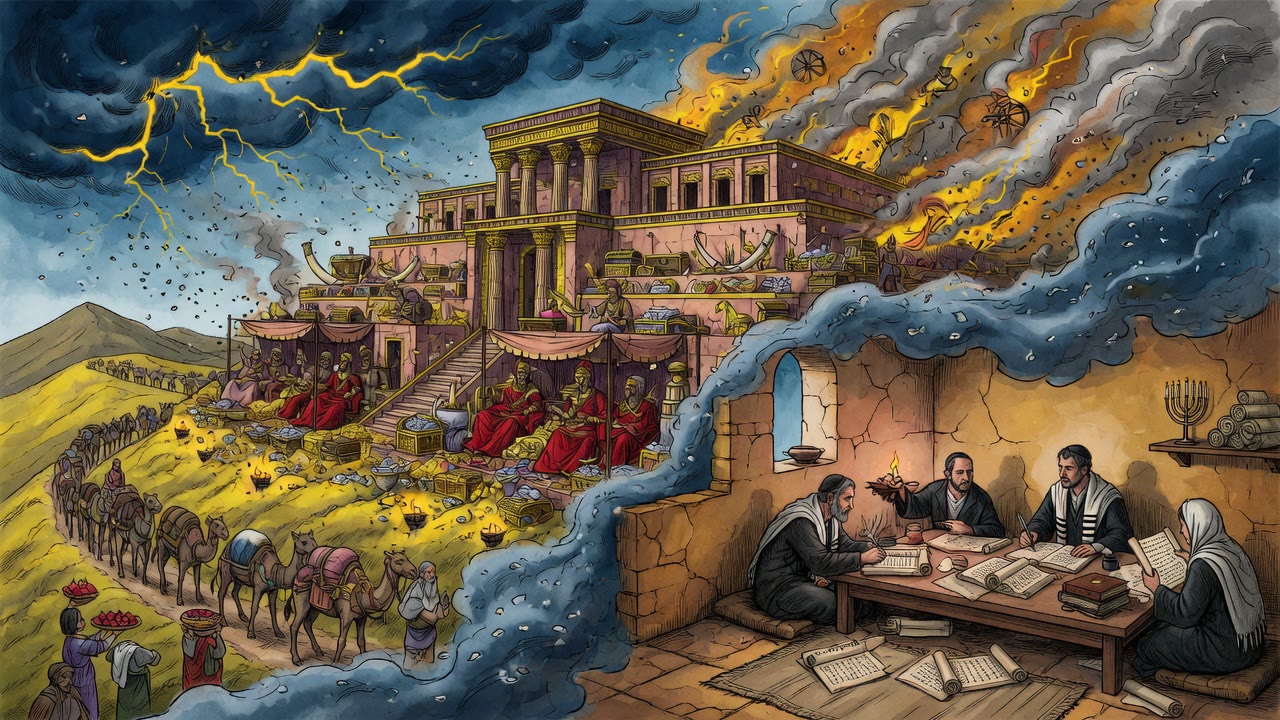
All the rivers run to the sea, Ecclesiastes says. The rabbis read that as Rome, and said the scholars would get the money in the end.
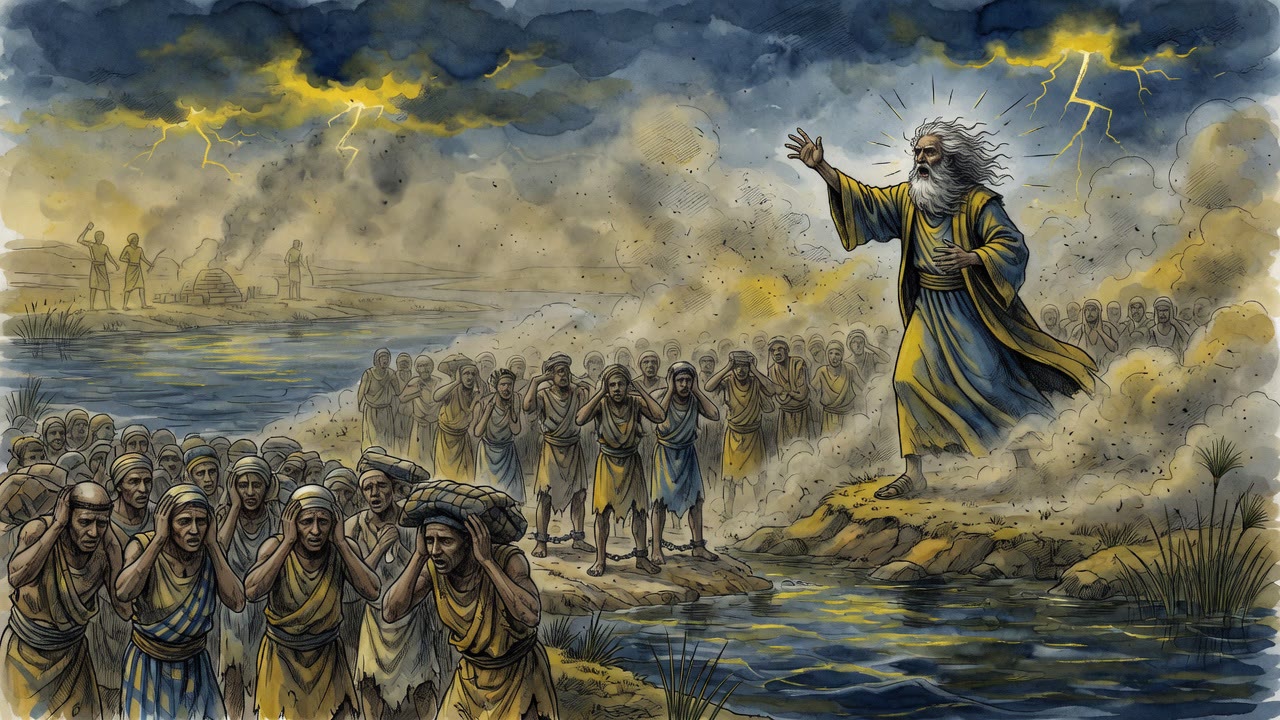
Moses brings God's promise of freedom to the Israelites, but the broken people cannot lift their ears from the mud.
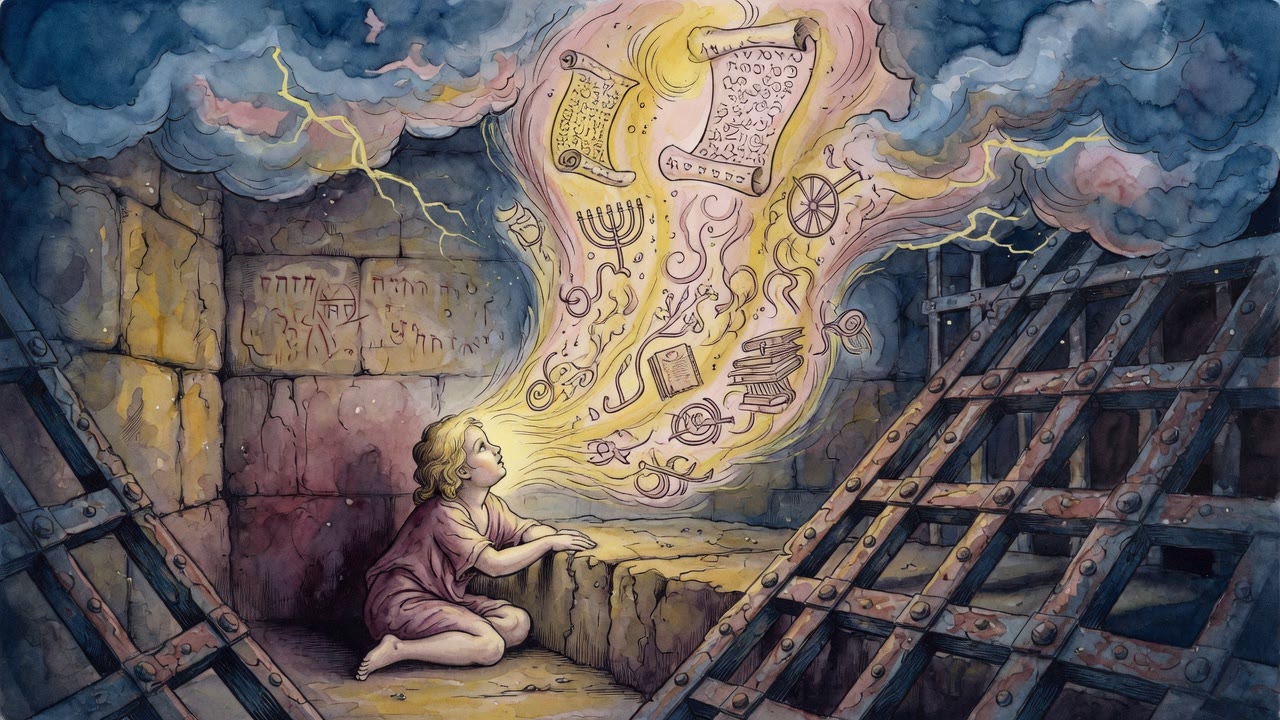
Jeremiah cursed grief from Aleph to Tav, but Eikhah Rabbah says Isaiah had already healed the letters before the wound was written.
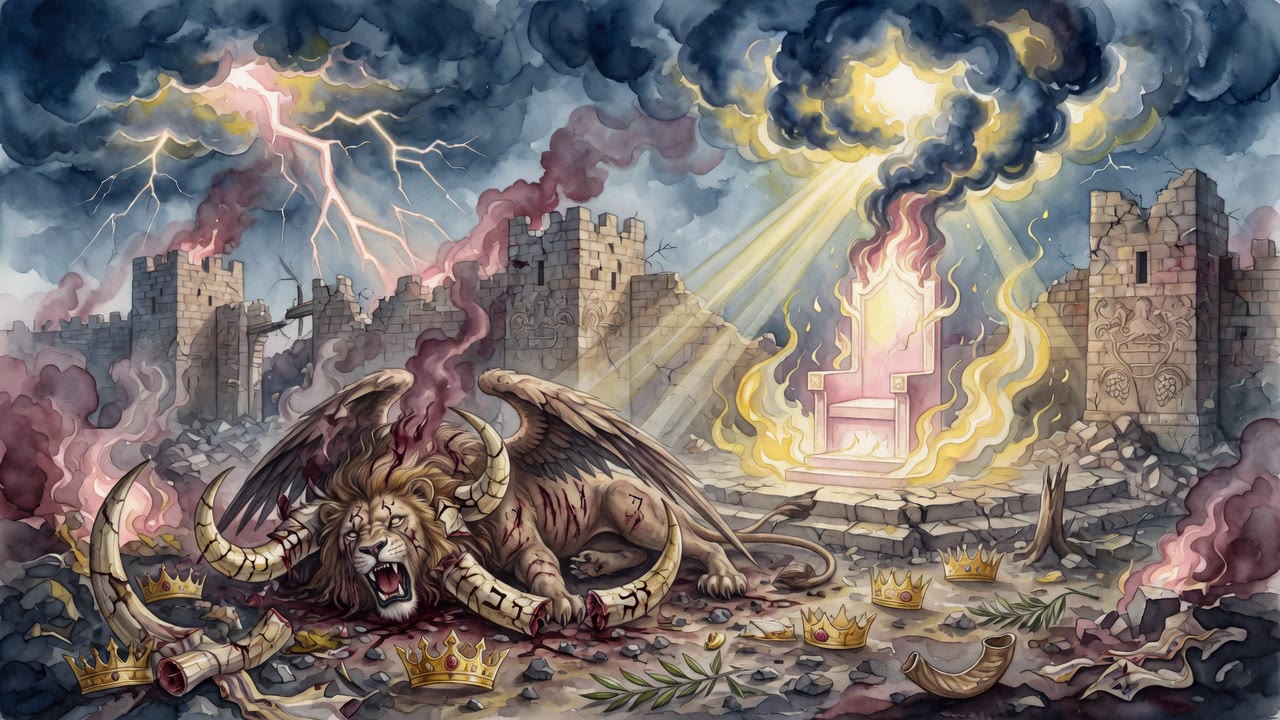
A mother once gave her son's weight in gold to the Temple. When Jerusalem starved, the siege turned that gift inside out.
