Samael Rules Only When Sins Open the Space Between Israel and God
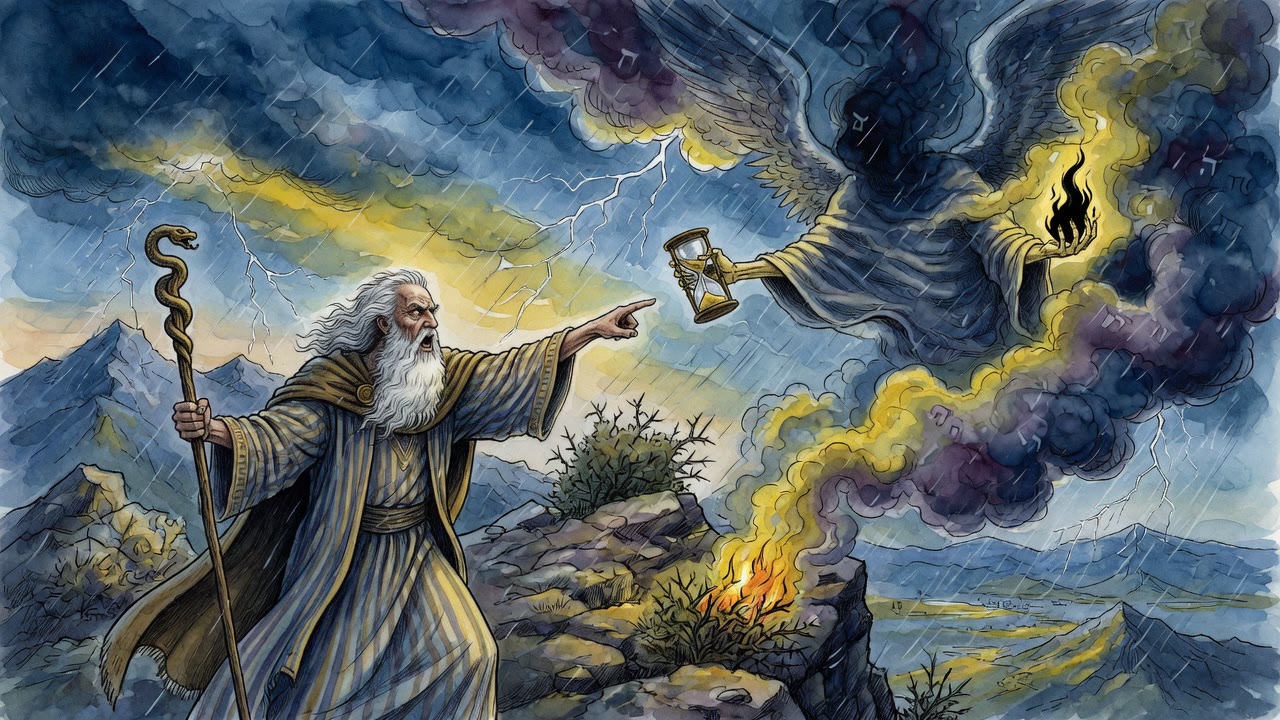
Samael does not seize power. He is given it. The gap sin creates is the only space Samael enters, and God is the one who opens the door.
Table of Contents
 Click for full size
The Gap That Appears Between the People and God
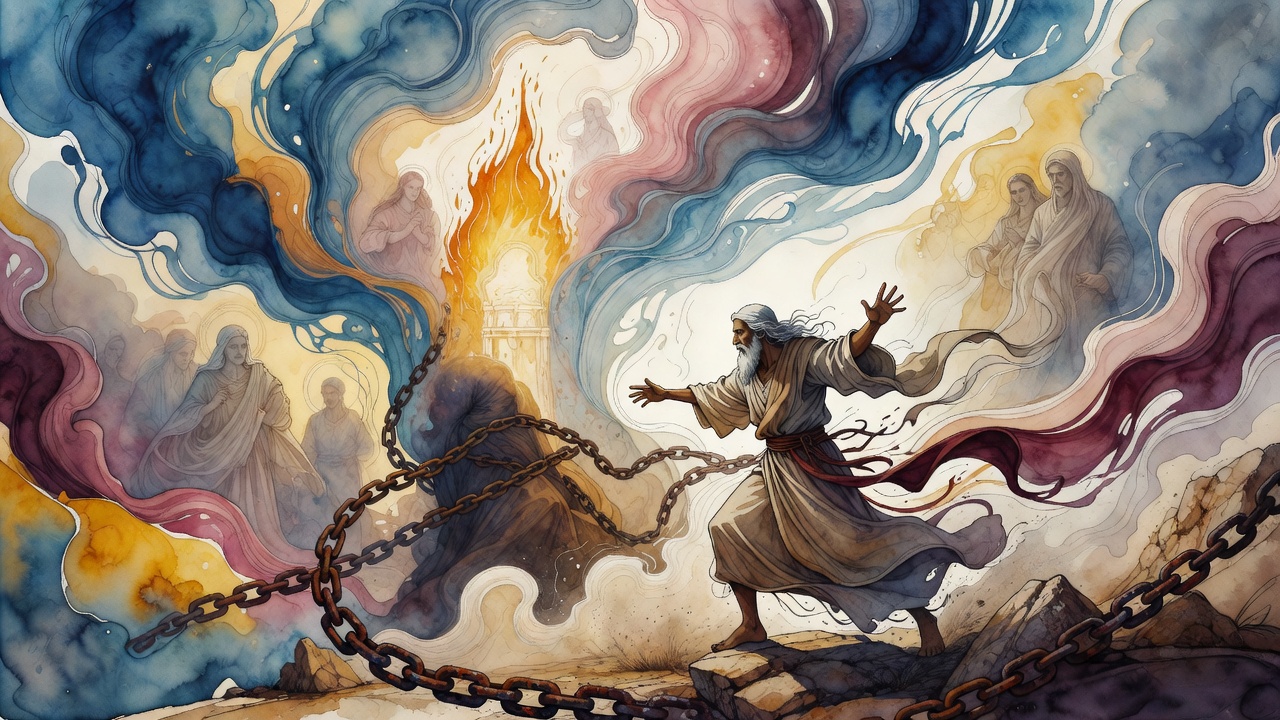
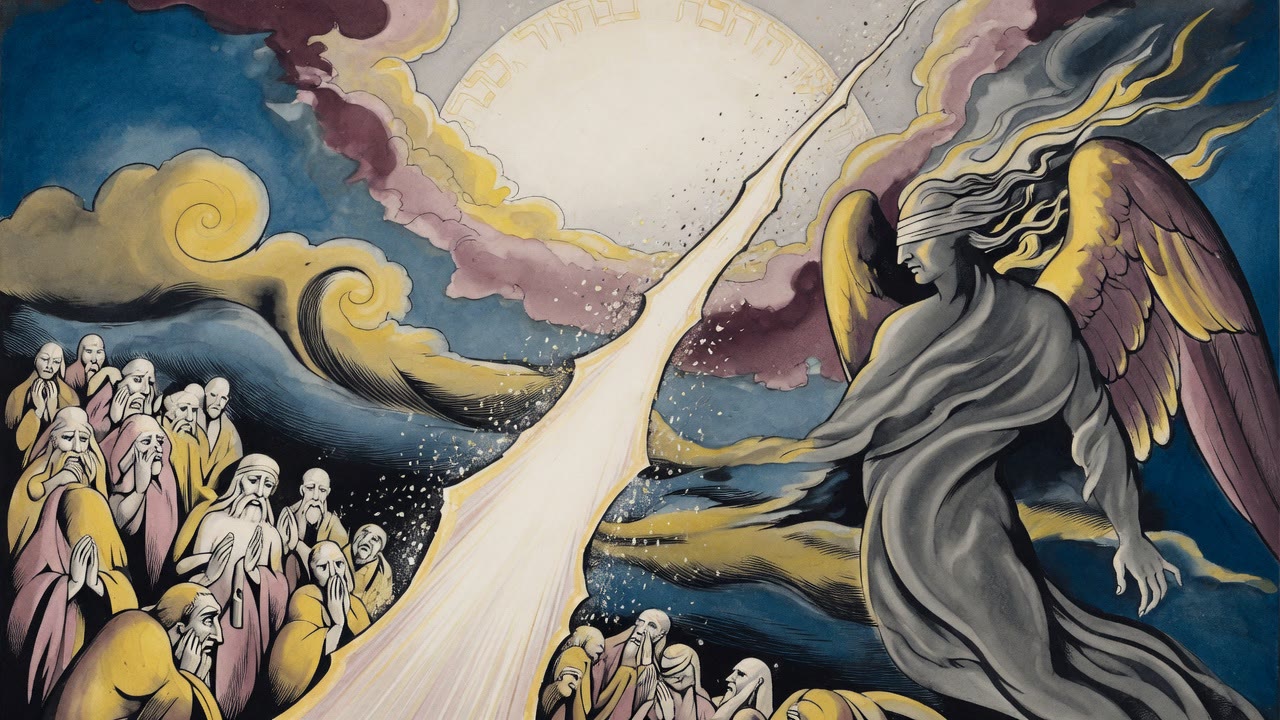
Isaiah said it plainly: your sins have separated between you and your God. He was rebuking Israel for injustice and violence and corrupt religion, cataloguing the acts that had created a gap between the people and their source. The rebuke is familiar enough. What the Tikkunei Zohar did with the verse was precise and disturbing: it took Isaiah's rebuke as a technical description of the mechanism by which Samael enters the world. The sins do not merely disappoint God. They open a space. And a space of that kind, between Israel and their God, is the specific space through which Samael arrives.
Samael does not take anything. He is given what he has. He does not force his way into the world. He is invited in by the structure that human behavior creates. This is the theological shift that the Tikkunei Zohar drives toward in its most searching passage about evil, and it changes the question fundamentally. The question is not how a just God allows suffering. The question is how a just structure responds to the conditions the people themselves generate. The answer is Samael, and he is God's answer, not a rebel against it.
Separation as His Medium
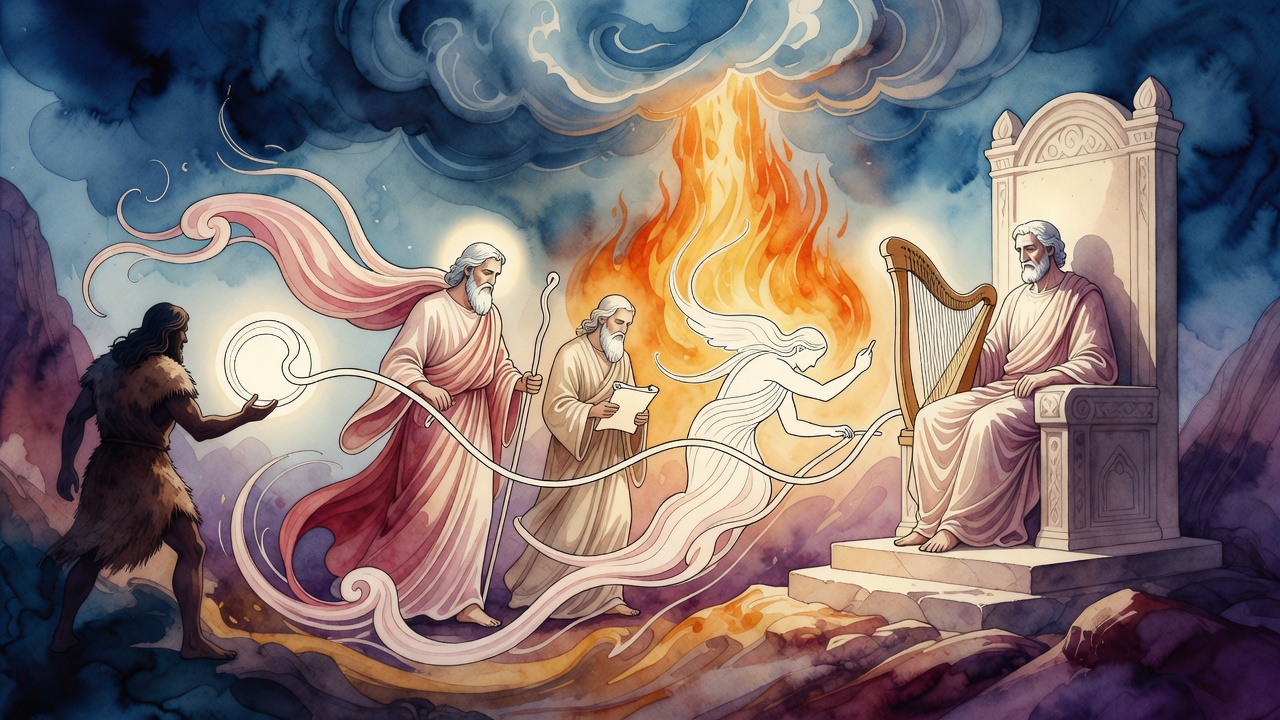
Samael is the angel of death. He is also the accuser, the prosecuting force in the heavenly court, the embodiment of the left side of the divine structure at its most contracted and severe. In the Kabbalistic anatomy of the sefirot (divine emanations), the flow of divine blessing descends through ten levels from the infinite into the world. When the channel is open, when Israel lives in accordance with the divine will, Malkhut, the Shekhinah (the Divine Presence), the lowest sefirah, receives from above and pours into the world. Samael has no standing in this condition. There is no separation for him to occupy.
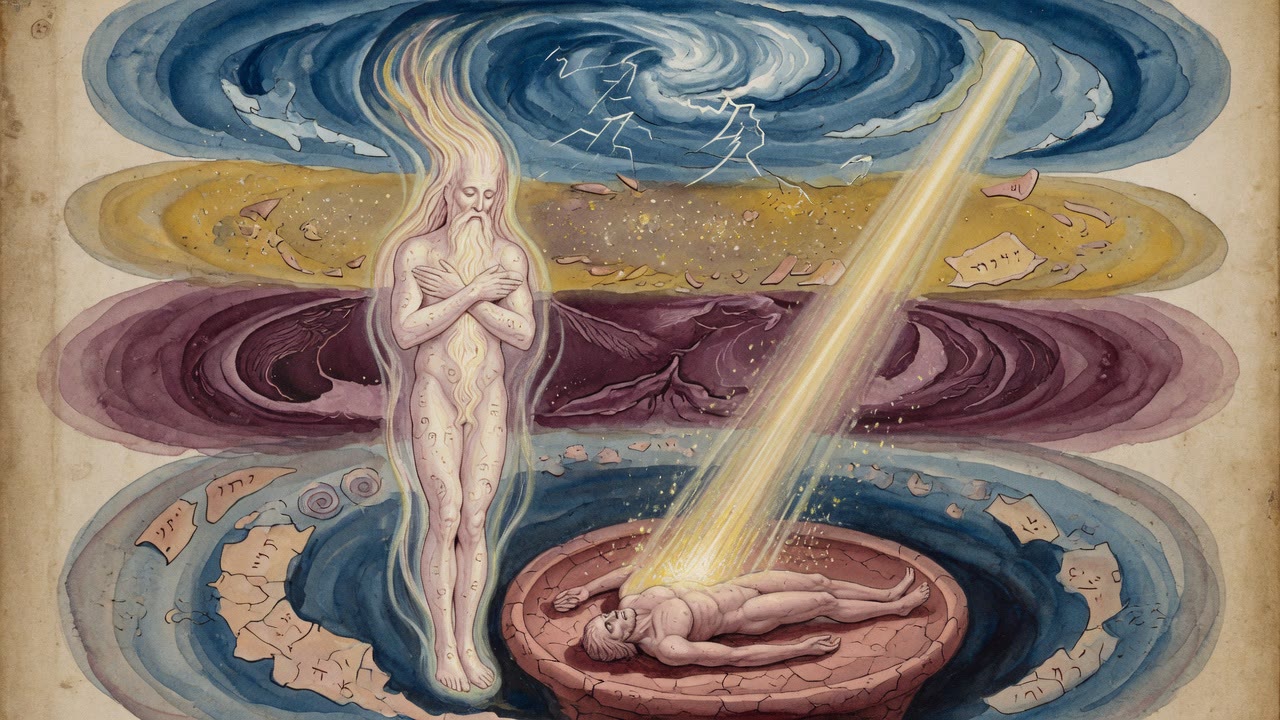
When the channel closes, when sin creates the gap Isaiah described, the flow stops. Malkhut is cut off from Yesod. The divine presence in the world no longer receives from above. And into that gap, Samael enters. Not through force. Through the logic of a sealed system that has developed a leak. He is not the cause of the closure. He is what fills the space when the closure occurs. This is why the Tikkunei Zohar says that God opened the door: because the door is the structure itself, and the structure responds automatically to the conditions that the people create.
Eve Sees Him Behind the Serpent
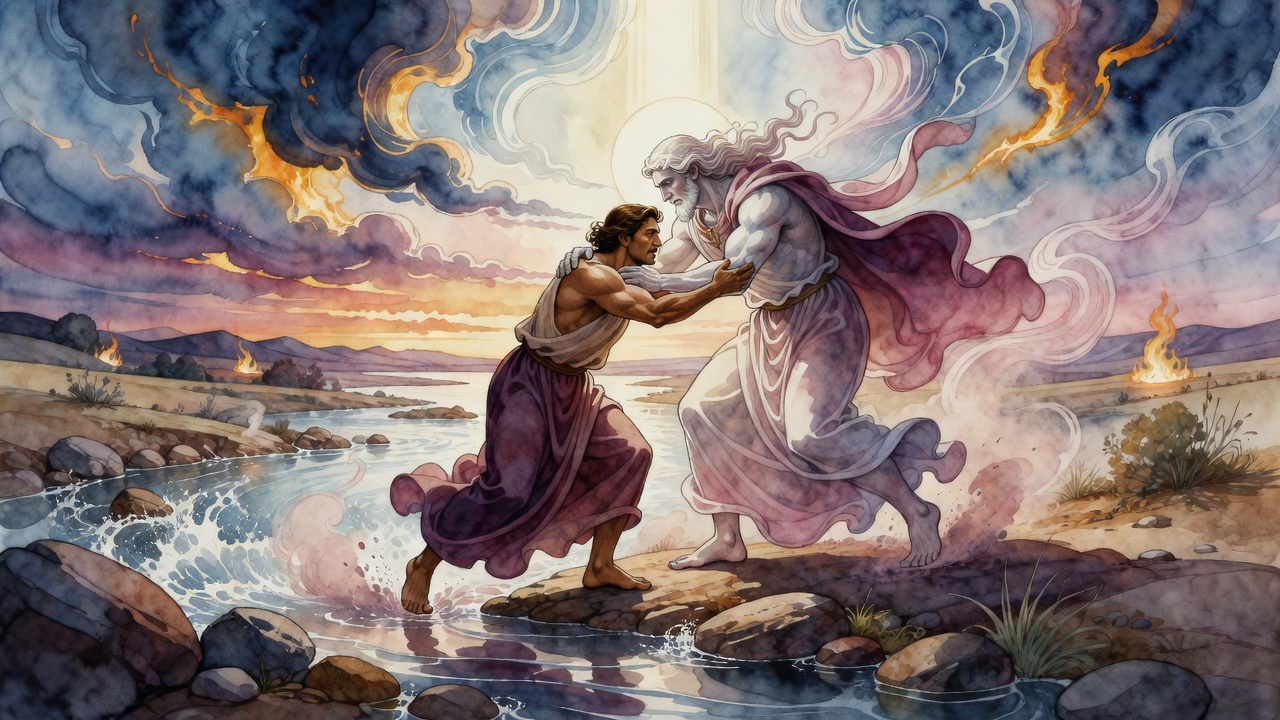
The tradition preserved in the Zoharic literature describes Eve seeing Samael riding the serpent in the Garden of Eden. He did not appear in his own form. He appeared as something that seemed natural to the garden, an animal that spoke. But Eve could see through the animal to what was behind it, and what was behind it was the angel of death, already present at the beginning of human history, already occupying the first gap that human freedom had created. Adam and Eve had not sinned yet. But the capacity for sin had been created with them, and Samael was already at the border, waiting for the moment when that capacity would be used.
The serpent seduced Eve, and Eve and Adam ate, and the separation occurred, and death entered the world. This is the first instance of the pattern that the Tikkunei Zohar analyzes in its account of Samael's authority. The sin creates the gap, and through the gap the angel of death arrives, and the angel of death once arrived does not leave until the gap is closed. In Eden, the gap that opened was not fully closed until Moses brought the Torah. The Torah was the antidote to the serpent's poison, the reconnection of Israel to their God that death had interrupted at the beginning.
The Death of Samael at the End of Days
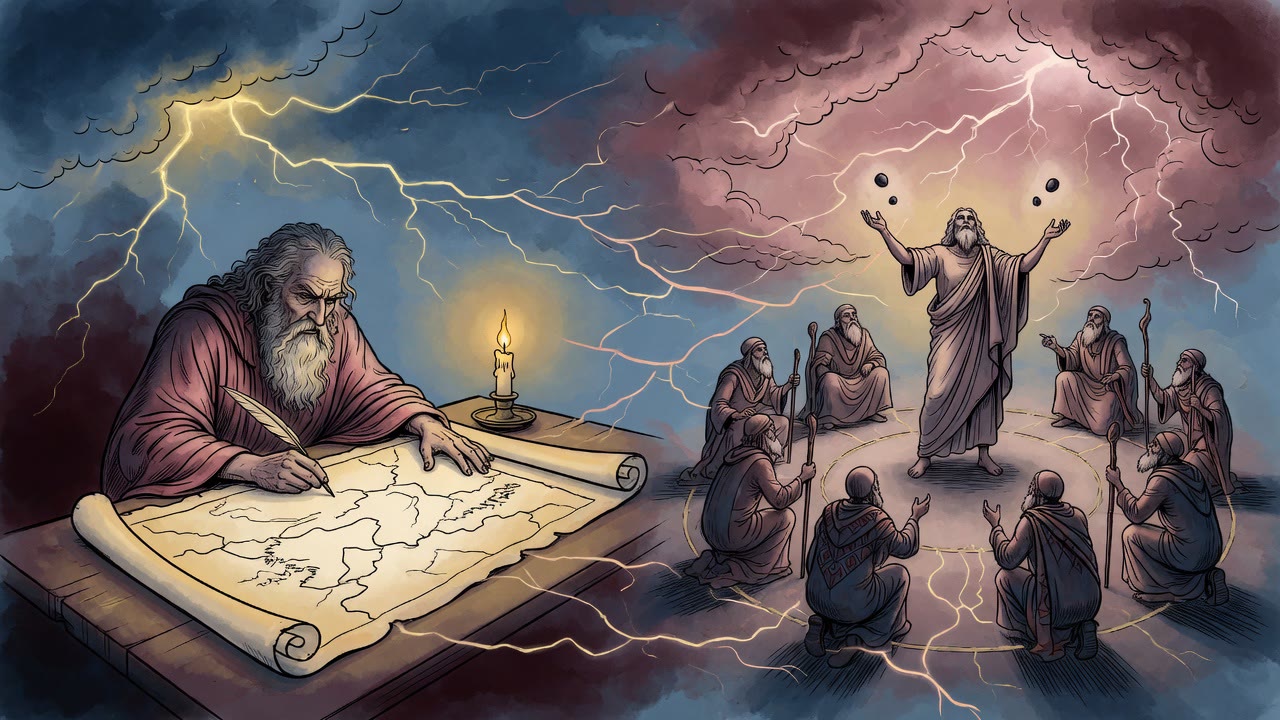
Samael's death is prophesied. Not his defeat in battle. His death. The Tikkunei Zohar preserves this tradition without softening it. At the end of days, when the Messiah comes and the final separation is healed, when Israel and their God are reconnected in a way that cannot be severed again, Samael will have no medium left. The gap that sustains him will close permanently. An angel who exists only in the space between the people and their God cannot survive the closing of that space. His death is not a punishment for what he has done. It is the logical consequence of the separation that created him being finally and permanently healed.
The tradition also preserves a specific account of Samael's death in the moment of Moses's death. Moses died by the kiss of God, the tradition says, his soul taken gently by the divine mouth. Samael came to claim him, as Samael comes to claim all who die, but the death of Moses was not a death that belonged to Samael's domain. The separation that Samael requires was not present in Moses's dying. He died in full contact with his source. Samael had no standing there, no gap to enter, no claim to pursue.
← All myths