84 myths · Page 1 of 3
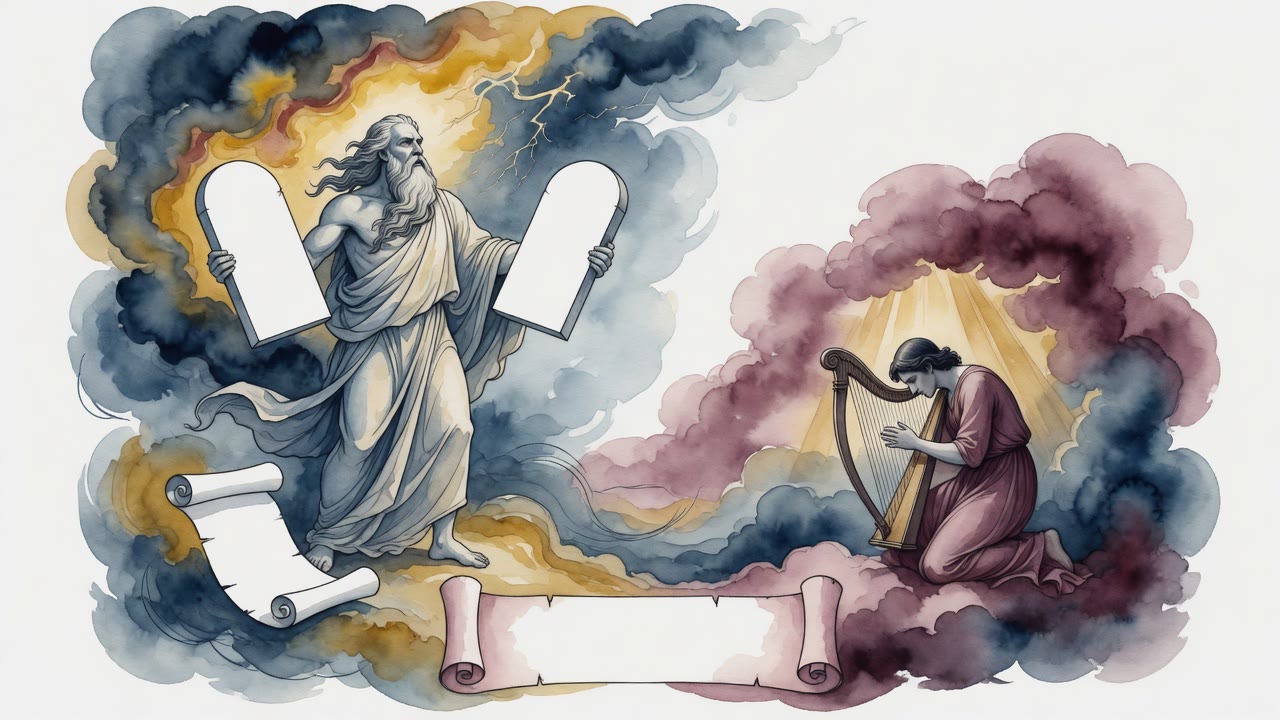
Two leaders, two sins, two opposite requests. One asked God to carve his failure into the Torah forever. The other asked God to bury it.
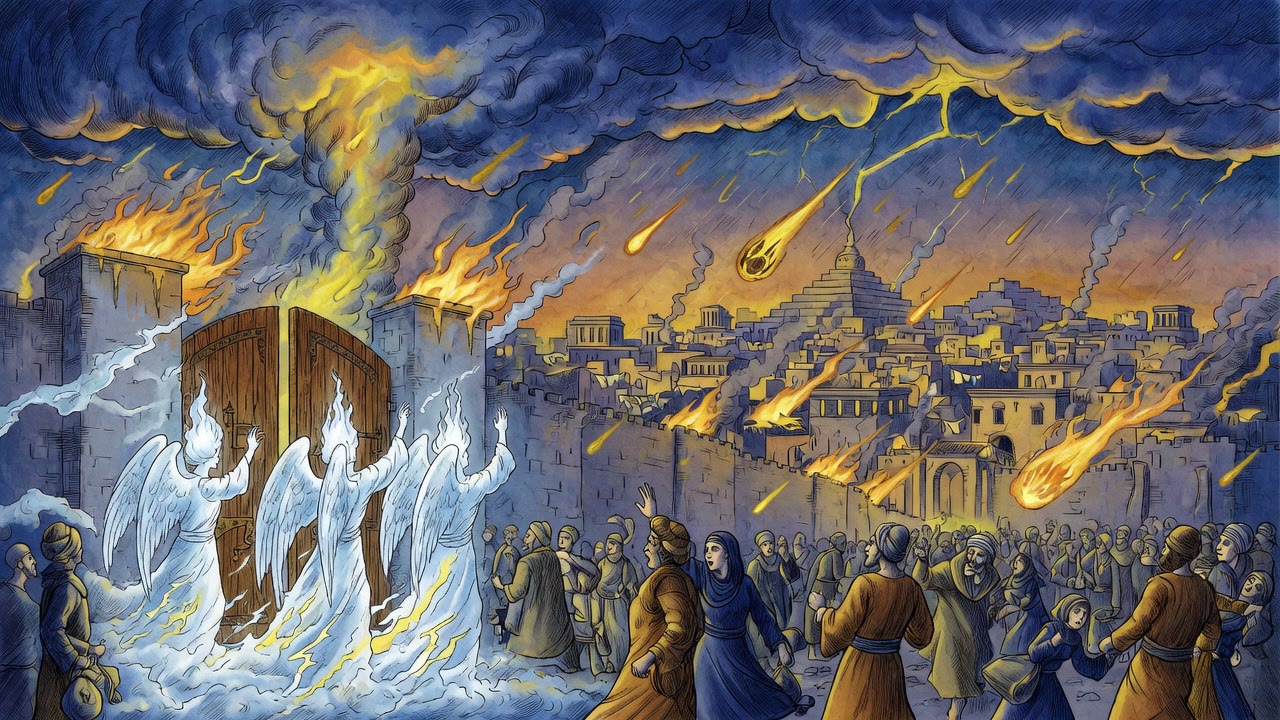
God said he would rain down on Sodom. The rabbis found a hidden offer in that word: rain can be water or fire. Sodom chose fire.
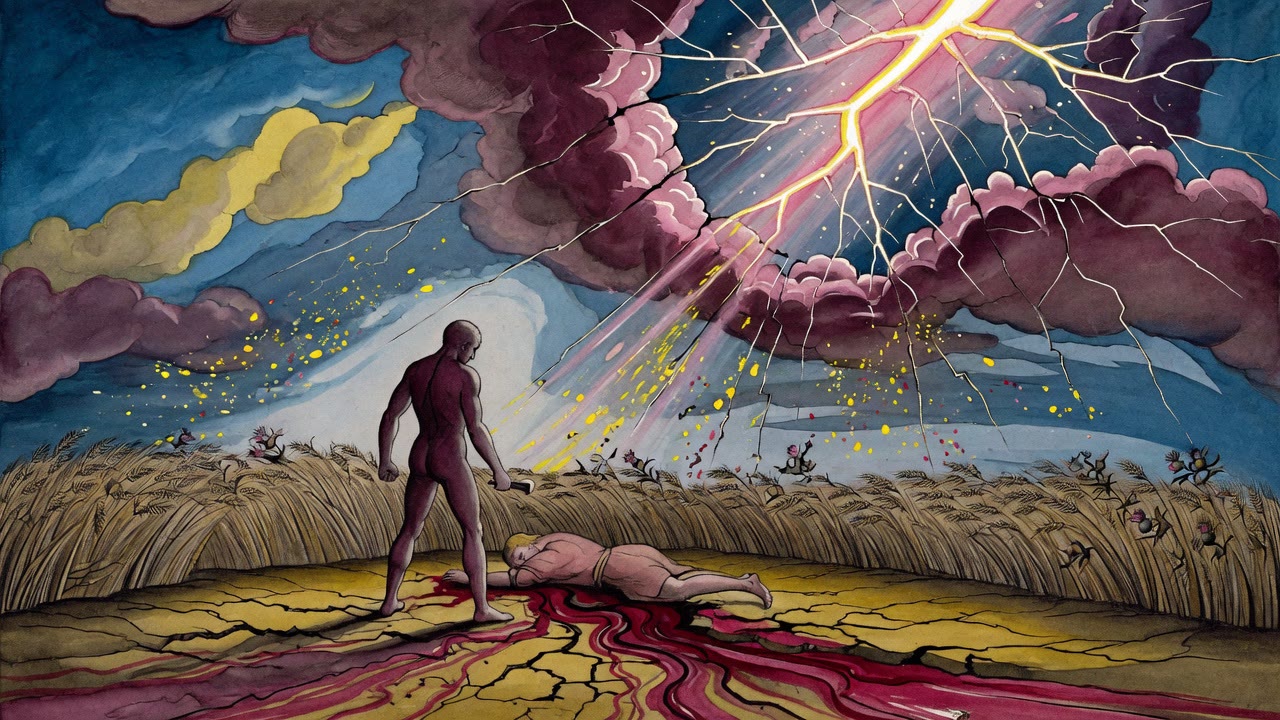
The Book of Jasher records what Cain and Abel argued about before the murder. The Tikkunei Zohar says when Abel died, letters were removed from God's own name.
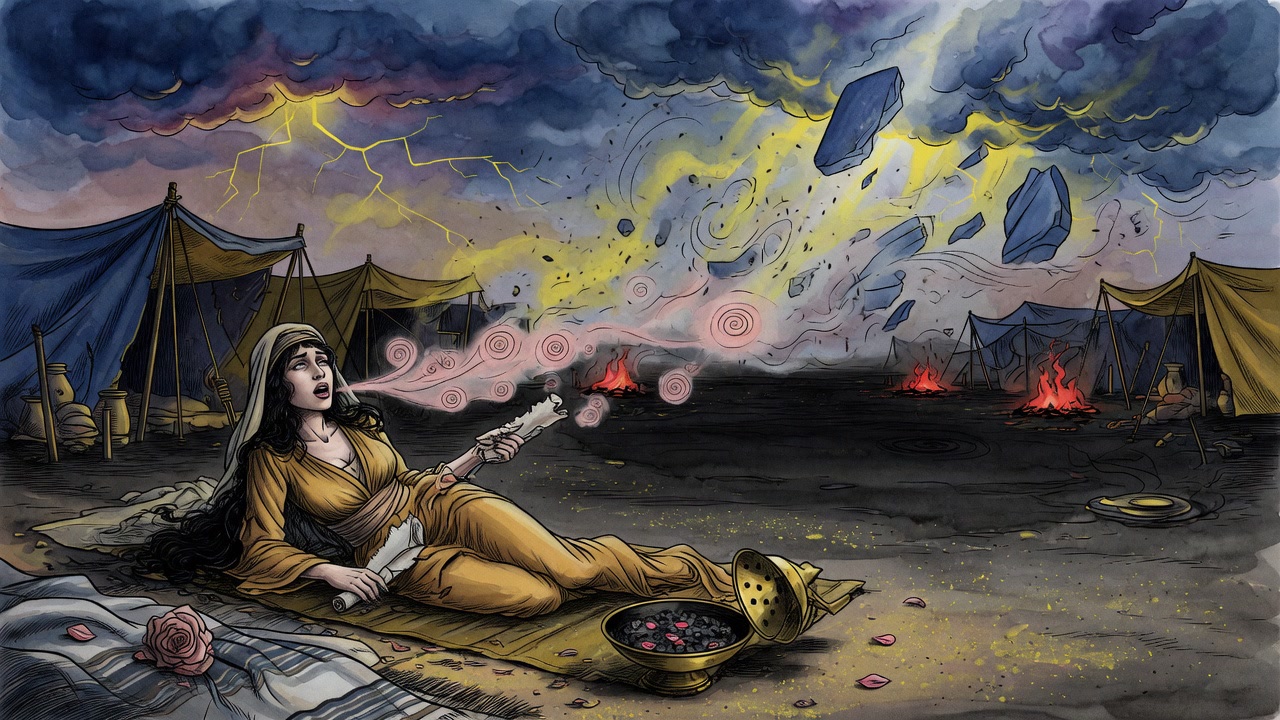
He dropped his voice so the camp would lean in. He told them about a widow and two daughters. The laws were real. The woman was not.
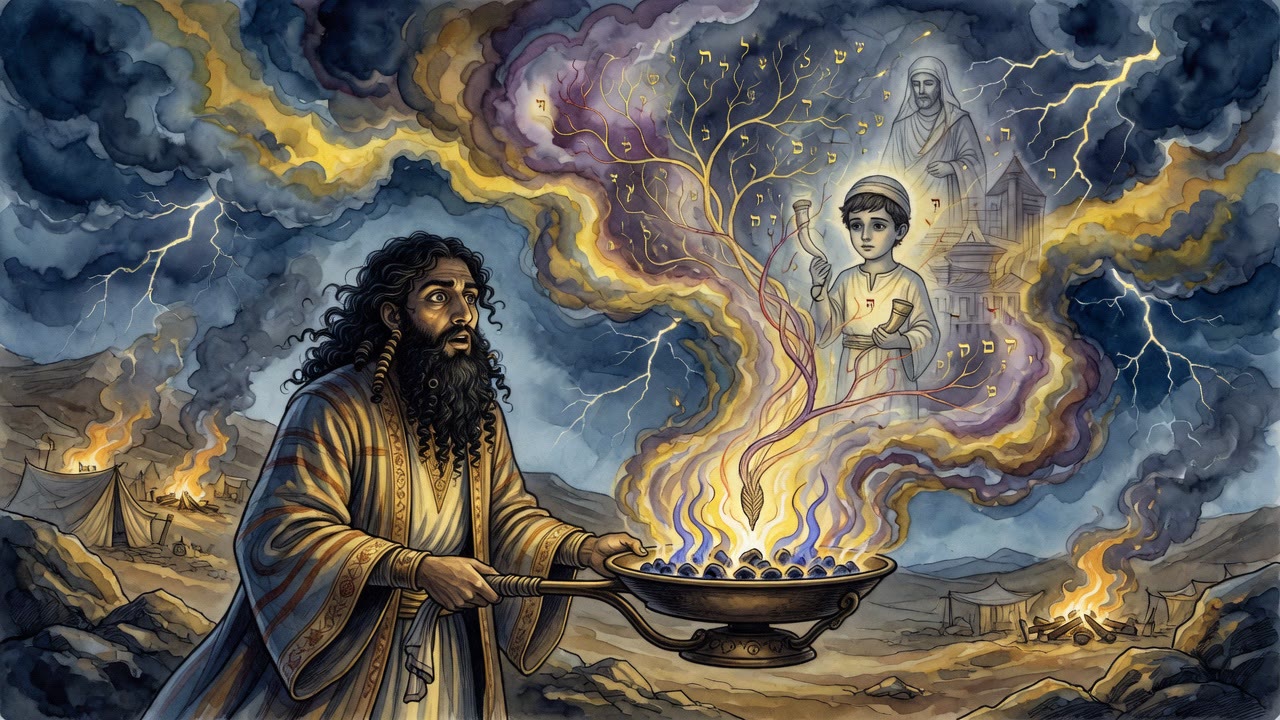
Korah saw Samuel shining in his bloodline and read the vision as permission. He reached for the fire-pan, and the fire reached back.
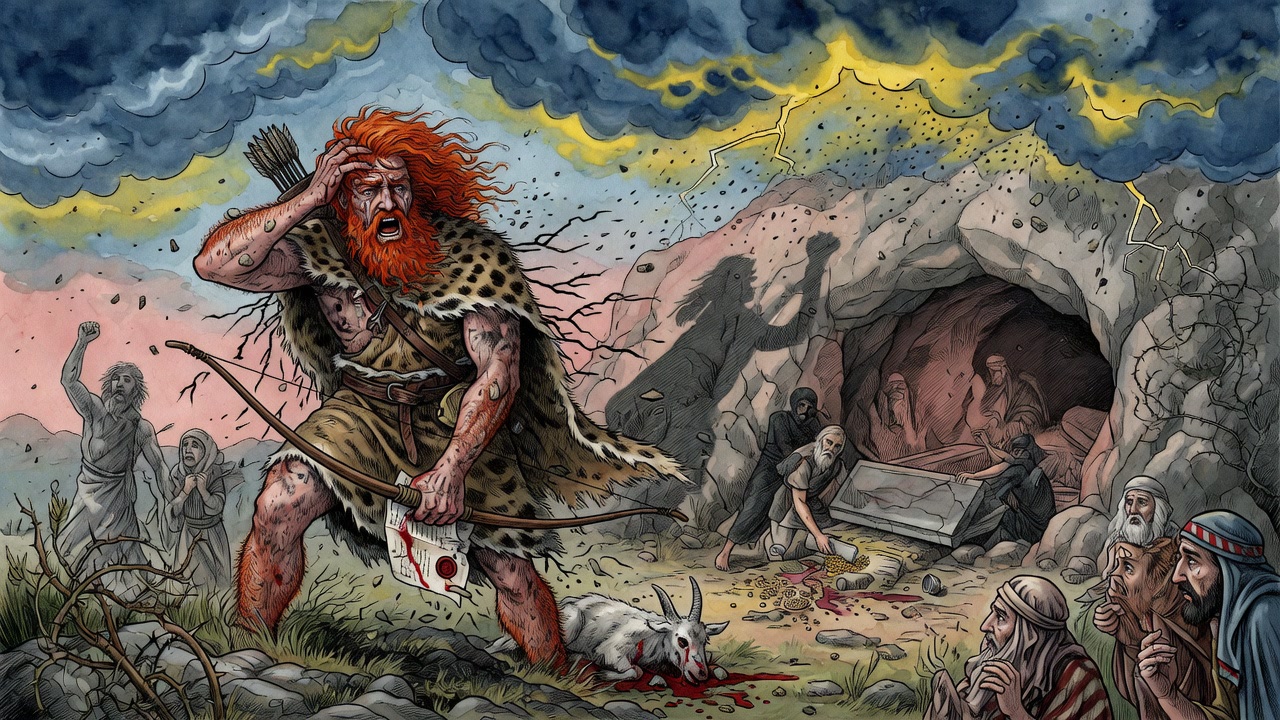
Jacob cooked lentils the morning Abraham died, food for a silent house. Esau came in from the field with the day already on his hands.
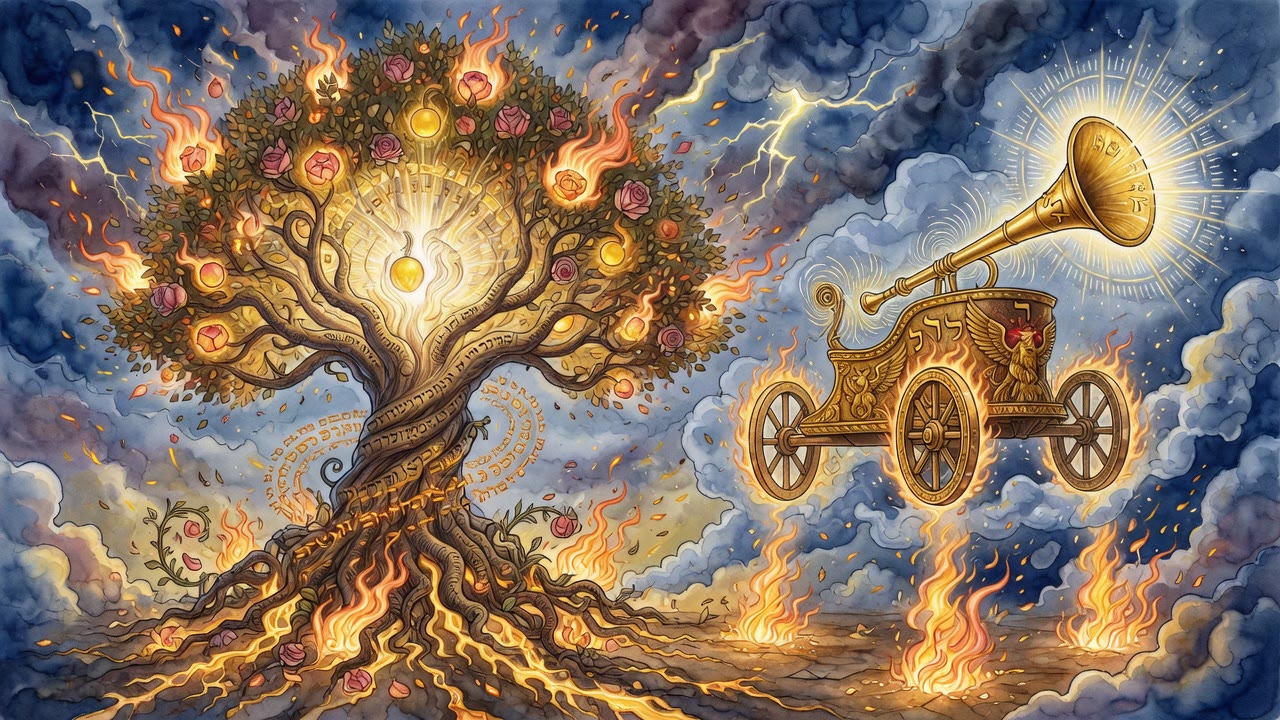
A trumpet splits the sky over Eden. A chariot of cherubim descends. Adam crouches in the leaves while the dead trees burst alive around the Tree of Life.
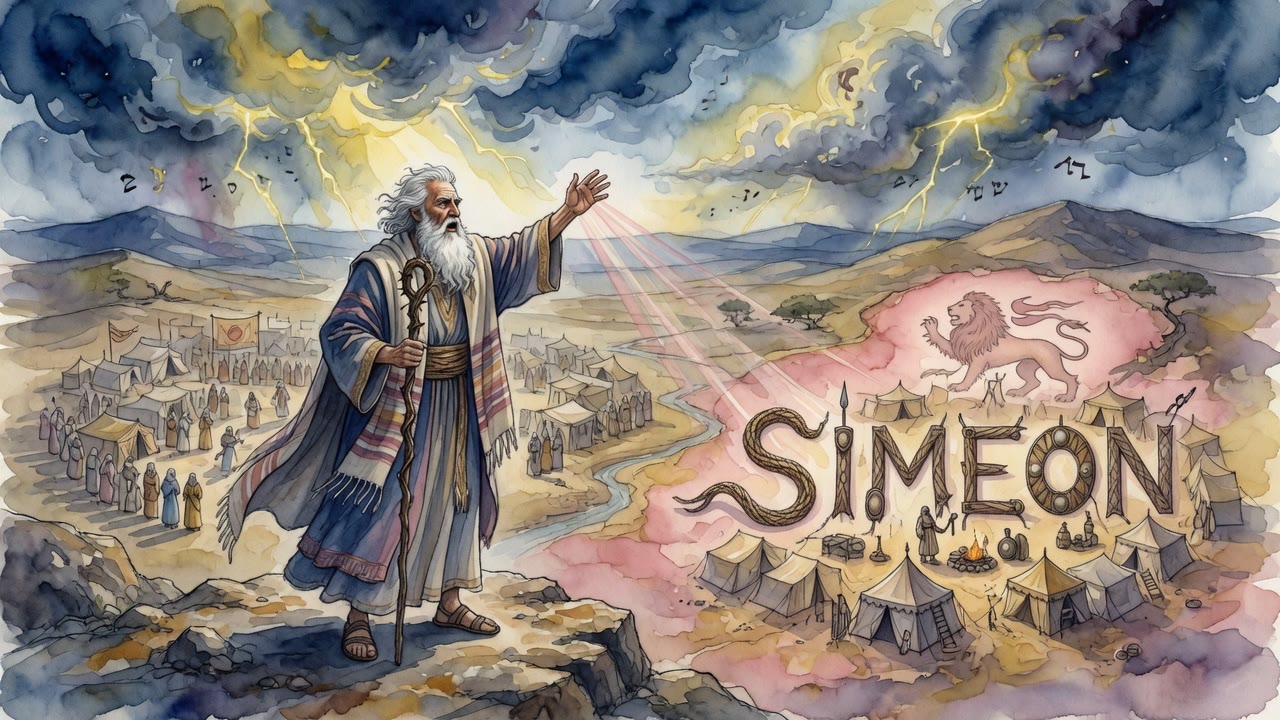
Eleven names left Moses's mouth. The Simeonites waited for the twelfth. He looked at Judah instead and hid the missing blessing there.
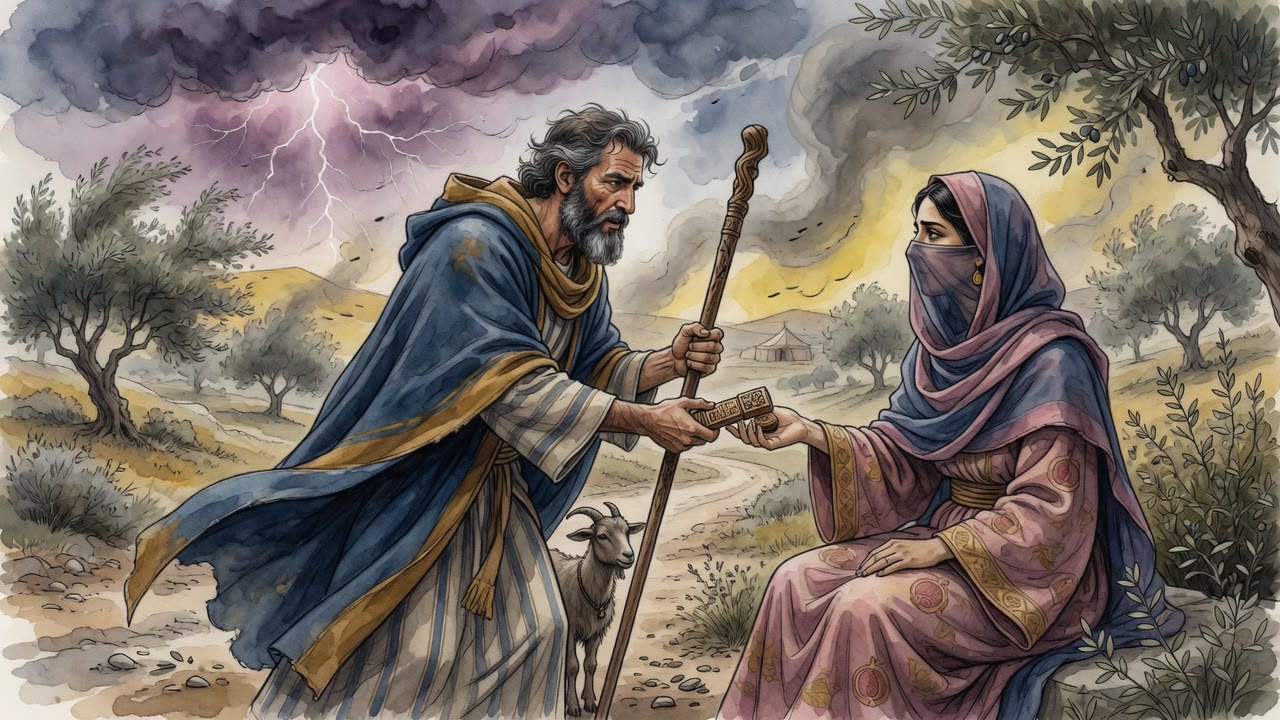
He had killed a lion bare-handed and dragged a king off his horse. At a town gate, drunk, he handed a veiled stranger the three signs of his rank.
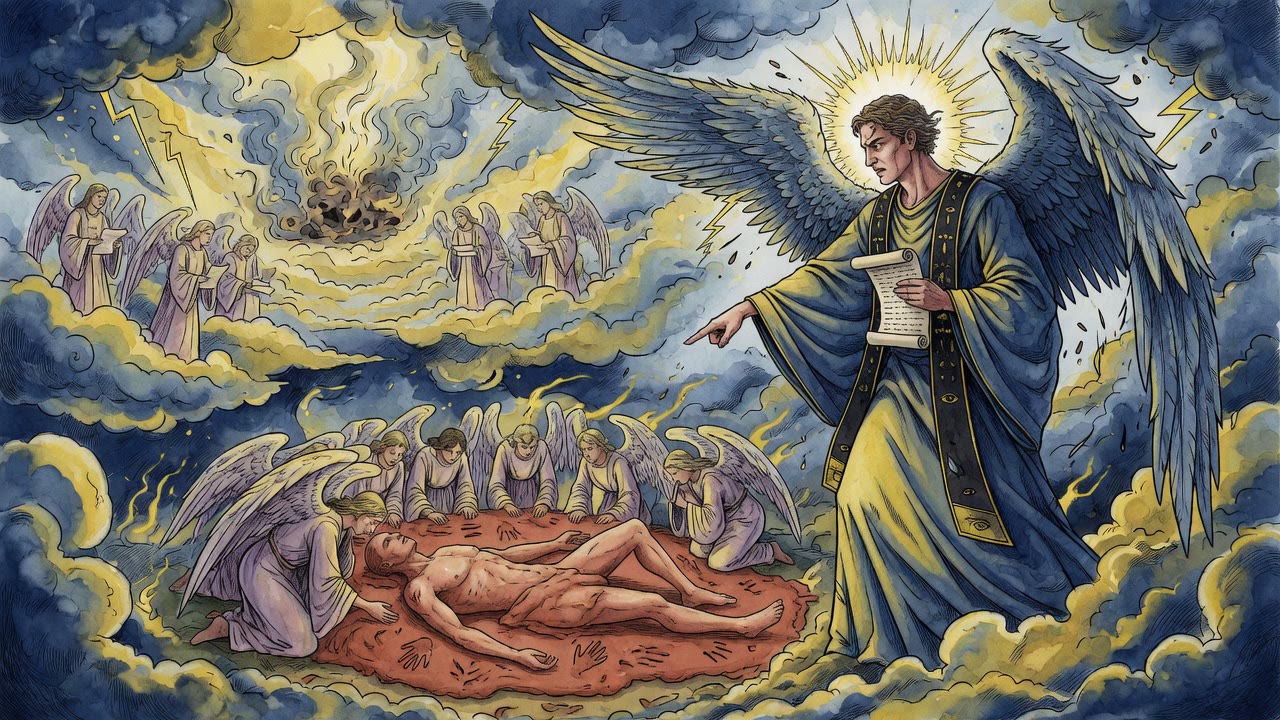
When God formed Adam and commanded the angels to honor him, Ha-Satan, the Accuser, refused. Formed from fire, he would not bow before dust.
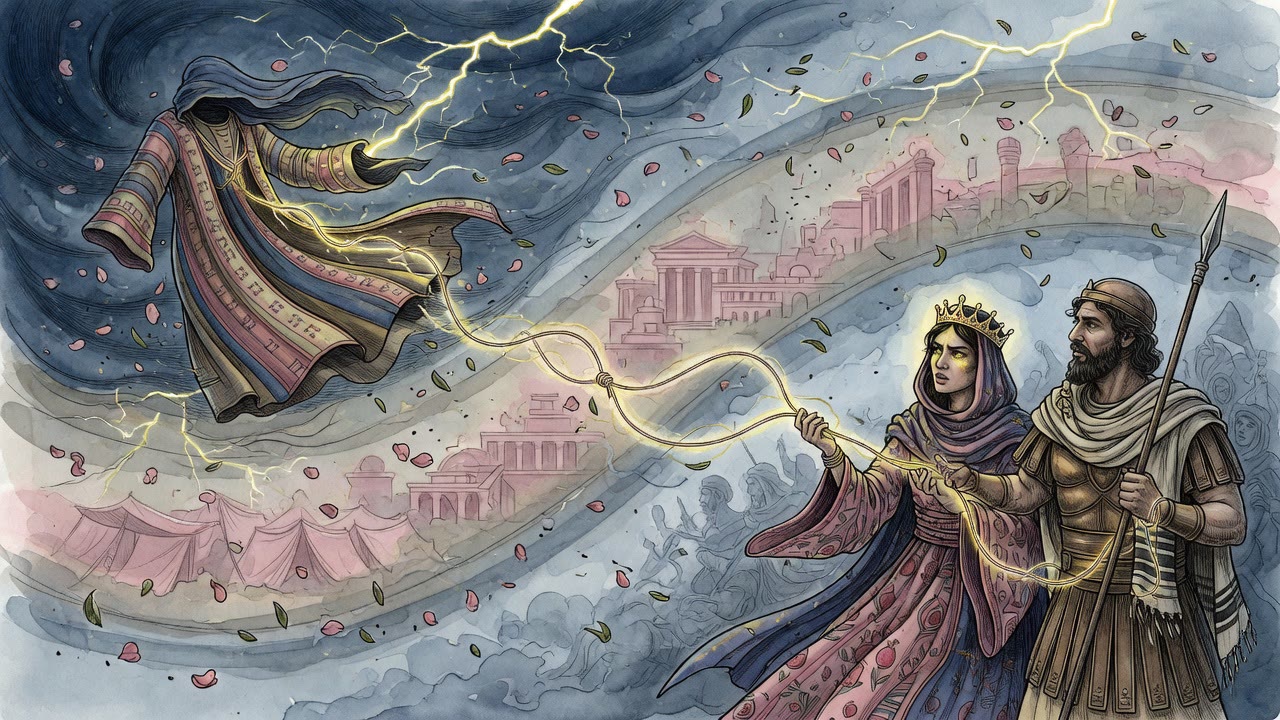
Twenty pieces of silver split ten ways is two pieces a man. The brothers spent theirs on shoes and sat down to eat while Joseph was still in earshot.
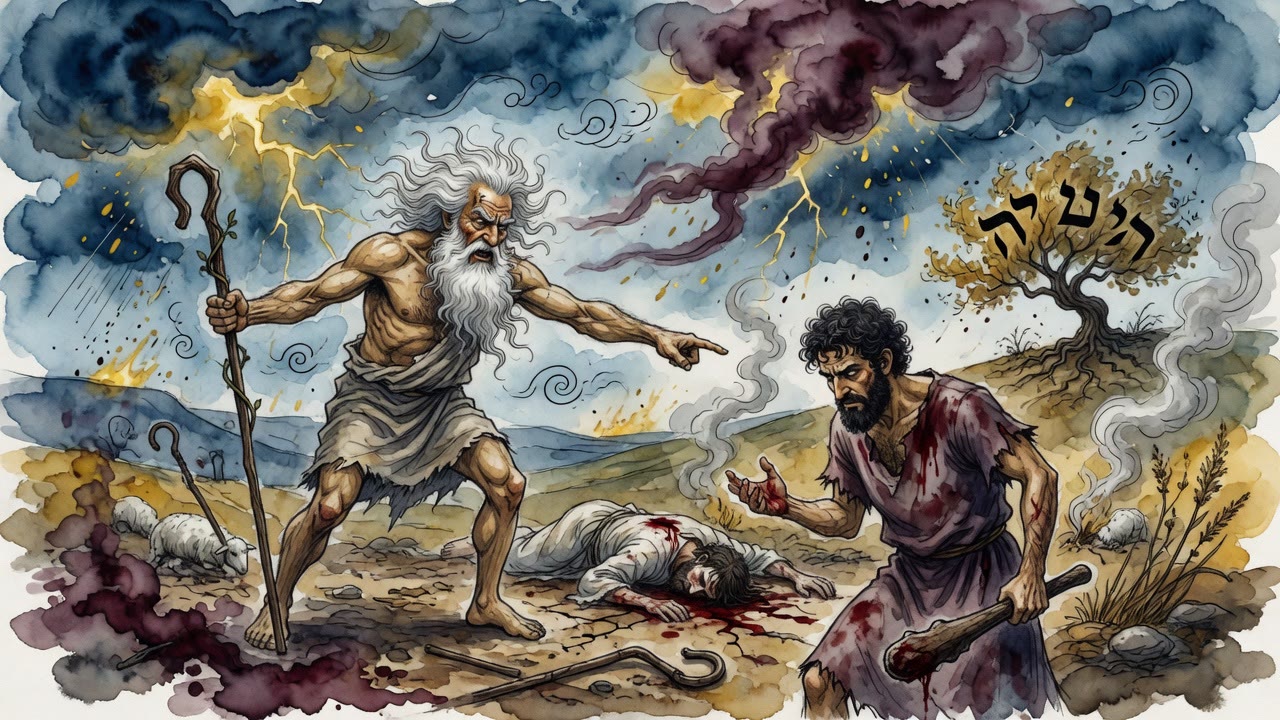
The first murderer walked out of his sentencing in a good mood. His father, who had only eaten fruit, never got out from under his own.
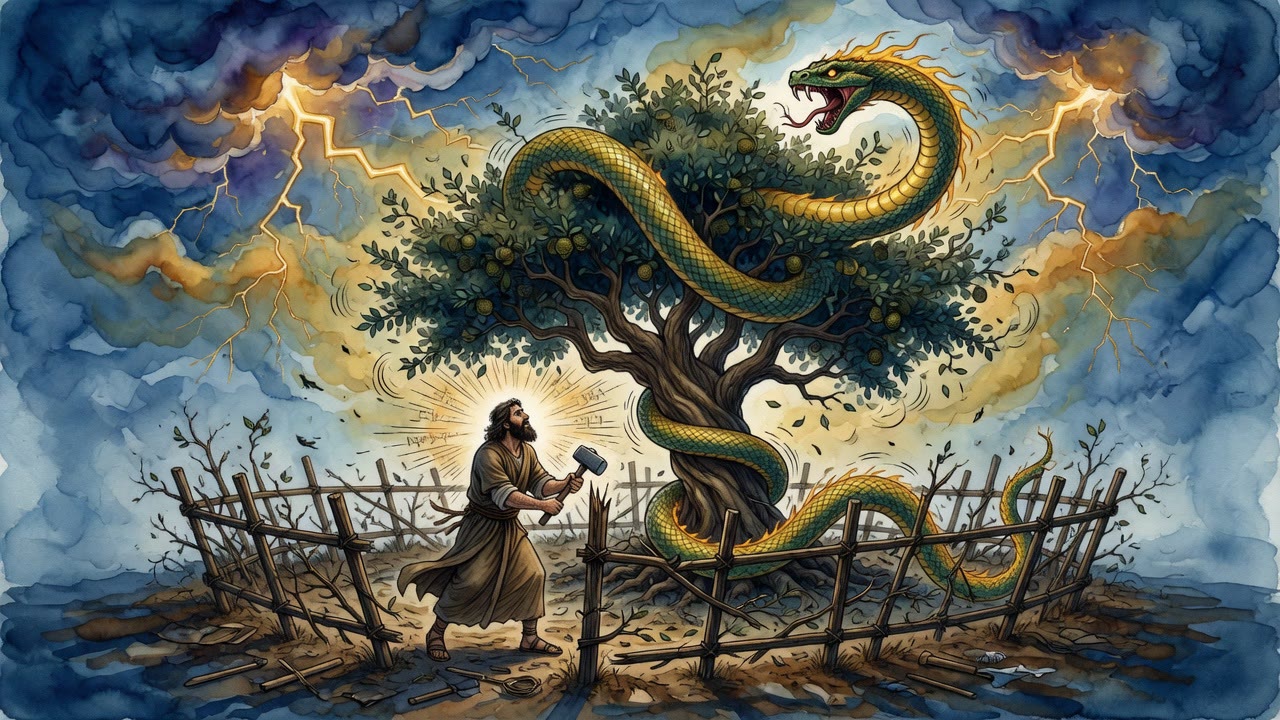
God gave Adam one command about one tree. Adam built a fence around it. Then the serpent shook the trunk, the fruit fell, and nothing died.
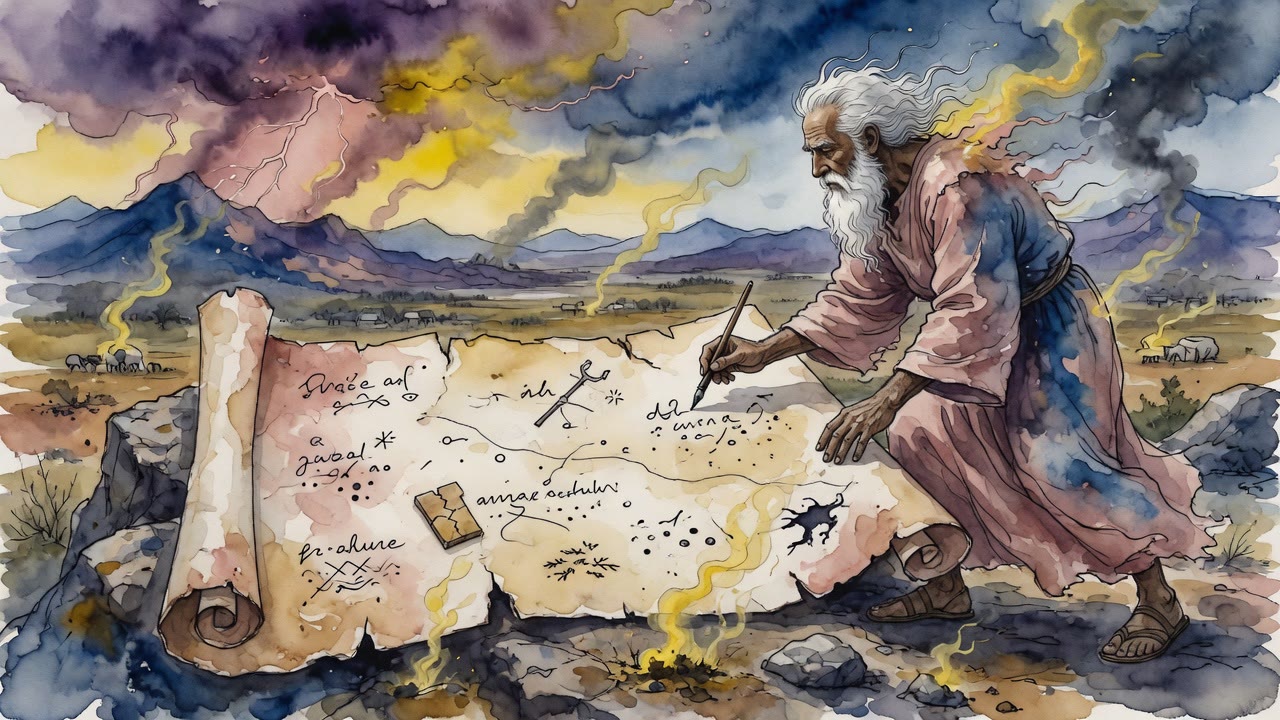
On the plains of Moab, Moses turns geography into rebuke, hiding ten failures of the wilderness years inside a string of place names.
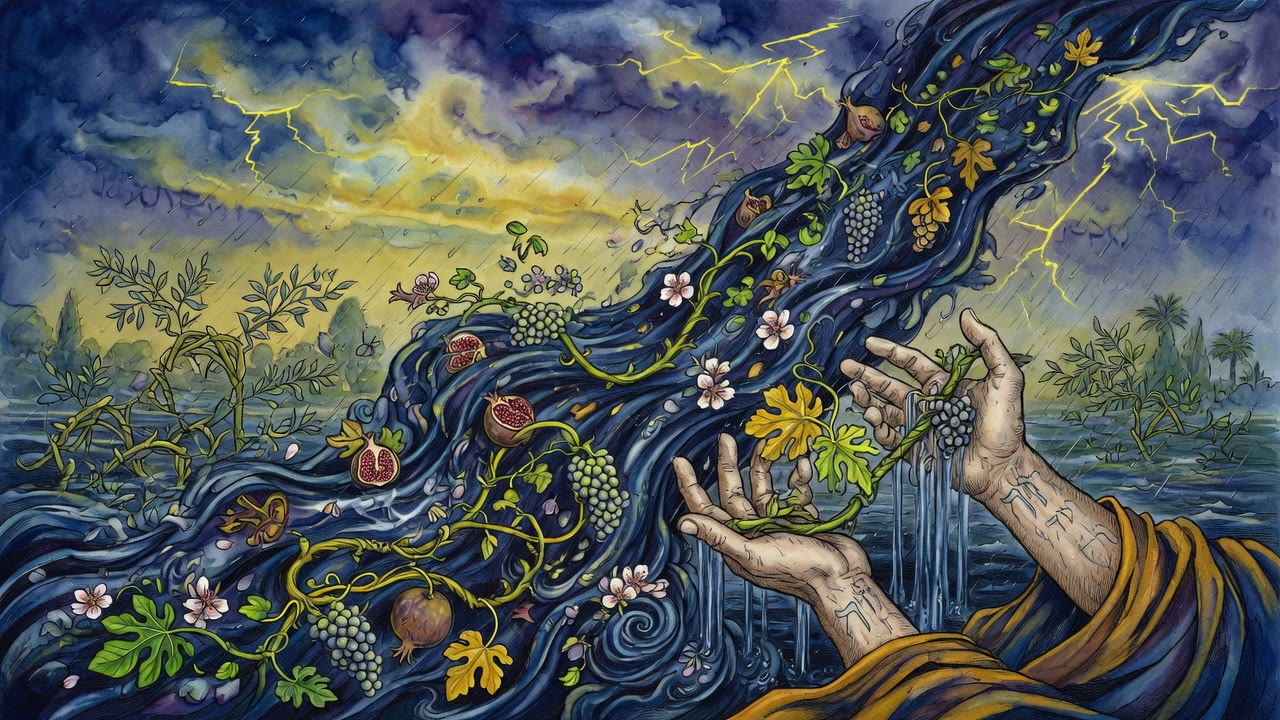
The flood that drowned the world tore a vine loose from the garden of Eden and carried it downstream, straight into Noah's waiting hands.
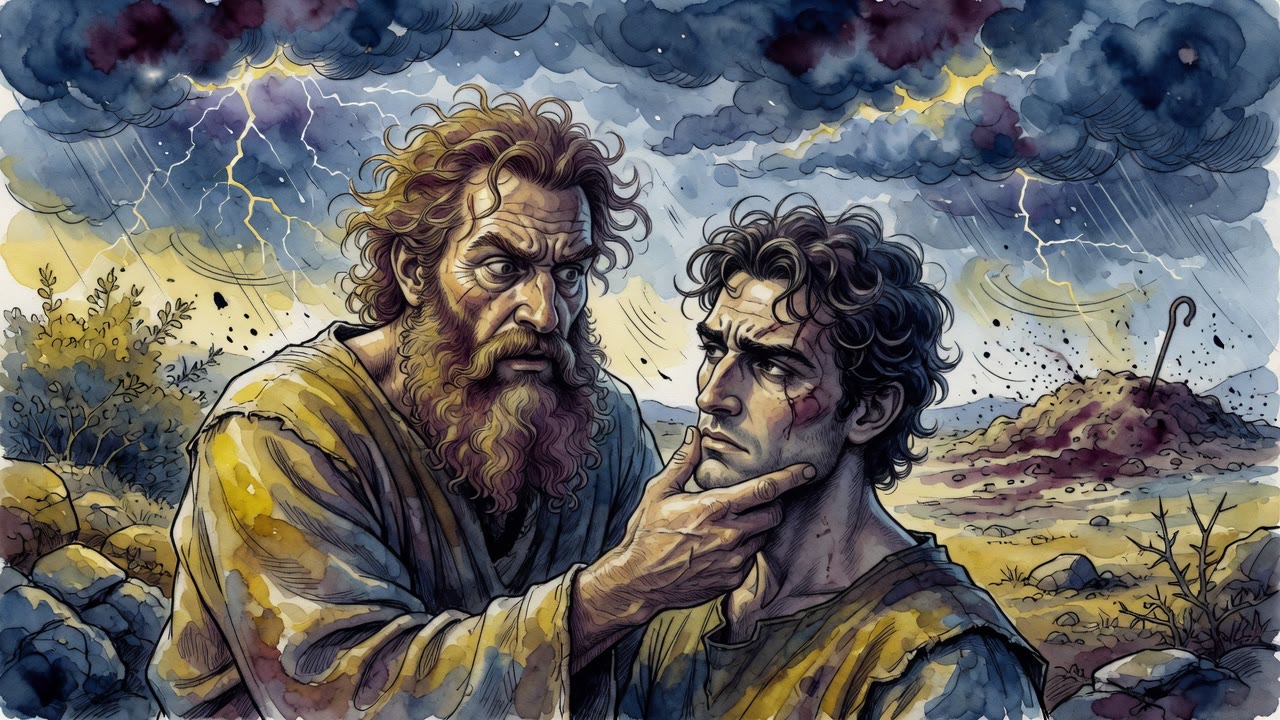
Adam searched Cain's face for his own likeness and found nothing. A hundred and thirty years passed before a son carried his image.
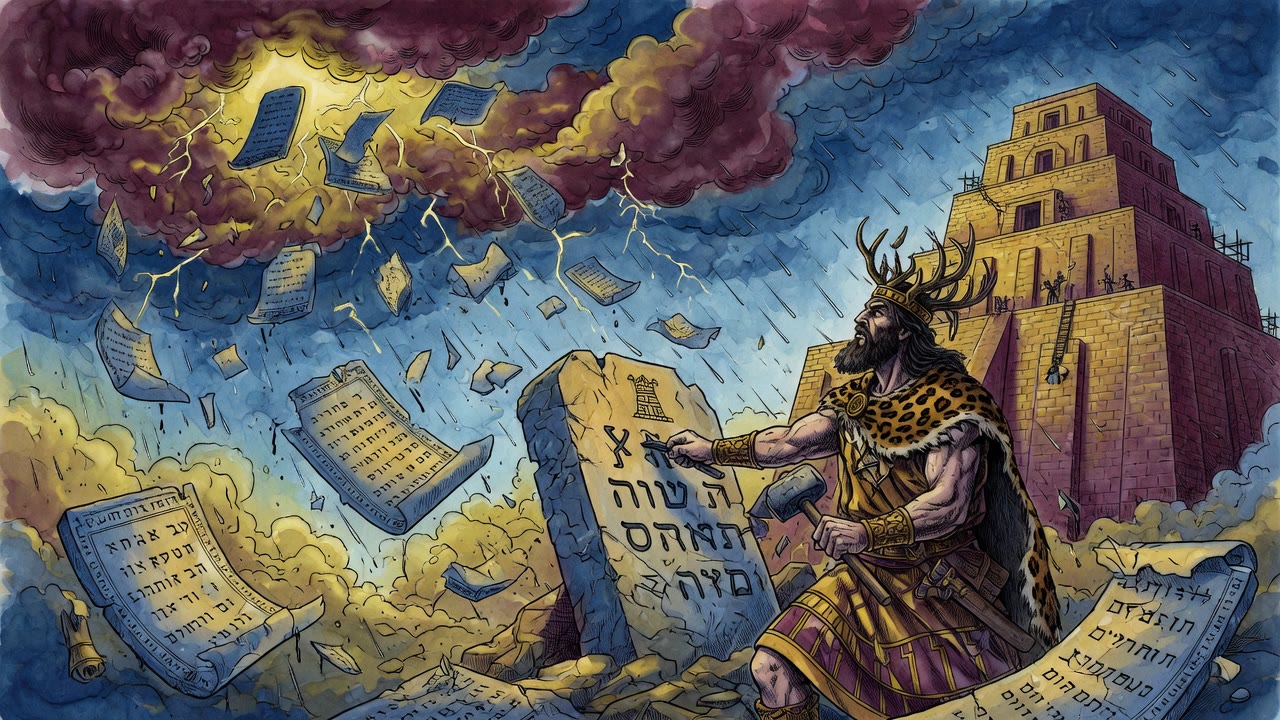
After Eden, forty decrees fell on Adam, Eve, the serpent, and the earth, and later Nimrod tried to rule birth by decree.
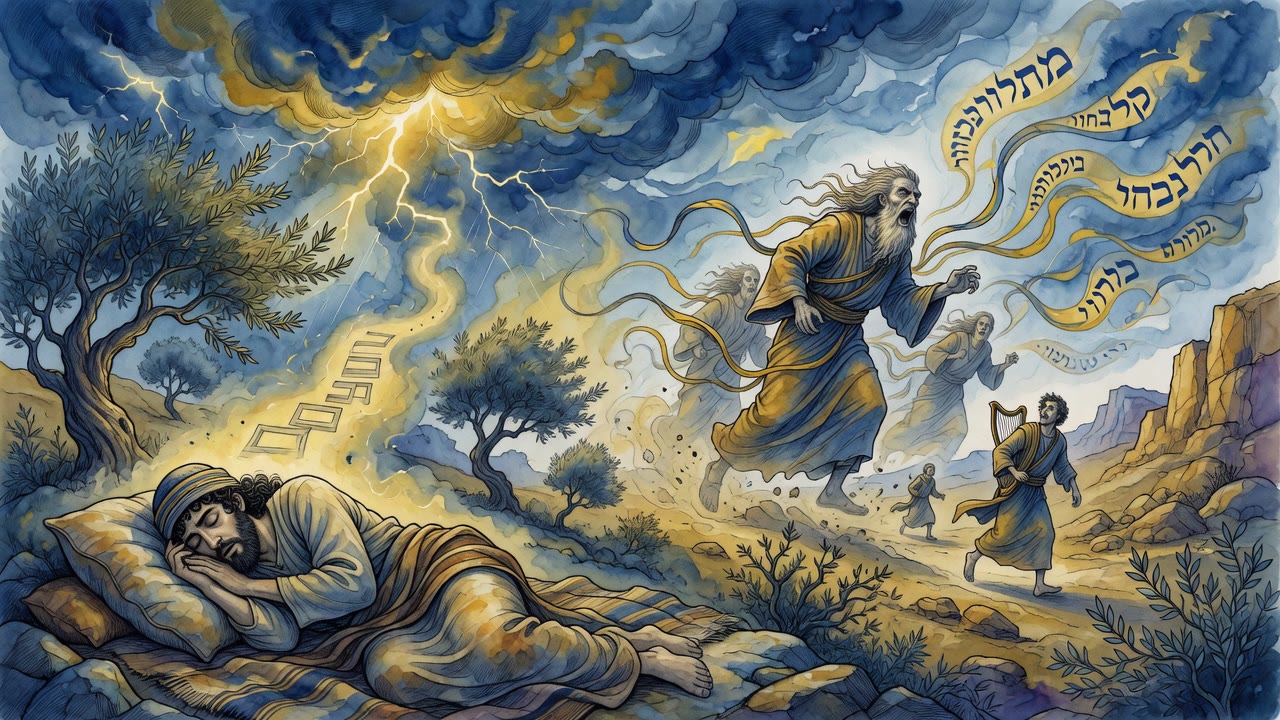
Doeg did not need a blade in Saul's hall. He told the king where David had gone, and the sentence kept traveling after the door shut.
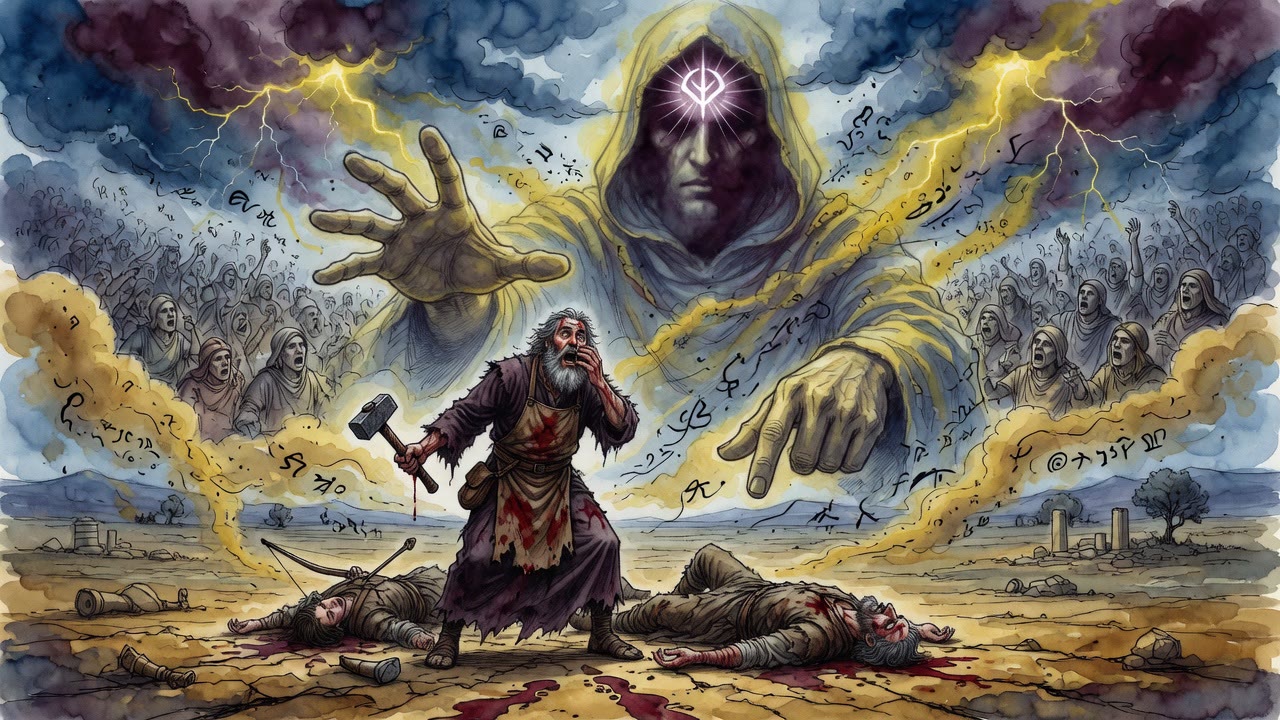
Cain murdered before anyone knew what murder was. Lamech killed after Cain had become the warning, and that made the blood heavier.
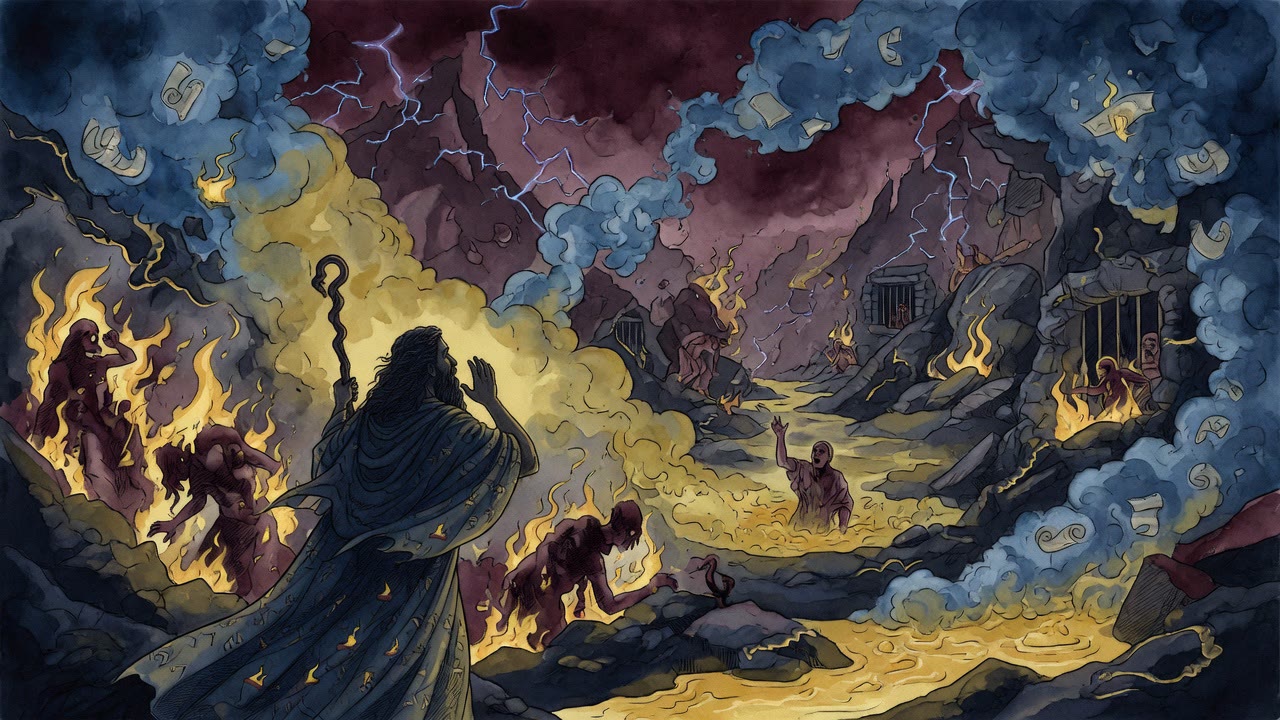
Moses saw the place of divine judgment on the same tour that showed him heaven. What he saw was not chaos. It was an exact inventory of social failures.
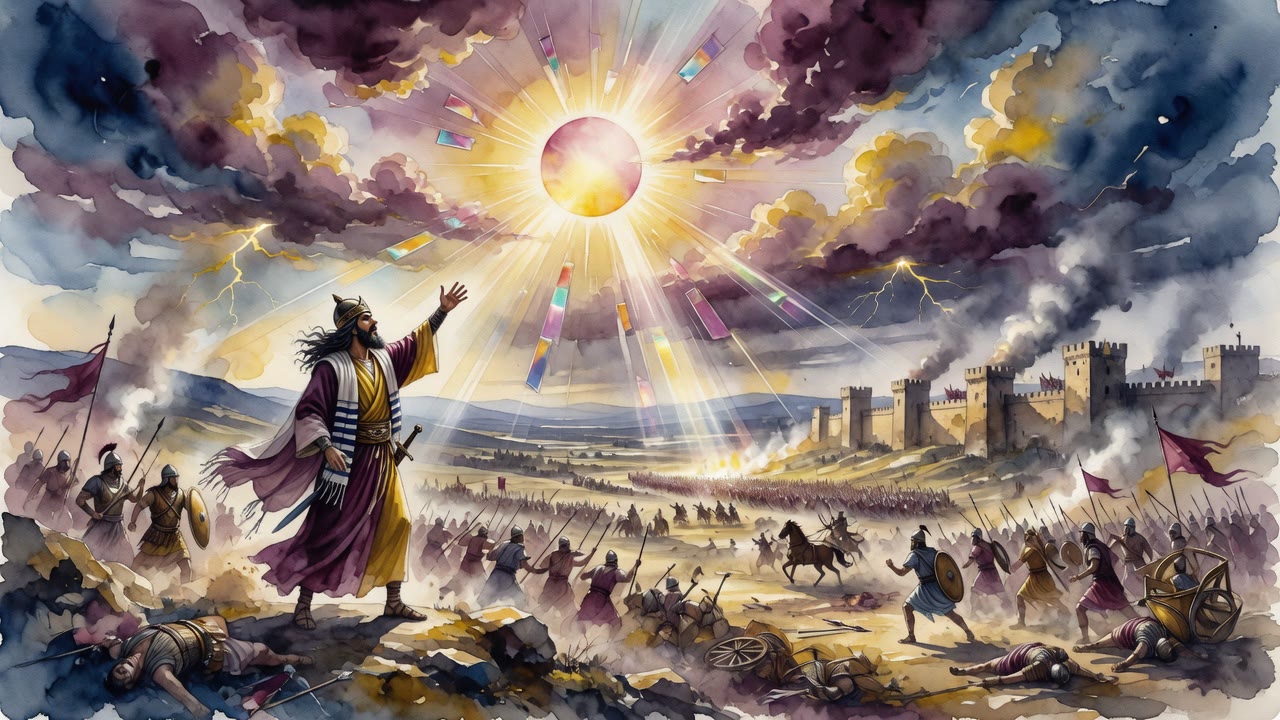
Moses called him an equal and sent him downhill. Later two men said Moses would die in the desert. Joshua wanted them locked away.
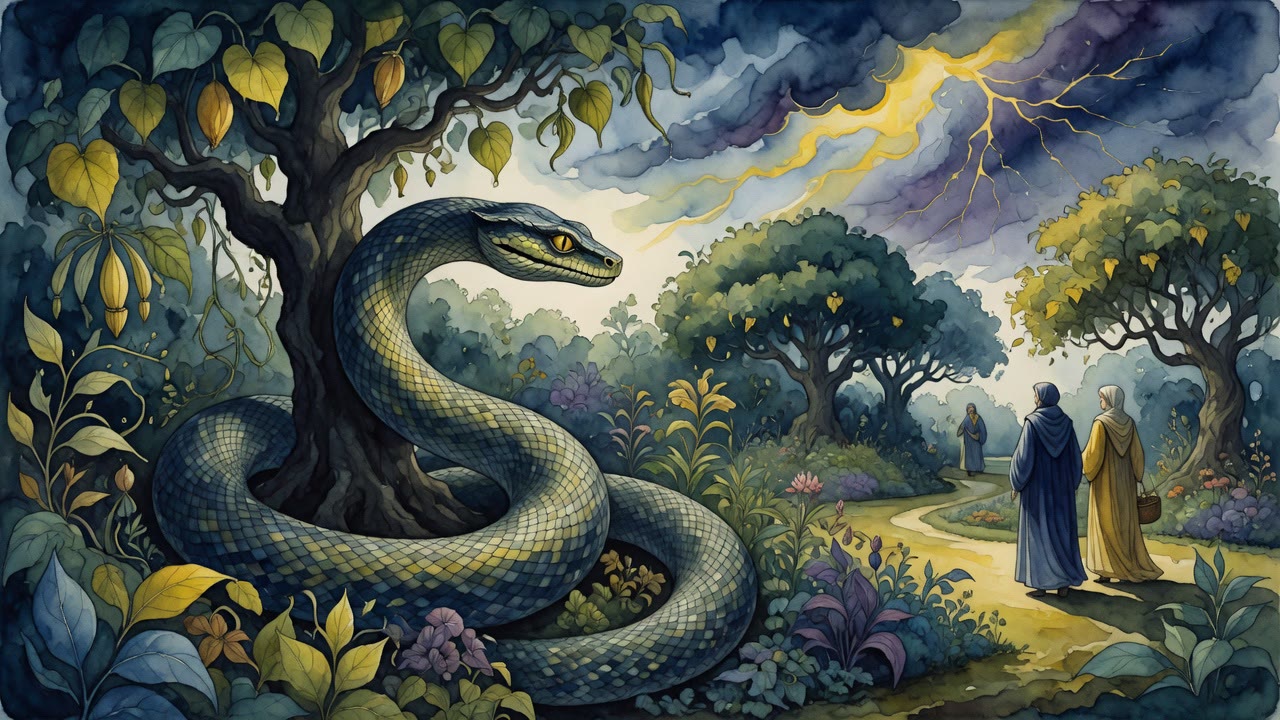
Adam and Eve had seven full years in paradise before the serpent chose his moment. He considered Adam first, then chose Eve, and had his reasons for both.
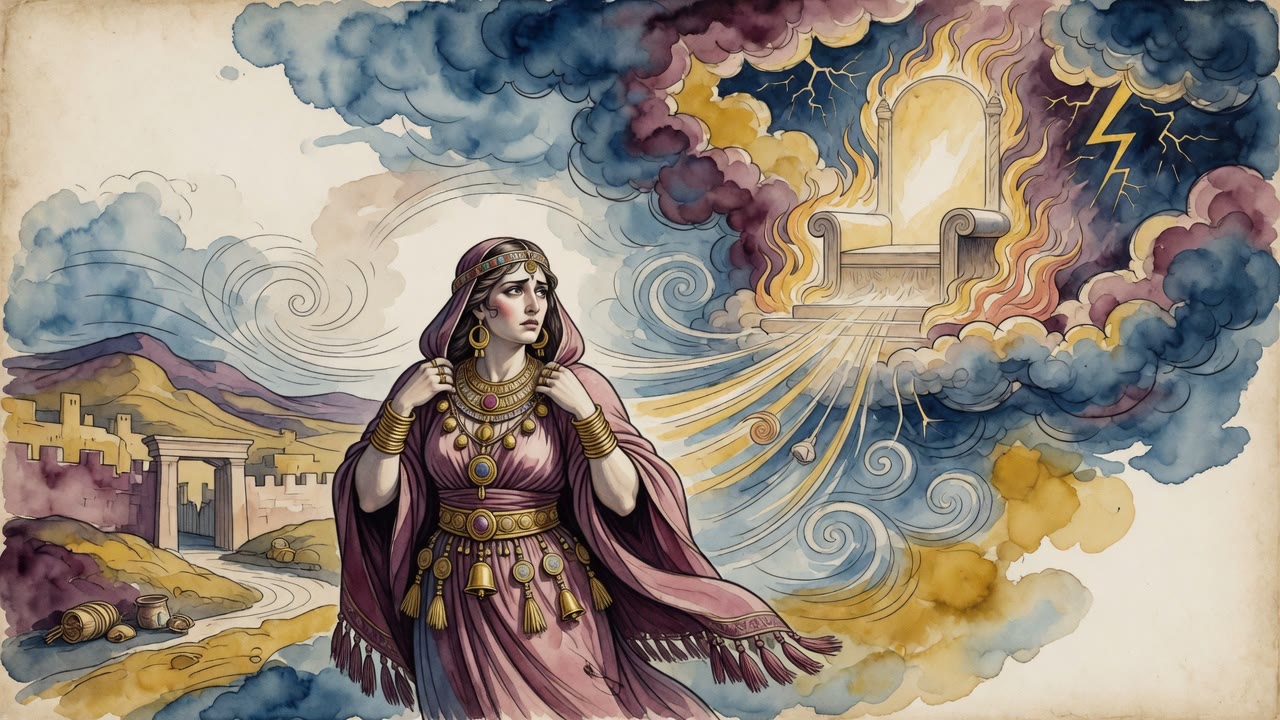
Reuben was Jacob's firstborn and should have led the tribes. The Book of Jubilees records the night that ended that possibility and what it cost him forever.
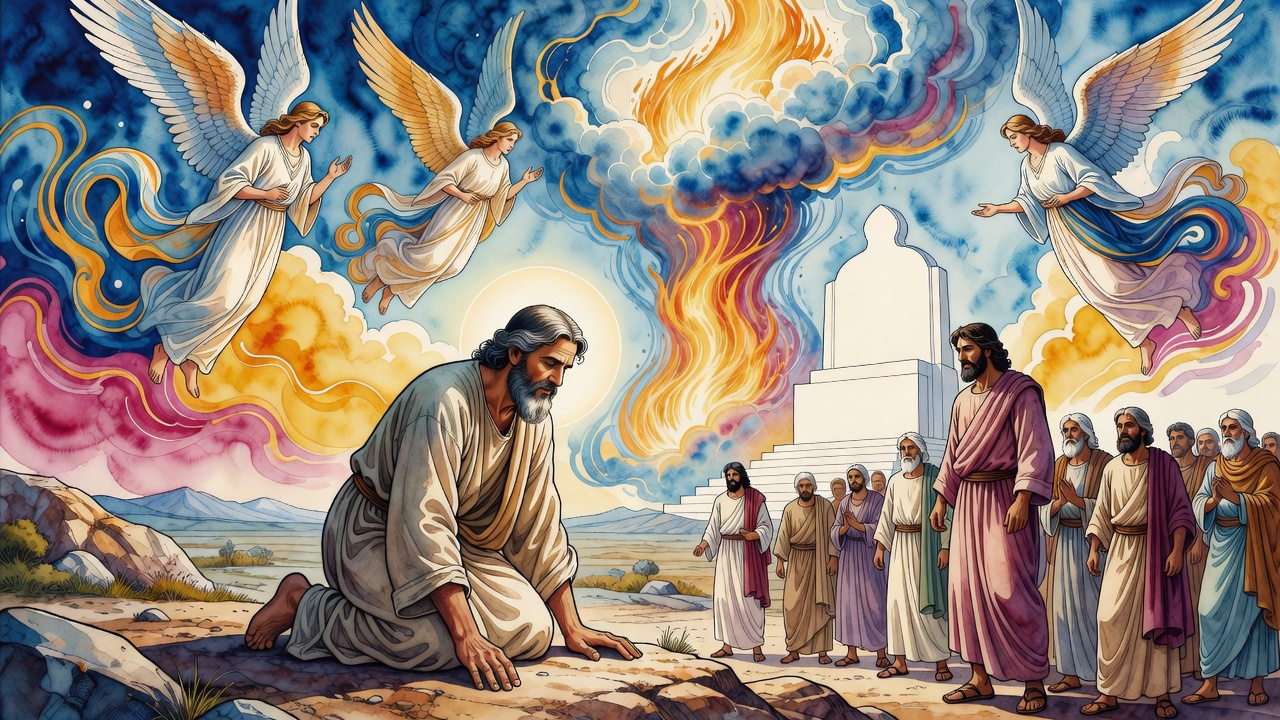
A false oath knocked letters off the shard over the abyss. The angel Yaasriel waited with seventy pencils to write them back.
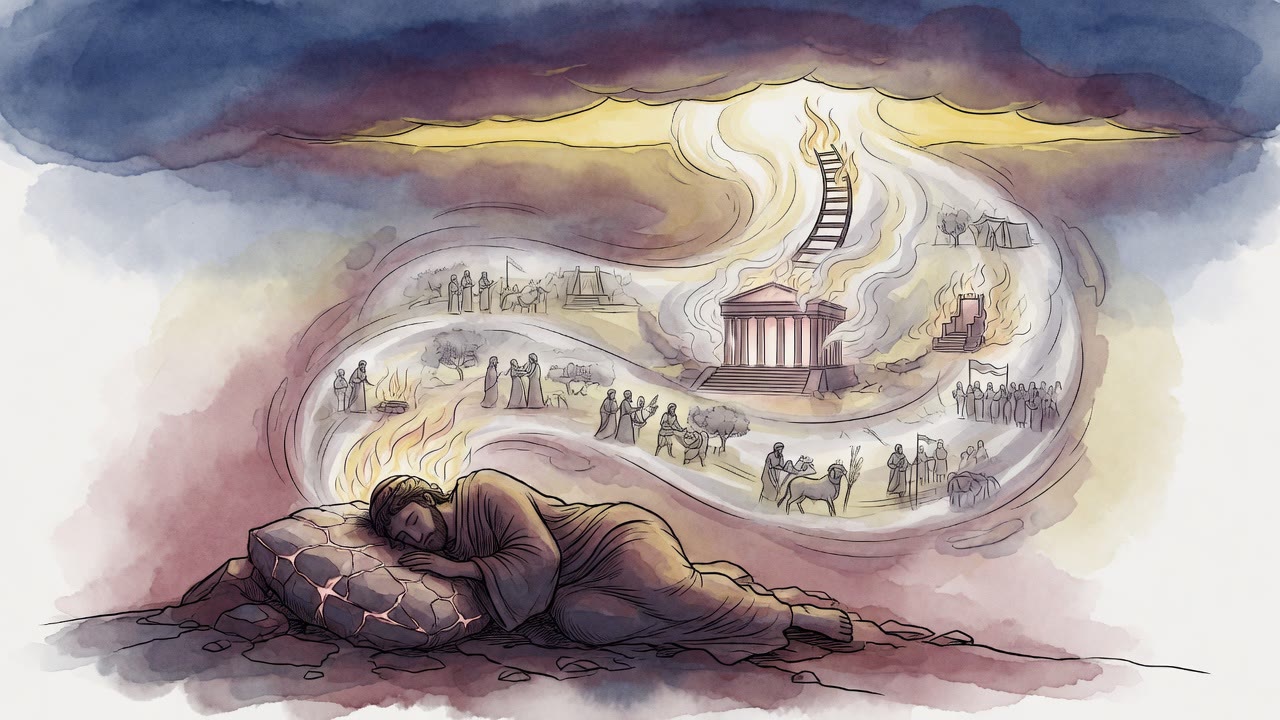
The sun dropped before its hour. Stones fought for his skull. God made them one pillow, and Jacob slept at a gate he had not asked for.

God reached for dust while a warning already named Adam's anger. After the fruit, Adam pointed at Eve and would not confess.
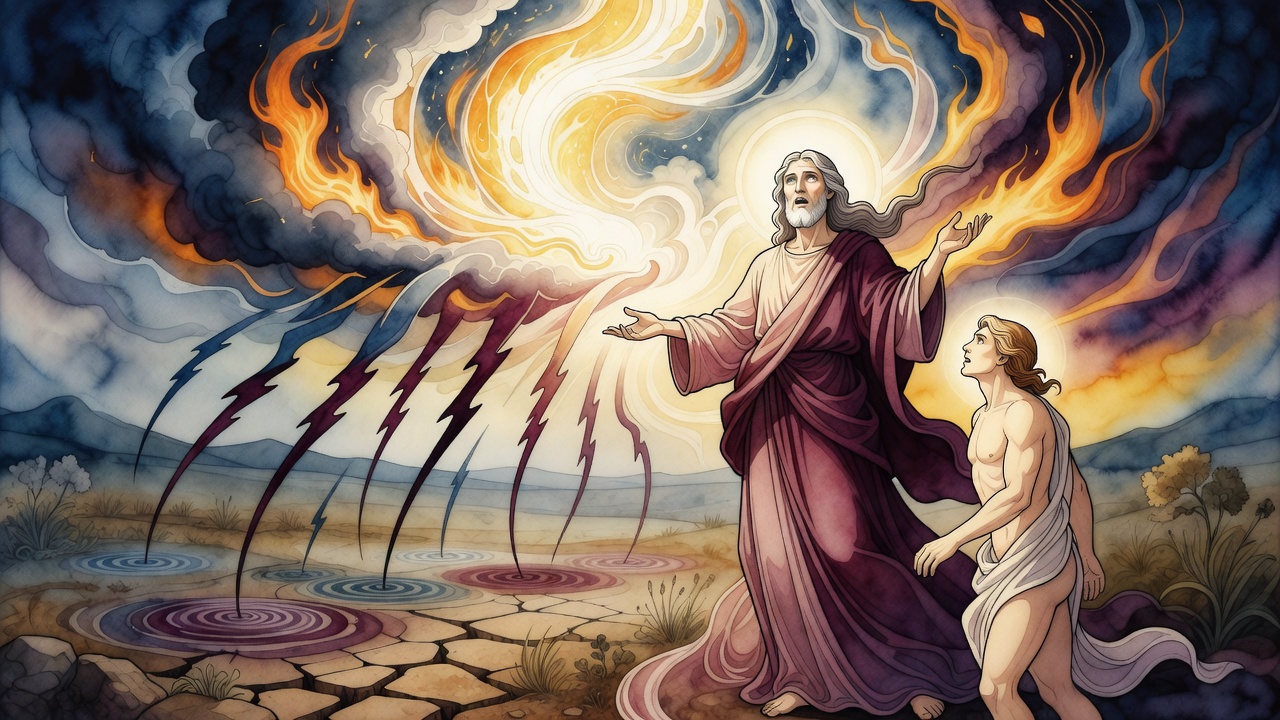
Before Adam was cursed and expelled, Shabbat stepped forward and argued against the first death. Then nine curses fell, and the silent earth received one too.
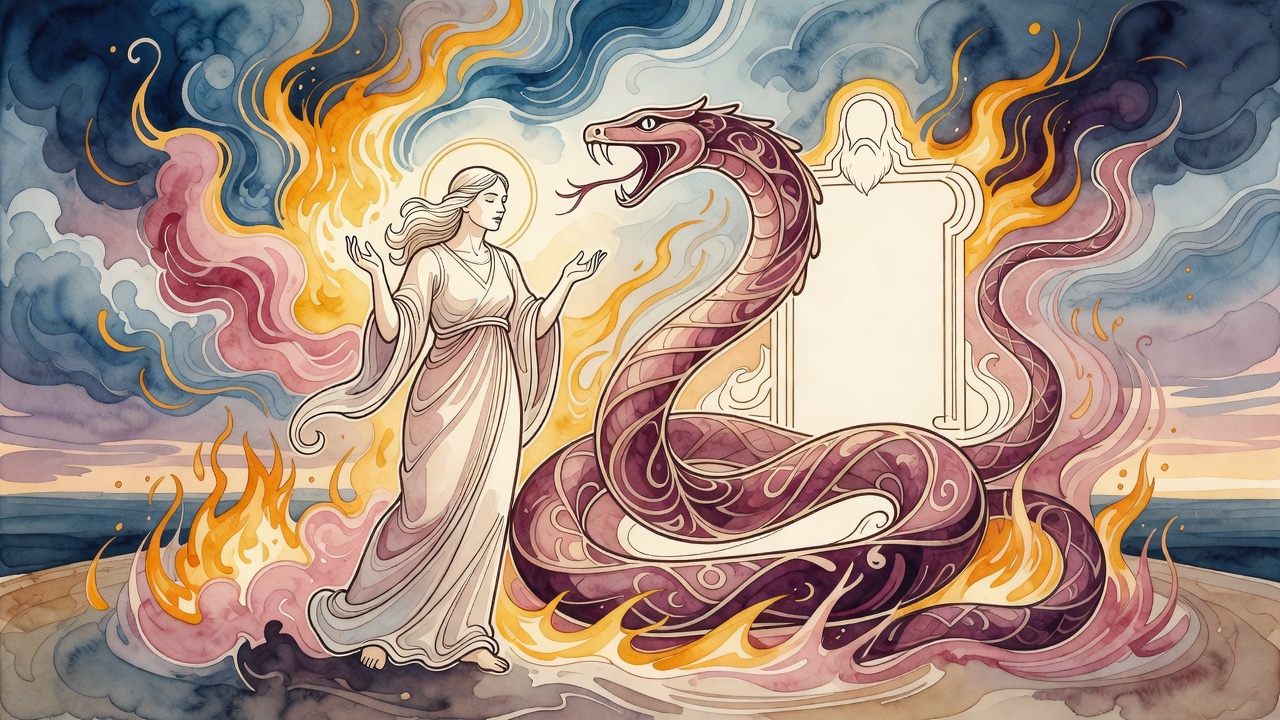
Adam's first Sabbath Eve began with expulsion at twilight. Hours before, the serpent wrapped one truth inside its lie and Eve could not find the seam.
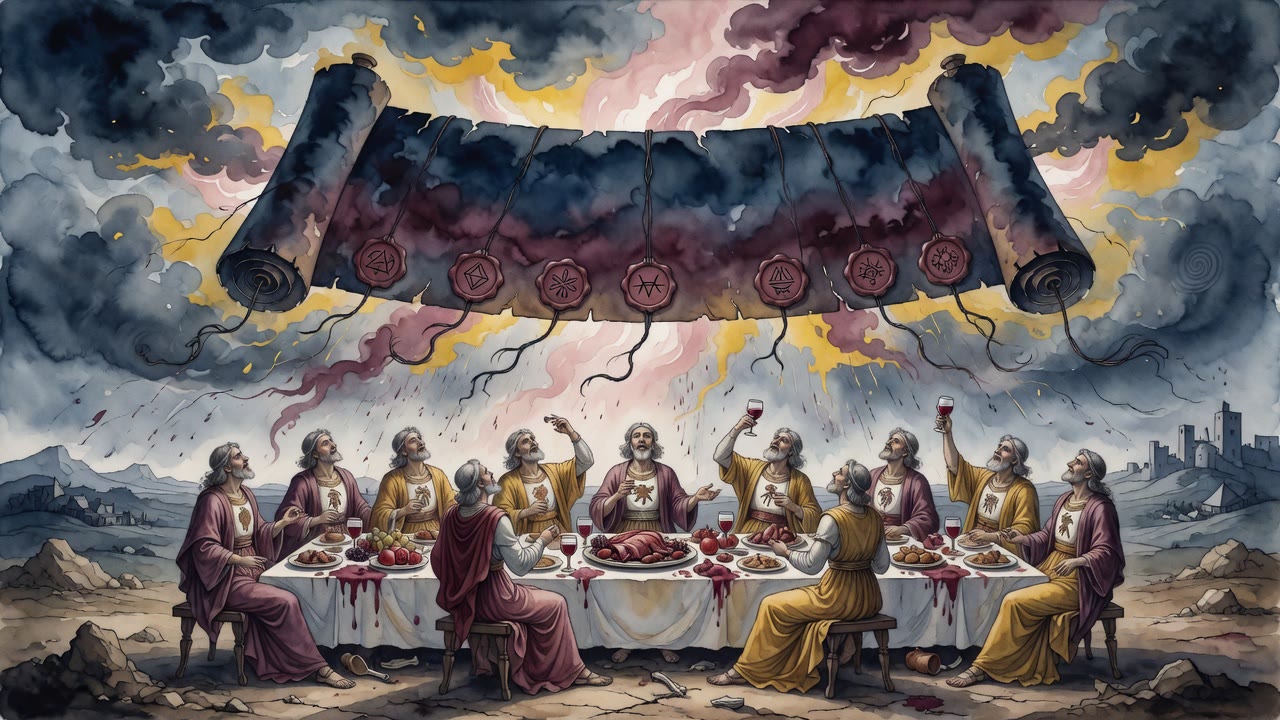
Each chief drank wine from his own hills until dawn. They ranked Samson over Goliath. Samaria still had its walls.
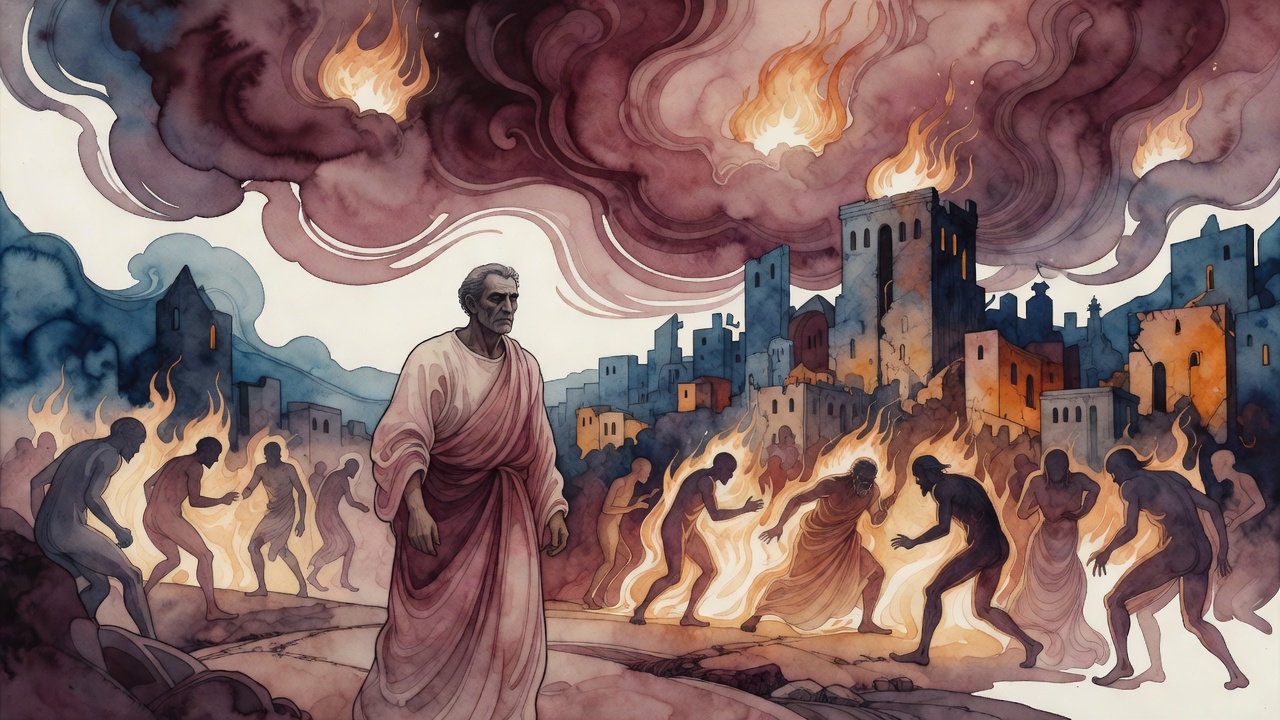
Sodom stamped its name on coins and pressed them into a stranger's hand. Shops would not sell him bread. They took the coins off his corpse.
