Judah Killed a Lion and Gave His Staff and Seal to Tamar
He had killed a lion bare-handed and dragged a king off his horse. At a town gate, drunk, he handed a veiled stranger the three signs of his rank.
Table of Contents
 Click for full size
What He Could Do With His Hands
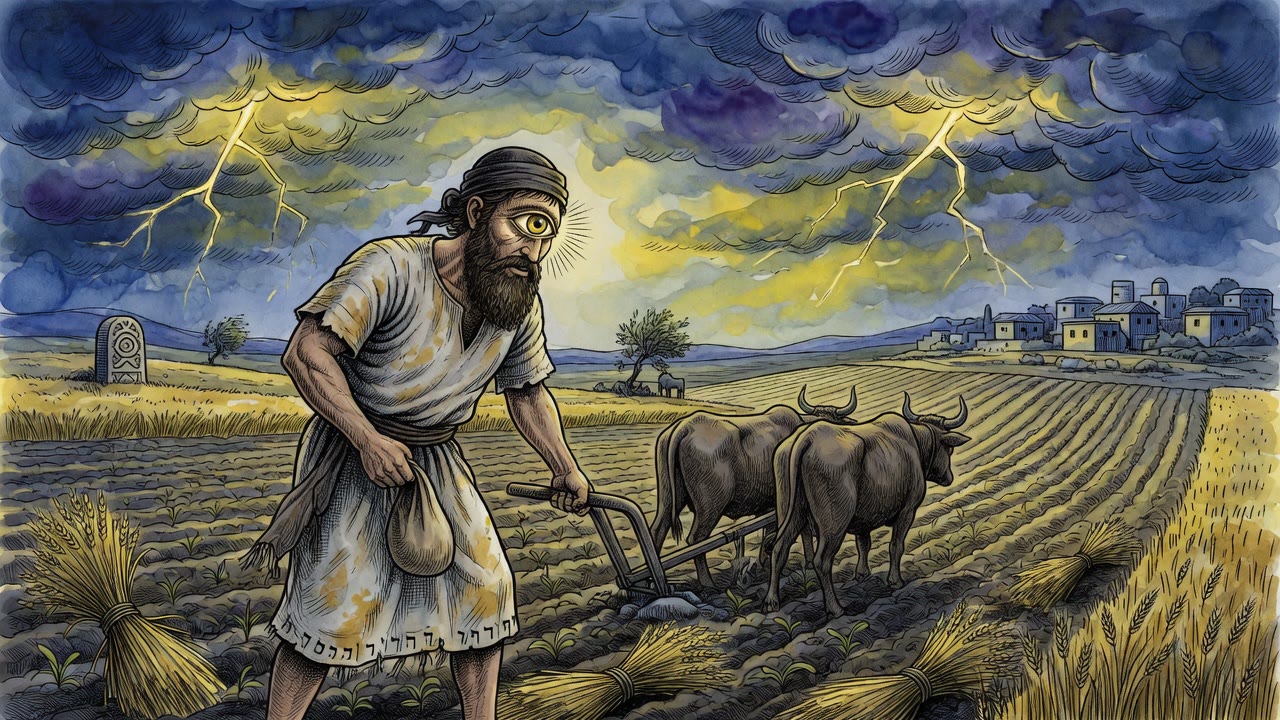
Judah outran a deer on foot, brought it down, and cooked it for his father. He ran down the roes in open country and caught them. He caught a wild mare and stayed with her until she gave in and let him hold her.
He killed a lion and pulled a live kid out of its mouth. He took a bear by the paw and threw it off a cliff and it broke on the rocks below. He outran a boar and tore it apart while he was still running. A leopard in Hebron jumped his dog, and he caught the animal by the tail and swung it against the stones until it came apart in two pieces. He found a wild ox grazing, took it by the horns, spun it until it was too dizzy to stand, threw it down and killed it.
When two Canaanite kings came against the family flocks in armour with an army behind them, he went at the king of Hazor alone, hit him across the shin guards, dragged him off his horse and killed him on the ground. He picked up a stone weighing sixty pounds and threw it at another king's horse and dropped the animal. Nine men came at him at once while he was stripping the breastplate off the rider. He wrapped his cloak around his hand, slung stones at them, killed four, and the other five ran.
His father had blessed him and told him he would be a king. His father also said he had seen in a vision that an angel of power walked behind this son wherever he went, so that nothing could beat him. Nothing had.
The Man Who Poured the Wine at Adullam
He went out to check on his cattle and stopped at Adullam, where a king named Parsaba kept his house, and Parsaba put on a feast.
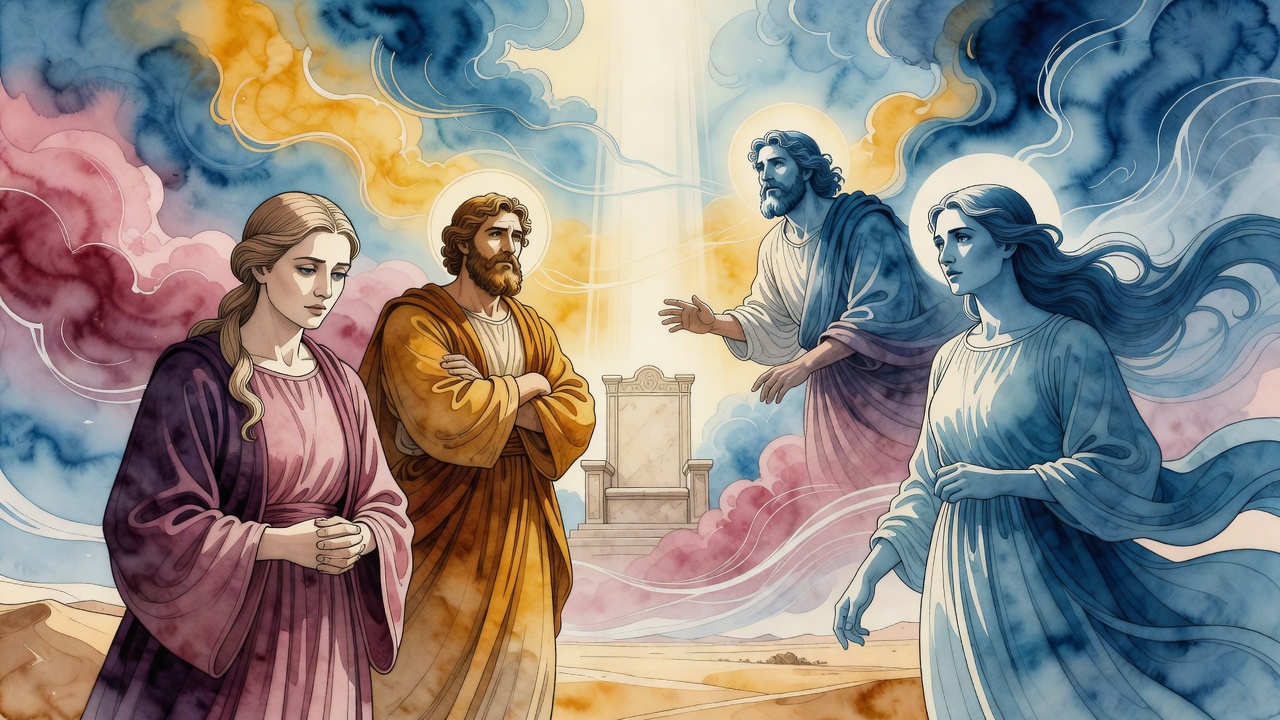
Judah got hot with the drinking. He looked up and there was a girl pouring the wine, dressed in gold and pearls, and her father was a king with a room full of gold he was willing to spend on her. Judah had told his father-in-law that he would go and ask his own father first. He did not go and ask. He took Bathshua and married her, and the wine had turned his eyes and the pleasure had gone through his heart before he had decided anything at all.
She bore him three sons. Er. Onan. Shelah. And over the years, drinking with her, he told her the secrets of his father Jacob, which God had told him not to tell anyone.
Two Sons Who Would Not Touch Tamar
He brought Tamar from Mesopotamia for his eldest, a daughter of Aram, and his wife hated her from the first hour because the girl was not a Canaanite.
Er would not go near her. His mother had told him not to, and on the third night an angel struck him dead. Judah gave Onan to her at the week of the wedding feast. Onan spent a year with her and would not father a child on her either, for the same reason, from the same mother, and when Judah threatened him he went in to her and spilled the seed on the ground, and he died too.
Judah meant to give her Shelah. His wife would not allow it, and while he was away she went out and found Shelah a wife from Canaan instead. He came home to a marriage he had not agreed to. He cursed her out of the grief in his own throat, and she died, and her sons had died before her.
The Woman Sitting at the Gate of Enaim
Two years a widow in her father's house, and word reached Tamar that her father-in-law was going up to the shearing.
She dressed the way a bride dresses and went and sat at the gate of the town of Enaim. Judah came by with wine in him and did not know her, and what he saw was the ornament and the covered face.
"Let me come to you."
"What will you give me?"
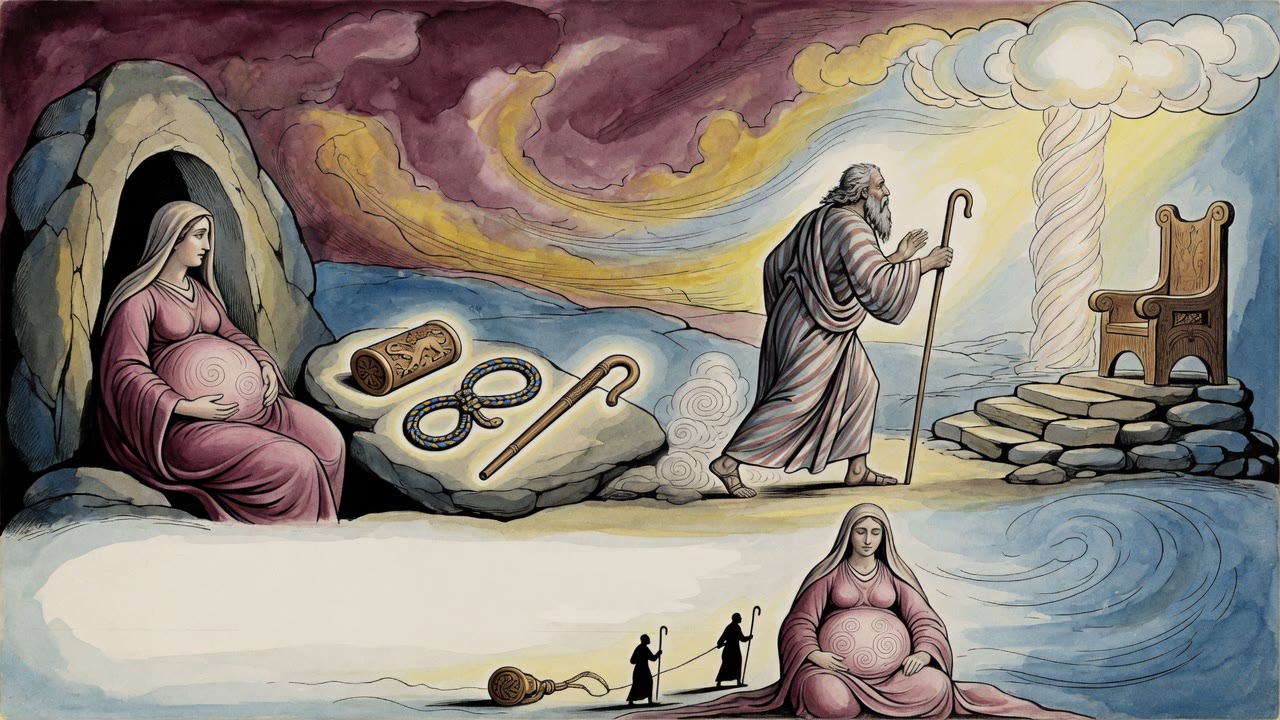
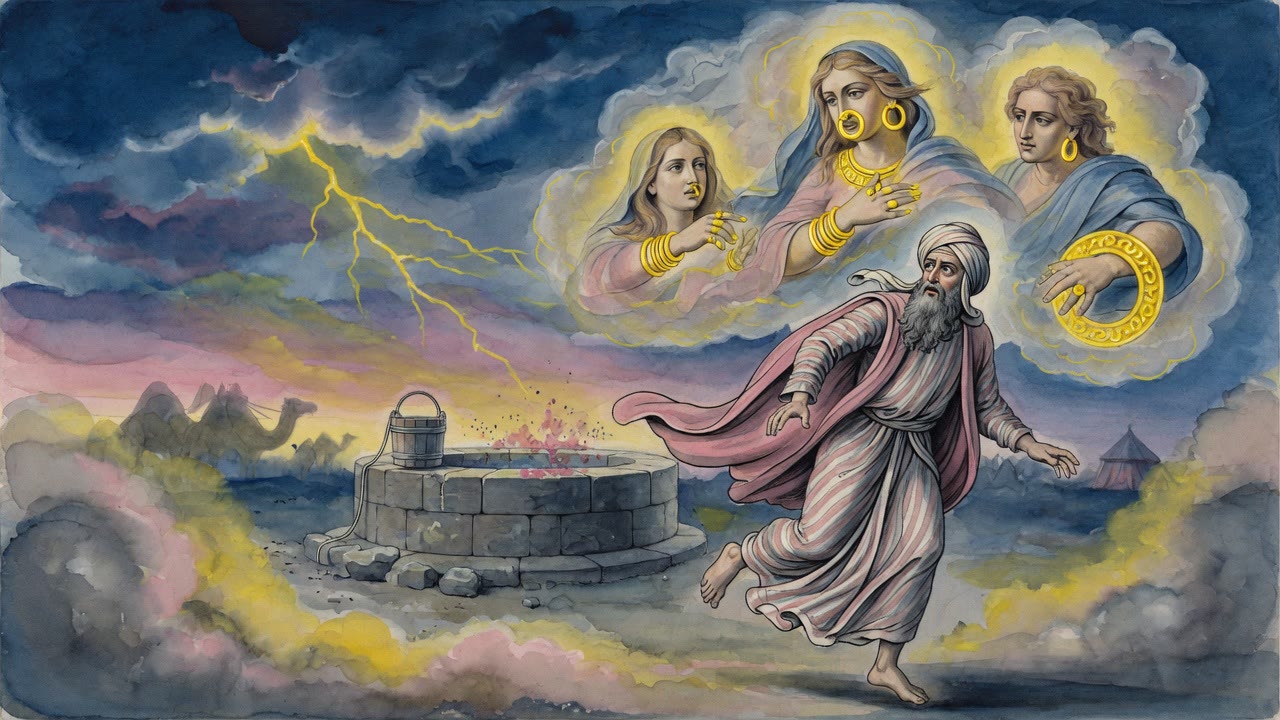
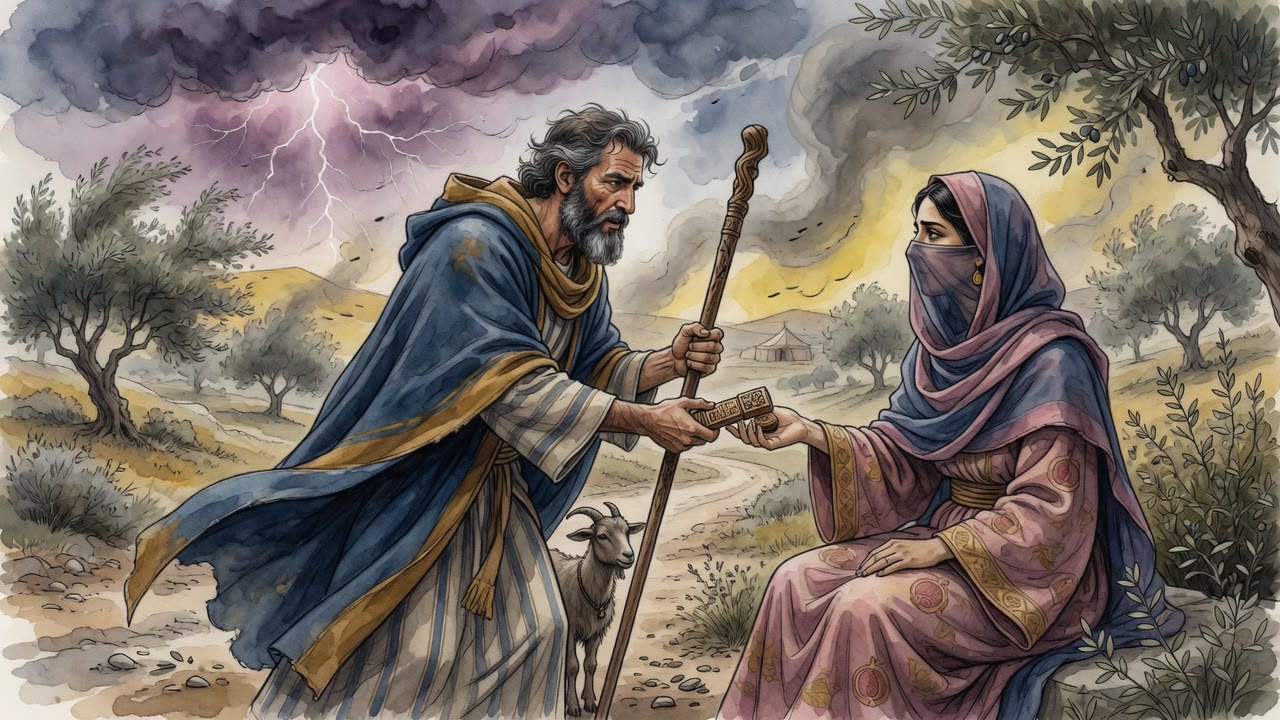
He gave her his staff, which was the support of his tribe. He gave her his belt, which was his strength. He gave her the seal he wore, which was the glory of his kingdom. He surrendered all three of them to a stranger at a gate for one night and went on to the shearing.
Months later they told him his daughter-in-law was pregnant by prostitution, and he said to bring her out and burn her. She was already being brought out when she sent the three things back to him with a message.
"By the man who owns these I am with child. Look at this, please. Whose seal, and whose belt, and whose staff?"
He tried to deny it. So she said the second thing. "Look at your Creator, please. They belong to you and they belong to Him."
He had used those two words before. He had stood in front of his father holding a torn coat soaked in goat's blood and said, look at this, please, is this your son's coat or not. Now the same two words came back at him from a woman on her way to the fire. Some held that the pledges had been lost long before, and that God put replacements into her hand so she would have something to send back. Others read the wording to mean that if she was going out to burn, he should have been walking out beside her.
He said it in front of everybody. She is more in the right than I am. He did not send for her again as long as he lived, because of what he had done.
Carry Me Up to Hebron in Plain Clothes
He drank no wine and ate no meat from that day until he was an old man, and he had no joy out of any of it.
An angel showed him a thing he had not known: that women rule over kings and beggars alike, and take the glory from the king, and the strength from the strong man, and from the poor man even the little that holds him up.
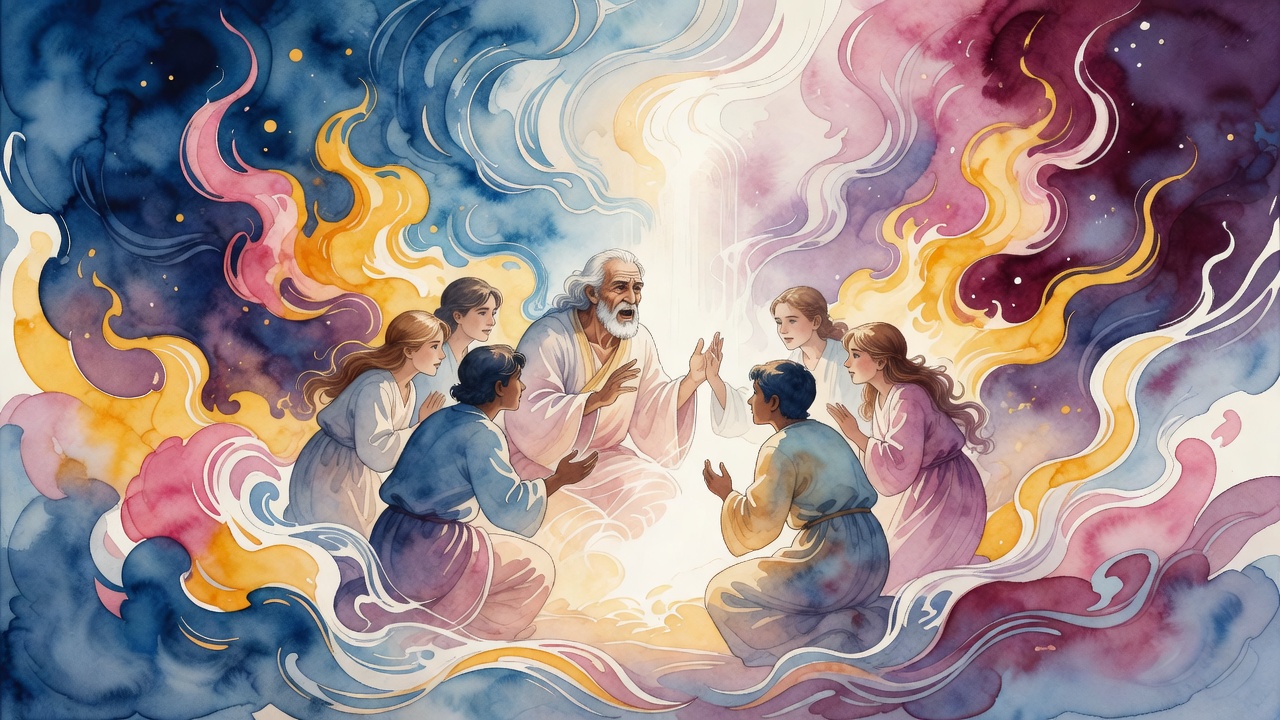
At a hundred and nineteen he called his sons in and told them all of it, the lion and the bear and the sixty-pound stone first, and then the feast at Adullam and the gate at Enaim, and he told them why he was putting the two halves side by side. Do not glory in the deeds and the strength of your youth. I was the one who boasted that no beautiful face had ever turned my head in any war, and I was the one who lay with a Canaanite and then with the woman promised to my own sons. I found out how weak I was while I was still thinking myself unbeatable.
Then his last instruction. "Nobody is to bury me in expensive clothes. Nobody is to open my body. That is what they do for kings. Carry me up to Hebron."
He died in front of them, and they picked him up and carried him to Hebron and put him in the ground with his fathers.
← All myths