12 myths
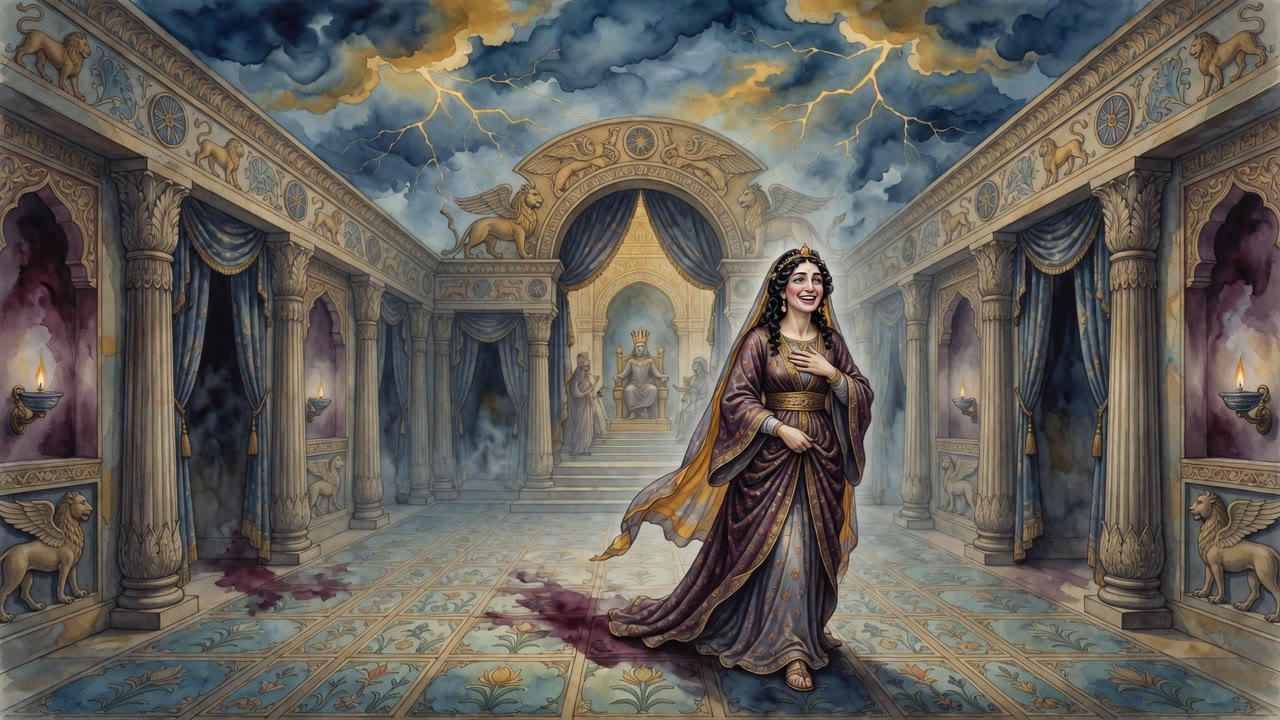
She leaned on one maiden the way Persian queens lean. The other held the gold off the floor. Joy sat on her face. The death law sat in her heart.
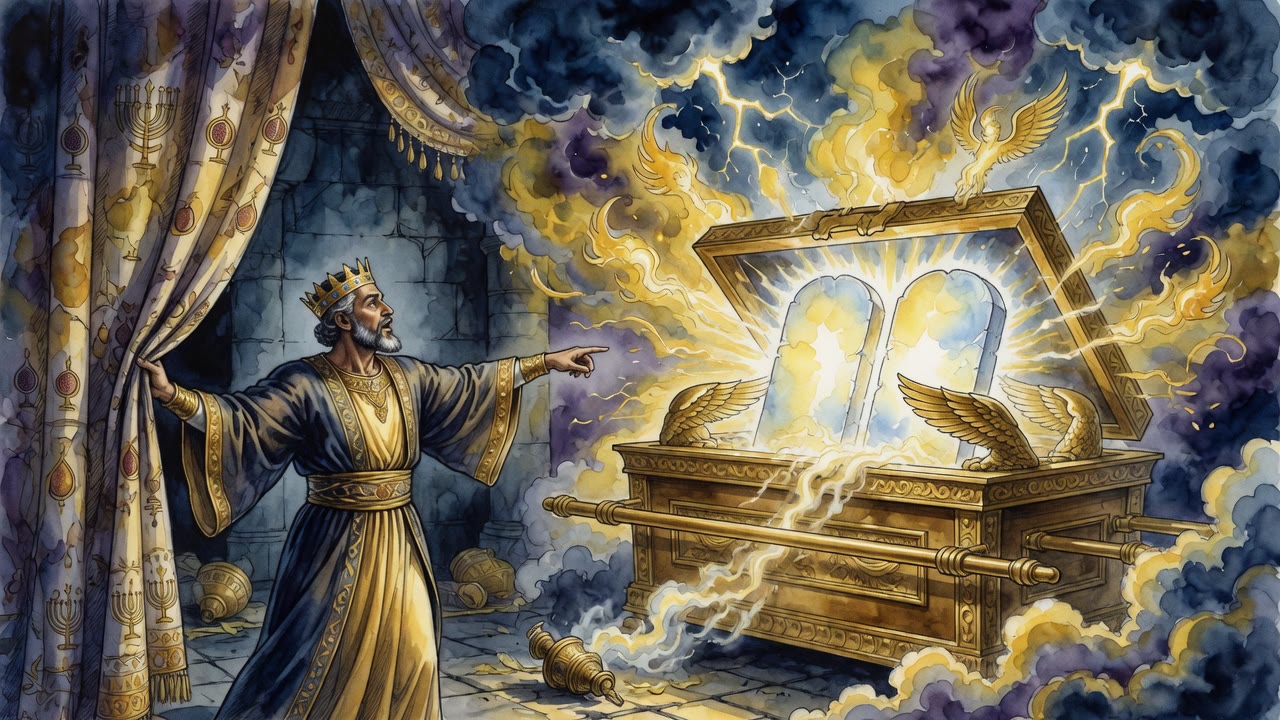
Babylon sent men because a dying king had been given fifteen years. Hezekiah felt the bowing land on his own chest. Then he opened every door.
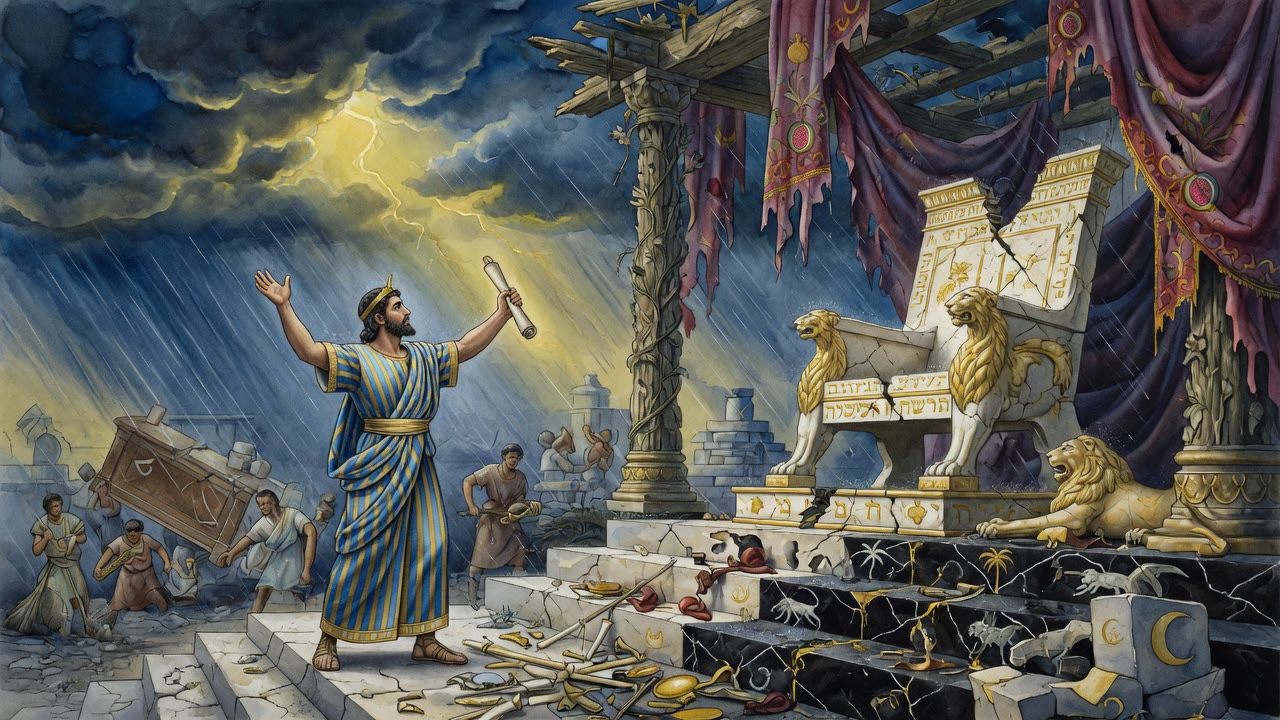
Josiah was eight when they crowned him. He sent men into every house in Judah to search the walls for hidden idols, and he burned the bones of Baal's priests.
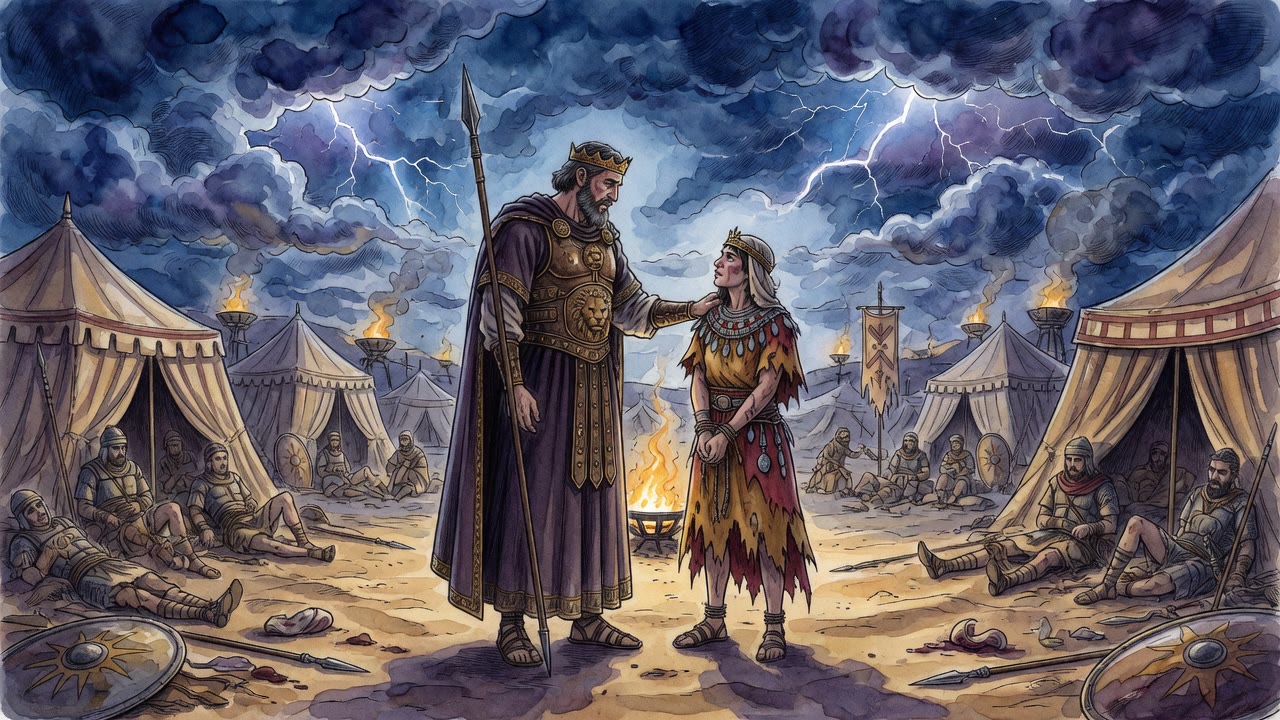
Agag sat bound through the dark while fat sheep bleated in the pens. Samuel came at morning. The line that should have ended did not.
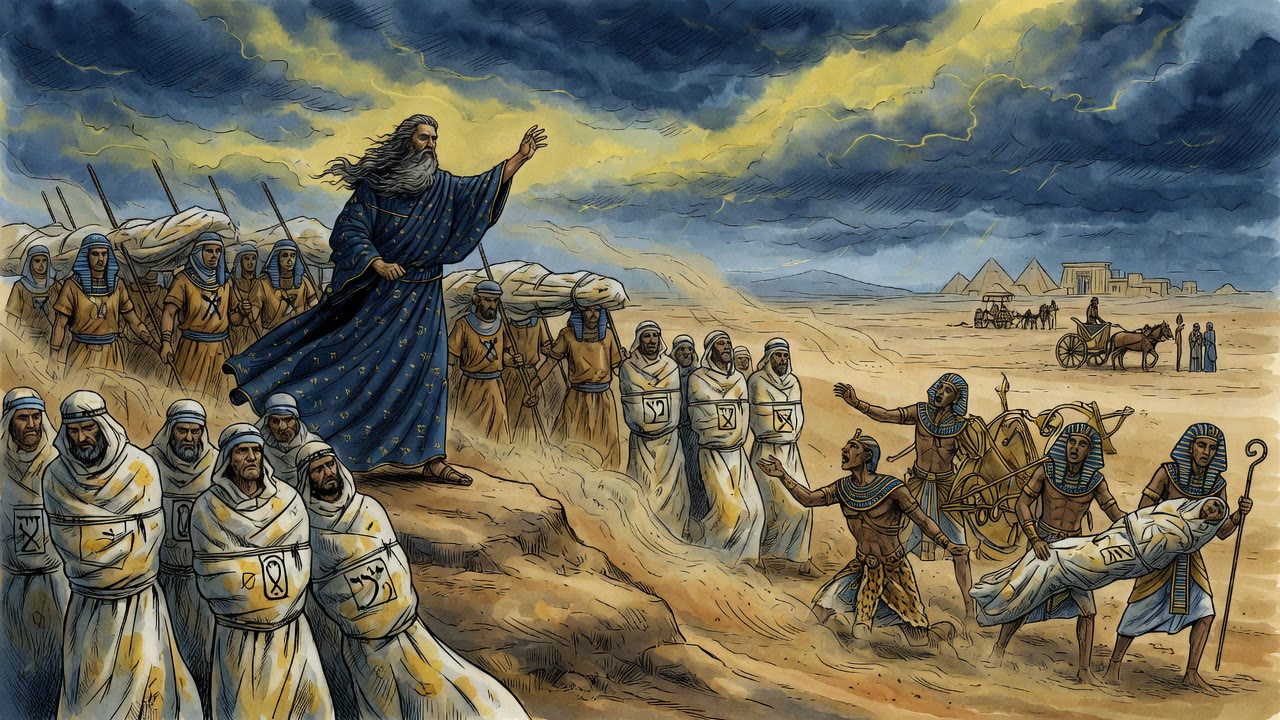
The men reached Jerusalem with their tools still rolled. Solomon did not set them to work. He handed each one a folded sheet of burial linen.
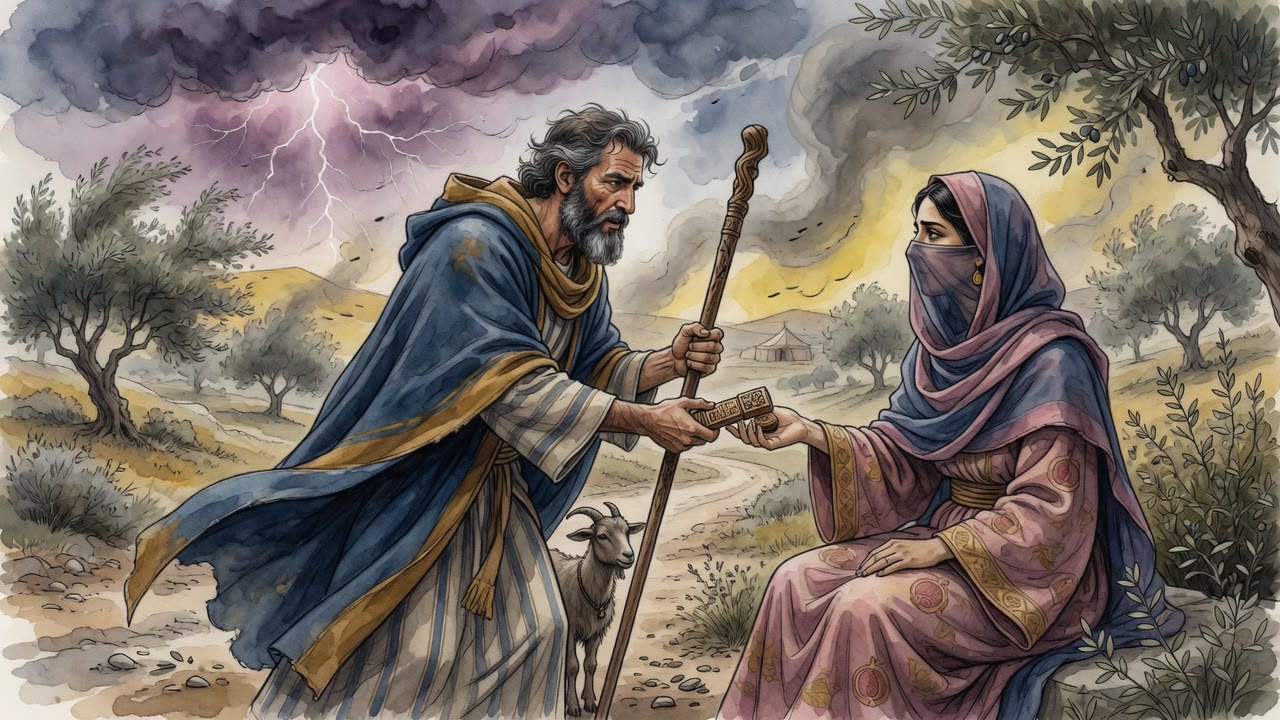
He had killed a lion bare-handed and dragged a king off his horse. At a town gate, drunk, he handed a veiled stranger the three signs of his rank.
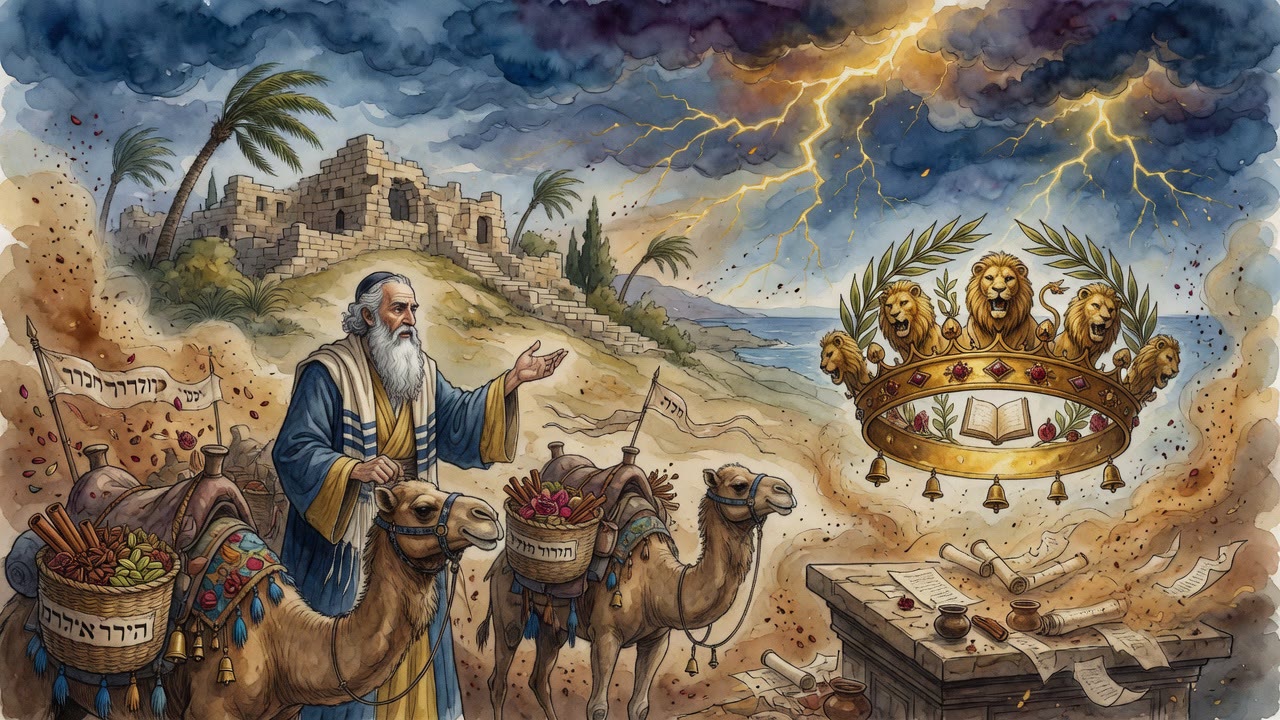
Ordinary caravans smelled of pitch and camel dung. Joseph rode toward Egypt on myrrh, and in the grove Tarfon refused to call it luck.
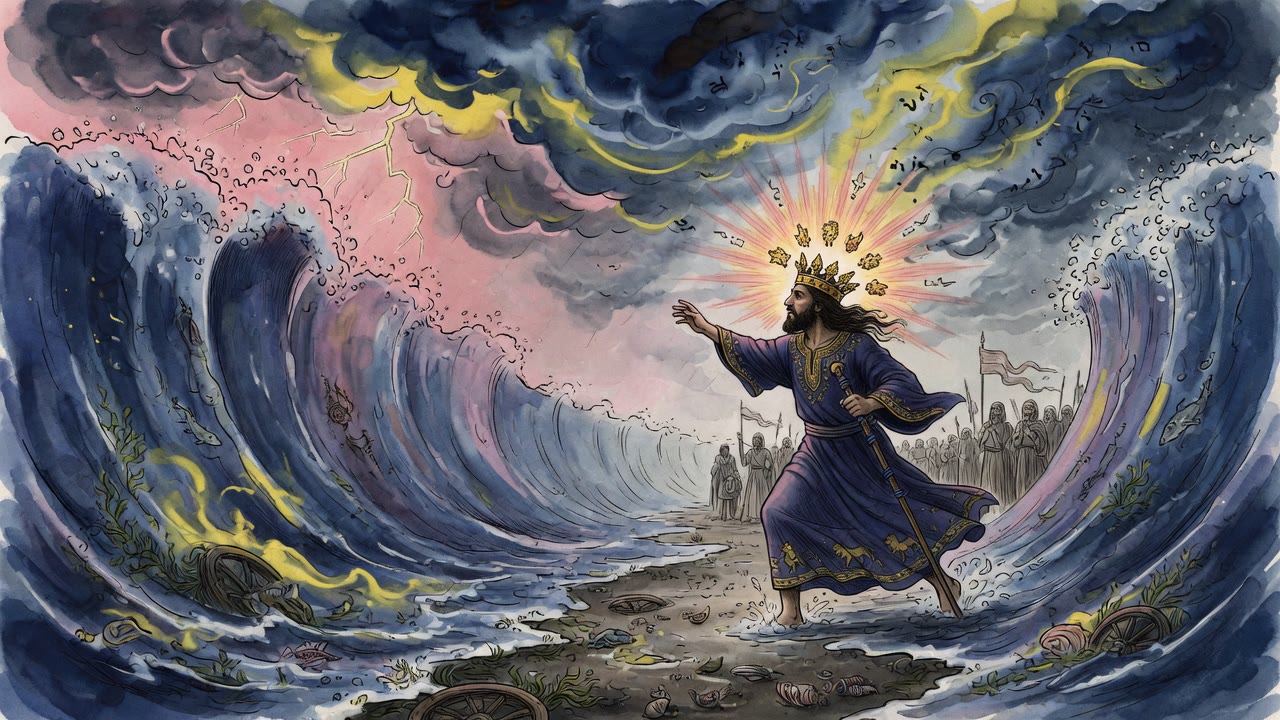
Before a single wave moved, one man waded into the crashing sea up to his throat, and that step decided who would rule Israel.
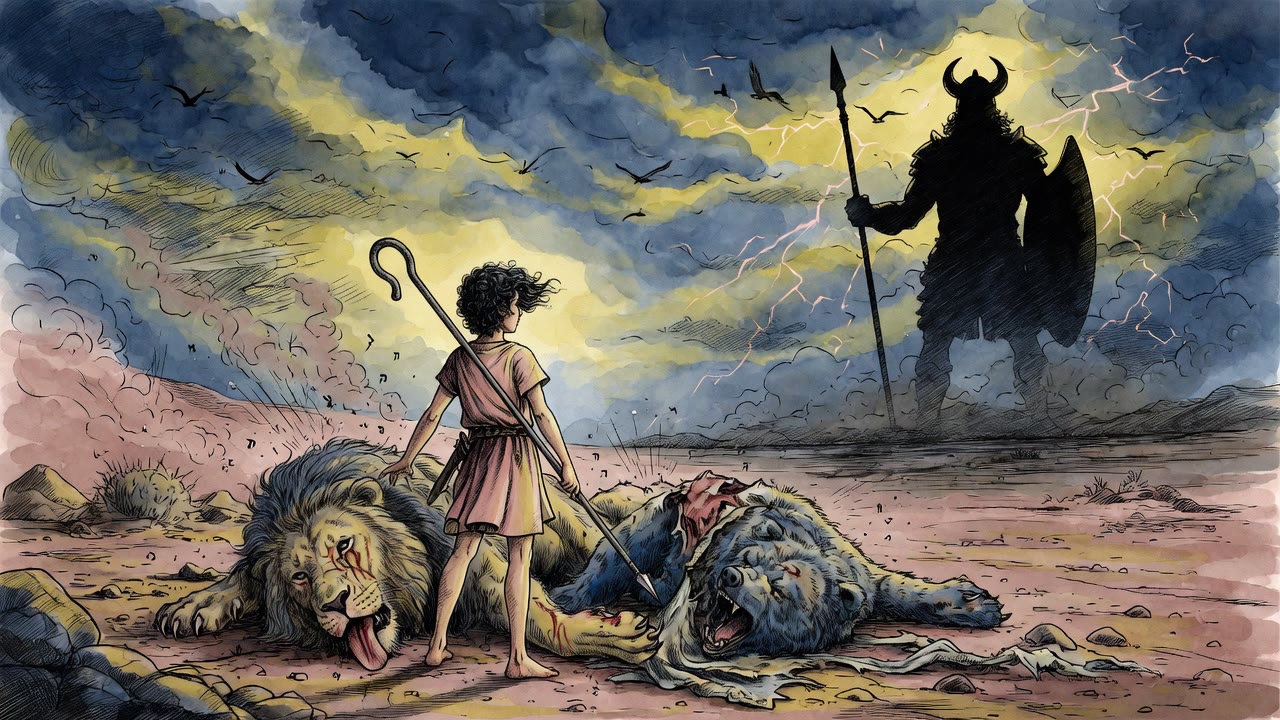
A lion took a lamb at the edge of the flock. David killed it with his hands. After the bear, he treated both carcasses as orders.
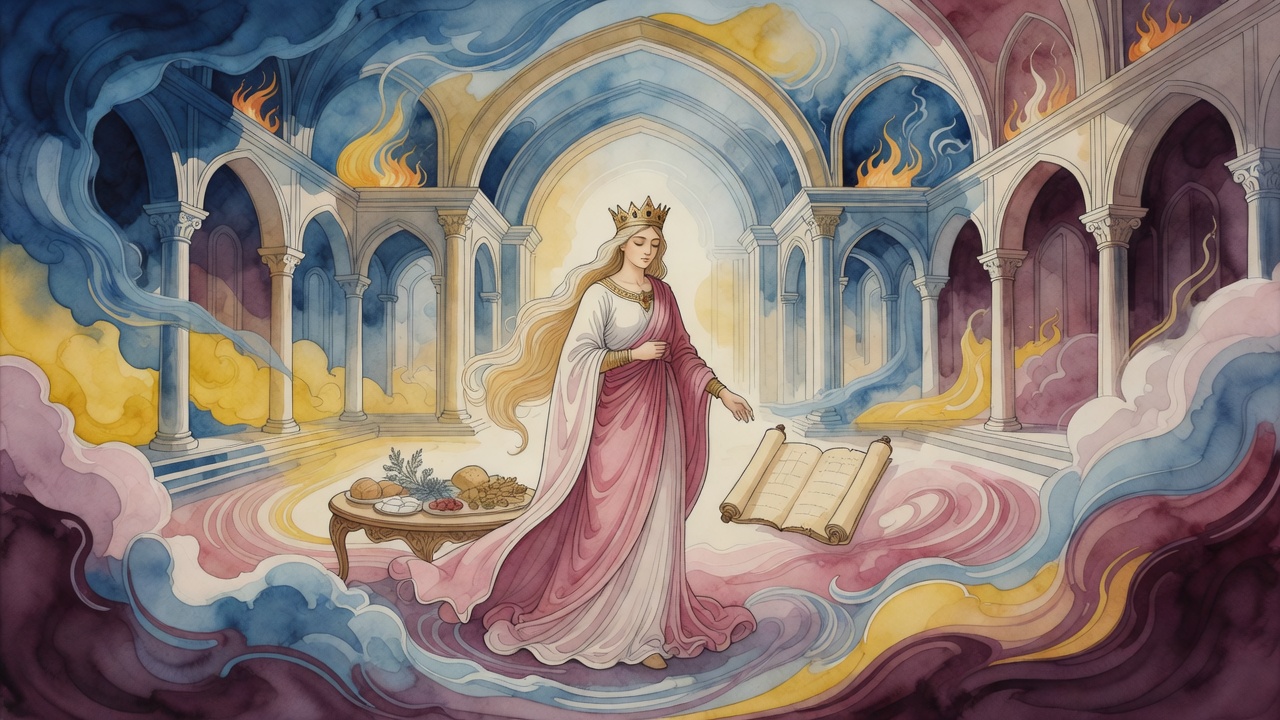
Mordecai hid Esther for four years. The king made it a killing offense to hide a woman, so Mordecai brought her out and the palace took her.
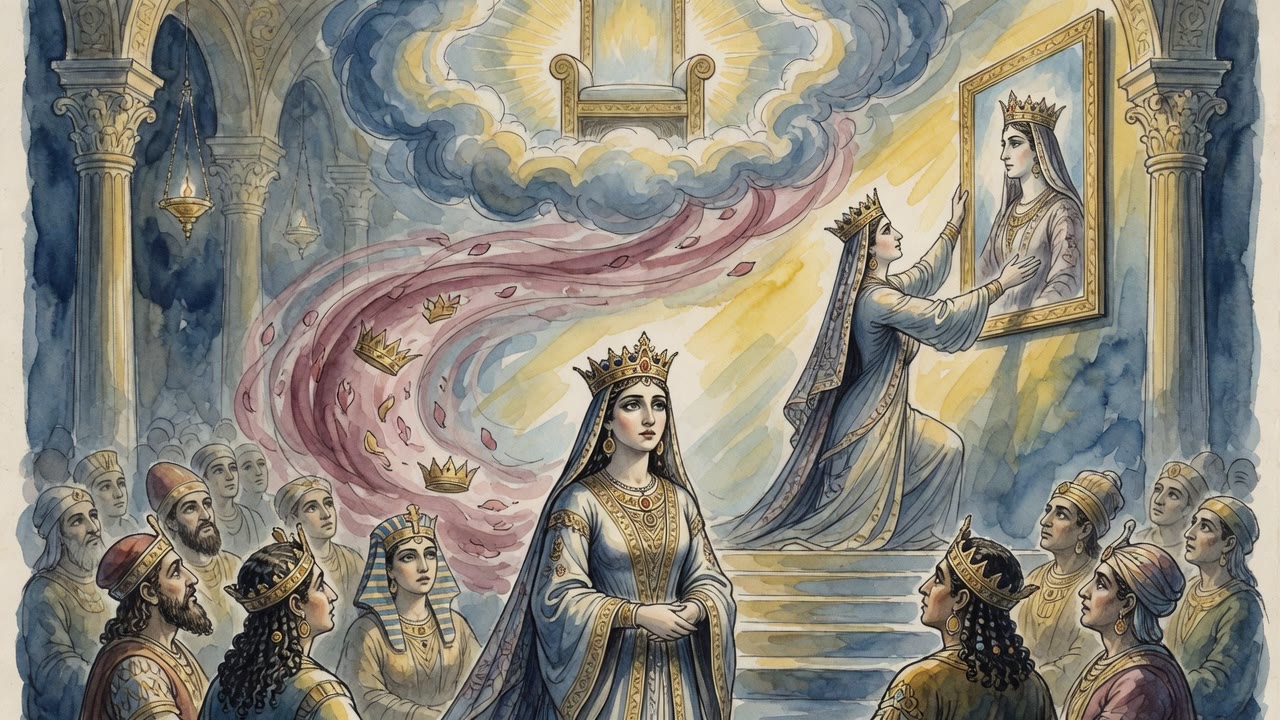
Hegai could hang if the king found the new girl unprepared. Esther would not touch the creams or the royal food, so he buried her in jewels.
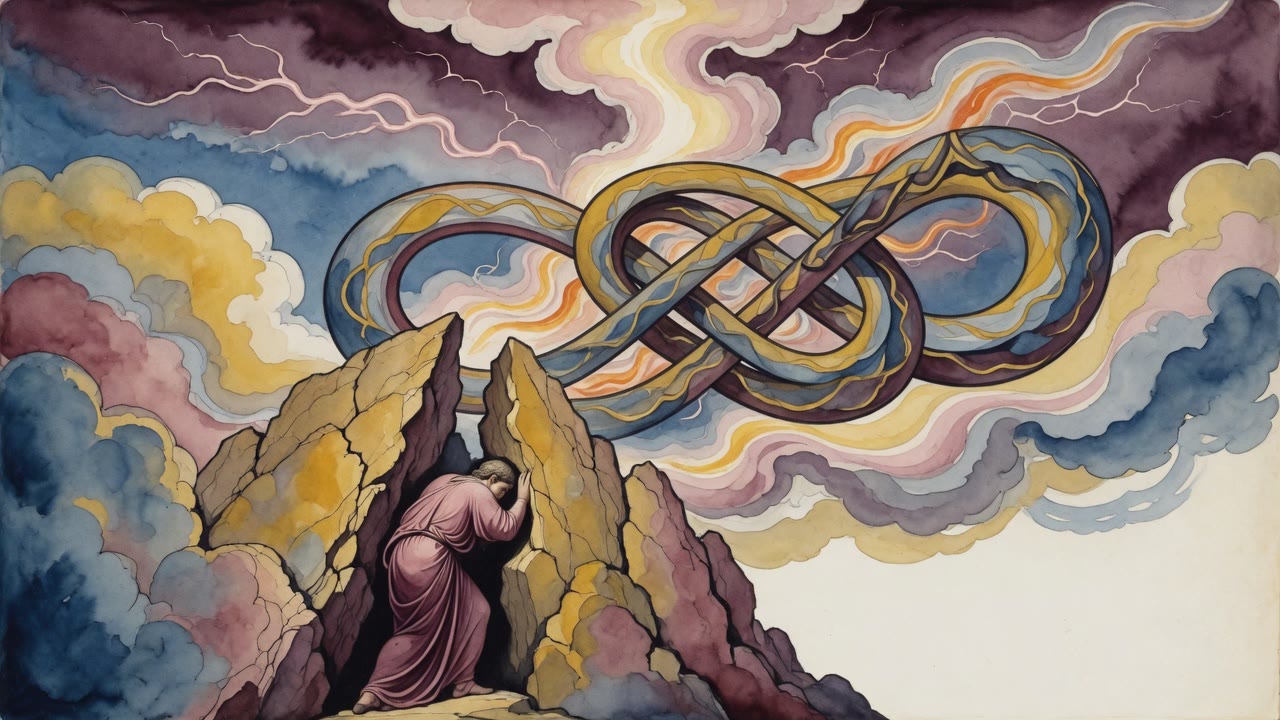
No king who came after Solomon could replicate his throne. The problem was not the gold or the ivory. The throne was built to humble whoever sat on it.
