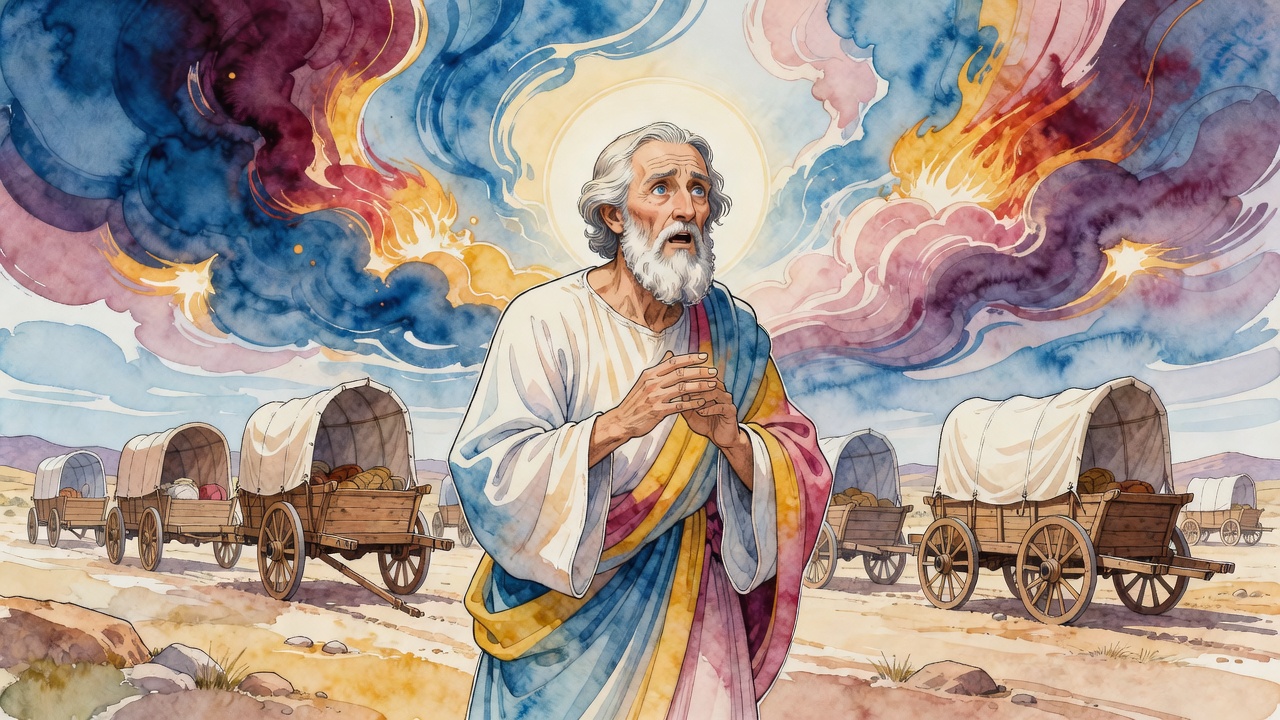
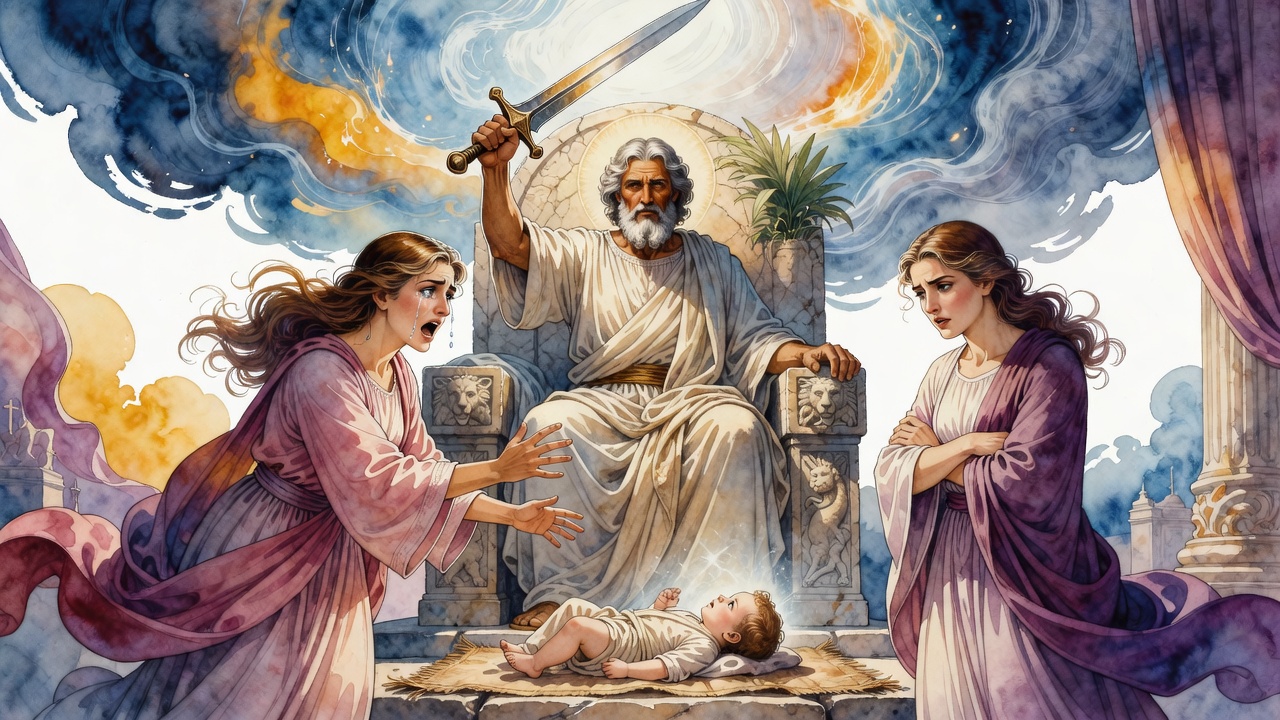
The Throne Solomon Built and What It Was Designed to Do
No king who came after Solomon could replicate his throne. The problem was not the gold or the ivory. The throne was built to humble whoever sat on it.
Table of Contents
 Click for full size
What Ahasuerus Spent Three Years Trying to Build
After Solomon's throne passed out of Israelite hands, every subsequent ruler who possessed it tried to sit in it and failed. Not because they lacked strength or will. Because the throne was mechanical in a way they did not understand and could not replicate. Ahasuerus spent three years having craftsmen study what remained of it and attempt to build a copy. They failed completely. The problem was not the gold or the ivory or the jewels. The problem was what the throne did.
The Chronicles of Jerahmeel, a twelfth-century Hebrew chronicle that preserved much older traditions, describes the throne's structure in specific technical detail. Six golden steps, each flanked by pairs of animals facing each other: a lion and an ox, an eagle and a peacock, working upward step by step to the summit. When the king placed his foot on the first step, the animals moved. Golden mechanisms raised and steadied his leg. As he ascended, each step's animals engaged in sequence, assisting him upward until he reached the top, where the throne itself rotated to face him toward Jerusalem, toward the Holy of Holies, toward the center of everything the throne was built to serve.
What Sat on the Throne with the King
At the summit, a golden eagle held a crown above the seat. When the king sat, the eagle lowered the crown onto his head. The tradition reads this as the throne performing a theology: the king did not arrive wearing his own crown. The crown was given to him at the moment of sitting, by a mechanism that predated him and would outlast him, built by a man who understood that the crown's authority was not the king's possession. It was something he received at the beginning of each sitting and would return at the end.
On the throne itself sat two lions, one on each side, and above them two eagles. When a foreign king attempted to sit in it, the animals were said to move differently, to resist rather than assist, to make clear through the machinery of the thing that this seat was not built for them. The throne that had been constructed to remind Solomon of everything that had come before him had a memory of its own, and the memory could tell the difference between the man it was built for and everyone who came after.
What the Throne Remembered on Each Step
Each animal pair on the six steps was selected with specific intent. The tradition that the Chronicles of Jerahmeel preserved held that each level of ascent brought the king into contact with a different dimension of sacred history: the animals of the first step recalled the first creatures of creation, those of the second recalled the patriarchs, those of the third recalled the wilderness generation, and so upward. By the time the king reached the seat, he had been physically walked through the entire history of the covenant. He arrived at the place of judgment having been reminded, step by step, of every story that had led to this moment.
Solomon had understood that a king who sits down without this kind of reminder is dangerous. He had been the wisest man of his generation and had still made the choices that ended his reign in compromise. He had built the throne as a corrective to his own susceptibility. The mechanism that humbled the person sitting in it was a gift he had built for his successors: the architectural embodiment of what his proverbs said in words about the nature of wisdom and its limits.
Joseph and the Provision That Came from Below
The tradition pairs Solomon's throne with Joseph's generosity for a reason that is not immediately obvious. Joseph had been thrown into a pit by his brothers, sold into Egypt, imprisoned on false charges. He had descended through every layer of vulnerability a human being could experience. When he finally stood at the top, as Pharaoh's second-in-command with authority over the food supply of the ancient world, the Legends of the Jews describes what he did: he gave. Food, drink, clothing, welcome, sustained provision for the brothers who had thrown him into the earth and the father who had lost decades of his life believing his son was dead.
The man who had been at the bottom knew what it meant to have nothing. He had sat in the pit and in the dungeon and had not been crushed by either. When he reached the position where he could give rather than receive, he gave without measure. The throne Solomon built was designed to produce, through mechanism, what Joseph's descent had produced through experience: the awareness, at the moment of exercising power, of everything that power had been given at the cost of.
← All myths