237 myths · Page 1 of 8
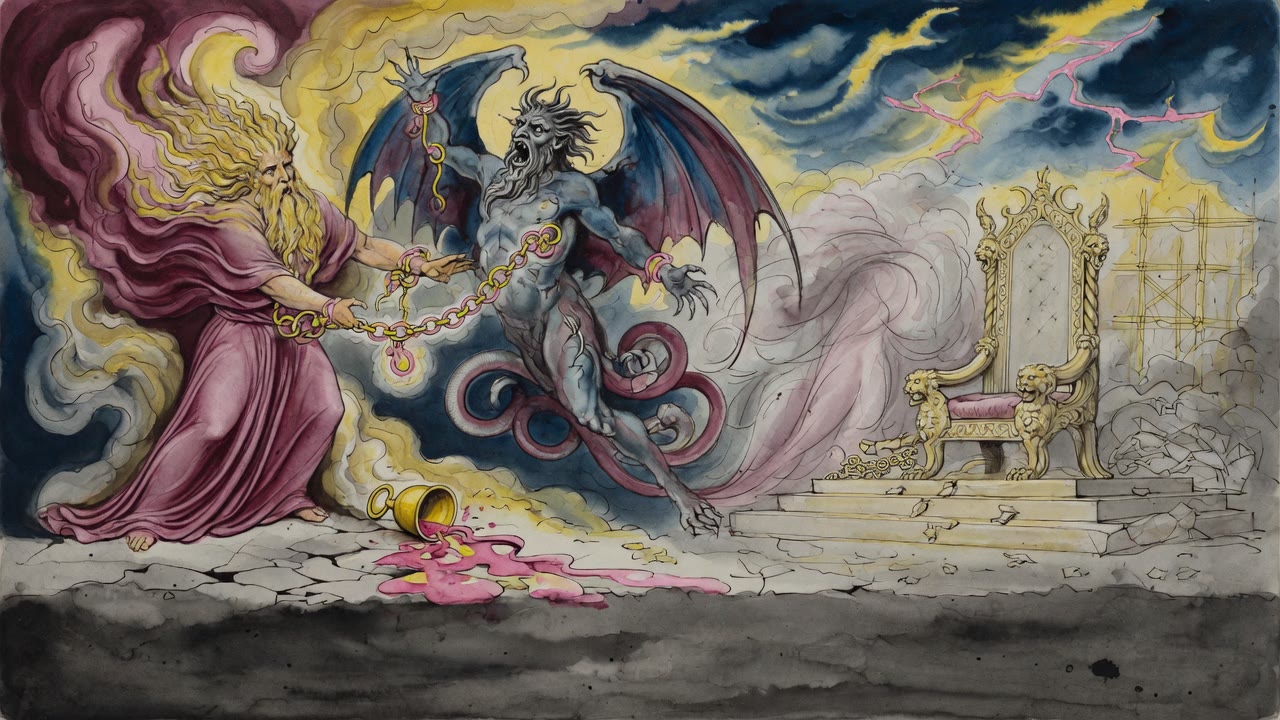
Solomon needed a demon to build the Temple. He caught the king of demons with wine, used him, then kept him chained. The demon got his revenge.
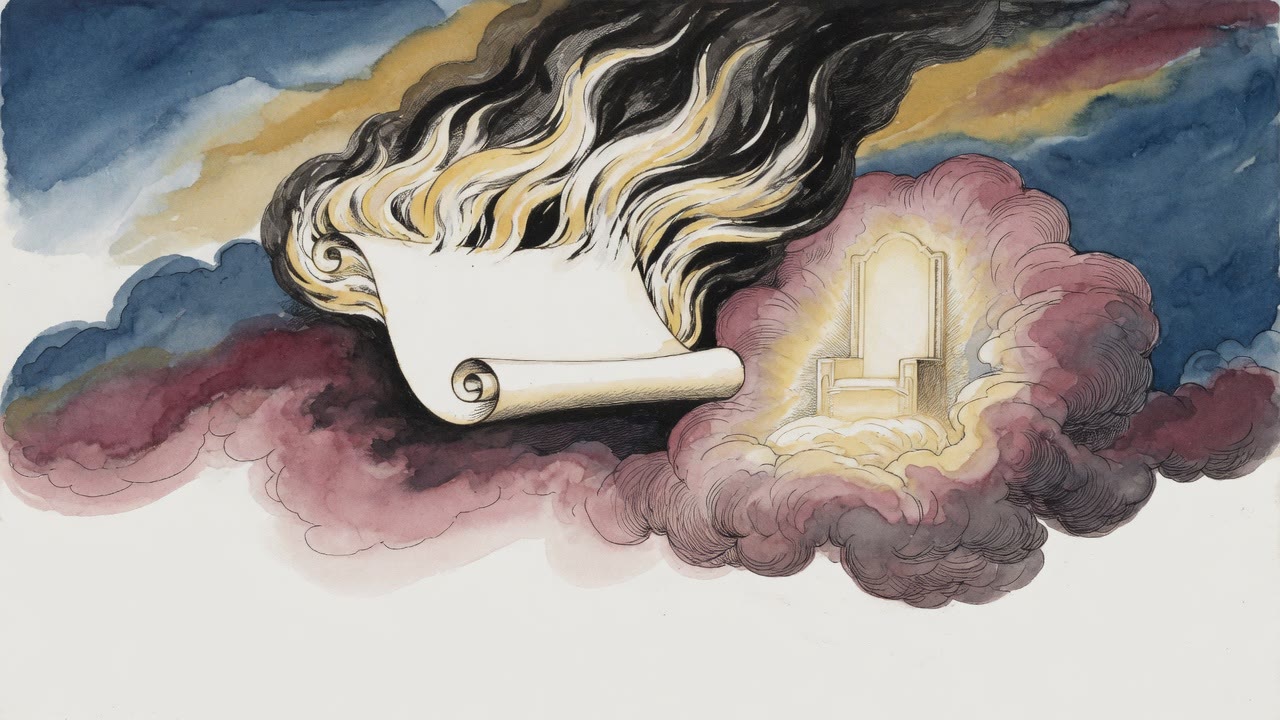
Before sky, sea, or soil, the Torah burned in black fire on white fire as God held the blueprint that would become the world.
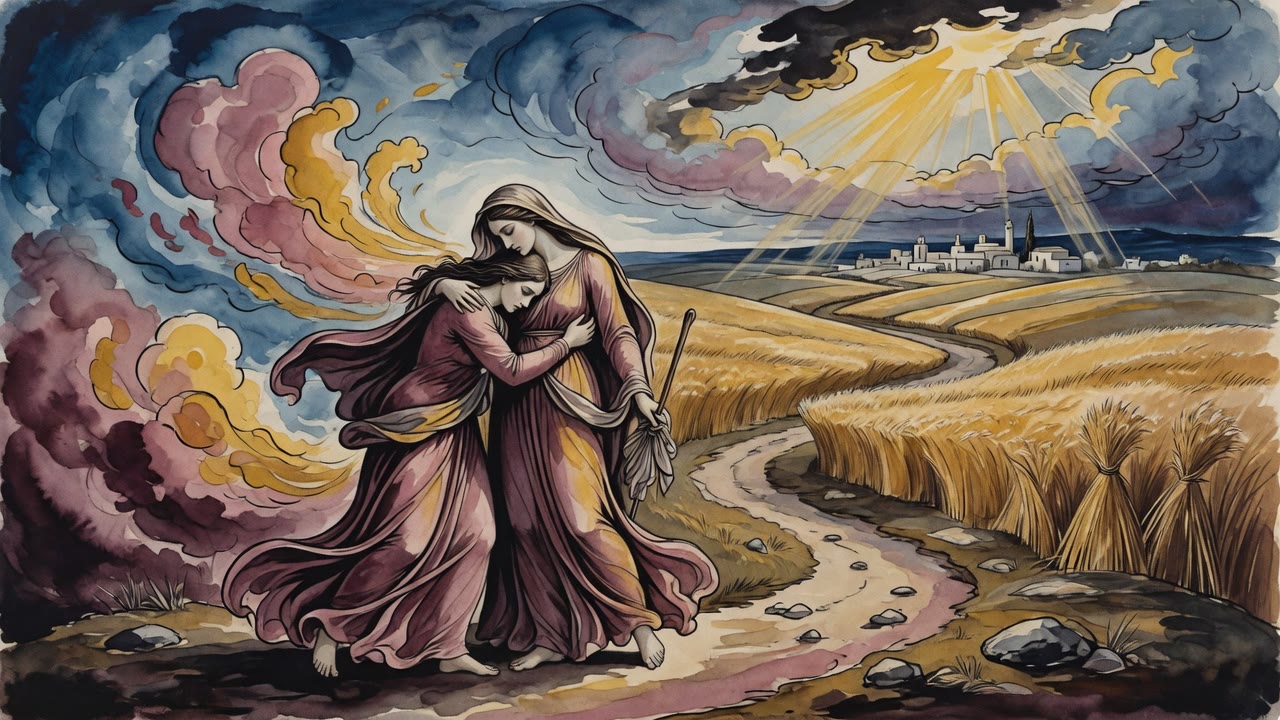
Orpah kissed her and took the road back to Moab. Ruth's hands stayed on the older woman's sleeve. Neither of them was carrying bread.
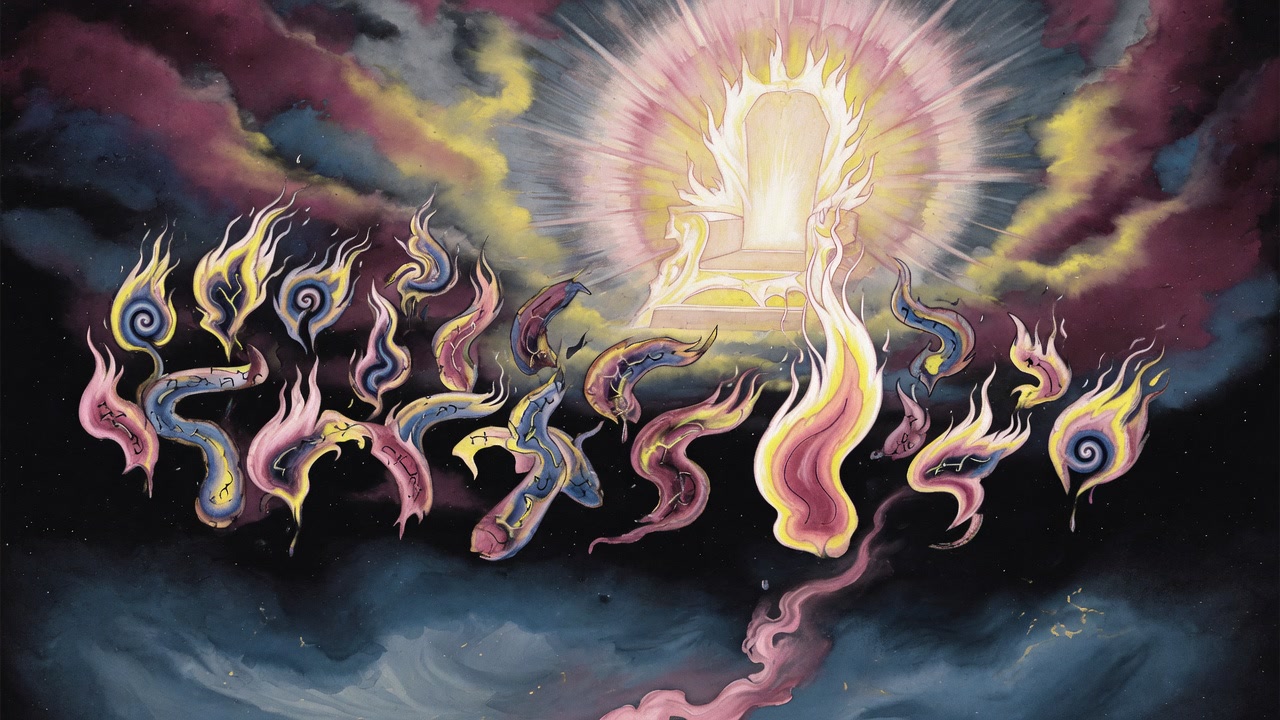
Tav claimed the first morning of the world. God sent it back. Death already sat in that letter, waiting to be pressed into a forehead.
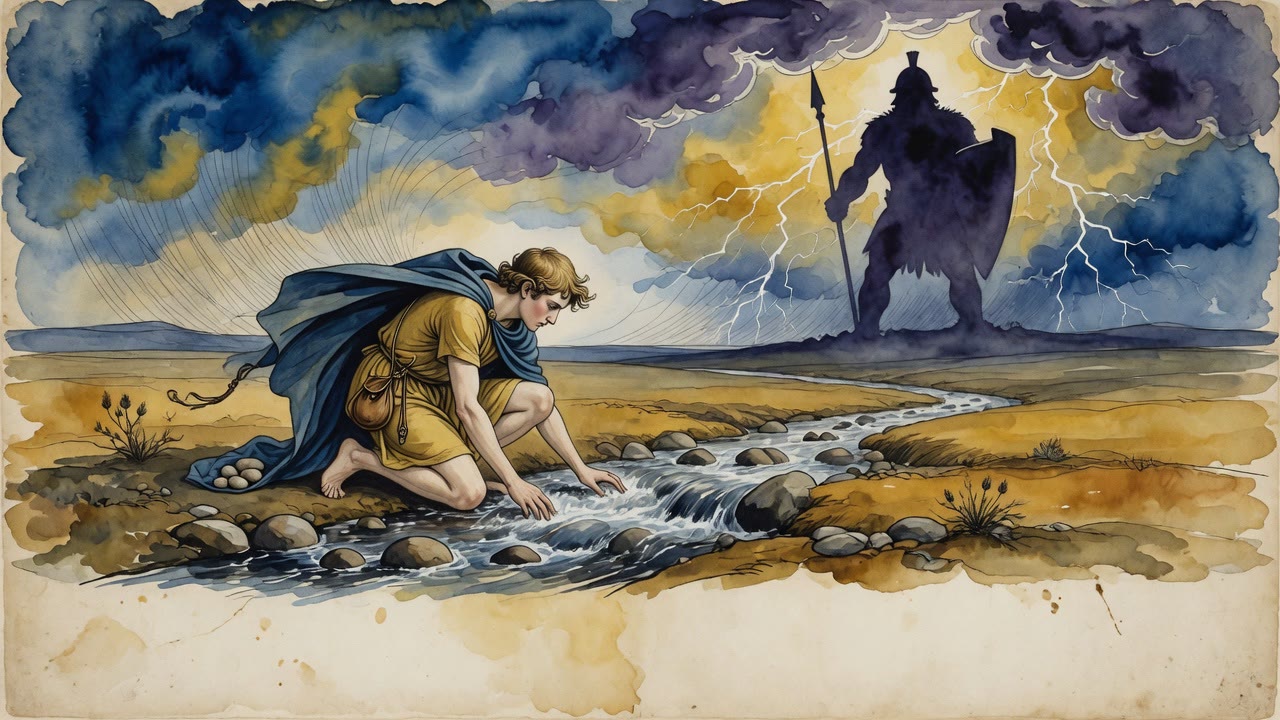
David chose five stones at the brook, but the midrash makes the whole created world hurry into his hand before Goliath fell.
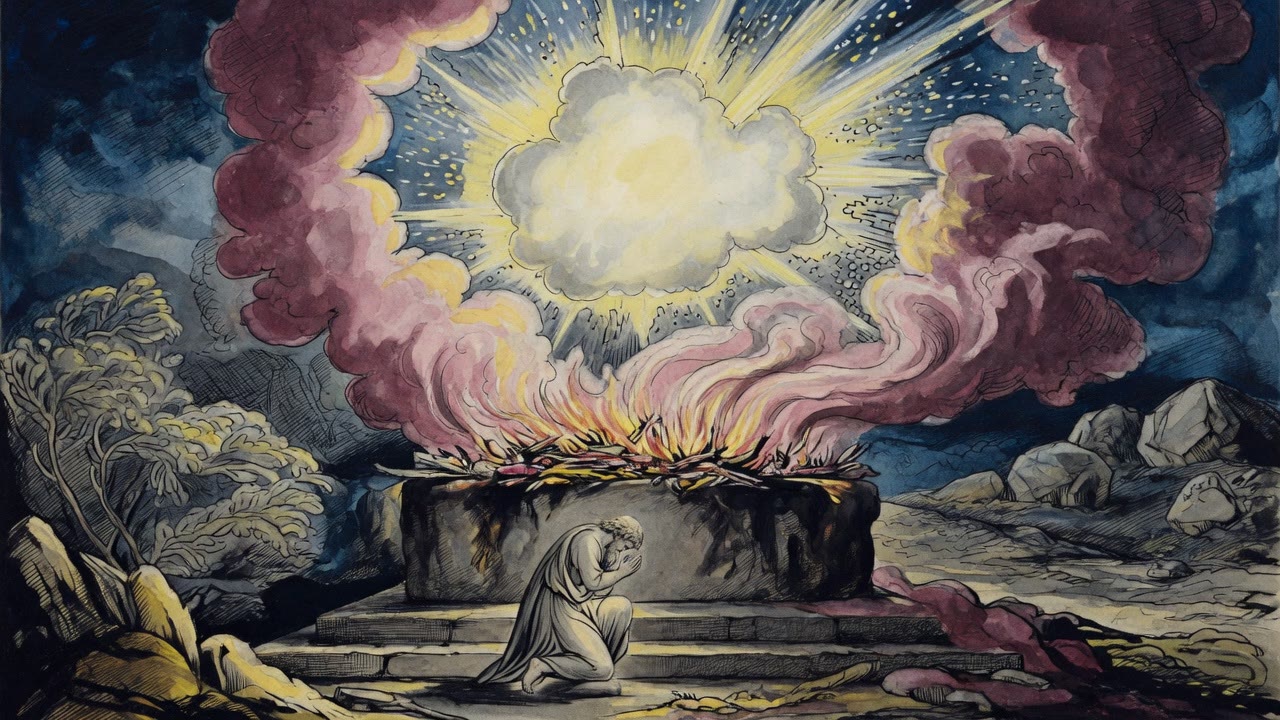
At Gibeon, God told the young king to ask for anything. Solomon could have named riches or long life. He asked for an understanding heart instead.
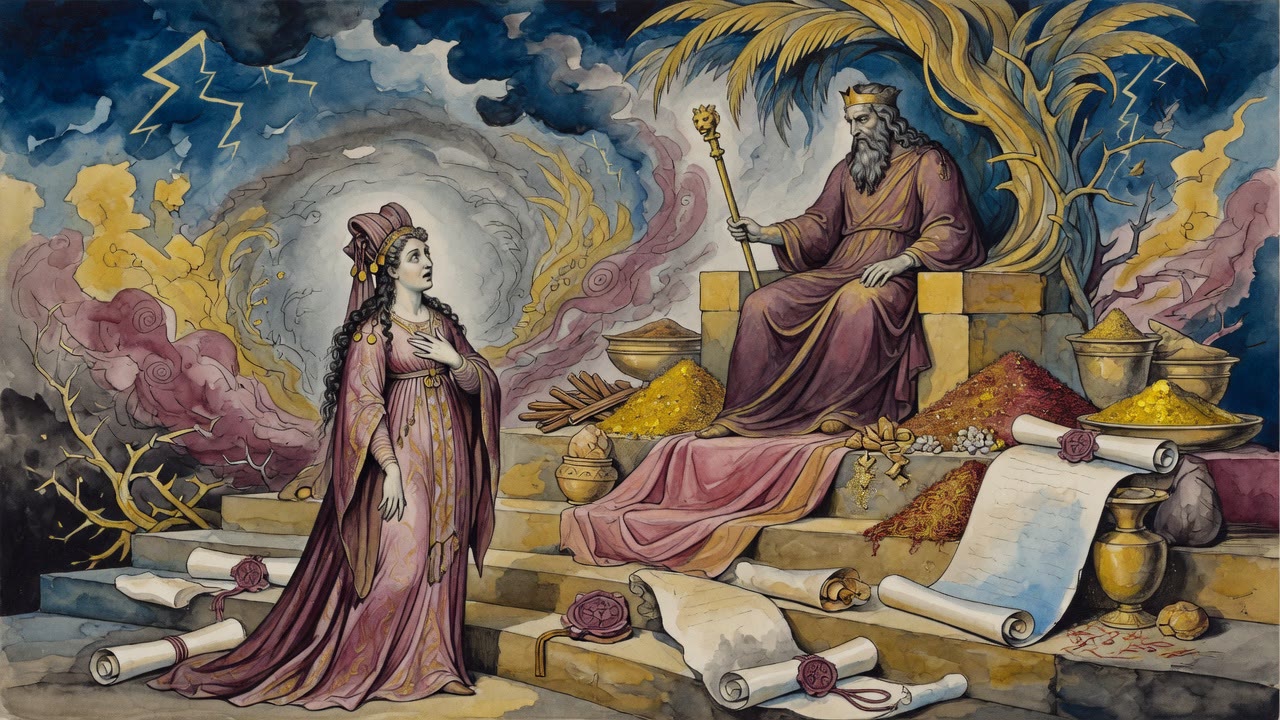
A queen who ruled a land Solomon had never seen crossed the known world with riddles, gold, and spices to find out whether the reports were exaggerated.
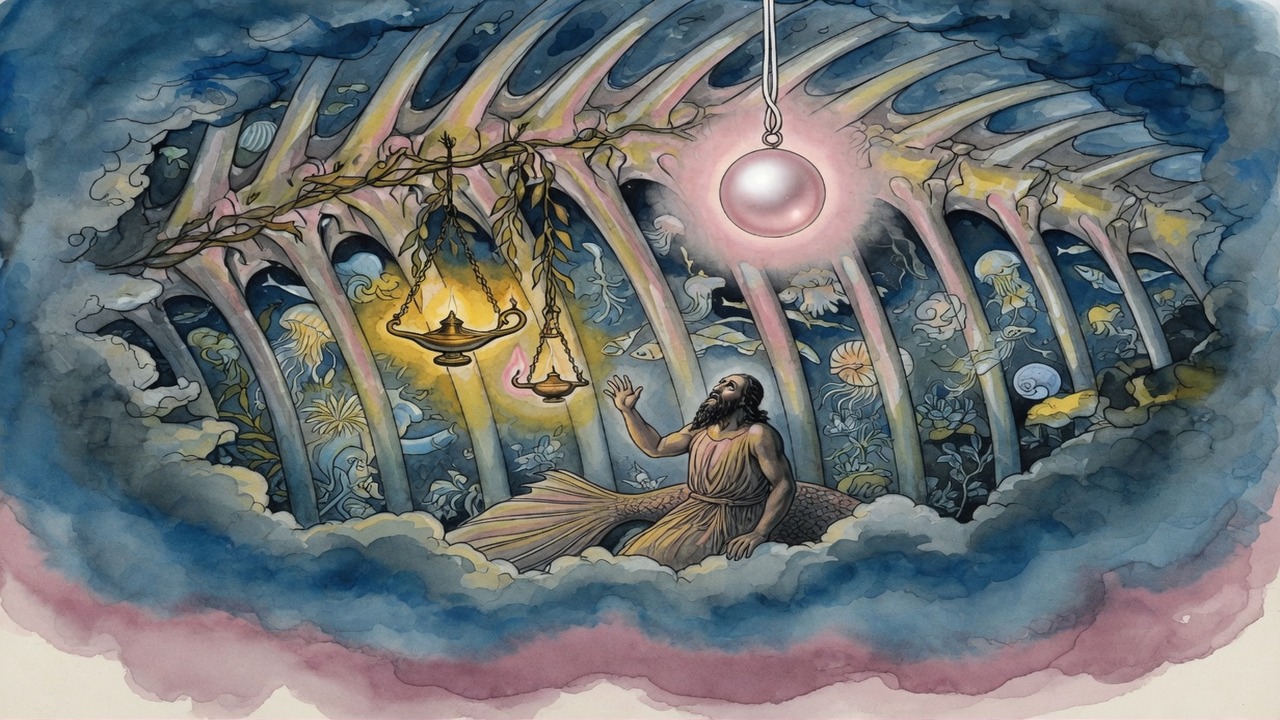
Inside the fish, two lamps lit the dark and a pearl hung from the ceiling so Jonah could see every wonder in the deep.
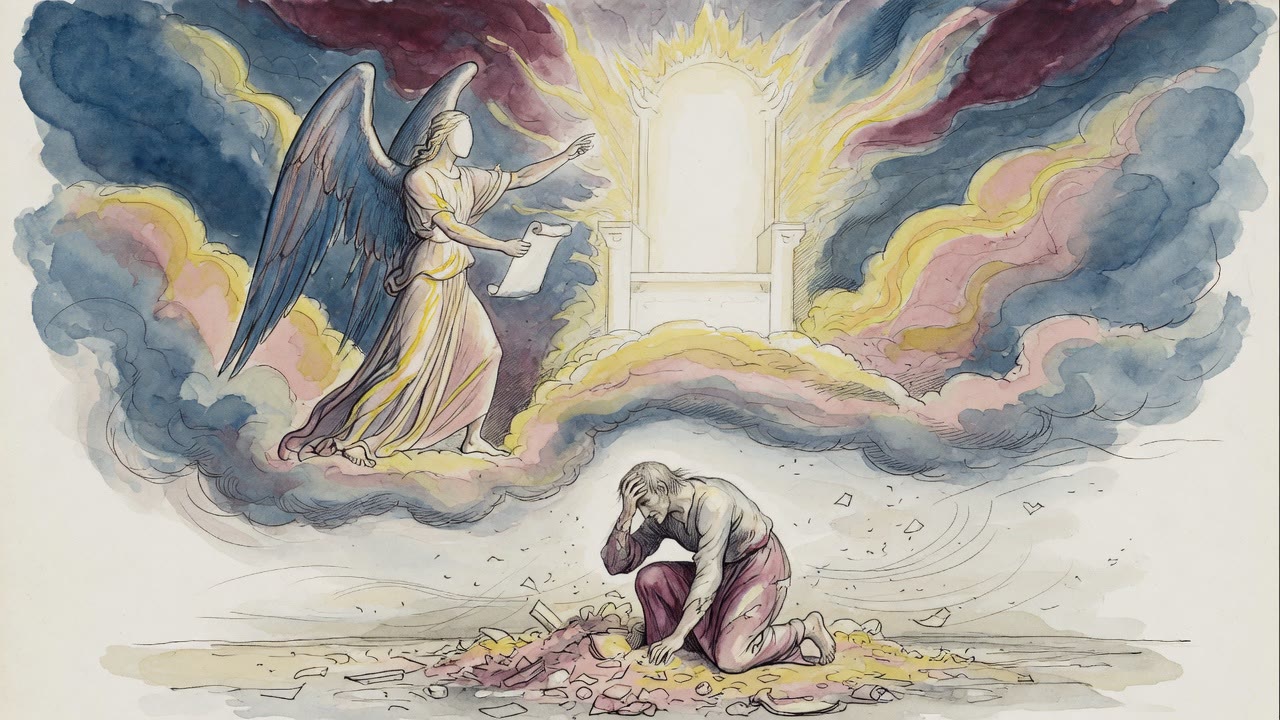
Job's children were still at the table when the court opened above him. The Accuser asked for the wall around the man. God said the body was off limits.
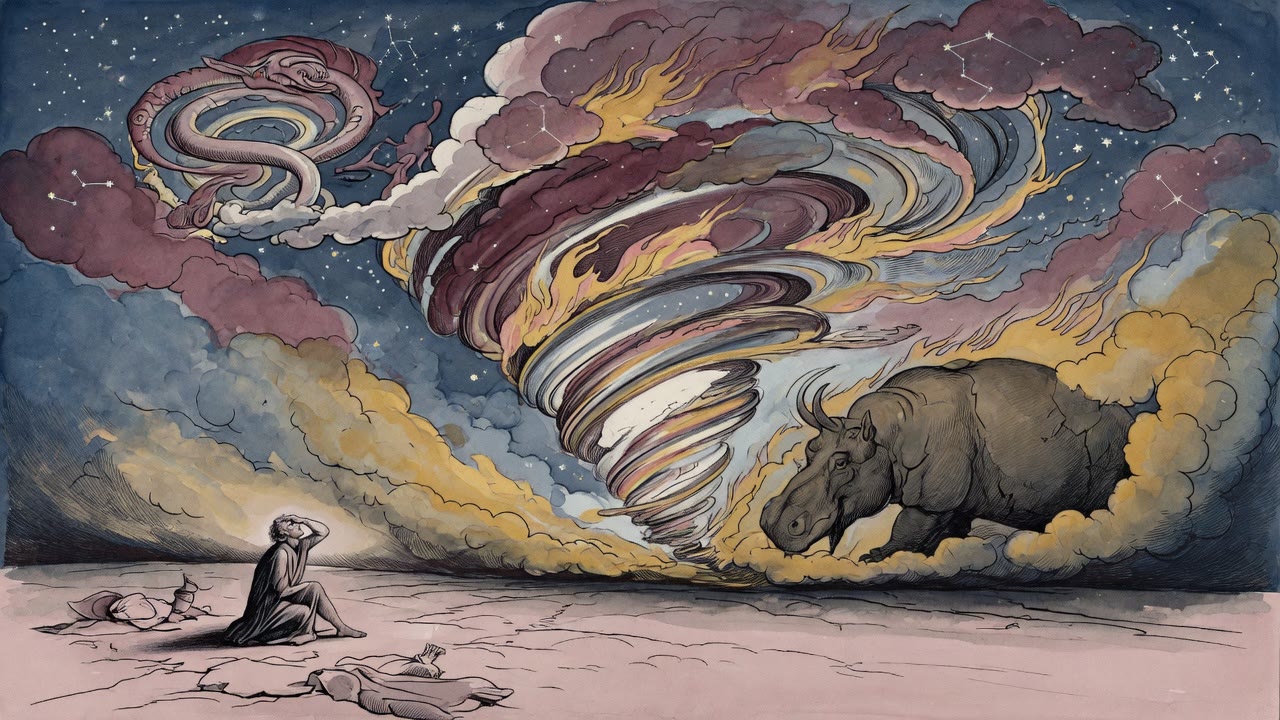
Job had a case ready in the ashes. The storm did not open a file. It asked where he had stood when the morning stars sang together.
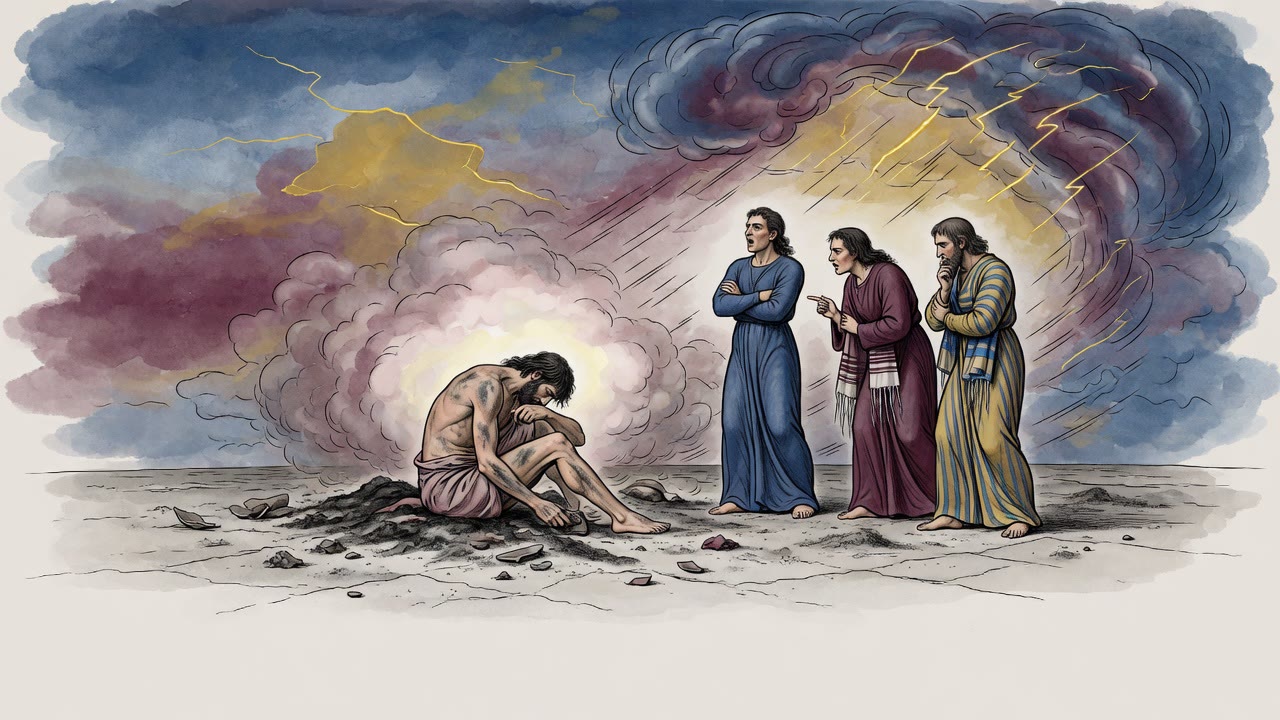
Three kings saw his face go dark in the gold on their heads. They rode to Uz. For seven days they did the one holy thing they would do.
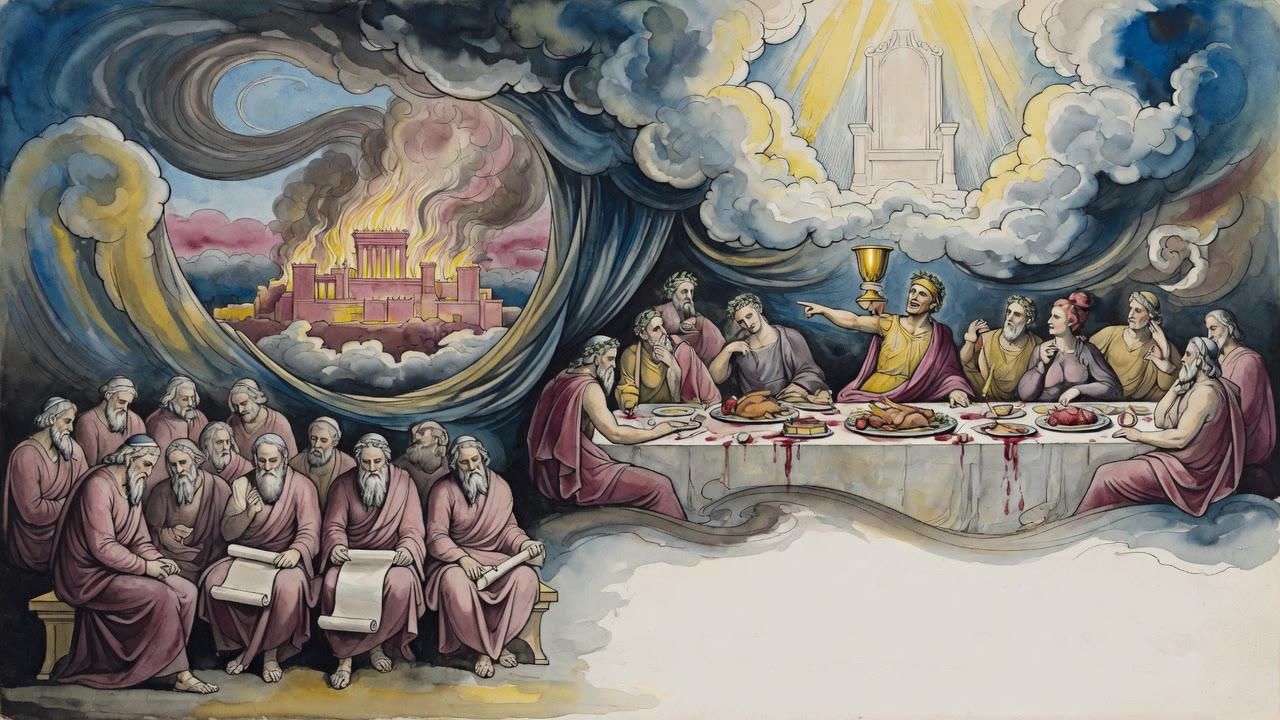
The servant fetched the enemy. Bar Kamtza offered to pay for the whole feast. The host took him by the hand and put him in the street.
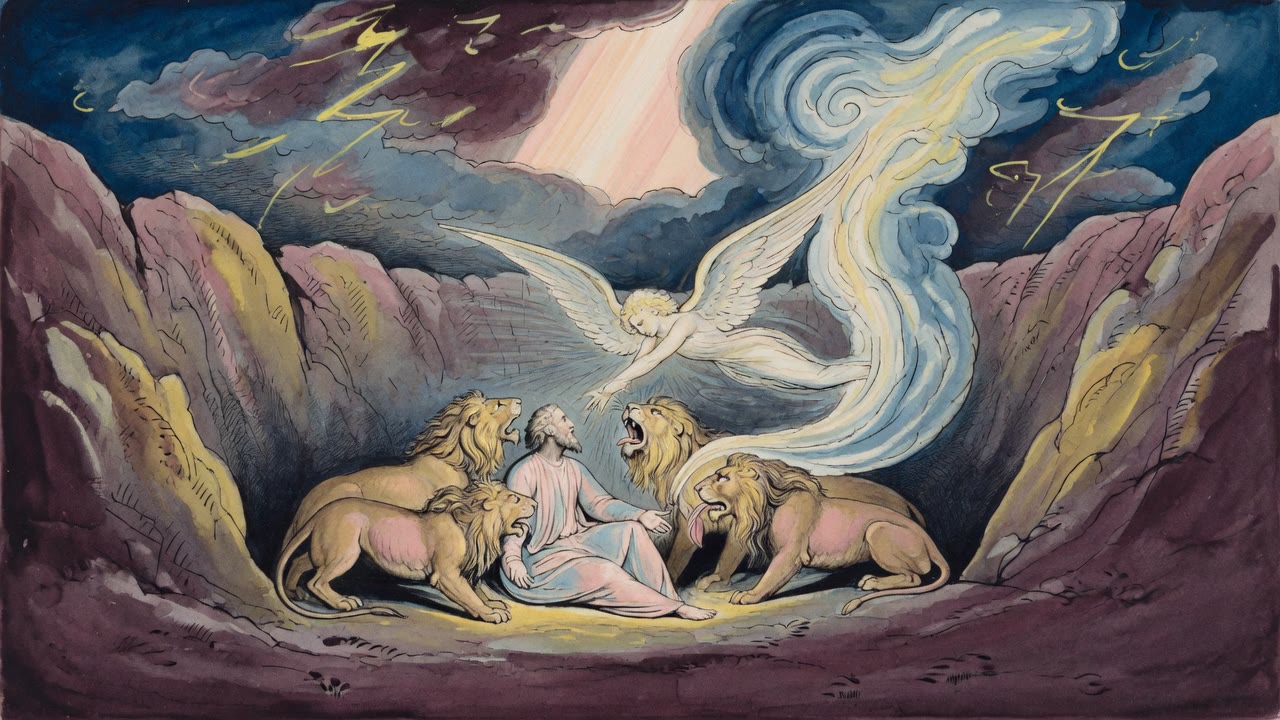
Darius sealed the pit with his own ring and went home to a night with no food and no music. In Judea, a prophet was carrying lunch out to his workers.
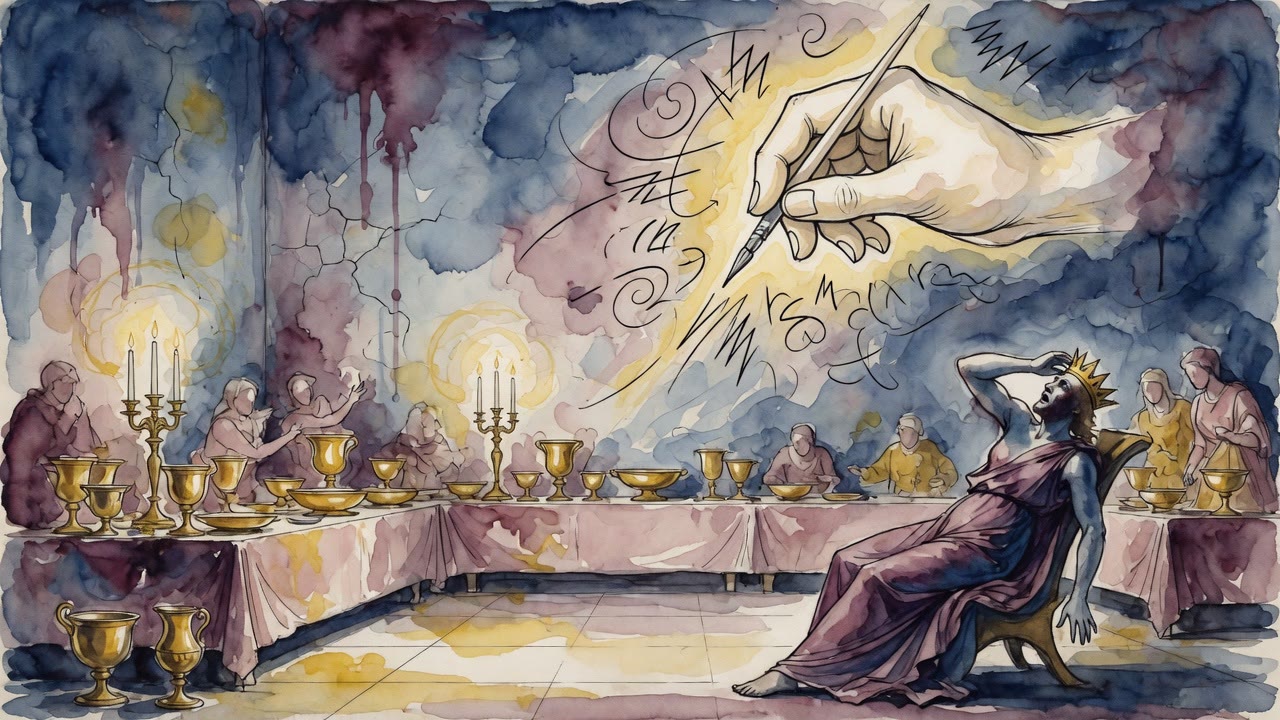
A hand wrote four words in red on the wall beside the king's lamp. By dawn a palace servant was walking toward two armies carrying a head.
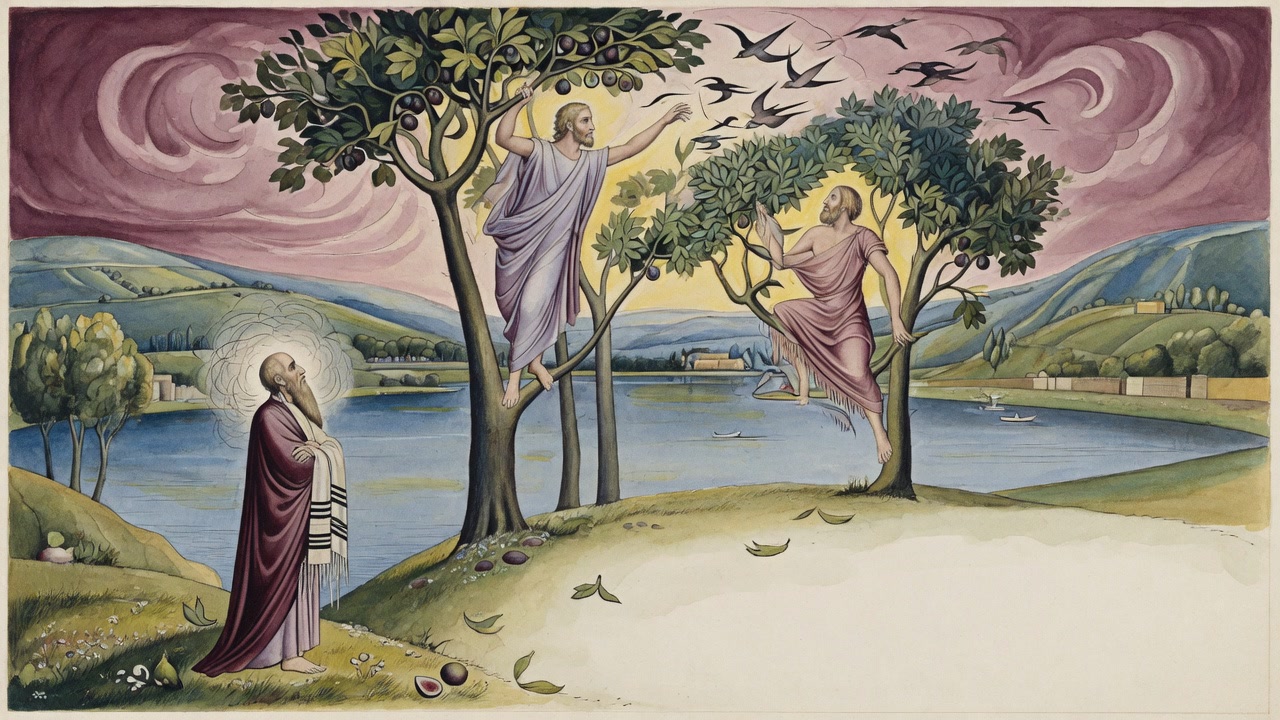
One Sabbath in the valley of Gennesaret, two men climbed trees after birds. One broke the law and lived. One kept it and died.
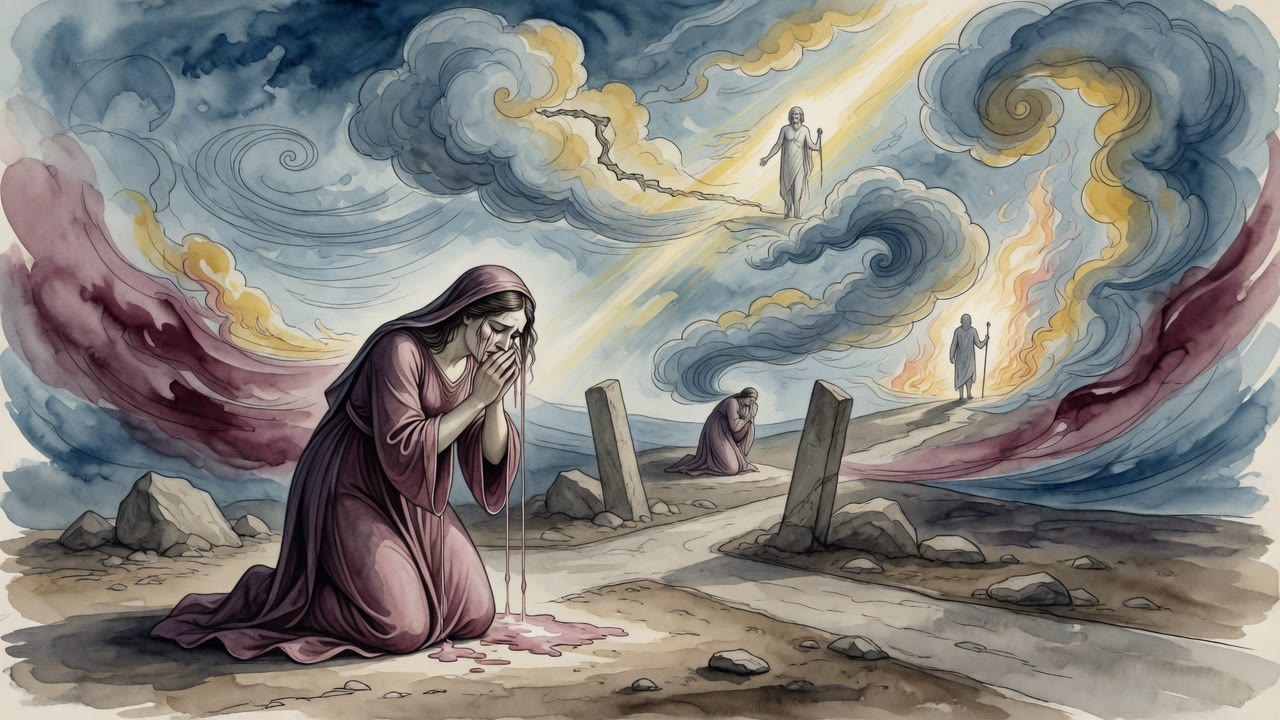
Leah walked to the crossroads and asked what kind of man Esau was. A hunter, they said, and a robber. She carried that news home.
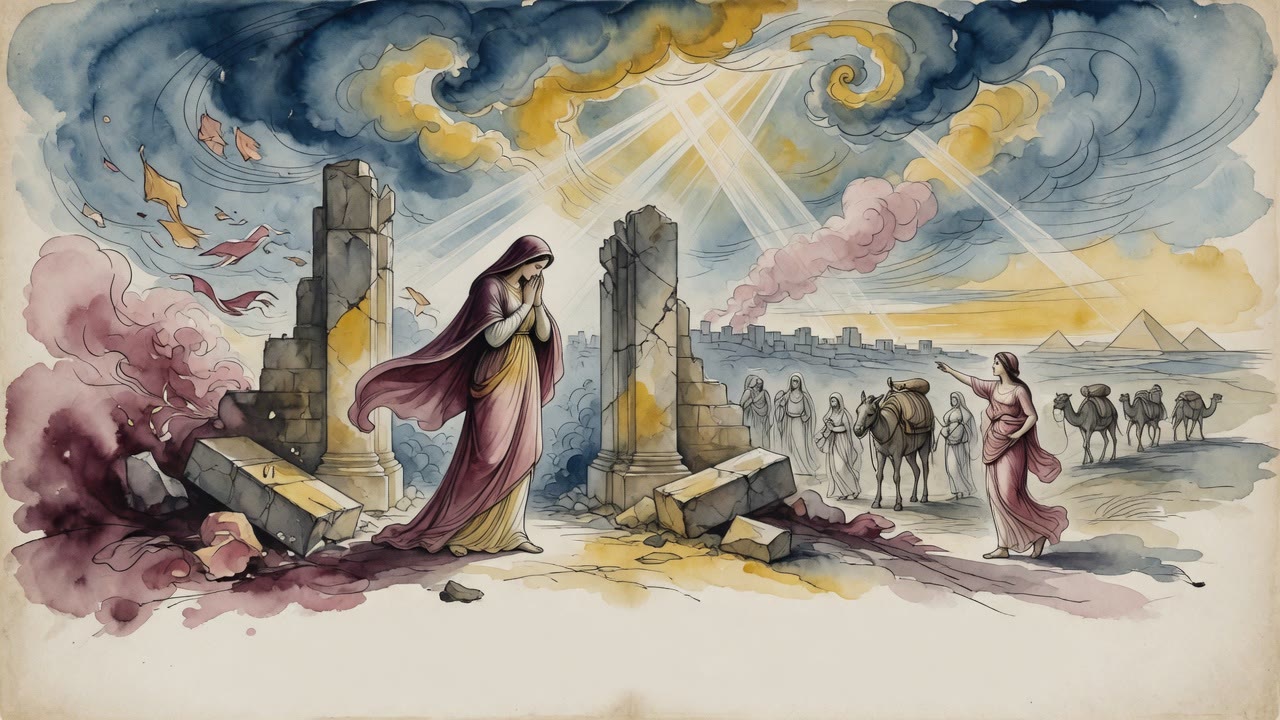
The Torah never mentions Dinah again after her brothers' revenge. The rabbis followed her into Egypt and found her daughter there.
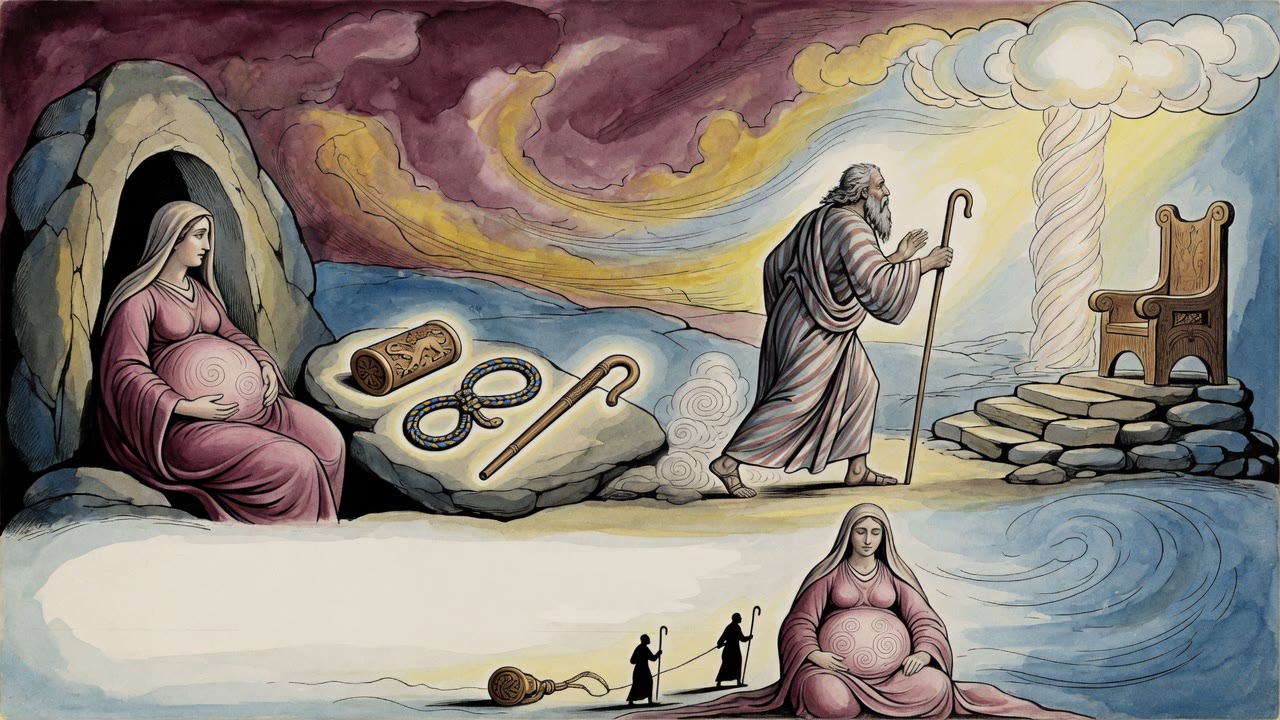
Judah once sent Jacob a bloodied coat and said recognize, please. Years later those same words came back from a woman walking toward the fire.
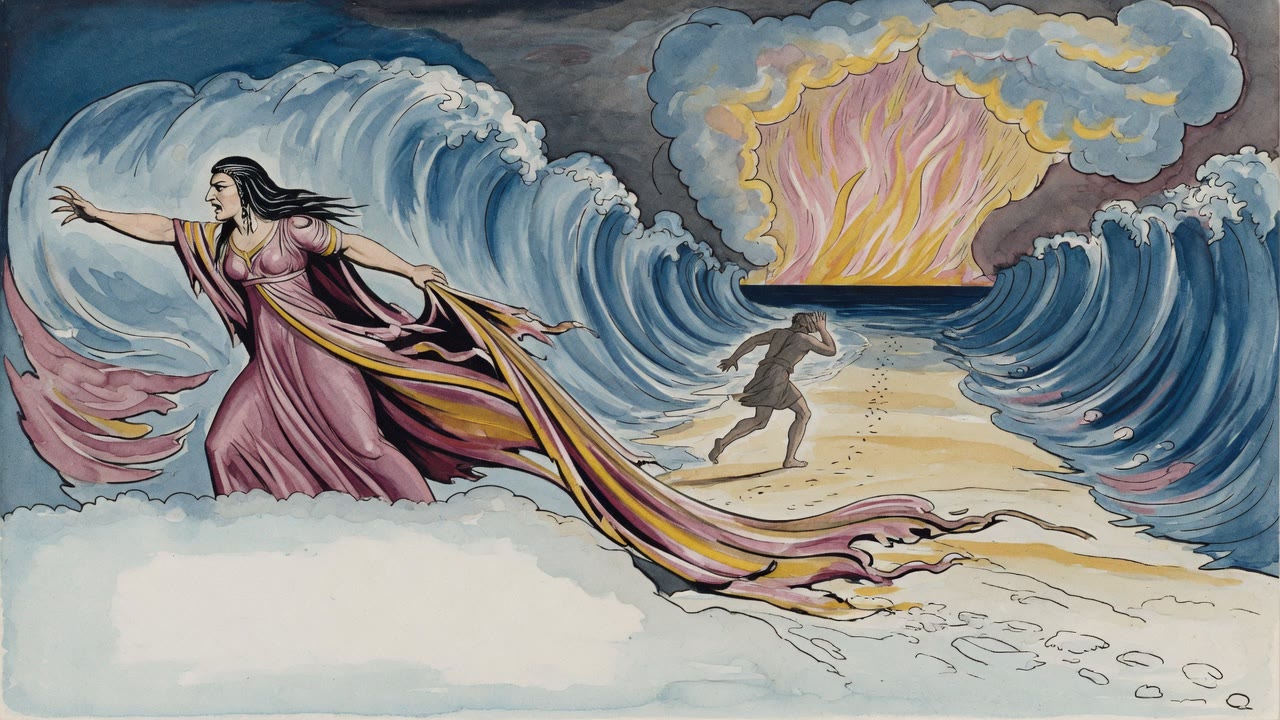
Joseph fled Zuleika's grasp and left his cloak behind. Her lie sent him to prison, but his flight later opened the sea for Israel.
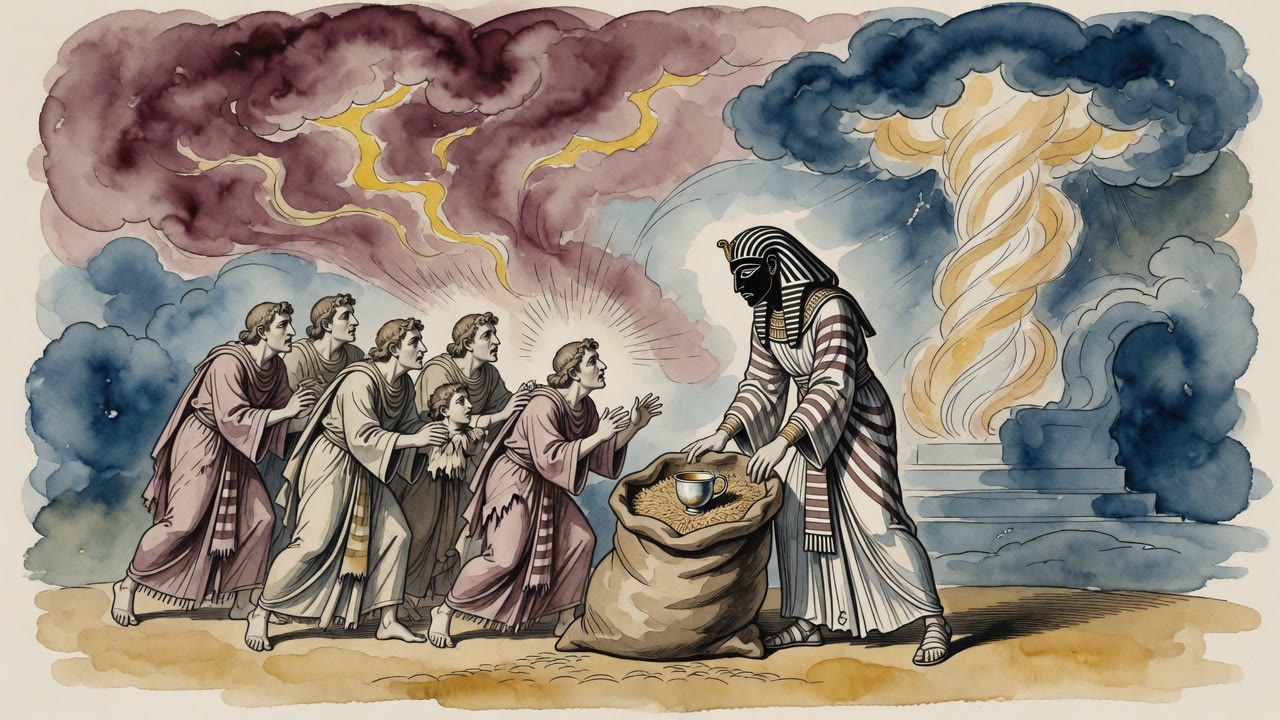
Joseph has the power to keep Benjamin forever. He wants to know what his brothers will do when given the chance to abandon the youngest.
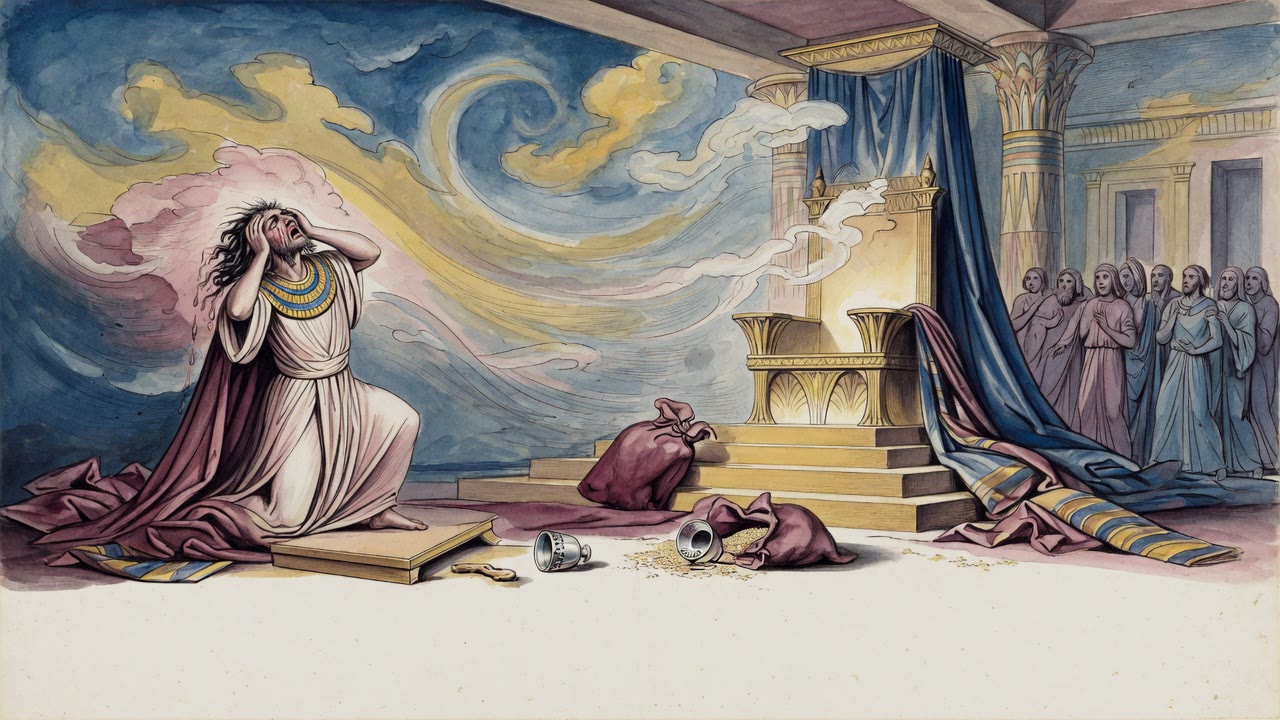
Benjamin had named five sons for a brother he barely knew: swallowed, taken captive, never stood under his wedding canopy. The Egyptian governor listened.
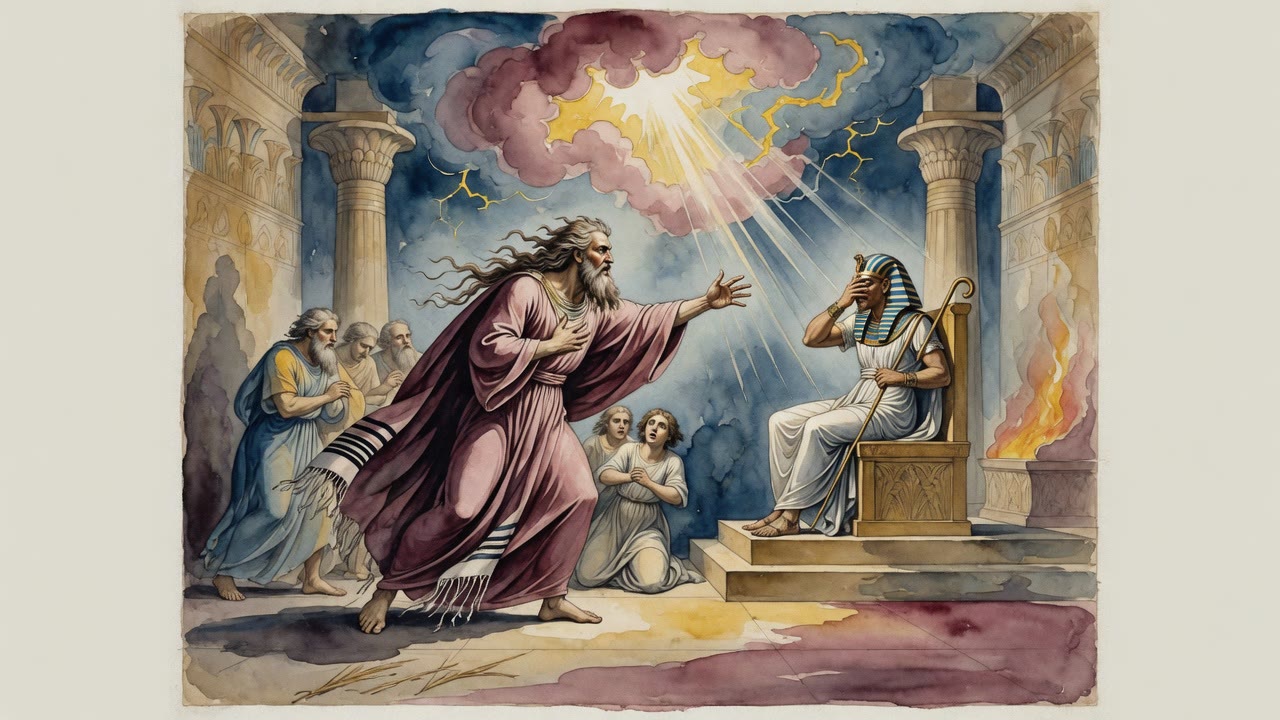
Judah stood in the throne room with nothing in his hands. Benjamin was already sentenced. Judah asked to stay in the boy's place.
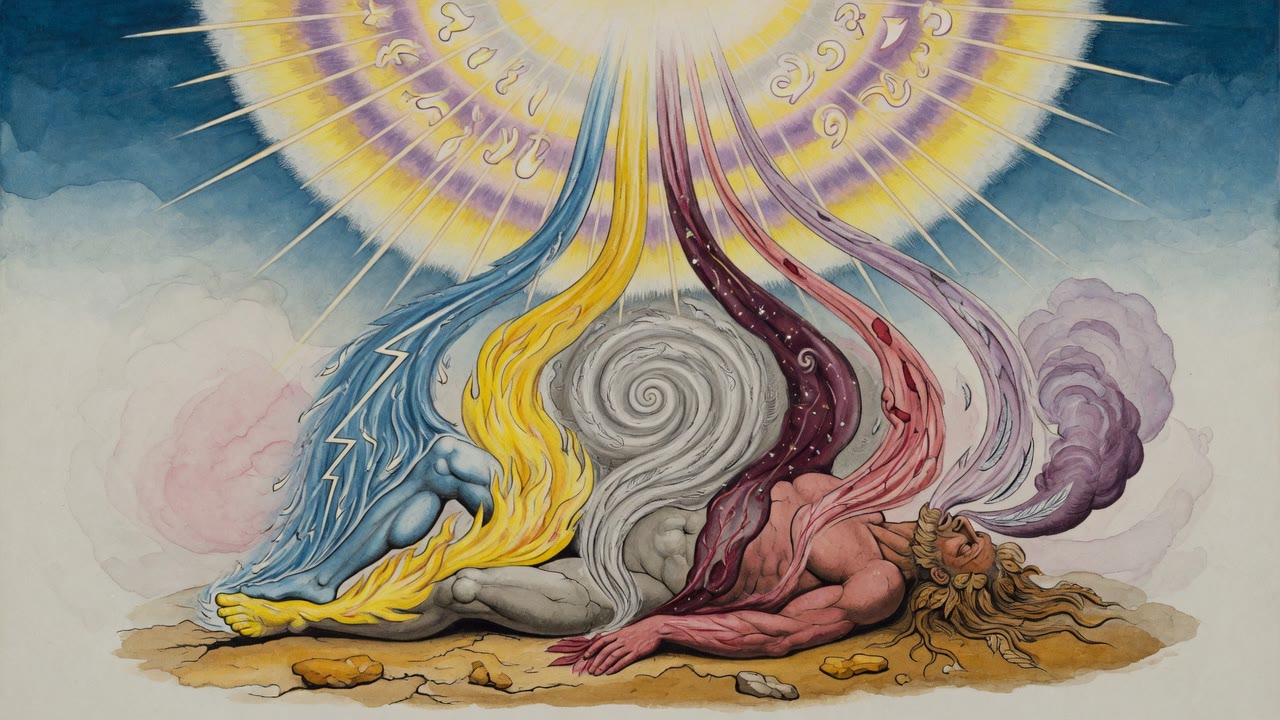
God did not scoop a single handful of clay. Each part of Adam's body came from a different corner of the universe, and each part gave him a different sense.
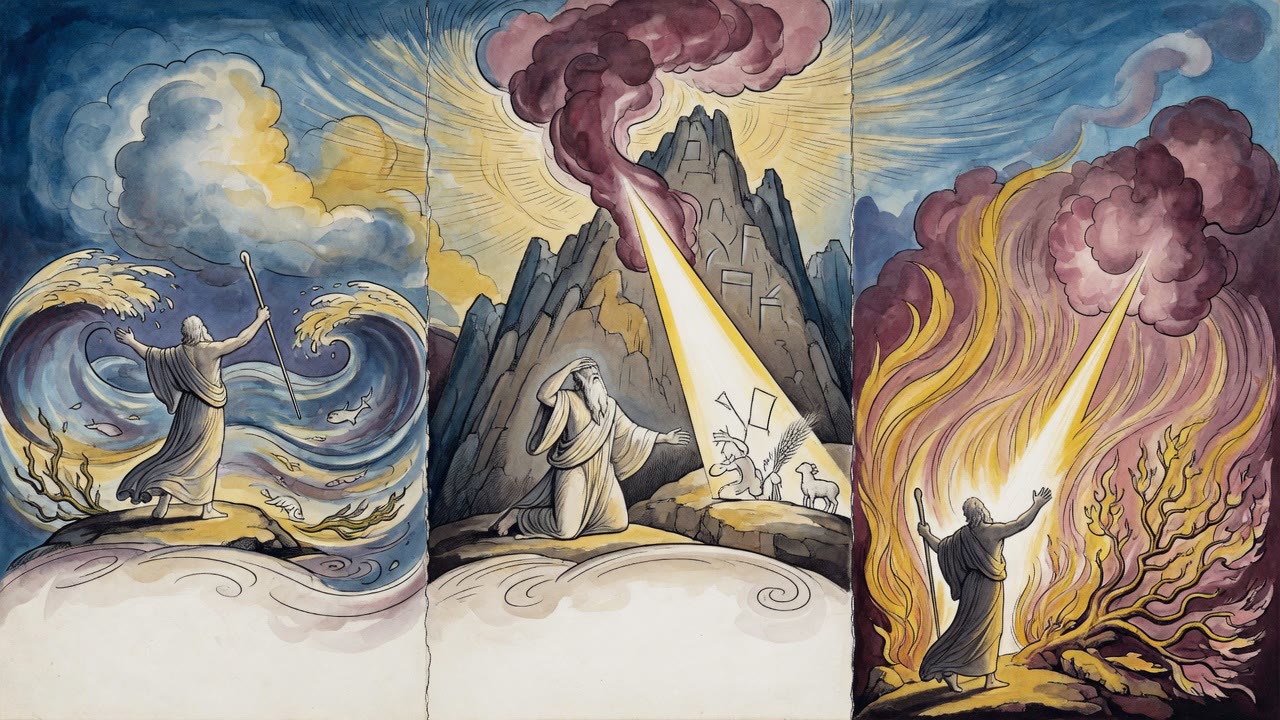
Moses split the sea and stood at Sinai, but three commands defeated his imagination. Each time, God pointed. The third time, he showed Moses fire.
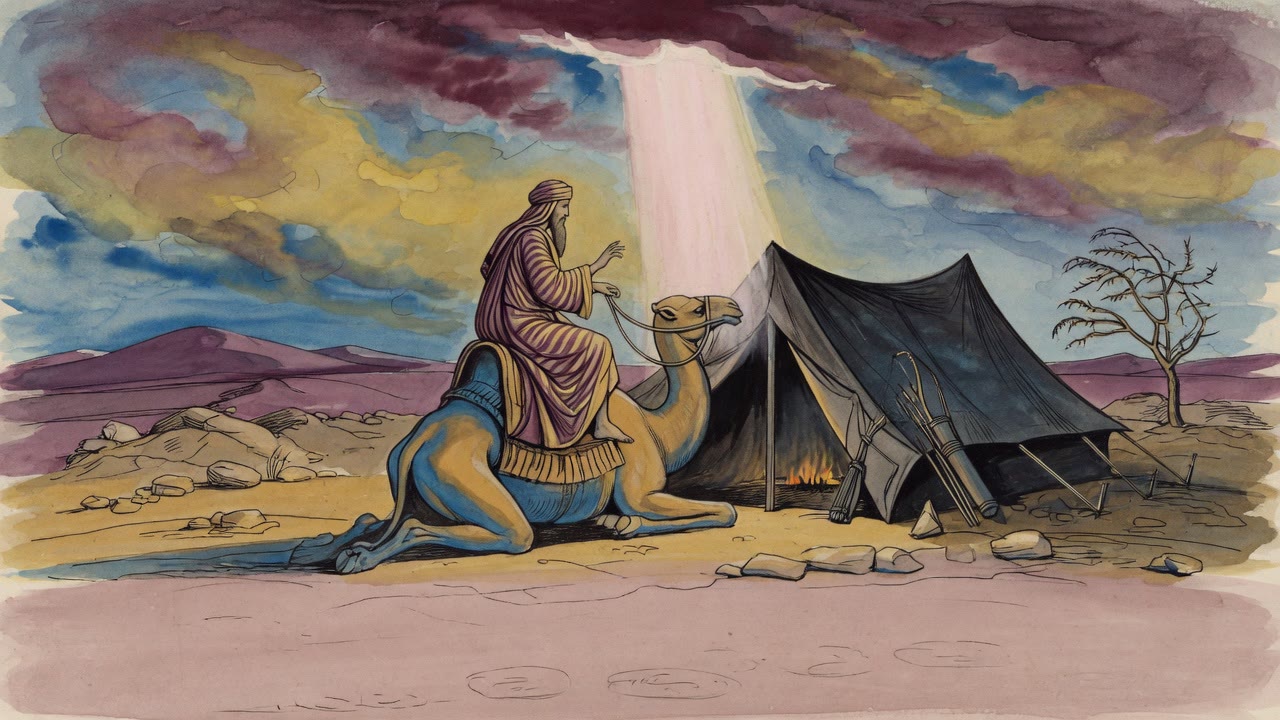
Sarah named the price before he left. See the boy. Stay in the saddle. He rode into Paran with that vow locked in his knees.
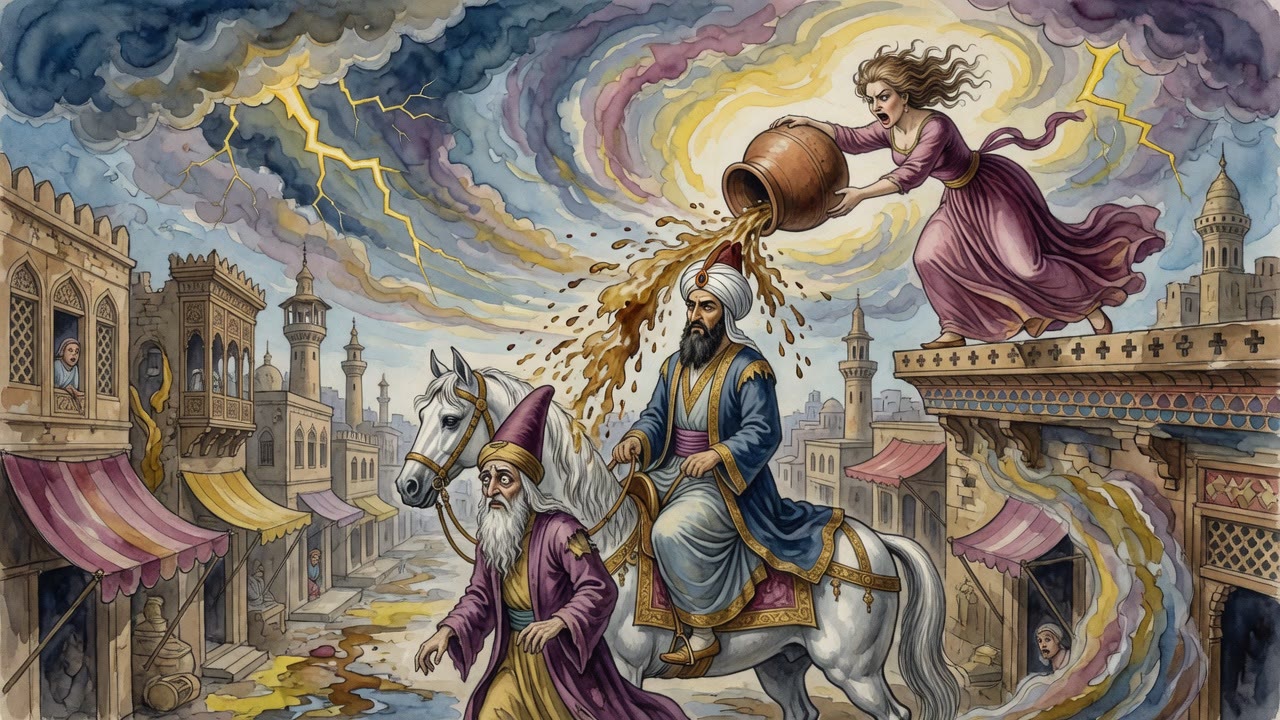
Mordechai told his students to run. They stayed. Haman came not with a rope, but with the king's clothes and a horse.
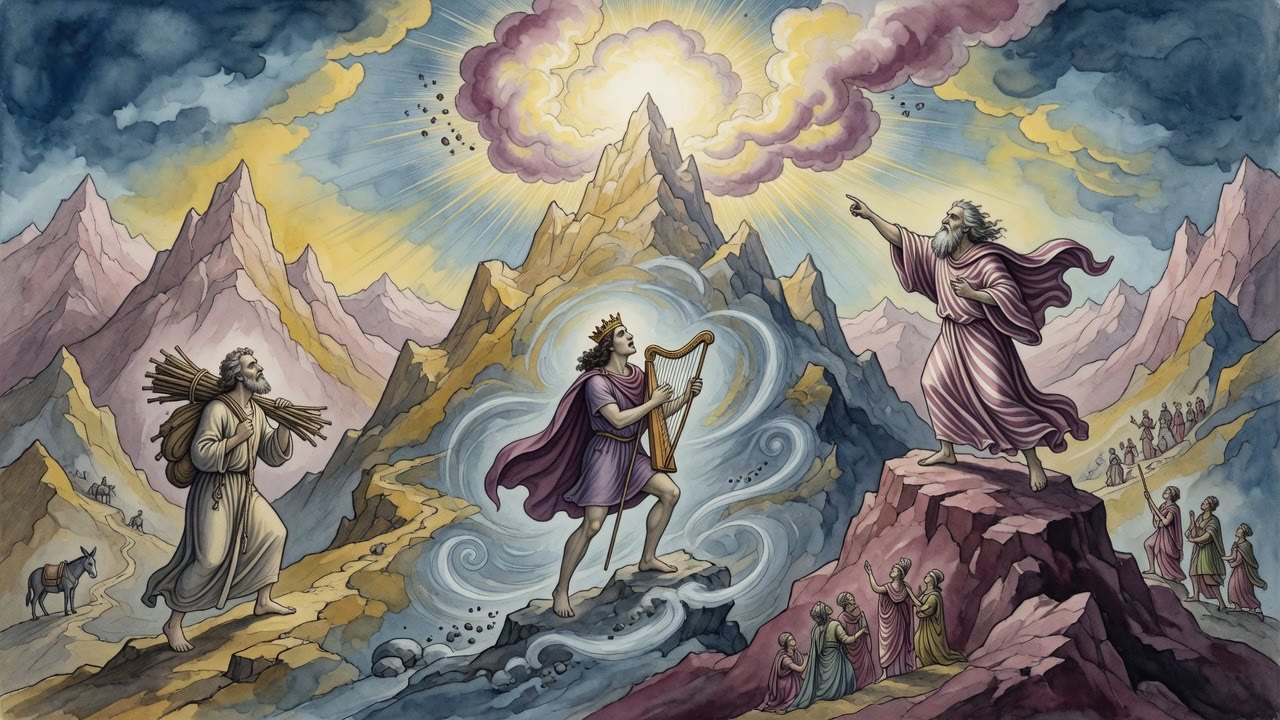
Abraham named it after binding his son. David asked who could ascend it. Isaiah said nations would stream toward it. All three pointed at one place.
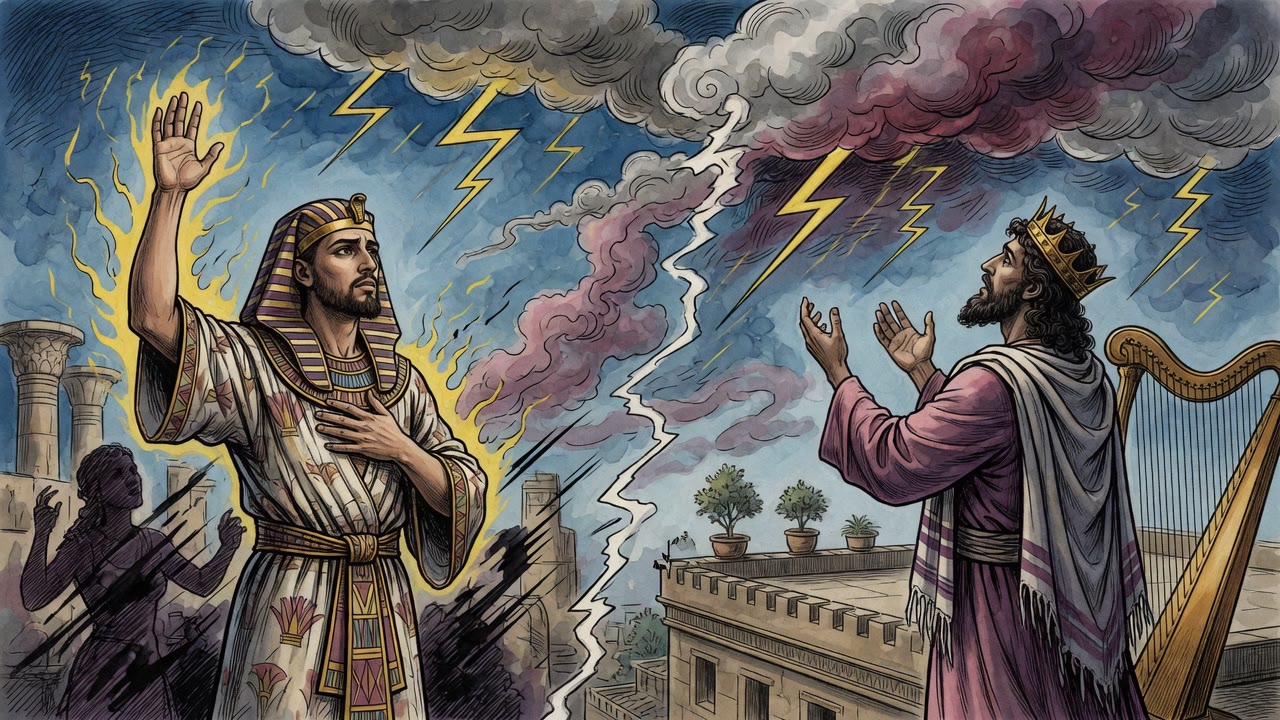
The rabbis paired Joseph and David across a thousand years. Both faced desire so strong they had to swear formal oaths against themselves to survive it.
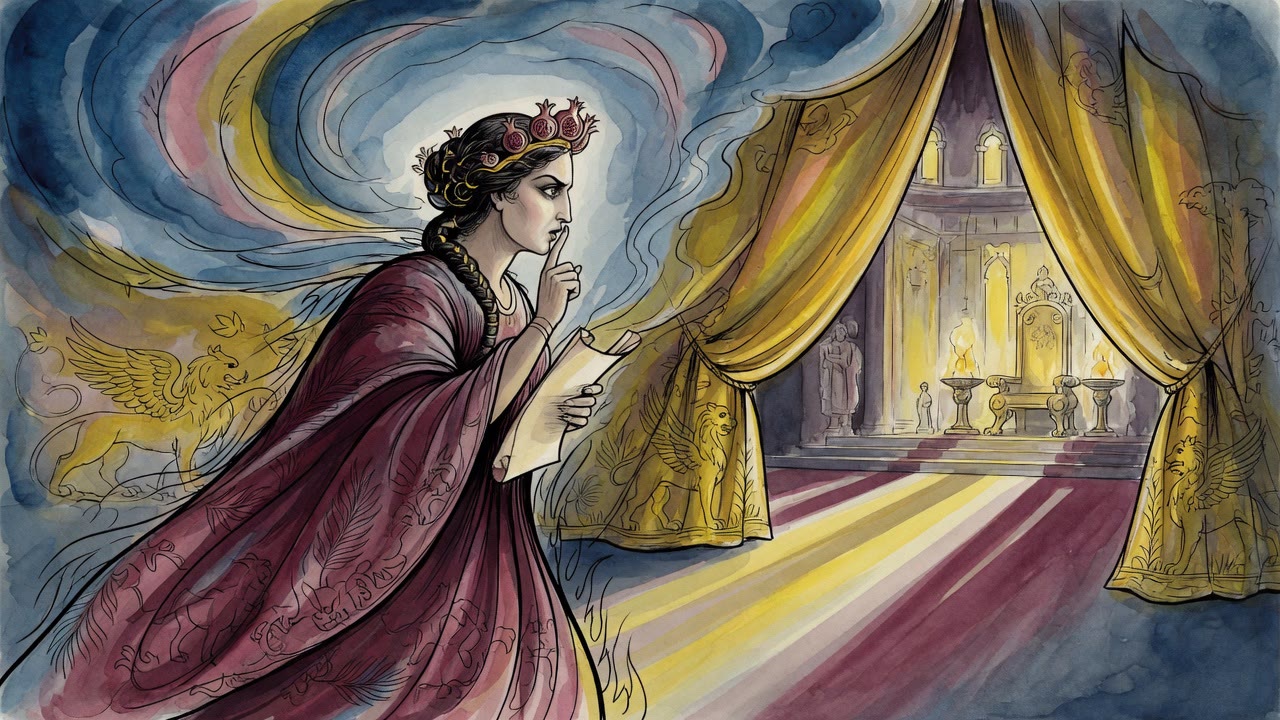
One officer offered a hundred dinars to walk her in. Another said two hundred. Esther kept walking. The palace never priced her people.
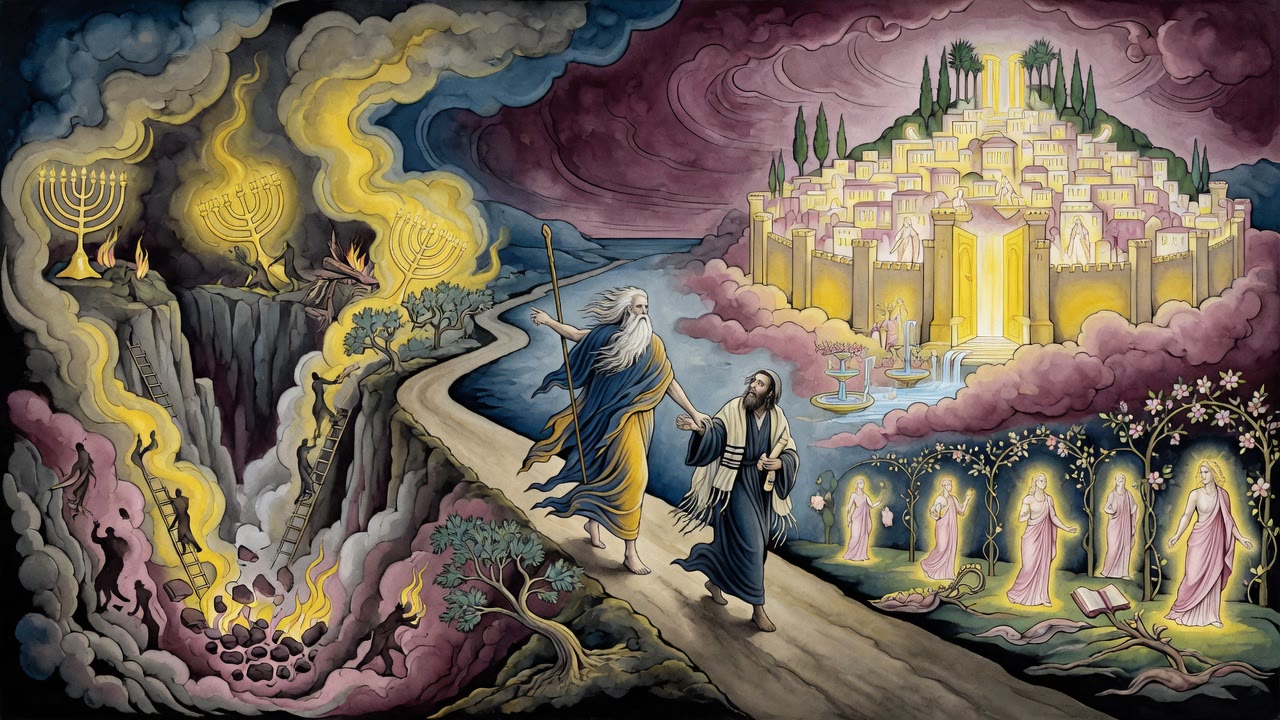
Men hung by their hair, their eyes, their tongues. Rabbi Joshua had studied the afterlife for years. Elijah was offering him the door.
