The Torah Said Do Not Make Adam and God Made Him Anyway
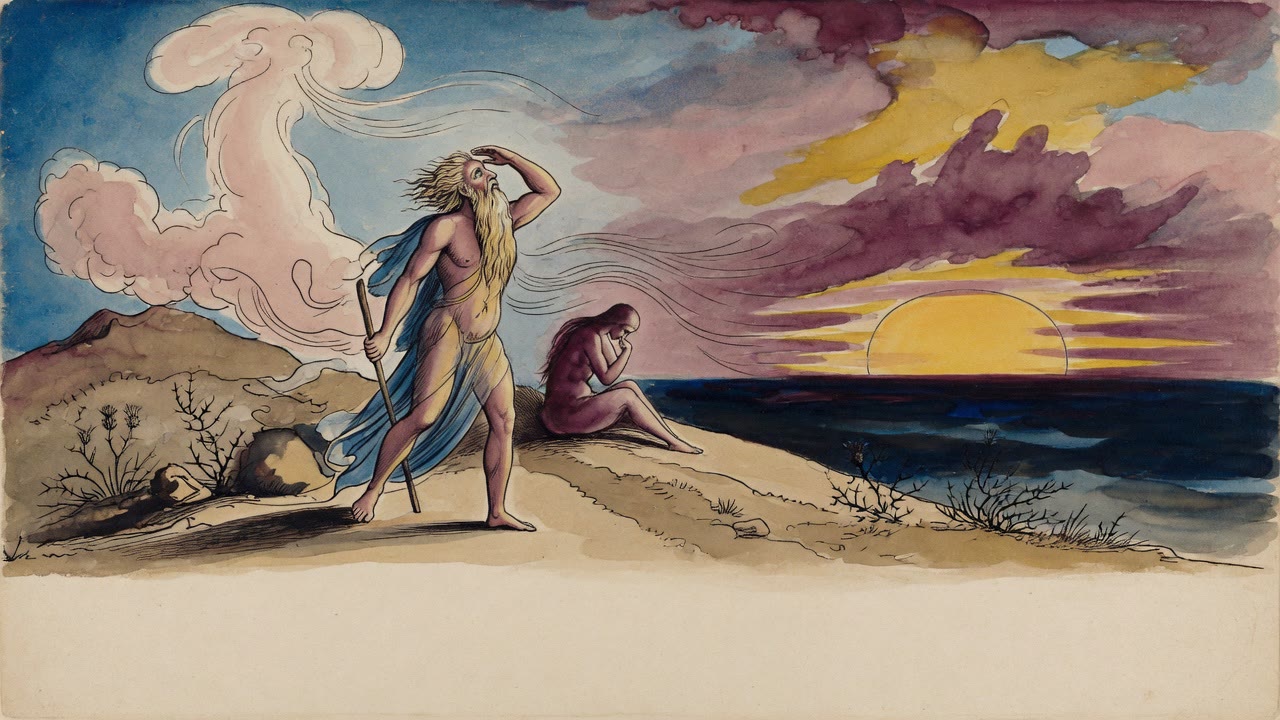
Before God shaped Adam from dust, the Torah argued against it. Adam came out anyway, built from four corners of the earth, already circumcised, lacking nothing.
Table of Contents
 Click for full size
The Torah Said No
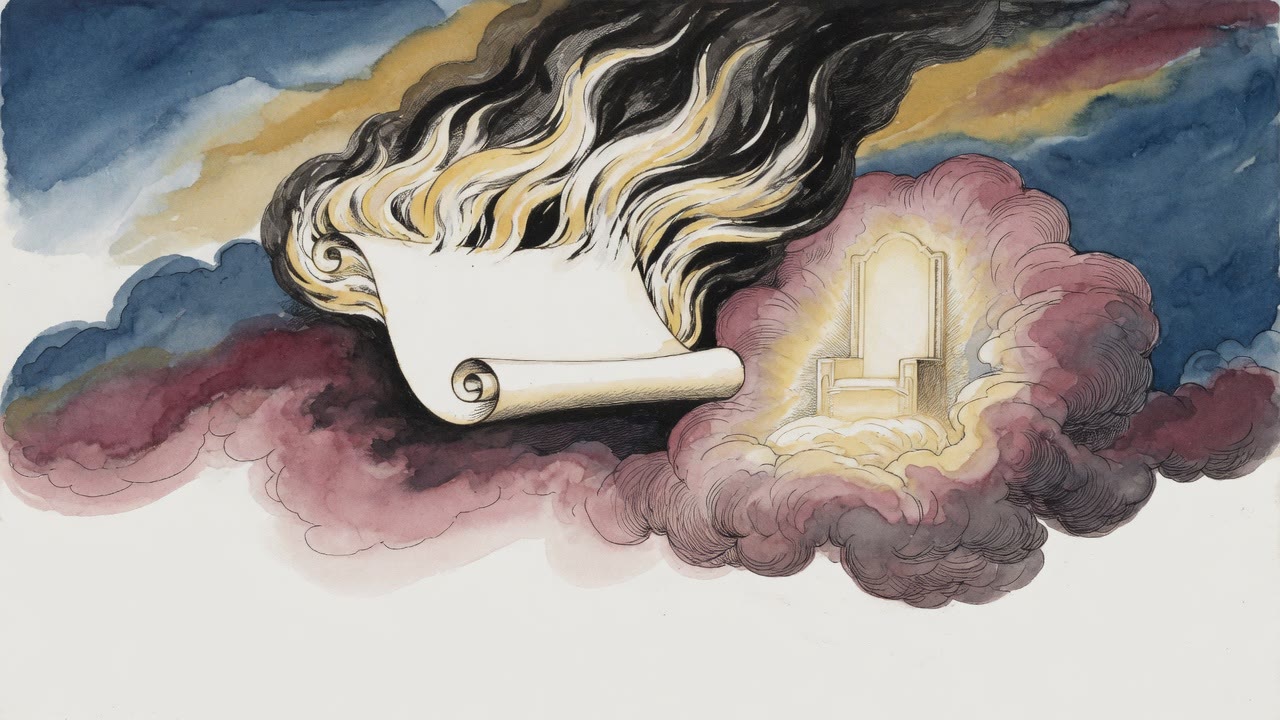
God turned to the Torah and said, let us make the human. The Torah said no.
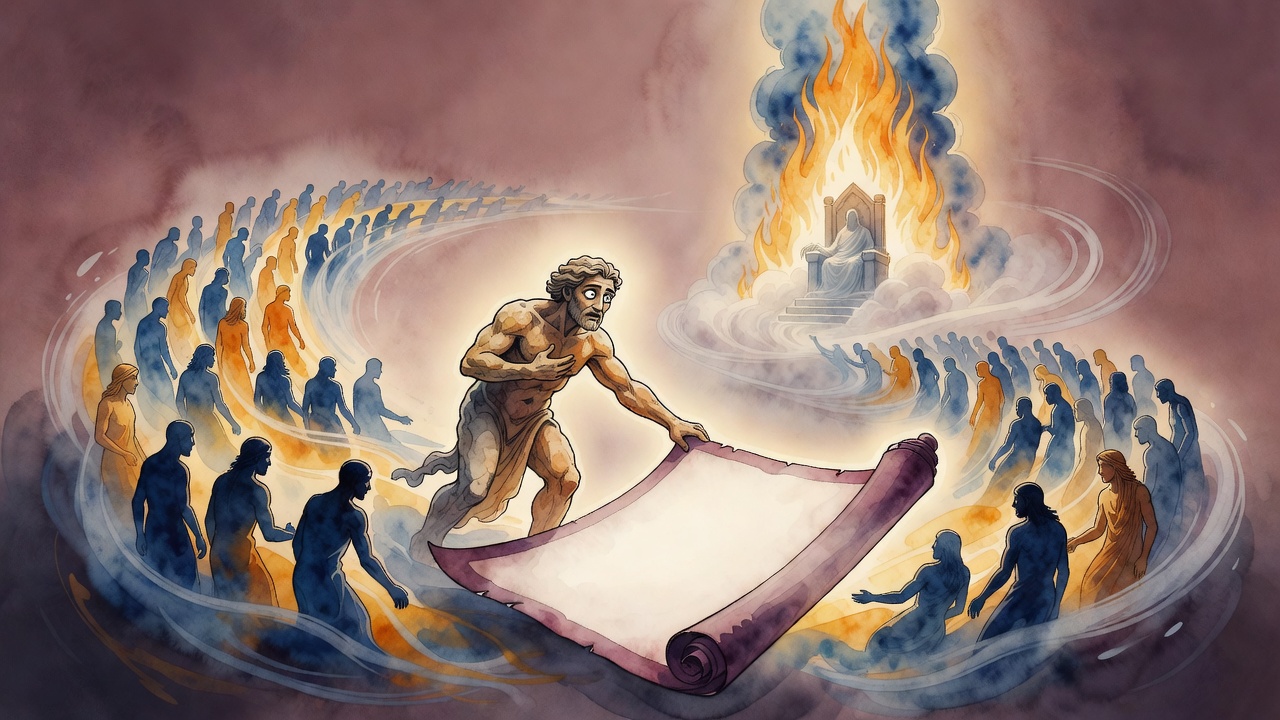
This is how the Yalkut Shimoni, the great thirteenth-century anthology assembled from older rabbinic teachings, opens its account of Adam's creation. Not with a divine word and the world answering, not with the smooth sequence of light and water and land that fills the first chapter. With an argument. The Torah, which existed before the world and which was consulted as the blueprint from which creation was built, looked ahead at the creature being proposed and said it was a mistake.
She named the problems precisely. This human will be short of days. He will be full of strife. He will fall easily into sin. He will be angry and vain and difficult to maintain. And then the line that should have ended the project: even if you are patient with him, it will be as if he never came into the world at all. Not because he will disappear but because the patience will cost more than the person is worth. The Torah had seen the whole account in advance and the account did not balance.
The Answer That Was a Name
God did not argue with the Torah's assessment. Every complaint was accurate. He answered with His own name instead. Is it for nothing that I am called slow to anger and full of compassion? The first human was not justified by his prospects. He was justified by the nature of the one making him. The argument against Adam was correct about Adam and irrelevant to whether Adam would be made, because the one doing the making had already decided to be patient. The Torah's objections were true of the creature. They said nothing about the Creator.
This was the answer, and Adam was made.
Dust From the Four Corners
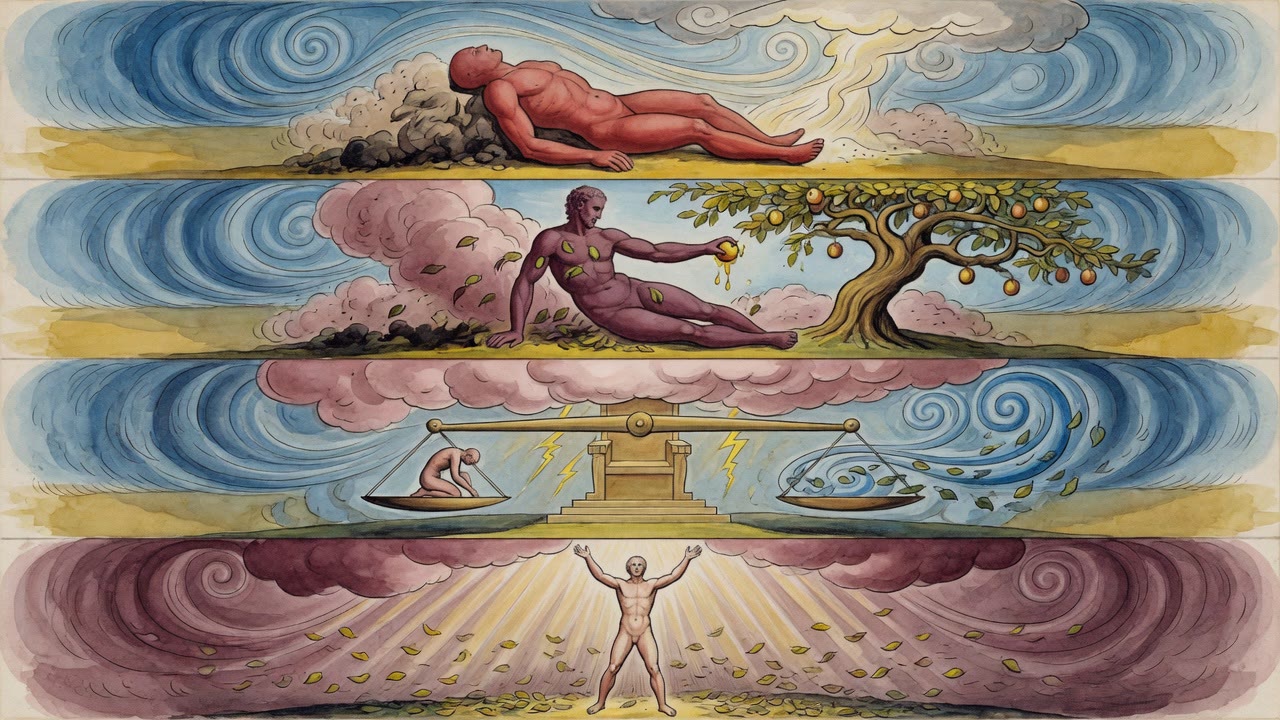
Then came the gathering. God did not reach into the nearest ground and pull up a handful of dirt from one spot. He went to the four corners of the world and took dust from each: east and west and north and south. He took four colors, red and black and white and green. The red became the blood. The black became the hair. The white became the bones. The green became the flesh in its first state before it thickened into the body's ordinary solidity.
The reason for gathering from four corners was practical in the deepest sense. No matter where this creature would eventually die and be buried, the ground that received him would be returning what it had lent. No corner of the earth could refuse to hold the body of a person, because every body carried a portion of every place inside it. Adam was made from everywhere so that everywhere would be home to his descendants.
Born Already Complete
He came out whole. The first creation account says God created the human, and the second says He formed him, and the sages read the two accounts not as contradictions but as two perspectives on the same act. The first account gave the overview: the human was created. The second account filled in the detail: this is how the creation was accomplished, from below, from the dust, feature by feature. Not two Adams. One man, described from outside and then described from inside, the way you might say a house was built and then explain which room came first.
He came out already circumcised. This detail the sages did not pass over. The covenant that Abraham would receive thousands of years later, the mark cut into the flesh of every male child as the sign of the covenant between God and Israel, was already present in Adam's body at birth. He needed nothing added. He came out lacking nothing that he was supposed to have, the fullest possible human form, carrying in his body the sign of a covenant that had not yet been made.
← All myths