Adam Built a Fence Around the Tree and the Serpent Shook It Down
God gave Adam one command about one tree. Adam built a fence around it. Then the serpent shook the trunk, the fruit fell, and nothing died.
Table of Contents
 Click for full size
One Tree, One Command
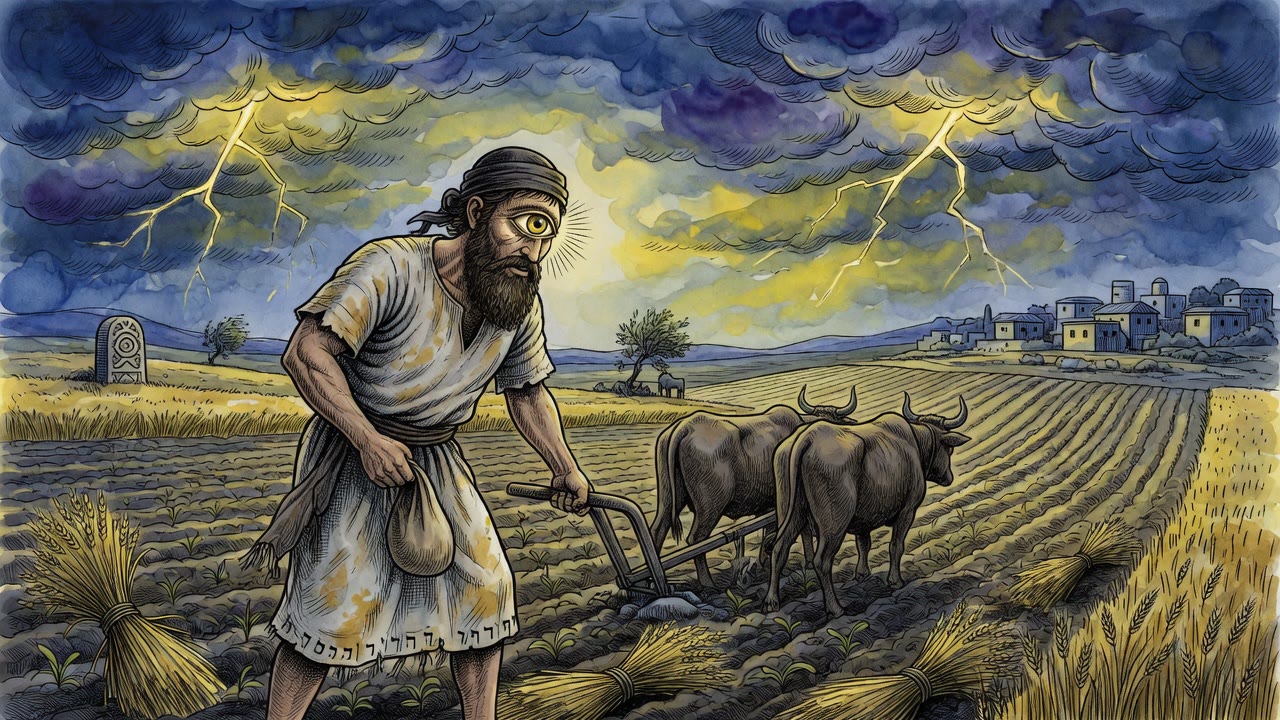
The garden held exactly one forbidden thing. Adam stood in the middle of a world where everything was permitted, every branch bending with fruit he was invited to take, and God drew a single line through it. "Of the tree of knowledge you shall not eat, for on the day you eat of it you shall surely die" (Genesis 2:16-17). One tree. One rule. One consequence, stated plainly, with no riddle in it.
A man could keep a rule like that. The boundary was visible, the penalty was named, and the rest of the garden lay open. But Adam looked at the line God had drawn and decided it was too thin.
The Fence Adam Built
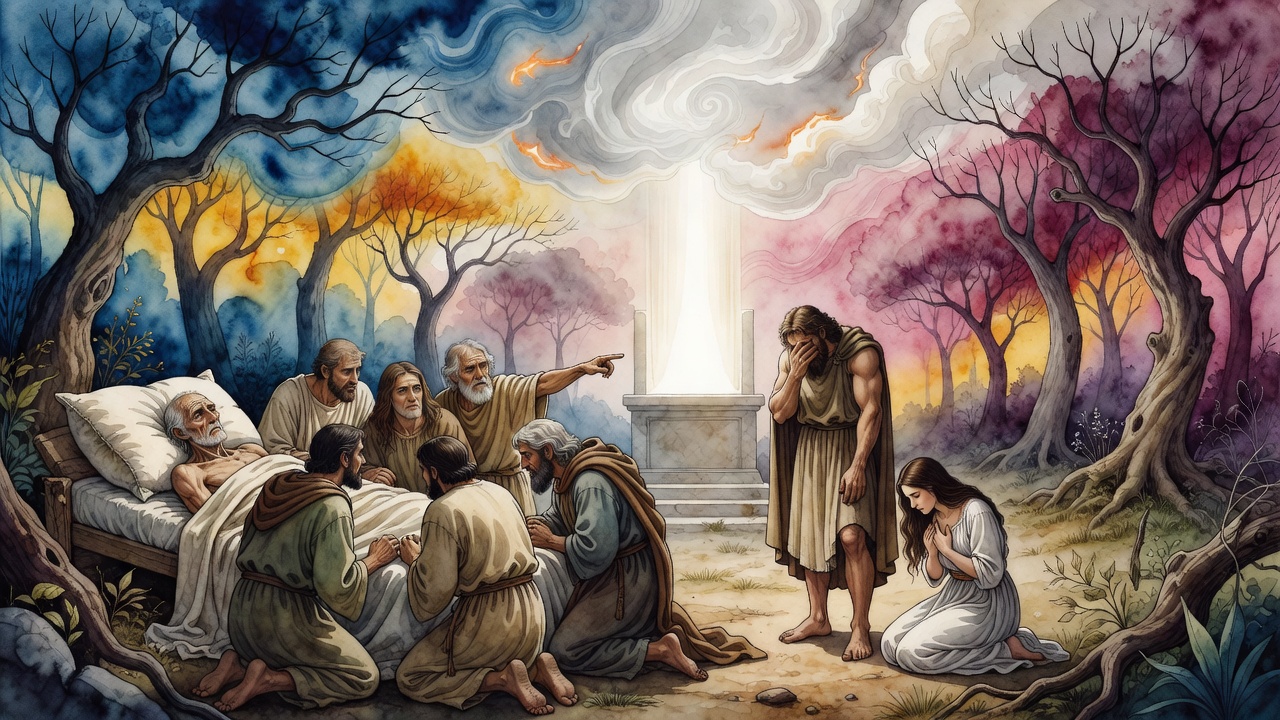
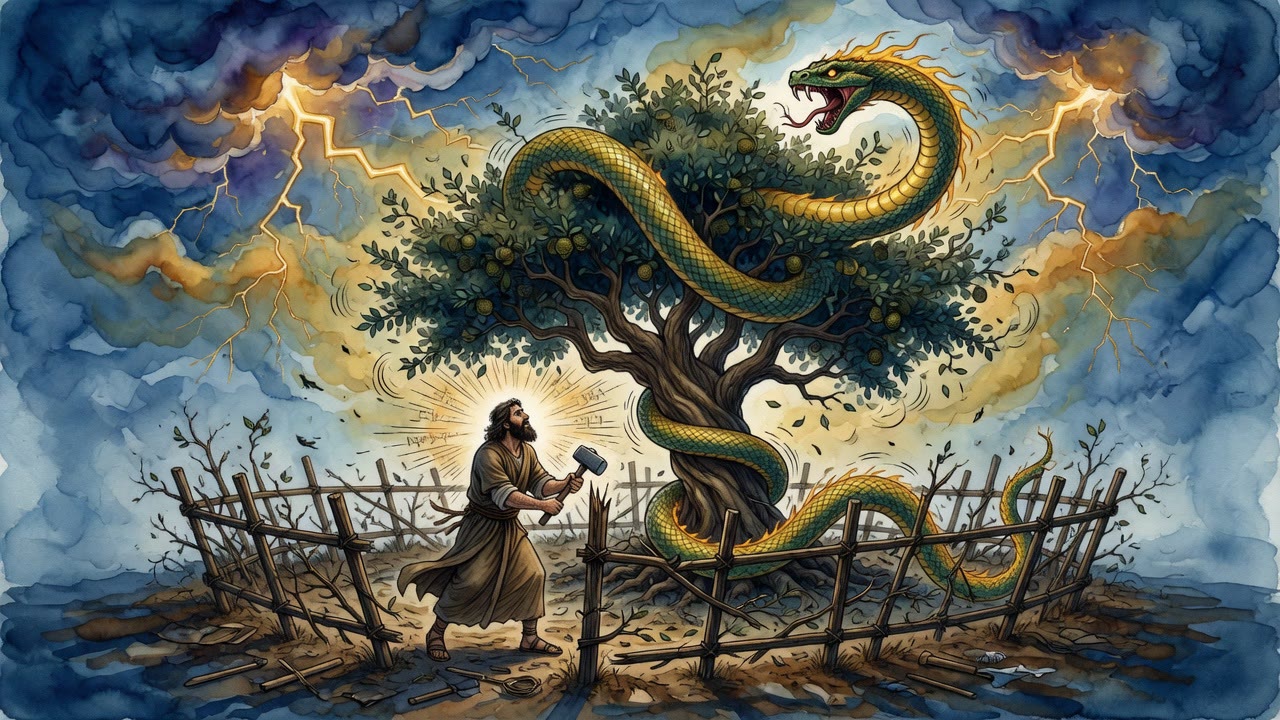
He thought of Eve. He wanted to keep her far from the danger, so far that she could never even drift toward it by accident. Therefore, when the command passed from his mouth to her ears, it had grown. "You shall not eat of it, neither shall you touch it, lest you die" (Genesis 3:3). Touching now carried the death sentence too. He had moved the danger line back from the fruit to the bark, built a buffer of his own invention, a seyag, a fence, around the word of God.
It felt like caution. It felt like love. The trouble with a fence is that it stands in front of the wall, and whoever tests the fence and finds it hollow will assume the wall is hollow too.
The Serpent Shakes the Trunk
The serpent noticed the extra clause. He was the shrewdest of the creatures, and he heard in Eve's version a rule God had never spoken. So he did not begin with arguments. He walked to the tree, took hold of the trunk with his hands and his feet, and shook it with all his strength.
Fruit tore loose and thudded into the grass around him. He stood in the middle of the fallen fruit, hands still on the bark, alive.
"See," he said to Eve. "I touched it. I did not die. Touching it does nothing to me, and it will do nothing to you."
The fence had collapsed, and it took the wall down with it. If the touch rule was false, why trust the eating rule that came wrapped in the same breath? Eve had no way to separate God's word from Adam's addition, because Adam had stitched them together. She reached into the branches. She ate. The world broke along the line of a rule God never gave.
Six Days of Cloud on Sinai
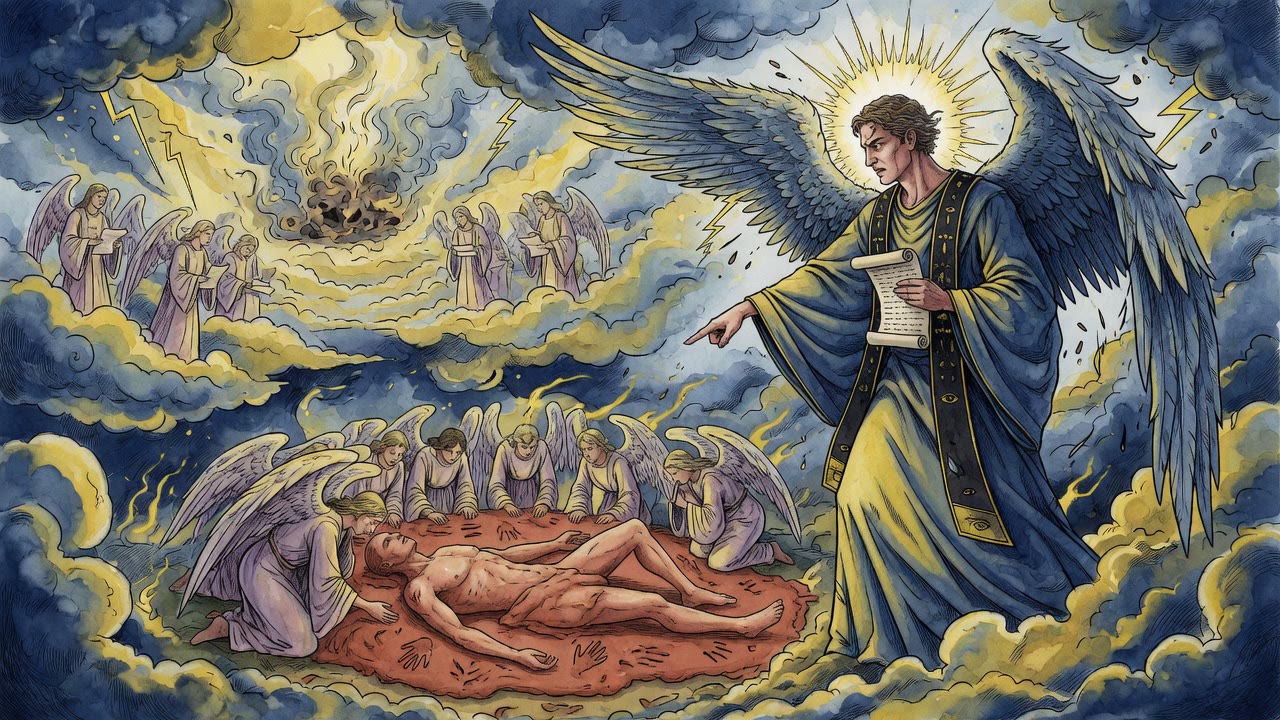
Long after the gates of the garden closed, Moses climbed a mountain and disappeared into cloud for six days before God spoke a single word to him (Exodus 24:16). Rabbi Jose the Galilean said the silence was purification, six days to burn every trace of food and drink out of his body until he stood among the ministering angels as one of their own. Rabbi Nathan said the silence was meant to frighten him, so that when the Torah finally came he would receive it "with awe and fear, with dread and trembling" (Psalms 2:11).
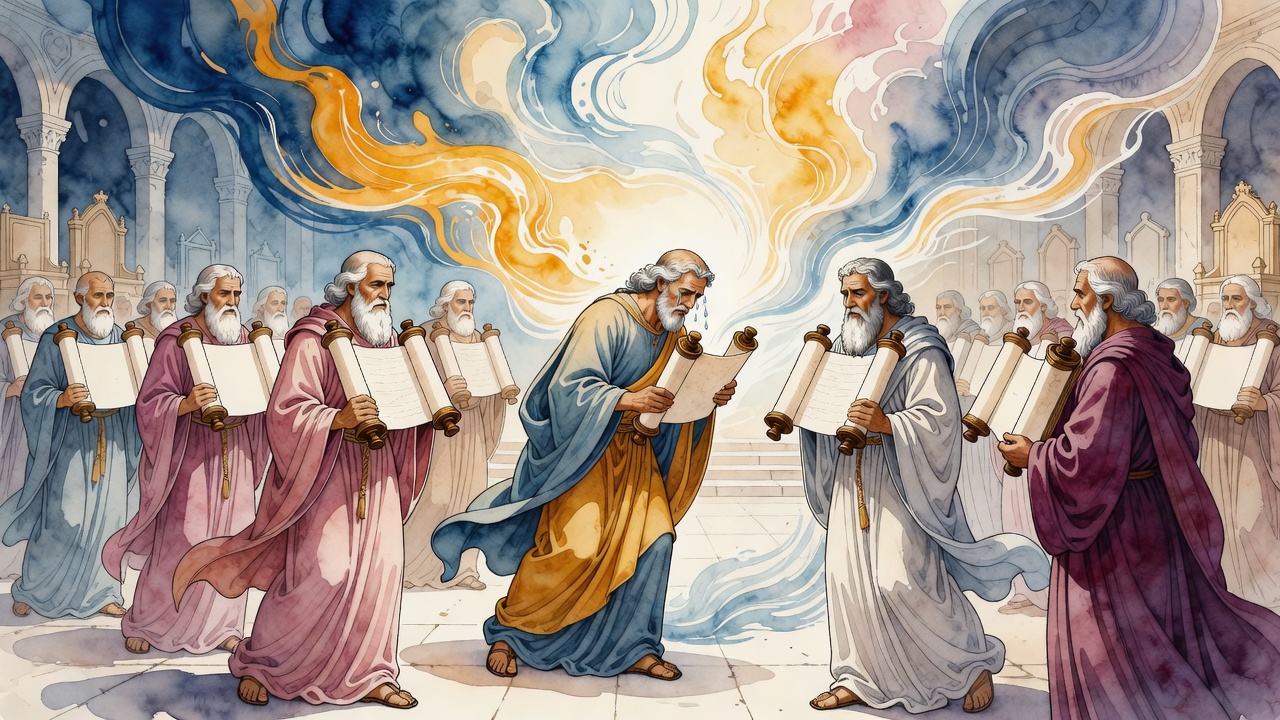
What Moses received, he handed to Joshua. Joshua handed it to the Elders, the Elders to the Prophets, the Prophets to the Men of the Great Assembly. And those men left three instructions for every generation after them: be deliberate in judgment, raise up many disciples, and make a fence around the Torah.
A fence. The very thing Adam built. The instruction came down the chain with full knowledge that the first man to try it had knocked the world off its hinges, that the serpent's fruit still lay scattered in the grass of memory. A fence built honestly, marked as a fence, guards the wall. A fence passed off as the wall itself invites someone to shake it.
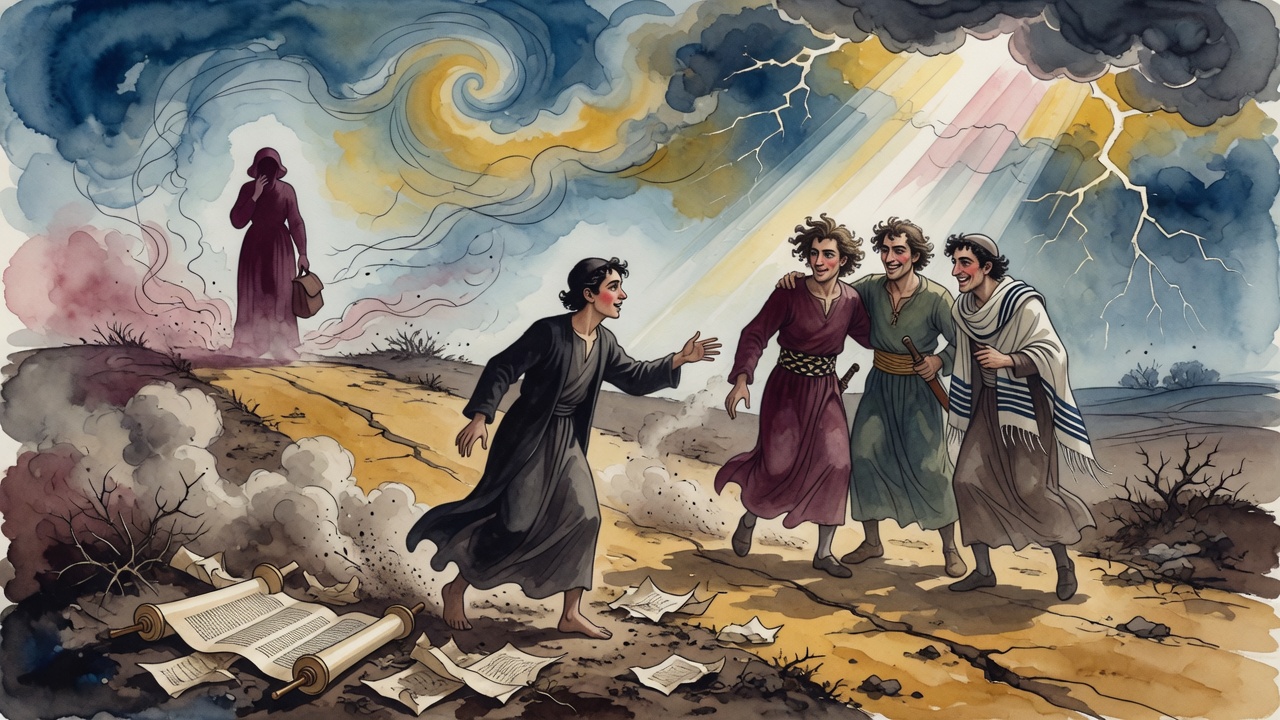
The Widow and the Tefillin
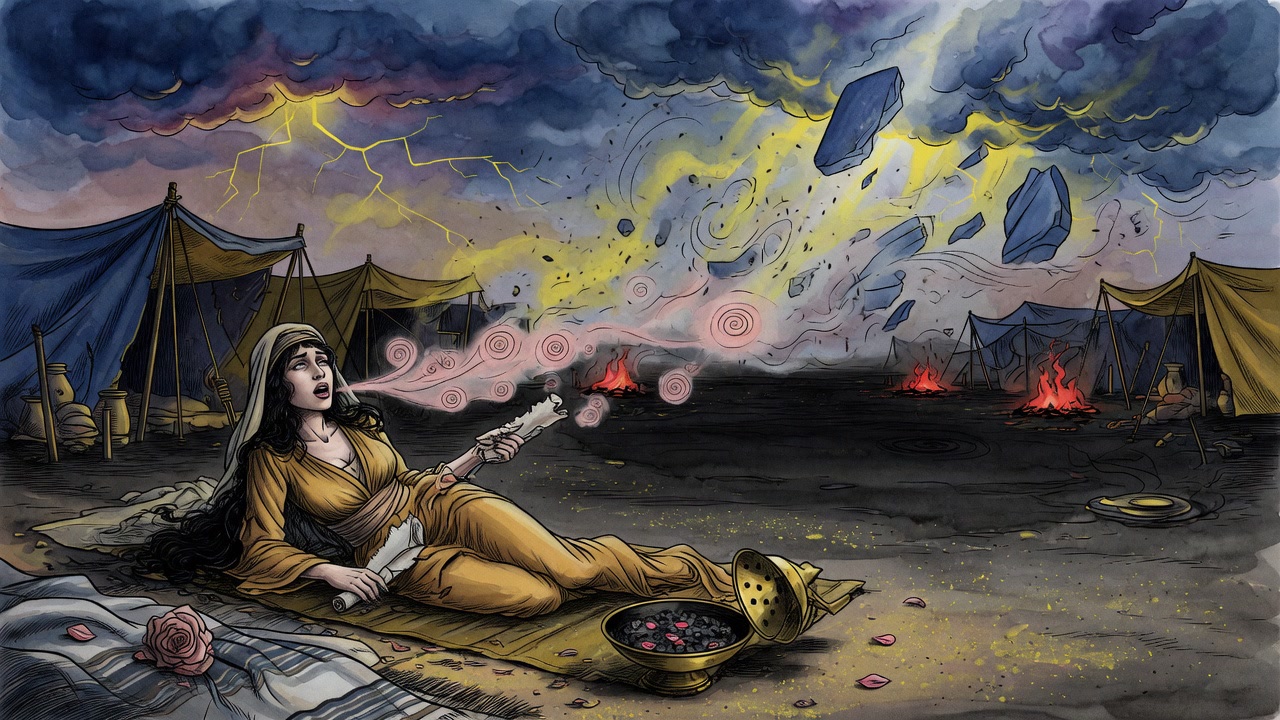
One more builder learned this with his life. A man who had mastered Scripture, learned the traditions of the sages, and served many scholars dropped dead in the middle of his days. His widow took his tefillin, the small leather boxes he had bound on for prayer, and carried them from synagogue to synagogue, holding them up before the students. "Is it not written, that is your life and the length of your days (Deuteronomy 30:20)? My husband did everything right. Why did he die young?"
No one could answer her. Then Elijah, of blessed memory, appeared and asked what no one else dared. "My daughter, in the days of your impurity, how did he act toward you?"
She bristled. "God forbid. He would not touch me even with his little finger. He told me, touch no vessel, lest you bring me into doubt."
"And in the later days, after the flow had ceased?"
She hesitated. "We ate together. We slept in one bed. Our bodies touched. But he intended nothing more."
"Blessed be the All-Present for slaying him," Elijah said, "for the Torah declares, you shall not approach (Leviticus 18:19)."
The man had piled extra planks where the ground was already firm, refusing even a fingertip in the days when distance came easily, and left a gap where the actual cliff dropped away. His fence stood in the wrong place, and like Adam's, it fell on someone he loved. Somewhere a serpent is always waiting to grab the trunk. The only question is whether the fence is built where God drew the line, or where a careful man, trusting his own caution more than the command, decided the line ought to be.
← All myths