Issachar the Farmer Who Never Sinned and Kept a Single Eye
Two sisters argued in a field in Haran over a handful of apples. The price they settled on was one night with their husband, and the child was Issachar.
Table of Contents
 Click for full size
Two Apples in a Field at Haran
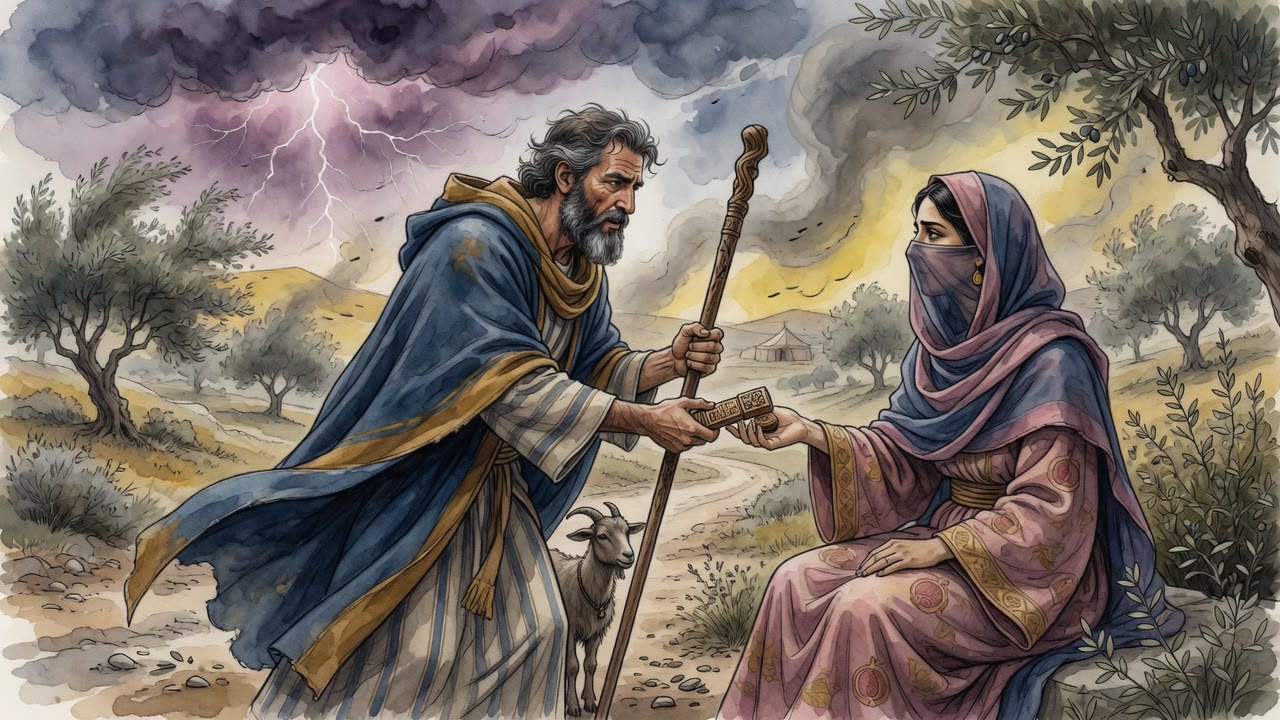
Reuben came in from the field carrying mandrakes, the sweet-smelling apples that grow below the water channel outside Haran, and Rachel met him on the path and took them out of his hands.
The boy cried. His mother Leah heard him crying and came out.
"I will not give them back to you," Rachel said. "Let them be mine instead of children. The Lord has despised me and I have borne nothing to Jacob."
"Is it not enough that you have taken my husband," Leah said. "Will you take these as well?"
"Then you shall have Jacob tonight," Rachel said, "for your son's mandrakes."
"Jacob is mine. I am the wife of his youth."
"Do not boast, and do not put yourself forward. He was promised to me before you, and he served our father fourteen years for my sake."
Two apples changed hands. That evening Leah went out to meet her husband on the road and told him he was hers for the night, because she had hired him.
What the Two Apples Cost
An angel came to Jacob afterward and put a price on the transaction.
Rachel will bear two sons, the angel said, because she gave up her husband's company and chose to go without. And if Leah had not paid two apples for that one night, she would have borne eight. She will bear six.
Rachel never ate the mandrakes she had fought for. She carried them to the house of the Lord and handed them to the priest.
So the fifth son of Leah came into the world as the hire. Bought with fruit, off a sister, in a quarrel on a path.
The Farmer Who Was Too Tired to Sin
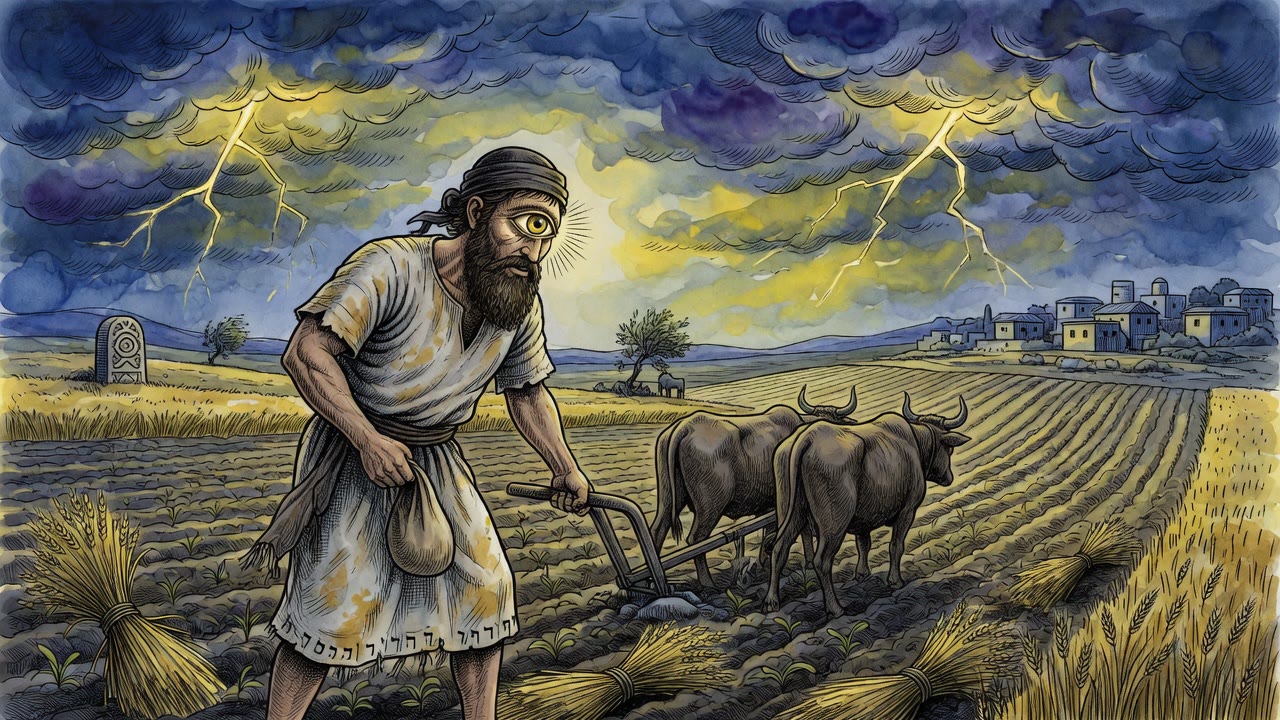
Issachar grew up and became a farmer for his father and his brothers, and brought in the crops in their seasons, and his father blessed him for walking straight.
He was not a busybody in his own work and he was not envious of the man next to him. He never slandered anybody. He never passed judgment on how another man lived. He said later that he had gone through his whole life with a single eye, and he meant it as a description of a working method rather than a boast.
He married at thirty-five, which is late, and he gave the reason without embarrassment. The labor had worn his strength out. He never thought about women. He would lie down and sleep took him.
He carried the first fruits to the priest before he carried anything to his own father, and God multiplied what came through his hands ten thousand times over, and he gave the good things of the earth away to the poor and the beaten down until his father could see that heaven was backing his simplicity.
Levi Got the Priesthood, Judah Got the Crown
His brothers went further and were remembered louder. Levi came back from a vision of the opened heavens with the priesthood on him. Judah was given the kingship. Issachar told his sons to obey both of them and to keep to the singleness of their father, and left them a field.
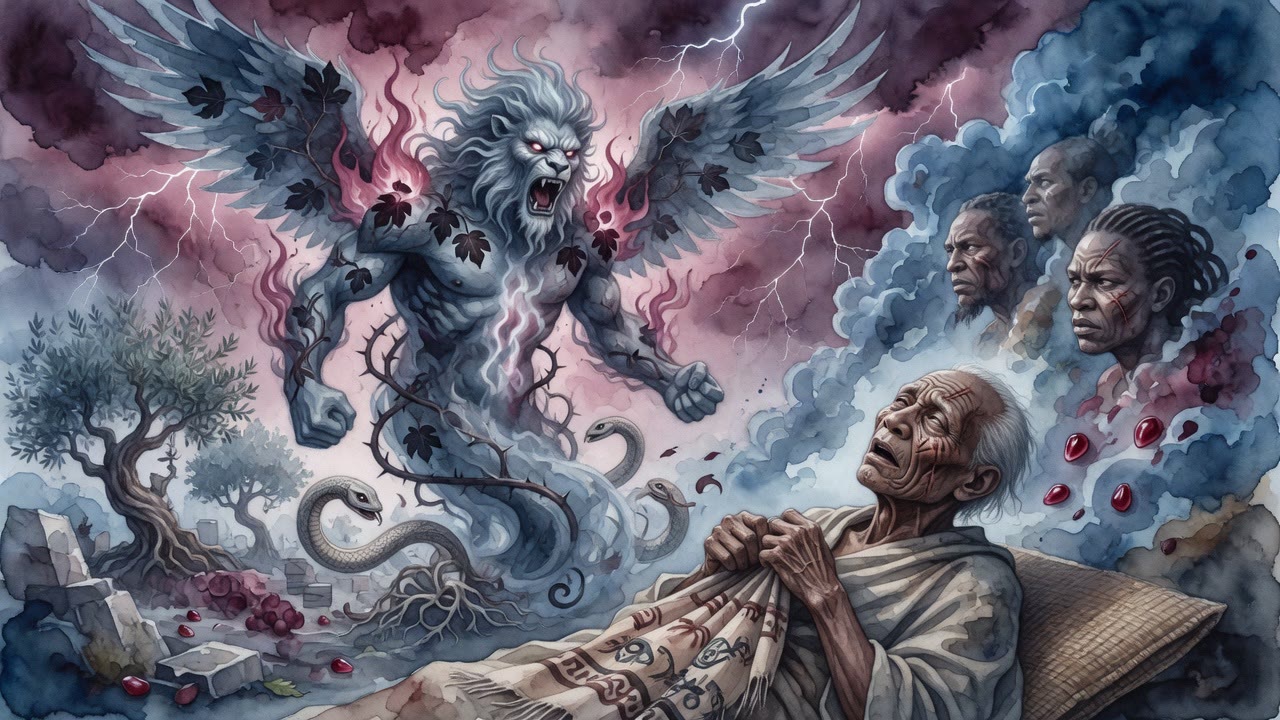
He knew what the alternative looked like. He had watched it in Dan, who confessed on his own deathbed that he had settled on the death of Joseph in his heart and carried a sword around waiting for a chance to use it, and that God simply never let him catch his brother alone.
The single-minded man, Issachar told his children, does not covet gold. He does not overreach the man beside him. He does not long after many kinds of food or take pleasure in a wardrobe. He does not even ask for a long life. He waits for the will of God, and the spirits of deceit get no grip on him, because he is not looking at anything they can offer.
A Hundred and Twenty-Six Years, Every Limb Sound
Then he made the claim that no other son of Jacob made.
I am a hundred and twenty-six years old, he said, and I am not aware of ever having sinned. Except my wife I have not known a woman. I never lifted my eyes at anyone. I never let wine lead me anywhere. I never wanted anything that belonged to my neighbour. Deceit never came up in my heart. A lie never went out through my lips. When a man was in trouble I sighed along with him, and I shared my bread with the poor.
And he told them what he could see coming. In the last times your sons will let go of singleness and take up appetite instead. They will leave the farming and go after their own schemes, and they will be scattered among the nations and serve their enemies there.
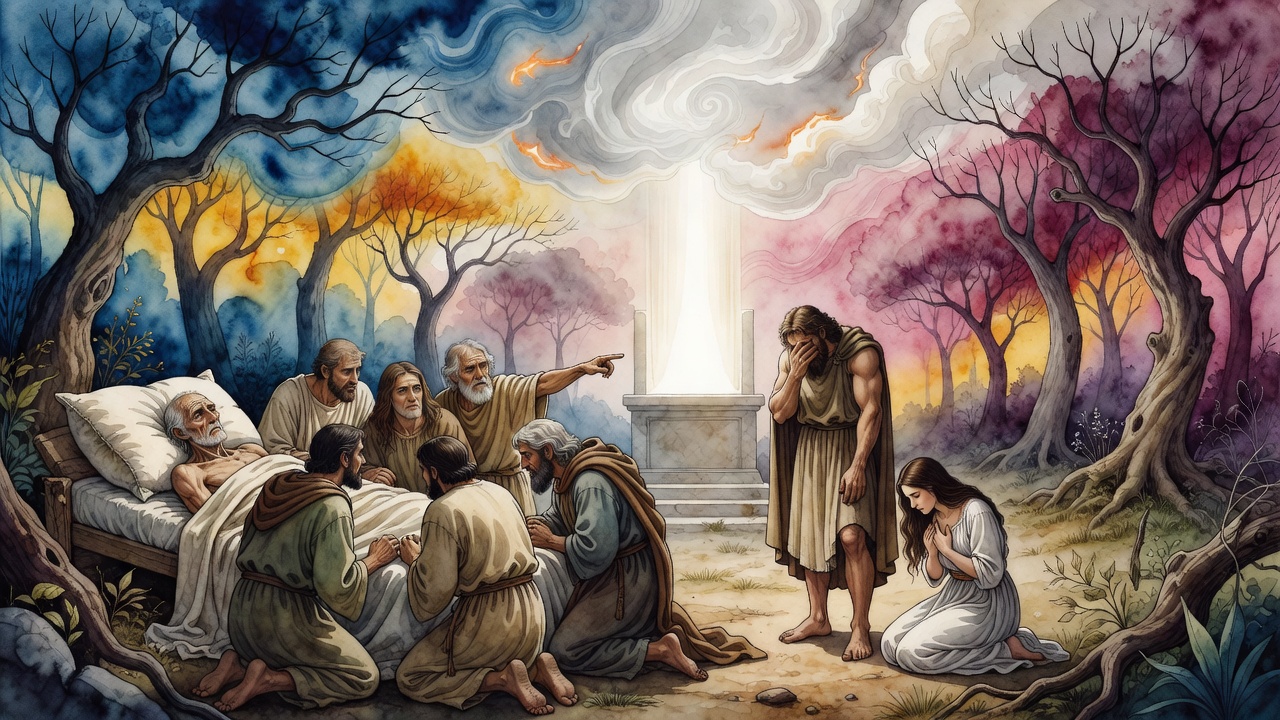
Then he told his sons to carry him up to Hebron and put him in the cave with his fathers. He stretched out his feet on the bed and died there, an old man with every limb sound and his strength never used up.
← All myths