41 myths
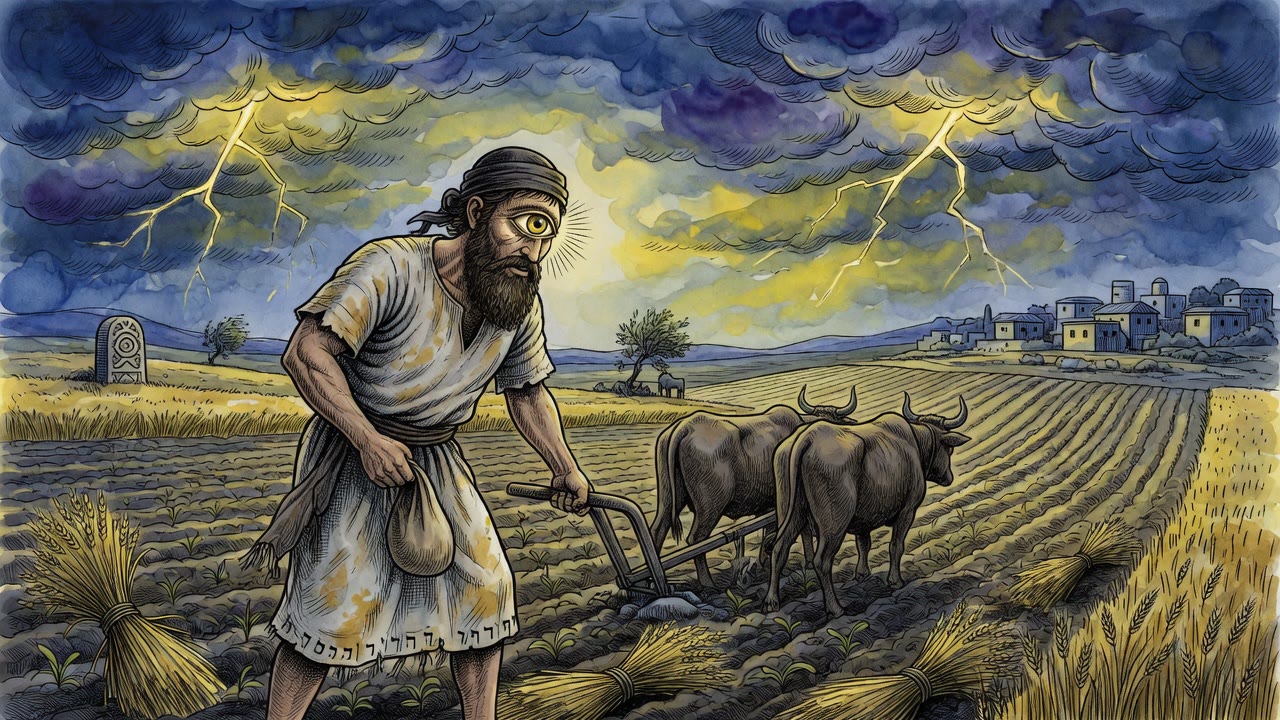
Two sisters argued in a field in Haran over a handful of apples. The price they settled on was one night with their husband, and the child was Issachar.
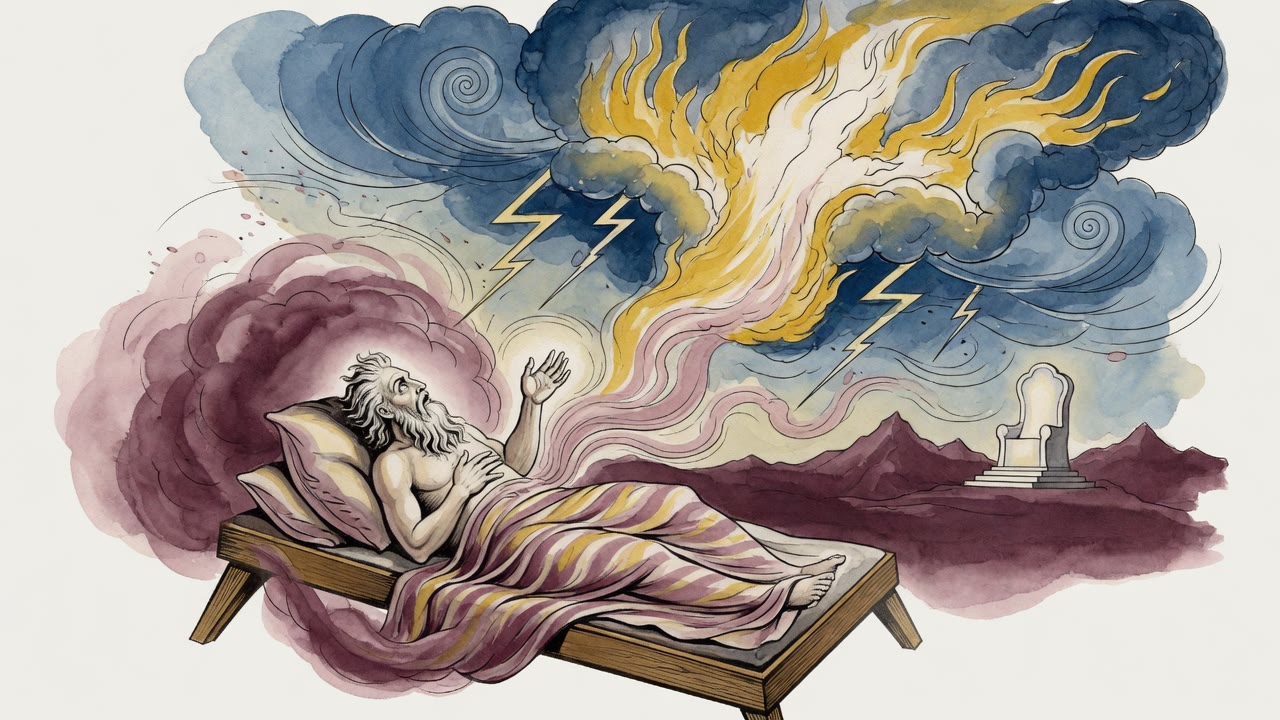
Before Jacob, a man could still be talking when death took him. He asked for a warning. The first fever came to his own bed.
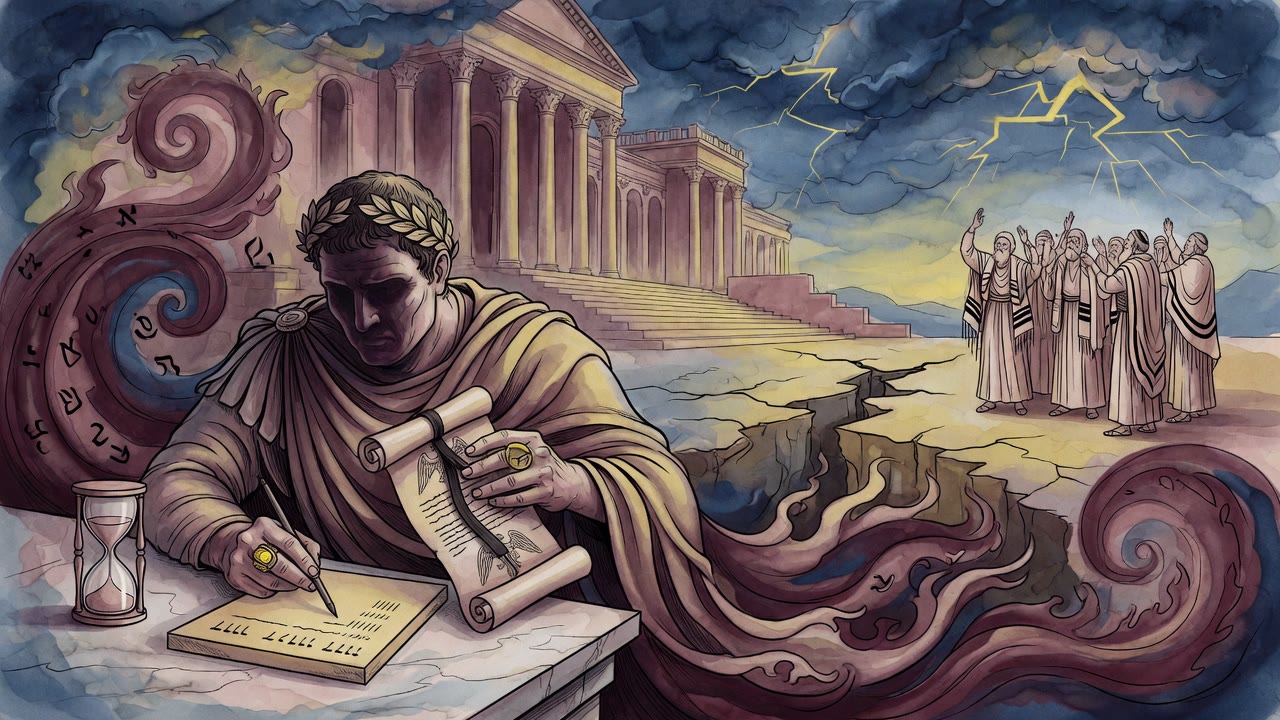
The day stood over Jacob's bed in Egypt and made a claim. He would not shut his eyes until twelve mouths said the same Name out loud.
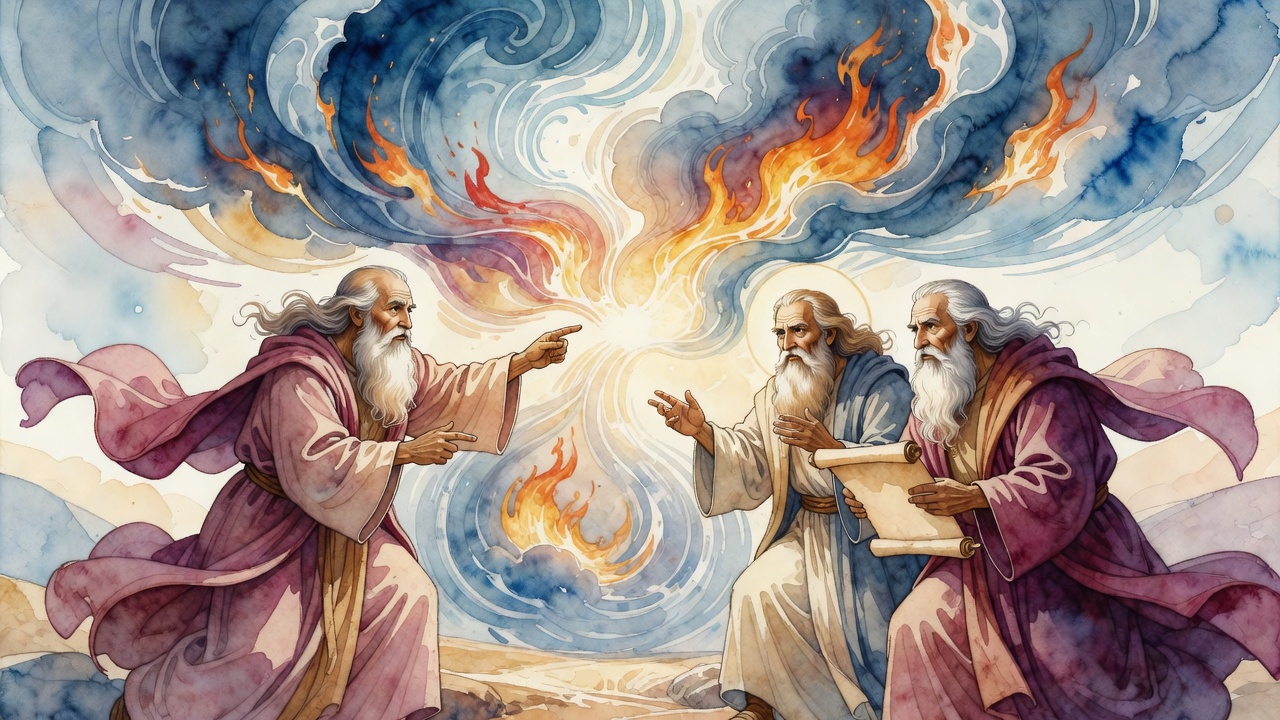
Numbers lists the rebel as Korah son of Yitzhar son of Kehat son of Levi, and stops there. The next name in that line should have been Jacob.
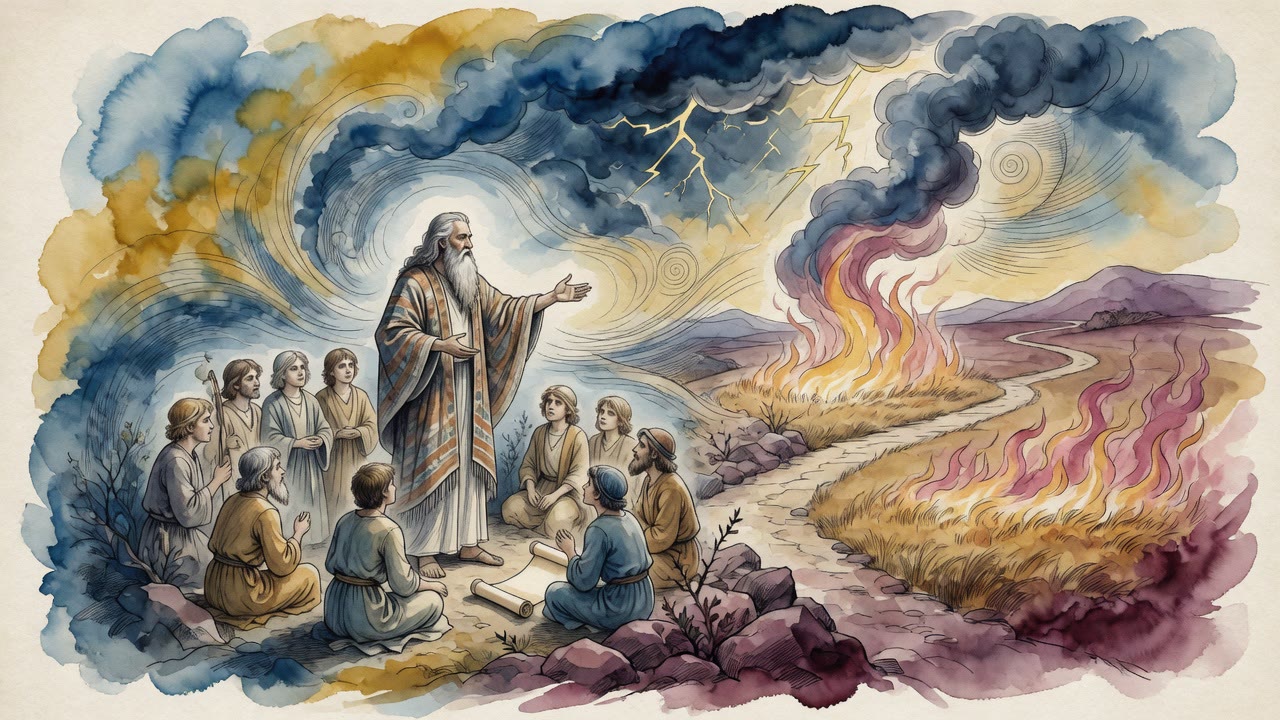
Asher was a hundred and twenty-five and still strong when he called his sons in. He told them a man can hurt someone in order to heal him.
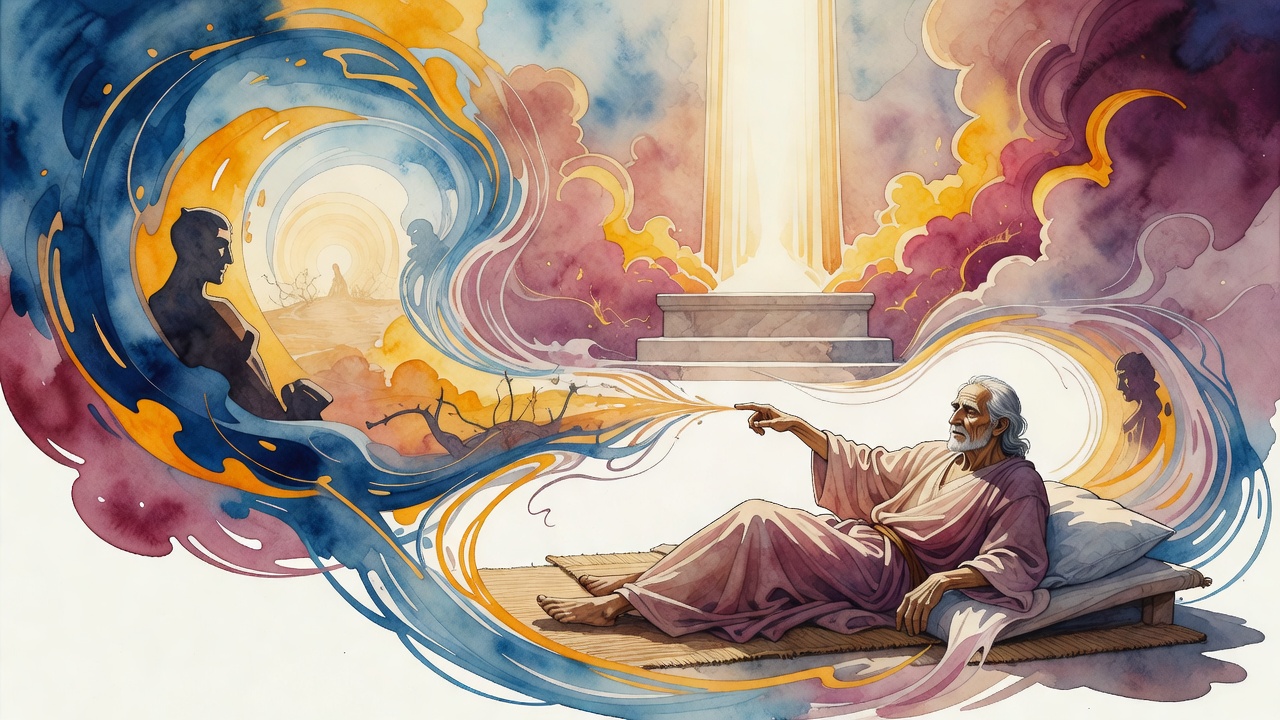
On his deathbed, Simeon confessed he had planned Joseph's murder in his heart and traced the same spirit back through Cain to the first morning of the world.
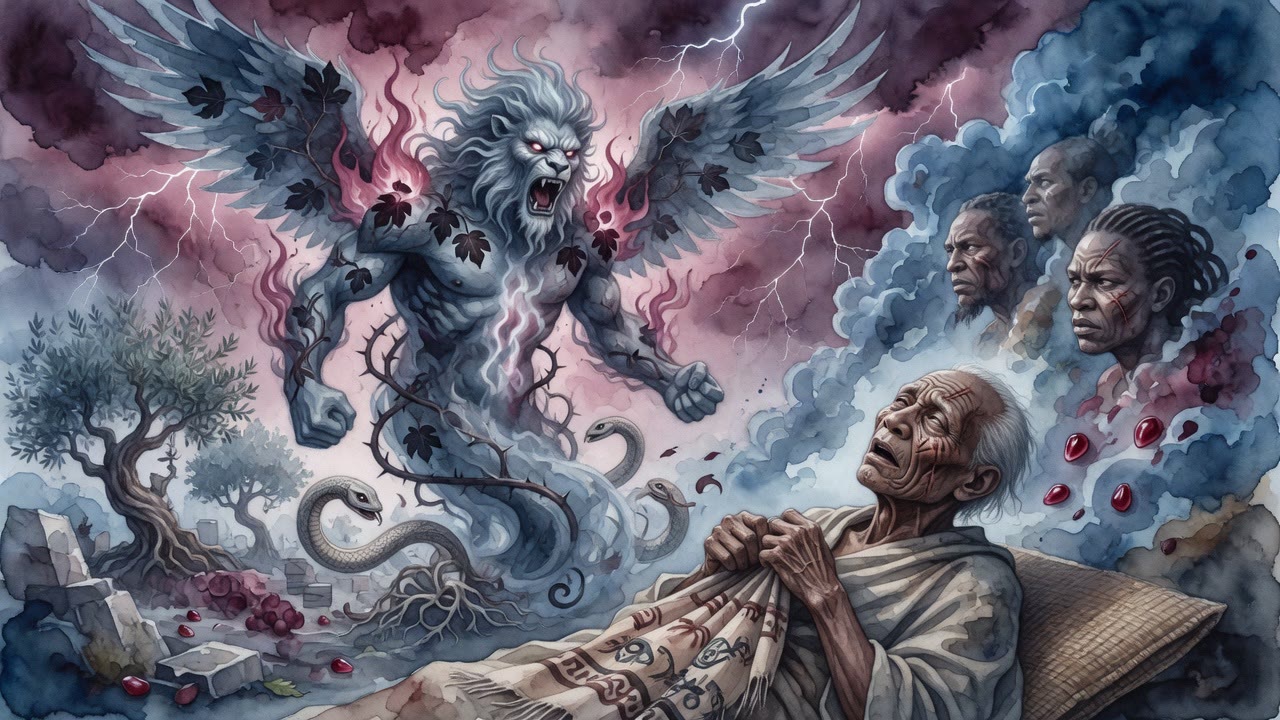
On his deathbed, Dan told his children where the spirit that nearly made him a murderer had come from. It was older than any of them knew.
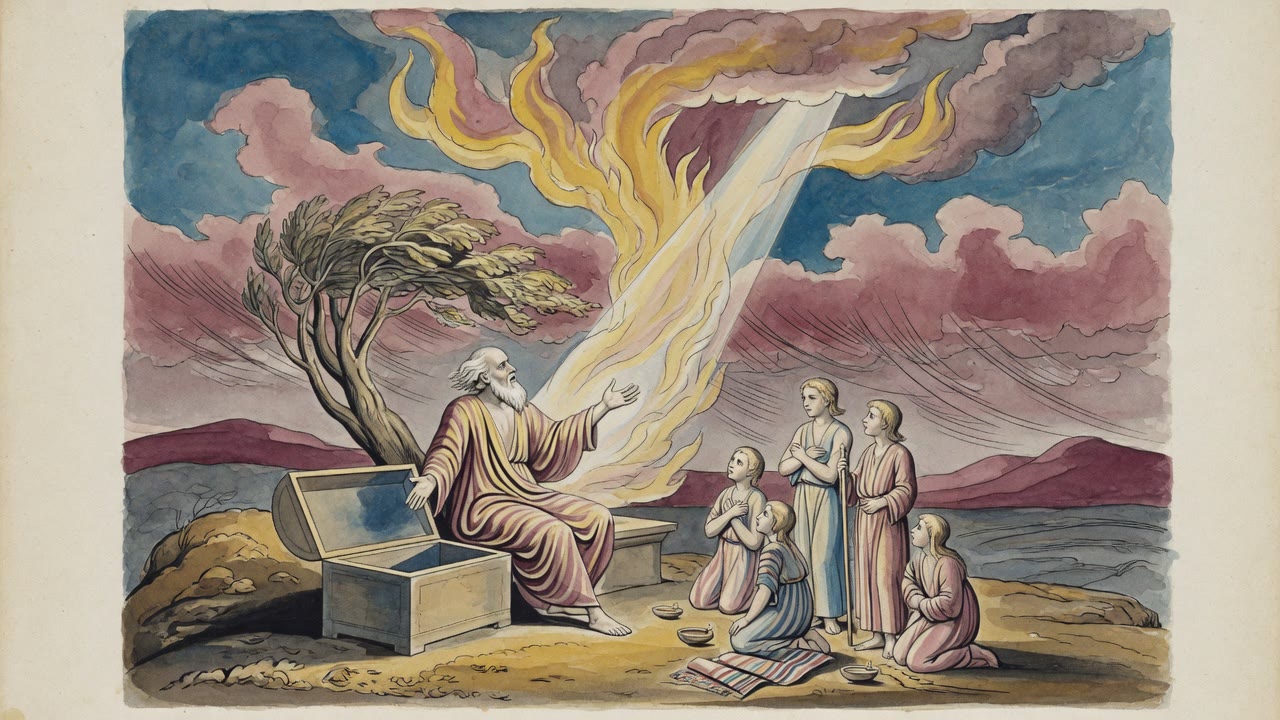
He fed his sons, then told them he was dying. They did not believe him because he still looked strong. Then he told them about the sun and the broken ship.
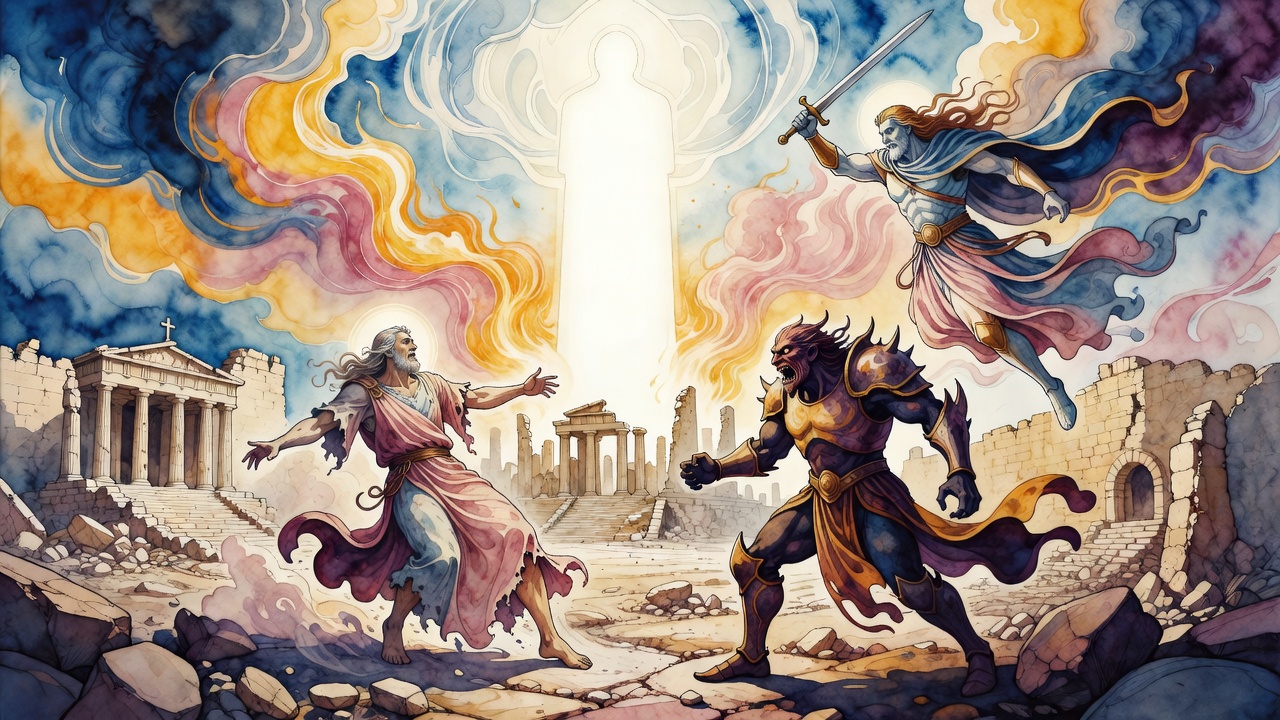
A warrior anointed from Ephraim rises to rebuild the Temple and falls, until the king from Judah descends girded for battle to slay the tyrant.
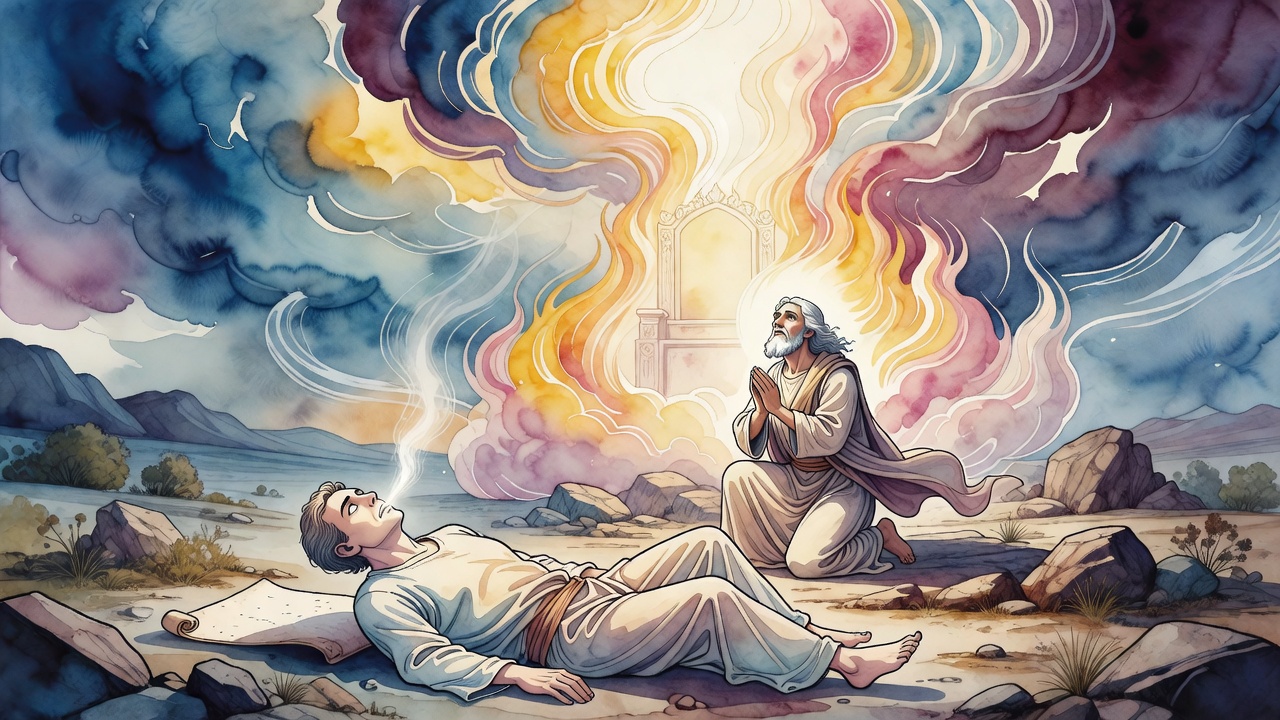
In the early generations a sneeze emptied a man of his soul on the spot, until Jacob begged Heaven for sickness so he could bless his sons.
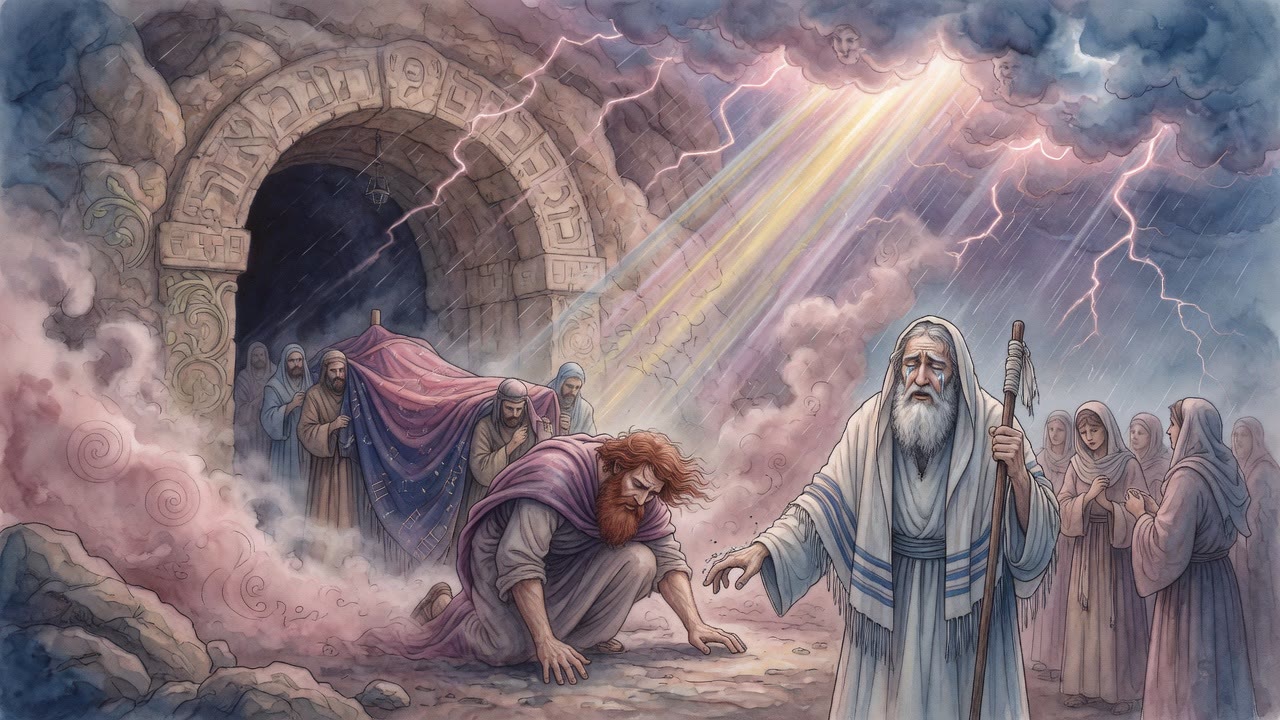
Joseph walked as viceroy and son toward Machpelah. At the cave mouth a twin still wanted a plot. A head came to rest on a blind father's knees.
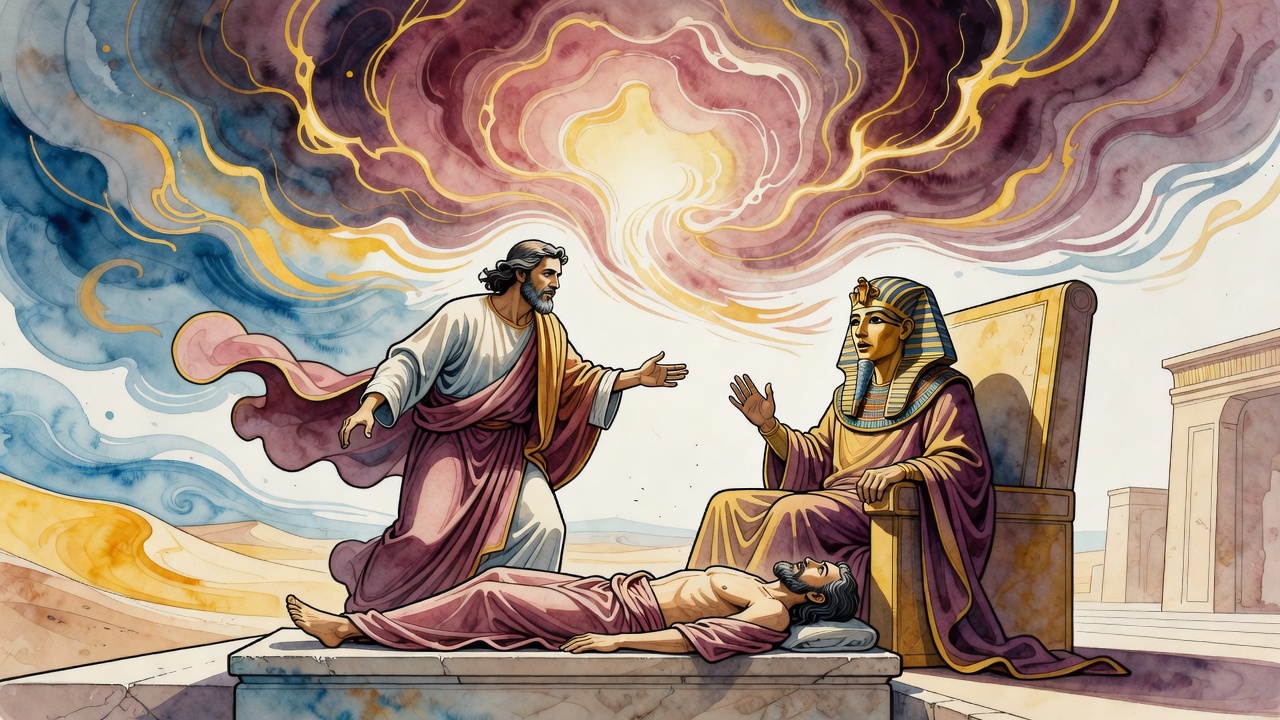
Pharaoh told Joseph to drop the burial vow. Joseph named a second vow, the one that hid the king's missing Hebrew.
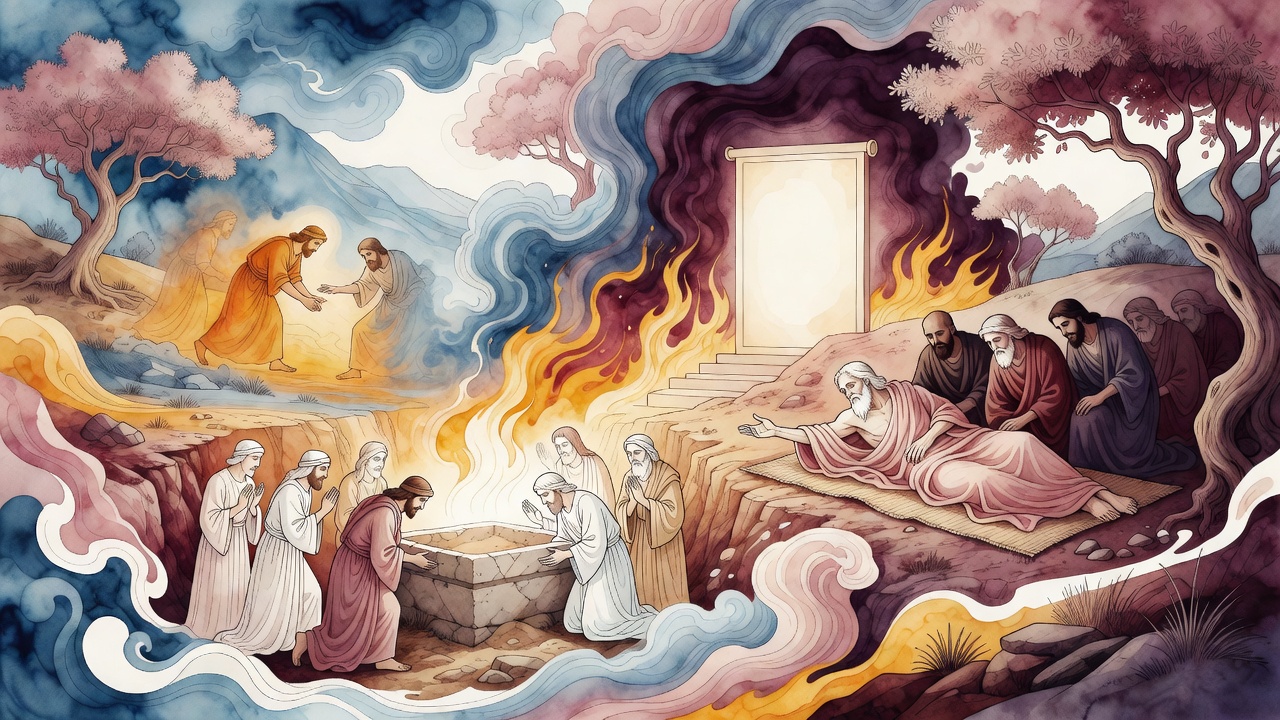
Dying, Jacob ordered Joseph to forgive and shield his brothers. Ages later the tribes buried Joseph in Shechem, the ground that first took him.
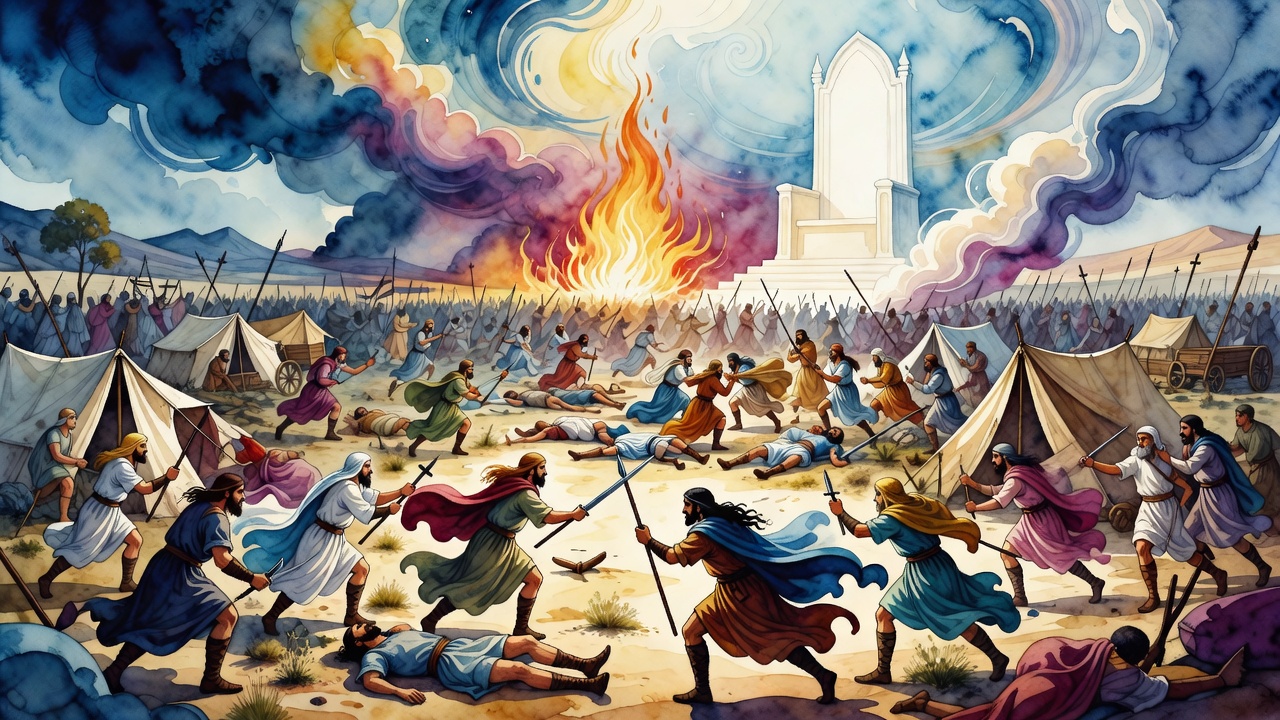
Joseph would not walk into Pharaoh's hall in mourning clothes. He sent the king's household ahead, then Seir rode down three days later.
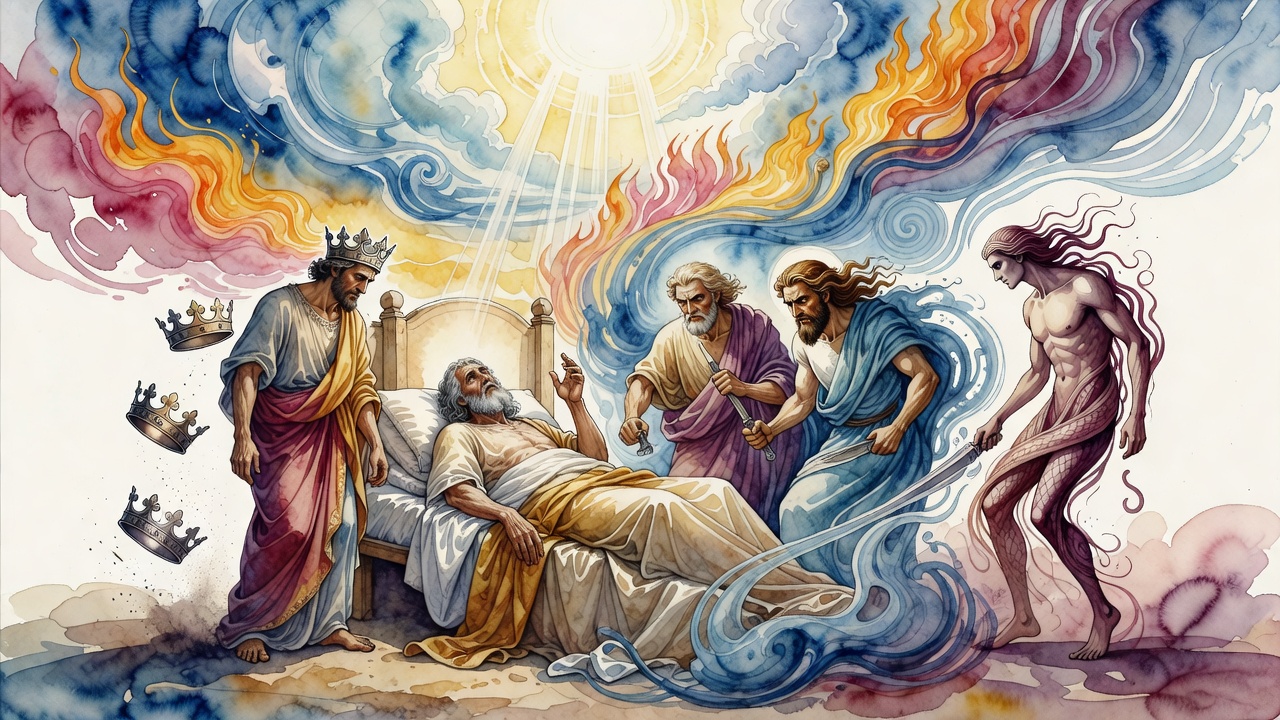
Reuben had three crowns waiting on the bed. Jacob poured them out like water from a flask. The firstborn left with his ears ringing.
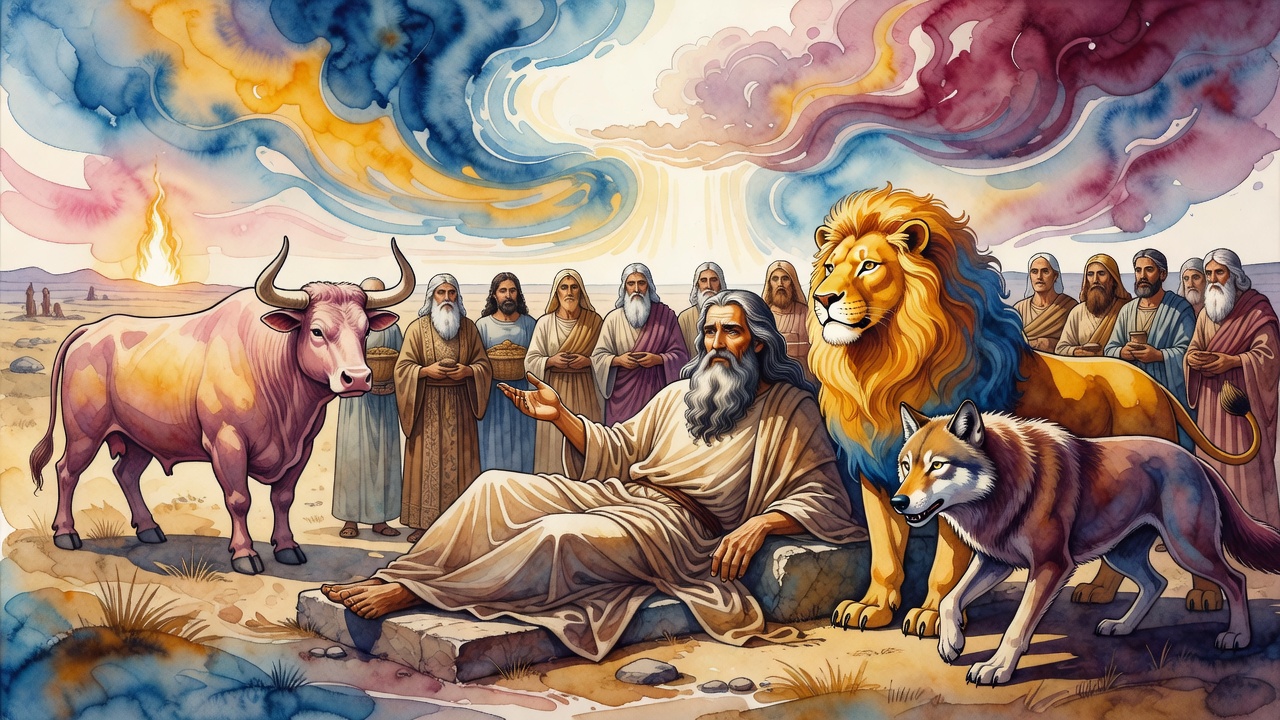
The sons standing in the tent still smelled of flocks. Their father named animals, and the animals were kingdoms that had not been built yet.
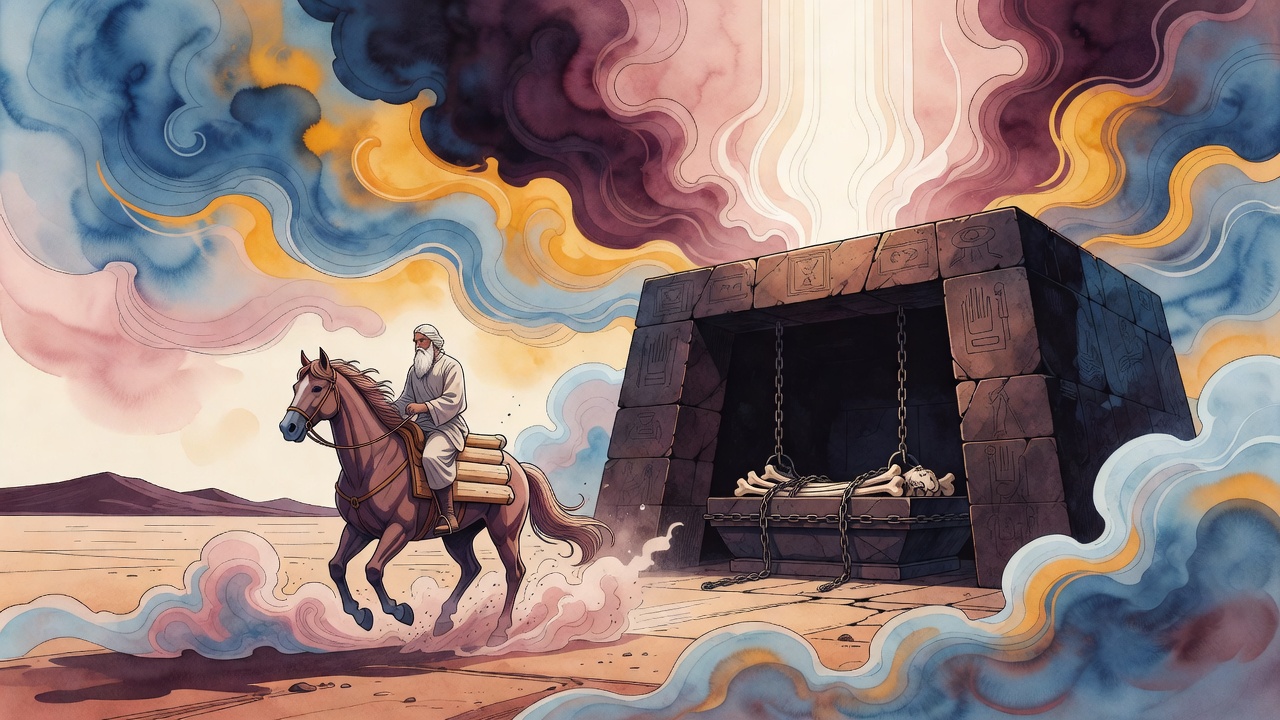
Every other patriarch left Egypt in a coffin bound for Hebron. Joseph's bones stayed behind under guard in the royal treasure rooms, stored with the gold.
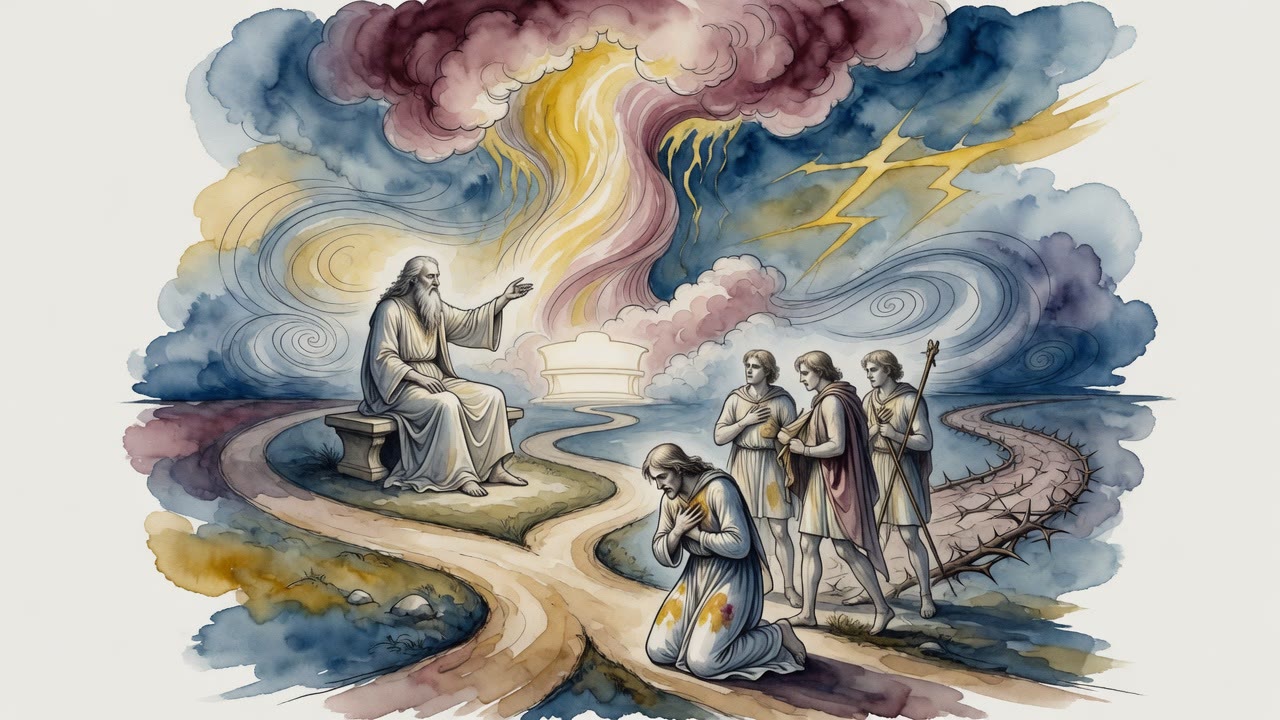
Reuben named the plague in his loins before he named the sin. Asher had already told his sons a man cannot keep both roads.
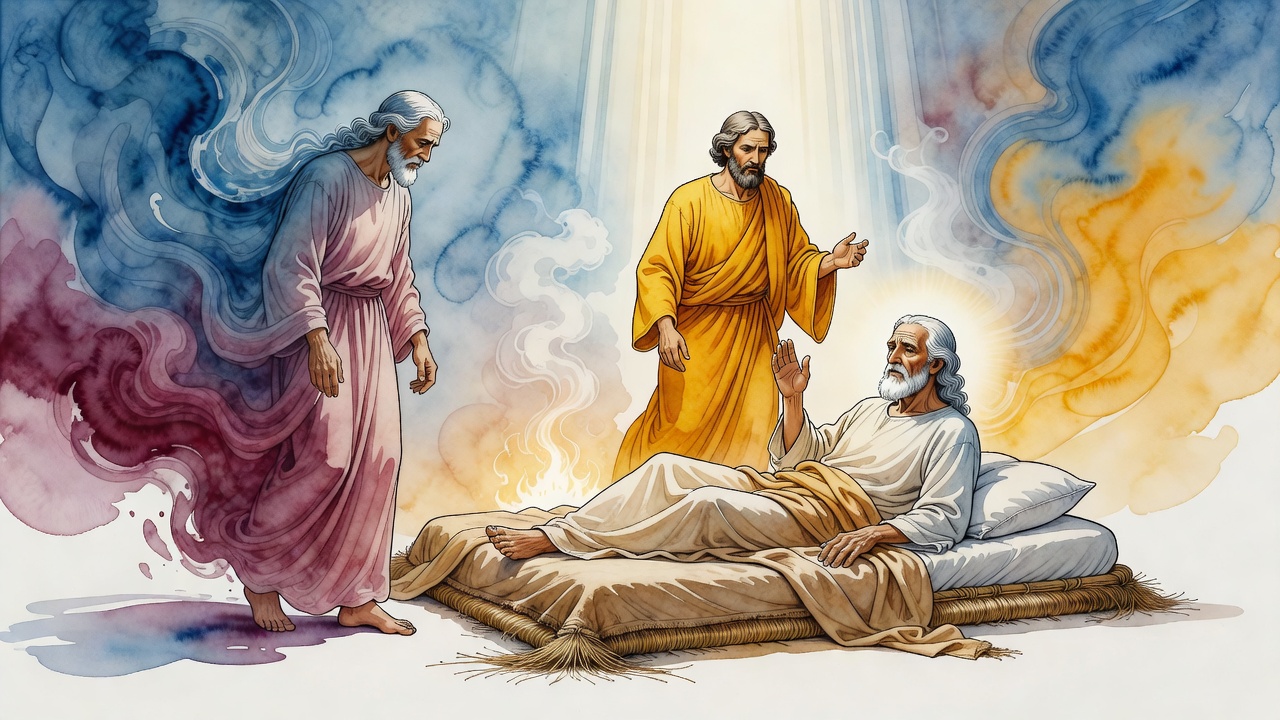
The firstborn stood closest to the bed. Jacob looked past him and asked for the son who could get a coffin across the border.
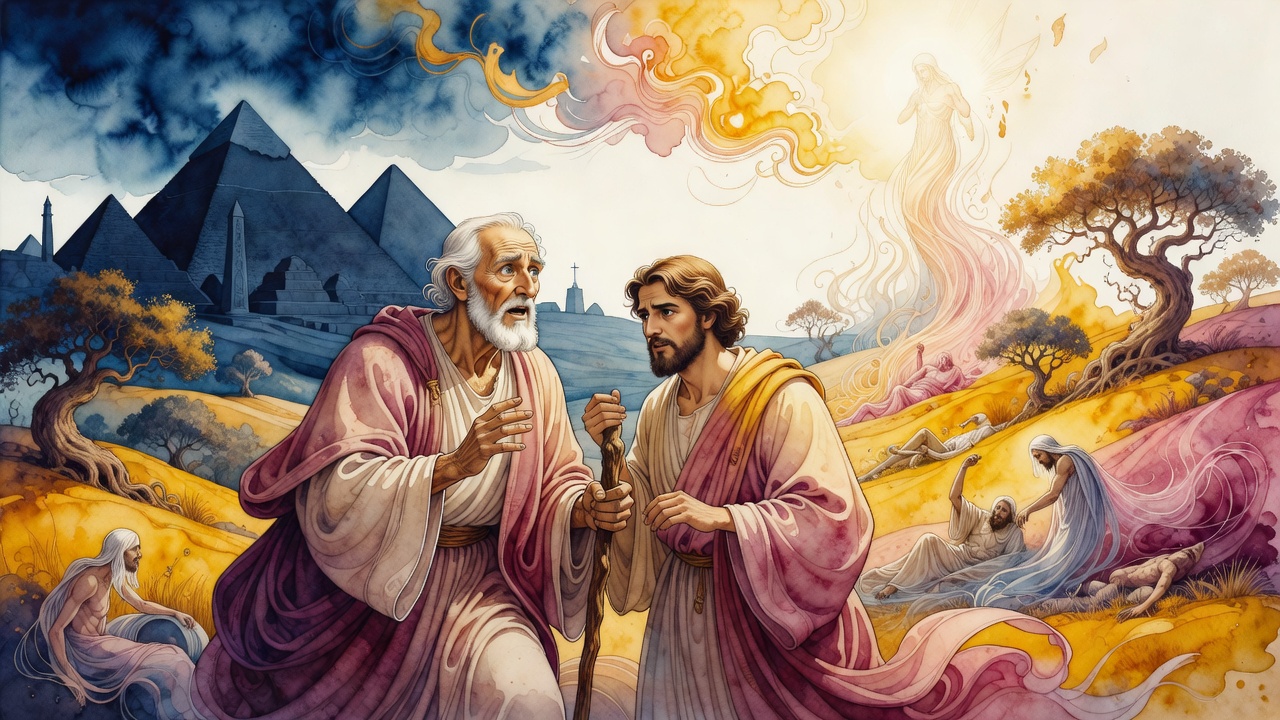
Jacob fears Egypt will worship his tomb. He asks Joseph for kindness and truth. The dead of the Land rise first when Messiah comes.
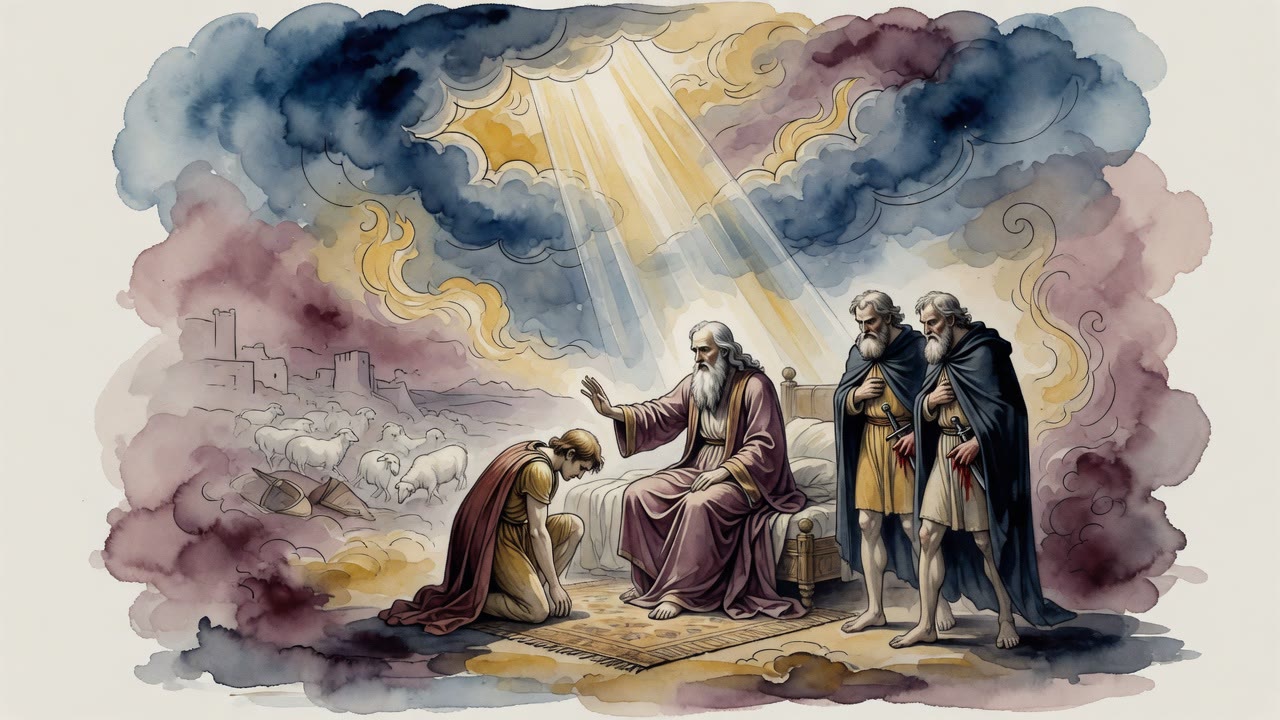
Jacob still calls Reuben firstborn despite the bed. He, not Esau, summons sons to bless. He bars his name from Simeon and Levi's future sins.
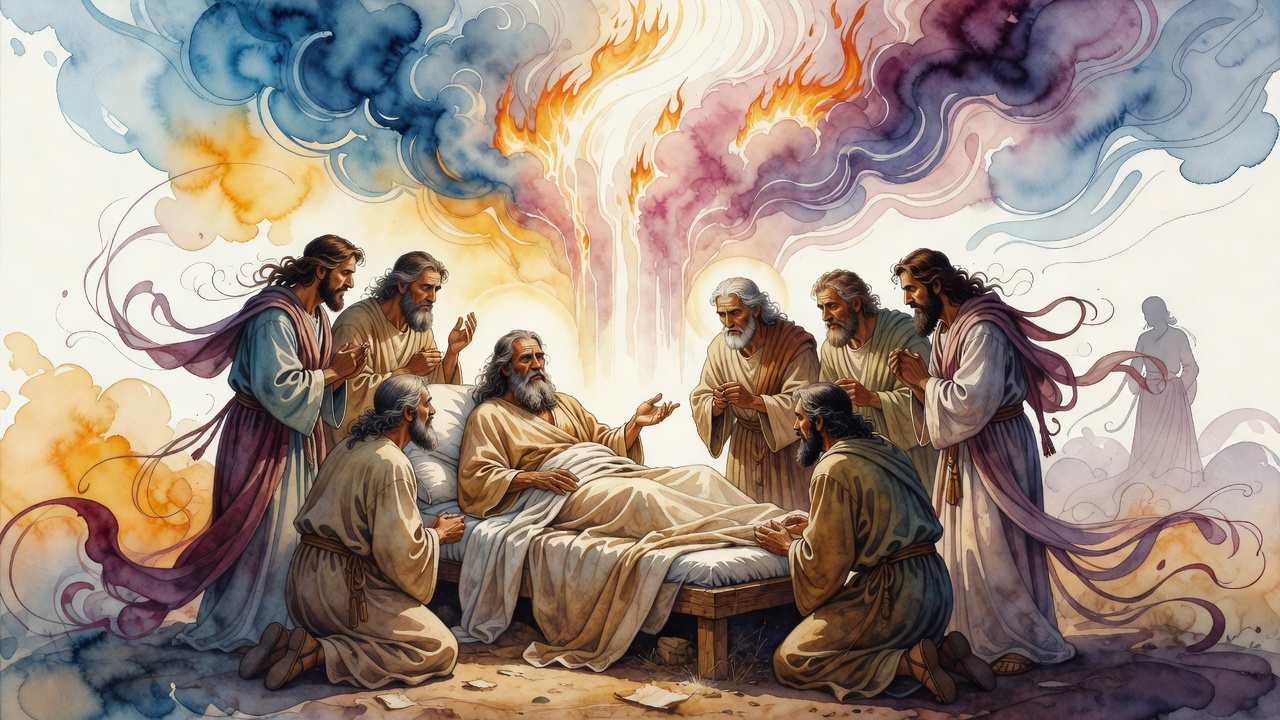
Twelve grown men leaned over a dying father waiting for their blessing. The first thing he gave them was an order to make themselves clean.
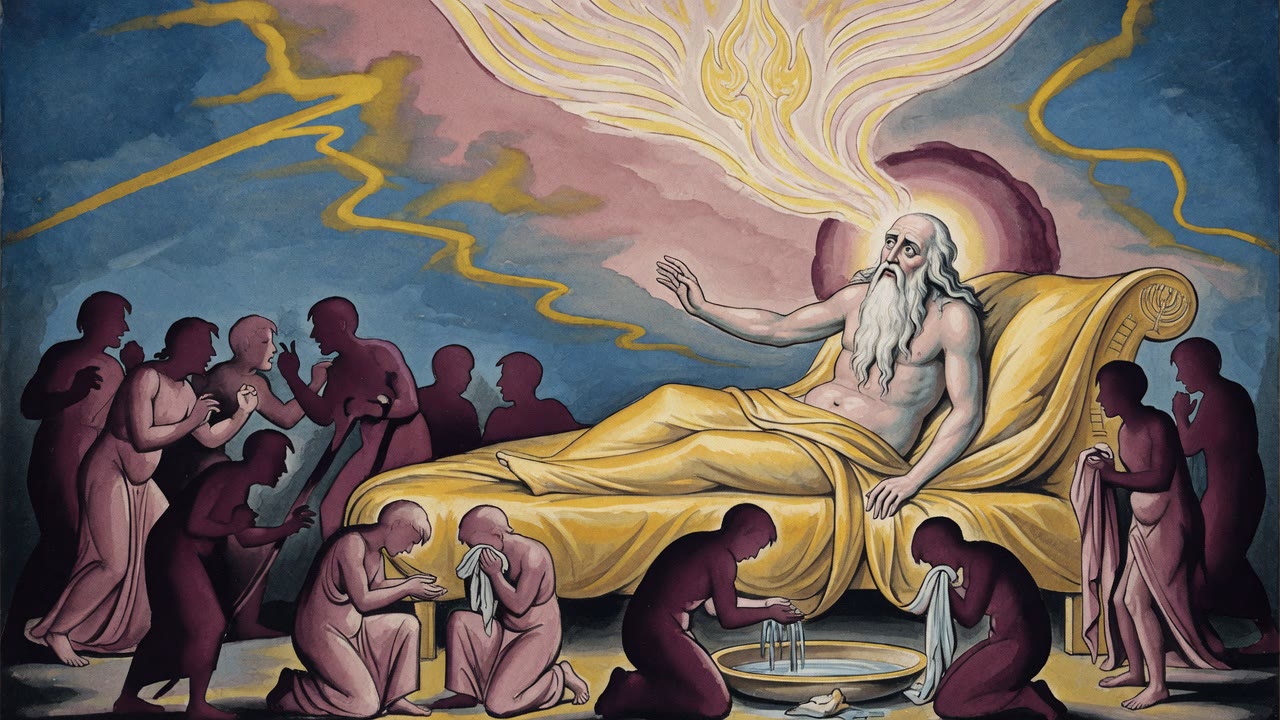
Levi's jaw tightened and Simeon's eyes found the floor. Their father opened his mouth to give them the date of the end, and the words left his head.
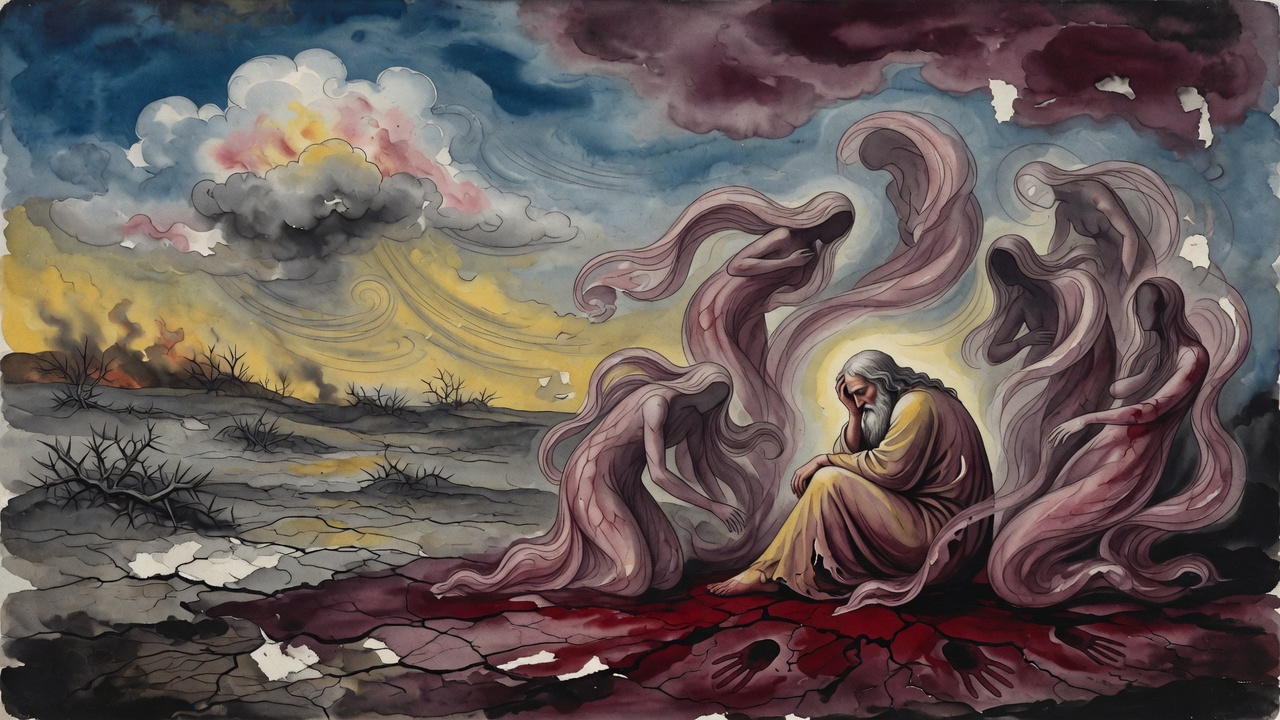
The room smelled of age and oil. Joseph steered his two boys under a dying man's hands, the same hands that once gripped a brother's heel.
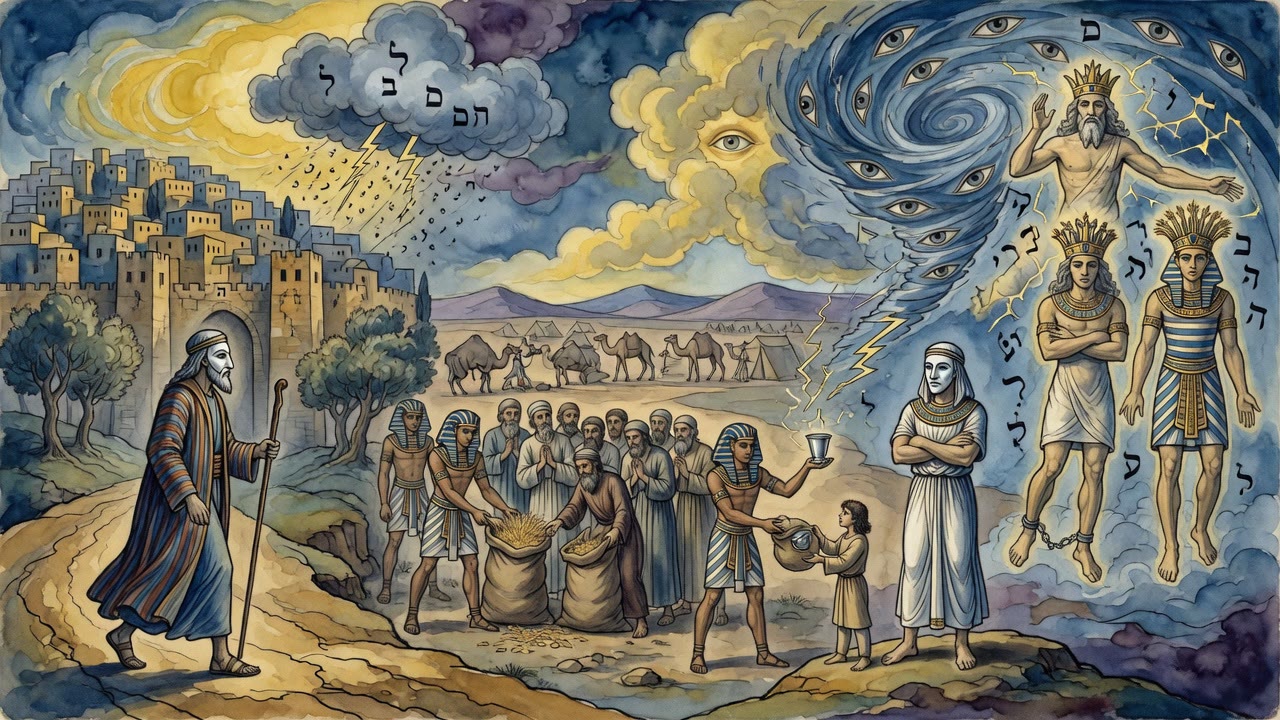
Jacob blesses Joseph's firm bow after Potiphar's house, and Egypt stays soft only while Joseph lives, then hardens into slavery.
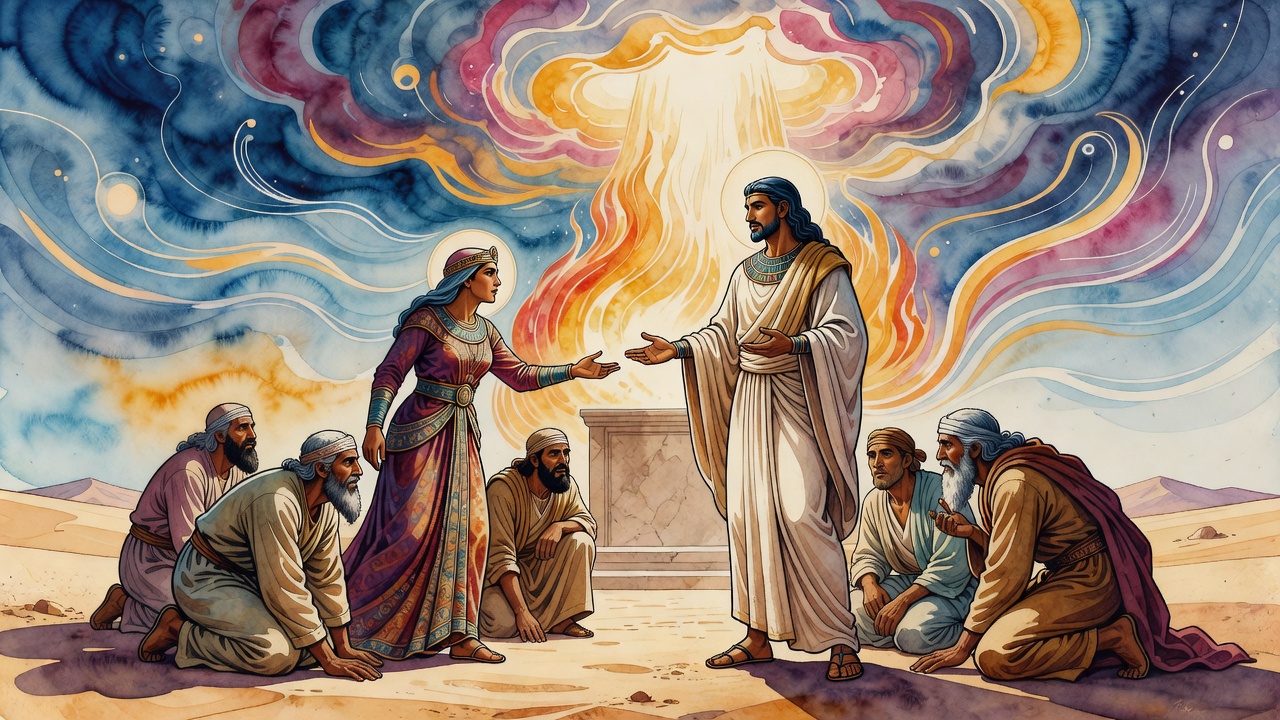
Before Sinai thunders, Joseph lives the Ten Words in Egypt. He refuses Potiphar's wife, spares his brothers, and will not play God with their lives.
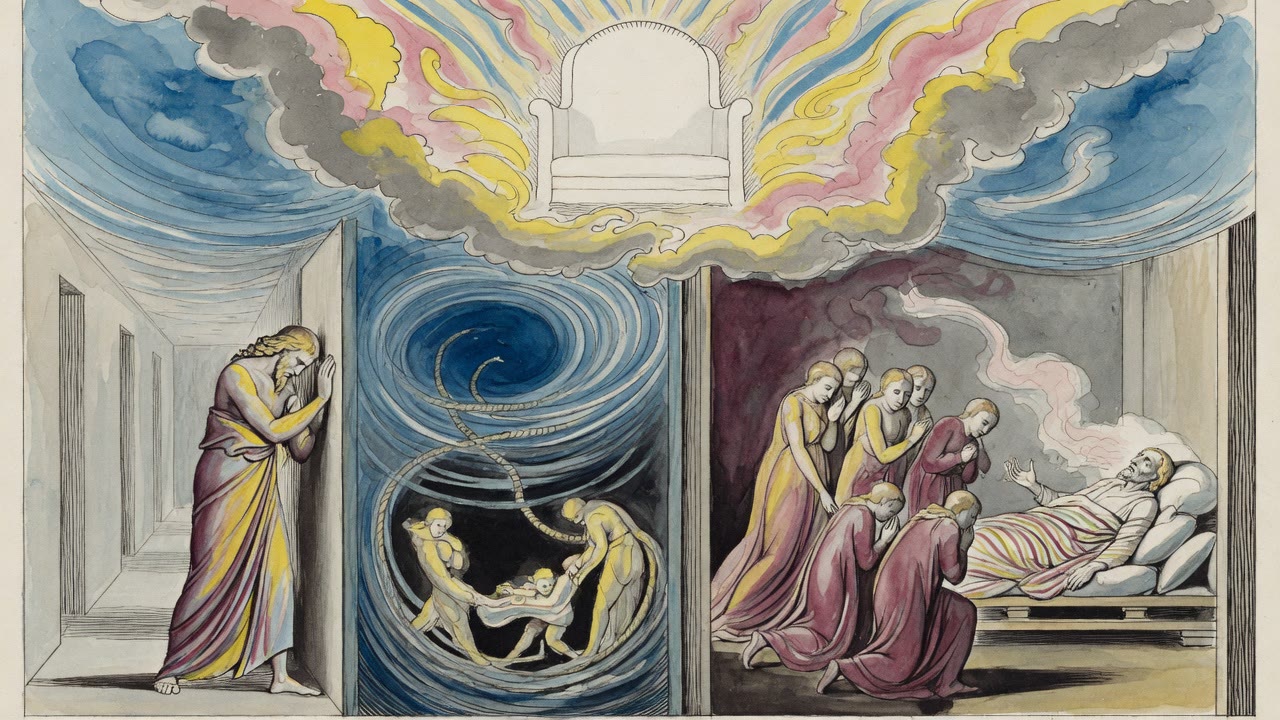
Joseph keeps distance from Jacob's sickbed so no private talk can drag the pit and the sale into a father's curse against the brothers.
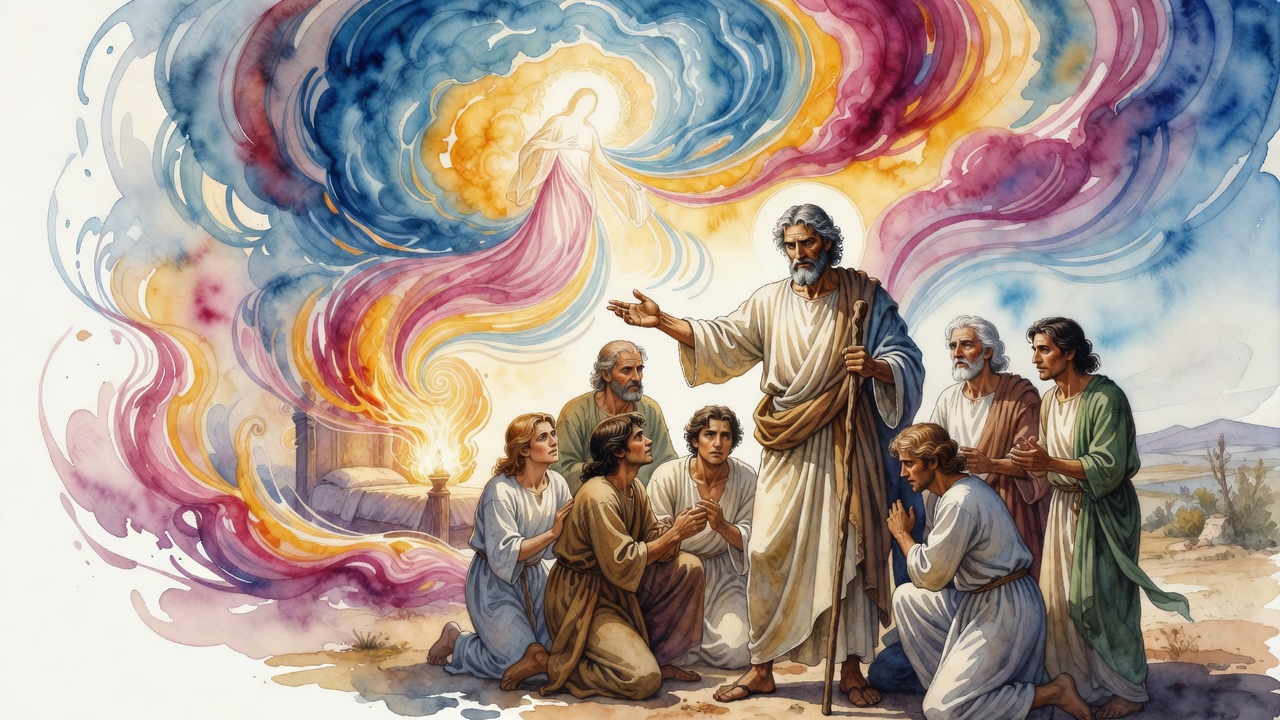
The brothers saw the empty seat and feared the pit again. Joseph made them swear a doubled word no false deliverer would know.
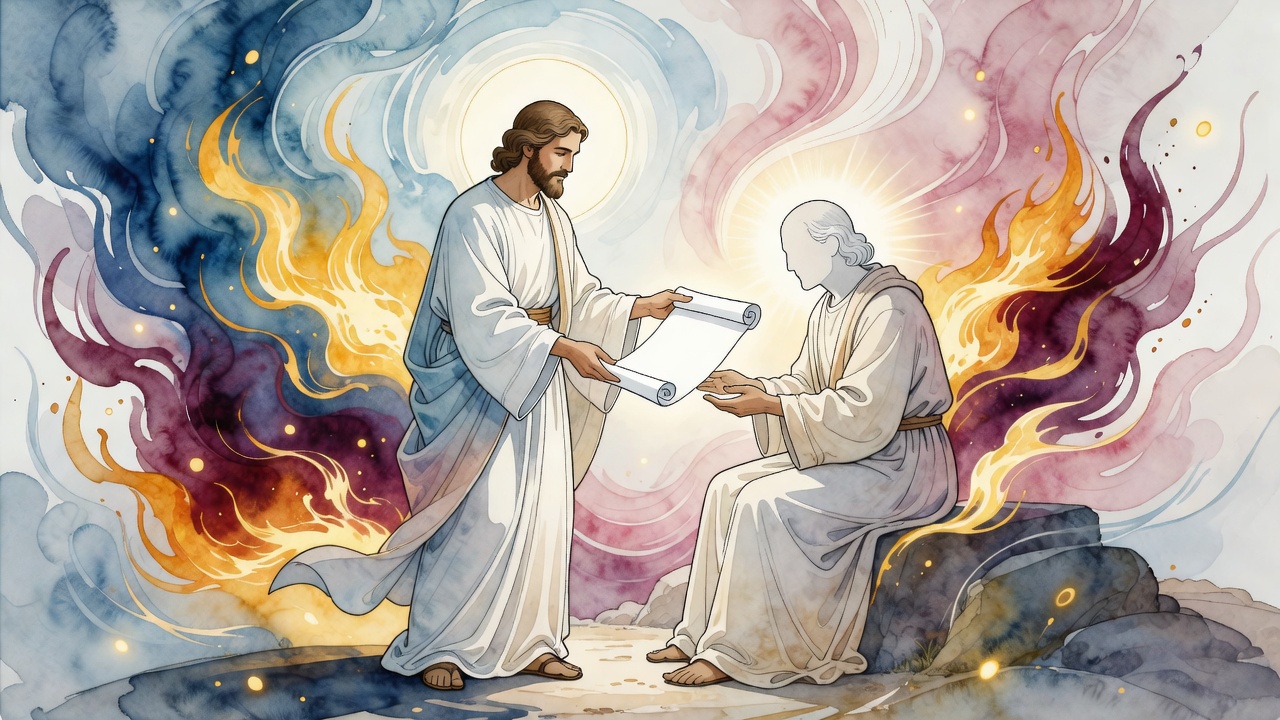
Jacob could not make out the boys at his bed. Joseph put a marriage contract in his hands. The old man's fingers followed lines he could not see.
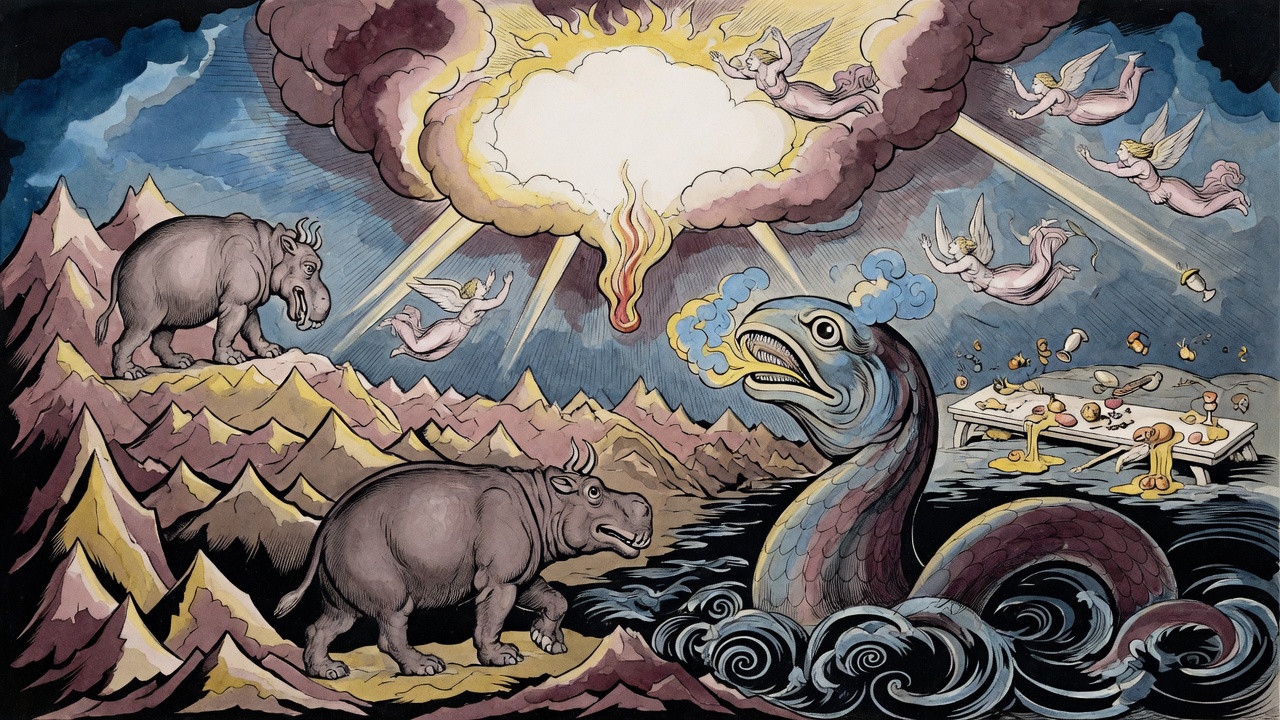
A dying father warns his children of Beliar's sword and its seven evils, then swears that repentance can still bring the scattered home.
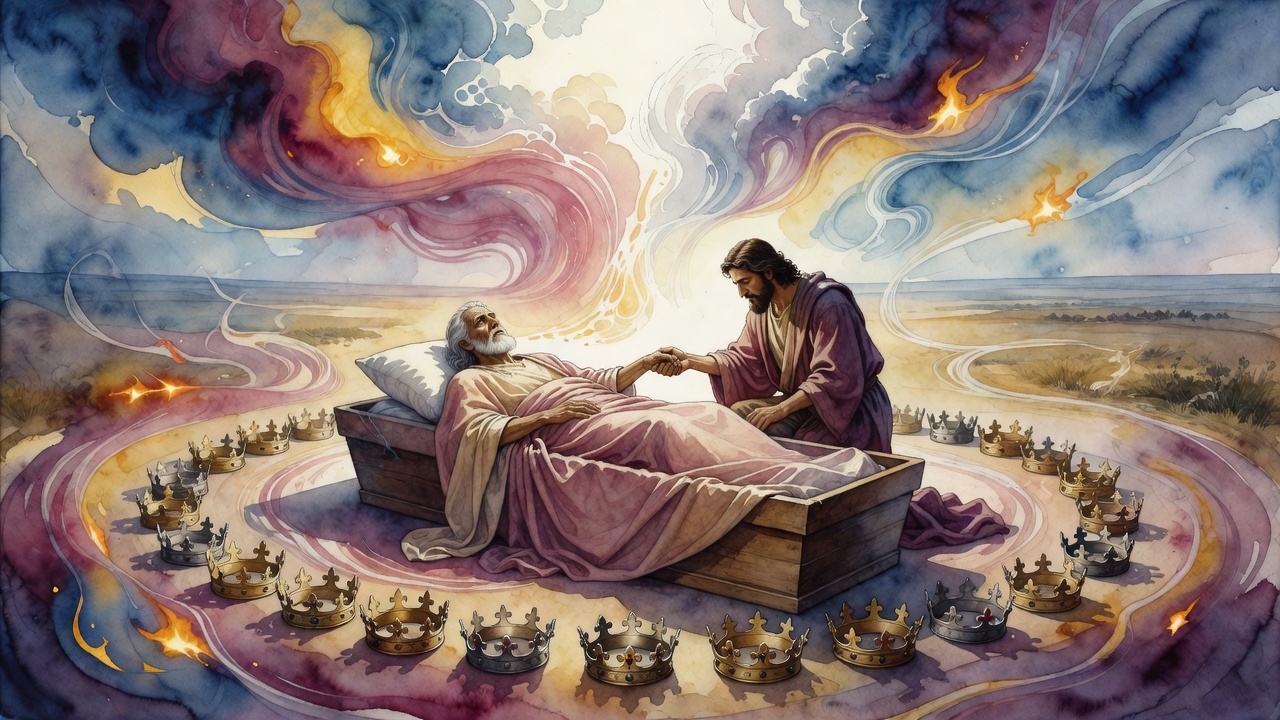
Feeling death draw near, Jacob binds Joseph by oath to carry him home to Canaan, and armed kings who came to raid his funeral leave their crowns on his coffin.
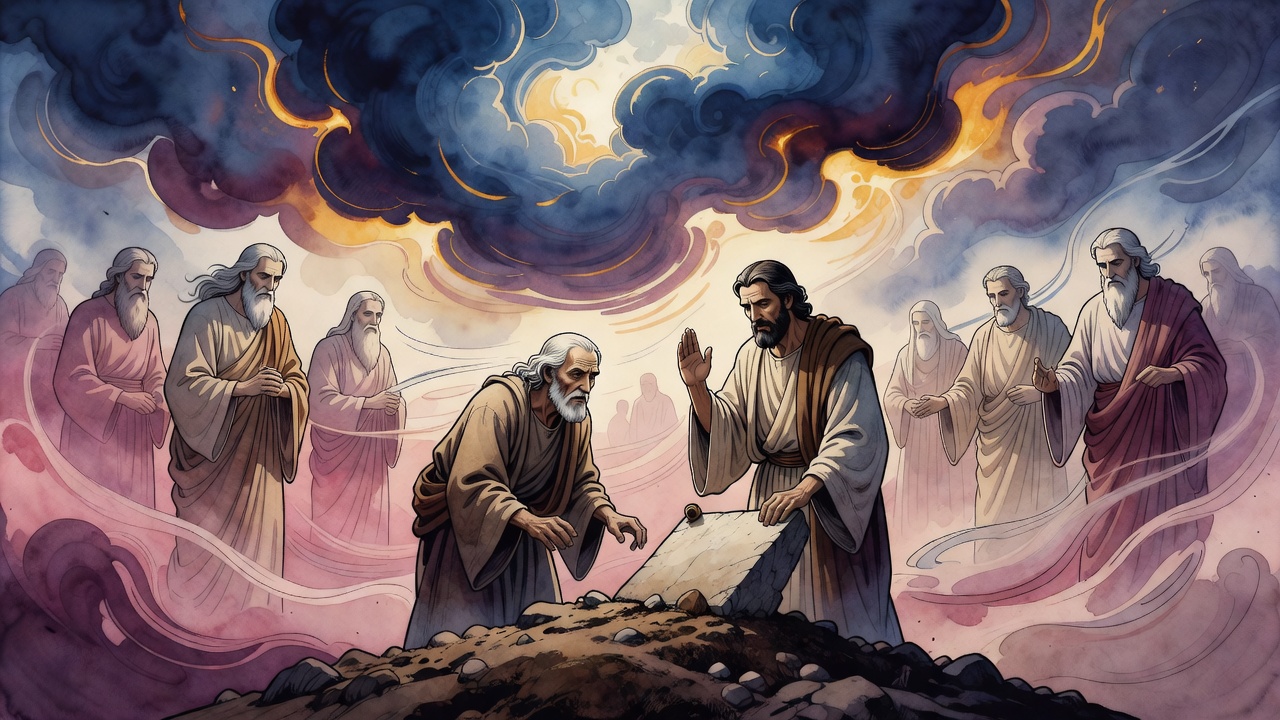
At a hundred forty-seven, a day was the shadow of a bird. Jacob would not lie in Egyptian ground. He made Joseph swear before he would close his eyes.
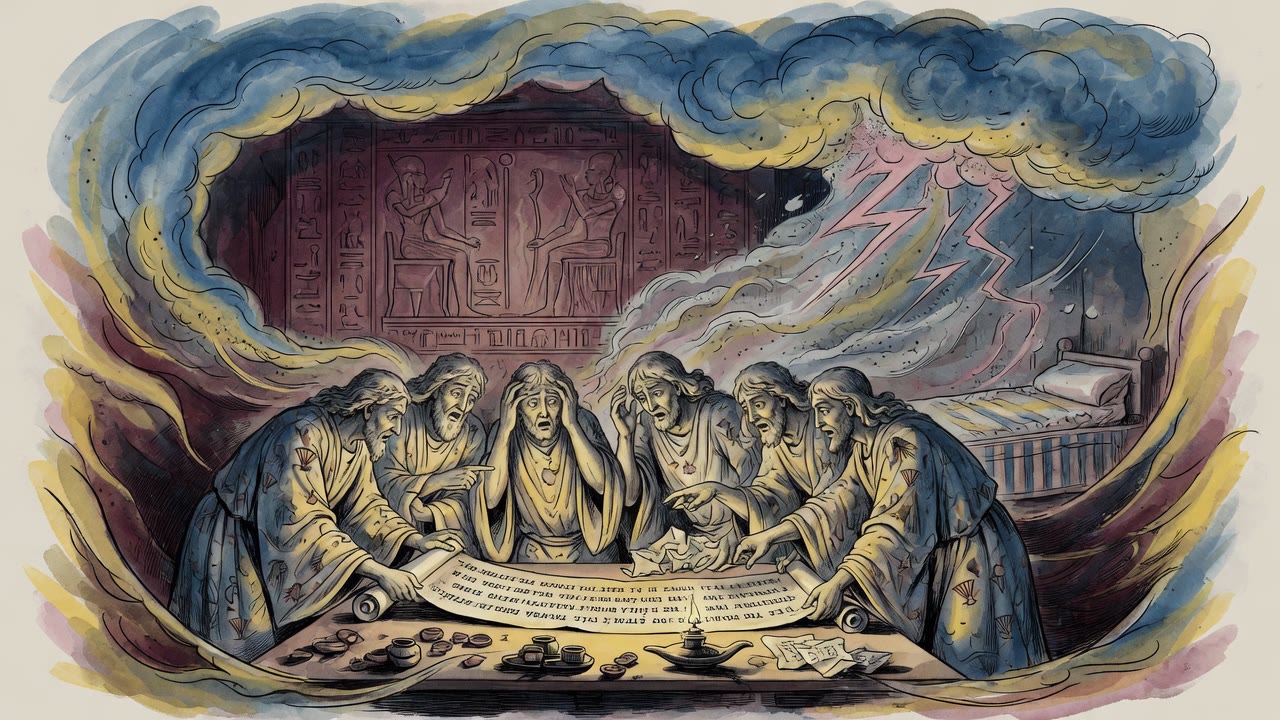
With Jacob buried, his sons feared Joseph's mercy died with him, so they forged a dying father's plea for their lives.
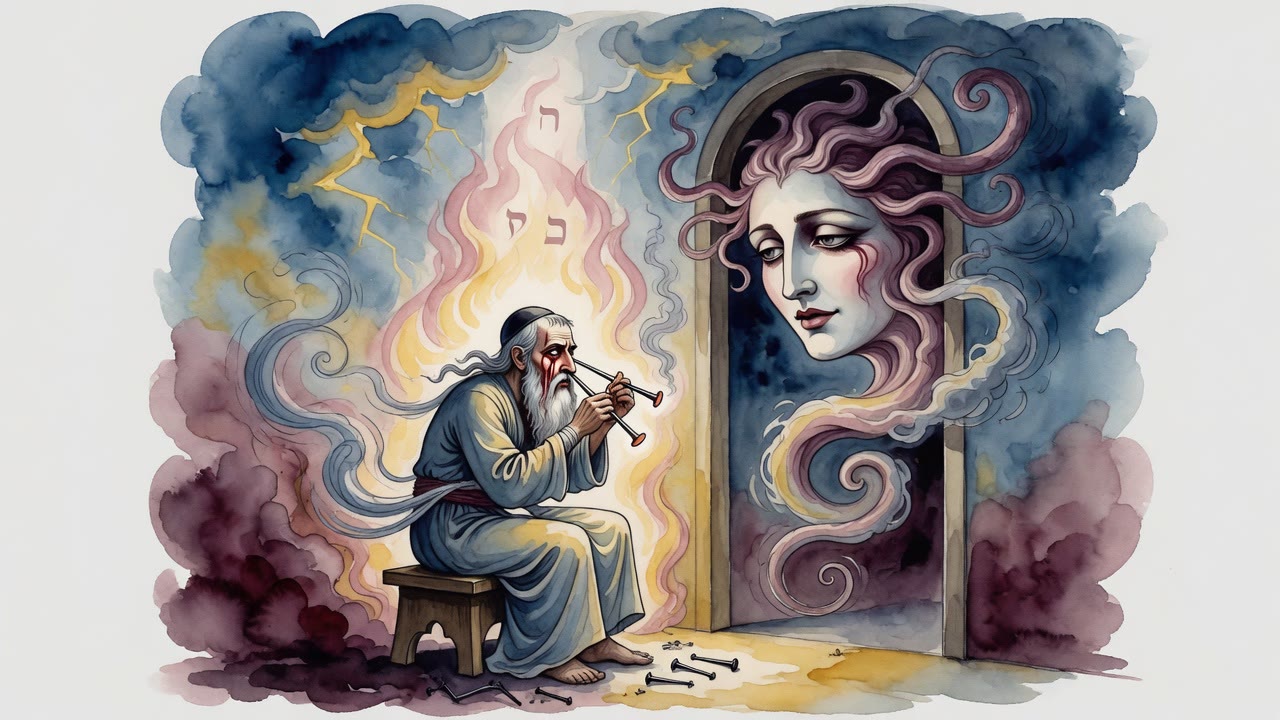
Satan built a face no man could resist and set it in the rabbi's doorway, so Matya took white-hot nails and burned out his own eyes.
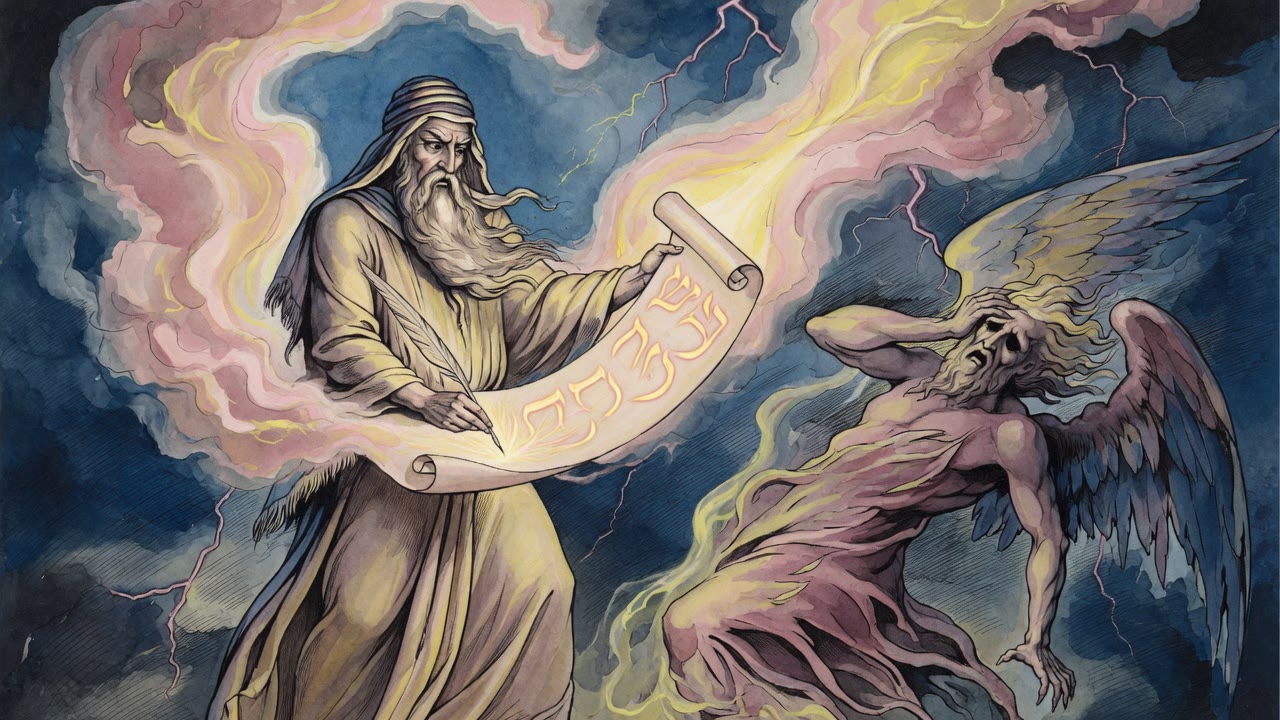
Joshua cast lots to divide Canaan among the twelve tribes. The rabbis said the lots already knew the answer. Jacob had written it four centuries earlier.
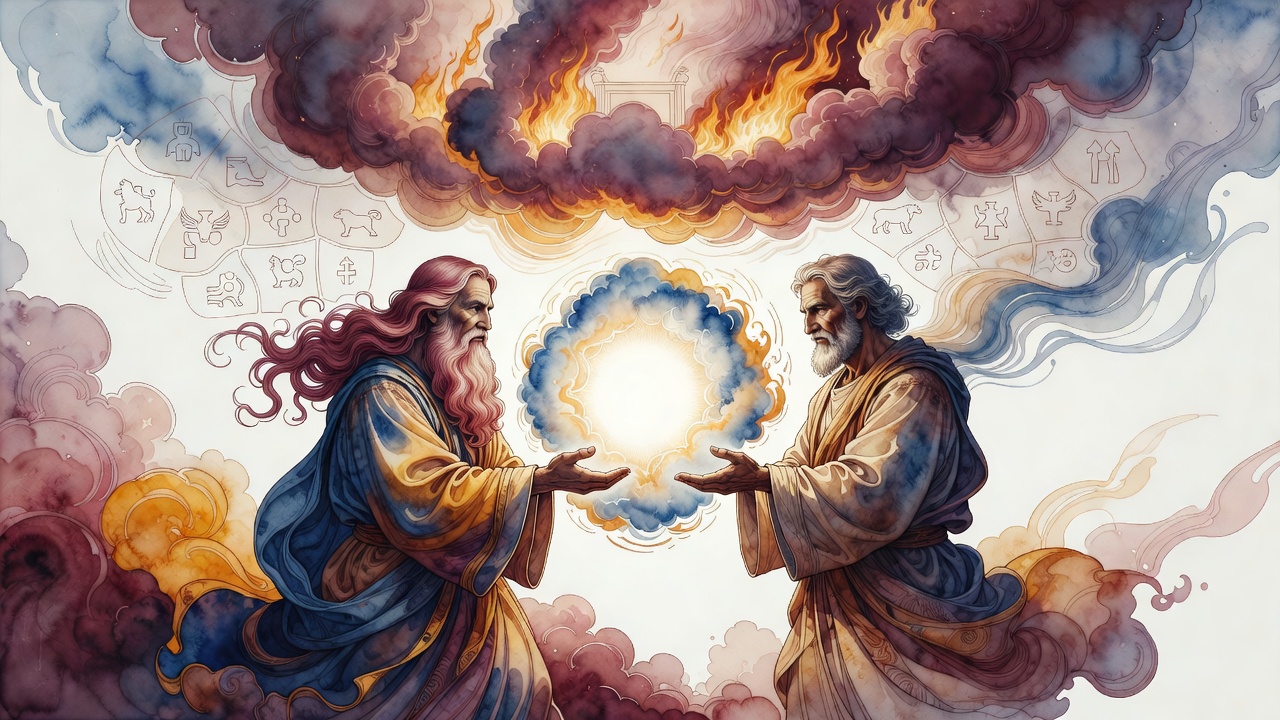
Judah got the lion's strength, Dan the serpent's bite. Judah's soil grows barley and Benjamin's grows wheat, and each tribe eats from the other's field.
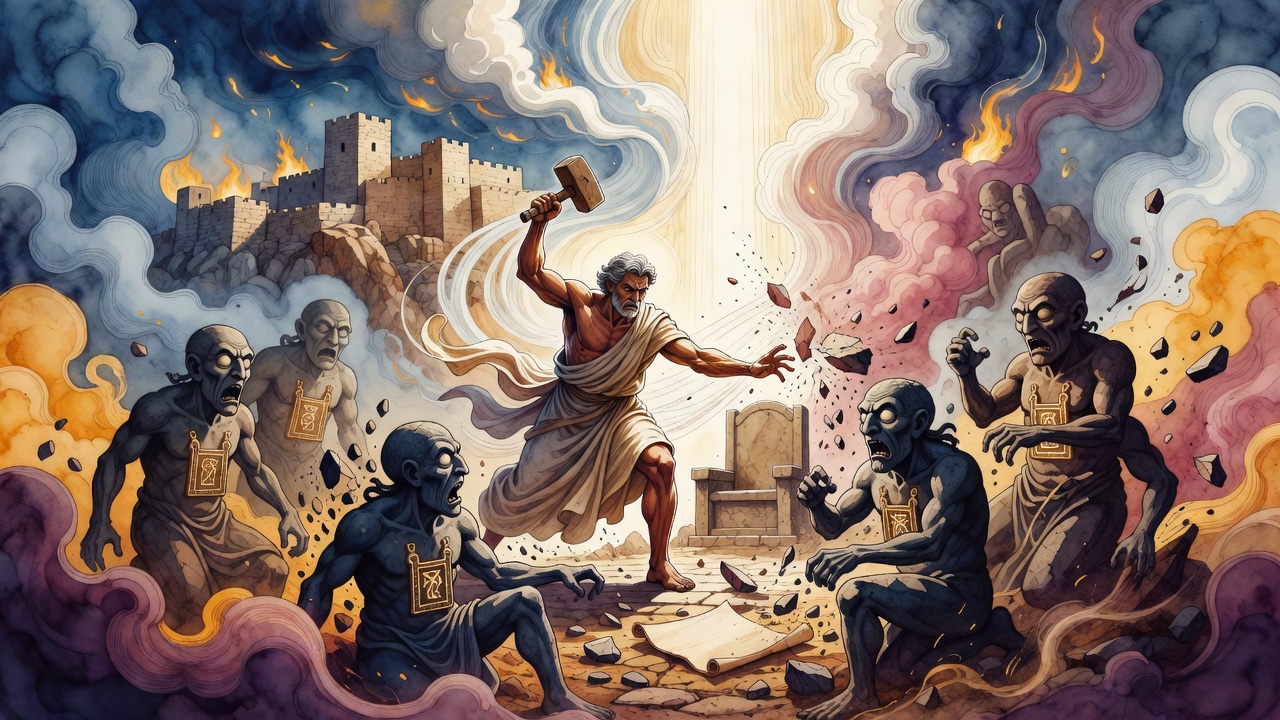
Jebusite idols wear Abraham's covenant mark as a lock on Jerusalem until David smashes the blind and lame gods and takes the stronghold.
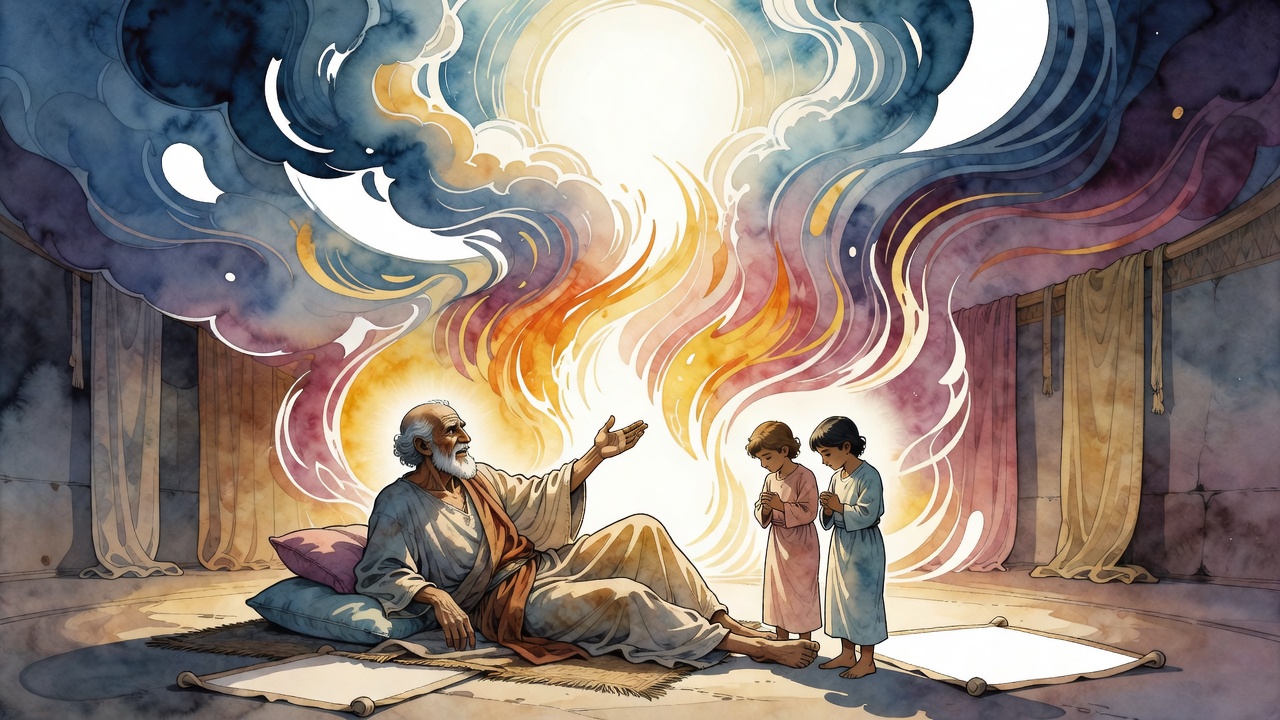
Asenath nursed the dying man and told Joseph to bring his sons for a blessing. Jacob's answer was that in seventeen years the boys had never come.
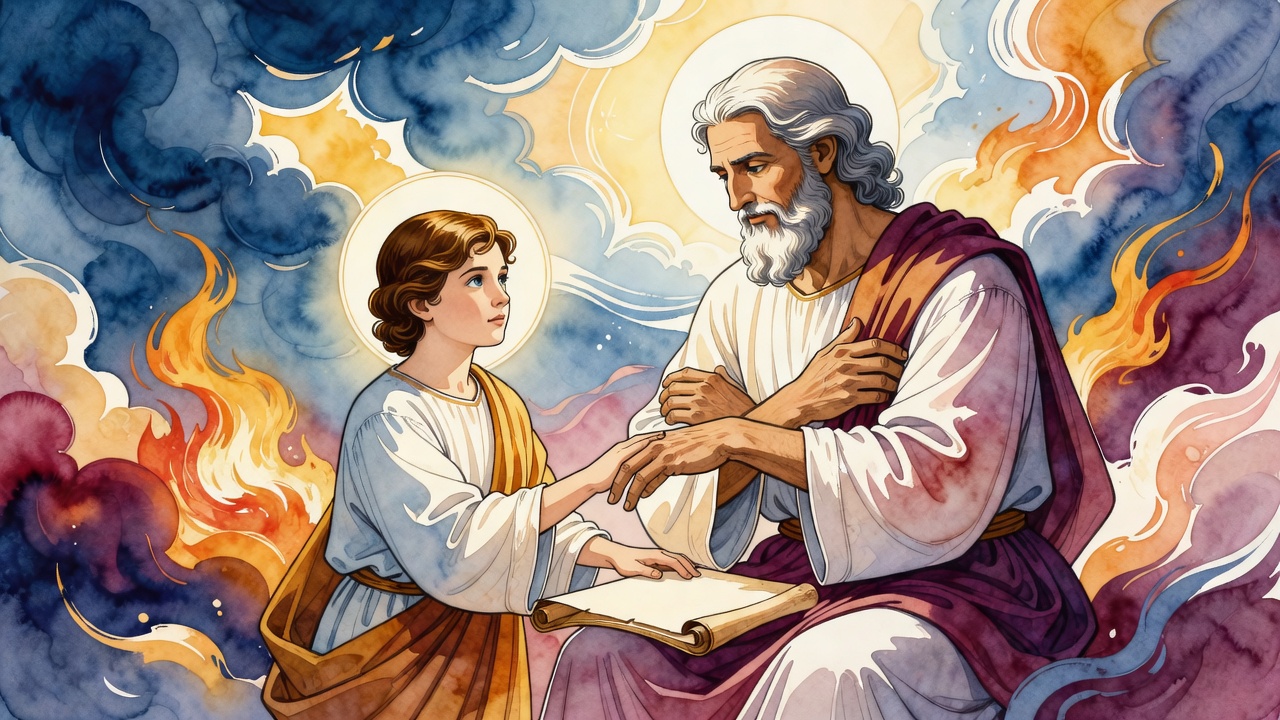
For seventeen years Joseph kept runners on the road so that he would never be alone in a room with his father. His father knew the whole time.
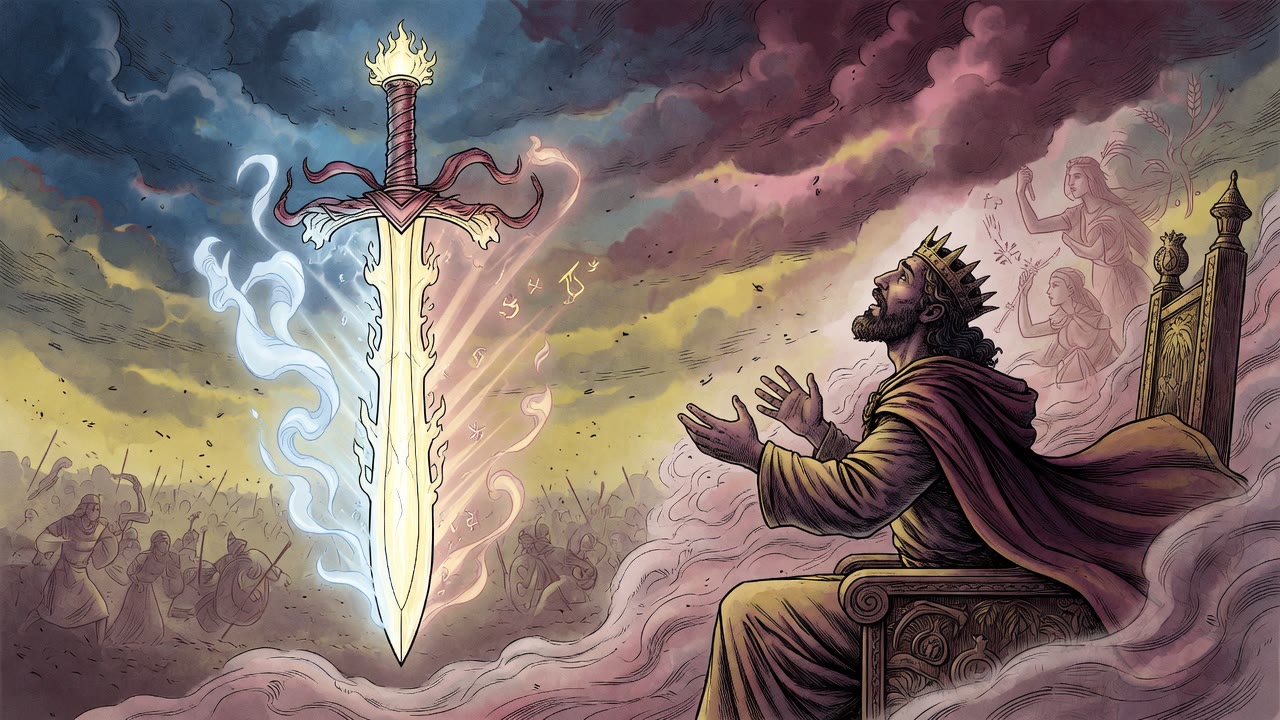
The fat king of Moab stood when Ehud spoke God's name. The two-mouthed blade was already waiting on his right thigh.
Haman had cast his lots and raised a gallows. Esther walked into a throne room without being summoned and pointed at the man beside the king.
